
Research article · 2026 · Full text
International Journal of Agriculture and NutritionPotential prospects of Miliusa tomentosa an underexploited wild edible fruit
Volume 8(3) · Pages 79–84 · DOI: 10.33545/26646064.2026.v8.i3b.360 ↗
Research areasEthnobotanical and Medicinal Plants StudiesMedicinal Plant ResearchFood and Agricultural Sciences
Abstract
Author-writtenThe search for indigenous diets and utilization of wild edible fruits has increased considerably in the recent years. The inadequate dietary diversity of the global food system had led to nutritional inadequacy in terms of malnutrition and hidden hunger to a broad concern. The need of wild edible fruit resources coupled with indigenous knowledge, mode of consumption and their nutritional assessment may serve as an alternate to attain food and nutritional security. The current study reports for the first time the ethnobotanical values, nutritional properties and profiling of bioactive compounds of Miliusa tomentosa fruits. The nutritional analysis of M. tomentosa fruits revealed the presence of appreciable amount of carbohydrates, proteins, fats, calorific value with other nutrients and vitamins which accentuates and makes them indispensable potential in combating over malnutrition. Structural elucidation of bioactive constituents of the ethanolic fruit extract was carried out by different analytical technique. In GC-MS analysis, about 30 therapeutically significant compounds were detected. From FTIR spectral analysis, it was found that the extract possesses wide range of functional groups such as alcohols, phenols, aliphatic and aromatic compounds. The findings of the study evinced that M. tomentosa fruits encompasses potential nutritional value with bioactive compounds which can be further analyzed for their candidature in terms of therapeutic efficacy and it can play a decisive role in nutritional security.
Summary
Source-checkedPlain-language reading of the full paper, prepared with AI and checked against the text. Each point links to the authors' own words.
Why it matters
- Global food systems suffer from inadequate dietary diversity, which has led to widespread malnutrition and hidden hunger. View evidence ↗
- Utilizing wild edible fruits and indigenous knowledge can provide an alternative pathway to achieving global food and nutritional security. View evidence ↗
- Miliusa tomentosa is a wild edible fruit traditionally used by various Indian tribes to treat weakness in children and post-delivery swellings. View evidence ↗
What they did
- Fresh M. tomentosa fruits were collected from Veerapanoor village in Coimbatore, Tamil Nadu, India. View evidence ↗
- Fruits were washed, chopped, shade-dried, and powdered for subsequent analysis. View evidence ↗
- Nutritional composition was analyzed following AOAC (2000) standard methods, and minerals were measured using the ICP-OES method. View evidence ↗
- Bioactive compounds were analyzed using an ethanolic fruit extract via GC-MS and FTIR spectrophotometry (recorded from 400-4000 cm-1). View evidence ↗
What they found
- M. tomentosa fruits contain 77.79% carbohydrates, 12.58% protein, and have a calorific value of 380.92 Kcal/100 g. View evidence ↗
- The magnesium content of M. tomentosa (890.87 ppm) is significantly higher than that of apple, gooseberry, and pomegranate. View evidence ↗
- M. tomentosa contains 37.35 ppm of iron, which is higher than the concentrations found in apple, banana, guava, and orange. View evidence ↗
- GC-MS analysis of the ethanolic extract identified 30 different bioactive compounds. View evidence ↗
- FTIR analysis confirmed the presence of various functional groups, including phenols, alcohols, amines, and aliphatic and aromatic compounds. View evidence ↗
What it means
- The study provides scientific validation for the traditional use of M. tomentosa fruits in treating weakness in children. View evidence ↗
- The authors suggest that M. tomentosa could serve as a source of income for local inhabitants and as germplasm for developing new fruit varieties. View evidence ↗
- Further research is needed to isolate the bioactive compounds and verify their safety and efficacy through in vivo studies and clinical trials. View evidence ↗
Visual summary
1 visualsIllustrations explain the paper; they do not show study data.
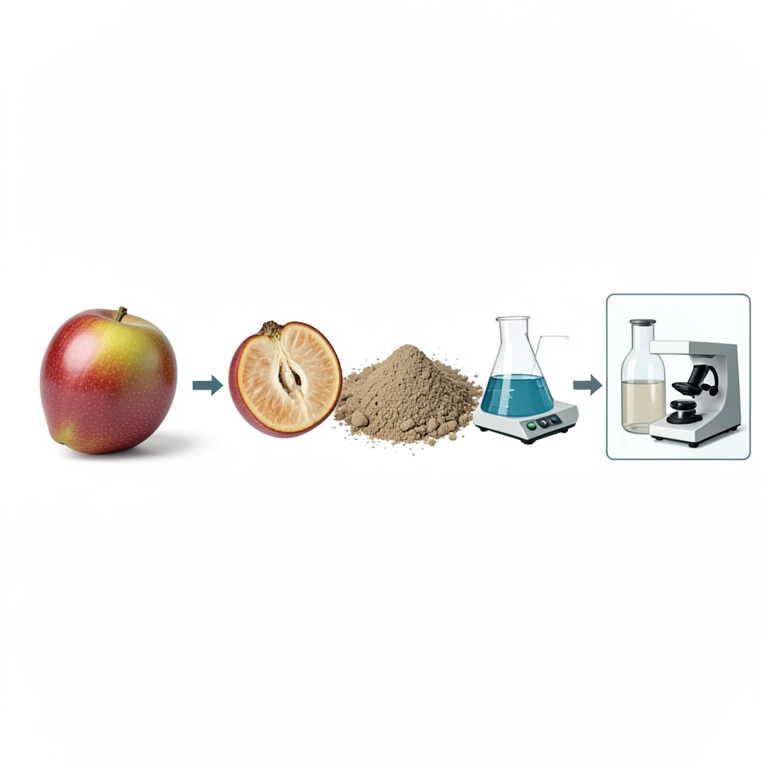
Analytical Workflow
AI-generated conceptual illustration (Miliusa tomentosa fruit). It explains the idea and does not show study data.
View source evidence ↗Figures & tables
From the original paper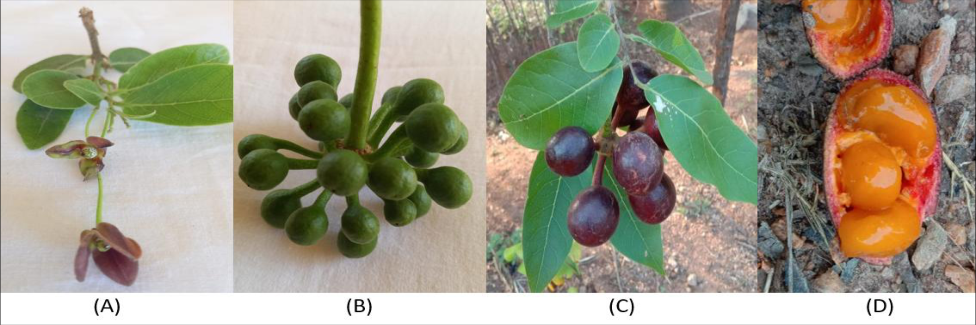 Figure 1
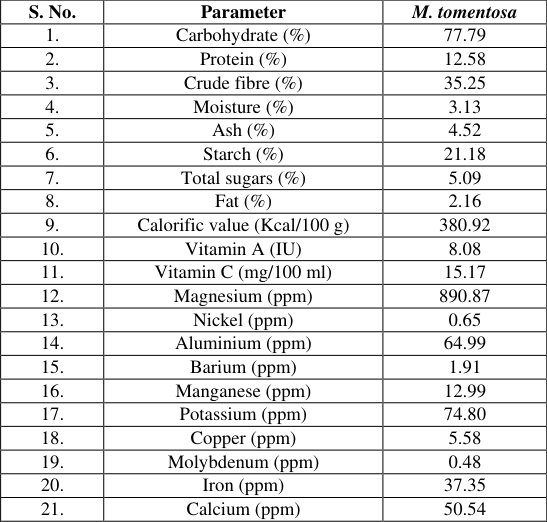 Table 1
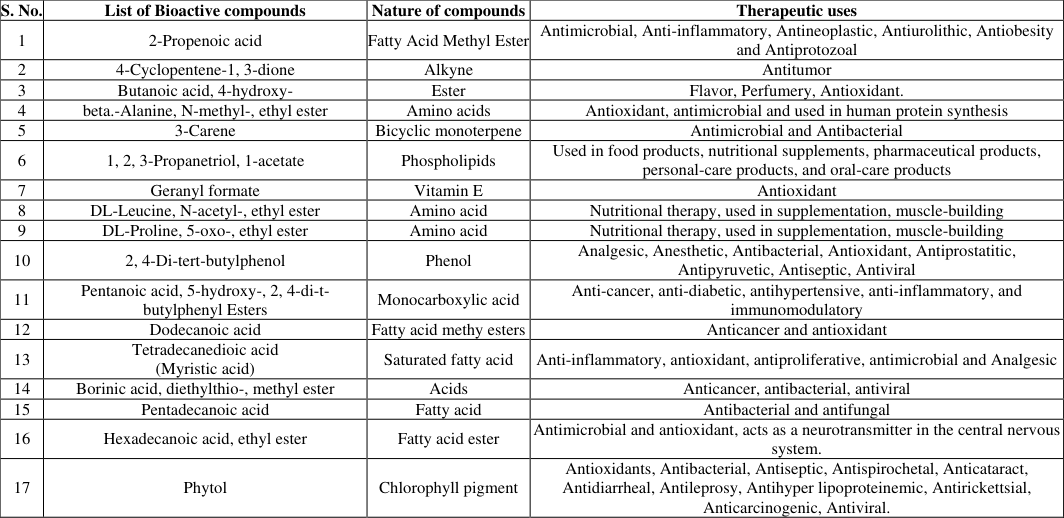 Table 2
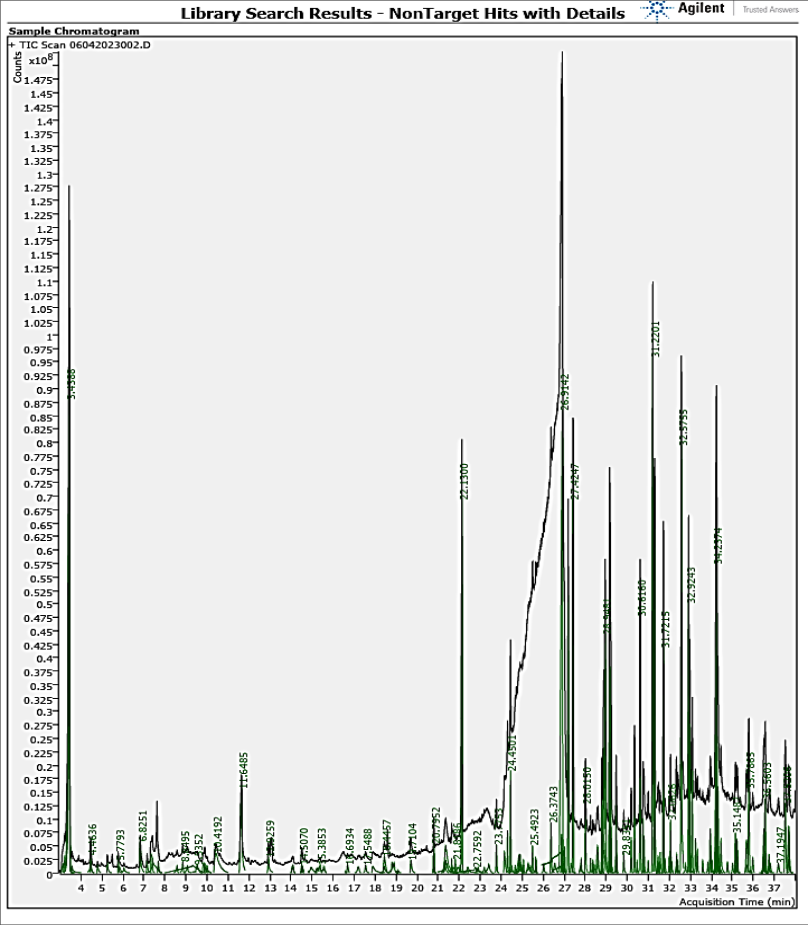 Figure 2
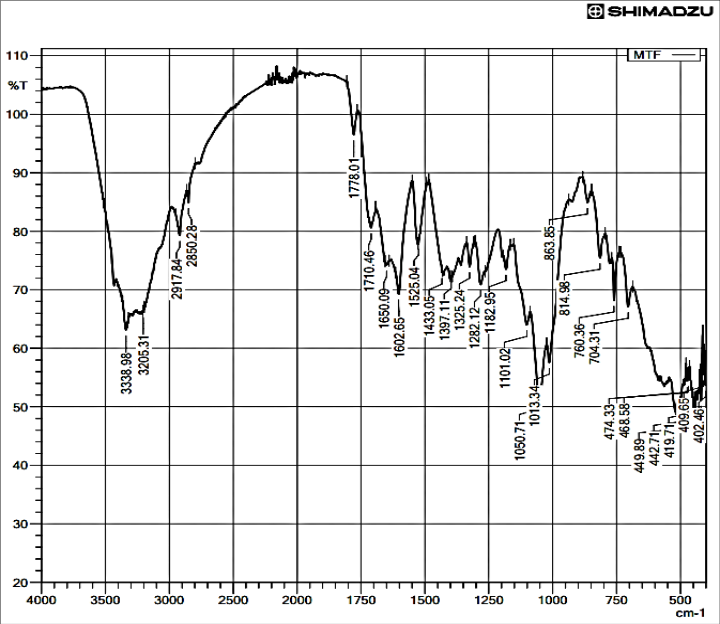 Figure 3
Introduction
The post pandemic and consecutive wars have led world countries to get side tracked in accomplishing the SDGs (Sustainable Developmental Goals) of FAO, which is intended to achieve zero hunger by 2030. It is also predicted that over the course of this decade, nearly 582 million will persistently lack nutrients which will lead to undernourishment [1] . Moreover, India ranks 105 th out of 127 countries in the 2024 Global Hunger Index with the score of 27.3 indicates that the country's degree of hunger is severe [2] . The globe abounds with an inordinate number of plant species. Plants are the natural resources of myriad pool of bioactive phytochemicals benefiting the human society in terms of health and nutrition but still food security and poorer nutrition are one of the key concerns in most of the countries, where modernization and settled agriculture practices focuses in increasing only the production of very few domesticated crops. This has led to the downfall of various indigenous diets obtained from the wild edible plants [3] . The value of foraging for ethnic wild edible fruits is predated since the period of antiquity. Wild edible fruits are the valuable alternate health food, serving as a vital component of the global food basket. The sustainable utilization of these natural sources has prompted immense interest and demand all over the world. Insufficient knowledge about the potential of underutilized fruits and a dearth of study remains the major concern, even though the fruits offer secure sustenance. Hence, intensifying the usage of such underutilized wild fruits would not only support the global dietary supplements but would also uplift the socioeconomic subsistence of the inhabitants [4] . The Annonaceae family is one of the oldest angiosperms which had its origin from the period of late Cretaceous [5] . It is one of the primitive families of Angiosperms belonging to Magnoliopsida class, Magnoliidae subclass, Magnoliales order [6] . According to Global Biodiversity Information Facility (GBIF) database lists the Annonaceae family consists of 162 genera and 3049 species, whereas with reference to World Checklist of Vascular Plants (WCVP), it consists of 111 genera with 2444 accepted species [7] . Despite consisting of large number of genera, the predominantly representing genera includes Annona, Goniothalamus, Guatteria, Polyalthia, Uravia, Xylopia constitutes about 42.3% of the entire family.
Miliusa is one of the underexplored genera of the family Annonaceae consisting of about 60 species that are prominently native to India, Bhutan, Australia and New Guinea and predominantly found only in Asian countries. India and Thailand are regarded as Centre of distribution as they harbour most of the Miliusa species and many new species have been reported in the former years. Miliusa tomentosa is a large deciduous tree, indigenous to India. It has been reported as folk medicine and used by different ethnic tribal communities of Grassia, Gond, Bhil, Koya, Katunaika, Puliyars and Muthuvars all over India. Generally, M. tomentosa fruits are edible and given to cure weakness in children [8][9][10][11] and the unripe matured fruits are dried, burnt and the smoke is passed all over the body to cure post-delivery swellings [12] .
To the best of our knowledge, this finding would be the first report on the phytochemical constituents of the fruits of M. tomentosa, which would exhibit pharmacological significance, as there is no previous literature available yet on nutritional profile, GCMS and FTIR analysis. Therefore, the present study was focused to appraise the nutritional capacity along with identification of bioactive compounds in the fruits of M. tomentosa by GCMS and FTIR analysis.
Materials and Methods Collection and identification of plant material
The fresh fruit materials of M. tomentosa were collected from Veerapanoor village, Coimbatore, Tamil Nadu, India. The taxonomic identity of the plant was confirmed by the Botanical Survey of India, Southern Circle, Coimbatore, Tamil Nadu, India (ID. NO. BSI/SRC/5/23/2021/Tech). The fruits were washed under running tap water to remove the surface pollutants and they were chopped into smaller pieces and air dried under shade. The dried samples were powdered and used for further studies.
Botanical description and distribution
M. tomentosa is a large deciduous tree, which grows up to 20 m long with dark greyish brown bark with longitudinally grooved. The leaves are simple, alternate, petiolate, oblongovate, acute at apex, with entire margin, tomentose when young. The flowers are bisexual, brownish-green, solitary or few together, pedicellate 4-7 cm long, sepals 3, petals 6 (3+3), stamens many, carpels many, stalked, capitate stigma with 4-6 ovules. The fruits are aggregate berries, sub globose green woody when young and glossy maroon when ripe, fruitlets 2.5 cm across with 3-4 seeds. M. tomentosa is indigenous to India. It is globally distributed in India, Nepal and Sri Lanka. In India, it is distributed in states of Tamil Nadu, Karnataka, Maharashtra, Andrapradesh, Chattisgarh, Orissa, Bihar, Rajasthan, Uttarpradesh, Gujarat, etc., Western and Eastern Ghats [13] .
Nutritional analysis
The nutritional composition analysis of M. tomentosa was conducted according to the standard methods of A.OA.C. (2000) [14] and the mineral profile was analysed by ICP-OES method.
GC-MS analysis
One μL of the ethanol fruit extract of M. tomentosa was employed for GC/MS analysis. The AGILENT, was engaged for analysis. Helium was used as the carrier gas at 1 ml/min. The MS was set to scan from 50 to 650 Da. The MS was also having inbuilt pre-filter which reduced the neutral particles. The data system has two inbuilt libraries for searching and matching the spectrum. NIST4 and WILEY9 each contain more than five million references. Only those compounds with spectral fit values equal to or greater than 700 were considered positive identification.
FT-IR analysis
The spectrum analysis was carried out on a SHIMADZU FTIR Spectrophotometer Model IR Spirit Single Reflectance Attenuated Total Reflection (ATR) Accessory.
The internal reflection element QATR-S Single bounce ATR -Diamond Prism Disc. FTIR-spectra was recorded with 4 cm -1 resolution and 45 scans were averaged in order to obtain a good signal-to-noise ratio. The ATR measurement area was a circular spot of approximately 1.5 mm diameter. The spectrum was recorded in the wave number range of 400-4000 cm -1 .
Results and Discussion
Results and Discussion
Nutritional analysis
Fruits have become increasingly important in human nutrition because of their nutrient composition and potential beneficial health effects. Vital nutrients play a crucial role in molecular and cellular level by maintaining the homeostasis of enzyme regulation and functioning [15] . The nutritional value and health related properties of fruits depend not only on the concentration of nutrients and phytochemicals but also on the daily intake and bioavailability. The Nutritional composition of Miliusa tomentosa is enlisted in Table 1: g of edible portion when compared with the results obtained with our study and they have also reported protein values for the fruit pulp of A. diversifolia 0.89 -1.14 g/100 g which was found to be lower than that of M. tomentosa fruits [16] .
| S. No. | Parameter | M. tomentosa |
|---|---|---|
| 1. | Carbohydrate (%) | 77.79 |
| 2. | Protein (%) | 12.58 |
| 3. | Crude fibre (%) | 35.25 |
| 4. | Moisture (%) | 3.13 |
| 5. | Ash (%) | 4.52 |
| 6. | Starch (%) | 21.18 |
| 7. | Total sugars (%) | 5.09 |
| 8. | Fat (%) | 2.16 |
| 9. | Calorific value (Kcal/100 g) | 380.92 |
| 10. | Vitamin A (IU) | 8.08 |
| 11. | Vitamin C (mg/100 ml) | 15.17 |
| 12. | Magnesium (ppm) | 890.87 |
| 13. | Nickel (ppm) | 0.65 |
| 14. | Aluminium (ppm) | 64.99 |
| 15. | Barium (ppm) | 1.91 |
| 16. | Manganese (ppm) | 12.99 |
| 17. | Potassium (ppm) | 74.80 |
| 18. | Copper (ppm) | 5.58 |
| 19. | Molybdenum (ppm) | 0.48 |
| 20. | Iron (ppm) | 37.35 |
| 21. | Calcium (ppm) | 50.54 |
Table text extracted from the original PDF; superscript letters are shown inline. The original table image is below.
View original table image
In 2008, Qasi and his co-workers in Rajasthan studied the nutrient dynamics of various parts (Except fruits) of composite plant sample M. tomentosa tree along with the nutrient level of strata and the litter samples around the tree. They reported that the highest amount of nutrient was recorded in the leaves and they also correlated the results stating that the concentration of nutrient in the plant is inversely proportional to nutrient concentration in soil [17] .
The nutritional profile of the sample Miliusa tomentosa was compared with the Compendium of Nutritional data of common Indian foods (2023) published by Homeopathy Research Institute for Disabilities Chennai, under Central Council for Research in Homeopathy and Ministry of Ayush, astoundingly some of the nutritional values was found to be higher and moreover similar with the commercially available fruits (per 100 g of edible portion). Namely, the magnesium content of M. tomentosa was found to be higher than apple (8.09 mg), gooseberry (6.5 mg), pomegranate (11.07 mg). Compared to apple (0.26 mg), banana (0.28 mg), guava (0.32 mg), orange (0.81), M. tomentosa had a higher iron concentration. And moreover M. tomentosa exhibited greater total energy content than apple (62.38 kcal), banana (105.16 kcal), gooseberry (23.66 kcal) [18] . Vitamin C is essential for facilitating the transport of long chain fatty acids to mitochondria and produce energy through beta oxidation. Iron as a component of porphyrin ring in heme enzymes, is crucial for cellular energy production. Magnesium plays a vital role in ATP production and its utilization. Each ATP molecule associates with a magnesium ion and these complexes facilitate the transport of mitochondrial ATP, supplying energy to the cells [19] . The presence of appreciable amount of Magnesium, iron and vitamin C envinced scientifically that they play major role in energy yielding mechanism. The higher calorific value of M. tomentosa fruit revealed in this study implies its higher efficacy rate which further validates the folkloric claims for consumption of these fruits in curing weakness in children. Hence, the wild edible fruits of M. tomentosa could be recommended and encouraged as a good choice for enriching the daily diet.
GC-MS analysis
Interpretation of mass spectrum of GC -MS was done using the data base of National Institute Standard and Technology (NIST4) and WILEY9. The spectrum of the known component was compared with the spectrum of the known components stored in the inbuilt library. A total of 30 compounds were identified from the GC-MS analysis of ethanolic fruit extract of M. tomentosa exhibited the presence of various phytoconstituents. The chromatogram is presented in Fig 2 , while the bioactive compounds with their therapeutic uses are presented in Table 2.
| S. No. | List of Bioactive compounds | Nature of compounds | Therapeutic uses |
|---|---|---|---|
| 1 | 2-Propenoic acid | Fatty Acid Methyl Ester | Antimicrobial, Anti-inflammatory, Antineoplastic, Antiurolithic, Antiobesity and Antiprotozoal |
| 2 | 4-Cyclopentene-1, 3-dione | Alkyne | Antitumor |
| 3 | Butanoic acid, 4-hydroxy- | Ester | Flavor, Perfumery, Antioxidant. |
| 4 | beta.-Alanine, N-methyl-, ethyl ester | Amino acids | Antioxidant, antimicrobial and used in human protein synthesis |
| 5 | 3-Carene | Bicyclic monoterpene | Antimicrobial and Antibacterial |
| 6 | 1, 2, 3-Propanetriol, 1-acetate | Phospholipids | Used in food products, nutritional supplements, pharmaceutical products, personal-care products, and oral-care products |
| 7 | Geranyl formate | Vitamin E | Antioxidant |
| 8 | DL-Leucine, N-acetyl-, ethyl ester | Amino acid | Nutritional therapy, used in supplementation, muscle-building |
| 9 | DL-Proline, 5-oxo-, ethyl ester | Amino acid | Nutritional therapy, used in supplementation, muscle-building |
| 10 | 2, 4-Di-tert-butylphenol | Phenol | Analgesic, Anesthetic, Antibacterial, Antioxidant, Antiprostatitic, Antipyruvetic, Antiseptic, Antiviral |
| 11 | Pentanoic acid, 5-hydroxy-, 2, 4-di-t- butylphenyl Esters | Monocarboxylic acid | Anti-cancer, anti-diabetic, antihypertensive, anti-inflammatory, and immunomodulatory |
| 12 | Dodecanoic acid | Fatty acid methy esters | Anticancer and antioxidant |
| 13 | Tetradecanedioic acid (Myristic acid) | Saturated fatty acid | Anti-inflammatory, antioxidant, antiproliferative, antimicrobial and Analgesic |
| 14 | Borinic acid, diethylthio-, methyl ester | Acids | Anticancer, antibacterial, antiviral |
| 15 | Pentadecanoic acid | Fatty acid | Antibacterial and antifungal |
| 16 | Hexadecanoic acid, ethyl ester | Fatty acid ester | Antimicrobial and antioxidant, acts as a neurotransmitter in the central nervous system. |
| 17 | Phytol | Chlorophyll pigment | Antioxidants, Antibacterial, Antiseptic, Antispirochetal, Anticataract, Antidiarrheal, Antileprosy, Antihyper lipoproteinemic, Antirickettsial, Anticarcinogenic, Antiviral. |
Table text extracted from the original PDF; superscript letters are shown inline. The original table image is below.
View original table image
[20] . The current GC-MS Analysis of M. tomentosa and the reported Annona muricata have few similar compounds namely 4H-pyran-4one, 2, 3-dihydro-3, 5-dihydoxy-6-, n-Hexadecenoic acid, Phytol and Hexadecanoic acid, 2-hydroxy-1-(hydromethyl) ethyl ester. The presence of various other bio-active compounds in M. tomentosa are reported to have significant pharmacological properties which could play a vital role in therapeutics.
FT-IR analysis
The FT-IR spectrum was performed to identify the functional groups of the active compounds present in the fruit extract of M. tomentosa, based on the peak values presented in the region of IR radiation is depicted in the Fig
Conclusion
Current status of drug discovery from natural sources revealed that interest in the screening of nutritional compounds, phytoconstituents for anti-oxidant and related activities has been increased. The finding of this study provided scientific validation to substantiate the use of Miliusa tomentosa fruit which has been used traditionally as an edible fruit by various tribes to cure weakness in children and used in treating various health disorders and paves way to open a new avenue of recommending this as a nutritional food source. The primary information of bioactive compounds reported in the fruits of M. tomentosa will facilitate in performing further studies on isolating the bioactive compounds and resolve their efficacy by in vivo studies and demonstrating their safety and efficacy in clinical trials. Furthermore, these edible wild fruits species could be an alternative source of income generation for local inhabitants of the area and may be used as germplasm by horticulturists and fruit farmers to introduce new varieties and to provide healthy and more delicious fruits for consumers.
Acknowledgement
AcknowledgementThis work was supported by University Grants Commission of India, under SJSGC Fellowship [UGCES-22-OB-TAM-F-SJSGC-10062].
Figures and tables from the paper
References
20 in the original paper- Food and Agriculture Organization. The state of food security and nutrition in the world 2024: Financing to end hunger, food insecurity and malnutrition in all its forms. Rome: FAO; 2024.
- Global Hunger Index. Global hunger index 2024. Concern Worldwide, Welthungerhilfe; 2024. https://www.globalhungerindex.org/
- Talucder MSA, Ruba UB, Robi AS. Potentiality of neglected and underutilized spices (NUS) as a future resilient food: A systematic review. Journal of Agriculture and Food Research. 2024;16:1-20.
- Sreekumar VB, Sreejith KA, Hareesh VS, Sanil MA. Genetic Resources and Crop Evolution. 2020;67:16591693.
- Prasad M, Singh H, Singh SK. Early Eocene Annona fossils from Vastan Lignite Mine, Surat district, Gujarat, India: Age, origin and palaeogeographic significance. Current Science. 2014;107:1730-1734.
- Cacaes MM, dos Santos CO, Nascimento LD, de Moraes AAB, de Oliveira MS, Cruz JN, et al. Essential oils from Annonaceae species from Brazil: A systematic review of their phytochemistry and biological activities. International Journal of Molecular Sciences. 2021;22:12140.
- Hernandez FLM, Gonzalez EM, Magana MLG, Esparza LMA, Gonzalez YN, Villagran Z, et al. Current situation and perspectives of fruit Annonaceae in Mexico: Biological and agronomic importance and bioactive properties. Plants. 2022;11:7.
- Meena KL, Yadav BL. Studies on ethnomedicinal plants conserved by Garasia tribes of Sirohi district, Rajasthan, India. 2011;1:500-506.
- Dashahre AK, Navaneethan B, Bhutt P, Mahato S. Journal of Medicinal Plant Studies. 2014;2:127-136.
- Chaudhary LB, Kumar A, Mishra AK, Sahu N, Pandey J, Behera SK, et al. Tree resources of Katerniaghat wildlife sanctuary, Uttar Pradesh, India with special emphasis on conservation status, phenology and economic values. International Journal of Environment. 2014;3:122-133.
- Saravanan R, Kannan D, Panda SP, Dattan S. Traditionally used wild edible plants of Kuldiha wildlife sanctuary (KWLS), Odisha, India. Journal of Pharmacognosy and Phytochemistry. 2020;6:482-488.
- Patil MV, Patil DA. Some herbal remedies used by tribals of Nasik district, Maharashtra. Natural Product Radiance. 2007;6:152-157.
- Sukhadiya M, Dholariya CA, Behera LK, Nayak D, Mehta AA, Sondarva RL. Miliusa tomentosa: A lesser known tree species. Van Sangyan. 2019;6:23-24.
- Association of Official Analytical Chemists. Official methods of analysis. 17th ed. Gaithersburg (MD): AOAC International; 2000.
- Dubey P, Thakur V, Chattopadhyay M. Role of minerals and trace elements in diabetes and insulin resistance. Nutrients. 2020;12:1-17.
- Qasi G, Kumar JIN, Rohit KB. Nutrient dynamics of Miliusa tomentosa in a dry tropical teak forest of Rajasthan. Asian Journal of Environmental Science. 2012;7:73-77.
- Julián-Loaeza A, Santos-Sánchez F, Valadez-Blanco R, Sánchez-Guzmán S, Salas-Coronado R. Chemical composition, color, and antioxidant activity of three varieties of Annona diversifolia Safford fruits. Industrial Crops and Products. 2011;34:1262-1268.
- Central Council for Research in Homeopathy. Compendium of nutritional data of common Indian foods. Chennai: Homeopathy Research Institute for Disabilities; 2023. p. 1-96. https://niepmd.nic.in
- Tardy AL, Pouteau E, Marquez D, Yilmaz C, Scholey A. Vitamins and minerals for energy, fatigue and cognition: A narrative review of the biochemical and clinical evidence. Nutrients. 2020;12:1-35.
- Ezerioha CC, Ibegbulem CO, Onuoha CH, Akudinobi FI, Dike CS, Morah AC. Bioactive phytochemicals in Annona muricata fruit juice ethanol extract. GSC Biological and Pharmaceutical Sciences. 2024;2:17-23.