
Research article · 2026 · Full text
International Journal of Geography Geology and EnvironmentEvaluation of Marondera urban area borehole water for human consumption in Zimbabwe
Volume 8(3) · Pages 49–61 · DOI: 10.22271/27067483.2026.v8.i3a.494 ↗
Research areasChild Nutrition and Water AccessGroundwater and Isotope GeochemistryFecal contamination and water quality
Abstract
Author-writtenThe increasing reliance on borehole water due to erratic municipal supply is a major global concern in relation to access to safe drinking water in urban communities across different countries and regions with climate change worsening the challenge. A quantitative and qualitative study was done between August and October 2024 in urban areas of Marondera town of Zimbabwe. The objective of this study was to map using QGIS and evaluate the quality of Marondera Urban borehole water, focusing on its suitability for human consumption. Thirty-one boreholes were mapped with 20% possibly under threat from open contaminants sources. The majority (70%) of the water seekers at boreholes collect more than 100 litres/day/household for domestic use, with 60% being females (over 60 years and children (under 18)). Water samples collected from six threatened boreholes were analysed for chemical, and microbiological parameters. The results for chemical analysis indicated that there was no significant difference in the presumed bad and good borehole water. Microbiological analysis did not detect any form of contamination. In support, the majority (60%) of the population in Marondera viewed borehole water as clean. However, 37% of the population viewed it as of poor quality and not safe to drink. However, most residents (77%) also have little knowledge about borehole drilling by-laws, making the community’s health at risk due to lack of knowledge on proper siting of household boreholes. This study indicated that the community boreholes in Marondera urban are properly sited and the water is clean and safe to drink. Regular monitoring that includes community perceptions in the water management plan is critical for the supply of quality drinking water in Marondera Urban.
Summary
Source-checkedPlain-language reading of the full paper, prepared with AI and checked against the text. Each point links to the authors' own words.
Why it matters
- Erratic municipal water supplies and climate change have increased global reliance on borehole water in urban areas, raising concerns about access to safe drinking water. View evidence ↗
- The use of contaminated water, combined with poor sanitation and hygiene, can lead to the spread of waterborne diseases like typhoid, cholera, and diarrhea. View evidence ↗
- In Marondera, unregulated and haphazard household borehole drilling threatens the long-term quality and viability of the underground water supply. View evidence ↗
The question
- The study aimed to map boreholes using QGIS and evaluate whether the borehole water in urban Marondera is suitable for human consumption. View evidence ↗
What they did
- The researchers conducted a mixed-methods study in urban Marondera, Zimbabwe, from August to October 2024. View evidence ↗
- Water samples for chemical analysis were collected from six boreholes: three from potentially contaminated sites and three from potentially uncontaminated sites. View evidence ↗
- The study used questionnaires to conduct in-depth interviews with households that directly use borehole water to understand usage patterns and perceptions. View evidence ↗
What they found
- Borehole water serves as the primary drinking water source for 83% of the population in urban Marondera. View evidence ↗
- Most households (70%) collecting water from boreholes abstract more than 100 litres per day for domestic purposes. View evidence ↗
- Chemical analysis showed no significant difference in water quality between boreholes perceived as 'good' and those perceived as 'bad'. View evidence ↗
- No microbiological contamination was detected in the sampled borehole water. View evidence ↗
- While 60% of the population viewed the borehole water as clean and safe, 37% perceived it as poor quality and unsafe. View evidence ↗
- A large majority of the population (77%) lacked awareness of the policies and guidelines governing borehole drilling. View evidence ↗
- Most endangered boreholes were clean, although one specific borehole (Borehole X) exhibited high levels of iron. View evidence ↗
What it means
- The authors conclude that community boreholes in urban Marondera are properly sited and provide water that is safe for human consumption. View evidence ↗
- The authors recommend regular monitoring and the integration of community perceptions into water management plans to ensure continued water quality. View evidence ↗
- A limitation of the study is that many private residential boreholes in the community were not assessed for water quality. View evidence ↗
Visual summary
1 visualsIllustrations explain the paper; they do not show study data.
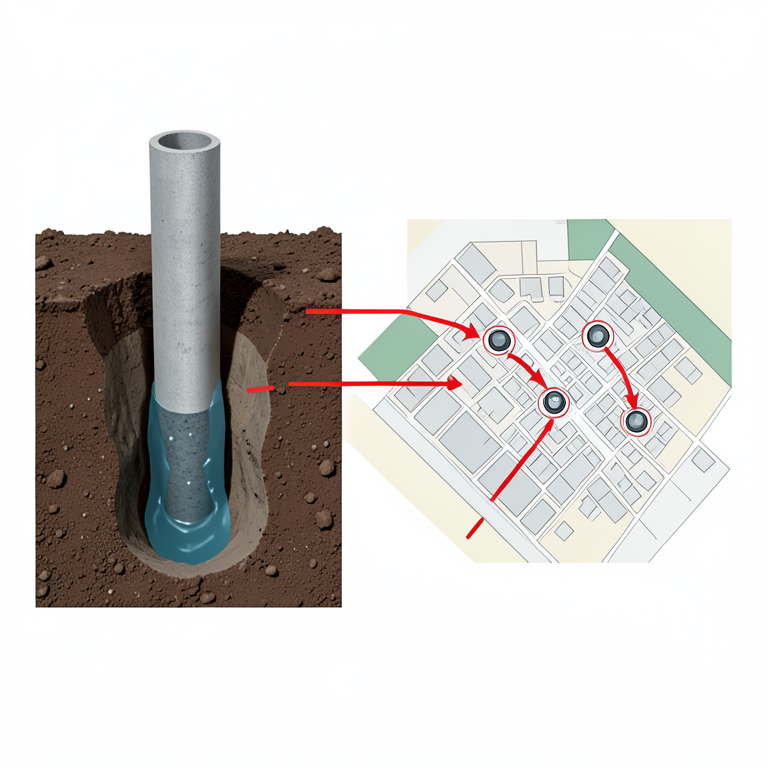
Borehole Mapping Concept
AI-generated conceptual illustration (Urban borehole water systems in Marondera, Zimbabwe). It explains the idea and does not show study data.
View source evidence ↗Figures & tables
From the original paper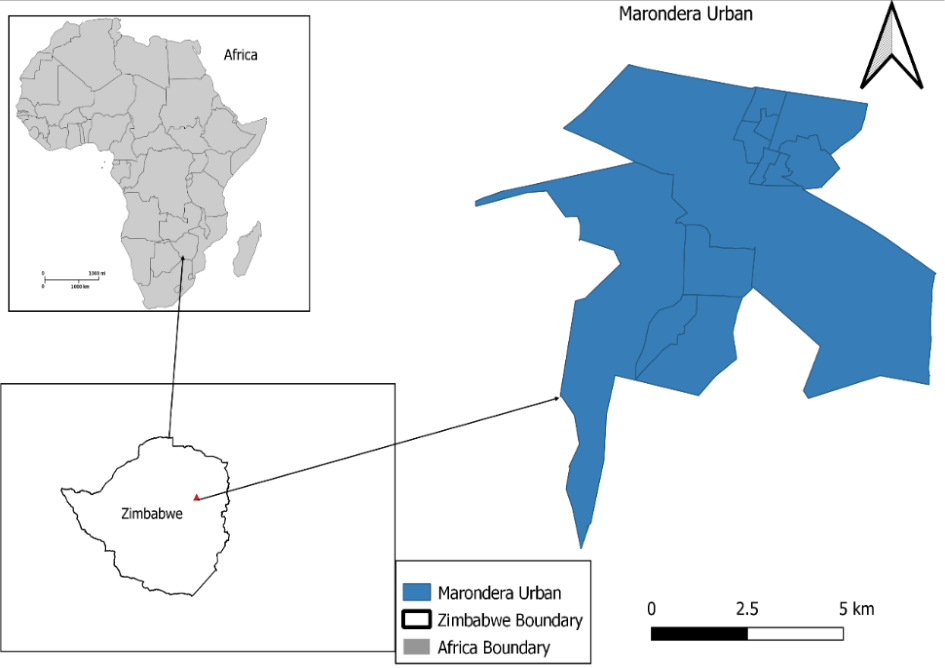 Figure 1
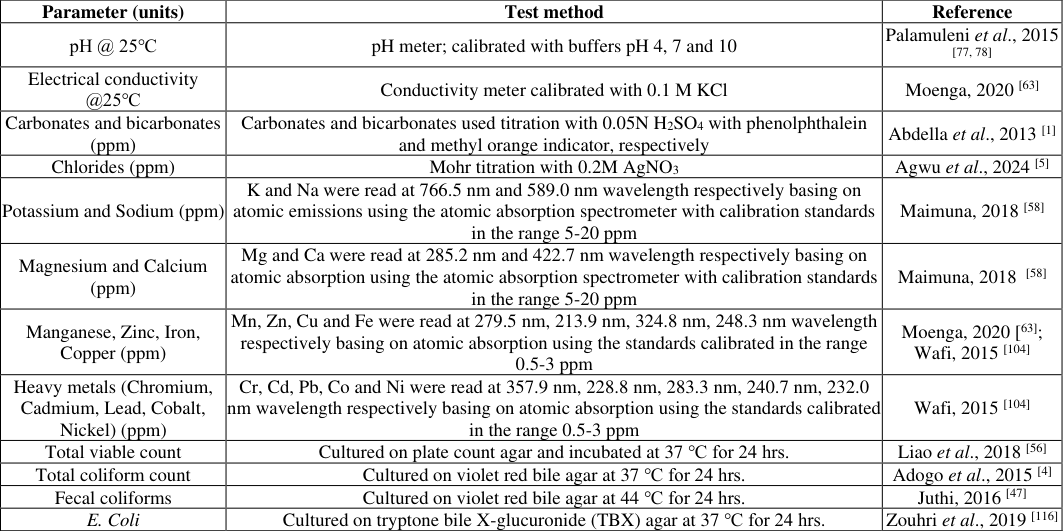 Table 1
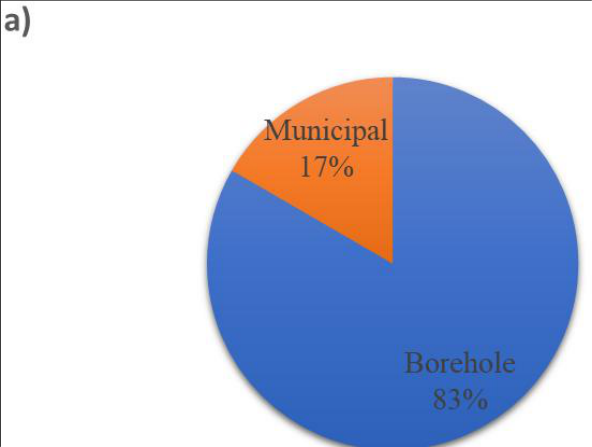 Figure 2
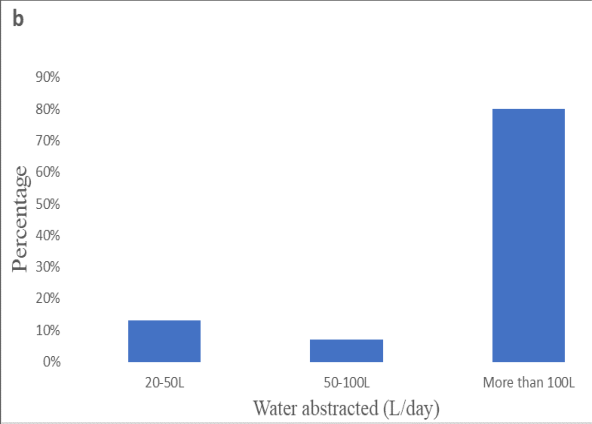 Figure 3
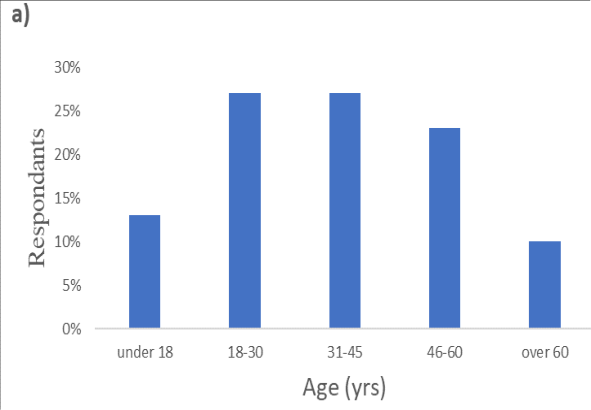 Figure 3
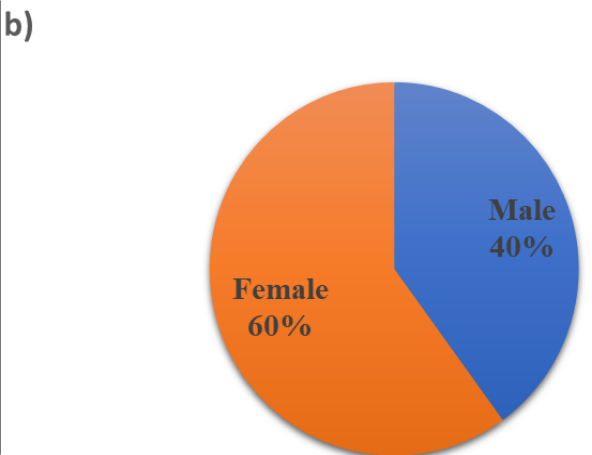 Figure 4
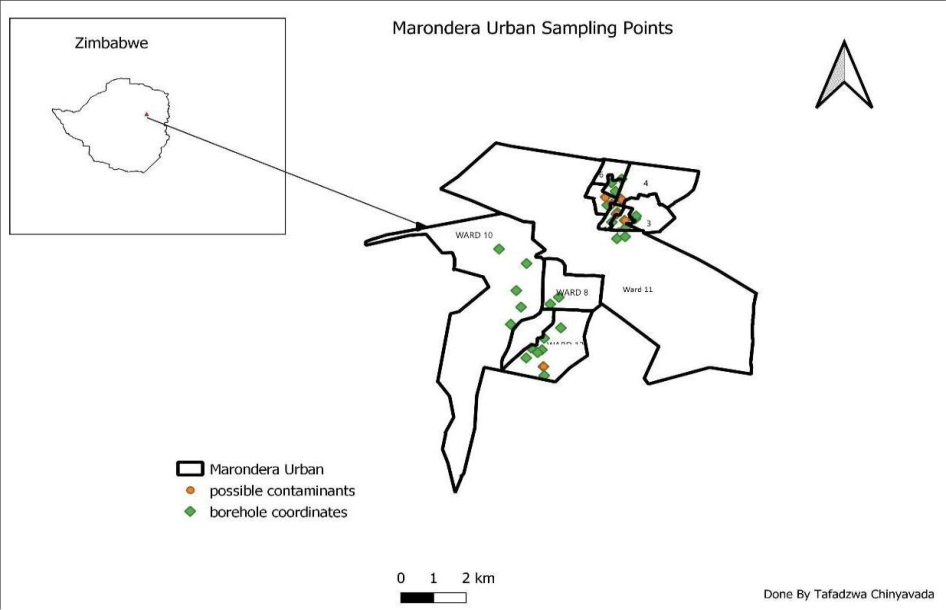 Figure 5
 Table 1
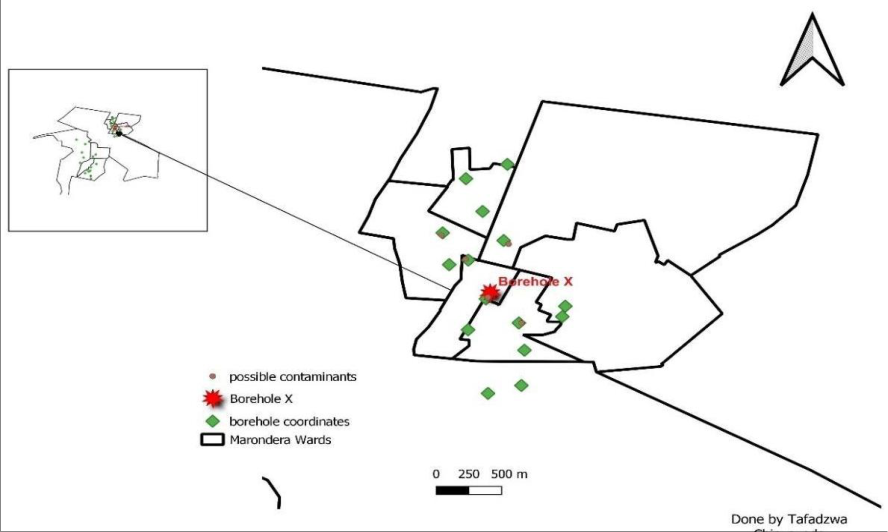 Figure 6
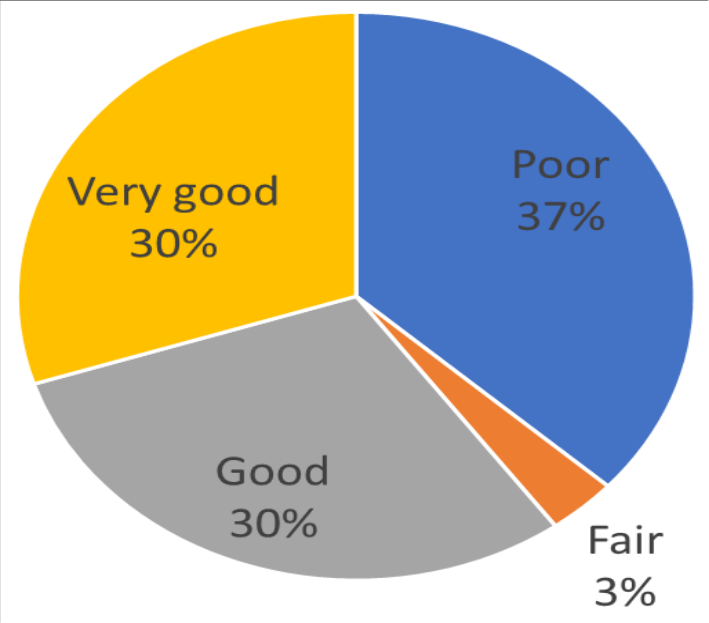 Figure 7
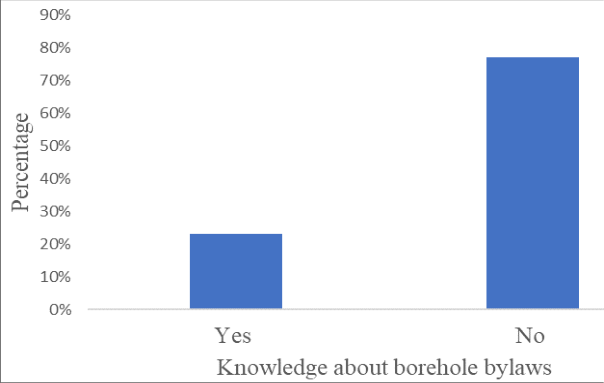 Figure 8
Introduction
Water quality and access to safe drinking water is a global concern that affects communities across different countries and regions (WHO, 2015) [108] . While some countries have wellestablished water supply systems, many African countries still face challenges in providing clean and safe drinking water, particularly in high-density areas. As of 2019, an estimated 785 million people globally lacked access to basic drinking water (WHO, 2019) [110] and in the wake of climate change disrupting rainfall (Gosling, 2016) [38] and disruption of wetland recharge functions more people are likely to be affected. This water scarcity has driven desperate residents to sink boreholes and wells (Hofstra, 2016) [44] . In 2020, of the 79% of the African population that had access to basic drinking water service, only 29% had access to safely managed drinking water (UNICEF and WHO, 2022) [114] . This water scarcity in urban areas is mainly driven by population growth, rural to urban migration and urbanization (Dos Santos et al., 2017) [30] . Before major urbanization and rural-urban migration induced population increase, water supply and water treatment plants were adequate for the initial urban planned population. However, the population explosion subsequently overwhelmed reticulation service provision and maintenance. Most of the reticulation pipes were made of cast iron and plastic that, with time, were rusting and weakening, respectively, leading to bursting. Such a burst would contaminate piped water and underground aquifers (Emmanuel, 2022) [117] . A combination of contaminated unsafe water, inadequate sanitation, and poor hygiene practices contributes to the spread of waterborne diseases, such as diarrhea, cholera, and typhoid (Thomas et al., 2020) [99] . According to the Zimbabwe National Statistics Agency's Multiple Indicator Cluster Survey (2019), approximately 77% of households in Zimbabwe had access to water sources like piped water, boreholes, protected wells, and protected springs. However, in terms of water it must be beyond access. There is a need to consider the quality of accessed water for human consumption. As such, the UN (2015) [102] indicated that access to clean and safe drinking water is of paramount importance for human health. These contaminated water sources harbor various pathogens like bacteria, viruses, and parasites posing a significant health risk. According to Mukucha (2019) [68] and Akpan (2016) [118] , clean and safe drinking water is essential for the prevention of waterborne diseases such as Diarrhoea, Cholera, Typhoid fever, and Hepatitis A. Furthermore, the risk is even higher for infants, young children (with a developing immune system) and those people with immunocompromised defense systems (Ferguson et al., 2017) [34] . Contaminated ground water sources can also lead to malnutrition and growth stunting, which can have longlasting effects on child development (Ashbolt, 2015) [11] . All these problems necessitate a thorough investigation on the suitability of borehole water for human consumption. The water crisis in Marondera is exacerbated by the increasing strain on the existing water infrastructure. As the population has grown and urbanization has accelerated (with several new phases of residential development such as Rusike Phase 2 and Rusike Phase 3), the demand for water has outpaced the capacity of the municipal water supply system. This has led to frequent water shortages and unreliable access to piped water, especially in the town's old residential low-income suburbs. In response to the water scarcity, many households, businesses, non-governmental organisations and the Municipality of Marondera have turned to drilling boreholes for the community. However, the household borehole drilling is haphazard, unregulated and unsustainable, raising concerns about the long-term viability and quality of the underground water supply (Mukute et al., 2020) [68] . If contaminated, the consumption of borehole water can lead to the intake of heavy metals or spread of waterborne diseases such as cholera, diarrhea and typhoid which can have significant public health implications (UN, 2010; 2015) [101,102] . There is a lack of comprehensive information and research regarding the quality and safety of borehole water in high-density suburbs in Marondera. This study will address these concerns by providing evidence-based data on the suitability of borehole water for human consumption, thereby promoting informed decision-making among residents and the local authority. At the same time, there is a need to check the community's level of awareness on borehole drilling by-laws.
Materials and Methods 1.Study area
The study was conducted in Marondera urban which has a population of 66,204. Marondera is a town in Mashonaland East, Zimbabwe, located about 72 kilometers east of Harare (Figure 1). Marondera Urban gets its water from Rufara Dam and Wenimbi Dam which are 5 and 20.8 km, respectively from Marondera Town. Generally, Marondera lies in Zimbabwe's agro-ecological region IIa which receives about 700-800 mm of rainfall annually. Municipality of Marondera, Environmental Management Agency (EMA) and GOAL, to gather their perspectives, concerns, and priorities regarding the borehole water and groundwater management. The interviews explored how the use and management of groundwater resources are influenced by social, economic, and environmental factors. To complement the qualitative data, quantitative data on water quality was determined following mapping of the borehole and water sampling. QGIS was used in mapping boreholes and possible contaminants sites, collecting the geographic coordinates (latitude and longitude) of the locations. Targeted suburbs were Rejeko, Dombotombo, Paradise Park, Nyameni and Cherutombo. Boreholes were randomly selected for water sampling from Dombotombo and Rujeko high density areas of Marondera town, representing the two oldest residential areas. The water samples were analysed at the Scientific Industrial Research and Development Centre (SIRDC) laboratories in Harare.
Water samples collection for chemical analysis:
From the mapped boreholes (Figure 1), three from potentially contaminated sites and three from possible uncontaminated sites were collected. Clean 1litre bottles made of highdensity polyethylene were used for water collection (Hounslow, 2018) [45] . Before collecting samples, the borehole was purged to remove stagnant water and water was allowed to flow for at least 5-10 minutes, ensuring a representative sample was obtained (Richardson et al., 2018) [87] . The sampling containers were rinsed three times with the borehole water, discarding the rinsate to minimize contamination. The container was filled to about 80% capacity to allow for any expansion and care was taken to avoid touching the inside of the container or the cap during collection.
Once filled, the container was sealed immediately and labeled with waterproof labels with all relevant information, including date, time, and location (Csuros, 2018) [27] . In order to prevent contamination during the sampling process, new pairs of gloves were used for each sample. Collected samples were placed in an iced-cooler bag to keep them at a temperature of 4 °C and were sent to the laboratory within 6 hours (Palamuleni, 2015) [77,78] .
Water samples collection for biological analysis
For the boreholes sampled for chemical analysis, another set of water samples were collected for biological characterization. Sterile glass bottles (provided by SIRDC) with a volume of 200 ml were used. Disinfectant wipes and sanitizer were gathered for cleaning hands and surfaces prior to collection. A new pair of gloves was worn at each sample to minimize contamination during the sampling process and between each borehole. Prior to sample collection, the borehole was purged for 5-10 minutes to remove stagnant water and ensure a fresh sample. Each sterile container was rinsed with borehole water three times, discarding the rinsate to minimize the risk of contamination. The sample was collected by filling the container to the top without leaving any air space, ensuring no contaminants were introduced and care was taken to avoid touching the inside of the cap or the container during the process. Immediately after collection, the container was sealed and labeled with all relevant information, including the date, time, and location of collection. Samples were placed in the cooler with ice packs to keep them at a temperature of 4 °C and were transported within 6 hours of collection to the laboratory (Moyo, 2013) [64] . Electrical conductivity @25℃ Conductivity meter calibrated with 0.1 M KCl Moenga, 2020 [63] Carbonates and bicarbonates (ppm)
Carbonates and bicarbonates used titration with 0.05N H2SO4 with phenolphthalein and methyl orange indicator, respectively Abdella et al., 2013 [1] Chlorides (ppm) Mohr titration with 0.2M AgNO3 Agwu et al., 2024 [5] Potassium and Sodium (ppm) K and Na were read at 766.5 nm and 589.0 nm wavelength respectively basing on atomic emissions using the atomic absorption spectrometer with calibration standards in the range 5-20 ppm Maimuna, 2018 [58] Magnesium and Calcium (ppm)
Mg and Ca were read at 285.2 nm and 422.7 nm wavelength respectively basing on atomic absorption using the atomic absorption spectrometer with calibration standards in the range 5-20 ppm Maimuna, 2018 [58] Manganese, Zinc, Iron, Copper (ppm)
Mn, Zn, Cu and Fe were read at 279.5 nm, 213.9 nm, 324.8 nm, 248.3 nm wavelength respectively basing on atomic absorption using the standards calibrated in the range 0.5-3 ppm Moenga, 2020 [ 63] ; Wafi, 2015 [104] Heavy metals (Chromium, Cadmium, Lead, Cobalt, Nickel) (ppm)
Cr, Cd, Pb, Co and Ni were read at 357.9 nm, 228.8 nm, 283.3 nm, 240.7 nm, 232.0 nm wavelength respectively basing on atomic absorption using the standards calibrated in the range 0.5-3 ppm Wafi, 2015 [104] Total viable count Cultured on plate count agar and incubated at 37 ℃ for 24 hrs. Liao et al., 2018 [56] Total coliform count Cultured on violet red bile agar at 37 ℃ for 24 hrs. Adogo et al., 2015 [4]
Fecal coliforms
Cultured on violet red bile agar at 44 ℃ for 24 hrs.
E. Coli
Cultured on tryptone bile X-glucuronide (TBX) agar at 37 ℃ for 24 hrs. Zouhri et al., 2019 [116] 2. Results
Source of drinking water and quantity of water abstracted
Apart from municipal water, borehole water is a major (83%) source of drinking water for people in Marondera urban (Figure 2). About 70% of the water seekers at boreholes collect more than 100 litres of water each day for domestic use (Figure 3). General observations in the area showed increased pressure and long queues at boreholes during these early morning and late afternoon hours. It was also noted that 54% of people who fetch water at public boreholes were between the ages of 18-45 (Figure 4). The elderly (over 60 years) and children (under 18) also take part in fetching water at these boreholes. The majority (60%) of these people who mostly fetch water at boreholes were female (Figure 4).
Mapping of borehole and potential sources of contaminants Marondera urban
Thirty-one boreholes and six possible contamination sources were mapped (Figure 5). Boreholes were clustered in Wards 1-7 and associated with many possible sources of contaminants. Burst sewage pipes and blocked lines were the main potential sources of contaminants. On the other hand, wards 8-12 had sparsely spaced boreholes and without any visible source of contaminants within the vicinity. As such, some of the boreholes were marked as good and bad sites as related to proximity to possible contaminants.
Water quality assessment results
There was no significant difference in the presumed bad and good borehole water (Table 1). However, there was borehole X that had abnormally higher Fe than other boreholes (Figure 6) which was somehow diluted in the analysis. There were no microbial contaminants across all sampled boreholes in urban Marondera (Supplementary Table 1). The majority (60%) of the population indicated that the water was clean and safe to drink. However, 37% of the population viewed the water to be of poor quality and not safe to drink (Figure 7). Henceforth, some members of the community mentioned the need for pretreatment of the water before use (Box 1). Residents of Marondera urban have faced a challenging water crisis that profoundly impacts their daily lives. Many families reported that they are struggling with erratic municipal water supply, often going days without access to clean tap water. This situation is forcing them to rely on boreholes, a necessary alternative that is not always safe or reliable, leading to concerns about contamination and health risks. Many households reported that they are receiving water with a brownish hue, even after boiling, raising serious concerns about its safety and potability. This discoloration is often attributed to sediment, rust, and other contaminants, which not only makes the water unappealing but also poses health risks. For parents and children, the crisis means spending hours each week fetching water, which detracts from time spent on work or education, respectively. Moreover, the emotional stress of uncertainty about when water will be available adds to the burden. Community members often expressed frustration over the lack of adequate infrastructure and maintenance, underscoring the urgent need for effective solutions to ensure consistent and safe water access for everyone.
| Perceived status | pH | EC | Cl- | K | Mg | Ca | Na | Zn | HCO3- | Fe | Mn, CO32-, Co, Cu |
|---|---|---|---|---|---|---|---|---|---|---|---|
| Good | 6.13 | 237 | 36.7 | 7.85 | 3.54 | 8.8 | 19.5 | 0.29 | 4.07 | 0.54 | ** |
| Bad | 5.63 | 158 | 19.7 | 6.57 | 2.20 | 5.4 | 14.8 | 0 | 1.02 | 0.11 | ** |
| P Value | 0.302 | 0.234 | 0.125 | 0.548 | 0.314 | 0.307 | 0.245 | 0 | 0.101 | 0.355 | ** |
Table text extracted from the original PDF; superscript letters are shown inline. The original table image is below.
View original table image
The community's awareness on by-laws about borehole drilling
The majority (77%) of the population were not aware of policy and guidelines for borehole drilling. Only 23% of the population has some knowledge about borehole drilling bylaws (Figure 8).
Discussion 3.1 Source of water, quantity, age and gender
The majority of people (83%) in Marondera Urban fall back on borehole water as their primary source of drinking water linked to erratic supply of municipal water. Given the value of water at the household level, people tend to find alternative sources of water for their survival. Aging infrastructure and inadequate maintenance result in piped water provision disruptions, prompting residents to seek alternative sources (Pamidimukkala et al., 2021; Thompson et al., 2024) [79,119] as noted in this study. The approval of well-sited borehole drilling with Marondera urban indicates their commitment to water provision as a basic human right (Mukucha, 2019) [67] . Dube (2019) [31] identified complex challenges within Marondera Municipality in its efforts to provide reliable and safe piped water to households, which shows that these boreholes are critical for the residents. The fact that most people within these residential areas travel less than 500 m to fetch water (Supplementary Figure 1) confirms the municipality's commitment to human rights adherence in terms of water supply. This also supports access to clean water as articulated under Sustainable Development Goal 6. The abstraction of more than 100 litres of water daily per household is indicative of the erratic supply of piped water. Such a high requirement of water per household correlates well with the long queues in the early morning and late afternoon hours, similar to the observation by Omaghomi et al. (2020) [76] . On the other hand, the availability of a high volume of water from the boreholes each day is indicative of proper siting of the boreholes by the Municipality and NGO. However, in the wake of climate change-induced disruption of water recharge (with low seasonal rainfall amount), there is a need for regular monitoring of groundwater levels for making informed decisions regarding groundwater management (Thomman et al., 2022) [98] . Traditionally, water collection has been viewed as a task primarily undertaken by women and girls (Wallace et al., 2020) [105] . This trend was evident in Marondera Urban, where a significant percentage of water collectors were female (60%). In African countries particularly rural areas, cultural expectations dictate that women are responsible for fetching water (Akanle et al.,
2016) [120] . This study also showed the deep-rooted patriarchal culture in Zimbabwe that extends into urban areas, affecting girls and women. According to Naiga et al., (2024) [121] such a system will continue side-lining women from education and decision-making spaces. This reinforces gender roles and can limit women's opportunities for education and employment. Women often bear the primary responsibility for family health and well-being, leading them to prioritize water collection as a vital task (Caruso et al., 2022) [17] . Carrying heavy loads of water can also pose physical health risks for women, including musculoskeletal injuries (Greere, 2020) [122] . There is a need to educate men on the importance of helping women to fetch water so as to relieve women from the burden of fetching water at boreholes daily (Apatinga et al., 2024) [9] . Adults, mainly women aged 18-45, are the primary collectors of water at Marondera Urban public boreholes. However, even the elderly participate in water collection, often due to the physical demands placed on younger family members or when they lack alternative water sources. Older women who continue to fetch water may experience physical strain, affecting their health and well-being. As such, the municipal authorities must come up with ideas to assist the elderly in this respect. It was also noted that children (under 18 years) fetch water at boreholes before they go to school and after school on a daily basis. Children who fetch water before school may arrive late, missing important lessons and instruction (Cooper et al., 2024) [25] . Again, the time spent collecting water after school reduces the time available for homework and study, potentially impacting academic performance. As such, there is a need for some funding to be allocated to upgrading of the water treatment plant and replacement of the water conveyance system for the provision of piped water.
Boreholes water quality in Marondera urban
Despite the identified possible contaminants, and clustered boreholes in Dombotombo and Rujeko residential areas, there was no microbial contamination while the heavy metals were within the WHO guidelines. This could be attributed to the dry season, where little erosion and leaching were taking place. The analytical results (chemical and biological) aligned with the WHO guidelines (Appendix 4) showing that the water is not contaminated and is safe for human consumption. It also confirms proper borehole siting made by the NGOs and the Municipality of Marondera. However, the high iron at borehole X is most likely linked to old rusting casing since another nearby borehole was of good quality. Such high iron in borehole water can be linked to natural sources and steel pumps (Samuel et al., 2018; Mutshamwa et al., 2024) [69,91] . There is a need for casing replacement of the borehole to reduce iron contamination. Most of the boreholes had pH < 6.5, which can be attributed to carbon dioxide release by microbes that react with water to form carbonic acid subsequently acidifying the water (Hussain et al., 2017) [42] . To curb this problem, the council must conduct thorough inspections of existing borehole casing to evaluate their condition, identifying sections that are deteriorating or at high risk of contamination. Despite the council having a detailed inventory of all sewer infrastructure, including age, material, and condition, to prioritize areas needing immediate attention, the issue of finance remains a challenge. Engaging with other stakeholders for funding or utilisation of the devolution funds from the government of Zimbabwe would ease the water situation in Marondera. Apart from chemical and biological analysis for water quality assessment, the social aspect is also critical in water quality assessment. Water quality directly affects community health (Strosnider, 2017) [94] . Thus, understanding social factors, such as demographics and health disparities, helps identify vulnerable populations at greater risk from poor water quality. Assessing social conditions helps determine whether communities have equitable access to safe drinking water and sanitation, which is fundamental for quality of life (Ezbhake et al., 2019) [33] . Community attitudes towards water quality can influence usage patterns and acceptance of water sources, impacting overall well-being. The differential views on water quality by the community indicate the need for public awareness and education.
Borehole drilling by-laws
Borehole drilling has become an increasingly common practice in Marondera due to the growing need for reliable water sources, particularly in the face of inconsistent municipal supply. However, this trend raises important questions regarding the establishment and enforcement of borehole drilling by-laws. By-laws can help regulate the number and placement of boreholes to prevent overextraction and ensure the sustainable use of groundwater resources (Retshedisitswe et al., 2024) [85] . The majority of people in Marondera urban are not aware of the by-laws which govern the drilling, the importance of adhering to them, and the siting of boreholes, leading to improper drilling practices and potential resource depletion. The council must make sure that by-laws on borehole drilling are publicized. Involving community members in the development and enforcement of borehole regulations can foster a sense of ownership and responsibility for local water resources. According to Samukwo et al. (2021) [96] , the by-laws should cater beyond drilling with aspects of maintenance and monitoring to be covered. Results from routine water analyses also need to be published as this increases confidence from the community.
Conclusion
The study showed that Marondera urban has many public boreholes and 31 of these boreholes were mapped from 5 suburbs. Six possible contamination sources were mapped that translated to 20% of the mapped boreholes to be under threat. Water analysis of endangered boreholes did not detect any form of contamination for microbial and chemical tests except for one borehole X which showed high levels of iron. This indicated that the boreholes in Marondera urban are properly sited and the water is clean and safe to drink. Most residents also have little knowledge about borehole drilling by-laws, making the community's health at risk due to lack of knowledge on proper siting of these boreholes. However, there are many private boreholes (at residential stands) which exist in the community which have not been assessed for quality.
References
122 in the original paper- Abdellah AM, Abdel-Magid HM, Shommo EI. Assessment of groundwater quality in the southern suburb of the Omdurman city of Sudan. Greener J Environ Manage Publ Safety. 2013;2:83-90.
- Adeoti OS, Kandasamy J, Vigneswaran S. Water infrastructure sustainability challenge in Nigeria: A detailed examination of infrastructure failures and potential solutions. Water Supply. 2024;24(6):20662076.
- Adimalla N, Qian H. Groundwater quality evaluation using water quality index (WQI) for drinking purposes and human health risk (HHR) assessment in an agricultural region of Nanganur, south India. Ecotoxicol Environ Saf. 2019;176:153-161.
- Adogo LY, Ajiji MA, Anyanwu NCJ, Ajide B. Bacteriological and physico-chemical analysis of borehole water in Auta Balefi Community, Nasarawa State, Nigeria. Br Microbiol Res J. 2015;11(4):1-7.
- Agwu UL, Chukwuemeka AJ, Paulinus AP. Modelling dispersion coefficient in meandering channels by use of dimensional analysis. J Trans Syst Eng. 2024;2(1):178200.
- Akpataku KV, Gnazou MD, Nomesi TYA, Nambo P, Doni K, Bawa LM, et al. Physicochemical and microbiological quality of shallow groundwater in Lomé, Togo. J Geosci Environ Prot. 2020;8(12):162176.
- Akter T, Jhohura FT, Akter F, Chowdhury TR, Mistry SK, Dey D, et al. Water Quality Index for measuring drinking water quality in rural Bangladesh: a crosssectional study. J Health Popul Nutr. 2016;35:1-12.
- Alegre H, Baptista JM, Cabrera E Jr, Cubillo F, Duarte P, Hirner W, et al. Performance indicators for water supply services. London: IWA Publishing; 2016.
- Apatinga GA, Schuster-Wallace C, Dickson-Anderson S. Exploring the experiences of the overburden of water collection responsibility of rural women in Ghana. J Water Health. 2024;22(jwh2024033):1-12.
- Arnold BF, Colford JM Jr. Treating water with chlorine at point-of-use to improve water quality and reduce child diarrhea in developing countries: a systematic review and meta-analysis. Am J Trop Med Hyg. 2007;76(2):354-364.
- Ashbolt NJ. Microbial contamination of drinking water and human health from community water systems. Curr Environ Health Rep. 2015;2:95-106.
- Banhire T, Muziri C, Matamanda AR. Groundwater management in Greater Harare, Zimbabwe. In: The sustainability ethic in the management of the physical, infrastructural and natural resources of Zimbabwe. 2019. p. 283.
- Boyd CE. Total hardness. In: Water Quality: An Introduction. 2015. p. 179-187.
- Brannen J. Combining qualitative and quantitative approaches: an overview. In: Mixing methods: Qualitative and quantitative research. 2017. p. 3-37.
- Bretzler A, Lalanne F, Nikiema J, Podgorski J, Pfenninger N, Berg M, et al. Groundwater arsenic contamination in Burkina Faso, West Africa: Predicting and verifying regions at risk. Sci Total Environ. 2017;584:958-970.
- Campisano A, Butler D, Ward S, Burns MJ, Friedler E, DeBusk K, et al. Urban rainwater harvesting systems: Research, implementation and future perspectives. Water Res. 2017;115:195-209.
- Caruso BA, Conrad A, Patrick M, Owens A, Kviten K, Zarella O, et al. Water, sanitation, and women's empowerment: A systematic review and qualitative metasynthesis. PLoS Water. 2022;1(6):e0000026.
- Chande MM, Mayo AW. Assessment of groundwater vulnerability and water quality of Ngwerere subcatchment urban aquifers in Lusaka, Zambia. Phys Chem Earth Parts A/B/C. 2019;112:113-124.
- Chidya RC, Matamula S, Nakoma O, Chawinga CB. Evaluation of groundwater quality in rural-areas of northern Malawi: Case of Zombwe Extension Planning Area in Mzimba. Phys Chem Earth Parts A/B/C. 2016;93:55-62.
- Chirenda TG, Tandlich R, Krele V, Luyt CD, Srinivas CS, Iheanetu CU. Legislation, vulnerability and disaster risk management of waterborne diseases in Zimbabwe. Inf Secur Int J. 2018;40:61-91.
- Chitakira M, Nyikadzino B. Effectiveness of environmental management institutions in sustainable water resources management in the upper Pungwe River basin, Zimbabwe. Phys Chem Earth Parts A/B/C. 2020;118:102885.
- Clasen T. Household water treatment and safe storage to prevent diarrheal disease in developing countries. Curr Environ Health Rep. 2015;2(1):69-74.
- Coffey R, Paul MJ, Stamp J, Hamilton A, Johnson T. A review of water quality responses to air temperature and precipitation changes 2: nutrients, algal blooms, sediment, pathogens. JAWRA J Am Water Resour Assoc. 2019;55(4):844-868.
- Cooper A, Fortuna A, Ahuja S. Investigating the missing link: Effects of noncompliance and aging private infrastructure on water-quality monitoring. In: Separation Science and Technology. Vol. 11. Academic Press; 2019. p. 329-339.
- Cooper-Kahn J, Dietzel L. Late, lost, and unprepared: A parents' guide to helping children with executive functioning. Taylor & Francis; 2024.
- Craswell E. Fertilizers and nitrate pollution of surface and ground water: an increasingly pervasive global problem. SN Appl Sci. 2021;3(4):518.
- Csuros M. Environmental sampling and analysis for technicians. CRC Press; 2018.
- Dean AJ, Fielding KS, Newton FJ. Community knowledge about water: who has better knowledge and is this associated with water-related behaviors and support for water-related policies? PLoS One. 2016;11(7):e0159063.
- Di Martino G, Piccirillo A, Giacomelli M, Comin D, Gallina A, Capello K, et al. Microbiological, chemical and physical quality of drinking water for commercial turkeys: a cross-sectional study. Poult Sci. 2018;97(8):2880-2886.
- Dos Santos S, Adams EA, Neville G, Wada Y, De Sherbinin A, Bernhardt EM, et al. Urban growth and water access in sub-Saharan Africa: Progress, challenges, and emerging research directions. Sci Total Environ. 2017;607:497-508.
- Dube C. Main bottlenecks at the local authority level that could pose challenges for growth and sustainability. Harare: Zimbabwe Economic Policy Analysis and Research Unit; 2019.
- Edokpayi JN, Odiyo JO, Durowoju OS. Impact of wastewater on surface water quality in developing countries: a case study of South Africa. In: Water quality. 2017;10(66561):1-17.
- Ezbakhe F, Giné-Garriga R, Pérez-Foguet A. Leaving no one behind: Evaluating access to water, sanitation and hygiene for vulnerable and marginalized groups. Sci Total Environ. 2019;683:537-546.
- Ferguson A, Penney R, Solo-Gabriele H. A review of the field on children's exposure to environmental contaminants: a risk assessment approach. Int J Environ Res Public Health. 2017;14(3):265.
- Fluke J, González-Pinzón R, Thomson B. Riverbed sediments control the spatiotemporal variability of E. coli in a highly managed, arid river. Front Water. 2019;1:4.
- Garriga RG, de Palencia AJF, Foguet AP. Improved monitoring framework for local planning in the water, sanitation and hygiene sector: from data to decisionmaking. Sci Total Environ. 2015;526:204-214.
- Giri S, Qiu Z. Understanding the relationship of land uses and water quality in twenty first century: a review. J Environ Manage. 2016;173:41-48.
- Gosling SN, Arnell NW. A global assessment of the impact of climate change on water scarcity. Clim Change. 2016;134:371-385.
- Gwenzi W, Chaukura N, Noubactep C, Mukome FN. Biochar-based water treatment systems as a potential low-cost and sustainable technology for clean water provision. J Environ Manage. 2017;197:732-749.
- Haritash AK, Gaur S, Garg S. Assessment of water quality and suitability analysis of River Ganga in Rishikesh, India. Appl Water Sci. 2016;6:383-392.
- Hasan HA, Muhammad MH. A review of biological drinking water treatment technologies for contaminants removal from polluted water resources. J Water Process Eng. 2020;33:101035.
- Hussain J, Gupta N, Pandey P. Effect of physicochemical and biological parameters on the quality of river water of Narmada, Madhya Pradesh, India. Natl Water Sci Res Cent. 2017;31(1):11-23.
- Herslund L, Mguni P. Examining urban water management practices-challenges and possibilities for transitions to sustainable urban water management in Sub-Saharan cities. Sustain Cities Soc. 2019;48:101573.
- Hofstra N, Vermeulen LC. Impacts of population growth, urbanization and sanitation changes on global human Cryptosporidium emissions to surface water. Int J Hyg Environ Health. 2016;219(7):599-605.
- Hounslow A. Water quality data: analysis and interpretation. CRC Press; 2018.
- Jain SK, Singh VP. Water resources systems planning and management. Elsevier; 2023.
- Juthi M. Comparative study of microbiological qualities between tap water of old Dhaka and new Dhaka with emphasis on the presence of fecal coliform bacteria [Doctoral dissertation]. Dhaka: BRAC University; 2016.
- Kapembo ML, Al Salah DMM, Thevenon F, Laffite A, Bokolo MK, Mulaji CK, et al. Prevalence of waterrelated diseases and groundwater (drinking-water) contamination in the suburban municipality of Mont Ngafula, Kinshasa (Democratic Republic of the Congo). J Environ Sci Health Part A. 2019;54(9):840850.
- Kayser GL, Amjad U, Dalcanale F, Bartram J, Bentley ME. Drinking water quality governance: a comparative case study of Brazil, Ecuador, and Malawi. Environ Sci Policy. 2015;48:186-195.
- Keluh BS. Municipal service partnerships as a legal mechanism for realising the right to have access to sufficient water in South Africa [Doctoral dissertation]. Potchefstroom: North-West University (South Africa); 2021.
- Khairy H, Sarfi M. Land subsidence in Iran: an omnipresent geohazard. Geol Today. 2024;40(5):187196.
- Kumar R, Qureshi M, Vishwakarma DK, Al-Ansari N, Kuriqi A, Elbeltagi A, et al. A review on emerging water contaminants and the application of sustainable removal technologies. Case Stud Chem Environ Eng. 2022;6:100219.
- Lapworth DJ, Stuart ME, Pedley S, Nkhuwa DCW, Tijani MN. A review of urban groundwater use and water quality challenges in Sub-Saharan Africa. 2017.
- Leal Filho W, Totin E, Franke JA, Andrew SM, Abubakar IR, Azadi H, et al. Understanding responses to climate-related water scarcity in Africa. Sci Total Environ. 2022;806:150420.
- Li P, Wu J. Drinking water quality and public health. Expo Health. 2019;11(2):73-79.
- Liao H, Jiang L, Zhang R. Induction of a viable but non-culturable state in Salmonella Typhimurium by thermosonication and factors affecting resuscitation. FEMS Microbiol Lett. 2018;365(2):fnx249.
- Loucks DP, Beek E. Water resources planning and management: an overview. In: Water resource systems planning and management: an introduction to methods, models, and applications. 2017. p. 1-49.
- Maimuna H. Assessment of the water quality of selected boreholes in Mandera town and its environs [Doctoral dissertation]. Nairobi: University of Nairobi; 2018.
- Malek Mohammadi M, Najafi M, Kermanshachi S, Kaushal V, Serajiantehrani R. Factors influencing the condition of sewer pipes: state-of-the-art review. J Pipeline Syst Eng Pract. 2020;11(4):03120002.
- Mazhar SA, Anjum R, Anwar AI, Khan AA. Methods of data collection: a fundamental tool of research. J Integr Community Health. 2021;10(1):6-10.
- McCormick K, Salcedo J. SPSS statistics for data analysis and visualization. John Wiley & Sons; 2017.
- Mishra P, Pandey CM, Singh U, Gupta A, Sahu C, Keshri A. Descriptive statistics and normality tests for statistical data. Ann Card Anaesth. 2019;22(1):67-72.
- Moenga DN. Assessment of water quality from selected boreholes in Naivasha Subcounty, Nakuru County [Doctoral dissertation]. Nairobi: University of Nairobi; 2020.
- Moyo NAG. An analysis of the chemical and microbiological quality of ground water from boreholes and shallow wells in Zimbabwe. Phys Chem Earth Parts A/B/C. 2013;66:27-32.
- Muhammed Z, Abubakar IR. Improving the quality of life of urban communities in developing countries. In: Responsible Consumption and Production. Cham: Springer International Publishing; 2022. p. 357-370.
- Mukanga C, Chitata T, Mudereri BT. An analysis of ground water quality in a water stressed urban centre: a case of Gweru city, Zimbabwe. Water Pract Technol. 2016;11(2):329-341.
- Mukucha T. A case of Marondera Municipality. 2019.
- Mukute MT, et al. Water quality assessment of borehole water in Marondera District, Zimbabwe. J Environ Public Health. 2020;2020:1-9.
- Mutshamwa SS, Mtaita T, Chakeredza S, Munashe K. Analysis of water quality from boreholes within Africa University, Mutasa district, Zimbabwe. Int J Geogr Geol Environ. 2024;6(1):384-390.
- Müller A, Österlund H, Marsalek J, Viklander M. The pollution conveyed by urban runoff: a review of sources. Sci Total Environ. 2020;709:136125.
- Muraguri PM. Assessment of groundwater quality in Nairobi County, Kenya [Doctoral dissertation]. Nairobi: JKUAT; 2016.
- Mutemi S, Hoko Z, Makurira H. Investigating feasibility of use of bio-sand filters for household water treatment in Epworth, Zimbabwe. Phys Chem Earth Parts A/B/C. 2020;117:102864.
- Nguyen TT, Ngo HH, Guo W, Wang XC, Ren N, Li G, et al. Implementation of a specific urban water management-Sponge City. Sci Total Environ. 2019;652:147-162.
- Nhapi I. Challenges for water supply and sanitation in developing countries: case studies from Zimbabwe. In: Understanding and managing urban water in transition. Dordrecht: Springer Netherlands; 2015. p. 91-119.
- Nyaga J, Wekesa P. Increasing access to safe water for urban areas in Africa. 2022.
- Omaghomi T, Buchberger S, Cole D, Hewitt J, Wolfe T. Probability of water fixture use during peak hour in residential buildings. J Water Resour Plan Manage. 2020;146(5):04020027.
- Palamuleni L, Akoth M. Physico-chemical and microbial analysis of selected borehole water in Mahikeng, South Africa. Int J Environ Res Public Health. 2015;12(8):8619-8630.
- Palamuleni L, Akoth M. Physico-chemical and microbial analysis of selected borehole water in Mahikeng, South Africa. Int J Environ Res Public Health. 2015;12(8):8619-8630.
- Pamidimukkala A, Kermanshachi S, Adepu N, Safapour E. Resilience in water infrastructures: a review of challenges and adoption strategies. Sustainability. 2021;13(23):12986.
- Pant N, Rai SP, Singh R, Kumar S, Saini RK, Purushothaman P, et al. Impact of geology and anthropogenic activities over the water quality with emphasis on fluoride in water scarce Lalitpur district of Bundelkhand region, India. Chemosphere. 2021;279:130496.
- Pascale S, Lucarini V, Feng X, Porporato A, Hasson S. Projected changes of rainfall seasonality and dry spells in a high greenhouse gas emissions scenario. Clim Dyn. 2016;46:1331-1350.
- Raghavendra NS, Deka PC. Sustainable development and management of groundwater resources in mining affected areas: a review. Procedia Earth Planet Sci. 2015;11:598-604.
- Raju NJ. Arsenic in the geo-environment: a review of sources, geochemical processes, toxicity and removal technologies. Environ Res. 2022;203:111782.
- Reader GT. Access to drinking water, food security and adequate housing: challenges for engineering, past, present and future. In: Symposium on Responsible Engineering and Living. Cham: Springer International Publishing; 2022. p. 1-41.
- Retshedisitswe TL, Saheed AO. Aquifer risk management using SWOT analysis: strategies for groundwater conservation and demand management. 2024.
- Reygadas F, Gruber JS, Ray I, Nelson KL. Field efficacy evaluation and post-treatment contamination risk assessment of an ultraviolet disinfection and safe storage system. Water Res. 2015;85:74-84.
- Richardson SD, Ternes TA. Water analysis: emerging contaminants and current issues. Anal Chem. 2018;90(1):398-428.
- Rosa G, Clasen T. Estimating the scope of household water treatment in low-and middle-income countries. Am J Trop Med Hyg. 2010;82:289-300.
- Sackey LN, Kwablah R, Agyemang LS. The impact of landfill operations on borehole water quality. ScientificWorldJournal. 2024;2024:8899070.
- Sain AE, Dietrich AM. Rethinking aesthetic guidelines for manganese and iron in drinking water. J Water Supply Res Technol AQUA. 2015;64(7):775-782.
- Samuel AF, Sixtus B, Sebiawu E. A physico-chemical and bacteriological analysis of borehole water samples from the Wa Municipality of the Upper West Region, Ghana. 2018;26(1):1-15.
- Seifert-Dähnn I, Nesheim I, Gosh S, Dhawde R, Ghadge A, Wennberg AC. Variations of drinking water quality influenced by seasons and household interventions: a case study from rural Maharashtra, India. Environments. 2017;4(3):59.
- Sheikh V. Perception of domestic rainwater harvesting by Iranian citizens. Sustain Cities Soc. 2020;60:102278.
- Strosnider H. Rural and urban differences in air quality, 2008-2012, and community drinking water quality, 2010-2015-United States. MMWR Surveill Summ. 2017;66:1-10.
- Subba Rao N, Marghade D, Dinakar A, Chandana I, Sunitha B, Ravindra B, et al. Geochemical characteristics and controlling factors of chemical composition of groundwater in a part of Guntur district, Andhra Pradesh, India. Environ Earth Sci. 2017;76:122.
- Sumukwo J, Nandwa P. Environmental and social impact assessment summary for the proposed Cheboruswo borehole water sub-project, Cheboruswo village, Koitilion sub location, Ewalel soil location, Marigat ward, Baringo south sub country, Baringo country. 2021.
- Tabelin CB, Igarashi T, Villacorte-Tabelin M, Park I, Opiso EM, Ito M, et al. Arsenic, selenium, boron, lead, cadmium, copper, and zinc in naturally contaminated rocks: a review of their sources, modes of enrichment, mechanisms of release, and mitigation strategies. Sci Total Environ. 2018;645:1522-1553.
- Thomann JA, Werner AD, Irvine DJ. Developing adaptive management guidance for groundwater planning and development. J Environ Manage. 2022;322:116052.
- Thomas ML, Channon AA, Bain RE, Nyamai M, Wright JA. Household-reported availability of drinking water in Africa: a systematic review. Water. 2020;12(9):2603.
- Trellu C, Mousset E, Pechaud Y, Huguenot D, van Hullebusch ED, Esposito G, et al. Removal of hydrophobic organic pollutants from soil washing/flushing solutions: a critical review. J Hazard Mater. 2016;306:149-174.
- UN General Assembly. Resolution 64/292: The human right to water and sanitation. New York: United Nations; 2010.
- United Nations. Resolution adopted by the General Assembly on 25 September 2015: Transforming our world: the 2030 Agenda for Sustainable Development. New York: United Nations; 2015.
- Villanueva CM, Evlampidou I, Ibrahim F, DonatVargas C, Valentin A, Tugulea AM, et al. Global assessment of chemical quality of drinking water: the case of trihalomethanes. Water Res. 2023;230:119568.
- Wafi HN. Assessment of heavy metals contamination in the Mediterranean Sea along Gaza Coast -a case study of Gaza Fishing Harbor. Gaza: Al-Azhar UniversityGaza; 2015.
- Wallace T, Coles A. Water, gender and development: an introduction. In: Gender, water and development. Routledge; 2020. p. 1-20.
- Water NI. Drinking water quality. 2019.
- World Health Organization (WHO). Guidelines for drinking-water quality: fourth edition incorporating the first addendum. Geneva: WHO; 2017.
- WHO/UNICEF Joint Water Supply and Sanitation Monitoring Programme. Progress on sanitation and drinking water: 2015 update and MDG assessment. Geneva: World Health Organization; 2015.
- Wiskerke JS. Urban food systems. In: Cities and agriculture. Routledge; 2015. p. 19-43.
- World Health Organization (WHO), United Nations Children's Fund (UNICEF). Progress on household drinking water, sanitation, and hygiene 2019. Geneva: WHO; 2019.
- World Health Organization. Protecting surface water for health: identifying, assessing and managing drinking-water quality risks in surface-water catchments. Geneva: WHO; 2016.
- World Health Organization. A global overview of national regulations and standards for drinking-water quality. Geneva: WHO; 2021.
- Wright J, Gundry S, Conroy R. Household drinking water in developing countries: a systematic review of microbiological contamination between source and point-of-use. Trop Med Int Health. 2014;9:106-117.
- United Nations Children's Fund (UNICEF), World Health Organization (WHO). Progress on drinking water, sanitation and hygiene in Africa 2000-2020: five years into the SDGs. New York: UNICEF; 2022. p. 20.
- Yasin M, Ketema T, Bacha K. Physico-chemical and bacteriological quality of drinking water of different sources, Jimma zone, Southwest Ethiopia. BMC Res Notes. 2015;8:1-13.
- Zouhri L, El Amari K, Marier D, Benkaddour A, Hibti M. Bacteriological and geochemical features of the groundwater resources: Kettara abandoned mine (Morocco). Environ Pollut. 2019;252:1698-1708.
- Emmanuel UC, Chukwudi MI, Monday SS, Anthony AI. Human health risk assessment of heavy metals in drinking water sources in three senatorial districts of Anambra State, Nigeria. Toxicology reports. 2022 Jan 1;9:869-75.
- Akpan JP, Beard LA. Using constructivist teaching strategies to enhance academic outcomes of students with special needs. Universal Journal of Educational Research. 2016;4(2):392-8.
- Thompson RC, Courtene-Jones W, Boucher J, Pahl S, Raubenheimer K, Koelmans AA. Twenty years of microplastic pollution research-what have we learned?. Science. 2024 Sep 19;386(6720):eadl2746.
- Akanle O, Adesina JO, Ogbimi AO. Men at work keepoff: male roles and household chores in Nigeria. Gender and Behaviour. 2016 Dec 1;14(3):7833-54.
- Naiga R, Ananga EO, Kakumba U. Gendered participation in water governance: implications for successful communitybased water management and women empowerment. International Journal of Rural Management. 2024 Aug;20(2):255-70.
- Greere SL, King EJ, da Fonseca EM, Peralta-Santos A. The comparative politics of COVID-19: The need to understand government responses. Global public health. 2020 Sep 1;15(9):1413-6.