
Research article · 2026 · Full text
International Journal of Agriculture and NutritionFunctional Foods: Need, Health Benefits and Consumer Acceptability
Volume 8(3) · Pages 27–30 · DOI: 10.33545/26646064.2026.v8.i3a.355 ↗
Research areasNutrition, Genetics, and DiseaseConsumer Attitudes and Food LabelingGut microbiota and health
Abstract
Author-writtenFunctional foods emerge at the nexus of diet and health, offering bioactive components beyond basic nutrition to combat rising chronic diseases including obesity, diabetes, cardiovascular disorders, cognitive decline, and age-related conditions. This review synthesizes evidence on their mechanisms—probiotics/prebiotics modulating gut microbiota, antioxidants (polyphenols, carotenoids) countering oxidative stress, low-GI fibers stabilizing glycemia, omega-3s supporting cardiac integrity, and specialized ingredients enhancing mental performance, joint health, and athletic recovery. While delivering substantial preventive potential, consumer adoption hinges on sensory appeal, affordability, brand trust, and credible labeling amid diverse global definitions and regulations (e.g., FSSAI RDA limits, Japan's FOSHU). Nutrigenomics promises personalization, yet challenges persist in long-term efficacy validation, equitable access, and policy integration. Functional foods herald "food as medicine," warranting expanded research for optimized public health impact.
Summary
Source-checkedPlain-language reading of the full paper, prepared with AI and checked against the text. Each point links to the authors' own words.
Why it matters
- Functional foods provide bioactive components that go beyond basic nutrition to help fight increasing rates of chronic diseases such as diabetes, obesity, and cardiovascular disorders. View evidence ↗
- Global health data from 2022 indicates that 43% of adults aged 18 and older, and 44% of women, are overweight or obese. View evidence ↗
- Functional foods are defined as foods that offer health promotion or disease prevention benefits through modified crop cultivation or the addition of ingredients during processing. View evidence ↗
The question
- The objective of this review is to evaluate the requirements, health benefits, and consumer acceptance of functional foods. View evidence ↗
What they did
- The authors synthesized evidence regarding the mechanisms of various functional components, including probiotics, antioxidants, low-GI fibers, and omega-3 fatty acids. View evidence ↗
What they found
- Probiotics (such as yogurt), prebiotics (such as pectin in apples), and fibers improve immunity and gut microbial diversity. View evidence ↗
- Caffeine consumption is associated with improvements in mental functions, specifically recall, vigilance, motor coordination, and reaction speed. View evidence ↗
- Polyunsaturated and monounsaturated fats, such as olive oil, reduce plasma LDL cholesterol without significantly lowering protective HDL cholesterol. View evidence ↗
- Consuming approximately 30–50 g of nuts daily is linked to moderate reductions in LDL-C. View evidence ↗
- Regular consumption of whole grains, fruits, vegetables, mushrooms, seaweed, prebiotics, and probiotics is associated with a reduction in postprandial hyperglycemia. View evidence ↗
- Liquid functional foods provide rapid hydration, electrolytes, and carbohydrates to support athletes during intense competition or training. View evidence ↗
- In a study of Sri Lankan buyers, taste was identified as one of the primary reasons for using functional foods. View evidence ↗
- Chinese consumers showed a preference for foreign brands over established domestic brands, and a preference for both over unfamiliar labels when purchasing functional foods. View evidence ↗
- Providing specific details on packaging regarding added functional components and their health effects increases a consumer's willingness to purchase. View evidence ↗
- In India, the amount of nutrients added to functional foods and health supplements must not exceed the Recommended Dietary Allowances (RDA) set by the Indian Council of Medical Research. View evidence ↗
What it means
- The authors conclude that functional foods are a vital advancement in nutritional science that link daily diet to better health outcomes in the face of rising chronic illness. View evidence ↗
- The authors state that future research needs to focus on rigorous long-term trials, safety validations across different demographics, and equitable distribution in resource-limited areas. View evidence ↗
Visual summary
1 visualsIllustrations explain the paper; they do not show study data.
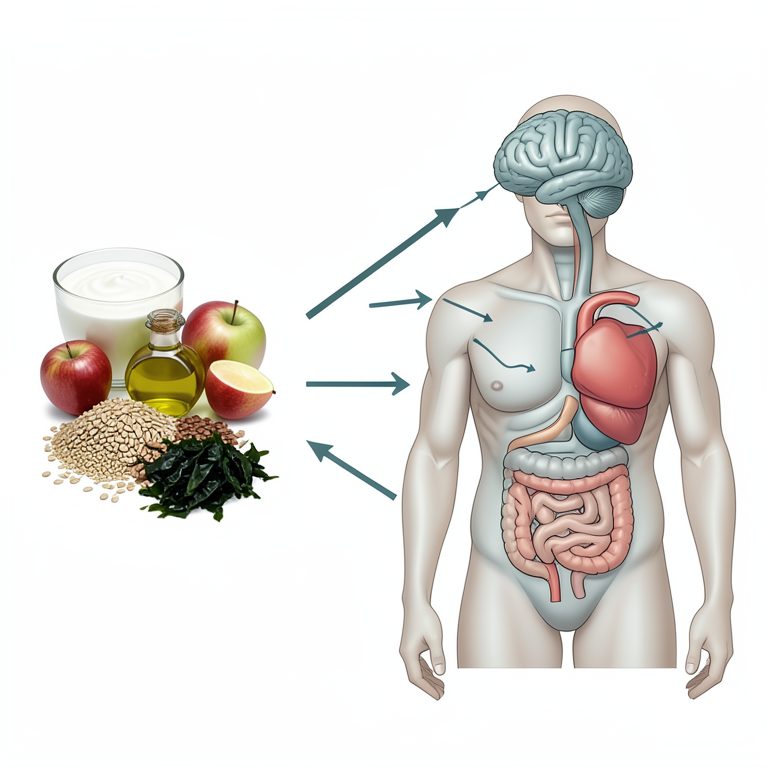
Functional Food Health Nexus
AI-generated conceptual illustration (Assorted functional foods including yogurt, apples, olive oil, whole grains, and seaweed). It explains the idea and does not show study data.
View source evidence ↗Introduction
Humans have always shown keen interest in food a simple fact worth recalling. Functional foods science merges two essential aspects of life: diet and health. The well-established connection between food consumption and disease prevention underpins preventive nutrition [Henry, C. J. (2010)] [15] . Although "diet" and "food" are ancient terms, "nutrition" is relatively recent, first appearing in the 19th century Roberfroid, M. B. (2000) [27] . A functional food is a food claimed to offer benefits beyond basic nutrition (often linked to health promotion or disease prevention) through altered cultivation of the original crop or addition of ingredients during processing Sloan AE (2025) [29] . The term was first used in the 1980s in Japan where a government approval process for functional foods called Foods for Specified Health Use (FOSHU) exists (FOSHU, Ministry of Health, Labor and Welfare, Japan". Government of Japan Functional foods lack a clear, standardized definition. A typical description states they include compounds "beyond basic nutrition." The United Nations' Food and Agriculture Organization (FAO) adopts a similar stance, defining them as foods that provide nutrients plus additional elements potentially beneficial for health (FAO). The Food Safety and Standards Authority of India ( 2006) acts as the central authority for regulating functional foods in India. Definitions of functional foods differ widely across publications, with no consensus on an official version. Definitions span from basic "Foods that may offer health advantages exceeding basic nutrition" to elaborate ones like "Food resembling traditional products, meant for regular dietary intake, yet modified to perform physiological functions surpassing standard nutrient needs" (Tino Bech-Larsen*, 2002) [30] . This paper seeks to evaluate the requirements, health merits, and consumer reception of functional foods.
Greater prosperity and urban living correlate with sedentary habits and easier access to calorie-dense foods. Worldwide, 2022 data (Most recent full dataset) shows 43% of adults 18+ overweight or obese, plus 44% of women. In India, NFHS-5 (2019-21) reports 24% of women (15-49 years) and 23% of men overweight or obese. Nutrition research historically emphasized essential nutrients against deficiencies. Still, sustaining adequate levels of vital nutrients or bioactive compounds becomes essential amid falling energy use. Moreover, chronic diseases like CVD, hypertension, and type 2 diabetes are surging, inflating medical expenses and impairing life quality. Contemporary lifestyles and extended lifespans also tie to mental issues including depression, diminished focus, and cognitive decline.
Functional foods and health benefits
Over recent decades, surging rates of non-communicable conditions such as cardiovascular issues, diabetes, obesity, gut problems, and hormonal imbalances have heightened focus on dietary influences for preventing illness and boosting wellness. Functional foods gain prominence as an accessible, economical means to mitigate disease risks and improve living standards. Key health advantages of functional foods follow below:
Effects of food intake on gastrointestinal health
The gastrointestinal tract serves as a prime target for functional food innovation, functioning as the key link between ingested diet and broader metabolic processes. Maintaining optimal healthy bacteria levels to block pathogenic overgrowth hinges on effective GI performance. Modulating gut microbiota composition and activity ranks among the top prospects for functional food creation. Products like prebiotics, probiotics, and fibers demonstrate benefits for microbial diversity and immunity. Examples encompass probiotics (e.g., curd, yogurt, lassi); prebiotics (Pectin in apples, fructo-oligosaccharides (FOS) in banana, onion, asparagus), synbiotics (Probiotic-prebiotic blends), and insoluble fiber (Wheat bran, corn bran, fruit skins).
Effect on mental health
Regarding cognitive abilities like memory and response speed, glucose offers potential advantages. Sucrose might lower pain sensitivity. Caffeine boosts mental functions including reaction speed, vigilance, recall, and motor coordination (Munekata et al., 2021) [22] . Intake of B vitamins could enhance thinking skills and psychological wellness in the elderly. High-carb meals frequently correlate with sensations of fatigue and tranquility. Tryptophan, as an amino acid, shortens sleep duration, whereas tyrosine paired with tryptophan assists jet lag recovery. Various components, including n-3 fatty acids, Sadenosylmethionine (SAMe), and folic acid, emerge as promising functional elements for alleviating depression (Rani and Yadav, 2018) [26] . Essential bioactives such as omega-3 fatty acids, antioxidants, B vitamins, and minerals receive emphasis for supporting mental health. Targeted functional foods like dark chocolate and fermented products demonstrate value in tackling depression, anxiety, cognitive deterioration, and stress (Na'Allah, A. et al., 2025) [23] . Neurode generation and neurodegenerative disorders continue rising daily. Brahmi, ashwagandha, turmeric, and garlic show efficacy in reversing these ailments (Dutta, S. et al., 2020) [8] .
Effect on health and well-being in ageing
With extended lifespans today, age-related chronic disorders have become more common (e.g., cancer, cataracts, macular degeneration, Parkinson's disease, osteoarthritis, Alzheimer's disease, etc.) (Ferrari, 2007) [11] . These ailments heighten bodily oxidative stress, as does aging itself (Lange et al., 2019) [18] . Promising functional components include vitamins C and E, carotenoids, flavonoids, and various polyphenols. The functional food sector now investigates antioxidant-rich plant foods like berries (e.g., cranberry, blueberry, goji, and acai), mangosteen, pomegranate, tomato, and grapes. Fatty acids help lower risks of depression and dementia tied to aging, while Ginkgo biloba enhances blood flow and aids memory function (Ngo et al., 2011) [25] .
Effect on enhancing physical activity
Functional foods play a pivotal role in optimizing athletic output and endurance. Convenient liquid formulations deliver rapid, easily assimilated combinations of hydration, essential electrolytes, and carbohydrate energy substrates, supporting athletes and physically active populations during intense training or competition (Brouns, 1997) [5] . These specialized beverages prove invaluable for individuals facing challenges in meeting caloric and nutrient requirements through solid meals alone, such as endurance competitors or those with high metabolic demands. Carbohydrates varying in glycemic index exert distinct influences on both acute exercise capacity where high-GI options fuel immediate exertion and subsequent recovery phases, promoting glycogen replenishment and muscle repair (Deibert, Ewald, and Berg, 2010) [7] . Additional benefits include sustained energy availability, reduced fatigue onset, and improved adaptation to repeated bouts of physical stress, positioning functional foods as practical allies for peak performance across recreational and elite levels.
Effect on fighting obesity
Obesity now poses a worldwide challenge. Functional foods support weight control strategies by lowering energy intake through reduced calorie consumption, nutrient density, appetite suppression, and similar methods (Contreras-Rodriguez et al., 2020) [6] . Numerous functional ingredients function within the GI tract prior to nutrient absorption. These encompass chitosan, conjugated linoleic acid, diglycerides, medium-chain triglycerides, green tea, caffeine, calcium, and capsaicin (Bell and Goodrick, 2010) [4] .
Effect on enhancing the lipid dietary profile
Various dietary elements, including healthy fats, support cardiovascular wellness. Foods low in saturated fats and trans fats help maintain favorable low-density lipoprotein (LDL) cholesterol levels. Monounsaturated fats like olive oil, plus polyunsaturated ones (e.g., linoleic and alphalinolenic acids), lower plasma LDL without substantially reducing protective high-density lipoprotein (HDL) cholesterol (Rudkowska and Jones, 2014) [28] . Olive oil's antioxidant, anti-inflammatory, and antithrombotic effects have undergone extensive study for cutting CVD risk (Ejike et al., 2017) [9] . Long-chain fatty acids from fish oils (EPA and DHA) reduce plasma triacylglycerols, inhibit clotting, and strengthen blood vessel walls. Nutrient-packed nuts like almonds, walnuts, and flaxseeds offer unsaturated fats, fiber, and phytochemicals. Daily intake of ~30-50 g nuts links to moderate LDL-C drops. Polyphenol-rich items (Green tea, cocoa, berries, red wine, etc.) may not sharply cut LDL-C but enhance cholesterol processing and vascular function (Jacobo-Velázquez, D. A. (2025) [16] .
Effects on diabetes mellitus
Excess weight and reduced exercise link to type 2 diabetes. Diet plays a crucial role too. Evidence endorses whole grains, fruits, vegetables, and low-saturated-fat options (Venkatakrishnan, Chiu and Wang, 2019) [31] . Soluble fibers like psyllium and inulin, featuring low glycemic index, offer advantages. Since diabetes dietary guidelines often face poor adherence, functional foods aid both management and prevention (Ballali and Lanciai, 2012) [3] . Anti-diabetic options also feature spices such as cinnamon, coriander, garlic, and turmeric. Chromium enhances insulin metabolism and lowers plasma cholesterol. Genetics influences outcomes, with nutrigenomic research identifying individuals needing extra chromium. Sustained commitment to high-fiber, polyphenol-rich, vegetable-protein diets improves fecal microbiota makeup and holds promise for better glycemic regulation, lipid disorders, and inflammation. Regular intake of functional foods including fruits, vegetables, whole grains, probiotics, prebiotics, seaweed, and mushrooms associates with reduced postprandial hyperglycemia (Mirzaei, M. et al., 2025) [21] .
Effects on musculoskeletal disease
Osteoarthritis ranks among the most common and debilitating chronic ailments affecting older adults. Pharmacological treatments like non-steroidal antiinflammatory drugs (NSAIDs) carry serious side effects (Guan, Mobasheri, and Probst, 2019) [14] . Safe, alternative nutritional approaches are needed. Supplements with compounds such as glucosamine and chondroitin could fulfill this role. Non-saponifiable soybean components merit exploration as functional food elements, featuring collagens, hydrolysates, methylsulfonylmethane (MSM), and Sadenosylmethionine (SAMe) (Lee et al., 2018) [19] .
Consumer acceptance of functional foods
Although functional foods offer considerable promise for advancing public health, their effectiveness hinges primarily on consumer attitudes, knowledge levels, sensory appeal, cost accessibility, and confidence in health assertions. Grasping these elements proves crucial for boosting consumer adoption and encouraging better eating habits. Price impact stands out as a key driver of functional food acceptance among consumers. Elevated pricing might reduce buying interest, or conversely, heighten purchase likelihood by signaling superior product quality. Taste quality or anticipated flavor exerts powerful sway over consumers' functional food selections. For instance, Narayana et al.'s 2020 [24] study revealed taste ranked among top reasons for functional food use among Sri Lankan buyers. Frequently, taste preference outweighs health advantages, as multiple investigations confirm consumers resist sacrificing flavor for wellness gains. Earlier research similarly indicates branding significantly shapes functional food preferences. Typically, shoppers favor functional foods from recognized brands. Mirosa and Mangan-Walker et al. (2018) [20] observed Chinese participants preferred foreign brands most, established domestic ones next, and unfamiliar labels least for functional food purchases. Health detail presentation on functional food packaging emerges as a primary factor affecting consumer uptake. Thus, targeted health details on labels can elevate views of benefits and foster greater acceptance. In particular, González-Díaz et al. (2020) [13] determined that specifics on added functional components and their health impacts boosted purchase willingness. Ahn et al. noted that consumers lacking full grasp of functional product health traits hesitated to try them (Baker, M. T., 2022) [22] .
Recommended doses of functional foods
In India, recommended levels for functional foods aren't set as uniform fixed amounts across all items but are managed via boundaries linked to Recommended Dietary Allowances (RDA). Per the Food Safety and Standards (Health Supplements, Nutraceuticals, Food for Special Dietary Use, Food for Special Medical Purpose, Functional Food and Novel Food) Regulations, 2016, nutrient amounts incorporated into items like functional foods, nutraceuticals, and health supplements cannot surpass the RDA established by the Indian Council of Medical Research, with international benchmarks like Codex used when specific local standards lack. This RDA adherence mandate appears again in FSSAI guidelines directing licensing bodies to verify nutrient concentrations in these products remain within RDA thresholds, barring exceptions for approved scenarios such as foods for special dietary or medical uses where elevated amounts gain permission with proper rationale (FSSAI Issues Directions Regarding RDA Compliance for Licensed Products under Nutraceutical Regulations, 2020) [12] .
Conclusion
Functional foods mark a crucial advancement in nutritional science, connecting everyday diet to improved health outcomes against escalating chronic illnesses. Through bioactive elements like probiotics supporting digestive wellness, antioxidants combating aging and cognitive decline, low-GI fibers aiding diabetes control, and omega-3 fatty acids promoting heart health they deliver practical, research-backed approaches to prevent diseases and elevate living standards, spanning relief for joint disorders to boosts in sports endurance. Consumer uptake depends on harmonizing credible health promises with appealing sensory qualities (Flavor profiles, affordability, brand recognition) alongside transparent packaging information. With progress in nutrigenomics and tailored dietary strategies, functional foods promise revolutionary shifts to ease medical system pressures, foster enduring vitality, drive sustainable lifestyle improvements across socioeconomic groups, empower global preventive healthcare frameworks, address nutritional disparities in underserved regions, and ultimately cement the paradigm of "food as therapeutic intervention" for broader societal benefit. Ongoing investigations should emphasize rigorous long-term trials, equitable distribution models especially in resource-limited areas, seamless policy incorporation at national levels, rigorous safety validations across demographics, innovative fortification techniques for staple crops, and interdisciplinary collaborations blending food technology with clinical outcomes to unlock their complete transformative capacity.
References
30 in the original paper- Ahn BI, Bae MS, Nayga RM Jr. Information effects on consumers' preferences and willingness to pay for a functional food product: The case of red ginseng concentrate. Asian Econ J. 2016;30(2):1-11.
- Baker MT, Lu P, Parrella JA, Leggette HR. Consumer acceptance toward functional foods: A scoping review. Int J Environ Res Public Health. 2022;19(3):1217.
- Ballali S, Lanciai F. Functional food and diabetes: A natural way in diabetes prevention? Int J Food Sci Nutr. 2012;63(Suppl. 1):51-61. DOI: 10.3109/09637486.2011.637487.
- Bell SJ, Goodrick GK. A functional food product for the management of weight. Crit Rev Food Sci Nutr. 2010;163-178. DOI: 10.1080/10408690290825501.
- Contreras-Rodriguez O, et al. Neural-based valuation of functional foods among lean and obese individuals. Nutr Res. 2020;78:27-35. DOI: 10.1016/j.nutres.2020.03.006.
- Dutta S, Roy S, Roy S. Functional foods for mental health promotion. J Mahatma Gandhi Inst Med Sci. 2020;25(2):72-79.
- Ejike CECC, et al. Prospects of microalgae proteins in producing peptide-based functional foods for promoting cardiovascular health. Trends Food Sci Technol. 2017;30-36. DOI: 10.1016/j.tifs.2016.10.026.
- FAO. FAO term portal. Available from: https://www.fao.org/faoterm/viewentry/en/?entryId=17 0967 (accessed May 15, 2022).
- Ferrari CKB. Functional foods and physical activities in health promotion of aging people. Maturitas. 2007;58(4):327-339. DOI: 10.1016/j.maturitas.2007.09.011.
- FSSAI Issues Directions Regarding RDA Compliance for Licensed Products Under Nutraceutical Regulations, 2020.
- González-Díaz C, Vilaplana-Aparicio MJ, IglesiasGarcía M. How is functional food advertising understood? An approximation in university students. Nutrients. 2020;12(11):1234-1240.
- Guan VX, Mobasheri A, Probst YC. A systematic review of osteoarthritis prevention and management with dietary phytochemicals from foods. Maturitas. 2019;35-43. DOI: 10.1016/j.maturitas.2019.01.005.
- Henry CJ. Functional foods. Eur J Clin Nutr. 2010;64(7):657-659.
- Jacobo-Velázquez DA. Functional foods for cholesterol management: A review of the mechanisms, efficacy, and a novel cholesterol-lowering capacity index. Nutrients. 2025;17(16):2648.
- John R, Singla A. Functional Foods: Components, health benefits, challenges, and major projects. DRC Sustainable Future. 2021;2(1):61-72.
- Lange KW, et al. Diet and medical foods in Parkinson's disease. Food Sci Hum Wellness. 2019;83-95. DOI: 10.1016/j.fshw.2019.03.0.
- Lee CJ, et al. Inhibitory effects of punicalagin from Punica granatum against type II collagenase-induced osteoarthritis. J Funct Foods. 2018;41:216-222. DOI: 10.1016/j.jff.2017.12.026.
- Mirosa M, Mangan-Walker E. Young Chinese and functional foods for mobility health: Perceptions of importance, trust, and willingness to purchase and pay a premium. J Food Prod Mark. 2018;24(2):216-234.
- Mirzaei M, Alahyaribeik S, Mirdamadi N, Fang Y, Hazaveh MN. The role of functional foods in diabetes management. In: Unleashing the Power of Functional Foods and Novel Bioactives. Academic Press; 2025. p. 397-422.
- Munekata PES, et al. Health benefits, extraction and development of functional foods with curcuminoids. J Funct Foods. 2021;104392. DOI: 10.1016/j.jff.2021.104392.
- Na'Allah A, Adedimeji S, Yusuf BO, Moronfolu IA, Asuku AO. Functional Foods and Mental Wellness. In: Feeding the Mind: The Connection Between Diet, Drugs, and Mental Health Volume 1. Springer Nature Singapore; 2025. p. 141-163.
- Narayana NMNK, Fernando S, Samaraweera GC. Awareness and attitude towards functional dairy products among consumers in Western Province of Sri Lanka. Turk J Agric Food Sci Technol. 2020;8(6):13081314.
- Ngo DH, et al. Marine food-derived functional ingredients as potential antioxidants in the food industry: An overview. Food Res Int. 2011;523-529. DOI: 10.1016/j.foodres.2010.12.030.
- Rani V, Yadav UCS. Functional food and human health. In: Functional Food and Human Health. Springer; 2018. DOI: 10.1007/978-981-13-1123-9.
- Roberfroid MB. Defining functional foods. In: Functional Foods: Concept to Product. 2000. p. 1-18.
- Rudkowska I, Jones PJH. Functional foods for the prevention and treatment of cardiovascular diseases: Cholesterol and beyond. Expert Rev Cardiovasc Ther. 2014;477-490. DOI: 10.1586/14779072.5.3.477.
- Sloan AE. The Top 10 Functional Food Trends. Food Technol Mag. 2025; Available from: https://www.foodtechnology.com/10-food-trends
- Bech-Larsen T, K.G. The perceived healthiness of functional foods: A conjoint study of Danish, Finnish, and American consumers' perception of functional foods. Appetite. 2002;40:107-120.
- Venkatakrishnan K, Chiu HF, Wang CK. Popular functional foods and herbs for the management of type2-diabetes mellitus: A comprehensive review with special reference to clinical trials and its proposed mechanism. J Funct Foods. 2019;425-438. DOI: 10.1016/j.jff.2019.04.039.
- Ahmad S, Al-Shabib NA, editors. Functional Food Products and Sustainable Health. Berlin, Germany: Springer; 2020 Aug 29.