
Research article · 2026 · Full text
International Journal of Geography Geology and EnvironmentMental stress, workload, and health risks among limestone mining workers in rural Jodhpur
Volume 8(3) · Pages 08–15 · DOI: 10.22271/27067483.2026.v8.i3a.489 ↗
Research areasWorkplace Health and Well-beingOccupational Health and Safety ResearchOccupational and environmental lung diseases
Abstract
Author-writtenThe mining industry in India is one of the most labor-intensive sectors, where the nature of work, long working hours, environmental hazards, and employment insecurity significantly affect the physical and mental health of workers. Particularly in limestone mining areas, issues related to mental stress have remained relatively underexplored. The present study aims to analyze the interrelationship between mental stress, workload, and health risks among limestone mining workers in the rural district of Jodhpur, Rajasthan.This study is based on a primary survey that included a total of 360 respondents (mining workers and non-workers residing in mining-affected areas). The data were analyzed using SPSS software. Descriptive statistics were applied to assess variables such as age, work experience, working hours, weekly working days, exposure to dust and noise, availability of safety measures, and health problems (both physical and mental).The findings of the study indicate that a large proportion of workers are exposed to long working hours (10–12 hours), continuous working days, and high levels of dust and noise. As a result, approximately 43 percent of the workers were found to experience mental stress, which is closely associated with physical health problems, job dissatisfaction, lack of safety measures, and employment insecurity. The study highlights that mental health issues in mining areas should not be viewed merely as individual problems but rather as structural challenges arising from adverse working conditions and environmental risks.Therefore, the study underscores the urgent need for mental health-focused policies in the mining sector, regulation of working hours, and the provision of effective safety and healthcare services.
Summary
Source-checkedPlain-language reading of the full paper, prepared with AI and checked against the text. Each point links to the authors' own words.
Why it matters
- The Indian mining industry is highly labor-intensive, and its working conditions, including long hours and environmental hazards, significantly impact workers' physical and mental health. View evidence ↗
- Existing research on mining health has predominantly focused on physical ailments, leaving psychosocial aspects like mental stress relatively neglected. View evidence ↗
- Rural Jodhpur in Rajasthan is a key limestone mining area where semi-arid conditions and extensive mining increase environmental and health risks. View evidence ↗
The question
- The study aims to analyze how mental stress, workload, and health risks are interrelated among limestone mining workers in rural Jodhpur. View evidence ↗
What they did
- The researchers conducted a primary survey of 360 respondents, including both mining workers and residents of mining-affected areas. View evidence ↗
- Data were analyzed using SPSS software to evaluate socio-demographics, working conditions, environmental exposure, and health outcomes. View evidence ↗
- The study used descriptive statistics, including frequency distributions and tabulation, to analyze variables such as age, working hours, and exposure to noise and dust. View evidence ↗
What they found
- A majority of respondents (67.5%) work 10 to 12 hours per day, exposing them to prolonged occupational stress. View evidence ↗
- Approximately 30.8% of respondents work seven days a week, which suggests minimal rest and potential psychological exhaustion. View evidence ↗
- Joint pain was the most common health problem reported, affecting 54.4% of the respondents. View evidence ↗
- Psychological strain is a major concern, with 42.8% of respondents reporting that they experience mental stress. View evidence ↗
- A substantial portion of workers are dissatisfied with their jobs, with 44.4% rating their overall job satisfaction in the lowest two categories. View evidence ↗
- About 40% of respondents reported low satisfaction with their wages, potentially contributing to financial and psychological stress. View evidence ↗
What it means
- The authors conclude that mental stress is a significant but neglected issue in mining, driven by excessive workload, environmental hazards, physical health problems, and job dissatisfaction. View evidence ↗
- The authors recommend that mental health be integrated into occupational safety and public health policies for limestone mining regions. View evidence ↗
- The study's cross-sectional design means it can only identify correlations and cannot establish direct cause-and-effect relationships. View evidence ↗
- The use of self-reported questionnaires for mental stress assessment may lack the precision of standardized clinical psychological instruments. View evidence ↗
Visual summary
3 visualsIllustrations explain the paper; charts are replotted from the paper's own table values.
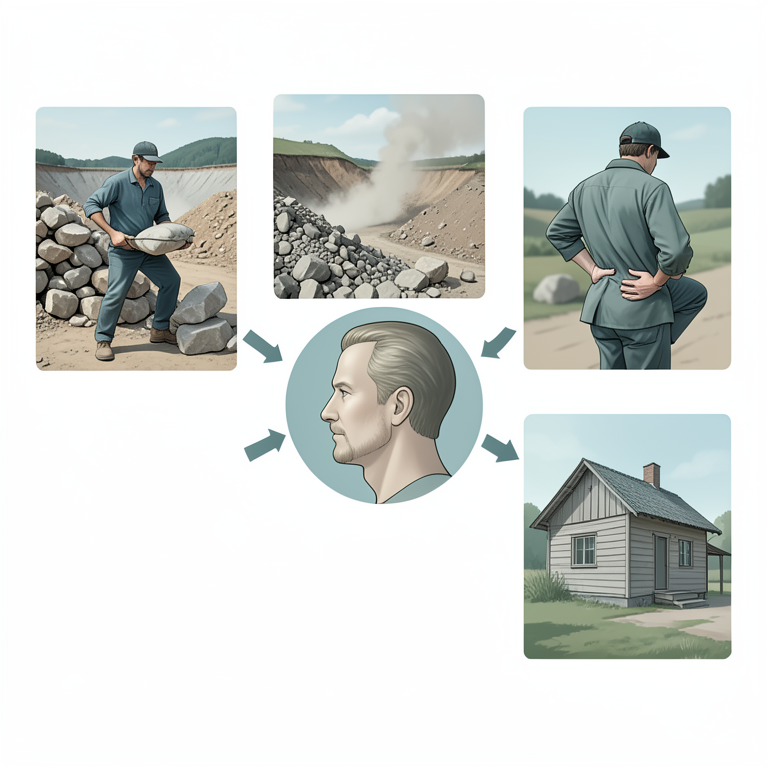
Structural Determinants of Mental Stress
AI-generated conceptual illustration (Limestone mining workers in a rural quarry setting). It explains the idea and does not show study data.
View source evidence ↗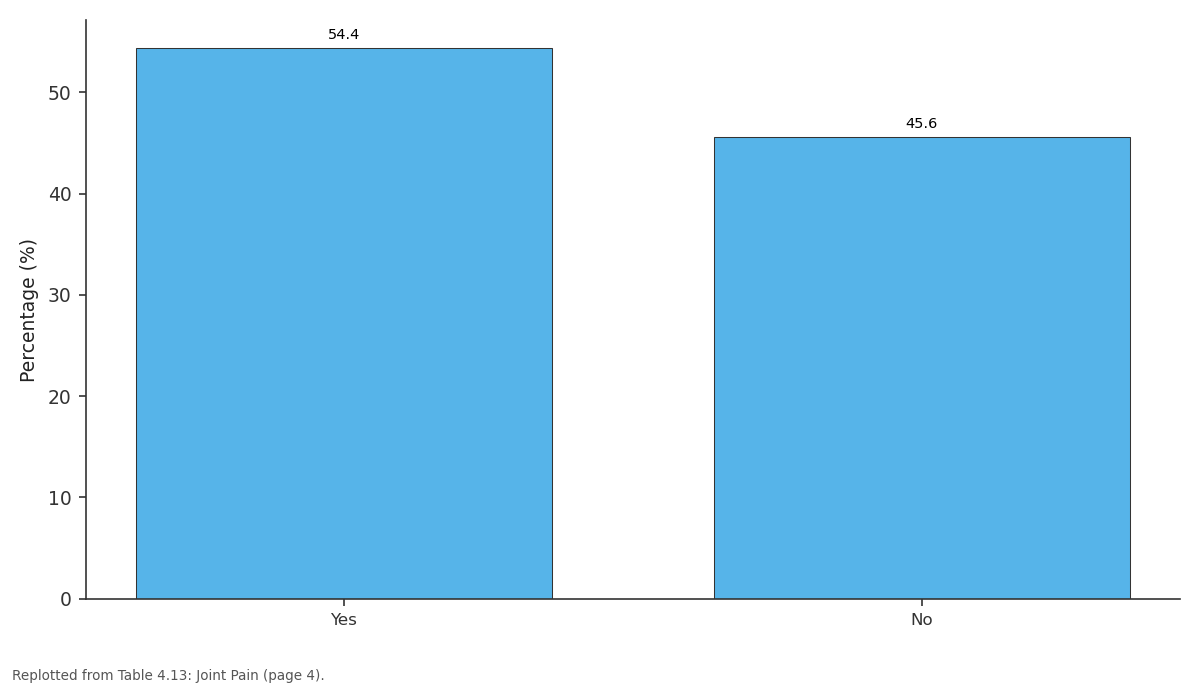
Percentage (%): Yes vs No
Replotted from Table 4 (page 4) of the original paper. Every bar is the paper's own table value.
View source evidence ↗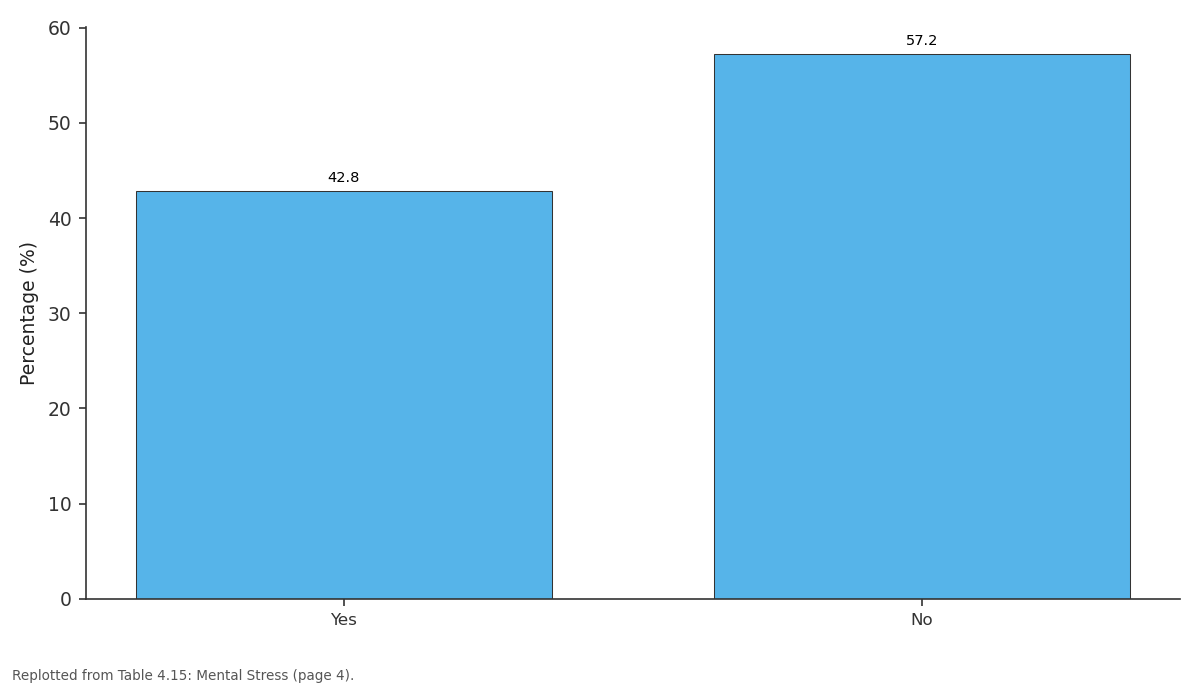
Percentage (%): Yes vs No
Replotted from Table 4 (page 4) of the original paper. Every bar is the paper's own table value.
View source evidence ↗Figures & tables
From the original paper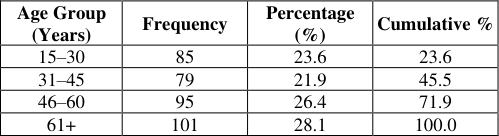 Table 4
 Table 4
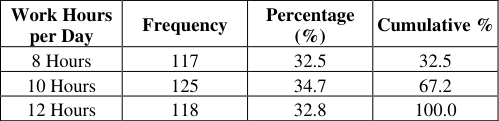 Table 4
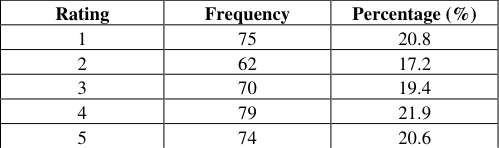 Table 4
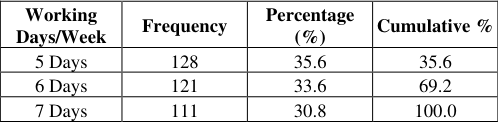 Table 4
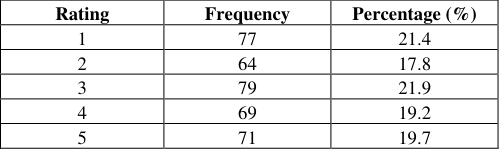 Table 4
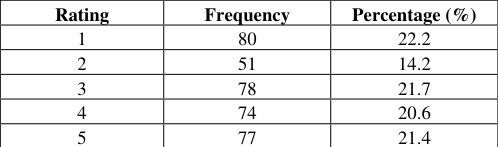 Table 4
 Table 4
 Table 4
 Table 4
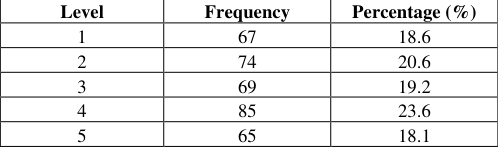 Table 4
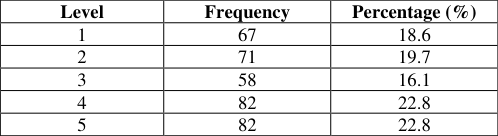 Table 4
 Table 4
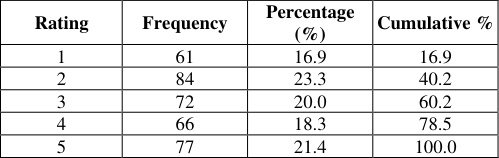 Table 4
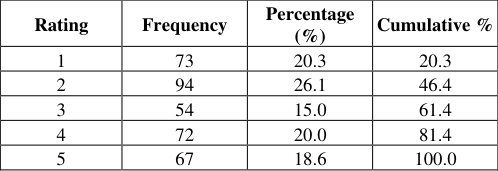 Table 4
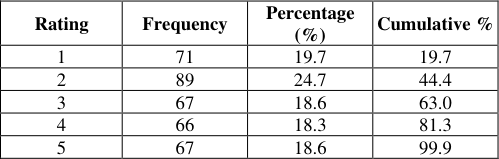 Table 4
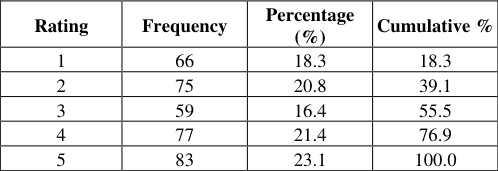 Table 4
Introduction
The mining industry makes a significant contribution to the Indian economy; however, it also generates serious occupational and environmental health risks for workers. Mining activities, particularly open-cast limestone mining, adversely affect the physical and mental health of workers due to long working hours, intensive physical labor, continuous exposure to dust and noise, and inadequate safety arrangements (Donoghue, 2004) [10] . In developing countries such as India, workers in mining regions often operate under unorganized working conditions where compliance with health and safety standards is uneven (DGMS, 2024; IBM, 2022) [9,11] . During limestone mining operations, fine particulate matter becomes suspended in the atmosphere and spreads beyond the workplace to nearby residential areas. Previous studies have indicated that populations residing around mines and stone quarrying areas face an increased risk of respiratory diseases due to prolonged dust exposure (Bluvshtein et al., 2011; Nemer et al., 2020) [3,14] . Long-term exposure to air pollution and particulate matter has also been associated with respiratory and cardiovascular diseases, as well as increased overall mortality rates (Brunekreef & Holgate, 2002; Pope & Dockery, 2006; Brook et al., 2010; Cohen et al., 2017) [4,5,8,15] . In India, the National Ambient Air Quality Standards (NAAQS) established by the Central Pollution Control Board further emphasize the need for effective air quality management in mining regions (CPCB, 2009) [6] . In addition to dust exposure, noise generated by mining activities represents another significant occupational hazard. Continuous exposure to high levels of noise can lead to hearing impairment, sleep disturbances, and psychological distress among workers (Nandi & Dhatrak, 2008; Basu et al., 2022) [2,13] .
Noise-induced hearing loss has been recognized as a major occupational health issue in India, particularly in mining and stone-processing industries (Basu et al., 2022) [2] . Thus, both dust and noise have direct and indirect impacts not only on the physical health of mining workers but also on their mental well-being. Most studies conducted on the health of mining workers have primarily focused on physical effects such as respiratory diseases, silicosis, musculoskeletal disorders, and hearing loss (Sivacoumar et al., 2001; Rajavel et al., 2020; Nandi et al., 2018) [12,16,17] . In the stone mining regions of Rajasthan, silicosis and related illnesses have emerged as serious public health concerns (Rajavel et al., 2020) [16] . Although these studies have clearly highlighted the physical health risks associated with mining, psychosocial aspects such as mental stress have received comparatively limited attention. In the contemporary industrial context, mental stress should not be understood merely as an individual psychological issue but as a structural problem arising from working conditions, environmental hazards, and socio-economic insecurity. Mining workers often work 10-12 hours per day with limited weekly rest and face employment uncertainty. Such conditions not only increase physical fatigue but also contribute to anxiety, dissatisfaction, and psychological stress (Ahmad, 2017) [1] . Limited awareness of workplace hazards and the lack of preventive measures further intensify psychological pressure (Ahmad, 2017) [1] . The rural district of Jodhpur in Rajasthan represents an important limestone mining region characterized by a semiarid climate, high natural dust levels, and extensive mining activities. In this area, mining affects not only workers but also the surrounding population. Existing literature suggests that health risks in mining regions are multidimensional and extend beyond the workplace (Donoghue, 2004; Bluvshtein et al., 2011) [3,10] . Against this background, the present study provides a primary survey-based analysis of mental stress, workload, and health risks among limestone mining workers in rural Jodhpur, Rajasthan. The study not only addresses physical health issues but also seeks to understand mental stress within the broader context of mining working conditions and environmental risks. By doing so, this research highlights mental health as an important yet neglected dimension of the mining industry and offers an evidencebased perspective for labor and public health policy formulation.
Rationale and Research Gap
Numerous studies at both global and national levels have examined health risks associated with the mining industry, primarily focusing on dust-induced respiratory diseases, hearing impairment, musculoskeletal disorders, and industrial accidents. Particularly in limestone mining regions, silicosis, chronic respiratory illnesses, and eyerelated problems have been identified as major occupational health concerns. Although these studies clearly highlight the physical and environmental risks of mining, the dimensions related to workers' mental health have remained relatively neglected. Mining working conditions are inherently stressful: long working hours, continuous physical labor, high levels of dust and noise exposure, limited rest, uncertainty regarding workplace safety, and employment instability can adversely affect workers' mental well-being. Despite this, most Indian mining-based studies have either treated mental stress as a secondary variable or overlooked it entirely. In particular, mental health-focused research in limestone mining areas located in arid and semi-arid regions such as Rajasthan remains extremely limited. A major research gap in the existing literature is that most studies are confined to the physical ailments of mining workers and do not analyze mental stress comprehensively in relation to workload, job satisfaction, safety measures, and physical health problems. Mental stress has often been viewed as an individual or psychological issue, whereas it would be more appropriate to understand it as a structural problem arising from working conditions and environmental risks. In this context, there is a clear need for primary survey-based, region-specific, and data-driven research. Furthermore, most previous studies are either based on secondary data or conducted with limited sample sizes, which restricts their ability to fully capture the ground realities of working conditions and health risks at the local level. Primary data-based studies conducted within specific geographical and socio-economic contexts such as the limestone mining areas of rural Jodhpur district are scarce in the literature. Consequently, there remains a lack of regionspecific evidence necessary for informed policymaking and effective workplace health interventions. Considering these research gaps, the rationale for the present study becomes evident. This study not only highlights the prevalence of mental stress among limestone mining workers but also provides a comprehensive analysis linking mental stress with workload, environmental exposure, physical health problems, and job satisfaction. Thus, the research makes a significant contribution to Indian mining health literature and provides a strong foundation for placing mental health at the center of policy, planning, and labor welfare in the mining sector.
Objectives of the Study
The primary objective of the present study is to analyze the interrelationships between mental stress, workload, and health risks among workers associated with the limestone mining industry in the rural district of Jodhpur, Rajasthan. Within this broader aim, the following specific objectives have been formulated: 1. To assess the prevalence and extent of mental stress among limestone mining workers. 2. To examine the relationship between workload-related factors such as daily working hours and weekly working days and mental stress among mining workers. 3. To investigate the association between exposure to environmental risk factors, such as dust and noise, and levels of mental stress. 4. To analyze the interrelationship between physical health problems (such as respiratory diseases, joint pain, and eye-related issues) and mental stress. 5. To evaluate the impact of job satisfaction, availability of safety measures (such as Personal Protective Equipment, PPE), and access to health check-up facilities on mental stress levels.
Through these objectives, the study seeks to establish mental health as a significant labor and public health issue within the mining industry and to provide evidence-based conclusions for improving working conditions.
Study Area
The present study focuses on limestone mining areas located in the rural district of Jodhpur, Rajasthan. Jodhpur district lies in the semi-arid to arid climatic zone of western Rajasthan, characterized by high temperatures, low rainfall, and strong wind currents. Such natural conditions facilitate the dispersion of dust, thereby intensifying the environmental and health impacts of mining activities. Limestone mining constitutes a major economic activity in rural Jodhpur, providing direct and indirect employment to a significant portion of the local population. The district is characterized by numerous open-cast mines, stone extraction sites, processing units, and transportation routes spread across various rural areas. Mining operations are generally conducted through open methods involving drilling, blasting, loading-unloading, and stone transportation, all of which are major sources of dust and noise pollution. The socio-economic structure of the study area is predominantly labor-oriented, with most mining workers belonging to lower-or middle-income groups. Employment insecurity, limited healthcare facilities, and uneven availability of workplace safety measures are among the key challenges in the region. Additionally, rural settlements located near mining sites are also exposed to environmental impacts arising from mining activities, thereby increasing the overall health vulnerability of the area. The combined effect of semi-arid climatic conditions, open mining practices, long working hours, and weak occupational health and safety infrastructure makes rural Jodhpur a suitable and representative area for studying health risks associated with limestone mining. Therefore, this region was selected as the study area to conduct a primary survey-based analysis of mental stress, workload, and health risks among mining workers.
Research Methodology
The present study is a descriptive and analytical research based on primary data, aimed at assessing mental stress, workload, and health risks among workers associated with the limestone mining industry. The study adopts a crosssectional survey design, in which data were directly collected during a specific time period from mining workers and individuals residing in mining-affected areas within the study region. The research design was intended to provide a comprehensive understanding of actual working conditions, environmental exposure, and health-related issues in the mining sector. For the purpose of the study, limestone mining areas in rural Jodhpur district, Rajasthan, were selected. A total of 360 respondents were included through purposive sampling to ensure participation of individuals directly or indirectly affected by mining activities. The respondents comprised both mining workers and nonworkers residing near mining sites, enabling a broader assessment of the health impacts of working conditions and environmental risks. Data were collected using a structured questionnaire covering socio-demographic characteristics, workload-related factors, environmental risks, availability of safety measures, physical health problems, and mental stress. The questionnaire was designed in accordance with local conditions to accurately capture respondents' work experiences and health status. Informed consent was obtained from all participants, and their identities were kept strictly confidential. The collected data were analyzed using the statistical software SPSS. The analysis primarily employed descriptive statistics, including frequency distributions % ages, and tabulation techniques, to examine variables such as age, gender, work experience, working hours, weekly working days, exposure to dust and noise, health problems, and mental stress levels. This analytical approach facilitated a clear understanding of mental stress and its association with working conditions and healthrelated factors in line with the study objectives. Thus, the adopted research methodology is primary data-based, region-specific, and systematic, providing a robust foundation for understanding the relationships between mental stress, workload, and health risks in the limestone mining industry.
Results and Analysis:
This section presents the findings based on primary data collected from 360 respondents in the limestone mining areas of rural Jodhpur district. The data were analyzed using SPSS software to examine sociodemographic characteristics, working conditions, environmental exposure, health problems, and mental stress.
Age Distribution of Respondents:
The age distribution of respondents indicates that a considerable proportion of workers belong to higher age groups, suggesting prolonged occupational exposure to mining-related risks. The data show that 28.1% of respondents are aged 61 years and above, followed by 26.4% in the 46-60 age group, indicating that a substantial proportion of workers are elderly and potentially more vulnerable to occupational health risks.
Gender Distribution: Th e gender composition reflects the labor-intensive nature of mining work.
Duration of Work Shift
Extended working hours are a critical determinant of physical fatigue and mental strain. Nearly one-third (30.8%) of respondents reported working all seven days of the week, reflecting minimal rest and potential psychological exhaustion.
Workplace Cleanliness: Workplace hygiene conditions were rated on a five-point scale. The distribution indicates variability in perceived cleanliness, suggesting inconsistent environmental management across mining sites.
Noise and Dust Exposure: Environmental exposure levels were measured using a five-point scale. Approximately 41% reported high dust exposure (levels 4-5), and over 40% reported high noise exposure, indicating significant environmental health risks. The data suggest inconsistent access to safety measures and PPE across mining sites. Joint pain (54.4%) emerged as the most prevalent health issue. Nearly 42.8% of respondents reported experiencing mental stress, indicating that psychological strain is a significant concern within the mining workforce.
Safety Measures and PPE Availability
Safety Measures and PPE Availability
Physical Health Problems
Physical Health Problems
Mental Stress
Mental Stress
Health Check-up Frequency
Regular health monitoring is an important indicator of occupational health management in hazardous industries such as mining. The distribution indicates variability in the frequency of health check-ups. A significant proportion (26.1%) reported rating level 2, suggesting that regular medical monitoring may not be consistently practiced across all mining sites. This irregularity in periodic health examinations could contribute to delayed diagnosis of occupational illnesses.
Availability of Medical Facilities
Access to adequate medical facilities is essential in high-risk occupational settings.
Satisfaction with Wages
Wage satisfaction plays a crucial role in determining overall job satisfaction and mental well-being. The findings reveal mixed levels of wage satisfaction. Approximately 40% of respondents fall within lower satisfaction categories (1-2), which may contribute to financial stress and psychological strain.
Overall Job Satisfaction
Overall job satisfaction reflects workers' perception of their working environment, compensation, safety, and organizational support. Nearly 44.4% of respondents rated their overall job satisfaction in the lower categories (1-2), indicating dissatisfaction among a substantial portion of workers. Such dissatisfaction may have a direct association with mental stress levels observed in the study.
Discussion
The findings of the present study clearly indicate that mental stress, workload, and health risks are deeply interconnected among limestone mining workers in rural Jodhpur. The age composition reveals that respondents aged 61 years and above constitute the largest proportion of the sample. This suggests that a significant number of workers have been exposed to mining activities and associated environmental hazards for extended periods. Age emerges as an important factor, as prolonged exposure to dust, noise, and intense physical labor increases not only the likelihood of physical
illnesses but also mental stress among elderly workers. At the same time, the participation of the economically active age group (15-45 years) highlights that relatively younger populations are also subjected to hazardous working conditions, posing risks of long-term health complications in the future. The gender composition indicates that limestone mining is a labor-intensive and physically demanding activity with higher male participation. However, the notable presence of female respondents demonstrates that the impact of mining activities extends beyond the workplace. Through environmental exposure, women in surrounding communities also face indirect health risks. This reflects the broader social dimension of occupational hazards in mining regions, where families and communities are affected alongside workers. Workload-related findings constitute one of the central conclusions of this study. A high proportion of workers reported working 10 to 12 hours per day, indicating that extended working hours are a common phenomenon in mining operations. Long working hours not only increase physical fatigue but also limit the time available for bodily recovery. Consequently, workers continue their duties under persistent fatigue, pain, and psychological pressure. Similarly, the trend of working 5 to 7 days per week without adequate rest suggests accelerated physical and mental deterioration. This reflects a lack of work-life balance, which becomes a structural contributor to mental stress. Findings related to workplace cleanliness suggest unsatisfactory levels of hygiene and housekeeping at mining sites. Poor or moderate sanitation conditions not only elevate physical health risks but also generate dissatisfaction and psychological strain among workers. An unorganized and unhygienic work environment fosters feelings of insecurity and neglect, which negatively impact mental well-being. Environmental hazards, particularly high levels of noise and limestone dust, emerged prominently in the study. Continuous exposure to moderate to high noise levels increases the likelihood of hearing impairment, sleep disturbances, irritability, and psychological stress. Similarly, exposure to high concentrations of limestone dust is a primary contributor to respiratory disorders. Respiratory problems not only cause physical suffering but also intensify mental anxiety due to fears of chronic illness. Thus, environmental hazards such as dust and noise act as critical links between physical and mental health outcomes. The analysis of physical health problems reveals that respiratory disorders, joint pain, and vision-related issues are widely prevalent among mining workers. The high incidence of joint pain indicates that heavy manual labor, prolonged standing, and repetitive movements significantly affect the musculoskeletal system. Working under constant physical pain further intensifies mental stress. Likewise, vision problems reduce work efficiency and generate discomfort and anxiety, adversely affecting mental health. Mental stress findings are particularly significant in relation to the study's objectives. Approximately 42.8% of respondents reported experiencing mental stress, indicating that a substantial segment of mining workers lives under psychological pressure. Contributing factors include long working hours, job insecurity, physical health problems, low wages, and inadequate safety measures. These findings suggest that mental health remains insufficiently addressed within the mining sector, despite being an essential component of overall well-being. Limited availability of regular health check-ups and medical facilities further aggravates mental stress. The absence of systematic health monitoring delays the identification and treatment of occupational diseases, fostering insecurity and anxiety among workers. Unequal access to medical facilities reflects weaknesses in the occupational health infrastructure at mining sites, thereby increasing both physical and psychological vulnerability. Findings related to wage satisfaction and overall job satisfaction indicate that inadequate compensation and unsatisfactory working conditions deepen psychological stress. When workers perceive that the economic returns do not correspond to the health risks and physical hardships they endure, dissatisfaction transforms into mental pressure. Low job satisfaction not only increases stress but also negatively affects productivity and overall performance. Overall, the discussion establishes that mental stress among limestone mining workers in rural Jodhpur is the cumulative outcome of excessive workload, environmental hazards, physical health problems, and socio-economic insecurity. Mental health cannot be understood in isolation from these structural determinants. Therefore, the study emphasizes the need to integrate mental health considerations within occupational safety frameworks, working condition reforms, and public health policies in the mining industry.
Conclusions
The present study highlights the ground realities of mental stress, workload, and health risks among limestone mining workers in rural Jodhpur district of Rajasthan. Based on primary survey findings, it is evident that a substantial proportion of mining workers operate under prolonged working hours, continuous workdays, high exposure to dust and noise, and unsatisfactory working conditions. The combined effect of these factors significantly impacts not only their physical health but also their mental well-being. The study concludes that mental stress is a significant yet largely neglected issue among mining workers. It is deeply associated with excessive workload, environmental hazards, physical health problems, and job dissatisfaction. Mental stress should not be viewed merely as an individual psychological concern; rather, it must be understood as an outcome of structural and occupational challenges inherent in the mining industry. The coexistence of physical illnesses and psychological strain indicates that workers' health conditions are multidimensional, requiring a comprehensive and integrated approach for effective intervention. Furthermore, extended working hours, inadequate rest periods, uneven implementation of safety measures, and the lack of regular health check-ups intensify mental health risks. Continued neglect of these factors may lead to longterm adverse consequences on workers' productivity, efficiency, and overall quality of life. Therefore, the study emphasizes that mental health must be incorporated as an integral component of occupational safety and public health policies in limestone mining regions. Ensuring the integrated protection of both physical and mental health of workers is essential for achieving sustainable and humane industrial development.
Policy Implications:
The findings of the present study indicate the urgent need for comprehensive reforms in policies concerning the mental and physical health of workers in the limestone mining industry of rural Jodhpur, Rajasthan. Mental stress should not be treated merely as an individual psychological issue but recognized as a structural challenge arising from adverse working conditions and environmental risks. Therefore, labor and occupational health policies related to the mining sector must be made more inclusive and worker-centered. First, clear and enforceable regulations regarding working hours and weekly workdays should be implemented. Prolonged working hours and insufficient rest significantly contribute to mental stress. Ensuring work-life balance through strict compliance with regulated work schedules and provision of mandatory rest intervals can play a critical role in safeguarding mental well-being. Second, mental health must be integrated into the industrial health and safety framework of mining sites. Regular mental health screenings, counseling services, and stress management programs should be incorporated into workers' health schemes. Early identification and timely intervention can substantially reduce the long-term psychological burden among mining workers. Third, effective technical and managerial measures are required to minimize environmental hazards such as dust and noise. Implementation of dust suppression systems, noise reduction technologies, and improved workplace sanitation can prevent not only physical illnesses but also reduce stress associated with unsafe working environments. Additionally, consistent availability and proper use of personal protective equipment (PPE) should be strictly ensured. Fourth, accessible and regular healthcare services must be strengthened. On-site primary healthcare facilities, periodic medical check-ups, and early detection of occupational diseases can foster a sense of health security among workers, thereby alleviating anxiety and psychological distress. Finally, policies aimed at enhancing job satisfaction and social security in the mining sector should be revisited. Fair wages, improved job security, and stable employment conditions contribute significantly to reducing mental stress. When workers feel protected, respected, and economically secure, psychological strain naturally declines. Thus, mental health-oriented policy interventions can contribute meaningfully toward sustainable, safe, and humane industrial development.
Limitations of the Study
Although the present study provides significant insights into mental stress, workload, and health risks among limestone mining workers, certain limitations must be acknowledged when interpreting the findings. The primary limitation lies in the cross-sectional survey design, which restricts the ability to establish direct causeand-effect relationships. Consequently, the associations identified between mental stress and occupational conditions remain correlational rather than causal. Second, the data used in the study are self-reported and based on respondents' perceptions, experiences, and memory. This may introduce the possibility of overreporting or under-reporting, particularly concerning mental stress and health-related issues. Such response biases cannot be entirely ruled out. Another limitation is the absence of detailed psychological or clinical diagnostic tools for measuring mental stress. The assessment relied on questionnaire-based self-evaluation methods, which, although practical for field-based research, may not provide the same level of precision as standardized mental health scales. Future studies could incorporate validated psychological instruments for more accurate assessment. Additionally, the geographical scope of the study is confined to rural Jodhpur district. While the region is representative of limestone mining activities, caution must be exercised when generalizing the findings to other geographical areas or different types of mining operations. Despite these limitations, the study is grounded in primary data and addresses a relatively underexplored dimension of occupational health in the mining sectormental health.It provides a strong empirical foundation for future, largerscale, and comparative research in this field.
Figures and tables from the paper
| Age Group (Years) | Frequency | Percentage (%) | Cumulative % |
|---|---|---|---|
| 15–30 | 85 | 23.6 | 23.6 |
| 31–45 | 79 | 21.9 | 45.5 |
| 46–60 | 95 | 26.4 | 71.9 |
| 61+ | 101 | 28.1 | 100.0 |
Table text extracted from the original PDF; superscript letters are shown inline. The original table image is below.
View original table image
| Gender | Frequency | Percentage (%) | Cumulative % |
|---|---|---|---|
| Male | 222 | 61.7 | 61.7 |
| Female | 129 | 35.8 | 97.5 |
| Other | 9 | 2.5 | 100.0 |
Table text extracted from the original PDF; superscript letters are shown inline. The original table image is below.
View original table image
| Work Hours per Day | Frequency | Percentage (%) | Cumulative % |
|---|---|---|---|
| 8 Hours | 117 | 32.5 | 32.5 |
| 10 Hours | 125 | 34.7 | 67.2 |
| 12 Hours | 118 | 32.8 | 100.0 |
Table text extracted from the original PDF; superscript letters are shown inline. The original table image is below.
View original table image
| Rating | Frequency | Percentage (%) |
|---|---|---|
| 1 | 75 | 20.8 |
| 2 | 62 | 17.2 |
| 3 | 70 | 19.4 |
| 4 | 79 | 21.9 |
| 5 | 74 | 20.6 |
Table text extracted from the original PDF; superscript letters are shown inline. The original table image is below.
View original table image
| Working Days/Week | Frequency | Percentage (%) | Cumulative % |
|---|---|---|---|
| 5 Days | 128 | 35.6 | 35.6 |
| 6 Days | 121 | 33.6 | 69.2 |
| 7 Days | 111 | 30.8 | 100.0 |
Table text extracted from the original PDF; superscript letters are shown inline. The original table image is below.
View original table image
| Rating | Frequency | Percentage (%) |
|---|---|---|
| 1 | 77 | 21.4 |
| 2 | 64 | 17.8 |
| 3 | 79 | 21.9 |
| 4 | 69 | 19.2 |
| 5 | 71 | 19.7 |
Table text extracted from the original PDF; superscript letters are shown inline. The original table image is below.
View original table image
| Rating | Frequency | Percentage (%) |
|---|---|---|
| 1 | 80 | 22.2 |
| 2 | 51 | 14.2 |
| 3 | 78 | 21.7 |
| 4 | 74 | 20.6 |
| 5 | 77 | 21.4 |
Table text extracted from the original PDF; superscript letters are shown inline. The original table image is below.
View original table image
| Response | Frequency | Percentage (%) |
|---|---|---|
| Yes | 146 | 40.6 |
| No | 214 | 59.4 |
Table text extracted from the original PDF; superscript letters are shown inline. The original table image is below.
View original table image
| Response | Frequency | Percentage (%) |
|---|---|---|
| Yes | 196 | 54.4 |
| No | 164 | 45.6 |
Table text extracted from the original PDF; superscript letters are shown inline. The original table image is below.
View original table image
| Response | Frequency | Percentage (%) |
|---|---|---|
| Yes | 146 | 40.6 |
| No | 214 | 59.4 |
Table text extracted from the original PDF; superscript letters are shown inline. The original table image is below.
View original table image
| Level | Frequency | Percentage (%) |
|---|---|---|
| 1 | 67 | 18.6 |
| 2 | 74 | 20.6 |
| 3 | 69 | 19.2 |
| 4 | 85 | 23.6 |
| 5 | 65 | 18.1 |
Table text extracted from the original PDF; superscript letters are shown inline. The original table image is below.
View original table image
| Level | Frequency | Percentage (%) |
|---|---|---|
| 1 | 67 | 18.6 |
| 2 | 71 | 19.7 |
| 3 | 58 | 16.1 |
| 4 | 82 | 22.8 |
| 5 | 82 | 22.8 |
Table text extracted from the original PDF; superscript letters are shown inline. The original table image is below.
View original table image
| Response | Frequency | Percentage (%) |
|---|---|---|
| Yes | 154 | 42.8 |
| No | 206 | 57.2 |
Table text extracted from the original PDF; superscript letters are shown inline. The original table image is below.
View original table image
| Rating | Frequency | Percentage (%) | Cumulative % |
|---|---|---|---|
| 1 | 61 | 16.9 | 16.9 |
| 2 | 84 | 23.3 | 40.2 |
| 3 | 72 | 20.0 | 60.2 |
| 4 | 66 | 18.3 | 78.5 |
| 5 | 77 | 21.4 | 100.0 |
Table text extracted from the original PDF; superscript letters are shown inline. The original table image is below.
View original table image
| Rating | Frequency | Percentage (%) | Cumulative % |
|---|---|---|---|
| 1 | 73 | 20.3 | 20.3 |
| 2 | 94 | 26.1 | 46.4 |
| 3 | 54 | 15.0 | 61.4 |
| 4 | 72 | 20.0 | 81.4 |
| 5 | 67 | 18.6 | 100.0 |
Table text extracted from the original PDF; superscript letters are shown inline. The original table image is below.
View original table image
| Rating | Frequency | Percentage (%) | Cumulative % |
|---|---|---|---|
| 1 | 71 | 19.7 | 19.7 |
| 2 | 89 | 24.7 | 44.4 |
| 3 | 67 | 18.6 | 63.0 |
| 4 | 66 | 18.3 | 81.3 |
| 5 | 67 | 18.6 | 99.9 |
Table text extracted from the original PDF; superscript letters are shown inline. The original table image is below.
View original table image
| Rating | Frequency | Percentage (%) | Cumulative % |
|---|---|---|---|
| 1 | 66 | 18.3 | 18.3 |
| 2 | 75 | 20.8 | 39.1 |
| 3 | 59 | 16.4 | 55.5 |
| 4 | 77 | 21.4 | 76.9 |
| 5 | 83 | 23.1 | 100.0 |
Table text extracted from the original PDF; superscript letters are shown inline. The original table image is below.
View original table image
References
16 in the original paper- Ahmad A. Awareness of workplace hazards and preventive measures among sandstone mineworkers in Rajasthan, India: A cross-sectional study. J Health Soc Sci. 2017;2(2):69-82.
- Basu S, Aggarwal A, Dushyant K, Garg S. Occupational noise induced hearing loss in India: A systematic review and meta-analysis. Indian J Community Med. 2022;47(2):166-71. DOI:10.4103/ijcm.ijcm_1267_21
- Bluvshtein N, Mahrer Y, Sandler A, Rytwo G. Evaluating the impact of a limestone quarry on suspended and accumulated dust. Atmos Environ. 2011;45(9):1732-1739. DOI:10.1016/j.atmosenv.2010.12.055
- Brook RD, Rajagopalan S, Pope CA 3rd, Brook JR, Bhatnagar A, Diez-Roux AV, et al. Particulate matter air pollution and cardiovascular disease: An update to the scientific statement from the American Heart Association. Circulation. 2010;121(21):2331-2378. DOI:10.1161/CIR.0b013e3181dbece1
- Central Pollution Control Board (CPCB). National ambient air quality standards (NAAQS). Gazette of India. New Delhi: Government of India; 2009 Nov 18.
- Chaulya SK. Assessment and management of air quality for an opencast coal mining area. J Environ Manage. 2004;70(1):1-14. DOI:10.1016/j.jenvman.2003.10.017
- Cohen AJ, Brauer M, Burnett R, Anderson HR, Frostad J, Estep K, et al. Estimates and 25-year trends of the global burden of disease attributable to ambient air pollution: An analysis of data from the Global Burden of Diseases Study 2015. Lancet. 2017;389(10082):1907-1918. DOI:10.1016/S0140-6736(17)30505-6
- Directorate General of Mines Safety (DGMS). Annual report 2024. New Delhi: Ministry of Labour & Employment, Government of India; 2024.
- Donoghue AM. Occupational health hazards in mining: An overview. Sci Total Environ. 2004;328(1-3):1-15. DOI:10.1016/j.scitotenv.2004.01.016
- Indian Bureau of Mines (IBM). Indian minerals yearbook 2022 (Part III: Mineral reviews): Limestone and other calcareous materials. Nagpur: Ministry of Mines, Government of India; 2022.
- Nandi SS, Burnase N, Barapatre A, Gulhane P, Dhatrak SV. Assessment of silicosis awareness among stone mine workers of Rajasthan state. Indian J Occup Environ Med. 2018;22(2):97-100.
- Nandi SS, Dhatrak SV. Occupational noise-induced hearing loss in India. Indian J Occup Environ Med. 2008;12(2):53-56.
- Nemer M, Giacaman R, Husseini A. Lung function and respiratory health of populations living close to quarry sites in Palestine: A cross-sectional study. Int J Environ Res Public Health. 2020;17(17):6068. DOI:10.3390/ijerph17176068
- Pope CA 3rd, Dockery DW. Health effects of fine particulate air pollution: Lines that connect. J Air Waste Manag Assoc. 2006;56(6):709-742. DOI:10.1080/10473289.2006.10464485
- Rajavel S, Gummadi B, Akula P, et al. Silicotuberculosis, silicosis and other respiratory morbidities among sandstone mine workers in Rajasthan A crosssectional study. PLoS One. 2020;15(4):e0230574. DOI:10.1371/journal.pone.0230574
- Sivacoumar R, Jayabalou R, Subrahmanyam YV, Jothikumar N, Swarnalatha S. Air pollution in stone crushing industry and associated health effects. Indian J Environ Health. 2001;43(4):169-173.