
Research article · 2026 · Full text
International Journal of Horticulture and Food ScienceEffect of different doses of NPK on growth and yield of Nigella (Nigella sativa L.) near coastal belt of Mahuva, Bhavnagar - Gujarat
Volume 8(3) · Pages 21–27 · DOI: 10.33545/26631067.2026.v8.i3a.489 ↗
Research areasNigella sativa pharmacological applicationsMedical Research and Islamic PerspectivesAgricultural Science and Fertilization
Abstract
Author-writtenAn experiment was conducted to study the effect of different doses i.e. 0:0:0 (control), 30:20:15, 35:25:20, 40:30:25, 45:35:30, 50:40:35, 55:45:40, 65:55:45, 75:65:50 and 80:70:60 kg / hectare of npk on growth and yield of Nigella sativa l. near coast of the arabian sea belt of mahuva distt bhavnagar - gujarat. An experiment designed by randomized block design with three replications. as a result in the study, plant height in (cm), days to 50% flowering, number of leaves / plant, no primary and secondary branches / plant, no of capsule / plant, number of seed / capsule, seed yield (g) / plant, test weight (g) and seed yield (qt / ha) were determined. it was observed that increasing dose of npk fertilizer had a parallel effect on plant growth characters and yield attributes traits. Among the plant growth characters and yield attribute traits applied different level of npk doses showed significant variation. the highest values were obtained in plant height (cm) 23.59, 25.59 & 46.53 at 30, 60 and 90 days after sowing, days to 50% flowering (59.06), number of leaves / plant (84.00), number of primary branches / plant (13.47), number of secondary branches / plant (25.47), number of capsule / plant (39.53), number of seed / capsule (90.99), seed yield (g) / plant (20.51), test weight (g) 3.80 and seed yield (q / ha) 11.66 from npk - 75:65:50 kg / ha application. as a result of the study, varying npk doses influenced the growth characters and yield attributes traits. Excessive fertilizer applications had a negative effect on the growth and seed yield.
Summary
Source-checkedPlain-language reading of the full paper, prepared with AI and checked against the text. Each point links to the authors' own words.
Why it matters
- Nigella sativa L., commonly known as black cumin or kalonji, is an annual small herb seed spice crop. View evidence ↗
- The seeds of Nigella are valued for various medicinal properties, including antifungal, antidiabetic, and treatments for respiratory and skin disorders. View evidence ↗
- The growth and seed yield of Nigella are significantly affected by the fertility status of the soil nutrients. View evidence ↗
The question
- The study aimed to investigate how different levels of nitrogen, phosphorus, and potash (NPK) fertilizers affect the growth and yield of Nigella crops to determine the optimum dosage. View evidence ↗
What they did
- The experiment used a Randomized Block Design (RBD) with three replications. View evidence ↗
- Ten NPK fertilizer doses were tested, ranging from a control (0:0:0) to a maximum of 80:70:60 kg/hectare. View evidence ↗
- Researchers measured growth and yield parameters, including plant height, leaf and branch counts, capsule and seed numbers, 100-seed weight, and overall seed yield per hectare. View evidence ↗
What they found
- The NPK dose of 75:65:50 kg/ha (T9) produced the maximum plant height at 30, 60, and 90 days after sowing, measuring 23.59, 25.59, and 46.53 cm respectively. View evidence ↗
- The shortest time to 50% flowering (59.06 days) was achieved with the 75:65:50 kg/ha NPK dose. View evidence ↗
- The 75:65:50 kg/ha NPK dose resulted in the most primary branches per plant (13.47), compared to 4.98 in the control plot. View evidence ↗
- The highest number of capsules per plant (39.53) was found in the T9 treatment (75:65:50 kg/ha), followed by T8 (32.57). View evidence ↗
- The maximum seed yield per plant (20.51 g) was produced by the 75:65:50 kg/ha NPK dose. View evidence ↗
- The highest overall seed yield (11.66 qt/ha) was obtained with the 75:65:50 kg/ha NPK dose, while the control plot yielded the lowest (6.29 qt/ha). View evidence ↗
- Applying excessive amounts of fertilizer had a negative impact on both the growth and the seed yield of the crop. View evidence ↗
What it means
- The authors concluded that an NPK dose of 75:65:50 kg/ha is effective in increasing both plant growth characters and yield traits in Nigella crops. View evidence ↗
Visual summary
3 visualsIllustrations explain the paper; charts are replotted from the paper's own table values.
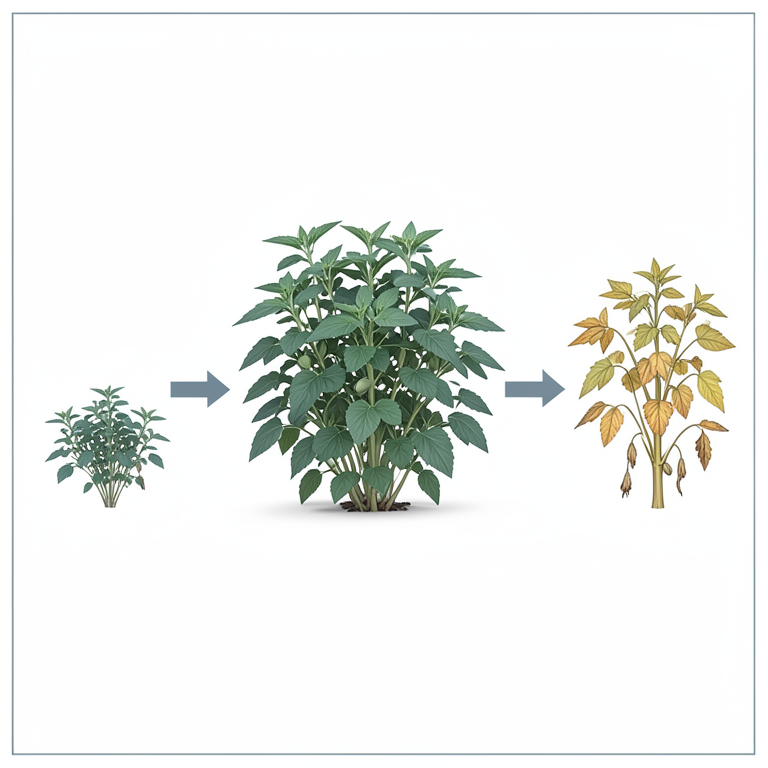
NPK Dosage vs. Crop Yield
AI-generated conceptual illustration (Nigella sativa plants). It explains the idea and does not show study data.
View source evidence ↗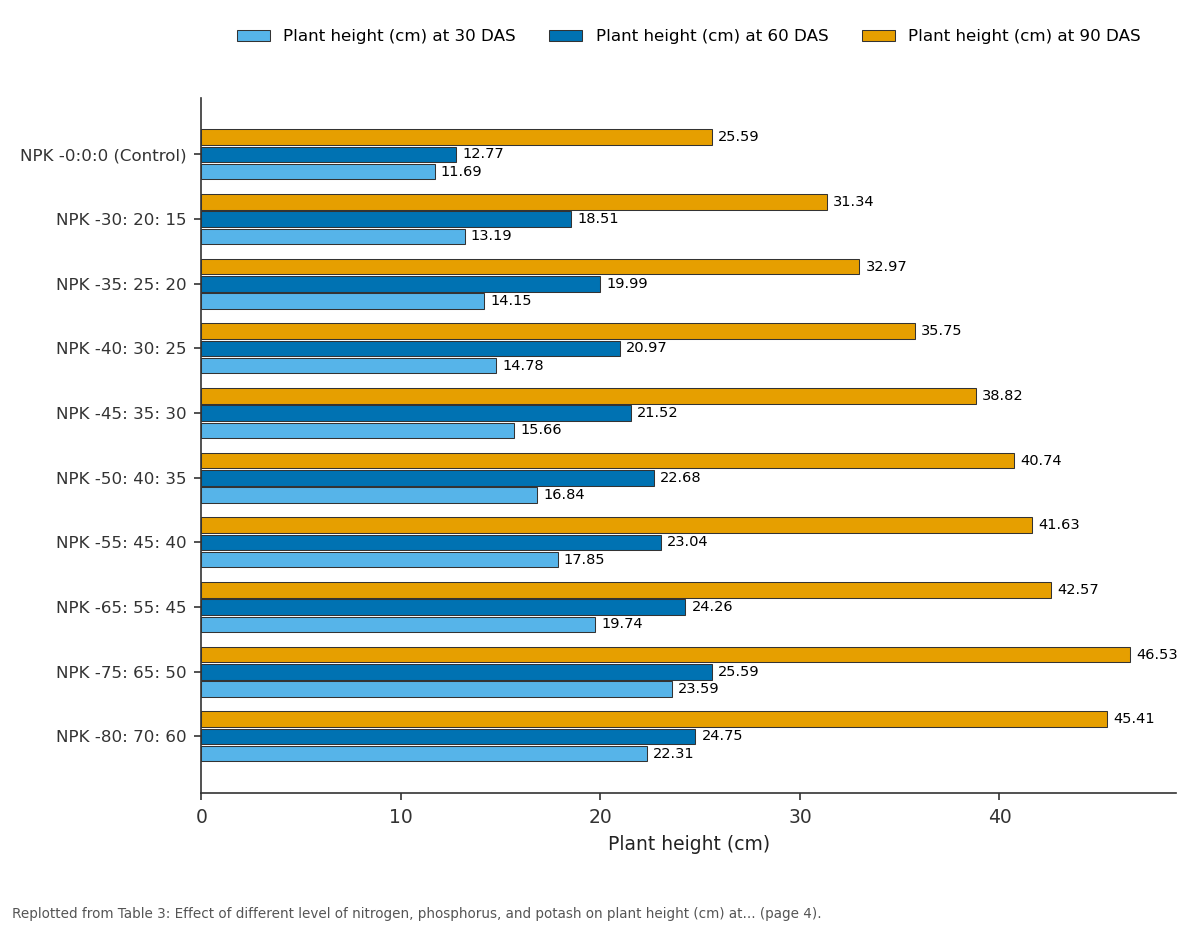
Plant height (cm) at 30 DAS and Plant height (cm) at 60 DAS and more: NPK -0:0:0 (Control) vs NPK -30: 20: 15 vs NPK -35: 25: 20 vs NPK -40: 30: 25 vs NPK -45: 35: 30
Replotted from Table 3 (page 4) of the original paper. Every bar is the paper's own table value.
View source evidence ↗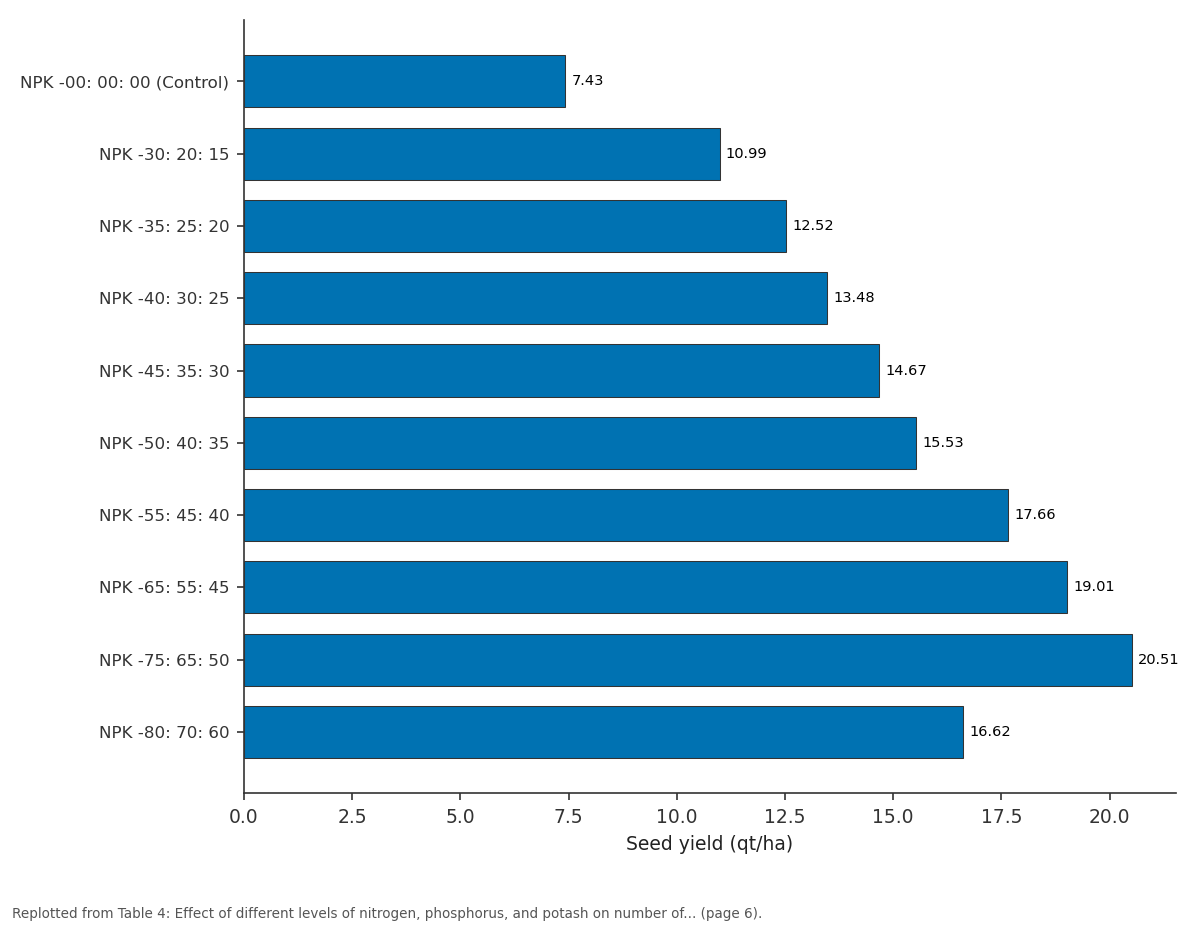
Seed yield (g)/plant: NPK -00: 00: 00... vs NPK -30: 20: 15 vs NPK -35: 25: 20 vs NPK -40: 30: 25 vs NPK -45: 35: 30
Replotted from Table 4 (page 6) of the original paper. Every bar is the paper's own table value.
View source evidence ↗Figures & tables
From the original paper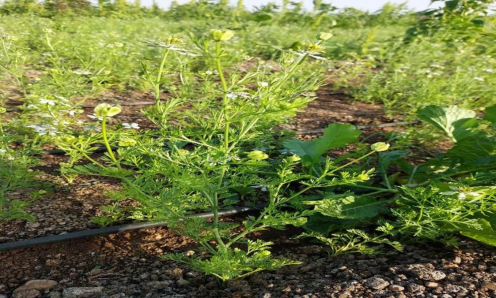 Figure 1
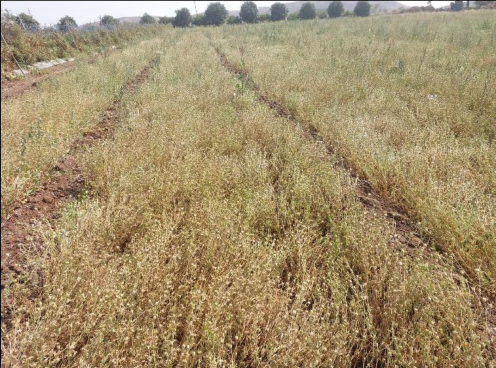 Figure 2
 Table 1
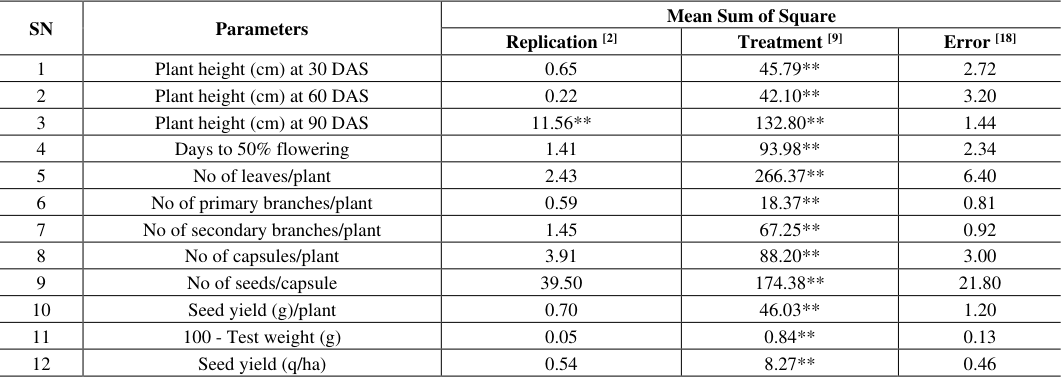 Table 2
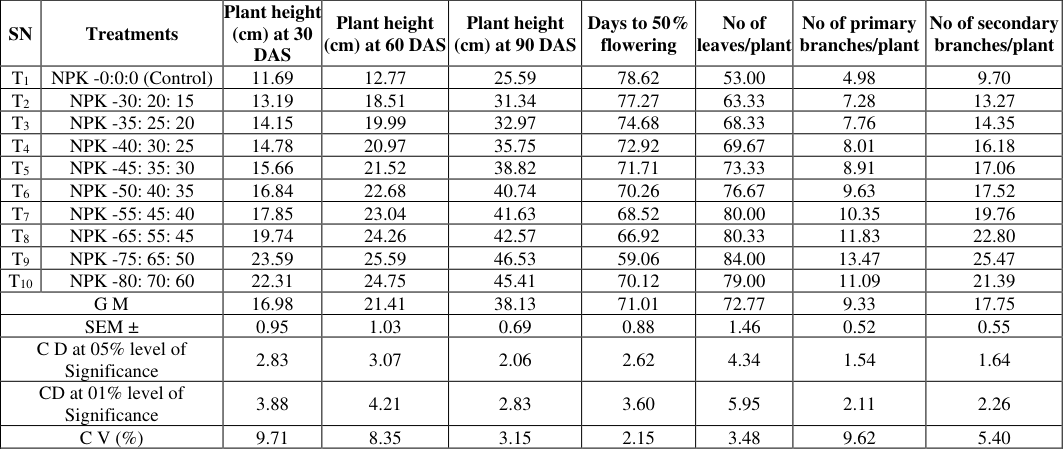 Table 3
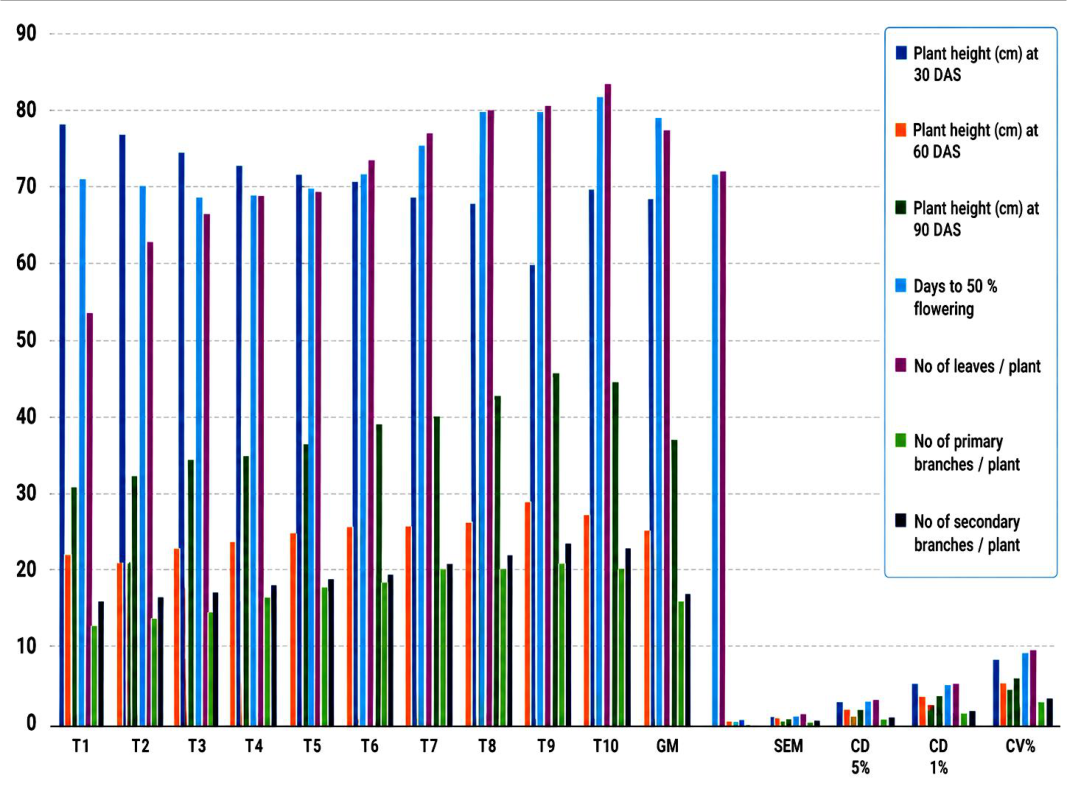 Figure 3
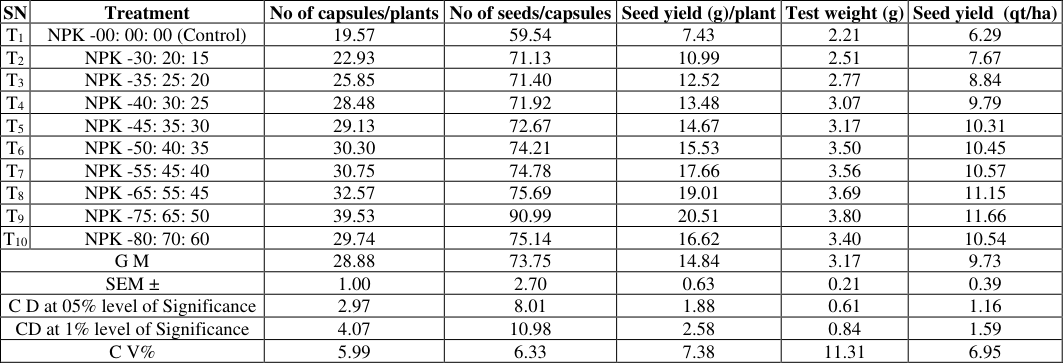 Table 4
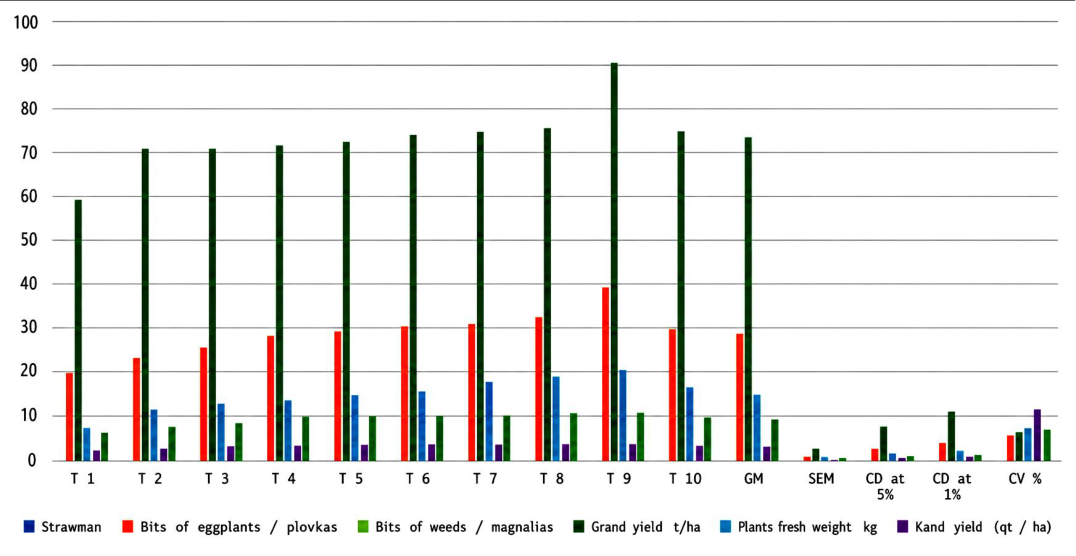 Figure 4
Introduction
Nigella (Nigella sativa L.) is generally short leaved an annual small herb seed spices crop, growing to a height of about 45 to 55 cm. It is commonly known as kalonji or black cumin. Nigella belongs to the family Ranunculaceae (Arslan et al., 2000) [2] having chromosome number 2n = 12. It is cultivated in the winter season. The crop is native to the mediterranean region of Turkey and Cyprus (Davis, 1965) [4] . In India, it is cultivated in Rajasthan, Uttar Pradesh, West Bengal, Punjab, Himachal Pradesh, Jharkhand, Madhya Pradesh, Andhra Pradesh, and Assam (Vijay and Malhotra, 2002) [29] . In India Nigella is estimated produced in an area of about 9000 hectares with production of about 7000 -8000 tons. The seed of Nigella have been used since ancient times as spices for making pickles and cooked vegetables. It can also be used in culinary, confectionary, perfumery, cosmetics, and pharmaceuticals industry (Ozel et al., 2009) [17] . Dried Nigella seeds have several medicinal properties, and they are used for stomach disease, diarrhea, rheumatism, asthma, and skin disorder (Sultana et al., 2015) [22] , antifungal (Bita et al., 2012) [4] , antidiabetic (Zaoui et al., 2002) [31] and contain contraceptive and antifertility activity (Keshri et al., 1995) [11] . Roasted black seed can be used as anti-vomiting (Morsi, 2000) [15] . Growth and seed yield of Nigella are largely influenced by the nutrient's fertility status of the soil apart from genetic potential of the variety. Nutrients are one of the most important factors to increasing crop productivity. Maintain soil fertility status by providing a basic dose of fertilizers and adequate major nutrients like nitrogen, phosphorus, and potassium as per the crop requirement to increase seed yield production. Nitrogen plays an important role in the synthesis of plant components by various enzymes (Khalid and Shedeed, 2015) [32] . Application of fertilizers especially nitrogen, phosphorus and potash had a considerable effect not only on quantity but also on the quality of the seed.
Nitrogen is beneficial for plant height, number of branches per plant, number of capsule/plant and seed yield of the Nigella spp. Khaled et al., (2007) [12] , Ozgmen and Sekeroglu (2007), Mollafilabi et al., (2009) [14] and Tuncturk et al., (2012) [25] . Nitrogen fertilization increases the plant growth rate, essential oil%, fatty oil, carbohydrates, and soluble sugar amount (Khalid, 1996, 2001) [33,34] . Nitrogen, one of the primary nutritional elements, also influences the yield in addition to the seed quality. Nitrogen plays a role in respiration, photosynthesis, and protein synthesis, it gives the leaves their dark green color, promotes vegetative and shoot growth and high seed yield (Pawar et al., 2007) [19] . [9] . Phosphorus has been found to significantly affect the number of capsules, weight of 1000 seed and seed yield (Ozguven and Sekeroglu, 2007 and Tuncturk et al., 2011) [18, 24] . Potassium fertilizer is another essential component to reduce the severity of disease and most abundant cation in higher plants. Application of potassium 30 kg/ha along with 30 kg/ha nitrogen decrease plant death due to disease and increase yield in Nigella spp (Champawat and Pathak, 1982) [5] . In this study, research near the coast of the Arabian Sea of Mahuva is known for its mild weather located in Bhavnagar district of Gujarat was conducted to investigate effect of different level of nitrogen, phosphorus, and potash fertilizers and to determinate the optimum fertilizer doses on growth and yield components of Nigella crop.
Materials and Methods
The experiment was conducted at a progressive farmer field, under supervision of agriculture scientist, Pidilite Industries Limited at Bhanavad village Mahuva during winter season year 2023 to 2024. The experiment site was located 71° 45' 58.97"E longitude 21° 5' 9.85" N latitude from mean sea level. The location is near the coast of the Arabian Sea, providing 600-700 mm annual rainfall. The temperature was 20 to 350 C temperature in the month of October to March and relative humidity 40-50% during the period of study.
The soil characteristic of the experiment field was clay loam, medium in salt (0.61 milli mS cm -1 ) and pH 7.34 light alkaline. In upper layer of the soil had low concentration of organic matter (0.50%) and nitrogen (250 kg/ha). Available phosphorus content of the soil was highly low (12 kg/ha), potassium content was good (603 kg/ha), available sulphur content was medium (12 ppm), available zinc content was low (0.20 ppm), available Iron content was low (1.12 ppm), available mg content was high (10.60 ppm), available copper content was high (1.98 ppm) and available boron content was very low (0.072 ppm).
SN Parameters
Mean Sum of Square Replication [2] Treatment [9] Error [18] Seed yield (q/ha) 0.54 8.27** 0.46 Note: DAS = days after sowing, No = number, g = gram, qt/ha = quintal per hectare, % = percentage. Significant at 5% and 1% respectively
Results and Discussion
The significant difference for various plant growth and yield attribute traits for individual environment at 1% level of significance are presented in Table 1. The significant difference at 1% level of significance were found in all the parameters viz. number of leaves/plant, number of seeds/capsule, plant height (cm) at 90 DAS, days to 50% flowering, number of capsules/plant, number of secondary branches/plant, seed yield (g)/plant, plant height (cm) at 30 DAS, plant height (cm) at 60 DAS, number of primary branches/plant and seed yield (q/ha) except 100test weight (g). The maximum significant difference at 1% level of significance was found in character number of leaves/plant (266.37**) followed by number of seeds/capsule (174.38**), plant height (cm) at 90 days after sowing (132.80**) and days to 50% flowering (93.98**). Minimum significant difference was found in character 100 -test weight (g) 0.84** and seed yield (q/ha) 8.27.
| Source of variation | Degree of freedom | Sum of square | Mean sum of square | f value | f t 05% or 01% table value |
|---|---|---|---|---|---|
| Replication | r - 1 | RSS | RMS | RMS/EMS | - |
| Treatment | t - 1 | TSS | TMS | TMS/EMS | - |
| Error | (r -1) (t -1) | ESS | EMS | - | - |
| Total | rt - 1 | TSS | - | - | - |
Table text extracted from the original PDF; superscript letters are shown inline. The original table image is below.
View original table image
Growth parameters
Effect of different level of nitrogen, phosphorus, and potash on plant height (cm) at 30 [30] stated that the plant height of Nigella sativa was maximum 57.3 cm at 6 kg ha -1 nitrogen fertilizer. Tuncturk et al., (2012) [25] expressed that increasing nitrogen doses enhance plant height of black cumin in their experimental years. Days taken to 50% flowering (59.06) was recorded under fertilizer dose of NPK -75: 65: 50 kg/ha which was found significantly superior over rest fertilizers doses. Minimum days to taken 50% flowering was observed in treatment T9 (59.06) followed by T8 (66.92) and T10 (70.12). Highest days taken to 50% flowering was recorded in control (T1) plot 78.62. Applied of lower level of NPK fertilizer dose took the maximum days to 50% flowering whereas increasing level of NPK dose took the minimum days to 50% flowering. Number of leaves/plants was found maximum in treatment T9 (84.00) followed by T8 (80.33), T7 (80.00) and T10 (79.00). Highest value of number of leaves/plant (84.00) was obtained as applied NPK 75: 65: 50 kg/ha and the lowest value 53 numbers of leaves/plant was obtained as applied NPK dose nil in the control plot.
NPK is an important nutrient that improves vegetative growth of the plants. Over results showed that the number of branches/plants augmented with increasing NPK doses. The effect of varying level of NPK doses on the number of primary and secondary branches/plant found significantly.
The number of branches increased by increasing NPK dose up to 75: 65: 50 kg/hectare and there was a slightly decreasing in increased further NPK doses showed in Table 2. In this experiment, increased NPK doses in proper ratio were supposed to encourage vegetative growth and number of branch initiation. Among the treatment combination with higher NPK level produced the maximum number of branches whereas, lower NPK doses showed the minimum amount of branches/plant. The highest value of primary branches/plant was obtained (13.47) as applied NPK dose 75: 65: 50 kg/hectare followed by T8 (11.83), T10 (11.09) and T7 (10.35), whereas the lowest value (4.98) was observed in control plot. Similarly, the maximum value of secondary branches/plant was observed in treatment T9 (25.47) followed by treatment T8 (22.80), T10 (21.39) and T7 (19.76). Tulukeu stated that the highest number of branches (5.41 plant -1) was obtained from 120 kg Nitrogen ha 1. Tuncturk et al., (2012) [25] expressed that the number of branches increased by increasing Nitrogen doses up to 60 kg ha 1.
| SN | Parameters | Mean Sum of Square | — | — |
|---|---|---|---|---|
| Replication [2] | Treatment [9] | Error [18] | ||
| 1 | Plant height (cm) at 30 DAS | 0.65 | 45.79** | 2.72 |
| 2 | Plant height (cm) at 60 DAS | 0.22 | 42.10** | 3.20 |
| 3 | Plant height (cm) at 90 DAS | 11.56** | 132.80** | 1.44 |
| 4 | Days to 50% flowering | 1.41 | 93.98** | 2.34 |
| 5 | No of leaves/plant | 2.43 | 266.37** | 6.40 |
| 6 | No of primary branches/plant | 0.59 | 18.37** | 0.81 |
| 7 | No of secondary branches/plant | 1.45 | 67.25** | 0.92 |
| 8 | No of capsules/plant | 3.91 | 88.20** | 3.00 |
| 9 | No of seeds/capsule | 39.50 | 174.38** | 21.80 |
| 10 | Seed yield (g)/plant | 0.70 | 46.03** | 1.20 |
| 11 | 100 - Test weight (g) | 0.05 | 0.84** | 0.13 |
| 12 | Seed yield (q/ha) | 0.54 | 8.27** | 0.46 |
Table text extracted from the original PDF; superscript letters are shown inline. The original table image is below.
View original table image
Yield parameters
The data on various yield attributes viz. number of capsules/plant, number of seeds/capsule, seed yield (g)/plant, 100 -seed test weight (g) and seed yield (qt/ha) are presented in Table 3 [25] discovered the number of capsules within the range of 5.3 to 7.5 pieces plant -1. Tuncturk (2012) [25] stated that the number of capsules was increased by increasing nitrogen doses and they produced more capsules. Shah (2004) [21] reported the number of capsules as 15.25 -35.74. These findings are closely related to Nataraja et al., (2003) [16] in Nigella sativa, Channabasavanna et al., (2008) [6] in ajwain and Bhat and Sulikeri (1992) [3] in coriander. Seed yield (g)/plant was significantly influenced by the different levels of NPK fertilizer doses. The findings showed that among the treatment combination level, the highest seed yield (g)/plant was obtained in the treatment T9 (20.51) followed by T8 ( [10] and Kaheni et al., (2013) [20] also found significant effect of fertilizer levels on 1000 seed weight of black cumin. Seed yield (qt/ha) of Nigella sativa spp were significantly influenced by the applied of different levels of NPK fertilizer doses showed in [25] reported that increasing phosphorus doses positively influenced seed yields in black cumin.
| SN | Treatments | Plant height (cm) at 30 DAS | Plant height (cm) at 60 DAS | Plant height (cm) at 90 DAS | Days to 50% flowering | No of leaves/plant | No of primary branches/plant | No of secondary branches/plant |
|---|---|---|---|---|---|---|---|---|
| T1 | NPK -0:0:0 (Control) | 11.69 | 12.77 | 25.59 | 78.62 | 53.00 | 4.98 | 9.70 |
| T2 | NPK -30: 20: 15 | 13.19 | 18.51 | 31.34 | 77.27 | 63.33 | 7.28 | 13.27 |
| T3 | NPK -35: 25: 20 | 14.15 | 19.99 | 32.97 | 74.68 | 68.33 | 7.76 | 14.35 |
| T4 | NPK -40: 30: 25 | 14.78 | 20.97 | 35.75 | 72.92 | 69.67 | 8.01 | 16.18 |
| T5 | NPK -45: 35: 30 | 15.66 | 21.52 | 38.82 | 71.71 | 73.33 | 8.91 | 17.06 |
| T6 | NPK -50: 40: 35 | 16.84 | 22.68 | 40.74 | 70.26 | 76.67 | 9.63 | 17.52 |
| T7 | NPK -55: 45: 40 | 17.85 | 23.04 | 41.63 | 68.52 | 80.00 | 10.35 | 19.76 |
| T8 | NPK -65: 55: 45 | 19.74 | 24.26 | 42.57 | 66.92 | 80.33 | 11.83 | 22.80 |
| T9 | NPK -75: 65: 50 | 23.59 | 25.59 | 46.53 | 59.06 | 84.00 | 13.47 | 25.47 |
| T10 | NPK -80: 70: 60 | 22.31 | 24.75 | 45.41 | 70.12 | 79.00 | 11.09 | 21.39 |
| G M | 16.98 | 21.41 | 38.13 | 71.01 | 72.77 | 9.33 | 17.75 | |
| SEM ± | 0.95 | 1.03 | 0.69 | 0.88 | 1.46 | 0.52 | 0.55 | |
| C D at 05% level of Significance | 2.83 | 3.07 | 2.06 | 2.62 | 4.34 | 1.54 | 1.64 | |
| CD at 01% level of Significance | 3.88 | 4.21 | 2.83 | 3.60 | 5.95 | 2.11 | 2.26 | |
| C V (%) | 9.71 | 8.35 | 3.15 | 2.15 | 3.48 | 9.62 | 5.40 |
Table text extracted from the original PDF; superscript letters are shown inline. The original table image is below.
View original table image
Acknowledgement
AcknowledgementsThis work was encouraged and supported and by Madhukar Bhai Parekh, Chairman Pidilite Industries Limited and motivated to the farmers to enhance spices crop farming near coastal belt of Mahuva, Distt. Bhavnagar -Gujarat. Dr. PK Shukla has given technical support and motivated about crop diversification such as spices crop, cash crop etc. During the experiment of the study of Nigella crop was supported.
Figures and tables from the paper
| SN | Treatment | No of capsules/plants | No of seeds/capsules | Seed yield (g)/plant | Test weight (g) | Seed yield (qt/ha) |
|---|---|---|---|---|---|---|
| T1 | NPK -00: 00: 00 (Control) | 19.57 | 59.54 | 7.43 | 2.21 | 6.29 |
| T2 | NPK -30: 20: 15 | 22.93 | 71.13 | 10.99 | 2.51 | 7.67 |
| T3 | NPK -35: 25: 20 | 25.85 | 71.40 | 12.52 | 2.77 | 8.84 |
| T4 | NPK -40: 30: 25 | 28.48 | 71.92 | 13.48 | 3.07 | 9.79 |
| T5 | NPK -45: 35: 30 | 29.13 | 72.67 | 14.67 | 3.17 | 10.31 |
| T6 | NPK -50: 40: 35 | 30.30 | 74.21 | 15.53 | 3.50 | 10.45 |
| T7 | NPK -55: 45: 40 | 30.75 | 74.78 | 17.66 | 3.56 | 10.57 |
| T8 | NPK -65: 55: 45 | 32.57 | 75.69 | 19.01 | 3.69 | 11.15 |
| T9 | NPK -75: 65: 50 | 39.53 | 90.99 | 20.51 | 3.80 | 11.66 |
| T10 | NPK -80: 70: 60 | 29.74 | 75.14 | 16.62 | 3.40 | 10.54 |
| G M | 28.88 | 73.75 | 14.84 | 3.17 | 9.73 | |
| SEM ± | 1.00 | 2.70 | 0.63 | 0.21 | 0.39 | |
| C D at 05% level of Significance | 2.97 | 8.01 | 1.88 | 0.61 | 1.16 | |
| CD at 1% level of Significance | 4.07 | 10.98 | 2.58 | 0.84 | 1.59 | |
| C V% | 5.99 | 6.33 | 7.38 | 11.31 | 6.95 |
Table text extracted from the original PDF; superscript letters are shown inline. The original table image is below.
View original table image
References
34 in the original paper- Ali MMK, Hasan MA, Islam MR. Influence of fertilizer level on the growth and yield of black cumin (Nigella sativa L.). The Agriculturists. 2015;13(2):97-104.
- Arslan N, Gurbuz B, Ozcan S. Turkiye'de dogal bitkilerin kullanimi ve ticareti. Ekin Dergisi. 2000;12:98-102.
- Bhat VR, Sulikeri GS. Effect of nitrogen, phosphorus and potassium on seed yield and yield attributes of coriander (Coriandrum sativum L.). Karnataka J Agric Sci. 1992;5(1):26-30.
- Bita A, Rosu SF, Calina D, Rosu L, Zlatian O, Dindera C. An alternative treatment for Candida infections with Nigella sativa extracts. Eur J Hosp Pharm. 2012;19:162.
- Champawat RS, Pathak VN. Role of nitrogen, phosphorus and potassium fertilizers and organic amendments in cumin (Cuminum cyminum L.) infected with Fusarium oxysporum f. sp. cumin. Indian J Agric Sci. 1982;58(9):728-730.
- Channabasavanna AS, Nagappa, Biradar DP. Productivity and economic analysis of ajowan as influenced by spacing and fertilizer levels. Karnataka J Agric Sci. 2008;21(1):106-107.
- Davis PH. Nigella sativa L. In: Davis PH, editor. Flora of Turkey and the East Aegean Islands. Edinburgh: Edinburgh University Press; 1965. p. 98-105.
- Dijana H, Marija V, Krunoslav K, Vesna Z. Influence of sowing period and fertilization on yield and quality of seeds of Nigella damascena and Nigella sativa. Acta Sci Pol Agric. 2017;16(1):35-43.
- Geren H, Bayram E, Ceylan A. Effect of different sowing dates and phosphorus fertilizer application on the yield and quality characteristics of black cumin (Nigella sativa L.). Proc Second Natl Field Crops Congr. 1997:376-380.
- Kaheni A, Ramajani SHR, Ganjali HR, Mobaser HR. Effect of nitrogen fertilizer and plant density on yield and its components in cumin (Cuminum cyminum L.) in South Khorasan Province. Int J Agric Crop Sci. 2013;6(5):248-251.
- Keshri G, Singh MM, Lakshmi V, Kamboj VP. Postcoital contraceptive efficacy of the seed of Nigella sativa in rats. Indian J Physiol Pharmacol. 1995;39(1):59-62.
- Khaled AT, Nasri IH, Butros IH, Butro K, Kharallah K. Effect of some agricultural practices on the productivity of black cumin (Nigella sativa L.) grown under rainfed semi-arid conditions. Jordan J Agric Sci. 2007;3(4):385-396.
- Izgi MN. Effect of different nitrogen dose applications on black cumin (Nigella sativa L.): some vegetative parameters and oil ratio. J Agric Fac Gaziosmanpasa Univ. 2020;37(1):38-43.
- Mollafilabi A, Rashed MH, Moddi H, Kafi M. Effect of plant density and nitrogen on yield and yield components of black cumin (Nigella sativa L.). Acta Hortic. 2009;853:115-126.
- Morsi NM. Antimicrobial effect of crude extracts of Nigella sativa on multiple antibiotics-resistant bacteria. Acta Microbiol Pol. 2000;49(1):63-74.
- Nataraja A, Farooqi AA, Sreeramu BS, Srinivasappa KN. Influence of nitrogen, phosphorus and potassium on growth and yield of black cumin (Nigella sativa L.). J Spices Aromat Crops. 2003;12(1):51-54.
- Ozel A, Demirel U, Güler İ, Erden K. Effect of different row spacing and seed rates on yield and some agricultural characteristics of black cumin (Nigella sativa L.). Harran Univ Ziraat Fak Derg. 2009;13(1):17-25.
- Ozguven M, Sekeroglu N. Agricultural practices for high yield and quality of black cumin (Nigella sativa L.) cultivated in Turkey. Acta Hortic. 2007;756:329337.
- Pawar PM, Naik DM, Damodhar VP, Shinde VN, Bhalerao RV. Influence of graded levels of spacing and nitrogen on growth and yield of coriander (Coriandrum sativum L.). Asian J Hortic. 2007;2(1):58-60.
- Rana S, Singh PP, Naruka IS, Rathore S. Effect of nitrogen and phosphorus on growth, yield and quality of black cumin (Nigella sativa L.). Int J Seed Spices. 2012;2(2):5-8.
- Shah SH. Morphophysiological response of black cumin (Nigella sativa L.) to nitrogen, gibberellic acid and kinetin application [PhD thesis]. Aligarh (India): Aligarh Muslim University; 2004.
- Sultana S, Asif HM, Akhtar N, Iqbal A, Nazar H, Rahman RU. Nigella sativa: Monograph. J Pharmacogn Phytochem. 2015;4(4):103-106.
- Tulukçu E. The effect of varying nitrogen doses on some yield components of Nigella sativa L. Selcuk J Agric Food Sci. 2015;29(2):67-70.
- Tuncturk M, Tuncturk R, Yildirim B. The effect of varying phosphorus dose on yield and some yield components of black cumin (Nigella sativa L.). Adv Environ Biol. 2011;5(2):371-374.
- Tuncturk R, Tuncturk M, Ciftci V. The effect of varying nitrogen doses on yield and some yield components of black cumin (Nigella sativa L.). Adv Environ Biol. 2012;6(2):855-858.
- Tuncturk R, Tuncturk M, Ciftci V. Effects of varying nitrogen doses on yield and some yield components of black cumin (Nigella sativa L.). Adv Environ Biol. 2012;6(2):855-858.
- Ved Kant, Meena SS, Meena NK, Lal G. Influence of different dates of sowing, fertilizer level and weedicides on growth and yield of Nigella (Nigella sativa L.) under semi-arid conditions. Int J Curr Microbiol Appl Sci. 2018;7(9):1156-1167.
- Verma I, Naruka IS, Patel R. Effect of different doses of NPK fertilizer on yield characters of Nigella (Nigella sativa L.). Pharma Innov J. 2022;11(4):1139-1144.
- Vijay OP, Malhotra SK. Seed spices in India and world. Seed Spices Newslett. 2002;2(1):1-4.
- Yimam E, Nebiyu A, Mohammed A, Getachew M. Effect of nitrogen and phosphorus fertilizers on growth, yield and yield components of black cumin (Nigella sativa L.) at Konta district, southwest Ethiopia. J Agron. 2015;14(3):112-120.
- Zaoui A, Cherrah Y, Mahassini N, Alaoui K, Amarouch H, Hassar M. Acute and chronic toxicity of Nigella sativa fixed oil. Phytomedicine. 2002;9(1):69-74.
- Khalid AK, Shedeed MR. Effect of NPK and foliar nutrition on growth, yield and chemical constituents in Nigella sativa L. Journal of Mater of Environmental of Science. 2015;6(6):1709-1714.
- Khalid AK. Effect of NP fertilization and trace elements on growth and chemical constituents of some medicinal Apiaceae plants. J Agric Sci. 1996.
- Khalid AK. Effect of nitrogen fertilization on vegetative growth, essential oil and chemical composition of medicinal plants including Nigella sativa. J Herbs Spices Med Plants. 2001.