
Research article · 2026 · Full text
International Journal of Advanced Chemistry ResearchIdentification of a vasodilator compound isolated from the fruit of Sechium edule (Jacq.) Swartz (Cucurbitaceae)
Volume 8(3) · Pages 01–05 · DOI: 10.33545/26646781.2026.v8.i3a.362 ↗
Research areasAdvances in Cucurbitaceae ResearchNatural Compound Pharmacology StudiesGinkgo biloba and Cashew Applications
Abstract
Author-writtenThe present paper aimed to identify a vasodilatory isolate from Sechium edule fruit. The hydroalcoholic extract of Sechium edule fruit has been proven to have vasodilatory activity. After a bio guided fractionation, ethyl acetate fraction exhibited the highest activity. Preparative chromatography was used to isolate a bioactive compound from this fraction. The structure was determined using spectroscopy (UV, NMR 1 and 2D, MS). Its vasodilation activity was assessed on rat isolated aorta precontracted with norepinephrine. Analytical chromatography shows 3 spots at Rf 0.27, 0.36 and 0.9. Our results show that the spot with Rf 0.36 possesses a vasodilator activity. It relaxes isolated aorta pre contracted with norepinephrine with EC50 equal to 37.16 µg/ml. Chemical shifts (δH) and spin-spin coupling constants (JHH) data were compared with literature to confirm the isolate as 24-hydroxymethyl-23,26,27-trihydroxy-cucurbit-5-ene-3-yl-acetate, a cucurbitane derivate.
Summary
Source-checkedPlain-language reading of the full paper, prepared with AI and checked against the text. Each point links to the authors' own words.
Why it matters
- A large majority of the global population, over 80%, depends on traditional medicine for primary healthcare. View evidence ↗
- Because medicinal plants contain many different substances, it is necessary to identify the specific bioactive molecules responsible for their effects. View evidence ↗
- The fruits of Sechium edule are known to contain secondary metabolites like cucurbitane-type triterpenoids and exhibit activities including antihypertensive and vasorelaxant effects. View evidence ↗
The question
- The study aimed to isolate a specific molecule with vasorelaxant properties from the ethyl acetate fraction of Sechium edule fruits. View evidence ↗
What they did
- The researchers used Wistar rats weighing between 200 and 250 g for the biological assays. View evidence ↗
- Fruit powder was processed through successive Soxhlet extractions using hexane, dichloromethane, ethyl acetate, and methanol. View evidence ↗
- Rat thoracic aorta segments of 3 mm were mounted in an organ bath with 20 mL of Krebs-Henseleit solution at 37 °C under 1 g of tension. View evidence ↗
- The structure of the active isolate was determined using UV, 1D and 2D NMR spectroscopy and Q-TOF mass spectrometry. View evidence ↗
What they found
- The hexane and dichloromethane fractions of the fruit showed no ability to relax the precontracted aorta. View evidence ↗
- The ethyl acetate fraction (EC₅₀ = 1.79 mg/mL) and methanolic fraction (EC₅₀ = 5.32 mg/mL) both induced concentration-dependent relaxation of the aorta. View evidence ↗
- Preparative chromatography of the ethyl acetate fraction identified three spots with Rf values of 0.27, 0.36, and 0.9. View evidence ↗
- The active isolate was identified as 24-hydroxymethyl-23,26,27-trihydroxy-cucurbit-5-ene-3-yl-acetate, a tetracyclic cucurbitane-type triterpenoid. View evidence ↗
What it means
- The authors conclude that Sechium edule is a promising source of bioactive triterpenoids that could serve as natural antihypertensive agents. View evidence ↗
- The authors state that future work is needed to determine the molecule's mechanism of action, structure-activity relationships, and in vivo safety and efficacy. View evidence ↗
Visual summary
1 visualsIllustrations explain the paper; they do not show study data.
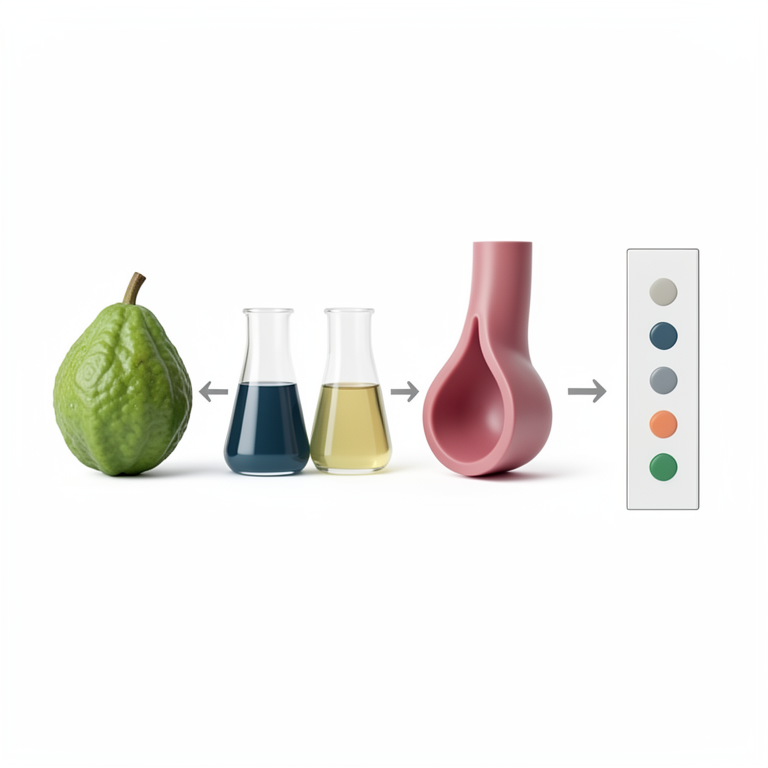
Bioactivity-Guided Isolation Workflow
AI-generated conceptual illustration (Sechium edule fruit and rat aorta tissue). It explains the idea and does not show study data.
View source evidence ↗Figures & tables
From the original paper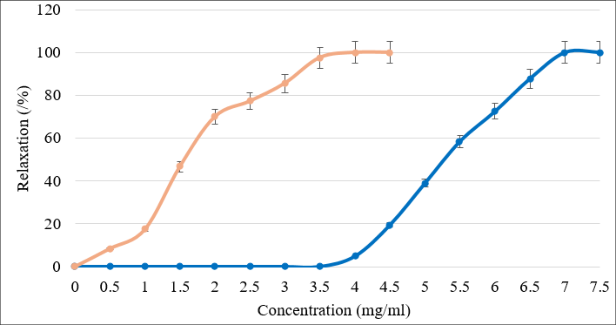 Figure 1
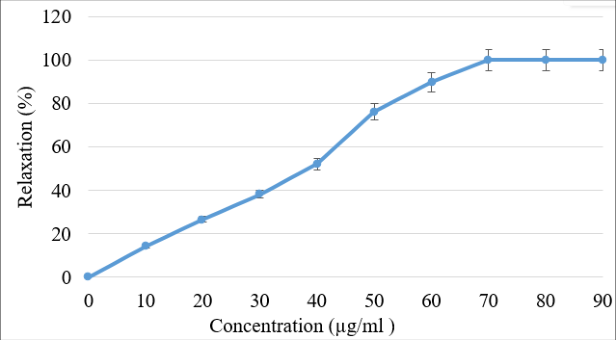 Figure 2
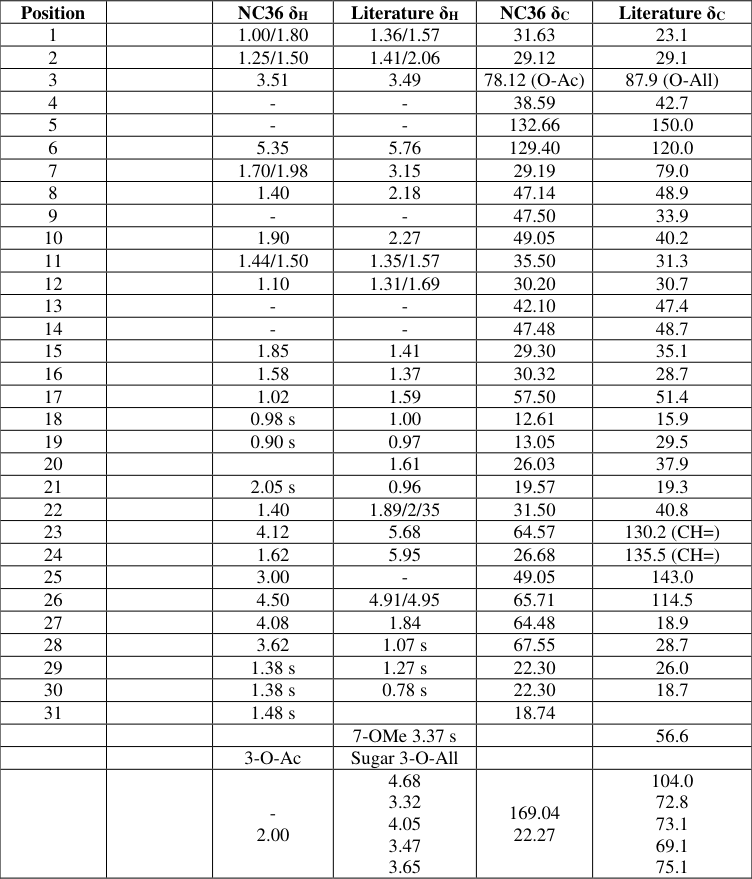 Table 1
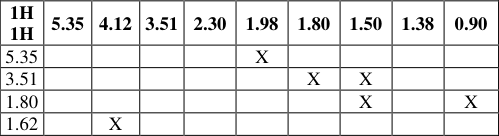 Table 2
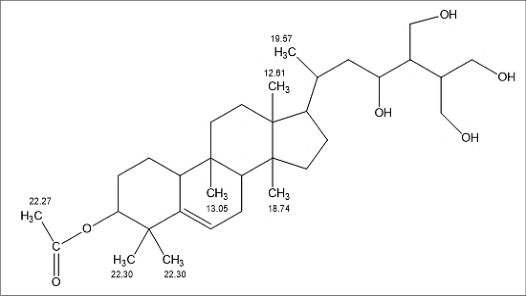 Figure 3
Introduction
According to the World Health Organization (WHO), more than 80% of the world's population rely on traditional medicine for their primary healthcare needs. The use of herbal medicines represents a long history of human interactions with the environment [1,2] . In many cases the people claim the good benefit of certain natural or herbal products, and scientific investigations have reported the efficacy of medicinal plants, justifying their folklore use. However, clinical trials are necessary to demonstrate the effectiveness of a bioactive compound to verify this traditional claim. Since plants used in traditional medicine contain a wide range of substances, identification of bioactive molecules is necessary [3] . Sechium edule (Jacq.) Sw., a member of the Cucurbitaceae family, has been the subject of some phytochemical and pharmacological investigations. Previous studies on its fruits have reported the presence of diverse secondary metabolites, including phenolic compounds, flavonoids, and cucurbitane-type triterpenoids, together with notable antioxidant, antidiabetic, antihypertensive, and vasorelaxant activities. Hydroalcoholic extract of the fruit has demonstrated significant biological effects in vitro and in vivo, supporting its traditional use in metabolic and cardiovascular disorders [4,5,6] . Our previous studies demonstrate its antihypertensive activity with diuretic and vasorelaxation properties of its hydro alcoholic extract [7,8] . Despite these findings, the specific compounds responsible for the reported bioactivities remain incompletely characterized, and bioactivity-guided isolation studies are still limited. Therefore, the isolation and structural elucidation of active principles from S. edule fruits are warranted to better define the chemical entities underlying its pharmacological properties and to further expand the phytochemical knowledge of this species. The aim of the current study was to isolate a vasorelaxant molecule from ethyl acetate fraction of S. edule fruits. Bioassays fractionation: Sechium edule fruits were collected from Antanamitarana and Andranomanitra, two localities in the DIANA region, Madagascar. A voucher specimen was identified at the herbarium of Parc Botanique et Zoologique de Tsimbazaza (PBZT), Antananarivo, Madagascar. The collected samples were dried under shade, in aerated area at room temperature for 30 days; 200 g of dry materials were ground to powder using a grinder (BROOK CROMPTON© series 2000). The powder obtained was subjected to successive Soxhlet extraction using hexane, dichloromethane, ethyl acetate, and methanol until exhaustive extraction was achieved. The extracts were evaporated to dryness under reduced pressure using a rotary evaporator (Evapotec®). Each fraction was evaluated for vasodilating activity on isolated thoracic aorta precontracted with norepinephrine, and EC₅₀ values were determined. The bioactive compound was subsequently isolated from the fraction exhibiting the highest activity [9] .
Isolation of the vasodilatory molecule:
The active compound was isolated from the ethyl acetate fraction by preparative chromatography using precoated silica gel GF₂₅₄ glass plates (Merck, 107747; 1 mm thickness). The sample was deposited on the preparative plates and developed with a dichloromethane-methanol solvent system (95:5, v/v). After development, the plates were air-dried, and separated bands were visualized under UV light at 254 nm. Retention factor (Rf) values were calculated, and individual bands were scraped and eluted. The purity of the isolated compound was confirmed by two-dimensional TLC using plastic-backed precoated silica gel GF₂₅₄ plates (Merck), developed with dichloromethane-methanol 95:5 and 92:8 (v/v) [10] . The compounds obtained from the different bands were evaluated for vasodilatory activity on isolated thoracic aorta precontracted with norepinephrine to identify an active compound.
Vasodilatory investigation
Vasodilatory activity of the different isolates was assessed on isolated thoracic aorta of rat according to the methods described by Kitchen (1984) [11] . The rat was anesthetized with thiopental sodium, injected intramuscularly at the dose of 50 mg/kg (Pentothal Sodium, Abbott, Turkey). The animal was exsanguinated by cutting the two aortas, and a thoracotomy was carried out. The aorta was identified, and the descending thoracic aorta was immediately removed and freed from connective tissues. It was cut into small pieces of 3 mm length, and immediately mounted between two Sshaped stainless-steel hooks, under resting tension of 1 g, in an organ bath containing 20 mL Krebs-Henseleit physiological solution at 37 °C. The composition of the Krebs-Henseleit solution was as follows (in mmol/L): Na + 137.4, K + 5.9, Ca 2+ 2.5, Mg 2+ 1.2, HCO3 -15.5, H2PO 4 1.2, Cl -134 and glucose 11.5. The organ bath was continuously aerated with carbogen (95% O2 + 5% CO2 mixture) at a pH of 7.4. Experiments were performed in preparations with intact endothelium. The tissue was allowed to stabilize for about 45 min during which the bath was renewed every 15 min and the tension readjusted. After stabilization, the aorta was contracted with norepinephrine at a concentration of 10 - 4 M in the bath. Once a contraction plateau was achieved, the isolate was injected into the bath in a cumulative manner until complete relaxation of the precontracted organ, and tension changes of the tissue were recorded. The effect of the different isolates was tested with isometric sensors (Model Gould -Statam). The vasorelaxation due to the different isolates from the ethyl acetate fraction is expressed as a percentage relaxation in response to contraction induced by norepinephrine. A concentrationeffect curve of each isolate was traced on semilogarithmic scale and EC50 was determined by linear regression. The isolate that exhibited the lowest EC₅₀ was considered as the most active compound and was the subject of structural determination [12] .
Data analysis
Results were expressed as mean ± SEM and were subjected to biostatistical analysis. One-way and two-way ANOVA followed by Student's t-test were used to compare the different means. A value of p < 0.05 was considered as the level of significance.
Structural determination of the most active isolate
The structure of the isolated compound was elucidated using NMR spectral data (UV, 1D and 2D Nuclear Magnetic Resonance (NMR) using Bruker FT-NMR Avance-500 spectrometer (Ettlingen, Germany), and by mass spectroscopy using Q-TOF at the Department of Pharmacognosy and Herbal Medicine, School of Pharmacy, University of Ghana, Legon, Accra, Ghana. To ensure consistency and accuracy throughout the analysis, the experiment was conducted at a temperature of 300 K. The 1H NMR spectrum was recorded at a frequency of 400 MHz, using the "zg30" pulse sequence optimized for proton spectroscopy. Deuterated methanol (MeOD) from Sigma-Aldrich Inc. (St. Louis, MO, USA) and standard 5 mm, 7′′ NMR tube (XR-55 series) from Norell Inc. (Landisville, NJ, USA) were used. Measurement was taken on a 500 MHz Bruker spectrometer with AVANCE console and equipped with 5 mm TXI and TCI triple resonance inverse detection cryoprobes with z-axis pulse field gradient. The structure of the isolate was identified by concerted analysis of the 1H, 13C, HSQC, NOESY, COSY NMR spectra and infrared spectroscopy and by comparison with data from the literature [13] .
Results and Discussion
Extraction yields: Evaporation of the solvents under reduced pressure using a rotary evaporator yielded a hexane fraction (3.1%), a dichloromethane fraction (2.18%), an ethyl acetate fraction (1.03%), and a methanolic fraction (4.52%) from Sechium edule fruit.
Principal compounds in the different fractions
The ethyl acetate fraction of Sechium edule fruit contains a moderate content of phenolic compounds, steroids and triterpenes, alkaloids, flavonoids and polysaccharides. The methanolic fraction contains a moderate content of flavonoids and a low quantity of steroids, triterpenes and alkaloids. Both hexane and dichloromethane contain low quantities of steroids and triterpenes.
Vasodilator effect of the different fractions
Cumulative addition of norepinephrine to the organ bath induced a concentration-dependent contraction of the isolated aorta, with maximal contraction (100%) achieved at 10⁻⁴ M. The hexane and dichloromethane fractions of Sechium edule fruit did not relax the precontracted organ. The ethyl acetate and methanolic fractions produced a concentration-dependent relaxation of the norepinephrineprecontracted aorta, with EC₅₀ values of 1.79 and 5.32 mg/mL, respectively (Fig 1). These results demonstrate that the ethyl acetate and methanolic fractions of Sechium edule fruit exert significant vasorelaxant effects on norepinephrine-precontracted aortic rings. Based on EC₅₀ values, the ethyl acetate fraction exhibits greater potency than the methanolic fraction. These results suggest that the bioactive constituents responsible for the vascular effects of Sechium edule fruit are predominantly enriched in the ethyl acetate fraction. The lack of vasorelaxant activity observed in the hexane and dichloromethane fractions further supports a polaritydependent distribution of the active compounds [14,15] . Collectively, these findings highlight the pharmacological potential of Sechium edule fruit as a source of natural antihypertensive agents and emphasize the need for further studies to isolate and structurally characterize the active constituents in this fruit, as well as to elucidate their mechanisms of action. Given the superior vasorelaxant activity of the ethyl acetate fraction, subsequent isolation of the active compound was therefore performed from this fraction.
Identification of an active compound from ethyl acetate fraction: Separation of the ethyl acetate fraction by preparative chromatography using dichloromethanemethanol (95: 5) (v/v) as the mobile phase revealed three distinct spots with Rf values of 0.27, 0.36 and 0.9 when visualized under UV light at 254 nm. After testing each isolate on pre contracted isolated thoracic aorta, the spot at Rf 0.36 exhibited the highest vasorelaxant activity. When injected cumulatively into the organ bath, it induced concentration-dependent relaxation with an EC50 of 37, 16 µg/ml (Fig 2). These findings indicate that the molecule with Rf 0.36 is one of the principal compounds responsible for the vasodilatory action of Sechium edule fruit. This active isolate was identified by concerted analysis of the recorded NMR spectra and by comparison with data in the literature (Table I, II) [16] . The present study reports the identification of a cucurbitanetype triterpenoid, 24-hydroxymethyl-23,26,27-trihydroxycucurbit-5-ene-3-yl-acetate, from Sechium edule fruit. To the best of our knowledge, this specific structure has not previously been described from S. edule to date. Phytochemical literature and compound database research that we conducted did not report the presence of 24hydroxymethyl-23, 26, 27-trihydroxy-cucurbit-5-ene-3-ylacetate from Sechium edule However, cucurbitanetype triterpenoids, including cucurbitacins and related derivatives, are well documented in members of the Cucurbitaceae. In addition to its structural characterization, the compound demonstrated significant vasodilatory activity, indicating a potential contribution to the cardiovascular-related biological properties attributed to S. edule. The presence of a cucurbitane scaffold combined with multiple hydroxyl functionalities may be relevant to its observed bioactivity [17,18,19] . These findings expand the chemical profile of S. edule and identify this triterpenoid as a promising lead for further pharmacological investigation. Future studies should aim to elucidate its mechanism of action, assess its structure-activity relationships, and evaluate its efficacy and safety in in vivo models to better define its therapeutic potential in vascular disorders.
Conclusions
The present finding extends the current knowledge of the triterpenoid constituents of S. edule fruit. Overall, this discovery highlights S. edule as a promising source of bioactive triterpenoid derivatives, supporting its potential as a source of natural antihypertensive agents and motivating further phytochemical and pharmacological investigations
Acknowledgement
AcknowledgmentsWe are thankful to the chemistry laboratory of the Department of Pharmacognosy and Herbal Medicine, University of Ghana, Legon Accra, Ghana, for enabling us to carry out the structural determination of our sample.
Figures and tables from the paper
| Position | — | NC36 δH | Literature δH | NC36 δC | Literature δC |
|---|---|---|---|---|---|
| 1 | 1.00/1.80 | 1.36/1.57 | 31.63 | 23.1 | |
| 2 | 1.25/1.50 | 1.41/2.06 | 29.12 | 29.1 | |
| 3 | 3.51 | 3.49 | 78.12 (O-Ac) | 87.9 (O-All) | |
| 4 | - | - | 38.59 | 42.7 | |
| 5 | - | - | 132.66 | 150.0 | |
| 6 | 5.35 | 5.76 | 129.40 | 120.0 | |
| 7 | 1.70/1.98 | 3.15 | 29.19 | 79.0 | |
| 8 | 1.40 | 2.18 | 47.14 | 48.9 | |
| 9 | - | - | 47.50 | 33.9 | |
| 10 | 1.90 | 2.27 | 49.05 | 40.2 | |
| 11 | 1.44/1.50 | 1.35/1.57 | 35.50 | 31.3 | |
| 12 | 1.10 | 1.31/1.69 | 30.20 | 30.7 | |
| 13 | - | - | 42.10 | 47.4 | |
| 14 | - | - | 47.48 | 48.7 | |
| 15 | 1.85 | 1.41 | 29.30 | 35.1 | |
| 16 | 1.58 | 1.37 | 30.32 | 28.7 | |
| 17 | 1.02 | 1.59 | 57.50 | 51.4 | |
| 18 | 0.98 s | 1.00 | 12.61 | 15.9 | |
| 19 | 0.90 s | 0.97 | 13.05 | 29.5 | |
| 20 | 1.61 | 26.03 | 37.9 | ||
| 21 | 2.05 s | 0.96 | 19.57 | 19.3 | |
| 22 | 1.40 | 1.89/2/35 | 31.50 | 40.8 | |
| 23 | 4.12 | 5.68 | 64.57 | 130.2 (CH=) | |
| 24 | 1.62 | 5.95 | 26.68 | 135.5 (CH=) | |
| 25 | 3.00 | - | 49.05 | 143.0 | |
| 26 | 4.50 | 4.91/4.95 | 65.71 | 114.5 | |
| 27 | 4.08 | 1.84 | 64.48 | 18.9 | |
| 28 | 3.62 | 1.07 s | 67.55 | 28.7 | |
| 29 | 1.38 s | 1.27 s | 22.30 | 26.0 | |
| 30 | 1.38 s | 0.78 s | 22.30 | 18.7 | |
| 31 | 1.48 s | 18.74 | |||
| 7-OMe 3.37 s | 56.6 | ||||
| 3-O-Ac | Sugar 3-O-All | ||||
| - 2.00 | 4.68 3.32 4.05 3.47 3.65 | 169.04 22.27 | 104.0 72.8 73.1 69.1 75.1 |
Table text extracted from the original PDF; superscript letters are shown inline. The original table image is below.
View original table image
References
15 in the original paper- Gu R, Wang Y, Long B, Kennelly E, Wu S, Li P. Prospecting for bioactive constituents from traditional medicinal plants through ethnobotanical approaches. Biol Pharm Bull. 2014;37(6):903-915.
- Siciliano T, De Tommasi N, Morelli I, Braca A. Study of flavonoids of Sechium edule (Jacq.) Swartz (Cucurbitaceae) different edible organs by LC-PDAMS. J Agric Food Chem. 2004;52(21):6510-6515.
- Lombardo-Earl G, Roman-Ramos R, Zamilpa A, Herrera-Ruiz M, Rosas-Salgado G, Tortoriello J, et al. Extracts and fractions from edible roots of Sechium edule (Jacq.) Sw. with antihypertensive activity. Evid Based Complement Alternat Med. 2014;2014:594326.
- Trejo-Moreno C, Castro-Martínez G, Méndez-Martínez M, Jiménez-Ferrer JE, Pedraza-Chaverri J, Arrellín G, et al. Acetone fraction from Sechium edule (Jacq.) Sw. edible roots exhibits anti-endothelial dysfunction activity. J Ethnopharmacol. 2018;220:75-86.
- Rabia MNV, Razafimahazoro SD, Razanadrabenafindra R, Quansah N, Andriamadio JH, Randrianavony P. Assessment of diuretic activity of hydroalcoholic extract of Sechium edule (Jacq.) Sw. (Cucurbitaceae) fruit in rat. GSC Biol Pharm Sci. 2025;31(1):20-25.
- Rabia MNV, Razanadrabenafindra R, Rakotondrasoa T, Quansah N, Andriamadio JH, Randrianavony P. Evaluation of antihypertensive activity of the hydroalcoholic extract of Sechium edule (Jacq.) Sw. (Cucurbitaceae) fruit in rat. GSC Adv Res Rev. 2025;22(3):207-213.
- Sasidharan S, Chen Y, Saravanan D, Sundram KM, Yoga L. Extraction, isolation and characterization of bioactive compounds from plants' extracts. Afr J Tradit Complement Altern Med. 2011;8(1):1-10.
- Gibbons S. An introduction to planar chromatography and its application to natural products isolation. In: Sarker SD, Nahar L, editors. Natural products isolation. Methods Mol Biol. 2012;864:117-153.
- Kitchen I. Textbook of in vitro practical pharmacology. Oxford: Blackwell Scientific Publications; 1984. p. 1-6.
- Vergara-Galicia J, Jimenez-Ramirez LA, Tun-Suarez A, Aguirre-Crespo F, Salazar-Gómez A, Estrada-Soto S, et al. Vasorelaxant activity of extracts obtained from Apium graveolens: possible source for vasorelaxant molecules isolation with potential antihypertensive effect. Asian Pac J Trop Biomed. 2013;3(10):776-779.
- Pham HY, Duong TD, Nguyen XN, Hoang LTA, Dan TTH, Duong THY, et al. Cucurbitane-type triterpene glycosides from the fruits of Momordica charantia. Nat Prod Commun. 2014;9(3):383-386.
- Abdallah MS, Mustafa M, Nallappan MA, Choi S, Paik JH, Rusea G. Determination of phenolics and flavonoids of some useful medicinal plants and bioassay-guided fractionation substances of Sclerocarya birrea (A Rich) Hochst stem bark extract and their efficacy against Salmonella typhi. Front Chem. 2021;9:670530.
- Mani J, Johnson J, Hosking H, Hoyos BE, Walsh KB, Neilsen P, et al. Bioassay-guided fractionation protocol for determining novel active compounds in selected Australian flora. Plants (Basel). 2022;11(21):1-19.
- Chia-Ching L, Hung-Tse H, Hui-Kang L, Yu-Chi L, LiJie Z, Wen-Chi W, et al. Cucurbitane-type triterpenoids from the vines of Momordica charantia and their antiinflammatory, cytotoxic, and antidiabetic activity. Phytochemistry. 2022;195:113026.
- Xiao-San L, Qi-Lin W, Ming-Shang L, Xiao-Yan L, Jia-Chon Z, Li L, et al. Structurally diverse cucurbitane-type triterpenoids from the tubers of Hemsleya chinensis with cytotoxic activity. Phytochemistry. 2024;220:114033.