
Research article · 2026 · Full text
International Journal of Biology SciencesTherapeutic approach in the management of Pickwickian syndrome: An updated review
Volume 8(2) · Pages 51–61 · DOI: 10.33545/26649926.2026.v8.i2a.581 ↗
Research areasCardiovascular and Diving-Related ComplicationsObstructive Sleep Apnea ResearchNeuroscience of respiration and sleep
Abstract
Author-writtenObesity hypoventilation syndrome (OHS) is a complex and underdiagnosed disorder that has emerged as a significant public health concern alongside the rising prevalence of obesity worldwide. It is defined by the presence of obesity, chronic daytime alveolar hypoventilation resulting in hypercapnia, and sleep-disordered breathing, in the absence of alternative causes of hypoventilation. Although diagnostic criteria are well established, OHS frequently remains unrecognized, leading to delayed treatment and increased risk of adverse clinical outcomes. The pathophysiology of OHS is multifactorial and involves an interplay between mechanical, neurophysiological, and metabolic factors. Excess adiposity imposes mechanical constraints on the respiratory system, reduces lung volumes, and increases the work of breathing. These changes are compounded by impaired ventilatory drive, respiratory muscle inefficiency, and altered leptin signaling. Sleep-related breathing disorders, particularly obstructive sleep apnea, are present in the majority of patients and contribute significantly to nocturnal hypoventilation and the development of sustained daytime hypercapnia. Clinically, OHS is associated with substantial morbidity, including pulmonary hypertension, right ventricular dysfunction, recurrent episodes of acute-on-chronic respiratory failure, and increased healthcare utilization. Diagnosis relies on the demonstration of daytime hypercapnia using arterial blood gas analysis, supported by polysomnography and exclusion of other causes of chronic respiratory failure. Early recognition is critical to prevent disease progression and irreversible cardiopulmonary complications. Management strategies are directed toward correcting hypoventilation, improving oxygenation, and addressing obesity. Positive airway pressure therapy represents the cornerstone of treatment, with modality selection guided by disease severity and response to therapy. Weight reduction through lifestyle interventions or bariatric surgery remains the only definitive approach capable of modifying the underlying disease process. This review provides a comprehensive synthesis of current evidence on the epidemiology, mechanisms, clinical features, diagnostic approach, and management of obesity hypoventilation syndrome, highlighting the importance of early diagnosis and individualized therapy to improve patient outcomes.
Summary
Source-checkedPlain-language reading of the full paper, prepared with AI and checked against the text. Each point links to the authors' own words.
Why it matters
- Obesity hypoventilation syndrome (OHS) is a complex, often underdiagnosed condition that has become a major public health issue as global obesity rates increase. View evidence ↗
- The syndrome is linked to severe health problems, such as right ventricular dysfunction, pulmonary hypertension, and frequent acute respiratory failure. View evidence ↗
- If left untreated, OHS leads to higher mortality, more frequent hospitalizations, and a lower quality of life. View evidence ↗
The question
- The aim of this review is to synthesize current evidence regarding the epidemiology, mechanisms, clinical features, diagnosis, and management of OHS. View evidence ↗
What they did
- OHS is diagnosed based on the presence of obesity, sleep-disordered breathing, and chronic daytime hypercapnia, provided other causes of hypoventilation are excluded. View evidence ↗
- For diagnostic purposes, obesity is defined as a BMI of at least 30 kg/m² and daytime hypercapnia as an arterial carbon dioxide pressure over 45 mmHg. View evidence ↗
- Serum bicarbonate levels above 27 mmol/L can serve as a sensitive screening tool for chronic carbon dioxide retention. View evidence ↗
What they found
- The prevalence of OHS is 10-20% among obese individuals with obstructive sleep apnea (OSA), increasing up to 30% in those with severe obesity (BMI ≥40 kg/m²). View evidence ↗
- Over 90% of patients suffering from OHS also have coexisting obstructive sleep apnea. View evidence ↗
- Because approximately 90% of OHS patients have OSA, positive airway pressure (PAP) therapy is essential to address the airway obstruction. View evidence ↗
- Between 20% and 50% of OHS patients either cannot tolerate CPAP or do not see sufficient improvement, making BiPAP the preferred treatment for this group. View evidence ↗
- Weight loss of around 6-7% via lifestyle programs is typically not enough to reverse OHS. View evidence ↗
What it means
- The authors conclude that early diagnosis combined with PAP therapy, sustained weight loss, and comorbidity management can significantly improve survival and quality of life. View evidence ↗
- The authors state that further research is required to better identify predictors of treatment response and refine risk stratification. View evidence ↗
Visual summary
1 visualsIllustrations explain the paper; they do not show study data.
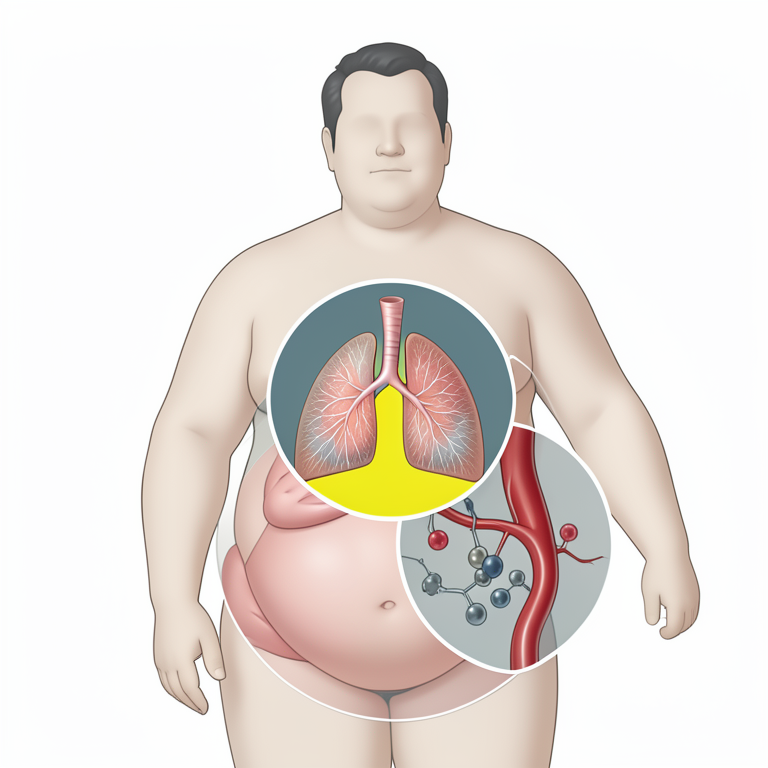
OHS Diagnostic Criteria
AI-generated conceptual illustration (An obese human torso and head). It explains the idea and does not show study data.
View source evidence ↗Figures & tables
From the original paper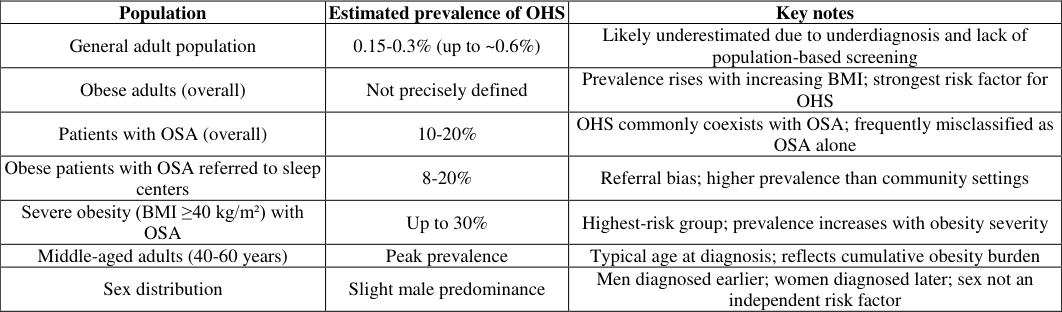 Table 1
Introduction
Obesity hypoventilation syndrome (OHS) is also known as "Pickwickian Syndrome". Obesity hypoventilation syndrome (OHS) is a chronic respiratory disorder defined by the coexistence of obesity, daytime alveolar hypoventilation with arterial hypercapnia, and sleep-disordered breathing, after exclusion of alternative causes of hypoventilation such as neuromuscular disease, chest wall abnormalities, or advanced pulmonary pathology. Obesity is typically defined as a body mass index of at least 30 kg/m², while daytime hypercapnia is characterized by a partial pressure of arterial carbon dioxide exceeding 45 mmHg. Although OHS was first described several decades ago, it has gained increasing clinical relevance in recent years due to the rising global prevalence of obesity. Despite this, OHS remains underrecognized and frequently misdiagnosed, often being mistaken for obstructive sleep apnea or chronic obstructive pulmonary disease, particularly during hospital admissions for acute hypercapnic respiratory failure [1,2] . The prevalence of OHS among obese individuals referred for sleep evaluation is estimated to range from 10% to 20%, with substantially higher rates observed in patients with severe obesity.
Compared with patients who have obstructive sleep apnea alone, individuals with OHS exhibit more pronounced abnormalities in gas exchange, including sustained nocturnal hypoxemia and chronic daytime hypercapnia. These physiological disturbances contribute to a high burden of cardiovascular and respiratory complications, such as pulmonary hypertension, right ventricular dysfunction, and congestive heart failure. As a result, patients with untreated OHS experience increased healthcare utilization, frequent hospitalizations, reduced quality of life, and significantly increased mortality [3,4] . The pathophysiology of OHS is complex and multifactorial, reflecting the interaction between obesity-related mechanical impairment and abnormalities in ventilatory control. Excess adipose tissue reduces chest wall compliance, decreases lung volumes, and increases the work of breathing, thereby predisposing to hypoventilation. In addition, many patients demonstrate impaired central ventilatory drive and a blunted respiratory response to hypercapnia and hypoxia, possibly related to leptin resistance and altered neurohumoral regulation. Although most patients with OHS have coexisting obstructive sleep apnea, upper airway obstruction alone does not fully explain the presence of persistent daytime hypercapnia, supporting the concept that OHS represents a distinct clinical entity rather than a simple progression of obstructive sleep apnea severity [2,3] . Beyond respiratory impairment, OHS is increasingly recognized as a multisystem disorder with important metabolic and inflammatory consequences. Chronic hypoventilation and intermittent hypoxemia promote sympathetic nervous system activation, systemic inflammation, and endothelial dysfunction, which may accelerate atherosclerosis and worsen insulin resistance. These mechanisms partly explain the strong association between OHS and cardiometabolic comorbidities, including hypertension, type 2 diabetes mellitus, and dyslipidemia. Persistent hypercapnia has also been linked to neurocognitive impairment, excessive daytime sleepiness, and reduced exercise capacity, contributing to significant functional limitation and diminished health-related quality of life. Recognition of these broader systemic effects highlights the need for comprehensive management strategies that extend beyond correction of sleep-disordered breathing alone [1] .
Early recognition and appropriate management of OHS are essential, as timely treatment can substantially improve gas exchange, symptoms, and long-term outcomes. Current clinical guidelines emphasize the importance of systematic evaluation of obese patients with sleep-disordered breathing, including arterial blood gas analysis, to avoid delayed diagnosis. Positive airway pressure therapy, delivered as continuous positive airway pressure or noninvasive ventilation, represents the cornerstone of treatment and has been shown to improve daytime hypercapnia, sleep quality, and cardiopulmonary function. Long-term weight reduction strategies, including lifestyle modification and bariatric surgery, play a crucial role in disease management and prognosis [1,4,5] .
Historical background
The historical roots of obesity-related sleep and breathing disorders can be traced back to literary descriptions predating formal medical recognition. In 1837, Charles Dickens introduced the character Joe in The Pickwick Papers, portraying an overweight, excessively somnolent young man with loud snoring, labored breathing, and an inability to remain awake [1] . In India, recognition of OHS has evolved slowly, largely due to the historical dominance of communicable respiratory diseases such as tuberculosis, which shaped clinical priorities throughout much of the 20th century. During the late 1980s and 1990s, obese patients presenting with chronic hypercapnic respiratory failure, pulmonary hypertension, and cor pulmonale were increasingly reported from tertiary care centers. However, these cases were frequently misclassified as advanced chronic obstructive pulmonary disease or severe obstructive sleep apnea (OSA), reflecting limited awareness of OHS as a distinct clinical entity [2] . Diagnostic limitations, including poor access to arterial blood gas analysis and polysomnography, further delayed recognition. The early 2000s marked a gradual shift with the expansion of sleep medicine services in metropolitan India. Improved availability of polysomnography and non-invasive ventilation (NIV) facilitated better identification of sleeprelated hypoventilation. During this period, Indian clinicians increasingly adopted international diagnostic and management frameworks proposed by professional societies such as the American Thoracic Society and the European Respiratory Society, contributing to greater conceptual clarity [1,6] . In parallel, growing awareness of noncommunicable diseases in India contributed indirectly to improved recognition of OHS. National health initiatives addressing obesity, diabetes mellitus, and cardiovascular disease emphasized the systemic consequences of excess adiposity, fostering interdisciplinary collaboration between pulmonologists, endocrinologists, and sleep medicine specialists. Although OHS has not been the primary focus of national guidelines, these broader public health efforts created a framework in which obesity-related respiratory disorders could be more readily identified and managed within tertiary and secondary care settings. More recent Indian and international literature has emphasized the unique obesity phenotype of South Asian populations, characterized by higher metabolic and cardiopulmonary risk at lower body mass index thresholds [7] . This has important implications for OHS in India, as clinically significant hypoventilation may develop at comparatively lower BMI values.
Clinical significance & outcomes 1.1 Underdiagnosed but High-Risk Condition
OHS is frequently under-recognized, with many patients diagnosed only after presenting with acute hypercapnic respiratory failure. Delayed diagnosis contributes to advanced disease, multisystem involvement, and poorer prognosis [8] .
Severe Gas Exchange Abnormalities
Chronic daytime hypercapnia and hypoxaemia distinguish OHS from uncomplicated obesity and obstructive sleep apnoea (OSA). These abnormalities reflect failure of ventilatory compensation and signal a more severe disease phenotype.
High Cardiovascular Burden
OHS is strongly associated with pulmonary hypertension, right ventricular dysfunction, systemic hypertension, and heart failure. Cardiovascular complications are major determinants of morbidity and mortality in this population [10] .
Frequent Acute Decompensation
Patients with OHS are prone to episodes of acute-onchronic hypercapnic respiratory failure, often precipitated by infections, sedatives, or fluid overload. These events commonly require non-invasive ventilation and intensive care admission.
Impact on Functional Status and Quality of Life
Excessive daytime sleepiness, fatigue, dyspnoea, cognitive impairment, and reduced exercise tolerance significantly impair daily functioning. Quality of life is markedly reduced compared with both the general population and patients with isolated OSA. [9] . 1.6 Treatment-Responsive Disease Unlike many chronic respiratory conditions, OHS is highly responsive to appropriate treatment. Positive airway pressure (CPAP or NIV) rapidly improves gas exchange, symptoms, and physiological parameters, highlighting the importance of early recognition [9] .
Systemic and Multidisciplinary Implications
OHS intersects respiratory, cardiovascular, metabolic, and sleep medicine. Optimal management requires coordinated long-term care, including ventilatory support, weight management, and cardiovascular risk reduction Outcomes Mortality: Obesity hypoventilation syndrome (OHS) is associated with increased all-cause and cardiovascular mortality compared with eucapnic obesity and obstructive sleep apnoea alone. Mortality is significantly higher in untreated patients [8] . Respiratory outcomes: Persistent daytime hypercapnia and hypoxaemia lead to chronic respiratory failure. Untreated OHS commonly progresses to recurrent acuteon-chronic hypercapnic respiratory failure requiring ventilatory support.
Hospitalization: Patients with OHS experience frequent emergency visits, repeated hospital admissions, and prolonged intensive care stays, contributing to a high healthcare burden. Cardiovascular outcomes: Pulmonary hypertension, right ventricular dysfunction, and heart failure are common and are major determinants of long-term prognosis and survival [6] . Quality of life: Excessive daytime sleepiness, fatigue, dyspnoea, and reduced exercise tolerance significantly impair daily functioning [9] . Treatment response: Positive airway pressure therapy improves gas exchange, reduces hospitalizations, enhances quality of life, and improves survival, particularly with good adherence and sustained weight reduction [9] .
Pathophysiology
The pathophysiology of obesity hypoventilation syndrome (OHS) is multifactorial and results from the complex interaction between excessive adiposity, impaired respiratory mechanics, altered central ventilatory control, neurohumoral dysregulation, sleep-disordered breathing, and gas-exchange abnormalities. Unlike simple obesity, OHS is characterized by a failure to maintain adequate alveolar ventilation, leading to chronic daytime hypercapnia and hypoxemia. Mechanical loading of the respiratory system from obesity increases the work of breathing, while blunted chemosensitivity to carbon dioxide and hypoxia limits compensatory ventilatory responses. These abnormalities are exacerbated during sleep, particularly in the presence of obstructive sleep apnea, resulting in sustained nocturnal hypoventilation and progressive daytime respiratory failure [1,3] .
Role of Obesity
Obesity is the fundamental prerequisite for the development of OHS and contributes directly to hypoventilation through mechanical and metabolic effects. Excess adipose tissue over the thorax and abdomen reduces chest wall compliance, increases pleural pressure, and limits diaphragmatic excursion. These changes lower lung volumes, particularly functional residual capacity and expiratory reserve volume, predisposing to airway closure and ventilation-perfusion mismatch. Obesity also increases oxygen consumption and carbon dioxide production, further stressing the respiratory system. While many individuals with severe obesity maintain normal ventilation, patients with OHS fail to generate sufficient compensatory increases in minute ventilation, leading to persistent hypercapnia. Thus, obesity provides the mechanical burden upon which additional ventilatory control defects act to produce OHS [3,6] .
Alter Respiratory Mechanisms
Altered respiratory mechanics play a central role in OHS by increasing the elastic and resistive load on the respiratory system. Excess fat mass decreases chest wall compliance and displaces the diaphragm cranially, reducing its forcegenerating capacity, particularly in the supine position. Lung volumes are reduced, resulting in increased airway resistance and early airway closure during expiration. These mechanical abnormalities increase the work of breathing and promote rapid, shallow breathing patterns that are inefficient for carbon dioxide elimination. During sleep, when ventilatory drive is physiologically reduced, these mechanical constraints become more pronounced, contributing to sustained hypoventilation. However, mechanical impairment alone does not fully explain OHS, highlighting the importance of coexisting abnormalities in ventilatory control [11, 12] .
Leptin Resistance
Leptin is an adipocyte-derived hormone that normally stimulates ventilation and enhances the hypercapnic ventilatory response. In obesity, circulating leptin levels are elevated; however, central leptin resistance develops, impairing its respiratory stimulatory effects. In OHS, leptin resistance is thought to be particularly pronounced, contributing to blunted chemosensitivity to carbon dioxide and hypoxia. Experimental and human studies suggest impaired leptin signaling within brainstem respiratory centers, reducing ventilatory drive despite marked hypercapnia. Leptin resistance may also worsen upper airway collapsibility and sleep-related hypoventilation. This mechanism helps explain why only a subset of individuals with severe obesity develop OHS and supports the concept that defective central ventilatory control is a key distinguishing feature of the syndrome [13,14] .
Neurohumoral Factors
Neurohumoral dysregulation contributes to the persistence and progression of OHS. Chronic hypercapnia leads to renal bicarbonate retention, which normalizes arterial pH but attenuates central chemoreceptor drive, thereby perpetuating hypoventilation. Intermittent hypoxemia from sleepdisordered breathing activates the sympathetic nervous system, increasing circulating catecholamines and promoting systemic and pulmonary hypertension. Activation of the renin-angiotensin-aldosterone system and obesity-related inflammatory pathways further exacerbate fluid retention and rostral fluid shifts during sleep, increasing upper airway obstruction. These neurohumoral mechanisms link respiratory failure with cardiovascular comorbidities commonly observed in OHS and explain the high prevalence of pulmonary hypertension and right-heart dysfunction in affected patients [1,10] .
Sleep-Disordered Breathing
Sleep-disordered breathing, particularly obstructive sleep apnea, is present in the majority of patients with OHS and plays a pivotal role in its pathophysiology. Recurrent upper airway collapse during sleep causes repetitive episodes of hypoxemia and hypercapnia. In healthy individuals, postapneic hyperventilation restores gas exchange; however, in OHS this response is blunted due to impaired ventilatory drive and increased mechanical load. Sustained nocturnal hypoventilation leads to progressive carbon dioxide retention and renal bicarbonate compensation, facilitating the transition to daytime hypercapnia. Sleep therefore acts as a critical window during which ventilatory failure develops and becomes chronic, explaining the effectiveness of nocturnal positive airway pressure therapy [15,16] .
Gas Exchange Abnormalities
Gas exchange abnormalities in OHS include chronic hypercapnia and varying degrees of hypoxemia, resulting from alveolar hypoventilation and ventilation-perfusion mismatch. Reduced lung volumes promote dependent airway closure, creating areas of low ventilation relative to perfusion. Elevated PaCO₂ lowers alveolar oxygen tension via the alveolar gas equation, contributing directly to hypoxemia. Recurrent nocturnal desaturation worsens pulmonary vasoconstriction and may lead to pulmonary hypertension. These abnormalities are more pronounced during sleep and rapid eye movement stages. Correction of nocturnal hypoventilation with ventilatory support often results in rapid improvement in daytime gas exchange, highlighting the reversible nature of these pathophysiologic processes when adequately treated [3,6] .
Epidemiology & burden of disease
The true prevalence of obesity hypoventilation syndrome (OHS) is difficult to determine, largely because the condition is frequently underrecognized in clinical practice. Many patients remain undiagnosed for years, as symptoms are often attributed to obesity or obstructive sleep apnea (OSA) alone. What is evident, however, is that the occurrence of OHS has increased steadily in parallel with the rising global prevalence of obesity. In the general adult population, OHS affects a small but clinically meaningful proportion of individuals, while its burden becomes far more apparent among people living with obesity [17,18] . Population-based estimates suggest that OHS affects approximately 0.15-0.3% of the general adult population, though prevalence may be higher in regions with greater obesity rates. Among obese individuals with OSA, the prevalence of OHS rises substantially, with reported estimates ranging from 10-20%, and reaching up to 30% in patients with severe obesity (body mass index ≥40 kg/m²) evaluated in sleep-clinic settings [6,15] .
Burden of disease Multisystem involvement and delayed diagnosis
OHS is associated with a substantial disease burden due to its multisystem involvement and frequent delay in diagnosis. Many patients are diagnosed late, often after years of symptoms attributed to obesity or obstructive sleep apnea (OSA) alone [1] .
Increased cardiometabolic and pulmonary complications
Compared with individuals with obesity or OSA alone, patients with OHS experience significantly higher rates of: Pulmonary hypertension Right heart failure Systemic hypertension Insulin resistance and metabolic dysfunction These complications contribute to increased morbidity and healthcare utilization [6] .
Higher hospitalization and healthcare utilization OHS is associated with increased hospitalization rates, particularly for: Acute-on-chronic hypercapnic respiratory failure A large proportion of patients are first diagnosed during hospital admission rather than in outpatient settings, reflecting under recognition in earlier stages.
This leads to
Prolonged hospital stays Higher rates of intensive care unit admission Increased healthcare costs compared with patients with OSA alone [2] .
Increased mortality
Untreated OHS is associated with significantly higher all-cause mortality.
Long-term cohort studies and systematic reviews demonstrate improved survival with appropriate positive airway pressure therapy. Even when matched for obesity severity, patients with OHS have worse survival outcomes than those with OSA alone, emphasizing OHS as a distinct and more severe clinical entity [15] .
Overall clinical impact
The burden of OHS extends beyond respiratory impairment and includes: Increased cardiopulmonary morbidity Greater healthcare utilization Higher mortality rates These findings highlight the importance of: Improved epidemiological recognition Systematic screening of high-risk populations Early diagnosis and timely initiation of appropriate therapy
Diagnosis
The diagnosis of obesity hypoventilation syndrome (OHS) requires a systematic approach aimed at confirming chronic alveolar hypoventilation, identifying sleep-disordered breathing, and excluding alternative causes of hypercapnia. OHS is defined by the presence of obesity (body mass index ≥30 kg/m²), daytime hypercapnia (arterial PaCO₂ >45 mmHg), and sleep-related breathing abnormalities in the absence of other known causes of hypoventilation [3] .
Symptoms & clinical findings
Early diagnosis requires a high index of suspicion in obese patients presenting with unexplained daytime sleepiness, dyspnea, morning headaches, or signs of right-sided heart failure. Recurrent hospitalizations for hypercapnic respiratory failure or persistently elevated serum bicarbonate levels should prompt further evaluation for OHS [1,3] .
Arterial Blood Gas Analysis
Measurement of arterial blood gases (ABG) during wakefulness is central to diagnosis. A PaCO₂ greater than 45 mmHg confirms chronic hypoventilation, while accompanying hypoxemia is frequently present. ABG testing also allows assessment of acid-base status, which typically demonstrates compensated respiratory acidosis in stable patients. ABG analysis also helps differentiate OHS from isolated obstructive sleep apnea and guides treatment decisions [3] .
Serum Bicarbonate as a Screening Tool
An elevated serum bicarbonate level (>27 mmol/L) is a sensitive marker of chronic CO₂ retention and may be used as a screening tool. Normal bicarbonate levels make OHS less likely, whereas elevated levels warrant confirmation with ABG testing.
Sleep Studies
Because most patients with OHS have coexisting obstructive sleep apnea, overnight polysomnography is considered essential. Sleep studies help identify obstructive events, nocturnal hypoventilation, and oxygen desaturation patterns, and they guide appropriate selection and titration of positive airway pressure therapy [6] .
Pulmonary Function Testing
Pulmonary function tests typically reveal a restrictive ventilatory pattern, characterized by reduced forced vital capacity with preserved airflow ratios. These findings reflect obesity-related mechanical restriction rather than intrinsic lung disease [19] . In a minority of patients, polysomnography reveals non-obstructive sleep hypoventilation with sustained nocturnal hypoxaemia and hypercapnia, even in the absence of significant obstructive events. In addition to its diagnostic value, polysomnography provides important information regarding disease severity and nocturnal gas exchange abnormalities. These findings are essential for guiding treatment decisions, particularly in selecting continuous positive airway pressure versus noninvasive ventilation as initial therapy in patients with OHS [1,2] .
Diagnostic Criteria and Investigations in OHS
Diagnostic Criteria and Investigations in OHS
Cardiovascular Evaluation
Given the high prevalence of pulmonary hypertension and right-sided heart failure in OHS, echocardiography is often performed to assess cardiac function and pulmonary artery pressures. This evaluation assists in risk stratification and long-term management planning [19] .
General Principal of management
Management of obesity hypoventilation syndrome (OHS) requires a comprehensive and individualized approach aimed at correcting chronic alveolar hypoventilation, treating sleepdisordered breathing, promoting sustained weight loss, and preventing cardiopulmonary complications. Given the multisystem nature of the disorder, optimal care is best delivered through a multidisciplinary framework with emphasis on early diagnosis and timely intervention. [1].
Treatment Goals in Obesity Hypoventilation Syndrome
The primary objectives of treatment in OHS include: Correction of chronic daytime hypercapnia and hypoxemia Improvement in nocturnal ventilation and sleep quality Reduction in symptoms such as excessive daytime sleepiness, morning headaches, and dyspnea Prevention and reversal of cardiopulmonary complications, particularly pulmonary hypertension and right heart failure Reduction in acute hypercapnic respiratory failure, hospitalizations, and mortality Achievement of clinically meaningful and sustained weight loss Improvement in health-related quality of life and functional status These goals should be reassessed regularly and therapy escalated when targets are not achieved [2] .
Multidisciplinary Approach to Care
Effective long-term management of OHS requires coordinated multidisciplinary care, typically involving: Pulmonologists and sleep specialists for diagnosis, ventilatory management, and follow-up Sleep laboratories and respiratory therapists for PAP titration, education, and adherence monitoring Dietitians and obesity specialists for structured weightloss programs Endocrinologists and cardiologists for metabolic and cardiovascular comorbidities Surgeons and anesthesiologists for perioperative risk assessment in bariatric or other surgeries Psychologists and physiotherapists to support behavioral change, physical activity, and treatment adherence This integrated approach improves clinical outcomes and patient engagement [1] .
Importance of Early Diagnosis and Early Intervention
OHS is frequently underdiagnosed or diagnosed late, often after an episode of acute respiratory failure. Delayed recognition is associated with increased morbidity, higher healthcare utilization, and worse survival. Active screening for OHS should be considered in patients with obesity, sleep-disordered breathing, unexplained daytime hypercapnia, or features suggestive of nocturnal hypoventilation [20,21] .
Early diagnosis enables
Early diagnosis enables
Treatment
The treatment of obesity hypoventilation syndrome is directed at correcting chronic alveolar hypoventilation, improving gas exchange, relieving sleep-disordered breathing, and addressing obesity as the underlying driver of the disease. Early and appropriate treatment is essential, as untreated OHS is associated with increased morbidity, pulmonary hypertension, heart failure, and mortality. [22].
There are two types of treatment of OHS Non -pharmacological Treatment Pharmacological Treatment
Non -pharmacological treatment 6.1. Positive Airway Pressure (PAP) Therapy
Positive airway pressure therapy is the first-line treatment for most patients with OHS and should be initiated as soon as the diagnosis is established. Approximately 90% of patients with obesity hypoventilation syndrome (OHS) have coexisting obstructive sleep apnea (OSA), which must be addressed with positive airway pressure (PAP) therapy [1] .
Continuous Positive Airway Pressure (CPAP)
A trial of CPAP is recommended as initial therapy and may be continued long term if it improves oxygenation, daytime PaCO₂, serum bicarbonate levels, and excessive daytime sleepiness. Although CPAP does not provide direct ventilatory support, it can significantly reduce nocturnal CO₂ accumulation by eliminating prolonged obstructive events. Long-term studies demonstrate improvement in daytime hypercapnia, sleep quality, pulmonary hypertension, and quality of life with CPAP therapy [23] .
Non-invasive Ventilation (NIV / BiPAP)
However, 20-50% of patients with OHS do not tolerate CPAP or fail to achieve adequate correction of hypoventilation. In these individuals, bi-level positive airway pressure (BiPAP) becomes the treatment of choice, particularly in the presence of frank sleep-related hypoventilation. Long-term BiPAP therapy has been shown to improve arterial blood gas parameters, reduce daytime sleepiness, enhance overall quality of life, and decrease the frequency of hospitalizations [23, 24] .
Long term outcomes of PAP Theray in OHS
Long-term treatment with positive airway pressure (PAP) therapy significantly improves survival and clinical outcomes in patients with obesity hypoventilation syndrome (OHS). Observational cohorts and long-term follow-up of randomized controlled trials demonstrate sustained improvements in daytime hypercapnia, oxygenation, sleeprelated symptoms, and health-related quality of life compared with untreated disease. Both continuous positive airway pressure (CPAP) and non-invasive ventilation (NIV) are associated with marked reductions in hospitalizations and allcause mortality, with five-year survival exceeding 90% in adherent patients. In stable ambulatory OHS patients with coexisting severe obstructive sleep apnea, long-term outcomes with CPAP are comparable to those achieved with NIV, including normalization of arterial blood gases and survival. NIV appears more appropriate in patients with predominant hypoventilation, severe baseline hypercapnia, or persistent respiratory failure despite CPAP therapy. Across all studies, adherence to PAP therapy is the strongest predictor of favorable long-term outcomes [3] .
Weight Reduction
Weight reduction is the only definitive disease-modifying therapy in OHS, as it directly targets the underlying cause of hypoventilation. Sustained weight loss improves respiratory mechanics, ventilatory drive, gas exchange, and cardiometabolic outcomes, and in some patients may lead to partial or complete resolution of OHS.
Lifestyle Modification
Lifestyle interventions, including dietary changes, increased physical activity, and behavioral therapy, are recommended for all patients with OHS. While modest weight loss can improve symptoms and support PAP therapy, lifestyle measures alone are often insufficient to achieve the degree of weight loss required for significant reversal of hypoventilation.
Bariatric Surgery
Bariatric surgery is the most effective intervention for achieving sustained and clinically meaningful weight loss in OHS. Current guidelines recommend a target weight reduction of approximately 25-30%, which has been associated with: [22] . Resolution or marked improvement of daytime hypercapnia Improvement in sleep-disordered breathing Reduction in pulmonary hypertension Better quality of life and functional capacity
Impact of weight loss on management of OHS A. Resolution or improvement of daytime hypercapnia and hypoventilation
The American Thoracic Society guideline recommends weight-loss interventions aiming for ~25-30% sustained weight reduction, as this degree of loss is most likely to resolve or markedly improve daytime hypercapnia and alveolar hypoventilation. Similarly, the ERS/Eur Respir Rev emphasizes major weight loss as the only disease-modifying strategy capable of reversing OHS pathophysiology [25] .
B. Improvement in sleep-disordered breathing and nocturnal ventilation
Weight loss reduces upper-airway collapsibility and improves respiratory system mechanics, leading to reduced severity of obstructive sleep apnea, improved nocturnal gas exchange, and lower work of breathing, as consistently reported in major OHS reviews.
C. Reduction in positive airway pressure (PAP)
requirements: Substantial and sustained weight loss most commonly following bariatric surgery is associated with reduced CPAP/NIV pressure requirements, and in selected patients, possible discontinuation of PAP therapy after formal reassessment with arterial blood gases and sleep studies.
D. Improvement in cardiometabolic risk and obesityrelated complications
While PAP corrects ventilatory failure, it does not address the underlying obesity. Weight loss improves cardiometabolic comorbidities that largely drive long-term morbidity and mortality in OHS, reinforcing its role as a core component of management.
E. Clinical takeaway
Modest weight loss (~6-7%): achievable with lifestyle programs but usually insufficient to reverse OHS. Large sustained weight loss (~25-30%): strongly associated with resolution or major improvement of OHS, most reliably achieved with bariatric surgery. [22].
Behavioral & Supportive Intervention
Behavioral and supportive interventions are recognized in major reviews and guidelines as essential adjuncts to ventilatory support and weight-loss strategies in the management of obesity hypoventilation syndrome (OHS). [1].
Sleep hygiene
Both the American Thoracic Society clinical practice guideline and the ERS review emphasize optimization of sleep hygiene to improve sleep quality and support nocturnal ventilation. Recommended measures include regular sleep schedules, avoidance of alcohol and sedative medications, and promotion of an adequate sleep environment. These measures reduce sleep fragmentation and enhance the effectiveness of positive airway pressure (PAP) therapy. [2].
Smoking cessation
Smoking cessation is consistently advised in OHS reviews because tobacco use worsens airway inflammation, impairs respiratory mechanics, and increases cardiovascular risk. While smoking cessation does not directly reverse hypoventilation, it is considered an important supportive measure to reduce respiratory morbidity and long-term complications in OHS.
Patient education
Major reviews identify patient education as a cornerstone of OHS management. Education should address disease mechanisms, the role of obesity and sleep-disordered breathing, expected benefits of PAP therapy, and the importance of sustained weight reduction. Improved patient understanding has been associated with better treatment engagement and long-term disease control.
International Journal of Biology Sciences https://www.biologyjournal.net
Adherence strategies
Long-term adherence to PAP therapy is critical for maintaining correction of hypoventilation. The ATS guideline and ERS review highlight the importance of early follow-up, individualized mask fitting, management of PAPrelated side effects, and behavioral reinforcement strategies. Multidisciplinary support improves adherence and is associated with better gas exchange, symptom improvement, and clinical outcomes in OHS [6] .
Pharmacological management 7. Respiratory Stimulants
"Pharmacological therapy has a limited role in the management of obesity hypoventilation syndrome (OHS). Current guidelines emphasize that positive airway pressure (PAP) therapy and weight reduction constitute the cornerstone of treatment, while pharmacologic agents aimed at stimulating ventilation are considered adjunctive or lastresort options in selected patients who remain hypercapnic despite optimized noninvasive ventilation and lifestyle interventions [1,2] .
Acetazolamide
Mechanism of action: Carbonic anhydrase inhibition → renal bicarbonate loss → mild metabolic acidosis → increased central ventilatory drive and CO₂ responsiveness
Evidence in obesity hypoventilation syndrome
The evidence supporting acetazolamide use in OHS is limited and derives primarily from small physiologic studies. A frequently cited study in mechanically ventilated patients with OHS demonstrated that acetazolamide administration reduced serum bicarbonate concentrations and increased ventilatory responsiveness to CO₂, reflected by a leftward shift of the CO₂ response curve. These findings suggest a potential physiologic benefit in selected patients with chronic hypercapnia.
Potential clinical role
Adjunctive therapy in selected patients with persistent hypercapnia despite optimized PAP and weight-loss interventions, particularly in the presence of elevated serum bicarbonate [26,27] .
Medroxyprogesterone acetate
Mechanism of action: Medroxyprogesterone acetate (MPA) is a synthetic progestin known to exert central respiratory stimulant effects by increasing ventilatory drive and enhancing the ventilatory response to hypercapnia. Its use in OHS was explored primarily in earlier clinical studies before the widespread adoption of PAP therapy [28] .
Evidence in obesity hypoventilation syndrome
Classic trials in patients with Pickwickian syndrome demonstrated that MPA administration resulted in improvements in arterial oxygen tension (PaO₂) and reductions in arterial carbon dioxide tension (PaCO₂) without significant changes in body weight. Withdrawal of therapy was associated with deterioration in gas exchange, with subsequent improvement upon reinitiation, supporting a pharmacologic ventilatory effect independent of weight loss.
Potential clinical role
Rarely considered as adjunctive therapy when PAP is not tolerated or ineffective; largely historical interest [3] .
7.3 Theophylline: Theophylline, a methylxanthine derivative, stimulates ventilation through adenosine receptor antagonism and phosphodiesterase inhibition, thereby increasing central respiratory drive. Although it has been studied in other forms of sleep-disordered breathing, evidence supporting its use in OHS is extremely limited [6] .
No robust clinical trials have demonstrated sustained benefits of theophylline in improving gas exchange or clinical outcomes in OHS. Furthermore, its narrow therapeutic index, frequent drug-drug interactions, and risk of serious adverse effects including cardiac arrhythmias, tremor, insomnia, and gastrointestinal intolerance render it an unattractive option for chronic management. As such, theophylline is not recommended for routine treatment of OHS [24] .
Summary and place in therapy
Overall, respiratory stimulants such as acetazolamide and medroxyprogesterone acetate have a theoretical and physiologic rationale in OHS and may transiently improve hypercapnia in selected patients. However, the available evidence is limited, largely historical, and insufficient to support routine use. Contemporary clinical practice guidelines do not recommend pharmacologic respiratory stimulants as standard therapy, reserving their use for exceptional cases in which hypercapnia persists despite optimal PAP therapy and weight-loss interventions.
Management of Other condition
Patients with obesity hypoventilation syndrome (OHS) frequently present with multiple cardiopulmonary and metabolic comorbidities that significantly contribute to morbidity and mortality. Optimal management of OHS therefore requires not only correction of hypoventilation but also systematic identification and treatment of associated conditions, particularly pulmonary hypertension, cardiovascular disease, obstructive sleep apnea, and diabetes mellitus.
Pulmonary hypertension
Pulmonary hypertension (PH) is a frequent complication of obesity hypoventilation syndrome (OHS) and is typically classified as WHO Group 3 PH, driven primarily by chronic alveolar hypoventilation and sustained hypoxemia. In this context, treatment of the underlying ventilatory disorder is the cornerstone of management, and pharmacological therapy plays a largely supportive role. The most commonly used drugs in OHS-associated PH are diuretics, such as loop diuretics (e.g., furosemide), which are indicated for the management of right heart failure and volume overload. Diuretics improve peripheral edema and symptoms related to venous congestion but do not directly target pulmonary vascular remodeling. In contrast, pulmonary arterial hypertension (PAH)-specific therapies, including phosphodiesterase type-5 inhibitors (e.g., sildenafil), endothelin receptor antagonists (e.g., bosentan), and prostacyclin analogues, are not routinely recommended in OHS-related PH. The pathophysiology of PH in OHS is predominantly hypoxia-mediated rather than due to intrinsic pulmonary arteriopathy, and vasodilator therapy may worsen ventilation-perfusion mismatch and gas exchange. Consequently, current guidelines advise against their routine use outside of specialized centers. PAH-targeted drugs may be considered only in selected cases, such as patients with severe, persistent, or disproportionate pre-capillary PH despite optimal treatment of OHS with non-invasive ventilation (NIV), supplemental oxygen, and weight reduction. In such cases, therapy should be guided by right heart catheterization and managed in experienced pulmonary hypertension referral centers. Overall, pharmacological treatment of PH in OHS should be viewed as adjunctive, with non-invasive ventilation, correction of hypoxemia, and weight loss remaining the primary disease-modifying interventions [1,2,6] .
Cardiovascular disease
Obesity hypoventilation syndrome (OHS) is frequently associated with cardiovascular disease, including systemic hypertension, heart failure, and coronary artery disease, which significantly influence prognosis. Management requires an integrated approach combining treatment of ventilatory failure and guideline-directed cardiovascular therapy. Correction of hypoventilation with positive airway pressure therapy (CPAP or noninvasive ventilation) improves nocturnal hypoxemia, reduces sympathetic overactivity, and contributes to better blood pressure and cardiac control. Cardiovascular management includes standard pharmacotherapy such as angiotensin-converting enzyme inhibitors or angiotensin receptor blockers, β-blockers, diuretics, and statins, as clinically indicated. Weight reduction remains central, improving both ventilatory mechanics and cardiovascular outcomes [3,6] .
Obstructive Sleep Apnea
Obstructive sleep apnea (OSA) frequently coexists with obesity hypoventilation syndrome (OHS), and both conditions share common pathophysiological mechanisms related to obesity, upper airway collapsibility, and impaired ventilatory control. Similar to OHS, the cornerstone of OSA management is non-pharmacological, particularly positive airway pressure (PAP) therapy and weight reduction. Consequently, pharmacological treatment plays only a limited adjunctive role. At present, no drug therapy effectively treats upper airway obstruction during sleep or replaces positive airway pressure therapy in patients with OSA, including those with coexisting OHS. Pharmacological agents are therefore not considered disease-modifying treatments for OSA. In selected patients with OSA who experience residual excessive daytime sleepiness despite optimal adherence to PAP therapy, wake-promoting agents such as modafinil, armodafinil, or solriamfetol may be considered. These agents improve daytime alertness but do not reduce apnea-hypopnea index (AHI), correct nocturnal hypoventilation, or address underlying sleep-disordered breathing. Their use should be cautious in OHS, given potential cardiovascular effects and the need to ensure adequate ventilatory support. Other pharmacological approaches, including respiratory stimulants (e.g., acetazolamide), upper airway muscle stimulants, and agents targeting ventilatory control instability, have been investigated in OSA but are not routinely recommended and lack robust evidence in patients with OHS. Sedative-hypnotic agents are generally avoided, as they may worsen upper airway obstruction and hypoventilation. Overall, in patients with combined OSA and OHS, pharmacological therapy should be viewed as supportive rather than primary, with positive airway pressure therapy, correction of hypoventilation, and sustained weight loss remaining the mainstays of treatment [3,10] .
Management of diabetes mellitus
Diabetes mellitus, particularly type 2 diabetes, is highly prevalent in patients with obesity hypoventilation syndrome (OHS) and contributes significantly to cardiovascular morbidity. Management should follow standard diabetes guidelines, with emphasis on weight reduction, lifestyle modification, and pharmacologic glycemic control. Metformin remains first-line therapy unless contraindicated, while GLP-1 receptor agonists and SGLT2 inhibitors are particularly beneficial due to their favorable effects on weight loss and cardiovascular risk. Treatment of OHS with positive airway pressure (CPAP or noninvasive ventilation) improves insulin sensitivity and glycemic control by reducing intermittent hypoxemia and sympathetic activation. In selected patients, bariatric surgery leads to substantial improvements in ventilatory function and can result in partial or complete remission of diabetes. An integrated approach targeting both metabolic dysfunction and hypoventilation is essential to optimize outcomes in OHS [29] .
Conclusions
Obesity hypoventilation syndrome is a serious and often overlooked consequence of obesity, characterized by chronic hypoventilation, sleep-disordered breathing, and impaired ventilatory control. The condition is associated with substantial respiratory, cardiovascular, metabolic, and neurocognitive complications that significantly worsen patient outcomes when diagnosis and treatment are delayed. Despite its complexity, OHS is a treatable and potentially reversible disorder. Early recognition, appropriate use of positive airway pressure therapy, sustained weight reduction, and comprehensive management of associated comorbidities can markedly improve gas exchange, reduce hospitalizations, and enhance survival and quality of life. Beyond individual patient care, OHS represents a growing public health challenge in the context of the global obesity epidemic. Underdiagnosis remains common, particularly among patients with coexisting OSA, heart failure, or metabolic disease, underscoring the need for heightened clinical vigilance across multiple healthcare settings. Routine screening strategies in high-risk populations, including the use of serum bicarbonate levels and early arterial blood gas testing, may facilitate earlier diagnosis and timely intervention. Future directions in OHS management should focus on optimizing individualized treatment strategies, improving long-term adherence to positive airway pressure therapy, and integrating multidisciplinary weight-management approaches. Continued research is also needed to refine risk stratification, identify predictors of treatment response, and evaluate long-term outcomes across different therapeutic modalities. In conclusion, increasing clinical awareness and adopting a structured, multidisciplinary diagnostic and therapeutic approach are essential for reducing disease burden, preventing complications, and improving long-term outcomes in patients with obesity hypoventilation syndrome.
Figures and tables from the paper
| Population | Estimated prevalence of OHS | Key notes |
|---|---|---|
| General adult population | 0.15-0.3% (up to ~0.6%) | Likely underestimated due to underdiagnosis and lack of population-based screening |
| Obese adults (overall) | Not precisely defined | Prevalence rises with increasing BMI; strongest risk factor for OHS |
| Patients with OSA (overall) | 10-20% | OHS commonly coexists with OSA; frequently misclassified as OSA alone |
| Obese patients with OSA referred to sleep centers | 8-20% | Referral bias; higher prevalence than community settings |
| Severe obesity (BMI ≥40 kg/m²) with OSA | Up to 30% | Highest-risk group; prevalence increases with obesity severity |
| Middle-aged adults (40-60 years) | Peak prevalence | Typical age at diagnosis; reflects cumulative obesity burden |
| Sex distribution | Slight male predominance | Men diagnosed earlier; women diagnosed later; sex not an independent risk factor |
Table text extracted from the original PDF; superscript letters are shown inline. The original table image is below.
View original table image
References
29 in the original paper- López-Valenciano A, Ruiz-Pérez I, Garcia-Gómez A, Vera-Garcia F, De Ste Croix M, Myer GD, Ayala F. International Journal of Biology Sciences https://www.biologyjournal.net Epidemiology of injuries in professional football: a systematic review and meta-analysis. Br J Sports Med. 2020;54(12):711-718.
- Ekstrand J, Hägglund M, Waldén M. Injury incidence and injury patterns in professional football: the UEFA injury study. Br J Sports Med. 2011;45:553-558.
- Hägglund M, Waldén M, Magnusson H, et al. Injuries affect team performance negatively in professional football: an 11-year follow-up of the UEFA Champions League injury study. Br J Sports Med. 2013;47:738-742.
- Eirale C, Tol JL, Farooq A, et al. Low injury rate strongly correlates with team success in Qatari professional football. Br J Sports Med. 2013;47:807-808.
- Powell A, Gaffiero D. Between the lines: an interpretative phenomenological analysis exploring injury, mental health and support in professional and semi-professional football in the United Kingdom. Cogent Psychol. 2025;12(1). doi:10.1080/23311908.2025.2537216.
- Jones M, Motesharei A, Ball S, Church J, Calder J, Williams A. Establishing 'normal' career longevity in professional footballers allows comparison to that of players with injuries and surgery. Knee Surg Sports Traumatol Arthrosc. 2025;33(9):3375-3388. doi:10.1002/ksa.12722.
- Gil-Caselles L, Ruiz Barquín R, Gimenez Egido J, Olmedilla A. Bidirectional relationship between mental health and sport injuries: a review of reviews. Apunts Sports Med. 2024;59:100452. doi:10.1016/j.apunsm.2024.100452.
- Olmedilla A, Aurelio Z, Ortega E. Relationships between sports injuries and stress in female football and indoor football. J Sport Health Res. 2018;10(3):339-348.
- Olmedilla A, Ortega E, Robles-Palazón F, Salom MM, García-Mas A. Healthy practice of female soccer and futsal: identifying sources of stress, anxiety and depression. Sustainability. 2018;10:2268. doi:10.3390/su10072268.
- Olmedilla A, Aguilar JM, Ramos LM, et al. Perfectionism, mental health, and injuries in women footballers. J Sport Psychol. 2022;31(1):49.
- Arvinen-Barrow M, Massey WV, Hemmings B. Role of sport medicine professionals in addressing psychosocial aspects of sport-injury rehabilitation: professional athletes' views. J Athl Train. 2014;49(6):764-772. doi:10.4085/1062-6050-49.3.44.
- Santi G, Pietranton L. Psychology of sport injury rehabilitation: a review of models and interventions. J Hum Sport Exerc. 2013;8(4):1029-1044.
- Liu S, Noh Y. The effectiveness and applicability of mindfulness intervention in psychological adaptation after sports injury: a systematic review. Aust J Psychol. 2024;76(1). doi:10.1080/00049530.2024.2357627.
- Dobbins M. Rapid review guidebook. Hamilton (ON): National Collaborating Centre for Methods and Tools; 2017.
- Kane M, Trochim W. Concept mapping for planning and evaluation. Thousand Oaks (CA): SAGE Publications; 2007.
- Felx A, Kane M, Corbière M, Lesage A. Using group concept mapping to develop a conceptual model of housing and community-based residential settings for adults with severe mental illness. Front Psychiatry. 2020;11:430. doi:10.3389/fpsyt.2020.00430.
- Johnson U. Sports injury, psychology and intervention: an overview of empirical findings [Internet]. 2006 Oct 11 [cited 2025 Sep 14]. Available from: http://www.idrottsforum.org
- Andersen MB, Williams JM. Athletic injury, psychological factors, and perceptual changes during stress. J Sport Exerc Psychol. 1999;10:294-306.
- Haraldsdottir K, Sanfilippo J, Anderson S, et al. Mindfulness practice is associated with improved wellbeing and reduced injury risk in female NCAA Division I athletes. Sports Health. 2024;16(2):295-299. doi:10.1177/19417381241227447.
- Contreras D, Granquist M, Martin L. Stress, sport anxiety, neuroticism, and coping in student athletes: implications for patient mental health. J Athl Train. 2023;58(9):733-739. doi:10.4085/1062-6050-0527.22.
- Roberts C, Oseni D, Bohle-Frankel B, Reardon C. Get your head in the game!: a review of factors that impact collegiate student-athlete mental health using a biopsychosocial-structural framework. Curr Psychiatry Rep. 2025;27(5):326-336. doi:10.1007/s11920-02501598-5.
- Hall T, Botha J, Patricios J. Addressing negative psychosocial factors linked to severe injury in professional rugby players: an introduction to a group psychotherapy approach. S Afr J Sports Med. 2020;32(1):1-7. doi:10.17159/2078516X/2020/v32i1a8505.
- Codonhato R, Rubio V, Oliveira P, Resende C, Rosa B, Pujals C, et al. Resilience, stress and injuries in the context of Brazilian elite rhythmic gymnastics. PLoS One. 2018;13(12):e0210174. doi:10.1371/journal.pone.0210174.
- Patlan I, Gamelin G, Khalaj K, Castonguay T, Dover G. Athlete fear avoidance, depression, and anxiety are associated with acute concussion symptoms in athletes. J Clin Med. 2024;13(8):2401. doi:10.3390/jcm13082401.
- Sherry N, Feder A, Pan R, Eagle S. Transitioning concussion care to mental health care: a case study of an elite athlete. Case Stud Sport Exerc Psychol. 2021;1:135145. doi:10.1123/cssep.2020-0030.
- Hamson-Utley J, Arvinen-Barrow M, Clement D. Managing mental health aspects of post-concussion syndrome in collegiate student-athletes. Athl Train Sports Health Care. 2017;9(6):206-212. doi:10.3928/19425864-20171010-05.
- Senorski R, Nordahl A, Dufour E, Piussi R. 'I found much more joy than I ever did as a player' a qualitative study of the emotional journey of shattered dreams and new horizons with an ACL re-rupture in young active men. BMC Musculoskelet Disord. 2025;26(1):1-11. doi:10.1186/s12891-025-08730-9.
- Borman A, Derman W, Grobbelaar H. Psychosocial experiences of competitive rugby players on the "long, long journey" to recovery following ACL ruptures and reconstruction. Scand J Med Sci Sports. 2024;34:e14604. doi:10.1111/sms.14604.
- Wiese-Bjornstal D. An integrated model of response to injury: psychological and sociological dynamics. J Appl Sport Psychol. 1998;10:46-69.