
Research article · 2026 · Full text
International Journal of Biology SciencesAn ethnobotanical study of Wild plants used by the Bodo community in the adjacent areas of Raimona National Park, Assam, India
Volume 8(2) · Pages 93–99 · DOI: 10.33545/26649926.2026.v8.i2b.583 ↗
Research areasEthnobotanical and Medicinal Plants StudiesPhytochemicals and Medicinal PlantsIndigenous Knowledge Systems and Agriculture
Abstract
Author-writtenThe present study deals with the identification, documentation, and exploration of wild plants traditionally used by the Bodo tribes inhabiting Raimona national park, Assam, India. Ethnobotanical data were collected through structured interviews, field observations, and literature surveys to document botanical identity, local names, habits, and therapeutic uses of plants in the study area. A total of 33 wild medicinal plant species belonging to 25 families were recorded, with uses ranging from treatment of various diseases such as skin ailments, fever, diabetes, respiratory problems, wounds, and inflammation. Among the recorded families, Combretaceae and Lamiaceae were the most represented, each contributing 3 species (9%). Analysis of growth forms showed that herbs were the predominant life form, accounting for 41% of the species, followed by trees at 34%. Evaluation of their conservation status, based on IUCN Red list categories, indicated that 52% (17 species) are classified as Least Concern, whereas 48% (16 species) have not yet been assessed. Although many species are currently considered stable, their populations are gradually declining due to anthropogenic pressures such as habitat destruction, overharvesting, and lack of awareness regarding forest ecosystem conservation. The study provides a comprehensive account of the ethnobotanical knowledge of wild plant species used by the Bodo community in Raimona national park, residing around Raimona National Park and its adjacent forest areas. As a result, establishes a valuable baseline dataset for ethnobotanical data, future ecological monitoring, conservation planning, and sustainable utilization of wild plants resources in the park.
Summary
Source-checkedPlain-language reading of the full paper, prepared with AI and checked against the text. Each point links to the authors' own words.
Why it matters
- Medicinal plants have historically served as the primary foundation for traditional healthcare systems worldwide. View evidence ↗
- There is a renewed interest in natural therapies due to concerns over the side effects of synthetic drugs. View evidence ↗
The question
- The study aims to identify and document the wild plants traditionally used by the Bodo community in Raimona National Park, Assam. View evidence ↗
- The research seeks to analyze the botanical identity and traditional uses of these plants and compare them with other reports. View evidence ↗
What they did
- Field studies were conducted across different seasons in Raimona National Park between 2022 and 2023. View evidence ↗
- Data were collected using questionnaires and semi-structured interviews with 80 Bodo informants aged 30-75, including village heads and traditional healers. View evidence ↗
- Plant species were identified using regional floras and by consulting regional herbaria. View evidence ↗
What they found
- The study recorded 33 wild medicinal plant species from 25 different families. View evidence ↗
- The Combretaceae and Lamiaceae families were the most common, each representing 9% (3 species) of the total. View evidence ↗
- Herbs were the most common growth form at 41%, followed by trees at 34%. View evidence ↗
- Leaves were the most used plant part, accounting for 44% (17 taxa) of the recorded species. View evidence ↗
- According to IUCN categories, 52% (17 species) are of Least Concern, while 48% (16 species) have not been assessed. View evidence ↗
- The documented plants are used to treat a variety of conditions, including fever, diabetes, skin ailments, and respiratory problems. View evidence ↗
What it means
- The authors conclude that immediate action is required to protect and promote these medicinal plant resources. View evidence ↗
- The authors recommend further scientific research to analyze the medicinal potential and nutritional composition of these plants. View evidence ↗
- The authors note that there has been limited previous focus on the ethnobotanical studies and conservation status of plants used by the Bodo community specifically in Raimona National Park. View evidence ↗
Visual summary
1 visualsIllustrations explain the paper; they do not show study data.
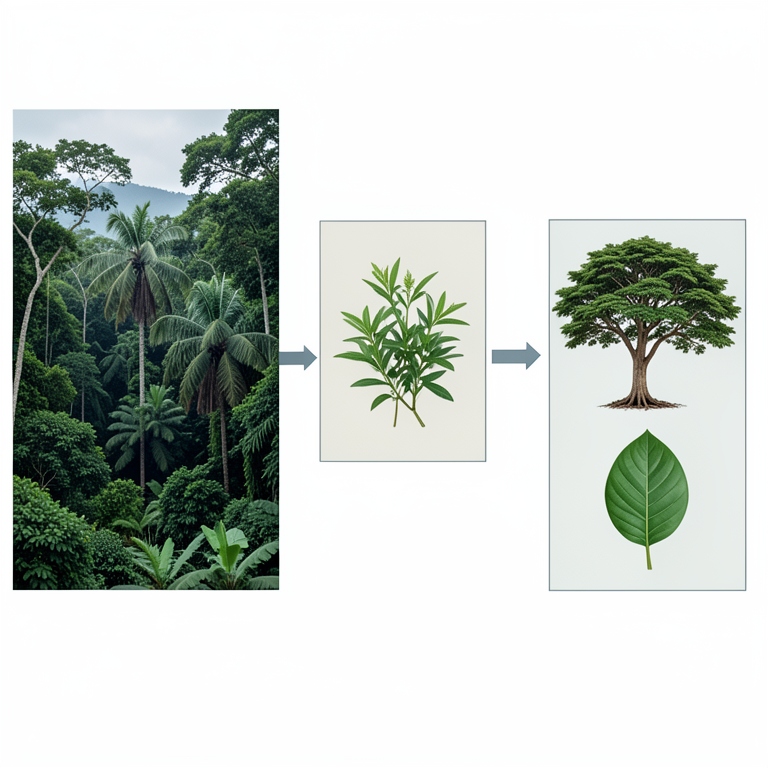
Overview of Bodo Ethnobotanical Knowledge
AI-generated conceptual illustration (Wild medicinal plants of the Assam rainforest). It explains the idea and does not show study data.
View source evidence ↗Figures & tables
From the original paper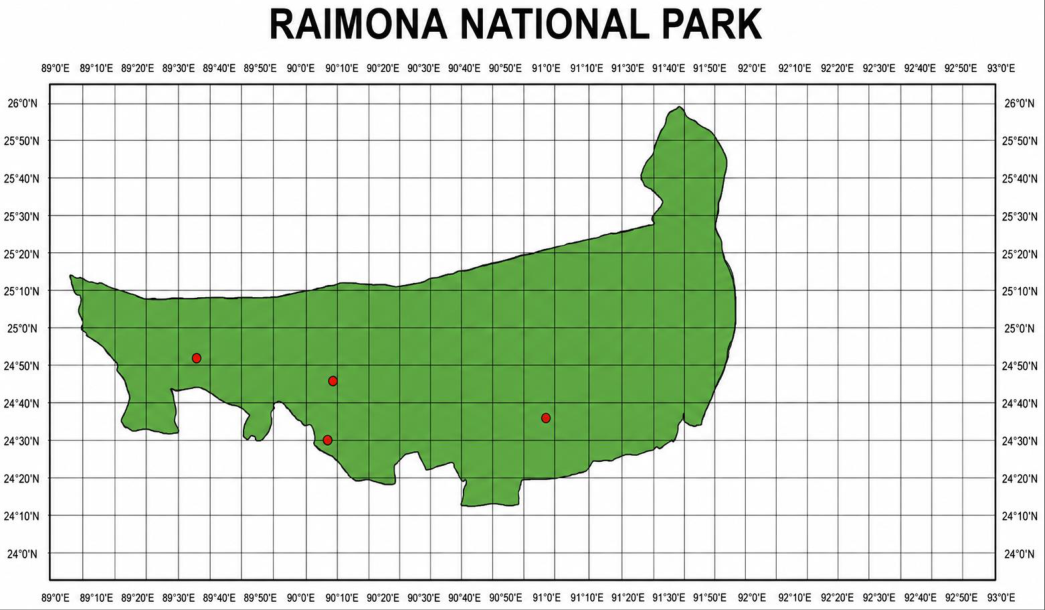 Figure 1
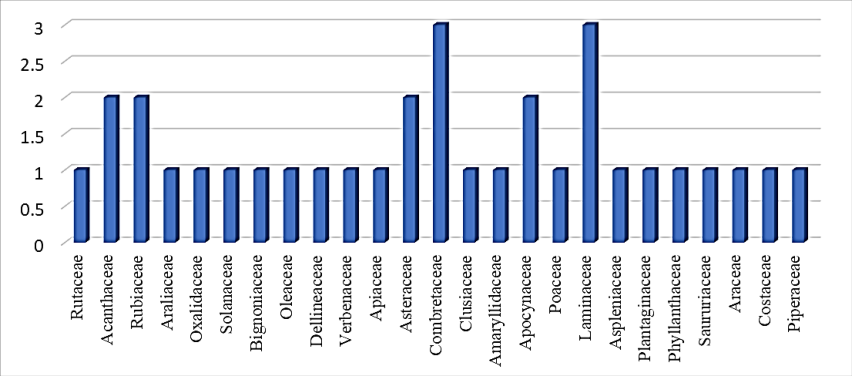 Figure 1
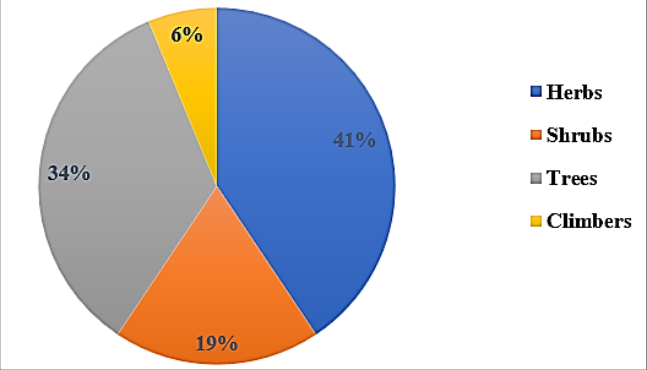 Figure 2
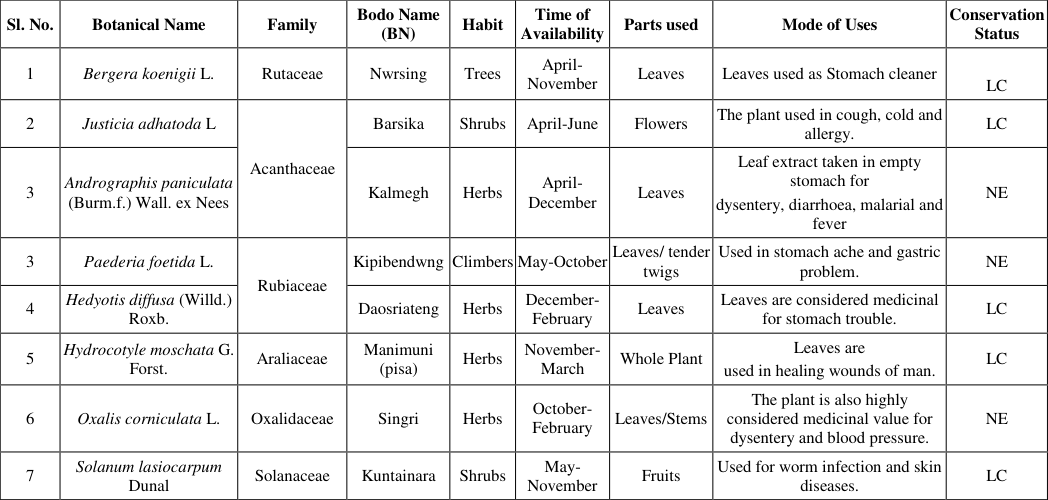 Table 1
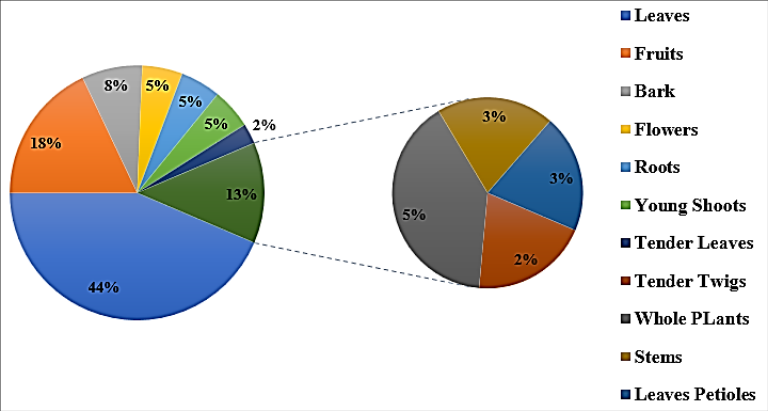 Figure 3
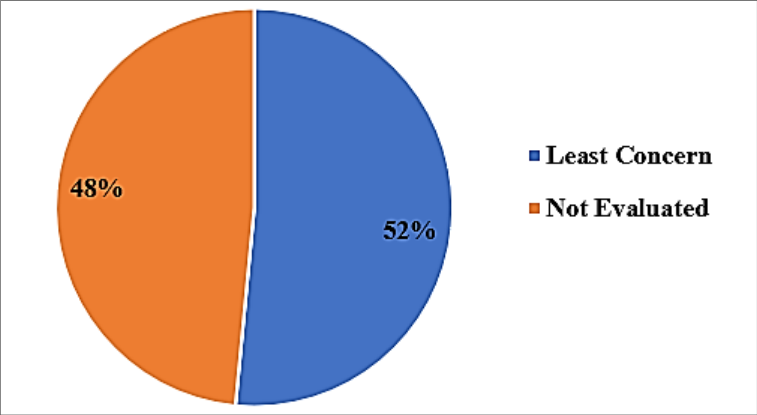 Figure 4
Introduction
Ethnobotany is an interdisciplinary science that studies the relationship between plants and human societies, especially traditional knowledge regarding the use of plants for food, medicine, shelter, and cultural practices. The term was first introduced by the American botanist John W. Harshberger in 1896. In simple words, ethnobotany can be understood through four key terms: people, plants, interactions, and uses (Nadaf et al., 2023) [11] . Since the dawn of human civilization, medicinal plants have played a vital role in healthcare, forming the very foundation of traditional healing systems. For centuries, communities across the world have relied on plant-based remedies to prevent and treat various ailments. In recent times, growing awareness of the potential side effects associated with excessive use of synthetic drugs has led many people to rediscover the value of natural therapies. As a result, there is a renewed interest in herbal medicine, as individuals seek safer, more holistic, and sustainable approaches to health and well-being (Baroniya et al., 2013) [2] . Indigenous communities around the world possess rich traditional knowledge on medicinal plants, yet much of this knowledge remains undocumented. According to the 2011 report of the Forest Survey of India (FSI), Assam covers a total geographical area of 78,438 km², of which 26,832 km² is designated as forest land. This highlights the significant forest resources of the state and its ecological importance within the Eastern Himalayan biodiversity region. The present study was conducted in Raimona National Park, located in the Bodoland Territorial Region (BTR), Assam. The BTR comprises five districts, namely Kokrajhar, Chirang, Baksa, Tamulpur, and Udalguri. This region is predominantly inhabited by diverse ethnic and tribal communities, including the Bodo, Rabha Garo, Nepali, Santhal, Rajbongshi, Oraon, and other traditional groups. Among them, the Bodo, Rabha, and Rajbongshi represent the major communities of the Bodoland area. The Bodos are considered one of the earliest settlers of Assam and form the dominant ethnic group within the BTR region (Basumatary et al., 2024) [3] . In the study area specifically, the Bodo, Nepali, and Santhal communities constitute the major population groups residing around the park. The soil of the district is highly fertile, enabling luxuriant growth of plants under natural conditions. As a result, the district is rich in forest resources and is also highly suitable for the cultivation of various crops (Swargiari et al., 2022) [14] . Traditionally medicinal knowledge is an integral part of cultural heritage for many indigenous groups in India. The Bodo community, primarily inhabiting the Brahmaputra valley of Assam, has a long history of using wild plants for treating various ailments. During the festival of Bwisagu, the New Year celebration of the Bodo tribe, people traditionally collect a variety of wild edible vegetables from nearby forests. These seasonal greens are cooked either with meat or as mixed vegetable preparations and form an important part of the festive cuisine. Many indigenous tree and shrub species found in this locality remain scientifically undocumented, underutilized, and unexplored. Therefore, there is an urgent need for systematic exploration, identification, and medicinal evaluation of these wild plants, as they may serve as valuable alternative sources of medicine and food for human consumption and also contribute to food security, traditional knowledge preservation, and biodiversity conservation (Narzary et al., 2013) [12] . However, the wild plant species are declining due to increasing anthropogenic pressure, habitat loss, overexploitation, and lack of awareness about the forest ecosystem are major threats to the wild species in the park. Thus, also assessing the conservation status of wild species is crucial for understanding the magnitude of biodiversity loss and for setting priorities in conservation planning. Species classified as threatened face a high risk of extinction in the near future if appropriate measures are not implemented. The International Union for Conservation of Nature (IUCN) Red list categories and criteria provide a globally accepted and scientifically robust framework for evaluating species' extinction risk at global, national, and regional levels. Many of the wild species possess considerable ethnobotanical importance, being used for timber, medicine, food, and other traditional purposes. Their high utility value increases the risk of unsustainable harvesting, thereby accelerating population decline. Therefore, urgent conservation interventions-such as habitat protection, community awareness programs, sustainable utilization practices, in situ and ex situ conservation strategies, and regular monitoring are essential to safeguard these valuable genetic resources and maintain ecological balance in the park. The park, a biologically rich and culturally significant region, harbors a diverse flora utilized by local tribal communities. Although several ethnobotanical studies have documented plant use in Assam, there has been limited focus on ethnobotanical studies and conservation status of the Bodo community specially for the Raimona national park which was formerly known as Ripu reserve forest under Kachugaon Forest Division. The present study is an attempt to compile and analyze the medicinal plants used by the Bodo people, highlighting their botanical identity, traditional uses, and comparison with other ethnomedicinal reports. The study also underscores the value of traditional knowledge in biodiversity conservation and drug discovery.
Materials and Methods: Study Area:
The Bodoland Territorial Region (BTR) is very rich in biodiversity with covering the forests a about 3539.95 sq. km. (Daimary, 2011) [5] . Raimona National Park is one of the "Hot Spot" area of biodiversity of the eastern Himalaya and it's known the best forest managed in the country since the last decade of 19th century established the Ripu reserve forest (RF) of Kokrajhar district in Assam (Paul et al., 2012) [13] . and now they are situated under the Kachugaon forest division and belongs to Kokrajhar district (BTR, Assam) and it's located between 26.65972˚N latitude and 89. [7] .
The area is located along the Himalayan foothills on the north and together with phipsoo wildlife sanctuary of Bhutan and the Buxa tiger reserve of the west Bengal is located the west side are contiguous with the Raimona N.P Methods: Extensive field study were carried out in Raimona national park at different seasons of the year during 2022-2023. Questionnaire was prepared for the collection of data such as local name, wild plants parts used, time of availability and mode of use and also Semi-structured interviews with 80 local Bodo informants (ages 30-75) including traditional healers (Ojha) and village head. The wild plants were identified to species level using standard literature with the help of regional floras such as Flora of Assam (Kanjilal et al., 1934) to (Bor, 1940) [4, 9f] and his colleagues and consulting the regional herbaria (GUBH, ASSAM, CAL, ARUN). The data were tabulated listing botanical names, families, local Bodo names, habit, use recorded in the study area. The names of each individual species were followed according to The Plant list (https://wfoplantlist.org/) and "Plants of the world online" of Royal Botanical Garden, Kew (https://powo.science.kew.org/)
The standard field and herbarium techniques have been followed (Jain & Rao, 1977) and (Das, 2021) [6,8] for the collection, processing and preparation of herbarium specimens. The collected and processed herbarium specimen is deposited in the PDUAMBH, Eraligool, Sribhumi, Assam.
Results and Discussion
The present survey recorded 33 wild medicinal plant species belonging to 25 families. Among these, the families Combretaceae, Lamiaceae, Acanthaceae, and Rubiaceae were the most prominent in terms of species representation (Table .1.). The members of Combretaceae and Laminaceae families accounted for about 9% (3 species) of the total documented taxa. These were particularly notable for their extensive use in treating a wide range of human ailments within the park. The detailed information regarding botanical names, family, local names, time of availability, plant parts utilized, mode of uses, and conservation status is summarized in (Fig. 1.). Ethnobotanical findings indicate that herbs constitute the largest life-form group, representing 41% of the medicinal plants, followed by trees at 34% (Fig. 2.). Analysis of plant parts used shows that leaves are the most frequently utilized component, accounting for 44% of the recorded species (17 wild taxa), surpassing bark, fruits, and other parts (Fig. 3.).
The preference for leaves may be attributed to their easy accessibility and the abundance of bioactive compounds. Various plant parts are traditionally employed to manage ailments such as fever, dysentery, jaundice, skin disorders, and inflammatory conditions. These usage patterns reflect the depth of indigenous knowledge and underscore the importance of local flora in supporting primary healthcare practices within forest-dependent communities. Conservation assessment revealed that 52% (17 species) fall under the Least Concern category, while 48% (16 species)
have not yet been evaluated. Although current populations appear relatively stable, integrating traditional ethnobotanical knowledge with scientific conservation measures remains crucial for the sustainable management of wild medicinal plant resources. Indigenous and local communities of regions such as the BTR possess rich knowledge about the identification, time of availability, uses, and harvesting methods of various wild species. However, increasing population pressure, habitat destruction, and unregulated extraction have led to the rapid decline of many ethnobotanically important tree species. Therefore, a participatory approach that combines community-based conservation, sustainable harvesting protocols, habitat restoration, and scientific monitoring is urgently needed. Documentation of indigenous knowledge, awareness programmes, in-situ and ex-situ conservation measures, and policy support can play a crucial role in safeguarding these valuable plant resources for future generations (Laskar et al., 2022) [10] . Scientific conservation approaches-such as ecological assessment, population monitoring, in situ and ex situ conservation, and threat evaluation based on International Union for Conservation of Nature (IUCN) criteria-provide systematic and evidence-based tools to assess the status, vulnerability, and regeneration potential of plant species. These methods help identify threatened taxa, determine population trends, and design appropriate management strategies for long-term sustainability. When integrated with traditional ecological knowledge, these scientific strategies become more effective, locally relevant, and culturally acceptable. Indigenous communities often possess detailed knowledge about species distribution, phenology, harvesting seasons, and sustainable use practices, which can complement scientific data. Active community participation, guided by customary norms and indigenous conservation ethics, further strengthens conservation outcomes. Sustainable harvesting practices, domestication and cultivation of medicinal trees, and the protection of sacred groves contribute significantly to biodiversity conservation. Such an integrated approach ensures ecological sustainability while simultaneously preserving cultural heritage and supporting local livelihoods (Arunachalam & Deb, 2023) [1] .
Conclusions
This comprehensive study documents the rich ethnomedicinal knowledge of the Bodo community of Raimona national park. The Bodo tribes of Assam possess rich traditional knowledge about the use of forest plants as sources of food and medicine. For generations, they have sustainably utilized a wide variety of wild species to meet their nutritional food and healthcare needs. This indigenous wisdom reflects a deep connection with nature and biodiversity. However, changing socio-economic conditions, rapid urbanization, and increasing population pressure have led to the gradual decline of many wild plant species. Immediate steps are necessary to conserve, protect, and promote these valuable resources. Further scientific research is also essential to analyze their nutritional composition and medicinal potential for future generations.
Acknowledgement
I express my sincere gratitude to the Bodo communities living in the adjacent areas of Raimona national park for generously sharing their traditional knowledge and guiding us during the field study. I also extend my heartfelt thanks to the Kachugaon Forest Division for granting permission to conduct the fieldwork.
Figures and tables from the paper
References
14 in the original paper- Arunachalam A, Deb S. Diversity and conservation of medicinal plants in Barak Valley, Northeast India. 2023:1-7.
- Baroniya MB, Shrivastava NK, Baroniya SS. Various ethno-medicinal plants of Malwa region used in stomach ailments. Int J Innov Res Dev. 2013;2(5):1662-1671.
- Basumatary J, Das AP, Tag H. Plants used by the Bodo traditional community of Kokrajhar district (BTAD) of Assam in Northeast India for the treatment of stomach disorders. Pleione. 2024;18(2):214-227.
- Bor NL. Flora of Assam. Vol. 5. Shillong: Govt. of Assam; 1940.
- Daimary R. Studies on floristic diversity of Kokrajhar district of Assam with special reference to Chakrasila Wildlife Sanctuary [dissertation]. Guwahati: Gauhati University; 2011.
- Das A. Instrumentations manual in biology. In: Bhandari J, Gurung C, editors. New Delhi: Narosa Publishing House; 2021.
- Islam N, Barman R, Deka S, Borkataki U, Chhetri T, Basumatary S, et al. Richness and relative abundance of mammalian fauna in Raimona National Park, Assam, India. Int J Fauna Biol Stud. 2021;8(5):39-44.
- Jain SK, Rao RR. A handbook of field and herbarium methods. New Delhi: Today & Tomorrow's Printers and Publishers; 1977.
- Kanjilal UN, Kanjilal PC, Das A, De R. Flora of Assam. Shillong: Govt. of Assam; 1934.
- Laskar AM, Mazumdar H, Dutta PP, Barbhuiya PA. Ethnomedicinal practices and traditional medicinal plants of Barak Valley, Assam: a systematic review. J Pharmacopuncture. 2022;25(3):149-185.
- Nadaf M, Amiri MS, Joharchi MR, Omidipour R, Moazezi M, Mohaddesi B, et al. Ethnobotanical International Journal of Biology Sciences https://www.biologyjournal.net diversity of trees and shrubs of Iran: a comprehensive review. Int J Plant Biol. 2023;14(1):120-146.
- Narzary H, Brahma S, Basumatary S. Wild edible vegetables consumed by Bodo tribe of Kokrajhar district (Assam), North-East India. Sch Res Libr Arch. 2013;5(5):182-190.
- Paul S, Devi N, Baruah CK, Sharma GC. Conservation of biodiversity of Ultapani forest range under Holtugaon division. 2012;3(12):167-170.
- Swargiari BN, Buragohain R, Sonowal SR. A checklist of traditional and wild edible phyto-resources sold in the local markets of Kokrajhar, Assam. J Biodivers Environ Sci. 2022;20(1):77-84.