
Research article · 2026 · Full text
International Journal of Geography Geology and EnvironmentYouth engagement in agriculture: Changing perceptions in Uttarkashi’s Mori and Chinyalisaur blocks
Volume 8(2) · Pages 138–149 · DOI: 10.22271/27067483.2026.v8.i2a.485 ↗
Research areasAgricultural Innovations and PracticesAgriculture, Land Use, Rural DevelopmentUrban Agriculture and Sustainability
Abstract
Author-writtenAgriculture has been the backbone of Uttarakhand’s economy since its formation, climate here offers an immense potential for commercialization in horticulture, floriculture, and traditional agriculture. However, much of the state’s population has historically relied on subsistence farming, struggling to achieve economic stability and improved living standards. A noticeable shift in youth perceptions towards agriculture as a livelihood has emerged, particularly post-COVID-19, as the pandemic disrupted urban employment and forced many to return to rural areas. During this period, youth began viewing agriculture as a means of survival and an enterprise offering economic, social, and environmental sustainability. This study explores the extent to which youth in Uttarkashi district engage with agriculture, the driving factors behind this shift, and the challenges and opportunities they face. It also examines the role of policy interventions and technological advancements in making agriculture a viable livelihood option for young people. While 95% of Uttarakhand’s rural households depend on agriculture, the 2011 Census indicated that youth participation was only 59%. The pandemic highlighted how strong and reliable agriculture can be, showing its ability to support sustainable livelihoods. This research will be done by primary surveys and unstructured interviews that will help to understand youth aspirations, the barriers to participation, and strategies to strengthen agricultural engagement. By highlighting youth-driven innovations and identifying areas for intervention, this study aims to promote agriculture as a foundation for rural and national development, that offers actionable insights for policymakers and stakeholders.
Summary
Source-checkedPlain-language reading of the full paper, prepared with AI and checked against the text. Each point links to the authors' own words.
Why it matters
- Agriculture is central to Uttarakhand's economy, with a climate that provides significant opportunities for commercializing traditional farming, horticulture, and floriculture. View evidence ↗
- Despite 95% of rural households in Uttarakhand relying on agriculture, youth participation was reported at only 59% according to the 2011 Census. View evidence ↗
- The COVID-19 pandemic caused a shift in how youth view agriculture, as urban job disruptions led many to return to rural areas and reconsider farming as a livelihood. View evidence ↗
The question
- The study aims to investigate how youth perceptions of agriculture are changing in the Uttarkashi Block and identify the socio-economic and policy factors influencing these attitudes. View evidence ↗
What they did
- The researchers used a multi-stage sampling method to select 100 respondents, which included community leaders and young farmers from the Mori and Chinyalisaur blocks. View evidence ↗
What they found
- There is a significant regional difference in engagement: 70.97% of youth in Mori block are actively engaged in agriculture, compared to only 29.03% in Chinyalisaur block. View evidence ↗
- The primary driver for youth participating in agriculture is an interest in innovation, cited by 63.2% of respondents. View evidence ↗
- Organic farming is the most common type of agricultural activity among the youth, with 47.4% of respondents engaged in it. View evidence ↗
- The most significant barriers to youth farming are a lack of capital (52.6%) and the effects of climate change (47.4%). View evidence ↗
- Youth perceive the organic farming market as the greatest opportunity in the sector, with 57.9% noting the increasing demand for organic products. View evidence ↗
- The COVID-19 pandemic influenced the decision to engage in agriculture for 55.3% of the respondents. View evidence ↗
- Post-pandemic perceptions of agriculture improved for many, with 39.5% reporting a significant improvement and 13.2% a slight improvement. View evidence ↗
- A majority of the youth (65.8%) intend to continue their agricultural practices, indicating a commitment to farming as a sustainable career. View evidence ↗
- Market linkage is the most requested form of government support, emphasized by 66.7% of respondents to ensure fair pricing for their produce. View evidence ↗
What it means
- The authors conclude that agriculture can be a sustainable and attractive career for youth if they are provided with the necessary financial, technical, and institutional support. View evidence ↗
- The authors recommend expanding access to affordable credit, low-interest loans, and subsidies, alongside implementing crop insurance to mitigate climate risks. View evidence ↗
Visual summary
3 visualsIllustrations explain the paper; charts are replotted from the paper's own table values.
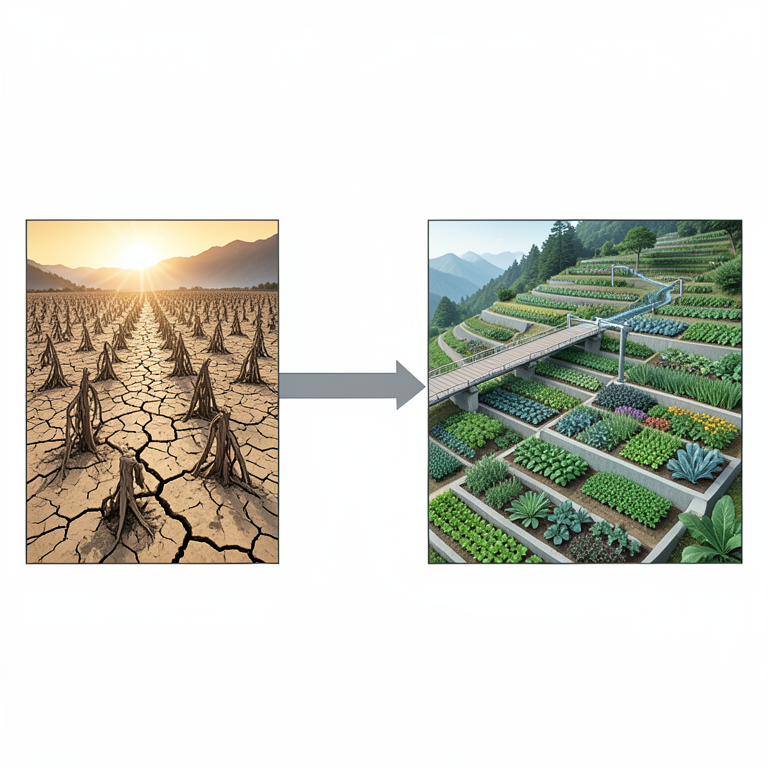
Barriers vs. Solutions
AI-generated conceptual illustration (Terraced farms in the Himalayan mountains of Uttarakhand). It explains the idea and does not show study data.
View source evidence ↗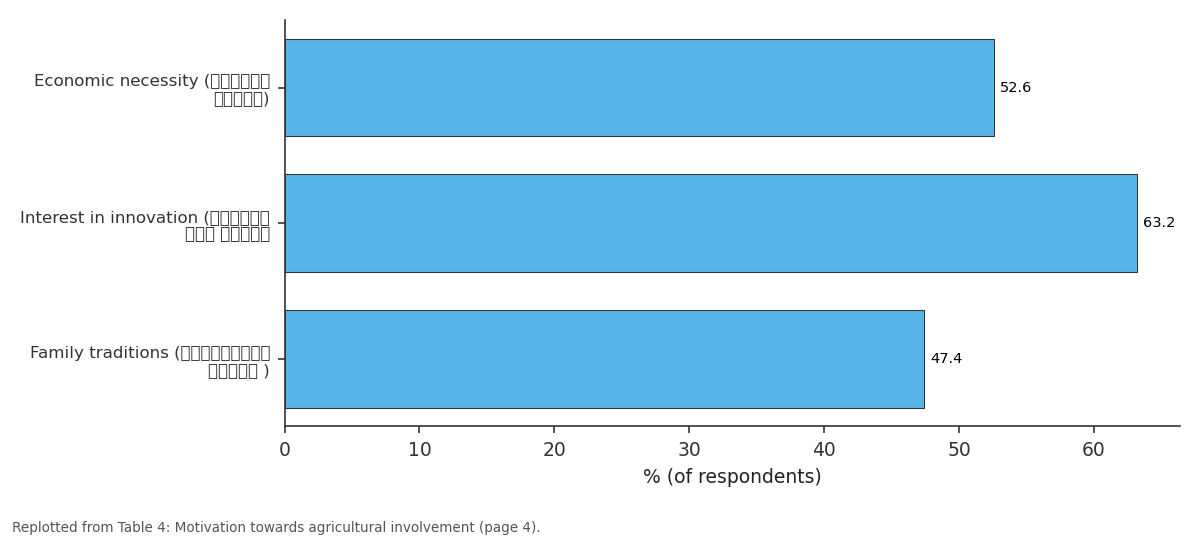
% (of respondents): Economic necessity... vs Interest in innovation... vs Family traditions...
Replotted from Table 4 (page 4) of the original paper. Every bar is the paper's own table value.
View source evidence ↗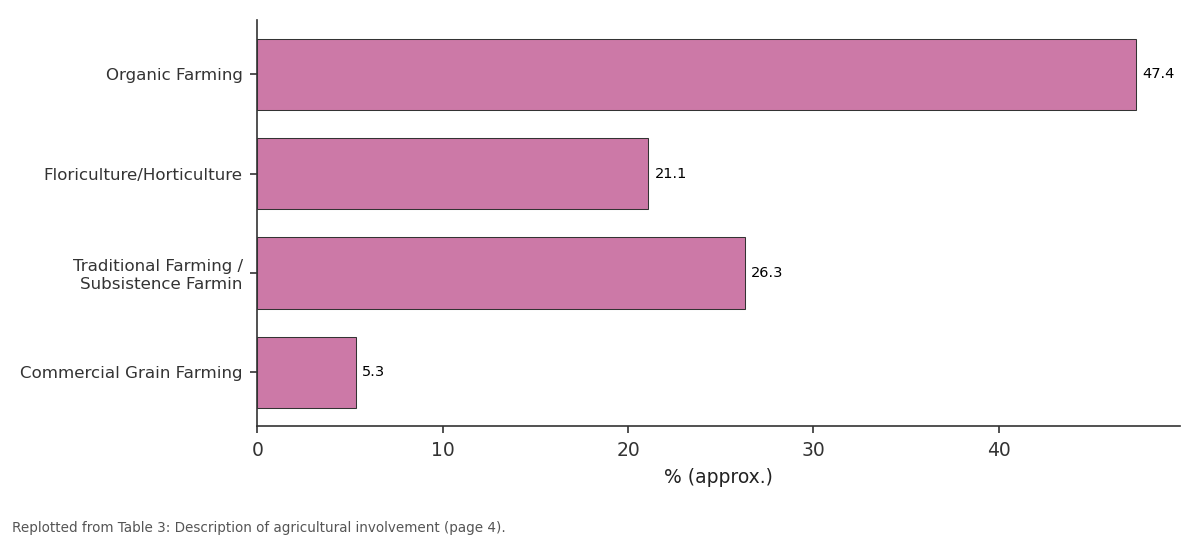
% (approx.): Organic Farming vs Floriculture/Horticultur... vs Traditional Farming /... vs Commercial Grain Farming
Replotted from Table 3 (page 4) of the original paper. Every bar is the paper's own table value.
View source evidence ↗Figures & tables
From the original paper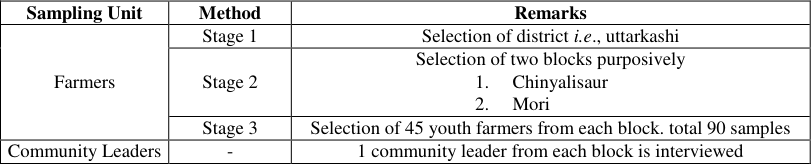 Table 1
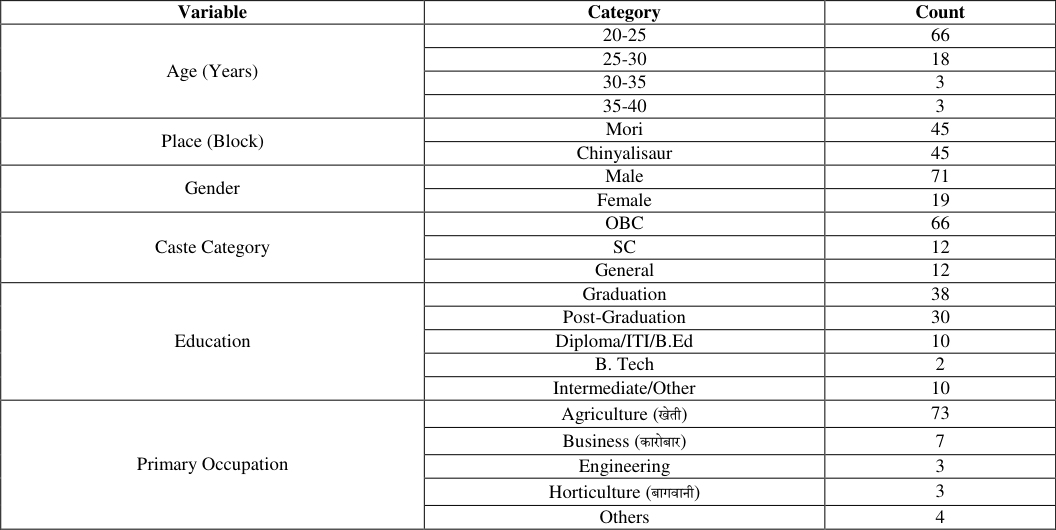 Table 2
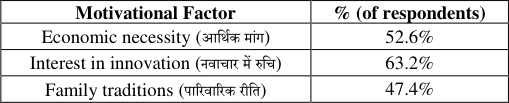 Table 4
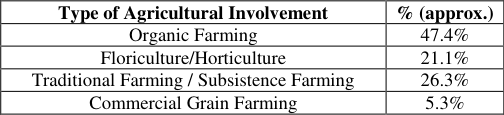 Table 3
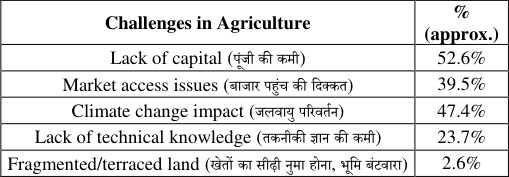 Table 5
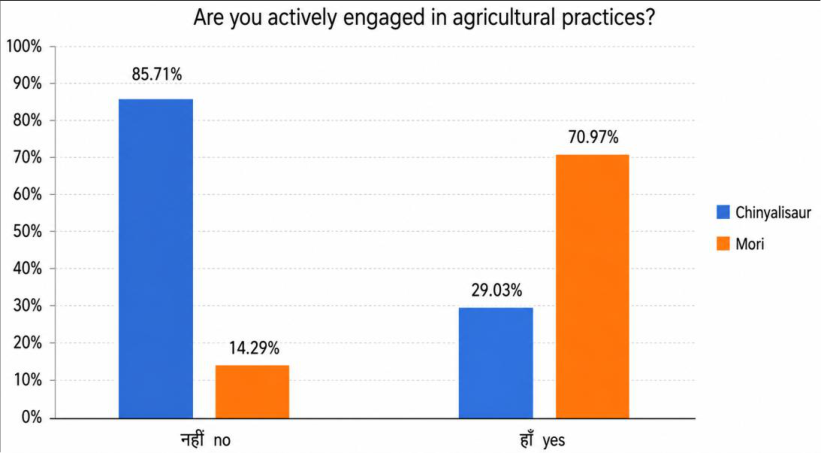 Figure 1
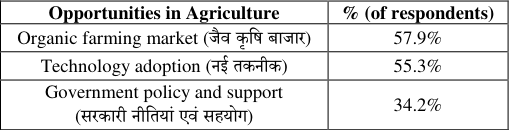 Table 6
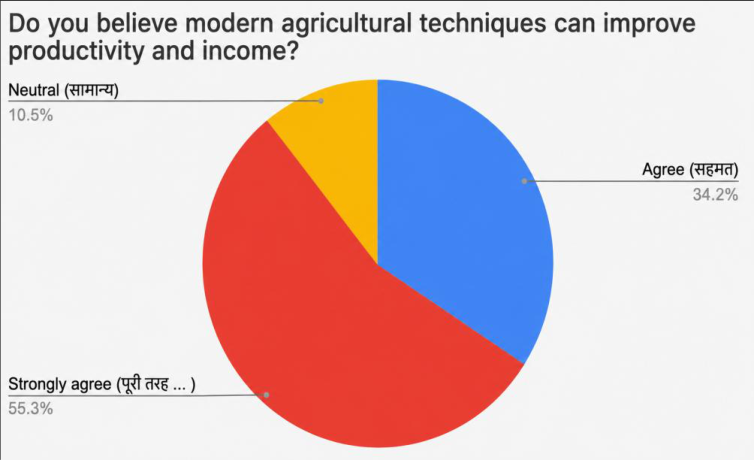 Figure 2
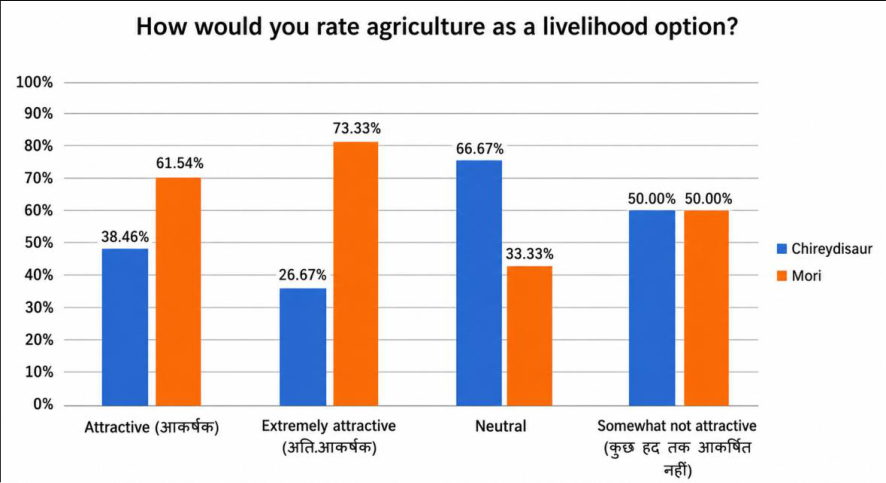 Figure 3
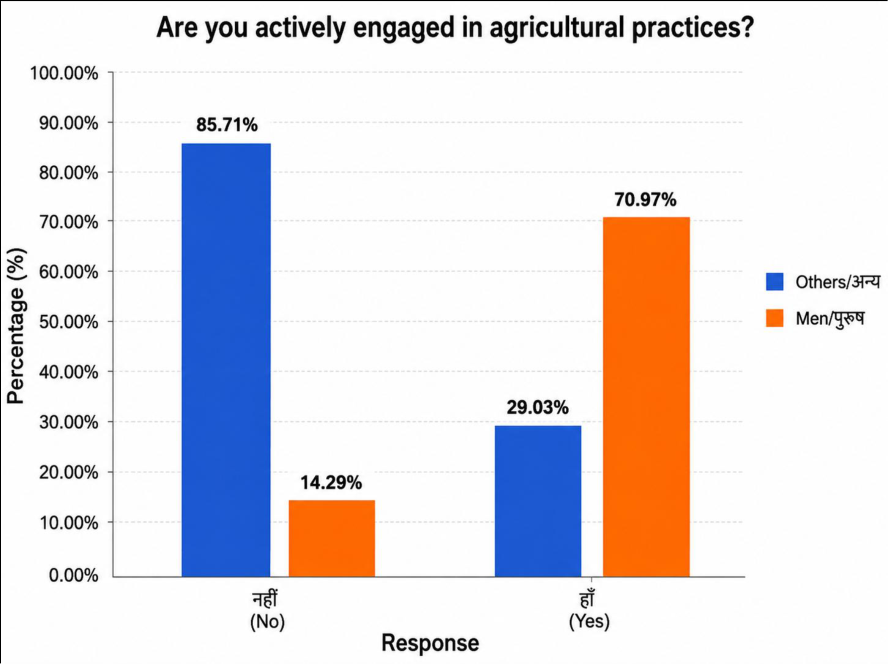 Figure 4
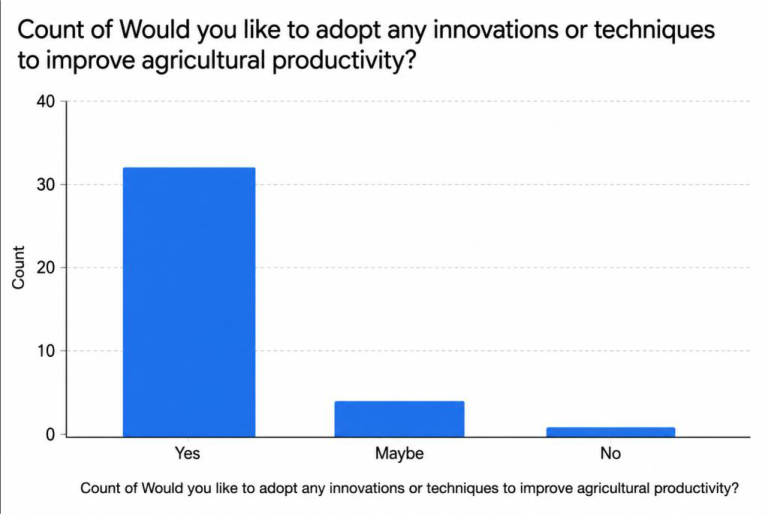 Figure 5
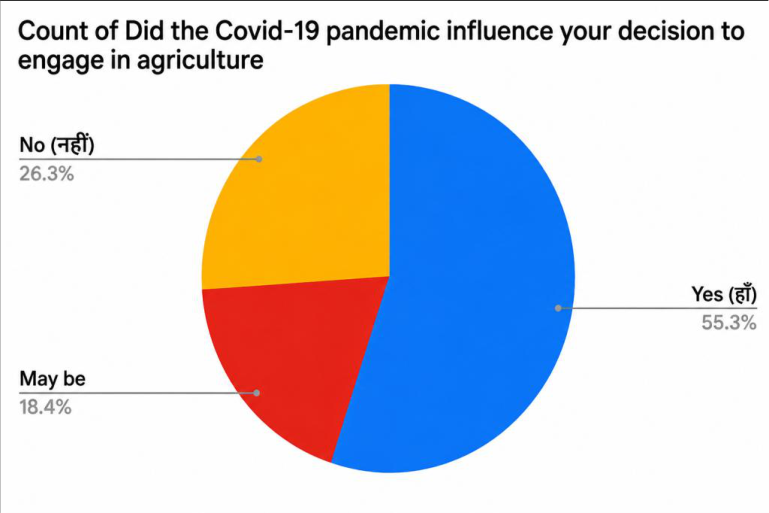 Figure 6
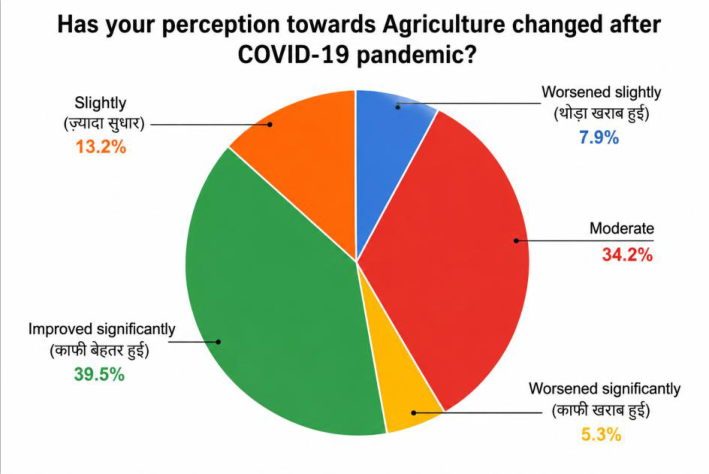 Figure 7
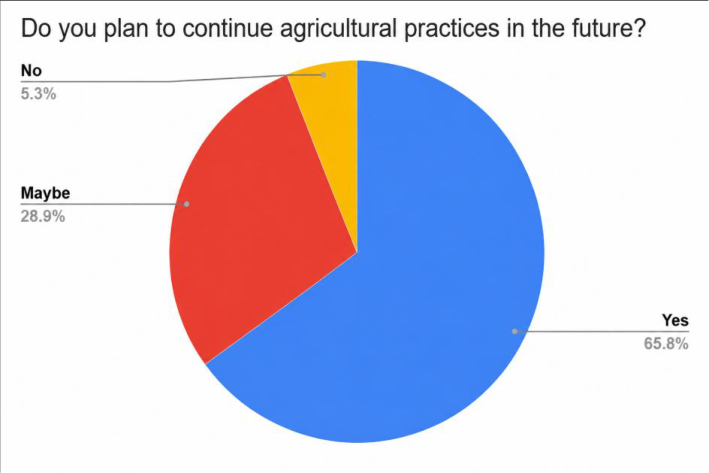 Figure 8
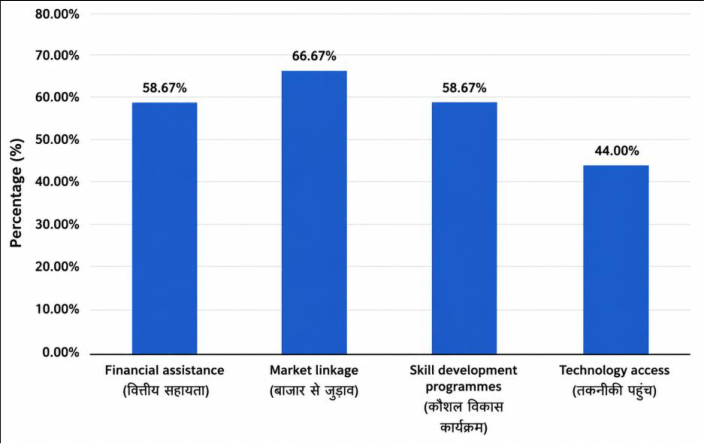 Figure 9
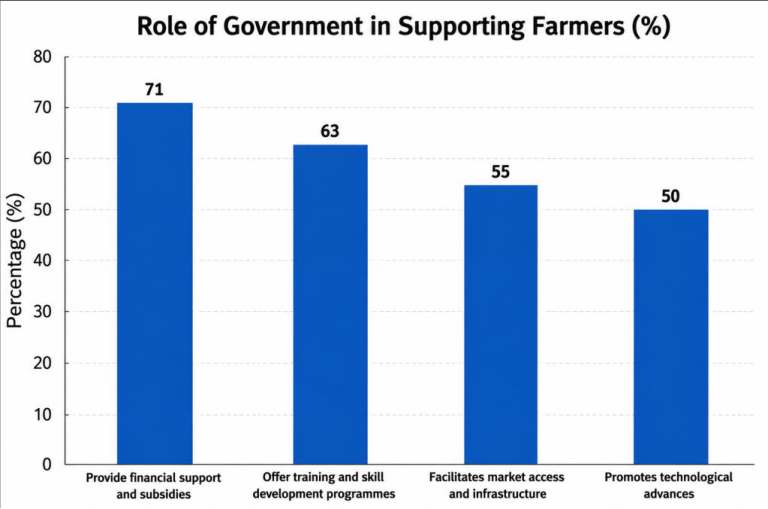 Figure 10
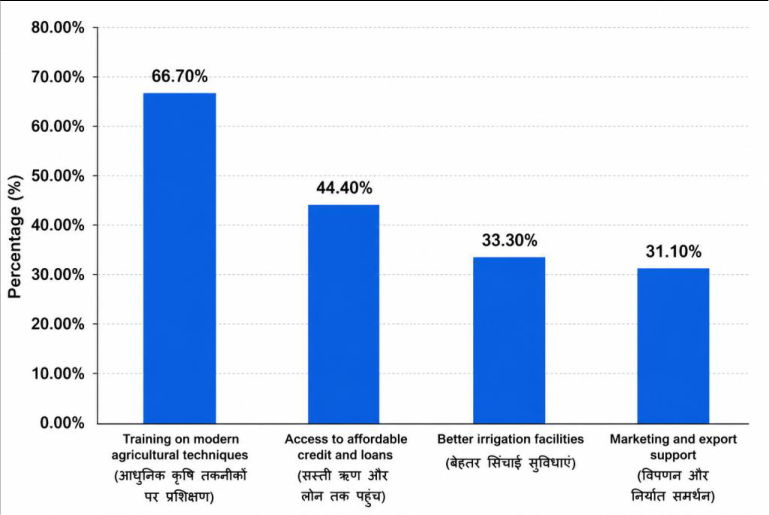 Figure 11
Introduction
Agriculture has been the backbone of India's economy for centuries, providing livelihoods to a significant portion of the population. However, in recent years, a shift in youth aspirations has been observed, with many moving away from traditional farming towards urban employment and modern career opportunities. This trend is particularly evident in hilly regions like Uttarkashi in Uttarakhand, where the challenges of small landholdings, unpredictable weather, and limited market access have contributed to a decline in agricultural interest among the younger generation (Singh, 2020) [4] . Despite these challenges, there is a growing recognition of agriculture's potential as a sustainable livelihood option, especially with advancements in organic farming, agri-tourism, and government support for rural entrepreneurship (Kumar & Sharma, 2021) [1] . The increasing awareness of environmental sustainability, food security, and innovative farming techniques has sparked a renewed interest among some young individuals in Uttarkashi to reconsider agriculture as a viable and rewarding profession. The role of technology and modernization in agriculture has also played a crucial part in reshaping youth perspectives. The introduction of high-yield seeds, climate-resilient crops, precision farming, and digital platforms for market access has made agriculture more efficient and appealing (Patel, 2019) [3] . Government initiatives such as subsidies, training programs, and financial aid have further encouraged youth participation in the sector (Ministry of Agriculture, 2022) [2] . Moreover, the rise of agribusiness startups and selfsustaining agricultural ventures has demonstrated that farming can be both profitable and innovative (Verma & Gupta, 2023) [5] .
This study aims to explore the changing perceptions of youth towards agriculture in Uttarkashi Block. It seeks to understand the key factors influencing their attitudes, including socio-economic conditions, education, migration trends, and the impact of various agricultural schemes. By examining these aspects, the research will contribute to policy recommendations that encourage youth participation in agriculture while addressing the challenges they face. Additionally, it will highlight successful models of youthled agricultural enterprises and propose strategies to make agriculture a more attractive career option for the younger generation.
COVID-19 and Youth Employment in Agriculture
The COVID-19 pandemic had a profound impact on youth employment and engagement in agriculture. Chakravorty et al. (2023) [6] , through a longitudinal panel study in Bihar and Jharkhand, reveal that one-third of rural youth lost salaried employment during lockdowns and nearly half returned to their villages, with men largely absorbed into informal agricultural labor while women exited the workforce. Goyal (2020) [16] similarly argues that agriculture was the only sector to show positive employment growth during the pandemic, thereby absorbing surplus labor and offering a pathway for rural revitalization. Sridhar et al. (2023) [30] expand this discussion by analyzing disruptions in agro-food supply chains and identifying how sustainable farming and digital technologies like blockchain and AI were increasingly adopted to ensure resilience. Pal and Jha (2024) [24] further highlight how COVID-19 accelerated agripreneurship, documenting the rise of over 30,000 agriventures supported by digital extension platforms and startups. Complementing these findings, Kumar, Sharma, and Singh (2024) [19] show that vocational training in postpandemic Haryana covering activities like mushroom cultivation and beekeeping boosted rural youth incomes, although challenges of credit access and female participation persisted. Collectively, these studies highlight how the pandemic exposed vulnerabilities in youth employment, but also reinforced agriculture's centrality as both a fallback and a future pathway for rural youth livelihoods.
Youth Perceptions and Attitudes toward Agriculture
The perceptions and attitudes of rural youth toward agriculture form another key theme in the literature. Research in India reveals widespread ambivalence or negativity among young people toward farming. Gangwar and Kamerswari find that youth in Uttarakhand often display neutral or negative attitudes, leading to unemployment and migration, while Gireesan (n.d.) similarly notes that structural disincentives and poor returns deter participation. Keshav et al. further quantify this disillusionment, showing that over 90% of respondents believed farming did not lead to prosperity, and nearly half expressed reluctance to continue family farming. Radhakrishnan also documents unfavorable perceptions, with more than half of surveyed youth holding negative views of agriculture-related programs due to lack of awareness and ineffective outreach. By contrast, evidence from Nigeria by Fasakin et al. (2022) [12] suggests that when farming is directly linked to tangible economic benefits as in rice farming-youth demonstrate more positive attitudes and contribute to household income growth. These findings suggest that while perceptions of agriculture in India remain largely negative, youth attitudes can be transformed when farming provides visible rewards and economic security.
Regional and Cultural Contexts
Regional and cultural contexts play a significant role in shaping youth engagement with agriculture. In Bihar and Jharkhand, studies by Chakravorty et al. (2023) [6] and Gireesan (n.d.) highlight agriculture's role as a fallback employment source, but also reveal structural challenges such as lack of incentives and poor institutional support. In Uttarakhand, despite rich biodiversity and opportunities in niche areas like medicinal plants and ecotourism, studies by Gangwar and Kamerswari, Joshi and Kashyap (2023) [20] , and Rana and Bisht (2023) [26] emphasize high rates of youth out-migration due to limited awareness and weak market linkages. Evidence from Nigeria (Fasakin et al., 2022) [12] shows that youth-led rice farming significantly enhances household income when enabling factors are present, while findings from South Africa (Geza et al., 2023) [14] illustrate a preference for value-added agro-processing activities despite policy misalignment. These regional variations demonstrate that while structural barriers are common, the availability of ecological resources, local livelihood traditions, and supportive institutional frameworks shape the pathways available for youth engagement in agriculture. Despite numerous studies on agricultural challenges and youth migration trends, there remains a significant gap in research focusing specifically on the evolving perspectives of youth towards agriculture in the hilly terrains of Uttarkashi. Existing literature predominantly discusses the economic constraints and environmental factors affecting agriculture, but there is limited exploration of youth aspirations, perceptions, and their willingness to engage in farming as a long-term profession. Furthermore, while government initiatives and technological advancements have been introduced to modernize agriculture, their actual impact on rural youth's motivation to stay in the sector has not been thoroughly examined. Another critical gap is the lack of region-specific policy analysis that addresses the unique socio-economic and cultural dynamics of Uttarkashi. Research on agribusiness opportunities, entrepreneurial ventures in agriculture, and sustainable farming models tailored for youth remains inadequate. Understanding these aspects is essential to develop effective policies and interventions that can make agriculture a more attractive and viable career choice for the younger generation. This study aims to bridge these gaps by providing an in-depth analysis of the changing attitudes of youth towards agriculture in Uttarkashi and identifying practical solutions to enhance their participation in the sector.
Methodology
This paper aims to explore how youth in Uttarkashi district, Uttarakhand, perceive agriculture and whether these perceptions have shifted in the aftermath of COVID-19, given growing concerns about declining youth engagement in the sector. The specific objectives are to examine current attitudes of youth toward agriculture and to analyze changes in these perceptions following the pandemic. To address these objectives, a mixed-method research design is adopted, combining descriptive and exploratory approaches. Primary data are collected through questionnaires, unstructured interviews, and observations, while secondary information is drawn from government reports, census records, and research publications. As shown in table 1 using a multi-stage sampling method, 100 respondents are selected, including 50 young farmers from two purposively chosen blocks Chinyalisaur and Mori along with community leaders for additional perspectives. The data are analyzed using descriptive and inferential statistics, alongside thematic analysis, ensuring both breadth and depth of insights. Ethical considerations such as informed consent, confidentiality, and anonymity are strictly followed, with the ultimate goal of providing evidence-based recommendations for strengthening youth participation in agriculture and ensuring its long-term sustainability.
Results and Discussion
This section highlights the findings of data collected from youth farmers in the sampled area. This section also highlights the details of sampled respondents to assess their age groups, gender and caste etc.
A. Sample Respondent
The study is based on a total sample of 90 respondents, with 45 selected from the Chinyalisaur block and the remaining 45 from the Mori block of Uttarkashi district. Below table presents the socio-demographic profile of the respondents across different variables.
B. Engagement of Youth in Agriculture
This section presents the current status of youth engagement in agriculture within the study area. It examines the extent of young farmers' participation in agricultural activities and their motivation to pursue farming. Furthermore, it highlights the challenges encountered in agricultural practices, as well as the opportunities that youth perceive in the sector. The section also explores the adoption of modern tools and techniques by young farmers in their agricultural practices. Figure 1 illustrates the level of active engagement in agricultural practices among respondents from two blocks in Uttarkashi district: Chinyalisaur and Mori. A significant disparity is evident between the two regions. In Chinyalisaur, a vast majority (85.71%) reported that they are not actively involved in agriculture, with only 29.03% affirming participation. In contrast, Mori block shows a strong inclination toward agricultural involvement, where 70.97% of the respondents are actively engaged, and only 14.29% are not. This contrast suggests differing socioeconomic dynamics and possibly varying levels of dependence on agriculture as a livelihood source between the two blocks. 4 presents the motivational factors influencing youth participation in agriculture. The data show that the leading motivation is interest in innovation, reported by 63.2% of respondents, suggesting a growing inclination toward adopting new techniques and practices. Economic necessity was cited by 52.6% of respondents, underscoring the role of agriculture as a livelihood option. Additionally, 47.4% of respondents highlighted family traditions as a motivating factor, indicating the intergenerational transfer of agricultural practices. These findings suggest that youth participation is driven by a combination of necessity, innovation, and cultural heritage.
Source: Primary Data
Source: Primary Data
34.2%
Source: Primary Data Table 6 highlights the major opportunities identified by youth respondents in the agricultural sector. The findings reveal that the organic farming market is viewed as the most significant opportunity, with 57.9% of respondents acknowledging the growing demand for organic produce. Almost an equal proportion (55.3%) emphasized technology adoption as a key driver of agricultural growth, reflecting their willingness to engage with modern tools and innovations. Additionally, 34.2% of the respondents considered government policies and support as an important opportunity, indicating the role of institutional backing in strengthening youth participation in agriculture. These results suggest that young farmers are optimistic about agriculture's future, particularly through sustainable practices, modernization, and policy support Source: Primary Data
C. Perception of Youth towards agriculture
This section highlights the perception of youth towards agriculture as a livelihood option along with its key benefits. This research paper also highlights their perception before and after the COVID-19 pandemic, which has seen major reverse migration in the region. The bar chart compares perceptions of agriculture as a livelihood option between respondents from Chinyalisaur and Mori blocks in Uttarkashi district. A majority of participants in Mori rated agriculture as either "extremely attractive" (73.33%) or "attractive" (61.54%), highlighting a highly positive outlook towards farming as a viable career. In contrast, Chinyalisaur respondents were more reserved, with only 26.67% considering it "extremely attractive" and 38.46% rating it as "attractive." Additionally, 66.67% from Chinyalisaur selected "neutral", compared to only 33.33% in Mori. Interestingly, an equal 50% from both regions rated agriculture as "somewhat not attractive", showing some shared skepticism. Overall, the data indicates a notably more favorable perception of agriculture in Mori block compared to Chinyalisaur. Figure 4 highlights the key benefits of agriculture as perceived by youth respondents. The majority (60.5%) identified employment generation as the most significant benefit, reflecting agriculture's role in providing livelihood opportunities. Economic security was cited by more than half (52.6%) of the respondents, while environmental contribution was recognized by 50%, indicating awareness of the sector's role in ecological sustainability. Additionally, nearly one-fourth (23.7%) associated agriculture with social respect, suggesting that farming continues to hold cultural and social value. Overall, the results reveal that youth view agriculture not only as a source of income and employment but also as a means of environmental stewardship and social recognition.
Source: Primary Data
Source: Primary Data
D. Impact of covid-19 in influencing decision
This pie chart presents data on whether the COVID-19 pandemic influenced individuals' decisions to engage in agriculture. A majority of respondents (55.3%) confirmed that the pandemic did influence their decision to participate in agricultural activities. Meanwhile, 26.3% stated that COVID-19 had no impact on their agricultural engagement choices. A notable 18.4% were uncertain, responding with "maybe". The findings suggest that the pandemic acted as a catalyst for many to consider or return to agriculture, possibly due to job loss, food security concerns, or the reliability of farming as a livelihood during times of crisis.
Source: Primary Data The pie chart illustrates how respondents' perceptions of agriculture have shifted following the COVID-19 pandemic. A considerable portion of participants experienced a positive change, with 39.5% reporting their perception improved significantly, and 13.2% indicating a slight improvement. Meanwhile, 34.2% of respondents described their change in perception as moderate, showing a balanced or neutral impact. On the other hand, a smaller segment of the population noted a decline in perception, with 7.9% stating it worsened slightly, and 5.3% reporting it worsened significantly. Overall, the data reflects a trend towards increased appreciation or recognition of agriculture's importance in the aftermath of the pandemic. Table X presents the forms of government support that would encourage youth to remain engaged in agriculture. The majority (66.7%) emphasized the importance of market linkage, reflecting the need for reliable channels to sell produce at fair prices. Both financial assistance and skill development programmes were highlighted by 58.3% of respondents, indicating that access to capital and capacitybuilding are equally crucial for sustaining agricultural livelihoods. Additionally, 44.4% recognized technology access as a motivating factor, underlining the growing importance of modern techniques and innovations in agriculture. Overall, the findings suggest that youth seek a comprehensive policy approach that combines financial, market, skill, and technological support to make agriculture a viable career choice. Respondents also underlined the importance of connecting youth farmers with markets and strengthening infrastructure like storage, transport, and digital platforms. Without proper market linkages, even innovative agricultural practices face challenges in profitability.
Source: Primary Data
Source: Primary Data
Source: Primary Data
Source: Primary Data
d) Technological Advancement
A considerable share of responses highlighted the need for promoting modern technology, including mechanization, ICT tools, precision farming, and climate-smart agriculture. Technology not only enhances productivity but also makes agriculture attractive to younger generations. The responses highlight the four major core additional areas where government can make effort to make agriculture a viable option, viz. Training on Modern Agricultural Techniques (66.7%) emerged as the most pressing requirement. A majority of youth stressed the need for knowledge in advanced methods, smart farming practices, and updated agricultural innovations. This indicates a demand for skill-oriented capacity-building programs. Access to Affordable Credit and Loans (44.4%) was the second most cited factor. Respondents noted that lack of financial capital restricts agricultural entrepreneurship. Easy loan facilities, subsidies, and credit schemes were recommended to reduce financial barriers. Better Irrigation Facilities (33.3%) were also emphasized. In mountainous terrains like Uttarkashi, dependence on monsoons makes farming risky. Youth highlighted the need for improved irrigation systems to ensure productivity and crop security.
Source: Primary Data
Marketing and Export Support (31.1%) was identified as another critical factor. Respondents believed that without assured market linkages, storage, transport, and export opportunities, even modern farming cannot become profitable for young farmers.
Key Findings
The findings from the study provide important insights into the dynamics of youth engagement in agriculture in Uttarkashi district, particularly across Chinyalisaur and Mori blocks. A striking observation is the significant disparity in agricultural involvement between the two regions. While Chinyalisaur demonstrates relatively low participation rates, with a majority of youth reporting disengagement from farming, Mori block shows strong involvement and more positive perceptions of agriculture. This contrast highlights the influence of local socioeconomic contexts, livelihood diversification, and possibly the dependence on non-farm income sources in shaping youth participation. Such regional variations suggest that policy measures must be localized rather than uniform, addressing the specific challenges and aspirations of youth in different areas. The type of agricultural involvement further reveals critical patterns in the sector. The predominance of organic farming (47.4%) signals a positive shift towards sustainable practices and reflects growing awareness of healthconscious markets. Floriculture and horticulture (21.1%) also indicate diversification into high-value crops, particularly relevant in hilly terrains with limited land availability. However, the relatively small proportion of youth engaged in commercial grain farming (5.3%) suggests that large-scale, market-oriented agriculture remains less attractive, possibly due to limited landholdings, capital constraints, and market risks. This aligns with wider evidence from Himalayan regions, where youth tend to gravitate toward niche and value-added farming rather than extensive cultivation.
Motivational factors influencing youth participation reveal a layered picture. Interest in innovation (63.2%) emerges as the most prominent driver, indicating that young farmers are not merely compelled by necessity but are increasingly motivated by the potential of new technologies and practices. This is particularly significant because it suggests a cultural shift wherein farming is being reimagined as a modern and entrepreneurial activity. At the same time, economic necessity (52.6%) and family traditions (47.4%) continue to play crucial roles, underscoring that agriculture remains both a livelihood safeguard and a cultural inheritance. The interplay of these motivations demonstrates that while agriculture retains its traditional relevance, its future lies in innovation-driven engagement. However, the challenges identified highlight the structural and systemic barriers that restrict youth agricultural participation. Lack of capital (52.6%) and the adverse impacts of climate change (47.4%) stand out as the most pressing concerns, reflecting both financial and environmental vulnerabilities. Market access issues (39.5%) further weaken the profitability of farming, especially in remote areas with poor infrastructure. The relatively lower mention of fragmented or terraced land (2.6%) compared to other issues indicates that youth perceive socio-economic and policy-driven barriers as more significant than geographical constraints. This suggests that with adequate institutional support-financial, technical, and infrastructural-many existing challenges can be mitigated. On the other hand, youth also perceive multiple opportunities that could revitalize the agricultural sector. The growing organic market (57.9%) and technology adoption (55.3%) are seen as key pathways to sustainable and profitable farming. These align with global trends where niche markets and technological integration have enhanced the competitiveness of smallholder agriculture. Government support (34.2%), although less frequently cited, remains essential for scaling these opportunities. The findings highlight a need for policy frameworks that not only provide subsidies and credit but also strengthen market linkages and facilitate technological diffusion. The role of COVID-19 in shaping perceptions adds another dimension to the discussion. More than half of the respondents acknowledged that the pandemic influenced their decision to engage in agriculture, and a significant share reported improved perceptions of farming postpandemic. This reflects the renewed recognition of agriculture as a reliable livelihood during crises and resonates with broader patterns of reverse migration across Himalayan states. Importantly, this shift in perception may create an opportunity for policymakers to consolidate youth interest through targeted interventions in training, credit access, and market support. Finally, the analysis of government intervention highlights the comprehensive nature of youth expectations. Market linkages, skill development, financial assistance, and technological access are all emphasized, pointing to the fact that no single intervention is sufficient. Instead, an integrated policy approach is required that combines financial incentives with knowledge-building, infrastructural development, and innovation support. This multi-pronged strategy would not only reduce barriers to entry but also enhance the attractiveness of agriculture as a career option for rural youth. In sum, the study underscores both the challenges and opportunities surrounding youth engagement in agriculture in Uttarkashi. While financial and market constraints continue to inhibit full participation, growing enthusiasm for innovation, organic farming, and modern techniques signals a potential transformation in the sector. With strategic government intervention and localized policy design, youthdriven agriculture can evolve into a sustainable, profitable, and socially valued livelihood in the Himalayan context.
Policy Suggestions
To strengthen youth engagement in agriculture in Uttarkashi, a comprehensive and integrated policy approach is essential. First, access to affordable credit, low-interest loans, and subsidies must be expanded to overcome the persistent barrier of limited capital, while crop insurance schemes can reduce risks linked to climate change. Equally important is the creation of strong market linkages through cooperatives, digital platforms, and improved storage and transport infrastructure to ensure fair prices and reduce exploitation. Capacity-building through vocational training in modern farming techniques, agribusiness management, and climate-smart practices should be prioritized, enabling youth to acquire the technical knowledge needed for innovation-driven agriculture. At the same time, policies should promote the adoption of technology by providing incentives for mechanization, ICT tools, precision farming, and smart irrigation systems. Opportunities in organic farming, floriculture, and horticulture should be supported through certification, branding, and marketing initiatives, making high-value and sustainable farming attractive for youth. Government efforts must also focus on climate resilience by developing adaptation programs, earlywarning systems, and environmentally sustainable practices tailored to hilly terrains. Additionally, policies should encourage rural youth entrepreneurship, promote collective farming models to address land fragmentation, and foster greater community participation in decision-making. Ultimately, a multi-dimensional approach-combining financial, technical, institutional, and infrastructural support will not only make agriculture a viable livelihood for rural youth but also contribute to food security, environmental sustainability, and long-term rural development in Uttarkashi and similar Himalayan regions.
Conclusion
The paper highlights the current status of youth engagement in agriculture in Uttarkashi, revealing regional differences between Chinyalisaur, where participation is limited, and Mori, where youth remain actively involved and optimistic about farming. Agriculture continues to serve as both a livelihood necessity and an avenue for innovation, with organic farming and horticulture emerging as major areas of interest. Motivations are shaped by economic need, family traditions, and, increasingly, enthusiasm for modern techniques. Yet, challenges such as lack of capital, climate change impacts, and poor market access continue to restrict agricultural entrepreneurship. At the same time, opportunities in organic markets, technology adoption, and government support provide pathways for growth. The COVID-19 pandemic further reinforced agriculture's importance, prompting many youth to reconsider farming as a stable livelihood. Overall, the findings suggest that with financial, technical, and institutional support, agriculture can become a sustainable and attractive career option for youth, contributing to local livelihoods and rural development.
Figures and tables from the paper
| Variable | Category | Count |
|---|---|---|
| Age (Years) | 20-25 | 66 |
| 25-30 | 18 | |
| 30-35 | 3 | |
| 35-40 | 3 | |
| Place (Block) | Mori | 45 |
| Chinyalisaur | 45 | |
| Gender | Male | 71 |
| Female | 19 | |
| Caste Category | OBC | 66 |
| SC | 12 | |
| General | 12 | |
| Education | Graduation | 38 |
| Post-Graduation | 30 | |
| Diploma/ITI/B.Ed | 10 | |
| B. Tech | 2 | |
| Intermediate/Other | 10 | |
| Primary Occupation | Agriculture (खते ी) | 73 |
| Business (कारोबार) | 7 | |
| Engineering | 3 | |
| Horticulture (बागवानी) | 3 | |
| Others | 4 |
Table text extracted from the original PDF; superscript letters are shown inline. The original table image is below.
View original table image
| Type of Agricultural Involvement | % (approx.) |
|---|---|
| Organic Farming | 47.4% |
| Floriculture/Horticulture | 21.1% |
| Traditional Farming / Subsistence Farming | 26.3% |
| Commercial Grain Farming | 5.3% |
Table text extracted from the original PDF; superscript letters are shown inline. The original table image is below.
View original table image
References
32 in the original paper- Kumar R, Sharma P. Sustainable agriculture and youth participation in India. Journal of Rural Development. 2021;38(2):145-162.
- Ministry of Agriculture. Annual report on rural agricultural development. Government of India; 2022.
- Patel S. The impact of modernization on traditional farming practices. Indian Journal of Agricultural Economics. 2019;74(1):45-60.
- Singh A. Challenges and opportunities in hill agriculture: A study of Uttarakhand. Himalayan Studies Journal. 2020;15(3):78-95.
- Verma M, Gupta R. Agribusiness startups and their role in rural employment. Economic and Political Weekly. 2023;58(4):23-30.
- Chakravorty T, Ghosh P, Mani S. Youth responses to COVID-19 in Bihar and Jharkhand: Job loss, reverse migration, and the limits of digital solutions. World Development. 2023;155:105921. doi:10.1016/j.worlddev.2022.105921.
- Chetri R, Rana R, Singh P. Role of ICTs in enhancing climate resilience among farmers in Haryana, India. Agricultural Systems. 2021;187:102987. doi:10.1016/j.agsy.2020.102987.
- Chowdhury S, Das K, Mukherjee A. Smart villages: Digital agriculture as a catalyst for rural regeneration. International Journal of Agricultural Sustainability. 2023;21(2):155-174. doi:10.1080/14735903.2023.2185702.
- Dash D, Kumar B. Vocational training needs of rural youth in agriculture for self-employment in Udham Singh Nagar of Uttarakhand. Indian Journal of Extension Education. 2018;54(4):91-97.
- Dash D, Kumar B. Vocational training needs of rural youth in agriculture for self-employment in Udham Singh Nagar of Uttarakhand. Indian Journal of Extension 2023;54(4):91-97. Available from: https://acspublisher.com/journals/index.php/ijee/article/ view/4463
- GBPUAT Pantnagar; 2023. Available from: https://krishikosh.egranth.ac.in/items/c0fad36db2ac4cc3-9d5c-e82a354ed6d0
- Fasakin IJ, Ogunniyi AI, Bello LO, Mignouna D, Adeoti R, Bamba Z, et al. Impact of intensive youth participation in agriculture on rural households' revenue: Evidence from rice farming households in Nigeria. Agriculture. 2022;12(5):584. doi:10.3390/agriculture12050584.
- Flannery KV. The origins of agriculture. Annual Review of Anthropology. 1973;2:271-310.
- Geza W, Ngidi MSC, Mudhara M, Slotow R, Mabhaudhi T. Is there value for us in agriculture? A case study of youth participation in agricultural value chains in KwaZulu-Natal, South Africa. Cogent Food and Agriculture. 2023;9(2):2280365. doi:10.1080/23311932.2023.2280365.
- Gireesan K. Youth in agriculture: Opportunities, challenges and the way forward in the post-COVID-19 scenario. IAHRW International Journal of Social Sciences Review. 2020;8(7-9):321-328.
- Goyal O. Bridging the employment gap in agriculture sector: A post-COVID 19 revival analysis. Disaster and Development. 2020;9(1):75-84.
- Henning JIF, Matthews N, August M, Madende P. Youths' perceptions and aspiration towards participating in the agricultural sector: A South African case study. Social Sciences. 2022;11(5):215. doi:10.3390/socsci11050215.
- Huambachano M, Arulingam I, Bowness E, Korzenszky A, Mungai C, Termine P, et al. Knowledge networks to support youth engagement in sustainable food systems. Frontiers in Sustainable Food Systems. 2022;6:867344. doi:10.3389/fsufs.2022.867344.
- Kumar S, Sharma R, Singh A. Effects of KVK-led vocational training on youth livelihoods and farm resilience in post-COVID Haryana. Indian Journal of Extension Education. 2024;60(2):33-42. doi:10.48165/IJEE.2024.60205.
- Kumari S, Verma P, Joshi U. Evaluating Uttarakhand's ARYA initiative: Integrated farm systems and youth entrepreneurship. Journal of Rural Development. 2023;42(3):213-230. doi:10.1177/02637735231198794.
- Maurya AS, Malik JS, Yadav RN. Relationship between profile of rural youth and attitude towards agriculture. Indian Journal of Extension Education. 2021;57(3):12-21.
- Mehta R, Kumar S. Rural youth and reverse migration during COVID-19. The Indian Journal of Labour Economics. 2021;64(2):329-345. doi:10.1007/s41027021-00305-2.
- Middendorf BJ, Faye A, Middendorf G, Stewart ZP, Jha PK, Prasad PVV. Smallholder farmer perceptions about the impact of COVID-19 on agriculture and livelihoods in Senegal. Agricultural Systems. 2021;190:103108. doi:10.1016/j.agsy.2021.103108.
- Pal A, Jha S. Agripreneurship growth in India: PostCOVID dynamics and youth engagement. Journal of Agribusiness Development. 2024;9(1):12-29. doi:10.1007/s10479-024-05890-3.
- Pathak A, Amardeep. A study on livelihood diversification and its determinants at farm level in Uttarakhand. Indian Journal of Extension Education. 2024;60(1):1-9. doi:10.48165/IJEE.2024.60112.
- Rana JC, Bisht IS. Reviving smallholder hill farming by involving rural youth for food system transformation and livelihood security in Uttarakhand, India. Sustainability. 2023;15(11):8816. doi:10.3390/su15118816.
- Rana JC, Bisht IS, Singh V. Regenerative agroecology and culinary agri-ecotourism: Indian youth as change agents. Sustainability. 2024;16(21):9417. doi:10.3390/su16219417.
- Rathod P, Deshpande A, Patil V. Youth participation in farm labor and management: Insights from Maharashtra. Journal of Rural Studies. 2018;65:56-63. doi:10.1016/j.jrurstud.2018.09.012.
- Sanjeev MV, Venkatasubramanian V, Singha AK. Identifying training needs of farmers and rural youth of Nagaland state. Indian Journal of Extension Education. 2021;57(2):115-121.
- Sridhar A, Balakrishnan A, Jacob MM, Kumar S, Ram MK, Jha A. Global impact of COVID-19 on agriculture: Role of sustainable agriculture and digital farming. Environmental Science and Pollution Research. 2023;30:42509-42525. doi:10.1007/s11356022-19358-w.
- Solanki S, Prakash N, Punj D, Gabriel EE. Reviving agriculture sector: An initiative of Government of India amidst COVID-19. PalArch's Journal of Archaeology of Egypt/Egyptology. 2020;17(7):9786-9796.
- Thapliyal M, Thapliyal A. Prospects of medicinal and aromatic plants commercial farming in District Uttarkashi, Uttarakhand, India. International Conference Proceedings. 2020: S52-S57.