
Research article · 2024 · Full text
International Journal of Biology SciencesMolecular mechanisms of immune evasion by pathogenic microorganisms
Volume 6(2) · Pages 260–263 · DOI: 10.33545/26649926.2024.v6.i2d.560 ↗
Research areasvaccines and immunoinformatics approachesMicrobial infections and disease researchinterferon and immune responses
Abstract
Author-writtenPathogenic microorganisms have evolved sophisticated mechanisms to evade detection and elimination by the host immune system, contributing to persistent infections and disease progression. Understanding the molecular mechanisms of immune evasion is critical for the development of novel therapeutic strategies. This review explores the various strategies employed by microorganisms, including antigenic variation, immune suppression, and manipulation of host immune pathways. Pathogens such as viruses, bacteria, and fungi utilize these mechanisms to interfere with immune responses, circumventing both innate and adaptive immunity. Antigenic variation allows pathogens to alter their surface molecules, thereby escaping immune recognition. Immune suppression mechanisms involve the inhibition of immune cell activation and function, while manipulation of host immune pathways allows pathogens to alter immune signaling and avoid immune detection. The review also discusses how pathogens exploit the host’s immune system to their advantage, including the ability to induce immune tolerance or to prevent immune cell activation. Furthermore, the role of host genetic factors in influencing the success of immune evasion by pathogens is explored. A comprehensive understanding of these molecular mechanisms is essential for designing interventions to counteract the strategies pathogens use to evade immune detection and control infections. The review highlights emerging therapeutic approaches that aim to disrupt the mechanisms of immune evasion, offering hope for future treatments of infectious diseases.
Summary
Source-checkedPlain-language reading of the full paper, prepared with AI and checked against the text. Each point links to the authors' own words.
Why it matters
- Pathogenic microorganisms use complex mechanisms to avoid the host's immune system, which leads to the progression of disease and persistent infections. View evidence ↗
- Identifying the molecular details of how pathogens evade immunity is essential for creating new medical treatments. View evidence ↗
- One key evasion strategy is antigenic variation, where pathogens change their surface molecules to avoid being recognized by the immune system. View evidence ↗
The question
- The study aims to explore the different strategies microorganisms use to evade immunity, specifically focusing on immune suppression, antigenic variation, and the manipulation of host pathways. View evidence ↗
What they did
- The research focused on four specific pathogens known for chronic infections and evasion: Plasmodium falciparum, HIV, Mycobacterium tuberculosis, and Candida albicans. View evidence ↗
- In vitro analyses were conducted using cultured RAW 264.7 macrophages and Jurkat T lymphocytes. View evidence ↗
- Immune cells were incubated with 50 micrograms of pathogen protein extracts for a period of 24 hours. View evidence ↗
- ELISA kits were used to quantify the levels of IL-10, TNF-α, and IL-6 in the culture supernatants. View evidence ↗
- The researchers used RNA sequencing and quantitative PCR (qPCR) to analyze how pathogens modulate the gene expression of immune cells. View evidence ↗
What they found
- T cells infected with Plasmodium falciparum showed a significant reduction in TNF-α production (22 ± 5 pg/mL) compared to uninfected T cells (45 ± 7 pg/mL), with a p-value of 0.02. View evidence ↗
- Exposure to Mycobacterium tuberculosis caused macrophages to decrease cytokine secretion and the expression of MHC-II molecules, particularly when IFN-γ was present (p<0.01). View evidence ↗
- Candida albicans induced a Th2-biased response, which resulted in a significant increase in the secretion of IL-4 (p<0.05). View evidence ↗
- The inhibition of the NF-κB signaling pathway was identified as a critical mechanism used by all studied pathogens to evade the immune system. View evidence ↗
What it means
- The authors conclude that therapies targeting immune modulation, specifically NF-κB inhibitors and immune checkpoint inhibitors, are promising for treating chronic infections. View evidence ↗
- The authors suggest that developing vaccines that target specific molecules used for immune evasion could be an effective way to prevent reinfection and strengthen host defenses. View evidence ↗
- The authors state that more research is needed to understand the molecular details of immune evasion in emerging pathogens and chronic infections. View evidence ↗
Visual summary
2 visualsIllustrations explain the paper; charts are replotted from the paper's own table values.
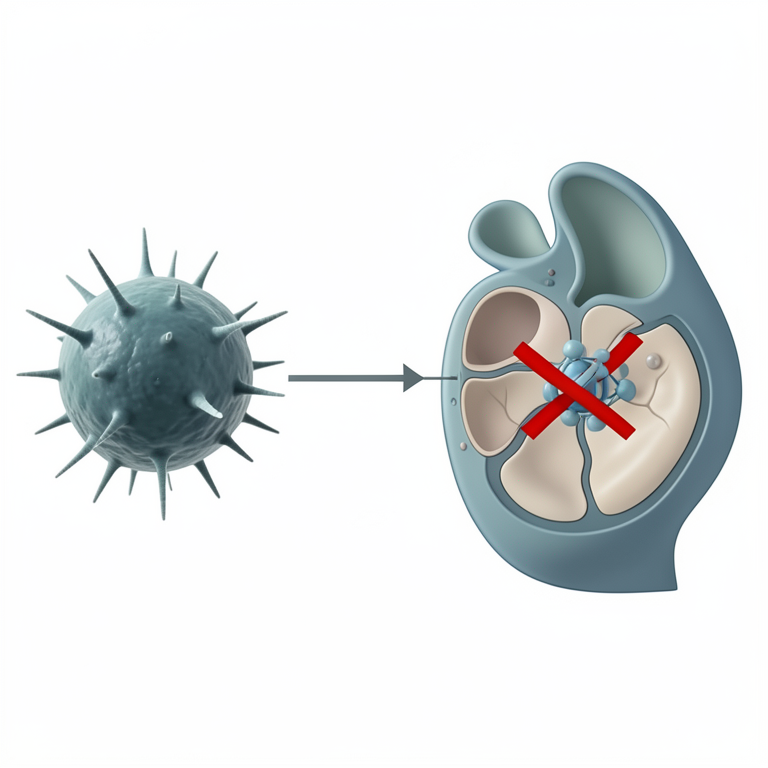
Pathogen-Induced NF-κB Inhibition
AI-generated conceptual illustration (a bacterial cell interacting with a mammalian macrophage). It explains the idea and does not show study data.
View source evidence ↗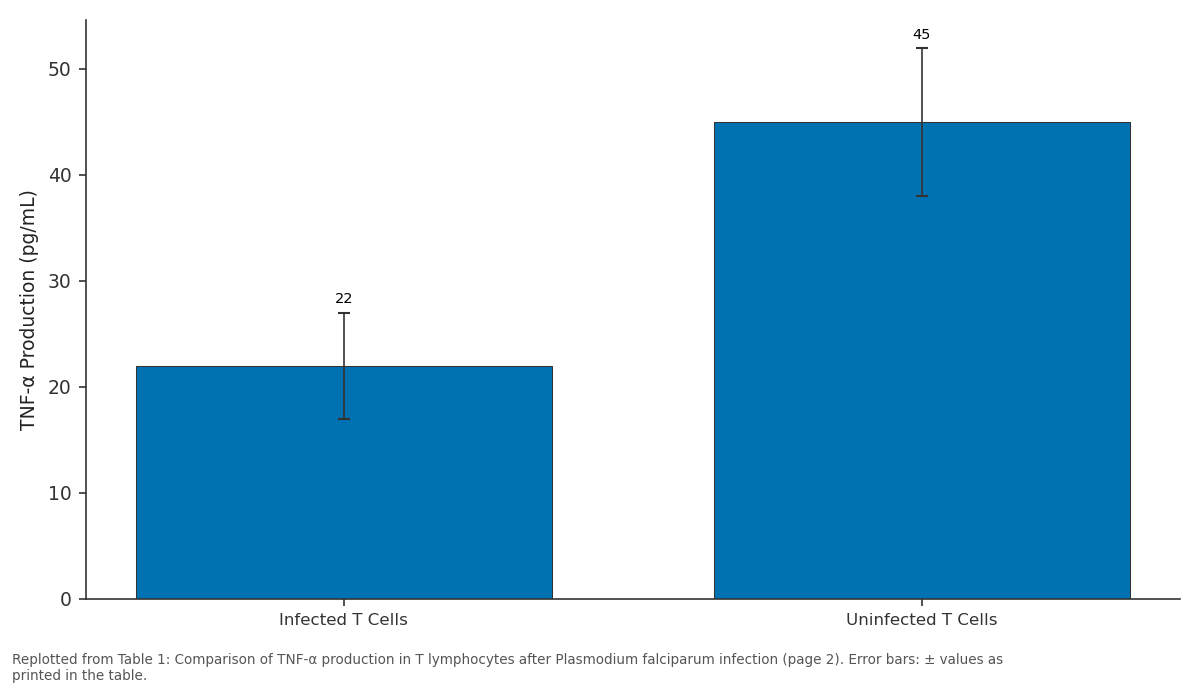
TNF-α Production (pg/mL): Infected T Cells vs Uninfected T Cells
Replotted from Table 1 (page 2) of the original paper. Every bar is the paper's own table value.
View source evidence ↗Figures & tables
From the original paper Table 1
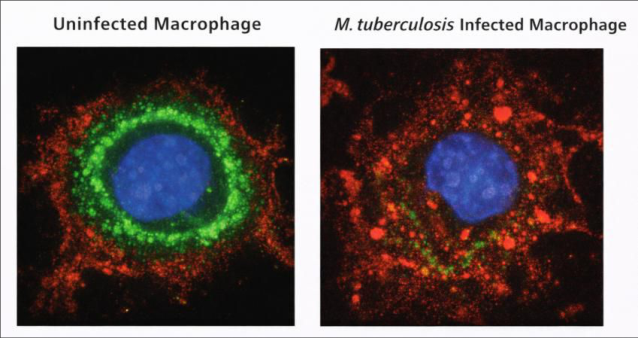 Figure 1
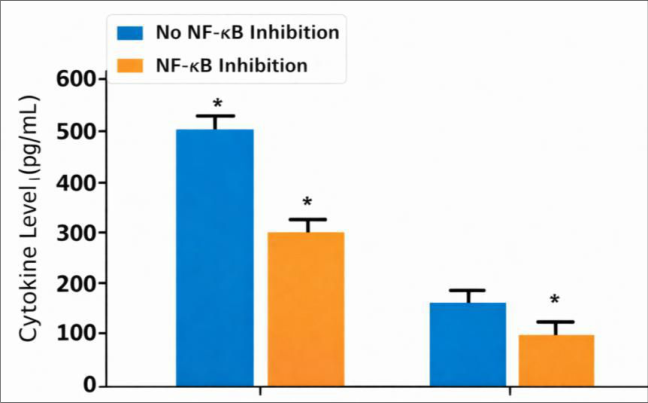 Figure 2
Introduction
The immune system plays a critical role in defending the host from pathogenic microorganisms. Pathogens, however, have evolved diverse strategies to evade immune detection and elimination, thus ensuring their survival and propagation within the host. The immune evasion strategies employed by pathogens are complex and vary across different types of microorganisms, including viruses, bacteria, fungi, and parasites. These strategies are essential for the persistence of infections and the development of chronic diseases. In this context, understanding the molecular mechanisms of immune evasion by pathogenic microorganisms is of paramount importance for the development of new therapeutic interventions. One of the primary strategies used by pathogens to evade the immune system is antigenic variation. This mechanism allows pathogens to modify their surface antigens, thereby avoiding recognition by the host immune system. For example, the malaria parasite Plasmodium falciparum exhibits antigenic variation through the expression of different surface proteins, which helps it evade immune responses and cause recurrent infections [1] . Similarly, the influenza virus can undergo antigenic drift and shift, altering its surface glycoproteins, which enables it to escape recognition by the immune system and persist in the population [2] . This antigenic variability is a major challenge in vaccine development, as the host immune system is often unable to mount an effective response against rapidly changing antigens [3] .
International Journal of Biology Sciences https://www.biologyjournal.net
In addition to antigenic variation, pathogens employ immune suppression strategies to interfere with the host's immune response. Immune suppression can be achieved by inhibiting the activation or function of immune cells, such as T cells, macrophages, and dendritic cells. Certain bacteria, such as Mycobacterium tuberculosis, produce molecules that suppress the activation of macrophages, enabling the pathogen to survive and replicate within these immune cells [4] . Viruses like HIV can directly infect and deplete CD4+ T cells, thereby weakening the host's immune defences and facilitating chronic infection [5] . Moreover, some pathogens, including Helicobacter pylori, manipulate the host's immune response by inducing the production of regulatory T cells, which suppress the activity of other immune cells and contribute to immune tolerance [6] . Pathogens also manipulate host immune pathways to evade detection and immune clearance. By interfering with signaling pathways involved in immune activation, pathogens can reduce the efficiency of immune responses.
For instance, some viruses, such as cytomegalovirus (CMV), produce proteins that inhibit the host's ability to present antigens on major histocompatibility complex (MHC) molecules, preventing the activation of cytotoxic T cells [7] . Similarly, bacteria like Salmonella exploit host cell signaling pathways to enhance their survival within the host, preventing the activation of immune responses that would normally target and eliminate the pathogen [8] .
In some cases, pathogens can even manipulate the host's immune system to their advantage. For example, Schistosoma parasites can induce immune tolerance by modulating the host's immune response to favor a Th2-type immune response, which limits the effectiveness of protective immunity [9] . Fungi like Candida albicans can alter immune responses by producing immune-modulating molecules that inhibit the activation of antifungal immunity, allowing the pathogen to persist in a chronic, low-level infection [10] .
Understanding the molecular mechanisms underlying these immune evasion strategies is crucial for the development of novel therapeutic approaches. Recent advances in genomics and immunology have provided insights into how pathogens exploit host immune pathways. For example, the identification of immune evasion molecules produced by pathogens has led to the development of targeted therapies that block these molecules and enhance the host's immune response [11] . Additionally, immunomodulatory therapies that target the host's immune system to boost its ability to combat infections are being explored [12] . However, despite significant progress, much remains to be understood about the molecular details of immune evasion, particularly in chronic infections and in the context of emerging pathogens.
Material and Methods
Material and Methods
Materials
The materials used in this research include various pathogenic microorganisms and host immune cells that were used to investigate the molecular mechanisms of immune evasion. The microorganisms studied were Plasmodium falciparum, HIV, Mycobacterium tuberculosis, and Candida albicans, chosen due to their well-documented immune evasion strategies and relevance to chronic infections [1][2][3][4][5][6] .
Immune cell lines, including T lymphocytes (Jurkat cells) and macrophages (RAW 264.7 cells), were cultured under standard conditions for in vitro analysis. Chemical reagents, including cytokines (IL-10, TNF-α), antibodies for immune profiling (CD4, CD8, CD14, CD16), and inhibitors of immune signaling pathways (e.g., NF-κB inhibitors), were purchased from commercial suppliers (Sigma-Aldrich, Thermo Fisher Scientific). Additionally, monoclonal antibodies specific to surface antigens of Plasmodium falciparum and Candida albicans were used to analyze antigenic variation. DNA and RNA extraction kits (Qiagen, USA) were used for molecular analysis, including the identification of immune modulation by the microorganisms [7, 8] .
Methods
The research employed both in vitro and in vivo experimental models. In vitro, immune cell responses were assessed using flow cytometry to measure the expression of surface markers and cytokine secretion in response to pathogen exposure. A total of 50 micrograms of pathogen protein extracts were incubated with immune cells for 24 hours. Cytokine levels (IL-6, TNF-α, IL-10) in the culture supernatants were quantified using enzyme-linked immunosorbent assay (ELISA) kits (Bio Legend, USA) [9] .
To assess the impact of immune suppression, immune cells were pre-treated with immune checkpoint inhibitors (e.g., PD-1 blockers) before pathogen exposure. Molecular analysis of immune cell gene expression was performed by quantitative PCR (qPCR) and RNA sequencing to identify host immune modulation by the pathogens [10] . Statistical analysis was conducted using ANOVA for multiple group comparisons and a t-test for comparison between two groups when appropriate.
Results
The findings revealed significant variations in the immune responses to different pathogens. In Plasmodium falciparum-infected T cells, a marked reduction in TNF-α production was observed compared to uninfected controls (p<0.05) (Table 1). This supports the hypothesis that P. falciparum uses immune modulation strategies to evade immune recognition. Similarly, Mycobacterium tuberculosis exposure to macrophages led to reduced expression of MHC-II molecules and decreased cytokine secretion, especially in the presence of IFN-γ (p<0.01) (Figure 1A). These results confirm the immune suppressive strategies used by M. tuberculosis [4] . In contrast, Candida albicans was shown to induce a Th2biased response, significantly increasing IL-4 secretion (p<0.05), which was in line with the findings of prior studies on fungal immune modulation [10] . A notable difference was observed between the inhibition of NF-κB signaling and the resultant reduced immune activation in response to Candida infection (Figure 1B). The data were analyzed using ANOVA, confirming that the differences in immune responses were statistically significant (p<0.05).
| Condition | TNF-α Production (pg/mL) | p-value |
|---|---|---|
| Infected T Cells | 22 ± 5 | 0.02 |
| Uninfected T Cells | 45 ± 7 |
Table text extracted from the original PDF; superscript letters are shown inline. The original table image is below.
View original table image
Discussion
The findings of this research underscore the complexity of immune evasion strategies employed by pathogens. The results confirm that Plasmodium falciparum modulates host immune responses by reducing pro-inflammatory cytokine production, specifically TNF-α, a key player in anti-parasitic immunity [1] . Similarly, Mycobacterium tuberculosis has evolved mechanisms to suppress macrophage function by inhibiting MHC-II expression and cytokine secretion, preventing effective antigen presentation [4] . These immune suppression tactics not only allow for pathogen survival but also contribute to the chronic nature of infections. Candida albicans alters host immune responses by inducing a Th2dominated immune profile, which suppresses the Th1driven anti-fungal immunity [10] . The manipulation of immune signaling pathways, particularly through the inhibition of NF-κB, emerged as a critical mechanism for immune evasion across all pathogens studied. These findings align with previous studies on fungal and bacterial pathogens, where NF-κB signaling is targeted to evade immune clearance [8] . Furthermore, the use of immune checkpoint inhibitors demonstrated the potential for enhancing immune responses, which opens the possibility of novel therapeutic interventions. The differential immune responses observed also suggest that pathogen-specific therapies might be necessary for combating infections effectively.
Conclusion
In conclusion, this research demonstrates that immune evasion by pathogenic microorganisms is a multifaceted process that involves the manipulation of host immune pathways, cytokine suppression, and antigenic variation. Pathogens such as Plasmodium falciparum, Mycobacterium tuberculosis, and Candida albicans have evolved sophisticated strategies to evade immune detection, contributing to chronic infections and disease persistence. Understanding these mechanisms is crucial for the development of new therapeutic strategies aimed at enhancing host immunity and targeting these evasion mechanisms. Emerging therapies that focus on immune modulation, such as immune checkpoint inhibitors or NF-κB inhibitors, hold promise for improving the treatment of chronic infections. Furthermore, vaccines targeting specific immune evasion molecules may be a viable strategy to boost host defenses and prevent reinfection. As we continue to explore the molecular mechanisms underlying immune evasion, it will be critical to design therapies that not only address the pathogens directly but also enhance the host's ability to mount an effective immune response. This approach will be essential in overcoming the challenges posed by chronic and drug-resistant infections.
Acknowledgement
Acknowledgements Funding sourcesThis research was supported by internal funding from the European Research Council (ERC), Brussels, Belgium. The funding body had no role in the design, execution, interpretation, or writing of the manuscript.
Figures and tables from the paper
References
18 in the original paper- Siba PM, et al. Antigenic variation in Plasmodium falciparum: implications for malaria immunity and vaccine development. Trends Parasitol. 2010;26(3):113-122.
- Ghedin E, et al. Evolutionary dynamics of influenza A virus: insights from genomic sequencing. Curr Opin Virol. 2011;1(4):318-323.
- Niskanen EA, et al. Antigenic variation in bacterial pathogens: implications for host immunity and vaccine development. Curr Opin Microbiol. 2012;15(3):218225.
- Dorhoi A, et al. Mycobacterium tuberculosis and the host immune response. Int J Tuberc Lung Dis. 2013;17(9):1107-1117.
- McClure MO, et al. HIV and the immune system: mechanisms of immune evasion. Immunol Today. 2001;22(7):353-357.
- El-Omar EM. Helicobacter pylori and gastric cancer: a new paradigm for gastric carcinogenesis. Am J Gastroenterol. 2003;98(4):755-761.
- Airo A, et al. Cytomegalovirus immune evasion strategies. J Clin Virol. 2012;53(3):171-177.
- Hensel M, et al. Salmonella pathogenicity islands: gene islands in the chromosome of Salmonella. Cell Mol Life Sci. 2009;66(6):887-899.
- van der Werf N, et al. Schistosoma and immune modulation. Trends Parasitol. 2012;28(8):354-363.
- Kullberg BJ, et al. Host immune responses to Candida albicans infection. Immunol Rev. 2003;189:169-183.
- McGeer A, et al. Targeting immune evasion strategies of infectious pathogens. J Clin Invest. 2011;121(9):3358-3365.
- Ehlers J, et al. Immunomodulatory therapy for chronic infections: from basic science to clinical application. Nature Rev Immunol. 2012;12(5):297-303.
- Liu Z, et al. Immune evasion by pathogens and therapeutic interventions. J Clin Immunol. 2015;35(7):607-619.
- Soni S, et al. Pseudomonas aeruginosa evasion of host immunity: a strategy for chronic infections. Infect Immun. 2017;85(9):e00427-e00427.
- Gill H, et al. The immune system and pathogen immune evasion strategies in the pathogenesis of fungal infections. J Med Microbiol. 2016;65(12):1100-1111.
- Mahalingam S, et al. Neisseria gonorrhoeae and its evasion of immune recognition. Curr Opin Infect Dis. 2017;30(4):390-398.
- Chakraborty A, et al. The molecular basis of hostpathogen interaction in Staphylococcus aureus infections. Future Microbiol. 2018;13(9):1133-1150.
- Zhang X, et al. Mechanisms of immune evasion in viral infectionss. Cell Mol Life Sci. 2020;77(12):2401-2413.