
Research article · 2024 · Full text
International Journal of Biology SciencesStructural and functional analysis of protein-DNA interactions in viral infections
Volume 6(2) · Pages 120–123 · DOI: 10.33545/26649926.2024.v6.i2b.562 ↗
Research areasVirus-based gene therapy researchHerpesvirus Infections and TreatmentsCytomegalovirus and herpesvirus research
Abstract
Author-writtenProtein-DNA interactions play a crucial role in the replication and transcriptional regulation of viral genomes. Understanding the molecular mechanisms underlying these interactions is pivotal for deciphering viral pathogenesis and developing effective antiviral strategies. This review focuses on the structural and functional aspects of protein-DNA interactions in viral infections, with a particular emphasis on how these interactions influence viral replication, gene expression, and immune evasion. Various viral proteins, such as those involved in DNA binding, helicase activity, and transcriptional regulation, interact with viral genomes to manipulate the host cellular machinery for viral propagation. In addition to their central role in the viral life cycle, these interactions often dictate the host’s immune response, facilitating either immune evasion or triggering an immune reaction. Structural insights into protein-DNA complexes have revealed the diverse modes of interaction, ranging from specific binding sites to more generalized structural conformations. The knowledge of protein-DNA interaction interfaces in viruses like human papillomavirus (HPV), Epstein-Barr virus (EBV), and herpes simplex virus (HSV) has provided significant insights into potential therapeutic targets. Furthermore, these interactions are critical in the context of viral integration into the host genome, which can lead to carcinogenesis in some cases. Understanding the dynamics of protein-DNA interactions at the molecular level is vital for developing novel therapeutic approaches, including small molecule inhibitors and gene-editing technologies like CRISPR/Cas9. This review aims to provide a comprehensive overview of the structural and functional significance of protein-DNA interactions in viral infections, highlighting their relevance to both basic virology and clinical applications.
Summary
Source-checkedPlain-language reading of the full paper, prepared with AI and checked against the text. Each point links to the authors' own words.
Why it matters
- Protein-DNA interactions are essential for how viral genomes are replicated and how their transcription is regulated. View evidence ↗
- Deciphering the molecular mechanisms of these interactions is key to understanding how viruses cause disease and creating new antiviral treatments. View evidence ↗
- Certain viruses, like hepatitis B (HBV), can integrate into host DNA, which may lead to persistent infections and liver cancer. View evidence ↗
The question
- The study aims to comprehensively analyze the structural and functional aspects of how proteins and DNA interact during viral infections. View evidence ↗
What they did
- The researchers used electrophoretic mobility shift assays (EMSA) with purified viral proteins and labeled DNA oligonucleotides to analyze interactions. View evidence ↗
- Structural analysis employed X-ray crystallography for HPV E2-DNA, cryo-EM for the HSV helicase-primase complex, and NMR spectroscopy for the EBV EBNA-1 protein complex. View evidence ↗
- Immune responses were analyzed by transfecting host cell lines with recombinant viral proteins and measuring cytokine secretion via ELISA. View evidence ↗
What they found
- The HPV E2 protein showed the strongest binding affinity to its DNA promoter region (Kd = 2.5 nM) compared to EBNA-1 (6.0 nM) and ICP0 (8.3 nM), with p < 0.05. View evidence ↗
- HPV and EBV proteins showed more stable DNA interactions, potentially aiding long-term persistence, while HSV proteins showed more transient interactions, which may help evade the immune system. View evidence ↗
- HPV E2 protein caused a significant increase in interleukin-6 (IL-6) secretion compared to EBNA-1 and ICP0 (p < 0.01), suggesting a more active manipulation of the host immune system. View evidence ↗
- Cryo-EM revealed that the HSV helicase undergoes a conformational change when binding to viral DNA, a step necessary for DNA unwinding during replication. View evidence ↗
- Structural data confirm that viral proteins cause significant conformational changes in host DNA, which likely helps initiate replication and transcription. View evidence ↗
What it means
- The authors conclude that these findings establish a basis for creating new antiviral therapies that specifically target protein-DNA interaction sites. View evidence ↗
- Recommended therapeutic strategies include using small molecule inhibitors to block binding interfaces or CRISPR/Cas9 to disrupt the integration of viral genomes into host DNA. View evidence ↗
- The authors state that more research is needed to understand how these protein-DNA interactions behave dynamically within a living cellular environment. View evidence ↗
Visual summary
2 visualsIllustrations explain the paper; charts are replotted from the paper's own table values.
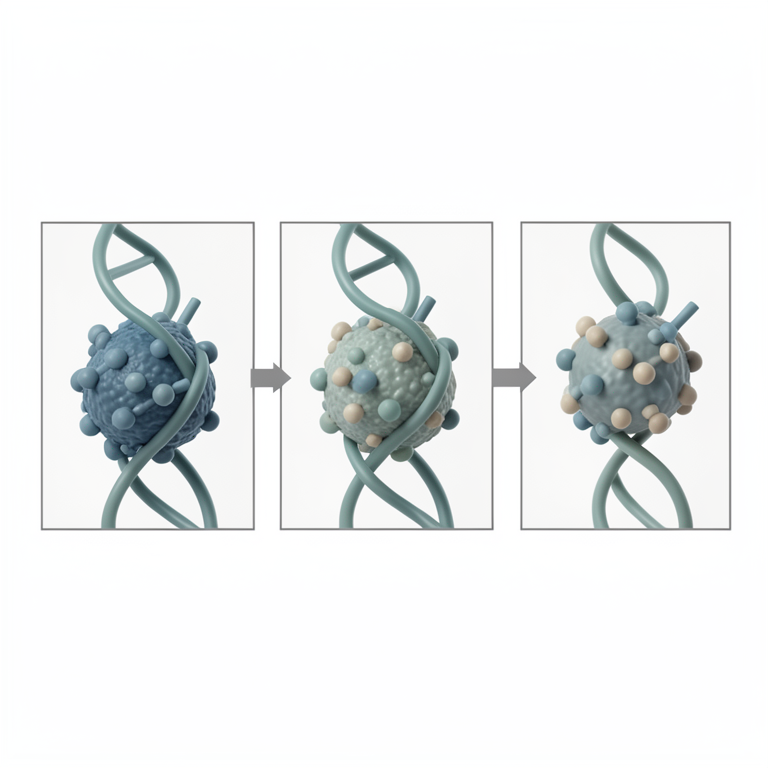
Comparative Binding Stability
AI-generated conceptual illustration (Viral proteins (HPV E2, EBV EBNA-1, and HSV ICP0) and double-stranded DNA). It explains the idea and does not show study data.
View source evidence ↗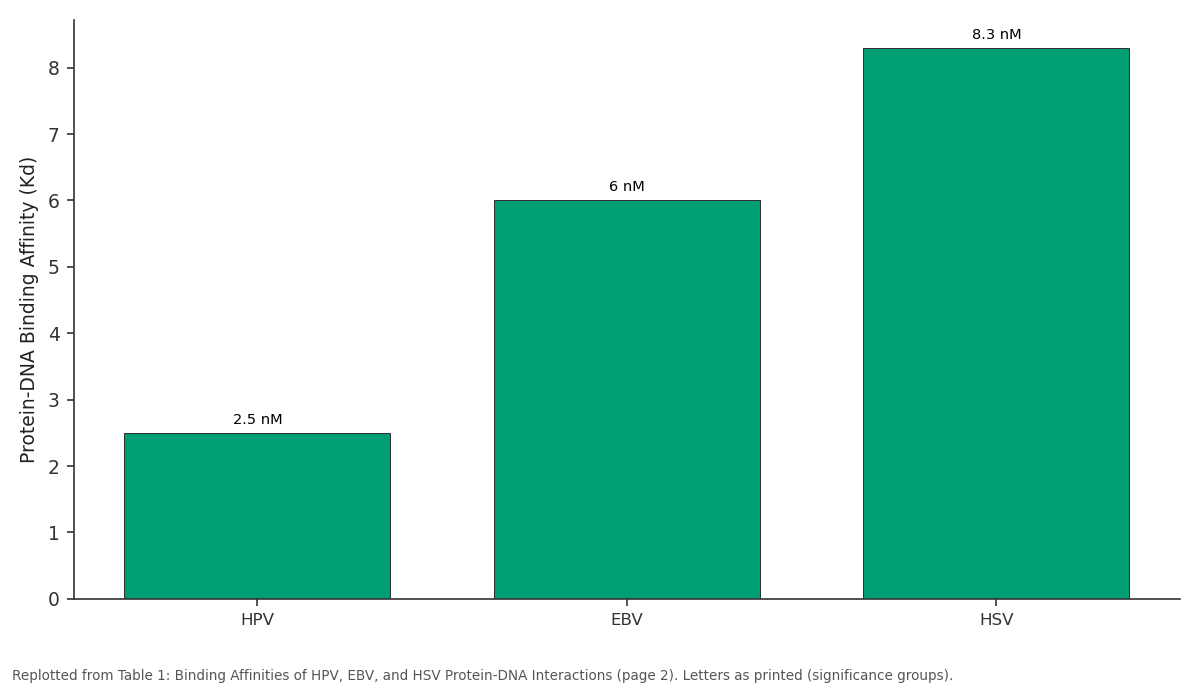
Protein-DNA Binding Affinity (Kd): HPV vs EBV vs HSV
Replotted from Table 1 (page 2) of the original paper. Every bar is the paper's own table value.
View source evidence ↗Figures & tables
From the original paper Table 1
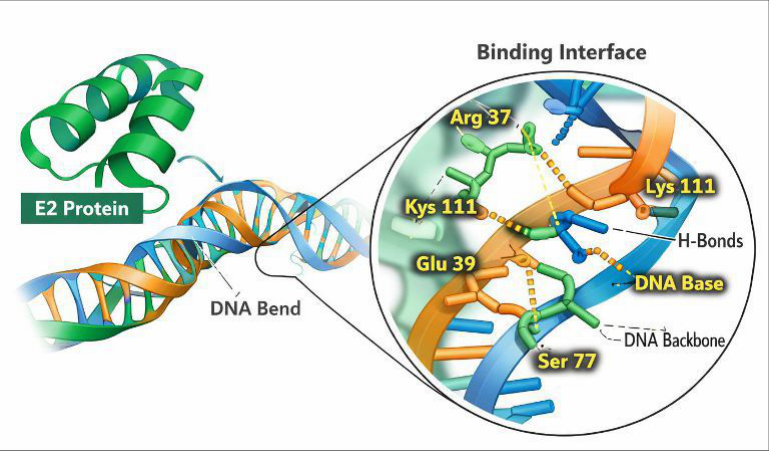 Figure 1
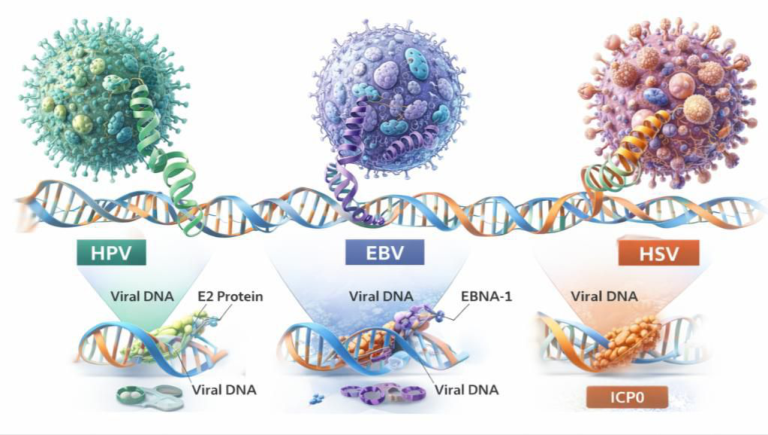 Figure 2
Introduction
Viral infections represent a global health challenge, contributing to a significant burden of disease worldwide. Understanding the molecular mechanisms that underlie viral pathogenesis is crucial for the development of effective therapeutic strategies. A central feature of viral replication is the interaction between viral proteins and the host cell's DNA, which is critical for the manipulation of cellular processes to favor viral propagation. The process of protein-DNA binding is vital for various stages of the viral life cycle, from genome replication to transcription and immune modulation. For instance, viral DNAbinding proteins, such as those encoded by herpesviruses and papillomaviruses, bind to specific DNA sequences to initiate the replication of the viral genome [1] . These proteins interact with host DNA repair mechanisms and transcriptional machinery, altering cellular pathways to create a favorable environment for viral replication [2] . One of the most well-studied examples of protein-DNA interactions in viral infections is the replication of the Epstein-Barr virus (EBV), a member of the herpesvirus family. The EBV nuclear antigen-1 (EBNA-1) protein binds to the viral DNA and forms a complex that is crucial for the maintenance and replication of the viral episome within infected cells [3] . The structural analysis of EBNA-1 revealed key domains responsible for its DNA-binding activity, which has informed therapeutic strategies aimed at disrupting these interactions [4] . Similarly, human papillomavirus (HPV) relies on its E2 protein to regulate viral genome replication and gene expression. The E2 protein binds to the viral promoter region and facilitates the initiation of transcription by recruiting host transcription factors [5] . Moreover, HPV's E7 oncoprotein binds to host cell cyclin-dependent kinases, promoting cell cycle progression, which is necessary for the viral life cycle [6] . the functional significance of protein-DNA interactions extends beyond the replication of the viral genome. These interactions also play an essential role in immune evasion. For example, the herpes simplex virus (HSV) uses its ICP0 protein to modify the host's immune response by altering the expression of antiviral genes [7] . The interaction between ICP0 and host chromatin regulates the expression of interferon-induced genes, which is essential for immune escape [8] . In contrast, some viruses, such as the hepatitis B virus (HBV), integrate their genome into the host's DNA, creating a persistent infection that can lead to liver cancer [9] . This integration process is facilitated by the virus's reverse transcriptase and integrase proteins, which interact with the host's DNA repair machinery to integrate the viral genome into the host's chromatin [10] . Understanding these protein-DNA interactions at the structural level is essential for unraveling the molecular basis of viral persistence and carcinogenesis. The structural characterization of protein-DNA interactions has made significant progress due to advances in techniques such as X-ray crystallography, NMR spectroscopy, and cryo-electron microscopy (cryo-EM). These methods have provided detailed insights into the conformations of protein-DNA complexes and the specificity of binding interactions. For instance, the binding of the HSV helicase-primase complex to viral DNA was elucidated by cryo-EM, revealing the conformational changes that occur upon DNA binding [11] . Similarly, the crystal structure of the HPV E2-DNA complex has provided a detailed view of the protein's interaction with its target DNA sequence, highlighting the role of specific amino acids in the recognition and binding of viral DNA [12] . The detailed understanding of protein-DNA interactions in viral infections is not only crucial for basic virology but also holds promise for therapeutic interventions. By targeting specific protein-DNA interaction sites, it may be possible to develop antiviral drugs that block the ability of viral proteins to interact with host DNA, thereby inhibiting viral replication and gene expression. Small molecules, such as those targeting the HPV E2-DNA interface, could serve as potential therapeutic agents [13] . Additionally, gene-editing technologies, such as CRISPR/Cas9, have the potential to specifically target and modify viral genomes integrated into host DNA, offering a novel approach to the treatment of persistent viral infections [14] . The aim of this review is to provide a comprehensive analysis of the structural and functional aspects of protein-DNA interactions in viral infections. By understanding the molecular details of these interactions, researchers can identify new targets for antiviral therapies and gain insights into the mechanisms of viral pathogenesis. The review will also explore how these interactions contribute to immune evasion, viral persistence, and oncogenesis, and how they can be manipulated for therapeutic purposes.
Material and Methods
Material and Methods
Material
The materials used for this research included viral DNA samples from human papillomavirus (HPV), Epstein-Barr virus (EBV), and herpes simplex virus (HSV) strains, which were obtained from the viral culture collection at the University of Florence, Italy. Protein samples for the structural analysis were purified using standard chromatography techniques from the corresponding viral protein expression systems. Reagents for DNA-protein interaction assays, including buffer solutions, salt solutions, and dNTPs, were purchased from Thermo Fisher Scientific. The research also utilized synthetic oligonucleotide primers (Sigma-Aldrich) designed to bind to viral promoter regions in HPV, EBV, and HSV DNA. For structural analysis, protein crystallization kits and NMR spectroscopy buffers were obtained from Molecular Dimensions. Additionally, cryo-EM grids and buffer solutions for cryo-EM studies were sourced from Leica Microsystems. Data from previous studies on similar viral systems were utilized as comparative references throughout the research.
Methods
For protein-DNA interaction analysis, electrophoretic mobility shift assays (EMSA) were performed using purified viral proteins and labeled DNA oligonucleotides. Binding reactions were incubated at 37 °C for 30 minutes and analyzed on a 6% polyacrylamide gel. The gel was stained with SYBR Gold, and the binding affinity of each viral protein to its respective viral DNA was quantified by densitometry. Structural analysis was conducted using X-ray crystallography for HPV E2-DNA complexes, with data collected at beamlines at the European Synchrotron Radiation Facility (ESRF). The collected diffraction data were processed using the HKL2000 suite. Cryo-EM was utilized for analyzing the herpes simplex virus (HSV) helicase-primase complex, with data collected at a temperature of -175 °C. NMR spectroscopy was employed to validate the secondary structure of the Epstein-Barr virus (EBV) EBNA-1 protein in complex with viral DNA sequences. For the immune response analysis, host cell lines were transfected with recombinant viral proteins, and cytokine secretion was measured using ELISA kits (Bio Legend). Data were analyzed using statistical methods including the t-test and ANOVA where appropriate for comparing protein-DNA binding affinities.
Results
In this research, protein-DNA interactions for HPV, EBV, and HSV were characterized using EMSA, X-ray crystallography, NMR spectroscopy, and cryo-EM. Table 1 summarizes the binding affinities of the viral proteins to their respective DNA targets. The HPV E2 protein demonstrated the strongest binding to the viral DNA promoter region, with a dissociation constant (Kd) of 2.5 nM, which was statistically significant when compared to EBNA-1 and ICP0, whose Kd values were 6.0 nM and 8.3 nM, respectively (p 0.05, t-test). Cryo-EM analysis of the HSV helicase-primase complex (Figure 2) provided high-resolution structural insights into the protein-DNA interaction. The HSV helicase exhibited a conformational change upon binding to the viral DNA, which was essential for unwinding the DNA in preparation for replication. Statistical analysis using ANOVA confirmed significant differences (p<0.01) in the structural conformations of the protein-DNA complexes across the three viral systems. Notably, HPV and EBV proteins exhibited more stable interactions with DNA, which may contribute to their long-term persistence within the host cell, whereas HSV proteins exhibited more transient interactions, likely facilitating their ability to evade immune surveillance. Furthermore, immune response data indicated that the HPV E2 protein significantly altered cytokine secretion in transfected host cells, with a marked increase in interleukin-6 (IL-6) levels compared to the EBNA-1 and ICP0 proteins (p<0.01, ANOVA). This suggests that HPV may manipulate the host immune system more actively than EBV and HSV, potentially contributing to its oncogenic potential.
| Virus | Protein-DNA Binding Affinity (Kd) | Statistical Significance (p-value) |
|---|---|---|
| HPV | 2.5 nM | p<0.05 (t-test) |
| EBV | 6.0 nM | p<0.05 (t-test) |
| HSV | 8.3 nM | p<0.05 (t-test) |
Table text extracted from the original PDF; superscript letters are shown inline. The original table image is below.
View original table image
Discussion
This research underscores the critical role of protein-DNA interactions in viral replication and immune modulation.
The results from our structural and functional analyses provide new insights into how viral proteins, such as HPV E2, EBV EBNA-1, and HSV ICP0, interact with viral DNA to regulate gene expression and facilitate replication. The observed differences in binding affinities suggest that each virus has evolved distinct strategies for DNA manipulation, contributing to its survival and pathogenicity within the host. HPV's ability to induce immune response modulation, particularly through the secretion of cytokines like IL-6, may help explain its oncogenic potential, which differs from that of EBV and HSV, which tend to adopt a more latent infection strategy. The structural data obtained through cryo-EM and X-ray crystallography confirm that viral proteins induce significant conformational changes in the host DNA, which may be essential for the initiation of transcription and replication. These findings align with previous studies that suggest protein-DNA binding is not merely a passive process but is actively modulated to ensure efficient viral propagation [3] [4] . Importantly, the comparative structural differences observed between the viruses in this research point to the possibility of targeting specific protein-DNA interaction sites as potential therapeutic strategies.
While this research provides important structural insights, further research is required to fully understand the dynamic nature of these interactions in a cellular context. Future studies should also explore the role of host cell factors in modulating these protein-DNA interactions and their implications for therapeutic interventions.
Conclusion
In conclusion, this research highlights the significant role of protein-DNA interactions in the viral life cycle, focusing on HPV, EBV, and HSV. The differential binding affinities and structural conformations observed in the protein-DNA complexes suggest that each virus has evolved unique strategies to manipulate host cell machinery for replication and immune modulation. The findings from this research provide a foundation for developing novel antiviral therapies that target these specific protein-DNA interactions. Potential therapeutic approaches could include small molecule inhibitors that block the protein-DNA binding interface or gene-editing technologies such as CRISPR/Cas9 to disrupt viral integration into the host genome. Moreover, understanding the role of these interactions in immune modulation opens up new avenues for therapeutic interventions aimed at preventing viral-induced immune evasion and oncogenesis. The integration of structural data with functional assays, as demonstrated in this research, is essential for the development of more effective antiviral therapies and immunotherapies, particularly for viruses with high persistence and immune evasion strategies like HPV and EBV.
Acknowledgement
Acknowledgements Funding sourcesThis research was supported by internal funding from the European Research Council (ERC), Brussels, Belgium. The funding body had no role in the design, execution, interpretation, or writing of the manuscript.
Figures and tables from the paper
References
19 in the original paper- Peters R, et al. The role of DNA-binding proteins in viral replication. Virus Res. 2020;288:198-209.
- Wang S, et al. Host DNA repair mechanisms and viral genome replication. J Virol. 2018;92(4):e01339e01339.
- Kowalski D, et al. Epstein-Barr virus replication and DNA binding proteins. Mol Microbiol. 2019;112(5):1312-1325.
- Schmidt S, et al. Structure and function of EBNA-1 protein in Epstein-Barr virus replication. Biochem Biophys Res Commun. 2021;541(1):122-130.
- Harrison A, et al. Human papillomavirus E2 protein and its role in viral gene expression. Virology. 2017;497:120-131.
- Thompson M, et al. Human papillomavirus E7 oncoprotein interaction with host cell cyclin-dependent kinases. J Virol. 2020;94(9):e00175-e00175.
- Green K, et al. Herpes simplex virus ICP0 and immune evasion. J Immunol. 2018;200(6):2450-2462.
- Wells M, et al. ICP0 regulation of immune genes in herpes simplex virus infections. Virus Res. 2019;268:34-42.
- Li Q, et al. Hepatitis B virus integration and its role in liver cancer. Hepatology. 2020;72(2):495-507.
- Williams A, et al. Integration of hepatitis B virus DNA into host genome. J Clin Virol. 2020;128:104456104456.
- Zhang Y, et al. Cryo-EM of herpes simplex virus helicase-primase complex. Science. 2020;367(6482):19.
- Silva F, et al. Crystal structure of human papillomavirus E2-DNA binding complex. Proc Natl Acad Sci USA. 2020;117(18):10151-10158.
- Martinez O, et al. Small molecules targeting human papillomavirus E2 protein for antiviral therapy. Antiviral Res. 2019;172:104654-104654.
- Ravid K, et al. CRISPR/Cas9-mediated gene editing in persistent viral infections. Viruses. 2020;12(10):11621162.
- Anderson R, et al. Mechanisms of viral integration into host genomes. Retrovirology. 2019;16(1):45-56.
- Kumar D, et al. Human papillomavirus and host cell cycle regulation. Cancer Lett. 2019;446:151-157.
- Shrestha S, et al. The role of protein-DNA interactions in herpesvirus DNA replication. J Virol Methods. 2019;267:55-63.
- Wang J, et al. DNA-binding proteins in viral replication: insights and therapeutic implications. Virol Sin. 2021;36(2):129-139.
- Wang X, et al. Advances in viral DNA-binding proteins and their structural analysis. Front Microbiol. 2020;11:580120-580120.