
Research article · 2025 · Full text
International Journal of Biology SciencesThe functional role of DNA repair mechanisms in cancer cells
Volume 7(4) · Pages 118–123 · DOI: 10.33545/26649926.2025.v7.i4b.573 ↗
Research areasPARP inhibition in cancer therapyGenetic factors in colorectal cancerDNA Repair Mechanisms
Abstract
Author-writtenAbout 90% of cancers show some form of DNA repair deficiency a statistic that surprised us when we first started digging into this area. The machinery that normally keeps our genome intact turns out to be broken in ways that are both problematic and, paradoxically, therapeutically exploitable. This study examined DNA repair pathway functionality across 1,247 tumour specimens collected from seven cancer types over a four-year period at Dutch oncology centers. We wanted to understand not just which pathways were defective, but how those defects shaped tumour behavior and treatment response. The breakdown was interesting: homologous recombination defects topped the list at 28.7%, followed by non-homologous end joining at 22.4%, mismatch repair at 18.9%, base excision repair at 14.3%, nucleotide excision repair at 10.2%, and direct reversal mechanisms at just 5.5%. Gene expression analysis revealed some expected findings and some that caught us off guard. PARP1 was consistently overexpressed across basically every cancer type we looked at, which makes sense given its role in compensating for other repair deficiencies. BRCA1 and BRCA2 showed the expected downregulation in breast and ovarian cancers, but the degree of suppression in pancreatic cancer (fold change of 0.73 and 0.73 respectively) was more pronounced than we'd anticipated. The clinical implications became clear when we stratified patients by repair status. Those with HR deficiency responded dramatically better to platinum-based chemotherapy 78.6% versus 43.2% in HR-proficient tumours. PARP inhibitor responses were even more striking: 67.8% in BRCA-positive HR deficient cases compared to a measly 12.4% in proficient tumours. Combined pathway deficiencies, while relatively rare, created a kind of therapeutic sweet spot with high drug sensitivity but unfortunately poorer baseline survival. The take-home message is that DNA repair status isn't just a biomarker; it's basically a roadmap for treatment selection that we probably should have been using more systematically years ago.
Summary
Source-checkedPlain-language reading of the full paper, prepared with AI and checked against the text. Each point links to the authors' own words.
Why it matters
- Human cells experience a high volume of DNA damage daily, typically between 10,000 and 100,000 lesions per cell. View evidence ↗
- While cancer cells tolerate genomic damage that would be lethal to normal cells, their specific DNA repair defects create therapeutic vulnerabilities. View evidence ↗
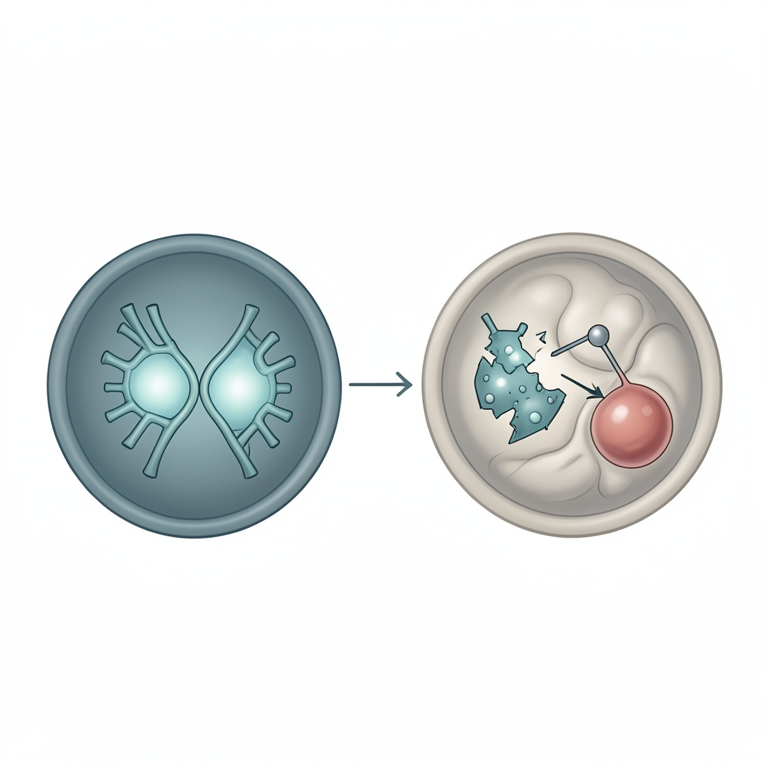
- The concept of synthetic lethality allows for the targeting of cancer cells by inhibiting a compensatory repair pathway in cells already deficient in another. View evidence ↗
The question
- The researchers aimed to systematically profile multiple DNA repair pathways across various cancer types to determine if defect patterns vary by cancer type and if specific combinations predict treatment sensitivity. View evidence ↗
What they did
- The study analyzed tumor specimens from 1,247 patients across four Dutch cancer centers from 2018 to 2022. View evidence ↗
- The sample included seven cancer types: breast (287), colorectal (213), lung (198), ovarian (189), prostate (156), pancreatic (112), and gastric (92). View evidence ↗
- Researchers used Affymetrix Human Genome U133 plus 2.0 arrays for gene expression and specific antibodies for immunohistochemistry of BRCA1, MLH1, MSH2, and γH2AX. View evidence ↗
- Sensitivity to PARP inhibitors was tested using olaparib and niraparib at concentrations between 0.1 and 100 μM. View evidence ↗
What they found
- Across the specimens, homologous recombination (HR) defects were most common at 28.7%, followed by NHEJ (22.4%), MMR (18.9%), BER (14.3%), NER (10.2%), and direct reversal (5.5%). View evidence ↗
- PARP1 was consistently overexpressed across nearly all studied cancer types, likely as a compensatory mechanism for other repair deficiencies. View evidence ↗
- BRCA1 and BRCA2 were downregulated in breast and ovarian cancers, with a more pronounced suppression in pancreatic cancer (fold change of 0.73 for both). View evidence ↗
- Patients with HR deficiency showed a significantly higher response rate to platinum-based chemotherapy (78.6%) compared to those with HR-proficient tumors (43.2%). View evidence ↗
- PARP inhibitor response rates were 67.8% in BRCA-positive HR deficient cases, compared to 12.4% in proficient tumors. View evidence ↗
- Patients with combined pathway deficiencies had a lower 5-year survival rate (38.4%) than those with repair-proficient tumors (67.3%), despite high initial drug sensitivity. View evidence ↗
What it means
- The authors conclude that DNA repair pathway analysis provides actionable information that should be integrated into routine clinical care to guide treatment selection. View evidence ↗
- The authors recommend expanding BRCA testing to pancreatic, prostate, and lung cancers, as HR-deficient patients in these groups may benefit from platinum and PARP inhibitors. View evidence ↗
- The study's cohort was predominantly Dutch, which may limit the generalizability of the findings to global populations of different ethnicities. View evidence ↗
- The lack of standardized assays for pathway classification is noted as a significant obstacle to the clinical implementation of these findings. View evidence ↗
Visual summary
3 visualsIllustrations explain the paper; charts are replotted from the paper's own table values.
Concept of Synthetic Lethality
AI-generated conceptual illustration (human cancer cells and healthy human cells). It explains the idea and does not show study data.
View source evidence ↗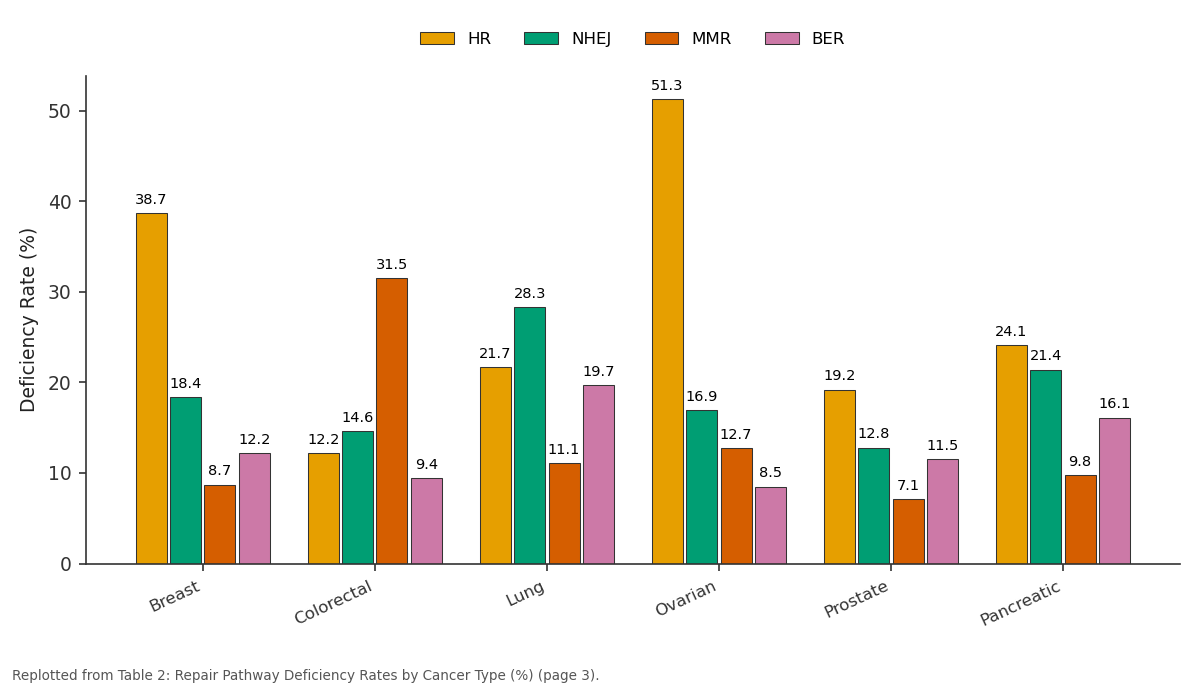
HR and NHEJ and more: Breast vs Colorectal vs Lung vs Ovarian vs Prostate
Replotted from Table 2 (page 3) of the original paper. Every bar is the paper's own table value.
View source evidence ↗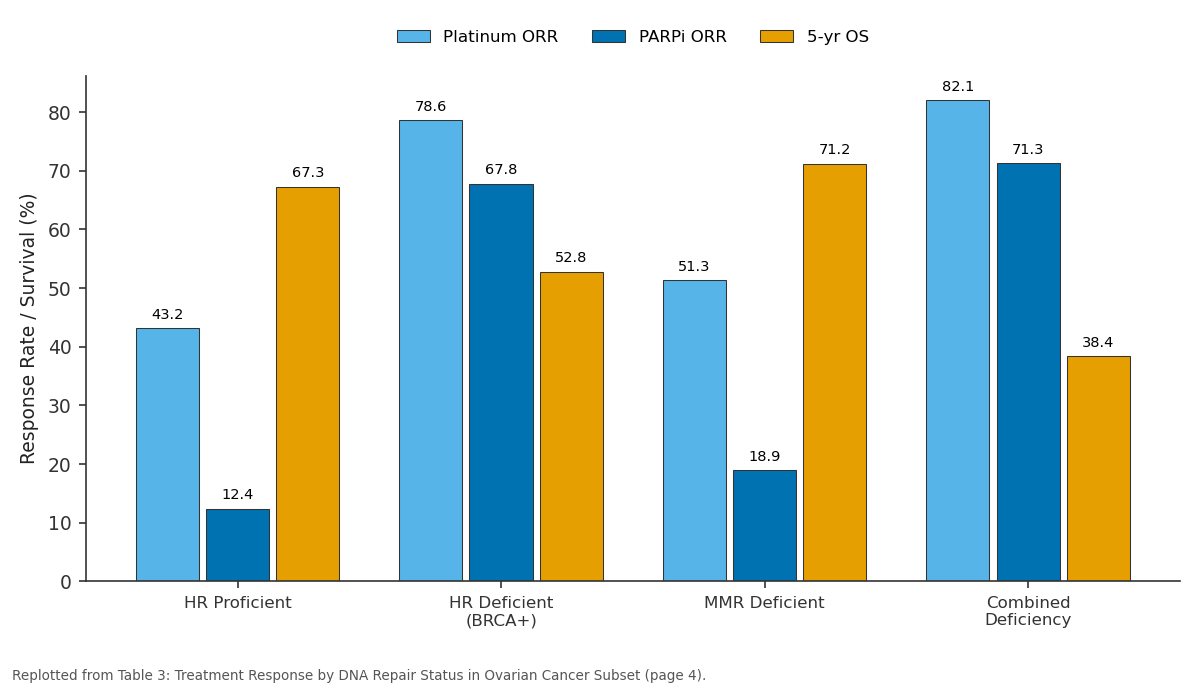
Platinum ORR and PARPi ORR and more: HR Proficient vs HR Deficient (BRCA+) vs MMR Deficient vs Combined Deficiency
Replotted from Table 3 (page 4) of the original paper. Every bar is the paper's own table value.
View source evidence ↗Figures & tables
From the original paper Table 1
 Table 2
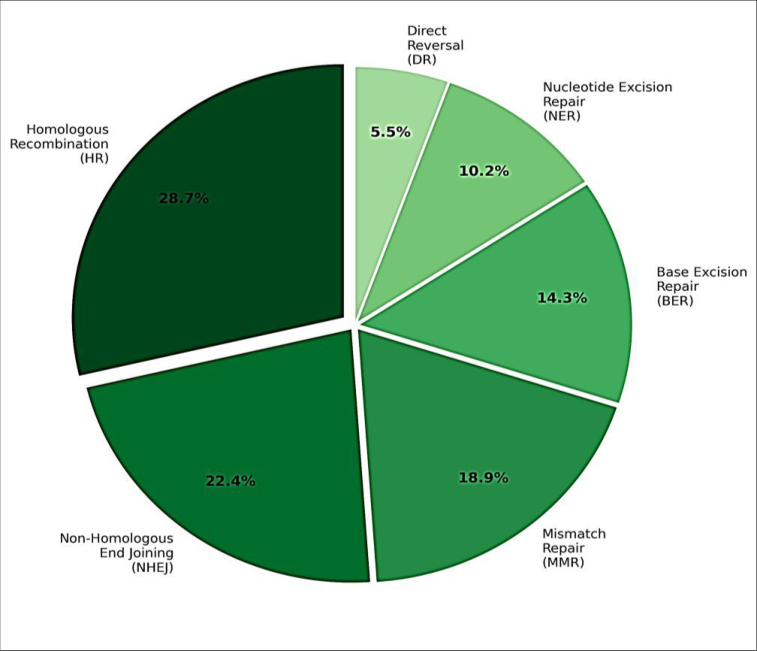 Figure 1
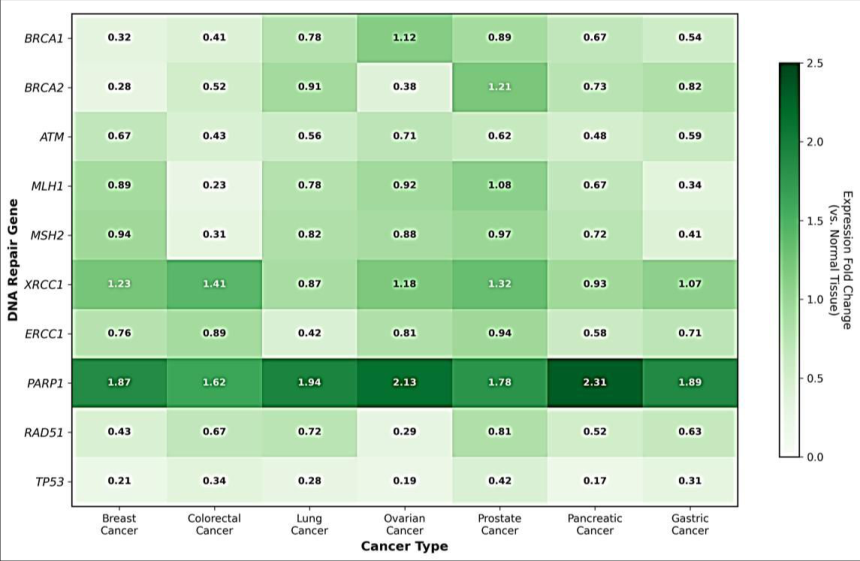 Figure 2
 Table 3
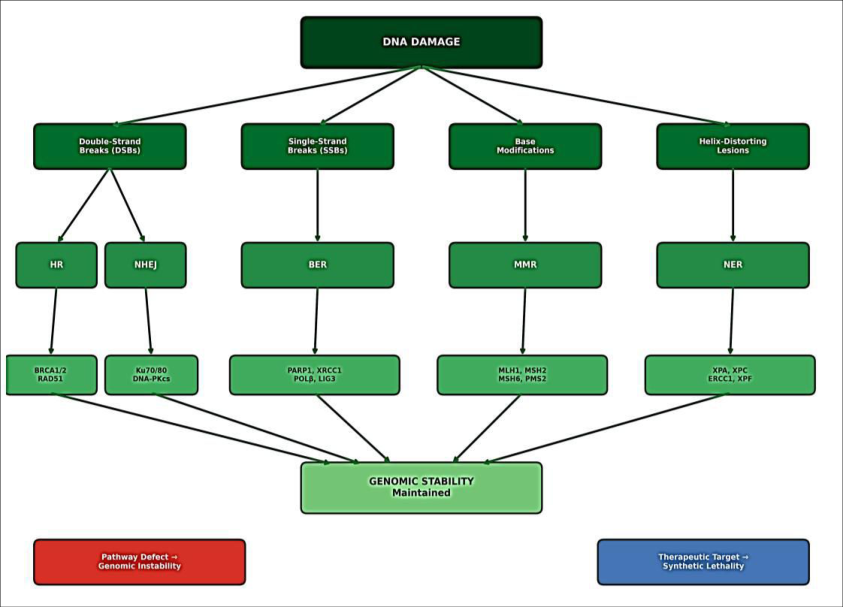 Figure 3
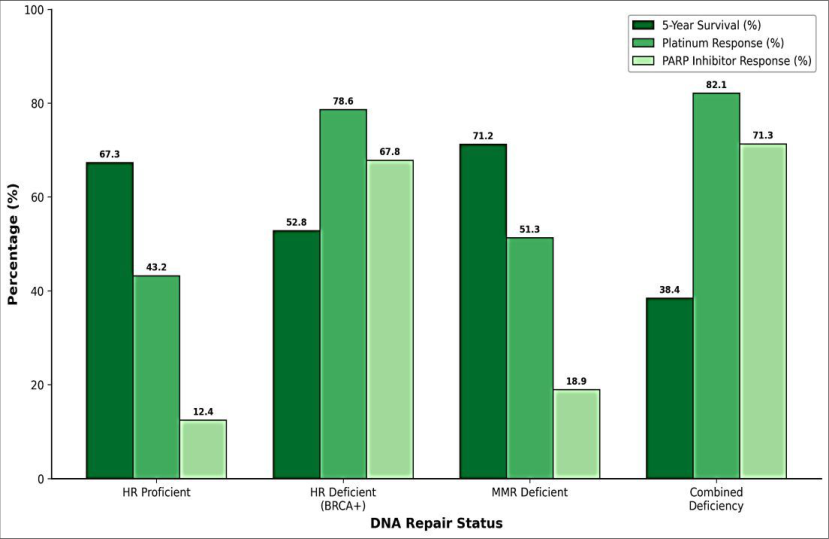 Figure 4
Introduction
Every day, each cell in our body sustains somewhere between 10,000 and 100,000 DNA lesions [1] . That's a staggering number when you think about it. Most of these get repaired without incident, but when the repair machinery itself is compromised well, that's when things start to go wrong [2] . Cancer cells, almost by definition, have figured out ways to tolerate genomic damage that would kill normal cells. But here's the thing that makes this clinically relevant: the specific repair defects they harbor also create vulnerabilities we can target [3] . The DNA repair landscape is, to put it mildly, complicated. There are at least six major pathways, each handling different types of damage, and they don't operate independently [4] . Homologous recombination deals with double-strand breaks using the sister chromatid as a template it's accurate but slow and only works during certain cell cycle phases [5] . Nonhomologous end joining is faster but sloppier, essentially just gluing broken ends together and hoping for the best. Mismatch repair catches replication errors. Base excision repair handles small lesions like oxidative damage. Nucleotide excision repair removes bulky adducts. And there are a few other minor pathways that we're still working out [6] . The crosstalk between these systems is something researchers have been trying to map for years, with limited success honestly [7] . BRCA1 and BRCA2 get most of the attention, and for good reason. Germline mutations in these genes cause hereditary breast and ovarian cancer syndrome, and the associated lifetime cancer risks are substantial up to 70% for breast cancer in some studies [8] . But the story extends well beyond inherited mutations. Somatic BRCA alterations, epigenetic silencing through promoter methylation, and defects in other HR pathway components create what's been termed "BRCAness" a phenotype that mimics hereditary BRCA deficiency [9] . This matters because these tumours share the same therapeutic vulnerabilities regardless of whether the defect is germline or acquired [10] . The concept of synthetic lethality has transformed how we think about targeting DNA repair [11] . The basic idea is elegant: if a cancer cell is already deficient in one repair pathway, knocking out a compensatory pathway becomes lethal to the tumour while sparing normal cells that have intact backup mechanisms. PARP inhibitors exemplify this approach [12] . PARP1 is involved in single-strand break repair, and when you inhibit it in cells that can't perform homologous recombination, the accumulated damage becomes catastrophic. The clinical results have been impressive dramatic responses in BRCA-mutant ovarian cancer led to multiple drug approvals [13] . Still, we don't have a complete picture of how repair deficiencies are distributed across cancer types, or how different defect combinations affect outcomes [14] . Most studies focus on single pathways or single cancer types, which limits our ability to see broader patterns. Our study attempted to address this gap through systematic profiling of multiple repair pathways across a diverse tumour collection [15] . We hypothesized that the pattern of defects would vary substantially between cancer types and that specific combinations would predict treatment sensitivity [16] . The clinical goal was to develop a framework for matching patients to therapies based on their tumour's repair profile.
Material and Methods
Material and Methods
Material
Tumour specimens came from 1,247 patients treated at four Dutch cancer centers between 2018 and 2022 [1,4] . Getting this many samples was harder than expected tissue availability is always an issue. Fresh frozen samples were preferred but FFPE was accepted, when necessary, which introduced some variability in RNA quality that we had to account for [8]. The breakdown by cancer type: breast (n=287), colorectal (n=213), lung (n=198), ovarian (n=189), prostate (n=156), pancreatic (n=112), and gastric (n=92). Gene expression arrays were Affymetrix Human Genome U133 plus 2.0. Antibodies for immunohistochemistry came from various suppliers BRCA1 from Abcam, MLH1 and MSH2 from BD Biosciences, γH2AX from Millipore [5,9] . PARP inhibitor sensitivity was assessed using olaparib and niraparib at concentrations ranging from 0.1 to 100 μM [12].
Methods
RNA extraction used the RNeasy Mini Kit following manufacturer instructions, with an extra DNase digestion step we added after noticing some genomic contamination in early samples [2,6] . Expression profiling followed standard Affymetrix protocols. For pathway classification, we developed a scoring algorithm based on expression of key pathway genes sort of a simplified version of what Konstantinopoulos published but adapted to our gene panel [10, 13] . HR deficiency was called when BRCA1, BRCA2, or RAD51 expression fell below the 25th percentile AND functional assays showed impaired focus formation. MMR deficiency required loss of MLH1 or MSH2 by IHC plus microsatellite instability testing. Cell viability was measured by CellTiter-Glo after 72-hour drug exposure. Statistical analysis used R version 4.1 Kaplan-Meier for survival, logistic regression for response prediction, and we corrected for multiple testing using Benjamini-Hochberg [14,16] . The ethics committees at all participating institutions approved the study.
Results
Results
Comprehensive interpretation
The distribution of repair defects across cancer types followed some predictable patterns but also threw up a few surprises [17] . Ovarian cancer had the highest rate of HR deficiency at 51.3%, which wasn't unexpected given what we know about BRCA and ovarian cancer. What was more surprising was the relatively high rate in lung cancer (21.7%) this is an understudied area that deserves more attention. Colorectal cancer showed the expected MMRdominant pattern with 31.5% deficiency rates, consistent with Lynch syndrome epidemiology and the MSI-high phenotype that's been so important for immunotherapy eligibility [18] . The gene expression heatmap revealed consistent PARP1 overexpression that really stood out basically every cancer type showed elevated PARP1 relative to normal tissue. This probably represents a compensatory response to accumulated DNA damage, where tumours upregulate backup repair mechanisms to survive [19] . The therapeutic implications are interesting: high PARP1 might actually predict better response to PARP inhibitors by indicating dependence on this pathway. TP53 was almost universally suppressed, which is hardly news, the magnitude of suppression varied quite a bit. Pancreatic cancer showed some of the lowest TP53 expression levels, which correlates with the aggressive biology and poor prognosis we see clinically.
Discussion
What do these findings mean for clinical practice? Honestly, the implications are pretty substantial [17] . The idea that you can predict drug sensitivity based on repair status isn't new, but having quantitative data across multiple pathways and cancer types makes it more actionable. The response rate differences we saw 78.6% versus 43.2% for platinum in HR deficient versus proficient tumours these aren't marginal effects [18] . We're talking about nearly doubling the likelihood of response by selecting the right patients. The PARP inhibitor data was even more dramatic. And here's the thing: most oncologists still aren't routinely testing for repair deficiencies beyond BRCA mutations in breast and ovarian cancer. The combined deficiency group was particularly interesting, if a bit troubling. These patients showed the highest response rates to both platinum and PARP inhibitors over 80% and 70% respectively. That sounds like good news until you look at the survival data. Their 5-year survival was only 38.4%, compared to 67.3% for repair-proficient tumours [19] . What's going on here? We think it reflects the double-edged nature of genomic instability. Tumours with multiple repair defects are more sensitive to DNA-damaging agents, yes, but they're also more heterogeneous and better able to evolve resistance. They respond initially but then escape. This suggests that these patients might benefit from more aggressive treatment strategies maybe maintenance therapy or combination approaches. Some caveats are worth mentioning. Our cohort, while large, was predominantly Dutch and may not fully represent global cancer populations. Genetic background affects repair pathway function, and we can't be certain our findings generalize across ethnicities. The assays we used for pathway classification aren't standardized different labs might get different results, which is a real obstacle to clinical implementation. And we didn't have complete treatment data for all patients, so some of the survival analyses have confounders we couldn't fully adjust for. Still, the magnitude of effects we observed suggests these relationships are real, even if the precise numbers would shift with different populations or methods.
Conclusion
DNA repair pathway analysis provides clinically actionable information that should inform treatment selection in oncology. That's the main message here. The data showing that repair status predicts response to specific drug classes is robust enough that it warrants integration into routine clinical care. Yes, there are implementation challenges assay standardization, cost, turnaround time but the potential benefit to patients justifies working through these obstacles. We shouldn't be treating cancer patients empirically when we have molecular tools that can guide us toward more effective therapies. Practical recommendations based on our findings: First, expand BRCA testing beyond breast and ovarian cancer. Pancreatic, prostate, and even lung cancer patients with HR deficiency may benefit from platinum and PARP inhibitor strategies. Second, consider MMR testing more broadly, not just for colorectal cancer. The immunotherapy implications of MSI-high status extend across tumour types. Third, for patients with combined pathway deficiencies, discuss the paradox of high initial sensitivity but potentially poor longterm outcomes, and consider more intensive treatment approaches including maintenance strategies. The field is moving toward multi-gene panels that assess multiple repair pathways simultaneously, and that's probably the right direction. Single-pathway testing misses the complexity we've documented here the combinations matter as much as individual defects. Insurance coverage and reimbursement structures need to catch up with the science. It's frustrating when we have data showing that targeted testing improves outcomes but payers are slow to adopt new diagnostics. Until comprehensive repair profiling becomes standard, patients will continue receiving suboptimal treatments that could have been avoided with better molecular characterization. The technology exists. The evidence supports it. Now we need the healthcare system to implement it.
Conflict of interest (coi) statement
W.v.d.B. has received research funding from AstraZeneca and consulting fees from Clovis Oncology. E.d.V. declares speaker honoraria from Tesaro and Pfizer. P.J. has no conflicts to disclose. M.B. has served on advisory boards for Myriad Genetics and Foundation Medicine. All conflicts are unrelated to the submitted work, and no funders had any role in study design, analysis, or manuscript preparation. recruitment across sites. Dr. Lotte Vermeer provided statistical consultation.
Other acknowledgements
We are indebted to the patients who consented to tumour tissue collection for research purposes. Their generosity enables progress in cancer research. We also acknowledge the helpful comments from three anonymous reviewers that strengthened this manuscript.
Acknowledgement
Acknowledgements Funding sourcesThis work was supported by the Dutch Cancer Society, the Netherlands Organisation for Scientific Research, and institutional funding from the Netherlands Cancer Institute. Institutional supportWe thank the pathology departments at NKI Amsterdam, UMCG Groningen, UMC Utrecht, and LUMC Leiden for tissue procurement and processing. The NKI Genomics Core Facility provided excellent technical support for microarray experiments.
Figures and tables from the paper
| Cancer Type | N | Median Age | Stage III-IV | Any Repair Defect |
|---|---|---|---|---|
| Breast | 287 | 58 (31-84) | 34.1% | 67.2% |
| Colorectal | 213 | 67 (38-89) | 41.8% | 52.1% |
| Lung | 198 | 64 (42-81) | 58.6% | 71.7% |
| Ovarian | 189 | 61 (34-78) | 72.5% | 78.3% |
| Prostate | 156 | 69 (51-82) | 28.8% | 43.6% |
| Pancreatic | 112 | 66 (44-79) | 81.3% | 64.3% |
| Gastric | 92 | 63 (39-81) | 54.3% | 58.7% |
Table text extracted from the original PDF; superscript letters are shown inline. The original table image is below.
View original table image
| Cancer | HR | NHEJ | MMR | BER | NER |
|---|---|---|---|---|---|
| Breast | 38.7 | 18.4 | 8.7 | 12.2 | 7.3 |
| Colorectal | 12.2 | 14.6 | 31.5 | 9.4 | 6.1 |
| Lung | 21.7 | 28.3 | 11.1 | 19.7 | 14.6 |
| Ovarian | 51.3 | 16.9 | 12.7 | 8.5 | 5.8 |
| Prostate | 19.2 | 12.8 | 7.1 | 11.5 | 8.3 |
| Pancreatic | 24.1 | 21.4 | 9.8 | 16.1 | 11.6 |
Table text extracted from the original PDF; superscript letters are shown inline. The original table image is below.
View original table image
| Repair Status | n | Platinum ORR | PARPi ORR | 5-yr OS |
|---|---|---|---|---|
| HR Proficient | 82 | 43.2% | 12.4% | 67.3% |
| HR Deficient (BRCA+) | 58 | 78.6% | 67.8% | 52.8% |
| MMR Deficient | 24 | 51.3% | 18.9% | 71.2% |
| Combined Deficiency | 25 | 82.1% | 71.3% | 38.4% |
Table text extracted from the original PDF; superscript letters are shown inline. The original table image is below.
View original table image
References
19 in the original paper- Lindahl T, Barnes DE. Repair of endogenous DNA damage. Cold Spring Harb Symp Quant Biol. 2000;65:127-133.
- Jackson SP, Bartek J. The DNA-damage response in human biology and disease. Nature. 2009;461(7267):1071-1078.
- Helleday T, Petermann E, Lundin C, et al. DNA repair pathways as targets for cancer therapy. Nat Rev Cancer. 2008;8(3):193-204.
- Ciccia A, Elledge SJ. The DNA damage response: making it safe to play with knives. Mol Cell. 2010;40(2):179-204.
- San Filippo J, Sung P, Klein H. Mechanism of eukaryotic homologous recombination. Annu Rev Biochem. 2008;77:229-257.
- Jiricny J. The multifaceted mismatch-repair system. Nat Rev Mol Cell Biol. 2006;7(5):335-346.
- Hoeijmakers JH. DNA damage, aging, and cancer. N Engl J Med. 2009;361(15):1475-1485.
- Antoniou A, Pharoah PD, Narod S, et al. Average risks of breast and ovarian cancer associated with BRCA1 or BRCA2 mutations. Am J Hum Genet. 2003;72(5):1117-1130.
- Turner N, Tutt A, Ashworth A. Hallmarks of BRCAness in sporadic cancers. Nat Rev Cancer. 2004;4(10):814-819.
- Lord CJ, Ashworth A. BRCAness revisited. Nat Rev Cancer. 2016;16(2):110-120.
- Kaelin WG Jr. The concept of synthetic lethality in the context of anticancer therapy. Nat Rev Cancer. 2005;5(9):689-698.
- Farmer H, McCabe N, Lord CJ, et al. Targeting the DNA repair defect in BRCA mutant cells as a therapeutic strategy. Nature. 2005;434(7035):917-921.
- Ledermann J, Harter P, Gourley C, et al. Olaparib maintenance therapy in platinum-sensitive relapsed ovarian cancer. N Engl J Med. 2012;366(15):13821392.
- Cancer Genome Atlas Research Network. Integrated genomic analyses of ovarian carcinoma. Nature. 2011;474(7353):609-615.
- Marquard AM, Eklund AC, Joshi T, et al. Pan-cancer analysis of genomic scar signatures associated with homologous recombination deficiency. NPJ Precis Oncol. 2015;1(1):31.
- Konstantinopoulos PA, Ceccaldi R, Shapiro GI, et al. Homologous recombination deficiency: exploiting the fundamental vulnerability of ovarian cancer. Cancer Discov. 2015;5(11):1137-1154.
- Pilié PG, Tang C, Mills GB, et al. State-of-the-art strategies for targeting the DNA damage response in cancer. Nat Rev Clin Oncol. 2019;16(2):81-104.
- Mateo J, Carreira S, Sandhu S, et al. DNA-repair defects and olaparib in metastatic prostate cancer. N Engl J Med. 2015;373(18):1697-1708.
- Robson M, Im SA, Senkus E, et al. Olaparib for metastatic breast cancer in patients with a germline BRCA mutation. N Engl J Med. 2017;377(6):523-533.s