
Research article · 2026 · Full text
International Journal of Biology SciencesDietary pattern and lifestyle factors among elderly individuals: A cross-sectional study
Volume 8(2) · Pages 08–12 · DOI: 10.33545/26649926.2026.v8.i2a.564 ↗
Research areasNutrition and Health in AgingNutritional Studies and DietPhysical Activity and Health
Abstract
Author-writtenAgeing is associated with physiological, psychological, and social changes that significantly influence dietary intake and lifestyle practices. Inadequate nutrition and unhealthy lifestyle behaviours among the elderly increase the risk of malnutrition, non-communicable diseases, and functional decline. The present study aimed to assess the dietary habits and lifestyle practices among elderly individuals, with emphasis on food consumption patterns, physical activity, and health-related behaviours. A cross-sectional study was conducted among 360 elderly participants, equally comprising males and females. Data were collected using a structured questionnaire that included information on socio-demographic characteristics, frequency of food group consumption, dietary habits, physical activity patterns, and lifestyle behaviors such as substance use. Descriptive statistics were used to analyze the data and results were expressed as frequencies and percentages. The findings revealed that vegetables and staple cereals were the most frequently consumed food groups to be consumed daily, whereas fruits, dairy products, nuts, and animal-source foods were consumed less regularly. Tea/coffee and sugar intake was high among both genders. Lifestyle assessment showed limited engagement in regular and high-intensity physical activity, with males more involved in structured exercises and females relying largely on household work. Substance use such as smoking and alcohol consumption was reported mainly among males. Only a small proportion of participants followed any dietary or lifestyle intervention. The study highlights imbalanced dietary patterns and suboptimal lifestyle practices among the elderly, particularly inadequate intake of protective and protein-rich foods and insufficient physical activity. These findings emphasize the need for targeted nutrition education and lifestyle modification programs to promote healthy ageing and improve the overall well-being of the elderly population.
Summary
Source-checkedPlain-language reading of the full paper, prepared with AI and checked against the text. Each point links to the authors' own words.
Why it matters
- Ageing brings physiological and social changes that affect diet and lifestyle, and poor habits in the elderly increase risks of malnutrition and non-communicable diseases. View evidence ↗
- Changes in metabolism, energy expenditure, and nutrient absorption during ageing increase the risk of chronic diseases and malnutrition. View evidence ↗
- Good nutrition is essential for healthy ageing as it supports immune function, physical ability, and prevents disease. View evidence ↗
The question
- The study aimed to evaluate the dietary habits and lifestyle practices of elderly individuals, focusing on food consumption, physical activity, and health behaviors. View evidence ↗
What they did
- The study included 360 elderly participants, split equally with 180 from each of the two selected cities. View evidence ↗
- Participants were elderly residents of the selected cities aged 60 years and older. View evidence ↗
- Researchers collected data through face-to-face interviews using a pre-tested, semi-structured questionnaire. View evidence ↗
- Habitual food consumption was measured using a food frequency questionnaire and a 24-hour dietary recall. View evidence ↗
What they found
- Daily vegetable consumption was high, though more common in males (86.11%) than females (66.66%). View evidence ↗
- Daily fruit consumption was low, with only 27.77% of males and 17.22% of females eating fruits every day. View evidence ↗
- Staple food intake varied by gender, with males consuming more rice daily (60.55%) and females consuming more flour daily (59.44%). View evidence ↗
- Daily tea or coffee consumption was high, particularly among males (71.66%) compared to females (52.77%). View evidence ↗
- Non-vegetarian diets were more prevalent (62.22%) than vegetarian diets (37.77%) among the participants. View evidence ↗
- Only 34.72% of participants exercised regularly, and males participated more than females. View evidence ↗
- Household work was a primary source of physical activity for females (49.44%), whereas males were more likely to engage in structured exercise. View evidence ↗
- Smoking (22.77%) and alcohol use (18.88%) were reported exclusively by male participants. View evidence ↗
- Engagement in structured health practices was low, with only 18.05% of participants following a dietary or lifestyle intervention. View evidence ↗
What it means
- The authors conclude that there is a need for community-based nutrition education and lifestyle programs specifically tailored for the elderly. View evidence ↗
- The authors recommend promoting diets rich in protein, fruits, dairy, and nuts, alongside age-appropriate exercise and the reduction of unhealthy habits. View evidence ↗
Visual summary
2 visualsIllustrations explain the paper; they do not show study data.
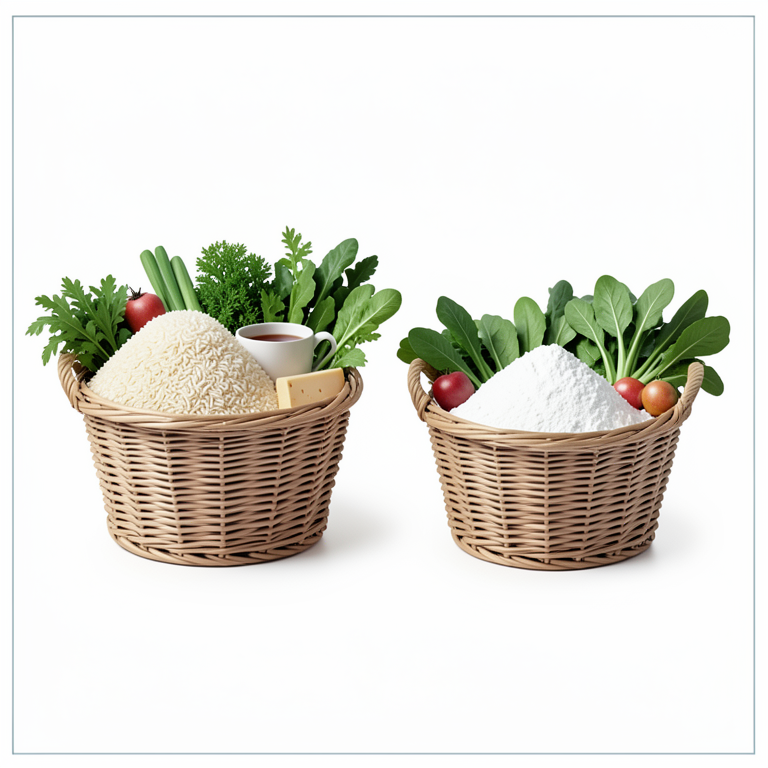
Dietary Pattern Comparison
AI-generated conceptual illustration (elderly individuals' dietary food baskets). It explains the idea and does not show study data.
View source evidence ↗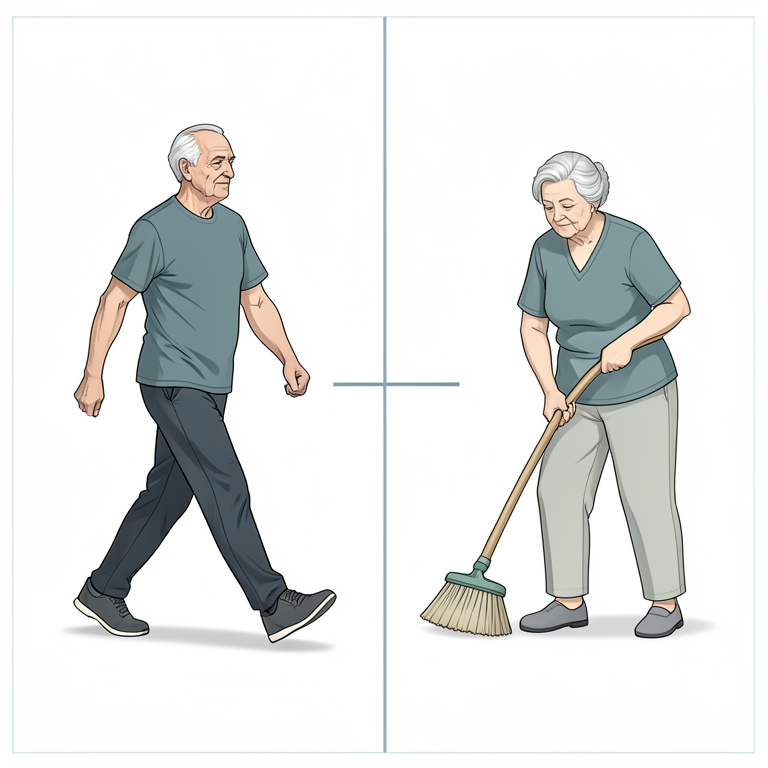
Gender-Based Physical Activity
AI-generated conceptual illustration (elderly man and elderly woman). It explains the idea and does not show study data.
View source evidence ↗Figures & tables
From the original paper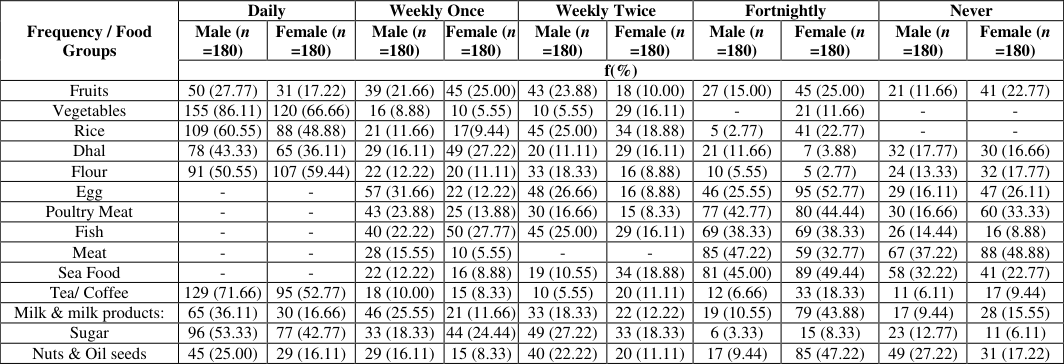 Table 1
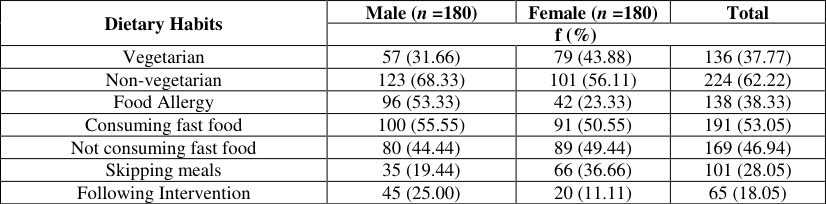 Table 2
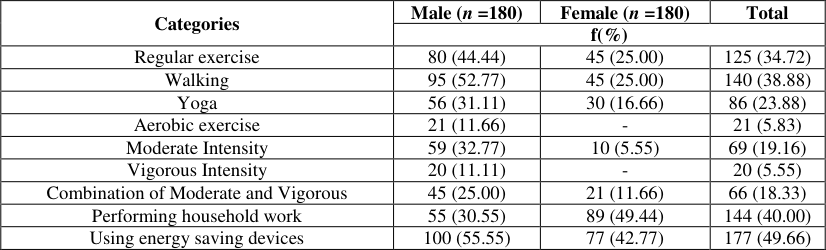 Table 3
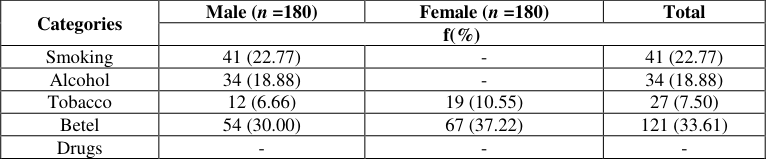 Table 4
 Table 5
Introduction
The global population is undergoing a significant demographic transition, with the number and proportion of elderly individuals steadily increasing due to improvements in healthcare, nutrition, and life expectancy. This rise in the elderly population brings complex health challenges, as ageing is accompanied by physiological, psychological, and social changes that directly affect nutritional needs and lifestyle behaviors. Age-associated changes include alterations in metabolism, reduced energy expenditure, loss of lean body mass, and compromised nutrient absorption, all of which increase the risk of malnutrition and dietrelated chronic diseases among older adults. Proper nutrition is a cornerstone of healthy ageing because it supports physical functioning, immune competence, and disease prevention. Elderly individuals are susceptible to inadequate intake of essential macronutrients and micronutrients, which can contribute to sarcopenia, osteoporosis, cardiovascular diseases, and metabolic disorders. Moreover, behavioural and lifestyle factors such as physical activity patterns, sleep quality, social engagement, and habits related to substance use have a profound impact on overall health and quality of life. (Gothe et al., 2020) [2] According to research on lifestyle components among older adults, nutritional knowledge, dietary quality, and other modifiable behaviours interact closely and collectively influence health outcomes in the ageing population. Despite the well-known importance of diet and lifestyle in maintaining health in later life, there remains a paucity of comprehensive data on the dietary patterns and lifestyle practices of elderly people in many settings.
Studies have shown that diet quality among older cohorts can vary widely and is influenced by a range of social, economic, and household factors. These variations underscore the necessity for systematic assessment to inform targeted interventions that can improve nutritional status and promote healthier lifestyle behaviours. A cross-sectional assessment of diet and lifestyle practices among the elderly provides essential evidence to identify gaps in nutritional intake and lifestyle behaviors. Understanding these factors is critical for developing effective public health strategies, nutrition education programs, and lifestyle modification interventions that aim to enhance functional ability, reduce disease burden, and improve the well-being of older adults.
Objectives
To assess dietary patterns of the elderly. To evaluate lifestyle practices among elderly people.
Materials and Method Study Design:
A community-based cross-sectional study was conducted to assess dietary patterns and lifestyle practices among elderly people.
Study Area:
The study was carried out in two cities (Bhubaneswar & Cuttack). These cities were selected to represent urban settings with diverse socio-demographic characteristics of the elderly population.
Study Population:
The study population comprised elderly individuals aged 60 years and above residing in the selected cities during the study period.
Sample Size: A total of 360 elderly participants were included in the study, with 180 participants from each city. The sample size was determined to ensure adequate representation and statistical reliability.
Sampling Technique: A simple random sampling technique was employed. In the first stage, wards/areas from each city were selected randomly. In the second stage, households with eligible elderly individuals were identified. One elderly participant from each selected household was chosen using simple random sampling. If more than one eligible participant was present, one was selected by lottery method.
Inclusion Criteria
Inclusion Criteria
Statistical Analysis:
The collected data were coded and entered in statistical software for analysis. Descriptive statistics such as frequencies and percentages were used to summarize the data. seafood were not consumed daily by either gender and were mainly taken weekly or fortnightly. Females showed higher fortnightly consumption and non-consumption of eggs, meat, and seafood compared to males, reflecting lower intake of animal-source proteins. Meat and seafood showed particularly high levels of fortnightly and never consumption, especially among females. Tea/coffee consumption was high, with males (71.66%) reporting higher daily intake than females (52.77%). Milk and milk products were consumed more frequently by males, while a large proportion of females consumed them fortnightly, indicating less regular dairy intake among women. Sugar intake was high in both genders, though daily consumption was higher among males. Nuts and oilseeds were least consumed, with a high proportion of females reporting fortnightly or no intake. In summary, the findings indicate a diet dominated by staple cereals, vegetables, sugar, and beverages, with limited daily intake of fruits, dairy, nuts, and animal-based foods, particularly among females. This pattern suggests potential gaps in micronutrient and high-quality protein intake, especially among women. The table indicates that non-vegetarian dietary habits were more common (62.22%) than vegetarianism (37.77%), with a higher proportion of females following a vegetarian diet compared to males. Food allergy was reported by 38.33% of participants, notably higher among males. Fast-food consumption was prevalent (53.05%) in both genders, with slightly higher intake among males. Meal skipping was more common among females (36.66%) than males, indicating gender differences in eating patterns. Overall, a relatively small proportion of participants (18.05%) followed any dietary or lifestyle intervention, suggesting limited engagement in structured health practices. Overall, 34.72% of participants engaged in regular exercise, with higher participation among males than females. Walking was the most common physical activity (38.88%), particularly among males. Practices such as yoga and aerobic exercise were followed by a smaller proportion of participants, and aerobic exercise was reported only by males. Engagement in moderate-and vigorous-intensity activities was predominantly higher among males, while females showed limited participation in higher-intensity exercises. In contrast, performing household work was more common among females (49.44%) compared to males, contributing significantly to daily physical activity, with 40.00% reporting this practice overall. Nearly half of the participants (49.66%) reported using energy-saving devices, with slightly higher usage among males. Overall, the findings suggest that while males are more involved in structured and higher-intensity physical activities, females primarily engage in physical activity through household work, indicating differing patterns of energy expenditure between genders. The table shows that smoking (22.77%) and alcohol consumption (18.88%) were reported only among males, while no female participants reported these habits. Betel chewing was the most common substance use (22.50%), with a higher prevalence among males than females. Tobacco use was observed in both genders, slightly higher among females (10.55%) compared to males. No drug use was reported among the study participants. The table shows gender-wise frequency of substance use among participants. Smoking and alcohol consumption were reported only among males, occurring mainly on a rare or monthly basis, with very few daily users. Tobacco use was present in both genders, though daily and monthly use was higher among females, while males showed lower and less frequent use. Betel chewing was the most used substance in both males and females, with use spread across daily, weekly, monthly, and rarely categories, indicating regular habitual use. No drug use was reported by either gender. Overall, substance use was generally infrequent, except for betel chewing, which emerged as the predominant habit.
Discussion
The present study provides important insights into the dietary habits and lifestyle practices of the elderly, highlighting patterns that have direct implications for nutritional adequacy, functional health, and prevention of non-communicable diseases (NCDs). Overall, the findings suggest a diet predominantly based on staple cereals and vegetables, coupled with low and irregular intake of fruits, dairy products, nuts, and animal-source foods, along with marked gender differences in lifestyle behaviours. A notably high proportion of elderly participants reported daily consumption of vegetables, which is a positive finding, as regular vegetable intake is associated with improved micronutrient status and reduced risk of chronic diseases (WHO, 2015) [6] . However, fruit consumption was comparatively low and inconsistent, especially among females, with a substantial proportion consuming fruits only weekly, fortnightly, or not at all. Similar patterns have been reported in other Indian studies, where economic constraints, dental problems, and limited awareness were identified as barriers to adequate fruit intake among older adults (Salehi et al., 2010) [4] . Insufficient fruit intake may contribute to deficiencies of vitamin C, antioxidants, and dietary fiber, increasing susceptibility to infections and metabolic disorders. Cereal-based foods such as rice and flour constituted the core of the daily diet, reflecting traditional dietary practices. While cereals provide energy, overreliance on refined grains, combined with inadequate intake of protective foods, may predispose the elderly to poor glycemic control and micronutrient dilution (Newby et al., 2007) [3] . Dhal consumption, though present, was not universal, and a notable proportion of participants reported no intake, which may compromise plant-based protein adequacy. The study also revealed low frequency of consumption of animal-source foods, including eggs, meat, fish, and seafood. These foods were largely consumed weekly or fortnightly, and non-consumption was common, particularly among females. This pattern may be influenced by cultural practices, affordability, and health beliefs. However, animalsource foods are rich in high-biological-value protein, vitamin B12, iron, and omega-3 fatty acids, which are critical for preventing sarcopenia, anemia, and cognitive decline in the elderly (Sheffield et al., 2024) [5] . The limited intake observed in the present study raises concerns regarding protein-energy malnutrition and micronutrient deficiencies. High daily consumption of tea or coffee and sugar was observed, especially among males. Excessive intake of caffeinated beverages may interfere with iron absorption, while high sugar intake has been linked to increased risk of obesity, diabetes, and dental problems in older adults (WHO, 2015) [6] . Conversely, nuts and oilseeds, which are valuable sources of healthy fats, protein, and antioxidants, were among the least consumed food groups, consistent [8] .
Lifestyle practices showed gender-based differences. Males were more likely to engage in structured physical activities such as walking, yoga, and moderate-to-vigorous exercise, whereas females predominantly contributed to physical activity through household work. Although household activities do contribute to energy expenditure, they may not always meet the recommended intensity needed for cardiovascular and musculoskeletal health (WHO, 2020) [7] . Additionally, substance use such as smoking and alcohol consumption was reported mainly among males, aligning with national trends, and poses added health risks in older age, including cardiovascular disease and functional decline (CDC, 2019) [1] . Overall, the findings of this study underscore the need for targeted nutrition education and lifestyle interventions for the elderly, with special emphasis on improving fruit, protein-rich food, dairy, and nut intake, reducing excessive sugar and caffeine consumption, and promoting ageappropriate physical activity for both genders. Communitybased programs and geriatric nutrition policies should address these gaps to enhance healthy ageing and quality of life.
Conclusion
The present study concludes that the dietary pattern of the elderly is largely dominated by staple cereals, vegetables, and beverages, while the regular intake of fruits, dairy products, nuts, and protein-rich animal foods remains inadequate. Although daily vegetable consumption was satisfactory among most participants, the low and irregular consumption of fruits and high-quality protein sources raises concerns regarding micronutrient deficiencies, poor protein adequacy, and increased risk of age-related health problems. Gender differences were evident, with females showing comparatively lower intake of fruits, dairy, and animalsource foods. Lifestyle assessment revealed that physical activity was limited and unevenly distributed, with males more engaged in structured exercises and females primarily relying on household activities for physical movement. Substance use such as smoking and alcohol consumption was mainly observed among males, while high consumption of tea/coffee and sugar was common in both genders. A relatively small proportion of participants followed any form of dietary or lifestyle intervention, indicating limited awareness or access to preventive health practices. Overall, the findings highlight the need for comprehensive, community-based nutrition education and lifestyle modification programs tailored to the elderly population.
Emphasis should be placed on promoting balanced diets rich in fruits, pulses, dairy, nuts, and protein-dense foods, along with regular age-appropriate physical activity and reduction of unhealthy habits. Such targeted interventions are essential to improve nutritional status, prevent non-communicable diseases, and support healthy and active ageing among the elderly population.
Figures and tables from the paper
| Dietary Habits | Male (n =180) | Female (n =180) | Total |
|---|---|---|---|
| f (%) | |||
| Vegetarian | 57 (31.66) | 79 (43.88) | 136 (37.77) |
| Non-vegetarian | 123 (68.33) | 101 (56.11) | 224 (62.22) |
| Food Allergy | 96 (53.33) | 42 (23.33) | 138 (38.33) |
| Consuming fast food | 100 (55.55) | 91 (50.55) | 191 (53.05) |
| Not consuming fast food | 80 (44.44) | 89 (49.44) | 169 (46.94) |
| Skipping meals | 35 (19.44) | 66 (36.66) | 101 (28.05) |
| Following Intervention | 45 (25.00) | 20 (11.11) | 65 (18.05) |
Table text extracted from the original PDF; superscript letters are shown inline. The original table image is below.
View original table image
| Categories | Male (n =180) | Female (n =180) | Total |
|---|---|---|---|
| f(%) | |||
| Regular exercise | 80 (44.44) | 45 (25.00) | 125 (34.72) |
| Walking | 95 (52.77) | 45 (25.00) | 140 (38.88) |
| Yoga | 56 (31.11) | 30 (16.66) | 86 (23.88) |
| Aerobic exercise | 21 (11.66) | - | 21 (5.83) |
| Moderate Intensity | 59 (32.77) | 10 (5.55) | 69 (19.16) |
| Vigorous Intensity | 20 (11.11) | - | 20 (5.55) |
| Combination of Moderate and Vigorous | 45 (25.00) | 21 (11.66) | 66 (18.33) |
| Performing household work | 55 (30.55) | 89 (49.44) | 144 (40.00) |
| Using energy saving devices | 100 (55.55) | 77 (42.77) | 177 (49.66) |
Table text extracted from the original PDF; superscript letters are shown inline. The original table image is below.
View original table image
| Categories | Male (n =180) | Female (n =180) | Total |
|---|---|---|---|
| f(%) | |||
| Smoking | 41 (22.77) | - | 41 (22.77) |
| Alcohol | 34 (18.88) | - | 34 (18.88) |
| Tobacco | 12 (6.66) | 19 (10.55) | 27 (7.50) |
| Betel | 54 (30.00) | 67 (37.22) | 121 (33.61) |
| Drugs | - | - | - |
Table text extracted from the original PDF; superscript letters are shown inline. The original table image is below.
View original table image
| Categories | Daily | — | weekly | — | monthly | — | Rarely | — |
|---|---|---|---|---|---|---|---|---|
| Male (n =180) | Female (n =180) | Male (n =180) | Female (n =180) | Male (n =180) | Female (n =180) | Male (n =180) | Female (n =180) | |
| f(%) | ||||||||
| Smoking | 12 (6.66) | - | 5 (2.77) | - | 10 (5.55) | - | 14 (7.77) | - |
| Alcohol | - | - | 4 (2.22) | - | 11 (6.11) | - | 19 (10.55) | - |
| Tobacco | 2 (1.11) | 9 (5.00) | 5 (2.77) | 3 (1.66) | 3 (1.66) | 7 (4.44) | 2 (1.11) | - |
| Betel | 8 (4.44) | 22 (12.22) | 9 (5.00) | 10 (5.55) | 16 (8.88) | 18 (10.00) | 21 (11.66) | 16 (8.88) |
| Drugs | - | - | - | - | - | - | - | - |
Table text extracted from the original PDF; superscript letters are shown inline. The original table image is below.
View original table image
References
7 in the original paper- Gothe NP, Ehlers DK, Salerno EA, Fanning J, Kramer AF, McAuley E. Physical activity, sleep and quality of life in older adults: influence of physical, mental and social well-being. Behavioral Sleep Medicine. 2020;18(6):797-808. doi:10.1080/15402002.2019.1690493
- Newby PK, Maras J, Bakun P, Muller D, Ferrucci L, Tucker KL. Intake of whole grains, refined grains, and cereal fiber measured with 7-day diet records and associations with risk factors for chronic disease. American Journal of Clinical Nutrition. 2007;86(6):1745-1753. doi:10.1093/ajcn/86.5.1745
- Salehi L, Eftekhar H, Mohammad K, Tavafian SS, Jazayery A, Montazeri A. Consumption of fruit and vegetables among elderly people: a cross-sectional study from Iran. Nutrition Journal. 2010;9:2. doi:10.1186/1475-2891-9-2
- Sheffield S, Fiorotto ML, Davis TA. Nutritional importance of animal-sourced foods in a healthy diet. Frontiers in Nutrition. 2024;11:1424912. doi:10.3389/fnut.2024.1424912
- World Health Organization (WHO). Healthy diet. Geneva: World Health Organization; 2015.
- World Health Organization (WHO). Guidelines on physical activity and sedentary behaviour. Geneva: World Health Organization; 2020.
- Rusu ME, Mocan A, Ferreira ICFR, Popa DS. Health benefits of nut consumption in middle-aged and elderly population. Antioxidants. 2019;8(8):302. doi:10.3390/antiox8080302