
Research article · 2026 · Full text
International Journal of Agriculture and NutritionFarmers knowledge and attitudes on nutrient management in maize production in Malawi
Volume 8(2) · Pages 15–21 · DOI: 10.33545/26646064.2026.v8.i2a.342 ↗
Research areasIndigenous Knowledge Systems and AgricultureAgricultural Innovations and PracticesAgricultural Systems and Practices
Abstract
Author-writtenAddressing food security for a rapidly expanding global population requires a comprehensive understanding of the relationship between farming practices, soil health, and crop productivity. Various research has showed that adopting modern agricultural practices can enhance yields. However, there is still uncertainty regarding their optimal nutrient management on maize. To understand this knowledge gap, this study employed a farmer survey to understand how farmer knowledge and attitudes on nutrient management in maize production influences crop productivity in Malawi. Results indicated that Lead Farmers (LF) demonstrated a better understanding of soil fertility practices, organic farming applications, conservation tillage, dense planting, pest control, and harvesting methods, allowing them to put in practice optimized nutrient management methods which resulted in improved soil health and increased yields. On the other hand, Traditional Farmers (TF) had limited knowledge and resources, leading to inconsistent fertilizer use, low adoption of organic farming practices, low use of conservation tillage and density planting, and ineffective pest control practices. While both groups knew the importance of modern agricultural practices for improving yields and income, lead farmers showed a significantly more positive attitude towards adoption of these technologies.
Summary
Source-checkedPlain-language reading of the full paper, prepared with AI and checked against the text. Each point links to the authors' own words.
Why it matters
- Maize is a critical staple food and cash crop in Malawi, where the agricultural sector is the foundation of the economy, employment, and food security. View evidence ↗
- Maize production in Malawi faces significant hurdles, specifically declining soil fertility, unpredictable weather, and poor access to quality fertilizers and hybrid seeds. View evidence ↗
- The vulnerability of maize production is high because more than 90% of cultivation relies on seasonal rainfall. View evidence ↗
The question
- The study aimed to determine how the knowledge and attitudes of farmers regarding nutrient management in maize production affect crop productivity in Malawi. View evidence ↗
What they did
- The research was carried out in the Kavuzi EPA of the Nkhatabay District in northern Malawi, specifically at Mzuzu STB. View evidence ↗
- Data was collected via face-to-face structured questionnaires from 30 participants, split equally between 15 lead farmers and 15 traditional farmers. View evidence ↗
- Lead farmers were selected based on their history of maize production and membership in Mzuzu STB, while traditional farmers were those who were not members of STB. View evidence ↗
- The analysis relied on descriptive statistics, including summaries, tables, and graphs to compare the two farmer groups. View evidence ↗
What they found
- Women were the majority in both groups, representing 80% of lead farmers and 66.7% of traditional farmers. View evidence ↗
- Lead farmers had higher education levels, with 33.3% completing high school and 13.3% having college education, compared to only 20% of traditional farmers completing high school. View evidence ↗
- Lead farmers earned significantly more on average, with a mean annual income of 3,883,333 MWK compared to 2,356,000 MWK for traditional farmers. View evidence ↗
- Lead farmers possessed extensive knowledge of selecting high-yield, drought-resistant maize varieties, whereas traditional farmers used less productive conventional seeds. View evidence ↗
- Knowledge of Late Harvesting Techniques (LHT) was nearly absent in both groups: 100% of traditional farmers and 93.33% of lead farmers were unfamiliar with it. View evidence ↗
- Lead farmers showed a strongly positive attitude toward modern agricultural technologies, believing they are essential for increasing income and crop yields. View evidence ↗
- Traditional farmers had more varied and less positive attitudes, with many remaining neutral or showing lower intensity of agreement regarding the importance of modern technologies. View evidence ↗
What it means
- The authors recommend strategically using lead farmers to facilitate peer-to-peer learning and community-based extension to spread innovation. View evidence ↗
- The authors conclude that agricultural interventions must prioritize equitable access to resources and knowledge, especially for low-income farmers and women. View evidence ↗
Visual summary
2 visualsIllustrations explain the paper; charts are replotted from the paper's own table values.
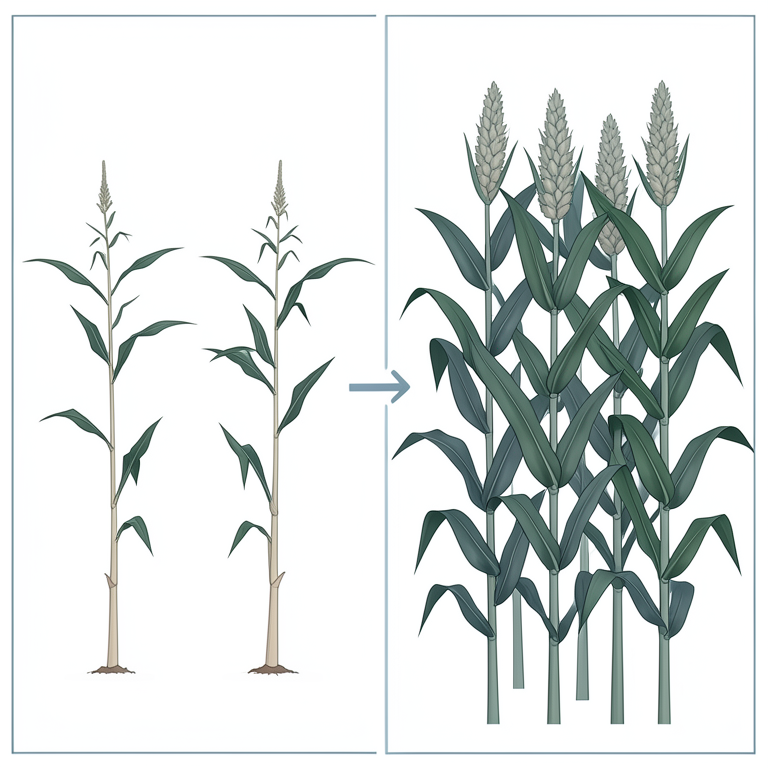
Knowledge and Attitude Gap
AI-generated conceptual illustration (maize plants in Malawi). It explains the idea and does not show study data.
View source evidence ↗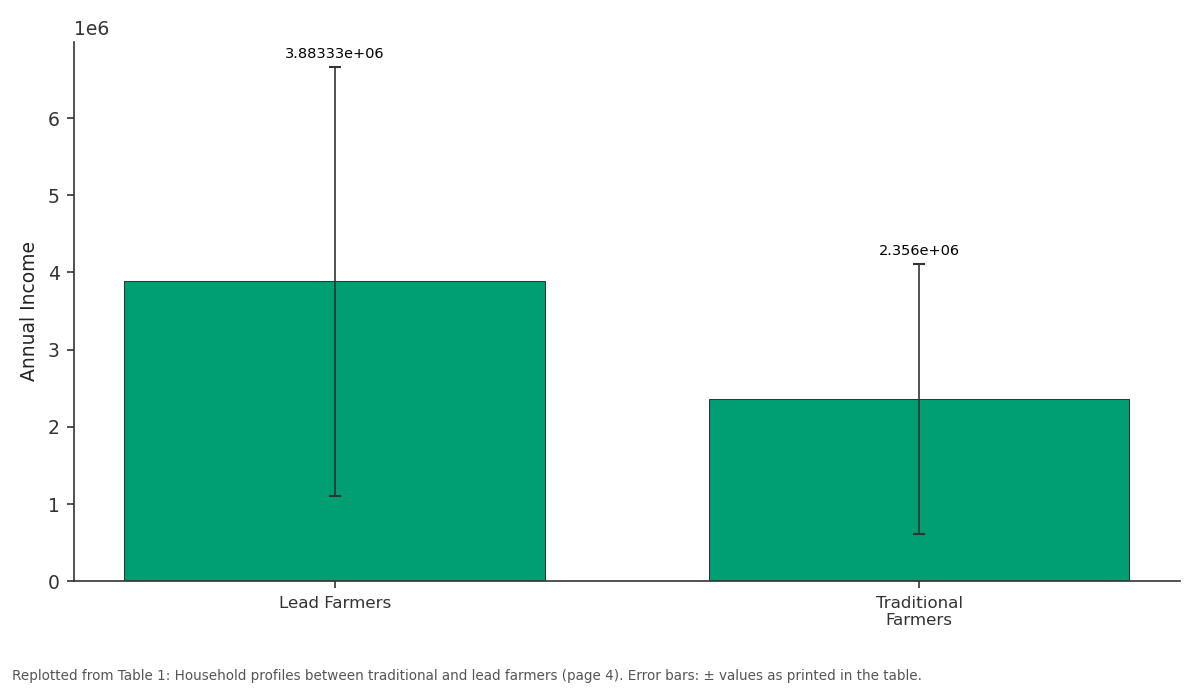
Annual Income: Lead Farmers vs Traditional Farmers
Replotted from Table 1 (page 4) of the original paper. Every bar is the paper's own table value.
View source evidence ↗Figures & tables
From the original paper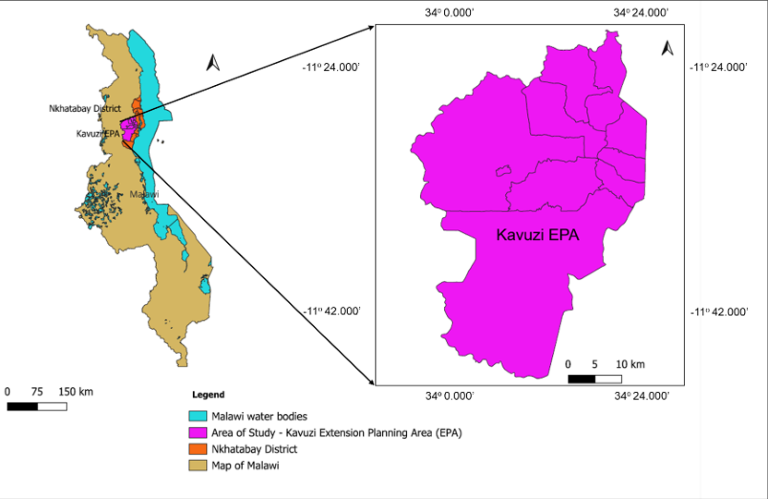 Figure 1
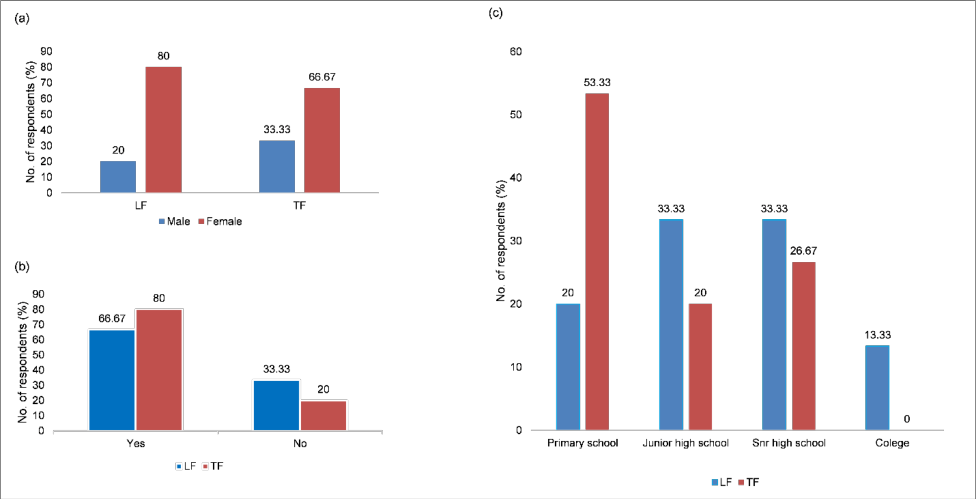 Figure 2
 Table 1
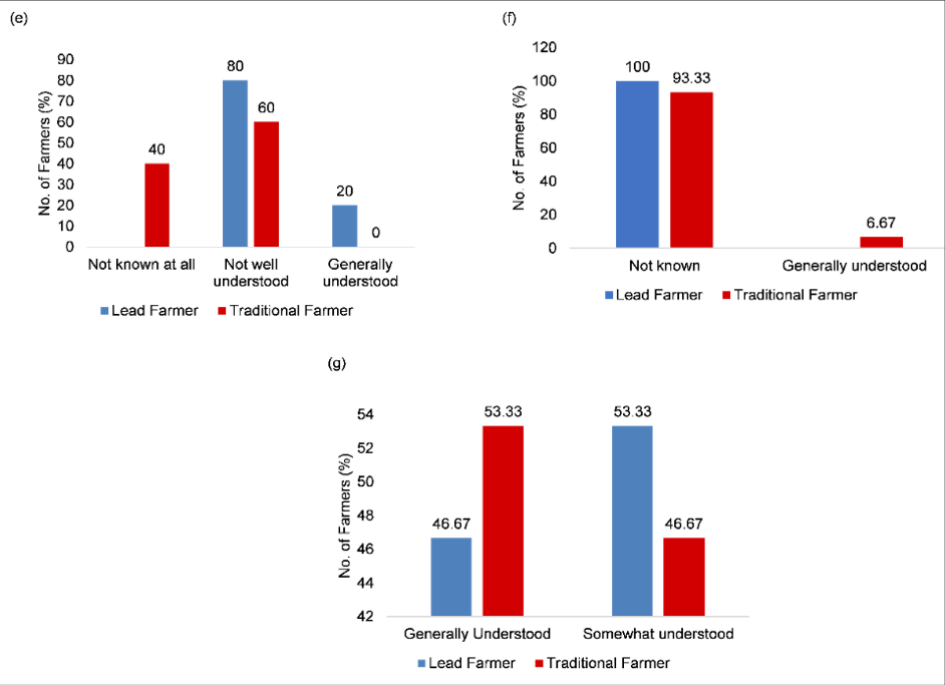 Figure 3
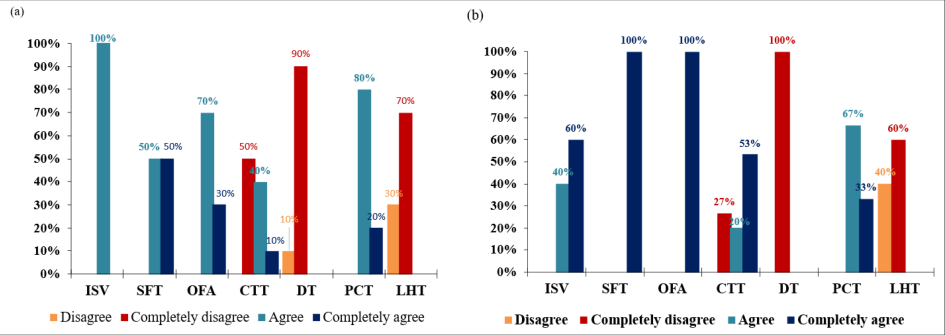 Figure 4
Introduction
Malawi's economy is based on the agricultural sector, significantly contributing to employment, livelihoods, and food security. Within this sector, maize holds a preeminent position as both a staple food and a cash crop for the majority of the population. Smallholder farmers dominate maize production, accounting for over 80% of total output [1] . Despite its critical role in the nation's food systems, maize farming is fraught with challenges, including declining soil fertility, erratic weather patterns, and limited access to high-quality inputs such as hybrid seeds and fertilizers [2][3][4] . Addressing these challenges requires a shift from traditional to modern agricultural practices. However, due to a complex interaction of institutional, cultural, and socioeconomic factors, the adoption of such methods is still inconsistent [3,[5][6][7] . Farmers' attitudes toward agricultural innovations are a key determinant of adoption. According to Rogers' Diffusion of Innovations Theory, adoption is influenced by perceptions of an innovation's relative advantage, compatibility with existing practices, complexity, trialability and observability [2,8] . For smallholder maize farmers in Kavuzi EPA, these perceptions are mediated by their socio-economic realities and farming environments. Traditional farmers often prioritize immediate subsistence needs and risk aversion, viewing modern practices as costly and uncertain investments [9] . Conversely, lead farmers, who are early adopters of innovations, tend to embrace these practices due to better access to resources, information, and extension services. Understanding these divergent attitudes is important for developing targeted interventions that address barriers to adoption and promote sustainable farming practices [10][11][12] . Malawi's reliance on rain-fed agriculture exacerbates the challenges faced by smallholder farmers. Over 90% of maize cultivation depends on seasonal rainfall, making production highly vulnerable to climate variability [13][14][15] . In this context, modern practices such as conservation agriculture, improved seed varieties, and efficient fertilizer application have been promoted as adaptive strategies [5] . For example, conservation agriculture enhances soil health and water retention, thereby increasing resilience to droughts and erratic rainfall. Despite these benefits, adoption rates remain low, with traditional methods such as mono-cropping and manual tillage still predominant. Studies attribute this reluctance to issues such as restricted access to financial resources, inadequate extension services, and entrenched cultural preferences [16,17] . The socioeconomic background of farmers greatly influences their attitude toward modern practices. Farmers with higher levels of education and income are more likely to adopt innovations, as they can better evaluate the costs and benefits and are less constrained by financial limitations [11, 18] . Gender dynamics also influence adoption, with women farmers frequently encountering more obstacles because of limitations on access to land, credit, and extension services [6,19,20] . Peer influence and community dynamics further shape farmers' attitudes and decision-making processes. In rural settings, knowledge dissemination often occurs through informal networks, with lead farmers serving as key influencers [21] . Lead farmers, supported by extension programs, demonstrate the benefits of modern practices, potentially encouraging their neighbors to adopt these innovations. However, the success of this approach depends on the visibility of positive outcomes and the perceived relevance of these practices to local conditions. If lead farmers face challenges in implementation or fail to achieve significant yield improvements, their influence may be diminished, reinforcing skepticism among traditional farmers.
Institutional support is another critical factor affecting attitudes toward modern agricultural practices. An essential function of extension services is to close the knowledge gap between traditional and modern methods. However, in Malawi, the reach of these services is often limited by resource constraints, with many farmers receiving little to no direct support. Furthermore, the lack of context-specific recommendations undermines the effectiveness of extension programs. For instance, blanket advice on fertilizer application rates may not account for variations in soil types, rainfall, or access to inputs, leading to suboptimal results and disillusionment among farmers [22] The attitudes of farmers toward modern agricultural practices are not static; they evolve based on experiences, external influences, and changing circumstances. For example, exposure to climate shocks, including floods or droughts, can prompt a reevaluation of traditional methods, creating openness to innovations that enhance resilience [23] . Similarly, market incentives, such as higher prices for quality maize, can motivate farmers to invest in improved practices. However, without adequate support systems, these shifts in attitude may not translate into sustained adoption. This section of the study aims to explore the prevailing attitudes of traditional and lead maize farmers in Kavuzi EPA toward modern agricultural practices, focusing on the factors that drive or hinder adoption. The study seeks to provide insights for policymakers, extension agents, and development practitioners by examining these attitudes in the context of demographic, socio-economic, and institutional variables. The findings will inform strategies to increase the uptake of sustainable practices, ultimately increasing the yield of maize and food security in Malawi. This research aligns with national development goals, including Malawi Vision 2063, which emphasizes agricultural transformation as a pathway to economic growth and resilience.
Materials and Methods Study Area Description
The study was conducted at Mzuzu STB which is in Nkhatabay District, Kavuzi EPA in the northern part of Malawi. Nkhatabay district is 4,071 square kilometers with diverse soil types ranging from sandy loam to clay loam soils that are fairly fertile and well-drained. The climate is warm tropical, influenced by nearby Lake Malawi, bringing warm and humid conditions. The average temperature is 24 °C and average precipitation is 1750 mm annually. Crop production is mainly rainfall reliant.
Data collection
To properly capture the knowledge, attitudes, and practices of farmers on modern agricultural technologies, this study employed a structured questionnaire administered face-toface to 30 respondents, comprising 15 lead farmers (LF) and 15 traditional farmers (TF) in Nkhatabay District. Lead farmers were purposively selected based on their participation in the Mzuzu STB and their maize production history and for traditional farmers it was based on them not being members of STB.
The questionnaire was designed to ensure comprehensive coverage of relevant variables for assessing the adoption and effectiveness of nutrient management and other agronomic practices. It consisted of six thematic sections: [1] household demographics, [2] land and crop management, [3] fertilizer use and nutrient practices, [4] technology adoption and awareness, [5] socioeconomic constraints, and [6] access to extension and support services. Data on maize yield was also collected, including self-reported yield per acre (kg/acre), planting density, and farming inputs, which served as a basis for analyzing yield components.
The study collected data on demographic variables, including data about the number of household members, age, gender, education level, quantity of employed family members, and other characteristics. The survey also covered agricultural practice variables. These included chronicling the farming techniques used by the respondents. Some of the variables include the acreage of land planted, the crop type grown, and the use of fertilizers as well as irrigation.
Questions included a mix of closed-ended (binary, multiplechoice), Likert scale (1 to 5), and numeric responses to facilitate both quantitative and descriptive analysis. It was administered in the local language with assistance from enumerators to ensure accurate responses.
Statistical analysis
To analyze the attitudes and behaviors of traditional and lead maize farmers toward modern agricultural practices, the study primarily employed descriptive statistics, summaries, tabulation and graphical techniques. Descriptive statistics were used to summarize the responses to survey items that assessed farmers' attitudes and behaviors. Measures of central tendency, such as means and medians, were calculated for continuous variables, while frequencies and percentages were reported for categorical variables.
Tabulation was employed to compare responses between traditional and lead farmers, highlighting key differences in attitudes and behaviors. Cross-tabulations allowed for the examination of relationships between variables. Graphs were used to visualize the summarized data, making it easier to identify trends and disparities. Bar charts depicted the distribution of responses for key attitude indicators, such as the perceived reliability of traditional methods versus modern technologies. These visual tools helped in communicating information in an accessible manner.
Results
Results
Demographic profiles between traditional and lead farmers
The descriptive statistics revealed notable differences between traditional and lead farmers in terms of demographic characteristics, socio-economic status and farming practices. Gender distribution showed that female farmers were predominant in both groups, accounting for 80% of lead farmers and 66.7% of traditional farmers. Male representation was relatively higher among traditional farmers at 33.3% as compared to 20% among lead farmers (Figure 2). Education levels differed significantly between the two groups, with lead farmers generally having higher educational attainment. While 33.3% of lead farmers had completed high school, only 20% of traditional farmers reached the same level. Additionally, 13.3% of lead farmers had a college education (Figure 2). In terms of employment, there was a slightly higher level of participation of traditional farmers at 80% compared to lead farmers at 66.67% as more traditional farmers sought employment as a financial obligation to complement low income from farming. Household size and farm size were comparable across the groups, with lead farmers having an average household size of 4.4 members and traditional farmers 4.07 members. Similarly, the average farm sizes for both groups were approximately 1.9 acres. However, the income levels of the two groups exhibited significant variation. Lead farmers reported a mean annual income of 3,883,333 MWK, nearly double the 2,356,000 MWK average for traditional farmers.
Knowledge
The knowledge of modern agricultural methods used by farmers in the Kavuzi EPA varied significantly, with lead farmers consistently demonstrating superior understanding across all assessed technologies compared to traditional farmers. Lead farmers exhibited extensive knowledge of BMV selection, favoring high-yield, drought-resistant seeds that optimize productivity under local climatic conditions. By contrast, traditional farmers relied heavily on conventional and often less productive seed varieties, indicating limited awareness of improved options. This knowledge gap restricts the capacity of traditional farmers to achieve higher yields or adapt to adverse conditions. In the area of SFCT, lead farmers showed a great understanding of techniques that improve soil health, such as organic matter incorporation and balanced fertilizer application. However, traditional farmers demonstrated less familiarity with these methods; thus, they often applied fertilizers inconsistently and failed to integrate organic farming principles. Knowledge of application technology for Organic Farming Applications (OFA) was also higher among lead farmers.
They were more adept at applying organic farming principles, such as the use of compost, bio-fertilizers, and integrated pest management, to improve soil quality and reduce dependence on chemical inputs. On the other hand, traditional farmers relied minimally on organic practices, primarily due to limited information and resources. A significant difference was observed in the knowledge of Conservation Tillage Techniques (CTS). Lead farmers commonly knew the implementation methods, such as notill or reduced-till farming, which enhance soil moisture retention and minimize erosion. On the other hand, traditional farmers were less familiar with these techniques. Another notable gap was evident in Densification Technology (DT) which involves increasing planting density to optimize land use and improve yields. Lead farmers had a strong understanding of the ideal spacing and arrangements for maize crops while traditional farmers were less aware of these practices. In the area of Pest Control Techniques (PCT), lead farmers showed superior knowledge of chemical, biological and integrated pest management strategies. They effectively used these methods to prevent and mitigate pest infestations thus leading to healthier crops and higher yields. Traditional farmers had limited awareness of advanced pest control methods and often relied on basic or no control measures which left their crops vulnerable to pest damage. Finally, lead farmers demonstrated slightly better awareness of Late Harvesting Techniques (LHT), which involve identifying signs of maize maturity such as the presence of white bracts, black layers, and the loss of milk in kernels. In contrast, traditional farmers showed a complete lack of awareness of these techniques, with 100% reporting no knowledge. Although 6.67% of lead farmers indicated a general understanding of LHT, the overwhelming majority (93.33%) were unfamiliar with it. This suggests that LHT has not been effectively introduced, promoted, or integrated into existing agricultural extension and training systems in the study area. Attitudes: The combined attitudes of farmers (lead and traditional) toward modern agricultural practices, as depicted in Figure 4, indicate a general awareness of their importance for enhancing crop yields and income. However, the level of agreement varies significantly between the two groups. For lead farmers, the trend demonstrates a strong positive attitude toward modern agricultural technologies (Figure 4). A large majority strongly agree with the statement that these technologies are crucial for increasing crop yield and income.
The attitudes in Figure 4 of traditional farmers are more varied and less positive. The graph reveals that while some traditional farmers agree with the importance of modern technologies, the intensity of their agreement is notably lower. A significant proportion remains neutral, reflecting uncertainty or a lack of direct experience with these practices. Additionally, a small but noticeable percentage of traditional farmers indicate sceptical perceptions. Generally, the attitudes of farmers towards the technologies are positive.
Discussion
The findings from the study provide information on the differences between traditional and lead maize farmers in the Kavuzi EPA, particularly on the knowledge of agricultural practices and attitudes toward modern farming technologies.
The findings on knowledge of modern agricultural practices highlight a pronounced gap between the two groups. Lead farmers demonstrated superior understanding across a range of technologies, including conservation tillage, pest control, and optimal seed selection. This aligns with the role of lead farmers as early adopters and disseminators of agricultural innovations within rural communities [24] . The advanced knowledge of lead farmers can be attributed to their participation in extension programs and practical demonstrations, which provide direct exposure to the benefits of modern practices. Traditional farmers exhibited limited awareness, particularly in techniques like conservation tillage and pest control, which are critical for improving productivity and resilience to climatic shocks. Emphasis on the importance of tailored extension services helps in bridging this knowledge gap, suggesting that traditional farmers' limited understanding may result from inadequate access to targeted training and information [18] . The attitudes of farmers toward modern agricultural practices further illustrate the divergence between traditional and lead farmers. Lead farmers exhibited overwhelmingly positive perceptions of the benefits of these technologies thus reflecting their direct experiences with increased yields and income. This finding resonates with Rogers' Diffusion of Innovations Theory which posits that early adopters are more likely to recognize the relative advantages of innovations [8] . Conversely, the varied attitudes among traditional farmers, including skepticism and neutrality, show the challenges of promoting adoption in resourceconstrained settings. The skepticism of some traditional farmers stems from perceived risks, such as the upfront costs of inputs or uncertainty about returns. These concerns are significant barriers to adoption, particularly in communities with limited exposure to successful implementation cases [4] . Gender dynamics play a crucial role in shaping attitudes and access to resources. The higher proportion of female farmers among traditional farmers suggests that women may face barriers to adopting modern practices. In addition, women in agriculture often experience restricted access to land, credit, and extension services, which limits their ability to invest in or benefit from agricultural innovations [25] . This is reflected in the lower representation of women among lead farmers, who are more likely to access resources and training.
Conclusion
In conclusion, the study reveals significant differences between traditional and lead maize farmers in the Kavuzi EPA, which are primarily driven by disparities in education levels, income status, agricultural knowledge, and access to critical resources such as extension services, inputs, and training opportunities. These socio-economic and structural differences have a profound impact on the adoption and implementation of modern agricultural practices within the farming community. Lead farmers, by virtue of their exposure to agricultural innovations and involvement in the STB program, demonstrate a stronger capacity to understand and apply improved farming techniques. Their positive engagement with practices such as conservation tillage, integrated pest management, and optimal seed selection illustrates the potential of modern agriculture to improve productivity, sustainability, and resilience in smallholder systems. These farmers not only serve as early adopters but also function as important paths for the dissemination of innovation within rural communities. On the other hand, traditional farmers continue to face a range of substantial barriers that limit their ability to adopt and benefit from such innovations. These include limited access to accurate and timely agricultural information, lack of financial resources to invest in inputs, and inadequate participation in training or extension services. Furthermore, the study highlights gender-related constraints, with women farmers experiencing constraints in accessing land, credit, and technical support.
To promote inclusive agricultural transformation, it is essential that these barriers are systematically addressed. This requires the design and implementation of contextsensitive strategies that recognize the diverse needs, constraints, and capacities of traditional farmers.
Interventions should prioritize equitable access to knowledge, resources, and decision-making opportunities, particularly for marginalized groups such as women and low-income farmers. Moreover, the role of lead farmers should be strategically leveraged to support peer-to-peer learning and communitybased extension models. By serving as role models and local innovators, lead farmers can facilitate knowledge transfer, reduce resistance to change, and promote broader acceptance of modern agricultural practices. Such an integrated approach is critical for ensuring that all farmers, regardless of their starting point, are empowered to enhance their productivity, improve their livelihoods, and build resilience in the face of environmental and economic challenges.
Acknowledgement
AcknowledgmentsThe authors would like to extend their gratitude to China Agricultural University (CAU), and the Malawi government through the Ministry of Agriculture and all Mzuzu STB farmers for their invaluable support throughout this study.
Figures and tables from the paper
| — | Lead Farmers | Traditional Farmers |
|---|---|---|
| Household size | 4.4 ± 1.35 | 4.07 ± 1.43 |
| Farm size (Acres) | 1.9 ± 1.0 | 1.94 ± 0.90 |
| Annual Income | 3883333 ± 2775059 | 2356000 ± 1748035 |
Table text extracted from the original PDF; superscript letters are shown inline. The original table image is below.
View original table image
References
25 in the original paper- Iqbal W, Khan A, Jamal A, Radicetti E, Elsadek MF, Ali MA, et al. Optimizing Maize Productivity and Soil Fertility: Insights from Tillage, Nitrogen Management, and Hydrochar Applications. Land. 2024;13(8):1329.
- Rogers E. Diffusion of Innovations. 5th ed. Free press; 2003.
- Feder G, Just RE, Zilberman D. Adoption of agricultural innovations in developing countries: A survey. Economic development and cultural change. 1985;33(2):255-298.
- Agriculture Mo. National Agriculture Policy. 2024.
- Vanlauwe B, Descheemaeker K, Giller KE, Huising J, Merckx R, Nziguheba G, et al. Integrated soil fertility management in sub-Saharan Africa: unravelling local adaptation. Soil. 2015;1(1):491-508.
- Anderson JR, Feder G. Agricultural extension. Handbook of agricultural economics. 2007;3:23432378.
- Commission NP. An Inclusively Wealthy and Selfreliant Nation, Malawi 2063. 2020.
- Dougill AJ, Whitfield S, Stringer LC, Vincent K, Wood BT, Chinseu EL, et al. Mainstreaming conservation agriculture in Malawi: Knowledge gaps and institutional barriers. J Environ Manage. 2017;195(Pt 1):25-34.
- García-Avilés J-A. Diffusion of innovation. The international Encyclopedia of media psychology. 2020;1(8):1-8.
- Dobermann A. Nutrient use efficiency-measurement and management. 2007.
- Davis K, Nkonya E, Kato E, Mekonnen DA, Odendo M, Miiro R, et al. Impact of farmer field schools on agricultural productivity and poverty in East Africa. World development. 2012;40(2):402-413.
- Franzel S, Denning GL, Lillesø J-PB, Mercado Jr A. Scaling up the impact of agroforestry: Lessons from three sites in Africa and Asia. Agroforestry systems. 2004;61(1):329-344.
- Morton JF. The impact of climate change on smallholder and subsistence agriculture. Proceedings of the national academy of sciences. 2007;104(50):1968019685.
- Masson-Delmotte V, Pörtner H, Skea J, Buendía E, Zhai P, Roberts D. Climate change and land. IPCC Report. 2019.
- Murray WJ. Sustainable crop production intensification. Sustainable Diets and Biodiversity. 2012;4.
- Snapp S, Jayne T, Mhango W, Benson T, RickerGilbert J, editors. Maize-nitrogen response in Malawi's smallholder production systems. National Symposium on Eight Years of FISP-Impact and What Next; 2014.
- Thierfelder C, Wall P. Rotation in conservation agriculture systems of Zambia: effects on soil quality and water relations. Experimental agriculture. 2010;46(3):309-325.
- Fowler Jr FJ. Survey research methods. Sage publications; 2013.
- Peterman A, Quisumbing A, Behrman J, Nkonya E. Understanding the complexities surrounding gender differences in agricultural productivity in Nigeria and Uganda. Journal of Development Studies. 2011;47(10):1482-1509.
- Aguilar A, Carranza E, Goldstein M, Kilic T, Oseni G. Decomposition of gender differentials in agricultural productivity in Ethiopia. Agricultural Economics. 2015;46(3):311-334.
- Silvert CJ, Ochieng W, Perez Orozco J, Asanzi A. Dissecting the roles of social Capital in Farmer-toFarmer Extension: a review. Journal of International Agricultural and Extension Education. 2022;29(4):7-26.
- Thierfelder C, Rusinamhodzi L, Ngwira AR, Mupangwa W, Nyagumbo I, Kassie GT, et al. Conservation agriculture in Southern Africa: Advances in knowledge. Renewable Agriculture and Food Systems. 2014;30(4):328-348.
- Shani FK, Joshua M, Ngongondo C. Determinants of smallholder farmers' adoption of climate-smart agricultural practices in zomba, eastern malawi. Sustainability. 2024;16(9):3782.
- Chuang J-H, Wang J-H, Liou Y-C. Farmers' knowledge, attitude, and adoption of smart agriculture technology in Taiwan. International Journal of Environmental Research and Public Health. 2020;17(19):7236.
- Sarma PK, Alam MJ, Begum IA. Farmers' knowledge, attitudes, and practices towards the adoption of hybrid rice production in Bangladesh: an PLS-SEM approach. GM Crops & Food. 2022;13:327-341.