
Research article · 2025 · Full text
International Journal of Geography Geology and EnvironmentStatus and growth of solar energy in Rajasthan: A decadal analysis (2014-2024)
Volume 7(12) · Pages 95–104 · DOI: 10.22271/27067483.2025.v7.i12a.479 ↗
Research areasEnergy and Environment ImpactsSustainability and Climate Change GovernanceHybrid Renewable Energy Systems
Abstract
Author-writtenRajasthan, endowed with the highest solar energy potential among Indian states, has emerged as a major contributor to India’s solar power expansion over the last decade. Favourable geographical conditions such as vast arid land, high solar insolation, and the availability of large contiguous sites, combined with declining technology costs and supportive policy frameworks have enabled rapid solar energy development in the state. This paper presents a decadal analysis of the status and growth of solar energy in Rajasthan during the period 2014-2024, using installed capacity data, growth trends, and an evaluation of national and state-level policy initiatives.The study highlights Rajasthan’s increasing share in national solar capacity, the growing dominance of solar power within the state’s renewable energy mix, and the key geographical, infrastructural, and institutional factors driving this growth. It also examines the role of major initiatives such as the Jawaharlal Nehru National Solar Mission and state renewable energy policies in attracting large-scale investment and accelerating project implementation. The findings confirm that solar energy has become the backbone of Rajasthan’s renewable energy sector and a critical contributor to India’s clean energy transition, strengthening energy security while supporting long-term sustainability and climate goals.
Summary
Source-checkedPlain-language reading of the full paper, prepared with AI and checked against the text. Each point links to the authors' own words.
Why it matters
- Rajasthan is a primary driver of India's solar power growth because it possesses the highest solar energy potential of any Indian state. View evidence ↗
- The rapid development of solar energy in Rajasthan is enabled by a combination of high solar insolation, vast arid lands, falling technology costs, and supportive policies. View evidence ↗
- The broader shift toward solar technology is driven by the need for alternatives to declining fossil fuel reserves and rising energy demands. View evidence ↗
The question
- The study aims to analyze the growth of solar energy in Rajasthan from 2014 to 2024, specifically examining capacity trends, the impact of solar parks, and the drivers of this expansion. View evidence ↗
What they did
- The research utilizes secondary data from official sources, including the Ministry of New and Renewable Energy (MNRE) and state-level reports from Rajasthan. View evidence ↗
- A descriptive and analytical approach was used to evaluate year-wise installed capacity and structural shifts in the renewable energy mix over ten years. View evidence ↗
What they found
- Nationally, India's renewable energy share of installed capacity grew from 29% (81.22 GW) in March 2014 to 43% (190.57 GW) by March 2024. View evidence ↗
- India's renewable energy mix shifted from wind dominance (59% in 2015) to solar dominance, with solar reaching 57% (81.81 GW) of renewable capacity by March 2024. View evidence ↗
- Rajasthan's renewable energy share grew from 25% (4,046 MW) in March 2014 to 68% (27,104 MW) by March 2024, surpassing the national average transition. View evidence ↗
- Within Rajasthan's renewable sector, solar energy's share surged from 22% (1,000 MW) in March 2015 to 80% (21,348 MW) by March 2024. View evidence ↗
- Rajasthan's installed solar capacity grew to 21,347.58 MW in 2023-24 and reached 26,325.19 MW in 2024-25. View evidence ↗
- The year 2021-22 saw one of the fastest expansion phases in Rajasthan, with solar capacity growing by over 112%. View evidence ↗
- Rajasthan has 9 sanctioned solar parks with a total capacity of 8,276 MW, of which 3,065 MW have been commissioned. View evidence ↗
- Rajasthan holds the highest assessed solar energy potential in India at 142,310 MW, which is nearly 19% of the national total. View evidence ↗
- Dust accumulation in arid regions causes significant power losses, exceeding 1% daily and up to 80% monthly in some areas. View evidence ↗
What it means
- The authors conclude that Rajasthan's energy landscape was remarkably transformed between 2014 and 2024, with solar capacity growing from ~1,000 MW to 21,347 MW. View evidence ↗
- The authors identify the intermittent nature of solar generation as a significant operational challenge for grid stability. View evidence ↗
- Ecological constraints, specifically the protection of Khejri trees and the Great Indian Bustard, limit the establishment of large-scale solar parks. View evidence ↗
Visual summary
2 visualsIllustrations explain the paper; they do not show study data.
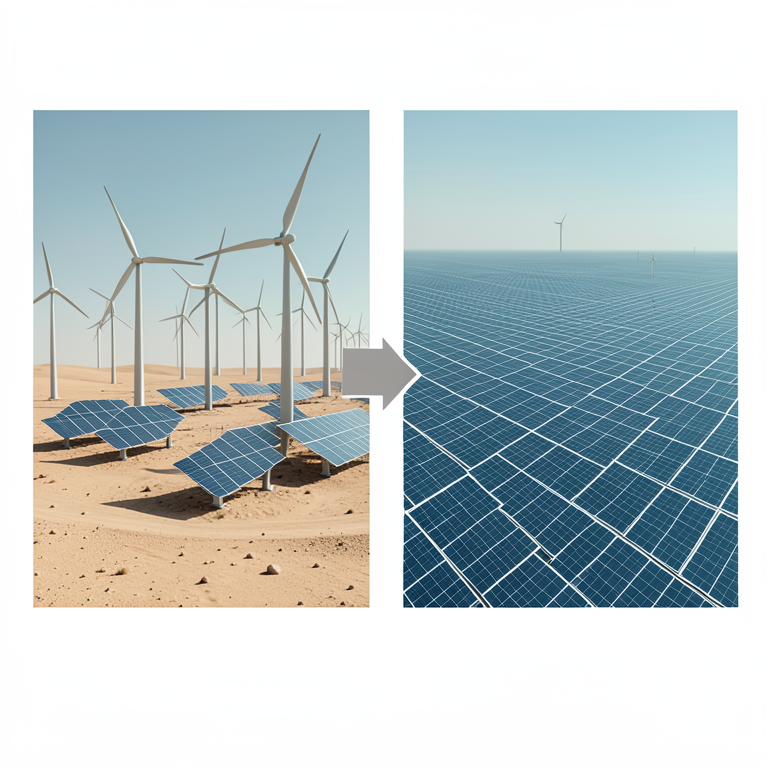
Shift in Renewable Energy Mix
AI-generated conceptual illustration (Solar panels and wind turbines in the Rajasthan desert landscape). It explains the idea and does not show study data.
View source evidence ↗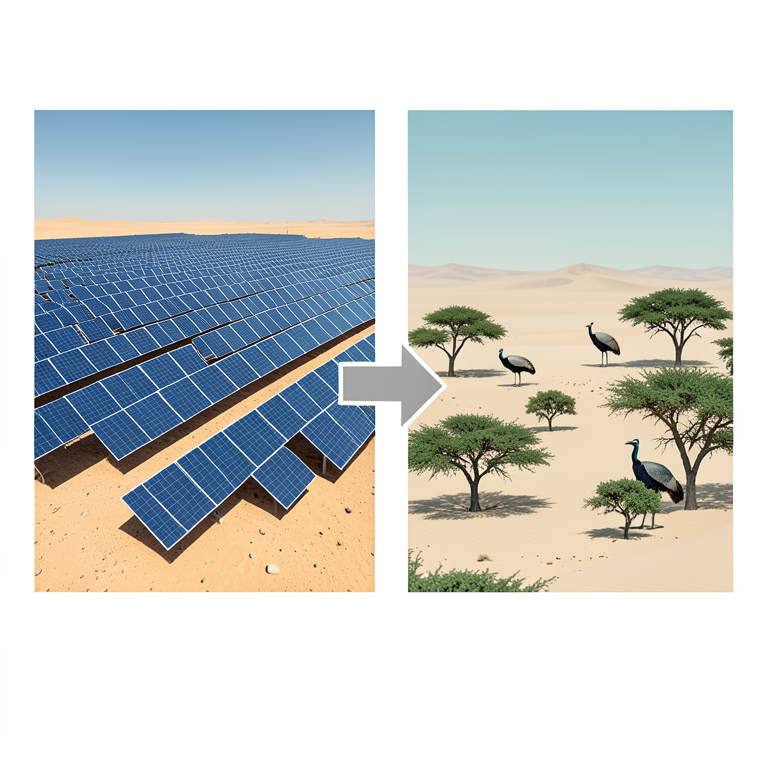
Solar Potential vs Ecological Constraints
AI-generated conceptual illustration (Arid landscape of Rajasthan with Khejri trees and Great Indian Bustards). It explains the idea and does not show study data.
View source evidence ↗Figures & tables
From the original paper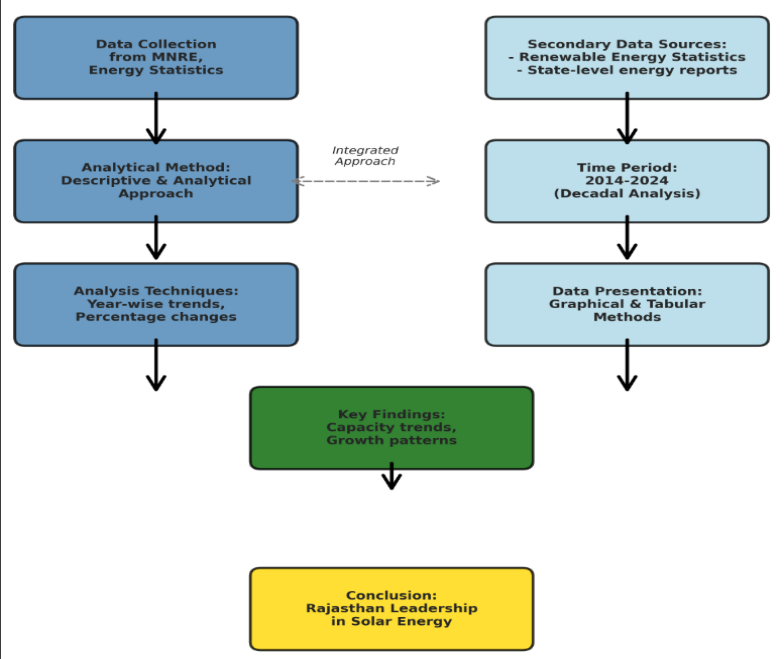 Figure 1
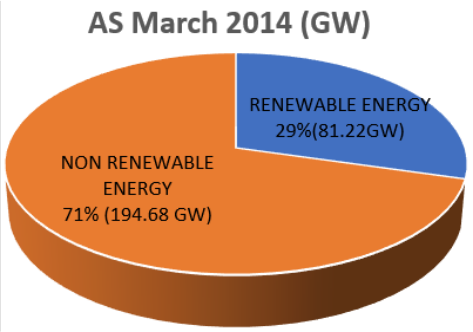 Figure 2
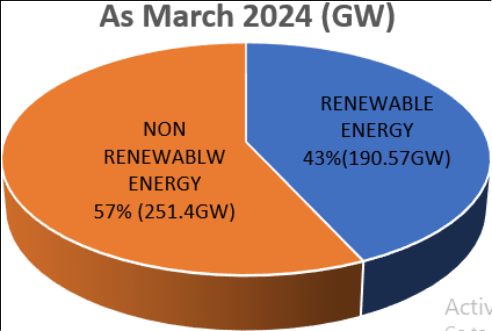 Figure 2
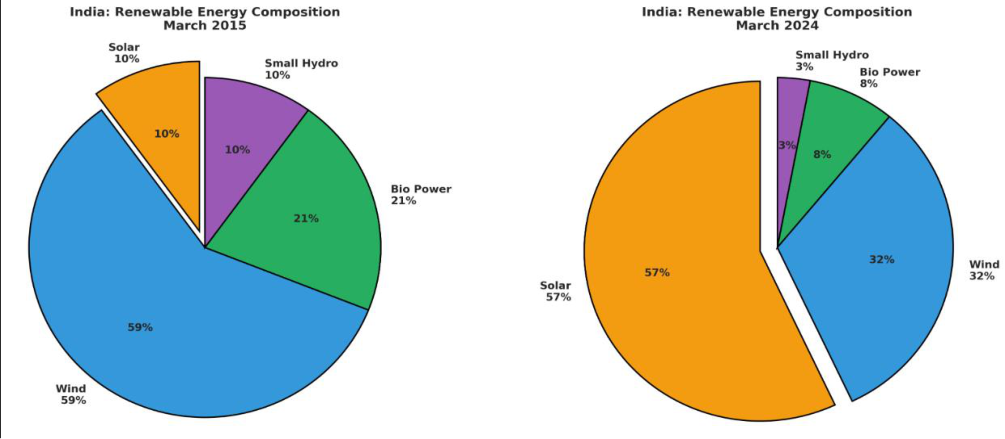 Figure 3
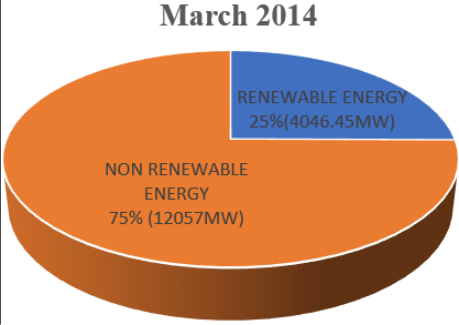 Figure 4
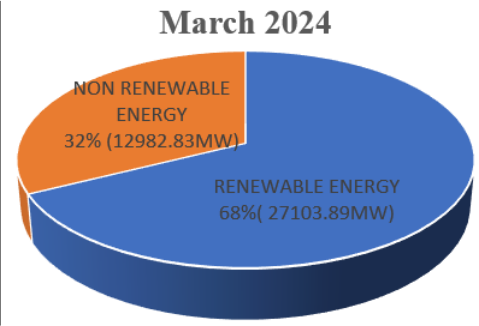 Figure 4
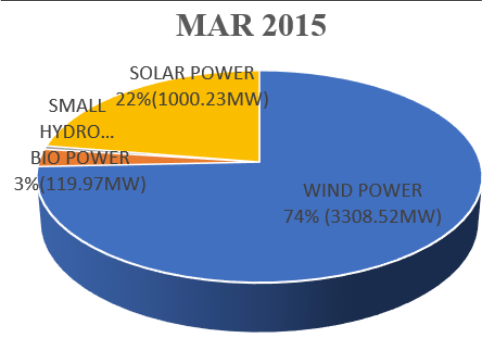 Figure 5
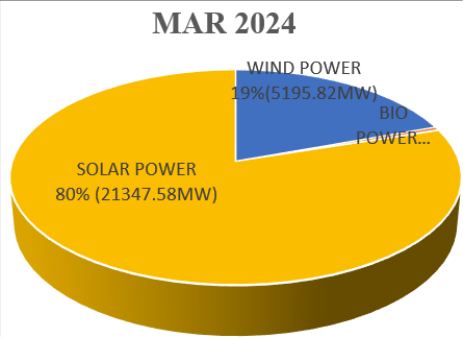 Figure 5
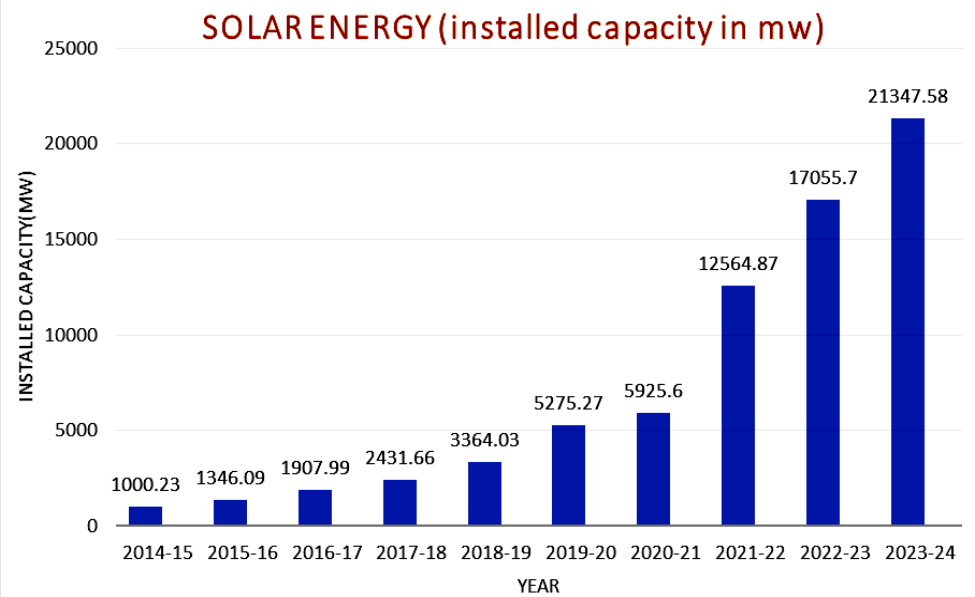 Figure 6
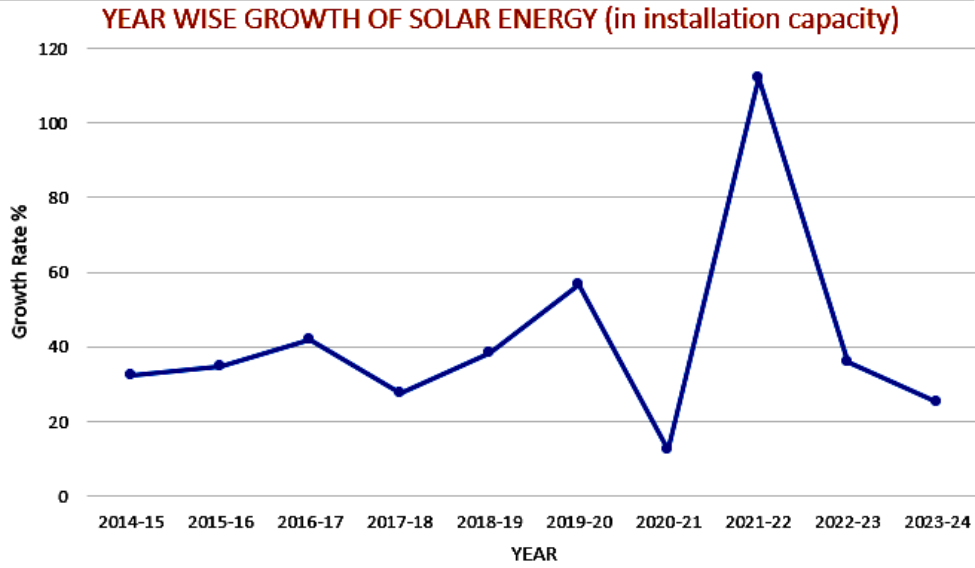 Figure 7
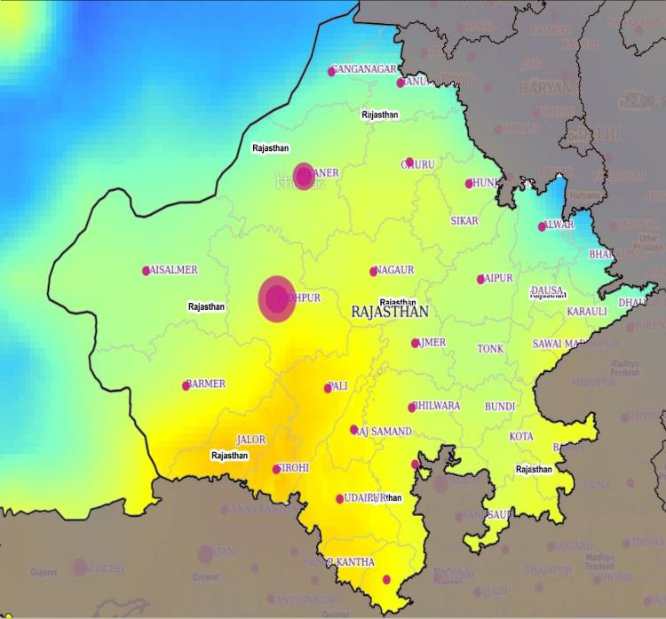 Figure 8
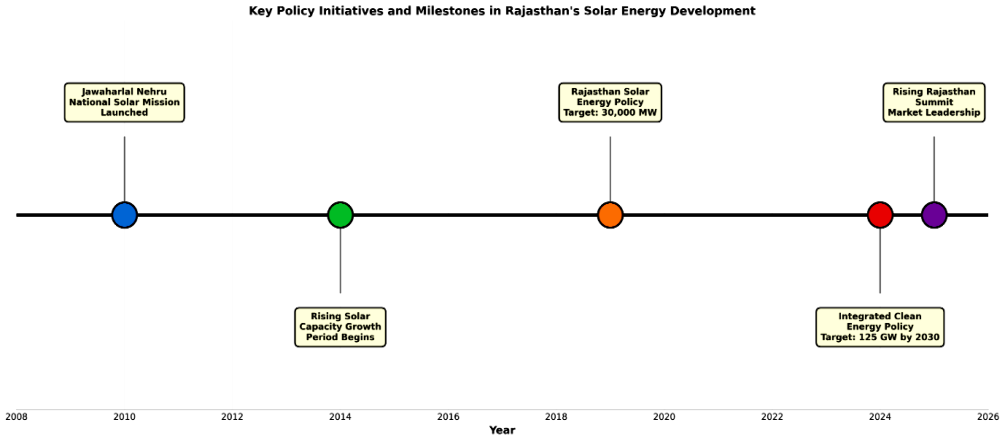 Figure 9
Introduction
Solar energy represents the radiant energy emitted by the Sun, which can be directly converted into electrical energy or heat through various technological means. Solar photovoltaic (PV) technology specifically deals with the conversion of incident sunlight energy into electrical energy through semiconductor devices known as solar cells (Shaikh et al., 2025) [30] . Solar energy can be classified into two primary categories: solar thermal energy, which captures heat directly from the Sun for heating purposes, and solar photovoltaic energy, which converts sunlight directly into electricity (Steinfeld, 2011) [31] . Photovoltaic systems can be further differentiated into different generations of technology, ranging from firstgeneration crystalline silicon cells to advanced third-generation technologies including perovskite and organic solar cells (De et al., 2023) [22] . The development of renewable energy sources, including solar technology, has been driven by increasing energy demands and the necessity to find alternatives to declining fossil fuel reserves (Hepbasli & Zgener, 2004) [25] . Throughout the latter half of the twentieth century, various renewable energy technologies underwent systematic investigation, with solar energy emerging as one of the most promising options due to its abundance and accessibility (Turduev et al., 2025) [32] . The global energy landscape has undergone significant transformation in recent years, with renewable energy sources, particularly solar energy, playing an increasingly prominent role. As of recent reports, solar energy represents the largest contributor to global renewable energy capacity, accounting for 36.67% of the world's total installed renewable energy capacity (Saeed & Siraj, 2024) [29] . The paradigm for global energy systems has fundamentally shifted from non-renewable sources to renewable energy sources (RES) over the past several years, driven by the necessity to reduce carbon emissions and achieve environmental sustainability (Shaikh et al., 2025) [30] . The acceleration in solar energy adoption has been facilitated by technological innovations, declining costs, improved grid integration mechanisms, and supportive policy frameworks implemented by various governments worldwide (Fell et al., 2015) [24] . India occupies a unique and increasingly significant position in the global renewable energy transition, being the secondmost populous nation with a rapidly growing energy demand. The Indian government has established ambitious renewable energy targets as part of its commitment to achieving sustainable development and mitigating climate change impacts (Elavarasan et al., 2020) [23] . The Ministry of New and Renewable Energy (MNRE) in conjunction with NITI Aayog has set comprehensive targets for renewable energy expansion, with a strategic focus on solar energy as a key component of the nation's energy security strategy (Kumar & Majid, 2020) [38] . The Indian solar energy sector has experienced remarkable growth in recent years, with installed capacity increasing substantially over the past decade (Saeed & Siraj, 2024) [29] . Solar energy is anticipated to establish itself as a key energy source in all development scenarios for India, given the country's underlying emission limits and technical parameters (Lawrenz et al., 2018) [28] . The development of policies facilitating solar energy adoption has been crucial in transforming the sector, and these initiatives have contributed to India's emergence as one of the world's leading nations in renewable energy capacity expansion (Kumar & Majid, 2020) [38] . Rajasthan, the largest state of India by area, is blessed with exceptional solar resources that position it as a premier location for solar energy development and utilization. The state experiences high solar insolation levels compared to other Indian states, making it an ideal destination for solar energy projects (Jain et al., 2011) [26] . Rajasthan's geographical characteristics, with extensive arid and semiarid regions receiving abundant and consistent solar radiation throughout the year, provide an exceptional foundation for large-scale solar energy deployment. The development of solar energy in Rajasthan has accelerated notably in recent years, coinciding with increased national emphasis on renewable energy expansion and declining costs of solar technology (Shaikh et al., 2025) [30] . The state government has implemented strategic policies and development schemes designed to promote solar energy adoption in various sectors, ranging from utility-scale solar parks to distributed generation systems This paper presents a decadal analysis (2014-2024) of solar energy development in Rajasthan, focusing on installed capacity trends, growth patterns, the role of solar parks, and the key geographical, infrastructural, and policy factors driving this rapid expansion.
Data Sources and Methodology
The present study is based on secondary data collected from authentic and official sources. Data related to installed capacity, year-wise growth of solar energy, and renewable energy composition was obtained from the Ministry of New and Renewable Energy (MNRE) Renewable Energy Statistics 2023-24, Energy Statistics India, state-level energy reports of Rajasthan, Renewable Energy Rising Rajasthan 2024. Additional information regarding solar parks, policy initiatives, and infrastructure development was sourced from government publications, policy documents, and reliable institutional reports. The study adopts a descriptive and analytical research approach to examine the status and growth of solar energy in Rajasthan over a ten-year period from 2014 to 2024. Year-wise installed solar capacity data were analysed to identify growth trends, percentage changes, and structural shifts in the state's renewable energy mix. Graphical and tabular methods were used to present and interpret the data effectively. India has experienced a profound transformation in its energy sector composition during the decade from 2014 to 2024. The share of renewable energy in the national installed capacity increased dramatically from 29 percent (81.22 GW) in March 2014 to 43 percent (190.57 GW) by March 2024 [1] . This remarkable expansion reflects an approximate 135 percent growth rate in renewable energy capacity over the ten-year period, demonstrating India's accelerating transition toward a cleaner and more sustainable energy system. Concurrently, non-renewable sources experienced a proportional decline from 71 percent to 57 percent of total installed capacity, although they remain a significant component of the national power infrastructure. Within India's renewable energy portfolio, a fundamental compositional shift has occurred, driven largely by solar power expansion. In March 2015, wind energy dominated the renewable sector with 59 percent (23.44 GW) of renewable capacity, while solar energy contributed only 10 percent (3.99 GW). However, by March 2024, this relationship reversed dramatically, with solar energy expanding to 57 percent (81.81 GW) of renewable capacity, while wind power declined to 32 percent (45.89 GW) [1] . This transformation underscores the success of policy initiatives, technological advancement, and cost reductions in solar photovoltaic systems. According to the National Institute of Solar Energy, India's total solar potential is estimated at 748 GW, indicating substantial opportunities for continued expansion This transformation reflects strong policy support, declining solar technology costs, and India's commitment to achieving 500 GW of non-fossil fuel capacity by 2030. According to the National Institute of Solar Energy, India's total solar potential is estimated at 748GW, indicating substantial scope for future expansion [4] . Rajasthan has undergone a significantly more pronounced energy sector transformation than the national average, establishing itself as a cornerstone of India's renewable energy revolution. In March 2014, renewable energy represented only 25 percent (4,046 MW) of Rajasthan's total installed capacity, with non-renewable sources dominating at 75 percent [3] . Over the subsequent decade, renewable energy experienced exceptional growth, reaching 68 percent (27,104 MW) by March 2024, while non-renewable energy declined to 32 percent. This 43-percentage-point increase in renewable energy share represents a dramatic transformation that surpasses India's national average transition, highlighting Rajasthan's strategic role in the country's energy transition. The compositional evolution of Rajasthan's renewable energy sector reveals an even more striking pattern than national trends. Between March 2015 and March 2024, solar energy's contribution to the state's renewable capacity surged from 22 percent (1,000 MW) to 80 percent (21,348 MW), while wind power declined from 74 percent to 19 percent. This pronounced shift toward solar dominance identifies solar energy as the primary driver of renewable capacity growth in Rajasthan. According to Energy Statistics India (2025), Rajasthan possesses the highest estimated renewable energy potential in India at 428,322 MW, representing nearly 20% of the national total [2] . The state ranks second in installed renewable energy capacity and holds a leading position in solar power generation. Large-scale solar parks have played a crucial role in Rajasthan's solar energy expansion. As of December 2023, a total of 51 solar parks with a combined capacity of 37,740 MW had been sanctioned across India [4] . Rajasthan accounts for a significant share of this development, with 9 solar parks sanctioned with a total capacity of 8,276 MW, of which 3,065 MW has already been commissioned [4] . The Badla Solar Park (2,245 MW), spread over 5,700 hectares, is among the largest solar parks in the world and symbolizes Rajasthan's leadership in utility-scale solar power. At the Rising Rajasthan Summit 2025, Rajasthan was highlighted as the leading solar power state in India, with installed capacity exceeding 22,860 MW, further reinforcing its dominant position [6] .
Composition of Renewable Energy Source
Composition of Renewable Energy Source
Energy Status in
Energy Status in
Composition of Renewable Energy Sources
Composition of Renewable Energy Sources
Growth Pattern of Solar Energy in Rajasthan
Growth Pattern of Solar Energy in Rajasthan
Factors Driving Solar Energy Development in Rajasthan 6.1 Solar Potential and Climate:
Rajasthan has the highest assessed solar energy potential in India at 142,310 MW, accounting for nearly 19 % of the national potential [4] . The state receives high solar radiation ranging from 6 to 7 kWh/m²/day and enjoys around 325 sunny days per year. Districts such as Jodhpur (5.89 kWh/m²), Barmer (5.88 kWh/m²), and Jalore (5.81 kWh/m²) record some of the highest solar irradiation levels in the country.
Source: Vedas, SAC, Energy map of India
Availability of Land Resources
Rajasthan possesses vast tracts of barren and wasteland, particularly in the Thar Desert region. According to the Wasteland Atlas of India, the state has approximately 93,687 km² of wasteland, one of the highest in India. Districts such as Jaisalmer (26,244 km²) and Bikaner (10,667 km²) account for a major share of this land, making them ideal locations for large-scale solar parks [10] .
Strategic Location and Infrastructure
Rajasthan's strategic location provides access to nearly 40 % of India's market and serves as a critical transport corridor between northern India and western ports. The state has the third-largest national highway network and the fifthlargest rail network in India. Over 58 % of Rajasthan falls within the Delhi-Mumbai Industrial Corridor, enhancing its industrial and logistical importance.
Raw Material Availability
Rajasthan supports the solar energy value chain through its mineral resources. The state is a leading producer of silver, a key component in photovoltaic cells. It also produces industrial minerals such as feldspar and ball clay, which are essential for manufacturing tempered glass used in solar panels [6] . This mineral base strengthens Rajasthan's position in supporting solar manufacturing activities.
Industrial and Human Infrastructure
Rajasthan has developed strong industrial infrastructure, including over 415 industrial parks and renewable energy clusters in Jaisalmer, Barmer, Bikaner, and Phalodi-Pokhran [6] . The state also benefits from a strong academic base, with premier institutions such as IIT Jodhpur, MNIT Jaipur, BITS Pilani, and other technical institutions supporting research and skilled manpower development for the renewable energy sector.
Government Policies and Institutional Support
The accelerated development of solar energy in Rajasthan reflects comprehensive policy frameworks implemented at both national and state levels, creating a supportive regulatory environment for large-scale investment and project implementation. The Rajasthan Solar Energy Policy 2019 established an ambitious target to add 30,000 MW of solar capacity and provided substantial incentives including government land allotment, banking facilities, and exemptions from electricity duty. This policy framework significantly reduced financial and regulatory barriers to solar energy development, attracting substantial private sector investment and facilitating rapid project execution. The Integrated Clean Energy Policy 2024 further strengthened this framework by establishing a comprehensive target of 125 GW of renewable energy capacity by 2030, representing a significant escalation from previous targets [5] . Complementing these policy initiatives, the Rajasthan Investment Promotion Scheme 2024 provides financial incentives and infrastructure support specifically designed to attract and facilitate renewable energy projects. These multilayered policy frameworks address key investment barriers including capital costs, grid connection procedures, and land acquisition challenges, thereby accelerating project implementation timelines. National-level initiatives have played equally crucial roles in Rajasthan's solar energy acceleration. The Jawaharlal Nehru National Solar Mission established a strategic framework for solar energy deployment across India and specifically catalyzed large-scale solar development in western Rajasthan. This mission, combined with declining solar module costs and improved financing mechanisms, created a convergence of favourable factors that enabled exponential growth in installed solar capacity. The supportive regulatory environment and policy stability have attracted major multinational solar manufacturers and independent power producers to establish operations in Rajasthan, further accelerating sectoral development.
Challenges and Barriers to Sustainable Growth 7.1 Grid Integration and Intermittency Management
The rapid expansion of solar energy capacity in Rajasthan has created significant challenges for grid integration and stability management. The intermittent nature of solar energy generation, characterized by variability due to cloud cover, weather patterns, and daily cycles, creates operational challenges for grid operators. The intermittency of solar generation creates significant technical challenges for maintaining grid stability and reliability (Nkinyam et al., 2025) [33] . Solar power generation varies throughout the day and is influenced by atmospheric conditions, requiring sophisticated forecasting systems and grid management strategies. The variability of renewable energy stands as a significant barrier to broader adoption, especially at elevated grid penetration levels, introducing challenges related to reserve costs, dispatchable generation, and overall grid reliability (B et al., 2024). Grid stability issues include voltage fluctuations, frequency instability, and reduced system inertia resulting from the displacement of synchronous generators by inverter-based renewable energy systems. These technical challenges require sophisticated control systems, advanced forecasting techniques, and flexible reserve capacity. Rajasthan's grid infrastructure has required substantial upgrades to accommodate the rapid growth of solar generation, with ongoing investments needed to ensure continued stability (Shafiullah et al). Advanced smart grid technologies and real-time monitoring solutions are crucial for optimizing solar integration, but their implementation requires substantial infrastructure upgrades (Avwioroko et al). The existing grid infrastructure in many parts of Rajasthan was designed for centralized fossil fuel-based generation and needs modernization to accommodate distributed solar generation.
Energy Storage and Grid Flexibility
The lack of adequate energy storage capacity remains one of the most significant challenges for integrating large volumes of variable renewable energy into Rajasthan's grid. Energy storage systems can store excess solar generation during peak production periods and discharge this energy during periods of low generation or high demand, improving grid stability and reducing the need for conventional backup generation. However, the capital costs of modern battery storage systems, while declining, remain substantial, adding significant costs to solar projects with storage capability (Ergun et al). Different energy storage technologies offer varying capabilities and cost profiles. Lithium-ion battery systems, while increasingly cost-competitive for short-duration storage (2-4 hours), become prohibitively expensive for longer-duration storage (8-12 hours or more). Pumped hydroelectric storage and other long-duration storage technologies have limited applicability in Rajasthan due to geographical constraints. Battery Energy Storage Systems (BESS) play a crucial role in providing grid services such as frequency regulation and load balancing (Akinsooto et al., 2024) [36] .
Policy Implementation and Regulatory Challenges
Despite comprehensive policy frameworks, implementation challenges have often hindered the effectiveness of renewable energy policies in Rajasthan. Policy changes, regulatory inconsistencies, and delays in approval processes have created uncertainty that has sometimes dampened investment enthusiasm. The coordination between different government agencies responsible for various aspects of renewable energy development has sometimes been inadequate, leading to delays and inefficiencies (Shrivastava & Khan, 2025) [17] . The renewable energy sector faces challenges related to inconsistent policy frameworks and grid limitations that continue to pose barriers (Huong, 2025) [37] . Net metering policies for rooftop solar installations, while nominally supportive of distributed generation, have often been implemented in ways that discourage adoption. Bureaucratic complications, delayed compensation for excess generation exported to the grid, and disputes over metering and billing have created friction in the consumer experience. The disconnect between stated policy intentions and actual implementation has been a recurrent challenge (Supriya). Effective policy implementation requires standardization of grid interconnection protocols, establishment of performance metrics for grid support services, and fostering collaboration between diverse stakeholders. Additionally, government support and favourable policies have been instrumental in renewable energy growth, but these need to be more consistently applied and adapted to local conditions (J & Majid, 2020) [38] .
Financing Constraints and Capital Availability
Financial constraints remain one of the most critical barriers to scaling solar energy in Rajasthan. While solar energy offers environmental benefits and reduced operating costs, high upfront infrastructure costs and capital requirements hinder widespread deployment (Nkinyam et al., 2025) [33] . Developing nations face significant financial barriers to renewable energy adoption, with limited access to affordable financing mechanisms (Saraswat et al., 2024) [40] . The economics of renewable energy co-deployment with energy storage remains challenging, particularly under current market mechanisms (Zhang et al., 2023) [35] . Financing solutions must include innovative models such as public-private partnerships, green bonds, and government subsidies to make solar projects economically viable for both large-scale installations and distributed generation. Government support through favourable policies and financial incentives has been crucial for pushing renewable energy development, but more targeted and adequate financing mechanisms are needed (Tiwari et al., 2024) [34] . Despite improvements in project economics, financing remains a significant constraint for expanded solar deployment. The relatively high cost of capital in India, driven by macroeconomic conditions and inflation concerns, increases the cost of financing solar projects. Additionally, currency risks associated with foreign currency borrowing create uncertainties for project developers. The financing gaps for smaller projects and distributed installations are particularly acute. Rooftop solar installations for residential and small commercial customers require different financing approaches than utility-scale projects, and the availability of appropriate financing products remains limited.
Conclusion
The decadal growth of solar energy in Rajasthan from 2014 to 2024 represents a remarkable transformation of the state's energy landscape, with installed solar capacity expanding from approximately 1000 MW to 21347 MW. This growth has been driven by favourable natural resources, supportive policy frameworks, technological improvements, cost reductions, and increasing private sector participation. Rajasthan's contribution to India's renewable energy expansion has been substantial and has positioned the state as one of the leading solar energy states in the country (Rasheed et al., 2025) [16] . However, achieving India's ambitious 2030 targets for renewable energy and realizing the full potential of Rajasthan's solar resources requires addressing significant challenges related to grid integration, energy storage, financing, policy implementation, and social acceptance. The path forward demands sustained policy commitment, substantial investments in infrastructure and technology, innovation in financing mechanisms, and genuine stakeholder engagement. Success in these areas will enable Rajasthan to contribute substantially to India's energy security, economic development, and climate change mitigation goals while creating sustainable employment opportunities and improving quality of life for the state's residents (Shrivastava & Khan, 2025) [17] , (Roy, 2025) [18] . The transition to a solar-powered energy system is technically feasible and economically attractive, but requires coordinated action across government, private sector, civil society, and communities. By addressing the identified barriers and implementing the recommended strategies, Rajasthan can establish itself as a global leader in renewable energy development and demonstrate a successful pathway toward a sustainable, low-carbon energy future (Supriya).
Figures and tables from the paper
References
40 in the original paper- Ministry of New and Renewable Energy. Renewable energy statistics 2023-24. Government of India; 2024.
- Ministry of Statistics and Programme Implementation. Energy statistics India 2025. Government of India; 2025.
- Government of Rajasthan. Economic review 2024-25. Directorate of Economics and Statistics; 2025.
- Press Information Bureau. Press release on renewable energy development. Ministry of New and Renewable Energy, Government of India; 2024 Feb 7.
- Press Information Bureau. Press release on solar energy initiatives. Ministry of New and Renewable Energy, Government of India; 2024 Dec 9.
- Government of Rajasthan. Renewable energy rising Rajasthan 2024. Government of Rajasthan; 2024.
- Kumar P, Hareshwar J. Advances and hurdles in solar energy in Rajasthan. Int Sci J Eng Manag. 2024;3(5):17.
- Bhukya MN, Kumar M, Kant A, Punit. Renewable energy: potential, status, targets and challenges in Rajasthan. J Phys Conf Ser. 2021;1854:012004.
- Sukhatme SP, Nayak JK. Solar energy in western Rajasthan. Curr Sci. 1997;72(1):62-68.
- Department of Land Resources. Wastelands atlas of India 2005-06. Ministry of Rural Development, Government of India; 2006.
- Ministry of New and Renewable Energy. Jawaharlal Nehru National Solar Mission. Government of India; 2011.
- Jaylalita. Discussion on the development of solar energy in Rajasthan. Int J Sci Dev Res. 2023;8(5):171176.
- Meena RS, Sharma D, Rathore R. The most promising solar hot spots in India: development and policy-The Thar Desert of Rajasthan. Int J Eng Dev Res. 2014;3(1):74-79.
- Yadav P. Role of green energy in sustainable development in Rajasthan. Int J Sci Res. 2022;13(10):1468-1473.
- Rasheed PCA, Suhail P, Roshif UM, Naser VA, Deepak C. Assessing solar energy potential in India: trends, regional insights, and future directions. Int J Sci Technol. 2025. doi:10.71097/ijsat.v16.i4.9452.
- Shrivastava S, Khan H. Renewable energy progress, policy implementation, challenges, and the way forward in Rajasthan, India. Int J Innov Res Anal. 2025. doi:10.62823/ijira/5.2(ii).7717.
- Roy KK. The role of renewable energy in India's sustainable development. Shanlax Int J Econ. 2025. doi:10.34293/economics.v13i3.8625.
- Yadav PK, Umar MM. Unleashing India's solar potential: a review of the national solar mission and the path to sustainable energy in India. J Technol Innov Energy. 2024. doi:10.56556/jtie.v3i2.930.
- Sisodia AK. Growth of solar energy in western Rajasthan. Int J Sci Res Achieve. 2025;14(1):525-531.
- Bishnoi S, Rathore BS, Bhadu S, Kumar R. The role of the power sector in economic development of Rajasthan: a comparative study of 2014-15 to 2024-25. J Adv Future Res. 2025;3(7):20-27.
- De A, Bhattcharjee J, Chowdhury SR, Roy S. A comprehensive review on third-generation photovoltaic technologies. 2023. doi:10.15377/2409-983x.2023.10.1.
- Elavarasan RM, et al. A comprehensive review on renewable energy development, challenges, and policies of leading Indian states with an international perspective. IEEE Access. 2020. doi:10.1109/access.2020.2988011.
- Fell HJ, Breyer C, Metayer M. The projections for the future and quality in the past of the world energy outlook for solar PV and other renewable energy technologies. 2015. doi:10.4229/eupvsec201520157dv.4.61.
- Hepbasli A, Ozgener N. Turkey's renewable energy sources: Part 1. Historical development. Energy Sources. 2004. doi:10.1080/00908310490473183.
- Jain A, Mehta R, Mittal SK. Modeling impact of solar radiation on site selection for solar PV power plants in India. Int J Green Energy. 2011. doi:10.1080/15435075.2011.576293.
- Kumar CRJ, Majid MA. Renewable energy for sustainable development in India: current status, future prospects, challenges, employment, and investment opportunities. Energy Sustain Soc. 2020. doi:10.1186/s13705-019-0232-1.
- Lawrenz L, et al. Exploring energy pathways for the low-carbon transformation in India: a model-based analysis. Energies. 2018. doi:10.3390/en11113001.
- Saeed S, Siraj T. Global renewable energy infrastructure. Solar Energy Sustain Dev J. 2024. doi:10.51646/jsesd.v13i2.243.
- Shaikh SA, Ali A, Ansari JA, Qadir SA, Kumar L. A comprehensive review of solar photovoltaic systems: scope, technologies, applications, progress, challenges, and recommendations. IEEE Access. 2025. doi:10.1109/access.2025.3558539.
- Steinfeld A. Principles of sustainable energy. ASM International; 2011. doi:10.1115/1.4005341.
- Turduev I, Abdiraeva N, Mamatova V, Kyzy AA. Development of wind energy and solar energy. E3S Web Conf. 2025. doi:10.1051/e3sconf/202561401007.
- Nkinyam CM, Aziz A, Clausel TTB. Integrating solar PV into the main grid for sustainable power supply. Int J Res Innov Appl Sci. 2025. doi:10.51584/ijrias.2024.912026.
- Tiwari S, Bashir S, Sarker T, Shahzad U. Sustainable pathways for attaining net zero emissions in selected South Asian countries: role of green energy market and pricing. Humanit Soc Sci Commun. 2024. doi:10.1057/s41599-023-02552-7.
- Zhang J, Du K, Liu J, Wang Y, Zhang W, Yuan J. The economic impact of energy storage co-deployment on renewable energy in China. J Renew Sustain Energy. 2023. doi:10.1063/5.0149718.
- Akinsooto O, Ogundipe OB, Ikemba S. Regulatory policies for enhancing grid stability through the integration of renewable energy and battery energy storage systems. Int J Frontline Res Rev. 2024. doi:10.56355/ijfrr.2024.2.2.0023.
- Huong HTT. Vietnam's renewable energy development: opportunities, challenges, and future prospects. Int J Econ Bus Manag Res. 2025. doi:10.51505/ijebmr.2025.9310.
- Kumar CRJ, Majid MA. Renewable energy for sustainable development in India: current status, future prospects, challenges, employment, and investment opportunities. Energy Sustain Soc. 2020. doi:10.1186/s13705-019-0232-1.
- Ghosh A. Soiling losses: a barrier for India's energy security dependency from photovoltaic power. Challenges. 2020. doi:10.3390/challe11010009.
- Saraswat N, Pandeya M, Pareek RK, Kulhar KS. Solar energy in developing countries: challenges and opportunities for smart cities. E3S Web Conf. 2024. doi:10.1051/e3sconf/202454004003.
- B S, Saxena A, Saritha G, Alawady A, Lall S, Dhabliya D. Solar energy forecasting models for grid integration and power balancing. E3S Web Conf. 2024. doi:10.1051/e3sconf/202454010022.
Social and Environmental Challenges
The rapid expansion of solar energy infrastructure in Rajasthan has raised questions about social acceptance, environmental impacts, and sustainable land use. While solar energy is generally regarded as environmentally benign compared to fossil fuel power generation, the large land areas required for utility-scale solar installations have raised concerns about competition with agricultural land and impacts on local ecosystems. The state's arid and semi-arid regions, which are optimal for solar generation, are also important pastoral and agricultural areas, creating potential land use conflicts. Conservation measures aimed at protecting Khejri (Prosopis cineraria) trees and the critically endangered Great Indian Bustard (Ardeotis nigriceps) have emerged as significant ecological constraints, often leading to restrictions on the establishment of large-scale solar parks in arid regions of Rajasthan The social acceptance of large-scale solar installations has been mixed, with concerns raised by local communities regarding impacts on livelihoods, water resources, and traditional land use patterns. Inadequate stakeholder engagement and limited benefit-sharing mechanisms have sometimes generated opposition to solar projects.
Addressing these social concerns requires enhanced community participation, transparent decision-making processes, and equitable benefit-sharing arrangements that provide tangible benefits to local communities (Shrivastava & Khan, 2025) [17] . Dust and soiling on photovoltaic panels represents a significant environmental challenge, particularly in arid regions like Rajasthan with poor air quality (Ghosh, 2020) [39] . Soiling losses can be a substantial barrier to achieving solar energy targets, with dust accumulation causing power losses exceeding 1% daily and up to 80% monthly reduction in some locations. Developing effective cleaning methods and dust mitigation strategies is essential but adds operational costs.