
Research article · 2026 · Full text
International Journal of Biology SciencesDrug-excipient compatibility studies of curcumin and salicylic acid for dermatological formulations
Volume 8(1) · Pages 124–131 · DOI: 10.33545/26649926.2026.v8.i1b.558 ↗
Research areasAdvancements in Transdermal Drug DeliveryCurcumin's Biomedical ApplicationsDrug Solubulity and Delivery Systems
Abstract
Author-writtenThe present study was designed to evaluate the drug-excipient compatibility of curcumin and salicylic acid intended for use in dermatological formulations using Fourier Transform Infrared (FTIR) spectroscopy. Compatibility assessment during the preformulation stage is a critical step in formulation development, as it ensures chemical stability of the active pharmaceutical ingredients, preserves therapeutic efficacy, and minimizes the risk of formulation failure due to undesirable interactions. Curcumin and salicylic acid were subjected to individual characterization and compatibility evaluation in the presence of selected dermatological excipients. Physical mixtures of each drug with individual excipients were prepared in a 1:1 (w/w) ratio and analyzed using FTIR spectroscopy. Spectral scans were recorded over the range of 4000-400 cm⁻¹, and the obtained spectra of the physical mixtures were systematically compared with those of the pure drugs. The analysis focused on identifying any significant changes in characteristic functional group peaks, such as peak shifting, disappearance, or formation of new absorption bands, which could indicate potential chemical interactions. The FTIR spectra of pure curcumin and salicylic acid displayed all characteristic absorption bands corresponding to their respective functional groups, confirming their chemical identity and purity. The FTIR spectra of the drug-excipient physical mixtures demonstrated retention of the major characteristic peaks of both drugs without significant shifts, loss of functional group signals, or emergence of new peaks. Minor variations in peak intensity were attributed to physical mixing rather than chemical interaction. The FTIR compatibility studies confirmed that curcumin and salicylic acid do not undergo chemical interaction with the selected excipients. These findings support the suitability of the excipients for the development of stable, safe, and effective dermatological formulations containing curcumin and salicylic acid.
Summary
Source-checkedPlain-language reading of the full paper, prepared with AI and checked against the text. Each point links to the authors' own words.
Why it matters
- Assessing drug-excipient compatibility during preformulation is essential to ensure the chemical stability and therapeutic efficacy of active pharmaceutical ingredients while preventing formulation failure. View evidence ↗
- Curcumin, derived from turmeric, is valued in dermatology for its antioxidant, anti-inflammatory, antimicrobial, and wound-healing properties. View evidence ↗
- Salicylic acid is commonly used to treat acne and hyperkeratotic disorders due to its exfoliant, keratolytic, and anti-inflammatory effects. View evidence ↗
The question
- The study aimed to use FTIR spectroscopy to evaluate whether curcumin and salicylic acid are compatible with selected excipients for use in dermatological products. View evidence ↗
What they did
- Physical mixtures were created by combining each drug with individual excipients in a 1:1 (w/w) ratio. View evidence ↗
- The mixtures were blended using a mortar and pestle, with care taken to avoid excessive mechanical stress that might change the drugs' properties. View evidence ↗
- A calibrated FTIR spectrophotometer was used to analyze the samples across a spectral range of 4000-400 cm⁻¹. View evidence ↗
- Compatibility was determined by comparing the spectra of pure drugs against the spectra of their physical mixtures to look for new peaks, disappearing bands, or peak shifts. View evidence ↗
What they found
- FTIR analysis of the pure curcumin and salicylic acid samples confirmed their purity and chemical identity through the presence of all characteristic absorption bands. View evidence ↗
- The physical mixtures of both curcumin and salicylic acid with excipients retained all major characteristic peaks, indicating no significant alterations to the drugs. View evidence ↗
- No new absorption bands, disappearance of signals, or marked shifts in peak positions were found in the drug-excipient mixtures. View evidence ↗
- Observed minor variations in band broadening and peak intensity were attributed to physical interactions, such as overlapping peaks or dilution, rather than chemical bonding. View evidence ↗
- The lack of significant spectral changes confirms that both curcumin and salicylic acid are chemically compatible with the selected dermatological excipients. View evidence ↗
What it means
- The authors conclude that the results support the development of stable and effective dermatological formulations using these drugs and excipients. View evidence ↗
- The authors suggest that these findings can guide future optimization and that further in vitro and in vivo studies are needed to establish clinical relevance. View evidence ↗
Figures & tables
From the original paper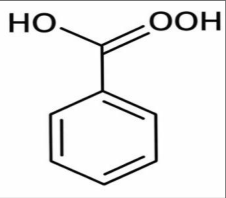 Figure 2
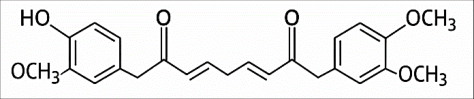 Figure 1
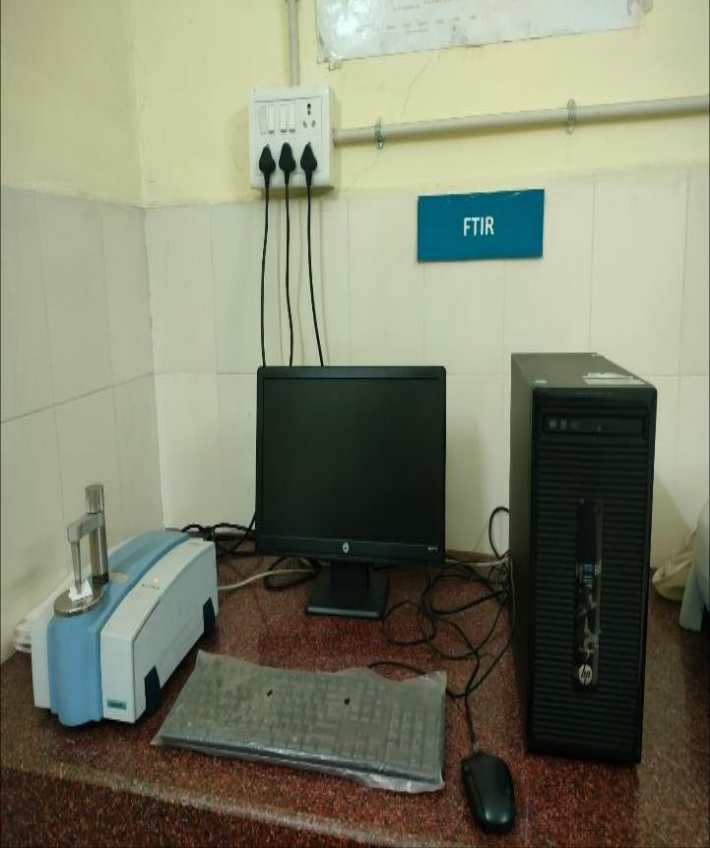 Figure 3
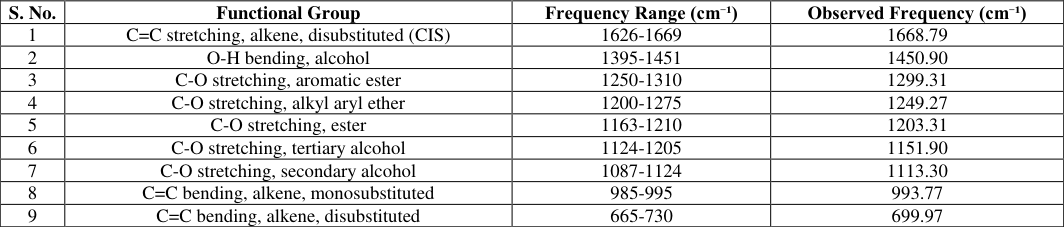 Table 1
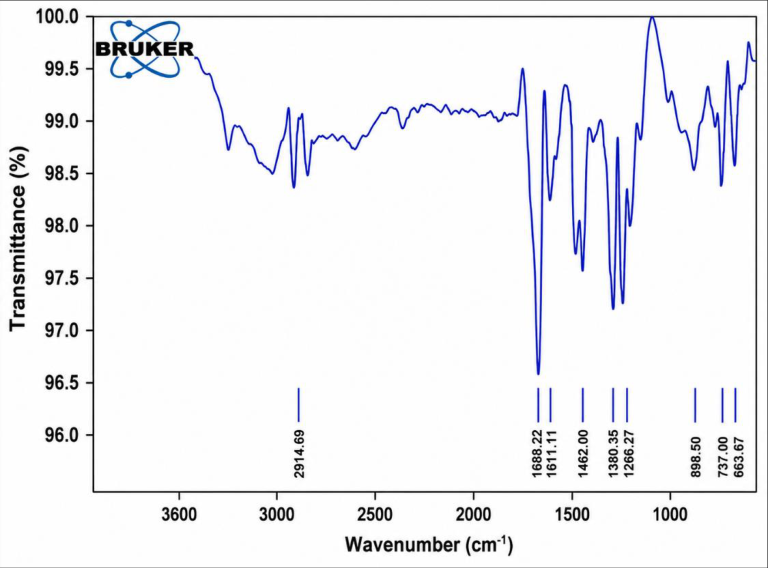 Figure 4
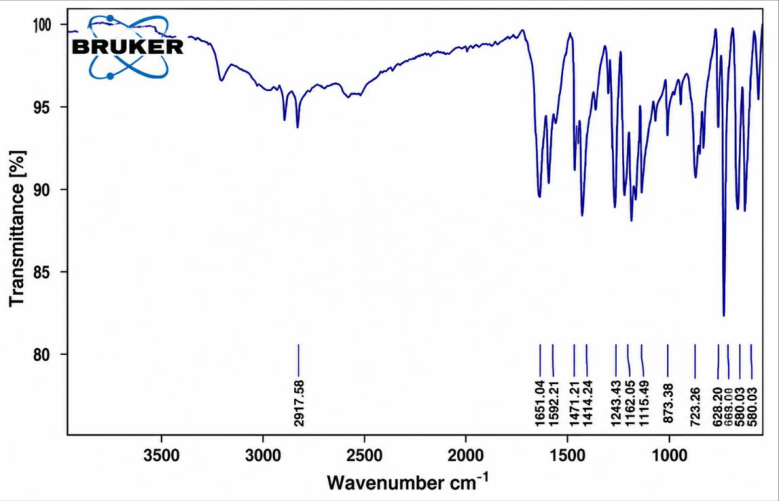 Figure 5
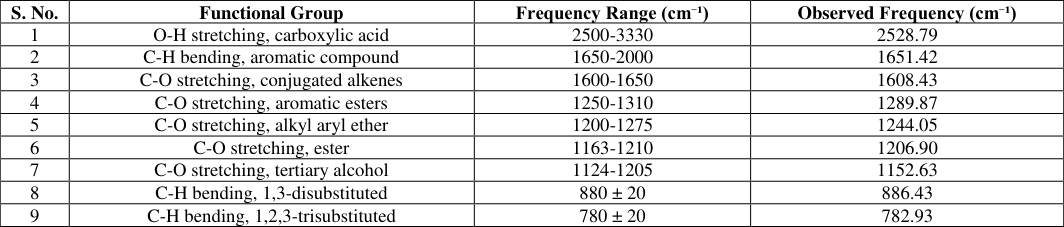 Table 2
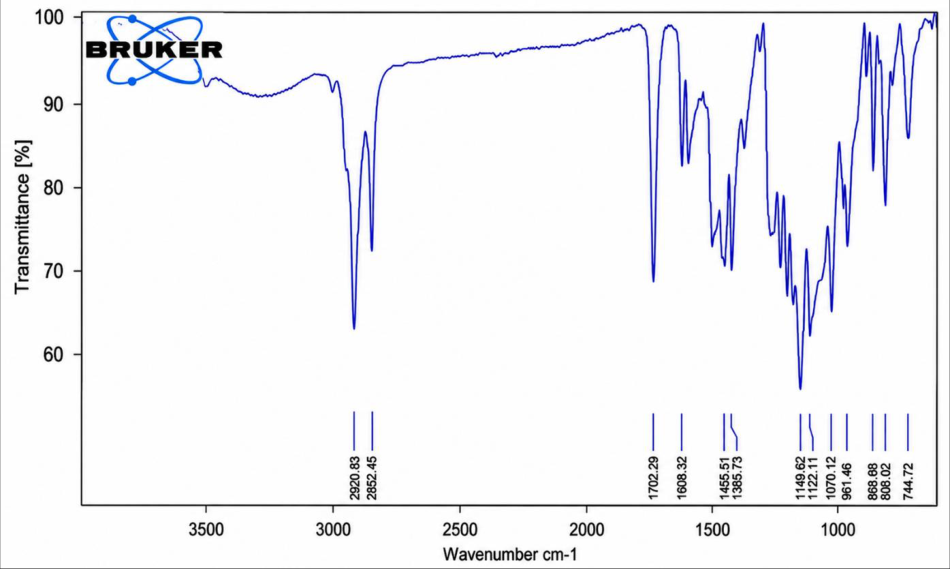 Figure 6
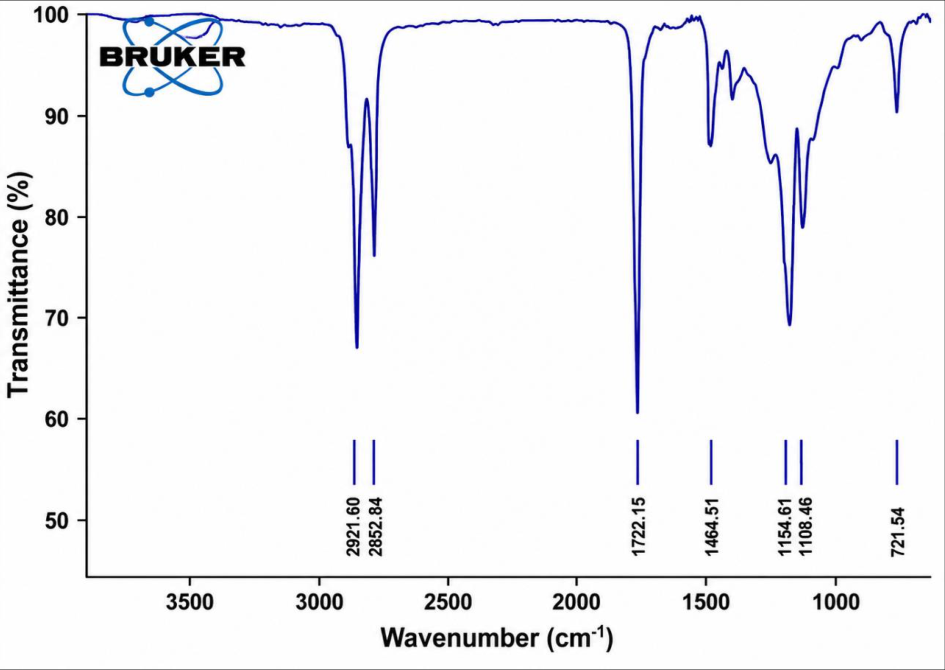 Figure 7
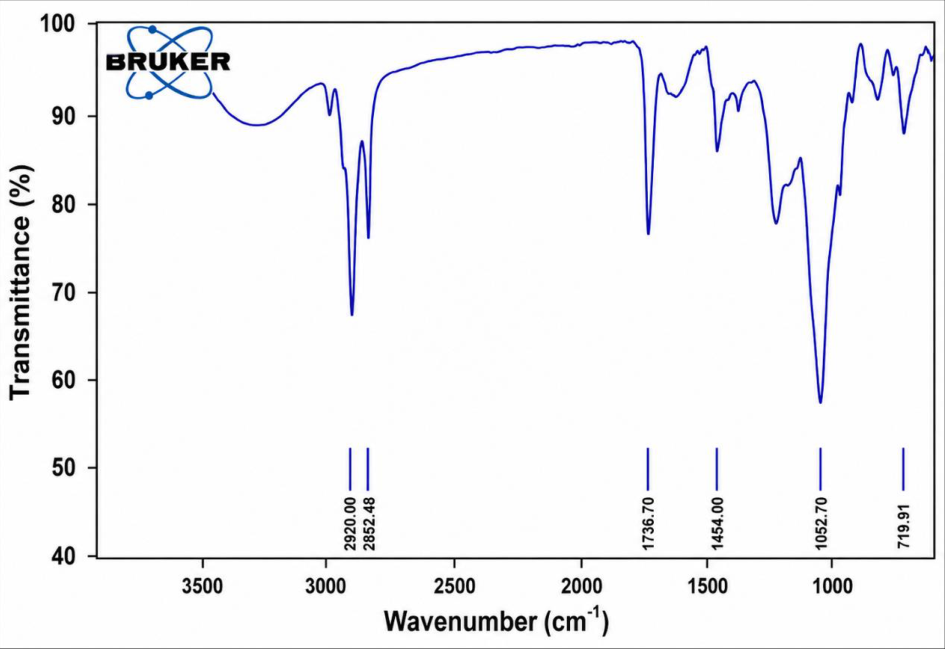 Figure 8
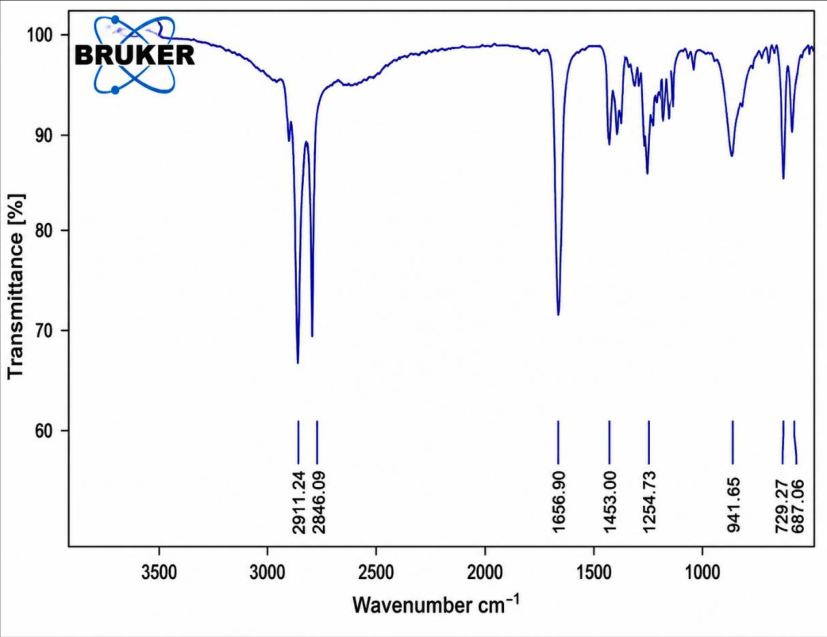 Figure 9
Introduction
Preformulation studies play a crucial role in the successful development of pharmaceutical dosage forms, particularly in dermatological formulations where drug stability and skin compatibility are critical. One of the most important preformulation parameters is drugexcipient compatibility, as interactions between active pharmaceutical ingredients (APIs) and excipients may lead to instability, reduced efficacy, or adverse effects [1] . Topical drug delivery systems have emerged as pivotal strategies in dermatological therapy, aiming to localize drug action at the skin while minimizing systemic exposure. The skin, as the largest organ of the human body, serves not only as a protective barrier but also as a complex target for therapeutic intervention [2] . Its multi-layered architecturenotably the stratum corneum, viable epidermis, and dermisimposes physicochemical and biological constraints that influence drug permeation and retention. Effective topical formulations must therefore balance therapeutic potency with safety, stability, and patient acceptability. This necessitates a comprehensive understanding of the interactions between the active pharmaceutical ingredients (APIs) and excipients within a formulation matrix, as well as their collective impact on skin permeation, bioavailability, and overall efficacy [3] . Two phytochemicals that have garnered significant interest in dermatological research are curcumin and salicylic acid. Curcumin, the principal curcuminoid of Curcuma longa (turmeric), exhibits a broad spectrum of biological activities including antioxidant, antiinflammatory, antimicrobial, and wound-healing properties [4] . Salicylic acid, a monohydroxybenzoic acid derivative, is widely recognized for its keratolytic, exfoliant, and antiinflammatory effects, particularly in the treatment of acne and hyperkeratotic disorders. While both compounds have demonstrated therapeutic potential, their successful translation into topical products hinges on overcoming formulation challenges related to solubility, stability, skin permeation, and compatibility with excipients.
1.1 Curcumin and Salicylic Acid: Therapeutic Rationale for Dermatological Disorder 1.1.1 Curcumin Curcumin's multifaceted pharmacological profile makes it a compelling candidate for the management of various dermatological conditions including psoriasis, atopic dermatitis, photoaging, and wounds [5] . Its antioxidant activity stems from the presence of phenolic groups that quench reactive oxygen species (ROS), while its antiinflammatory effects are mediated through modulation of key signaling pathways such as NF-κB, cyclooxygenase (COX), and lipoxygenase (LOX). Despite these advantages, curcumin's clinical utilization is constrained by poor aqueous solubility, rapid degradation in physiological environments, and limited skin penetration. These hurdles necessitate formulation strategies that enhance curcumin's stability and bioavailability at the site of action, such as nanoencapsulation, lipid-based carriers, and prodrug approaches [6] .
Salicylic Acid
Salicylic acid is a beta-hydroxy acid widely used in topical dermatology for its keratolytic and comedolytic properties, which facilitate desquamation of hyperkeratinized epithelial cells and clearance of follicular plugs. Its ability to disrupt intercellular cohesion in the stratum corneum renders it effective in treating acne vulgaris, seborrheic dermatitis, and photodamaged skin. Moreover, salicylic acid exhibits mild anti-inflammatory activity by inhibiting prostaglandin synthesis. However, high concentrations or inappropriate formulation can lead to skin irritation and systemic absorption, necessitating careful optimization of excipients and dosage forms to achieve therapeutic benefits with minimal adverse effects (7). Curcumin, a natural polyphenolic compound obtained from Curcuma longa, possesses anti-inflammatory, antioxidant, and wound-healing properties, making it a promising candidate for topical applications [8] . However, curcumin is chemically sensitive and prone to degradation, necessitating careful selection of excipients. Salicylic acid is a widely used keratolytic and anti-inflammatory agent in dermatological therapy, commonly employed in the treatment of acne, psoriasis, and other skin disorders while in less concentration for atopic dermatitis [9] . When combining multiple active agents or incorporating them into complex formulations, such as topical gels or lipid-based carriers, compatibility studies become essential. Fourier Transform Infrared (FTIR) spectroscopy is a rapid and reliable analytical technique frequently employed to detect possible chemical interactions through changes in functional group vibrations [10] . The present study focuses on evaluating the compatibility of curcumin and salicylic acid with commonly used dermatological excipients using FTIR spectroscopy to support their safe and effective formulation development.
Materials and Methods 2.1 Materials
Curcumin was obtained as a gift sample from reputed pharmaceutical company and salicylic acid was obtained from loba chemicals. The excipients commonly used in dermatological formulations (such as lipids and surfactans) were of pharmaceutical grade obtained from loba chemicals, persona amway and yarrow chem respectively.
Preparation of Drug-Excipient Physical Mixtures
Physical mixtures of curcumin and salicylic acid with individual excipients were prepared to evaluate drugexcipient compatibility. Each drug was accurately weighed and mixed with the respective excipient in a 1:1 (w/w) ratio. The components were gently triturated using a clean, dry mortar and pestle to achieve uniform blending while avoiding excessive mechanical stress that could potentially alter the physicochemical properties of the drugs. Care was taken to ensure homogeneity of the mixtures, as uniform distribution is critical for reliable analytical evaluation. Following trituration, the prepared physical mixtures were transferred to airtight, light-resistant containers to minimize exposure to moisture, oxygen, and light, which could otherwise influence the stability of the drugs. The samples were stored under controlled laboratory conditions until further analysis. These physical mixtures were subsequently subjected to FTIR spectroscopy to assess potential chemical interactions between the drugs and excipients, providing insight into their compatibility and suitability for incorporation into topical dermatological formulations.
FTIR Spectroscopic Analysis
FTIR spectra of pure curcumin, pure salicylic acid, individual excipients, and their respective drug-excipient physical mixtures were recorded to evaluate potential chemical interactions and compatibility among formulation components. The analysis was performed using a calibrated Fourier transform infrared (FTIR) spectrophotometer under controlled experimental conditions. Prior to scanning, each sample was prepared appropriately to ensure reproducibility and accurate spectral acquisition. The samples were analyzed over a spectral range of 4000-400 cm⁻¹, which encompasses the characteristic vibrational frequencies of key functional groups commonly present in pharmaceutical compounds. Spectra were recorded at suitable resolution to allow clear identification of absorption bands and minimize background noise. The obtained FTIR spectra were carefully examined for the presence, position, and intensity of characteristic absorption peaks corresponding to functional groups of curcumin and salicylic acid, including hydroxyl, carbonyl, aromatic, and ether functionalities. Comparative analysis was carried out between the spectra of pure drugs and their corresponding physical mixtures with excipients to detect any significant peak shifts, disappearance of characteristic bands, or emergence of new peaks that could suggest chemical interactions or incompatibility. Any minor changes observed in peak intensity or band broadening were interpreted in the context of physical mixing or overlapping of excipient peaks rather than chemical modification. This systematic spectral comparison provided qualitative evidence of drug-excipient compatibility and supported the selection of suitable excipients for the development of stable and effective topical formulations containing curcumin and salicylic acid.
Results and Discussion
Results and Discussion
FTIR Analysis of Curcumin
The FTIR spectrum of pure curcumin exhibited well-defined characteristic absorption bands corresponding to its functional groups, confirming its chemical identity and structural integrity. A broad absorption band observed in the higher wavenumber region was attributed to phenolic O-H stretching vibrations, indicating the presence of hydroxyl groups involved in intra-and intermolecular hydrogen bonding. Prominent absorption peaks in the mid-infrared region corresponded to aromatic C=C stretching vibrations, reflecting the conjugated aromatic structure of curcumin. Additionally, distinct bands associated with C-O stretching vibrations were observed, arising from the phenolic and enolic functionalities present in the molecule. The presence and positions of these characteristic peaks were in close agreement with values reported in the literature for curcumin, suggesting the absence of chemical degradation or structural modification. The sharpness and intensity of the observed bands further indicate a high degree of purity of the drug sample. Overall, the FTIR spectral profile confirms that the curcumin used in the study retained its molecular structure and functional groups, making it suitable for further formulation development and compatibility evaluation with selected excipients. Overall, the absence of significant spectral changes in the FTIR analysis confirms that curcumin and salicylic acid are chemically compatible with the selected excipients. This compatibility suggests that the excipients do not induce chemical instability or structural modification of the drugs during formulation processing. The findings support the suitability of these excipients for the development of stable and effective topical dermatological formulations containing curcumin and salicylic acid. The absence of significant spectral changes indicates that curcumin and salicylic acid do not undergo chemical interaction with the selected excipients. This confirms their compatibility and suitability for incorporation into dermatological formulations.
Conclusion
The present study highlights the formulation-oriented significance of curcumin and salicylic acid as promising therapeutic agents for topical dermatological applications. Both drugs exhibit complementary pharmacological actions, with curcumin providing potent antioxidant and antiinflammatory effects, while salicylic acid contributes keratolytic and anti-inflammatory properties that enhance skin turnover and drug penetration. Despite their established therapeutic potential, the successful incorporation of these actives into stable and effective topical dosage forms remains challenging due to their distinct physicochemical characteristics. Drug-excipient compatibility evaluation plays a pivotal role in ensuring formulation stability, safety, and performance. The findings underscore that appropriate excipient selection can significantly influence solubility enhancement, physical and chemical stability, and controlled drug release behavior. Excipients with multifunctional roles, such as solubilizers, stabilizers, and penetration enhancers, were found to be particularly important in overcoming formulation limitations associated with curcumin's poor aqueous solubility and salicylic acid's irritation potential. Compatibility studies further support that rational excipient selection minimizes undesirable interactions while preserving the structural integrity and therapeutic efficacy of both drugs. Moreover, the integration of curcumin and salicylic acid within topical delivery systems offers a synergistic therapeutic approach for the management of inflammatory and hyperkeratotic skin disorders. Advanced formulation strategies, supported by comprehensive physicochemical and compatibility studies, provide opportunities to optimize skin retention while limiting systemic absorption and adverse effects. Such approaches align with current regulatory and quality-by-design expectations for dermatological products.
In conclusion, systematic drug-excipient studies serve as a critical foundation for the development of safe, stable, and efficacious topical formulations of curcumin and salicylic acid. The insights generated from this work may guide future formulation optimization and encourage further indepth in vitro and in vivo evaluations to establish clinical relevance. The study contributes to the growing body of evidence supporting the rational design of multifunctional topical drug delivery systems for improved dermatological therapy. FTIR-based drug-excipient compatibility studies demonstrated that curcumin and salicylic acid are chemically compatible with commonly used dermatological excipients. The retention of characteristic functional group peaks without significant alterations suggests the absence of undesirable interactions. These findings support the further development of stable and effective dermatological formulations containing curcumin and salicylic acid.
Funding
This research has received no funding.
Data availability
The original data used to support the findings of this study are included within the article.
Figures and tables from the paper
| S. No. | Functional Group | Frequency Range (cm⁻¹) | Observed Frequency (cm⁻¹) |
|---|---|---|---|
| 1 | C=C stretching, alkene, disubstituted (CIS) | 1626-1669 | 1668.79 |
| 2 | O-H bending, alcohol | 1395-1451 | 1450.90 |
| 3 | C-O stretching, aromatic ester | 1250-1310 | 1299.31 |
| 4 | C-O stretching, alkyl aryl ether | 1200-1275 | 1249.27 |
| 5 | C-O stretching, ester | 1163-1210 | 1203.31 |
| 6 | C-O stretching, tertiary alcohol | 1124-1205 | 1151.90 |
| 7 | C-O stretching, secondary alcohol | 1087-1124 | 1113.30 |
| 8 | C=C bending, alkene, monosubstituted | 985-995 | 993.77 |
| 9 | C=C bending, alkene, disubstituted | 665-730 | 699.97 |
Table text extracted from the original PDF; superscript letters are shown inline. The original table image is below.
View original table image
| S. No. | Functional Group | Frequency Range (cm⁻¹) | Observed Frequency (cm⁻¹) |
|---|---|---|---|
| 1 | O-H stretching, carboxylic acid | 2500-3330 | 2528.79 |
| 2 | C-H bending, aromatic compound | 1650-2000 | 1651.42 |
| 3 | C-O stretching, conjugated alkenes | 1600-1650 | 1608.43 |
| 4 | C-O stretching, aromatic esters | 1250-1310 | 1289.87 |
| 5 | C-O stretching, alkyl aryl ether | 1200-1275 | 1244.05 |
| 6 | C-O stretching, ester | 1163-1210 | 1206.90 |
| 7 | C-O stretching, tertiary alcohol | 1124-1205 | 1152.63 |
| 8 | C-H bending, 1,3-disubstituted | 880 ± 20 | 886.43 |
| 9 | C-H bending, 1,2,3-trisubstituted | 780 ± 20 | 782.93 |
Table text extracted from the original PDF; superscript letters are shown inline. The original table image is below.
View original table image
References
6 in the original paper- Panknin TM, Howe CL, Hauer M, Bucchireddigari B, Rossi AM, Funk JL. Curcumin supplementation and human disease: a scoping review of clinical trials. International Journal of Molecular Sciences. 2023;24(5):4476.
- Li HL, Liu C, De Couto G, Ouzounian M, Sun M, Wang AB, Huang Y, He CW, Shi Y, Chen X, Nghiem MP. Curcumin prevents and reverses murine cardiac hypertrophy. Journal of Clinical Investigation. 2008;118(3):879-893.
- Brumley C, Arora P, Neeley A, Hylwa S. Allergic contact dermatitis to salicylic acid: a case series of relevant sensitization. Contact Dermatitis. 2024;91(2):133-138.
- Cosmetic Ingredient Review Expert Panel. Safety assessment of salicylic acid, butyloctyl salicylate, calcium salicylate, C12-15 alkyl salicylate, capryloyl salicylic acid, hexyldodecyl salicylate, isocetyl salicylate, isodecyl salicylate, magnesium salicylate, MEA-salicylate, ethylhexyl salicylate, potassium salicylate, methyl salicylate, myristyl salicylate, sodium salicylate, TEA-salicylate and tridecyl salicylate. International Journal of Toxicology. 2003;22:1-8.
- Shao X, Chen Y, Zhang L, Zhang Y, Ariyawati A, Chen T, Chen J, Liu L, Pu Y, Li Y, Chen J. Effect of 30% supramolecular salicylic acid peel on skin microbiota and inflammation in patients with moderateto-severe acne vulgaris. Dermatology and Therapy. 2023;13(1):155-168.
- Loftsson T, Brewster ME. Pharmaceutical applications of cyclodextrins: basic science and product development. Journal of Pharmacy and Pharmacology. 2012;64:429-441.