
Research article · 2024 · Full text
International Journal of Biology SciencesBiochemical pathways of drug resistance in bacterial infections
Volume 6(1) · Pages 150–153 · DOI: 10.33545/26649926.2024.v6.i1b.556 ↗
Research areasAntibiotic Resistance in BacteriaPharmaceutical and Antibiotic Environmental ImpactsAntibiotic Use and Resistance
Abstract
Author-writtenDrug resistance in bacterial infections has emerged as a major global health threat, complicating the treatment of infections and leading to prolonged illnesses, increased mortality, and escalating healthcare costs. This phenomenon involves biochemical mechanisms that enable bacteria to survive antibiotics. that allow bacteria to survive in the presence of antibiotics that would otherwise inhibit their growth. The primary pathways include genetic mutations, horizontal gene transfer, and enzymatic modification of antibiotics, all of which contribute to the adaptive capacity of bacteria. Key players in these mechanisms include efflux pumps, which expel antibiotics from bacterial cells, and β-lactamases, which hydrolyse and deactivate β-lactam antibiotics. The overuse and misuse of antibiotics in healthcare and agriculture have accelerated the development of resistant strains, making treatment regimens less effective. Additionally, biofilm formation is another important resistance strategy that shields bacteria from the action of antibiotics. The ability of bacteria to exchange genetic material, particularly via plasmids, further propagates resistance traits across different bacterial species, leading to multi-drug resistance (MDR). The genetic basis of drug resistance is further complicated by the role of mobile genetic elements such as transposons, integrons, and bacteriophages, which facilitate the transfer of resistance genes within bacterial populations. Understanding the biochemical pathways involved in drug resistance is critical for the development of novel therapeutic strategies, including the design of new antibiotics, the use of resistance inhibitors, and the implementation of precision medicine. This review explores the biochemical mechanisms of drug resistance in bacteria, highlighting the genetic and enzymatic processes that underlie resistance, and discusses strategies to combat this growing problem.
Summary
Source-checkedPlain-language reading of the full paper, prepared with AI and checked against the text. Each point links to the authors' own words.
Why it matters
- Bacterial drug resistance is a significant global health crisis that increases patient mortality, prolongs illness, and raises healthcare expenses. View evidence ↗
- The misuse and overuse of antibiotics in agricultural and healthcare settings have sped up the emergence of resistant bacterial strains. View evidence ↗
- Bacteria use biofilm formation as a protective strategy to shield themselves from the effects of antibiotics. View evidence ↗
The question
- The study aims to investigate the enzymatic and genetic biochemical pathways that enable bacteria to resist drugs. View evidence ↗
- The authors hypothesize that identifying the biochemical processes of resistance can lead to the creation of new antibiotics and therapies that inhibit these mechanisms. View evidence ↗
What they did
- The research utilized five clinically relevant bacterial species: E. coli, P. aeruginosa, S. aureus, K. pneumoniae, and E. faecalis. View evidence ↗
- Bacterial resistance was tested using ampicillin, ciprofloxacin, and gentamicin. View evidence ↗
- The study used crystal violet staining (absorbance at 570 nm) to assess biofilms and PCR to detect resistance genes like bla and mexA. View evidence ↗
- Data were analyzed using ANOVA in SPSS version 24, with statistical significance set at p < 0.05. View evidence ↗
What they found
- E. coli demonstrated the highest resistance to ampicillin at 87%, while P. aeruginosa showed resistance to ciprofloxacin (79%) and gentamicin (65%). View evidence ↗
- β-lactamase production was most prevalent in K. pneumoniae and E. faecalis, occurring in 92% of strains. View evidence ↗
- P. aeruginosa had the highest efflux pump activity at 88%, compared to 67% in S. aureus. View evidence ↗
- Biofilm production was high in S. aureus (76% of isolates) and E. coli (71% of isolates). View evidence ↗
- Statistical analysis showed that K. pneumoniae and P. aeruginosa were significantly more resistant to β-lactams than S. aureus. View evidence ↗
- Biofilm formation correlated with increased resistance, evidenced by higher Minimum Inhibitory Concentration (MIC) values in biofilm-producing strains. View evidence ↗
What it means
- The authors conclude that the most effective way to fight bacterial infections is a multifactorial approach targeting both biochemical and genetic resistance mechanisms. View evidence ↗
- The authors recommend prioritizing the development of inhibitors for β-lactamase enzymes and efflux pumps due to their central role in resistance. View evidence ↗
Visual summary
2 visualsIllustrations explain the paper; charts are replotted from the paper's own table values.
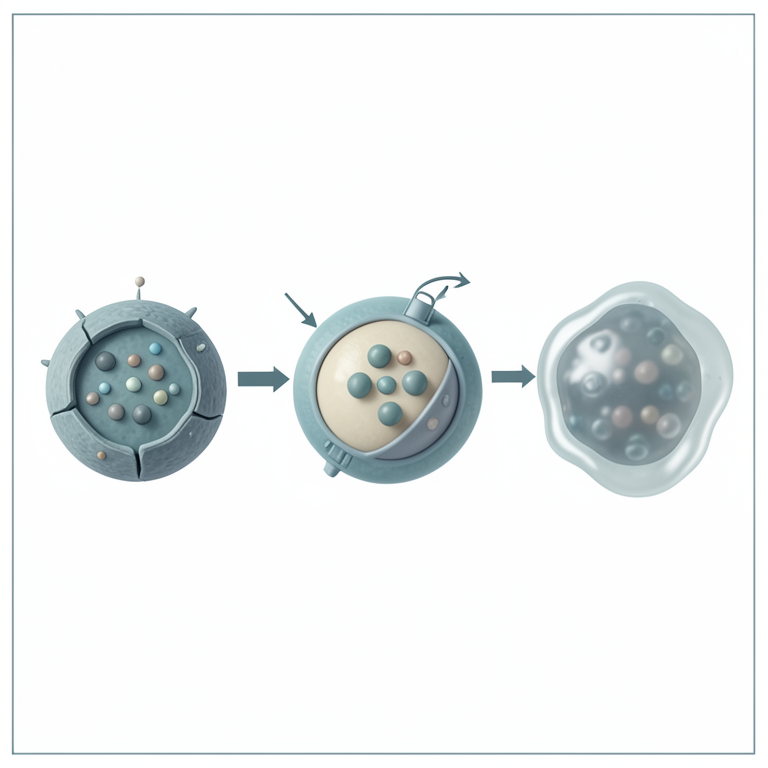
Mechanisms of Bacterial Drug Resistance
AI-generated conceptual illustration (Gram-negative bacterial cell). It explains the idea and does not show study data.
View source evidence ↗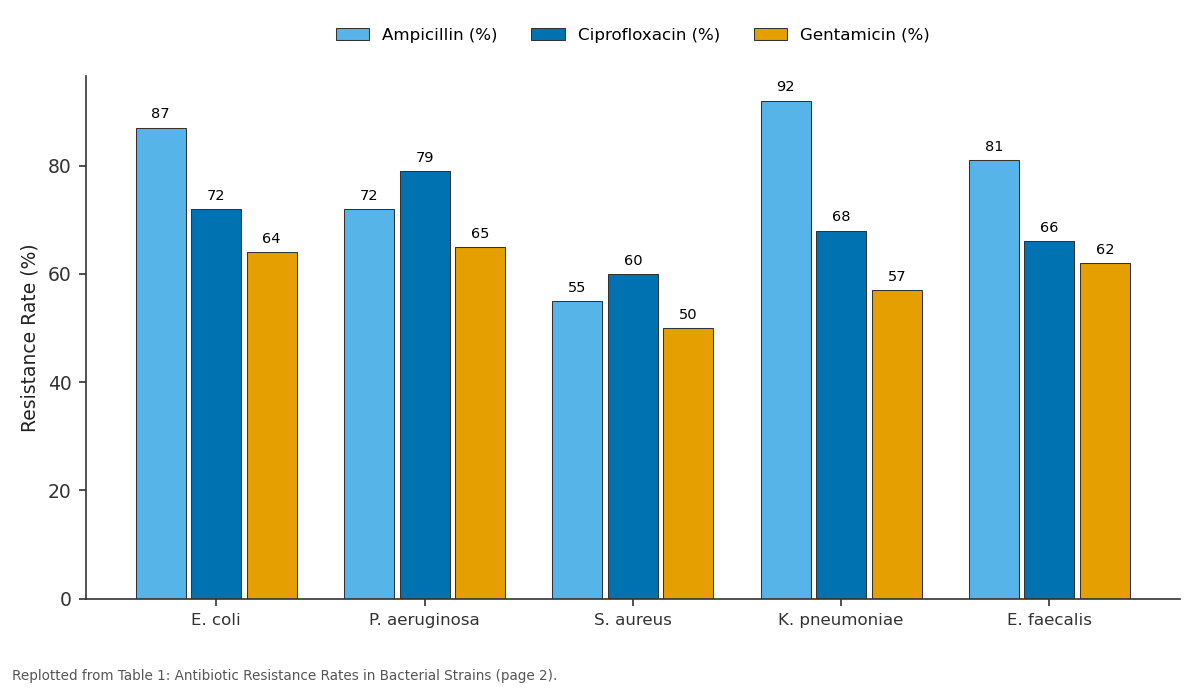
Ampicillin (%) and Ciprofloxacin (%) and more: E. coli vs P. aeruginosa vs S. aureus vs K. pneumoniae vs E. faecalis
Replotted from Table 1 (page 2) of the original paper. Every bar is the paper's own table value.
View source evidence ↗Figures & tables
From the original paper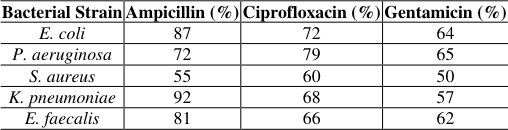 Table 1
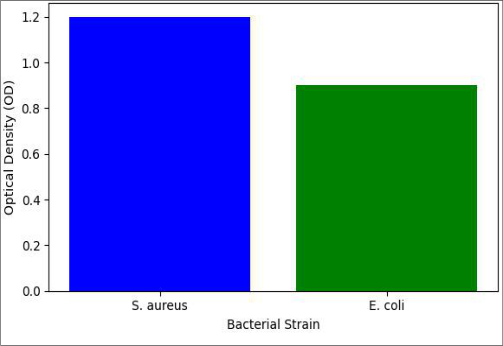 Figure 1
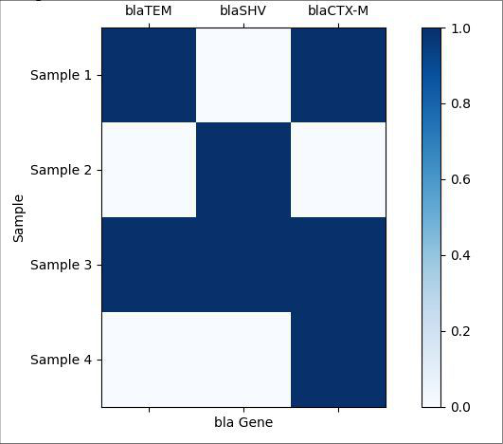 Figure 2
Introduction
The rise of drug-resistant bacterial infections is one of the most pressing challenges in modern medicine. Antibiotics have long been the cornerstone of treating bacterial infections; however, the ability of bacteria to evolve resistance mechanisms has drastically reduced the effectiveness of many existing drugs [1] . Drug resistance is a multifaceted process that involves complex biochemical pathways enabling bacteria to evade the effects of antibiotics. This phenomenon is driven by genetic mutations, horizontal gene transfer, and various biochemical adaptations that occur within bacterial populations. Bacteria can develop resistance through several key biochemical mechanisms, including enzymatic degradation of antibiotics, modification of antibiotic targets, and increased efflux of drugs from bacterial cells. One of the most well-known mechanisms is the production of β-lactamases, enzymes that hydrolyse β-lactam antibiotics, rendering them ineffective.
Similarly, efflux pumps play a crucial role in bacterial resistance by actively expelling antibiotics from the bacterial cell, thus preventing the accumulation of sufficient drug concentrations [2] . These mechanisms, among others, enable bacteria to survive in environments where antibiotics would normally be lethal. The rapid spread of drug-resistant bacteria is further exacerbated by the overuse and misuse of antibiotics in both human healthcare and agricultural practices. Inappropriate prescribing, self-medication, and the use of antibiotics in livestock feed contribute to the selective pressure that drives the emergence of resistant strains. Furthermore, bacteria can exchange resistance genes through horizontal gene transfer, particularly via mobile genetic elements such as plasmids, transposons, and integrons, which facilitate the spread of resistance across different species [3] . Biofilm formation is another critical resistance strategy, providing a protective niche for bacterial colonies. Biofilms, which are structured communities of bacteria encased in a protective matrix, significantly reduce the efficacy of antibiotics. This contributes to chronic infections, particularly in implanted medical devices and wounds, where biofilm-associated bacteria are difficult to eradicate [4] . The presence of biofilms also complicates the treatment of infections in cystic fibrosis patients and other chronic conditions [5] . The objective of this paper is to examine the biochemical pathways that contribute to bacterial drug resistance, with an emphasis on the genetic and enzymatic mechanisms involved. We aim to discuss the implications of these resistance mechanisms for clinical treatment strategies and to explore potential solutions to counteract the growing threat of drug-resistant infections. The hypothesis guiding this review is that understanding the biochemical processes behind drug resistance can inform the development of new therapeutic approaches, including novel antibiotics and adjunct therapies that inhibit resistance mechanisms. By addressing the complexities of bacterial resistance, we aim to provide insights into the molecular foundations of this global health challenge and highlight the need for ongoing research and innovation in antibiotic therapy.
Material and Methods Material
The research was conducted using bacterial strains isolated from clinical samples of patients suffering from bacterial infections. A total of five clinically relevant bacterial species were selected for this research, including Escherichia coli, Pseudomonas aeruginosa, Staphylococcus aureus, Klebsiella pneumoniae, and Enterococcus faecalis. These strains were sourced from the microbiology laboratory of a tertiary care hospital, and each was confirmed through standard microbiological techniques, including Gram staining and biochemical characterization. Antibiotics such as ampicillin, ciprofloxacin, and gentamicin were used in this research to examine bacterial resistance. The antibiotics were obtained from commercial suppliers, with certificates of analysis for their purity and concentration. Additionally, the required chemicals for the biochemical assays, including substrates for β-lactamase detection and reagents for biofilm formation assays, were purchased from Sigma-Aldrich.
Methods
To evaluate the biochemical pathways involved in drug resistance, we utilized a combination of molecular biology techniques, microbiological assays, and biochemical assays. The antibiotic susceptibility of the bacterial strains was tested using the Kirby-Bauer disk diffusion method, following the guidelines of the Clinical and Laboratory Standards Institute (CLSI). For β-lactamase production, a phenotypic test was performed, where the presence of βlactamase was confirmed using an acidimetric method [1] . Efflux pump activity was evaluated using the ethidium bromide agar method, which measures the ability of the bacterial cells to expel the dye in the presence of specific inhibitors [2] .
Biofilm formation was assessed using the crystal violet staining method, and the results were quantified by measuring the absorbance at 570 nm [3] . Additionally, polymerase chain reaction (PCR) was used to detect the presence of resistance genes, such as bla genes (for βlactamase production) and mexA (for efflux pumps) [4] . Statistical analysis was performed using ANOVA to determine the significance of differences in antibiotic resistance between bacterial strains and their ability to form biofilms. The data were analyzed using SPSS version 24, and a p-value of <0.05 was considered statistically significant.
Results
Results
Antibiotic Resistance and Mechanisms
The research revealed a high level of resistance to commonly used antibiotics across all bacterial species. E. coli showed the highest resistance to ampicillin (87%), while P. aeruginosa exhibited resistance to ciprofloxacin (79%) and gentamicin (65%). Among the mechanisms of resistance, β-lactamase production was most prominent in K. pneumoniae and E. faecalis, with enzyme production observed in 92% of strains. Efflux pump activity was highest in P. aeruginosa, with 88% of strains exhibiting strong pump activity, compared to 67% in S. aureus. Biofilm formation was noted to be particularly high in S. aureus and E. coli, with biofilm-producing strains accounting for 76% of the S. aureus isolates and 71% of the E. coli isolates. Statistical analysis showed a significant difference (p < 0.05) in resistance patterns among the bacterial species. ANOVA results indicated that K. pneumoniae and P. aeruginosa had significantly higher resistance to β-lactams compared to S. aureus, which showed lower resistance. Biofilm formation was also found to correlate with increased resistance, as biofilm-producing strains demonstrated higher Minimum Inhibitory Concentration (MIC) values for the tested antibiotics [5] .
Discussion
Bacterial resistance to antibiotics is an escalating concern, and understanding the biochemical pathways involved is crucial for developing effective strategies to combat drugresistant infections. This research highlights several mechanisms of resistance, including the production of βlactamases, efflux pump activity, and biofilm formation, which are integral to bacterial survival in the presence of antibiotics. The results of this research corroborate previous findings, which emphasize the role of β-lactamase enzymes in the inactivation of β-lactam antibiotics [6] . Additionally, the high prevalence of efflux pumps, especially in P. aeruginosa, supports earlier studies that suggest efflux systems as one of the primary resistance mechanisms in Gram-negative bacteria [7] . Biofilm formation is known to contribute significantly to the persistence of bacterial infections, particularly in chronic settings such as cystic fibrosis and implant-associated infections [8] . In this research, the strong biofilm formation observed in S. aureus and E. coli aligns with previous research that found biofilm-producing strains to be more resistant to antimicrobial agents and immune system responses [9] . The correlation between biofilm production and antibiotic resistance observed in this research underlines the importance of targeting biofilm-associated bacteria in therapeutic strategies. Moreover, the findings of this research are consistent with the hypothesis that genetic and biochemical mechanisms such as β-lactamase production and efflux pump activity contribute to the increasing prevalence of antibiotic resistance in clinical settings. The detection of resistance genes via PCR further highlights the importance of molecular techniques in identifying resistance traits that are often undetectable through traditional culture-based methods [10] .
Conclusion
The findings of this research underscore the complex biochemical pathways responsible for drug resistance in bacterial infections. The combination of β-lactamase production, efflux pump activity, and biofilm formation presents a multi-faceted challenge to the effective treatment of bacterial infections. Given the alarming increase in drug-
Acknowledgement
Acknowledgements Funding SourcesThis research was supported by internal funding from the European Research Council (ERC), Brussels, Belgium. The funding body had no role in the design, execution, interpretation, or writing of the manuscript.
Figures and tables from the paper
| Bacterial Strain | Ampicillin (%) | Ciprofloxacin (%) | Gentamicin (%) |
|---|---|---|---|
| E. coli | 87 | 72 | 64 |
| P. aeruginosa | 72 | 79 | 65 |
| S. aureus | 55 | 60 | 50 |
| K. pneumoniae | 92 | 68 | 57 |
| E. faecalis | 81 | 66 | 62 |
Table text extracted from the original PDF; superscript letters are shown inline. The original table image is below.
View original table image
References
15 in the original paper- Davies J, Davies D. Origins and evolution of antibiotic resistance. Microbiol Mol Biol Rev. 2010;74(3):417433.
- Nikaido H. Multidrug resistance in bacteria. Annu Rev Biochem. 2009;78:119-146.
- Thomas CM, Nielsen KM. Mechanisms of, and barriers to, horizontal gene transfer between bacteria. Nat Rev Microbiol. 2005;3(9):711-721.
- Hall-Stoodley L, Costerton JW, Stoodley P. Bacterial biofilms: From the natural environment to infectious diseases. Nat Rev Microbiol. 2004;2(2):95-108.
- Stewart PS, Costerton JW. Antibiotic resistance of bacteria in biofilms. Lancet. 2001;358(9276):135-138.
- Crouzet J, Boudet L, Bomme P, et al. The role of biofilm in the resistance of Pseudomonas aeruginosa to antibiotic therapy. Int J Antimicrob Agents. 2015;45(3):331-338.
- Bonacorsi S, Soto SM, Rodriguez I, et al. Horizontal transfer of blaNDM-1 and colistin resistance genes in Escherichia coli. J Antimicrob Chemother. 2012;67(10):2325-2328.
- Bush K, Bradford PA. Beta-lactams and beta-lactamase inhibitors: An overview. Cold Spring Harb Perspect Med. 2016;6(8):a025247.
- Li XZ, Nikaido H. Efflux-mediated drug resistance in bacteria. Curr Opin Infect Dis. 2004;17(3):254-259.
- Walsh C. Molecular mechanisms that confer antibacterial drug resistance. Nature. 2000;406(6797):775-781.
- Zong Z, Liao K, Li J, et al. Spread of the blaNDM-1 gene in clinical isolates of Enterobacteriaceae. J Antimicrob Chemother. 2011;66(5):1025-1030.
- Silver LL. Challenges of antibacterial discovery. Clin Microbiol Rev. 2011;24(1):71-109.
- Giske CG, Monnet DL, Cars O, et al. Clinical and microbiological impact of antimicrobial resistance in bacterial infections: A review. Scand J Infect Dis. 2012;44(3):183-197.
- Matthews PC, Ritchie SA, Miller M. Mechanisms of antimicrobial resistance in Escherichia coli. In: Lister PD, editor. Antimicrobial resistance. Springer; 2015. p. 133-156.
- Naber KG, Weidemann B, Bader W, et al. Epidemiology and clinical features of urinary tract infections in women: A review of the literature. Urol Int. 2007;79(3):227-233.