
Research article · 2025 · Full text
International Journal of Horticulture and Food ScienceInfluence of different bio-stimulants on vegetative growth and flowering performance of spathiphyllum
Volume 7(11) · Pages 50–55 · DOI: 10.33545/26631067.2025.v7.i11a.473 ↗
Research areasPlant Growth Enhancement TechniquesFlowering Plant Growth and CultivationSilicon Effects in Agriculture
Abstract
Author-writtenSpathiphyllum, commonly known as Peace Lily, is a popular ornamental foliage plant valued for its elegant white coloured spathes. Being an excellent indoor plant, it improves air quality and thrives well under low-light and semi-shade conditions. In this study, various types of biostimulants were used at different time intervals to analyse the visible changes in plant vegetative growth, flowering and yield. The whole experiment was laid out in a Completely Randomized Design (CRD) with three replications and eleven treatments. Among different treatment combinations, the combined application in T9 (0.2% Humic acid + 2% Fulvic acid + 0.5% Seaweed extract + 0.2% Arka microbial consortium at fortnightly intervals) was found most effective in enhancing the plant height (49.40 cm), sucker production (2.13), number of flowers (1.90), spathe breadth (8.93 cm) and spadix breadth (1.80 cm) of Spathiphyllum plants. Moreover, when the plants were sprayed with single biostimulant, the treatment T5 (0.5% Seaweed extract at fortnightly intervals) significantly improved the plant spread (52.67 cm), number of leaves (9.00) and spathe length (17.43 cm), leaf breadth (6 cm) while, T3 (2% Fulvic acid at fortnightly intervals) recorded the highest stalk length (17.87 cm) and spadix length (6.47 cm) on application. In contrast, the control (T0) consistently recorded the lowest values across all vegetative and reproductive traits. These findings establish that regular and combined application of biostimulants, particularly in T9, optimizes vegetative vigour and flowering performance in Peace lily cultivation.
Summary
Source-checkedPlain-language reading of the full paper, prepared with AI and checked against the text. Each point links to the authors' own words.
Why it matters
- Spathiphyllum, or Peace Lily, is a widely used ornamental plant prized for its white spathes. View evidence ↗
- The plant is valued for its ability to remove toxic chemicals like benzene and formaldehyde from indoor air. View evidence ↗
- Biostimulants are naturally derived substances or microbes used to improve nutrient efficiency and crop quality. View evidence ↗
The question
- The study aimed to evaluate how different biostimulants and their application intervals affect the vegetative growth and flowering of Spathiphyllum. View evidence ↗
What they did
- The research used a randomized block design featuring eleven different treatments and three replications. View evidence ↗
- Plants of a uniform height of 15 cm were grown in 8-inch pots using a soil, FYM, and sand mixture in a 2:1:1 ratio. View evidence ↗
- The biostimulants used included 0.2% humic acid, 2% fulvic acid, 0.5% seaweed extract, and 0.2% Arka Microbial Consortium. View evidence ↗
What they found
- The combined fortnightly application of all four biostimulants (T9) produced the greatest plant height at 49.40 cm, compared to 27.31 cm for the control. View evidence ↗
- Fortnightly application of 0.5% seaweed extract resulted in the maximum plant spread of 52.67 cm. View evidence ↗
- The highest number of leaves (9.00) was achieved with fortnightly 0.5% seaweed extract, while the control had the fewest (5.33). View evidence ↗
- The combined fortnightly treatment (T9) led to the highest sucker production at 2.13. View evidence ↗
- The highest number of flowers per plant (1.90) was recorded under the combined fortnightly treatment (T9). View evidence ↗
- Fortnightly application of 2% fulvic acid produced the longest flower stalks at 17.87 cm. View evidence ↗
- The longest spathes (17.50 cm) were found in plants treated fortnightly with 0.5% seaweed extract. View evidence ↗
- The combined fortnightly treatment (T9) resulted in the maximum spathe breadth of 8.93 cm. View evidence ↗
- The maximum spadix length of 6.47 cm was achieved with fortnightly 2% fulvic acid. View evidence ↗
What it means
- The authors conclude that the combined fortnightly application of all four biostimulants is the most effective strategy for improving plant vigor and flower production. View evidence ↗
- The study recommends biostimulants as a sustainable and commercially viable method to increase the market value and growth of Peace lilies. View evidence ↗
Visual summary
3 visualsIllustrations explain the paper; charts are replotted from the paper's own table values.
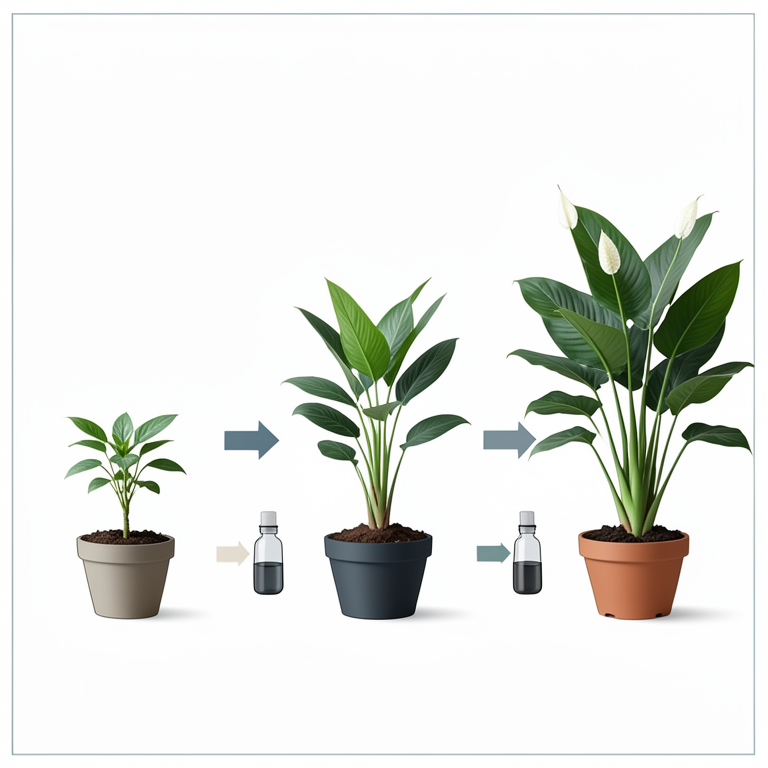
Experimental Setup Overview
AI-generated conceptual illustration (Spathiphyllum (Peace Lily) plants in pots). It explains the idea and does not show study data.
View source evidence ↗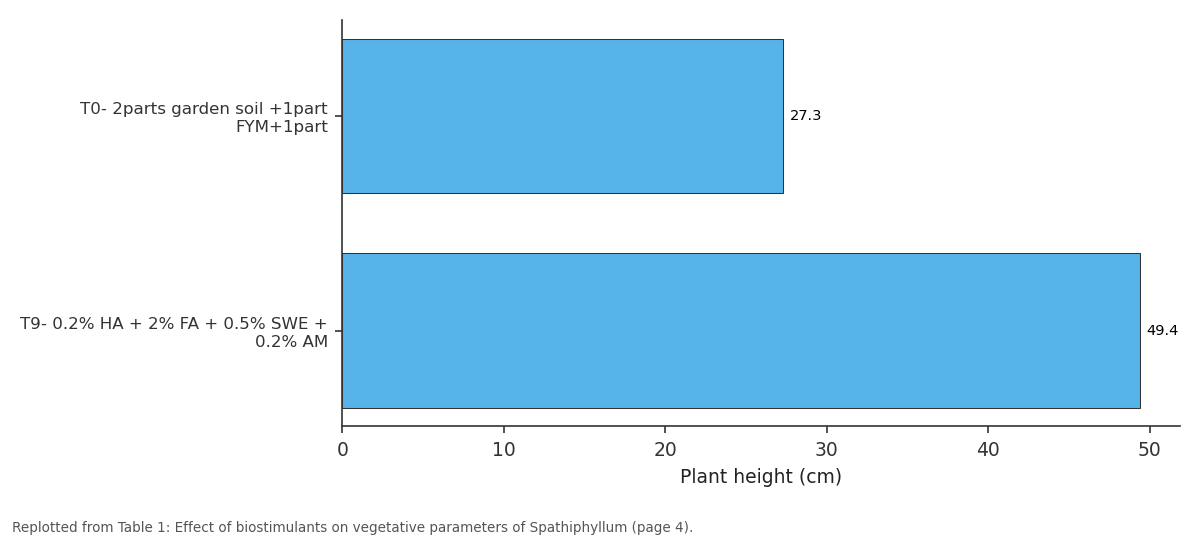
Plant height (cm): T0- 2parts garden soil... vs T9- 0.2% HA + 2% FA +...
Replotted from Table 1 (page 4) of the original paper. Every bar is the paper's own table value.
View source evidence ↗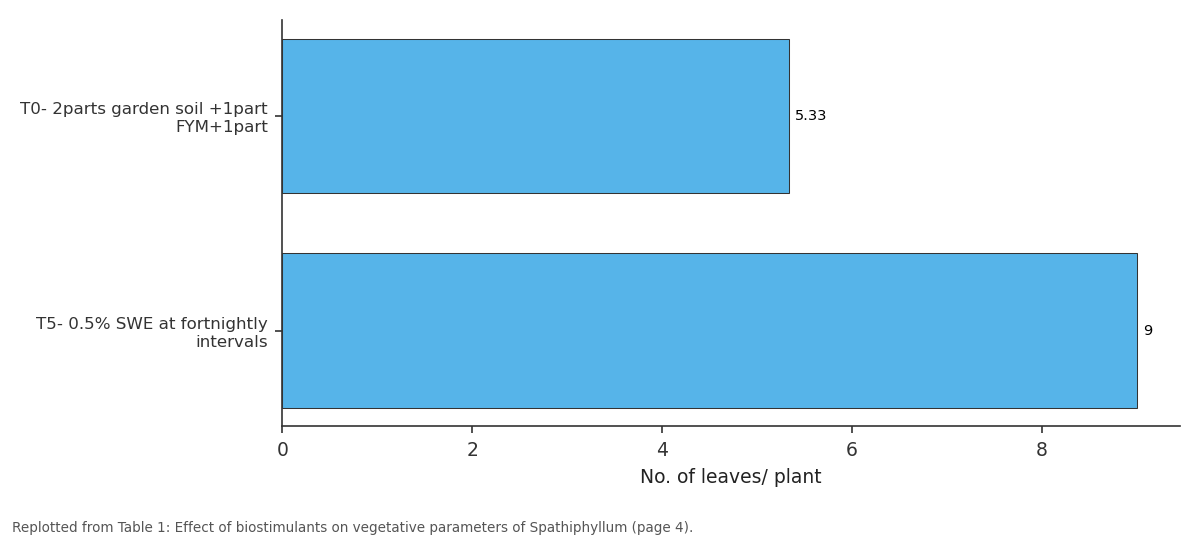
No. of leaves/ plant: T0- 2parts garden soil... vs T5- 0.5% SWE at...
Replotted from Table 1 (page 4) of the original paper. Every bar is the paper's own table value.
View source evidence ↗Figures & tables
From the original paper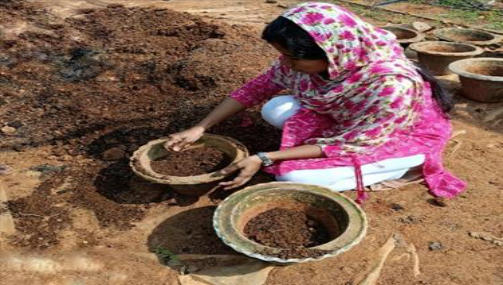 Figure 1
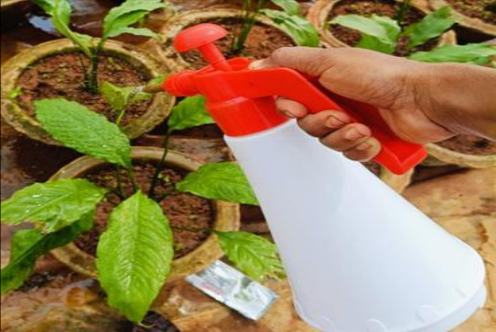 Figure 2
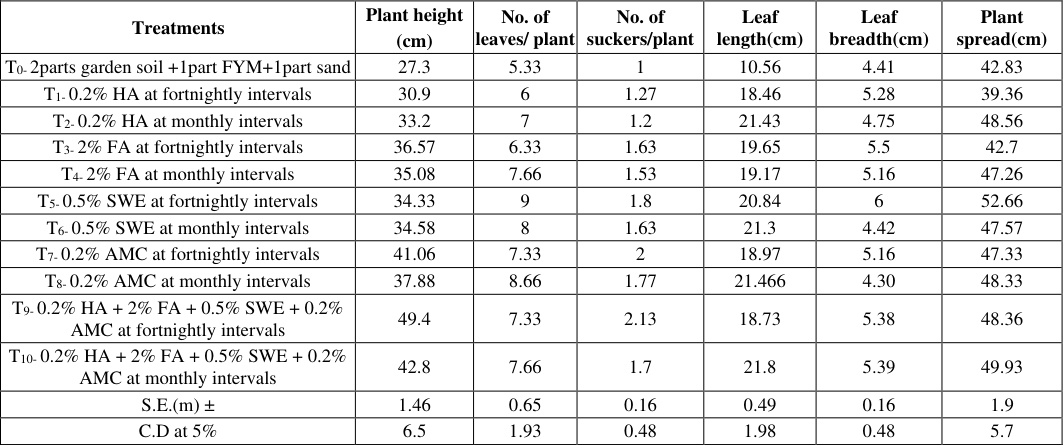 Table 1
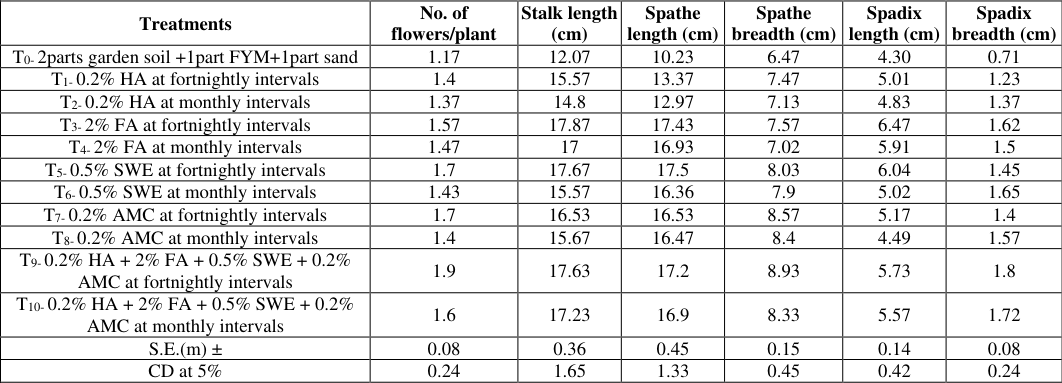 Table 1
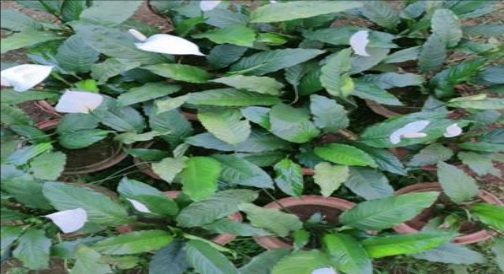 Figure 3
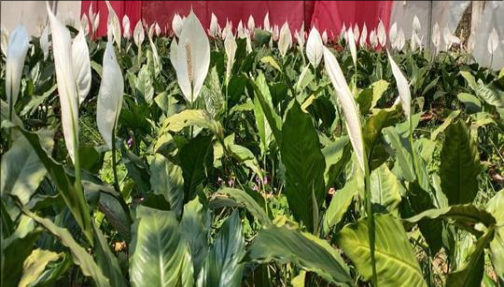 Figure 4
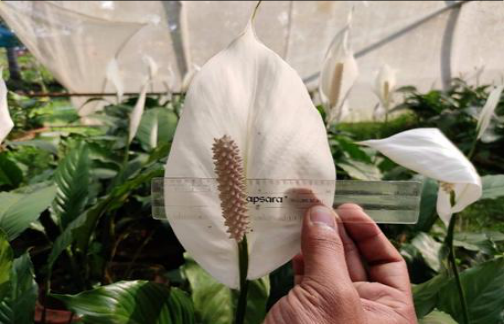 Figure 5
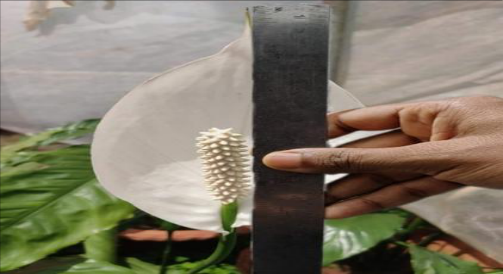 Figure 6
Introduction
Potted plants are distinguished by their adaptability, portability and capacity to thrive in nontraditional conditions such as urban interiors, small balconies and areas with limited natural soil. These plants are in high demand for their ability to beautify indoor spaces, improve air quality and offer therapeutic benefits which enhances their wide use in homes, offices, public spaces and also gaining popularity as a sustainable corporate gift. The growing popularity of indoor and air-purifying plants such as Aloe Vera, money plant, Areca palm and Spathiphyllum indicates a move away from aesthetics towards practical advantages in indoor spaces. Among all the potted plants, Spathiphyllum become a popular choice for gardeners to decorate this particular plant in various purposes as potted plants, edge plant, in landscaping various places, beautifying conservatory and keeping in indoor areas etc. It also reduces huge quantities of dangerous chemicals viz., formaldehyde, benzene, trichloroethylene and xylene (Wood et al., 2002) [20] . Spathiphyllum has the ability to absorb these toxic compounds through its leaves, roots and subsequently converting them to less harmful substances and later simultaneously releasing those compounds in the simplifier forms of oxygen, thereby enhancing the indoor microclimate. Spathiphyllum (peace lily) is a herbaceous monocot evergreen plant prized for its foliage and white spathe blooms. Its leaves are broad, lanceolate to elliptic, dark green and glossy with prominent venation arranged in a basal rosette pattern, which enhances the capacity to capture efficient light. The inflorescence is hood-shaped consist of a spathe that encloses a cylindrical spadix. The spathe is initially bright white in colour and gradually convert to a greenish hue upon maturation. Similarly, the spadix colour is also varies from creamish to yellowish in colour bearing numerous minute bisexual flowers. The flowers are arranged in a spike with female flowers at the bottom and male flowers at the top (Vanstechelman et al., 2009) [19] . For promoting good vegetative and floral development, Peace lily requires optimum temperature of 18-27 °C and high relative humidity of 60-80% which is very crucial for maintaining healthy foliage and leaf turgidity. The plant thrives well under indirect and filtered light conditions where, 50-75% shade is provided through shade nets during cultivation to regulate the light intensity, reduce heat stress and also to maintain adequate humidity around the plant canopy. It prefers a moist, well-drained substrate enriched with organic matter, with a slightly acidic pH of 5.5 -6.5 favorable for the plant in achieving optimal root and shoot development (Chen et al., 2005) [5] . Spathiphyllum propagates through a spreading rhizome or subterranean stem system, forming dense rosettes. It requires consistently moist but not waterlogged soil conditions to support healthy growth and flowering. Regular irrigation with increased frequency is necessary during heat periods to optimize the relative humidity and to minimize the excessive evapotranspiration losses. Spathiphyllum responds well to balanced fertilization to support its vegetative and flowering growth. Biostimulants are the formulations containing naturally derived chemicals or beneficial microbes applied to crops or soils to enhance the nutrient efficiency, improve crop quality and increase tolerance to abiotic stresses regardless of their nutritional content. These inputs are essential for enhancing plant growth and development across the entire crop life cycle from germination to maturity. In contrast to traditional fertilizers and pesticides, bio-stimulants activate natural plant mechanisms, improves nutrient absorption, fostering vigorous root, shoot growth and increases soil vitality. They enhance metabolic efficiency resulting in higher production and superior quality produce. Furthermore, biostimulants enhance water usage efficiency and promote advantageous soil microbial activity hence, contributing to sustained soil fertility (Calvo et al., 2014) [2] . The consistent rise in popularity of Spathiphyllum flower among the growers day by day is increasing despite a complete protocol for its improved cultivation, nutrient efficacy through organic fertilization and impact of biostimulants on growth and behavior of peace lily is still lacking. Keeping these views under consideration we have conducted this research work by utilizing different biostimulants at varying intervals to study the vegetative growth and flowering pattern of Spathiphyllum.
Materials and Methods
The current experiment was conducted during 2024-2025 to study the "Effect of biostimulants on growth and flowering of Spathiphyllum wallisii Regel" under agro-shade net by providing ambient cultural conditions at All-India coordinated Research project on floriculture, Odisha University of Agriculture & Technology, Bhubaneswar, Odisha, India shown in Figure 1 & 2. The experiment was laid out using randomized block design with three replications and eleven treatments. Uniform height (15cm high) of Spathiphyllum plants were selected for this experiment. The seedlings were planted in 8-inch earthen pots in substrates containing garden soil: FYM: sand in the ratio of 2:1:1. Application of biostimulants were done uniformly after one month of planting. Biostimulants viz., Arka Microbial Consortium (0.2%), fulvic acid (2%), seaweed extract (0.5%) and humic acid (0.2%) were used for this experiment and applied every fornightly and monthly intervals. Humic acid was freshly prepared at 0.2% concentration by dissolving 2ml per litre of water and used. Fulvic acid was prepared at 2% concentration by dissolving 20ml per litre of water. Seaweed extract was prepared at 0.5% concentration by dissolving 5ml per litre of water. Arka Microbial Consortium (AMC) was prepared at 0.2% concentration by dissolving 2ml per litre of water. Fresh solutions of biostimulants were prepared on the day of application to maintain efficacy. Thirty days after planting, biostimulant applications were done at fortnightly and monthly intervals. Fresh solutions were prepared prior to each applications and applied as soil drenches or foliar sprays during early morning hours to enhance the absorption and to minimize evaporation losses. Weeding and the removal of dried leaves were done manually by hand and irrigation was performed every day but less frequently in the winter. Regular fungicidal/pesticidal sprays where 0.2% Blitox were used as preventive plant protection. For recording parameters, five plants in each treatment were selected randomly. Various growth parameters like plant height (cm), plant spread (cm), leaf length (cm) and breadth (cm), number of suckers and spathe length (cm) and breadth (cm), spadix length (cm) and breadth (cm) were noted. Further, the impact of biostimulants on plant growth and performance was evaluated using the gathered data. The analysis of variance (ANOVA) was carried out at a 5% level of significance to assess the treatment effects. The procedures outlined by Gomez and Gomez (1984) were followed to calculate the standard errors of mean (SEm) and the critical difference (CD) at 5%, enabling comparison among treatment means.
Results and Discussion
Applications of humic acid (HA), fulvic acid (FA), seaweed extract (SWE) and Arka microbial consortium (AMC) at fortnightly and monthly intervals produced notable improvements over the control (T 0 ) in vegetative and floral parameters which are shown in Table 1, 2 and Fig. 3,4,5 & 6.
| Treatments | No. of flowers/plant | Stalk length (cm) | Spathe length (cm) | Spathe breadth (cm) | Spadix length (cm) | Spadix breadth (cm) |
|---|---|---|---|---|---|---|
| T0- 2parts garden soil +1part FYM+1part sand | 1.17 | 12.07 | 10.23 | 6.47 | 4.30 | 0.71 |
| T1- 0.2% HA at fortnightly intervals | 1.4 | 15.57 | 13.37 | 7.47 | 5.01 | 1.23 |
| T2- 0.2% HA at monthly intervals | 1.37 | 14.8 | 12.97 | 7.13 | 4.83 | 1.37 |
| T3- 2% FA at fortnightly intervals | 1.57 | 17.87 | 17.43 | 7.57 | 6.47 | 1.62 |
| T4- 2% FA at monthly intervals | 1.47 | 17 | 16.93 | 7.02 | 5.91 | 1.5 |
| T5- 0.5% SWE at fortnightly intervals | 1.7 | 17.67 | 17.5 | 8.03 | 6.04 | 1.45 |
| T6- 0.5% SWE at monthly intervals | 1.43 | 15.57 | 16.36 | 7.9 | 5.02 | 1.65 |
| T7- 0.2% AMC at fortnightly intervals | 1.7 | 16.53 | 16.53 | 8.57 | 5.17 | 1.4 |
| T8- 0.2% AMC at monthly intervals | 1.4 | 15.67 | 16.47 | 8.4 | 4.49 | 1.57 |
| T9- 0.2% HA + 2% FA + 0.5% SWE + 0.2% AMC at fortnightly intervals | 1.9 | 17.63 | 17.2 | 8.93 | 5.73 | 1.8 |
| T10- 0.2% HA + 2% FA + 0.5% SWE + 0.2% AMC at monthly intervals | 1.6 | 17.23 | 16.9 | 8.33 | 5.57 | 1.72 |
| S.E.(m) ± | 0.08 | 0.36 | 0.45 | 0.15 | 0.14 | 0.08 |
| CD at 5% | 0.24 | 1.65 | 1.33 | 0.45 | 0.42 | 0.24 |
Table text extracted from the original PDF; superscript letters are shown inline. The original table image is below.
View original table image
| Treatments | Plant height (cm) | No. of leaves/ plant | No. of suckers/plant | Leaf length(cm) | Leaf breadth(cm) | Plant spread(cm) |
|---|---|---|---|---|---|---|
| T0- 2parts garden soil +1part FYM+1part sand | 27.3 | 5.33 | 1 | 10.56 | 4.41 | 42.83 |
| T1- 0.2% HA at fortnightly intervals | 30.9 | 6 | 1.27 | 18.46 | 5.28 | 39.36 |
| T2- 0.2% HA at monthly intervals | 33.2 | 7 | 1.2 | 21.43 | 4.75 | 48.56 |
| T3- 2% FA at fortnightly intervals | 36.57 | 6.33 | 1.63 | 19.65 | 5.5 | 42.7 |
| T4- 2% FA at monthly intervals | 35.08 | 7.66 | 1.53 | 19.17 | 5.16 | 47.26 |
| T5- 0.5% SWE at fortnightly intervals | 34.33 | 9 | 1.8 | 20.84 | 6 | 52.66 |
| T6- 0.5% SWE at monthly intervals | 34.58 | 8 | 1.63 | 21.3 | 4.42 | 47.57 |
| T7- 0.2% AMC at fortnightly intervals | 41.06 | 7.33 | 2 | 18.97 | 5.16 | 47.33 |
| T8- 0.2% AMC at monthly intervals | 37.88 | 8.66 | 1.77 | 21.466 | 4.30 | 48.33 |
| T9- 0.2% HA + 2% FA + 0.5% SWE + 0.2% AMC at fortnightly intervals | 49.4 | 7.33 | 2.13 | 18.73 | 5.38 | 48.36 |
| T10- 0.2% HA + 2% FA + 0.5% SWE + 0.2% AMC at monthly intervals | 42.8 | 7.66 | 1.7 | 21.8 | 5.39 | 49.93 |
| S.E.(m) ± | 1.46 | 0.65 | 0.16 | 0.49 | 0.16 | 1.9 |
| C.D at 5% | 6.5 | 1.93 | 0.48 | 1.98 | 0.48 | 5.7 |
Table text extracted from the original PDF; superscript letters are shown inline. The original table image is below.
View original table image
Effect of Biostimulants on vegetative growth
Fortnightly application of combined biostimulants 0.2% HA + 2% FA + 0.5% SWE + 0.2% AMC recorded maximum plant height (49.40 cm) and found significantly superior to all other treatments whereas, control exhibited the lowest height (27.31cm). Plant spread was found highest (52.67 cm) when 0.5% SWE applied fortnightly followed by T₁₀monthly sprayed by combined biostimulants 0.2% HA + 2% FA + 0.5% SWE + 0.2% AMC (49.93 cm). Maximum leaves per plant (9.00) were obtained in T₅-0.5% SWE @ fortnightly, while control produced the minimum (5.33) number of leaves. Similarly, leaf length was greatest in T₁₀combined biostimulants 0.2% HA + 2% FA + 0.5% SWE + 0.2% AMC @ monthly (21.8 cm), which was statistically at par with T₂ (21.43 cm), T₆ (21.3 cm) and T₈ (21.47 cm) respectively. Leaf breadth also reached its highest value (6.00 cm) on 0.5% SWE fortnightly application while, sucker production was maximum in T₉-0.2% HA + 2% FA + 0.5% SWE + 0.2% AMC @ fortnightly (2.13) followed by T₇ 0.2% AMC @ fortnightly (2.00), while the minimum was recorded in the control treatment. The vegetative growth of Spathiphyllum wallisii was significantly enhanced by the application of different biostimulants, individually as well as in combination. Among all the treatments, the integrated application of humic acid, fulvic acid, seaweed extract and Arka microbial consortium at fortnightly intervals resulted in the greatest improvement in plant height, which corroborates earlier findings where seaweed extract and humic acid notably increased the plant height and branching in Bengal gram (Shaziya et al., 2024) [17] , maize (Fatima et al., 2015) [6] [18,16,9] . Similarly, leaf number increased markedly under seaweed extract treatments, particularly when 0.5% Seaweed extract at fortnightly intervals was sprayed due to the presence of natural growth regulators and micronutrients known to stimulate meristematic activity (Zodape et al., 2008) [21] . The lowest leaf production in the control aligns with the results of Naidu et al. (2014) [12] , Jawaharlal et al., (2012) [7] and Barche et al., (2006) [1] , who highlighted the importance of biostimulants in enhancing vegetative attributes of ornamentals. Leaf length improved substantially under monthly applications of the combined formulation followed by humic acid, seaweed extract and AMC used individually. These effects are supported by earlier studies in gerbera and gladiolus, where seaweed extract and humic substances promoted cell elongation and enhanced photosynthetic efficiency (Kumari et al., 2011; Zodape et al., 2011) [9,21] . Leaf breadth was observed highest in fortnightly seaweed extract treatment (T₅), in agreement with these findings on Spathiphyllum and Anthurium) (Jayaraj et al., 2008; Raja et al., 2019) [, 15] where seaweed extract stimulated leaf expansion and overall foliage quality. Sucker production was obtained greatest in T₉-0.2% Humic acid+ 2% Fulvic acid + 0.5% Sea weed extract + 0.2%Arka microbial consortium at fortnightly intervals followed by frequent AMC application (T₇-0.2% Arka microbial consortium at fortnightly intervals) indicating that the combined use of humic substances and microbial inoculants promotes greater vegetative propagation. This is supported by earlier researchers demonstrating that humic substances enhance root growth and nutrient uptake, while microbial consortia supply growth-promoting metabolites that encourage axillary bud initiation (Nardi et [13,4,21] . Altogether, the present study clearly demonstrated that integrated biostimulant strategies, especially combining humic acid, fulvic acid, seaweed extract and AMC in spraying are considerably more effective than individual applications of biostimulants in improving plant height, canopy spread, leaf development and sucker production in Peace lily reinforcing the importance of synergistic interactions among organic growth-promoting inputs for optimum vegetative performance.
Effect of Biostimulants on flowering attributes
The number of flowers per plant was found highest when 0.2% Humic acid+ 2% Fulvic acid + 0.5% Sea weed extract + 0.2% Arka microbial consortium was applied at fortnightly intervals (1.90) which was statistically comparable with T₅-0.5% Seaweed extract at fortnightly intervals (1.7) and T₇-0.2% Arka microbial consortium at fortnightly intervals (1.7), while control produced the fewest (1.17) number of flowers. Flower stalk length was observed maximum in T₃-2% Fulvic acid at fortnightly intervals (17.87 cm) and remained at par with T₅-0.5% Seaweed extract at fortnightly intervals (17.67 cm), T₉-0.2% Humic acid + 2% Fulvic acid + 0.5% Sea weed extract + 0.2% Arka microbial consortium at fortnightly intervals (17.63 cm) and T 10-0.2% humic acid + 2% Fulvic acid + 0.5% Sea weed extract + 0.2%Arka microbial consortium at monthly intervals (17.23 cm). The longest spathe (17.50cm) was recorded in T 5-where 0.5% Seaweed extract applied at fortnightly intervals, closely followed by T 3-2% Fulvic acid at fortnightly intervals (17.43 cm) and T 9-0.2% Humic acid + 2% Fulvic acid + 0.5% Sea weed extract + 0.2% Arka microbial consortium at fortnightly intervals (17.20 cm), whereas control recorded the shortest (10.23cm). Similarly, Spathe breadth peaked in T 9-0.2% Humic acid + 2% Fulvic acid + 0.5% Sea weed extract + 0.2% Arka microbial consortium at fortnightly intervals (8.93cm), significantly higher than control. Spadix length was recorded maximum under T 3 -2% Fulvic acid at fortnightly intervals (6.47 cm) and observed minimum under control (4.30 cm). The overall influence of biostimulants on the flowering behaviour of Spathiphyllum wallisii was distinctly evident across all evaluated parameters, demonstrating the significant potential of humic acid, fulvic acid, seaweed extract and Arka microbial consortium in enhancing floral growth and quality. The combined treatment of T₉-0.2% Humic acid + 2% Fulvic acid + 0.5% Sea weed extract + 0.2% Arka microbial consortium consistently outperformed other treatments in most characteristic features such as number of flowers per plant, spathe breadth and spadix breadth indicating a strong synergistic effect when humic substances, fulvic acid, Sea weed extract and Arka microbial consortium are applied together at fortnightly intervals. The remarkable improvement in flower number under T₉ treatment, closely followed by sea weed extract and Arka microbial consortium alone, may be attributed to enhanced root activity, nutrient absorption and hormonal regulation facilitated by humic and fulvic acids (Canellas et al., 2015), while sea weed extract provided additional auxins, cytokinin and gibberellins supporting floral initiation and assimilate partitioning (Khan et al., 2009) [8] . This trend is further in agreement with findings of Thirumaran et al., (2009) [18] , who observed improved flowering with seaweed extract in vegetable and ornamental crops. Parallel results were also recorded in terms of flower stalk length, where fulvic acid @ 2% application at fortnightly intervals exhibited superior performance suggesting its dominant role in cell elongation, division and hormonal stimulation, particularly auxins and gibberellins as described by Mazzoni-Putman et al., (2021) [10] and Alsudays et al., (2024). Similarly, combinations involving Humic acid + Fulvic acid + Sea weed extract + Arka microbial consortium enhanced stalk elongation, aligning with reports in Alstroemeria (Abdel-Mawgoud et al., 2010; Sahraie et al., 2024) suggesting that multifactorial biostimulant interactions create optimum physiological conditions for sustained reproductive growth. The improvement in spathe characteristics further validates the role of biostimulants in enhancing floral organ development with 0.5% Sea weed extract at fortnightly intervals showed the highest spathe length due to the presence of bioactive compounds capable of stimulating growth and improving floral dimensions, as previously noted in Anthurium. Fulvic acid also contributed significantly to spathe elongation due to its chelating effect and enhancement of nutrient uptake and hormonal regulation (Malan, 2019), while, similar enhancement in floral quality following Sea weed extract treatment was previously documented in Chrysanthemum by Chandrashekar et al., (2019) [3] . Spathe breadth was likewise maximized under T₉-0.2% Humic acid + 2% Fulvic acid + 0.5% Sea weed extract + 0.2% Arka microbial consortium at fortnightly intervals were sprayed where the synergistic influence of HA, FA, SWE and AMC enhanced the cell enlargement, nutrient assimilation and hormonal activity were found consistent with the biostimulant functions previously described by Calvo et al., (2014) [2] , while the findings are paralleled with the earlier results reported by Ismail et al., (2019) in Spathiphyllum. Spadix parameters followed a comparable trend with fulvic acid 2% at fortnightly intervals produced the longest spadix due to improved nutrient chelation and uptake that promoted cell elongation, while Seaweed extract contributed additional hormonal support as noted by Khan et al., (2009) [8] . Higher assimilate partitioning, enhanced microbial activity and improved nutrient availability under integrated treatments contributed to increased spadix length and breadth, mirroring findings reported by Patel et al., (2020) [14] in Anthurium flowers. In all the traits measured, the control remained significantly inferior confirming that the basal medium alone is insufficient for optimizing floral development. Collectively, these results clearly establish that the integrated and frequent application of humic acid, fulvic acid, seaweed extract and Arka microbial consortium exerts a cumulative and synergistic effect on flowering behaviour in Spathiphyllum leading to enhanced flower number, improved floral dimensions and superior overall ornamental quality.
Conclusion
The application of biostimulants either individually or in combination significantly enhanced both vegetative growth and floral attributes of Spathiphyllum wallisii. Among all treatments, the integrated application of humic acid, fulvic acid, seaweed extract and Arka Microbial Consortium at fortnightly intervals (T₉) consistently performed best, indicating a strong synergistic effect in improving plant vigour, flower production and overall ornamental quality. Fulvic acid and seaweed extract also showed notable individual effects, particularly on stalk elongation and spathe development. Overall, the study establishes biostimulants as an effective, sustainable and commercially viable strategy for improving the growth, flowering performance and market value of Spathiphyllum under protected cultivation.
Figures and tables from the paper
References
21 in the original paper- Barche S, Singh DB, Singh AK. Response of African marigold (Tagetes erecta L.) to foliar application of amino acids. Journal of Ornamental Horticulture. 2006;9(1):68-70.
- Calvo P, Nelson L, Kloepper JW. Agricultural uses of plant biostimulants. Plant and Soil. 2014;383(1):3-41.
- Chandrashekar SY, Patil VS, Patil BN, Patil VS. Effectualness of biostimulants on annual chrysanthemum (Chrysanthemum coronarium L.) flowering, quality and yield. 2019.
- Chattopadhyay A, Mukhopadhyay TP, Sen SK. Influence of humic acid on growth, flowering and tuberous root production of tuberose. Indian Journal of Horticulture. 2007;64(3):353-356.
- Chen J, McConnell DB, Henny RJ, Everitt KC. Cultural guidelines for commercial production of interiorscape Spathiphyllum. Gainesville (FL): University of Florida, Institute of Food and Agricultural Sciences; 2003.
- Fatima S, Khan MA, Anwar F, Sultana B, Aslam M. Effect of humic acid and fertilizer on growth and yield of maize (Zea mays L.). The Pharma Journal. 2015;12(11):636-639.
- Jawaharlal M, Aravinth V, Ganga M. Effect of plant growth regulators on growth and flowering of tuberose (Polianthes tuberosa Linn.). South Indian Horticulture. 2012;60(4):421-426.
- Khan S, Gautam S, Shah A, Sahu PK, Ahmad W. Effect of vermicompost in combination with microbial consortia on growth and flowering of chrysanthemum (Chrysanthemum morifolium Ramat.). International Journal of Current Microbiology and Applied Sciences. 2020;9(9):1822-1827.
- Kumari R, Kumar P, Dey S. Impact of seaweed extract on the growth and yield of gerbera. Seaweed Research and Utilization. 2011;33(1-2):123-127.
- Mazzoni-Putman SM, Muller M, Cohen JD, Weijers D, Nemhauser JL. Auxin interactions with other hormones in plant development. Plant Cell Reports. 2021.
- Moradi P, Pasari B, Fayyaz F. Effects of fulvic acid application on seed and oil yield of safflower cultivars. Journal of Central European Agriculture. 2017;18(3).
- Naidu CV, Swaroop K, Reddy SM. Influence of plant growth regulators on growth and flowering of chrysanthemum (Chrysanthemum morifolium Ramat.). International Journal of Plant Sciences. 2014;9(2):350354.
- Nardi S, Pizzeghello D, Muscolo A, Vianello A. Physiological effects of humic substances on gerbera. Soil Biology and Biochemistry. 2002;34(11):15271536.
- Patel VJ, Shah PR, Joshi HK. Influence of humic acid on growth and flowering of. 2020.
- Raja K, Prabhu M, Manivannan S. Effect of seaweed extract on growth, flowering and quality of anthurium (Anthurium andreanum Lind.). Journal of Pharmacognosy and Phytochemistry. 2019;8(3):247251.
- Rathore SS, Chaudhary DR, Boricha GN, Ghosh A, Bhatt BP, Zodape ST, et al. Effect of seaweed extract on the growth, yield and nutrient uptake of wheat (Triticum aestivum L.). Journal of Plant Nutrition. 2009;32(4):574-589.
- Shaziya KL, Kadalli GG, Prakash SS, Prakash NB, Murali K, Mohan Kumar TL. Effect of different levels of seaweed extract and humic acid granules on soil properties and productivity of Bengal gram (Cicer arietinum L.) in Alfisols. The Pharma Innovation Journal. 2024;7(3):503-507.
- Thirumaran G, Arumugam M, Anantharaman P. Effect of seaweed liquid fertilizer on growth and pigment concentration of Abelmoschus esculentus (L.) Medikus. American-Eurasian Journal of Agronomy. 2009;2(2):57-66.
- Vanstechelman I, Vansteenkiste H, Eeckhaut T, Van Huylenbroeck J, Van Labeke MC. Morphological and anatomical characterisation of chemically induced polyploids in Spathiphyllum wallisii. Acta Horticulturae. 2009;836:79-84.
- Wood RA, Orwell RL, Tarran J, Torpy F, Burchett M. Potted plant-growth media interactions and capacities for removal of volatiles from indoor air. Journal of Horticultural Science and Biotechnology. 2002;77(1):120-129.
- Zodape ST, Kawarkhe VJ, Patolia JS, Warade AD. Effect of liquid seaweed fertilizer on yield and quality of chrysanthemum. Journal of Scientific and Industrial Research. 2011;70:215-219.