
Research article · 2026 · Full text
International Journal of Agriculture and NutritionRisk assessment and infant exposure to select Organochlorine pesticides through colostrum and mature milk in rural area of Faizabad District, Uttar Pradesh, India
Volume 8(1) · Pages 29–34 · DOI: 10.33545/26646064.2026.v8.i1a.336 ↗
Research areasToxic Organic Pollutants ImpactPesticide Exposure and ToxicityPesticide Residue Analysis and Safety
Abstract
Author-writtenColostrum and mature milk (N=40) samples from mothers residing in rural area were analysed for organochlorine pesticides like trichloro-bis (p-chlorophenyl) ethane (DDT), Aldrin, Dieldrin and Endosulfan sulfate to assess the level of OCP intake by neonates in remote pockets of India. The donors were vegetarian, of small to average body size, non-smokers, non-working and of lower socioeconomic class. Thus the least level of pesticides exposure could be expected. Among the pesticides analyzed DDT was found to be below the LOD (0.1µg/ml) in all of the colostrum and mature milk samples analyzed. Of the total samples analysed 38.46% of colostrum and 75% of the mature milk samples were found to be contaminated with various OCPs. Infant intake of each pesticide was calculated and compared with ADI (WHO). EDI of infants through 60% of the colostrum samples, contaminated with Dieldrin, were above ADI while the mean EDI was 1.60 times ADI. Infants were consuming a higher dose of Aldrin through mature milk samples with all the samples carrying aldrin above ADI and the mean EDI was 1.09 times above ADI. Mean EDI of Dieldrin through mature milk was 2.55 times ADI with 50% of the samples carrying dieldrin above ADI. Frequency of contamination was in the order Dieldrin>Aldrin>Endosulfan sulfate>DDT in all samples. EDI of pesticides through both colostrum and mature milk samples was in the order Endosulfan sulfate>Dieldrin>Aldrin though the load of each OCP was higher in mature milk samples.
Summary
Source-checkedPlain-language reading of the full paper, prepared with AI and checked against the text. Each point links to the authors' own words.
Why it matters
- Lipophilic substances that accumulate in fatty tissues can leach into human milk during lactation, making breast milk a useful non-invasive source for biomonitoring. View evidence ↗
- Newborns are particularly susceptible to the toxic effects of organochlorine pesticides (OCPs) because they have lower immunity and immature detoxification systems. View evidence ↗
- Uttar Pradesh has historically been the state with the highest pesticide consumption in India. View evidence ↗
The question
- The study aimed to assess the intake of specific organochlorine pesticides (DDT, Aldrin, Dieldrin, and Endosulfan sulfate) by neonates in rural Faizabad, India, by analyzing colostrum and mature milk. View evidence ↗
What they did
- The researchers analyzed 34 milk samples in total, consisting of 26 colostrum samples and 8 mature milk samples. View evidence ↗
- The donor mothers had a mean age of 22.75 ± 2.26 years and were healthy, non-smoking vegetarians who did not work in agriculture. View evidence ↗
- Pesticide levels were estimated using a Gas Chromatograph equipped with a selective 63Ni ECD and a 30 m capillary column. View evidence ↗
- The study used Student's t-tests for comparing means and Pearson's correlation coefficients to analyze parameters. View evidence ↗
What they found
- Contamination was more frequent in mature milk (75%) than in colostrum (38.46%). View evidence ↗
- DDT levels were below the limit of detection (0.1 µg/ml) in all analyzed samples. View evidence ↗
- For colostrum, 60% of samples contaminated with Dieldrin resulted in an estimated daily intake (EDI) above the acceptable daily intake (ADI), with a mean EDI 1.60 times the ADI. View evidence ↗
- All mature milk samples containing Aldrin exceeded the ADI, with a mean EDI 1.09 times above the ADI. View evidence ↗
- In mature milk, the mean EDI of Dieldrin was 2.55 times the ADI, and 50% of the samples were above the ADI. View evidence ↗
- Infant intake of Aldrin and Dieldrin was twice as high through mature milk compared to colostrum, while Endosulfan sulfate intake was four times higher. View evidence ↗
- The mean total concentration of OCPs was 4.28 times higher in mature milk than in colostrum. View evidence ↗
What it means
- The authors conclude that the Hazard Index for Aldrin, Dieldrin, and Endosulfan sulfate is greater than 1, indicating potential health risks to infants and a need for stricter regulatory frameworks. View evidence ↗
- The authors note that WHO/FAO ADI limits do not specifically consider neonates, meaning long-term toxic effects could occur even if the EDI is below the ADI. View evidence ↗
- The authors state that further longitudinal studies and surveillance are needed to understand the actual health effects in this region. View evidence ↗
Visual summary
2 visualsIllustrations explain the paper; charts are replotted from the paper's own table values.
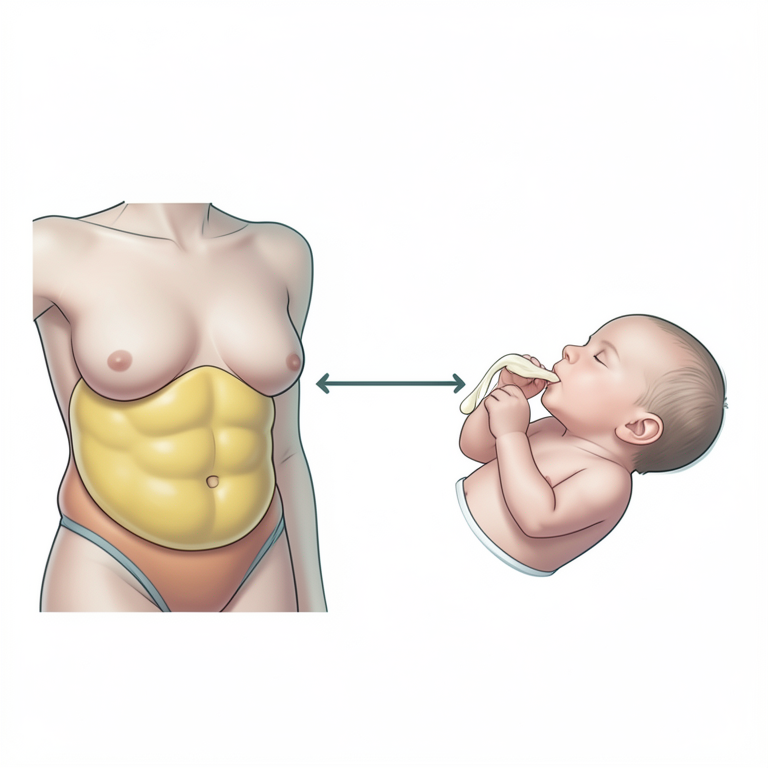
Pathway of OCP Exposure
AI-generated conceptual illustration (human mother and neonate). It explains the idea and does not show study data.
View source evidence ↗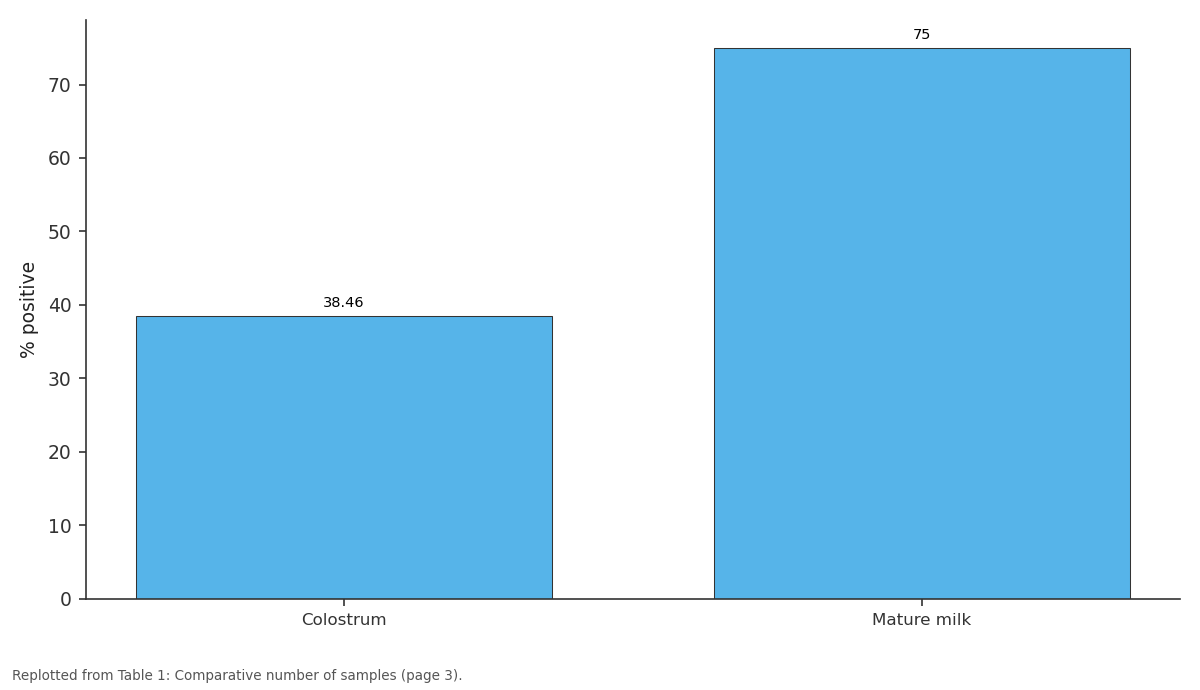
% positive: Colostrum vs Mature milk
Replotted from Table 1 (page 3) of the original paper. Every bar is the paper's own table value.
View source evidence ↗Figures & tables
From the original paper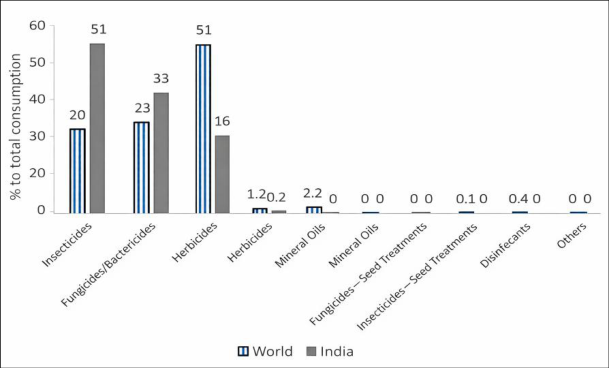 Figure 1
 Figure 2
 Table 1
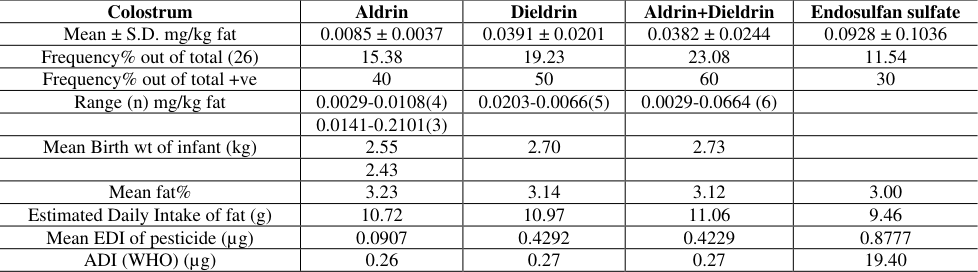 Table 2
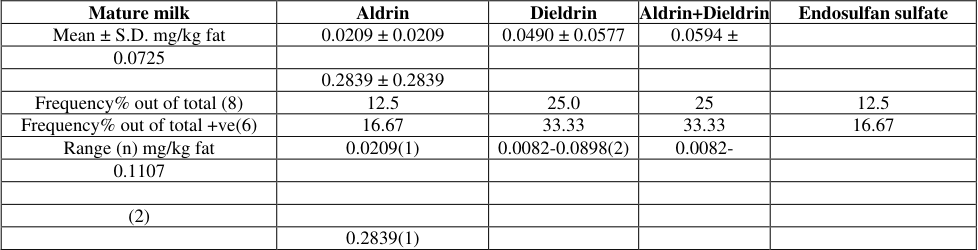 Table 3
 Table 3
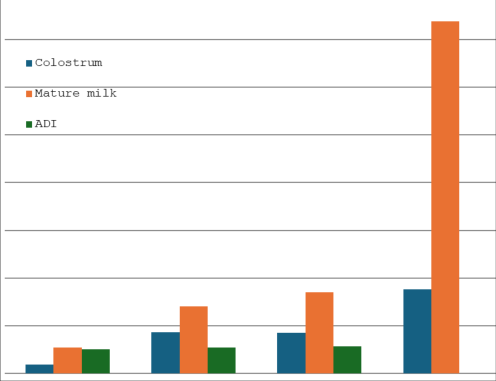 Figure 3
Introduction Fig 1:
Comparison of Pesticide consumption of India with the rest of the world (Reddy et al. 2024) [27] In India, largest pesticide consumption has been in the state of Uttar Pradesh, according to the data of 1995-1996 and 1999-2000, produced by Central Insecticide Board and Registration Committee, India.
Still there is paucity of recent data on body burden of OCPs, especially cyclodienes, from the region. Therefore, Faizabad, which is placed in Eastern Uttar Pradesh, India was chosen for the study. Moreover, past studies indicating the body burden of these chemicals have been limited to the larger centres. Remote areas like the one chosen in the study have remained largely ignored so far. Human milk is the major source of nutrition for the nursing infant. The level of lipophilic chemicals contaminating the milk not only reflects the exposure and body burden of the chemical in mother's body but also must be a cause of concern as it is finally making way into the body of the infant. A number of hazardous effects on the growth of development due to these chemicals have been reported. The extent of the toxic effects, however, depends on the dose of these chemicals during the early neonatal period. It, therefore, becomes essential not only to monitor the level of these chemicals but also to exactly determine the daily dosage of these chemicals reaching the infant's body which may further help in risk assessment of these chemicals.
Source: Sharma et al. 2019 [30] , Reddy et al. 2024 [27] Depuration studies, though insufficient in number, have reported a decline in the level of chemicals with the time of postpartum. 1 st to 3 rd day postpartum colostrum samples and 4 th to 8 th day mature milk samples were, therefore, collected from mothers residing in rural area of Faizabad District of Uttar Pradesh in 2006. The levels of OCPs present were analysed to find out the trend of contamination with the time of postpartum. The donors were vegetarian, of small to average body size, non-smokers, non-working and of lower socioeconomic class. The criteria of the donors selected for study represent the major women population of India. The characteristics of donors chosen for study are such that the least level of pesticide exposure could be expected. Colostrum and mature milk samples were analysed separately due to the difference in the composition of two. In addition to this, Depuration studies though limited in number have also shown the decrease in the level of contamination with the number of feedings. Thus, EDI through colostrum samples needs separate monitoring as it may carry a greater load of pesticides than expected. EDI through mature milk samples was also analysed to compare the intake with respect to colostrum samples. Due to the difference in the composition and volume intake and output of colostrum and mature milk, the analysis of the samples was carried out separately.
Among the chemicals chosen for study, DDT had been included in a number of studies due to its high persistence and bioaccumulation potential. But since this is the first study from rural area of Faizabad region, it was included in the analysis. Aldrin and its metabolic form Dieldrin, which are banned POPs, are among the list of 'Dirty dozens' but recent studies have reported the presence of these chemicals in vegetables, food grains and water. Considering the high toxic potential of these chemicals, assessment of daily dose consumed by the infants is also a matter of concern. Endosulfan sulfate, the metabolic form of endosulfan which bioaccumulates in the body, is an OCP which is not restricted or banned. After the implementation of ban on the majority of OCPs, the thrust has shifted to the pesticides which are freely available in market. OCPs have been a favorite group of pesticides for farmers owing to its persistence, effectiveness and therefore the lower cost of application. Endosulfan is therefore being increasingly used by applicators despite of classification by WHO in Class II (Moderately Hazardous) group of pesticides. Reports of its widespread contamination in food and water sources are pouring in from all parts of the world. However, there is limited data on human milk content of these cyclodienes, hence the need for analysis of these pesticides in human milk and estimation of intake by infants.
Materials and Methods
Materials and Methods
Sample collection and storage
Human milk samples were collected from mothers living in rural areas of Faizabad, India. All the donors were such that they had spent their entire lifetime in the rural areas of Faizabad i.e. they were born and married in the same region. The donors were accessed through District Hospital, Faizabad during 2006. The donors were quite reluctant and had to be extensively persuaded for participation in the study. This was largely due to their belief in numerous myths associated with milk prevalent in rural, orthodox communities. On an average, only four out of 10 mothers could be persuaded for donating the sample. Before collecting the sample, the donors were interviewed according to the exposure assessment questionnaire following World Health Organization (WHO) protocol. The questionnaire determined the age, health status, socioeconomic status, parity, day of postpartum, type of delivery, breast-feeding pattern of the infant, food frequency pattern, smoking habit, medication, residence history, and employment history of the mother. The donors were of mean age 22.75 ± 2.26 and low to average body size. All the mothers were non-smokers, vegetarian and healthy with no long term or serious illness. None were engaged in agricultural practices and were housewives. Out of the total 40 samples collected, only 34 could be analyzed as 5 were used for determination of recovery% and 1 was inadequate in volume. Out of the total number of samples analysed 26 were colostrum samples and 8 were mature milk samples. The samples were collected by manual expression in sterilized glass vials with plastic screw cap. The vials were covered with aluminum foil before placing the cap to prevent the contact of samples with the cap. Milk samples were refrigerated at 4 °C until analysed, generally within 24-48 hrs. All the vials were kept in a airtight opaque container to protect the samples from light.
Determination of OCPs
The milk lipids were extracted following procedure of Environmental Protection Agency Protocol (EPA-1985) 1 . The procedure involved denaturation by 1% NaCl solution and Dichloromethane. This was followed by solvent extraction of organic layer using HPLC grade hexane and acetonitrile and centrifugation. Then extraction was repeated twice. The extract was evaporated to remove traces of DCM using rotavapour. 2 ml of hexane was added to the extract and aliquots were injected into gas chromatograph for estimation of the pesticides. Fat was determined gravimetrically. 1µL aliquots of the sample were injected in Gas Chromatograph (Perkin Elmer Autosystem XL) equipped with a selective 63 Ni ECD and capillary columni.d. 0.25 mm film, length 30 m, packed with PE-17, with Nitrogen (IOLAR grade) carrier gas with a flow rate of 3 psi employing a split mode. The oven temperatures were kept at 190-280 °C with a ramp of 5 °C/min. The samples were calibrated against 0.1, 1 and 10 ppm standard solutions for all pesticides. standards were procured from Labor Dr. Ehrenstorfer-Schäfers, Germany via. Promochem India, Bangalore, India. Aldrin and Dieldrin were of 97.5% purity. Levels of pesticides in samples were directly determined after calibration using Totalchrom software. Recovery of residues from samples was 89.6-93.2%. Results were not corrected for recovery. FTIR analysis of all the samples was carried out to confirm the results of GC using Perkin Elmer FTIR-Spectrometer-Spectrum RXI.
Estimation of daily intake of infants: Daily fat intake was first calculated using the equation (WHO 1986):
Where Df is the Daily fat intake (g); W m is Wt. of milk consumed by infant g /day which is assumed to be 130 g/day/kg body wt. (WHO); Bw i is average body wt. of the infants (kg); f is percentage of fat in milk. Df was calculated separately for each group of samples according to the pesticidal contaminant present. Average Body wt of infants was also calculated for each group of samples rather than for the total population to reach maximum accuracy.
Thereafter Df was used to calculate Estimated Daily Intake (EDI) as follows:-EDI (mg) = (Df *C milk )/1000 ADI expressed in mg/kg body wt./day was multiplied with body wt. of infant for comparison with EDI. Statistical Analyses and calculations were performed using MS-Excel Data Analysis Park and NCSS Statistical software. Student's t-test was used to compare the means and Pearson's correlation coefficient was used to correlate the various parameters.
Results
Almost double percentage of mature milk samples were found to be contaminated than colostrum samples as depicted in Table 1. Aldrin, Dieldrin or Endosulfan sulfate were found to be present in different samples. DDT was also screened in the samples but was found to be below the limit of detection which was 0.1µg/ml for DDT. A comparative analysis of the pesticides in colostrum samples shows the highest level of endosulfan sulfate followed by dieldrin and aldrin. Frequency percentage of contamination for individual pesticides was calculated out of total number of samples analyzed and total number of samples found contaminated with either of the pesticides. Majority of the samples were found contaminated with Dieldrin followed by aldrin and endosulfan sulfate.
| — | Colostrum | Mature milk |
|---|---|---|
| Total | 26 | 8 |
| Total +ve | 10 | 6 |
| % positive | 38.46 | 75 |
Table text extracted from the original PDF; superscript letters are shown inline. The original table image is below.
View original table image
In case of mature milk also the frequency% of Dieldrin exceeded those of aldrin and endosulfan sulfate. Mean EDI was in the order Dieldrin>Endosulfan>Aldrin in case of mature milk while the order was Dieldrin> Aldrin>Endosulfan sulfate for colostrum samples. Greater number of samples were above ADI for Aldrin and dieldrin in case of colostrum than in mature milk. The infants consumed greater load of pesticides through mature milk than colostrum which is reflected by the higher value of mean EDI/ADI of individual pesticides. The consumption through mature milk was double the intake through colostrum for aldrin and dieldrin and four times for endosulfan sulfate. Mean Total OCPs were 4.28 times higher in mature milk than in colostrum.
Discussion
'Biological monitoring', represents the simplest way by which dose rates received by various routes can be integrated, depicting total exposure. The mobilization of adipose tissue during lactation brings about the leaching of bio accumulated lipophilic substances into the human milk. Human milk therefore serves as an excellent non-invasive source of biomonitoring. Analysis of contaminants in mother's milk also determines the dietary exposure of the nursing infant to these contaminants. Neonates, having an immature detoxification system and lower immunity, are more vulnerable to the toxic effects these chemicals. The various toxic effects of these chemicals can range from growth retardation to neurotoxic effects. The estrogenic effects of these chemicals may also threaten the normal development of the infant. Determination of the daily dosage of these chemicals ingested by the infant and its comparison with ADI values may therefore help in risk assessment of these OCPs. However, ADI fixed by WHO/FAO are limits of long term safe intake of these toxicants for children and adults alike, having no special consideration for neonates. Thus, even if the EDI is below ADI, possibility of long-term toxic effect cannot be ruled out. Further, surveillance and longitudinal studies encompassing health effects are therefore, warranted in this area. As pointed out earlier, the living conditions and characteristics chosen for the donors were such that a minimum exposure could be expected. It was therefore, DDT in all the samples was found to be below limit of detection. This is in agreement with the earlier study by Siddiqui et al. 1981 [31] which showed lower levels of pp-DDT in rural non vegetarian mothers than in urban vegetarian mothers suggesting a very low exposure to DDT in rural population. In this study, the levels were still lower as the mothers were vegetarian and of lower socio-economic status having minimal fat intake. In India, restricted use of DDT is permitted for mosquito eradication programs. The mosquito eradication programs are better implemented and practiced in urban areas than rural areas. Thus, the rural population is relatively safer from exposure to DDT which is highly persistant. A comparative analysis of the pesticides in colostrum samples shows the highest level of endosulfan sulfate followed by dieldrin and aldrin which is to be expected as endosulfan is being increasingly used and reported as a contaminant in various vegetarian food sources like vegetables, water and milk leading to the bioaccumulation of endosulfan sulfate and subsequent expression in milk of lactating mothers. In this study, the mean EDI was above ADI for Aldrin and Dieldrin both through colostrum and mature milk while mean EDI of endosulfan sulfate was below ADI through both. However, the value of mean EDI of endosulfan sulfate was higher than aldrin and dieldrin in both colostrum and mature milk samples. Since, Aldrin is converted to dieldrin during detoxification, mean EDI of Dieldrin is greater than aldrin in both colostrum and mature milk samples. The presence of Aldrin in both colostrum and mature milk samples suggests the immediate exposure to aldrin in quantities which overwhelmed the detoxification mechanism of the subjects. Siddiqui et al. in 2002 [32] , have reported average level of 0.009 ppm (whole milk) of Aldrin in milk of primiparous, urban, vegetarian mothers from Lucknow city which is close to Faizabad. This value is much higher than the mean 0.000128 ppm (whole milk) of aldrin found in the samples from Faizabad suggesting a lower level of exposure in this region or a decline in the content with time. Thus, it can be said that the ban imposed on use of aldrin and dieldrin have led to their decline in their level in population. But still various recent studies have reported widespread contamination of aldrin in vegetarian diet and water. Despite of the ban 60% of the samples still have their EDI of dieldrin above calculated ADI. Due to the greater half-life of Dieldrin as compared to Endosulfan sulfate in the environment the residues can still be detected in majority of the samples. Though donors of colostrum and mature milk were different yet the factors concerning donors that influence lactation like dietary pattern, body size, living conditions, socioeconomic status etc. were quite similar for both the groups. The results of the study can, therefore, be used for depuration analysis. No significant correlation was observed between individual pesticide content or total pesticide content and time gap between parturition and time of sample collection. Dieldrin showed a very low negative correlation r = -0.03381 with hr of postpartum and a low negative correlation r = -0.23053 with day of postpartum. Very low negative correlation was observed (r = -0.02934) between average OCPs of 1 st , 2 nd 5 th, 6 th and 8 th day of postpartum and the number of days. Organochlorine pesticides (OCPs), including compounds such as DDT, lindane (γ-HCH), and endosulfan, are persistent organic pollutants widely used in agriculture and vector control. Due to their lipophilic nature and long environmental half-lives, these compounds accumulate in fatty tissues and are excreted in human breast milk (Kalantzi et al., 2004). Consequently, breastfed infants, particularly in regions where OCP use remains prevalent, are at risk of exposure during a critical window of development. Several studies have demonstrated the neurotoxic potential of OCPs. Exposure to these compounds through breast milk has been associated with adverse neurodevelopmental outcomes, including reduced cognitive performance and motor function (Ribas-Fitó et al., 2003) [28] . Furthermore, OCPs function as endocrine-disrupting chemicals (EDCs), interfering with hormone systems essential for normal growth and development (Diamanti-Kandarakis et al., 2009) [8] . For example, prenatal and early postnatal exposure to DDT and its metabolites has been linked to thyroid dysfunction and altered pubertal timing (Chevrier et al., 2007) [6] . Another concern is the immunotoxic effect of OCPs (Mishra et al. 2011) [23] . Studies indicate that infants exposed to higher levels of these compounds through breast milk may have increased susceptibility to infections and altered immune responses (Weisglas-Kuperus et al., 2004) [34] . Additionally, OCPs such as lindane and DDE (a DDT metabolite) have been classified as possible human carcinogens, although the long-term cancer risk from breastfeeding exposure is not yet fully quantified (IARC, 2018) [14] . Despite these risks, organizations such as the World Health Organization (WHO) continue to recommend breastfeeding due to its overwhelming health benefits, including optimal nutrition and immunity (WHO, 2003) [35] . The emphasis remains on reducing maternal exposure to environmental contaminants rather than discouraging breastfeeding (Mekonen et al. 2021) [21] . In regions like India, OCP residues are still detectable in breast milk, particularly in rural or agricultural communities. For instance, studies have found detectable levels of DDT and HCH in lactating mothers from different states, often exceeding WHO's recommended tolerable daily intake (Kumar et al., 2006) [13] . Reducing infant exposure to OCPs requires policy measures to eliminate residual use, public health efforts to monitor contaminants in food and milk, and education for mothers about minimizing exposure through dietary and environmental interventions is required. The Hazard Index for Aldrin, Dieldrin and Endosulfan sulfate is greater than 1 (Meek et al.) [20] Suggesting potential health risks to the nursing Infant. This calls for better policies and stricter regulatory frameworks for these OCPS.
Acknowledgement
AcknowledgementsThe authors are grateful to Dr. Rashmi Sanghi, Scientist, and IIT Kanpur for providing the pesticide standards for standardization.
Figures and tables from the paper
| Colostrum | Aldrin | Dieldrin | Aldrin+Dieldrin | Endosulfan sulfate |
|---|---|---|---|---|
| Mean ± S.D. mg/kg fat | 0.0085 ± 0.0037 | 0.0391 ± 0.0201 | 0.0382 ± 0.0244 | 0.0928 ± 0.1036 |
| Frequency% out of total (26) | 15.38 | 19.23 | 23.08 | 11.54 |
| Frequency% out of total +ve | 40 | 50 | 60 | 30 |
| Range (n) mg/kg fat | 0.0029-0.0108(4) | 0.0203-0.0066(5) | 0.0029-0.0664 (6) | |
| 0.0141-0.2101(3) | ||||
| Mean Birth wt of infant (kg) | 2.55 | 2.70 | 2.73 | |
| 2.43 | ||||
| Mean fat% | 3.23 | 3.14 | 3.12 | 3.00 |
| Estimated Daily Intake of fat (g) | 10.72 | 10.97 | 11.06 | 9.46 |
| Mean EDI of pesticide (µg) | 0.0907 | 0.4292 | 0.4229 | 0.8777 |
| ADI (WHO) (µg) | 0.26 | 0.27 | 0.27 | 19.40 |
Table text extracted from the original PDF; superscript letters are shown inline. The original table image is below.
View original table image
| Mature milk | Aldrin | Dieldrin | Aldrin+Dieldrin | Endosulfan sulfate |
|---|---|---|---|---|
| Mean ± S.D. mg/kg fat | 0.0209 ± 0.0209 | 0.0490 ± 0.0577 | 0.0594 ± | |
| 0.0725 | ||||
| 0.2839 ± 0.2839 | ||||
| Frequency% out of total (8) | 12.5 | 25.0 | 25 | 12.5 |
| Frequency% out of total +ve(6) | 16.67 | 33.33 | 33.33 | 16.67 |
| Range (n) mg/kg fat | 0.0209(1) | 0.0082-0.0898(2) | 0.0082- | |
| 0.1107 | ||||
| (2) | ||||
| 0.2839(1) |
Table text extracted from the original PDF; superscript letters are shown inline. The original table image is below.
View original table image
References
34 in the original paper- Ramesh A, Vijayalakshmi A. Environmental exposure to residues after aerial spraying of endosulfan: Residues in cow milk, fish, water, soil and cashew leaf in Kasargode, Kerala, India. Pest Manag Sci. 2002;58(10):1048-1054.
- Makri A, Goveia M, Balbus J, Parkin R. Children's susceptibility to chemicals: A review by developmental stage. J Toxicol Environ Health B Crit Rev. 2004;7(6):417-435.
- Bhushan C, Bhardwaj A, Misra SS. State of pesticide regulations in India. New Delhi: Centre for Science and Environment; 2013.
- Bakore N, John PJ, Bhatnagar P. Organochlorine pesticide residues in wheat and drinking water samples from Jaipur, Rajasthan, India. Environ Monit Assess. 2004;98(1-3):381-389.
- Banerjee BD, Zaidi SSA, Pasha ST, Rawat DS, Koner BC, Hussain QZ. Levels of HCH residues in human milk samples from Delhi, India. Bull Environ Contam Toxicol. 1997;59(3):403-406. DOI: 10.1007/s001289900492
- Chevrier J, Eskenazi B, Bradman A, Fenster L, Barr DB. Associations between prenatal exposure to polychlorinated biphenyls and neonatal thyroidstimulating hormone levels in a Mexican-American population, Salinas Valley, California. Environ Health Perspect. 2007;115(12):1703-1709. DOI: 10.1289/ehp.10160
- Devi I, Thomas J, Raju RK. Pesticide consumption in India: A spatiotemporal analysis. Agric Econ Res Rev. 2017;30(1):163-172. DOI: 10.5958/0974-0279.2017.00015.5
- Kandarakis DE, Bourguignon JP, Giudice LC, Hauser R, Prins GS, Soto AM, et al. Endocrine-disrupting chemicals: An Endocrine Society scientific statement. Endocr Rev. 2009;30(4):293-342. DOI: 10.1210/er.2009-0002
- Ehrenberg L, Jensen S, Kaul AK. Residues of some organochlorine pesticides in Indian foods. Everyman's Sci. 1976;11:163-165.
- Environmental Protection Agency. Analytical methods for the analysis of pesticide residues in human and environmental samples. Research Triangle Park (NC): Health Effects Laboratory; 1980.
- Shukla G, Kumar A, Bhanti M, Joseph PE, Taneja A. Organochlorine pesticide contamination of ground water in the city of Hyderabad. Environ Int. 2006;32(2):244-247.
- International Agency for Research on Cancer. DDT, Lindane, and 2, 4-D. IARC Monogr Eval Carcinog Risks Hum. 2018;113. Available from: https://monographs.iarc.who.int International Journal of Agriculture and Nutrition https://www.agriculturejournal.net
- Jani JP, Patel JS, Shah MP, Gupta SK, Kashyap SK. Levels of organochlorine pesticides in human milk in Ahmedabad, India. Int. Arch Occup Environ Health. 1988;60(2):111-113.
- John PJ, Bakore N, Bhatnagar P. Assessment of organochlorine pesticide residue levels in dairy milk and buffalo milk from Jaipur City, Rajasthan, India. Environ Int. 2001;26(4):231-236.
- Kalantzi OI, Boyle P, Vincken W, Bergman Å, Biessy C, Riboli E, et al. Levels of organochlorine pesticides in the breast milk of mothers in Greece. Chemosphere. 2004;54(3):355-361. DOI: 10.1016/j.Chemosphere.2003.07.002
- Kalra RL, Chawla RP. Occurrence of DDT and BHC in human milk in India. Experientia. 1981;37(4):404-405.
- Kumar R, Jaiswal DK, Singh RD, Sharma B. Organochlorine pesticide residues in breast milk of women in Agra, India: Association with sociodemographic factors. Hum Exp. Toxicol. 2006;25(9):497-503. DOI: 10.1191/0960327106ht665oa
- Meek ME, Boobis AR, Crofton KM, Heinemeyer G, Raaij MV, Vickers C. Risk assessment of combined exposure to multiple chemicals: A WHO/IPCS framework. Reg Toxicol Pharmacol. 2011;60(2 Suppl 1):S1-S14.
- Mekonen S, Ambelu A, Wondafrash M, Kolsteren P, Spanoghe P. Exposure of infants to organochlorine pesticides from breast milk consumption in southwestern Ethiopia. Sci. Rep. 2021;11(1):22053. DOI: 10.1038/s41598-021-01656.
- Mishra K, Sharma RC. Assessment of organochlorine pesticides in human milk and risk exposure to infants from North-East India. Sci Total Environ. 2011;409(23):4939-4949.
- Mishra K, Sharma RC, Kumar S. Organochlorine pollutants in human blood and their relation with age, gender and habitat from North-east India. Chemosphere. 2011;85(3):454-464. DOI: 10.1016/j.chemosphere.2011.07.074
- Nair A, Dureja P, Pillai MK. Levels of Aldrin and dieldrin in environmental samples from Delhi, India. Sci Total Environ. 1991;108(3):255-259.
- Neville MC, Keller R, Seacat J, Lutes V, Neifert M, Casey C, et al. Studies in human lactation: Milk volumes in lactating women during the onset of lactation and full lactation. Am J Clin Nutr. 1988;48(6):1375-1386.
- Ramakrishnan N, Kaphalia BS, Seth TD, Roy NK. Organochlorine pesticide residues in mother's milk: A source of toxic chemical in suckling infants. Hum Toxicol. 1985;4(1):7-12.
- Reddy AA, Reddy M, Mathur V. Pesticide use, regulation, and policies in Indian agriculture. Sustainability. 2024;16(17):7839. DOI: 10.3390/su16177839
- Ribas-Fitó N, Sala M, Cardo E, de Muga ME, Mazon C, Verdu A, et al. Organochlorine compounds and concentrations of thyroid stimulating hormone in newborns. Occup Environ Med. 2003;60(4):301-303. DOI: 10.1136/oem.60.4.301
- Shahi DK, Nisha K, Sharma A. Monitoring of pesticide residues in market vegetables at Ranchi, Jharkhand (India). J Environ Sci Eng. 2005;47(4):322-325.
- Sharma A, Kumar V, Shahzad B, et al. Worldwide pesticide usage and its impacts on ecosystem. SN Appl Sci. 2019;1:1446. DOI: 10.1007/s42452-019-1485-1
- Siddiqui MK, Saxena MC, Bhargava AK, Seth TD, Murti CR, Kutty D. Agrochemicals in the maternal blood, milk and cord blood: A source of toxicants for prenates and neonates. Environ Res. 1981;24(1):24-32.
- Siddiqui MKJ, Nigam U, Srivastava S, Tejeshwar DS, Chandrawati. Association of maternal blood pressure and hemoglobin level with organochlorines in human milk. Hum Exp Toxicol. 2002;21(1):1-6.
- UNEP/WHO. Assessment of human exposure to selected organochlorine compounds through biological monitoring. Slorach SA, Vaz R, editors. Uppsala: Swedish National Food Administration; 1983, p. 49.
- Kuperus WN, Sas TC, Koopman-Esseboom C, van der Zwan CW, de Ridder MA, Beishuizen A, et al. Immunologic effects of background exposure to persistent organic pollutants in Dutch preschool children. Environ Health Perspect. 2004;112(6):655661. DOI: 10.1289/ehp.6664
- World Health Organization. Global strategy for infant and young child feeding. Geneva: WHO; 2003. Available from: https://www.who.int/publications/i/item/9241562218
- Zaidi SSA, Bhatnagar VK, Banerjee BD, Balakrishnan G, Shah MP. DDT residues in human milk samples from Delhi, India. Bull Environ Contam Toxicol. 1989;42(3):427-430. DOI: 10.1007/BF01699971