
Research article · 2025 · Full text
International Journal of Biology SciencesThe role of cow dung in climate change dynamics: A review
Volume 7(10) · Pages 153–161 · DOI: 10.33545/26649926.2025.v7.i10b.543 ↗
Research areasHumic Substances and Bio-Organic StudiesComposting and Vermicomposting TechniquesAgricultural Systems and Practices
Abstract
Author-writtenWhen cow dung is properly managed and utilized as a bio resource rather than waste, it can be transformed into valuable by-products such as biogas, biochar, compost, and organic initiatives such as GOBARDHAN and Godhan Nyay Yojana to ensure the proper management of cow manure. This not only provides renewable energy and organic fertilizers but also enhances soil fertility and promotes environmental conservation. Livestock waste especially cow dung, which is a readily available, renewable and bio-resource, can be beneficial and harmful both depending on how it is managed. Improper treatment or anaerobic digestion of cow dung produces greenhouse gases: CO2, CH4, and others nitrous oxide. These gases trap infrared radiation, warm the atmosphere, contribute to majorly to global warming, air pollution and climatic change. Improper management also results in soil and water pollution through the release of harmful nitrogen compounds.
Summary
Source-checkedPlain-language reading of the full paper, prepared with AI and checked against the text. Each point links to the authors' own words.
Why it matters
- Livestock emissions are a major driver of climate change, with cattle contributing nearly two-thirds of the approximately seven billion tonnes of CO₂ equivalent released annually by livestock. View evidence ↗
- Improper management of cow dung leads to the release of greenhouse gases like CO₂, CH₄, and nitrous oxide, which trap heat and contribute to global warming and air pollution. View evidence ↗
- When treated as a bio-resource rather than waste, cow dung can be converted into useful products like biogas, biochar, and compost. View evidence ↗
The question
- The paper aims to explore how cow dung can be used sustainably to mitigate climate change, generate renewable energy, improve soil fertility, and support rural livelihoods. View evidence ↗
What they did
- The authors conducted a review of current cow dung management strategies, technical developments, and existing problems to identify future research needs. View evidence ↗
What they found
- Advanced measurement techniques indicate that manure is responsible for half of the total methane emissions from livestock. View evidence ↗
- A single cow produces approximately 29.5 kg of manure daily, which has the potential to yield between 250 and 500 litres of methane. View evidence ↗
- Implementing well-designed community biogas systems to process cow dung can reduce carbon emissions by up to 3.77%. View evidence ↗
- Mixing red algae (Asparagopsis taxiformis) directly into cow manure can reduce methane emissions by nearly 44%. View evidence ↗
- Dung stoves, used by fewer than 10% of households, produced approximately 1,600 gigagrams of PM2.5 and have emissions 17% higher than wood stoves. View evidence ↗
- Adding 0-20% cow dung powder to soil-based building materials increases heat capacity (3.35 to 5.01 Cal/oC) and combustion (0.58% to 1.03%), with 15-20% being the optimal range. View evidence ↗
- Methane (CH₄) and nitrogen dioxide (NO₂) emissions from livestock manure increased by approximately 50% between 1961 and 2010. View evidence ↗
What it means
- The authors conclude that with proper management and government support, cow dung can be transformed from a pollutant into a resource for clean energy and climate-smart agriculture. View evidence ↗
- The authors note that current biogas production technology is often expensive, incomplete, and can cause temperature changes in urban areas. View evidence ↗
Visual summary
1 visualsIllustrations explain the paper; they do not show study data.
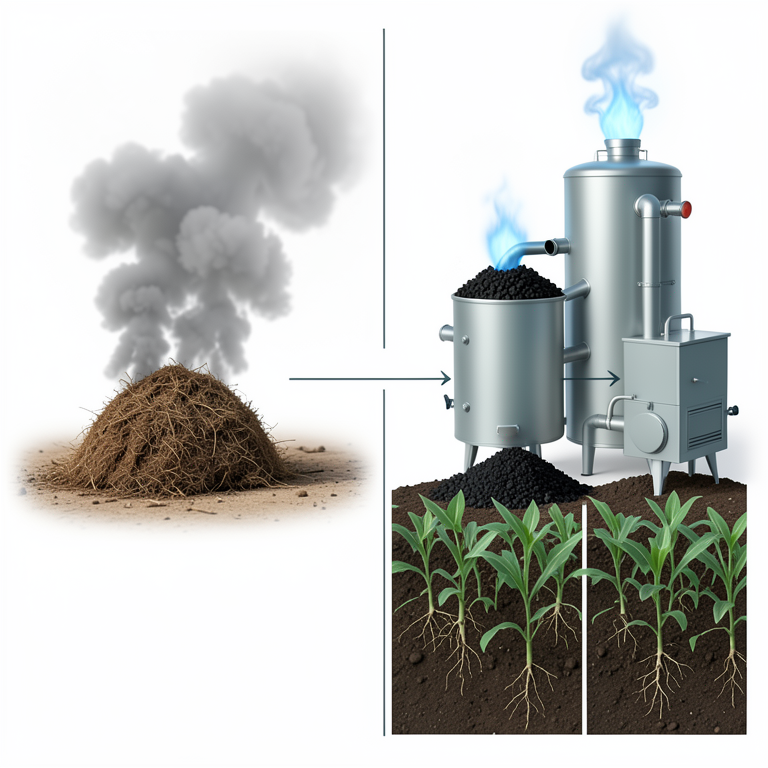
Cow Dung Management Cycle
AI-generated conceptual illustration (cow dung and agricultural soil). It explains the idea and does not show study data.
View source evidence ↗Introduction
In global warming, these gases' impact is greater than the carbon dioxide (CO₂).The emission of these gases due to livestock especially cattle has become a significant target in efforts to cut down the climate changes. The global annual livestock release is roughly equivalent to seven billion tonnes of CO₂. The contribution of Cattle in these emissions are nearly twothirds (Bačėninaitė et al., 2022; FAO, 2017) [1,3] . Among various sources of climate change, the livestock and dairy farms are consider major source of greenhouse gas emissions, thereby raising the level of gases in the atmosphere. It is a significant contribution to global warming and climate change. The greenhouse gas CH₄ significant quantity comes from livestock especially cattle by their enteric fermentation, a microbial digestive process. Bandara, et. al. shown that the significant amount of N₂O emits due to stored manure or on land by the process of nitrification in which ammonia with microbes produce nitrate and next, de nitrification process produces N₂O (Bačėninaitė et al., 2022; Bandara, et al., 2025) [1,2] . Researchers are of the view that the emission of Methane in the dairy sector is greatly underestimated. Using advanced techniques of measurement methods found that half of the total live stock's methane emission is contributed by the manure (Ward et al., 2024; Cárdenas et al., 2020) [4,5] . The major source of CH₄ is storing the liquid manure (slurry) in lagoons and open ponds. This method of storage produces more methane in summer. So, this is one of the significant contributors to the overall climate impact of the agriculture system which results in increase of greenhouse effect on the atmosphere (Ward et al., 2024; Ambrose et al., 2023) [4,6] . It is found that in certain regions including the USA the methane emission due to manure production is more rapid than the enteric fermentation process, (Beck et al., 2023) [7] . Based upon these studies which suggest the need of better monitoring of emitted gases, adoption of sustainable feeding, breeding and waste management practices. To reduce climate impact, the integrated, multi sectoral approaches can convert livestock waste into biogas for renewable energy and organic fertilizer for enhancement of soil quality. Cow manure is both a natural resource and a byproduct of agriculture. Professionally managed, it can provide organic fertilisers, clean fuel biogas, and useful biomaterials. Unmanaged cow poo can spread illness and cause pollution. Greenhouse emissions like CO2 and methane may be reduced as a result of producing biogas from cow manure. By reducing reliance on fossil fuels like petrol, kerosene and LPG, biogas produced from cow dung [8,9] . Studies have demonstrated that turning cow dung into biogas in well-designed community biogas systems can reduce carbon emissions by as much as 3.77% (Luo et al., 2024; Nleya et al., 2024) [9,10] . Apart from energy production use, cow dung when converted into biochar offers agricultural and environmental benefits. Biochar is a stable, nutrient rich material that improves soil structure, enhances water retention, boosts crop yields, and improves nitrogen use efficiency (Park et al., 2024; Kukwa et al., 2025) [12,13] . Biochar plays a significant role in carbon sequestration, where stable form in biochar the stable carbon in biochar stays in soil for a long period, remaining in the soil for long periods reducing CO₂ released into the atmosphere and mitigating climate change. The beneficial microorganism in cow dung improves soil fertility, promotes climate friendly and organic farming practices (Li et al.). Additionally, cow dung has been shown to be beneficial for socioeconomic growth. Organised cow dung management can generate renewable energy, lessen local environmental pollution, facilitate resource recovery, stop deforestation, and promote rural livelihoods, according to programs like GOBAR-DHAN and Godhan Nyay Yojana in India. (Sahdev et al., 2024; Shaibur et al., 2021) [74,99] . Nitrous oxide, ammonia, and greenhouse gas emissions from livestock manure are controlled using integrated manure management techniques. The acidity of the slurry lowers the formation of methane, nitrous oxide, and ammonia. The dietary modification strategy involves altering food to reduce phosphorus and nitrogen levels in order to reduce emissions. Emissions can be reduced by the manure coverings. The creation of biogas is favoured by the anaerobic digestion method. These tactics encourage the recycling of nutrients. (Hou et al., 2015) [17] . When manure is managed properly, it gives many useful products such as biogas and compost. Bio gas is a source of energy and compost increases fertility of the soil. Adoption of these methods provide rural employment and reduce the impacts of climate change (Brahmi et al., 2024) [18] . The potential of cow dung as a sustainable way to mitigate climate change is covered in this paper, along with how it can be used to generate renewable energy, boost soil fertility, and improve rural livelihoods. This paper offers a thorough summary of cow dung management strategies, current technical developments, problems, and potential areas for future research. It seeks to establish cow dung as a key component of rural development and climate-friendly farming.
Composition and Properties of Cow Dung*
Cow dung is versatile in nature. its thermal, agriculture and environmental properties found in reducing greenhouse gases emission, biogas generation, organic fertilizers improving soil fertility, building material and many others sustainable applications. Cow dung contain high moisture content, (65-75%), carbon-to-nitrogen (C: N) ratio of approximately 20-30:1, about 3% Nitrogen 2% Phosphorus and 1% potassium (Makumbi et al., 2025; HomeBiogas, n.d.) [19] . Its pH is neutral or near neutral (~6.5-7), which is helpful in microbial activity during anaerobic digestion (Makumbi et al., 2025; HomeBiogas, n.d.) [19] . Anaerobic digestion produces gases which consists of 50-75% methane (CH₄), 25-50% carbon dioxide (CO₂), with traces of hydrogen sulfide (H₂S), water vapor (H₂O), and occasionally mercaptans, oxygen, and nitrogen (HomeBiogas, n.d.). Cow dung has high energy potential about 1 kg of it can produce 15-40 litres of biogas per day, depending on how it's treated. A single cow produces around 29.5 kg of manure, which can yield 250-500 litres of methane daily (HomeBiogas, n.d.). Biogas production process takes around a week. Cow dung breaks down slowly, when mixed with carbon rich waste or poultry manure, both quantity and quality of biogas gets improved (HomeBiogas, n.d.). Thermally, dairy cattle manure exhibits specific heat values ranging from 1.9925 to 3.606 kJ kg⁻¹ °C⁻¹, thermal conductivity from 0.0901 to 0.6814 Wm⁻¹ °C⁻¹, and thermal diffusivity from 1.13 to 2.94 × 10⁻⁷ m² s⁻¹, with moisture content exerting a stronger influence than temperature (Nayyeri et al., 2009) [21] . Beef cattle manure shows decreasing specific heat from 4.13 kJ kg⁻¹ °C⁻¹ at 1.42% total solids (TS) to 1.40 kJ kg⁻¹ °C⁻¹ at 99.4% TS, while thermal conductivity varies from 630 mW m⁻¹ °C⁻¹ at 2.8% TS to 60.4 mWm⁻¹ °C⁻¹ at 95% TS, and thermal diffusivity depends on total solids content (Chen, 1983) [22] . These characteristics make it suitable for use in thermal insulation, biocomposites and building materials. Incorporating 3-9%% cowdung powder into glass polyester hybrid composites reduces thermal conductivity and enhances thermal resistivity (Reddy et al., 2013) [23] . Similarly, adding 0-20%% cowdung powder to soil-based building materials improves combustion (from 0.58% to 1.03%) and heat capacity (from 3.35 Cal/oC to 5.01 Cal/oC), with 15-20% being the optimal stabilization range for thermal performance (Zievie et al., 2025) [24] . Cow dung is additionally employed as an insulating material in building construction, where it reduces heat transfer, enhances thermal resistance, and aids in maintaining stable indoor temperatures (Kumar et al., 2020) [25] . Upon combustion, cow dung releases organic vapors, nitrogen-containing compounds, and intermediate-volatility organic compounds, which collectively account for approximately 12.6-39.3% of total emissions (Wang et al., 2025) [26] . Furthermore, plant growth-promoting microorganisms found in cow dung facilitate phosphate solubilisation for plant utilisation. These bacteria generate siderophores and the natural growth hormone IAA. These have antifungal effects by aiding the plant in absorbing iron. Cow dung can be utilised as a natural biofertilizer to promote sustainable and healthful farming because of these advantages.(Sagar et al., 2025) [27] .
Environmental Implications of Cow Dung Mismanagement 3.1. Greenhouse Gas Emissions
Poor management of cow dung led to environmental consequences mainly due to greenhouse gases. Waste products from dairy and swine farms emits huge amounts of methane (CH₄), over 80 times more potent than CO₂, mainly from wet storage systems such as lagoons and pits, contributing approximately 1% of U.S. national emissions (Badzmierowski et al., 2024) [28] . Globally, about 60% of methane is caused by anthropogenic emissions, and about 40% from natural sources, with manure management contributing roughly 7% of agricultural methane emissions (Bessagne et al., 2024; Ferreira, F., & McCabe., 2024) [29,30] . Methane contributes to roughly half of the 1.1°C global temperature rise since pre-industrial times and has a strong short-term warming potential (Ferreira, F., & McCabe., 2024) [30] . In addition, nitrous oxide (N₂O) emissions occur primarily after manure is applied to land as fertilizer through microbial nitrification and denitrification processes Low quality of manure management also produces black carbon emissions, leads to nutrient losses, contaminates and poses risks to cow health and milk quality (Hassan et al., 2022; CCAC, 2024) [31] . Mitigation strategies should include separation processes like aeration, acidification, and anaerobic digestion, which reduce methane emissions while improving odour control, fertilizer value, and handling (Badzmierowski et al., 2024; Streeter, 2024) [28] . Diet manipulation to lower excreted nitrogen and degradable carbon can reduce both CH₄ and N₂O emissions, and manure injection, cover crops, and urease or nitrification inhibitors can further control emissions (Montes et al., 2013) [24] . Innovative approaches, a direct mixing of red algae (Asparagopsis taxiformis) to cow manure results in reduction of methane emissions nearly 44%. This approach doesn't affect food safety (Gramling, 2023) [95] . Anaerobic digestion, a biochemical process in absence of oxygen in manure, produces a beneficial renewable biogas and degrades harmful organic matter. this process is to be monitored for by product (Neri et al, 2023) [36] . Global annual methane production is around 120 million tonnes of methane annually and 3.3 billion tonnes of CO₂.
The emission intensity is the amount of methane per kg of milk or meat. It is found that in low income countries the emission intensity is 6-16 higher. The increase in emission is due to less efficient production systems (Ferreira, F., & McCabe, 2024). Direct methane reduction with improved efficiency can be achieved by using pasture management, better feeding, and breeding. The global warming can be limited upto 1.5°C by using improved manure handling, and anaerobic digesters (Hristov, A. N. (2024; Arndt et al., 2022) [37,38] . The Climate and Clean Air Coalition (CCAC) with its partners SEI, FAO, ILRI, Wageningen University and CATIE. Wageningen University approach on reduction of short-lived climate pollutants, by optimization of nutrient recycling, and capturing methane for energy and fixing manure management in livestock policies. By providing training, knowledge-sharing platforms and technical assistance for these programs in Asia, Latin America and Africa is resulted into, reduction of greenhouse gas emissions and enhanced sustainable livestock production (CCAC, 2024) [31] .
Water Contamination
Nowadays, Intensive dairy cattle systems have become a source of modern milk production based upon high animal densities and concentrated feeding operations. This type of dairy cattle systems pose environmental challenges in the form of nutrient pollution. The excessive excretion of nitrogen (N) and phosphorus (P) in manure is also a source of significant nitrogen (N) and phosphorus (P) pollution. Unmanaged nutrients can accumulate in soil and leach into the water body. The water body has an excessive amount of these nutrients that disrupt the aquatic ecosystems and lead to water eutrophication (Biagini & Lazzaroni, 2018) [51] . Won et al. study shows that manure nutrients accumulate in soils and contribute to eutrophication (Won et al., 2016) [52] . The manure is valuable for soil enrichment; it also causes water pollution, if mismanaged can cause serious water pollution. Manure also have pathogens like E. coli and Salmonella into the surface and can percolate to groundwater. Existence of these pathogens can pose public health risks (Alegbeleye & Sant'Ana, 2020; Abdugheni et al., 2023) [53,54] . The runoff Nutrients like nitrogen and phosphorus manure trigger the process of eutrophication in the water body. These nutrients excreted in manure if mismanaged lead to serious ecological consequences like algal blooms, and oxygen depletion in aquatic systems. The cow dung harbouring pathogens such as E. coli, Salmonella, and Cryptosporidium spp., can pose health risks to humans and water quality (Chourasiya et [55,56,57] . The ammonia is also a source of pollution from livestock waste and creates aquatic toxicity and nitrate leaching, endangering the health of humans and animals. Some manure management practices such as composting, introducing vegetative buffer strips and implementation of de-nitrification processes significantly reduce nutrient loading. The directives of Regulatory Bodies for safeguarding the environment play a crucial role in mitigating the impacts of intensive dairy farming. The European Union's Nitrates Directive and the United States' Clean Water Act emphasize the adoption of sustainable agricultural practices. These directive and regulations mandate measures such as controlled manure application, buffer zones near waterways and prevent runoff and leaching of nutrients phosphorus and nitrogen. These regulations aim for safeguarding water quality and aquatic ecosystems.
Air Pollution
When cow dung is used as cooking fuel in rural India by through combustion releases high level of toxic volatile organic compounds (VOCs).Thus the use as cooking fuel it contributes in Air Pollution a raise levels of particulate matter (PM2.5).The cow dung as cooking fuel, even used by by fewer households surpasses emissions from wood and other biofuels, households (Brown, 2024; Park et al., 2013; Wikipedia, 2025) [39,12] . Study of 2020 has shown that approximately 1,600 gigagrams of PM2.5 was produced by dung stoves. Used by Less than 10% households in comparison, it is found to be 17% higher than wood stoves and half of residential emissions. There were 1.6million deaths from household air pollution in 2019 due to household exposure to smoke at a level of PM2.5 resulting in decreased respiratory, cardiovascular diseases and premature mortality (Brown, 2024) [39] . The Government of India took initiatives such as the Pradhan Mantri Ujjwala Yojana which have successfully phased out kerosene and coal. Due to the cost barriers, its impact on reduction of biofuel have had limited impact (Swain & Mishra., 2020) [42] . Ranjan & Singh., 2020) [43] . The cow dung and agricultural waste are being converted into cleaner-burning methane using Mitigation strategies. Among numerous organic species, unique traces of cholestanol and coprostanol, more reactive VOCs that interact with hydroxyl radicals, are released upon combustion of Cow dung. In comparison of wood cow dung produces 3-4 times more secondary organic aerosol. Their high nitrogen content influences health and environmental impacts (Loebel Roson et, 2024; Wikipedia, 2025) [45] . Major sources of ammonia, methane, and PM2.5, besides the household fuel, are livestock operations, particularly Concentrated Animal Feeding Operations (CAFOs).The emission of Ammonia contribute to secondary PM formation, which results in respiratory issues, and premature deaths (Burns et al., 2023; Bleizgys & Naujokienė, 2023; Rocha, 2021) [47,48,65] . Liquid manure in comparison with solid manure emits more ammonia. The emission can be reduced by adopting management practices, such as manure flushing, composting, bedding and anaerobic digesters that also generate biogas (Rocha, 2021; Pineda & Chea, 2024) [65, 92] . Cow manure, using Anaerobic digesters, converts it into methane-based biofuel and mitigates emissions of greenhouse gases and also an alternative to fossil fuel. These techniques are also responsible for local ammonia exposure and odors for nearby communities. This, in turn, creates the problem of environmental justice concerns (Pineda & Chea, 2024) [92] . In California, there was a reduction of approximately 10 million metric tons of CO₂ equivalent emissions in 2022.despite it the residents of nearby dairy have reported respiratory issues and other health impacts (Pineda & Chea, 2024) [92] . Significant contributions to PM2.5 due to the release of methane, VOCs and ammonia are cow dung and livestock. This is a major concern of health risks of low income and poorly ventilated communities. Practicing Mitigation strategies which are biogas production, manure management and cleaner cooking fuels, may limit impact on the environment while environmental justice considerations remain critical.
Cow Dung and Climate Change Interconnection
Cow dung management is of utmost importance as it plays a role in the interconnection between livestock production and climatic change. Mismanagement of cow dung leads to the emission of methane and N₂O, global gases responsible for global warming and thus climatic change. Methane, a potent greenhouse gas much stronger than CO₂, is released during anaerobic decomposition of cow dung. The organic material present in cow dung, when stored in slurry piles, lagoons, or left stagnant, is decomposed by methanogenic bacteria under no or little oxygen conditions (Earth.Org, 2024) [58] . N₂O is released during the processes of nitrification and denitrification. Microbes break down the organic matter present in cow dung, releasing N₂O but also producing useful organic fertilizer through composting. During composting, organic nitrogen is converted into ammonium (NH₄⁺), and part of it is lost as ammonia (NH₃), N₂O, or nitrogen gas (N₂). Although N₂O is released during composting, it is proven to be an eco-friendly method for recycling animal waste into fertilizer (Maeda et al., 2011) [59] . Globally, agriculture and livestock production contribute 12% greenhouse gas emissions apart from fossil fuels (Symeon et al., 2025) [60] . Proper handling and storage of manure can reduce the emission of greenhouse gases to a great extent. One should adopt proper management practices, not only lowering NH₃, N₂O, CH₄, and odour emissions, but also methane reduction during storage. Studies by Amon and others conclude that lowering the content of dry matter amounts of easily degradable organic material in slurry can lower methane production. When there is less organic material available, less breakdown by microbes will occur and hence less methane production (Peterson et al., 2013; Amon et al., 2006) [62,61] . Centralized livestock systems are better handling the manure and use biogas plants more effectively with less methane production. But proper planning is essential for the reuse of nutrients from manure. Farm size greatly affects greenhouse gases emission. Large farms with liquid manure which is untreated for a longer period if untreated release a lot of greenhouse gases in comparison to small farms with solid manure that are treated every day (Aguirre-Villegas & Larson, 2017) [63] . Poor storage and low-oxygen conditions in cow dung can cause more release of greenhouse gases, loss of important nutrients, and cause water pollution. To solve these issues, initiatives like FAO, SEI, ILRI, CATIE, Wageningen University, and the Climate and Clean Air Coalition are working together through the Livestock and Manure Management Initiative. This program supports sustainable practices by supporting farmers to use better, eco-friendly methods that reduce harmful gases, turn methane into renewable biogas, and recycle nutrients to improve crop growth (Teenstera et al., 2014; Climate and Clean Air Coalition, 2024) [66,32] . Technologies like anaerobic digesters help prevent methane from entering into the atmosphere by converting it into renewable energy, heat, cooking fuel, and organic fertilizers (Teenstera et al., 2014; U.S. EPA, 2024) [66,64] . Farmers use methods like solid liquid sequestration and composting for cutting methane emission and improving soil quality. They use cow dung as a valuable resource instead of as a waste (Rocha, 2021). Research studies show that CH 4 and NO 2 emissions from livestock manure rose by about 50% between 1961 and 2010, highlighting the urgent need for better manure management practices. This is because these global house gases significantly contribute to global warming and thus majorly to climatic change (University of Maryland Extension, 2023) [67] . In many regions across Africa, Latin America, and Asia, supportive policies and training programs are helping farmers adopt better dung management, reducing emissions and strengthening resilience to climate impacts (Teenstera et al., 2014; Climate and Clean Air Coalition, 2024) [66,32] . Ultimately, cow dung often viewed as waste represents both a challenge and an opportunity: mismanagement leads to harmful methane and nitrous oxide emissions, but when used for biogas production, composting, and soil health improvement, it becomes a powerful tool for climate action and sustainable agriculture.
Sustainable Utilization Pathways of Cow Dung.
Cow dung is increasingly recognized as a valuable bioresource accounting for more than half of the total manure produced (Li et al., 2021) [68] . It has various sustainable utilization pathways such as renewable energy production. One major use is the generation of biogas through the anaerobic digestion process, which is used for cooking, electricity, agricultural fertilizers, reducing greenhouse gas emission, decreasing dependence on fossil fuels and other needs. However, this process also results in the release of greenhouse gases that brings climatic change by global warming (Jameel et al., 2024) [69] . Biogas production can be improved through optimization of substrate composition, temperature, pH allow bacteria to work efficiently, and mixing cow dung with crop or food residues for balancing nutrients and enhance gas production (Sidra et al., 2018; Kadir et al., 2024) [89,71] . Biogas slurry is nutrient rich especially in (NPK) by product of anaerobic digestion has multiple uses. These includes hydroponic nutrient solution for lettuce growth when enriched with CO2, organic fertilizer for improving soil productivity and fertility (Liang et al., 2023; Mgxaji et al., 2025) [72,73] .
Policy initiatives such as GOBAR-DHAN and Godhan Nyay Yojana promote the conversion of cow dung into compressed biogas and organic fertilizers, thereby supporting rural development and energy sustainability (Sahdev et al., 2024) [74] . Cow waste have long been recognized in India as natural pesticide and manure, and recent research confirms their significant role in sustainable agriculture. Rich in essential nutrients, organic matter, and beneficial microorganisms, cow dung enhances soil fertility and plant growth, while cow-urine provides nitrogen, minerals, and natural pestrepellent properties. Their use promotes eco-friendly farming by reducing reliance on synthetic fertilizers, supporting composting, improving microbial activity, and converting fallow land into fertile soil. Beyond fertilization, cow dung serves as a bio-resource for renewable energy, such as biogas and dung cakes, and its microorganisms offer potential applications in agriculture, medicine, and environmental management. Overall, cow dung and urine present cost-effective, sustainable solutions to increase productivity, maintain soil health, and foster environmentally responsible farming practices. In agriculture, cow dung serves as a natural fertilizer and soil conditioner, improving soil fertility, nutrient availability, plant growth and many more. (Patra & Bharti., 2024; Raj et al., 2014; Gupta et al., 2016) [97,96,77] . It can be processed into vermicompost, which enhances seed germination, vegetative growth, and overall crop productivity (Rajeshkumar et al., 2015; Shafique et al., 2023; Fakhruddin & Gupta, 2020) [78,79,80] . Additionally, cow dung is a key component in biofertilizers, offering an alternative to manmade fertilizers (Saxena & Sandhwar, 2018 Gupta et al., 2016) [89,80] . From an environmental perspective, proper management of cow dung reduces methane emissions and pathogen spread from slaughterhouses and farms (Olaoye et al., 2018; Yerima et al., 2016, 2019) [81,82,83] . Treated cow dung can also function as an eco-friendly adsorbent for the removal of organic pollutants such as dyes from wastewater (El-Rayyes et al., 2025) [84] . Cow dung further contributes to sustainable product development and industrial applications. It is used in the manufacture of eco-bricks and cow dung concrete as a low-cost, environmentally friendly alternative to conventional construction materials (Thanki & Gohil, 2022; Hilal & Magudeaswaran., 2022) [85,86] . Other applications include eco-products, 3D structures, and herbal mosquito repellents, which are affordable, recyclable, and can create employment opportunities in rural areas (Kunjar, 2022; Sharma et al., 2017) [87,88] . Moreover, cow dung harbors diverse microorganisms capable of producing beneficial metabolites, which can be harnessed for bioenergy, industrial processes, and environmental pollutant management (Gupta et al., 2016; Saxena & Sandhwar, 2018) [77,89] . Collectively, these applications highlight livestock wasteeek as a multifunctional, renewable resource that promotes clean energy, sustainable agriculture, environmental conservation, rural development, and lowcost, eco-friendly innovations.
Challenges and Limitations
Livestock waste, an easily obtainable and multipurpose bioresource has been used traditionally in India for a very long time across agriculture, fuel, environmental management, and pollution control (Gupta et al., 2021) [90] . It is useful in agriculture, medicine, and industry due to the presence of abundant microorganisms. These microorganisms are capable of producing useful metabolites and enhancing soil fertility through the process of phosphate solubilisation and growth hormone production (Gupta et al., 2021; Ananno et al., 2021) [90,91] . Cow dung has many advantages like energy production, killing harmful pathogens, converting organic waste into good quality fertilizer, protecting soil, water and vegetation, supporting livestock and crop production and reduction of greenhouse gas emissions. However, biogas production technology is small and incomplete and leads to change in temperature in urban areas and is often expensive (Jameel et al., 2024) [69] . Biogas is not always sustainable; it leads to the production of bio-methane using digesters and poses a negative effect in nearby communities. It not only increases the financial burden on farmers but also supports the expansion of harmful industrial farming (Gittelson et al., 2022) [93] . In India, using cowdung as cooking fuel release large amount of particulate matter and methane in the atmosphere which respiratory and cardiovascular health risks. So new Innovative approaches are adopted for eample, such as adding red algae to the cow faeces, show great promise in reducing the methane emissions (Sussan et al., 2014; Gramling, 2023) [94,95] . Overall, cowdung use in energy, agricultural and environmental applications proves it to be a valuable sustainable resource. Beyond these ecofriendly applications it is also useful in industrial processes and in microbial production of enzymes, chemicals, and antibiotics (Gupta et [90,91,92,39,95] .
Future Perspectives and Research Needs Submission
Futuristic research approach is to work on how to reduce CH 4 emissions from livestock. Dietary interventions are regarded as one of the straight forward and cost effective approach to potentially reduce ruminant methane emissions upto almost 70% (Tseten, et al., 2022) [98] . Additionally, need to optimize the use of cow waste as a bio-resource to enhance fertility of soil, promote microbial activity, and improve nutrient availability and crop yields (Raj et al., 2014; Patra & Bharti, 2024; Gupta et al., 2016) [96,97,77] . Research studies can also investigate the potential of biogas production from cow dung as a sustainable household energy source, along with the effective utilization of nutrient-rich residues to replace chemical fertilizers (Yerima, 2016; Shaibur et al., 2021) [83,99] . Furthermore, exploring novel applications, such as eco-friendly building materials and safe sanitation practices using cow dung, could broaden its sustainable and environmentally beneficial uses (Julita et al., 2022; Material District., 2023,) [100] . Overall, cow dung plays a dual role: mismanagement can contribute to air pollution and GHG emissions but also offers sustainable solutions in energy, agriculture, and environmental management when utilized responsibly (Sahdev et al., 2024; Raj et al., 2014; Patra & Bharti, 2024) [74, 96, 97] . In order to maximize benefits and reduce environmental impacts from cow dung, effective strategies should be put into practice. These include biogas production to provide renewable energy and reduce methane emissions, organic fertilization to improve soil quality, and dietary management of livestock to lower enteric methane production. These strategies have been proven effective in
Conclusion
Emission of harmful greenhouse gases like CO₂, CH 4 and NO 2 from cow dung has become a threat to global-warming and climatic change. The potential of methane is far stronger than CO₂. Cow dung storage in pits, lagoons, or slurry tanks provides anaerobic conditions for decomposition, and this results in the production of methane and CO₂. Cow dung contains nitrogen-rich compounds, and their nitrification and denitrification release another greenhouse gas, nitrous oxide. Apart from these significant risks and the production of greenhouse gases, the mismanagement of cow dung also causes air, water, and soil pollution. So, its proper management is of utmost importance. Various management strategies have been adopted to convert cow dung into a valuable bioresource that is beneficial to the environment. These strategies include anaerobic digestion, composting, biochar production, and integrated manure management. Such approaches not only lead to the production of useful eco-products like biogas and biofertilizers but also help in improving soil fertility. These practices provide job opportunities through the establishment of biogas plants and composting units, thus supporting sustainable and rural development. Further, the dependence on fossil fuels in rural areas is greatly reduced. So, the use of cow dung in the future focuses on minimum environmental and health risks, proper manure handling, and greater biogas production.
With new and advanced technologies, reduction in greenhouse gas emissions will be achieved. Strong government support and active involvement of rural communities are essential. All these changes can transform cow dung into a potent resource for climate-smart agriculture, clean energy production, and sustainable circular economy practices.
References
96 in the original paper- Bačėninaitė D, Džermeikaitė K, Antanaitis R. Global warming and dairy cattle: How to control and reduce methane emission. Animals. 2022;12(19):2629. doi:10.3390/ani12192629.
- Bandara WBMAC, Sakai K, Anan M, Nakamura S, Setouchi H, Noborio K, et al. N₂O emissions from controlled-release and conventional N-fertilizers applied to red-yellow soil in Okinawa, Japan. Soil and Tillage Research. 2025;248:106376.
- Food and Agriculture Organization of the United Nations. Livestock solutions for climate change. Rome: Food and Agriculture Organization of the United Nations; 2017. https://openknowledge.fao.org/handle/20.500.14283/i80
- Ward N, Atkins A, Atkins P. Estimating methane emissions from manure: A suitable case for treatment? Environmental Research: Food Systems. 2024;1(2):025003. doi:10.1088/2976-601X/ad64d7.
- Cárdenas A, Ammon C, Schumacher B, Stinner W, Herrmann C, Schneider M, et al. Methane emissions from the storage of liquid dairy manure: Influences of season, temperature and storage duration. Waste Management. 2021;126:539-548. doi:10.1016/j.wasman.2020.12.026.
- Ambrose HW, Dalby FR, Feilberg A, Kofoed MVW. Additives and methods for the mitigation of methane emission from stored liquid manure. Biosystems Engineering. 2023;229:209-245. doi:10.1016/j.biosystemseng.2023.03.015.
- Beck MR, Thompson LR, Rowntree JE, Thompson TN, Koziel JA, Place SE, et al. US manure methane emissions represent a greater contributor to implied climate warming than enteric methane emissions using the global warming potential methodology. Frontiers in Sustainable Food Systems. 2023;7:1209541.
- Ratminingsih R, Jumadi J. A study on the potential of cow dung waste as an environmentally friendly alternative energy source. In: Proceedings of the 7th International Conference on Research, Implementation, and Education of Mathematics and Sciences (ICRIEMS 2020). Paris: Atlantis Press; 2021. doi:10.2991/ASSEHR.K.210305.012.
- Luo T, Shen B, Mei Z, Hove A, Ju K. Unlocking the potential of biogas systems for energy production and climate solutions in rural communities. Nature Communications. 2024;15:5900. doi:10.1038/s41467024-45900-2.
- Nleya Y, Young B, Nooraee E, Baroutian S. Anaerobic digestion of dairy cow and goat manure: Comparative assessment of biodegradability and greenhouse gas mitigation. Fuel. 2024;133458. doi:10.1016/j.fuel.2024.133458.
- Mgxaji Y, Mutengwa CS, Mukumba P, Dzvene AR. Biogas slurry as a sustainable organic fertilizer for sorghum production in sandy soils: A review of feedstock sources, application methods, and agronomic impacts. Agronomy. 2025;15(7):1683.
- Park JH, Cho HN, Lee IH, Kang SW. Effect of cow manure biochar on lettuce growth and nitrogen agronomy efficiency. Plants. 2024;13(23):3326. doi:10.3390/plants13233326.
- Kukwa RE, Iortyom BO, Adah CA. Comparative characterization of biochar obtained from cow dung and poultry litter. International Journal of Recycling of Organic Waste in Agriculture. 2025;14(3). doi:10.57647/ijrowa-2chr-d623.
- Li S, Tasnady D. Biochar for soil carbon sequestration: Current knowledge, mechanisms, and future perspectives. C. 2023;9(3):67.
- Sahdev A, Jain G, Aggarwal S. Cow dung: Opportunity for farmers and the environment. International Journal of Social Science and Economic Research. 2024;9(9):3731-3738. doi:10.46609/IJSSER.2024.v09i09.034.
- Shaibur MR, Husain H, Arpon SH. Utilization of cow dung residues of biogas plant for sustainable development of a rural community. Current Research in Environmental Sustainability. 2021;3:100026. doi:10.1016/j.crsust.2021.100026.
- Hou Y, Velthof GL, Oenema O. Mitigation of ammonia, nitrous oxide and methane emissions from manure management chains: A meta-analysis and integrated assessment. Global Change Biology. 2015;21(3):1293-1312. doi:10.1111/gcb.12767.
- Brahmi M, Bruno B, Dhayal KS, Esposito L, Parziale A. From manure to megawatts: Navigating the sustainable innovation solution through biogas International Journal of Biology Sciences https://www.biologyjournal.net production from livestock waste for harnessing green energy for green economy. Heliyon. 2024;10(14).
- Makumbi D, Uzorka A, Ukagwu JK. Assessment of cow dung from Maddu-Gomba, Uganda for energy generation. Energy Exploration & Exploitation. 2025. doi:10.1177/01445987251378526.
- Nayyeri MA, Kianmehr MH, Arabhosseini A, HassanBeygi R. Thermal properties of dairy cattle manure. International Agrophysics. 2009;23(4):359-366.
- Reddy TRK, Subba Rao T, Suvarna RP. Studies on thermal characteristics of cow dung powder filled glasspolyester hybrid composites. Composites Part B: Engineering. 2013. doi:10.1016/j.compositesb.2013.08.059.
- Zievie P, Darimaani C, Anzagira The effect of cowdung stabilisation on combustion and thermal comfort of soil housing materials. International Journal of Modern Research in Engineering and Technology. 2025;10(2):28.
- Kumar S, Shriwastava P, Jain P. Conversion of residential building into green building by using thermal properties of cow dung. Journal of Thermal Engineering and Applications. 2020;7(1):1-8. doi:10.37591/JOTEA.V7I1.3725.
- Wang T, Zhang J, Lamkaddam H, Li K, Cheung KY, Kattner L, et al. Chemical characterization of organic vapors from wood, straw, cow dung, and coal burning. Atmospheric Chemistry and Physics. 2025;25:27072724. doi:10.5194/acp-25-2707-2025.
- Sagar S, Singh A, Bala J, Chauhan R, Kumar R, Badiyal A, et al. Plant growth-promoting bacteria from dung of indigenous and exotic cow breeds and their effect on the growth of pea plant in sustainable agriculture. Biotechnology for the Environment. 2025;2:3.
- Badzmierowski M, Hegde S, Searchinger T. Analysis of US manure management and recommendations to mitigate associated greenhouse gas emissions. Washington (DC): WRI; 2024. doi:10.46830/wriwp.24.00108.
- Bessagnet B, Belis C, Crippa M, Dentener F, Van der R, Thunis P. Trends of methane emissions and their impact on ozone concentrations at the European and global levels. 2024.
- Ferreira F, McCabe D. Accelerating climate solutions in agriculture: Why reducing methane from livestock is an urgent opportunity. Clean Air Task Force. 2024. https://www.catf.us/2024/10/accelerating-climatesolutions-agriculture-why-reducing-methane-livestockurgent-opportunity/
- Hassan MU, Aamer M, Mahmood A, Awan MI, Barbanti L, Seleiman MF, et al. Management strategies to mitigate N₂O emissions in agriculture. Life. 2022;12(3):439.
- Climate and Clean Air Coalition. Livestock and manure management. 2024. https://www.ccacoalition.org/projects/livestock-andmanure-management
- Streeter L. Manure management research seeks to cut greenhouse gases, boost dairy farm economics. Washington State University. 2024. https://news.wsu.edu/news/2024/08/28/manuremanagement-research-seeks-to-cut-greenhouse-gasesboost-dairy-farm-economics/
- Montes F, Meinen R, Dell C, Rotz A, et al. Mitigation of methane and nitrous oxide emissions from animal operations: II. A review of manure management mitigation options. Journal of Animal Science. 2013;91(11):5070-5094. doi:10.2527/jas.2013-6584.
- Gramling C. Cow dung spews a climate-warming gas. Adding algae could limit that. Science News Explores. 2023.
- Neri A, Bernardi B, Zimbalatti G, Benalia S. An overview of anaerobic digestion of agricultural byproducts and food waste for biomethane production. Energies. 2023;16(19):6851.
- Hristov AN. Advances in nutrition and feed additives to mitigate enteric methane emissions. Journal of Dairy Science. 2024;107(7):4129-4146.
- Arndt C, Hristov AN, Price WJ, McClelland SC, Pelaez AM, Cueva SF, et al. Full adoption of the most effective strategies to mitigate methane emissions by ruminants can help meet the 1.5 °C target by 2030 but not 2050. Proceedings of the National Academy of Sciences of the United States of America. 2022;119(20):e2111294119.
- Brown T. Burning cow dung emits an inordinate amount of air pollution in India. Science Writer. 2024.
- Park D, Barabad ML, et al. Emission characteristics of particulate matter and volatile organic compounds in cow dung combustion. Environmental Science. 2013.
- Swain SS, Mishra P. Determinants of adoption of cleaner cooking energy: Experience of the Pradhan Mantri Ujjwala Yojana in rural Odisha, India. Journal of Cleaner Production. 2020;248:119223.
- Ranjan R, Singh S. Household cooking fuel patterns in rural India: Pre-and post-Pradhan Mantri Ujjwala Yojana. Indian Journal of Human Development. 2020;14(3):518-526.
- Loebel Roson M, Schmidt SA, et al. Comprehensive analysis of emissions from wood and cow dung burning using chemometrics and two-dimensional gas chromatography. Chemosphere. 2024;143445. doi:10.1016/j.chemosphere.2024.143445.
- Burns AM, Chandler G, Dunham KJ, Carlton AG. Data gap: Air quality networks miss air pollution from concentrated animal feeding operations. Environmental Science & Technology. 2023;57(49):20718-20725. doi:10.1021/acs.est.3c06947.
- Bleizgys R, Naujokienė V. Ammonia emissions from cattle manure under variable moisture exchange. Agronomy. 2023;13(6):1555. doi:10.3390/agronomy13061555. International Journal of Biology Sciences https://www.biologyjournal.net
- Rocha A. How handling manure waste from dairy cattle impacts greenhouse gas emissions and climate change. UC Davis CLEAR. 2021.
- Pineda D, Chea T. Fuel from cow manure is a growing climate solution, but critics say communities put at risk. AP News. 2024.
- Biagini D, Lazzaroni C. Eutrophication risk arising from intensive dairy cattle rearing systems and assessment of the potential effect of mitigation strategies. Agriculture, Ecosystems & Environment. 2018. doi:10.1016/j.agee.2018.07.026.
- Won S, et al. Nutrient production from dairy cattle manure and loading on arable land. Asian-Australasian Journal of Animal Sciences. 2016;29(2):200-208.
- Alegbeleye OO, Sant'Ana AS. Manure-borne pathogens as an important source of water contamination. International Journal of Hygiene and Environmental Health. 2020;230:113524. doi:10.1016/j.ijheh.2020.113524.
- Abdugheni R, et al. Microbial risks caused by livestock excrement: Current research status and prospects. 2023.
- Chourasiya R, et al. Pathogenic bacteria and parasites of human importance from cow dung. MOJ Biology and Medicine. 2021;6(1):37-38.
- Nguyen AT, et al. Potential pathogens and antimicrobial resistance genes in household environments. Applied and Environmental Microbiology. 2025. doi:10.1128/aem.00669-25.
- Munshi SK, et al. Microbiological investigation and determination of the antimicrobial potential of cow dung samples. Stamford Journal of Microbiology. 2019;8(1).
- Earth.Org. Methane emissions from cows explained. 2024. https://earth.org/methane-emissions-from-cowsexplained/
- Maeda K, Hanajima D, Toyoda S, Yoshida N, Morioka R, Osada T. Microbiology of nitrogen cycle in animal manure compost. Microbial Biotechnology. 2011;4(6):700-709. doi:10.1111/j.17517915.2010.00236.x.
- Symeon GK, Akamati K, Dotas V, Karatosidi D, Bizelis I, Laliotis GP. Manure management as a potential mitigation tool to eliminate greenhouse gas emissions in livestock systems. Sustainability. 2025;17(2):586.
- Amon B, Kryvoruchko V, Amon T, ZechmeisterBoltenstern S. Methane, nitrous oxide and ammonia emissions during storage and after application of dairy cattle slurry and influence of slurry treatment. Agriculture, Ecosystems & Environment. 2006;112(23):153-162.
- Petersen SO, Blanchard M, Chadwick D, Del Prado A, Edouard N, Mosquera J, Sommer SG. Manure management for greenhouse gas mitigation. Animal. 2013;7(Suppl 2):266-282.
- Aguirre-Villegas HA, Larson RA. Evaluating greenhouse gas emissions from dairy manure management practices using survey data and lifecycle tools. Journal of Cleaner Production. 2017;143:169179.
- US Environmental Protection Agency. Practices to reduce methane emissions from livestock manure management. AgSTAR Program; 2024. Available from: https://www.epa.gov/agstar/practices-reduce-methaneemissions-livestock-manure-management
- Rocha A. How handling manure waste from dairy cattle impacts greenhouse gas emissions and climate change. CLEAR Center, University of California Davis; 2021. https://clear.ucdavis.edu/explainers/how-handlingmanure-waste-dairy-cattle-impacts-greenhouse-gasemissions-climate
- Teenstra E, Vellinga TV, Aektasaeng N, Amatayakul W, Ndambi A, Pelster DE, et al. Global assessment of manure management policies and practices. 2014.
- University of Maryland Extension. Reducing greenhouse gas emissions through improved manure management (FS-2023-0689). 2023. Available from: https://extension.umd.edu/resource/reducinggreenhouse-gas-emissions-through-improved-manuremanagement-fs-2023-0689
- Li Y, Zhao J, Krooneman J, Euverink GJW. Strategies to boost anaerobic digestion performance of cow manure: Laboratory achievements and their full-scale application potential. Science of the Total Environment. 2021;755(Part 1):142940. doi:10.1016/j.scitotenv.2020.142940.
- Jameel MK, Mustafa MA, Ahmed HS, Mohammed AJ, Ghazy H, Shakir MN, et al. Biogas: Production, properties, applications, economic and challenges: A review. Renewable Chemistry. 2024;101549. doi:10.1016/j.rechem.2024.101549.
- Sidra IK, Shehrbno A, Muhammad N. Production of biogas by the co-digestion of cow dung and crop residue at University of the Punjab, Lahore, Pakistan. African Journal of Environmental Science and Technology. 2018.
- Kadir L, Saber M, Yassaa N. Bio-valorization of cow dung for green renewable energy. Journal of Renewable Energies. 2024.
- Liang F, Shi Z, Wei S, Yan S. Biogas slurry purification-lettuce growth nexus: Nutrient absorption and pollutant removal. Science of the Total Environment. 2023;890:164383. doi:10.1016/j.scitotenv.2023.164383.
- Mgxaji Y, Mutengwa CS, Mukumba P, Dzvene AR. Biogas slurry as a sustainable organic fertilizer for sorghum production in sandy soils: A review of feedstock sources, application methods, and agronomic impacts. Agronomy. 2025;15(7):1683. doi:10.3390/agronomy15071683.
- Sahdev A, Jain R, Aggarwal R. Sustainable utilization of cow dung: Farmer empowerment and environmental benefits. Environmental Sustainability Reports. 2024.
- Patra D, Bharti N. Revitalizing agriculture: Role of cow dung and urine in promoting sustainability. Bhartiya Krishi Anusandhan. 2024.
- Raj A, Jhariya MK, et al. Cow dung for ecofriendly and sustainable productive farming. International Journal of Scientific Research. 2014;3(10):201-202.
- Gupta KK, Aneja KR, Rana D. Current status of cow dung as a bioresource for sustainable development. Bioresources and Bioprocessing. 2016;3:28.
- Rajeshkumar K, Ravich C, Ran C. Vermicomposting of biogas plant slurry and cow dung with Eudrilus eugeniae and its effects on Vigna radiata. Advances in Applied Science Research. 2015.
- Shafique I, Andleeb S, Naeem F, Ali S, Tabassam T, Sultan T, Abbasi MA. Cow dung putrefaction via vermicomposting using Eisenia fetida and its influence on seed sprouting and vegetative growth of Viola wittrockiana. PLoS ONE. 2023;18(2):e0279828. doi:10.1371/journal.pone.0279828.
- Fakhruddin DS, Gupta S. Vermicomposting with cow dung, banana plant, and vegetable wastes. Environmental Science, Engineering, Agricultural and Food Sciences. 2020.
- Olaoye RA, Ajamu S, Moyofola VO. Sustainable management of cow dung from slaughter houses. Environmental Science, Agricultural and Food Sciences. 2018. doi:10.22161/IJEAB/4.1.24.
- Yerima I. Sustainability of biogas generated from cow dung as household fuel for cooking. Environmental Science. 2016.
- Yerima I, Ngulde YM, Ngala A. The influence of proximate composition of cow dung on the rate and volume of biogas generation in Maiduguri, North Eastern Nigeria. International Journal of Environmental Science. 2019. doi:10.2991/ASSEHR.K.210305.012.
- El-Rayyes A, Babatimehin AM, Ofudje E, et al. Cow dung waste as an eco-friendly adsorbent for Alizarin Red S dye removal. Scientific Reports. 2025. doi:10.1038/s41598-025-14887-z.
- Thanki DS, Gohil GD. Development and study of cow dung bricks. Junagadh Agricultural University; 2022.
- Hilal AS, Magudeaswaran P. Development of eco brick and concrete with partial replacement of cow dung: A review. Sri Ramakrishna Institute of Technology; 2022.
- Kunjar AN. Sustainability: With reference to cow dung products. International Journal of Environmental Science and Materials Research. 2022.
- Sharma K, Mishra S, Dubey A. Development of cow dung based herbal mosquito repellent. Journal of Krishi Vigyan. 2017.
- Saxena, Sandhwar, Sidra IK, Shehrbno A, Muhammad N. Production of biogas by the co-digestion of cow dung and crop residue at University of the Punjab, Lahore, Pakistan. African Journal of Environmental Science and Technology. 2018.
- Gupta KK, Aneja KR, Rana D. Current status of cow dung as a bioresource for sustainable development. 2021.
- Ananno A, Masud MH, Mahjabeen M, Dabnichki P. Multi-utilisation of cow dung as biomass. In: Sustainable Bioconversion of Waste to Value Added Products. 2021.
- Pineda D, Chea T. Fuel from cow manure is a growing climate solution, but critics say communities put at risk. Phys.org. 2024.
- Gittelson P, Diamond D, Henning L, Payan M, Utesch L, Utesch N. The false promises of biogas: Why biogas is an environmental justice issue. Environmental Justice. 2022;15(6):352-361.
- Sussan TE, Ingole V, Kim JH, McCormick S, Negherbon J, Fallica J, et al. Source of biomass cooking fuel determines pulmonary response to household air pollution. American Journal of Respiratory Cell and Molecular Biology. 2014;50(3):538-548.
- Gramling C. Cow dung spews a climate-warming gas. Adding algae could limit that. 2023.
- Raj A, Jhariya MK, et al. Cow dung for ecofriendly and sustainable productive farming. International Journal of Scientific Research. 2014;3(10):201-202.
- Patra D, Bharti N. Revitalizing agriculture: Role of cow dung and urine in promoting sustainability. Bhartiya Krishi Anusandhan. 2024.
- Tseten T, Sanjorjo RA, Kwon M, Kim SW. Strategies to mitigate enteric methane emissions from ruminant animals. Journal of Microbiology and Biotechnology. 2022;32(3):269.
- Shaibur MR, Husain H, Arpon SH. Utilization of cow dung residues of biogas plant for sustainable development of a rural community. Current Research in Environmental Sustainability. 2021;3:100026.
- Julita I, Damayant R, Kwanda T. An alternative study of adaptive partition design from cow dung. DIMENSI. 2022.
- MaterialDistrict. Cow dung bricks: Stronger, cheaper and more sustainable. 2023. Available from: https://materialdistrict.com/article/cow-dung-bricksstronger-cheaper-and-more-sustainable/