
Research article · 2026 · Full text
International Journal of Biology SciencesDiversity of phytophagous insects and their association with host plants in Udanti-Sitanadi Wildlife Sanctuary, Chhattisgarh, India
Volume 8(1) · Pages 47–52 · DOI: 10.33545/26649926.2026.v8.i1a.545 ↗
Research areasLepidoptera: Biology and TaxonomyInsect Utilization and EffectsInsect-Plant Interactions and Control
Abstract
Author-writtenPhytophagous insects play a crucial role in shaping vegetation structure, ecosystem functioning, and plant-insect interactions in terrestrial habitats. The present study documents the diversity of phytophagous insects and their associations with host plants in the Udanti-Sitanadi Wildlife Sanctuary, Chhattisgarh, India, a protected area characterized by heterogeneous vegetation types and seasonal climatic variation. Systematic field surveys were conducted across forest trees, shrubs, crops, plantation species, grasslands, weeds, bamboo stands, dead wood, and soil/root habitats using standard insect collection techniques. A total of 33 phytophagous insect species belonging to 15 families under five insect orders were recorded. Lepidoptera emerged as the dominant order, accounting for the highest family and species richness, followed by Coleoptera, Blattodea, Hemiptera, and Orthoptera. Forest trees supported the greatest insect diversity, with leaf feeding and defoliation being the most prevalent forms of damage. Distinct host plant associations were observed across different habitat categories, reflecting variations in feeding guilds, including leaf feeders, defoliators, sap suckers, wood borers, and root feeders. The dominance of lepidopteran herbivores highlights the importance of host plant diversity and structural complexity in sustaining insect communities. This study provides baseline information on phytophagous insect diversity and host plant relationships in a central Indian protected forest, underscoring their ecological significance for biodiversity conservation, forest health assessment, and future pest management strategies.
Summary
Source-checkedPlain-language reading of the full paper, prepared with AI and checked against the text. Each point links to the authors' own words.
Why it matters
- Phytophagous insects are essential for maintaining terrestrial habitats by influencing ecosystem functions and the structure of vegetation. View evidence ↗
- In protected forest areas, these insects affect how plants grow, regenerate, and which species dominate through their feeding habits. View evidence ↗
- Insects that can feed on many different plants (polyphagous) are typically more resilient to environmental shifts and are more likely to become agricultural pests. View evidence ↗
The question
- The study aimed to record the variety of plant-eating insects in the Udanti-Sitanadi Wildlife Sanctuary and analyze how they relate to different types of host plants. View evidence ↗
What they did
- The research was carried out within the Udanti-Sitanadi Wildlife Sanctuary located in Chhattisgarh, India. View evidence ↗
- Researchers performed regular field surveys across diverse habitats, including forests, crops, grasslands, bamboo, and soil/root zones. View evidence ↗
- Insect collection was performed using standard techniques, including light traps, sweep netting, hand picking, and visual checks. View evidence ↗
- Specimens were preserved and identified to the species level using published literature and taxonomic keys. View evidence ↗
What they found
- The survey identified 33 species of plant-eating insects, which belonged to 15 families across five different orders. View evidence ↗
- The highest insect diversity was found on forest trees, where the primary types of damage were leaf feeding and heavy defoliation. View evidence ↗
- The majority of the recorded insect species were classified as either defoliators or leaf feeders. View evidence ↗
- Different orders had specific roles: Coleoptera were mostly stem and wood borers, termites fed on roots and wood, Hemiptera were sap suckers, and Orthoptera fed on grass leaves. View evidence ↗
What it means
- The authors conclude that the dominance of Lepidoptera indicates that the complexity of the forest habitat and the diversity of host plants strongly influence insect communities. View evidence ↗
- The study emphasizes that phytophagous insects are ecologically important for regulating vegetation and recommends ongoing monitoring to aid forest management and biodiversity conservation. View evidence ↗
Visual summary
2 visualsIllustrations explain the paper; charts are replotted from the paper's own table values.
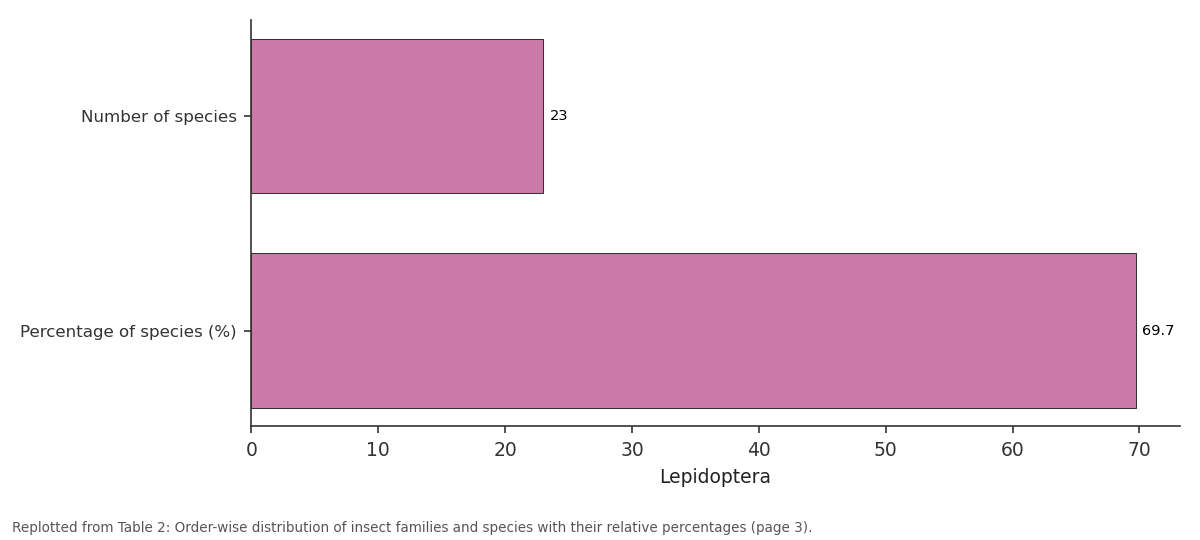
Lepidoptera: Number of species vs Percentage of species...
Replotted from Table 2 (page 3) of the original paper. Every bar is the paper's own table value.
View source evidence ↗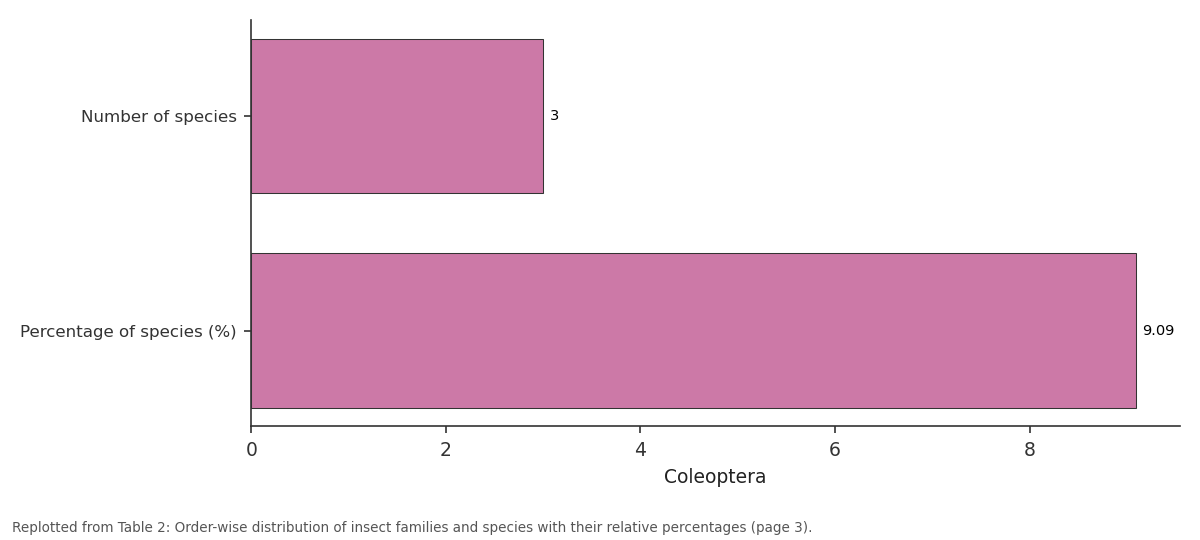
Coleoptera: Number of species vs Percentage of species...
Replotted from Table 2 (page 3) of the original paper. Every bar is the paper's own table value.
View source evidence ↗Figures & tables
From the original paper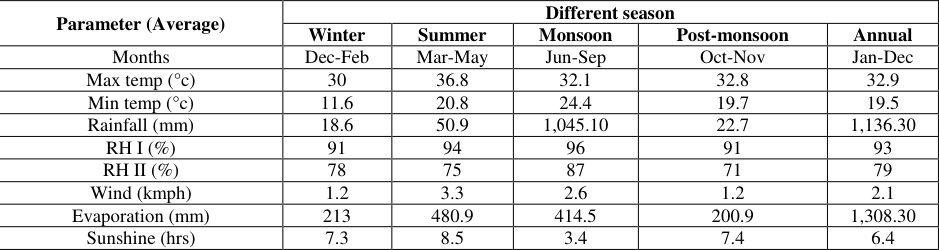 Table 1
 Table 2
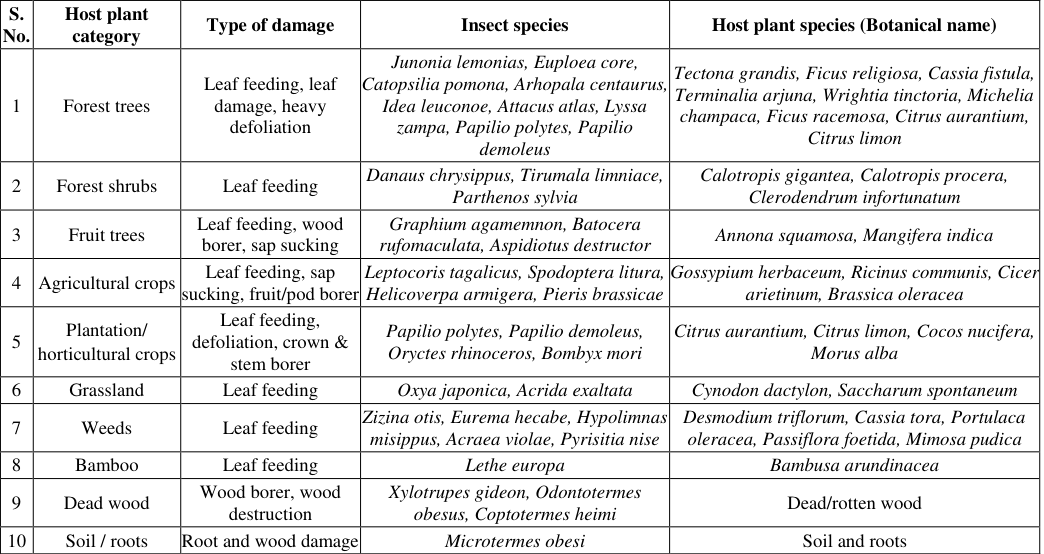 Table 3
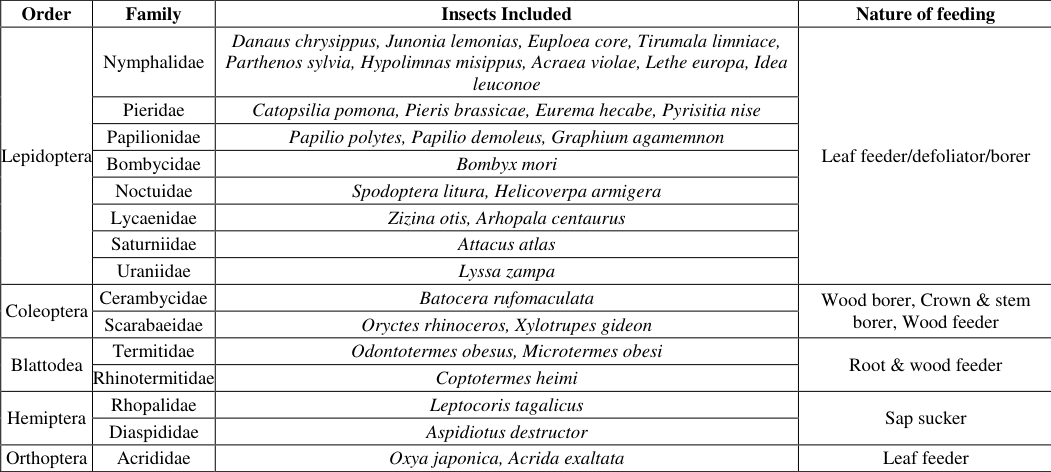 Table 4
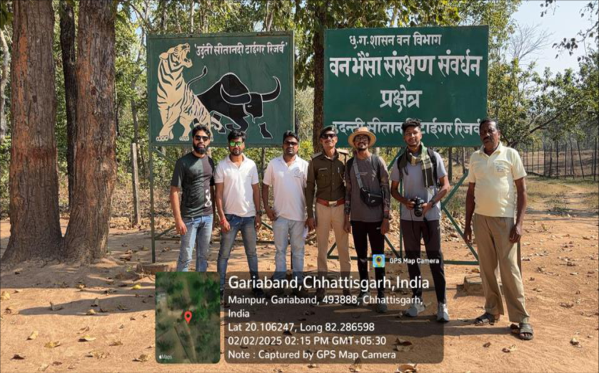 Figure 1
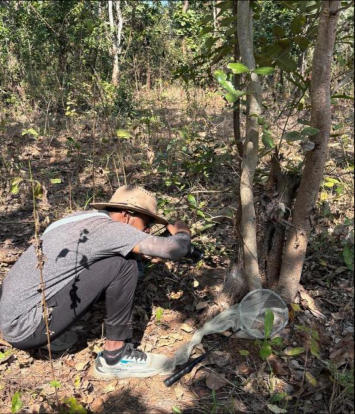 Figure 2
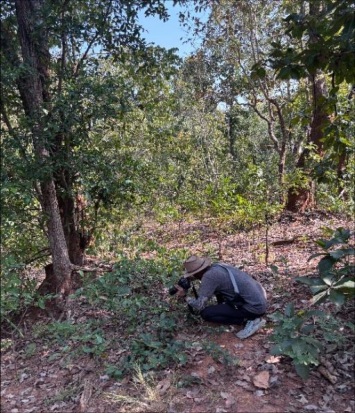 Figure 3
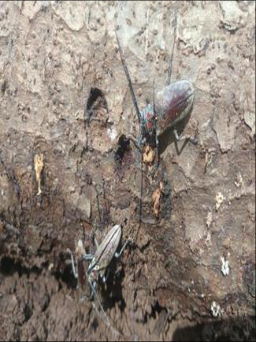 Figure 4
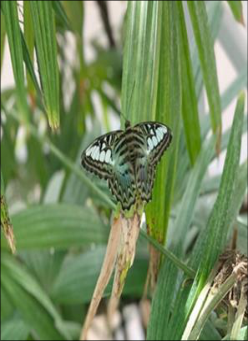 Figure 5
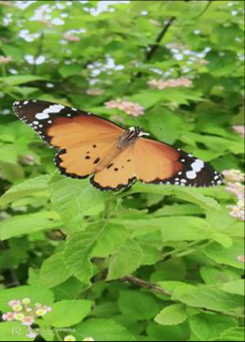 Figure 6
Introduction
Phytophagous insects form an integral component of terrestrial ecosystems and play a key role in regulating vegetation dynamics. As herbivores, they exhibit considerable variation in morphology, feeding behaviour, host specificity, and seasonal abundance. These variations are largely governed by the availability of host plants, vegetation structure, and prevailing climatic conditions, which together determine patterns of folivory and polyphagy across different habitats (Mamlayya et al., 2022) [15] . Understanding the diversity of phytophagous insects and their associations with host plants is therefore essential for interpreting ecosystem processes and plant-insect interactions. In forest ecosystems, particularly in protected areas, phytophagous insects influence plant growth, regeneration, and species composition through continuous herbivory. Their interactions with host plants often result in adaptive responses such as chemical and structural defences, leading to long-term co-evolutionary relationships. These interactions contribute significantly to maintaining biodiversity and ecological balance. In the Udanti-Sitanadi Wildlife Sanctuary of Chhattisgarh, which supports diverse forest types and rich floral diversity, phytophagous insects are expected to play an important role in shaping both natural vegetation and adjoining agricultural landscapes (Prakhar et al., 2021) [19] . Host plant association is a critical factor determining the distribution and abundance of insect herbivores. Many phytophagous insects show strong preferences for particular plant species or families, while others are polyphagous and capable of utilizing a wide range of hosts. Such differences in feeding behaviour influence insect population dynamics and the extent of plant damage within an ecosystem (Vignesh et al., 2020) [6] .
Polyphagous species are often more resilient to environmental changes and may expand into cultivated areas, where they can assume pest status. Among phytophagous insects, fruit flies of the family Tephritidae are of particular concern due to their economic importance. With more than 4,000 species described globally, tephritid flies infest a wide range of fruits and vegetables. Females lay eggs within the fruit tissue, and the developing larvae feed internally, causing direct damage and rendering the produce unmarketable (Diller et al., 2022) [2] . In India, commercially important crops such as mango are highly susceptible, and infestation can result in substantial yield losses (Bal et al., 2022; Vignesh et al., 2020) [1,6] . In addition to crop loss, these insects have serious quarantine implications, affecting domestic and international trade and necessitating strict phytosanitary regulations (Kausar et al., 2022) [3] . Despite the ecological and economic significance of phytophagous insects, systematic documentation of their diversity and host plant relationships in protected forest regions of central India remains limited. The Udanti-Sitanadi Wildlife Sanctuary, with its varied vegetation and climatic conditions, provides an ideal setting for such a study. The present investigation aims to document the diversity of phytophagous insects in the sanctuary and examine their associations with different host plant categories, thereby contributing baseline information for future ecological studies and pest management planning.
Materials and Methods
The study was conducted in the Udanti-Sitanadi Wildlife Sanctuary, Chhattisgarh, India (Figure 1). The sanctuary comprises a mosaic of forest trees, shrubs, plantation areas, agricultural fields, grasslands, bamboo stands, weeddominated patches, and decomposing wood habitats. The region experiences a tropical monsoon climate with distinct seasonal variation, which influences vegetation growth and insect activity. Climatic data were recorded for the entire study period and categorized into four seasons: winter (December-February), summer (March-May), monsoon (June-September), and post-monsoon (October-November). Seasonal averages of maximum and minimum temperature, rainfall, relative humidity (morning and evening), wind speed, evaporation, and sunshine hours were compiled. Annual averages were derived from pooled seasonal data to characterize the overall climatic conditions of the study area (Table 1).
| Parameter (Average) | Different season | — | — | — | — |
|---|---|---|---|---|---|
| Winter | Summer | Monsoon | Post-monsoon | Annual | |
| Months | Dec-Feb | Mar-May | Jun-Sep | Oct-Nov | Jan-Dec |
| Max temp (°c) | 30 | 36.8 | 32.1 | 32.8 | 32.9 |
| Min temp (°c) | 11.6 | 20.8 | 24.4 | 19.7 | 19.5 |
| Rainfall (mm) | 18.6 | 50.9 | 1,045.10 | 22.7 | 1,136.30 |
| RH I (%) | 91 | 94 | 96 | 91 | 93 |
| RH II (%) | 78 | 75 | 87 | 71 | 79 |
| Wind (kmph) | 1.2 | 3.3 | 2.6 | 1.2 | 2.1 |
| Evaporation (mm) | 213 | 480.9 | 414.5 | 200.9 | 1,308.30 |
| Sunshine (hrs) | 7.3 | 8.5 | 3.4 | 7.4 | 6.4 |
Table text extracted from the original PDF; superscript letters are shown inline. The original table image is below.
View original table image
Insect sampling
Field surveys were conducted at regular intervals across different habitat types within the sanctuary, including forest vegetation, agricultural crops, plantation species, grasslands, weeds, bamboo stands, dead wood, and soil/root zones. Insects were collected using standard methods such as hand picking, sweep netting, light trapping, and visual inspection. Observations were made on both larval and adult stages, and host plants were recorded at the time of collection to establish insect-plant associations.
Identification and taxonomic classification
Collected specimens were preserved and identified up to species level using standard taxonomic keys and published literature. Identified insects were classified into respective orders and families. Order-wise distribution of insect families and species was determined, and their relative percentages were calculated to assess taxonomic dominance. Host plants were identified in the field using regional floras and botanical keys. Insects were grouped by host plant categories and their type of damage, including leaf feeding, defoliation, sap sucking, wood boring, crown and stem boring, and root feeding, was recorded through direct observation. Insects were also classified into feeding guilds-leaf feeders, defoliators, sap suckers, wood borers, and root feeders-to understand their ecological roles within the sanctuary.
Statistical analysis
Data were compiled and organized in tabular form. Descriptive statistical analysis was employed to summarize insect diversity, taxonomic composition, feeding habits, and host plant associations. The percentage composition of insect orders, families, and species was calculated to determine dominance patterns.
Results
The survey recorded a total of 33 phytophagous insect species representing 15 families under five insect orders in the Udanti-Sitanadi Wildlife Sanctuary (Table 2) (Figure 2 & 3). Lepidoptera was the dominant order, comprising eight families (53.33%) and 23 species (69.70%). Coleoptera and Blattodea were each represented by two families (13.33%) and three species (9.09%). Hemiptera included two families with two species (6.06%), while Orthoptera was represented by one family with two species (6.06%). Insects showed distinct associations with different host plant categories (Table 3). Forest trees supported the highest number of insect species, with damage mainly in the form of leaf feeding, leaf damage, and heavy defoliation (Table 4). Major host plants included Tectona grandis, Ficus religiosa, Cassia fistula, Terminalia arjuna, Wrightia tinctoria, Michelia champaca, Ficus racemosa, Citrus aurantium, and Citrus limon. Forest shrubs supported leaf-feeding insects associated with Calotropis gigantea, Calotropis procera, and Clerodendrum infortunatum. Fruit trees such as Mangifera indica and Annona squamosa were affected by leaf feeders, wood borers, and sap-sucking insects. Agricultural crops showed damage in the form of leaf feeding, sap sucking, and fruit or pod boring on host plants including Gossypium herbaceum, Ricinus communis, Cicer arietinum, and Brassica oleracea. Plantation and horticultural crops such as citrus, coconut (Cocos nucifera), and mulberry (Morus Alba) were affected by leaf feeders, defoliators, and crown and stem borers. Grassland insects were mainly leaf feeders associated with Cynodon dactylon and Saccharum spontaneum. Weedassociated insects were recorded on Desmodium triflorum, Cassia tora, Portulaca oleracea, Passiflora foetida, and Mimosa pudica. Bamboo supported leaf-feeding insects associated with Bambusa arundinacea. Dead wood and soil/root habitats were inhabited by wood-boring beetles and termites. Based on feeding habits, most insect species were categorized as leaf feeders or defoliators. Lepidopteran families exhibited leaf feeding, defoliation, and, in some cases, boring activity. Coleopteran species were mainly wood borers and stem feeders. Termites were associated with root and wood feeding. Hemipteran species were sap suckers, while orthopteran species were leaf feeders associated with grasses.
| Order | Family | Insects Included | Nature of feeding |
|---|---|---|---|
| Lepidoptera | Nymphalidae | Danaus chrysippus, Junonia lemonias, Euploea core, Tirumala limniace, Parthenos sylvia, Hypolimnas misippus, Acraea violae, Lethe europa, Idea leuconoe | Leaf feeder/defoliator/borer |
| Pieridae | Catopsilia pomona, Pieris brassicae, Eurema hecabe, Pyrisitia nise | ||
| Papilionidae | Papilio polytes, Papilio demoleus, Graphium agamemnon | ||
| Bombycidae | Bombyx mori | ||
| Noctuidae | Spodoptera litura, Helicoverpa armigera | ||
| Lycaenidae | Zizina otis, Arhopala centaurus | ||
| Saturniidae | Attacus atlas | ||
| Uraniidae | Lyssa zampa | ||
| Coleoptera | Cerambycidae | Batocera rufomaculata | Wood borer, Crown & stem borer, Wood feeder |
| Scarabaeidae | Oryctes rhinoceros, Xylotrupes gideon | ||
| Blattodea | Termitidae | Odontotermes obesus, Microtermes obesi | Root & wood feeder |
| Rhinotermitidae | Coptotermes heimi | ||
| Hemiptera | Rhopalidae | Leptocoris tagalicus | Sap sucker |
| Diaspididae | Aspidiotus destructor | ||
| Orthoptera | Acrididae | Oxya japonica, Acrida exaltata | Leaf feeder |
Table text extracted from the original PDF; superscript letters are shown inline. The original table image is below.
View original table image
| S. No. | Order | Number of families | Percentage of families (%) | Number of species | Percentage of species (%) |
|---|---|---|---|---|---|
| 1 | Lepidoptera | 8 | 53.33 | 23 | 69.70 |
| 2 | Coleoptera | 2 | 13.33 | 3 | 9.09 |
| 3 | Blattodea | 2 | 13.33 | 3 | 9.09 |
| 4 | Hemiptera | 2 | 13.33 | 2 | 6.06 |
| 5 | Orthoptera | 1 | 6.67 | 2 | 6.06 |
| Total | 15 | 100.00 | 33 | 100.00 |
Table text extracted from the original PDF; superscript letters are shown inline. The original table image is below.
View original table image
Discussion
The survey recorded a total of 33 phytophagous insect species representing 15 families under five insect orders in the Udanti-Sitanadi Wildlife Sanctuary. Lepidoptera was the dominant order, comprising eight families (53.33%) and 23 species (69.70%), underscoring its significant ecological presence within the sanctuary (Tandan et al., 2024) [21] . This dominance of Lepidoptera, accounting for 53.33% of families and 69.70% of species, aligns with observations in other tropical ecosystems where this order frequently exhibits high species richness and abundance (Wankhade & Bidwai, 2022) [25] . Coleoptera and Blattodea, each represented by two families and three species, contributed 13.33% of the families and 9.09% of the species, respectively, indicating a comparatively lower, but still notable, representation within the phytophagous insect community. Hemiptera, with two families, also demonstrated a substantial, albeit unspecified, contribution to the overall diversity. This pervasive dominance of Lepidoptera is often attributed to their specialized feeding strategies and co-evolutionary relationships with a wide array of host plants, enabling them to exploit diverse vegetative resources more effectively than other insect orders 2021) [19] . Earlier investigations on tropical forest entomofauna consistently reveal Lepidoptera as a widespread and highly diverse order, particularly due to their complex life cycles and varied morphological adaptations for herbivory (Mamlayya et al., 2022) [15] . This ecological prevalence is further supported by studies highlighting butterflies, a sub-group within Lepidoptera, as key indicators of ecosystem health and biodiversity (Jose, 2024) [12] . Their sensitivity to environmental changes and specific host plant requirements make them effective tools for assessing habitat quality and the impact of anthropogenic disturbances (Dolai et al., 2025) [8] . Indeed, the sheer number of lepidopteran species in many tropical surveys further corroborates their ecological importance, with some studies reporting them as the most speciose order (Pawar et al., 2024). This high representation of Lepidoptera suggests a robust and diverse floral community within the Udanti-Sitanadi Wildlife Sanctuary capable of sustaining a broad spectrum of herbivorous insects. The intricate relationship between Lepidoptera and their host plants is a critical factor influencing this diversity, often involving specialized feeding guilds and co-evolutionary adaptations that promote a wide range of niches (Dolai et al., 2023) [9] . This extensive radiation of herbivorous animals within Lepidoptera, encompassing over 175,000 identified species globally, reflects their evolutionary success and adaptive capacity to various terrestrial habitats. This ecological prosperity is further enhanced by their ability to undergo complete metamorphosis, allowing distinct larval and adult forms to exploit different food resources and habitats, thereby reducing intraspecific competition (Thiruvengadam et al., 2021) [22] . This specialization allows for a more efficient partitioning of resources, contributing to their remarkable species richness and ecological dominance within phytophagous communities (Tiple, 2018) [23] . The prevalence of Lepidoptera in the sanctuary also underscores the importance of conserving butterfly diversity, as they are often sensitive to environmental changes and serve as vital bioindicators (Dolai et al., 2023; Mishra et al., 2024) [9,17] . Moreover, the ecological success of Lepidoptera, particularly moths, can be attributed to their extensive taxonomic diversity and ecological plasticity, allowing them to exploit a broader range of niches compared to butterflies (Gunathunga et al., 2022) [10] . Their rapid reproductive rates and ability to utilize a wide variety of host plants, including agricultural crops, further contribute to their widespread distribution and dominance in many ecosystems (Saradopoulos et al., 2023) [20] . The significant representation of moths, in particular, can be attributed to their nocturnal activity and sophisticated chemosensory adaptations for locating host plants through volatile organic compounds (Lin et al., 2022) [14] . Earlier studies on iron-ore mined overburden soils at Dalli Rajhara, Chhattisgarh, have shown that rhizospheric microbial succession supports plant colonization, which indirectly governs phytophagous insect diversity through host-plant establishment (Verma and Verma, 2017) [24] .
Conclusion
The study documents the diversity and host plant associations of phytophagous insects in the Udanti-Sitanadi Wildlife Sanctuary, recording 33 species across five insect orders. Lepidoptera emerged as the dominant group, reflecting the strong influence of host plant diversity and forest habitat complexity on insect assemblages. Forest trees supported the highest insect diversity, with leaf feeding and defoliation as the most common forms of herbivory, while distinct feeding guilds were observed across agricultural, plantation, grassland, and weed habitats. These findings highlight the ecological importance of phytophagous insects in regulating vegetation dynamics and emphasize the need for continued monitoring to support biodiversity conservation and forest management in protected ecosystems.
Figures and tables from the paper
References
25 in the original paper- Bal S, Mondal S, Kundu G. Biodiversity and population density of fruit flies (Bactrocera sp.) at Kanke, Ranchi (Jharkhand). J Entomol Zool Stud. 2022;10(2):101.
- Diller Y, Shamsian A, Shaked B, Altman Y, Danziger BC, Manrakhan A, et al. A real-time remote surveillance system for fruit flies of economic importance: sensitivity and image analysis. J Pest Sci. 2022;96(2):611.
- Kausar A, Ullah F, Jahan F, Khan K, Wahid S, Tanzila G, et al. Bionomics of Bactrocera Fruit Flies (Diptera: Tephritidae) in Khyber Pakhtunkhwa, Pakistan; Exploring Performance of Various Trap Types and Their Characteristics. Fla Entomol. 2022;105(3).
- Mamlayya AB, Vhanalakar SA, Kakulte VR. Life Cycle of Eterusia aedea Linn. (Lepidoptera: Zygaenidae) on new host plant from Amba Reserve Forest, Kolhapur, North Western Ghats, Maharashtra. J Sci Res. 2022;66(3):157.
- Prakhar P, Singh M, Agrawal RK. A Study of Insect Diversity in Different Habitats Found in Nearby Locality of Raipur, Chhattisgarh. Int J Sci Res Sci Technol. 2021;467.
- Vignesh S, Chandrasekaran M, Jeeva S, Sithanantham S. Impact of climatic factors on seasonal occurrence and species diversity of fruit fly, Bactrocera spp. in mango orchards; 2020.
- Biswas S, Biswas A. Impact of Mining on Forests and Its Biological Diversity at Kirandul Iron Ore Mines, Dantewada, South Bastar, Chhattisgarh: A Case Study. J Environ Sci Stud. 2018;1(1):16.
- Dolai S, Mallick MAIMMMAI, Ghorai N. Diversity and abundance of odonates (dragonflies and damselflies) and lepidopteran (butterflies) fauna of Kalyani Lake Park, Nadia district, West Bengal, India. Acad J Biol. 2025;47(1):87.
- Nadia district, West Bengal, India. Research Square [Preprint]; 2023. Available from: https://doi.org/10.21203/rs.3.rs-3808915/v1
- Gunathunga P, Dangalle CD, Pallewatta N. Diversity and Habitat Preferences of Moths (Insecta: Lepidoptera) in Indikadamukalana, a Lowland Wet Zone Forest in Sri Lanka. J Trop For Environ. 2022;12(1).
- Gupta SK, Chandra K. Diversity of Orthoptera (Insecta) fauna from Gomerda Wildlife Sanctuary, Chhattisgarh, India. J Threat Taxa. 2016;8(14):9653.
- Jose A. Study of butterfly biodiversity in Dharam Tekri Chhindwara (M.P.). J Entomol Zool Stud. 2024;12(2):105.
- Kumar R, Chaudhary R, Arya V, Giri GS, Keval R, Srinivasa N, et al. Phototactic moth diversity (Lepidoptera: Heterocera) in Banaras Hindu University, Varanasi, Uttar Pradesh, India: A preliminary survey and checklist. Research Square. 2024. https://doi.org/10.21203/rs.3.rs-5420687/v1
- Lin P, Chan WP, Cai L, Dankowicz E, Gilbert K, Pierce NE, et al. Coevolution of Lepidoptera and their host plants: The Salient Aroma Hypothesis. Research Square; 2022. https://doi.org/10.21203/rs.3.rs-1700048/v1
- Mamlayya AB, Vhanalakar SA, Kakulte VR. Life Cycle of Eterusia aedea Linn. (Lepidoptera: Zygaenidae) on new host plant from Amba Reserve Forest, Kolhapur, North Western Ghats, Maharashtra. J Sci Res. 2022;66(3):157.
- Meeran M, Iswarya V, Fathima S, Arivoli S, Tennyson S. Assessment of Insect Diversity in Sugarcane Fields of Kuchanur, Theni District, Tamil Nadu, India. Adv Zool Bot. 2023;11(4):289.
- Mishra JR, Achumi TK, Deb M. Diversity of Lepidoptera: A Comparative Analysis of Butterfly Populations in Zunheboto District, Nagaland, India. Research Square. 2024. https://doi.org/10.21203/rs.3.rs4268603/v1
- Pawar GN, Bendre NN, Bhoite SH. Entomofaunal diversity and prey-predator relationship associated with organic paddy field at Mahadare Conservation Reserve, Satara District Maharashtra. J Entomol Zool Stud. 2024;12(3):20.
- Prakhar P, Singh M, Agrawal RK. A Study of Insect Diversity in Different Habitats Found in Nearby Locality of Raipur, Chhattisgarh. Int J Sci Res Sci Technol; 2021, 467.
- Saradopoulos I, Potamitis I, Konstantaras A, Eliopoulos PA, Ntalampiras S, Rigakis I. Image-Based Insect Counting Embedded in E-Traps That Learn without Manual Image Annotation and Self-Dispose Captured Insects. Information. 2023;14(5):267.
- Tandan HN, Sahu GK, Das KN, Chand G, Naidu R, Agrawal R. Diversity of butterfly habitats in and around Udanti-Sitanadi Tiger Reserve, Chhattisgarh, India. J Threat Taxa. 2024;16(8):25748.
- Thiruvengadam K, Vignesh M, PC S, Vinotha K, Keerthika A, Trinadh Y, et al. Biodiversity of Lepidoptera fauna in horticultural ecosystem in RVSAC-Usilampatti, Thanjavur. Int. J Chem. Stud. 2021;9(1):1549.
- Tiple AD. Butterflies (Lepidoptera Rhopalocera) of the Bor Wildlife Sanctuary, Wardha, Maharashtra, Central India. Biodivers J. 2018;9(3):171.
- Verma P, Verma RK. Succession of culturable microbes on rhizosphere soil of iron ore mined overburden dump in Dalli Rajhara, Durg, Chhattisgarh, India. Plant Arch. 2017;19(1):1179-89.
- Wankhade LN, Bidwai PA. A preliminary study on some of the insect fauna during rainy season in the agricultural field of Karanja (Ghadge), District Wardha (Maharashtra). J Entomol Zool Stud. 2022;10(1):323.