
Research article · 2026 · Full text
International Journal of Horticulture and Food ScienceImpact of integrated nutrient management on growth and yield of bottle gourd Lagenaria siceraria (Molina) Standl
Volume 8(1) · Pages 34–40 · DOI: 10.33545/26631067.2026.v8.i1a.453 ↗
Research areasAgricultural Science and FertilizationAdvances in Cucurbitaceae ResearchIrrigation Practices and Water Management
Abstract
Author-writtenA field experiment on “Impact of Integrated Nutrient Management on Growth and Yield of Bottle Gourd Lagenaria siceraria mol. Standl was conducted at Post Graduate College, Ghazipur (U.P.) during summer 2025. The experiment consisted of 7 treatments with 3 replications. The sandy loam soil was low in nitrogen and medium in phosphorus and potassium. The treatment T1 (NPK @ 60:30:30 Kg/ha + Vermicompost @ 5 t/ha + Micronutrients) significantly outperformed all others. It maximized growth parameters (e.g., vine length: 591.81 cm) and resulted in the highest fruit yield (337.31 q/ha) and best quality traits (e.g., fruit length: 39.72 cm). The lowest yield was 222.19 {q/ha} (NPK only). The study concludes that applying NPK @ 60:30:30 Kg/ha + Vermicompost @ 5 t/ha + Micronutrients is the optimal recommendation for maximum bottle gourd production in eastern U.P.
Summary
Source-checkedPlain-language reading of the full paper, prepared with AI and checked against the text. Each point links to the authors' own words.
Why it matters
- Bottle gourd is one of the oldest cultivated vegetables, predating the cultivation of cereals like rice and wheat. View evidence ↗
- The vegetable is nutritionally dense, providing dietary fiber, folate, vitamins, and minerals like potassium, calcium, and magnesium while remaining low in calories. View evidence ↗
- While chemical fertilizers can increase yields, their imbalanced use can negatively impact soil fertility and overall soil health. View evidence ↗
The question
- The study aims to identify complementary nutrient sources that can increase bottle gourd yield without damaging soil integrity or fruit quality. View evidence ↗
What they did
- The field experiment was conducted during the summer of 2025 at the Post Graduate College in Ghazipur, Uttar Pradesh. View evidence ↗
- The study measured several growth and quality parameters, including vine length and leaf count at 15, 30, 45, and 60 days after sowing (DAS), as well as fruit yield, length, diameter, thickness, and cavity. View evidence ↗
What they found
- Treatment T6 (half NPK, half vermicompost, and micronutrients) produced the longest vines, reaching 591.80 cm at final harvest. View evidence ↗
- The highest number of leaves per vine was recorded under treatment T6, with 290.54 leaves at the final harvest. View evidence ↗
- Treatment T6 resulted in the longest fruits, measuring 39.71 cm. View evidence ↗
- The largest fruit diameter, 8.21 cm, was achieved using treatment T6. View evidence ↗
- Treatment T6 produced the highest flesh thickness at 0.77 cm. View evidence ↗
- The highest fruit yield per plot was 50.63 kg, achieved by treatment T6. View evidence ↗
- The lowest yield (33.34 kg/plot) occurred in treatment T4, which used only the recommended dose of NPK. View evidence ↗
What it means
- The authors conclude that combining NPK (60:30:30 kg/ha), vermicompost (5 t/ha), and micronutrients is the most effective method for improving growth and yield. View evidence ↗
- This integrated nutrient management approach is recommended for maximizing high-quality bottle gourd production in Eastern Uttar Pradesh. View evidence ↗
Visual summary
3 visualsIllustrations explain the paper; charts are replotted from the paper's own table values.
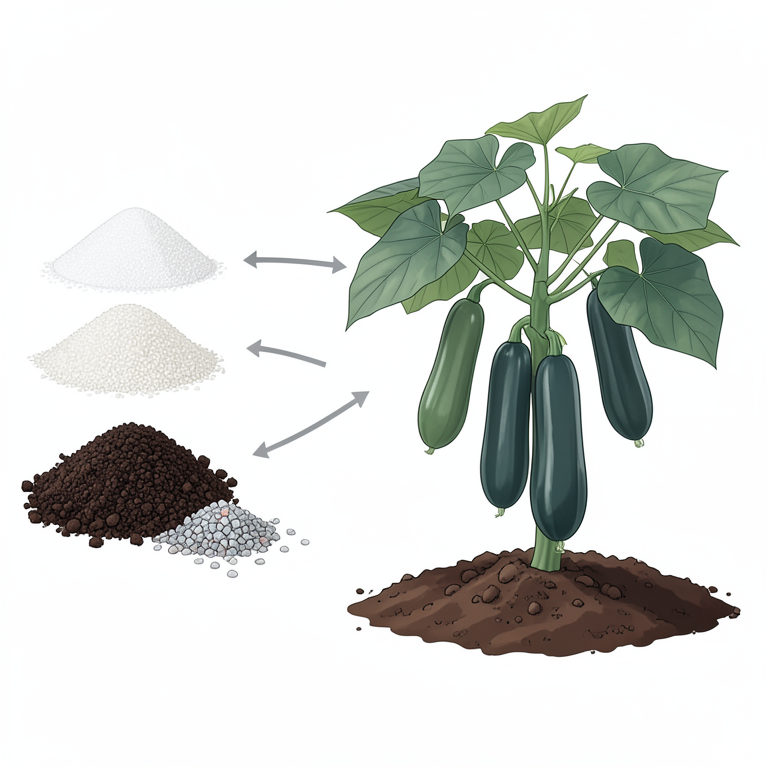
Integrated Nutrient Management Concept
AI-generated conceptual illustration (bottle gourd plants (Lagenaria siceraria)). It explains the idea and does not show study data.
View source evidence ↗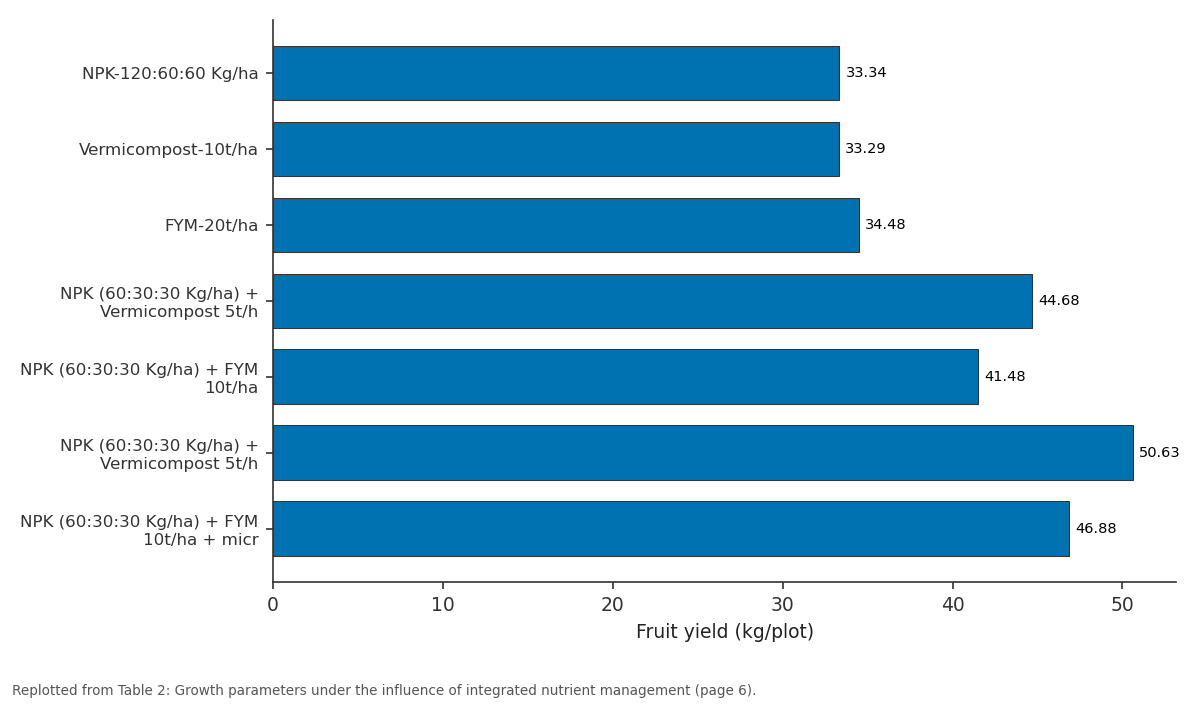
Fruit yield (kg/plot): NPK-120:60:60 Kg/ha vs Vermicompost-10t/ha vs FYM-20t/ha vs NPK (60:30:30 Kg/ha) +... vs NPK (60:30:30 Kg/ha) +...
Replotted from Table 2 (page 6) of the original paper. Every bar is the paper's own table value.
View source evidence ↗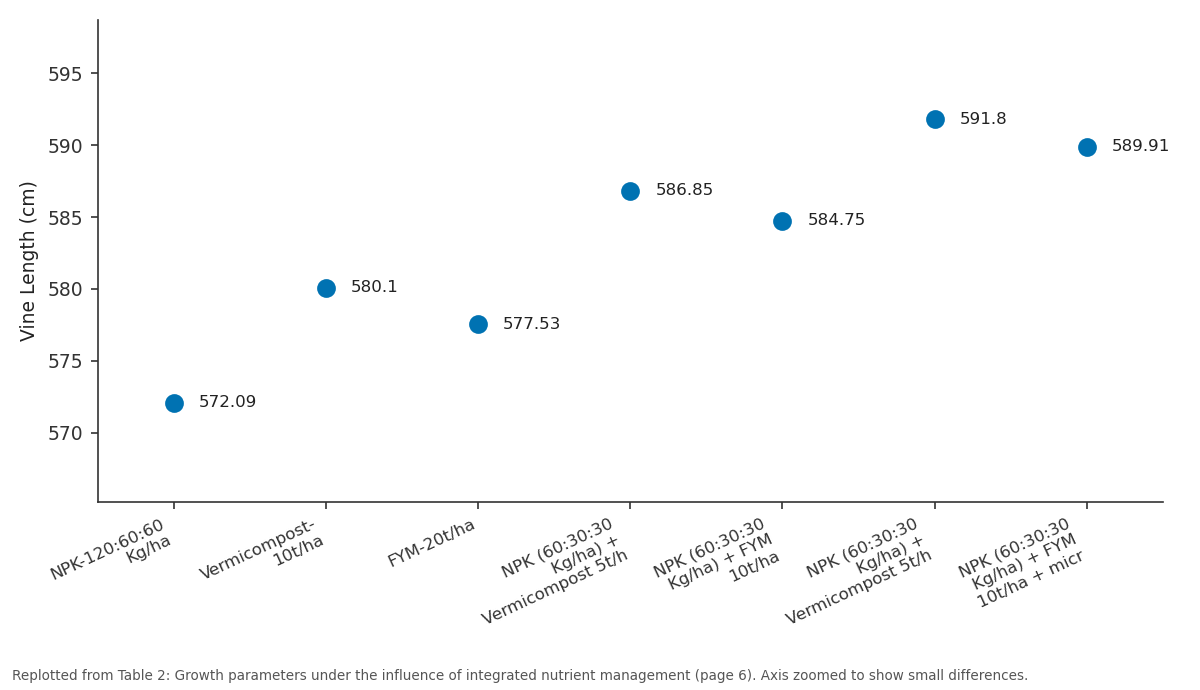
Vine Length (cm): NPK-120:60:60 Kg/ha vs Vermicompost-10t/ha vs FYM-20t/ha vs NPK (60:30:30 Kg/ha) +... vs NPK (60:30:30 Kg/ha) +...
Replotted from Table 2 (page 6) of the original paper. Every bar is the paper's own table value.
View source evidence ↗Figures & tables
From the original paper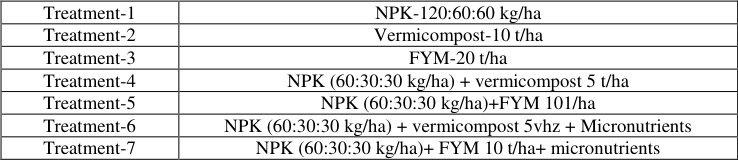 Table 1
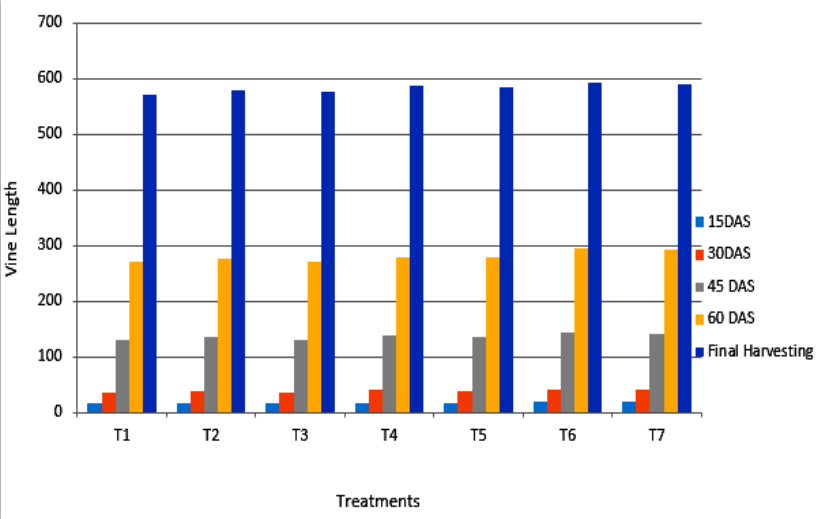 Figure 1
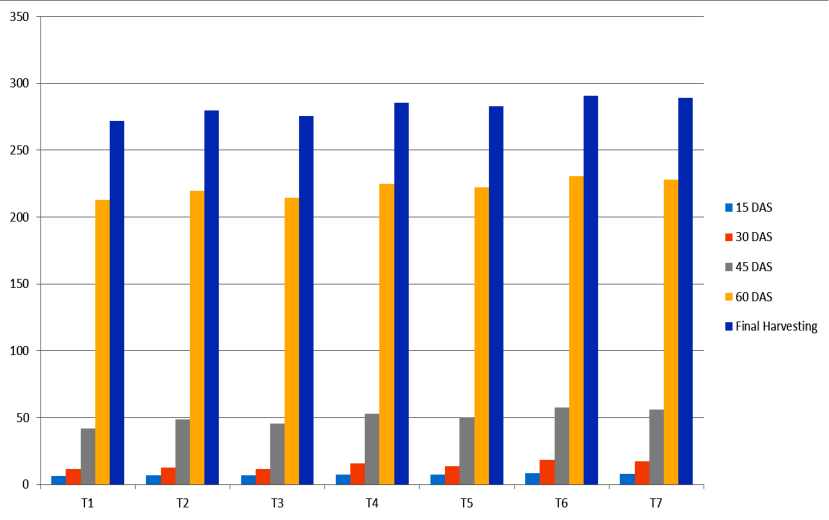 Figure 2
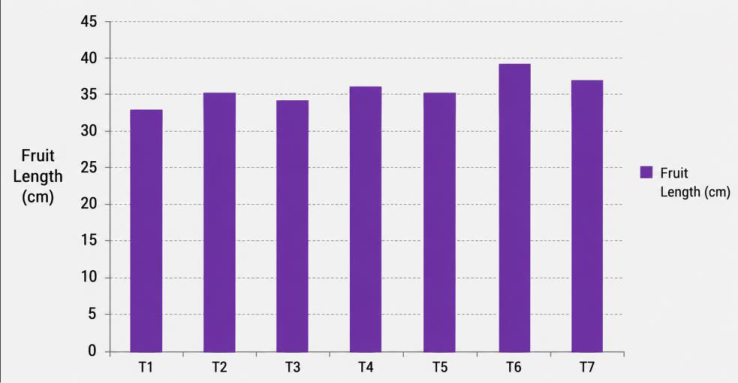 Figure 3
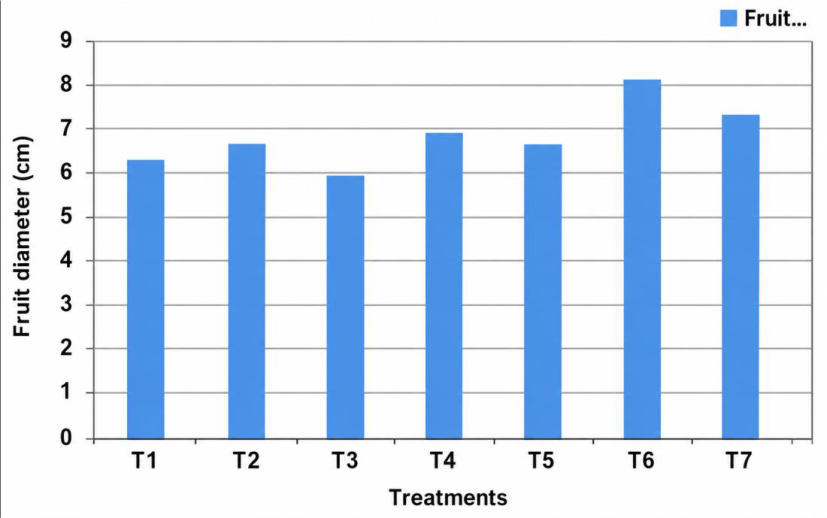 Figure 4
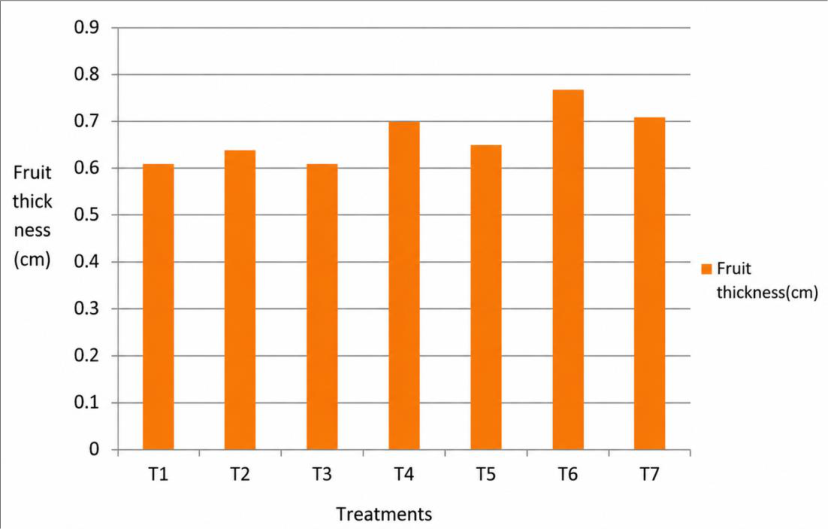 Figure 5
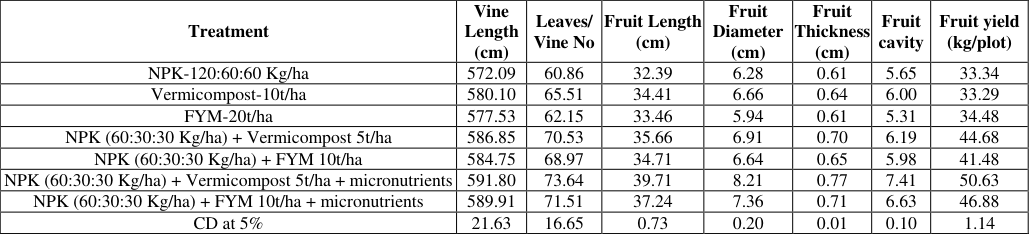 Table 2
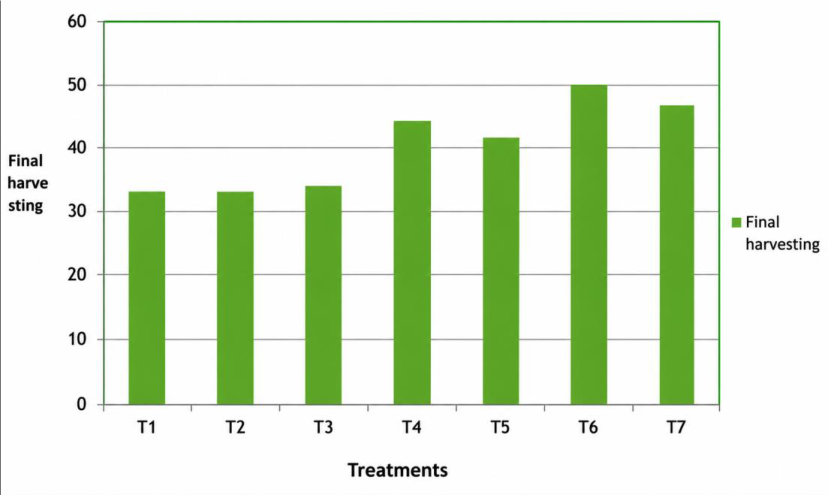 Figure 6
Introduction
Bottle gourd (Lagenaria siceraria), one of the oldest cultivated vegetables in human history, cultivated over 10,000 years ago, even before cereals like wheat and rice. Holds a remarkable place at the intersection of agriculture, nutrition and culture. Widely grown across tropical and subtropical regions, known by many names-lauki, dudhi or ghiya in India. The vegetable have been a Global Traveler though native to Africa, bottle gourd spread naturally across continents; its hard shell allowed it to float across oceans, reaching Asia and the Americas thousands of years ago. Bottle gourd has adapted to diverse environments, symbolizing both resilience and sustainability in traditional farming systems. In India, bottle gourd is associated with simplicity and purity. It grows throughout the year, especially in frost-free areas, since it grows well in hot and humid weather or has adequate water in arid conditions [1] . Bottle gourd is a nutrient-rich vegetable that has nourished human populations for centuries. Immature, tender bottle gourd fruit is used as a fresh vegetable and in preparation of pickles and other products [2][3] . Revered in traditional medicine and valued in modern nutrition science, this humble green vegetable bridges the gap between food and therapy. Its tender fruit, composed of over 90% water, provides a cooling and hydrating effect-an attribute long recognized in Ayurvedic and folk healing systems. Nutritionally, bottle gourd is a powerhouse of essential nutrients packed in a low-calorie profile. It contains appreciable amounts of vitamins, dietary fiber, folate, and minerals such as magnesium, calcium, and potassium. They contain high level of vitamin E, A and C [4] . The tri-terpenoid cucurbitacins B, D, G, and H as well as the bitter cucurbitaceae main component-22-deoxy-cucurbitacin are said to be present in the vegetable [5] . Bottle gourd extracts have been observed to hold numerous therapeutic properties that are considered beneficial for human health [6] . It's the most choline of any vegetable which serves as a precursor to the neurotransmitter acetylcholine, which is essential for memory retention and enhancement [7] . Bottle gourd requires large quantity of both organic and inorganic fertëtizers. It has been realised worldwide that chemical fertilizers, while increasing crop yield may have adverse effect on soil health and its fertility in case of imbalanced use. In order to improve and maintain soil fertility for sustained crop productivity, allavilable organic, inorganic and biotic resources must be optimised in an integrated manner that is appropriate to each cropping system and farming situation with all of its ecological and economic replications. This process is known as integrated nutrient management or INM [8] . Chemical fertilizers, especially those containing nitrogen and phosphorus, play a vital role in fulfilling the nutrient requirements of bottle gourd. Yet, their overuse, prolonged application, and improper balance can lead to serious consequences, such as adverse effects on human health and the environment, as well as the degradation of soil's physical and chemical characteristics. The bottle gourd exhibits a high response to nitrogen application and a moderate response to phosphorus application, as demonstrated by the experimental findings" [9] . Consequently, there is a compelling need to identify alternative or complementary nutrient sources capable of enhancing crop yield without inducing adverse effects on soil integrity or produce quality. Organic manures and biofertilizers represent viable solutions, as they generate organic acids that possess a high capacity for chelation and retention of both cations and anions. Therefore, the integration of chemical nitrogenous fertilizers with organic manures and biofertilizers offers a superior strategy by facilitating the slow, sustained release of cations for plant uptake. Furthermore, the incorporation of these organic amendments is known to buffer soil pH, thereby optimizing the bioavailability of essential nutrients.
Materials and Methods
The study was conducted during Zaid season at the main horticulture farm of Post Graduate College Ghazipur during Zaid season of 2024-2025. The experimental site is located just about half km away from the river Ganga. The experiment was laid out in Randomized Block Design with seven treatments and three replications. Treatment details are presented on Table 1. The bottle gourd variety NDBG-6 is used in the experiment. All standard package of practices for cultivation were followed for irrigation, weeding and plant protection. All the characters studied like days to seed germination, Vine length at 15, 30, 45 and 60 DAS, number of leaves at 15, 30, 45 and 60 DAS, Fruit length (cm), Fruit diameter (cm), fruit thickness (cm), fruit cavity (cm) and fruit yield, treatments showed significant differences. Treatment details are given below:-
| Treatment-1 | NPK-120:60:60 kg/ha |
|---|---|
| Treatment-2 | Vermicompost-10 t/ha |
| Treatment-3 | FYM-20 t/ha |
| Treatment-4 | NPK (60:30:30 kg/ha) + vermicompost 5 t/ha |
| Treatment-5 | NPK (60:30:30 kg/ha)+FYM 101/ha |
| Treatment-6 | NPK (60:30:30 kg/ha) + vermicompost 5vhz + Micronutrients |
| Treatment-7 | NPK (60:30:30 kg/ha)+ FYM 10 t/ha+ micronutrients |
Table text extracted from the original PDF; superscript letters are shown inline. The original table image is below.
View original table image
Results and Discussion
The results obtained in respect to vegetative parameters like Days to seed germination, Vine length at 15, 30, 45 and 60 DAS, number of leaves at 15, 30, 45 and 60 DAS, Fruit length (cm), Fruit diameter (cm), fruit thickness (cm), fruit cavity (cm) and fruit yield, treatments showed significant differences. The integrated nutrient management have contributed better performance towards vine length of plant, number of leaves/ vine, fruit length, fruit width and yield. The fruit length, fruit diameter, flesh thickness, cavity, total fruit weight per plot, yield (q/ha) which is higher with the application of treatment T6 (NPK ½+ Vermicompost + micronutrients). The enhanced growth parameters likely resulted from improved nutrient supply and soil health. These findings are consistent with the reports of Tirumalesh et al. [10] Patle et al. [11] , Shree et al. [12] , Tripathi et al. [13] , Rabari et al. [14] , Kumar et al. [15] , Pathak et al. [16] and Niharika et al. [17] . Followed by T7, (NPK1/2+ FYM1/2+Micronutrients). The minimum Fruit yield (222.19q/ha) under treatment T1 (NPK-120:60:60 Kg/ha).
Vine length
The This superior performance suggests that the integration of inorganic fertilizers with vermicompost and micronutrients ensures balanced nutrient availability, improved soil structure, and enhanced physiological activity, resulting in greater leaf formation. The second-best response was observed under T₇ (½ NPK + FYM + micronutrients).Plants using organic fertilizers showed significantly increased nutrient content and plant growth compared to control [18] , further supporting the advantage of combined nutrient sources over chemical fertilizers alone. In contrast, the lowest leaf count 6.28
Fruit Length
The results presented in Table 5 and Figure 5 indicate that fruit length of bottle gourd varied significantly among the different nutrient management treatments. The treatment T₆ (NPK + ½ vermicompost + micronutrients) produced the longest fruits (39.71 cm), demonstrating the superior effect of integrating inorganic fertilizers with organic amendments and micronutrients. The enhanced fruit length under T₆ may be attributed to improved nutrient availability, better soil structure, and sustained nutrient release from vermicompost, which together support vigorous vine growth and enhanced assimilate translocation towards developing fruits. Vermicompost improves nutrient availability, microbial activity and plant growth via biologically active compounds [19] . The next best performance was observed in T7 (NPK +FYM½+micronutrients), indicating that both vermicompost and FYM positively influence fruit development when combined with micronutrients. These organic sources supply essential macro-and micronutrients, improve microbial activity, and enhance root growth, contributing to better fruit elongation. In contrast, the minimum fruit length (32.39 cm) was recorded in T₇ (NPK 120:60:60 kg/ha), where only chemical fertilizers were applied. The comparatively lower fruit length under this treatment suggests that relying solely on inorganic fertilizers may not optimize fruit development due to lack of organic matter and insufficient micronutrient supply. Overall, the findings highlight that integrated nutrient management, especially combining NPK with vermicompost or FYM along with micronutrients, is more effective than sole chemical fertilizer application in enhancing fruit length in bottle gourd.
Fruit diameter
The findings of the present study clearly demonstrate that fruit diameter of bottle gourd responded significantly to different nutrient management treatments. The maximum fruit diameter (8.21 cm) was obtained under treatment T₆ (½ NPK + ½ vermicompost + micronutrients), indicating that the integration of inorganic fertilizers with organic sources and micronutrients plays a crucial role in enhancing fruit development. Such improvement in fruit girth under integrated nutrient management may be attributed to better nutrient synchrony, increased microbial activity, and enhanced soil physical properties, which together promote efficient nutrient uptake and physiological processes responsible for cell expansion. The second-best performance was observed in T₇ (½ NPK + ½ FYM + micronutrients), further supporting the positive impact of combining organic and inorganic nutrient sources. The balanced nutrient supply throughout the crop growth period likely created favorable conditions for continuous fruit growth and better structural development. In contrast, treatments receiving only inorganic fertilizer (T₂: NPK 120:60:60 kg/ha) or only organic manure (T₃: FYM 20 t/ha) recorded the lowest fruit diameters (6.28 cm and 5.94 cm, respectively). These results suggest that relying solely on either chemical fertilizers or organic manures is insufficient to meet the crop's nutrient demand efficiently. The inferior performance under these treatments may be due to imbalanced nutrient availability, slower mineralization rates, or reduced nutrient-use efficiency. Overall, the results highlight that integrated nutrient management, particularly the combination of NPK, organic amendments, and micronutrients, is essential for achieving superior fruit diameter in bottle gourd by ensuring sustained nutrient availability and improved soil health.
Fruit thickness
The findings presented in the graph indicate that flesh thickness of bottle gourd varied significantly among the different nutrient management treatments. The highest flesh thickness (0.77 cm) was recorded in treatment T₆ (NPK ½ + vermicompost ½ + micronutrients), demonstrating the positive influence of integrated nutrient management on internal fruit quality. The superior performance of T₆ may be attributed to improved nutrient availability and better physiological functioning, which promote enhanced cell division and cell enlargement in the fruit flesh. Conversely, the lowest flesh thickness values (0.61 cm) were observed in T₁ (NPK 120:60:60 kg/ha) and T₃ (FYM 20 t/ha). The reduced flesh development under these treatments suggests that relying solely on chemical fertilizers or only FYM does not provide a balanced and sustained nutrient supply required for optimal fruit tissue formation. The results further indicate that neither inorganic fertilizers alone nor organic manure alone could match the beneficial effects of integrated nutrient sources. Overall, the study clearly shows that combining NPK fertilizers with vermicompost and micronutrients leads to a significant improvement in flesh thickness. This highlights the effectiveness of Integrated Nutrient Management (INM) in enhancing fruit quality attributes of bottle gourd, likely due to improved soil fertility, nutrient uptake, and enhanced metabolic activity.
Fruit yield
The data presented in the graph indicate that the yield per plot of bottle gourd was significantly influenced by different integrated nutrient management practices. Among all the treatments, the highest yield (50.63 kg/plot) was obtained from treatment T₆, which consisted of NPK + vermicompost (½) + micronutrients. This suggests that the combined use of chemical fertilizers with organic amendments and micronutrients enhances nutrient availability, improves soil health, and promotes better crop growth, ultimately leading to higher productivity. The next best performance was observed in treatment T₁, where NPK + FYM (½) + micronutrients produced comparatively higher yield, emphasizing the positive role of farmyard manure when used in an integrated manner. In contrast, the lowest yield (33.34 kg/plot) was recorded in treatment T₄ receiving only the recommended dose of NPK (120:60:60 kg/ha), indicating that sole application of inorganic fertilizers is less efficient than integrated nutrient approaches. Furthermore, none of the treatments were found statistically at par with each other, highlighting the distinct effects of each nutrient combination on yield performance. Overall, the results clearly demonstrate that integrated nutrient management, particularly involving vermicompost along with NPK and micronutrients, is more effective in enhancing yield compared to inorganic fertilizers alone.
Conclusion
The study clearly demonstrates that integrating chemical fertilizers with organic amendments significantly enhances the growth and yield of bottle gourd. Among all treatments, the combination of NPK @ 60:30:30 kg/ha + Vermicompost @ 5 t/ha + Micronutrients proved most effective, producing superior vine growth, fruit size, and overall yield. Therefore, this integrated nutrient management approach is recommended for achieving maximum and high-quality bottle gourd production under the open-field conditions of Eastern Uttar Pradesh.
Recommendation
For maximum qualitative and quantitative production of bottle gourd in Eastern Uttar Pradesh, this specific combination of half-recommended NPK, Vermicompost, and Micronutrients is highly recommended.
Figures and tables from the paper
References
17 in the original paper- Minocha S. An overview on Lagenaria siceraria (Mol.) Standl. (Bottle gourd). J Biomed Pharm Res. 2015;4(3):4-10.
- Iswas A, Prasad VM, Topno SE. Effect of nano fertilizer on growth, quality and yield of bottle gourd (Lagenaria siceraria (Mol.) Standl.) var. Sarita under Prayagraj agro climatic conditions. Int J Environ Clim Change. 2023;13(9):2557-63.
- Hassan LG, Sani NA, Dangoggo, Ladan MJ. Nutritional value of bottle gourd (Lagenaria siceraria (Mol.) Standl.). Global J Pure Appl Sci. 2008;14(3):301-6.
- Shirwalkar A, Sreenivasan KK. Chemical investigation and antihepatotoxic activity of the fruits of Lagenaria siceraria (Mol.) Standl. Indian J Pharm Sci. 1996;8:197-202.
- Zahoor M, Ikram M, Nazir N, Naz S, Batiha GES, Kamran AW, et al. A comprehensive review on the medicinal importance biological and therapeutic efficacy of Lagenaria siceraria (Mol.) Standl. (Bottle gourd) fruit. Curr Top Med Chem. 2021;21(20):1788803.
- Parle M, Kaur S. Is bottle gourd a panacea? Int. Res J Pharm. 2011;2(6):13-7.
- Paricha NS, Singh Y, Singh B, Khind CS. Integrated nutrient management for sustainable crop production. J Res Punjab Agric Univ. 1996;33(1-4):101-17.
- Meena OP, Bhati A. Effect of nitrogen and phosphorous levels on growth and yield of bottle gourd [Lagenaria siceraria (Mol.) Standl.]. Chem Sci Rev Lett. 2017;6(24):2332-6.
- Tirumalesh M, Mandal J, Dhangrah VK. Variation in flowering characters of bottle gourd. HortFlora Res Spectr. 2016;5(1):39-42.
- Shree S, Regar CL, Ahmad F, Singh VK, Kumari R, Kumari A. Effect of organic and inorganic fertilizers on growth, yield and quality attributes of hybrid bitter gourd (Momordica charantia L.). Int J Curr Microbiol App Sci. 2018;7(4):2256-66.
- Tripathi YK, Kasera S, Mishra SK, Prasad VM, Dwivedi A. Integrated nutrient management (INM) practices influenced vegetative growth and flowering of rainy season bottle gourd (Lagenaria siceraria (Mol.) Standl.). Pharma Innov J. 2018;7(7):555-8.
- Rabari SS, Vadodaria JR, More SG, Acharya MD, Chaudhary BM. Effect of different organic sources of nitrogen with biofertilizers on plant growth, flowering and sex expression of bottle gourd (Lagenaria siceraria (Mol.) Standl.) cv. Pusa Naveen. J Entomol Zool Stud. 2019;7(5):1092-5.
- Kumar M, Ranjan A, Kumari S, Singh BK, Kumari M, Kumari K, et al. Effect of plant growth regulators on growth and seed yield of bottle gourd [Lagenaria siceraria (Mol.) Standl.]. J Pharmacogn Phytochem. 2020;9(2):794-7.
- Pathak M, Dash SK, Sahu GS, Tripathy P, Mishra A. Effect of different nutrient management sources on the vegetative growth, flowering and sex expression of the bottle gourd [Lagenaria siceraria (Mol.) Standl.] cv BBOG-3-1. Int J Plant Soil Sci. 2022;34(20):194-201.
- Niharika, Deepanshu, Singh D, Marak ACM. Effect of different inorganic fertilizers and bio-fertilizers on growth, yield and quality of sponge gourd (Luffa cylandrica L.). Int J Environ Clim Change. 2023;13(9):3426-33.
- Standl.): Impact of organic liquid fertilizer. Energy Nexus. 2022;5:100058.
- Baghel SS, Bose US, Singh SS, Dudvey TS. Effect of integrated nutrient management growth and yield of bottle gourd [Lagenaria siceraria (Mol.) Standl.]. Int Q J Environ Sci. 2017;4(1):813-7.