
Research article · 2026 · Full text
International Journal of Horticulture and Food ScienceAquaponics as a Sustainable System for Vegetable Cultivation: An overview
Volume 8(1) · Pages 11–17 · DOI: 10.33545/26631067.2026.v8.i1a.449 ↗
Research areasInnovations in Aquaponics and Hydroponics SystemsCoastal Management and DevelopmentWater Quality Monitoring Technologies
Abstract
Author-writtenAquaponics represents an emerging, resource-efficient food production system that integrates aquaculture and hydroponics within a mutually beneficial, recirculating environment. Operating on a closed-loop principle, fish-derived ammonia is biologically transformed by nitrifying bacteria into plant-available nitrates, enabling simultaneous water purification and nutrient recycling. This integrated mechanism allows aquaponics to reduce water use by nearly 90% compared to conventional soil agriculture, eliminates the need for chemical fertilizers and pesticides, and supports sustainable waste management. A functional system incorporates key components are fish tank, mechanical and biological filtration units, grow beds, and continuous aeration and pumping along with careful regulation of parameters such as pH, dissolved oxygen, and nitrogen compounds to maintain ecosystem stability. Various fish species, especially tilapia and African catfish, and vegetable crops ranging from leafy greens to fruiting plants, perform well under aquaponic conditions using designs such as Deepwater Culture, Nutrient Film Technique, and media-based beds. With its capacity for dual production, high yield per unit area, and suitability for urban and peri-urban settings, aquaponics contributes significantly to food security and aligns with SDG targets on hunger reduction and water conservation. Despite challenges related to initial investment, energy dependence, and technical complexity, its potential for year-round, eco-friendly production is driving increasing global adoption.
Summary
Source-checkedPlain-language reading of the full paper, prepared with AI and checked against the text. Each point links to the authors' own words.
Why it matters
- Rapid global population growth has led to food scarcity for more than half of the world's population. View evidence ↗
- Aquaponics and hydroponics are considered primary options for mitigating food scarcity because they maximize production while minimizing the use of soil, space, and water. View evidence ↗
- Among feasible food production options, aquaponics is described as the most inventive technique. View evidence ↗
The question
- The paper aims to provide an overview of aquaponics as a resource-efficient system that integrates aquaculture and hydroponics in a recirculating environment. View evidence ↗
What they did
- The system relies on Nitrosomonas and Nitrobacter bacteria to convert fish-derived ammonia into nitrates for plant nutrition. View evidence ↗
- Vegetables in these systems are grown without soil, using media like clay pebbles, gravel, or perlite, or via DWC and NFT techniques. View evidence ↗
- System stability requires maintaining a specific pH range, typically between 6.8 and 7.2, along with regulated temperature and oxygen levels. View evidence ↗
What they found
- Aquaponics reduces water consumption by 90% or more compared to traditional soil-based farming. View evidence ↗
- In systems with African catfish, water spinach reduced ammonia by 78% to 85% and nitrite by 82.93% to 92.22%, resulting in a 94% fish survival rate, which was higher than that seen with mustard greens. View evidence ↗
- For optimal system health, ammonia and nitrite should be near zero, while nitrate levels are acceptable between 5 and 150 mgL-1. View evidence ↗
- The optimal feed rate for balancing fish growth and plant nutrient demand is typically 60-100 grams per square meter per day. View evidence ↗
- Small-scale aquaponic systems can reach their break-even point and recover initial investments within 2 to 4 years. View evidence ↗
- Initial setup costs vary by scale, ranging from ₹1-2 lakhs for backyard systems to over ₹10 lakhs for commercial installations. View evidence ↗
What it means
- The authors conclude that aquaponics is a viable approach for climate-resilient agriculture and food security due to its high productivity per unit area and low environmental impact. View evidence ↗
- Key challenges include the need for high initial capital, a continuous power supply, and specialized technical knowledge to balance the ecosystem. View evidence ↗
- Certain system designs, specifically NFT and DWC, are not suitable for cultivating tuber crops. View evidence ↗
Visual summary
1 visualsIllustrations explain the paper; they do not show study data.
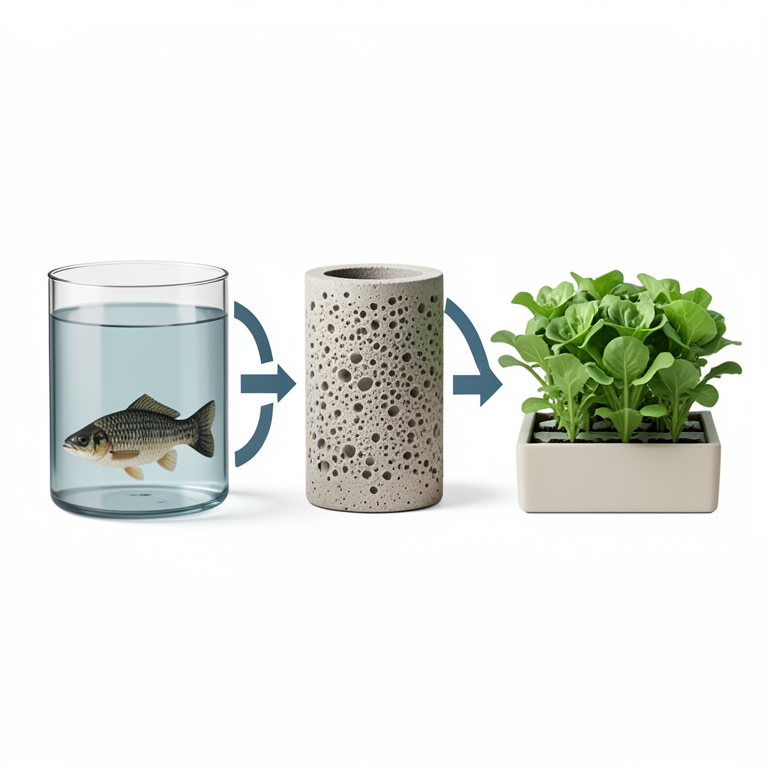
The Aquaponics Closed-Loop Cycle
AI-generated conceptual illustration (Tilapia fish, lettuce plants, and a biofilter system). It explains the idea and does not show study data.
View source evidence ↗Figures & tables
From the original paper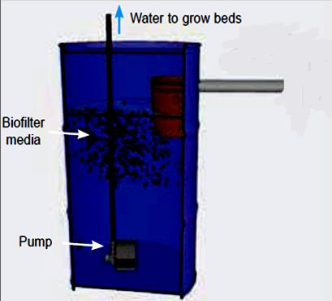 Figure 1
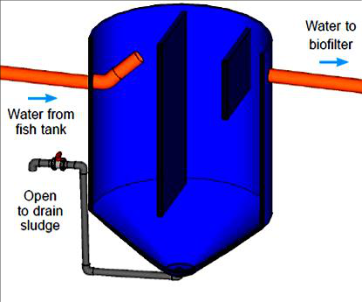 Figure 1
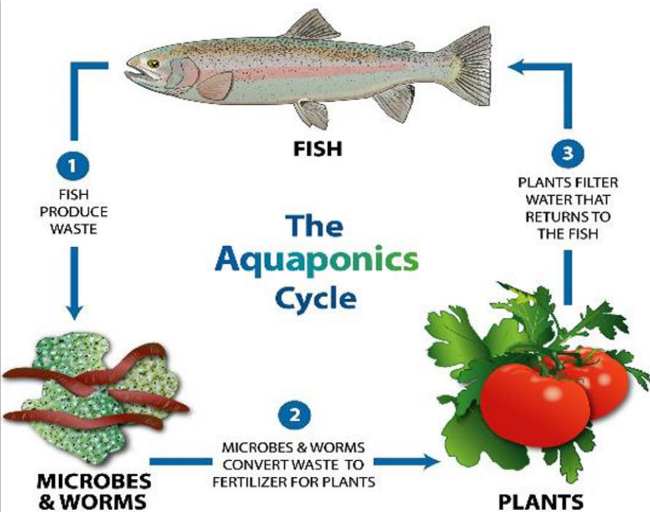 Figure 2
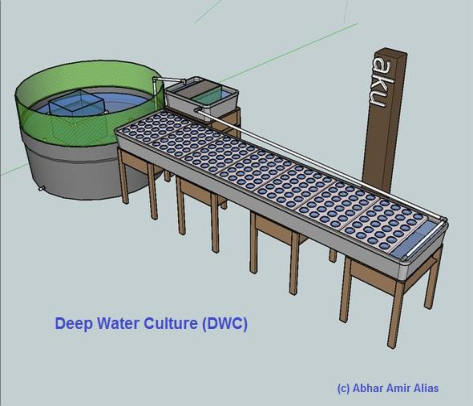 Figure 3
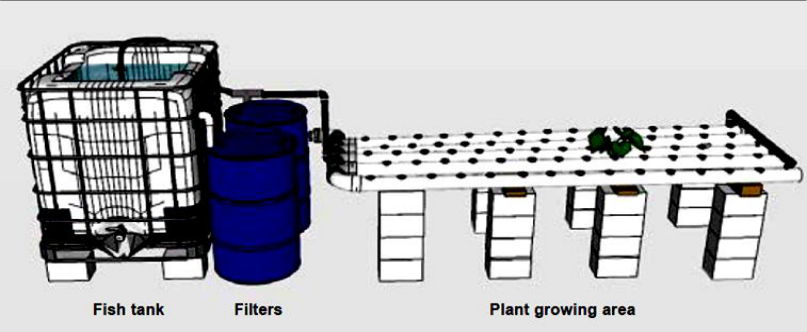 Figure 4
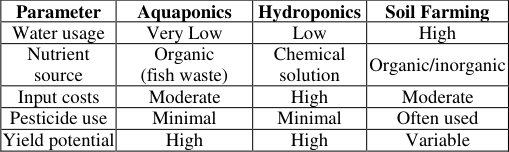 Table 1
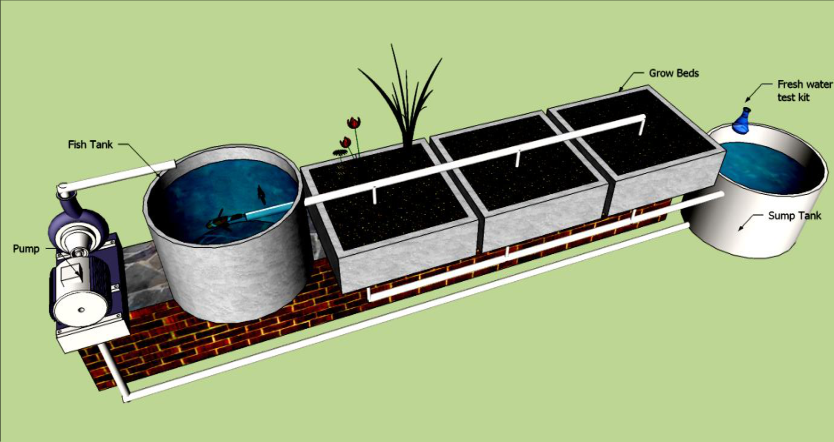 Figure 5
Introduction
More than half of the world's population has experienced food scarcity because of the world's fast population expansion. According to current figures, more than one in five children under the age of five are underweight and exhibit stunted growth. Modern farming methods like hydroponics and aquaponics, which maximize production while utilizing the least number of resources particularly, space, soil, and water have emerged as the greatest options to mitigate the issue. Aquaponics is the most inventive technique of producing food among the other feasible choices that are investigated. It entailed raising fish and other aquatic creatures along with plants, mostly vegetables and herbs, in either a linked (closedloop) or decoupled system (run-off). In a linked aquaponic system, bacteria that naturally flourish in the water transform fish waste into nutrients for the plants, which in turn absorbed by the plants. This process cleans the fish water and creates a complete recirculation cycle. As one of the most popular farming techniques, aquaponics has many benefits when it comes to sustainability. These benefits include minimal water use, little or no chemical use, the avoidance of synthetic fertilizers and pesticides, and waste water recycling, which offers a potential remedy for the environmental issues brought on by the eutrophication of both natural and artificial aquatic ecosystems. Aquaponics is the potential solution to food production and security issues, especially in the wake of climate change and post pandemic economic conditions. The system can be set up in small spaces even in an urban area. Aquaponic systems are a complete system that combine aquaculture and hydroponics and pair it with beneficial microbes in a symbiotic relationship. It is the sustainable technique for the production of organic food products, which uses Recirculating Aquaculture System (RAS) with the soilless vegetables to produce environmentally friendly organic products. RAS is more profitable than conventional methods and provide a better yield of fish and vegetables (Tyson et al., 2011) [25] .
RAS is a viable solution for producing organic foods. It can be set up in small spaces with land constraints such as in urban areas and can assist with food security and production issues that system also has potential as an alternative for achieving economic and environmental sustainability targets (Endut et al., 2016) [11] . The application of aquaponics in vegetable production is particularly advantageous in areas facing soil degradation, urbanization and water scarcity. This system utilizes up to 90% less water than traditional soil-based agriculture (Goddek et al., 2019) [13] , making it highly suitable for urban agriculture, especially where land availability is limited. Vegetables such as lettuce, basil, kale, tomatoes, cucumbers, and spinach are commonly cultivated in aquaponic systems due to their high market value and compatibility with hydroponic growing conditions (Yang and Kim, 2020) [27] .
Historical background
The concept of aquaponics, though modern in application, has ancient roots. Early examples of integrated aquaculture and agriculture can be traced back to around 1000 AD in the Chinampa systems of the Aztecs in Mexico, where they cultivated crops on floating islands while utilizing nutrient rich lake water. Similarly, in Asia, particularly in China, Thailand, and Indonesia, farmers practiced integrated ricefish farming, where fish waste supported plant growth-a precursor to modern aquaponic techniques. Modern aquaponics began to evolve in the 1970s, primarily through research conducted at the University of the Virgin Islands (UVI) by Dr. James Rakocy and his colleagues. Their pioneering work established the foundational principles of recirculating aquaculture systems (RAS) integrated with hydroponic vegetable production (Rakocy et al., 2006) [22] . This research laid the groundwork for stable, closed-loop systems capable of simultaneously producing fish and vegetables efficiently. In recent decades, it has gained global traction due to its potential for sustainable food production, especially in urban environments and waterscarce regions. With the increasing demand for locally grown, pesticide-free vegetables and sustainable protein sources, aquaponics has become a viable alternative to conventional agriculture (Diver and Rinehart, 2010) [10] .
Principles of aquaponics
Aquaponics operates on the fundamental principle of a mutually beneficial, closed-loop ecosystem that integrates aquaculture and hydroponics. In this system, waste produced by fish is converted by nitrifying bacteria into nutrients that are readily absorbed by plants, which in turn help purify the water before it is recirculated back to the fish tanks. These parts work together to maintain a self-sustaining ecosystem (Bhanja et al., 2024) [6] . Species of fish suitable for aquaponic culture Aquaponic system farming is a profitable type of agriculture method in the United States Virgin Islands (USVI). A commercial scale aquaponic unit developed at the Virgin Islands University was used to cultivate red tilapia and leaf lettuce has seen positive returns on the farming activities conducted (Bailey et al., 1997) [4] . Endut et al. (2016) [11] built a recirculating aquaponic system to grow African catfish (Clarias gariepinus) and cultivate water spinach (Ipomoea aquatica). The plants cultivated did not have any nutritional deficiency or mineral imbalance and the plant yield also increased. There were also improvements in the nitrogenous ammonia removal due to an increase in nitrification in the aquaponic system. Krastanova et al., (2022) [20] has turned a small-scale cyprinid fish farm into an aquaponic system and successfully cultivated tomatoes (Lycopersicon esculentum) in a vertical model of the aquaponic system. A variety of fish can be cultivated in aquaponic systems including tilapia, ornamental fish (koi, goldfish, tropical fish), catfish, perch, bass, bluegill and trout of which tilapia, catfish, ornamental fish, trout, perch, and bass were the most commonly cultured. Tilapia is the most common species cultured in the aquaponic systems due to its omnivorous feeding habits, rapid reproduction rate, and the fact that it grows well in the system (Rakocy, 2012) [23] . The integration of African catfish (Clarias gariepinus) with water spinach (Ipomoea aquatica) and mustard greens (Brassica juncea) shows that the water spinach has an excellent ability to reduce ammonia (78% to 85%) and nitrite (82.93% to 92.22%) showed higher rate of survival of the fish (94%) compared to mustard greens in the aquaponic culture system (Enduta et al., 2011) [11] . African catfish (Clarias gariepinus) showed good growth when cultured in aquaponic systems with combination cultures with sweet basil (Ocimum basilicum) (Knaus et al., 2020) [19] . Basil is a popular plant in aquaponic system and shows good performance when combined with African catfish, Nile tilapia, and common carp (Cyprinus carpio)
The key principles of aquaponics in vegetable
The key principles of aquaponics in vegetable
Biofilter Mechanical filter
(Palm et al., 2014) [19] . Basil also showed a good growth performance when cultured with river crayfish (Procambarus zonangulus) in the raft aquaponic system. Meanwhile, cultures of African catfish (Clarias gariepinus) integrated with three other types of plants, namely red and green-red amaranth (Amaranthus spp.) and water spinach (Ipomoea aquatica) in the aquaponic system promoted significant growth in the plants, increased the yield and improved a sustainable agriculture farming. The integration of catfish and pumpkins in the aquaponic system was more efficient than static or conventional aquaculture systems.
The fish survival and water quality also improved significantly. The culture of Nile tilapia (Oreochromis niloticus) with romaine lettuce (Lactuca sativa L. var. longifolia) was identified as growing well in the aquaponic system without the need of water exchange and could maintain a good water quality for the fish compared with conventional cultivation methods (Effendi et al., 2015) [10] .
Commonly grown vegetables in aquaponics
Commonly grown vegetables in aquaponics include a variety of leafy greens, fruiting crops, herbs, and certain root vegetables, with plant choice influenced by water pH, temperature, and system type. Leafy greens such as lettuce, kale, spinach, mustard, Pak Choi, and Swiss chard are highly suited due to their fast growth and low nutrient demand. Fruiting vegetables like tomatoes, bell peppers, cucumbers, okra, and brinjal thrive in well-balanced systems with stable nutrient supply. Popular herbs including basil, mint, coriander, and parsley not only grow well but also enhance system biodiversity. Other crops like water spinach (Ipomoea aquatica), amaranth, and Swiss chard have shown excellent performance in tropical setups, while basil is particularly noted for its compatibility with multiple fish species. Proper crop selection ensures optimal yields, improved water quality, and system sustainability.
Water quality management
Water quality management is a critical component in the success of aquaponics systems, as both fish health and plant productivity depend on the chemical, physical, and biological quality of the circulating water. Proper monitoring and regulation of water parameters ensure the stability and efficiency of nutrient cycling within the system.
Key aspects of water quality management include 1. pH:
A neutral pH range of 6.8 to 7.2 is ideal to balance the needs of fish, plants, and nitrifying bacteria. A stable pH ensures nutrient availability and efficient biological conversion of fish waste. 2. Ammonia, nitrites, and nitrates: Fish produce ammonia (NH₃), which is toxic even at low concentrations. Beneficial nitrifying bacteria convert ammonia to nitrite (NO₂⁻) and then to nitrate (NO₃⁻), which is non-toxic and utilized by plants. Ammonia and nitrite levels should be kept close to zero, while nitrate levels between 5-150 mgL -1 are typically acceptable.
Dissolved oxygen (DO):
Adequate DO (usually above 5 mgL -1 ) is necessary for fish respiration, bacterial activity, and healthy root development in plants.
Aeration is often provided using air stones or water movement system. 4. Temperature: Optimal temperature ranges differ slightly for fish and plants, but a general range of 20-28°C supports both components effectively. Extremes in temperature can disrupt microbial activity and affect both plant and fish health.
Electrical conductivity (EC) and Total Dissolved
Solids (TDS): These parameters reflect nutrient concentration in the system. While aquaponics operates at lower EC levels than hydroponics, values between 0.8-2.0 dSm -1 are usually suitable for leafy vegetables.
Water exchange and filtration:
Although aquaponics is a recirculating system, partial water exchange may be needed periodically. Mechanical and biological filtration units help remove solid waste and maintain water clarity and microbial balance.
Fish feed and nutrient availability
With the growing demand for healthy proteins, the scale of aqua culture is gradually expanding. However, simultaneously, the issues of large-scale environmental pollution and significant resource waste are becoming more severe. Nutrients, such as nitrogen and phosphorus, generated during aquaculture have garnered global attention owing to their potential contribution to environmental pollution (Chowdhury et al., 2013) [8] . Aquaponics is a new agricultural technology that combines recirculating aquaculture systems and hydroponics, if not only enhances productivity and water efficiency but also maximizes agricultural yields without increasing water consumption while reducing the reliance on pesticides and chemical fertilizers, providing ecological and social benefits (Greenfeld et al., 2020) [14] . Fish, plants, and microorganisms are the primary components of the aquaponics system. Nutrients from the fish tank are utilized by the plants in the hydroponics (Goddek et al., 2019) [3] . Throughout this process, microorganisms mediate nutrient transformations between fish and plants, particularly nitrogen and phosphorus. They are also involved in the decomposition of organic matter and the mineralization of complex organic molecules (Kasozi et al., 2021) [17] . As a result, the plants remove nutrients, thereby improving the quality of the effluent, which, in turn, enhances fish production (Endut et al., 2016) [11] . The environmental requirements of all organisms involved are species and developmental stage specific. Therefore, the cultivation conditions should ideally reflect these requirements appropriately.
Key Aspects 1. Fish feed composition:
Quality feed should be rich in protein (25-35%), lipids, and essential micronutrients such as phosphorus, potassium, calcium, and trace elements. The nutrient content of the feed directly influences the nutrient profile of the water available to plants (Yildiz et al., 2017) [28] . 2. Nutrient cycling: Approximately 30% of the nitrogen in fish feed is released into the system as ammonia, which is converted to nitrate by nitrifying bacteria. These nitrates are the main nitrogen source for plant growth.
Feed Rate Ratio (FRR):
This is the ratio of feed added to the system relative to the area of plant production. It helps in balancing fish growth with plant nutrient demand. Typically, 60-100 grams of feed per square meter per day is considered optimal, depending on plant type and system design (Hussain and Brown, 2024) [15] . 4. Supplementation Needs: While fish feed provides many nutrients, it may be deficient in some plantessential elements, especially iron (Fe), calcium (Ca), and potassium (K). These may need to be supplemented manually to avoid nutrient deficiencies in plants.
Feed Efficiency:
Overfeeding can lead to water quality degradation, while underfeeding may limit plant nutrient availability. Therefore, precise feeding schedules and water testing are crucial for maintaining balance in the system (Watanabe et al., 2002) [26] .
Sustainable Alternatives:
There is increasing interest in using insect-based feeds, plant-based proteins, and locally produced feed to reduce costs and environmental impact in aquaponic systems.
Designs of aquaponic systems
Based on their structures and different advantages, aquaponics can be categorized into three types. 1. Deep water culture (DWC) 2. Nutrient Film Technique (NFT) 3. Media-filled bed
Deep Water Culture (DWC)
Deep water culture (DWC) is a common aquaponics technique, also referred to as the floating method or raft system (Rakocy, et al., 2006) [22] . It entails hanging plant roots straight in nutrient-rich, constant-flow fish tank water (Endut et al., 2016) [11] . Fish tank: It holds goldfish, koi, or tilapia as plants obtain nutrients from their excrements. Grow bed: A water-filled container, approximately 20 cm deep, in which plants are placed on PVC or styrofoam rafts that float. Water pump: Water is constantly moved from the growth bed to the fish tank, feeding the roots of the plants with nutrients and oxygen. Air stones: These are essential for the health of fish and plants because they provide oxygen to water. Grow medium (optional): To support and increase the surface area of beneficial bacteria in net pots, some gardeners use clay pellets.
Nutrient Film Techniques
A thin film or layer of nutrient-rich water is continuously poured over the roots of plants using the Nutrient Film Technique (NFT), providing the plants with a steady supply of nutrients and oxygen. NFT is a potent tool in aquaponics that maximizes the development of a variety of plants, including vegetables and herbs (Resh, 2022) [24] . The NFT aquaponics system is renowned for its effective use of fertilizers and water. This is because the nutrient-rich water from the fish tank may be efficiently captured by the NFT channels and sent directly to the roots of the plants. In addition to improving the pace of development and general health of plants, this technique helps in cleaning the aquatic habitats of fish (Love et al., 2014) [21] .
Fig 4: Nutrient film technique
Fig 4: Nutrient film technique
Media-filled bed
A hydroponic trough filled with inert substrate that functions as both a microbial substrate and root support in a media-based growth bed. Lava rocks, gravel or clay pellets are used as growth materials in a growing bed that holds plants. The growth medium helps maintain a healthy root environment and provides plant roots with physical support. Media based aquaponics systems are extensively used because of their adaptability, simplicity in installation and upkeep, and capacity to accommodate an extensive range of plant species (Bailey et al., 1997) [4] .
Advantages of aquaponics in vegetable production
Aquaponics offers multiple agronomic, economic, and environmental benefits compared to conventional vegetable production systems. Its integrated design ensures efficient use of resources while maintaining sustainability.
Key Advantages
1. Efficient Water Use: Aquaponics uses up to 90% less water than traditional soil-based agriculture because water is recirculated and only lost through evaporation and plant transpiration (Yang and Kim, 2020) [27] .
Dual Production (Fish and Vegetables):
The system allows simultaneous production of protein rich fish and fresh vegetables, improving food security and economic returns.
No Synthetic Fertilizers or Pesticides: Fish waste
provides organic nutrients for plants, reducing the need for chemical fertilizers. Controlled environments also minimize the use of pesticides, leading to healthier produce. 4. Urban and Land-Limited Suitability: Aquaponics can be implemented on rooftops, greenhouses, and other small spaces, making it ideal for urban and periurban agriculture. 5. Year-round production: Systems housed in controlled environments can operate continuously, ensuring a steady supply of vegetables regardless of seasonal variations.
Nutrient recycling and environmental sustainability:
Closed-loop systems recycle fish waste, reduce effluent discharge, and prevent soil degradation, contributing to sustainable farming practices.
7. Higher productivity per unit area: By combining vertical farming techniques and continuous planting cycles, aquaponics can achieve higher yields per square meter compared to soil cultivation.
Economic feasibility
Aquaponics presents a promising opportunity for profitable and sustainable vegetable production, especially in regions with limited arable land and water resources. While the system offers multiple revenue from both fish and crops, its economic feasibility depends on factors such as initial investment, operational costs, market demand, and system scale.
Key economic considerations
Initial investment and infrastructure: Aquaponics requires significant upfront capital for setting up fish tanks, plumbing, pumps, biofilters, grow beds, and in many cases, greenhouse structures. Depending on the system size and automation level, costs can range from ₹1-2 lakhs for backyard systems to ₹10 lakhs or more for commercial units.
Operating costs: These include electricity, fish feed, plant seeds, water testing kits, labour, and possible nutrient supplementation. Energy use is one of the most significant recurring expenses, particularly in systems requiring artificial lighting or temperature control (Babatunde et al., 2023) [2] . Dual income potential: The system generates income from both vegetable crops (e.g., lettuce, spinach, tomato, basil) and marketable fish (e.g., tilapia, catfish, carp). This diversified output increases profitability and economic resilience. Market value of produce: Aquaponics grown vegetables often qualify as organic or pesticide-free, fetching premium prices in urban, health-conscious markets. High-value leafy greens and herbs offer better economic returns than low-value crops (Asaduzzaman et al., 2013) [1] . Break-even period and returns: Studies have shown that small-scale aquaponic units can recover initial costs within 2-4 years, depending on management efficiency, market linkages, and environmental conditions.
Government support and subsidies: Schemes like PMMSY, RKVY, and NABARD subsidies help reduce financial barriers, enhancing economic feasibility for startups and entrepreneurs in India. [5] . 4. Public-private partnerships for scaling 5. Educational adoption in universities and schools Aquaponics has potential to be a cornerstone of urban agriculture in the coming decades (Katsoulas et al., 2023) [18] .
Conclusion
The use of aquaponics is in line with global Sustainable Development Goals (SDGs), ending world hunger and poverty. This technology is a promising means of obtaining high-quality fish protein and vegetables in very small spaces. It can contribute to a more sustainable food production system, in terms of aquaculture and agriculture output (Ibrahim et al., 2023) [16] . This system promotes sustainable environmental practices by recycling fish wastes into fertilisers for plants. The ability to deliver higher productivity per unit area, lower environmental impact, and potential for urban and peri-urban agriculture makes it a viable approach for enhancing food security and climate-resilient agriculture. Despite challenges such as high initial costs and technical complexity, the increasing availability of government schemes, training programs, and market demand for clean food are contributing to its growing adoption, especially in countries like India.
Figures and tables from the paper
References
28 in the original paper- Asaduzzaman MD, Kobayashi Y, Mondal MF, Ban T, Matsubara H, Adachi F, et al. Growing carrots hydroponically using perlite substrates. Sci Hortic. 2013;159:113-121.
- Babatunde A, Deborah RA, Gan M, Simon T. Economic viability of a small-scale low-cost aquaponic system in South Africa. J Appl Aquac. 2023;35(2):285304.
- Baganz GF, Junge R, Portella MC, Goddek S, Keesman KJ, Baganz D, et al The aquaponic principle-It is all about coupling. Rev Aquac. 2022;14(1):252-264.
- Bailey DS, Rakocy JE, Cole WM, Shultz KA. Economic analysis of a commercial-scale aquaponic system for the production of tilapia and lettuce. In: Fitzsimmons K, editor. Tilapia Aquaculture: Proceedings of the Fourth International Symposium on Tilapia in Aquaculture. Oregon State University; 1997. p. 603-612.
- Bhakar V, Kaur K, Singh H. Analyzing the environmental burden of an aquaponics system using LCA. Proc CIRP. 2021;98:223-228.
- Bhanja A, Payra P, Mandal B. Aquaponics advancements: a comprehensive exploration of sustainable aqua-agriculture practices in the Indian context. Curr Agric Res J. 2024;12(3):128-132.
- Brewer A, Alfaro JF, Malheiros TF. Evaluating the capacity of small farmers to adopt aquaponics systems: empirical evidence from Brazil. Renew Agric Food Syst. 2021;36(4):375-383.
- Chowdhury MK, Siddiqui S, Hua K, Bureau DP. Bioenergetics-based factorial model to determine feed requirement and waste output of tilapia produced under commercial conditions. Aquaculture. 2013;410411:138-147.
- Diver S, Rinehart L. Aquaponics-Integration of hydroponics with aquaculture. Natl Sustain Agric Inf Serv (ATTRA). 2010;57:169-181.
- Effendi H, Utomo BA, Darmawangsa GM, Sulaeman N. Combination of water spinach (Ipomoea aquatica) and bacteria for freshwater crayfish red claw (Cherax quadricarinatus) culture wastewater treatment in aquaponic system. J Adv Biol. 2015;6(3):1072-1077.
- Endut A, Lananan F, Jusoh A, Cik WNW, Ali NA. Aquaponics recirculation system: a sustainable food source for the future. Malays J Appl Sci. 2016;1(1):112.
- Endut A, Jusoh A, Ali NA, Nik WNW. Nutrient removal from aquaculture wastewater by vegetable production in aquaponics recirculation system. Desalin Water Treat. 2011;32(1-3):422-430.
- Goddek S, Joyce A, Kotzen B, Burnell GM. Aquaponics food production systems: combined aquaculture and hydroponic production technologies for the future. 2019;43:217-224.
- Greenfeld A, Becker N, Bornman JF, Angel DL. Identifying knowledge levels of aquaponics adopters. Environ Sci Pollut Res. 2020;27(4):4536-4540.
- Hussain AS, Brown PB. A literature review of tilapia/lettuce aquaponics-production status, varieties and research gaps. Aquac Res. 2024;24(1):264-269.
- Ibrahim LA, Shaghaleh H, El-Kassar GM, Abu-Hashim M, Elsadek EA, Alhaj Hamoud Y. Aquaponics: a sustainable path to food sovereignty and enhanced water use efficiency. Water. 2023;15(24):4310-4318.
- Kasozi N, Abraham B, Kaiser H, Wilhelmi B. The complex microbiome in aquaponics: significance of the bacterial ecosystem. Ann Microbiol. 2021;71(1):1-8.
- Katsoulas N, Aslanidou M, Papanastasiou DK, Anestis V. Environmental impact assessment of aquaponic vegetable production. Acta Hortic. 2023;1377:911-916.
- Knaus U, Pribbernow M, Xu L, Appelbaum S, Palm HW. Basil (Ocimum basilicum) cultivation in decoupled aquaponics with African catfish (Clarias gariepinus). Sustainability. 2020;12(20):874-879.
- Krastanova M, Sirakov I, Ivanova-Kirilova S, Yarkov D, Orozova P. Aquaponic systems: biological and technological parameters. Biotechnol Equip. 2022;36(1):305-316.
- Love DC, Fry JP, Genello L, Hill ES, Frederick JA, Li X, Semmens K. An international survey of aquaponics practitioners. PLoS One. 2014;9(7):e102000-e102109.
- Rakocy JE, Masser MP, Losordo TM. Recirculating aquaculture tank production systems: aquaponicsintegrating fish and plant culture. SRAC Publ. 2006;31:164-169.
- Rakocy JE. Aquaponics-integrating fish and plant culture. In: Tidwell JH, editor. Aquaculture Production Systems. Wiley-Blackwell; 2012. p. 344-386.
- Resh HM. Hydroponics food production: a definitive guidebook. Boca Raton: CRC Press; 2022. p. 1-642.
- Tyson RV, Treadwell DD, Simonne EH. Opportunities and challenges to sustainability in aquaponic systems. HortTechnology. 2011;21(1):6-13.
- Watanabe WO, Losordo TM, Fitzsimmons K, Hanley F. Tilapia production systems in the Americas. Rev Fish Sci. 2002;10(3-4):465-498.
- Yang T, Kim HJ. Effects of hydraulic loading rate on water quality and crop growth in aquaponic systems. Horticulturae. 2020;6(1):95-102.
- Yildiz HY, Robaina L, Pirhonen J, Mente E, Domínguez D, Parisi G. Fish welfare in aquaponic systems. Water. 2017;9(1):13-40.