
Research article · 2025 · Full text
International Journal of Horticulture and Food ScienceEffect of hot water dipping on quality and shelf-life of mature green Kagzi lime fruits during ambient storage
Volume 7(12) · Pages 99–107 · DOI: 10.33545/26631067.2025.v7.i12b.445 ↗
Research areasPostharvest Quality and Shelf Life ManagementPlant Physiology and Cultivation StudiesFood Science and Nutritional Studies
Abstract
Author-writtenIn view of using safer alternatives to harmful chemicals, our investigation aimed to examine the effect of hot water dipping as a pre-treatment on the quality and shelf-life of lime fruits stored under ambient conditions. Mature green Kagzi lime fruits were subjected to hot water dipping (HWD) at 40 °C, 45 °C and 50 °C for 2, 4, 6 and 8 min. After treatment fruits were packed in mesh bags (30.48 cm × 20.32 cm) and kept under ambient conditions (30±2 °C and 60-70% RH) for quality and shelf-life determination. The observations for PLW and juice yield were recorded till 12th day whereas the observations for mold incidence and overall spoilage were recorded till 16th day. The results revealed that hot water dipping and storage period had significant effect on PLW, juice yield, mold incidence and overall spoilage. Among all the HWD treatments, hot water dipping of lime fruits at 50 °C for 2 min was found to be the best in terms of quality retention (minimum PLW, maximum juice yield and minimum spoilage) and maximum shelf-life (15 days).
Summary
Source-checkedPlain-language reading of the full paper, prepared with AI and checked against the text. Each point links to the authors' own words.
Why it matters
- Kagzi lime faces significant post-harvest losses caused by fungal rot, water loss through transpiration, and physiological disorders like rind breakdown. View evidence ↗
- While chemicals are currently used to reduce citrus losses, they are associated with high costs, plant residues, and negative impacts on human health and the environment. View evidence ↗
- Research on citrus heat treatments often focuses on refrigerated storage, leaving a gap in knowledge regarding ambient storage conditions common in tropical regions. View evidence ↗
The question
- The study aimed to evaluate how hot water dipping as a pre-treatment affects the quality and shelf-life of Kagzi lime fruits stored at ambient temperatures. View evidence ↗
What they did
- Mature green Kagzi lime fruits were treated with hot water dipping at temperatures of 40 °C, 45 °C, and 50 °C for durations of 2, 4, 6, and 8 minutes. View evidence ↗
- Treated fruits were stored in mesh bags (30.48 cm × 20.32 cm) under ambient conditions of 30±2 °C and 60-70% relative humidity. View evidence ↗
- Physiological loss in weight (PLW) and juice yield were measured every 4 days up to day 12, while mold incidence and overall spoilage were tracked up to day 16. View evidence ↗
What they found
- The 50 °C for 2 min treatment extended the shelf-life to 15 days, while the untreated control fruits lasted only 9 days. View evidence ↗
What it means
- The authors conclude that hot water dipping at 50 °C for 2 minutes is the optimal treatment for maintaining quality and maximizing the shelf-life of Kagzi lime. View evidence ↗
- The study recommends this chemical-free method for storing lime fruits safely in mesh bags under ambient conditions for up to 15 days. View evidence ↗
Visual summary
3 visualsIllustrations explain the paper; charts are replotted from the paper's own table values.
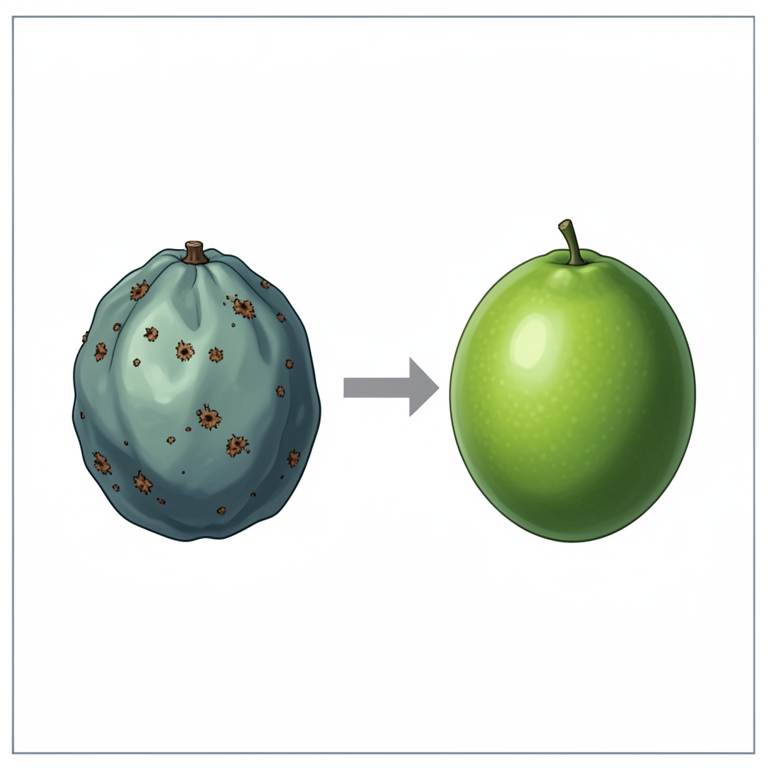
Optimal Treatment Comparison
AI-generated conceptual illustration (Kagzi lime fruits). It explains the idea and does not show study data.
View source evidence ↗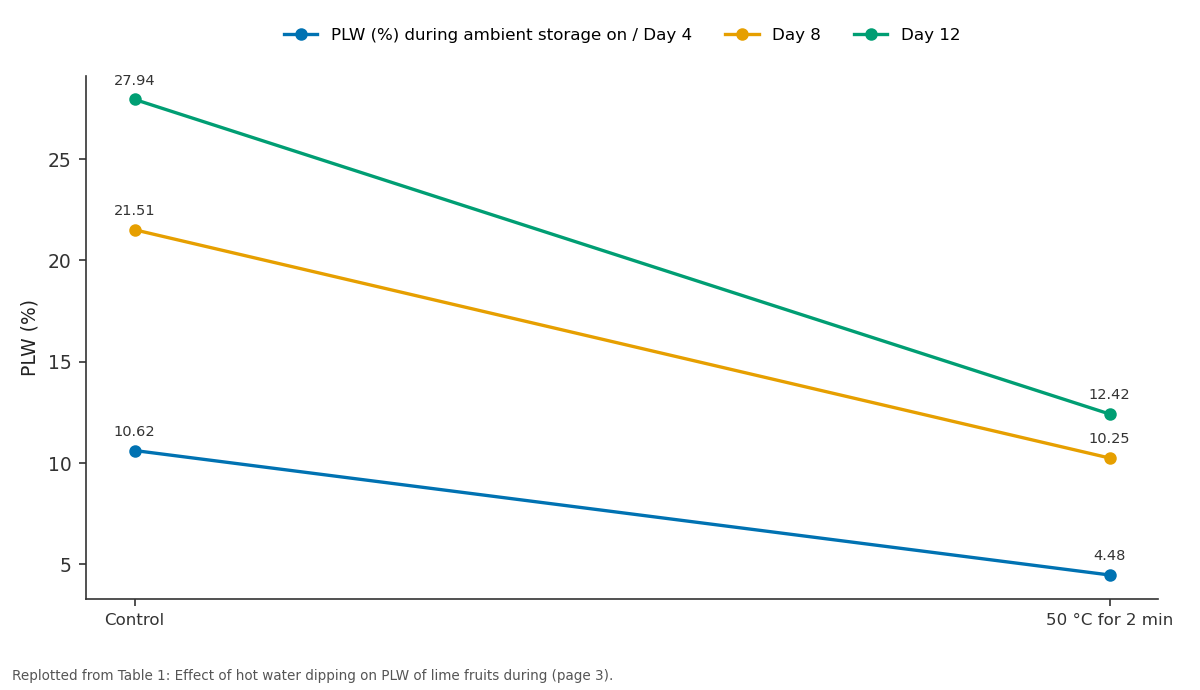
PLW (%) during ambient storage on / Day 4 and Day 8 and more: Control vs 50 °C for 2 min
Replotted from Table 1 (page 3) of the original paper. Every bar is the paper's own table value.
View source evidence ↗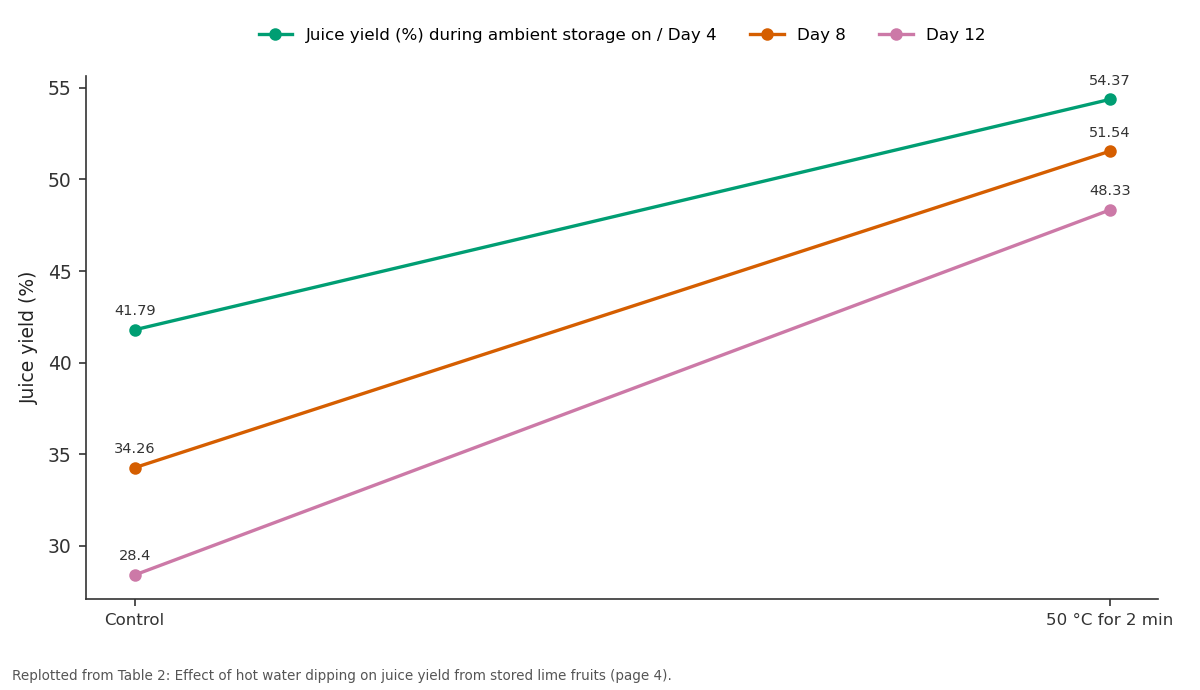
Juice yield (%) during ambient storage on /... and Day 8 and more: Control vs 50 °C for 2 min
Replotted from Table 2 (page 4) of the original paper. Every bar is the paper's own table value.
View source evidence ↗Figures & tables
From the original paper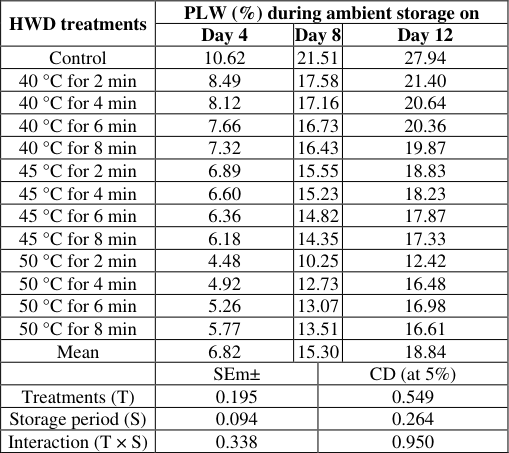 Table 1
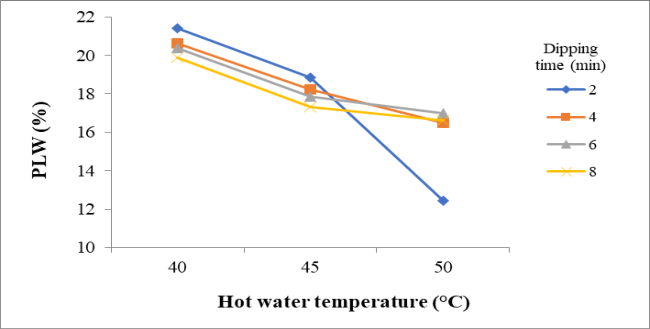 Figure 1A
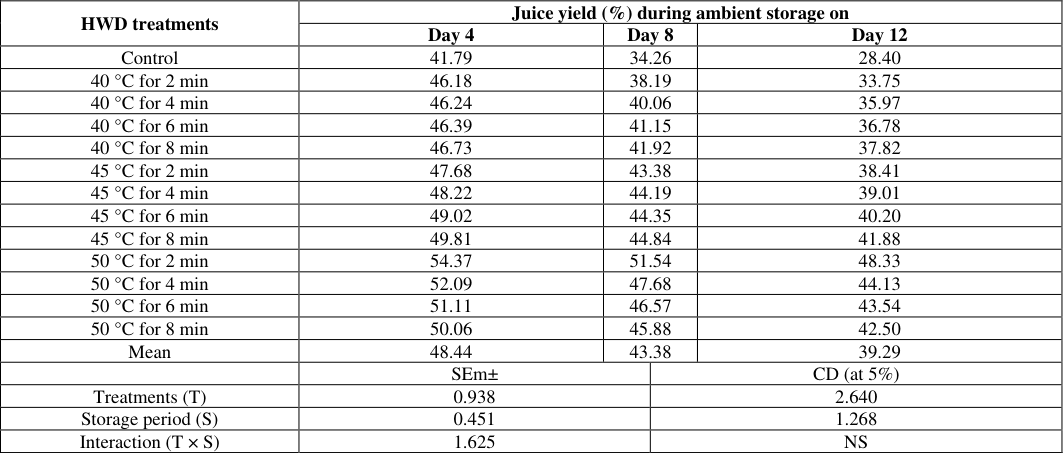 Table 2
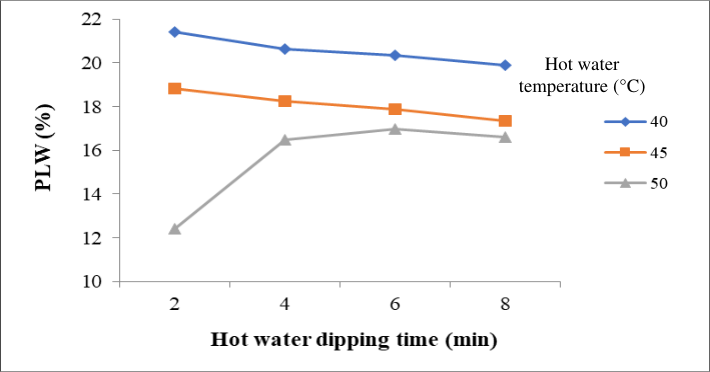 Figure 1B
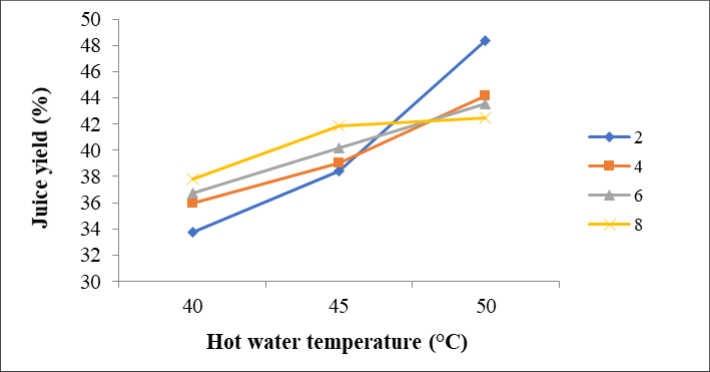 Figure 2A
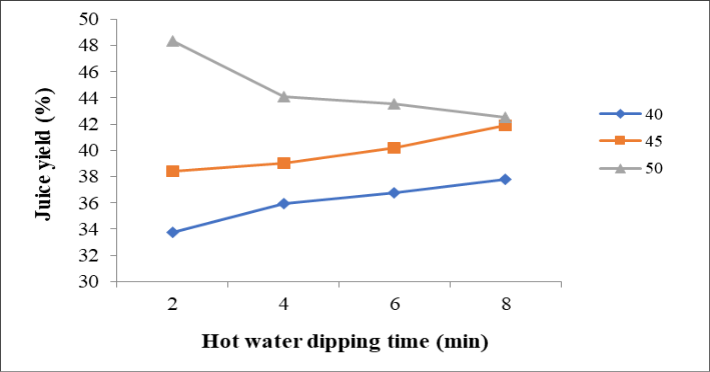 Figure 2B
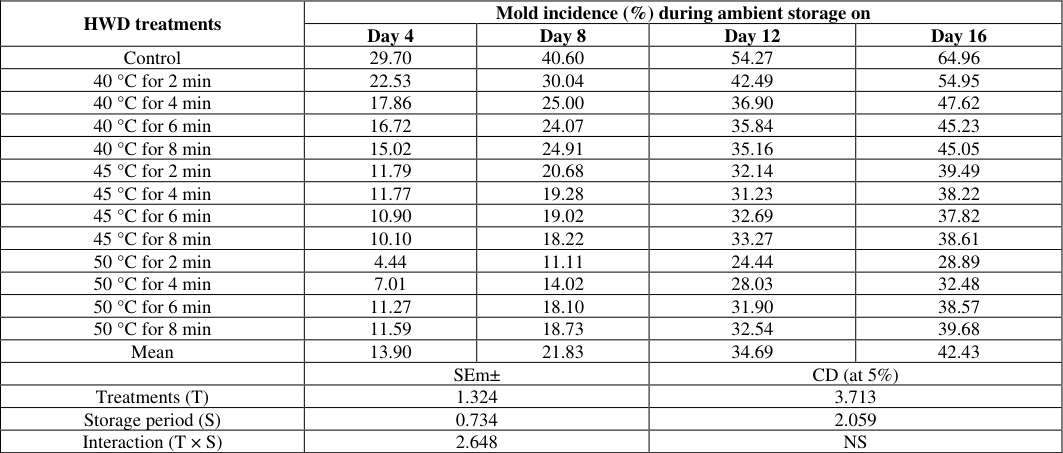 Table 3
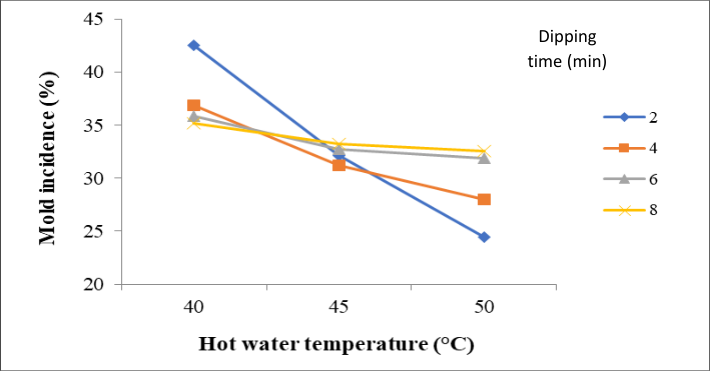 Figure 3A
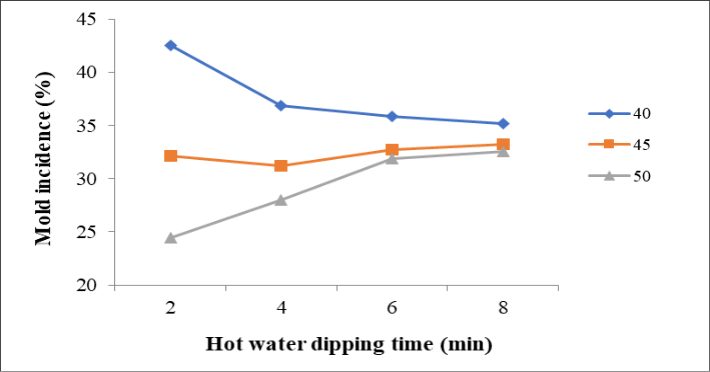 Figure 3B
 Table 4
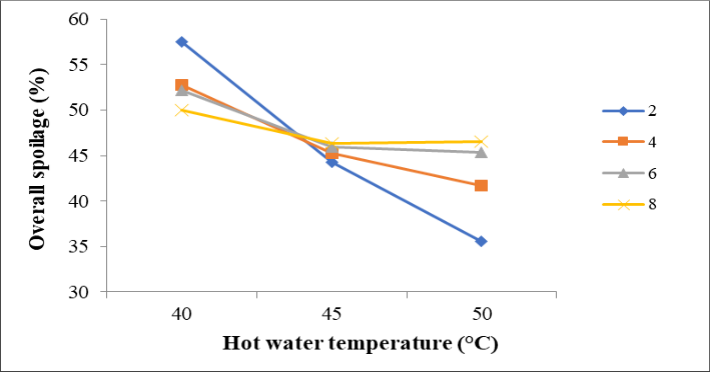 Figure 4A
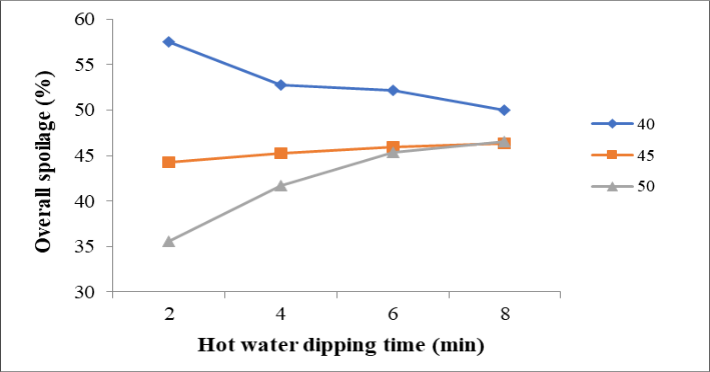 Figure 4B
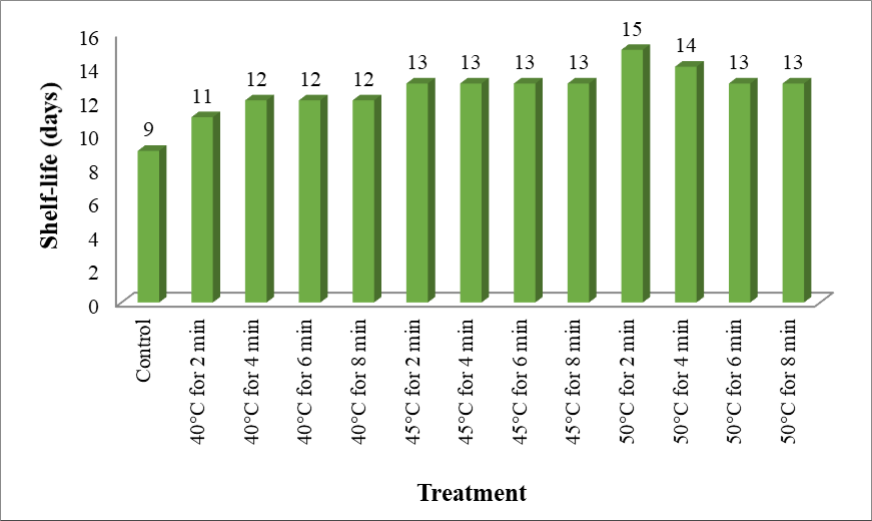 Figure 5
Introduction
Kagzi lime (Citrus aurantifolia Swingle) belongs to the family Rutaceae and is one of the most important tropical and subtropical fruits. Post-harvest losses of Kagzi lime still remains a matter of concern. Significant post-harvest losses can occur due to pathological breakdown (fungal rot), respiration (loss of sugars, acids, etc.) or transpiration (water loss), physiological disorders such as fruit softening and rind breakdown, low humidity in storage area etc. During the transportation, fruits also suffer huge losses due to improper handling and packing. Also, storing the limes at lower temperatures for longer duration in cold-storage facilities, suffer post-harvest losses due to chilling injury. Mahajan and Singh (2008) [15] have reported that around 25-40 per cent harvested fruits are lost before consumption due to faulty post-harvest handling and microbial attack after harvest. At present, in order to deal with the postharvest losses of citrus, various chemicals such as imazalil, thiabendazole, pyrimethanil and fludioxonil are used (Ismail and Zhang, 2004; Smilanick et al., 2005, 2006) [11,31,30] . However, excessive use of these chemicals accompanied with high costs, residues in plants, phytotoxic effects and development of resistance, has indeed left an adverse effect on human health and the environment (Paster and Bullerman, 1988; Bull et al., 1997) [20,5] . Moreover, the consumer demands for pesticide-free food necessitates the development of safer methods for bringing down overall qualitative and quantitative losses of citrus fruits. Post-harvest heat treatments in the form of hot water dips, hot dry air, or vapour heat has attracted recent research interest as a promising alternative to replace or to reduce the use of toxic chemicals during storage (Barkai-Golan and Phillips, 1991; Lurie, 1998a, b; Fallik, 2004) [1,13,14,6]. For insect control, vapour heat treatment has been mainly applied, while for both fungal and insect control, hot dry air has been employed (Lurie, 1998a, b) [13,14] . Hot water is preferred for most applications since water is a more efficient heat transfer medium than air. Previous studies on citrus fruit indicated positive effects of heat treatment on storage stability and inhibition or reduction in pathogen development ( [9,25,27,28,8,24] . More recent reviews and experimental studies continue to confirm heat treatments -including hot-water dips and short hot-water brushing -as effective, residue-free options for maintaining quality and extending shelf life of citrus and other horticultural crops (Papoutsis et al., 2019) [19] , and recent region-specific and methodological studies have further explored feasibility, physiological responses and practical implementation of hot-water treatments (Strano et al., 2022; Bhatta et al., 2022) [32,2] . Although heat-based postharvest techniques such as hotwater dips and brushing are well established as nonchemical alternatives for improving postharvest performance of citrus fruits, including maintenance of quality attributes and reduction of storage losses in lemons, oranges, and mandarins (Nafussi, 2001; Palou, 2013; Papoutsis et al., 2019) [17,18,19] . the literature specifically evaluating hot-water dip treatments for Kagzi (acid) lime (Citrus aurantifolia) remains limited. Moreover, most studies involving hot-water treatments in citrus evaluate fruit quality and storage behavior under refrigerated or controlled-atmosphere conditions, while investigations conducted under ambient storage conditions are relatively scarce, despite their practical relevance in tropical and subtropical regions (Palou, 2013; Papoutsis et al., 2019) [18,19] . Existing postharvest studies on Kagzi lime predominantly emphasize coatings, oil emulsions, growth regulators, irradiation, or packaging interventions to enhance storage life (Verma & Dashora, 2000; Bisen, 2008) [34, 3] , but do not report a systematic evaluation of hot-water dip time-temperature combinations with respect to quality retention and shelf-life under ambient storage. Therefore, focused research on hot-water dipping of Kagzi lime followed by ambient storage is necessary to develop chemical-free postharvest handling strategies applicable to low-infrastructure marketing systems. In view of the above considerations, the present investigation was undertaken to evaluate the effect of hot water dipping as a pre-treatment on the quality and shelf-life of Kagzi lime fruits stored under ambient conditions.
Materials and methods
Mature green Kagzi lime (Citrus aurantifolia Swingle) fruits were procured from the farm of Department of Horticulture, Anand Agricultural University, Anand. Soon after harvest, the fruits were brought to the laboratory, precooled under fan for half an hour and only good fruits were chosen for study. The selected fruits were then washed with running water, disinfected using 50 ppm chlorinated water, rinsed with potable water and dried to remove the surface moisture by placing under fan. Such fruits were used for imposing the treatments. The lime fruits were subjected to hot water treatment in an autoclave (Mfr.: Nova Instruments Pvt. Ltd., Ahmedabad, Gujarat) while keeping the lid open. Once the desirable temperature was achieved, fruits were dipped in hot water. On dipping, there was little dip in temperature. The process time was recorded only after desirable temperature was achieved. Lime fruits were subjected to hot water dipping (HWD) at 40 °C, 45 °C and 50 °C for 2, 4, 6 and 8 min. On completion of treatment, the fruits were removed from the autoclave tank and allowed to dry under fan for few minutes. Fruits weighing about 500 g per treatment per replication were taken for determination of the physiological loss in weight (PLW) and juice yield and a separate lot of fruits weighing about 500 g per treatment per replication were taken for determination of spoilage (mold incidence and overall spoilage). The fruits were then packed in mesh bags (30.48 cm × 20.32 cm) and kept under ambient conditions (30±2 °C and 60-70% RH) for quality and shelflife determination (based on overall spoilage). The observations were recorded at 4 days of interval till 12th day for PLW and juice yield (not continued further due to higher spoilage) whereas the observations were recorded till 16th day for mold incidence and overall spoilage.
PLW
For determining PLW, the fruits were weighed initially and after each storage interval and the loss in weight was calculated by following expression:
Juice yield
The lime fruits were cut into two pieces and the juice was extracted by hand juice squeezer and strained through stainless steel sieve. The amount of juice was measured and percentage of juice yield was calculated on the basis of weight. Following expression was used for calculating juice yield:
Mold incidence
Mold incidence was recorded by visually observing the number of fruits affected by molds and expressed in percentage (Bisen et al., 2012; García et al., 2016) [4,7] . Following expression was used to determine mold incidence:
Overall spoilage
Overall spoilage of fruits were judged on the basis of visual observation and expressed as percentage over total number of fruits (Reddy et al., 2008) [22] . Overall spoilage of fruits was calculated by following expression:
Shelf-life
The shelf life of fruits was determined by recording the number of days the fruits remained in good condition during storage. The stage wherein more than 50 percent of the stored fruits became unfit for consumption was considered as end of shelf life (Sudheer, 2014) [33] .
Statistical analysis
Data obtained from three replications were analyzed using a factorial CRD at a 5% level of significance with in-house tested statistical software at the Department of Agricultural Statistics, B. A. College of Agriculture, Anand Agricultural University, Anand, Gujarat, India.
Results and Discussion PLW
The data on the effect of hot water dipping on PLW of lime fruits during ambient storage are presented in Table 1. The results revealed that PLW was significantly affected by the treatments. The data also reflected significant differences due to storage period and interaction between HWD treatments and storage period. As the storage period was prolonged from day 4 to day 12, PLW increased for all the treatments. Weight loss mainly occurs due to water loss by transpiration and loss of carbon reserves due to respiration (Zagory and Kader, 1988) [36] . It was observed that among all the HWD treatments, the lowest mean values of PLW were recorded for HWD at 50 °C for 2 min on all observation days. On the other hand, the data showed highest mean values of PLW on all observation days for control. In general, the hot water dipping caused reduction in the loss of weight of lime fruits. This may be attributed to the melting of fruit epicuticular waxes which then covers and seals the stomata and cracks on the fruit surface. This sealing of natural openings and cracks reduces the weight loss. Moreover, the hot water treatments also affect ethylene evolution (Schirrra and D'Hallewin, 1997; Porat et al., 2000, Ilic et al., 2001 and Fallik, 2004) [27,21,10,6] . Decreased weight loss due to hot water dipping for Valencia oranges and grapefruit (Mohamed et al., 2002) [16] and Kumquat & 'Marsh' grapefruit (Rodov et al., 1995) [25] have been reported. Similar reductions in physiological loss in weight following hot water or heat-based treatments have also been documented in recent studies and reviews on citrus and other horticultural commodities, where heat treatment was shown to reduce transpiration losses and delay senescence during storage (Papoutsis et al., 2019; Strano et al., 2022) [19, 32] . The effect of hot water temperature on PLW of lime fruits on 12th day of ambient storage is shown in Fig 1a . It was observed that as the hot water temperature was increased from 40 to 45 °C, there was a notable reduction in PLW of lime fruits for HWD times of 2, 4, 6 and 8 min. On further increasing the hot water temperature from 45 to 50 °C, the highest reduction in PLW from 18.83% to 12.42% was observed for 2 min of HWD time. The decrease in PLW with an increase in temperature might be due to reduced moisture losses due to sealing of natural opening and cracks as discussed earlier. The effect of HWD time on PLW of lime fruits on 12th day of ambient storage is shown in Fig 1b . It was observed that as the HWD time was increased from 2 to 8 min, there was a gradual decrease in PLW of lime fruits treated at 40 and 45 °C. This may be attributed to the sealing of natural openings and cracks which might have caused reduced transpiration losses. However, when the fruits were treated at 50 °C, a notable rise was observed in PLW from 12.42 to 16.48% as the HWD time was increased from 2 to 4 min. On further increasing the HWD time, PLW increased gradually till 6 min followed by a slight reduction till 8 min. This may be attributed to the damage to the skin at higher temperature and higher heating time which might have caused increased moisture losses. Valencia oranges hot water dipped at 45 °C for 42 min became firmer, whereas the fruit at 53 °C for 12 min showed increased weight loss and decreased firmness (Williams et al., 1994) [35] .
| HWD treatments | PLW (%) during ambient storage on | — | — | — |
|---|---|---|---|---|
| Day 4 | Day 8 | Day 12 | ||
| Control | 10.62 | 21.51 | 27.94 | |
| 40 °C for 2 min | 8.49 | 17.58 | 21.40 | |
| 40 °C for 4 min | 8.12 | 17.16 | 20.64 | |
| 40 °C for 6 min | 7.66 | 16.73 | 20.36 | |
| 40 °C for 8 min | 7.32 | 16.43 | 19.87 | |
| 45 °C for 2 min | 6.89 | 15.55 | 18.83 | |
| 45 °C for 4 min | 6.60 | 15.23 | 18.23 | |
| 45 °C for 6 min | 6.36 | 14.82 | 17.87 | |
| 45 °C for 8 min | 6.18 | 14.35 | 17.33 | |
| 50 °C for 2 min | 4.48 | 10.25 | 12.42 | |
| 50 °C for 4 min | 4.92 | 12.73 | 16.48 | |
| 50 °C for 6 min | 5.26 | 13.07 | 16.98 | |
| 50 °C for 8 min | 5.77 | 13.51 | 16.61 | |
| Mean | 6.82 | 15.30 | 18.84 | |
| SEm± | CD (at 5%) | |||
| Treatments (T) | 0.195 | 0.549 | ||
| Storage period (S) | 0.094 | 0.264 | ||
| Interaction (T × S) | 0.338 | 0.950 |
Table text extracted from the original PDF; superscript letters are shown inline. The original table image is below.
View original table image
Juice yield
The data on the effect of hot water dipping on juice yield from stored lime fruits are presented in Table 2. The results revealed that juice yield was significantly affected by the treatments. The data also reflected significant differences due to storage period. However, the effect of interaction between HWD treatments and storage period was nonsignificant. As the storage period was prolonged from day 4 to day 12, there was a decrease in juice yield for all the treatments. It was observed that among all the HWD treatments, the highest mean values of juice yield were recorded for HWD at 50 °C for 2 min on all observation days of storage. On the other hand, the data showed the lowest mean values of juice yield on all observation days for control. Minimum weight loss from hot water dipped lime fruits at 50 °C for 2 min might be the possible reason for higher juice yield from lime fruits.
| HWD treatments | Juice yield (%) during ambient storage on | — | — | — |
|---|---|---|---|---|
| Day 4 | Day 8 | Day 12 | ||
| Control | 41.79 | 34.26 | 28.40 | |
| 40 °C for 2 min | 46.18 | 38.19 | 33.75 | |
| 40 °C for 4 min | 46.24 | 40.06 | 35.97 | |
| 40 °C for 6 min | 46.39 | 41.15 | 36.78 | |
| 40 °C for 8 min | 46.73 | 41.92 | 37.82 | |
| 45 °C for 2 min | 47.68 | 43.38 | 38.41 | |
| 45 °C for 4 min | 48.22 | 44.19 | 39.01 | |
| 45 °C for 6 min | 49.02 | 44.35 | 40.20 | |
| 45 °C for 8 min | 49.81 | 44.84 | 41.88 | |
| 50 °C for 2 min | 54.37 | 51.54 | 48.33 | |
| 50 °C for 4 min | 52.09 | 47.68 | 44.13 | |
| 50 °C for 6 min | 51.11 | 46.57 | 43.54 | |
| 50 °C for 8 min | 50.06 | 45.88 | 42.50 | |
| Mean | 48.44 | 43.38 | 39.29 | |
| SEm± | CD (at 5%) | |||
| Treatments (T) | 0.938 | 2.640 | ||
| Storage period (S) | 0.451 | 1.268 | ||
| Interaction (T × S) | 1.625 | NS |
Table text extracted from the original PDF; superscript letters are shown inline. The original table image is below.
View original table image
The effect of hot water temperature on juice yield of lime fruits on 12th day of ambient storage is shown in Fig 2a . As the hot water temperature was increased from 40 to 45 °C, juice yield increased for HWD time 2, 4, 6 and 8 min. On further increasing the hot water temperature from 45 to 50 °C, the juice yield from lime fruits increased from 38.41 to 48.33 for HWD time 2 min and this increase was the maximum as compared to 4, 6 and 8 min. This may be attributed to the loosening of the juice sacs with an increase in temperature.
The effect of HWD time on juice yield from lime fruits on 12th day of ambient storage is shown in Fig 2b . It was observed that as the HWD time was increased from 2 to 8 min, there was a gradual increase in juice yield for lime fruits treated at 40 and 45 °C. However, when the fruits were treated at 50 °C, a decreasing trend was observed in juice yield from 48.33 to 44.13% as the HWD time increased from 2 min to 4 min. On further increasing the HWD time till 8 min, a gradual decrease in juice yield was noticed. The decrease in juice content due to treatment and storage might be attributed to the higher weight loss as PLW and juice yield are closely related parameters.
Mold incidence
The data on the effect of hot water dipping on mold incidence of lime fruits during ambient storage are presented in Table 3. The results revealed that mold incidence was significantly affected by the treatments. The data also reflected significant differences due to storage period. However, the effect of interaction between HWD treatments and storage period was non-significant. As the storage period was prolonged from day 4 to day 16, there was an increase in mold incidence for all the treatments. One of the major limiting factors for ambient storage of lime fruits is black mold and in our ambient storage study, the fruits were also affected by the same. Aspergillus rot covers the fruit with black mold and also affects the Hot water temperature (°C) adjacent fruits, thereby contaminating the whole lot. The favourable temperature range is 25-40ºC and can cause rapid decay at 30-35ºC (Ladaniya, 2008) [12] . It was observed that among all the HWD treatments, the lowest mean values of mold incidence were recorded for HWD at 50 °C for 2 min on all observation days during storage.
| HWD treatments | Mold incidence (%) during ambient storage on | — | — | — |
|---|---|---|---|---|
| Day 4 | Day 8 | Day 12 | Day 16 | |
| Control | 29.70 | 40.60 | 54.27 | 64.96 |
| 40 °C for 2 min | 22.53 | 30.04 | 42.49 | 54.95 |
| 40 °C for 4 min | 17.86 | 25.00 | 36.90 | 47.62 |
| 40 °C for 6 min | 16.72 | 24.07 | 35.84 | 45.23 |
| 40 °C for 8 min | 15.02 | 24.91 | 35.16 | 45.05 |
| 45 °C for 2 min | 11.79 | 20.68 | 32.14 | 39.49 |
| 45 °C for 4 min | 11.77 | 19.28 | 31.23 | 38.22 |
| 45 °C for 6 min | 10.90 | 19.02 | 32.69 | 37.82 |
| 45 °C for 8 min | 10.10 | 18.22 | 33.27 | 38.61 |
| 50 °C for 2 min | 4.44 | 11.11 | 24.44 | 28.89 |
| 50 °C for 4 min | 7.01 | 14.02 | 28.03 | 32.48 |
| 50 °C for 6 min | 11.27 | 18.10 | 31.90 | 38.57 |
| 50 °C for 8 min | 11.59 | 18.73 | 32.54 | 39.68 |
| Mean | 13.90 | 21.83 | 34.69 | 42.43 |
| SEm± | CD (at 5%) | |||
| Treatments (T) | 1.324 | 3.713 | ||
| Storage period (S) | 0.734 | 2.059 | ||
| Interaction (T × S) | 2.648 | NS |
Table text extracted from the original PDF; superscript letters are shown inline. The original table image is below.
View original table image
Controlling postharvest decay in various citrus fruits by hot water dips (2-3 min at 50-53 °C) were shown to be as effective and also much less expensive due to shorter treatment duration (Rodov et al., 1993, 1995) [26,25] . On the other hand, the data showed highest mean values of mold incidence on all observation days for control. The effect of hot water temperature on mold incidence of lime fruits on 12th day of ambient storage is shown in Fig 3a . As the hot water temperature was increased from 40 to 45 °C, a decreasing trend was observed in mold incidence for HWD times of 2, 4, 6 and 8 min. This decreasing trend continued from 45 °C to 50 °C for all HWD times, however, maximum drop (32.14 to 24.44%) was noticed for HWD time of 2 min. This can be attributed to the physical barrier created by lignin like compounds (Schirra et al., 2000) [29] which might have caused more effective restriction to fungal attack at higher temperature. The effect of HWD time on mold incidence of lime fruits on 12th day of ambient storage is shown in Fig 3b . It was observed that as the HWD time was increased from 2 to 4 min, mold incidence of lime fruits treated at 40 and 45 °C decreased. However, when the fruits were treated at 50 °C, an upward trend was observed in mold incidence from 24.44 to 28.03%. On further increasing the HWD time from 4 min to 8 min, a gradual decrease in mold incidence was noticed for 40 °C. However, in case of fruits treated at 45 °C and 50 °C, increasing trend in mold incidence was observed. Moreover, from 4 to 8 min of HWD time, the lime fruits treated at 50 °C, showed the maximum increase in mold incidence (28.03 to 32.54%). The occurrence of mold at 50 °C at higher heating times might be attributed to the peel damage. Ritenour et al. (2003) [23] reported that the grapefruit dipped in 62 °C water for 30 s developed only 5% stem-end rot after 82 d in storage, whereas increasing the treatment duration to 120 s caused significant peel scalding (100%) and increased stem-end rot incidence (23%).
Overall spoilage
The data on the effect of hot water dipping on overall spoilage of lime fruits during ambient storage are presented in Table 4. The results revealed that overall spoilage was significantly affected by the treatments. The data also reflected significant differences due to storage period. However, the effect of interaction between treatments and storage period was non-significant. The overall spoilage of lime fruits stored under ambient conditions included spoilage due to mold and also due to shrivelling which affects the appearance of lime fruits and in turn affects the marketability to greater extent. As the storage period was prolonged from day 4 to day 16, there was an increase in overall spoilage for all the hot water dipping treatments. This may be attributed to the loss of moisture and mold attack which is responsible for causing an increase in spoilage over a period of time. It was observed that among all the HWD treatments, the lowest mean values of overall spoilage were recorded for HWD at 50 °C for 2 min on all observation days. On the other hand, the data showed highest mean values of overall spoilage on all observation days for control. The effect of hot water temperature on overall spoilage of lime fruits on 12th day of ambient storage is shown in Fig 4a . As the hot water temperature was increased from 40 to 45 °C, a downward trend was observed in overall spoilage for HWD times of 2, 4, 6 and 8 min. From 45 to 50 °C, the reduction in overall spoilage continued for all HWD times except for 8 min which showed a slight increase in mean value. Moreover, it was noticed that the decrease in overall spoilage was the maximum (44.27 to 35.56%) for HWD time of 2 min. The reduction in spoilage with an increase in HWD temperature may be attributed to the physical barrier created by lignin like compounds (Schirra et al., 2000) [29] which might have caused more effective restriction to fungal attack and also might have reduced moisture losses. The effect of HWD time on overall spoilage of lime fruits on 12th day of ambient storage is shown in Fig 4b . It was observed that as the HWD time was increased from 2 to 4 min, overall spoilage of lime fruits treated at 40 °C decreased. However, when the fruits were treated at 45 and 50 °C, an upward trend was observed in overall spoilage. On further increasing the HWD time from 4 to 8 min, a gradual decrease in overall spoilage was noticed for 40 °C. However, an upward trend in overall spoilage continued for fruits treated at 45 and 50 °C. Moreover, from 4 to 8 min of HWD time, the lime fruits treated at 50 °C, showed maximum increase in overall spoilage (41.71 to 46.51%). This may be attributed to the peel damage which might have caused higher weight loss and mold growth.
| HWD Treatments | Overall spoilage (%) during ambient storage on | — | — | — |
|---|---|---|---|---|
| Day 4 | Day 8 | Day 12 | Day 16 | |
| Control | 35.04 | 43.38 | 67.52 | 94.66 |
| 40 °C for 2 min | 27.47 | 32.60 | 57.51 | 87.55 |
| 40 °C for 4 min | 22.62 | 27.78 | 52.78 | 77.38 |
| 40 °C for 6 min | 21.50 | 28.67 | 52.21 | 78.50 |
Table text extracted from the original PDF; superscript letters are shown inline. The original table image is below.
View original table image
Shelf-life
The untreated and hot water dipped lime fruits were stored in mesh bags and shelf-life was determined for ambient conditions of storage (30±2 °C and 60-70% RH). The shelflife recorded for untreated and hot water dipped lime fruits is depicted in Fig 5 . Among all the HWD treatments, the highest shelf-life of lime fruits was recorded for HWD at 50 °C for 2 min (15 days). On the other hand, the lowest shelflife of lime fruits was recorded for control i.e., 9 days.
Conclusion
The fruits subjected to hot water dipping (HWD) recorded lower values of physiological loss in weight (PLW), higher values of juice yield, lower values of spoilage and better shelf-life as compared to the untreated fruits. Among all the HWD treatments, hot water dipping of lime fruits at 50 °C for 2 min was found to be the best in terms of quality retention (minimum PLW, maximum juice yield and minimum spoilage) and maximum shelf-life (15 days). Therefore, we conclude that without using any harmful chemical, hot water dipped (50 °C for 2 min) lime fruits can be stored safely in mesh bags (30.48 cm × 20.32 cm) under ambient conditions (30±2 °C and 60-70% RH) for 15 days.
Figures and tables from the paper
References
36 in the original paper- Barkai-Golan R, Phillips DJ. Postharvest heat treatments of fresh fruits and vegetables for decay control. Plant Disease. 1991;75:1085-1089.
- Bhatta UK, et al. Alternative management approaches of citrus diseases: a review. Frontiers in Plant Science. 2022. https://doi.org/10.3389/fpls.2021.833328.
- Bisen A. Effect of different post-harvest treatments on shelf life and quality of Kagzi lime (Citrus aurantifolia Swingle). Udyanika. 2008;10:11-17.
- Bisen A, Pandey SK, Patel N. Effect of skin coatings on prolonging shelf life of Kagzi lime fruits (Citrus aurantifolia Swingle). Journal of Food Science and Technology. 2012;49(6):753-759.
- Bull CT, Stack JP, Smilanick JL. Pseudomonas syringae strains ESC-10 and ESC-11 survive in wounds on citrus and control green and blue molds of citrus. Biological Control. 1997;8(1):81-88.
- Fallik E. Prestorage hot water treatments (immersion, rinsing and brushing). Postharvest Biology and Technology. 2004;32(2):125-134.
- García JF, Olmo M, García JM. Decay incidence and quality of different citrus varieties after postharvest heat treatment at laboratory and industrial scale. Postharvest Biology and Technology. 2016;118:96-102.
- Gonzalez-Aguilar GA, Zacarias L, Mulas M, Lafuente MT. Temperature and duration of water dips influence chilling injury, decay and polyamine content in 'Fortune' mandarins. Postharvest Biology and Technology. 1997;12(1):61-69.
- Hatton TT, Cubbedge RH. Temperature for prestorage conditioning of 'Marsh' grapefruit to prevent chilling injury at low temperatures. HortScience. 1983;18(5):721-722.
- Ilic Z, Polevaya Y, Tuvia-Alkalai S, Copel A, Fallik E. A short prestorage hot water rinse and brushing reduces decay development in tomato, while maintaining its quality. Tropical Agricultural Research and Extension. 2001;4:1-6.
- Ismail M, Zhang J. Post-harvest citrus diseases and their control. Outlooks on Pest Management. 2004;15(1):29-35.
- Ladaniya M. Citrus fruit: Biology, technology and evaluation. Academic Press; 2008.
- Lurie S. Postharvest heat treatments. Postharvest Biology and Technology. 1998;14(3):257-269.
- Lurie S. Postharvest heat treatments of horticultural crops. Horticultural Reviews. 1998;22:91-121.
- Mahajan BVC, Singh G. Effect of 1methylcyclopropene (1-MCP) on storage life and quality of winter guava. Journal of Food Science and Technology. 2008;45(6):537-539.
- Mohamed MAA, Abdel-Hafeez AA, Mehaisen SMA. Response of Valencia orange and Marsh seedless grapefruit to postharvest hot water dips and storage temperature. Annals of Agricultural Science, Moshtohor. 2002;40(4):2247-2264.
- Nafussi B. Mode of action of hot-water dip in reducing decay of lemon fruit. Journal of Agricultural and Food Chemistry. 2001;49(11):5175-5181. https://doi.org/10.1021/jf000700n.
- Palou L. Heat treatments for the control of citrus postharvest green mold caused by Penicillium digitatum. In: Méndez-Vilas A, editor. Microbial pathogens and strategies for combating them. Formatex Research Center; 2013. p. 504-514.
- Papoutsis K, Mathioudakis MM, Hasperué JH, Ziogas V. Non-chemical treatments for preventing postharvest fungal rotting of citrus fruits. Trends in Food Science and Technology. 2019;86:479-491. https://doi.org/10.1016/j.tifs.2019.02.053.
- Paster N, Bullerman LB. Mould spoilage and mycotoxin formation in grains as controlled by physical means. International Journal of Food Microbiology. 1988;7(3):257-265.
- Porat R, Pavoncello D, Peretz J, Weiss B, Daus A, Cohen L, et al. Induction of resistance to Penicillium digitatum and chilling injury in 'Star Ruby' grapefruit by a short hot-water rinse and brushing treatment. Journal of Horticultural Science and Biotechnology. 2000;75(4):428-432.
- Reddy VB, Madhavi GB, Reddy DV, Reddy VC, Srinu B. Effect of different packing materials on the shelf life and quality of acid lime (Citrus aurantifolia Swingle) at room temperature. Journal of Dairying, Foods and Home Science. 2008;27(3/4):216-220.
- Ritenour MA, Karuppiah KJ, Pelosi RR, Burton MS, McCollum TG, Brecht JK, Baldwin EA. Response of Florida grapefruit to short-duration heat treatments using vapor heat or hot water dips. Proceedings of the Florida State Horticultural Society. 2003;116:405-409.
- Rodov V, Agar T, Peretz J, Nafussi B, Kim JJ, BenYehoshua S. Effect of combined application of heat treatments and plastic packaging on keeping quality of 'Oroblanco' fruit (Citrus grandis × C. paradisi). Postharvest Biology and Technology. 2000;20(3):287294.
- Rodov V, Ben-Yehoshua S, Albagli R, Fang DQ. Reducing chilling injury and decay of stored citrus fruit by hot water dips. Postharvest Biology and Technology. 1995;5:119-127.
- Rodov V, Ben-Yehoshua S, Albagli R, Fang DQ. Postharvest heat treatments of citrus fruits: curing vs. hot water application. In: Proceedings of the 2nd International Congress on Food Technology and Development. Barcelona: PPU Publishers; 1993. p. 176-203.
- Schirra M, D'Hallewin G. Storage performance of 'Fortune' mandarins following hot water dips. Postharvest Biology and Technology. 1997;10(3):229238.
- Schirra M, Agabbio M, D'Hallewin G, Pala M, Ruggiu R. Response of 'Tarocco' oranges to picking date, postharvest hot water dips, and chilling storage temperature. Journal of Agricultural and Food Chemistry. 1997;45(8):3216-3220.
- Schirra M, D'Hallewin G, Ben-Yehoshua S, Fallik E. Host-pathogen interactions modulated by heat treatment. Postharvest Biology and Technology. 2000;21(1):71-85.
- Smilanick JL, Brown GE, Eckert JW. Postharvest citrus diseases and their control. In: Wardowski WF, Miller WM, Hall DJ, Grierson W, editors. Fresh citrus fruits. 2nd ed. Florida Science Source Inc.; 2006. p. 339-396.
- Smilanick JL, Mansour MF, Margosan DA, Gabler FM, Goodwine WR. Influence of pH and NaHCO₃ on effectiveness of imazalil to inhibit germination of Penicillium digitatum and to control postharvest green mold on citrus fruit. Plant Disease. 2005;89(6):640-648.
- Strano MC, Altieri G, Allegra A, Inglese P, Sortino G. Postharvest technologies of fresh citrus fruit. Horticulturae. 2022;8(7):612. https://doi.org/10.3390/horticulturae8070612.
- Sudheer N. Effect of different postharvest chemicals and packing on shelf life and quality of acid lime (Citrus aurantifolia Swingle) cv. Balaji at room temperature [MSc thesis]. Dr. Y.S.R. Horticultural University; 2014.
- Verma P, Dashora LK. Post-harvest physico-nutritional changes in Kagzi limes (Citrus aurantifolia Swingle) treated with selected oil emulsions and diphenyl. Plant Foods for Human Nutrition. 2000;55(4):279-284. https://doi.org/10.1023/A:1008190523606.
- Williams MH, Brown MA, Vesk M, Brady C. Effect of postharvest heat treatments on fruit quality, surface structure, and fungal disease in Valencia oranges. Australian Journal of Experimental Agriculture. 1994;34(8):1183-1190.
- Zagory D, Kader AA. Modified atmosphere packaging of fresh produce. Food Technology. 1988;42(9):70-77.