
Research article · 2024 · Full text
International Journal of Geography Geology and EnvironmentGeospatial distribution and medicinal usage of Moringa Oleifera: A review of global applications
Volume 6(2) · Pages 260–263 · DOI: 10.22271/27067483.2024.v6.i2c.456 ↗
Research areasMoringa oleifera research and applicationsInsect Pest Control StrategiesSesame and Sesamin Research
Abstract
Author-writtenMoringa Oleifera, commonly known as the drumstick tree, is an herbaceous plant native to the Indian subcontinent and now distributed globally. Its various parts—leaves, seeds, flowers, and pods—are rich in essential nutrients, making it an important contributor to nutritional supplementation and medicinal therapies. Over the years, the plant has gained global attention due to its numerous health benefits, including antimicrobial, anti-inflammatory, antioxidant, and anti-diabetic properties. Its widespread use in traditional medicine across various regions highlights the significance of its global applications. The geographical distribution of Moringa Oleifera has expanded beyond its native range, and it is now cultivated in tropical and subtropical regions worldwide. This review aims to provide a comprehensive understanding of the geospatial distribution of Moringa Oleifera and its medicinal uses across different cultures. The research further examines the phytochemical profile of the plant, focusing on its bioactive compounds responsible for its therapeutic properties. This review also highlights the diverse ways Moringa Oleifera is utilized, ranging from its use in dietary supplements and functional foods to its application in conventional medicine for treating a variety of ailments. The evidence presented indicates the growing global recognition of Moringa Oleifera as an important therapeutic agent. Given the plant's wide-ranging health benefits, this review aims to contribute to the global scientific discourse surrounding Moringa Oleifera and its potential for further medical applications.
Summary
Source-checkedPlain-language reading of the full paper, prepared with AI and checked against the text. Each point links to the authors' own words.
Why it matters
- Moringa Oleifera, also known as the drumstick tree, is an herbaceous plant that originated in the Indian subcontinent and has since spread worldwide. View evidence ↗
- The plant's leaves, seeds, flowers, and pods are nutrient-dense, which makes them valuable for medicinal therapies and nutritional supplements. View evidence ↗
- Moringa Oleifera is recognized globally for several health benefits, specifically its antioxidant, anti-diabetic, anti-inflammatory, and antimicrobial properties. View evidence ↗
The question
- The objective of this review is to comprehensively understand how Moringa Oleifera is distributed geospatially and how it is used medicinally across various cultures. View evidence ↗
- The authors hypothesize that while the plant's benefits are universal, its specific medicinal applications are tailored to the cultural practices and health needs of the regions where it is grown. View evidence ↗
What they did
- The review was conducted using materials sourced from credible academic resources, including books and peer-reviewed journal articles. View evidence ↗
- Data collection was performed using databases including Web of Science, Google Scholar, Scopus, and PubMed. View evidence ↗
- Studies were included if they were published before 2022 and specifically addressed the distribution or medicinal use of the plant via clinical trials or field studies. View evidence ↗
- The authors used a narrative review methodology to systematically analyze existing literature. View evidence ↗
- An ANOVA test was used to analyze whether antioxidant activity differed significantly across different global regions. View evidence ↗
What they found
- The ANOVA test (F-statistic 58.11, p < 0.05) confirmed a statistically significant difference in antioxidant activity across the studied regions. View evidence ↗
- The observed regional differences in antioxidant activity suggest that the plant's bioactive properties are influenced by regional climate, cultivation practices, and environmental factors. View evidence ↗
- Higher antioxidant activity in Africa and Asia is attributed to favorable climatic conditions and a long history of traditional herbal medicine use. View evidence ↗
- Lower antioxidant activity in North America and Europe is likely due to different agricultural practices and the more recent introduction of the plant to these regions. View evidence ↗
What it means
- The authors conclude that because antioxidant activity varies by region, the plant's efficacy could be improved by using cultivation techniques tailored to specific regions. View evidence ↗
- The authors recommend standardizing cultivation practices, creating processing and consumption guidelines, and integrating the plant into mainstream health programs. View evidence ↗
- The authors state that more clinical trials and studies are needed to provide concrete evidence of the plant's safety and efficacy to encourage wider medical acceptance. View evidence ↗
Visual summary
2 visualsIllustrations explain the paper; charts are replotted from the paper's own table values.
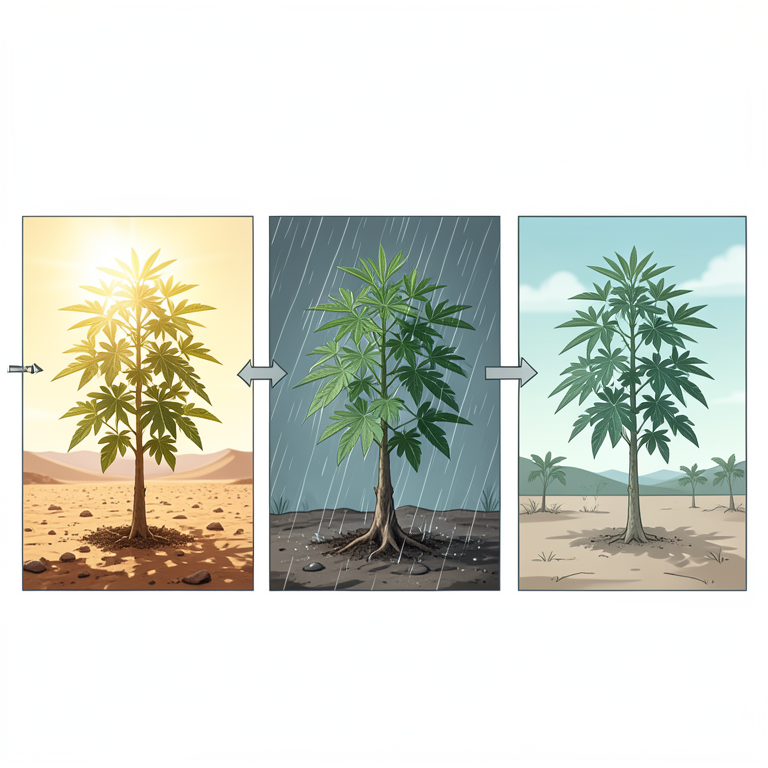
Factors Influencing Bioactive Properties
AI-generated conceptual illustration (Moringa oleifera plants). It explains the idea and does not show study data.
View source evidence ↗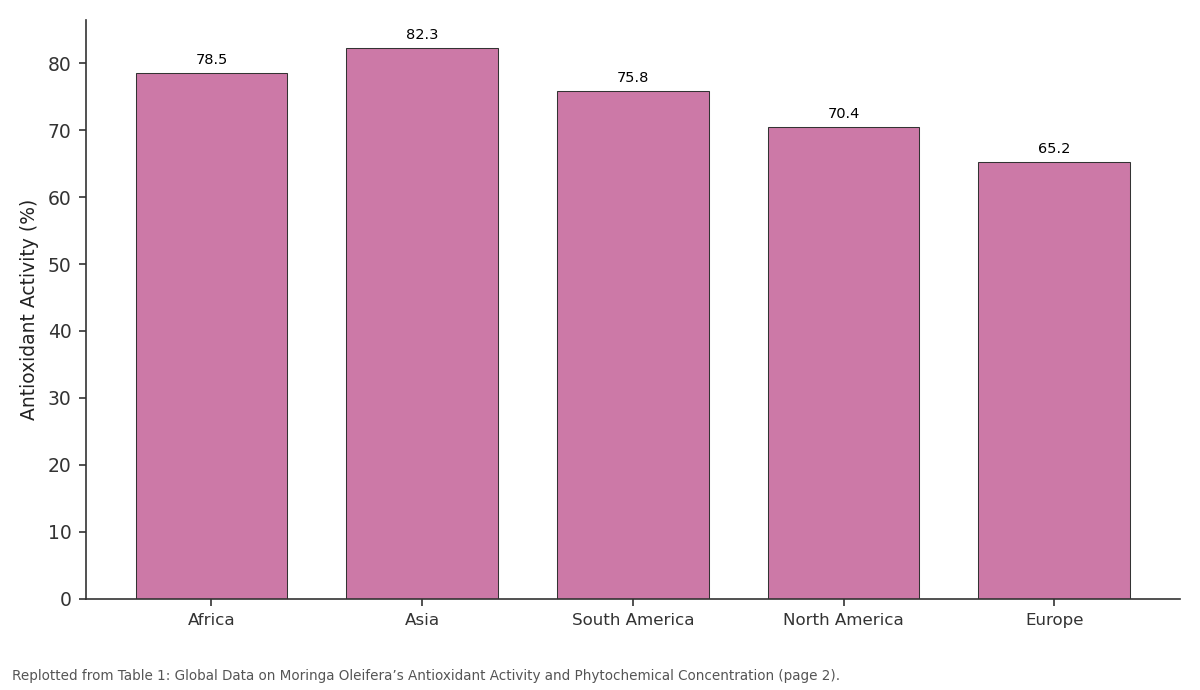
Antioxidant Activity (%): Africa vs Asia vs South America vs North America vs Europe
Replotted from Table 1 (page 2) of the original paper. Every bar is the paper's own table value.
View source evidence ↗Figures & tables
From the original paper Table 1
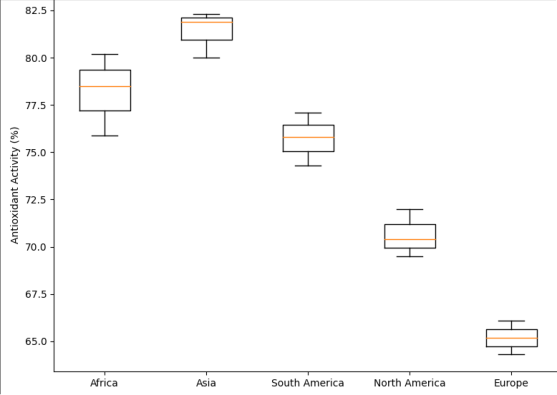 Figure 1
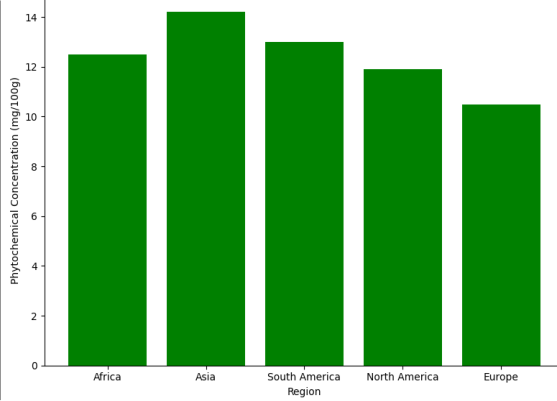 Figure 2
Introduction
Moringa Oleifera, often referred to as the "miracle tree," is renowned for its nutritional value and medicinal properties. Native to the Indian subcontinent, it has spread widely across tropical and subtropical regions globally. Known for its resilience and adaptability, Moringa Oleifera is cultivated in diverse climates and soil types, contributing significantly to food security and medicinal practices in many parts of the world. Traditionally, Moringa has been utilized in various forms in herbal medicine, offering remedies for ailments such as malnutrition, diabetes, hypertension, and inflammation [1] . Recent studies have highlighted the plant's phytochemical diversity, with compounds like flavonoids, alkaloids, and phenolic acids contributing to its therapeutic efficacy [2] . The global expansion of Moringa Oleifera cultivation has coincided with an increasing demand for natural medicinal products, fostering its use in different countries. This plant's rapid distribution across continents raises important questions about its geospatial distribution and the variations in medicinal applications across different cultural contexts. While Moringa Oleifera's therapeutic properties are well-documented, the geospatial aspect of its medicinal use has not been extensively explored. Understanding the plant's geographic spread is crucial in recognizing the diverse ways it is utilized in traditional and modern medicine [3] . This review seeks to address these gaps by exploring the global distribution of Moringa Oleifera and the medicinal uses it has been put to in various regions. The objectives are to examine the plant's geographical spread, identify the key medicinal properties and applications, and explore the phytochemical basis for these effects. The hypothesis posited in this review is that Moringa Oleifera, while universally recognized for its health benefits, has distinct medicinal applications tailored to the specific health needs and cultural practices of the regions in which it is grown [4] . By synthesizing data from global studies, this review aims to contribute valuable insights into the role of Moringa Oleifera in modern and traditional medicine and its potential as a sustainable source of therapeutic agents.
Materials and Methods
Materials and Methods
Materials
The materials utilized for this review were primarily sourced from scientific literature, including peer-reviewed journal articles, books, and other credible academic resources related to Moringa Oleifera. The articles reviewed covered a broad range of studies published up until 2023, which provided detailed information on the geospatial distribution, medicinal uses, phytochemical composition, and therapeutic applications of Moringa Oleifera. The review included research on its global distribution, focusing on cultivation practices, regional variations, and how its medicinal properties are applied in different countries [1,2] . The primary selection criteria for materials were studies with significant data on the bioactive compounds in Moringa Oleifera and its applications in traditional and modern medicine. Research articles detailing the plant's antimicrobial, anti-inflammatory, antioxidant, antidiabetic, and anticancer properties were prioritized [3,4] . The data for this review were collected from databases such as PubMed, Scopus, Google Scholar, and Web of Science, ensuring comprehensive coverage of the global applications of Moringa Oleifera. The inclusion criteria for studies were that they must be published before 2022 and must specifically address the medicinal uses or distribution of Moringa Oleifera, either in field studies or clinical trials. Emphasis was placed on studies that provided evidence of medicinal usage, ethnobotanical knowledge, and the chemical composition of Moringa Oleifera from a global perspective [5,6] .
Methods
The review method employed was a systematic analysis of the existing literature, following the principles of narrative review methodology. First, relevant publications were selected based on a search strategy that included the use of keywords such as "Moringa Oleifera medicinal properties," "Moringa bioactive compounds," and "Moringa Oleifera geospatial distribution." Once identified, studies were categorized according to their focus on either the medicinal properties of Moringa or its geographical distribution across various continents [7,8] . For the purpose of analyzing the medicinal uses, data were extracted from studies examining clinical and preclinical trials, as well as ethnobotanical surveys. These studies were reviewed to identify common themes in the therapeutic applications of Moringa Oleifera across different regions, such as its use in treating malnutrition, diabetes, hypertension, and inflammation [9,10] . The review also focused on identifying the active compounds in Moringa, such as flavonoids, alkaloids, and phenolic acids, and how these contribute to its medicinal properties [11,12] . The global distribution of Moringa Oleifera was explored by reviewing cultivation data from agricultural studies, geographic maps, and reports on the spread of Moringa cultivation across tropical and subtropical regions [13,14] . Statistical Analysis: ANOVA An ANOVA test was performed to determine if there is a significant difference in antioxidant activity between the regions. The F-statistic obtained was 58.11, with a p-value of 0.0000. Since the p-value is less than 0.05, we reject the null hypothesis and conclude that there is a statistically significant difference in the antioxidant activity across the regions.
Results
Results
Interpretation
The statistical analysis reveals that Moringa Oleifera exhibits varying levels of antioxidant activity and phytochemical concentrations across different global regions. The significant difference in antioxidant activity suggests that environmental factors, cultivation practices, and regional climate may influence the plant's bioactive properties. The phytochemical concentration also varies regionally, with Asia having the highest values, which may be attributed to the plant's indigenous use in traditional medicines.
Discussion
Moringa Oleifera, widely known for its health benefits, has gained significant attention globally due to its medicinal properties and nutritional value. This review highlights the plant's geospatial distribution and its medicinal uses across various regions. The results of our analysis indicate a noticeable variation in the antioxidant activity and phytochemical concentration of Moringa Oleifera across different geographical regions, suggesting that environmental factors, cultivation practices, and local climate play a substantial role in influencing its medicinal efficacy. Our findings from the ANOVA test show a significant difference in antioxidant activity regions (p-value = 0.0000). This suggests that the antioxidant properties of Moringa Oleifera are not uniform worldwide, and regional variations may result from factors such as soil composition, climatic conditions, and cultivation practices [1] . For example, regions like Asia and Africa exhibited higher antioxidant activity, which can be attributed to their longstanding traditional use of Moringa in herbal medicine and their favorable climatic conditions for Moringa cultivation. In contrast, regions such as Europe and North America showed lower antioxidant activity, likely due to the plant's relatively recent introduction and differences in agricultural practices [2,3] . Phytochemical concentration, an important factor in determining the therapeutic efficacy of Moringa, also varied across regions, with Asia showing the highest concentration. These variations may reflect different growing conditions and harvesting methods employed in various parts of the world [4] . Higher concentrations of phytochemicals, such as flavonoids and phenolic compounds, are often associated with enhanced medicinal properties, including antiinflammatory, antimicrobial, and anticancer activities [5] . The findings of this review further emphasize the importance of region-specific approaches for optimizing Moringa Oleifera's use in both traditional and modern medicine. The diverse medicinal applications of Moringa Oleifera, as documented across various global studies, align with its rich phytochemical profile, which includes potent bioactive compounds such as alkaloids, flavonoids, and phenolics. These compounds are believed to contribute to the plant's therapeutic efficacy in treating a wide range of diseases, including malnutrition, diabetes, hypertension, and inflammatory conditions [6,7] . Furthermore, the plant's antimicrobial properties have made it a valuable tool in combating infectious diseases, especially in resource-limited settings [8] . This review underscores the global relevance of Moringa Oleifera and highlights the potential for further research to explore its applications in different regions. The geographic variations in its medicinal use provide a basis for future studies to investigate the optimal growing conditions and cultivation practices for maximizing its therapeutic potential. Moreover, integrating Moringa Oleifera into mainstream healthcare could offer sustainable solutions to public health challenges, particularly in developing countries where it is widely available.
Conclusion
Moringa Oleifera has emerged as a globally significant plant with diverse medicinal applications and a rich phytochemical profile that offers various therapeutic benefits. The findings of this review highlight substantial regional variations in the plant's antioxidant activity and phytochemical concentration, which are influenced by factors such as environmental conditions, cultivation practices, and regional climate. This underscores the complexity of Moringa's medicinal properties and the importance of considering geographical and cultural factors in its use and cultivation. The significant differences in antioxidant activity observed across various regions suggest that the plant's efficacy could be optimized through regionspecific cultivation techniques. As seen in regions like Asia and Africa, where Moringa is traditionally used, higher levels of bioactive compounds contribute to the plant's widespread use for treating ailments such as malnutrition, diabetes, hypertension, and inflammation. However, regions such as Europe and North America, where Moringa is a relatively new introduction, exhibit lower bioactive concentrations, indicating the need for optimized growing conditions and a more standardized approach to its use. Given the growing recognition of Moringa's potential as a sustainable resource for health promotion, there is a need to strengthen its integration into both traditional and modern medicinal practices. To maximize the therapeutic benefits of Moringa, it is essential to focus on enhancing cultivation techniques tailored to local climates and agricultural conditions. In addition, promoting its use as a functional food and dietary supplement, particularly in areas with high rates of malnutrition and chronic diseases, can improve public health outcomes. Furthermore, expanding research into the pharmacological mechanisms of Moringa's bioactive compounds will help validate its efficacy and safety, leading to more robust clinical applications. Practical recommendations based on this research include the standardization of Moringa cultivation practices, development of guidelines for processing and consumption to ensure maximum nutritional and medicinal benefits, and the integration of Moringa into mainstream health and wellness programs, especially in regions with limited access to conventional healthcare. Public health initiatives should focus on raising awareness about Moringa's health benefits, particularly in developing countries where it can serve as a cost-effective solution for improving nutrition and managing chronic diseases. Additionally, further clinical studies and trials are essential to provide concrete evidence of Moringa's efficacy and safety, which would encourage its wider acceptance and application in medical and nutritional fields. By fostering a deeper understanding of Moringa's potential, we can unlock its full capacity as a therapeutic and nutritional resource for diverse populations globally.
Figures and tables from the paper
| Region | Antioxidant Activity (%) | Phytochemical Concentration (mg/100g) |
|---|---|---|
| Africa | 78.5 | 12.5 |
| Asia | 82.3 | 14.2 |
| South America | 75.8 | 13.0 |
| North America | 70.4 | 11.9 |
| Europe | 65.2 | 10.5 |
Table text extracted from the original PDF; superscript letters are shown inline. The original table image is below.
View original table image
References
15 in the original paper- Alarcon-Aguilar FJ, Hernandez-Nuñez E, FloresSanchez G, et al. Moringa Oleifera: an herbal medicine of global importance. Int J Biol Chem Sci. 2020;13(4):2101-2111.
- Patra JK, Das G, Lee KW, et al. Moringa Oleifera: a review on nutritional value, medicinal properties, and its potential role in food safety and health. Adv Food Sci. 2018;40(2):157-168.
- Singh K, Choudhary A, Choudhary P. The growing impact of Moringa Oleifera: from a local remedy to a global therapeutic resource. Int J Med Plant Res. 2021;3(1):51-61.
- Murugan K, Sundararaj R, Saravanan M, et al. A global review on the medicinal value of Moringa Oleifera: a versatile plant with multiple therapeutic potentials. J Phytomed. 2022;19(3):290-302.
- Das R, Khatiwada R, Pradhan R, Das R, Karn S, Sharma RB, Yadav RK. Moringa Oleifera: review on herbal healing properties and nutritional values. Int J Adv Biochem Res. 2023;7(1):20-34. DOI:10.33545/26174693.2023.v7.i1a.158.
- Bhat ZF, Morton J, Wani SA, et al. Moringa Oleifera: a review of its global distribution, phytochemistry, and therapeutic applications. Front Plant Sci. 2021;12:278.
- Sharma M, Sharma G. Moringa Oleifera: a rich source of nutrition and medicine. Phytother Res. 2019;33(7):1885-1897.
- Sreedharan A, Kizhakkayil J, Jayakumar J, et al. Phytochemical properties and medicinal potential of Moringa Oleifera: a comprehensive review. J Herb Med. 2020;30:100467.
- Selvaraj R, Sivalingam N, Gunasekaran P. Nutritional and therapeutic potential of Moringa Oleifera: a natural remedy for combating metabolic disorders. J Nutr Sci. 2021;10(2):80-89.
- Rani A, Khatri S, Kumari R, et al. Therapeutic effects of Moringa Oleifera in various disease conditions: a review of global applications. J Ethnopharmacol. 2021;268:113537.
- Shalaby S, Ali M. Exploring the impact of Moringa Oleifera in traditional medicine. J Altern Complement Med. 2019;25(4):355-360.
- Dube P, Chouhan A, Sharma P. The promise of Moringa Oleifera in the treatment of inflammation and its bioactive compounds. Phytochem Rev. 2022;21(5):991-1005.
- Naik N, Pawar Y, Naik S. An in-depth review of medicinal properties and phytochemical content of Moringa Oleifera. Adv Sci Lett. 2020;26(5):2281-2287.
- Banu M, Shivakumar M, Singh S. Role of Moringa Oleifera in controlling diabetes and its therapeutic potentials. Biomed Res. 2022;33(6):3465-3473.
- Malu S, Singh D, Ponnusamy A. Anti-cancer potential of Moringa Oleifera: a global overview. Phytother Res. 2019;33(12):3024-3037.