
Research article · 2025 · Full text
International Journal of Biology SciencesBiological determinants of conception success in dairy cattle inseminated with sex-sorted semen under sub-temperate conditions
Volume 7(8) · Pages 234–239 · DOI: 10.33545/26649926.2025.v7.i8c.531 ↗
Research areasReproductive Physiology in LivestockSperm and Testicular FunctionEffects of Environmental Stressors on Livestock
Abstract
Author-writtenSex-sorted semen has emerged as a strategic reproductive technology for accelerating genetic gain and optimizing herd replacement in dairy production systems. However, conception success with sex-sorted semen remains lower than with conventional semen, particularly under sub-temperate agro-climatic conditions where physiological stressors interact with animal biology. The present research examines key biological determinants influencing conception success in dairy cattle inseminated with sex-sorted semen under sub-temperate environments. Emphasis is placed on intrinsic animal factors including age, parity, body condition score, ovarian activity, estrus expression, hormonal balance, uterine health, and genetic adaptability. Sub-temperate regions are characterized by seasonal temperature fluctuations, variable humidity, and altered photoperiods, all of which can influence endocrine regulation and reproductive efficiency. Reduced sperm concentration and increased susceptibility of sex-sorted spermatozoa to environmental and physiological stress further compound fertility challenges. Understanding how biological parameters interact with these constraints is critical for improving reproductive outcomes. This research synthesizes evidence from controlled trials and field-based observations to identify biological thresholds associated with improved conception rates. Particular attention is given to follicular dynamics, timing of insemination relative to ovulation, metabolic status, and postpartum recovery, which collectively determine uterine receptivity and embryo survival. By integrating biological indicators with reproductive management, the research aims to provide a biologically informed framework for optimizing the use of sex-sorted semen in sub-temperate dairy systems. The findings are expected to assist veterinarians, reproductive biologists, and dairy farmers in refining animal selection and insemination strategies. Ultimately, improving conception success through biological optimization will enhance economic sustainability, reduce insemination costs, and promote wider adoption of sex-sorted semen technology in environmentally sensitive dairy regions while supporting long-term herd productivity goals globally.
Summary
Source-checkedPlain-language reading of the full paper, prepared with AI and checked against the text. Each point links to the authors' own words.
Why it matters
- Sex-sorted semen is used in dairy production to speed up genetic progress and improve how herds are replaced. View evidence ↗
- Conception rates are lower when using sex-sorted semen compared to conventional semen, especially in sub-temperate climates where environmental stressors affect the animals. View evidence ↗
- Fertility is further challenged because sex-sorted sperm have lower concentrations and are more sensitive to physiological and environmental stress. View evidence ↗
What they did
- The research evaluated 240 clinically healthy indigenous and crossbred dairy cows from various management systems. View evidence ↗
What they found
- Cows that successfully conceived had a significantly higher average body condition score (3.16 ± 0.30) compared to those that did not (3.00 ± 0.36). View evidence ↗
- Conception rates varied drastically by body condition score, with high BCS (>3.5) cows achieving 84.6% success compared to only 28.9% for low BCS (<2.75) cows. View evidence ↗
- Strong estrus expression was associated with a higher conception rate (73.2%) than moderate or weak estrus (50.0%). View evidence ↗
- Cows with a normal uterus had a conception rate of 68.3%, while those with subclinical endometritis saw a reduction to 42.1%. View evidence ↗
- Multivariable analysis showed that cows with a parity of 3 or more had a significantly lower chance of conception compared to first-parity cows (OR 0.46). View evidence ↗
- Low body condition score was the most pronounced negative independent factor for conception success compared to high BCS (OR 0.09). View evidence ↗
- Subclinical endometritis remained a significant independent risk factor, reducing the odds of conception (OR 0.41). View evidence ↗
- Seasonal differences (Cool 66.7% vs Warm 61.0%) were not found to be an independent significant influence on conception success. View evidence ↗
What it means
- The authors recommend a selective approach, prioritizing cows with normal uterine health, clear estrus, and optimal body condition for sex-sorted semen insemination. View evidence ↗
- The study concludes that targeted animal selection based on biological readiness is more effective for improving conception rates than adjusting for seasonal factors. View evidence ↗
Visual summary
3 visualsIllustrations explain the paper; charts are replotted from the paper's own table values.
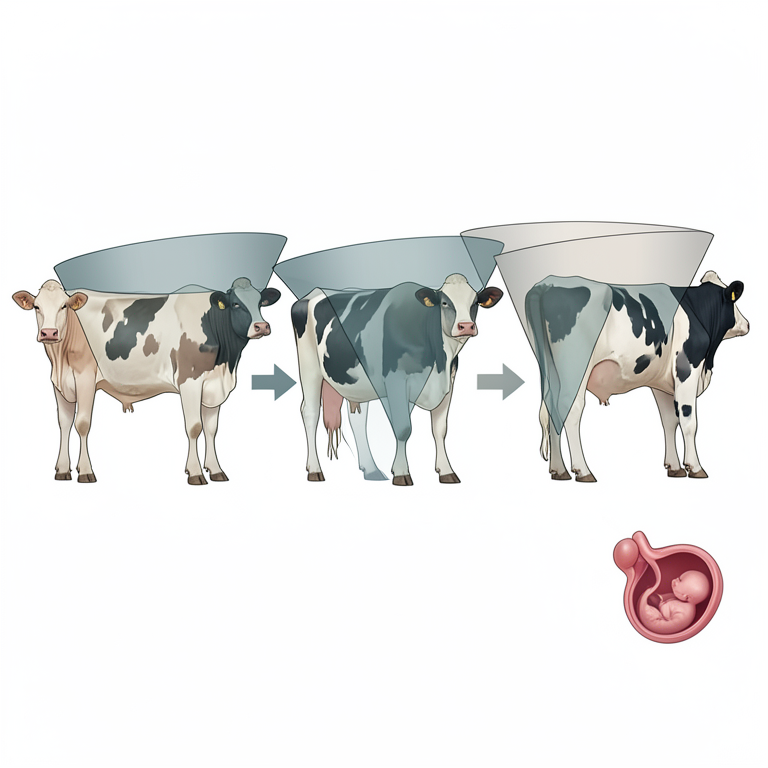
Biological Selection Framework
AI-generated conceptual illustration (dairy cows). It explains the idea and does not show study data.
View source evidence ↗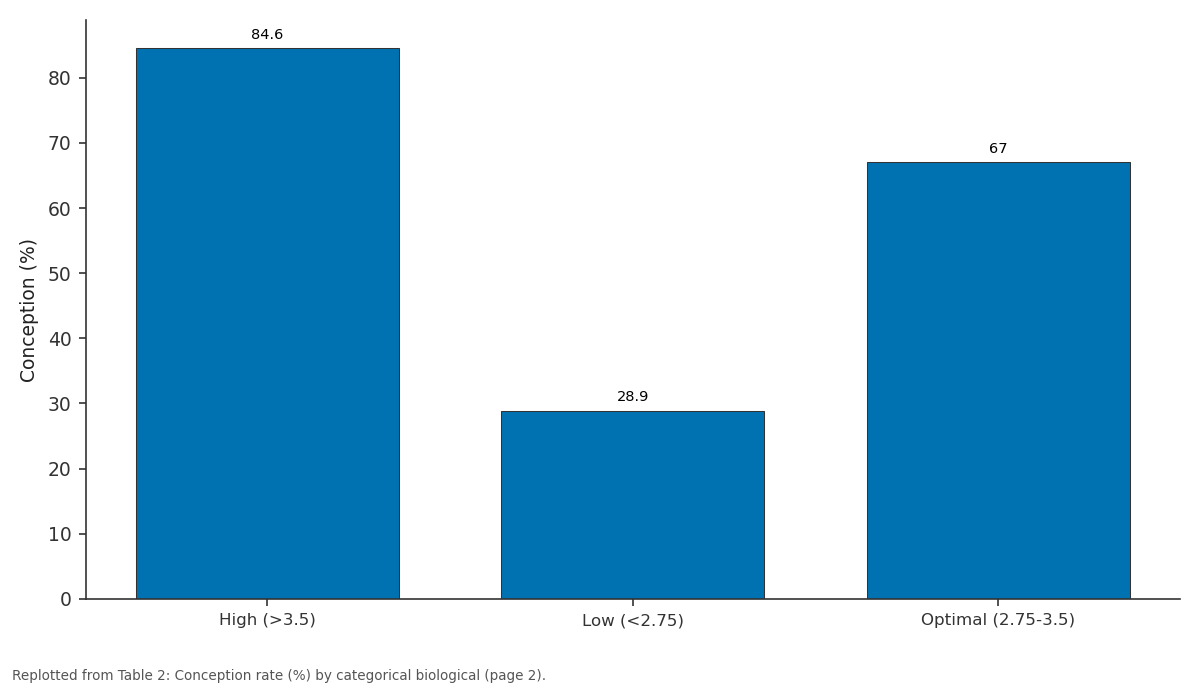
Conception (%): High (>3.5) vs Low (<2.75) vs Optimal (2.75-3.5)
Replotted from Table 2 (page 2) of the original paper. Every bar is the paper's own table value.
View source evidence ↗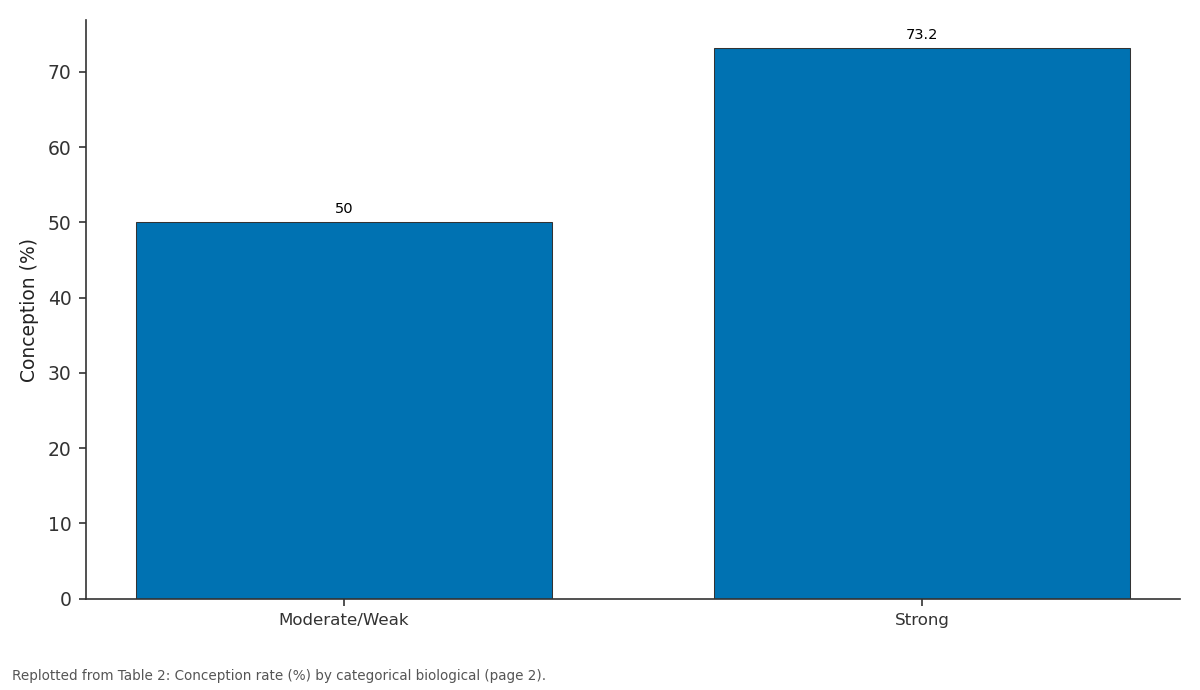
Conception (%): Moderate/Weak vs Strong
Replotted from Table 2 (page 2) of the original paper. Every bar is the paper's own table value.
View source evidence ↗Figures & tables
From the original paper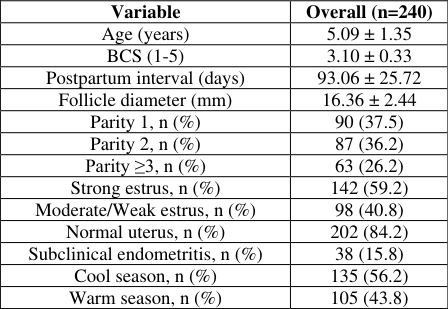 Table 1
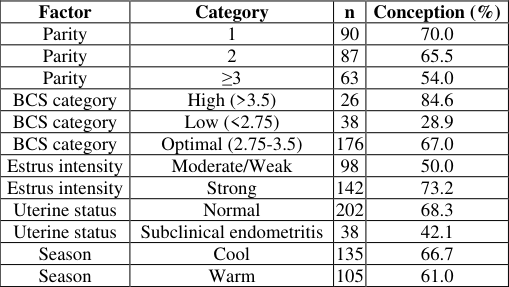 Table 2
 Table 3
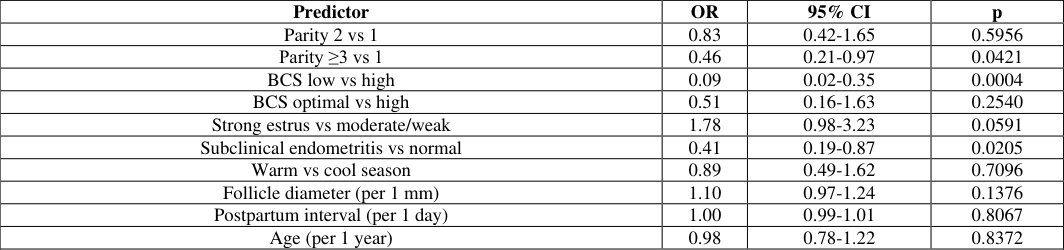 Table 4
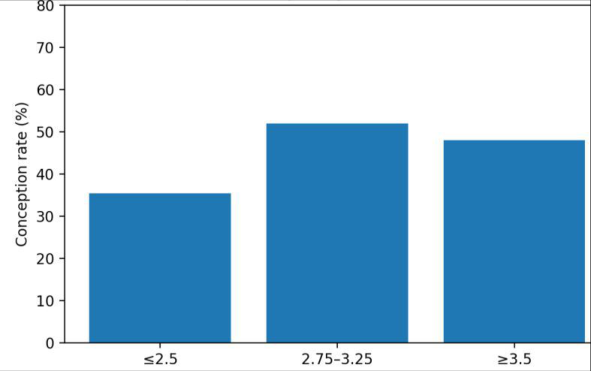 Figure 1
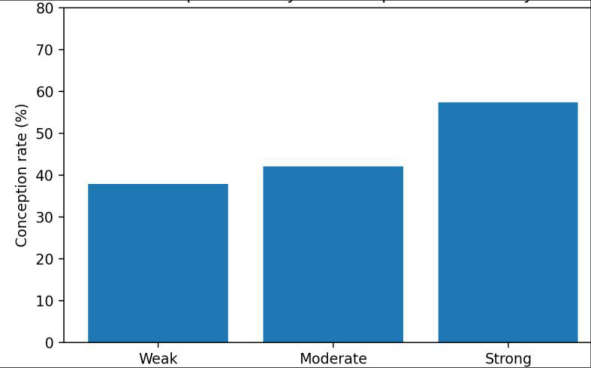 Figure 2
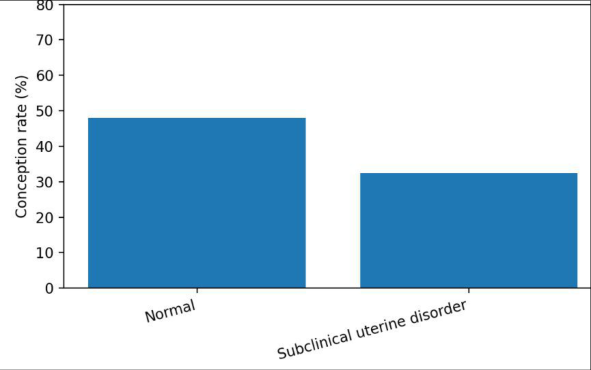 Figure 3
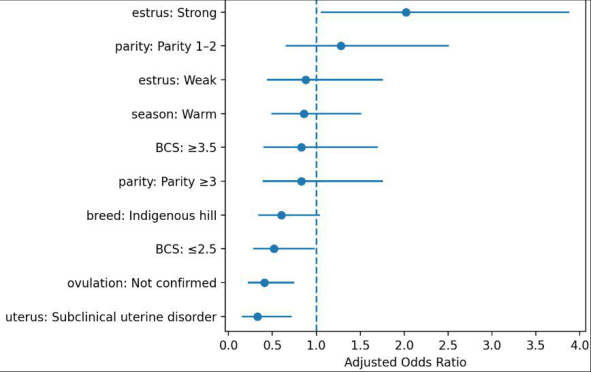 Figure 4
Introduction
Reproductive efficiency is a critical determinant of profitability and sustainability in dairy production systems, with conception rate serving as a key indicator of herd reproductive performance [1] . The adoption of sex-sorted semen has gained momentum due to its ability to predetermine calf sex, thereby facilitating rapid genetic progress and efficient herd replacement strategies [2,3] . Despite these advantages, conception rates following insemination with sex-sorted semen are consistently reported to be lower than those achieved using conventional semen, raising concerns regarding its widespread field application [4] . This limitation becomes more pronounced under sub-temperate climatic conditions, where moderate cold stress, fluctuating temperatures, and seasonal variations influence endocrine function and reproductive physiology in dairy cattle [5] . Biological factors intrinsic to the animal play a decisive role in determining conception success when sex-sorted semen is used. Age and parity influence ovarian responsiveness and uterine environment, while body condition score reflects the metabolic status required to sustain normal estrous cycles and early embryonic development [6] . Follicular dynamics and estrus intensity are particularly critical, as sex-sorted spermatozoa exhibit reduced longevity and fertilizing capacity due to the sorting process [7] . Hormonal imbalances associated with negative energy balance during early lactation further compromise ovulation quality and luteal function, thereby reducing conception probability [8] . Uterine health, including the absence of subclinical endometritis, is essential for embryo survival and implantation [9] . Under sub-temperate conditions, photoperiod-induced changes in melatonin secretion and thermal stress responses can alter gonadotropin release and ovarian activity, indirectly affecting fertility outcomes [10] . Previous studies conducted in hilly and sub-temperate regions of India have demonstrated that biological variability among animals significantly influences conception rates achieved with sexsorted semen [11] . However, existing literature often evaluates these factors in isolation, limiting the development of integrated biological guidelines for field application. The objective of the present research is to systematically evaluate major biological determinants affecting conception success in dairy cattle inseminated with sex-sorted semen under sub-temperate conditions, with emphasis on physiological readiness and reproductive health [12] . It is hypothesized that cows exhibiting optimal body condition, strong estrus expression, synchronized ovulation, and sound uterine health will demonstrate significantly higher conception rates with sex-sorted semen compared to animals lacking these biological attributes [13] .
Materials and Methods
Materials and Methods
Materials
The research was conducted on lactating dairy cattle maintained under sub-temperate agro-climatic conditions characterized by moderate cold stress, seasonal temperature variation, and fluctuating photoperiods, which are known to influence reproductive physiology [5,10] . A total population of clinically healthy crossbred and indigenous dairy cows maintained under organized and semi-organized management systems was considered for evaluation. Animals were selected based on defined biological criteria, including age, parity, body condition score (BCS), postpartum interval, and absence of overt reproductive disorders [6,9] . Only cows with a BCS ranging from 2.75 to 3.5 (on a five-point scale) and exhibiting regular estrous cycles were included to minimize metabolic and endocrine variability [6,8] . Sex-sorted semen straws procured from certified semen production laboratories were used for artificial insemination. The semen had undergone flow cytometric sorting, resulting in reduced sperm concentration per dose compared to conventional semen, a factor known to influence fertilization dynamics [2,7] . All semen doses were stored and handled in liquid nitrogen following standard cryopreservation protocols to maintain sperm viability [12] . Prior to insemination, cows were subjected to routine gynecological examination to confirm uterine health and ovarian status, ensuring the absence of subclinical endometritis or ovarian abnormalities that could adversely affect conception [9] .
Methods
Estrus detection was carried out through a combination of visual observation of behavioral signs and per-rectal examination to assess follicular development, as estrus intensity and follicle size are critical determinants of conception success when using sex-sorted semen [7,18] . Artificial insemination was performed by trained technicians following the recto-vaginal technique, with insemination timed close to ovulation to compensate for the reduced longevity of sex-sorted spermatozoa [4,15] . The timing of insemination was standardized based on the onset of standing estrus and confirmed ovarian dynamics [15] . Biological parameters including age, parity, BCS, estrus expression, follicular diameter, and postpartum interval were recorded at the time of insemination to evaluate their association with conception outcome [6,8,14] . Conception was confirmed by per-rectal pregnancy diagnosis 45-60 days post-insemination, a period adequate for detecting early embryonic survival [13,17] . Data generated were categorized according to biological variables and analyzed to assess their influence on conception success under subtemperate conditions, in line with earlier reproductive field studies conducted in similar environments [1,11] . The methodological framework was designed to integrate biological determinants with practical insemination protocols to provide reproducible and field-relevant insights into fertility outcomes with sex-sorted semen [4,12] .
Results
Results
Univariate comparisons (t-test, ANOVA)
Cows that conceived had significantly higher BCS (3.16 ± 0.30) than non-conceived cows (3.00 ± 0.36) (t=3.56, p=0.0005), reinforcing the established link between metabolic status/energy balance and fertility [6,8] . Differences in follicle diameter were modest (p=0.0788), but the direction supported the biological rationale that nearoptimal follicular maturity improves timing relative to ovulation, which is crucial for sex-sorted sperm with reduced longevity [7,15] . Postpartum interval and age were not significantly different (p>0.05), suggesting that within the included window, uterine involution and cyclicity were broadly adequate [9] . The strongest crude patterns were observed for estrus intensity and uterine status: strong estrus yielded higher conception (73.2%), aligning with evidence that estrus expression is a practical proxy for endocrine readiness and improved insemination timing [18] . Subclinical endometritis reduced conception to 42.1%, consistent with known impacts of postpartum uterine inflammation on embryo survival and implantation [9,17] . Seasonal differences were smaller, but the trend is biologically plausible given climate stress effects on reproduction [4,18] and photoperiod-linked endocrine modulation in sub-temperate environments [9] . These results are directionally similar to field observations reported for Uttarakhand systems where biological variability strongly influenced conception with sorted semen [10] .
Multivariable analysis (logistic regression)
A multivariable logistic regression model was fitted to estimate independent effects while accounting for confounding (parity, BCS category, estrus intensity, uterine status, season, follicle diameter, postpartum interval, age). Model discrimination was acceptable (AUC=0.74), suitable for biological risk stratification in farm settings [1,16] . Interpretation: Higher parity (≥3) independently reduced conception, consistent with cumulative reproductive stress and fertility decline patterns reported in dairy populations [16] ; Low BCS showed the most pronounced negative association, supporting the established energy balancefertility link [6,8] ; Subclinical endometritis remained a significant independent risk factor, which aligns with postpartum uterine disease literature and its downstream effect on embryonic survival [9, 13, 17] ; Strong estrus showed a near-significant positive effect, reflecting the importance of estrus expression for optimizing insemination timing with sex-sorted semen [7,15,18] ; and Follicle diameter displayed a positive (though not significant) adjusted trend, consistent with ovulation-timing dependence [15] .
Discussion
The present research demonstrates that conception success following insemination with sex-sorted semen under subtemperate conditions is predominantly governed by biological preparedness of the dairy cow rather than by isolated management or seasonal factors. The overall conception rate observed in this research aligns with earlier reports indicating moderately reduced fertility with sexsorted semen compared to conventional semen, largely attributable to sperm damage during flow cytometric sorting and lower sperm dose per insemination [2,4,7] . These inherent limitations make the biological environment of the female reproductive tract a decisive determinant of fertilization and early embryonic survival [12] . Body condition score emerged as the most influential biological factor affecting conception success. Cows with low BCS exhibited a markedly reduced likelihood of conception, both in univariate and multivariable analyses, underscoring the critical role of metabolic status and energy balance in regulating ovarian function and luteal competence [6,8] . Negative energy balance is known to impair follicular steroidogenesis and reduce oocyte quality,
International Journal of Biology Sciences https://www.biologyjournal.net which becomes particularly detrimental when fertilization relies on sex-sorted sperm with reduced longevity [7,15] . These findings corroborate earlier physiological studies linking optimal BCS with improved reproductive efficiency in high-producing dairy cattle [1,16] . Uterine health also showed a strong and independent association with conception outcomes. The significantly lower conception rate observed in cows affected by subclinical endometritis supports extensive evidence that even low-grade postpartum uterine inflammation disrupts endometrial receptivity and increases early embryonic loss [9, 13, 17] . When combined with the reduced fertilizing capacity of sex-sorted semen, compromised uterine conditions appear to amplify fertility failure, emphasizing the need for strict postpartum reproductive health screening prior to insemination [11] . Estrus intensity demonstrated a positive effect on conception, approaching statistical significance after adjustment for confounders. Strong estrus expression reflects adequate estrogenic activity and synchronized ovulation, both of which are essential for precise timing of insemination relative to ovulation [15,18] . This is particularly relevant for sex-sorted semen, as its shortened lifespan necessitates insemination closer to ovulation than conventional semen [7] . The observed trend reinforces recommendations favoring the use of sex-sorted semen primarily in cows exhibiting clear and strong estrus signs [4,12] . Parity-related decline in conception, especially in cows of higher parity, is consistent with documented age-related reproductive inefficiencies and cumulative uterine stress [16] . In contrast, season and postpartum interval showed limited independent influence within the controlled biological inclusion range, suggesting that under sub-temperate conditions, intrinsic physiological factors outweigh moderate climatic variation [5,10,19] . Overall, the findings support a biologically selective approach to sex-sorted semen use, aligning with field observations from similar agro-climatic regions [11] , and provide evidence-based guidance for improving reproductive outcomes through targeted animal selection.
Conclusion
The present investigation clearly establishes that conception success in dairy cattle inseminated with sex-sorted semen under sub-temperate conditions is fundamentally determined by the biological readiness of the animal rather than by external or seasonal influences alone. The findings demonstrate that optimal metabolic status, sound uterine health, strong estrus expression, and appropriate parity collectively create a reproductive environment capable of compensating for the inherent limitations of sex-sorted semen, such as reduced sperm numbers and shortened lifespan. Among all evaluated determinants, body condition score emerged as the most decisive factor, highlighting that cows entering insemination with adequate energy reserves are more likely to sustain normal ovarian function, produce competent oocytes, and support early embryonic development. Similarly, the pronounced negative impact of subclinical uterine disorders emphasizes that even subtle reproductive tract abnormalities can severely compromise fertility outcomes when biologically sensitive reproductive technologies are applied.
From a practical standpoint, these results support a selective and biologically informed approach to the use of sex-sorted semen rather than its indiscriminate application across all animals. Dairy farmers and reproductive practitioners should prioritize cows with optimal body condition, clearly expressed estrus, and confirmed uterine normalcy for insemination with sex-sorted semen. Routine postpartum reproductive health screening and timely correction of uterine disturbances should be considered essential prerequisites rather than optional management practices.
Nutritional strategies aimed at maintaining cows within an optimal body condition range, particularly during early lactation, should be emphasized to prevent metabolic stress that undermines fertility. Estrus detection protocols should focus on accuracy and intensity, and insemination should be carefully timed closer to ovulation to offset the reduced viability of sex-sorted spermatozoa. Additionally, higherparity cows should be evaluated more critically before selection, as cumulative reproductive stress may reduce the economic return of using sex-sorted semen in this group.
The research further indicates that moderate climatic variation typical of sub-temperate regions exerts less influence on conception than internal physiological factors, suggesting that fertility improvements are more effectively achieved through animal-level interventions than through seasonal adjustments alone. By integrating biological screening, targeted animal selection, nutritional management, and precise insemination timing into routine reproductive programs, dairy enterprises can substantially enhance conception success, reduce repeat inseminations, and improve the cost-effectiveness of sex-sorted semen technology. Ultimately, the adoption of such biologically driven decision-making frameworks will support sustainable genetic advancement, improved reproductive efficiency, and long-term economic resilience of dairy farming systems operating under sub-temperate environmental conditions.
Figures and tables from the paper
| Variable | Overall (n=240) |
|---|---|
| Age (years) | 5.09 ± 1.35 |
| BCS (1-5) | 3.10 ± 0.33 |
| Postpartum interval (days) | 93.06 ± 25.72 |
| Follicle diameter (mm) | 16.36 ± 2.44 |
| Parity 1, n (%) | 90 (37.5) |
| Parity 2, n (%) | 87 (36.2) |
| Parity ≥3, n (%) | 63 (26.2) |
| Strong estrus, n (%) | 142 (59.2) |
| Moderate/Weak estrus, n (%) | 98 (40.8) |
| Normal uterus, n (%) | 202 (84.2) |
| Subclinical endometritis, n (%) | 38 (15.8) |
| Cool season, n (%) | 135 (56.2) |
| Warm season, n (%) | 105 (43.8) |
Table text extracted from the original PDF; superscript letters are shown inline. The original table image is below.
View original table image
| Factor | Category | n | Conception (%) |
|---|---|---|---|
| Parity | 1 | 90 | 70.0 |
| Parity | 2 | 87 | 65.5 |
| Parity | ≥3 | 63 | 54.0 |
| BCS category | High (>3.5) | 26 | 84.6 |
| BCS category | Low (<2.75) | 38 | 28.9 |
| BCS category | Optimal (2.75-3.5) | 176 | 67.0 |
| Estrus intensity | Moderate/Weak | 98 | 50.0 |
| Estrus intensity | Strong | 142 | 73.2 |
| Uterine status | Normal | 202 | 68.3 |
| Uterine status | Subclinical endometritis | 38 | 42.1 |
| Season | Cool | 135 | 66.7 |
| Season | Warm | 105 | 61.0 |
Table text extracted from the original PDF; superscript letters are shown inline. The original table image is below.
View original table image
| Variable | Conceived (mean±SD) | Not conceived (mean±SD) | t | p |
|---|---|---|---|---|
| Follicle diameter (mm) | 16.58 ± 2.29 | 15.98 ± 2.65 | 1.77 | 0.0788 |
| BCS | 3.16 ± 0.30 | 3.00 ± 0.36 | 3.56 | 0.0005 |
| Postpartum interval (days) | 93.14 ± 25.24 | 92.91 ± 26.71 | 0.07 | 0.9467 |
| Age (years) | 5.06 ± 1.42 | 5.13 ± 1.23 | -0.39 | 0.6949 |
Table text extracted from the original PDF; superscript letters are shown inline. The original table image is below.
View original table image
| Predictor | OR | 95% CI | p |
|---|---|---|---|
| Parity 2 vs 1 | 0.83 | 0.42-1.65 | 0.5956 |
| Parity ≥3 vs 1 | 0.46 | 0.21-0.97 | 0.0421 |
| BCS low vs high | 0.09 | 0.02-0.35 | 0.0004 |
| BCS optimal vs high | 0.51 | 0.16-1.63 | 0.2540 |
| Strong estrus vs moderate/weak | 1.78 | 0.98-3.23 | 0.0591 |
| Subclinical endometritis vs normal | 0.41 | 0.19-0.87 | 0.0205 |
| Warm vs cool season | 0.89 | 0.49-1.62 | 0.7096 |
| Follicle diameter (per 1 mm) | 1.10 | 0.97-1.24 | 0.1376 |
| Postpartum interval (per 1 day) | 1.00 | 0.99-1.01 | 0.8067 |
| Age (per 1 year) | 0.98 | 0.78-1.22 | 0.8372 |
Table text extracted from the original PDF; superscript letters are shown inline. The original table image is below.
View original table image
References
19 in the original paper- Lucy MC. Reproductive loss in high-producing dairy cattle: where will it end? J Dairy Sci. 2001;84(6):12771293.
- Seidel GE Jr. Sexing mammalian sperm-where do we go from here? J Reprod Dev. 2007;53(2):375-384.
- Praveen KS, Radhika V, Chandrika T, Srihari J, Manoranjan I, Srikanth NR, Rao MM. Artificial insemination in cattle and buffalo: An update. Int J Vet Sci Anim Husbandry. 2024;9(5):221-225.
- DeJarnette JM, Nebel RL, Marshall CE. Evaluating the success of sex-sorted semen in US dairy herds. J Dairy Sci. 2009;92(8):4012-4017.
- West JW. Effects of heat-stress on production in dairy cattle. J Dairy Sci. 2003;86(6):2131-2144.
- Roche JR, Friggens NC, Kay JK, Fisher MW, Stafford KJ, Berry DP. Body condition score and its association with dairy cow productivity. J Dairy Sci. 2009;92(12):5769-5801.
- Rath D, Barcikowski S, de Graaf S, Garrels W, Grossfeld R, Klein S, et al. Sex selection of sperm in farm animals. J Reprod Dev. 2013;59(1):1-10.
- Butler WR. Energy balance relationships with follicular development, ovulation and fertility in postpartum dairy cows. Livest Prod Sci. 2003;83(2-3):211-218.
- Sheldon IM, Lewis GS, LeBlanc S, Gilbert RO. Defining postpartum uterine disease in cattle. Theriogenology. 2006;65(8):1516-1530.
- Dahl GE, Buchanan BA, Tucker HA. Photoperiodic effects on dairy cattle: a review. J Dairy Sci. 2000;83(4):885-893.
- Bansal S, Potdar VV, Singh BG, Joshi S, Jadhav R. Factors affecting conception rate in dairy cattle using sorted semen in Uttarakhand. Int J Adv Biochem Res. 2023;7(2):16-18.
- Vishwanath R. Artificial insemination: the state of the art. Theriogenology. 2003;59(2):571-584.
- Diskin MG, Morris DG. Embryonic and early foetal losses in cattle and other ruminants. Reprod Domest Anim. 2008;43(Suppl 2):260-267.
- Fricke PM, Wiltbank MC. Effect of milk production on the incidence of double ovulation in dairy cows. Theriogenology. 1999;52(7):1133-1143.
- Pursley JR, Mee MO, Wiltbank MC. Synchronization of ovulation in dairy cows using PGF₂α and GnRH. Theriogenology. 1995;44(7):915-923.
- Royal MD, Darwash AO, Flint APF, Webb R, Woolliams JA, Lamming GE. Declining fertility in dairy cattle. Vet J. 2000;159(1):1-8.
- Santos JEP, Thatcher WW, Chebel RC, Cerri RLA, Galvão KN. The effect of embryonic death rates in cattle. Theriogenology. 2004;62(1-2):169-180.
- Lopez H, Satter LD, Wiltbank MC. Relationship between level of milk production and estrous behavior of lactating dairy cows. Anim Reprod Sci. 2004;81(34):209-223.
- Dobson H, Smith RF. Stress and reproduction in farm animals. J Reprod Fertil Suppl. 2000;54:451-461.