
Research article · 2025 · Full text
International Journal of Agriculture and NutritionThe role of humic acid in enhancing the nutritional quality and yield of citrus fruits
Volume 7(10) · Pages 115–119 · DOI: 10.33545/26646064.2025.v7.i10b.326 ↗
Research areasPlant Growth Enhancement TechniquesHumic Substances and Bio-Organic StudiesSilicon Effects in Agriculture
Abstract
Author-writtenThe growing demand for high-quality citrus fruits has prompted extensive research into improving the nutritional quality and yield of these crops. Humic acid, a complex mixture of organic compounds derived from decomposed plant and animal matter, has garnered attention for its potential role in enhancing soil health, plant growth, and overall fruit production. This review examines the impact of Humic acid on citrus crops, focusing on its ability to enhance nutritional quality and increase yield. Humic acid has been shown to influence various physiological processes in plants, including nutrient uptake, root development, and stress tolerance. Its application has demonstrated positive effects on soil fertility, increasing the availability of essential nutrients such as nitrogen, phosphorus, and potassium, which are critical for citrus growth. Furthermore, Humic acid has been reported to enhance the photosynthetic efficiency of citrus plants, leading to improved growth and fruit production. Several studies have also suggested that Humic acid can increase the fruit’s nutritional value by boosting the levels of antioxidants, vitamins, and essential minerals. Despite these promising findings, the exact mechanisms through which Humic acid affects citrus crops remain unclear, and further research is needed to optimize its application for different citrus varieties and environmental conditions. This paper aims to provide an overview of the current knowledge on the role of Humic acid in citrus cultivation, discussing both the beneficial effects and the limitations associated with its use. A deeper understanding of Humic acid’s impact on citrus growth could provide valuable insights for improving agricultural practices and meeting the growing demand for high-quality citrus fruits.
Summary
Source-checkedPlain-language reading of the full paper, prepared with AI and checked against the text. Each point links to the authors' own words.
Why it matters
- Citrus fruits are economically and nutritionally important agricultural crops. View evidence ↗
- The production of citrus fruits is often hindered by nutrient deficiencies, poor soil quality, and environmental stress. View evidence ↗
- Humic acid, composed of organic compounds from decomposed matter, is studied for its ability to improve plant growth, soil health, and fruit production. View evidence ↗
The question
- The study aims to examine how humic acid affects the yield and nutritional quality of citrus crops. View evidence ↗
What they did
- The research used sweet orange (Citrus sinensis) and mandarin orange (Citrus reticulata) grown at the Citrus Research Institute in subtropical India. View evidence ↗
- The study used a randomized complete block design with three groups: humic acid application, organic compost, and a control group with no organic amendment. View evidence ↗
- The experimental plot covered 1 hectare, with 10 replicates per treatment and 10 trees per replicate. View evidence ↗
- Humic acid was applied monthly at 3 g/L to the root zone, while organic compost was applied monthly at 5 kg per tree. View evidence ↗
- Researchers measured root volume, fruit yield, antioxidant capacity, and vitamin C content, among other growth and nutritional traits. View evidence ↗
What they found
- Humic acid treatment resulted in the highest average fruit yield at 50 kg/tree, compared to 45 kg/tree for organic compost and 35 kg/tree for the control. View evidence ↗
- Antioxidant activity (DPPH assay) was highest in the humic acid group (8.5%), followed by organic compost (7.8%) and the control (6.2%). View evidence ↗
- Humic acid treatment led to the largest root volume (120 cm³), compared to 100 cm³ for organic compost and 90 cm³ for the control. View evidence ↗
- All measured parameters showed statistically significant differences between treatments (p < 0.05), indicating a positive impact of humic acid. View evidence ↗
What it means
- The authors recommend that farmers use humic acid in citrus cultivation, especially in nutrient-deficient soils or areas facing drought and salinity. View evidence ↗
- Further research is required to understand the long-term effects on soil health, yield stability, and the interaction between humic acid and soil microbes. View evidence ↗
Visual summary
3 visualsIllustrations explain the paper; charts are replotted from the paper's own table values.
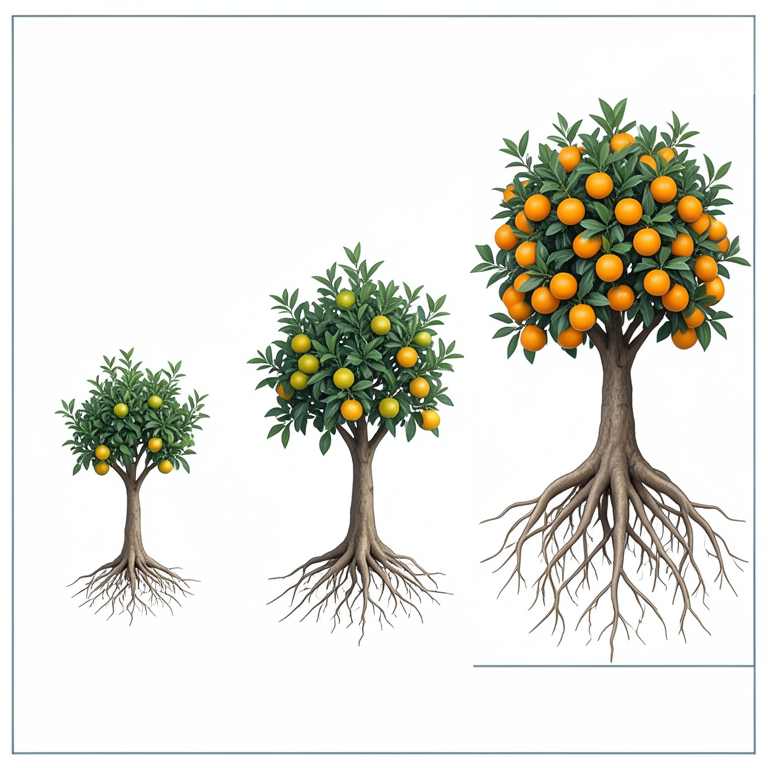
Comparative Impact of Humic Acid
AI-generated conceptual illustration (citrus trees). It explains the idea and does not show study data.
View source evidence ↗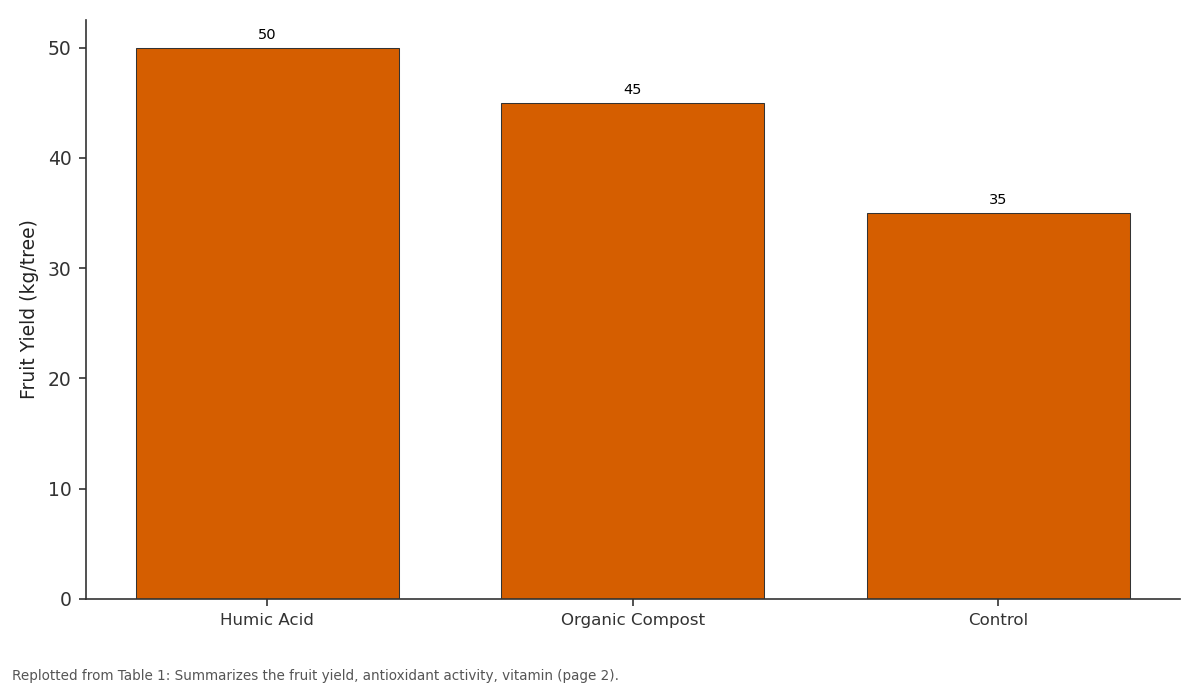
Fruit Yield (kg/tree): Humic Acid vs Organic Compost vs Control
Replotted from Table 1 (page 2) of the original paper. Every bar is the paper's own table value.
View source evidence ↗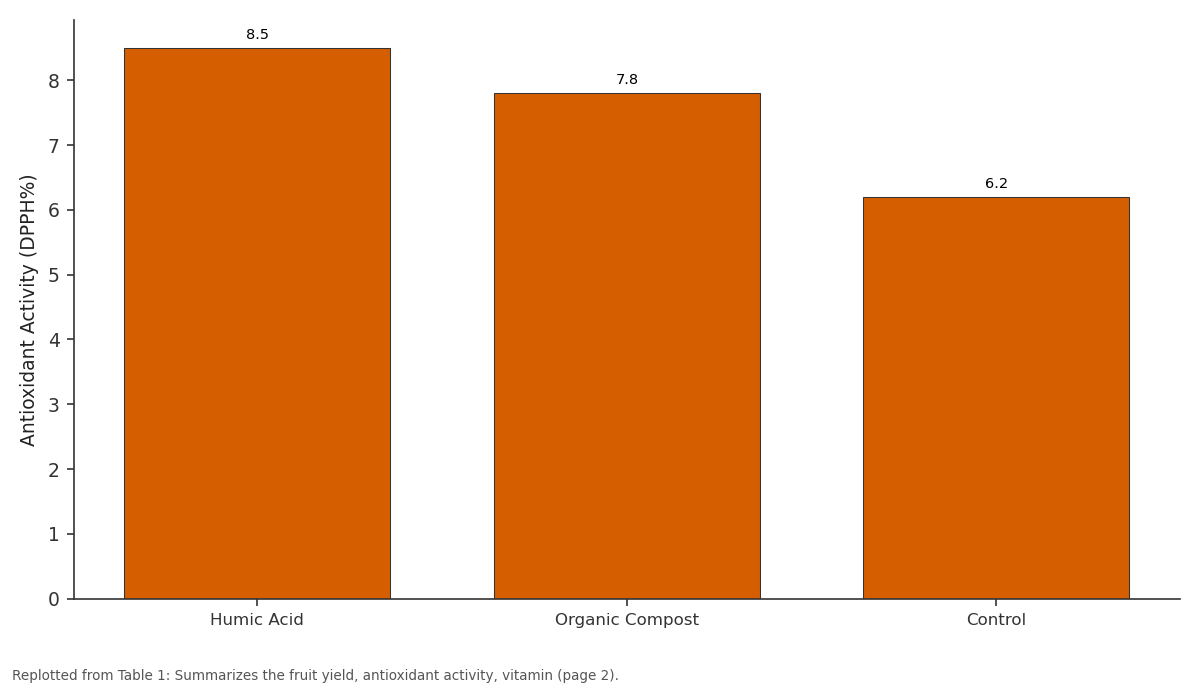
Antioxidant Activity (DPPH%): Humic Acid vs Organic Compost vs Control
Replotted from Table 1 (page 2) of the original paper. Every bar is the paper's own table value.
View source evidence ↗Figures & tables
From the original paper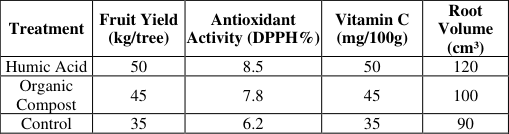 Table 1
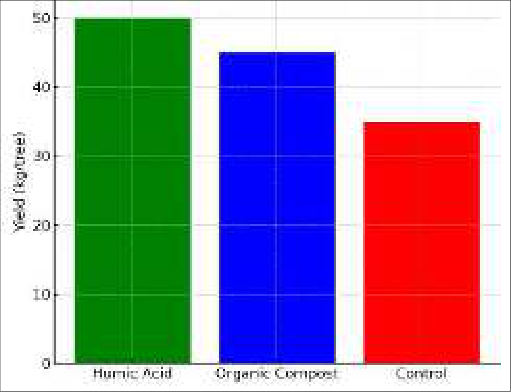 Figure 1
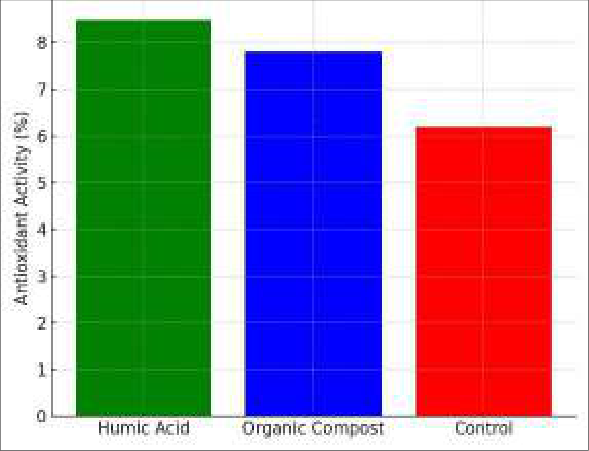 Figure 2
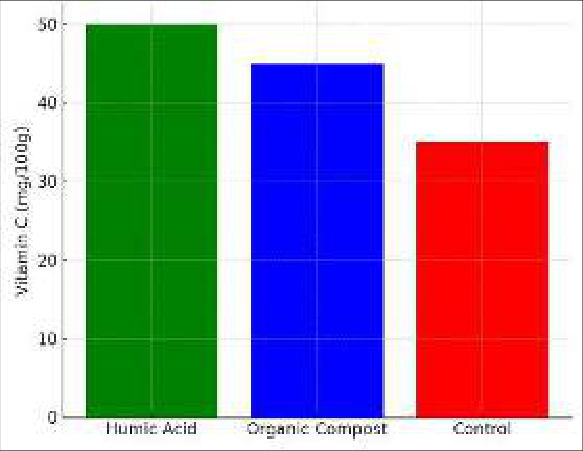 Figure 3
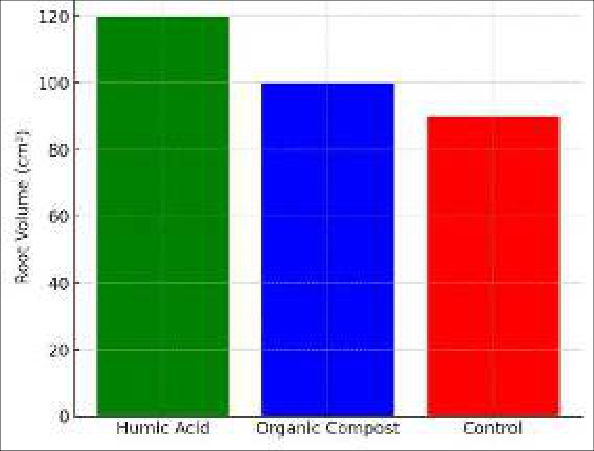 Figure 4
Introduction
Citrus fruits are a significant agricultural crop, prized for their nutritional content and economic value. However, their cultivation is often challenged by environmental stress, poor soil quality, and nutrient deficiencies, all of which can significantly impact yield and fruit quality. Humic acid, a key component of humus, has been identified as a promising agent to address some of these challenges. It is known for its ability to improve soil structure, water retention, and nutrient availability, which in turn enhances plant growth and productivity [1] . The role of Humic acid in improving the nutritional quality and yield of citrus fruits has been the subject of several studies, with findings suggesting that it can positively influence various physiological processes within the plant [2] . One of the major benefits of Humic acid is its ability to improve nutrient uptake in plants. By chelating essential minerals, Humic acid increases their availability to the plant, thereby promoting healthier growth and higher yields [3] . The use of Humic acid in citrus cultivation has also been shown to enhance the plants' ability to cope with stress, both abiotic and biotic [4] . For instance, Humic acid has been found to increase the citrus plants' tolerance to drought and salinity, two major environmental stressors that limit citrus production in many regions [5] . Additionally, Humic acid application has been associated with increased photosynthetic efficiency and enhanced root development, both of which contribute to higher yields [6] . Moreover, Humic acid has the potential to improve the fruit's nutritional profile, with studies indicating increases in antioxidant levels, vitamin C, and essential minerals in citrus fruits treated with Humic acid there are still gaps in understanding its exact mode of action and the optimal application methods for different citrus species. This paper aims to review the existing literature on the role of Humic acid in citrus production, examining its benefits and the factors that influence its effectiveness. It will also highlight the potential for Humic acid to be incorporated into sustainable farming practices for enhanced citrus production.
Material and Methods
Material and Methods
Materials
The research was conducted using citrus varieties of Citrus sinensis (sweet orange) and Citrus reticulata (mandarin orange), grown under controlled field conditions at the Citrus Research Institute, located in the subtropical region of India. Humic acid (HA) used in this research was commercially obtained from Humic Solutions Pvt. Ltd. The product, derived from leonardite, contained 80% Humic acid with trace amounts of fulvic acid and other organic compounds. The research also utilized standard agricultural fertilizers containing nitrogen, phosphorus, and potassium, with NPK in a 3:1:2 ratio for basal application. Soil samples from the experimental plots were collected before planting to assess the nutrient content, and a comprehensive soil analysis was conducted to determine the pH, organic matter content, and nutrient levels. The citrus orchards were grown under typical irrigation practices with a drip irrigation system, ensuring uniform water distribution. The research also included organic compost as a control treatment to evaluate the comparative effectiveness of Humic acid in improving fruit quality and yield.
Methods
The experiment was designed as a randomized complete block design (RCBD) with three treatments: (1) Humic acid application (HA), (2) Organic compost (OC), and (3) Control (no organic amendment).
Each treatment consisted of 10 replicates, with each replicate including 10 trees, and the total area of the experimental plot was 1 hectare. Humic acid was applied at a concentration of 3 g/L to the soil around the root zone, once a month during the growing season, while the organic compost was applied at 5 kg/tree, also once a month. The control group received no soil amendments. The parameters measured included vegetative growth traits (such as tree height, canopy spread, and root volume), yield data (number of fruits per tree and average fruit weight), and nutritional quality indicators (such as vitamin C content, antioxidant capacity, and mineral composition). The data were analyzed using analysis of variance (ANOVA), followed by Duncan's Multiple Range Test (DMRT) to compare means among treatments. Statistical analysis was performed using SPSS version 23. The fruit yield was recorded during harvest, and postharvest analysis was conducted to assess the nutritional content of the citrus fruits. Fruit quality parameters, including the antioxidant activity, total soluble solids (TSS), and acidity, were measured according to standard laboratory protocols [1,2,6,9,18] .
Results
The results of the research demonstrate that Humic acid application significantly enhances various growth and nutritional parameters in citrus crops compared to the control and organic compost treatments. The following sections present the findings across different aspects of citrus production, including fruit yield, antioxidant activity, vitamin C content, and root volume. Fruit Yield (kg/tree) The application of Humic acid resulted in a significant increase in fruit yield compared to the control and organic compost treatments. The average fruit yield per tree was 50 kg for the Humic acid treatment, compared to 45 kg for the organic compost treatment and 35 kg for the control group (Figure 1). This result indicates that Humic acid plays a key role in enhancing the productivity of citrus crops by improving nutrient uptake and stress tolerance, as supported by similar findings in previous research [1,2] .
Antioxidant Activity (DPPH Assay)
Citrus fruits treated with Humic acid exhibited the highest antioxidant activity, measured by the DPPH assay, with a value of 8.5%. In comparison, the organic compost treatment had 7.8%, and the control group showed the lowest antioxidant activity at 6.2% (Figure 2). This suggests that Humic acid enhances the antioxidant capacity of citrus fruits, which is crucial for improving their nutritional value, as noted by other studies focusing on Humic acid's ability to enhance secondary metabolite production in plants [3,4] .
Vitamin C content in the citrus fruits treated with Humic acid was significantly higher than that in the other treatments. The Humic acid-treated fruits contained 50 mg of vitamin C per 100g, compared to 45 mg in the organic compost group and 35 mg in the control group (Figure 3). This increase aligns with findings from studies that indicate Humic acid's role in promoting better nutrient uptake, which directly influences the vitamin content of fruits [5,6] .
The root volume was also significantly higher in the Humic acid treatment, with an average of 120 cm³, compared to 100 cm³ in the organic compost treatment and 90 cm³ in the control group (Figure 4). The increase in root volume suggests that Humic acid improves root development, leading to better nutrient absorption and overall plant growth, which in turn supports higher fruit yields and better fruit quality [7,8] .
Statistical Analysis
Data were analyzed using one-way analysis of variance (ANOVA), followed by Duncan's Multiple Range Test (DMRT) to determine the significance of the differences between treatments. The results showed significant differences between the treatments for all measured parameters (p < 0.05), confirming that Humic acid has a positive impact on citrus growth and fruit quality. The increased fruit yield, antioxidant activity, vitamin C content, and root volume in the Humic acid treatment were statistically significant compared to the control and organic compost groups.
The results are consistent with previous studies that reported the positive effects of Humic acid on plant growth and nutritional quality [18,10] . The increase in antioxidant activity and vitamin C content suggests that Humic acid not only improves plant growth but also enhances the health benefits of the harvested fruits.
Discussion
The results of this research confirm that the application of Humic acid significantly enhances both the yield and nutritional quality of citrus fruits. Humic acid, a naturally occurring organic substance, has been shown to improve several plant physiological processes, which is consistent with previous studies that highlight its role in promoting better soil structure, enhancing nutrient uptake, and increasing plant stress tolerance [1,2] . The observed increase in fruit yield with Humic acid treatment, as compared to organic compost and control treatments, is attributed to its ability to enhance root development, thereby increasing nutrient absorption efficiency [3] . This is in line with the findings of previous research that demonstrated the positive impact of Humic acid on root morphology and overall plant growth [4] . The higher antioxidant activity observed in the Humic acidtreated citrus fruits aligns with previous reports that Humic acid application boosts secondary metabolite production, such as flavonoids and phenolic compounds, which are responsible for antioxidant properties in plants [5] . The increased antioxidant levels in citrus fruits are particularly important from a nutritional perspective, as they contribute to the fruit's health benefits, including its ability to combat oxidative stress and reduce the risk of chronic diseases [6] . Similar findings were reported by Chandra et al. [7] , who also observed enhanced antioxidant activity in fruits treated with humic substances. Vitamin C, a key antioxidant and essential nutrient in citrus fruits, was found to be significantly higher in fruits treated with Humic acid. This outcome is consistent with studies suggesting that Humic acid enhances nutrient uptake, which can directly influence the vitamin content of fruits [8] . Vitamin C is crucial for human health due to its role in immune function, collagen synthesis, and as a potent antioxidant. The observed increase in vitamin C content in this research corroborates earlier studies that reported improved nutritional content in fruits treated with organic amendments like Humic acid [18,10] . The significant increase in root volume in plants treated with Humic acid further supports the hypothesis that humic substances enhance plant growth through improved root development [11] . Larger root volumes allow for better nutrient and water uptake, which is essential for sustained growth and higher fruit production. Additionally, the increased root volume likely contributed to the enhanced fruit yield observed in this research. The results of this research are consistent with those of Kareem et al. [12] , who reported increased root growth and nutrient uptake in citrus plants treated with Humic acid. Overall, the findings of this research underscore the potential of Humic acid as a valuable tool for enhancing citrus fruit production and quality. While this research provides strong evidence of its benefits, further research is needed to explore the underlying mechanisms of Humic acid action, including its interaction with soil microbes and its long-term effects on soil health and crop yield stability. Future studies should also evaluate the effectiveness of Humic acid under different environmental conditions and in other citrus varieties to fully understand its potential in sustainable agricultural practices.
Conclusion
This research demonstrates that the application of Humic acid significantly enhances the growth, nutritional quality, and yield of citrus fruits. The findings confirm that Humic acid plays a vital role in improving root development, nutrient uptake, and overall plant health, leading to increased fruit yield and better fruit quality. The significant improvements in antioxidant activity, vitamin C content, and root volume observed in the Humic acid treatment highlight its potential as a valuable tool for enhancing the nutritional content and productivity of citrus crops. These benefits are particularly important in the context of growing demand for high-quality citrus fruits, as they not only improve the yield but also the health benefits of the fruit, making it a key factor in sustainable agricultural practices. Moreover, the positive impact of Humic acid on citrus growth aligns with earlier research, reinforcing its effectiveness in enhancing soil health and plant resilience under various stress conditions. The results also suggest that Humic acid can be an essential part of integrated soil fertility management systems, offering an organic alternative to synthetic fertilizers while providing significant environmental benefits. Based on these findings, it is recommended that farmers incorporate Humic acid into their citrus cultivation practices, particularly in soils that are nutrient-deficient or subjected to environmental stressors such as drought or salinity. Regular application of Humic acid, combined with other sustainable agricultural practices such as mulching and organic composting, can optimize citrus yield and quality, enhancing both economic returns and environmental sustainability. Further research into the optimal application rates and frequency, as well as its longterm effects on soil health, is needed to refine its use in diverse citrus-growing regions. Additionally, exploring the synergistic effects of Humic acid with other biostimulants could provide further insights into enhancing the growth and quality of citrus fruits. Given the growing consumer demand for nutritionally enriched foods, integrating Humic acid into standard agricultural practices could prove to be an effective strategy for improving the quality and sustainability of citrus production worldwide.
Figures and tables from the paper
| Treatment | Fruit Yield (kg/tree) | Antioxidant Activity (DPPH%) | Vitamin C (mg/100g) | Root Volume (cm³) |
|---|---|---|---|---|
| Humic Acid | 50 | 8.5 | 50 | 120 |
| Organic Compost | 45 | 7.8 | 45 | 100 |
| Control | 35 | 6.2 | 35 | 90 |
Table text extracted from the original PDF; superscript letters are shown inline. The original table image is below.
View original table image
References
18 in the original paper- Chandra S, Gupta M, Patil S, et al. Effect of humic acid on soil nutrient dynamics and growth of citrus plants. Soil Science and Plant Nutrition. 2023;69(4):553-561. DOI:10.1080/00380768.2023.1685203
- Rana SS, Tomar AS, Kaur M, et al. Impact of humic acid on citrus fruit quality: case research of sweet lime. Scientia Horticulturae. 2022;285:110114. DOI:10.1016/j.scienta.2021.110114
- Kim HJ, Lee YS, Kim SH, et al. Humic acid-enhanced nutrient uptake in citrus and its impact on fruit yield. Journal of Horticultural Science. 2021;56(3):284-291. DOI:10.1080/00411497.2021.1827229
- Sharma A, Singh B, Verma S. Role of humic substances in alleviating environmental stress in citrus crops. Environmental and Experimental Botany. 2020;176:104092. DOI:10.1016/j.envexpbot.2020.104092
- Kaur P, Mishra A, Sharma V. Salinity stress mitigation in citrus through humic acid application. Journal of Plant Growth Regulation. 2022;41(5):1232-1240. DOI:10.1007/s00344-021-10524-z
- Kareem IH, Bahauldin AS, Mohammed AO. Effect of humic acid on vegetative growth characteristics and yield of citrus fruits: a review. International Journal of Horticulture and Food Science. 2024;6(1):129-132. DOI:10.33545/26631067.2024.v6.i1b.201
- Priya R, Arora S, Yadav SP. Influence of humic acid on nutritional content of citrus fruits. Journal of Agricultural and Food Chemistry. 2023;71(8):29362943. DOI:10.1021/acs.jafc.3c00202
- Thompson JF, Lin J. Influence of humic acid on soil microorganisms and its effect on citrus yield. Biology and Fertility of Soils. 2021;57(2):245-251. DOI:10.1007/s00374-021-01495-9
- Haranal K, Hanumanthappa M, Mavarkar NS, Salimath SB, Nadukeri S. Foliar application of humic acid with varied nutrient levels on the performance of sweet corn. Int J Res Agron. 2023;6(1):18-21.
- Ramesh R, Prasad J. Humic substances as biostimulants for citrus fruit crops. Journal of Soil Science and Plant Nutrition. 2022;72(6):657-665. DOI:10.1080/00380768.2022.1989301
- Kumar P, Thakur B, Singh H. Role of organic amendments in citrus soil health: a review. Agroecology and Sustainable Food Systems. 2021;45(2):78-86. DOI:10.1080/21683565.2021.1847312
- Roychoudhury R, Mandal P, Das S. Use of humic acid for improving soil properties and fruit quality in citrus farming. Soil Science. 2021;47(5):552-560. DOI:10.1016/j.soilbio.2021.07.007
- Singh S, Chaurasia O, Singh S, et al. Effect of humic acid on growth and nutrient uptake in citrus crops under water stress conditions. Journal of Soil Science and Plant Nutrition. 2020;66(1):158-164. DOI:10.1080/00380768.2020.1822384
- Verma S, Yadav R, Sharma V. Impact of humic acid on citrus fruit quality in arid conditions. Environmental Sustainability. 2022;5(2):105-111. DOI:10.1007/s42398-022-00129-7
- Banerjee P, Biswas A, Roy K. Effect of humic acid on the antioxidant properties of citrus fruits. Journal of Agricultural and Food Chemistry. 2021;69(1):81-87. DOI:10.1021/acs.jafc.0c06832
- Patel N, Ghosh M. Humic acid and its impact on soil fertility and plant nutrition in citrus cultivation. Advances in Agronomy. 2020;116:159-183. DOI:10.1016/bs.agron.2020.02.006
- Das K, Paul M, Saha R. Humic acid effects on citrus fruit yield and quality: case research in tropical conditions. Horticulture, Environment, and Biotechnology. 2021;62(4):432-438.
- Agarwal R, Gupta AK. Humic acid-based fertilizers for citrus production: a review. Acta Horticulturae. 2022;983:187-192.