
Research article · 2025 · Full text
International Journal of Horticulture and Food ScienceModern nutritional strategies in the prevention and control of obesity: A comprehensive review
Volume 7(12) · Pages 57–61 · DOI: 10.33545/26631067.2025.v7.i12a.440 ↗
Research areasDietary Effects on HealthDiet and metabolism studiesNutrition, Genetics, and Disease
Abstract
Author-writtenObesity has grown into one of the most acute global health challenges, with prevalence rates tripling over the past five decades. The aim of this comprehensive review is to present contemporary nutritional strategies for obesity prevention and management by synthesizing evidence from recent clinical trials, meta-analyses, and observational studies regarding multiple dietary approaches: intermittent fasting, Mediterranean diet, plant-based diets, precision nutrition, and microbiome-targeted interventions. Current clinical guidelines emphasize personalized approaches to obesity care, given the wide variability in individual responses to dietary interventions. The integration of behavioral modifications, technological innovations, and gut microbiome modulation represents a paradigm shift from traditional calorie-restriction approaches toward comprehensive, individualized strategies. There is evidence that long-term weight control should be considered as management of a chronic disease, with long-term behavioral changes and improvements in overall health rather than just weight loss. This review underlines the multifaceted nature of obesity management and points out that evidence-based and patient-centered nutritional interventions will be very important for this purpose.
Summary
Source-checkedPlain-language reading of the full paper, prepared with AI and checked against the text. Each point links to the authors' own words.
Why it matters
- Obesity is a critical global health issue, with its prevalence having tripled over the last fifty years. View evidence ↗
- The epidemic currently affects approximately 650 million adults and 340 million children and adolescents. View evidence ↗
- Obesity is viewed as a chronic, multifactorial disease driven by a combination of genetic, biological, psychological, nutritional, and environmental factors. View evidence ↗
The question
- The review aims to synthesize evidence from clinical trials and other studies to present modern nutritional strategies for managing and preventing obesity. View evidence ↗
What they did
- The authors analyzed evidence across several dietary patterns, including plant-based, Mediterranean, and intermittent fasting, as well as precision and microbiome-targeted nutrition. View evidence ↗
What they found
- A 2024 meta-analysis of 2,032 participants across 24 studies found that intermittent fasting significantly reduced body weight, BMI, and several cardiometabolic markers compared to control diets. View evidence ↗
- In 10 trials with 623 participants, both intermittent fasting and continuous caloric restriction achieved similar weight loss of 5.5 to 6.5 kg after six months. View evidence ↗
- Higher adherence to the Mediterranean diet is linked to a lower prevalence of overweight, obesity, and abdominal obesity in children aged 6 to 9 years. View evidence ↗
- A review of 27 trials with 3,361 participants showed that 75% of the plant-based diet intervention group experienced significant weight loss, averaging -5.0 kg. View evidence ↗
- Whole food plant-based diets resulted in a mean BMI reduction 3.9 kg/m² greater than that of normal diets at six months. View evidence ↗
- An analysis of nearly 49,000 Taiwanese adults found that each year spent on a vegan diet was associated with a 7% decrease in obesity risk. View evidence ↗
- Plant-based diets reduced inflammatory dietary advanced glycation end-products by 79%, compared to only a 15% reduction in diets containing meat and dairy. View evidence ↗
- Research using metagenomic samples from over 7,000 healthy individuals identified 1,358 bacterial genetic variants significantly associated with BMI. View evidence ↗
What it means
- The authors conclude that obesity management has evolved from simple calorie restriction toward more complex, multifaceted nutritional strategies. View evidence ↗
- Current evidence is insufficient to provide strong recommendations regarding the use of intermittent fasting for adolescents and young adults. View evidence ↗
- The authors note a need for more objective dietary monitoring methods and personalized strategies to improve long-term adherence. View evidence ↗
Visual summary
1 visualsIllustrations explain the paper; they do not show study data.
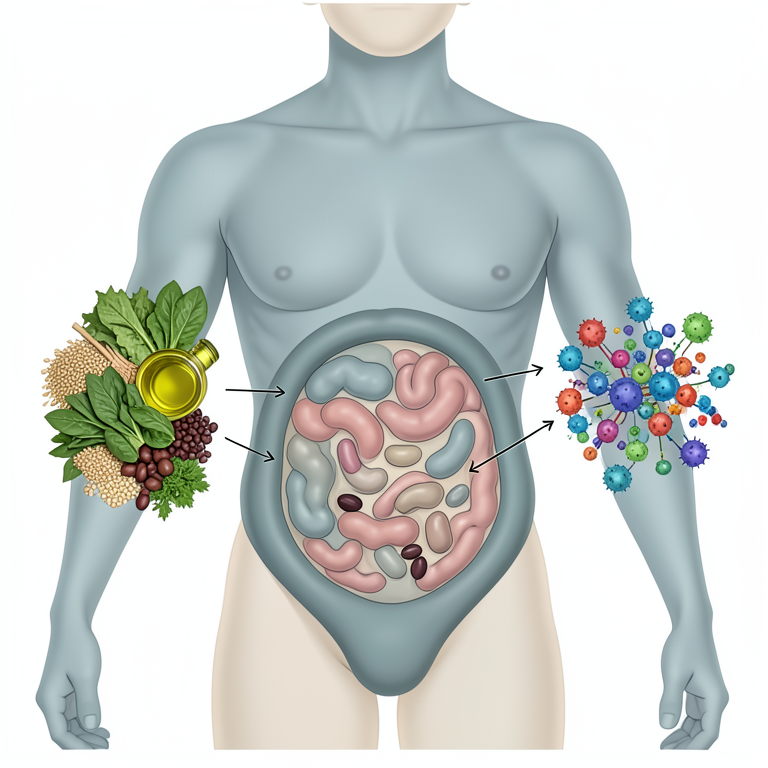
Study overview
AI-generated conceptual illustration (human abdominal anatomy and diverse food groups). It explains the idea and does not show study data.
View source evidence ↗Introduction
In the past five decades, the prevalence of obesity has tripled. Currently, about 650 million adults and 340 million children and adolescents are affected. This rising epidemic has significant consequences for health systems worldwide, with more than 50 comorbidities and premature mortality attributed to the condition. Obesity is also linked to substantial mental and emotional distress, making it one of the leading causes of healthcare expenditure worldwide. Understanding the biology of food intake and weight management is central to any obesity treatment and the development of weight loss strategies. Traditionally, there has been a main focus on caloric restriction, but various dietary approaches have been tried, with long-term studies showing modest and variable success due to metabolic adaptations that make maintenance of weight loss difficult. Because of the complexity, the approach has gradually moved toward comprehensive and personalized nutritional strategies. Obesity is a chronic, complex, and multifactorial disease influenced by multiple factors interacting throughout the life course, from genetics and biology to psychology, nutrition, physical activity, and environmental determinants. Understanding obesity as a chronic disease, rather than as a simple lifestyle choice, carries strong implications for the treatment approach. This review outlines the current status of evidence about various nutrition strategies in the prevention and management of obesity, emphasizing approaches backed by more recent clinical research findings.
Intermittent Fasting: Temporal Patterns of Energy Intake
Intermittent fasting has received recent considerable attention as a nutritional approach that focuses more on when rather than what to eat. Intermittent fasting does not prescribe dietary quality or energy intake but rather prescribes when one eats, and there is evidence to support its role in weight loss and improvements in cardiometabolic outcomes among obese adults.
Mechanisms and Efficacy
Intermittent fasting works through the prolongation of the periods when the body has already burned the calories consumed during the last meal and starts burning fat. During longer periods of fasting, the body depletes the glucose stores and initiates metabolic switching from glucose-based to ketone-based energy metabolism. Recent meta-analyses give clear evidence for the efficacy of intermittent fasting. A meta-analysis conducted in 2024 on 24 studies involving 2,032 participants was able to show that intermittent fasting lowered body weight, BMI, fat mass, waist circumference, visceral fat, fasting glucose, triglycerides, and diastolic blood pressure significantly more than the control diets. Interventions lasting six months or more showed sustained benefits. When comparing intermittent fasting to continuous caloric restriction in 10 randomized controlled trials with 623 participants, both interventions led to weight loss of 5.5 to 6.5 kg at six months, even though intermittent fasting had slightly greater short-term reductions in body weight and fat mass. Importantly, the differences, while statistically significant, may not be clinically substantial, suggesting both approaches have merit.
Variations and Applications
Various intermittent fasting protocols are available, such as time-restricted eating, alternate-day fasting, and periodic fasting approaches. In studies regarding intermittent fasting in the young population, 8-hour time-restricted eating was the main protocol employed in 13 interventional studies. Cycles of five days of a fasting-mimicking diet, taken once per month or less, have been shown to decrease HbA1c, weight, and drug use, along with other disease risk factors, after six cycles in patients with obesity.
Considerations and Limitations
Present findings are inadequate to make strong and informed recommendations either for or against intermittent fasting in adolescents and young adults. Well-designed studies based on uniform frameworks are urgently needed to assess its practicability and sustainability. Long-term adherence and safety, especially in vulnerable populations, need further study.
Mediterranean Diet: A Traditional Dietary Pattern
The Mediterranean diet represents one of the most extensively studied dietary patterns for obesity prevention and management. The Mediterranean diet is characterized by high consumption of vegetables, fruits, nuts, cereals, whole grains, and extra virgin olive oil, with moderate consumption of fish and poultry, and limited consumption of sweets, red meat, and dairy products.
Evidence on Weight Management
Four meta-analyses of RCTs, including a maximum of 16 trials, have reported a greater reduction of body weight and BMI with Mediterranean diet compared to other diets. There is also a meta-analysis of seven prospective cohort studies showing that a higher adherence to Mediterranean diet was associated with reduced risk of becoming obese and gaining weight over time. In the ATTICA cohort study, which followed 1,582 participants for 20 years, adherence to and changes in Mediterranean diets were inversely related to BMI. This long-term evidence shows the sustainability of the Mediterranean dietary pattern for weight management.
Beyond Weight Loss Mechanisms
Mediterranean diet composition has been associated with an excellent effect of reducing dyslipidemia; it also positively modulates gut microbiota and the immune system, decreasing inflammation mediators. Such mechanisms extend beyond the simple caloric effects and comprehensively influence metabolic health. The PREDIMED trial review of more than 7,000 participants showed the relations between weight gain and consumption patterns; increased waist circumference was associated with consumption of snacks, fast food, processed meat, alcohol, and sweets, while components of the Mediterranean diet provided protective effects.
Components and Bioactive Compounds
Components of the Mediterranean dietary pattern possibly involved in obesity prevention may include high polyphenol content in extra virgin olive oil, fruits, vegetables, and whole grains; high monounsaturated fatty acids and favourable polyunsaturated-to-saturated fatty acid ratios; and high omega-3 to omega-6 fatty acid ratios. These bioactive compounds contribute to metabolic benefits independent of caloric content.
Childhood Obesity Prevention
Mediterranean diet has also been important for weight maintenance and the prevention of many nutrition-related diseases, such as metabolic syndrome, hypertension, cardiovascular diseases, and cancer. Researches among children aged 6-9 years demonstrated that higher adherence to the Mediterranean diet was independently associated with reduced prevalence of both childhood overweight and obesity, and lower incidence of abdominal obesity.
Plant-Based Diets: Emphasizing Vegetable Sources
Plant-based dietary patterns, such as vegan and vegetarian diets, have been consistently associated with weight management. Plant-based diet refers to any diet pattern focusing on eating plant foods while excluding most or all animal products.
Weight Loss Outcomes
A literature review of plant-based diets regarding the treatment of obesity resulted in 27 intervention trials involving 3,361 participants, of which 75% had significant weight loss or weight reduction in the intervention group averaging -5.0 kg. Quite remarkable is the consistency of these results across studies. The whole food plant-based diet led to a greater mean reduction in BMI at six months than in normal diet, with differences of 3.9 kg/m² in randomized controlled trials. Importantly, changes in fat mass were significant when subjects consumed a plant-based diet intervention while not affecting lean mass, thus indicating favorable body composition changes.
Mechanisms of Action
Several mechanisms explain the effectiveness of plant-based diets for weight loss: low caloric density, reduced fat content, and increased fiber content decrease total energy intake while simultaneously increasing satiety. Because plants have a lower energy density, in controlled studies where energy density was reduced by 25 percent while food weight was kept constant, subjects consumed 24 percent fewer calories with increased satiety. Plant-based diets have been identified to decrease body fat by overall reduction in caloric intake and enhanced energy expenditure because of increased thermogenesis. Other mechanisms included enhanced gut microbiota symbiosis, improved insulin sensitivity, and activation of metabolic pathways involved in fat oxidation.
Long-term sustainability
A lifestyle program based on whole-food plants was monitored for short, medium, and long-term periods. In this intervention, all participants had decreases in BMI, body mass, and body fat percentage, with reductions consistent across the duration groups. Among those with baseline obesity, mean reductions were -5.6 kg/m² for BMI and -16.1 kg for total body mass. For every year on a vegan diet, obesity risk decreased 7% in the analysis of almost 49,000 Taiwanese adults. This doseresponse relationship suggests that longer-term plant-based eating patterns have cumulative benefits.
Precision Nutrition and Personalized Approaches
The realization that individuals respond differently to dietary regimens has catalyzed the development of precision nutrition approaches. Precision nutrition is more than personalization of nutrition recommendations through phenotype but includes genotype and other molecular factors, such as gene expression, microbiome, proteome, and metabolome.
Individual Variability in Response
Genetic polymorphisms, epigenetic modifications, and metabolomic markers can predict individual responses to dietary interventions, allowing tailored strategies both for weight loss and for metabolic health. This personalization goes beyond the traditional demographic variables to incorporate molecular profiling. Precision nutrition can be considered at three levels: Level 1 uses traditional dietary guidelines based on population demographics; Level 2 adds in phenotypic information about nutritional status, biochemistry, and physical activity; and Level 3 incorporates genotype-oriented nutrition based on genetic variation.
Technological Advances
Recent technological strides have increased the ability to detect obesity-related genetic polymorphisms; machine learning algorithms have been crucial in the analysis of genomic data and prediction of postprandial glucose, triglyceride, and insulin levels. These technologies allow for customized dietary interventions resulting in successful weight loss. In addition, machine learning algorithms that combine gut microbiome analysis with blood sugar measurements, diet, physical activity, and body measurements can accurately predict personalized glycemic responses to meals. This framework offers exciting possibilities for personalized dietary recommendations.
Gut Microbiome-Targeted Interventions
The gut microbiome has emerged as one of the critical factors that interact in the pathophysiology of obesity, representing another potential therapeutic target. The gut microbiota consists of trillions of microorganisms inhabiting the gastrointestinal tract and may help in the development of obesity and related metabolic conditions.
Microbiome-Obesity Relationships
Gut microbiota dysbiosis has been associated with enhanced energy extraction, metabolic pathway changes, and inflammation that contribute to obesity, metabolic syndrome, and type 2 diabetes. In germ-free mice, it was shown that transplanting gut microbes from conventionally raised mice increased fat content and insulin resistance even with reduced food intake, proving that gut microbes are capable of enhancing the accumulation of adipose tissue. Using gut metagenomic samples obtained from more than 7,000 healthy individuals, research identified 1,358 significant associations of bacterial genetic variants with host body mass index. Among them, specific genera such as Faecal bacterium, Akkerman Sia, and Ali stipes are to be lean-associated, while others correlate with obesity.
Dietary Modulation of Microbiome
Long-term dietary patterns, including high protein, animal fats, carbohydrates, or plant-based foods, significantly shift the composition of gut microbiota. In mice switching from control diet to plant-based diet, there was notable increase in Bacteroides and Alloprevotella, whereas Porphyromonadaceae and Erysipelotrichaceae were decreased.
The Mediterranean diet has a significant impact on metabolic health by reshaping microbial composition and functionality; also, the shift from Western dietary pattern to Mediterranean diet significantly affects gut microbiome and metabolome after four weeks.
Therapeutic Interventions
Therapeutic approaches involving the use of probiotics, prebiotics, synbiotics, fecal microbiota transplantation, dietary interventions, and physical activity have promise in the modulation of gut microbiome for the management of obesity. Dietary fiber and resistant starches are highlighted based on their impact on the composition and function of gut microbiome; metabolic products of microbiome, such as short-chain fatty acids, influence intestinal barrier function and immune homeostasis.
Energy Density and Macronutrient Considerations
Beyond specific dietary patterns, fundamental nutritional principles regarding energy density and macronutrient balance are key. Dietary manipulation, most importantly, the reduction of energy intake, has long been at the core of the treatment for obesity, with guidelines suggesting calorie reductions of 500 to 1,000 kilocalories per day.
Reducing Energy Density
Clinical trials document that reduction of energy density is an effective approach to weight loss and weight loss maintenance, and practical strategies to reduce energy density facilitate successful weight management with portion control and improve diet quality. This approach allows for adequate food volume while reducing caloric intake.
Macronutrient-Focused Approaches
Different nutritional approaches have been analyzed, such as low-caloric diets, high-protein diets, and various macronutrient distributions, each with its specific advantages, obstacles, and driving mechanisms. The optimal macronutrient distribution may be related to individual metabolic profiles and preferences, reinforcing the paradigm of precision nutrition.
Behavioural and Lifestyle Integration
Successful obesity management is more than the dietary composition itself; it's about behavioural modification and lifestyle factors. Dietary strategies in obesity are indeed based on behavioural change at an individual level, and the effectiveness of any approach to management depends upon successful behavioural changes, particularly relating to eating behaviours.
Sleep and Circadian Considerations
Given this scenario, sleep deprivation is generally expected to contribute to the global problem of obesity, with sleep insufficiency affecting enhanced appetite and unfavourable metabolic processes. Nutritional interventions should be combined with strategies for sleep optimization for maximum effectiveness.
Incorporating Physical Activity
Substantial weight loss with dietary interventions, particularly when combined with appropriate physical activity, partly reverses the adverse effects of obesity. The synergy between dietary modification and physical activity increases both weight loss and metabolic improvements.
Long-Term Maintenance
Most patients have a hard time sustaining weight loss; personalized interventions involving behavioural counselling and physical activity have improved long-term adherence and success. Clinical guidelines identify healthcare providers as playing a critical role in the patient outcome of nutritional therapy, shifting the focus from weight loss itself to broader health improvements.
Health Outcomes Beyond Weight Loss
The present approaches to managing obesity increasingly recognize health metrics other than body weight as being important. By focusing on non-scale victories of improved insulin sensitivity, lipid profiles, and mental health, healthcare providers drive long-term success in obesity management.
Cardiometabolic Benefits
High-density lipoprotein levels were considerably increased by intermittent fasting as compared to the control diets, indicating cardiovascular benefits devoid of weight loss magnitude. The Mediterranean dietary pattern has been considered the healthiest available diet for preventing a number of non-communicable diseases, such as cardiovascular disease and type 2 diabetes.
Inflammatory Markers
Plant-based diets decrease inflammatory dietary advanced glycation end-products by 79%, while there was a related 15% reduction in diets that included meat and dairy products. These compounds are factors in inflammation and oxidative stress, eventually contributing to chronic diseases.
Quality of Life Improvements
Obesity is generally greatly stigmatized and is accompanied by lots of psychological and emotional distress as well as dysfunction. Addressing psychological well-being alongside physical health represents a comprehensive approach to obesity management.
Public Health and Policy Considerations
Effective obesity prevention will require coordination beyond isolated individual treatments to the population level. Accordingly, Mexico's policies on food systems and healthy sustainable diets have been highly effective, while Brazil has reduced obesity rates with its policies on sugar taxes.
Food Environment Interventions
The European Union has implemented strategies to improve consumer information through nutritional labeling, promote the accessibility of healthy foods through reformulation of manufactured foods, and encourage physical activity. These environmental modifications facilitate healthier choices at a population level.
Early Life Interventions
The obesity prevention efforts of the CDC focus on improving nutrition, physical activity, and breastfeeding in early care and education settings. There is evidence that support the role of the Mediterranean diet in preventing obesity development in children, hence the establishment of dietary pattern early in life is considered particularly important.
Challenges and Future Directions
Notwithstanding the appreciable progress made so far in the understanding of nutritional strategies for obesity management, there are still numerous challenges. Popular media and social influencers promote fad diets with little scientific support as quick-fix solutions, which sometimes confuses people living with obesity.
Adherence and Sustainability
One of the main predictors of weight loss is adherence to dietary recommendations, and so there is a need for more objective methods of monitoring diet and personalized approaches that may improve long-term compliance. Individual variability in response to interventions makes detecting differences between dietary interventions on gut microbiota composition particularly difficult.
Knowledge Gaps
Personalized nutrition may also feature in future obesity interventions; there is a need for studies testing the impact of tailoring dietary interventions to an individual's ability to adhere long-term. Longer-term studies and research focusing on strict adherence to certain dietary regimes are needed.
Implementation Science
Advancements in digital health tools create better adherence, but a lot of challenges remain in data standardization, accessibility, and long-term validation. Translational research into practical, scalable interventions remains a key frontier.
Conclusions
Modern nutritional strategies of obesity prevention and management have significantly evolved beyond simple paradigms of calorie restriction. Evidence supports multiple effective approaches that include intermittent fasting, Mediterranean diet, plant-based diets, and precision nutrition, each with distinct mechanisms and applications. Integration of cutting-edge biomarkers with novel technology strategies offers a transformative shift in obesity management. It is a new, expanded role of healthcare providers related to obesity management-a more holistic and personalized approach that goes beyond mere weight reduction to foster long-term, patient-centered strategies aimed at the multifaceted nature of obesity. To date, obesity has been recognized as a chronic and complex disease, which calls for long-term interventions addressing its biological, behavioral, and environmental components. The gut microbiome is an exciting frontier where dietary intervention can alter microbial composition to help control metabolic health. Precision approaches to nutrition, combining data from genomics, metabolomics, and microbiomics, promise ever-more tailored interventions based on individual variation in characteristics and response. Restoring physiological homeostasis with wholefood-based, individualized, and sustainable nutritional strategies remains one of the most effective avenues to combat obesity and its associated comorbidities. Future research should address ethical concerns, refine interventions through rigorous long-term studies, and ensure that evidence-based nutritional guidance is widely accessible. Ultimately, the practice of obesity management requires an integration of nutritional strategies with behavioral modifications, physical activity, adequate sleep, and supportive environments. Compassionate, evidencebased care that takes into account variability among individuals and targets overall improvements in health independent of weight loss provides the greatest promise for combating the epidemic of obesity.
References
26 in the original paper- Omeye FI. Nutritional Strategies for Weight Management and Obesity Prevention: A Brief Review. IDOSR J Biol Chem Pharm. 2024.
- American Diabetes Association. Standards of Care in Diabetes-2025: Obesity and Weight Management for the Prevention and Treatment of Type 2 Diabetes. Diabetes Care. 2025;48(Suppl 1):S167-S189.
- Ulusoy-Gezer HG, Rakıcıoğlu N. The Future of Obesity Management through Precision Nutrition: Putting the Individual at the Center. Curr Nutr Rep. 2024;13:455-477.
- Centers for Disease Control and Prevention. Obesity Strategies: What Can Be Done. Updated December 2024.
- Barrea L, et al. Health Benefits Beyond the Scale: The Role of Diet and Nutrition During Weight Loss Programmes. Nutrients. 2024;16(21):3585.
- Wilding JPH, et al. Dietary and Lifestyle Strategies for Obesity. Nutrients. 2024;16(16):2714.
- Lan J, et al. Public Policies on Obesity: A Literature Review of Global Challenges and Response Strategies. Cureus. 2024.
- Barrea L, et al. Obesity and nutritional strategies: advancing prevention and management through evidence-based approaches. Nutr Food Sci. 2025.
- European Parliament. Current challenges and opportunities for addressing obesity. Policy Department for Economic, Scientific and Quality of Life Policies; 2024.
- Adeola OL, et al. The Effectiveness of Nutritional Strategies in the Treatment and Management of Obesity: A Systematic Review. Cureus. 2023;15(9):e45518.
- Bakhsh J, Salvy SJ, Vidmar AP. Intermittent fasting as a treatment for obesity in young people: a scoping review. npj Metab Health Dis. 2024;2:39.
- Zhou H, et al. Effect of intermittent fasting on obesity and metabolic indices in patients with metabolic syndrome: a systematic review and meta analysis. BMC Endocr Disord. 2025.
- Li Y, et al. Effectiveness of an intermittent fasting diet versus regular diet on fat loss in overweight and obese middle-aged and elderly people. J Nutr Health Aging. 2024.
- Patikorn C, et al. Intermittent Fasting and ObesityRelated Health Outcomes. JAMA Netw Open. 2021;4(12):e2139558.
- Muscogiuri G, et al. Mediterranean Diet and Obesityrelated Disorders: What is the Evidence? Curr Obes Rep. 2022;11(4):287-304.
- Dominguez LJ, et al. Mediterranean diet in the management and prevention of obesity. Exp Gerontol. 2023;174:112121.
- Mambrini S, et al. Plant-based and sustainable diet: A systematic review of its impact on obesity. Obes Rev. 2025.
- Du M, et al. Plant-based diet for obesity treatment. Front Nutr. 2022.
- Obesity Medicine Association. The Vegan Diet and Weight Loss; 2024.
- Tuso PJ, et al. A plant-based diet for overweight and obesity prevention and treatment. J Geriatr Cardiol. 2015.
- Abdul Basir SM, et al. A Review of Plant-Based Diets for Obesity Management. Endocr Pract. 2024.
- Singh A, et al. Exploring the Gut Microbiota: Key Insights into Its Role in Obesity, Metabolic Syndrome, and Type 2 Diabetes. J Clin Endocrinol Metab. 2024;109(11):2709-2723.
- McBurney MI, et al. Understanding the role of the human gut microbiome in overweight and obesity. Ann N Y Acad Sci. 2024.
- Lou X, et al. Dietary patterns interfere with gut microbiota to combat obesity. Front Nutr. 2024;11:1387394.
- Abdallah R, et al. Understanding the complex function of gut microbiota: its impact on the pathogenesis of obesity and beyond. Diabetol Metab Syndr. 2024.
- Corella D, et al. Microbiota and Evolution of Obesity. Endocr Rev. 2025;46(2):300-326.