
Research article · 2025 · Full text
International Journal of Biology SciencesAntiviral activity of aqueous leaves extract of herbal medicines against Tilapia Lake Virus (TiLV)
Volume 7(12) · Pages 17–24 · DOI: 10.33545/26649926.2025.v7.i12a.520 ↗
Research areasDiverse Scientific Research StudiesAquaculture disease management and microbiotaPhytochemistry and Bioactivity Studies
Abstract
Author-writtenTilapia lake virus (TiLV) is a novel virus that cause large scale mortalities in Tilapia farming and is considered as a threat to the global tilapia industry. In the present study, the antiviral activity of herbal medicines against TiLV were investigated in both invitro and invivo. A total of 6 herbal medicines including Tulasi (Ocimum sanctum), Naval (Syzygium cumini), Guava (Psidium guajava), Gooseberry (Phyllanthus acidus), Oregano (Coleus amboinicus), Papaya (Carica papaya) were used at different concentrations viz, 50, 100, 250, and 500 μl/ml of medium for screening the antiviral activities against TiLV. Among the 6 medicines, 2 medicines Gooseberry (Phyllanthus acidus), Oregano (Coleus amboinicus) inhibited the cytopathic effect caused by TiLV in SSN1 cell line. In this study, the concentration of herbal medicine at 500μl /ml of the medium showed better effect against TiLV in virus concentration of 106.73TCID50 ml-1 when compared to the control group. Our study has revealed that herbal medicines have potent antiviral effects in fish virus in cell culture. The finding suggests that herbal medicines have the potential as a therapeutic agent in the treatment of TiLV infection. This study was further performed using tilapia fingerlings against Tilapia Lake Virus (TiLV). The screened of two herbal medicines includes Gooseberry (Phyllanthus acidus), Oregano (Coleus amboinicus) against Tilapia Lake Virus in cell culture has antiviral effect. Out of these two herbal medicines, Gooseberry (Phyllanthus acidus), Oregano (Coleus amboinicus) has antiviral effect against TiLV on three different concentrations include 20ml, 40ml, 60ml/kg. There was recovery of tilapia fingerlings during this treatment. In this study, higher survival was occurred at 40ml dose and medium survival occurred at 60ml dose and least survival occurred at 20ml dose of medicine concentration. This was the first report of giving therapy against TiLV using herbal medicines.
Summary
Source-checkedPlain-language reading of the full paper, prepared with AI and checked against the text. Each point links to the authors' own words.
Why it matters
- Tilapia lake virus (TiLV) is a new virus that causes widespread deaths in tilapia farms, posing a significant threat to the global industry. View evidence ↗
- Herbal medicines are being explored for treating viral diseases because they are generally more affordable, accessible, and have lower risks of toxicity and resistance compared to synthetic drugs. View evidence ↗
The question
- The study aimed to investigate the antiviral activity of various herbal medicines against Tilapia Lake Virus (TiLV) using both in vitro (cell culture) and in vivo (live fish) methods. View evidence ↗
What they did
- Six herbal medicines, Tulasi, Naval, Guava, Gooseberry, Oregano, and Papaya, were screened at concentrations of 50, 100, 250, and 500 μl/ml to test their antiviral effects. View evidence ↗
- The in vivo study used Nile tilapia fingerlings (approximately 7.4 cm in length and 7 ± 0.5 g in weight) distributed across 24 tanks with 10 fish per tank. View evidence ↗
- For the live fish trials, the selected herbal medicines were incorporated into the feed at concentrations of 20 ml, 40 ml, and 60 ml per kg of feed. View evidence ↗
What they found
- Guava and Papaya leaf extracts caused complete cell toxicity in the SSN1 cell line at all tested concentrations (50 to 500 μl/ml). View evidence ↗
- Among the six tested herbs, only Gooseberry and Oregano demonstrated antiviral activity by reducing the cytopathic effect of TiLV in cell culture. View evidence ↗
- In cell culture, Gooseberry and Oregano showed antiviral effects of 70% and 50%, respectively. View evidence ↗
- Tilapia fed with Gooseberry leaf extract showed relative percent survival (RPS) rates of 10% at 20ml/kg, 35% at 40ml/kg, and 30% at 60ml/kg. View evidence ↗
- Tilapia fed with Oregano leaf extract showed RPS rates of 5% at 20ml/kg, 25% at 40ml/kg, and 20% at 60ml/kg. View evidence ↗
- The most effective treatment was Gooseberry leaf extract at a concentration of 40ml per kg of feed. View evidence ↗
What it means
- The authors conclude that aqueous herbal leaf extracts possess antiviral potential against TiLV in both cell culture and live fish. View evidence ↗
- The study demonstrates that these herbal medicines can act as therapeutic agents against fish viruses. View evidence ↗
- Despite showing antiviral properties, the survival rate of tilapia fingerlings challenged with TiLV remained low. View evidence ↗
Visual summary
3 visualsIllustrations explain the paper; charts are replotted from the paper's own table values.
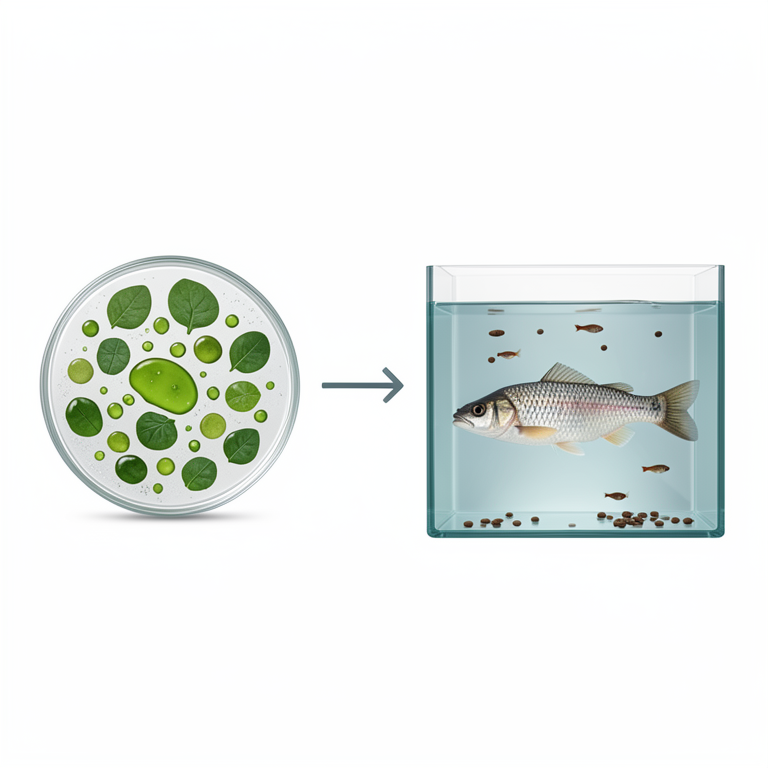
Experimental Workflow
AI-generated conceptual illustration (Nile tilapia fingerlings and herbal leaf extracts). It explains the idea and does not show study data.
View source evidence ↗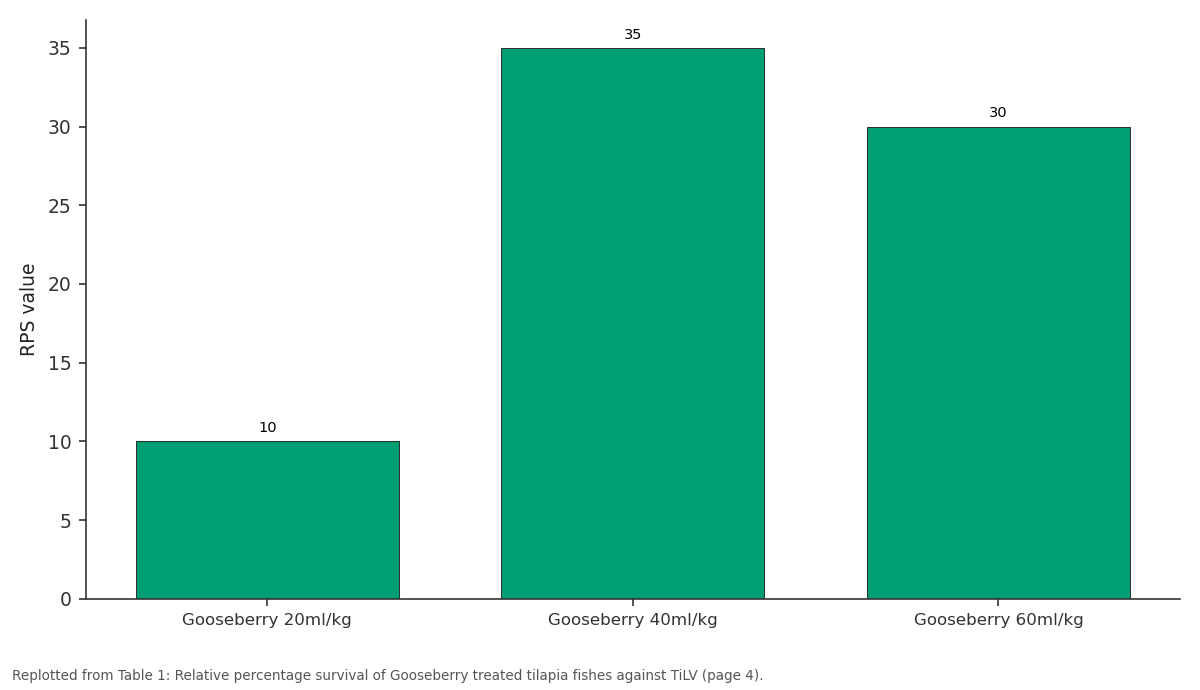
RPS value: Gooseberry 20ml/kg vs Gooseberry 40ml/kg vs Gooseberry 60ml/kg
Replotted from Table 1 (page 4) of the original paper. Every bar is the paper's own table value.
View source evidence ↗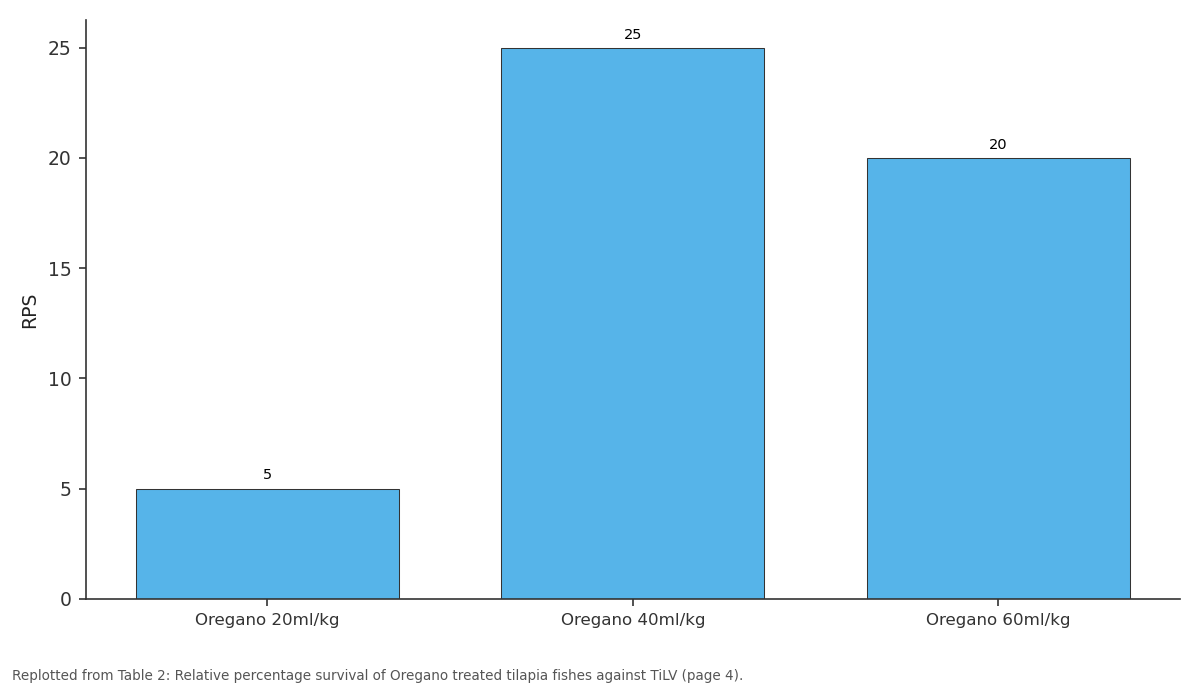
RPS: Oregano 20ml/kg vs Oregano 40ml/kg vs Oregano 60ml/kg
Replotted from Table 2 (page 4) of the original paper. Every bar is the paper's own table value.
View source evidence ↗Figures & tables
From the original paper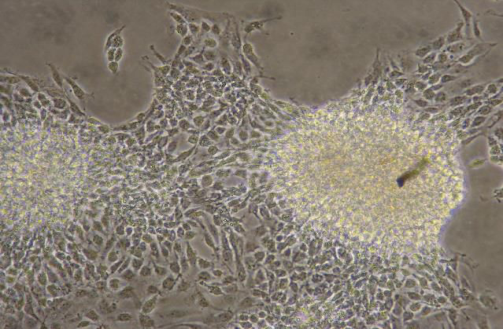 Figure 1
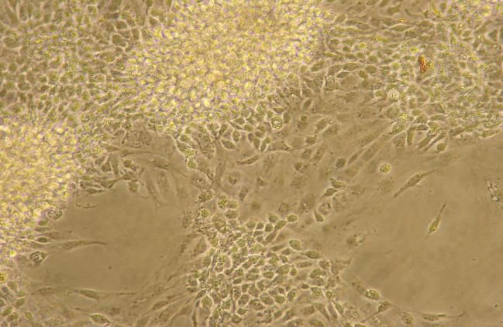 Figure 1
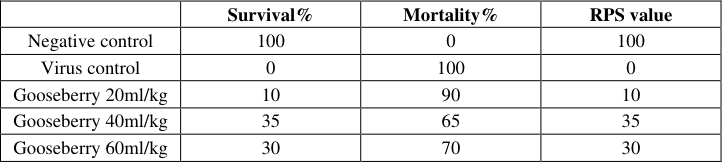 Table 1
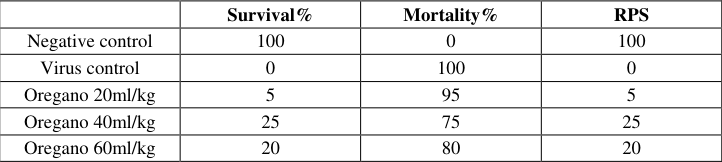 Table 2
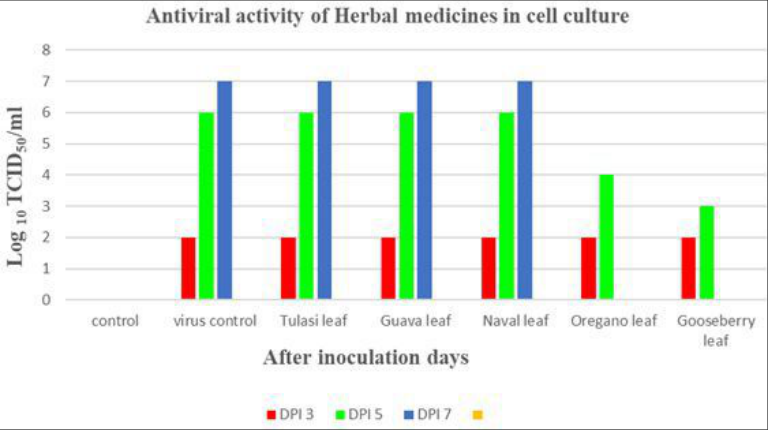 Figure 2
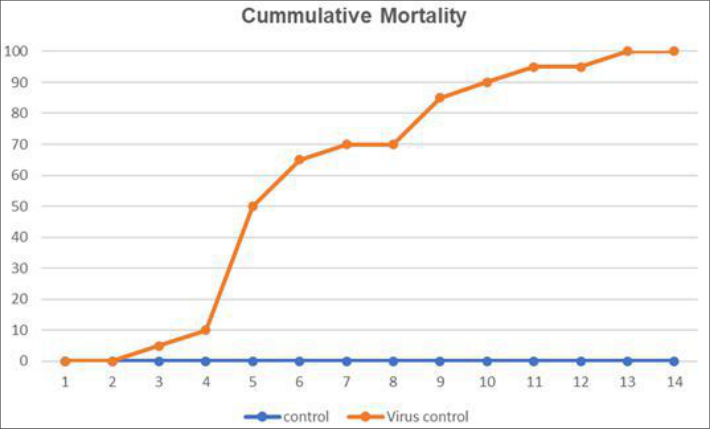 Figure 3
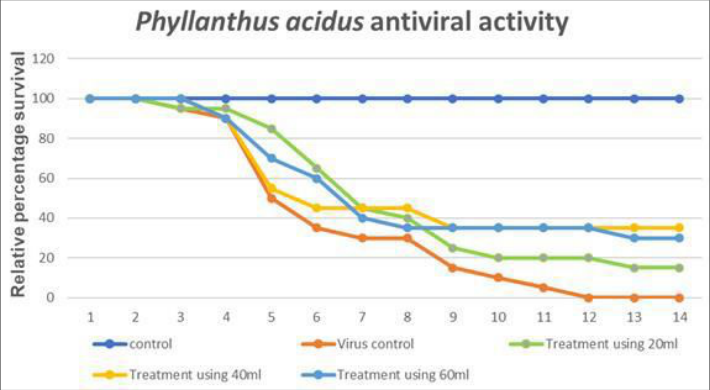 Figure 4
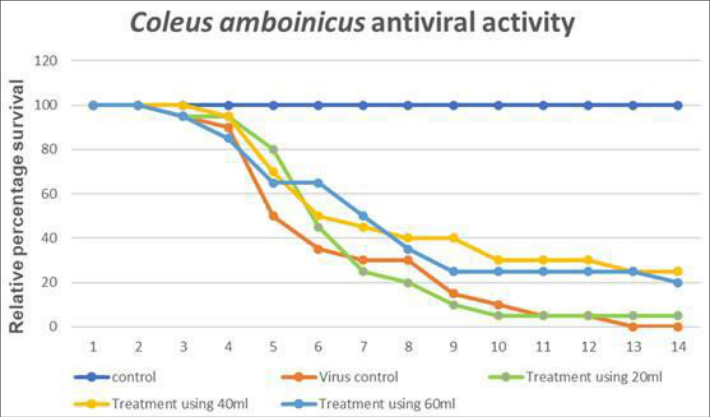 Figure 5
Introduction
Aquaculture is the fastest developing sector in the world to satisfy the humans needs. Tilapia culture plays a major role in fisheries sector due to its fast growth, disease tolerance, marketable price and excellent meat quality Sgnaulin et al. (2020) [49] . Nile tilapia is the important cultivable species in tilapia farming sector because of its marketable value in many countries Watanabe et al. (2002) [56] . Tilapia is more resistant to pathogen and it can tolerate wide range of water quality parameters. Due to their improper culture practises, there will be chance of invading different pathogens Abowei et al. (2011) [1] . There was no report of viral diseases since 2009 and during summer, there was mass mortality observed in different parts of Israel and it was identified as tilapia lake virus Eyngor et al. (2014) [19] . Tilapia lake virus (TiLV) is an emerging orthomyxo-like virus which was found in many moribund fish in thailand Surachetpong et al. (2017) [52] . Later the virus was reported in Ecuador, Colombia, Egypt, Thailand, India, Tamilnadu Bacharach et al. (2016) [7] ; Fathi et al. (2017) [21] Kembou Tsofack et al. (2016) [25] ; Surachetpong et al. (2017) [52] ; Behera et al. (2018) [9] ; Saranya et al. (2020) [48] . TiLV belongs to the genus Tilapinevirus, family Amnoonviridae and it is a negative sense single-stranded RNA virus (-ssRNA virus), consist of 60-80 nm in size and 10 negative-sense RNA segments with ~ 10, 000 nt in length Al-Hussinee et al. (2018) [4] . Tilapia lake virus disease (TiLVD) is an emerging viral disease which affecting the tilapia producing countries in the world includes, Southeast Asia, Africa, and South and North America and it has been resulted in high mortalities leading to high economic losses [25] , Mugimba et al. (2018) [34] , Nicholson et al. (2017) [35] , Surachetpong et al. (2017) [52] , Surachetpong et al. (2020) [53] . Due to their necessity, the development of vaccines and biosecurity measures need to be standardised against TiLV infection Bergmann et al.
(2017) [10] ; Zhao et al. (2020) [58] . Several disinfectants and chemical reagent have been used for controlling TiLV infection Mai et al. (2022) [33] .
Herbal plant extracts, plant-derived compounds (also known as phytoconstituents), extracts of particular plant parts (roots, stem, bark, flowers, fruits, and seeds), dietary supplements, and nutraceuticals all have a wide range of applications in the treatment of illnesses, from common to uncommon infectious and non-infectious diseases. Most of the disease treated compounds extracted from plants Rates et al. (2001) [45] . Various medical treatises have encouraged the use of herbal treatments, either alone or in combination with other formulations such leaf powder, pastes, decoctions, infusions, and tablets Lee et al. (1996) [30] . The worldwide has begun to examine at herbal medicine for the treatment of viral diseases due to the side effects of synthetic medicine, which are comparably more accessible and affordable and bear lesser risk of toxicity and resistance Akram et al. (2018) [2] . The aqueous extracts of herbal plants have shown antiviral activity against influenza virus and Herpes simplex virus He et al. (2011) [23] ; Nolkemper et al. (2006) [39] . The herbal plant extract was incorporated into the feed to prevent fish disease, improve health status and decrease economic loss in aquaculture sector Rico et al.
(2013) [46] . Dietary supplements are included into aquatic feed to promote fish health and improve the body systems in digesting and absorbing the nutrients obtained from the food they consume Dawood et al. (2021) [16] ; Zheng et al. (2020) [59] ; Alemayehu et al. (2018) [3] ; Shekarabi et al. (2022) [50] .
Several plant extracts had an antiviral property against fish and shrimp virus Kolkovski et al. (2011) [27] . With these advantages of herbal medicines, we have evaluated herbal medicines against Tilapia Lake virus for both invitro and invivo study.
Materials and Methods
Materials and Methods
Virus strain and Cell line
The virus TiLV isolated from the infected tilapia fish was used for the study. The SSN1 cell line derived from snakehead fish in the Department of Fish Pathology and Health Management of FCRI, Thoothukudi was used for virus isolation and propagation. The virus titer (TCID 50 /ml) was determined by end-point dilution assay using 96 well plates and calculated according to the method of Spearman-Karber Lei et al. (2021) [28] .
Herbal medicines
In the present study, 6 herbal medicines including Tulasi (Ocimum sanctum), Naval (Syzygium cumini), Guava (Psidium guajava), Gooseberry (Phyllanthus acidus), Oregano (Coleus amboinicus), Papaya (Carica papaya) are the herbal leaves extract used for evaluating antiviral activity. These were collected from FCRI, Thoothukudi. These were tested for their antiviral effect against TiLV infection in cell culture and experimentally infected tilapia fishes.
Determination of the cytotoxicity of the Herbal medicines
The cytotoxicity of the herbal medicines was determined in SSN1 cell cultures by cell viability. For this, medicines were added to the cell cultures in concentrations of 50, 100, 250, and 500 μl/ml and incubated for 7 days. The viability of the cells was determined by staining with a trypan blue solution (0.5%).
Treatment with herbal medicines in cell culture
The assay was performed in the full monolayer of SSN1cell lines developed in cell culture plastic flask (25 cm 2 ) (Thermo, Korea). When the monolayer became sufficiently confluent, the TiLV was inoculated with 50, 100, 250 and 500 μl of the stock (10 6.73 TCID 50 /ml) and incubated for 15 -20 mins at room temperature. Followed by incubation, the virus solution was removed and herbal medicines was added with a concentration of 500 μl/ml of medium. After 72h of incubation, the result was observed Nefedchenko et al.
Treatment using herbal medicines for challenged fishes against TiLV Fishes and feed
A total of 160 fingerlings of Nile tilapia, Oreochromis niloticus (7.4cm in body length) were collected from fish farm, FC&RI, Thoothukudi. The fishes were maintained in 24 glass tanks with 100 L capacity. These fishes were acclimatized in a tank for 7 days period and feed two times per day of control diet between 9.00 am in the morning and 4.30 pm in the evening. About 40% of water was exchanged daily to maintain the water quality. These fishes were screened for the PCR to confirm the TiLV infection free fishes and it has been used for the experimental study. Two types of feed were used for this study, control feed and herbal complex feed. These were purchased from the market.
Feed preparation
Commercial feed was purchased from the market. The binder (sodium alginate) was added 1g in 100 ml of distilled water. The herbal medicines were purchased and incorporated into the feed for three different concentrations include 20 ml, 40 ml, 60 ml per kg of feed. 1kg of feed was weighed and 100ml of binder was added along with herbal medicines. The medicine with binder was added into the feed and mixed well for the proper incorporation of herbal medicines. Then it is air dried in a room temperature for 24 hrs and stored until use.
Challenge study
Two hundred and sixty-four tilapia fingerlings (weight 7 ± 0.5 g) were separated into two groups (duplicate/group) in a total of 24 tanks, 10 fish/tank. There was screened of 6 herbal medicines against TiLV in cell culture and two herbal medicines has showed antiviral property and these two herbal medicines were used for experimental study includes Gooseberry (Phyllanthus acidus), Oregano (Coleus amboinicus). These medicines were administered into feed with three different concentrations of 20 ml/ kg of feed, 40 ml/ kg of feed, 60 ml/ kg of feed Lewandowski et al. (2019) [32] . The details of each group are given, negative control as group A, Virus control as group B, treatment with Gooseberry as group C (20 ml/ kg), D (40 ml/ kg), E (60 ml/ kg), treatment with Oregano as group F (20 ml/ kg), G (40 ml/ kg), H (60 ml/ kg), Oregano feed control as group I (40 ml/ kg), J (60 ml/ kg), Gooseberry feed control as group K (40 ml/ kg), L (60 ml/ kg) The control group were given intraperitoneal (IP) injection of L-15 medium at 100 µL/fish. TiLV infected SSN1 cell line were given intraperitoneal (IP) injection at 100 µL/fish with 1 × 10 6.5 TCID50/ml. The herbal medicine mixed feed was given after the virus injection. The mortality and survival rate were monitored for 14 days period. Cumulative mortality and relative percent survival (RPS) from the different treatment groups were calculated as follows: Cumulative mortality (%) = [(total mortality in each treatment after challenge)/ (total number of fish challenged for some treatment)] 100. Relative percent survival = 1-[(Mortality (%) in treated group)/ (mortality (%) in control group)] 100 Amend et al. (1981) [5] .
Results
Results
Antiviral activity of herbal medicines in cell culture:
A total of six remedies of aqueous leaves extract of herbal were tested for their toxicity to SSN1 cell line. Gooseberry (Phyllanthus acidus), Oregano (Coleus amboinicus) medicines exhibited cell toxicity only at 1 ml/ml of medium by causing morphological changes and increasing dead cells. Further, these herbals were screened for detecting the antiviral effect against TiLV using the SSN1 cell line. Guava (Psidium guajava), Papaya (Carica papaya) leaves extract resulted in complete cell toxicity at 50 μl/ml, 100 μl/ml, 250 μl/ml, 500 μl/ml of concentration. Tulasi (Ocimum sanctum) has cell toxicity at 250 μl/ml, 500 μl/ml of concentration, The cells are good at 100 μl/ml of concentration but has no antiviral property against TiLV inoculated SSN1 cell line. Naval (Syzygium cumini) has showed cell toxicity at 100 μl/ml, 250 μl/ml, 500 μl/ml of concentration and for 50 μl/ml of concentration the cell are good and has no antiviral activity against TiLV. Out of six, two herbal leaves such as Gooseberry (Phyllanthus acidus), Oregano (Coleus amboinicus) showed the antiviral effect against TiLV by reducing the cytopathic effect. 100 μl/ml, 250 μl/ml, 500 μl/ml, concentration of herbal leaves extract was evaluated and out of these three concentrations, 500 μl/ml of herbal medicines shows antiviral activity. The potential antiviral effect of Gooseberry (Phyllanthus acidus), Oregano (Coleus amboinicus) were found as 70% and 50% in cell culture respectively (Fig. 1,2). Among these two medicines, Gooseberry leaves extract showed antiviral activity against TiLV infected SSN1 cell line. Oregano leaves extract showed less antiviral effect when compared with gooseberry. Upon infection, the virus inoculated SSN1 cell line monolayer exhibited typical cytopathic effect with the appearance of small foci with cell lysis and rounding up of cells at the edge of foci. No cytopathic effect was found in mock inoculated. The cells were started to regenerated in TiLV inoculated culture flask. Gooseberry leaves extract resulted in the appearance of full monolayer after the TiLV infected SSN1 cell line for 7 days period of incubation. Oregano leaves has showed more amount of cell lysis when compared with other herbal medicines for the period of 7 days. This study proves that the aqueous leaves extract of herbal has effective against fish virus in cell culture.
Antiviral activity of herbal medicines in experimentally infected fishes
In this study herbal extract has been incorporating into feed for the analysis of antiviral effect against Tilapia Lake virus.
In this study the herbal extract includes Gooseberry (Phyllanthus acidus), Oregano (Coleus amboinicus) have been treated using herbal incorporated feed. Tilapia fishes were injected at 100 μl/fish via intraperitoneal route. In this experiment, the mortality started at 3dpi in virus control and the cumulative mortality was occurred at 13dpi (Figure 3). This study was performed for 14 days period using tilapia fingerlings. During the experimental study, the fishes were resulted in certain symptoms include Lethargy, Abdomen swelling, Exophthalmia, Anorexia, Pale skin, haemorrhages, Fluid accumulation in the internal organs during dissection. Most of the fishes were died with the symptoms of abdominal swelling. There was no toxicity were observed on using herbal mixed feed for the negative control fishes. Gooseberry and Oregano mixed feed was given at 40ml and 60ml concentration of leaves extract for negative control fishes and none of the concentration shows mortality in experimental tank. In this experimental study, Relative percentage survival (RPS) of virus infected tilapia fingerlings was 10%, 35%, 30% in 20ml, 40ml, 60ml concentration of gooseberry leaves mixed feed and for oregano leaves was 5%, 25%, 20% in 20ml, 40ml, 60ml concentration feed as mentioned (Table 1 and2). The antiviral property of leaves extract was varied at different concentration of medicines. This shows that the aqueous leaves extract of herbal plants has antiviral property against TiLV (figure 4,5). The highest antiviral effect was observed at 40ml concentration per kg of feed in gooseberry leaves when compared with other treatment. The medium antiviral effect was observed at 60ml in gooseberry, 40ml and 60ml concentration in oregano. The least antiviral effect was observed at 20ml concentration for both the herbal leaves extract against TiLV. There was recovered of fishes against TiLV and it showed that these herbal leaves have some potential against fish virus.
| — | Survival% | Mortality% | RPS value |
|---|---|---|---|
| Negative control | 100 | 0 | 100 |
| Virus control | 0 | 100 | 0 |
| Gooseberry 20ml/kg | 10 | 90 | 10 |
| Gooseberry 40ml/kg | 35 | 65 | 35 |
| Gooseberry 60ml/kg | 30 | 70 | 30 |
Table text extracted from the original PDF; superscript letters are shown inline. The original table image is below.
View original table image
Discussion
This study shows that the herbal leaves extract has an antiviral activity against fish virus. Till date there was no proper antiviral drugs or treatment against Tilapia Lake virus and for the prevention of this virus certain studies should be done on developing vaccines or antiviral compounds Lertwanakarn et al. 2021) [31] . In this study the antiviral compounds have been screened using fish cell line against Tilapia Lake virus. Numerous cell lines have been found to be suitable for TiLV cell culture through research Eyngor et
International Journal of Biology Sciences https://www.biologyjournal.net al. (2014) [19] ; Kembou Tsofack et al. (2017) [25] . Use of herbal medicines in the feed is promising for treating large batches of fish that are suffering from bacterial infections and to prevent loss. Oral treatment has been producing remarkable survival rates in fish with bacterial sickness Valladão et al. (2015) [54] . Due to their efficiency, safety, environmental friendliness, and reduced drug resistance, herbs and their extracts have become more and more promising supplements and alternatives Zhang et al. (2022) [57] . Eclipta alba aqueous leaf extracts have non-specific immune response and disease resistance against experimentally infected Oreochromis mossambicus against A. hydrophila Christybapita et al. (2007) [15] . Aqueous extracts of P.guajava leaves has antiviral activity against Newcastle Disease Virus in chicken Chollom et al. (2012) [14] . In this study we have screened the antiviral efficacy of herbal medicines in SSN1 cell line and then used of herbal diet for experimentally infected tilapia fishes against TiLV. P. acidus leaves and roots are used as antidotes to viper venom Anjaria et al. (2002) [6] and to ameliorate hypertension in humans Leeya et al. (2010) [30] and it acts as an antiviral against TiLV in cell culture. The methanolic extract of pulp of P. acidus resulted as antibacterial, hypoglycemic, antidiarrheal, anaesthetic and analgesic compounds in experimental mice Afrin et al. (2016) [20] . The acetone extract of fruit of P. acidus was evaluated for anticancer and anti-inflammatory activity in cancer cell line Priya et al. (2015) [43] . P. acidus and P. guajava extracts showed plaque reduction against IHNV and IPN, while P. acidus alone exhibited 100% plaque reduction for IPNV and OMV Direkbusarakom et al. (1996) [17] . P. guajava aqueous leaves extract has resulted cell toxicity in SSN1 cell line at different concentration of medicine. P. acidus and P. guajava aqueous leaves extract acts as an immunostimulant for nile tilapia infected Streptococcus agalactiae and herbal treatment using commercial feed diet has positive results for fish diseases Kamble et al. (2018) [24] . C. amboinicus leaves extracted oil act as strong antibacterial activity against enteric pathogens in human Velasco et al.
(2009) [55] and aqueous extract of C. amboinicus leaves resulted in 50% cell survival against TiLV infected SSN1 cell line. C. amboinicus leaves extract acts as a nano particle using green synthesized method which resulted in antibacterial activity against human pathogens Ramya et al.
(2022) [44] . Oregano (Coleus amboinicus) aqueous and methanolic leaves extract act as an anti-asthmatic effect in mice model Robles et al. (2017) [47] . The aqueous extract of Tulsi (Ocimum sanctum) plant had a low inhibitory effect on paramyxovirus but a significant inhibitory effect on orthomyxovirus in animal virus Patil et al. (2008) [41] and the aqueous leaves extract also showed no antiviral activity for TiLV in cell culture. The aqueous leaf extract of O. sanctum used for the synthesis of silver nanoparticles and acts as an antibacterial activity Brahmachari et al. (2014) [12] . Tulsi water extract resulted in antioxidant property in human hepatoma cell line Shivananjappa et al. (2012) [51] . The seeds of Carica papaya extract using petroleumether against I. multifiliis were evaluated against infected gold fishes Ekanem et al. (2004) [18] . The leaves extract of Carica papaya has been screened for the growth, feed conversion efficiency and disease resistance on juveniles Clarias gariepinus against Aeromonas hydrophila Olusola et al. (2018) [40] . Carica papaya has resulted in cell toxicity even at low concentration in SSN1 cell line against TiLV.
The methanolic extract of papaya leaves extract has good result in embryonic development, egg hatchability and good survival in larval Asian sea bass Haser et al. (2022) [22] . Naval (Syzygium cumini) leaves extract acts as a growth and immunomodulatory potential of Vibrio parahaemolyticus on the juveniles of Litopenaeus vannamei Prabu et al. (2018) [42] . Syzygium cumini dried fruit extract have been evaluated using dietary supplementation for hybrid catfish and analysed of growth and physiological parameters Munglue et al. (2019) [36] . The seeds of medicinal plants of Syzygium cumini was incorporated into feed diet for the early juveniles of Macrobrachium malcolmsonii Bhavan et al.
(2014) [11] . Syzygium cumini fruit extract acts as a growth inhibitor and induces apoptosis in cervical cancer cell lines in humans Barh et al. (2008) [8] . The ethanolic extract of Syzygium cumini fruit has an anti-cancer agent in cancer cell lines Khodavirdipour et al. (2021) [26] . The leaves extract of Syzygium cumini has an antidiabetic and anti-oxidant property for both invitro and invivo study in humans Chagas et al. (2018) [13] . Aqueous leaves extract of Syzygium cumini resulted in antiviral property of SSN1 fish cell lines. This is the first report of using these six herbal leaves extract against Tilapia Lake virus for both invitro and invivo study. This show that the herbal leaves extract has antiviral potential against TiLV for both invitro and invivo study.
Results of antiviral effect of leaves of gooseberry and oregano has confirm the inhibition of TiLV at minimal level through feed incorporation. P. acidus leaves has more inhibitory effect at 40ml concentration of feed when compared with other treatment against TiLV. C. amboinicus leaves has better survival at 40 and 60ml concentration of feed. P. acidus and C. amboinicus leaves has shown low survival at 20ml concentration of feed. These aqueous leaves extract has shown antiviral property but the survival rate was minimum in tilapia fingerlings against challenged with TiLV. Further screening of certain herbal treatment will pave the way for the inhibition of virus in fishes. RPS valued should be above 60% for the treatment against disease. This experimental study has RPS value of 60% below which clearly showed that the above screened herbal medicine has better survival against TiLV.
Conclusion
An aqueous leaves extract of herbal medicine has antiviral potential against tilapia lake virus for both invitro and invivo study. This study presents the first evidence of the application of herbal mixed diet against TiLV challenged fishes. This study has minimum survival rate against experimentally infected tilapia fishes. We have demonstrated that the herbal medicine acts as a therapeutic agent against fish virus. In this study, the treatment was done using medicated feed. This new information could be used in future research for the screening of certain herbal remedies against fish diseases.
Acknowledgement
AcknowledgementAll authors thank the Dean, Fisheries College and Research Institute, Tamil Nadu Dr.J.Jayalalithaa Fisheries University, Thoothukudi, Tamil Nadu, India, for providing necessary facilities and support.
Figures and tables from the paper
| — | Survival% | Mortality% | RPS |
|---|---|---|---|
| Negative control | 100 | 0 | 100 |
| Virus control | 0 | 100 | 0 |
| Oregano 20ml/kg | 5 | 95 | 5 |
| Oregano 40ml/kg | 25 | 75 | 25 |
| Oregano 60ml/kg | 20 | 80 | 20 |
Table text extracted from the original PDF; superscript letters are shown inline. The original table image is below.
View original table image
References
53 in the original paper- Abowei JF, Briyai OF, Bassey SE. A review of some basic parasite diseases in culture fisheries. Br J Pharmacol Toxicol. 2011;2(5):213-26.
- Akram M, Tahir IM, Shah SM, Mahmood Z, Altaf A, Ahmad K, et al. Antiviral potential of medicinal plants against HIV, HSV, influenza, hepatitis and coxsackievirus: a systematic review. Phytother Res. 2018;32(5):811-22.
- Alemayehu TA, Geremew A, Getahun A. The role of functional feed additives in tilapia nutrition. Fish Aquac J. 2018;9(2):1-9.
- Al-Hussinee L, Subramaniam K, Ahasan MS, Keleher B, Waltzek TB. Complete genome sequence of a tilapia lake virus isolate obtained from Nile tilapia (Oreochromis niloticus). Genome Announc. 2018;6(26):e01028-18.
- Amend DF. Potency testing of fish vaccines. Dev Biol Stand. 1981;49:447-54.
- Anjaria J, Parabia M, Bhatt G, Khamar R. Nature heals: a glossary of selected indigenous medicinal plants of India. Ahmedabad: SRISTI Innovations; 2002.
- Bacharach E, Mishra N, Briese T, Zody MC, Kembou Tsofack JE, Zamostiano R, et al. Characterization of a novel orthomyxo-like virus causing mass die-offs of tilapia. mBio. 2016;7(2):e00431-16.
- Barh D, Viswanathan G. Syzygium cumini inhibits growth and induces apoptosis in cervical cancer cell lines. Ecancermedicalscience. 2008;2:83.
- Behera BK, Pradhan PK, Swaminathan TR, Sood N, Paria P, Das A, et al. Emergence of tilapia lake virus associated with mortalities of farmed Nile tilapia in India. Aquaculture. 2018;484:168-74.
- Bergmann SM, Monro ES, Kempter J. Can water disinfection prevent the transmission of infectious koi herpesvirus to naïve carp? J Fish Dis. 2017;40(7):88593.
- Bhavan PS, Mohammedsiddiq S, Srinivasan V, Muralisankar T, Manickam N. Effects of medicinal seeds on growth promotion in Macrobrachium malcolmsonii. Int J Res Stud Biosci. 2014;2:95-106.
- Brahmachari G, Sarkar S, Ghosh R, Barman S, Mandal NC, Jash SK, et al. Sunlight-induced synthesis of silver nanoparticles using Ocimum sanctum. Org Med Chem Lett. 2014;4(1):18.
- Chagas VT, Coelho RM, Gaspar RS, da Silva SA, Mastrogiovanni M, Mendonca CD, et al. Protective effects of polyphenol-rich Syzygium cumini extract in diabetic rats. Oxid Med Cell Longev. 2018;2018:5386079.
- Chollom SC, Agada GO, Bot DY, Okolo MO, Dantong DD, Choji TP, et al. Phytochemical analysis and antiviral potential of Psidium guajava extract against NDV. J Appl Pharm Sci. 2012;2(10):45-9.
- Christybapita D, Divyagnaneswari M, Michael RD. Eclipta alba enhances immunity of Oreochromis mossambicus. Fish Shellfish Immunol. 2007;23(4):84052.
- Dawood MA, Basuini MF, Yilmaz S, Abdel-Latif HM, Kari ZA, Abdul Razab MK, et al. Selenium nanoparticles in aquaculture: a review. Antioxidants. 2021;10(9):1364.
- Direkbusarakom S, Herunsalee A, Yoshimizu M, Ezura Y. Antiviral activity of Thai herbal extracts. Fish Pathol. 1996;31(4):209-13.
- Ekanem AP, Obiekezie A, Kloas W, Knopf K. Effects of Mucuna pruriens and Carica papaya on Ichthyophthirius multifiliis. Parasitol Res. 2004;92(5):361-6.
- Eyngor M, Zamostiano R, Kembou Tsofack JE, Berkowitz A, Bercovier H, Tinman S, et al. Identification of a lethal novel RNA virus in tilapia. J Clin Microbiol. 2014;52(12):4137-46.
- Fathi M, Dickson C, Dickson M, Leschen W, Baily J, Muir F, et al. Identification of tilapia lake virus in Egypt. Aquaculture. 2017;473:430-2.
- Haser TF, Azmi F, Nurdin MS, Febri SP, Prihadi TH, Aubin J, et al. Effects of papaya leaf extract in Lates calcarifer. Indones Aquac J. 2022;17(1):29-36.
- He W, Han H, Wang W, Gao B. Anti-influenza effect of dandelion extracts. Virol J. 2011;8:538.
- Kembou Tsofack JE, Zamostiano R, Watted S, Berkowitz A, Rosenbluth E, Mishra N, et al. Detection of TiLV. J Clin Microbiol. 2017;55(3):759-67.
- Khodavirdipour A, Zarean R, Safaralizadeh R. Anticancer effect of Syzygium cumini on colorectal cells. J Gastrointest Cancer. 2021;52(2):575-81.
- Lei C, Yang J, Hu J, Sun X. Calculation of TCID50. Virol Sin. 2021;36(1):141-4.
- Lee CD, Ott M, Thyagarajan SP, Shafritz DA, Burk RD, Gupta S. Phyllanthus amarus down-regulates HBV replication. Eur J Clin Invest. 1996;26(12):1069-76.
- Leeya Y, Mulvany MJ, Queiroz EF, Marston A, Hostettmann K, Jansakul C. Hypotensive activity of Phyllanthus acidus. Eur J Pharmacol. 2010;649(13):301-13.
- Lertwanakarn T, Trongwongsa P, Yingsakmongkol S, Khemthong M, Tattiyapong P, Surachetpong W. Ribavirin activity against TiLV. Pathogens. 2021;10(12):1616.
- Lewandowski V, Sary C, Campos EC, de Oliveira CA, Ribeiro RP, Vargas LD. Homeopathy improves zebrafish hatching. Lat Am J Aquat Res. 2019;47(4):595-601.
- Mai TT, Kayansamruaj P, Soontara C, Kerddee P, Nguyen DH, Senapin S, et al. Vaccination of broodstock against TiLV. Vaccines. 2022;10(2):167.
- Mugimba KK, Chengula AA, Wamala S, Mwega ED, Kasanga CJ, Byarugaba DK, et al. TiLV detection in Lake Victoria. J Fish Dis. 2018;41(8):1181-9.
- Muharni M, Fitrya F, Farida S. Antibacterial activity of Musi ethnomedicinal plants. J Kefarmasian Indones. 2017:127-35.
- Nefedchenko AV, Glotova TI, Glotov AG. Homeopathic drugs against bovine viral infections. Bulg J Vet Med. 2015;18(1):pages missing.
- Nicholson P, Fathi MA, Fischer A, Mohan C, Schieck E, Mishra N, et al. Detection of TiLV in Egyptian farms. J Fish Dis. 2017;40(12):page range missing.
- Nolkemper S, Reichling J, Stintzing FC, Carle R, Schnitzler P. Antiviral effects of Lamiaceae extracts. Planta Med. 2006;72(15):1378-82.
- Olusola SE, Nwokike CC. Effects of bitter and papaya leaf on Nile tilapia. Aquac Res. 2018;49(5):1858-65.
- Prabu DL, Chandrasekar S, Ambashankar K, Dayal JS, Ebeneezar S, Ramachandran K, et al. Syzygium cumini leaf powder boosts immunity in shrimp. Aquaculture. 2018;489:9-20.
- Priya NP, Poonguzhali TV. Anti-inflammatory and anticancer activity of Phyllanthus acidus. World J Pharm Res. 2014;3(9):1313-36.
- Rates SM. Plants as source of drugs. Toxicon. 2001;39(5):603-13.
- Rico A, Phu TM, Satapornvanit K, Min J, Shahabuddin AM, Henriksson PJ, et al. Veterinary medicines in aquaculture. Aquaculture. 2013;412:231-43.
- Robles JA, Yu GF. Anti-asthmatic effect of Mentha and Coleus. Acta Med Philipp. 2017;51(2):pages missing.
- Saranya SR, Sudhakaran R. Prevalence of TiLV. Biocatal Agric Biotechnol. 2020;27:101665.
- Sgnaulin T, Durigon EG, Pinho SM, Jerônimo GT, de Alcantara Lopes DL, Emerenciano MG. Nutrition of GIFT tilapia. Aquaculture. 2020;521:734998.
- Shekarabi SP, Mehrgan MS, Ramezani F, Dawood MA, Van Doan H, Moonmanee T, et al. Berberis vulgaris in sturgeon diets. Aquac Rep. 2022;23:101041.
- Shivananjappa M, Joshi M. Tulsi extract enhances antioxidant defenses. J Herbs Spices Med Plants. 2012;18(4):331-48.
- Surachetpong W, Janetanakit T, Nonthabenjawan N, Tattiyapong P, Sirikanchana K, Amonsin A. TiLV outbreaks in Thailand. Emerg Infect Dis. 2017;23(6):1031.
- Surachetpong W, Roy SR, Nicholson P. Tilapia lake virus: current status. J Fish Dis. 2020;43(10):1115-32.
- Valladão GM, Gallani SU, Pilarski F. Phytotherapy for fish diseases. J Vet Pharmacol Ther. 2015;38(5):41728.
- Velasco J, Rojas LB, Diaz T, Usubillaga A. Coleus amboinicus essential oil. J Essent Oil Bear Plants. 2009;12(4):453-61.
- Watanabe WO, Losordo TM, Fitzsimmons K, Hanley F. Tilapia production systems. Rev Fish Sci. 2002;10(34):465-98.
- Zhang W, Zhao J, Ma Y, Li J, Chen X. Herbal medicines in fish disease prevention. Fish Shellfish Immunol. 2022;126:73-83.
- Zhao Z, Zhang C, Lin Q, Li NQ, Huang ZB, Zhao M, et al. Carbon nanotubes enhance DNA vaccination. Fish Shellfish Immunol. 2020;97:432-9.
- Zheng CC, Wu JW, Jin ZH, Ye ZF, Yang S, Sun YQ, et al. Exogenous enzymes in finfish diets. Aquac Nutr. 2020;26(2):213-24.