
Research article · 2025 · Full text
International Journal of Horticulture and Food ScienceAdvancing public health through nutrition and dietary guidance
Volume 7(9) · Pages 56–63 · DOI: 10.33545/26631067.2025.v7.i9a.394 ↗
Research areasMicrobial metabolism and enzyme functionTryptophan and brain disordersParkinson's Disease Mechanisms and Treatments
Abstract
Author-writtenPublic health nutrition is a field of study that focuses on understanding the relationship between diet and health at the population level. It seeks to improve public health by promoting healthy eating patterns, reducing the risk of diet-related diseases, and addressing issues of food insecurity and malnutrition. With global challenges such as obesity, diabetes, cardiovascular diseases, and malnutrition, the role of public health nutrition has never been more critical. This article explores the importance of public health nutrition, strategies for promoting healthy dietary practices, and the factors that influence our food choices. The goal of public health is to enhance the quality of life for populations by monitoring current instances and health indicators and encouraging healthy surroundings and habits. The CDC Core Public Health Functions Steering Committee identified ten critical public health services in 1994, including assessment, common health-promoting dietary patterns, policy development, quality assurance, and research. These services aim to promote well-being through the avoidance of transmissible diseases, proper nutrition, childhood communicable disease immunizations, adequate sanitation, and the provision of safe and enough drinking water.
Summary
Source-checkedPlain-language reading of the full paper, prepared with AI and checked against the text. Each point links to the authors' own words.
Why it matters
- Public health nutrition focuses on the relationship between diet and health across entire populations rather than individuals. View evidence ↗
- The field is critical due to global health challenges including malnutrition, obesity, diabetes, and cardiovascular diseases. View evidence ↗
- Many countries face a 'double burden' of malnutrition, where undernutrition and overnutrition exist simultaneously within the same population. View evidence ↗
The question
- The article aims to explore the importance of public health nutrition, the factors influencing food choices, and strategies to promote healthy eating. View evidence ↗
What they did
- The authors provide insights by examining the connection between diet and health and reviewing interventions designed to encourage healthier habits. View evidence ↗
What they found
- Global stunting in children under five decreased from 33.0% (204.2 million) in 2000 to 22.3% (148.1 million) in 2022. View evidence ↗
- The prevalence of wasting in children under five fell from 8.7% in 2000 to 6.8% in 2022. View evidence ↗
- Overweight prevalence in children under five saw a non-significant increase from 5.3% (33.0 million) in 2000 to 5.6% (37.0 million) in 2022. View evidence ↗
- In 2023, the global prevalence of undernourishment (PoU) was estimated at 9.1%, affecting between 713 and 757 million people. View evidence ↗
- In India, malnutrition rates improved between NFHS 4 (2015-16) and NFHS 5 (2019-21), decreasing by 4.2 percentage points for women and 4 percentage points for men. View evidence ↗
- Globally, 1.9 billion adults are overweight or obese, while 462 million are underweight. View evidence ↗
- The global elimination of industrially produced trans fats could potentially save 17 million lives by 2040. View evidence ↗
- Reducing global salt intake to recommended levels could prevent approximately 2.5 million deaths annually. View evidence ↗
- Poverty is a major barrier to nutrition, with an estimated three billion people unable to afford healthier food options. View evidence ↗
What it means
- The authors conclude that public health nutrition is essential for improving population health by promoting healthy diets and addressing food insecurity and malnutrition. View evidence ↗
- The authors note that research regarding specific water requirements and their broader effects on health and disease is currently limited. View evidence ↗
Figures & tables
From the original paper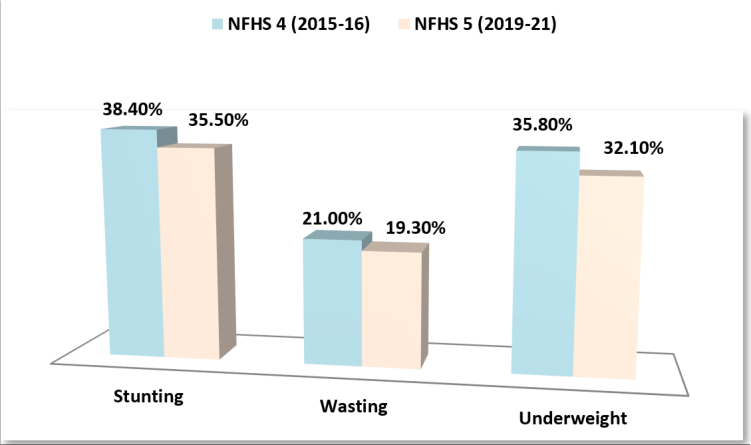 Figure 1
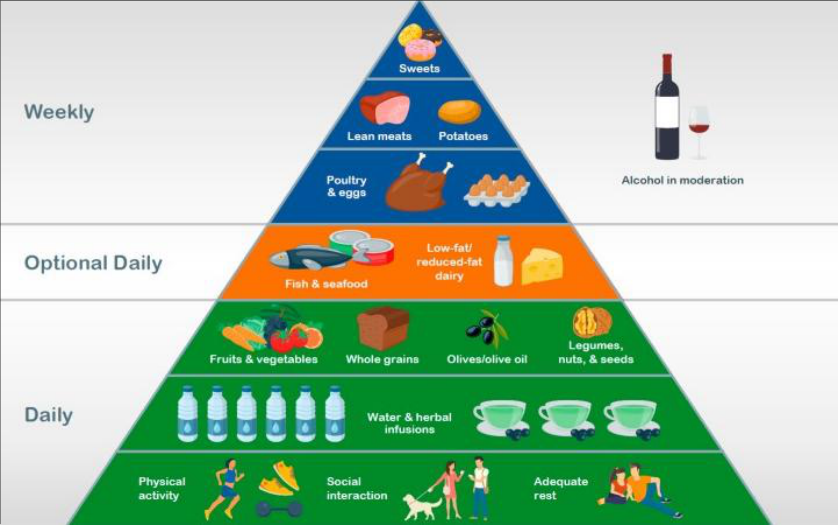 Figure 2
Introduction
Public health nutrition is a field of study that focuses on understanding the relationship between diet and health at the population level. It seeks to improve public health through the promotion of healthy eating patterns, reducing the risk of diet-related diseases, and addressing issues of food insecurity and malnutrition. With global challenges such as obesity, diabetes, cardiovascular diseases, and malnutrition, the role of public health nutrition has never been more critical. This article explores the importance of public health nutrition, strategies for promoting healthy dietary practices, and the various factors that influence our food choices. By examining the connection between diet and health, as well as interventions to encourage healthier habits, this article aims to provide insights into how we can improve dietary practices for better public health outcomes.
Definitions of public health nutrition 1. United Kingdom Nutrition Society (1998):
The application of nutrition and physical activity to the promotion of good health, the primary prevention of diet-related illness of groups, communities, and populations (not individuals).
Strategic Intergovernmental Nutrition Alliance (Australia, 2001): Focuses on issues
affecting the whole population rather than the specific dietary needs of individuals The impact of food production, distribution, and consumption on the nutritional status and health of particular population groups is taken into account, together with the knowledge, skills, attitudes, and behaviours in the broader community [1] .
World Public Health Nutrition Association (2006):
The promotion and maintenance of nutrition-related health and well-being of populations through organized efforts and informed choices of society [2] .
Dietitians of Canada (2006):
Health promotion through awareness raising, education and skill building, supportive environments and policy development, collaborations and partnerships, research and evaluation, and the mentoring and education of future nutrition and health professionals as well as other congruent descriptors [3] .
Academy of Nutrition and Dietetics PHN Task
Force (2012): The application of nutrition and public health principles to improve or maintain optimal health of populations and targeted groups through enhancements in programs, systems, policies, and environment [4] .
Public health: A primary concern
The goal of public health is to enhance the quality of life for populations by monitoring current instances and health indicators and by encouraging healthy surroundings and habits. connected to these services [5] .
Assessment
• Monitor health status to identify and solve community health problems. [6] Nutrition challenges around the world Nutrition is mentioned specifically in SDG 2 but is central to the achievement of all 17 SDGs. This section presents an assessment of progress towards global nutrition targets for stunting, wasting and overweight among children under five years of age, exclusive breastfeeding and low birth-weight. Stunting, the condition of being too short for one's age, undermines the physical and cognitive development of children. Stunting and other forms of under-nutrition early in life may also predispose children to being overweight and developing non-communicable diseases (NCDs) later in life. Globally, the prevalence of stunting among children under five years of age has declined steadily, from an estimated 33.0 percent (204. Children who are overweight or obese face both immediate and potentially long-term health impacts, including a higher risk of NCDs later in life. Child overweight has been on the rise in many countries, hastened by increasingly inadequate levels of physical activity and increased access to highly processed foods. Globally, the prevalence of overweight among children under five years of age showed a nonsignificant increase from 5.3 percent (33.0 million) in 2000 to 5.6 percent (37.0 million) in 2022. The latest estimate for low birthweight revealed that 14.7 percent of newborns (19.8 million) were born with low birthweight (less than 2 500 g) in 2020, a non-significant decline from the 16.6 percent (22.1 million) in 2000. Infants born weighing less than 2 500 g are approximately 20 times more likely to die than those with adequate birth-weight, and those who survive face long-term development and health consequences. Optimal breastfeeding practices, including exclusive breastfeeding for the first six months of life, are critical for child survival and the promotion of health and cognitive development. Globally, the prevalence of exclusive breastfeeding among infants under six months of age has risen from 37.0 percent (24.3 million) in 2012 to 47.7 percent (31.2 million) in 2021. Worldwide, over half of all infants under six months of age did not receive the protective benefits of exclusive breastfeeding. Low-and lower-middle-income countries bear the greatest burden of stunting, wasting and low birthweight but also have the largest proportion of exclusively breastfed children. Most overweight children live in these country income groups. At the global level, the prevalence of stunting and wasting was higher in rural areas than in urban areas while overweight was more commonly found in urban areas [7] . The assessment of global hunger in 2023, measured by the prevalence of undernourishment (PoU) (SDG Indicator 2.1.1) reveals a continuing lack of progress towards the goal of Zero Hunger. After rising sharply from 2019 to 2021, the proportion of the world population facing hunger persisted at virtually the same level for three consecutive years, with the latest estimates indicating a global PoU of 9.1 percent in 2023. In terms of population, between 713 and 757 million people (8.9 and 9.4 percent of the global population, respectively) were estimated to be undernourished in 2023. Considering the mid-range estimate (733 million), about 152 million more people may have faced hunger in 2023 compared to 2019 [8] .
Nutritional challenges in India
According to the latest National Family Health Survey 5 (NFHS 5, 2019-21) report, malnutrition rates among women have improved by 4.2 percentage points compared to NFHS 4 (2015-16) data. Similarly, men's malnutrition rates have decreased by 4 percentage points [9] .
Nutritional epidemiology
Nutritional epidemiology examines the relationship between diet and health outcomes, such as diseases and disorders, in human populations. By studying large groups and using statistical analysis, researchers can: • Identify links between nutrition and disease risk • Estimate the impact of dietary factors on population health • Assess nutritional status and inform public health initiatives This field helps us understand how diet affects health and disease, ultimately informing strategies for prevention and improvement [10] .
Healthy dietary practices
Malnutrition arises when the body does not get enough of the nutrients it needs to operate. This can manifest as undernutrition, including stunting and wasting, as well as overweight and obesity, as well as diet-related NCDs (non communicable disease) such type-2 diabetes, cardiovascular disease, stroke, and certain types of cancer. Many countries now experience a 'double burden' of malnutrition. Here, undernutrition coexists with overnutrition, and inadequate diets are causing unhealthful weight increase and poor health outcomes [11] . Foods and beverages heavy in energy (calories), salt, sugar, and fats particularly industrial trans fats, sometimes referred to as trans-fatty acids, TFAs, or iTFA are the main components of these unhealthy diets. 1.9 billion adults worldwide are overweight or obese, and 462 million are underweight [12] . One in five deaths worldwide between 1990 and 2017 were attributed to inadequate nutrition, according to a study [13] .
Healthy diet
According to the WHO, healthy diets are rich in fibre, fruit, vegetables, lentils, beans, nuts, and wholegrains. These diets are balanced, diverse and meet a person's macronutrient (protein, fat, carbohydrate and fibre) and micronutrient (minerals and vitamins) needs depending on their stage of life. Generally, healthy diets contain:
• Less than 30% of total energy should come from fat.
Saturated fats should make up less of these than unsaturated fats. Consuming trans fats is not advised. • Consumption of sugar should not exceed 10% of total energy, but ideally not exceed 5%. • Less than 5 grams of salt every day.
• At least 400g of fruits and vegetables should be consumed daily [14] .
Changes in food systems and diets
Many times, a person's ability to maintain a healthy diet is out of their control and is impacted by their living situation, early nutrition, financial status, and accessibility [15] . The entire process by which food is produced and delivered to our plates is referred to as the "food system." Numerous elements, including geography, climate, culture, consumer behavior, business practices, and the regulatory environment, frequently influence the food chain.
The rising popularity of ultra-processed foods and drinks
Over the past few decades, eating habits have undergone significant changes worldwide. Globalization and urbanization have fueled a surge in the consumption of convenience foods, junk foods, and dining out, while fewer people now grow or prepare their meals from scratch. These affordable, ready-to-eat food and beverage products are often classified as 'ultra-processed,' typically high in calories, fats, salt, and sugar, but low in essential nutrients. Designed to be highly appealing and addictive, they include items like burgers, chips, biscuits, confectionery, cereal bars, and sugary drinks [16] . Ultra-processed foods and beverages usually have an extended shelf life, making them more attractive to businesses like supermarkets compared to fresh, perishable products. Aggressive marketing efforts especially those targeting children have further boosted the consumption of these products. As a result, ultra-processed items are increasingly replacing fresh, nutritious, and minimally processed foods, leading to major shifts in diets and food systems worldwide. Across the globe, vulnerable and low-income populations face significant challenges in accessing and sustaining a healthy diet. In these communities, ultra-processed food and beverage products are often the most readily available. It is estimated that around three billion people cannot afford healthier food options, with poverty continuing to undermine the nutritional quality of diets [17] .
What diseases are associated with unhealthy diets and malnutrition?
• Unhealthy diets and the resulting malnutrition are closely linked to a range of noncommunicable diseases, including: • Overweight and obesity -conditions that are also tied to high blood pressure, elevated cholesterol levels, diabetes, cardiovascular diseases, stroke, various cancers, and insulin resistance. • Cardiovascular diseases, such as heart disease and stroke. • Type 2 diabetes and hypertension (high blood pressure).
• Certain types of cancer -including cancers of the oesophagus; trachea, bronchus, and lungs; lips and oral cavity; nasopharynx; as well as the colon and rectum. [18] These diseases are driven by common dietary risk factors, including: These diseases are largely driven by common dietary risk factors, including:
• Excessive salt intake -one of the leading dietary risk factors for death and disease globally. High salt consumption raises blood pressure, increasing the risk of cardiovascular disease, stroke, chronic kidney disease, and certain cancers. • High sugar consumption -contributes to tooth decay and weight gain, which can lead to overweight and obesity, elevated blood pressure, cardiovascular disease, stroke, and some forms of cancer [19] . • High intake of trans fats -strongly associated with a greater risk of cardiovascular disease and stroke. • Inadequate fruit and vegetable consumption -linked to an increased risk of several cancers, as well as cardiovascular disease and stroke. Low intake of fiber, whole grains, nuts, seeds, and essential micronutrients -connected to a higher risk of diabetes, cardiovascular disease, stroke, and certain cancers [20] .
Child malnutrition
Nutrition during early life plays a crucial role in shaping the risk of disease and poor health later on. However, childhood malnutrition remains one of the most significant public health challenges today. In 2020, approximately 22% of children under five experienced stunting, 7% suffered from wasting, and another 7% were classified as overweight. The majority of these children are from low-and middle-income countries, with Asia and Africa accounting for nine out of ten cases of stunting and wasting, and more than 70% of cases of childhood overweight [21] Breastfeeding is one of the most powerful ways to support the development of a strong immune system in children, helping to prevent childhood malnutrition and promote good health throughout life. However, the aggressive marketing of formula and baby foods often creates doubt among mothers, undermining breastfeeding and other healthy feeding practices during early childhood [22] Policies that support and encourage breastfeeding, including the regulation of the breast milk substitute industry, are essential public health measures.
Steps can be taken to combat unhealthy diets and malnutrition
Efforts to address unhealthy diets and malnutrition which contribute to overweight, obesity, and numerous noncommunicable diseases should be part of a broad, integrated set of policies aimed at improving the overall food system. One of the most effective and straightforward nutrition policies is the global elimination of industrially produced trans fats (iTFA) from the food supply. If every country removed this harmful substance, which is a major cause of heart disease, an estimated 17 million lives could be saved by 2040. Additionally, reducing global salt intake to recommended levels could prevent around 2.5 million deaths each year [23] .
• Reformulating food and beverage products to reduce levels of salt, sugar, and fats, with a particular focus on eliminating all trans fats. • Restricting the marketing and promotion of unhealthy food and drink products, especially targeting children and adolescents, including online platforms and spaces where young people gather.
Components of a healthy diet and their benefits
A healthy diet provides macronutrients in balanced proportions to meet the body's energy and physiological requirements without overconsumption, while also supplying adequate micronutrients and hydration to support overall bodily functions [24] . Macronutrients carbohydrates, proteins, and fats supply the energy needed to fuel the cellular processes essential for daily functioning [25] . Micronutrients, such as vitamins and minerals, are needed in relatively small quantities to support normal growth, development, metabolism, and overall physiological functions. [26,27] .
Carbohydrates
Carbohydrates serve as the body's primary energy source and are most abundantly found in grains, fruits, legumes, and vegetables [28] . For better health outcomes, whole grains are recommended over processed grains, which lose much of their fiber and micronutrient content during milling when the germ and bran are removed [29] . Meta-analyses of prospective cohort studies have shown that higher wholegrain consumption is associated with a reduced risk of coronary heart disease, stroke, cardiovascular disease, and cancer, as well as lower mortality rates from causes including cardiovascular disease, cancer, respiratory illnesses, diabetes, and infectious diseases [30] . Fresh fruits and vegetables not only provide energy but are also rich in dietary fiber, which promotes satiety and supports gastrointestinal health, cholesterol regulation, and glycemic control [31] . They are also important sources of phytochemicals such as polyphenols, phytosterols, and carotenoids which are bioactive compounds thought to contribute significantly to the health benefits associated with fruit and vegetable consumption [32] . Although the exact mechanisms by which these phytochemicals work are not fully understood, their benefits include antioxidative activity, regulation of nuclear transcription factors, influence on fat metabolism, and modulation of inflammatory pathways. For instance, flavonoids have been shown to enhance insulin secretion and decrease insulin resistance, suggesting a positive role in managing obesity and diabetes [33] . Additionally, polyphenols interact with the gut microbiota, promoting the growth of beneficial bacteria and being metabolized into even more bioactive compounds. Studies have consistently demonstrated that higher intake of fruits and vegetables is inversely associated with the risk of Noncommunicable Diseases (NCDs), including hypertension, cardiovascular disease, Chronic Obstructive Pulmonary Disease (COPD), lung cancer, and metabolic syndrome [34] .
Dietary proteins
Dietary proteins serve as a source of energy and supply amino acids, including essential amino acids that the body cannot synthesize on its own. Protein can be obtained from both animal sources (such as meat, dairy, fish, and eggs) and plant sources (like legumes, soy products, grains, nuts, and seeds). Animal-based proteins are generally considered superior due to their complete amino acid profiles, high digestibility, and greater bioavailability. However, they often contain saturated fats, which have been linked to cardiovascular disease, dyslipidemia, and certain types of cancer [35] . Red and processed meats, in particular, have been associated with an increased risk of colorectal cancer, although the underlying mechanisms are not fully understood [36] . Additionally, animal proteins can contribute to a higher dietary acid load, shifting the body's acid-base balance toward acidosis, which has been linked to insulin resistance, impaired glucose regulation, and the formation of urinary calcium stones. Maintaining adequate protein intake is crucial for preserving lean body mass across the lifespan. In older adults, protein helps prevent the age-related decline of skeletal muscle mass, supports bone health, and lowers the risk of fractures. For those who struggle to meet protein needs through diet alone, amino acid supplementation can enhance strength and functional ability [37] .
Fats
Fats, or lipids, are key structural components of cell membranes and also serve as important sources of cellular energy. Dietary fats are generally classified into four types: monounsaturated fats, polyunsaturated fats, saturated fats, and trans fats. Most foods contain a mixture of these fat types. Unsaturated fats, considered the healthier option, are commonly found in fish, various plant oils, nuts, and seeds. In contrast, animal products and some plant oils provide a higher proportion of saturated fats. Trans fats in foods are primarily created through the industrial processing of vegetable oils, although small amounts of naturally occurring trans fats can also be found in animal products from ruminants like cows, sheep, and goats Fats (or lipids) are the primary structural components of cellular membranes and are also sources of cellular energy. Dietary fats fall into 4 categories: monounsaturated fats, polyunsaturated fats, saturated fats, and trans fats. The fat content of food is generally an admixture of these different types. Unsaturated fats are found in a variety of foods, including fish, many plant-derived oils, nuts, and seeds, whereas animal products (and some plant-derived oils) contribute a larger proportion of saturated fats. Trans fats found in foods are predominantly the result of processing vegetable oils but are also present in small quantities in animal products (i.e., ruminant trans fats from cows, sheep, and goats). Among dietary fats, unsaturated fats are linked to lower risks of cardiovascular disease and overall mortality, while trans fats and to a lesser extent, saturated fats are associated with adverse health outcomes, including higher mortality rates. Two categories of polyunsaturated fatty acids, omega-3 and omega-6, are classified as essential fatty acids because they are vital for normal growth and reproduction but cannot be synthesized by the body and must be obtained through diet. Omega-3 fatty acids, particularly Eicosapentaenoic Acid (EPA) and Docosahexaenoic Acid (DHA), have been extensively researched for their potential health benefits, which include cardiovascular protection, reducing cognitive decline, lowering inflammation, preserving muscle mass, and improving systemic insulin sensitivity. Seafood, especially oily fish, is a primary dietary source of EPA and DHA, while supplements are available for individuals who do not meet the recommended intake through food alone. Additionally, nuts, seeds, and certain plant oils are rich in alpha-linolenic acid, the main plant-based omega-3 fatty acid. Among the types of dietary fats, unsaturated fats are associated with reduced cardiovascular and mortality risks, whereas trans fats and, to a lesser degree, saturated fats are associated with negative impacts on health, including increased mortality risk]. Two families of polyunsaturated fatty acids, omega-3 and omega-6, are described as essential fatty acids, because they are required for normal growth and reproduction but are not produced by the body and, therefore, must be obtained from dietary sources. Omega-3 fatty acids, in particular, Eicosapentaenoic Acid (EPA), and Docosahexaenoic Acid (DHA), have been widely studied for their potential health benefits, with evidence suggesting positive effects including cardioprotection, preventing cognitive decline, reducing inflammation, sustaining muscle mass, and improving systemic insulin resistance. Seafood, especially oily fish, provides EPA and DHA, and supplements are widely available for those not meeting recommended intakes with diet alone. Nuts and some seeds and plant oils provide alpha-linolenic acid, the major plant omega-3 fatty acid [38] .
Water
Water is the primary component of the human body, making up the majority of lean body mass and overall body weight. Beyond providing essential hydration, water also serves as a carrier for micronutrients, including trace elements and electrolytes. Drinking water can contribute up to 20% of the daily recommended intake of minerals like calcium and magnesium. Although research on specific water requirements and its broader effects on health and disease remains limited, the worldwide rise in consumption of highcalorie beverages has renewed focus on the critical role of water in promoting health and preventing disease. Water is the principal component of the body, constituting the majority of lean body mass and total body weight. Water not only provides hydration but also carries micronutrients, including trace elements and electrolytes. Drinking water may supply as much as 20% of the daily recommended intake of calcium and magnesium. Our understanding of water requirements and water's effect on health and disease is limited, although the global increase in intake of highcalorie beverages has refocused attention on the importance of water for maintaining health and preventing disease [38] .
Common health-promoting dietary patterns
Healthy dietary patterns, based on current knowledge of nutritional needs and health outcomes, emphasize foods that promote well-being including plant-based foods, fresh fruits and vegetables, antioxidants, soy, nuts, and sources of omega-3 fatty acids. They also limit the intake of saturated fats, trans fats, animal-derived proteins, and added or refined sugars. Such diets naturally exist in certain regions, deeply embedded in local traditions and food sources, such as the traditional Mediterranean and Asian diets. Additionally, health-focused eating patterns like the DASH and MIND diets have been scientifically developed, sharing many of these beneficial characteristics [39] (Figure 2).
Conclusion
Public health nutrition is a field that studies the relationship between diet and health at the population level, aiming to improve public health by promoting healthy eating patterns, reducing the risk of diet-related diseases, and addressing food insecurity and malnutrition. It is crucial in addressing global challenges such as obesity, diabetes, cardiovascular diseases, and malnutrition. In India, major nutrition problems include under-nutrition, iron and iodine deficiency, low birth weight children, seasonal dimensions of nutrition, natural calamities, market distortion, urbanization, and overnutrition, overweight, and obesity for a small section of urban population. Nutritional epidemiology examines the relationship between diet and health outcomes in human populations. The rising popularity of ultra-processed foods has led to major shifts in diets and food systems worldwide, with around three billion people unable to afford healthier food options. A healthy diet consists of macronutrients, micronutrients, and dietary proteins.
Figures and tables from the paper
References
29 in the original paper- Strategic Intergovernmental Nutrition Alliance. Eat Well Australia: An Agenda for Action for Public Health Nutrition 2000-2010. Canberra (AU): Department of Health and Aged Care; 2001.
- Hughes R. Workforce development: challenges for practice, professionalization and progress. Public Health Nutr. 2008;11(8):765-767. DOI:10.1017/S1368980008002899
- Chenhall C. Public Health Nutrition Competencies: Summary of Key Informant Interviews. Dietitians of Canada; 2006 Sep. Available from: https://www.dietitians.ca/Downloads/Public/PublicHealth-Nutrition-Comptencies--key-informant.aspx
- Academy of Nutrition and Dietetics. Public Health Nutrition: It's Every Member's Business. HOD Backgrounder. 2012. Available from: https://www.eatrightpro.org/-/media/eatrightprofiles/leadership/hod/mega-issues/backgrounders/09public-health-nutrition-backgrounder.pdf
- Barth MM, Bell RA, Grimmer K, editors. Public Health Nutrition: Rural, Urban, and Global Community-based Practice. New York: Springer Publishing Company; 2020.
- World Health Organization. The State of Food Security and Nutrition in the World 2023: Urbanization, agrifood systems transformation and healthy diets across the rural-urban continuum. Rome: FAO; 2023. DOI:10.4060/cc3017en
- Food and Agriculture Organization, International Fund for Agricultural Development, UNICEF, World Food Programme, World Health Organization. The State of Food Security and Nutrition in the World 2024 - Financing to end hunger, food insecurity and malnutrition in all its forms. Rome: FAO; 2024. DOI:10.4060/cd1254en
- Ministry of Health and Family Welfare. National Family Health Survey (NFHS-5), 2019-21. Available from: https://mohfw.gov.in/sites/default/files/NFHS5_Phase-II_0.pdf
- Hawkes C, Ruel MT, Salm L, Sinclair B, Branca F. Double-duty actions: seizing programme and policy opportunities to address malnutrition in all its forms. Lancet. 2020;395(10218):142-155.
- Murray CJ. Health effects of dietary risks in 195 countries, 1990-2017: A systematic analysis for the Global Burden of Disease Study. Lancet. 2019;393(10184):1958-1972.
- Food Research and Affordable HDM. Food security and nutrition in the World; 2022.
- Branca F, Lartey A, Oenema S, Aguayo V, Stordalen GA, Richardson R, et al. Transforming the food system to fight non-communicable diseases. BMJ. 2019;364:l296.
- Moodie R, Stuckler D, Monteiro C, Sheron N, Neal B, Thamarangsi T, et al. Profits and pandemics: prevention of harmful effects of tobacco, alcohol, and ultra-processed food and drink industries. Lancet. 2013;381(9867):670-679.
- Food Research and Affordable HDM. Food security and nutrition in the World; 2022.
- Afshin A, Sur PJ, Fay KA, Cornaby L, Ferrara G, Salama JS, et al. Health effects of dietary risks in 195 countries, 1990-2017: A systematic analysis for the Global Burden of Disease Study 2017. Lancet. 2019;393(10184):1958-1972.
- Murray CJ. Health effects of dietary risks in 195 countries, 1990-2017: A systematic analysis for the Global Burden of Disease Study. Lancet. 2019;393(10184):1958-1972.
- Food Research and Affordable HDM. Food security and nutrition in the World; 2022.
- Branca F, Lartey A, Oenema S, Aguayo V, Stordalen GA, Richardson R, et al. Transforming the food system to fight non-communicable diseases. BMJ. 2019;364:l296.
- Benisi-Kohansal S, Saneei P, Salehi-Marzijarani M, Larijani B, Esmaillzadeh A. Whole-grain intake and mortality from all causes, cardiovascular disease, and cancer: a systematic review and dose-response metaanalysis of prospective cohort studies. Adv Nutr. 2016;7:1052-1065.
- Zong G, Gao A, Hu FB, Sun Q. Whole grain intake and mortality from all causes, cardiovascular disease, and cancer: a meta-analysis of prospective cohort studies. Circulation. 2016;133:2370-2380.
- McRorie JW Jr, McKeown NM. Understanding the physics of functional fibers in the gastrointestinal tract: an evidence-based approach to resolving enduring misconceptions about insoluble and soluble fiber. J Acad Nutr Diet. 2017;117:251-264.
- Probst YC, Guan VX, Kent K. Dietary phytochemical intake from foods and health outcomes: a systematic review protocol and preliminary scoping. BMJ Open. 2017;7:e013337.
- Fraga CG, Croft KD, Kennedy DO, Tomas-Barberan FA. The effects of polyphenols and other bioactives on human health. Food Funct. 2019;10:514-28.
- Tian Y, Su L, Wang J, Duan X, Jiang X. Fruit and vegetable consumption and risk of the metabolic syndrome: A meta-analysis. Public Health Nutr. 2018;21:756-765.
- Lonnie M, Hooker E, Brunstrom JM, Corfe BM, Green MA, Watson AW, et al. Protein for life: review of optimal protein intake, sustainable dietary sources and the effect on appetite in ageing adults. Nutrients. 2018;10:360.
- Demeyer D, Mertens B, De Smet S, Ulens M. Mechanisms linking colorectal cancer to the consumption of (processed) red meat: a review. Crit Rev Food Sci Nutr. 2016;56:2747-2766.
- Cheng H, Kong J, Underwood C, Petocz P, Hirani V, Dawson B, et al. Systematic review and meta-analysis of the effect of protein and amino acid supplements in older adults with acute or chronic conditions. Br J Nutr. 2018;119:527-542.
- Cena H, Calder PC. Defining a healthy diet: evidence for the role of contemporary dietary patterns in health and disease. Nutrients. 2020;12(2):334. DOI:10.3390/nu12020334
- Marcason W. What are the components to the MIND diet? J Acad Nutr Diet. 2015;115:1744.