
Research article · 2025 · Full text
International Journal of Agriculture and Food ScienceHope of success and fear of failure among agriculture diploma students
Volume 7(9) · Pages 511–516 · DOI: 10.33545/2664844x.2025.v7.i9g.786 ↗
Research areasInfection Control in HealthcareMedical Device Sterilization and DisinfectionAntimicrobial agents and applications
Abstract
Author-writtenThe present study investigated the hope of success (HOS) and fear of failure (FF) among agriculture diploma students. The data was collected through cross sectional survey 123 diploma agriculture students from the Mahatma Phule Krishi Vidyapeeth Agriculture university, Maharashtra. Data were collected using hope of success and fear of failure standardized scale and analysed through descriptive statistics and correlation coefficients to explore the relationship between personal characteristics and motivational tendencies. Findings indicated that an overwhelming majority (86.99%) demonstrated a high level hope of success, characterized by eagerness to test abilities, confidence in problem-solving, and strong motivation for achievement. Conversely, a significant proportion (75.61%) also exhibited high level fear of failure, reflecting anxiety in uncertain situations, pressure to perform, and apprehension about potential failure. This duality highlighted the coexistence of optimistic drive and performance-related stress. Correlation analysis showed that mother’s education (r = 0.230**), father’s occupation (r = 0.170*), family type (r = 0.153*), and scholarships (r = 0.210*) were significantly associated with higher HOS. Meanwhile, age (r = 0.170*), father’s occupation (r = 0.155*), and scholarships (r = 0.147*) were positively related to FF, suggesting that both motivational forces were influenced by socio-demographic factors. The study highlights the coexistence of strong aspirations and substantial anxieties among students, underscoring the dual nature of achievement motivation.
Summary
Source-checkedPlain-language reading of the full paper, prepared with AI and checked against the text. Each point links to the authors' own words.
Why it matters
- Hope of Success (HS) is defined as an individual's positive expectation that their efforts will result in desirable outcomes. View evidence ↗
- Fear of Failure (FF) is the anxiety and apprehension a person feels regarding the possibility of negative evaluation or poor performance. View evidence ↗
- The balance between the drive for success and the fear of failure is critical in determining a student's academic experience. View evidence ↗
The question
- The study aimed to investigate the levels of hope of success and fear of failure among agriculture diploma students. View evidence ↗
What they did
- The research was conducted between 2023 and 2025 at Mahatma Phule Krishi Vidyapeeth in Maharashtra, involving 123 Agricultural Technical School students. View evidence ↗
- Researchers used a structured five-point Likert scale developed by Dahme et al. (1993) to measure HS and FF. View evidence ↗
- Data analysis involved descriptive statistics and Kendall Tau-B correlation to examine the relationship between socio-personal characteristics and motivational scores. View evidence ↗
What they found
- A vast majority of students (86.99%, n=107) exhibited a high level of hope of success, with scores greater than 18. View evidence ↗
- Simultaneously, a high proportion of students (75.61%, n=93) reported a high level of fear of failure, with scores greater than 18. View evidence ↗
- Hope of success was significantly and positively correlated with mother's education (r = 0.230), scholarships (r = 0.210), father's occupation (r = 0.170), and family type (r = 0.153). View evidence ↗
- Fear of failure was positively correlated with age (r = 0.170), father's occupation (r = 0.155), and scholarships (r = 0.147). View evidence ↗
- Factors including gender, income, CGPA, and family size showed no significant relationship with either hope of success or fear of failure. View evidence ↗
What it means
- The authors conclude that while agriculture diploma students are highly motivated, they are also simultaneously vulnerable to academic anxiety. View evidence ↗
Visual summary
1 visualsIllustrations explain the paper; they do not show study data.
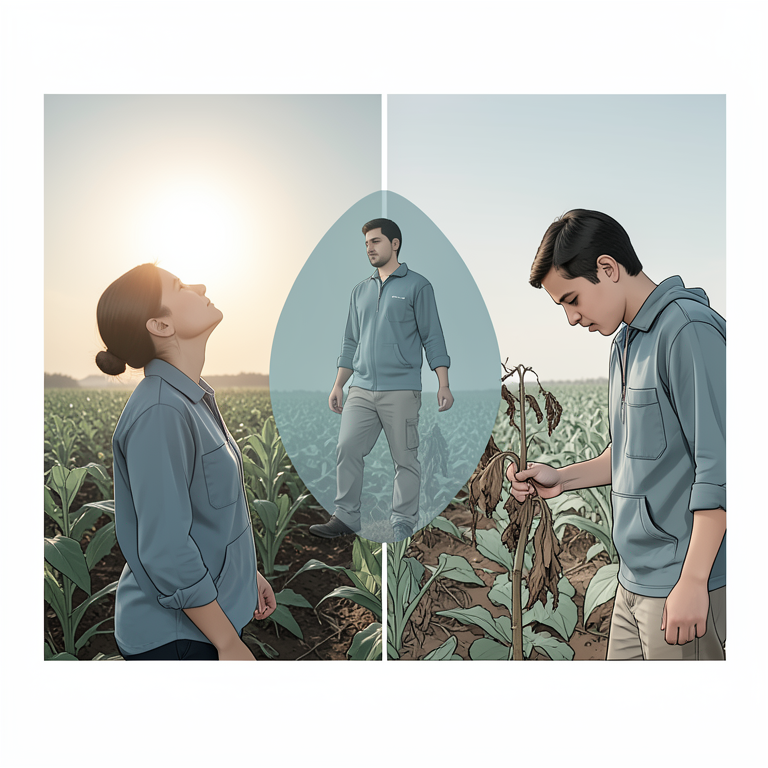
The Motivational Duality
AI-generated conceptual illustration (Agriculture diploma students). It explains the idea and does not show study data.
View source evidence ↗Figures & tables
From the original paper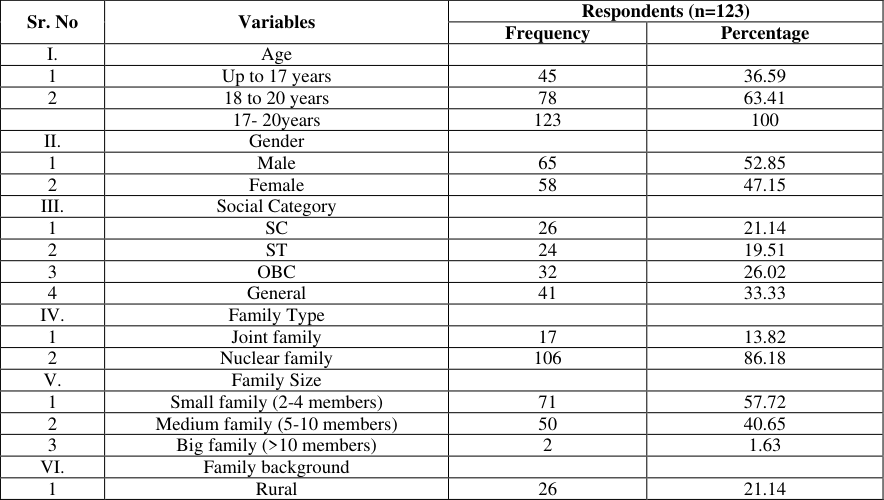 Table 1
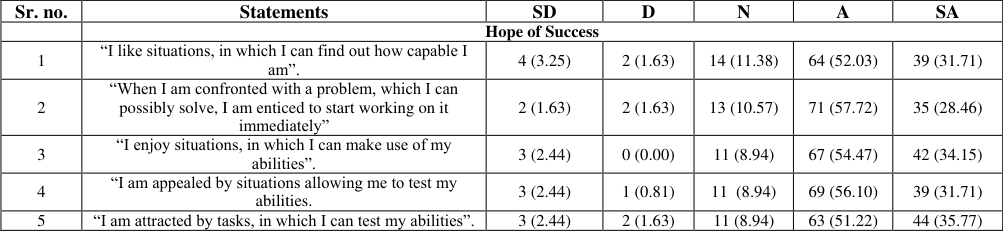 Table 2
 Table 3
 Table 4
 Table 5
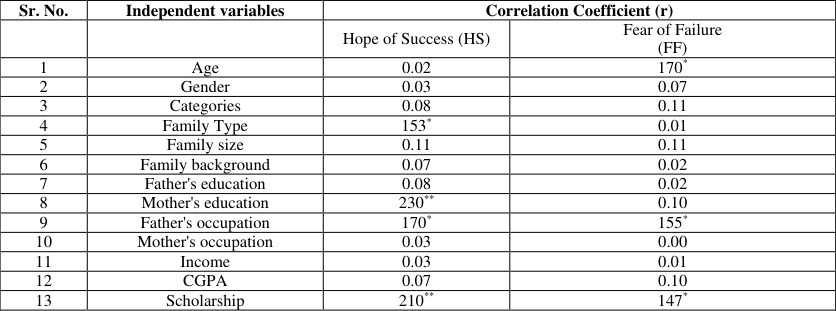 Table 6
Introduction
Hope of Success (HS) refers to the optimistic anticipation of attaining positive outcomes in a given task or situation (Atkinson, 1964) [2] . Individuals with high hope of success show confidence in their abilities, perseverance, and a forward-looking orientation toward challenges. Atkinson (1957) [1] described HS as an approach-oriented tendency, where individuals are motivated by the expectation of favorable results and satisfaction derived from accomplishment. Similarly, McClelland (1961) [11] emphasized that hope of success is closely tied to striving for excellence, self-improvement, and the belief in one's competence. Hope of Success refers to the individual's positive expectation that efforts will lead to desirable outcomes (Elliot and Church, 1997) [7] . Students with high HS tend to set challenging goals, take initiative, and engage in problem-solving with confidence (McClelland, 1987) [13] . The hope of success can be interpreted as positive emotions and confidence of individuals to achieve success before success is achieved (Steinmayr and Spinath, 2009; Smith, 2015) [16,17] . Hope of success is considered a dominant motivational tendency, and it is often equated with the characteristics of individuals who possess high levels of achievement motivation. According to Kumar and Stoody (as cited in Olanrewaju, 2010) [14] , people with a strong hope of success typically demonstrate greater persistence, confidence in their abilities, and a proactive orientation toward attaining goals, which are identical to the defining criteria of highly achievement-motivated individuals. They perceive success as attainable through effort and are intrinsically motivated to learn and perform. Research has shown that HS fosters persistence, creativity, and resilience, thereby contributing to higher levels of academic achievement (Elliot and Church, 1997; Pekrun, 2006) [8,15] . Such students are more likely to embrace difficult tasks, demonstrate enthusiasm in learning, and perceive failure as a temporary setback rather than a threat.
Fear of Failure (FF) represents the apprehension and anxiety associated with the possibility of poor performance or negative evaluation. According to Atkinson and Litwin (1960) [3] , individuals dominated by fear of failure often display avoidance behavior, preferring to withdraw from challenging situations to minimize the risk of experiencing shame or criticism. Heckhausen (1974) [9] further explained that FF is linked with feelings of insecurity and avoidance of tasks that could lead to unfavourable judgments. The fear of failure is closely related to negative emotions and fear against targets outside of abilities even if such failure has not happened (Steinmayr and Spinath, 2009; Smith, 2015) [16,17] . Fear of Failure reflects the anxiety and avoidance tendencies arising from the anticipation of negative outcomes. Students with high FF are often preoccupied with the possibility of failing, criticism, or loss of self-worth, which may lead them to avoid challenging situations (Conroy, 2001) [4] . This tendency creates self-handicapping behaviors, procrastination, and reduced confidence in academic performance. Although some students with FF may still strive to achieve under pressure, their motivation is primarily driven by avoidance of failure rather than aspiration for success (Elliot & Thrash, 2004) [8] . The individual Hope of Success is stronger than Fear of Failure are more likely to view challenges as opportunities for growth and mastery. They demonstrate persistence, selfconfidence, and resilience, which positively influence academic performance and personal development (McClelland, 1985; Heckhausen, 1991) [10,12] . On the other hand the Individual with stronger fear of failure than hope of success are learners tend to experience anxiety, avoidance behaviors, and reduced academic engagement. Emphasized that excessive fear of failure often leads to selfhandicapping and underachievement, as individuals are more concerned with protecting their self-worth than striving for success Covington (1992) [5] . The balance between Hope of success and Fear of Failure is crucial in shaping academic experiences. While HS encourages active engagement and positive learning strategies, FF often results in stress, underachievement, and dissatisfaction (Covington, 1992) [5] . Hope of Success (HS) and Fear of Failure (FF) plays a pivotal role in determining an individual's overall achievement motivation. According to Atkinson (1964) [2] , achievement behavior is the result of the interaction between these two motivational forces: the tendency to approach success and the tendency to avoid failure. Balanced Hope of success and Fear of Failure: A relative balance between the two can create motivational conflict. Elliot and Church (1997) [7] noted that students who simultaneously hope for success but fear failure may show effort, yet their anxiety can limit optimal performance. Such individuals may engage in achievement tasks but with hesitation and stress.
Materials and Methods
The study was conducted at Mahatma Phule Krishi Vidyapeeth, Rahuri, Maharashtra, during the academic year 2023-2025 to assess Hope of Success (HS) and Fear of Failure (FF) among 123 Agricultural Technical School students. Who voluntarily participated in the study. The hope of success and fear of failure were measured using a structured scale developed by Dahme et al., (1993) [6] . This scale is basically achievement motivation scale but it has two major dimensions: (1) Hope of Success-measuring eagerness to test abilities, accept challenges, and solve problems, and (2) Fear of Failure-measuring anxiety, uneasiness, and apprehension in uncertain or difficult situations. The scale used a five-point Likert continuum ranging from Strongly Disagree (1) to Strongly Agree (5). Data were collected through a Google Form questionnaire with clear instructions, ensuring accuracy, confidentiality, and voluntary participation. The data were then coded, tabulated, and analyzed using descriptive statistics (frequency and percentage) and Kendall Tau-B correlation was to explore the relationship between student sociopersonal characteristics and their scores on the scales of hope of success and fear of failure.
Results and discussion
Results and discussion
Personal Profile:
The study examined the profile characteristics of diploma students with reference to various demographic and socio-economic factors, including age, gender, social category, type and size of family, family background, parental education levels, parental occupations, annual family income, cumulative grade point average (CGPA), and scholarship status. The table presented in Table 2 presents the distribution of diploma agriculture students according to their hope of success. The results revealed that most students displayed a positive orientation toward testing their abilities and solving problems. Regarding the statement, "I like situations in which I can find out how capable I am," a majority of respondents (52.03 per cent) agreed, while 31.71 per cent strongly agreed. Only a small proportion expressed disagreement, with 3.25 per cent strongly disagreeing and 1.63 per cent disagreeing. This pattern indicated that the students possessed a strong inclination toward self-assessment and confidence-building activities. A similar trend was observed in other statements reflecting motivation and self-efficacy. When faced with solvable problems, 57.72 per cent of students agreed and 28.46 per cent strongly agreed that they immediately felt motivated to work on them. Likewise, 54.47 per cent agreed and 34.15 per cent strongly agreed that they enjoyed situations where they could use their abilities. In response to statements about being attracted to situations that allowed them to test their capabilities, 56.10 per cent agreed and 31.71 per cent strongly agreed. Furthermore, 51.22 per cent agreed and 35.77 per cent strongly agreed that they were drawn to tasks that provided opportunities for ability testing. Only a negligible fraction of respondents expressed disagreement across these items. These findings suggested that diploma agriculture students generally demonstrated a high level of motivation and a constructive outlook toward personal growth and achievement. The hope of success is distributed as in 3 levels Up to 9 Low level hope of success, 9-18 medium level hope of success, >18 high level hope of success in the table 3 and showed the distribution of students according to their levels of hope of success among diploma agriculture students (n=123): It was observed that the majority of the students, i.e., 107 students 86.99 per cent, had a high level of hope of success (>18 score). This indicated that most diploma agriculture students were highly motivated and optimistic about their academic and career achievements. A smaller proportion, 13 students 10.57 per cent, fell under the medium level of hope of success (scores 9-18), suggesting that they had a moderate level of confidence and expectation toward success. Only 3 students 2.44 per cent were found to have a low level of hope of success (up to 9 scores), showing that very few students lacked strong motivation or belief in their ability to succeed.
| Sr. No | Levels | Respondents (n=123) | — |
|---|---|---|---|
| Frequency | Percentage | ||
| 1 | Up to 9 Low level hope of success | 3 | 2.44 |
| 2 | 9-18 medium level hope of success | 13 | 10.57 |
| 3 | >18 high level hope of success | 107 | 86.99 |
Table text extracted from the original PDF; superscript letters are shown inline. The original table image is below.
View original table image
| Sr. no. | Statements | SD | D | N | A | SA |
|---|---|---|---|---|---|---|
| Hope of Success | ||||||
| 1 | “I like situations, in which I can find out how capable I am”. | 4 (3.25) | 2 (1.63) | 14 (11.38) | 64 (52.03) | 39 (31.71) |
| 2 | “When I am confronted with a problem, which I can possibly solve, I am enticed to start working on it immediately” | 2 (1.63) | 2 (1.63) | 13 (10.57) | 71 (57.72) | 35 (28.46) |
| 3 | “I enjoy situations, in which I can make use of my abilities”. | 3 (2.44) | 0 (0.00) | 11 (8.94) | 67 (54.47) | 42 (34.15) |
| 4 | “I am appealed by situations allowing me to test my abilities. | 3 (2.44) | 1 (0.81) | 11 (8.94) | 69 (56.10) | 39 (31.71) |
| 5 | “I am attracted by tasks, in which I can test my abilities”. | 3 (2.44) | 2 (1.63) | 11 (8.94) | 63 (51.22) | 44 (35.77) |
Table text extracted from the original PDF; superscript letters are shown inline. The original table image is below.
View original table image
International Journal of Agriculture and Food Science https://www.agriculturaljournals.com The data presented in Table 4 illustrates the distribution of diploma agriculture students based on their fear of failure.
| Sr.no | Statements | SD | D | N | A | SA |
|---|---|---|---|---|---|---|
| Fear of Failure | ||||||
| 1 | “I am afraid of failing in somewhat difficult situations, when a lot depends on me”. | 1 (0.81) | 2 (1.63) | 17 (13.82) | 71 (57.72) | 32 (26.02) |
| 2 | “I feel uneasy to do something if I am not sure of succeeding”. | 2 (1.63) | 3 (2.44) | 15 (12.20) | 72 (58.54) | 31 (25.20) |
| 3 | “Even if nobody would notice my failure, I’m afraid of tasks, which I’m not able to solve”. | 2 (1.63) | 3 (2.44) | 25 (20.33) | 66 (53.66) | 27 (21.95) |
| 4 | “Even if nobody is watching, I feel quite anxious in new situations”. | 1 (0.81) | 4 (3.25) | 40 (32.52) | 59 (47.97) | 19 (15.45) |
| 5 | “If I do not understand a problem immediately, I start feeling anxious”. | 2 (1.63) | 3 (2.44) | 20 (16.26) | 69 (56.10) | 29 (23.58) |
Table text extracted from the original PDF; superscript letters are shown inline. The original table image is below.
View original table image
Fear of Failure among Diploma Agriculture students
The results indicated that a majority of students agreed with the statement, "I am afraid of failing in somewhat difficult situations when a lot depends on me," with 57.72 per cent agreeing and 26.02 per cent strongly agreeing. Only a very small proportion, 0.81 per cent strongly disagreeing and 1.63 per cent disagreeing, reflected a negative viewpoint. When asked whether they felt uneasy attempting tasks when unsure of success, 58.54 per cent of students agreed and 25.20 per cent strongly agreed, while just 2.44 per cent disagreed and 1.63 per cent strongly disagreed. These findings suggested that many students were cautious or hesitant to engage in uncertain situations. Similarly, regarding fear of tasks they were unable to solve even without external observation, 53.66 per cent agreed and 21.95 per cent strongly agreed, while only 2.44 per cent disagreed. This implied that the fear of failure persisted even in the absence of external evaluation. In relation to anxiety experienced in new situations, 47.97 per cent of respondents agreed and 15.45 per cent strongly agreed, whereas 32.52 per cent remained neutral, indicating that unfamiliar circumstances often evoked feelings of apprehension. Furthermore, for the statement, "If I do not understand a problem immediately, I start feeling anxious," 56.10 per cent agreed and 23.58 per cent strongly agreed; only 2.44 per cent disagreed and 1.63 per cent strongly disagreed. These results revealed that a majority of students experienced immediate anxiety when confronted with problems they could not solve readily, thereby reflecting a prevalent sense of performance-related anxiety among diploma agriculture students. The Fear of Failure is distributed as in 3 levels Up to 9 Low level fear of failure, 9-18 medium level fear of failure, >18 high level fear of failure in the table 5 and showed the distribution of students according to their levels of fear of failure among diploma agriculture students (n=123): It was revealed that the majority of the students, 93 students 75.61 per cent, had a high level of fear of failure (>18 scores). This finding suggested that a large proportion of diploma agriculture students were highly conscious of failure and possibly experienced academic pressure or anxiety regarding their performance. A considerable number, 29 students 23.58 per cent, were categorized under the medium level of fear of failure (scores 9-18), indicating a moderate concern about failure that might have influenced their motivation and academic behavior. On the other hand, only 1 student 0.81 per cent reported a low level of fear of failure (up to 9 scores), reflecting that very few students experienced minimal fear in the learning process.
| Sr. No | Levels | Respondents (n=123) | — |
|---|---|---|---|
| Frequency | Percentage | ||
| 1 | Up to 9 Low level fear of failure | 1 | 0.81 |
| 2 | 9-18 medium level fear of failure | 29 | 23.58 |
| 3 | >18 high level fear of failure | 93 | 75.61 |
Table text extracted from the original PDF; superscript letters are shown inline. The original table image is below.
View original table image
Relationship between personal characteristics and Hope of success and Fear of failure of Diploma Agriculture students
The data were then coded, tabulated, and analyzed using descriptive statistics (frequency and percentage) and Kendall Tau-B correlation was to explore the relationship between student socio-personal characteristics and their scores on the scales of hope of success and fear of failure. The analysis of the correlation coefficient between independent variables and hope of success as well as fear of failure among agriculture diploma students revealed significant associations. It was found that family type, mother's education, father's occupation, and scholarship had a positive and significant correlation with the hope of success.
Particularly, mother's education showed the highest correlation (r = 0.230**), followed by scholarship (r = 0.210*), father's occupation (r = 0.170*), and family type (r = 0.153*). This indicated that students wHSe mothers were better educated, who received scholarships, and who belonged to favorable family types and occupations were more hopeful of achieving success in their academic pursuits.
In terms of fear of failure, age, father's occupation, and scholarship showed significant positive correlations. Age was positively correlated (r = 0.170*), suggesting that older students were more likely to experience fear of failure compared to their younger counterparts. Similarly, father's occupation (r = 0.155*) and scholarship (r = 0.147*) also had significant associations, which implied that students from certain occupational backgrounds and tHSe receiving scholarships might have been more cautious and experienced anxiety regarding failure. Other independent variables such as gender, categories, family size, family background, father's education, mother's occupation, income, and CGPA did not show significant relationships with either hope of success or fear of failure. This suggested that while certain socio-demographic and economic factors influenced students' motivation and anxieties, many variables did not play a major role. Overall, the findings highlighted the importance of family and educational support in fostering hope of success, while age and certain socio-economic aspects contributed to fear of failure among agriculture diploma students.
Conclusion
The study on hope of success (HS) and fear of failure (FF) among agriculture diploma students revealed a complex interplay between motivational drivers and sociodemographic characteristics. The majority of students demonstrated a high level of hope of success, indicating strong optimism, perseverance, and eagerness to test their abilities in academic and personal challenges. At the same time, a significant proportion also reported high levels of fear of failure, reflecting heightened anxiety, performance pressure, and apprehension in uncertain situations. This coexistence highlights the dual nature of achievement motivation, where aspirations for success are often accompanied by concerns about failure. Correlation analysis indicated that age was positively associated with fear of failure, suggesting that older students experience greater pressure regarding academic and career expectations.
Mother's education and father's occupation significantly enhanced hope of success, underscoring the role of parental support and socio-economic stability in fostering confidence and achievement orientation. Scholarships were found to strengthen both HS and FF, reflecting their dual effect of motivating students to excel while also instilling caution to avoid losing financial support. Family type also significantly influenced hope of success, while variables such as gender, family background, and income showed negligible associations. Overall, the findings highlight that agricultural diploma students are highly motivated but simultaneously vulnerable to academic anxiety. Strengthening guidance, mentorship, and stress management programs may help balance these motivational tendencies, enabling students to channel their aspirations into productive outcomes while minimizing the adverse effects of fear of failure. Educational institutions and families play a vital role in nurturing hope of success and mitigating excessive fear of failure to promote holistic academic and personal growth.
Figures and tables from the paper
| Sr. No | Variables | Respondents (n=123) | — |
|---|---|---|---|
| Frequency | Percentage | ||
| I. | Age | ||
| 1 | Up to 17 years | 45 | 36.59 |
| 2 | 18 to 20 years | 78 | 63.41 |
| 17- 20years | 123 | 100 | |
| II. | Gender | ||
| 1 | Male | 65 | 52.85 |
| 2 | Female | 58 | 47.15 |
| III. | Social Category | ||
| 1 | SC | 26 | 21.14 |
| 2 | ST | 24 | 19.51 |
| 3 | OBC | 32 | 26.02 |
| 4 | General | 41 | 33.33 |
| IV. | Family Type | ||
| 1 | Joint family | 17 | 13.82 |
| 2 | Nuclear family | 106 | 86.18 |
| V. | Family Size | ||
| 1 | Small family (2-4 members) | 71 | 57.72 |
| 2 | Medium family (5-10 members) | 50 | 40.65 |
| 3 | Big family (>10 members) | 2 | 1.63 |
| VI. | Family background | ||
| 1 | Rural | 26 | 21.14 |
Table text extracted from the original PDF; superscript letters are shown inline. The original table image is below.
View original table image
| Sr. No. | Independent variables | Correlation Coefficient (r) | — |
|---|---|---|---|
| Hope of Success (HS) | Fear of Failure (FF) | ||
| 1 | Age | 0.02 | 170* |
| 2 | Gender | 0.03 | 0.07 |
| 3 | Categories | 0.08 | 0.11 |
| 4 | Family Type | 153* | 0.01 |
| 5 | Family size | 0.11 | 0.11 |
| 6 | Family background | 0.07 | 0.02 |
| 7 | Father's education | 0.08 | 0.02 |
| 8 | Mother's education | 230** | 0.10 |
| 9 | Father's occupation | 170* | 155* |
| 10 | Mother's occupation | 0.03 | 0.00 |
| 11 | Income | 0.03 | 0.01 |
| 12 | CGPA | 0.07 | 0.10 |
| 13 | Scholarship | 210** | 147* |
Table text extracted from the original PDF; superscript letters are shown inline. The original table image is below.
View original table image
References
17 in the original paper- Atkinson JW. Motivational determinants of risk-taking behavior. Psychol Rev. 1957;64(6 Pt 1):359-372. https://doi.org/10.1037/h0043445
- Atkinson JW. An Introduction to Motivation. Princeton (NJ): Van Nostrand; 1964.
- Atkinson JW, Litwin GH. Achievement motive and test anxiety conceived as motive to approach success and motive to avoid failure. J Abnorm Soc Psychol. 1960;60(1):52-63. https://doi.org/10.1037/h0041119
- Conroy DE. Progress in the development of a multidimensional measure of fear of failure: The Performance Failure Appraisal Inventory (PFAI). Anxiety Stress Coping. 2001;14(4):431-452. https://doi.org/10.1080/10615800108248365
- Covington MV. Making the Grade: A Self-Worth Perspective on Motivation and School Reform. Cambridge: Cambridge University Press; 1992.
- Dahme G, Jungnickel G, Rathje H, Schmidt G. Achievement Motives Scale (AMS). Göttingen: Hogrefe; 1993.
- Elliot AJ, Church MA. A hierarchical model of approach and avoidance achievement motivation. J Pers Soc Psychol. 1997;72(1):218-232. https://doi.org/10.1037/0022-3514.72.1.218
- Elliot AJ, Thrash TM. The intergenerational transmission of fear of failure. Pers Soc Psychol Bull. 2004;30(8):957-971. https://doi.org/10.1177/0146167203262024
- Heckhausen H. Achievement motivation and its constructs: A cognitive model. Motiv Emot. 1974;1(3):283-329. https://doi.org/10.1007/BF00992539
- Heckhausen H. Motivation and Action. Berlin: Springer; 1991.
- McClelland DC. The Achieving Society. Princeton (NJ): Van Nostrand; 1961.
- McClelland DC. Human Motivation. Glenview (IL): Scott, Foresman; 1985.
- McClelland DC. Human Motivation. Cambridge: Cambridge University Press; 1987.
- Ilorin (Nigeria): University of Ilorin; 2010.
- Pekrun R. The control-value theory of achievement emotions: Assumptions, corollaries, and implications for educational research and practice. Educ Psychol Rev. 2006;18(4):315-341. https://doi.org/10.1007/s10648006-9029-9
- Smith M. Academic anxiety and achievement motivation: Exploring the role of fear of failure. J Educ Psychol. 2015;107(1):3-14. https://doi.org/10.1037/edu0000011
- Steinmayr R, Spinath B. The importance of motivation as a predictor of school achievement. Learn Individ Differ. 2009;19(1):80-90. https://doi.org/10.1016/j.lindif.2008.05.004