
Research article · 2025 · Full text
International Journal of Agriculture and Food ScienceKeyhole gardening: A water-smart pathway to household food security: A review
Volume 7(9) · Pages 528–538 · DOI: 10.33545/2664844x.2025.v7.i9g.790 ↗
Research areasGeochemistry and Geologic MappingGeological Modeling and AnalysisSeismic Imaging and Inversion Techniques
Abstract
Author-writtenFood insecurity remains a persistent and critical challenge in rural regions worldwide, particularly in Sub-Saharan Africa, where limited access to water, declining soil fertility, and the adverse effects of climate change severely constrain agricultural productivity. This paper reviews the application of keyhole gardens (KHGs) as a viable and water-efficient agricultural technology for enhancing household food security in resource-limited settings. The review synthesizes evidence from diverse geographic contexts, drawing on published literature and case studies to evaluate the contributions, challenges, and potential of KHGs in improving agricultural outcomes. Findings reveal that KHGs contribute to increased dietary diversity, enhanced water-use efficiency, increased income generation, and reduced dependency on synthetic fertilizers, thereby supporting more sustainable agricultural production. However, adoption rates vary due to socioeconomic, cultural, and informational barriers that hinder successful implementation. The study notes that KHGs align with several United Nations Sustainable Development Goals (SDGs), including SDG 1 (No Poverty), SDG 2 (Zero Hunger), SDG 6 (Clean Water and Sanitation), and SDG 13 (Climate Action). KHGs offer practical solutions to address household food insecurity and water scarcity by leveraging local resources and empowering communities. The paper calls for further empirical research and a policy shift towards strengthening agricultural extension services to promote the adoption and effectiveness of KHGs, particularly in Sub-Saharan Africa.
Summary
Source-checkedPlain-language reading of the full paper, prepared with AI and checked against the text. Each point links to the authors' own words.
Why it matters
- Food insecurity is a critical issue in rural areas, especially in Sub-Saharan Africa, driven by climate change, poor soil fertility, and limited water access. View evidence ↗
- In Africa, over 820 million people lack access to a balanced and healthy diet. View evidence ↗
- The global population is expected to reach 9 billion by 2050, increasing the pressure to produce food sustainably, particularly in Sub-Saharan Africa. View evidence ↗
The question
- The review aims to evaluate keyhole gardens (KHGs) as a water-efficient technology to improve household food security in resource-limited environments. View evidence ↗
What they did
- The authors conducted a review of publications on home garden technologies, specifically KHGs, using Scopus and Google Scholar. View evidence ↗
- KHGs are defined as circular raised garden beds featuring a central composting unit and a path that creates a keyhole shape. View evidence ↗
- The KHG structure consists of specific layers, including drainage, moisture retention, soil, compost, and organic clippings. View evidence ↗
What they found
- In South Africa, the use of KHG systems is associated with a reduction in food insecurity by approximately 41.5%. View evidence ↗
- KHGs show a 30.60% likelihood of achieving household food security, reducing moderate food insecurity by 11.02% and severe food insecurity by 41.62%. View evidence ↗
- To date, 23,150 KHGs have been implemented, benefiting approximately 115,590 people. View evidence ↗
- KHGs improve water efficiency by utilizing grey-water and using a central compost basket to retain moisture, which lowers irrigation requirements. View evidence ↗
- The use of KHGs enhances soil health and decreases the need for costly synthetic fertilizers. View evidence ↗
- KHGs contribute to better household nutrition and increased dietary diversity. View evidence ↗
- In Mafeteng, 80% of families use keyhole gardening as a strategy to mitigate the effects of climate change. View evidence ↗
- KHGs are susceptible to disturbances from birds, pests, and phytopathogens, which can damage crops. View evidence ↗
What it means
- The authors conclude that KHGs have significant potential to combat household food insecurity and water scarcity in both urban and rural settings. View evidence ↗
- The authors recommend integrating KHGs into national policies and providing institutional support to make them a scalable model for sustainable food production. View evidence ↗
- The authors state that more longitudinal and controlled studies are required to prove causal links between KHG adoption and improved nutrition and food security. View evidence ↗
Visual summary
1 visualsIllustrations explain the paper; they do not show study data.
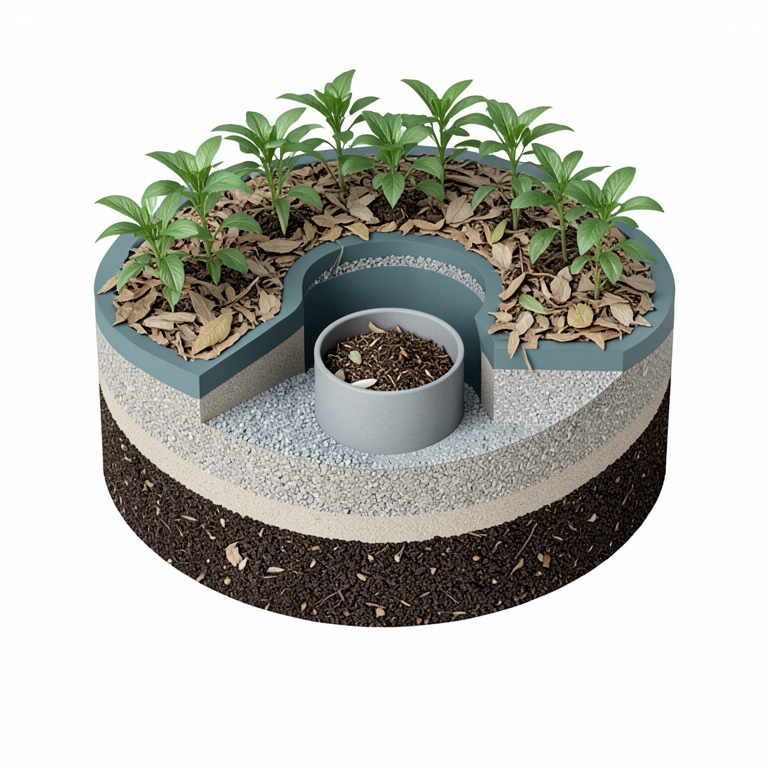
Conceptual Structure of a Keyhole Garden
AI-generated conceptual illustration (a circular keyhole garden bed). It explains the idea and does not show study data.
View source evidence ↗Figures & tables
From the original paper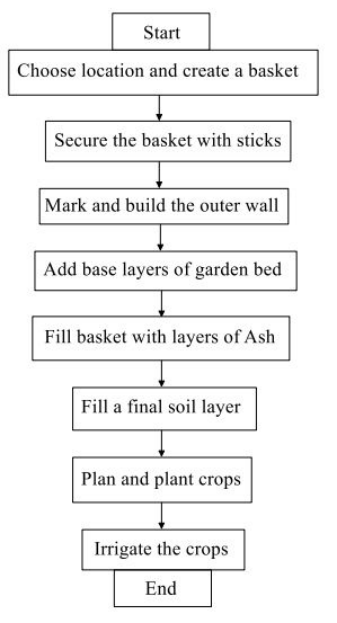 Figure 1
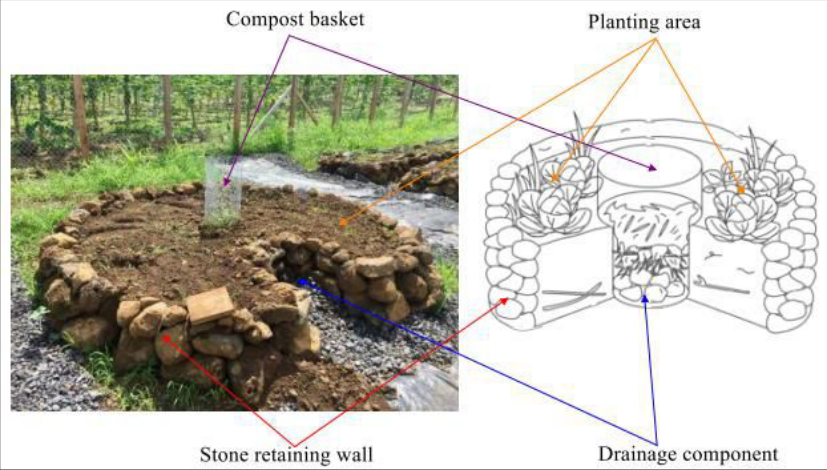 Figure 2
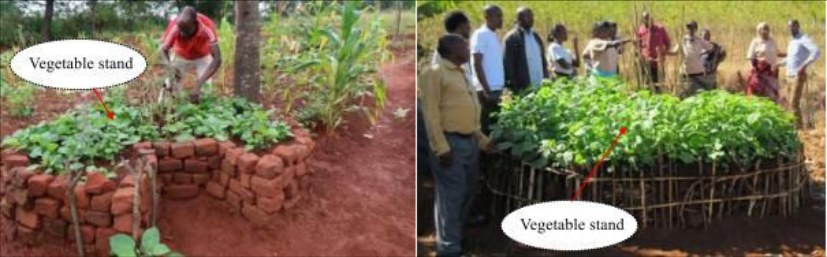 Figure 3
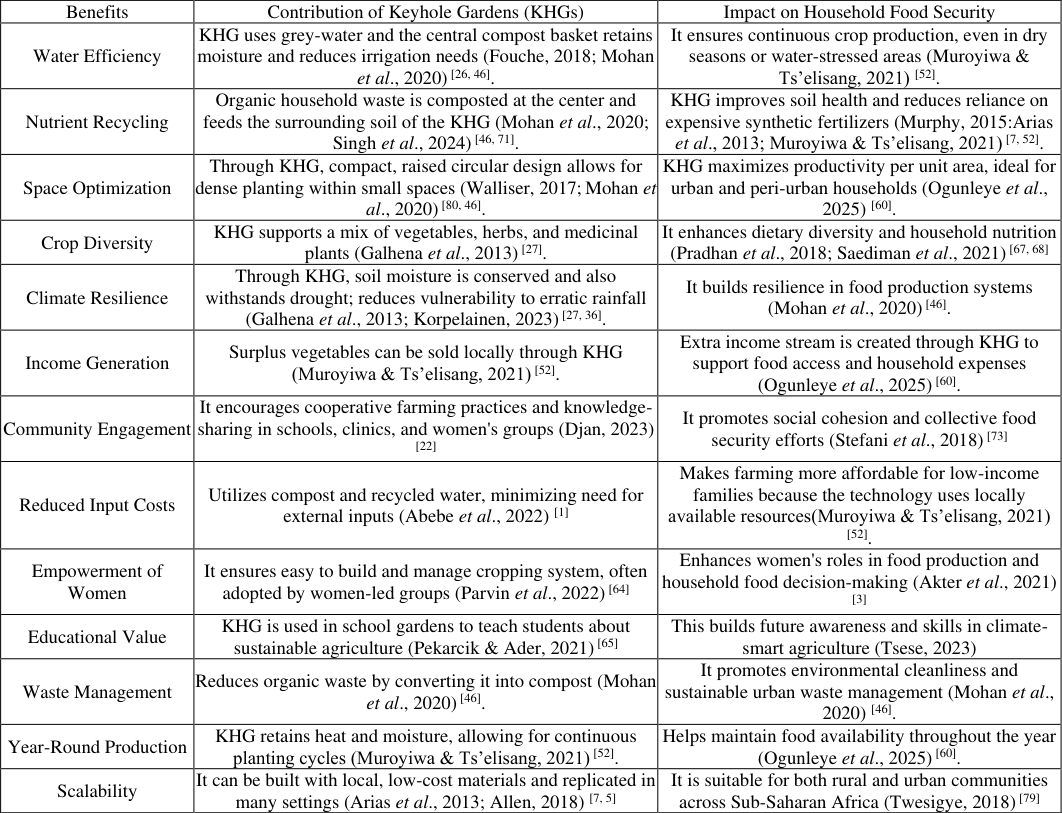 Table 1
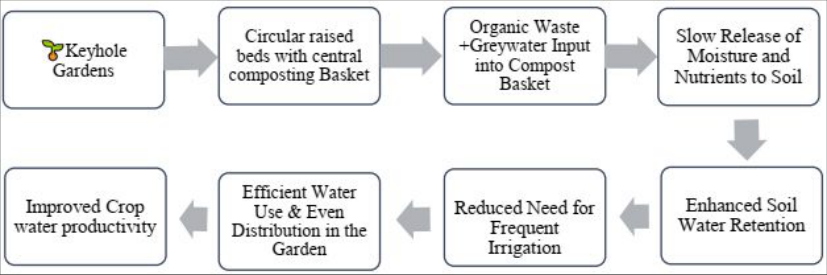 Figure 4
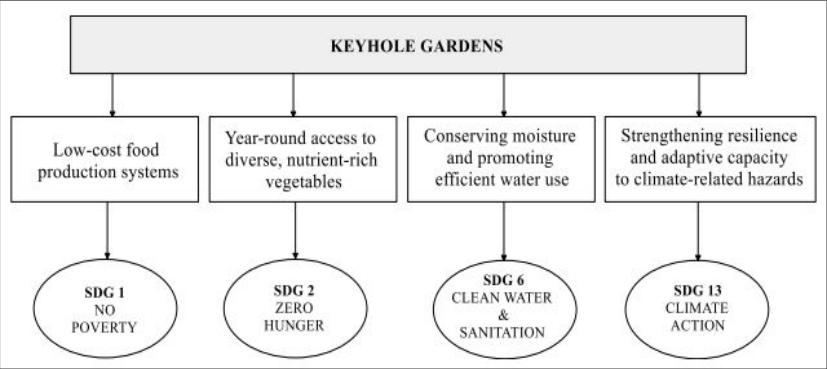 Figure 5
Introduction
Food insecurity remains a significant challenge in rural communities, exacerbated by limited access to resources, climate change, and declining soil fertility. Food production must increase rapidly to meet the growing need as the world's population is projected to hit 9 billion by 2050, especially in Sub-Saharan Africa, where poverty and food insecurity are widespread (McKenzie & Williams, 2015) [45] . For many years, efforts have been made worldwide to boost agricultural growth, which may result in more food production and availability but fail to fully translate into improved nutrition. The need to feed a growing global population necessitates growth in the agriculture sector using sustainable farming practices. Meeting people's nutritional and food security requirements entails an increase in food production, which is a significant concern for most economies, particularly in African continent. Studies by Ogunleye et al. (2024) [58] revealed that, more than 820 million people lack access to a healthy and balanced diet in Africa. A recent worldwide policy framework suggests promoting rural, urban and peri-urban agriculture as a means of escaping food crisis scenarios because of climate change and drought. Nonetheless, a lot of households in rural areas do not have access to a fresh water source (Aikowe & Mazancová, 2021) [2] and certain food items would be difficult for lowincome households, particularly those in rural areas to access them during the lean season. Therefore, innovative strategies are required to augment incomes and produce fresh vegetables utilizing easily accessible resources. This is similar to the case of numerous rural households in sub-Saharan Africa especially those who live far away from the limited irrigation schemes in the region who rarely get access to fresh vegetables during the 6 -8 months of dry season due to inadequate water resources and hence are declared to live far below the poverty line.
Establishing KHGs is a potentially effective intervention to mitigate the food and nutrition challenges in deprived rural areas and has become a growing trend across the globe because of its contribution to sustainable agriculture. In order to improve family nutrition, UN organizations, donors, and governments also focused on encouraging home gardens, and this has shown positive effects (Shrestha et al., 2025) [70] . CARE (Cooperative for Assistance and Relief Everywhere, formerly Cooperative for American Remittances to Europe) served as the basis for the keyhole garden's design in Zimbabwe. Other International NGOs like Catholic Relief Services (CRS) and World Vision were in charge of the C-SAFE project which included the KHG concept (Billingsley et al., 2013) [14] . According to Galhena et al. (2013) [27] , these gardens include the cultivating of a small plot of land that is either next to or close to a family's home. Eyzaguirre & Linares (2004) [24] defined KHG as a small-scale alternative to the traditional agricultural system that is run by family members and has a range of plants that mimic the natural eco-system. In a detailed context, Hemenway (2015) [33] defined KHG as a self-regenerating garden including a circular organic composting unit in the middle and a keyhole-shaped serration on one side. These circular, raised-bed gardens feature a central composting basket that enriches the soil, promoting efficient water retention and nutrient recycling. KHGs system involvement lowers food insecurity by about 41.5% in South Africa (Gebreigziabher et al., 2025) [28] . These gardening systems have emerged as a sustainable, low-cost intervention to enhance household food security. It improves the dietary diversity score, which is a measure of food security in rural areas (Luna-González & Sørensen, 2018) [43] . Without relying on artificial fertilizers or encroaching on marginal land, some farmers in rural areas are able to provide for their family and make a living. It is not surprising given that homestead gardening has historically been the domain of women in the under developed countries, such as those in SSA. Because they often look after their children while men are at work and hence are the ones who tend to participate in the KHGs more (Muroyiwa & Ts'elisang, 2021) [52] . According to Mohsin et al. (2017) [48] , each family member, regardless of age, can take part in and earn money from these vegetable gardens. With very positive outcomes, the KHG concept has been implemented in African countries such as Ethiopia, Ghana, Lesotho, Burkina Faso, Niger, and Rwanda. This review explores the impact of KHGs on household food security and relevant contribution to SDGs.
Materials and Methods
This review aims to explore the impact of KHGs on household food security and relevant contribution to SDGs. To gather relevant research information, the review relied on publications focusing on home garden technologies introduced to households over the years, with particular emphasis on KHGs. The publications were accessed online using the search engines "Scopus" and "Google Scholar".
During online searching, the following keywords, statements, and questions were used; home garden technologies, what are Keyhole gardens (KHGs)? state of Keyhole gardens (KHGs) in SSA and global scale, impact of KHGs on household food security, contribution of KHGs to SDGs, and challenges to KHG adoption. Annual reports of agricultural related organisations promoting implementation of KHGs were also used.
Overview of keyhole gardens
Keyhole Gardens (KHGs) are raised garden beds with a composting area at the center, that is usually circular with a path cut out to the central compost unit -giving them their characteristic keyhole shape (Allen, 2018) [5] . The distinctive design of KHGs creates perfect growing conditions with a drainage layer, a moisture-retaining layer, and layers of soil, compost, dry leaves, and green clippings. There are numerous advantages to the central composting unit, including a location for compostable materials, a central watering area that hydrates all layers, and the ability to distribute nutrients from the compost to the soil. According to Allen (2018) [5] , compost is the magical secret ingredient that makes all garden soil hum with life and vigor. Numerous studies have documented ways in which these gardens have benefited individuals in diverse regions worldwide. KHGs are a practical way to grow vegetables all year round since they are inexpensive to create using locally available materials, simple to construct and maintain, and uses grey water and collected rainwater. In Sub-Saharan Africa, KHGs are only one of many creative adaptations being used to enhance diet, combat climate change, and advance environmental sustainability. In regions with significant precipitation variability, the gardens' design takes into consideration both monsoon season and periods of low rainfall (Pachpute et al., 2017). These gardens are constructed with the intention of withstanding more temperature variations, conserving fresh water and using alternate water sources, and helping to address the area's waste management problems. They can make fresh food more accessible and can serve as a means of promoting healthy consumption in the region. The use of KHGs gives families and communities access to vital fresh produce, and increase agricultural productivity in different climates. Overall, building such gardens requires some work, but it is inexpensive to construct. KHG initially gained popularity in Africa, where the continent's current hot and dry climate made it difficult to find fertile soil and increasing water scarcity problems. The Consortium for Southern Africa Food Security Emergency (C-SAFE) first created it in Lesotho, Southern Africa to foster household food security, education, income generation, community development, and nutrition (Shrestha et al., 2025) [70] . It was especially intended to inspire elderly people, chronically ill patients, and households impacted by HIV/AIDS. The concept aims to lessen the physical strain on these patients because these gardens require less maintenance while simultaneously contribute to production of wholesome foods like spinach, onions, carrots, tomatoes, pepper, rapeseed, and beetroot, maize, and potatoes. KHGs are currently present in numerous countries throughout Asia and Africa, including Ethiopia, Rwanda, Kenya, Sudan, and Nigeria (Allen, 2018) [5] . In order to promote self-sufficiency and high-value crops through succession planting, they are primarily being constructed as in-house kitchens and fruit gardens (Arias et al., 2013; Allen, 2018) [7,5] . It may be readily integrated in a decentralized manner into urban locations where water shortage and land availability are significant problems. In these gardens, the organic waste generated at the home level can be turned into homemade compost, reviving communal or backyard agriculture. Additionally, this helps cut down the quantity of waste dumped in landfills and save money on waste collection, transportation, and treatment. This strategy promotes urban regions' self-sufficiency and aids in the development of local food networks (Gren & Andersson, 2018) [32] . Eventually, the agricultural technology regenerates natural systems supported by utilization of biological waste materials to close nutrient loops and create resilient urban areas.
Establishment of the keyhole garden
The stages of establishing the Keyhole Garden are outlined in Fig. 1: Materials such as arable soil, stones, organic manure, ash, fine sand, wooden sticks, pottery and crop residues are gathered and the full set up of the KHG is presented in Fig. 2 and3. The KHG includes a drainage component to allow water move through the garden bed, preventing root rot and stunted growth (Mohan et al., 2020) [46] . The garden's elevated location reduces the risk of floods, a prevalent issue in most regions in Africa, which can affect crop production. The central composting area (compost basket) is a unique feature that helps conserve water and nutrients. The garden's main section (planting area) receives persistent soaking, allowing nutrients from compost basket to infiltrate into all levels of the garden (Soleri et al., 2019) [72] . It uses a waterretaining layer to maintain moisture during dry spells.
Impact of KHGs on household food security and relevant contributions to SDGs Contribution of keyhole gardening towards household food security and what drives its adoption
Food production must increase significantly to meet the growing need as the world's population exceeds 9 billion people by 2050, especially in Sub-Saharan Africa, where poverty and food insecurity are widespread (Ogunleye et al., 2023) [59] . Existing studies by Castañeda-Navarrete (2021) [17] demonstrate that, the magnitude and composition of home gardening's social-economic impacts on rural communities' livelihoods vary greatly. The analysis of Ogunleye et al. (2025) [60] shows that KHGs have a 30.60% likelihood of achieving household food security and reducing moderate and severe household food insecurity by 11.02% and 41.62%, respectively. The assessment of KHG's impact on household food security is based on the CGP-SPRING theory of change, which identifies many routes for addressing food insecurity and generating broader developmental implications. KHG increase household food security and livelihoods by improving household income (Ogunleye et al., 2025) [60] . It is hypothesized that a household's food security status is influenced by socioeconomic, institutional, and financial endowments, as well as adoption of KHG practices. Adopters of KHG are projected to have higher food security status than non-adopters (Msweli et al., 2025) [51] . Demographic factors such as gender, marital status, education level, household size, and non-farm economic activities have been linked to KHG adoption and food security status, according to numerous studies (Nkomoki et al., 2019; Muroyiwa & Ts'elisang, 2021) [56,52] . Research suggests that women, older persons, and educated respondents are more likely to adopt KHG and have higher levels of food security (Faber et al., 2017; Du Toit et al., 2022) [25,23] . The kitchen garden approach has been widely adopted by Burundi's rural women, providing a muchneeded source of vegetables for the household consumption (Delaney, 2023) [19] . A KHG is a drought-resistant, sustainable, high-yielding, low-maintenance gardening technique developed in Africa. It is a form of homestead garden that employs grey-water due to their structure, which keeps the water from destroying the plants. This is significant since water is a limited resource in some rural areas and peri-urban areas. The capacity to conserve and reuse grey water while providing year-round diversity of vegetables provides an effective and sustainable food production system for poor vulnerable rural communities. Water scarcity and aridity are among the key problems that hinder rural inhabitants from practising and growing home gardening, especially in the arid and semi-dry regions of Sub-Saharan Africa (SSA) (Muroyiwa & Ts'elisang, 2021) [27] . KHGs therefore improve household food security by allowing households to grow vegetables all year round, particularly in dry and semiarid areas, with minimal water and resources. Their composting core recycles home organic waste, encouraging sustainable nutrient management and lowering reliance on synthetic fertilizers. These gardens are climate resilient because their design conserves soil moisture and enhances drought tolerance, making them appropriate for water-scarce places and enable vulnerable individuals, notably women and the elderly, to maintain productive gardens with minimum work and inputs, supporting livelihoods and nutrition. Since their inception, 23,150 KHGs have been designed, serving about 115,590 people. The structures improve year-round production of essential vegetables like spinach, carrots, and beets, while also increasing income for household expenses like school fees. The traditional method of transporting food to cities, covering distances of 800 to 1500 km, requires significant energy and is susceptible to disruptions like the experience of COVID-19 (Altieri et al., 2025) [6] . To address limited food needs, it is necessary to establish resilient food systems through homestead gardens. Homestead gardens (HG) now produce 15-20% of the world's food supply, making it crucial for ensuring food security (Galhena et al., 2013) [27] . KHGs can achieve sustainable crop yields by managing inputs properly. According to Thomas et al. (2020) [76] , the percentage of families participating in HG ranges from 10% in large North American cities to 80% in small Siberian and Asian cities. In 2013, 42 million American families practiced HGs, growing their own food at home or in communal gardens (Grebitus, 2021) [30] . Table 1 presents key benefits of KHGs, contributions and their impact on household food security. [26,46] .
| Benefits | Contribution of Keyhole Gardens (KHGs) | Impact on Household Food Security |
|---|---|---|
| Water Efficiency | KHG uses grey-water and the central compost basket retains moisture and reduces irrigation needs (Fouche, 2018; Mohan et al., 2020) [26, 46]. | It ensures continuous crop production, even in dry seasons or water-stressed areas (Muroyiwa & Ts’elisang, 2021) [52]. |
| Nutrient Recycling | Organic household waste is composted at the center and feeds the surrounding soil of the KHG (Mohan et al., 2020; Singh et al., 2024) [46, 71]. | KHG improves soil health and reduces reliance on expensive synthetic fertilizers (Murphy, 2015:Arias et al., 2013; Muroyiwa & Ts’elisang, 2021) [7, 52]. |
| Space Optimization | Through KHG, compact, raised circular design allows for dense planting within small spaces (Walliser, 2017; Mohan et al., 2020) [80, 46]. | KHG maximizes productivity per unit area, ideal for urban and peri-urban households (Ogunleye et al., 2025) [60]. |
| Crop Diversity | KHG supports a mix of vegetables, herbs, and medicinal plants (Galhena et al., 2013) [27]. | It enhances dietary diversity and household nutrition (Pradhan et al., 2018; Saediman et al., 2021) [67, 68] |
| Climate Resilience | Through KHG, soil moisture is conserved and also withstands drought; reduces vulnerability to erratic rainfall (Galhena et al., 2013; Korpelainen, 2023) [27, 36]. | It builds resilience in food production systems (Mohan et al., 2020) [46]. |
| Income Generation | Surplus vegetables can be sold locally through KHG (Muroyiwa & Ts’elisang, 2021) [52]. | Extra income stream is created through KHG to support food access and household expenses (Ogunleye et al., 2025) [60]. |
| Community Engagement | It encourages cooperative farming practices and knowledge- sharing in schools, clinics, and women's groups (Djan, 2023) [22] | It promotes social cohesion and collective food security efforts (Stefani et al., 2018) [73] |
| Reduced Input Costs | Utilizes compost and recycled water, minimizing need for external inputs (Abebe et al., 2022) [1] | Makes farming more affordable for low-income families because the technology uses locally available resources(Muroyiwa & Ts’elisang, 2021) [52]. |
| Empowerment of Women | It ensures easy to build and manage cropping system, often adopted by women-led groups (Parvin et al., 2022) [64] | Enhances women's roles in food production and household food decision-making (Akter et al., 2021) [3] |
| Educational Value | KHG is used in school gardens to teach students about sustainable agriculture (Pekarcik & Ader, 2021) [65] | This builds future awareness and skills in climate- smart agriculture (Tsese, 2023) |
| Waste Management | Reduces organic waste by converting it into compost (Mohan et al., 2020) [46]. | It promotes environmental cleanliness and sustainable urban waste management (Mohan et al., 2020) [46]. |
| Year-Round Production | KHG retains heat and moisture, allowing for continuous planting cycles (Muroyiwa & Ts’elisang, 2021) [52]. | Helps maintain food availability throughout the year (Ogunleye et al., 2025) [60]. |
| Scalability | It can be built with local, low-cost materials and replicated in many settings (Arias et al., 2013; Allen, 2018) [7, 5] | It is suitable for both rural and urban communities across Sub-Saharan Africa (Twesigye, 2018) [79] |
Table text extracted from the original PDF; superscript letters are shown inline. The original table image is below.
View original table image
It ensures continuous crop production, even in dry seasons or water-stressed areas (Muroyiwa & Ts'elisang, 2021) [52] .
Nutrient Recycling
Organic household waste is composted at the center and feeds the surrounding soil of the KHG (Mohan et al., 2020;
Singh et al., 2024) [46,71] .
KHG improves soil health and reduces reliance on expensive synthetic fertilizers (Murphy, 2015:Arias et al., 2013; Muroyiwa & Ts'elisang, 2021) [7,52] .
Space Optimization
Through KHG, compact, raised circular design allows for dense planting within small spaces (Walliser, 2017; Mohan et al., 2020) [80,46] . KHG maximizes productivity per unit area, ideal for urban and peri-urban households (Ogunleye et al., 2025) [60] .
Crop Diversity KHG supports a mix of vegetables, herbs, and medicinal plants (Galhena et al., 2013) [27] .
It enhances dietary diversity and household nutrition (Pradhan et al., 2018; Saediman et al., 2021) [67,68] Climate Resilience
Through KHG, soil moisture is conserved and also withstands drought; reduces vulnerability to erratic rainfall (Galhena et al., 2013; Korpelainen, 2023) [27,36] .
It builds resilience in food production systems (Mohan et al., 2020) [46] .
Income Generation
Surplus vegetables can be sold locally through KHG (Muroyiwa & Ts'elisang, 2021) [52] .
Extra income stream is created through KHG to support food access and household expenses (Ogunleye et al., 2025) [60] .
Community Engagement
It encourages cooperative farming practices and knowledgesharing in schools, clinics, and women's groups (Djan, 2023) [22] It promotes social cohesion and collective food security efforts (Stefani et al., 2018) [73] Reduced Input Costs Utilizes compost and recycled water, minimizing need for external inputs (Abebe et al., 2022) [1] Makes farming more affordable for low-income families because the technology uses locally available resources(Muroyiwa & Ts'elisang, 2021) [52] .
Empowerment of Women
It ensures easy to build and manage cropping system, often adopted by women-led groups (Parvin et al., 2022) [64] Enhances women's roles in food production and household food decision-making (Akter et al., 2021) [3] Educational Value KHG is used in school gardens to teach students about sustainable agriculture (Pekarcik & Ader, 2021) [65] This builds future awareness and skills in climatesmart agriculture (Tsese, 2023) Waste Management Reduces organic waste by converting it into compost (Mohan et al., 2020) [46] .
It promotes environmental cleanliness and sustainable urban waste management (Mohan et al., 2020) [46] .
Year-Round Production KHG retains heat and moisture, allowing for continuous planting cycles (Muroyiwa & Ts'elisang, 2021) [52] . Helps maintain food availability throughout the year (Ogunleye et al., 2025) [60] .
Scalability
It can be built with local, low-cost materials and replicated in many settings (Arias et al., 2013; Allen, 2018) [7,5] It is suitable for both rural and urban communities across Sub-Saharan Africa (Twesigye, 2018) [79] Keyhole gardens contribution to nutritional outcomes More than two billion people are already deficient in micronutrients due to a lack of access to nutritious and diverse food. Micronutrient deficits can have serious health repercussions for children who are exposed to poor diets from an early age (Bailey et al., 2018). According to the International Federation of Red Cross and Red Crescent Societies, smallholder farmers account for a significant percentage of the malnourished population. Given the market risks associated with specialized agricultural production (mono-cropping), several studies show that offfarm and on-farm diversification are associated with greater dietary diversity and better nutrition outcomes (Zanello et al., 2019; Muthini et al., 2020) [82,54] .
To address market risks and strengthen local food production, the study identified KHGs (small home-adjunct plots primarily for vegetable production) as a complementary subsistence agriculture strategy to increase the availability of nutritious foods (Issahaku et al., 2023) [3] . KHG promotes production of fresh, organic produce and the system reduces malnutrition and dependence on marketpurchased food (Allen, 2018; Jayasinghe, 2022) [5,35] . Except for the work of Bahta et al. (2018) [10] and Depenbusch et al. (2022) [20] , few research show a causal association between home gardening, food security and nutrition. Furthermore, the study by Bahta et al. (2018) [10] found that participation in a home-gardening program dramatically reduced food insecurity among rural South African households. However, the study by Depenbusch et al. (2022) [20] found no causal association between home gardening food security and nutrition, indicating the need for additional empirical research into this topic. KHGs play a crucial role in ensuring food and nutrition security for poor rural households in developing countries. However, they are frequently overlooked in research and agricultural extension (Lal, 2020) [39] . Despite their value, typical household gardens are not always fruitful, due to neglect, insect pests and illnesses, and inadequate crop and soil management. Research has shown that many of these concerns can be easily addressed with hands-on garden management education. If combined with nutrition education, this can be an effective technique for increasing small-scale vegetable production and consumption in households most vulnerable to micronutrient deficiency (Galhena et al., 2013) [27] . A review of home garden interventions in developing countries discovered 15 peer-reviewed journal papers in English that examined their impact (Bird et al., 2019; Attorp et al., 2020) [15,8] . Ten of these papers showed that home garden interventions increased household production and consumption of micronutrient-rich foods, while seven reported an improvement in micronutrients. A Research study in Bangladesh found that a home garden intervention significantly improved household vegetable production, consumption, nutrition and that the effects lasted at least three years after the intervention support ended (Baliki et al., 2019) [12] . A randomized controlled trial in Nepal found that a home garden intervention reduced anemia in both mothers and children (Osei Boateng et al., 2025) [62] . Another randomized controlled trial study in Nepal found that combining home gardens with school gardens significantly boosted home garden productivity and the frequency with which children consumed vegetables (Schreinemachers et al., 2025) [69] . In Burkina Faso, a randomized controlled trial study found that a home garden initiative improved hemoglobin levels in children in one of two evaluated nutrition outreach designs (Olney et al., 2015) [61] .
Contribution of keyhole gardens to sustainable development goals (SDGs) Contribution of KHGs to SDG 1 (No poverty) and SDG 2 (Zero hunger)
Implementation of KHGs is consistent with most of the Sustainable Development Goals (SDGs). It helps to achieve SDG 1 (No Poverty) by increasing food self-sufficiency and lowering food-related household expenses. KHGs improve household resilience, particularly among the poor in rural and peri-urban settings, owing to its low-cost design, efficient use of water and organic waste, and ability to produce vegetables all the year-round (Molina et al., 2020) [50] . More importantly, the KHG can be adopted with minimal expenditure and maintenance. This technique has potential to empower the poor in rural areas.
As the global population grows, so does hunger (Naicker et al., 2023) [55] . The problem of ensuring access to nutritious and secure food leads to rising global food insecurity. Promotion of KHGs supports attainment of SDG-2 which focuses on ending hunger, creating food security, improving nutrition, and promoting sustainable agriculture. They also provide year-round vegetable production for households (Dick-Sagoe et al., 2023) [21] .
Contribution of KHGs to SDG 6 -Clean water and sanitation
KHGs conserve water, making them highly useful for the environment. This type of gardening has been practiced in several climates, including sub-Saharan Africa, Monteverde, Costa Rica, and rural India with dry seasons and monsoons. For a garden to thrive year-round, it must be able to withstand significant changes in rainfall. According to Gregory et al. (2016) [31] , urban gardeners may lack the necessary agro-ecological experience to manage plant, soil, and water resources sustainably. Plants in agro-ecosystems are maintained through soil nutrient management and water supplementation based on eco-physiology and environmental conditions (Daryanto et al., 2017) [18] . However, extreme drought and heat in cities are increasing the need for natural resource inputs while reducing access (Galhena et al., 2013) [27] . Drought can negatively impact crop productivity and natural resource conservation in cities, thereby limiting the sustainability of urban agriculture (Lin et al., 2017) [41] . Urban gardeners face challenges with water access and availability due to environmental constraints and city policies that impact crop productivity (Gregory et al., 2016) [31] . A 5-year drought in California led to severe watering limitations for urban community gardens. These restrictions limited gardeners' access to water during specific days and hours. Gardeners may lack knowledge and resources to adjust to changing temperatures and water availability, resulting in reduced water usage while maintaining plant yield (Oberholtzer et al., 2014) [57] . Plant sensitivity to drought-induced high temperatures on soil moisture retention may lead gardeners to reconsider soil and water management practices. Gardeners can use mulch to conserve soil moisture and adjust watering methods to reduce water use and plant survival (Gregory et al., 2016) [31] . Although some gardens may utilize laws and restrictions to limit water use (Turner et al., 2011), it is unclear if these measures have a significant impact on total water consumption. Urban agriculture research with limited resources requires collaboration between scientists and experts to enhance learning and actionable science (Lin & Egerer, 2020) [40] . Urban gardening can contribute to sustainable water management by reducing water use and increasing efficiency. Involving gardeners in research design can improve sustainable water management by promoting learning and behavior adaptation, ultimately improving food system sustainability. This can improve garden resilience, which refers to the ability of a socialecological system to adjust to environmental and social disruptions (Barthel et al., 2013) [13] , particularly in a changing and more severe climate. Climate change may lead to more severe rainfall and drought spells, making KHG modifications even more useful to attainment of SDG 6 which ensures availability and sustainable management of water and sanitation for all. KHGs are excellent at conserving water. The layers of organic materials absorb and retain moisture. This means that plants receive water slowly, eliminating the need for frequent watering. Additionally, the central composting well can employ greywater or precipitation runoff. This reduces the requirement for outside water. It also promotes soil health by supplying nutrients. The composting basket in the centre conserves water by preserving moisture within. It also provides plants with a consistent source of water. The compost in the basket enriches the soil, allowing plants to develop well. Fig. 4 provides a summary of the contribution of KHGs to SDG 6.
Contribution of KHGs to SDG 13 -Climate action
Climate change, a significant worldwide concern, has raised land surface air temperatures, caused land degradation and increased food insecurity. Increased occurrences of warming, insect outbreaks, and precipitation pattern shifts pose immediate hazards to vulnerable livelihoods and agricultural systems (Gifawesen et al., 2020) [29] . Sub-Saharan Africa, which is characterized by urbanization, severe weather conditions, and poverty, places an additional strain on its food supply, exacerbating food insecurity. Developing countries, including South Africa, are dealing with rising food demand and changing climatic circumstances, which exacerbates food insecurity (Mok et al., 2023) [49] . South Africa, particularly in rural areas such as Kwa-Zulu Natal, is dealing with widespread food insecurity as a result of climate change, poverty, restricted arable land access, the HIV/AIDS epidemic, and inflation (Masipa, 2017) [44] . The agriculture sector, a vulnerable cornerstone, is under threat, with climate change poised to deepen the issue (Gifawesen et al., 2020) [29] . To remedy this severe situation, the South African government has established community gardens, mostly for underprivileged households and rural areas. However, the complex relationship between climate change, crop yield in these gardens, and household food security is poorly understood. Keyhole home gardens stand out as a promising example of climate change resilient land use practice. Climate change is a global issue, and sub-Saharan Africa is already feeling its impact. Human activity, particularly the use of fossil fuels, contributes significantly to climate change. Climate change has a significant impact on agriculture and food production in almost every country in Africa both directly and indirectly. These kinds of gardens are environmentally feasible and used in the South Pacific to mitigate climate change (Allen, 2018) [5] . These gardening systems can enhance nutrition and contribute to climate resilience, making them an effective option for drought-prone areas. A research study in Mafeteng found that 80% of families employ keyhole gardening as a climate change mitigation method (Dick-Sagoe et al., 2023) [21] . Implementation of KHG also promotes urgent action to combat climate change and its impacts by 2030, a target for attainment of SDG 13 (Sullivan, 2022) [75] . It supports food production systems that are robust to climate change while producing high-quality food. Application of KHG addresses SDGs 13 by improving climate resilience by means of utilizing composting processes and water-efficient practices, minimizing dependency on external inputs. In Zambia, they are being used as a long-term food security model in the midst of climate change. Although the goal of mitigating climate change and achieving the SDGs seems daunting without the KHG, many other measures can be implemented to support this endeavor that favors the preservation of the globe.
Summary contributions of KHGs to SDGs
According to Mohan et al. (2020) [46] , encouraging farming within urban, peri-urban and rural areas can help households become more self-sufficient and resilient. Backyard gardening can reconnect residents with their food system and promote nutritious dietary habits. Regenerative agriculture improves food quality and shelf life, while simultaneously reducing the usage of plastic packaging. The KHG is a sustainable gardening strategy that can engage people beyond farming. The essential aspect of KHGs is the efficient use of waste as compost. Organic waste generated in large amounts in metropolitan settings can be viewed as a useful resource in urban bio-cycling. In essence, effective waste management is a key component of achieving sustainable development goals by promoting resource efficiency, protecting the environment, and ensuring healthy and resilient communities. Fig. 5 summarizes a chart linking KHGs to SDGs. They provide numerous immediate benefits, such as food, fuel, fodder, fruits, pulp, and green manure. Food production is the primary role of KHGs, particularly at the subsistence level. KHG is a low-or moderate-input farming method that produces ecologically safe products, contributing to social health and hygiene (Kunhamu, 2021) [37] . KHGs serve as a source of food security during lean seasons which play a significant role in nutritional security (Galhena et al., 2013) [27] . The availability of highnutritional crops throughout the year meets the family's nutritional needs for proteins, vitamins, and minerals. These gardens have the potential to provide multiple ecological services, making them distinctive and offer unique [47] . KHGs play important ecological roles such as maintaining soil fertility, regulating pests and pathogens, sequestering carbon, preserving rural landscapes and lifestyles, and promoting ecotourism (Lowe et al., 2021) [42] . Traditional agriculture practices, such as KHGs, maintain high agro-biodiversity. This assures agricultural output while also providing adaptation services. Maintaining biodiversity in homesteads improves agro-ecosystem resilience to demographic pressure (Kunhamu, 2021) [37] . KHGs are a low-input agro-ecosystem that relies on sitespecific biological, edaphic, and climatic conditions. This reduces reliance on heavy inputs like machinery, phytochemicals, and power, resulting in reduced soil compaction, water pollution, and greenhouse gas emissions and help mitigate climate change by acting as carbon sinks. These gardens have the ability to provide livelihood security for millions of people in the tropics, but their basic qualities are deteriorating due to widespread modification. KHGs are often considered the refuge for indigenous crop production. KHGs have significant possibilities for food production, waste reduction, and community resilience (Galhena et al., 2013) [27] . They can improve local food security, reduce reliance on external sources, and reduce the environmental impact of food transportation. Sustainable techniques in home gardens include organic farming, composting, water conservation, and effective space usage, leading to a more sustainable life (Al-Mayahi et al., 2019; Ayoni et al., 2023) [4, 9] .
Challenges hindering adoption of Keyhole Gardens
Despite the numerous documented benefits of keyhole gardens (KHGs), their widespread adoption remains limited in many regions, particularly in Sub-Saharan Africa.
Understanding the barriers to implementation is essential for scaling up this sustainable agricultural practice. This section explores the challenges that hinder the adoption and sustainable use of keyhole gardens. The key challenges include:
Policy support from governments
In poor countries, government policies rarely favor home gardens. In Australia, certain local governments, including Canberra, Brisbane, and Perth, allow adjacent household owners to use street spaces for gardens, a practice that is uncommon elsewhere (Burgin, 2018). Compost-derived nutrients are essential for soil-based or substrate-based gardens, with meat crumbs serving as a valuable feedstock for handmade compost. Some European countries restrict composting meat waste due to regulations like the Animal By-Products Regulation (Storino et al., 2016) [74] .
Labor and time intensive
Without a doubt, some home gardens techniques are labor and time intensive. This includes pruning, weed control, soil replacement, and continual care for crops throughout their life cycle. KHGs can be a source of annoyance for those who find it difficult to take time away from their normal domestic or employment, such as fatigued working mothers (Perez-Lugones et al., 2023) [66] . This is not a priority for busy individuals, unless they have a strong interest in KHGs.
Limited access to knowledge and information
Urban and rural horticulture neophytes sometimes lack understanding of effective KHGs practices (Kunszabó et al., 2022) [38] . Learner home gardeners often face challenges including root maceration from over irrigation, seedling burn from over-fertilization, and phytotoxicity from inappropriate pesticide and fungicide concentrations. Despite learning diverse planting strategies, urban gardeners still have substantial knowledge gaps. Crops such as tomatoes and eggplants require pruning during growth to prevent tangles and maximize fruit yield (Wang et al., 2024). New city residents have easy access to planting techniques, but the elderly, particularly those without electronic equipment or skill, may face challenges.
Pest and Birds Disturbances
Pests, phytopathogens, and birds negatively impact KHGs. Birds often eat fresh vegetables and fruits planted on open balconies and terraces without insect-proof barriers. Pests such as western flower thrips, aphids, spider mites, and leaf miners, as well as phytopathogens like Botrytis cinerea and Alternaria solani, can be frustrating for new horticulturists (Perez-Lugones et al., 2023) [66] . However, effective disinfection and crop rotation can overcome these difficulties and enable continuous farming.
Conclusion
Keyhole gardens (KHGs) demonstrate considerable potential in addressing water scarcity and household food insecurity in rural and urban communities. Their innovative design -featuring integrated composting and moisture retention systems -enhances water-use efficiency and soil fertility, enabling continuous vegetable production throughout the year. This comprehensive review affirms that KHGs contribute to greater dietary diversity and improved micronutrient intake, thereby supporting better nutrition and health outcomes. Moreover, KHGs align with multiple Sustainable Development Goals (SDGs) such as SDG 1poverty reduction, SDG 2 -zero hunger, SDG 6 -clean water and sanitation, and SDG 13 -climate action. Despite the promising benefits of KHGs, widespread adoption is limited by socioeconomic constraints and knowledge gaps, which must be addressed to fully realize their impacts. With adequate institutional support, targeted capacity building, and integration into national agricultural and water management policies, KHGs could serve as a scalable, climate-resilient model for sustainable food production in regions facing similar challenges.
Policy Recommendations
The successful scaling and long-term sustainability of keyhole gardens (KHGs) depend on targeted policy interventions that address barriers to adoption and integrate KHGs into broader development agendas. Based on the findings of this review, the following policy recommendations are proposed to enhance the contribution of KHGs to food security, nutrition, and climate resilience in Sub-Saharan Africa:
Promote Awareness and Education
To enhance the impact of KHGs on household food security and health, governments, non-governmental organizations (NGOs), and agricultural extension services should implement targeted education and awareness programs.
Acknowledgement
These should emphasize the benefits, construction techniques, and maintenance of KHGs, with a specific focus on empowering women and vulnerable populations. Integrating nutrition education can further improve dietary practices and maximize health outcomes. AcknowledgmentsAuthors wish to extend their gratitude to West African Centre for Water, Irrigation and Sustainable Agriculture (WACWISA), University for Development Studies, Tamale, Ghana for the support towards preparation of this review paper.
Figures and tables from the paper
References
82 in the original paper- Abebe TG, Tamtam MR, Abebe AA, Abtemariam KA, Shigut TG, Dejen YA, et al. Growing use and impacts of chemical fertilizers and assessing alternative organic fertilizer sources in Ethiopia. Applied and Environmental Soil Science. 2022;(1):4738416.
- Aikowe JO, Mazancová J. Barriers to water access in rural communities: examining the factors influencing water source choice. Water. 2021;13(19):2755.
- Akter A, Hoque F, Rahman MS, Kiprop E, Jahan MS, Geng X. Determinants of adoption of homestead gardening by women and effect on their income and decision making power. Journal of Applied Horticulture. 2021;23(1):59-64.
- Al-Mayahi A, Al-Ismaily S, Gibreel T, Kacimov A, AlMaktoumi A. Home gardening in Muscat, Oman: Gardeners' practices, perceptions and motivations. Urban Forestry & Urban Greening. 2019;38:286-94.
- Allen M. Keyhole gardens as the key to environmental sustainability and access to fresh produce in Samoa: a case study of an organic keyhole farm. 2018.
- Altieri MA, Salazar-Rojas A, Nicholls CI, Giacomelli A. Unleashing the potential of urban agroecology to reach biodiversity conservation, food security and climate resilience. Agriculture. 2025;15(9):909.
- Arias S, Bissett E, Carney C, Dao L, Garcia A, Malik Z. Keyhole garden a la tica: Organic and sustainable. 2013 Aug.
- Attorp A, Kassam A, Dorward P. Home gardens for better health and nutrition in Mozambique. In: Home Gardens for Improved Food Security and Livelihoods. Routledge; 2020. p. 94-114.
- Ayoni VDN, Ramli NN, Shamsudin MN, Hadi AHI. Non-growers' perspectives on home gardening: Exploring for future attraction. Journal of Regional and City Planning. 2023;34(1):16-34.
- Bahta YT, Owusu-Sekyere E, Tlalang BE. Assessing participation in homestead food garden programmes, land ownership and their impact on productivity and net returns of smallholder maize producers in South Africa. Agrekon. 2018;57(1):49-63.
- Bailey C, Garg V, Kapoor D, Wasser H, Prabhakaran D, Jaacks LM. Food choice drivers in the context of the nutrition transition in Delhi, India. Journal of Nutrition Education and Behavior. 2018;50(7):675-86.
- Baliki G, Brück T, Schreinemachers P, Uddin MN. Long-term behavioural impact of an integrated home garden intervention: evidence from Bangladesh. Food Security. 2019;11(6):1217-30.
- Barthel S, Parker J, Folke C, Colding J. Urban gardens: Pockets of social-ecological memory. In: Greening in the red zone: Disaster, resilience and community greening. Springer; 2013. p. 145-58.
- Billingsley R, Mothunyane M, Thabane M, McLean S. Lessons from Lesotho: how a "joined-up" approach, centred on keyhole gardens, is tackling linked issues of hunger, nutrition and poverty. Hunger Nutrition Climate Justice A New Dialogue: Putting People at the Heart of Global Development. 2013. p. 15-6.
- Bird FA, Pradhan A, Bhavani RV, Dangour AD. Interventions in agriculture for nutrition outcomes: a systematic review focused on South Asia. Food Policy. 2019;82:39-49.
- Burgin S. Sustainability as a motive for leisure-time gardening: a view from the 'veggie patch.' International Journal of Environmental Studies. 2018;75(6):1000-10.
- Castañeda-Navarrete J. Homegarden diversity and food security in southern Mexico. Food Security. 2021;13(3):669-83.
- Daryanto S, Wang L, Jacinthe PA. Can ridge-furrow plastic mulching replace irrigation in dryland wheat and maize cropping systems? Agricultural Water Management. 2017;190:1-5.
- Delaney S. Who to call after the storm?: The challenge of flooding due to climate change for fruit and vegetable growers in the Northeast United States. Environment and Society. 2023;14(1):62-83.
- Depenbusch L, Schreinemachers P, Brown S, Roothaert R. Impact and distributional effects of a home garden and nutrition intervention in Cambodia. Food Security. 2022;14(4):865-81.
- Dick-Sagoe C, Hope KN, Asare-Nuamah P. Perceived impact of climate variability and change on livelihoods of smallholder farmers in Lesotho. African Journal of Science, Technology, Innovation and Development. 2023;15(2):175-184.
- Djan MA. Exploring the role of community gardens in addressing food insecurity at New Mexico State University. New Mexico State University; 2023.
- Du Toit MJ, Rendón O, Cologna V, Cilliers SS, Dallimer M. Why home gardens fail in enhancing food security and dietary diversity. Frontiers in Ecology and Evolution. 2022;10:804523.
- Eyzaguirre PB, Linares OF. Home gardens and agrobiodiversity. 2004.
- Faber M, Wenhold FAM, Laurie SM. Dietary diversity and vegetable and fruit consumption of households in a resource-poor peri-urban South Africa community differ by food security status. Ecology of Food and Nutrition. 2017;56(1):62-80.
- Fouche MS. The impact of household food gardens on food security in South Africa, Lesotho and Zimbabwe. University of the Free State; 2018.
- Galhena DH, Freed R, Maredia KM. Home gardens: a promising approach to enhance household food security and wellbeing. Agriculture & Food Security. 2013;2:113.
- Gebreigziabher A, Beyene A, Abraha Z, Zeweld W, Negash T, Gebreslassie L, et al. Impact of home garden practices on urban households food security dimensions during the Tigray War: the case of Mekelle City, Ethiopia. International Journal of Vegetable Science. 2025:1-29.
- Gifawesen ST, Tola FK, Duguma MS. Review on role of home garden agroforestry practices to improve livelihood of small scale farmers and climate change adaptation and mitigation. Journal of Plant Sciences. 2020;8(5):134-145.
- Grebitus C. Small-scale urban agriculture: Drivers of growing produce at home and in community gardens in Detroit. PLoS One. 2021;16(9):e0256913.
- Gregory MM, Leslie TW, Drinkwater LE. Agroecological and social characteristics of New York city community gardens: contributions to urban food security, ecosystem services, and environmental education. Urban Ecosystems. 2016;19:763-794.
- Gren Å, Andersson E. Being efficient and green by rethinking the urban-rural divide-Combining urban expansion and food production by integrating an ecosystem service perspective into urban planning. Sustainable Cities and Society. 2018;40:75-82.
- Hemenway T. The permaculture city: regenerative design for urban, suburban, and town resilience. Chelsea Green Publishing; 2015.
- Issahaku G, Kornher L, Saiful Islam AHM, AbdulRahaman A. Heterogeneous impacts of home-gardening on household food and nutrition security in Rwanda. Food Security. 2023;15(3):731-750.
- Jayasinghe M. Food Security, Home-Grown Food Consumption and Economies of Scale. In: Poverty, Food Consumption, and Economic Development. Springer; 2022. p. 43-62.
- Korpelainen H. The role of home gardens in promoting biodiversity and food security. Plants. 2023;12(13):2473.
- Kunhamu TK. Home gardens as sustainable land use practice: prospects and challenges. 2021.
- Kunszabó A, Szakos D, Dorkó A, Farkas C, Kasza G. Household food waste composting habits and behaviours in Hungary: A segmentation study. Sustainable Chemistry and Pharmacy. 2022;30:100839.
- Lal R. Home gardening and urban agriculture for advancing food and nutritional security in response to the COVID-19 pandemic. Food Security. 2020;12(4):871-876.
- Lin BB, Egerer MH. Global social and environmental change drives the management and delivery of ecosystem services from urban gardens: A case study from Central Coast, California. Global Environmental Change. 2020;60:102006.
- Lin BB, Philpott SM, Jha S, Liere H. Urban agriculture as a productive green infrastructure for environmental and social well-being. In: Greening Cities: Forms and Functions. 2017. p. 155-179.
- Lowe WAM, Sinniah J, Jeyavanan K, Silva G, Pushpakumara D. Can homegardens assist in enhancing the domestic food security? A study in Jaffna Peninsula, Sri Lanka. Agroforestry Systems. 2021;95(6):1205-16.
- Luna-González DV, Sørensen M. Higher agrobiodiversity is associated with improved dietary diversity, but not child anthropometric status, of Mayan Achí people of Guatemala. Public Health Nutrition. 2018;21(11):2128-41.
- Masipa T. The impact of climate change on food security in South Africa: Current realities and challenges ahead. Jàmbá: Journal of Disaster Risk Studies. 2017;9(1):1-7.
- McKenzie FC, Williams J. Sustainable food production: constraints, challenges and choices by 2050. Food Security. 2015;7:221-33.
- Mohan SV, Hemalatha M, Amulya K, Velvizhi G, Chiranjeevi P, Sarkar O, et al. Decentralized urban farming through keyhole garden: a case study with circular economy and regenerative perspective. Materials Circular Economy. 2020;2:1-12.
- Mohri H, Landreth N, Lahoti S, Saito O, Hitinayake G, Gunatilleke N, et al. Ecosystem services of traditional homegardens in South and Southeast Asia. In: Resilient Asia: Fusion of Traditional and Modern Systems for a Sustainable Future. 2018. p. 95-121.
- Mohsin M, Anwar MM, Jamal F, Ajmal F, Breuste J. Assessing the role and effectiveness of kitchen gardening toward food security in Punjab, Pakistan: a case of district Bahawalpur. International Journal of Urban Sustainable Development. 2017;9(1):64-78.
- Mok KT, Tung SEH, Kaur S, Chin YS, Martini MY, Ulaganathan V. A home gardening intervention to improve vegetable consumption among urban poor children: A study protocol for randomised controlled trial. Nutrition and Health. 2023;29(1):9-20.
- Molina PB, D'Alessandro C, Dekeyser K, Marson M. Sustainable food systems through diversification and indigenous vegetables. An analysis of the Arusha area. European Centre for Development Policy Management (ECDPM). 2020.
- Msweli NS, Agholor IA, Morepje MT, Sithole MZ, Nkambule TB, Thabane VN, et al. Optimizing water conservation in South Africa's arid and semi-arid International Journal of Agriculture and Food Science https://www.agriculturaljournals.com regions through the cultivation of indigenous climateresilient food crops. Sustainability. 2025;17(3):1149.
- Muroyiwa B, Ts'elisang LT. Factors affecting food security of rural farmers in Lesotho: The case of keyhole gardeners in Leribe District. Journal of Agribusiness and Rural Development. 2021;59(1):7790.
- Murphy E. Building Soil: A Down-to-Earth Approach: Natural Solutions for Better Gardens & Yards. Cool Springs Press; 2015.
- Muthini D, Nzuma J, Nyikal R. Farm production diversity and its association with dietary diversity in Kenya. Food Security. 2020;12:1107-1120.
- Naicker M, Naidoo D, Ngidi M. Assessing the impact of community gardens in mitigating household food insecurity and addressing climate change challenges: A case study of Ward 18, Umdoni Municipality, South Africa. African Journal of Inter/Multidisciplinary Studies. 2023;5(1):1-12.
- Nkomoki W, Bavorová M, Banout J. Factors associated with household food security in Zambia. Sustainability. 2019;11(9):2715.
- Oberholtzer L, Dimitri C, Pressman A. Urban agriculture in the United States: Characteristics, challenges, and technical assistance needs. The Journal of Extension. 2014;52(6):28.
- Ogunleye A, Akinloye MO, Kehinde A, Ajayi OM, Wongnaa CA. Impacts of credit constraints on adoption of risk management strategies and income of maize farmers in Northern Nigeria. Agricultural Finance Review. 2024;84(2/3):114-142.
- Ogunleye O, Arohunsoro S, Ibitoye OA. Disaster vulnerability and poverty level among residents of Lagos state, Nigeria. International Journal for Disaster and Development Interface. 2023;3(2).
- Ogunleye O, Ogundeji AA, Danso-Abbeam G. Enhancing food security through keyhole gardening in Lesotho. Journal of Development Effectiveness. 2025;17(1):101-117.
- Olney DK, Pedehombga A, Ruel MT, Dillon A. A 2year integrated agriculture and nutrition and health behavior change communication program targeted to women in Burkina Faso reduces anemia, wasting, and diarrhea in children 3-12.9 months of age at baseline: a cluster-randomized controlled trial. The Journal of Nutrition. 2015;145(6):1317-1324.
- Osei Boateng B, Mensah H, Accomford O. The contribution of home gardens to sustainable community development from the perspectives of residents in Northern Ghana. Discover Cities. 2025;2(1):39.
- Pachpute JS, Pachpute ST, Sane GG, Patil AM. Homestead vegetable gardening using graywater: meeting the need of year-round vegetable requirement of landless and marginal farmers. Contemp Res India. 2017;7(3).
- Parvin A, Das A, Piashi SR. Women-led integrated homestead agro-farming: A designerly perspective. Khulna University Studies. 2022;980-992.
- Pekarcik G, Ader D. Evaluation of school gardens as a method of scaling up sustainable agriculture technologies. Environmental and Rural Development. 2021;24(2).
- Perez-Lugones D, Campbell CG, Gómez C. Using citizen science to evaluate home gardeners' experiences with compact tomato plants. HortTechnology. 2023;33(6):578-586.
- Pradhan A, Sathanandhan R, Panda AK, Wagh R. Improving household diet diversity through promotion of nutrition gardens in India. Am J Food Sci Nutr. 2018;5(2):43-51.
- Saediman H, Gafaruddin A, Hidrawati H, Salam I, Ulimaz A, Rianse IS, et al. The contribution of home food gardening program to household food security in Indonesia: A review. WSEAS Transactions on Environment and Development. 2021;17(1):795-809.
- Schreinemachers P, Kumar SS, Uddin NM. Impact of home gardens promoted among urban residents in Dhaka, Bangladesh. Food Security. 2025;1-14.
- Shrestha S, Maraseni T, Apan A. Enhancing food security through home gardening: A case study in Phoukhoud District, Lao PDR. Agriculture. 2025;15(7):716.
- Singh R, Minh TT, Schmitter P. Irrigated vegetable production interventions in humanitarian emergencies: Mali country deep dive. 2024.
- Soleri D, Cleveland DA, Smith SE. Food gardens for a changing world. Wallingford: CABI; 2019.
- Stefani MC, Orsini F, Magrefi F, Sanyé-Mengual E, Pennisi G, Michelon N, et al. Toward the creation of urban foodscapes: case studies of successful urban agriculture projects for income generation, food security, and social cohesion. In: Urban horticulture: sustainability for the future. Cham: Springer; 2018. p. 91-106.
- Storino F, Arizmendiarrieta JS, Irigoyen I, Muro J, Aparicio-Tejo PM. Meat waste as feedstock for home composting: effects on the process and quality of compost. Waste Management. 2016;56:53-62.
- Sullivan BJ. Climate change gardening for the South: planet-friendly solutions for thriving gardens. Chapel Hill: University of North Carolina Press; 2022.
- Thomas M, Jensen K, Velandia M, Clark C, English B, Lambert D, et al. Outdoor home gardener preferences for environmental attributes in gardening supplies and use of ecofriendly gardening practices. HortTechnology. 2020;30(5):552-563.
- Tsese M. Climate-smart agriculture and food security in Lesotho. Roma: National University of Lesotho; 2023.
- Turner B, Henryks J, Pearson D. Community gardens: sustainability, health and inclusion in the city. Local Environment. 2011;16(6):489-492.
- Twesigye F. Assessing the contribution of backyard gardening to food availability. Kampala: Uganda Martyrs University; 2018.
- Walliser J. Container gardening complete: creative projects for growing vegetables and flowers in small spaces. Minneapolis: Cool Springs Press; 2017.
- Wang P, Li Z, Li H, Zhang D, Wang W, Xu X, et al. Smart crops. New Crops. 2024;1:100007.
- Zanello G, Shankar B, Poole N. Buy or make? Agricultural production diversity, markets and dietary diversity in Afghanistan. Food Policy. 2019;87:101731.