
Research article · 2025 · Full text
International Journal of Agriculture and Food ScienceComparative study on the pre and post training evaluation of Palmyra farmers FPO’s in Ramanathapuram district
Volume 7(8) · Pages 507–513 · DOI: 10.33545/2664844x.2025.v7.i8g.650 ↗
Research areasGeochemistry and Geologic MappingGeological and Geophysical StudiesGeological Modeling and Analysis
Abstract
Author-writtenThis study assesses the impact of a structured training program on value addition, marketing strategies, and technology adoption among Palmyra growers associated with Farmer Producer Organizations (FPOs) in Kadaladi block, Ramanathapuram district, Tamil Nadu. Although the region is rich in Palmyra resources (Borassus flabellifer), the full economic potential remains underutilized due to conventional practices, limited market access, and low entrepreneurial capacity. To bridge these gaps, a training program was introduced to enhance farmers’ skills in value-added processing, marketing, and export readiness of Palmyra products such as palm syrup and jaggery. A quasi-experimental research design was employed, involving 30 FPO-affiliated farmers selected through multistage sampling. Pre- and post-training evaluations were conducted using structured interview schedules to assess changes in knowledge, production behavior, and marketing practices. Data analysis was performed using SPSS, applying paired t-tests, Pearson’s correlation, and descriptive statistics. Results revealed a significant increase in knowledge and practice levels, with the mean score rising from 34.2 to 57.3 (t = -18.299, p < 0.0000000001162). Correlation analysis showed that experience and age were positively associated with post-training performance, while gender showed a moderate negative correlation, suggesting the importance of gender-sensitive approaches. Among participants, 97% gained knowledge on value addition, 90% showed interest in starting Palmyra-based enterprises, and 87% felt confident about meeting export standards. The study concludes that structured, FPO-based training programs can significantly enhance farmers' technical and entrepreneurial capabilities. It recommends the wider adoption of localized, visually supported training models to empower rural communities and promote sustainable development in other Palmyra-growing regions.
Summary
Source-checkedPlain-language reading of the full paper, prepared with AI and checked against the text. Each point links to the authors' own words.
Why it matters
- Palmyra resources in the Ramanathapuram district are underutilized economically because of traditional farming practices, poor market access, and a lack of entrepreneurial skills. View evidence ↗
- Palm syrup is more commercially viable than traditional palm jaggery because it has higher international profit margins and broader industrial applications. View evidence ↗
The question
- The study aims to evaluate how a structured training program affects technology adoption, marketing strategies, and value addition for Palmyra growers in the Kadaladi block. View evidence ↗
What they did
- The researchers used a quasi-experimental design with a sample of 30 farmers affiliated with Farmer Producer Organizations (FPOs). View evidence ↗
- Changes in marketing practices, production behavior, and knowledge were measured using structured interview schedules before and after the training. View evidence ↗
- The study analyzed data using SPSS, employing descriptive statistics, Pearson's correlation, and paired t-tests. View evidence ↗
What they found
- There was a statistically significant increase in knowledge and practice levels, with mean scores improving from 34.2 to 57.3. View evidence ↗
- Farmers with more experience in Palmyra production showed a significant positive correlation (r = 0.712) with better post-training performance. View evidence ↗
- Gender had a moderate negative correlation (r = -0.339) with post-training scores, indicating that gender influenced the training outcomes. View evidence ↗
- The vast majority of participants (97%) reported gaining knowledge on how to increase the value of Palmyra products. View evidence ↗
- Following the training, 90% of the farmers expressed interest in establishing small- or medium-scale Palmyra industries. View evidence ↗
- Confidence in meeting export standards and selling products internationally was reported by 87% of the respondents. View evidence ↗
What it means
- The authors conclude that training programs delivered through FPOs are effective at improving the entrepreneurial and technical skills of farmers. View evidence ↗
- The authors recommend using localized and visually supported training models to empower rural communities in other regions that grow Palmyra. View evidence ↗
Figures & tables
From the original paper Table 1
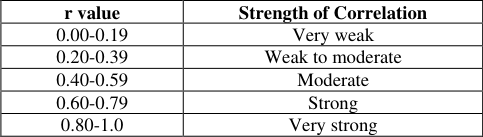 Table 2
 Table 3
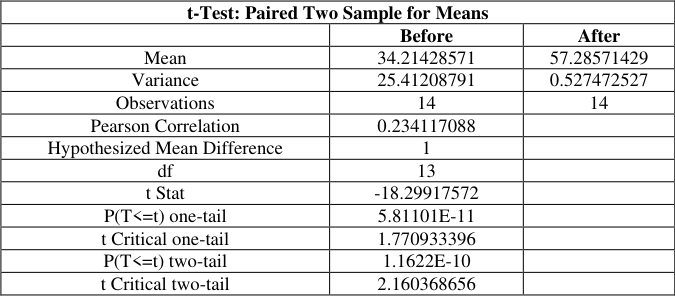 Table 4
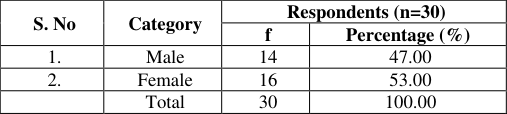 Table 5
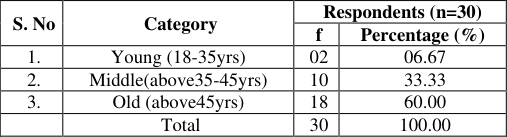 Table 6
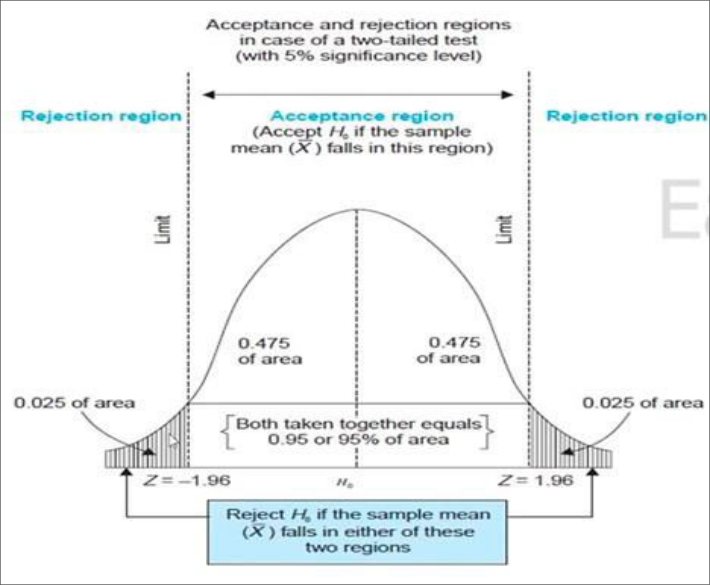 Figure 2
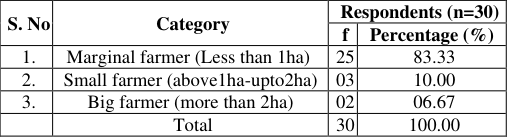 Table 7
Text
This study, therefore, focuses on assessing the potential of palm syrup as a means to boost rural entrepreneurship, particularly by evaluating the impact of structured training programs on farmers' knowledge, practices, and market readiness.
Materials and Methods
The study adopts a quasi-experimental research design that facilitates the comparison of data collected before and after the training interventions provided to participants. This design is particularly appropriate for extension and rural development studies where controlled experimental conditions are difficult to implement in real-world settings. By allowing a structured evaluation of change over time, the quasi-experimental approach effectively captures the extent to which targeted training influences critical variables such as knowledge levels, adoption of production techniques, and marketing efficiency among Palmyra-based farmers. In this context, the pre-and post-training assessments help to quantify the gains in understanding and behaviour change related to value addition, technology adoption, and enterprise development. This methodology provides empirical evidence on the impact of training, supporting a deeper understanding of how extension efforts can enhance the capabilities of rural producers. The selected population for this research comprised Palm Jaggery farmers who were part of organized Farmer Producer Organizations (FPOs), as these institutions offered a structured platform for training dissemination, group mobilization, and collective marketing. FPOs also facilitated smooth coordination in terms of mobilizing participants, recording their responses, and ensuring consistency in data collection during both phases of the study. The study was carried out in the Ramanathapuram district of Tamil Nadu, focusing specifically on the Kadaladi block. This locale was purposefully selected due to its prominence as a major Palmyra-growing region and its substantial involvement in traditional Palmyra-based farming systems. Ramanathapuram, located in the southeastern coastal belt of Tamil Nadu, is ecologically defined by its arid and semi-arid climatic conditions. The district is known for low rainfall, saline soil types, and limited irrigation potential. Despite these challenges, Palmyra trees thrive in this environment owing to their drought tolerance, minimal input requirements, and adaptability to marginal lands. Over generations, rural communities in this region have relied on Palmyra for a wide variety of products, with palm jaggery being one of the most significant in terms of local consumption and income generation. However, traditional jaggery-making methods remain labour-intensive, with limited attention to hygiene, quality standards, and modern processing techniques. These constraints have prevented farmers from realizing the full economic potential of Palmyra products, especially in highvalue or export markets. In recent years, development interventions and government programs have sought to transform this sector by organizing growers into FPOs and providing support in areas such as training, credit linkage, and market access. Kadaladi block, in particular, emerged as an ideal site for this study due to its high concentration of Palmyra growers and the presence of several functional FPOs focused on palm-based enterprises.
The block encompasses a cluster of villages where a significant proportion of the rural population engages in Palmyra tapping, processing, and product sales. These farmers typically operate at small or marginal scales, using inherited traditional knowledge but lacking exposure to value-added processing and branding techniques. The FPOs in the area play an increasingly important role in facilitating training programs, aggregating produce, and establishing market linkages beyond local markets. This made Kadaladi not only a relevant geographic focus but also a practically advantageous site for organizing training sessions and conducting field-based data collection. The socio-economic characteristics of the farmers including variations in age, gender, experience, and farm size provided a diverse sample for studying the impact of training across multiple demographic segments. Furthermore, the coexistence of traditional practices with emerging institutional support systems offered an excellent context for examining how structured interventions can catalyse behaviour change and enterprise development. Given these factors, the selection of Kadaladi block within Ramanathapuram district was both purposeful and strategic, ensuring that the research findings would be rooted in a setting that combines traditional agricultural livelihoods with the potential for modernization and entrepreneurship. The district's unique mix of ecological suitability for Palmyra cultivation, community dependence on palm products, and evolving institutional infrastructure for farmer development created an ideal environment for assessing the outcomes of capacity-building initiatives in the value-added Palmyra sector.
Member of Respondent
Member of Respondent
Results and Discussion
In this chapter, the analysed data are presented and discussed in detail. The analysis was carried out in line with the objectives of the study, and the key findings are systematically arranged under relevant subheadings.
Correlation
To understand the relationships among selected independent variables (Gender, Age, Farm Size, Experience in Palmyra Production) and the dependent variables (Before Training Average Score and After Training Average Score), Pearson's correlation coefficient was calculated. The correlation matrix is interpreted below. The correlation is statistically significant there is evidence of a real relationship between the two variables. > 0.05
The correlation is not statistically significant any relationship could be due to chance.
Key Findings from Correlation Analysis 1. Gender and Experience in Palmyra Production:
A strong negative correlation was found between gender and experience in palmyra production (r = -0.801), indicating that as gender shifts (possibly from male to female depending on coding), experience in palmyra production decreases significantly. This could suggest that male respondents have more experience in palmyra cultivation than female respondents.
Gender and After Training Average
Gender and After Training Average
Paired t-test Analysis
The t-statistic of -18.299 is a large negative value, which suggests a significant difference between the before and after means. The calculated p-value of 1.162× 10⁻10 or (0.0000000001162) is very small, indicating strong evidence against the Alternative hypothesis (which assumed no difference between before and after).
Statement of Hypothesis Null Hypothesis (H₀):
There is a significant difference in the farmers knowledge and strategies related to technology adoption and marketing practices before and after the training. This means the training had a positive impact.
Alternative Hypothesis (H₁):
There is no significant difference in the farmers' knowledge and strategies related to technology adoption and marketing practices before and after the training. This means that the training has no effect on the outcomes.
Final Hypothesis Conclusion Interpretation of the P-Value
The two-tailed p-value is 1.162× 10⁻10, which is extremely small (much lower than the typical significance level of 0.05 or 0.01). This means there is strong statistical evidence to reject the alternative Hypothesis (H₁).
Since the p-value is almost zero, we can confidently conclude that the difference in means before and after training is highly significant and not due to random chance. leading to a meaningful improvement in performance.
Percentage Analysis 1. Gender
Gender was found to be a significant factor influencing the outcomes of the pre-and post-training evaluation of farmers associated with Palmyra-based Farmer Producer Organizations (FPOs). The respondents were categorized into two groups: male and female. The distribution of respondents based on gender is presented in Table 5.
| S. No | Category | Respondents (n=30) | — |
|---|---|---|---|
| f | Percentage (%) | ||
| 1. | Male | 14 | 47.00 |
| 2. | Female | 16 | 53.00 |
| Total | 30 | 100.00 |
Table text extracted from the original PDF; superscript letters are shown inline. The original table image is below.
View original table image
Farm size
Although farm size was not found to be a statistically significant factor, it still had an influence on the pre-and posttraining evaluation of farmers associated with Palmyra-based Farmer Producer Organizations (FPOs). The respondents were categorized into three groups: Marginal farmer (Less than 1ha), Small farmer (above1ha-upto2ha) and big farmer (more than 2ha). The distribution of respondents based on age is presented in Table below. 97 percent of respondents gained knowledge on making Palmyra products more valuable. 3 percent did not gain this knowledge. Farmers trained by their showed higher engagement and knowledge adoption was increased and also local-direct training was more.
Confidence in Producing Palmyra Products:
90 percent of respondents became more confident in production. 10 Percent did not feel an impact on their confidence.
Plans to Start a Palmyra Industry:
90 Percent of respondents are interested in starting smallscale or medium-scale industries. 10 Percent are not planning to start such industries.
Confidence in Following Export Standards:
87 percent of respondents feel confident in selling internationally. 13 percent do not feel confident in this area.
Significant Improvement
There is a statistically significant difference in the farmers adoption of technology and marketing strategies before and after the training program. video Based training increased knowledge retention and adoptation.
Statistical Evidence
The t-test results, with a p-value far below 0.05, support the hypothesis that the training had a positive effect.
Conclusion
The present study aimed to evaluate the impact of a structured training program focused on value addition, technology adoption, and marketing strategies among Palmyra farmers associated with Farmer Producer Organizations (FPOs) in Ramanathapuram District. Through a comparative analysis of pre-and post-training performance using statistical tools such as Pearson's correlation and paired t-tests, the results clearly demonstrate the training's effectiveness and transformative potential.
Significant Improvement in Knowledge and Practices:
The paired t-test yielded a highly significant result (t = -18.299, p < 0.0000000001162), confirming a substantial increase in knowledge and capability among participants post-training. The before and after average scores indicated that the training had a direct, positive impact on farmers'
understanding of value addition and modern agricultural practices. The extremely low p-value provides robust statistical evidence that this improvement is not due to chance but is a direct result of the intervention.
Correlation Insights
A strong negative correlation between gender and experience (r = -0.801) and between gender and posttraining score (r = -0.339) suggests that gender dynamics influence training outcomes, potentially highlighting the need for gender-sensitive training approaches. A positive correlation between age and experience (r = 0.506), as well as between experience and post-training score (r = 0.471), implies that experience and maturity play key roles in training effectiveness. The correlation between pre-and post-training scores (r = 0.471**) suggests that those with higher baseline knowledge were better able to absorb and apply new information, pointing to the importance of building foundational knowledge prior to advanced training.
Impact on Perceptions and Aspirations
Survey responses revealed a high level of satisfaction and confidence among trained farmers: 97 percent reported enhanced knowledge in value-added product development. 90 percent expressed interest in starting small-or medium-scale Palmyra-based industries. 87 percent felt confident about meeting export standards and venturing into international markets.
These responses reflect not only improved knowledge but also behavioral and attitudinal shifts, with farmers showing entrepreneurial intent and readiness for market expansion.
Training Modality and Effectiveness
Insights from secondary sources (e.g., Kumar et
Figures and tables from the paper
| Independent variable | Before Training. Avg (r) | Sig.(2-tailed) | After Training. Avg (r) | Sig.(2-tailed) |
|---|---|---|---|---|
| Gender | 0.327 | 0.083 | -0.209 | 0.276 |
| Age | -0.317 | 0.094 | 0.151 | 0.435 |
| Farm size | 0.069 | 0.722 | 0.187 | 0.330 |
| Experience in Palmyra production | -0.463* | 0.011 | 0.072 | 0.712 |
Table text extracted from the original PDF; superscript letters are shown inline. The original table image is below.
View original table image
| r value | Strength of Correlation |
|---|---|
| 0.00-0.19 | Very weak |
| 0.20-0.39 | Weak to moderate |
| 0.40-0.59 | Moderate |
| 0.60-0.79 | Strong |
| 0.80-1.0 | Very strong |
Table text extracted from the original PDF; superscript letters are shown inline. The original table image is below.
View original table image
| Sig. (2-tailed) or p-value | Interpretation |
|---|---|
| ≤ 0.05 | The correlation is statistically significant there is evidence of a real relationship between the two variables. |
| > 0.05 | The correlation is not statistically significant any relationship could be due to chance. |
Table text extracted from the original PDF; superscript letters are shown inline. The original table image is below.
View original table image
| t-Test: Paired Two Sample for Means | — | — |
|---|---|---|
| Before | After | |
| Mean | 34.21428571 | 57.28571429 |
| Variance | 25.41208791 | 0.527472527 |
| Observations | 14 | 14 |
| Pearson Correlation | 0.234117088 | |
| Hypothesized Mean Difference | 1 | |
| df | 13 | |
| t Stat | -18.29917572 | |
| P(T<=t) one-tail | 5.81101E-11 | |
| t Critical one-tail | 1.770933396 | |
| P(T<=t) two-tail | 1.1622E-10 | |
| t Critical two-tail | 2.160368656 |
Table text extracted from the original PDF; superscript letters are shown inline. The original table image is below.
View original table image
| S. No | Category | Respondents (n=30) | — |
|---|---|---|---|
| f | Percentage (%) | ||
| 1. | Young (18-35yrs) | 02 | 06.67 |
| 2. | Middle(above35-45yrs) | 10 | 33.33 |
| 3. | Old (above45yrs) | 18 | 60.00 |
| Total | 30 | 100.00 |
Table text extracted from the original PDF; superscript letters are shown inline. The original table image is below.
View original table image
| S. No | Category | Respondents (n=30) | — |
|---|---|---|---|
| f | Percentage (%) | ||
| 1. | Marginal farmer (Less than 1ha) | 25 | 83.33 |
| 2. | Small farmer (above1ha-upto2ha) | 03 | 10.00 |
| 3. | Big farmer (more than 2ha) | 02 | 06.67 |
| Total | 30 | 100.00 |
Table text extracted from the original PDF; superscript letters are shown inline. The original table image is below.
View original table image
References
38 in the original paper- Dev SM. Small farmers in India: Challenges and opportunities. Indira Gandhi Institute of Development Research; 2012.
- Govil R, Neti A, Rao MR. Farmer producer companies: Past, present and future. Azim Premji University, Bangalore; 2020.
- Kumar R, Kumar S, Pundir R, Surjit V, Rao C. FPOs in India: Creating enabling ecosystem for their sustainability. ICAR-National Academy of Agricultural Research Management, Hyderabad, India; 2022.
- NABARD. Farmer producer organisations -Frequently asked questions (FAQs). Farm Sector Policy Department & Farm Sector Development Department, NABARD Head Office, Mumbai; 2015.
- Adhikari A, Pradhan K, Chauhan JK, Reddy SK. Analyzing the perceived impact of farmers' producer organization (FPOs) on sustainable economic development. Indian Research Journal of Extension Education. 2021;21(2&3):80-2.
- Balasubramanian P, Manoharan M. Development and evaluation of Palmyra palm (Borassus flabellifer) fruitbased RTS beverage. International Journal of Food Science and Nutrition. 2017;2(6):257-62.
- Balamurugan S, Manoharan M. Economic value and supply chain analysis of Palmyra (Borassus flabellifer) and its products in Tamil Nadu. Asian Journal of Agricultural Extension, Economics & Sociology. 2018;25(4):1-9.
- Chandrasekaran M, Venkatesan P. Value-added products from Palmyra palm (Borassus flabellifer) and their storage stability. Journal of Food Science and Technology. 2016;53(3):1405-14.
- Datta SK, Ramaswamy B. Collective action for smallscale producers: A case study of Indian cooperatives in fruits and vegetables markets. Natural Resources Forum. 2010;34(1):55-64.
- Fischer E, Qaim M. Linking smallholders to markets: Determinants and impacts of farmer collective action in Kenya. World Development. 2012;40(6):1255-68.
- Ganesan M, Rajendran R. Exploring the nutritional, health, and economic potential of Palmyra palm (Borassus flabellifer) products. Journal of Ethnobiology and Ethnomedicine. 2019;15(1):1-10.
- Gorai GK, Wason M, Padaria RN, Rao DUM, Paul S, Paul RK. Factors contributing to the stability of the farmer producer organisations: A study in West Bengal. Indian Journal of Extension Education. 2022;58(2):91-6.
- Kapileshan P, Senthil Kumar R, Muralidharan C, Selvi RP. Economic value and supply chain analysis of Palmyra (Borassus flabellifer) and its products. Asian Journal of Agricultural Extension, Economics & Sociology. 2021;39(11):459-67.
- Kumari N, Malik JS, Arun DP, Nain MS. Farmer producer organizations (FPOs) for linking farmer to market. Journal of Extension Systems. 2022;37(1):1-6.
- Manikandan R, Somasundaram S. Development of value-added products from Palmyra palm (Borassus flabellifer) fruit pulp. International Journal of Food and Nutritional Sciences. 2015;4(3):123-8.
- Natarajan R, Rajasekaran R. Economic analysis of valueadded products from Palmyra palm (Borassus flabellifer) in Tamil Nadu. International Journal of Agricultural Science and Research. 2016;6(5):231-8.
- Nikam V, Singh P, Ashok A, Kumar S. Farmer producer organisations: Innovative institutions for upliftment of small farmers. Indian Journal of Agricultural Sciences. 2019;89(9):15-24.
- Parameswaran M, Sivakumar T. Development and quality evaluation of Palmyra palm (Borassus flabellifer) fruit spread. International Journal of Food Science and Nutrition. 2017;2(6):251-6.
- Parthiban Sakthi R, Nain MS, Singh R, Kumar S, Chahal VP. Farmers' producer organisation in reducing transactional costs: A study of Tamil Nadu mango growers' federation. Indian Journal of Agricultural Science. 2015;85(10):1303-7.
- Rathour V, Tiwari PK, Pandey PK, Singh KP, Singh DP. Socio-economic upliftment of tribal women through FPO in Bastar district of Chhattisgarh. Indian Journal of Extension Education. 2022;58(4):144-8.
- Ramesh T, Kumar P. Impact of Farmer Producer Organizations on income and livelihood of small and marginal farmers in India. International Journal of Agricultural Research. 2019;14(1):1-10.
- Sakthivel K, Muthusamy S. Development and evaluation of Palmyra palm (Borassus flabellifer) fruit-based RTS beverage. International Journal of Food Science and Nutrition. 2018;3(1):123-8.
- Selvaraj P, Kumar S. Value addition in Palmyra palm (Borassus flabellifer) for sustainable income generation. International Journal of Agricultural Science and Research. 2017;7(4):253-60.
- Singh G, Vatta K. Assessing the economic impacts of farmer producer organizations: A case study in Gujarat, India. Agricultural Economics Research Review. 2019;32:139-48.
- Singh M, Tiwari D, Monga S, Rana RK. Behavioural determinants of functionality of farmer producer organisations in Punjab. Indian Journal of Extension Education. 2022;58(1):130-5.
- Sivakumar R, Manoharan M. Development of Palmyra palm (Borassus flabellifer) fruit-based jelly and its quality evaluation. International Journal of Food Science and Nutrition. 2016;1(6):39-44.
- Subramanian S, Venkatesh R. Value-added products from Palmyra palm (Borassus flabellifer) and their market potential. International Journal of Agricultural Science and Research. 2015;5(4):203-10.
- Trebbin A. Linking small farmers to modern retail through producer organizations: Experiences with producer companies. Food Policy. 2014;45:35-44.
- Venkatesan P, Senthilkumar R. Value addition in Palmyra palm (Borassus flabellifer L.): A potential strategy for livelihood security and poverty alleviation. Journal of Applied and Natural Science. 2016;8(1):17581. International Journal of Agriculture and Food Science https://www.agriculturaljournals.com
- Vijayakumar P, Rajendran G. Development and evaluation of Palmyra palm (Borassus flabellifer) fruitbased squash. International Journal of Food Science and Nutrition. 2018;3(1):129-34.
- Yogeshwaran S, Kumar S. Value addition in Palmyra palm (Borassus flabellifer) for enhancing farmers' income. International Journal of Agricultural Science and Research. 2017;7(5):345-52.
- Zachariah J, Mathew P. Development of Palmyra palm (Borassus flabellifer) fruit-based nectar and its quality evaluation. International Journal of Food Science and Nutrition. 2016;1(6):45-50.
- Kumar S. Impact of training programs on the adoption of sustainable agricultural practices among farmers in Haryana, India [Master's thesis]. Chaudhary Charan Singh Haryana Agricultural University; 2018.
- Patel R. Effectiveness of extension training programs on knowledge and adoption behavior of dairy farmers in Gujarat [Doctoral dissertation]. Anand Agricultural University; 2019.
- Sharma P. Evaluation of capacity-building programs for enhancing agricultural productivity in Rajasthan [Master's thesis]. Maharana Pratap University of Agriculture and Technology; 2020.
- Singh A. Assessing the impact of farmer field schools on integrated pest management adoption in Uttar Pradesh [Doctoral dissertation]. Banaras Hindu University; 2021.
- Jawaharlal Nehru Krishi Vishwa Vidyalaya; 2017.
- Ministry of Corporate Affairs. Master details of companies registered. [cited 2025 Aug 13]. Available from: https://www.mca.gov.in/content/mca/global/en/dataand-reports/company-llp-info/incorporated-closedmonth.html