
Research article · 2025 · Full text
International Journal of Biology SciencesEvaluate the cell toxicity and antiviral analysis of homeopathy medicines in Fish cell lines against Tilapia Lake Virus (TiLV)
Volume 7(12) · Pages 29–36 · DOI: 10.33545/26649926.2025.v7.i12a.523 ↗
Research areasAquaculture disease management and microbiotaImmunotoxicology and immune responsesEnvironmental Toxicology and Ecotoxicology
Abstract
Author-writtenTilapia lake virus (TiLV) is a novel virus that causes large scale mortalities in Tilapia farming and is considered as a threat to the global tilapia industry. In the present study, the cell toxicity and antiviral activity of homeopathy medicines against TiLV using SSN1 cell line was investigated. A total of 10 homeopathy medicines including Belladonna 200C, Pyrogenium 200C, Influenzinum 200C, Crotalus horridus 200C, Arsenicum album 200C, Hepar sulphur 200C, Aconitum napellus 200C, Tuberculinum 200C, Bothrops lanceolatus 200C and Nux vomica 200C were used at different concentrations viz, 100 μl /ml, 250 μl /ml, 500μl /ml and 750μl /ml of medium for screening the antiviral activities against TiLV. Among the 10 medicines, 3 medicines Crotalus horridus, Influenzinum and Pyrogenium inhibited the cytopathic effect caused by TiLV in SSN1 cell line and cell toxicity was occurred at 750μl /ml. Further, these three medicines at a concentration of 100 μl/ml of medium were used for virus neutralization study which showed antiviral activity against two different concentrations of virus (101.0TCID50 ml-1 and 106.75TCID50 ml-1). In this study, the concentration of homeopathy medicine at 500μl /ml of the medium showed better effect against TiLV in both virus concentrations of 101.0TCID50 ml-1 and 106.75TCID50 ml-1 when compared to the control group. Our study has revealed that homeopathy medicines have potent antiviral effects in fish virus in cell culture. The finding suggests that homeopathy medicines have the potential as a therapeutic agent in the treatment of TiLV infection.
Summary
Source-checkedPlain-language reading of the full paper, prepared with AI and checked against the text. Each point links to the authors' own words.
Why it matters
- Tilapia lake virus (TiLV) is a new virus that threatens the global tilapia industry by causing large-scale fish deaths. View evidence ↗
- Over the last 4-5 years, TiLV has emerged as a transboundary disease capable of causing up to 90% mortality in farmed tilapia worldwide. View evidence ↗
- While antibiotics are used to control fish diseases, they can lead to environmental threats and the development of drug-resistant pathogens. View evidence ↗
The question
- The study aimed to evaluate the antiviral effects of various homeopathy medicines against TiLV-2 using a cell culture model. View evidence ↗
What they did
- The researchers used the SSN1 cell line, derived from snakehead fish, to isolate and propagate the virus. View evidence ↗
- Ten different homeopathy medicines (all 200C potency), including Belladonna, Pyrogenium, and Crotalus horridus, were tested. View evidence ↗
- The medicines were screened at concentrations of 100, 250, 500, and 750 μl/ml of medium. View evidence ↗
- Cell viability was measured using a 0.5% trypan blue staining solution to determine cytotoxicity. View evidence ↗
What they found
- All ten tested homeopathy medicines were found to be toxic to SSN1 cells only at the highest concentration of 750 μl/ml. View evidence ↗
- Three of the ten medicines, Crotalus horridus 200C, Influenzinum 200C, and Pyrogenium 200C, demonstrated antiviral activity by reducing the cytopathic effect (CPE). View evidence ↗
What it means
- The authors conclude that homeopathy remedies show potential against TiLV and can inform future research on the virus's replication and the efficiency of these treatments. View evidence ↗
- The authors state that further in vivo research is necessary to prove the efficacy of these remedies in live tilapia during experimental infection. View evidence ↗
Visual summary
1 visualsIllustrations explain the paper; they do not show study data.
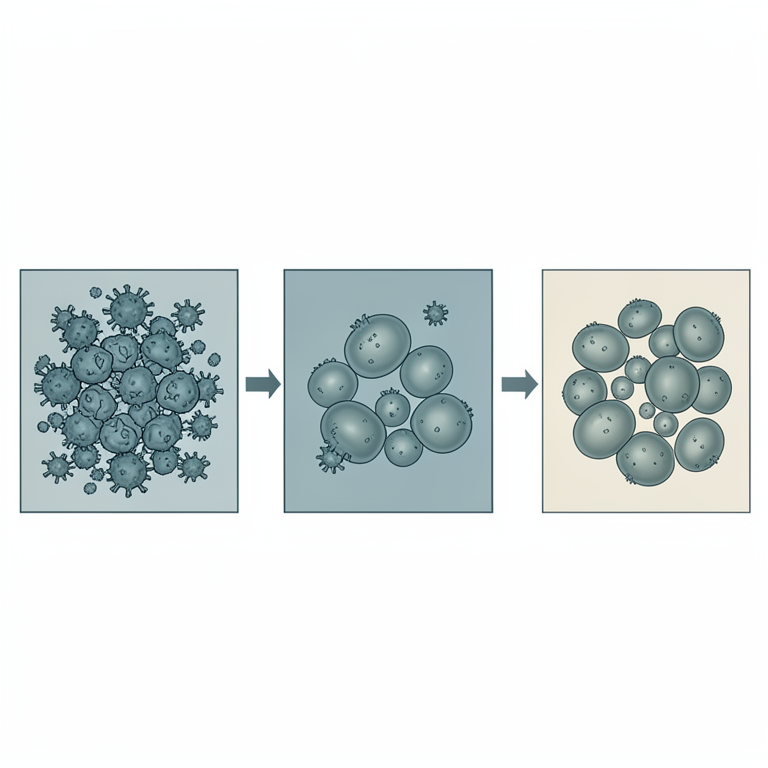
Antiviral Efficacy Comparison
AI-generated conceptual illustration (Tilapia fish cell lines and Tilapia Lake Virus particles). It explains the idea and does not show study data.
View source evidence ↗Figures & tables
From the original paper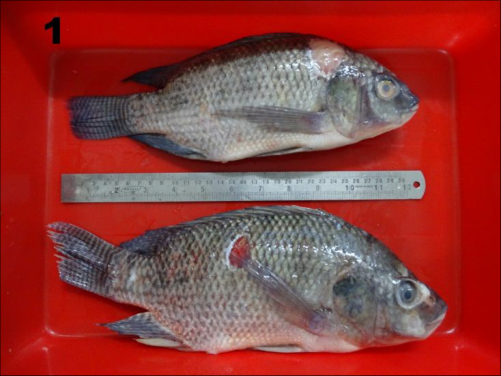 Fig. 1
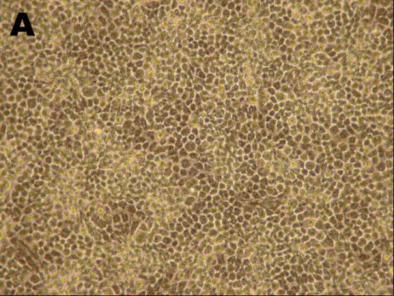 Fig. 1
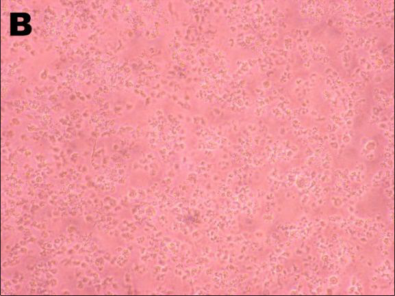 Fig. 1
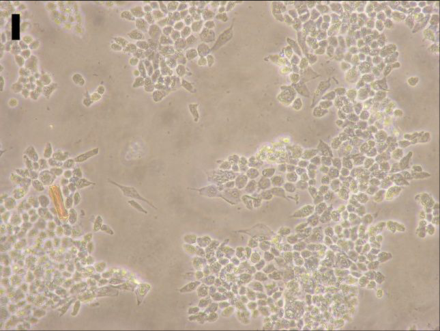 Figure 2
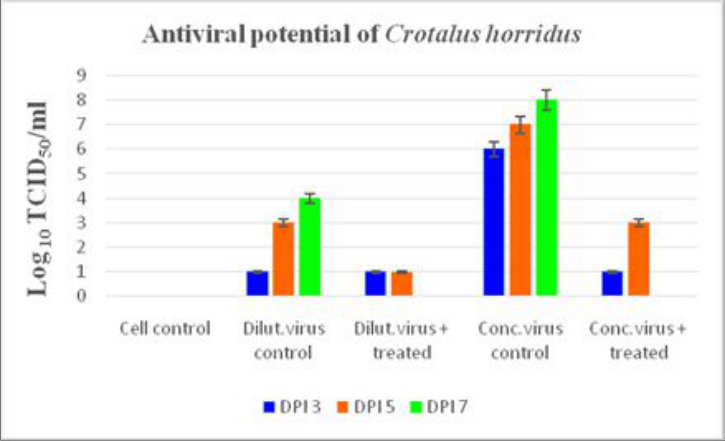 Figure 3
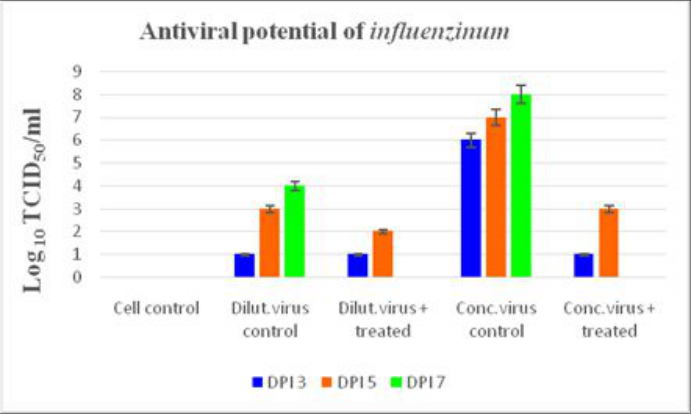 Figure 4
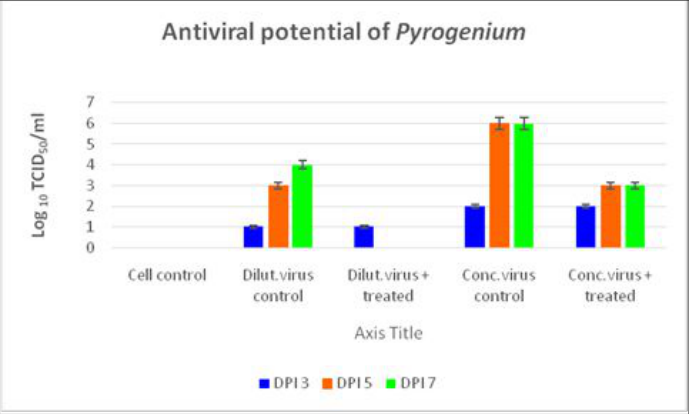 Figure 5
Introduction
Tilapia is the second most important fish species for aquaculture next to carps. During 2020, global tilapia production increased by 3.3 percent, reaching 6 million tonnes. China, Ecuador, Egypt, Indonesia and Thailand are the largest tilapia producing countries while the largest importing countries are United States. Nile tilapia (Oreochromis niloticus) is the most important candidate species cultured globally among the 100 species of tilapiines. Tilapia is considered as an important candidate species for culture aspect due to their nutritional value, omnivorous diet, tolerance for high-density aquaculture, and relative disease resistance. Although the intensifying culture of tilapia leads to the occurrence of different emerging pathogens Abowei et al. (2011) [1] . Initially, tilapias were considered as more resistant to bacterial, parasitic, fungal and viral diseases compared to other cultured species. But Tilapia is susceptible to both bacterial and parasitic diseases including Streptococcus sp, Flavobacterium columnare, Aeromonas hydrophila, Edwarsiella tarda, Ichthyophitirius multifillis, Tricodhina sp, and Gyrodactylus niloticus Klesius et al., (2008) [13] . There is no report viral disease in Tilapia until 2009. During the summer of 2009 in Israel, there was enormous amount of mortality observed in both wild and farmed hybrid tilapia (O. niloticus × O. aureus) and the etiological agent was subsequently identified in 2013 as Tilapia Lake Virus (TiLV) Eyngor et al. (2014) [8] . After that, the virus has been reported in various countries including Israel, Thailand, Ecuador, Colombia, Egypt, Kerala, West Bengal and Tamilnadu in India Behera et al. (2018) [4] ; Dong et al. (2017) [7] ; Eyngor et al. (2014) [8] ; Ferguson et al. (2014) [10] ; Saranya et al. (2020) [31] . Several fish species including hybrid tilapia (Oreochromis niloticus × O. aureus), Nile tilapia [2] ; Eyngor et al., (2014) [8] ; Fathi et al. (2017) [9] ; Ferguson et al. (2014) [10] ; Mugimba et al. (2018) [23] ; Surachetpong et al. (2017) [33] ; Waiyamitra et al. (2021) [36] , giant gourami (Osphronemus goramy) Chiamkunakorn et al. (2019) [6] ; Jaemwimol et al.
(2018) [11] . ornamental African cichlids (Aulonocara spp) Yamkasem et al. (2021) [39] have been found to infect by TiLV.
TiLV disease is an emerging and transboundary disease of tilapia culture, causing mortality up to 90% globally in farmed tilapia over the last 4-5 years Eyngor et al. (2014) [8] .
The virus is a negative-sense, single-stranded RNA virus (-ssRNA) made of an icosahedron envelope with a genome length of 10,323 kb and 55-100 nm diameter Eyngor et al.
(2014) [8] . It is an orthomyxo-like virus and the only member of the genus Tilapinevirus in the family Amnoonviridae Eyngor et al. (2014) [8] ; Bacharach et al. (2016) [3] . This virus infected fish could show symptoms that include anorexia, abnormal swimming, severe anemia, exophthalmia, skin erosion and congestion, scale protrusion, and abdominal swelling. The occurrence and spreading of disease can be avoided by following the proper health management approaches. Some experimental vaccines have been developed for TiLV that are heat-killed and formalin-killed vaccine Mai et al. (2022) [17] , DNA vaccine Yu et al. (2021) [40] , VP20-based vaccine Zeng et al. (2021) [41] , inactivated vaccine containing montanide adjuvant Zeng et al., (2021) [42] , but these are not yet commercialized for aquaculture use. Antibiotics and other chemotherapeutics have been used to control fish and shellfish diseases but could result in the development of drug-resistant pathogens and environmental threats Rico et al. (2012) [29] . Homeopathy medicine can be used as an alternative option to control TiLV infection. Therefore, the present study is intended to evaluate the antiviral effect of different homeopathy medicines against TiLV-2 in cell culture.
Materials and Methods
Materials and Methods
Virus strain and Cell line
The virus TiLV isolated from the infected tilapia fish was used for the study. The SSN1 cell line derived from snakehead fish in the Department of Fish Pathology and Health Management of FCRI, Thoothukudi was used for virus isolation and propagation. The virus titer (TCID50/ml) was determined by end-point dilution assay using 96 well plates and calculated according to the method of Spearman-Karber Lei et al. (2021) [14] .
Homeopathy medicines
Homeopathy medicines
Determination of the cytotoxicity of the homeopathy medicines
The cytotoxicity of the homeopathy medicines was determined in SSN1 cell cultures by cell viability. For this, medicines were added to the cell cultures in concentrations of 100, 300, 500 μl/ml and 750 μl/ml incubated for 5 days. The viability of the cells was determined by staining with a trypan blue solution (0.5%).
Treatment with homeopathy medicine Experiment -1
The assay was performed in the full monolayer of SSN1cell line developed in cell culture plastic flask (25 cm 2 ) (Thermo, Korea). When the monolayer became sufficiently confluent, the TiLV was inoculated with 100, 300 and 500 μl of the stock (10 1 TCID 50 /ml and 10 6.75 TCID 50 /ml) and incubated for 15 -20 mins at room temperature. Followed by incubation, the virus solution was removed and homeopathy medicine was added with a concentration of 500 μl/ml of medium. After 72h of incubation, the result was observed Nefedchenko et al. (2015) [26].
Experiment -2
Neutralisation test was carried out by titrating a constant quantity of virus with the homeopathy medicines in 96 well plate after developing the full monolayer of SSN1 cells. Maintenance medium (L-15 medium) amounting to 90 µl was added into each well except column one. TiLV preparation (100 µl) was added to the first column as per the protocol in duplicate. The virus as serially double diluted by transferring 10 µl across the plate. A back titration of the TiLV preparation was also carried out simultaneously in the same titration plate to confirm the amount of virus used in the assay. A 100 μl of homeopathy medicine was added to each well in diluted virus bearing rows and maintenance medium was added at 100 µl in to all wells having TiLV preparation. Finally, the plate was incubated at 27 ˚C and CPE development was recorded over 5-10 days.
Results
A total of ten remedies were tested for their toxicity to SSN1 cell cultures. All the medicines exhibited cell toxicity only at 750 μl/ml by causing morphological changes and increasing dead cells. Further, these homeopathy medicines were screened for detecting the antiviral effect against TiLV using the SSN1 cell line. Out of ten, three homeopathy medicines such as Crotalus horridus 200C, Influenzinum 200C and Pyrogenium 200C showed the antiviral effect against TiLV by reducing the cytopathic effect as shown in figure 2. 100 μl/ml, 300 μl/ml, 500 μl/ml concentration of homeopathy medicines was evaluated and out of these three concentrations, 500 μl/ml of homeopathy medicines shows antiviral activity. The potential antiviral effect of Crotalus horridus 200C, Influenzinum 200C, Pyrogenium 200C were found as 100%, 95% and 70% respectively (figure 3,4,5). Among these three medicines, Crotalus horridus 200C has shown the highest (100%) potential against TiLV. Upon infection, the virus inoculated SSN1 cell line monolayer exhibited typical cytopathic effect with the appearance of small foci with cell lysis and rounding up of cells at the edge of foci. No cytopathic effect was found in mock inoculated. In the second experiment, the infectivity of TiLV concentrated to 10 1 TCID 50 and 10 6.75 TCID 50 were completely neutralized by Crotalus horridus 200C and Influenzinum 200C. Pyrogenium 200C was found to be completely neutralized the infectivity of TiLV concentrated to 10 1 TCID 50 while other concentration shows the reduction in the infectivity from 10 6.75 to 10 3.75 TCID 50 /ml during 7 days observation period. Parallel to homeopathy medicine neutralization, the infectivity of SRDV in SSN1 cell line was found to be 10 6.75 TCID 50 /ml, while no CPE was noticed in the control cell line which is mock inoculated. [43] . To date, there is no commercial vaccine available to prevent TiLV. Hence, alternative studies on therapeutics or compounds to control TiLV outbreaks, especially antiviral agents, are urgently needed Lertwanakarn et al. (2021) [15] . Besides, the use of antibiotics is associated with many problems that are spread of antibiotic residues in the culture environment, increasing the rates of antibiotic resistance in aquatic pathogens and, critically, transferring that resistance to human pathogens Pepi et al. (2021) [28] . Homeopathic medicines are natural substances of animal, plant or mineral origin Ortiz-Cornejo et al. (2017) [27] . that could activate specific sensibility mechanisms in living organisms Mazón-Suástegui et al. (2018) [21] . Homeopathy medicine is useful in both human and veterinary treatment Mayer et al. (2016) [19] . It can also be used to heal fish because it works with all living organisms. Homeopathy medicines can be used to treat TiLV infection as it has been used with success in aquaculture Mazón-Suástegui et al.
(2017) [20] . The intramuscular injections of homeopathic drug Heaper Sulphur and Arnica spray have shown encouraging results in curing the ulcerative syndrome in fish caused by fungal infection Mitra et al. (1991) [22] . Homeopathic treatments have the potential as an alternative for the control of V. parahaemolyticus and its associated diseases in shrimp farming. Cell culture is a very versatile tool which can be used as a model system to study the interaction between cells and viruses and to study the effect of drugs. In the present study, the antiviral effects of different homeopathy medicines were investigated against TiLV using SSN1 cell line. Previous studies have found that TiLV infection can lead to the formation cytopathic effect and massive cell death within 3-7 days in various fish cell lines Liamnimitr et al.
(2018) [16] ; Nanthini et al. (2019) [24] ; Thangaraj et al. (2018) [34] ; Wang et al. (2018) [37] ; Yadav et al. (2021) [38] ; Lertwanakarn et al. (2021) [15] . In the present study, TiLV inoculated SSN1 cell line monolayer exhibited a typical cytopathic effect with the appearance of small foci with complete cell lysis within 4 days. In the previous study, homeopathy medicines such as Engystol and Echinacea com have found to be exhibited toxicity at 500 μl/ml in MDBK and KST cell cultures Nefedchenko et al. (2015) [26] . In this study, all the medicines exhibited toxicity to SSN1 cells only at 750 μl/ml. [30] ; Marroqui et al. (2007) [18] ; Kim et al. (2011) [12] . In this study, ten homeopathy medicines were tested for their antiviral effects against TiLV infection in which three medicines significantly reduced [5] and Tungnunga et al. (2016) [35] . It is also used for increasing the platelet count against dengue virus in humans Nayak et al. (2019) [25] . Homeopathy remedies can also be used for stimulating digestive processes and detoxicating (Nux vomica and Chelidonium) and immune-stimulant purpurea and Lycopodium) Sarubbi et al. (2012) [32] .
Conclusion
This study presents the first evidence of the application of homeopathy medicine against TiLV in fish cells in vitro. We demonstrated that homeopathy medicine reduces CPE formation, inhibits TiLV viral replication and improves cell survival. On the whole, our study demonstrates the potential of homeopathy remedies against TiLV. This new information could be used in future research on the efficiency of homeopathy remedies and pathogenesis and replication mechanisms of this novel virus. Further in vivo research is required to demonstrate the efficacy of homeopathy remedies in tilapia during experimental infection TiLV. This study will pave the way for the further use of homeopathy medicine as an antiviral agent in the aquaculture sector.
Acknowledgement
AcknowledgementAll authors thank the Dean, Fisheries College and Research Institute, Tamil Nadu Dr.J.Jayalalithaa Fisheries University, Thoothukudi, Tamil Nadu, India, for providing necessary facilities and support.
Figures and tables from the paper
References
43 in the original paper- Abowei JF, Briyai OF, Bassey SE. A review of some basic parasite diseases in culture fisheries flagellids, dinoflagellides and ichthyophthriasis, ichtyobodiasis, coccidiosis trichodiniasis, heminthiasis, hirudinea infestation, crustacean parsite and ciliates. British Journal of Pharmacology and Toxicology. 2011 Nov 25;2(5):213-226.
- Amal MN, Koh CB, Nurliyana M, Suhaiba M, NorAmalina Z, Santha S, et al. A case of natural coinfection of Tilapia Lake Virus and Aeromonas veronii a Malaysian red hybrid tilapia (Oreochromis niloticus × O. mossambicus) farm experiencing high mortality. Aquaculture. 2018 Feb 2;485:12-16.
- Bacharach E, Mishra N, Briese T, Zody MC, Kembou Tsofack JE, Zamostiano R, et al. Characterization of a novel orthomyxo-like virus causing mass die-offs of tilapia. MBio. 2016 May 4;7(2):10-128.
- Behera BK, Pradhan PK, Swaminathan TR, Sood N, Paria P, Das A, et al. Emergence of tilapia lake virus associated with mortalities of farmed Nile tilapia Oreochromis niloticus (Linnaeus 1758) in India. Aquaculture. 2018 Feb 1;484:168-174.
- Chaudhuri S, Varshney JP. Clinical management of babesiosis in dogs with homeopathic Crotalus horridus 200C. Homeopathy. 2007 Apr;96(2):90-94.
- Chiamkunakorn C, Machimbirike VI, Senapin S, Khunrae P, Dong HT, Rattanarojpong T. Blood and liver biopsy for the non-destructive screening of tilapia lake virus. Journal of Fish Diseases. 2019 Nov;42(11):1629-1636.
- Dong HT, Ataguba GA, Khunrae P, Rattanarojpong T, Senapin S. Evidence of TiLV infection in tilapia hatcheries from 2012 to 2017 reveals probable global spread of the disease. Aquaculture. 2017 Oct 1;479:579-583.
- Eyngor M, Zamostiano R, Kembou Tsofack JE, Berkowitz A, Bercovier H, Tinman S, et al. Identification of a novel RNA virus lethal to tilapia. Journal of Clinical Microbiology. 2014 Dec;52(12):4137-4146.
- Fathi M, Dickson C, Dickson M, Leschen W, Baily J, Muir F, et al. Identification of Tilapia Lake Virus in Egypt in Nile tilapia affected by 'summer mortality' syndrome. Aquaculture. 2017 Apr 20;473:430-432.
- Ferguson HW, Kabuusu R, Beltran S, Reyes E, Lince JA, del Pozo J. Syncytial hepatitis of farmed tilapia, Oreochromis niloticus (L.): a case report. Journal of Fish Diseases. 2014 Jun 1;37(6):591-598.
- Jaemwimol P, Rawiwan P, Tattiyapong P, Saengnual P, Kamlangdee A, Surachetpong W. Susceptibility of important warm water fish species to tilapia lake virus (TiLV) infection. Aquaculture. 2018 Dec 1;497:462468.
- Kim MS, Choi SH, Kim KH. Effect of G gene-deleted recombinant viral hemorrhagic septicemia virus (rVHSV-ΔG) on the replication of wild type VHSV in a fish cell line and in olive flounder (Paralichthys olivaceus). Fish & Shellfish Immunology. 2016 Jul 1;54:598-601.
- Klesius PH, Shoemaker CA, Evans JJ. Streptococcus: a worldwide fish health problem. In: Proceedings of the 8th International Symposium on Tilapia in Aquaculture; 2008 Oct 12. Vol.1, pp. 83-107. Ag. Press Unit Abbassa, Egypt.
- Lei C, Yang J, Hu J, Sun X. On the calculation of TCID50 for quantitation of virus infectivity. Virologica Sinica. 2021 Feb;36(1):141-144.
- Lertwanakarn T, Trongwongsa P, Yingsakmongkol S, Khemthong M, Tattiyapong P, Surachetpong W. Antiviral activity of ribavirin against tilapia tilapinevirus in fish cells. Pathogens. 2021 Dec 10;10(12):1616.
- Liamnimitr P, Thammatorn W, Sonicha U, Tattiyapong P, Surachetpong W. Non-lethal sampling for Tilapia Lake Virus detection by RT-qPCR and cell culture. Aquaculture. 2018 Feb 3;486:75-80.
- TT, Kayansamruaj P, Soontara C, Kerddee P, Nguyen DH, Senapin S, et al. Immunization of Nile tilapia (Oreochromis niloticus) broodstock with tilapia lake virus (TiLV) inactivated vaccines elicits protective antibody and passive maternal antibody transfer. Vaccines. 2022 Jan 21;10(2):167.
- Marroquí L, Estepa A, Perez L. Inhibitory effect of mycophenolic acid on the replication of infectious pancreatic necrosis virus and viral hemorrhagic septicemia virus. Antiviral Research. 2008 Dec 1;80(3):332-338.
- Mayer J, Williams RJ, Oppenheimer VA, He B, Tuckfield C, Koslowski E, et al. The immunomodulatory effects of a commercial antiviral homeopathic compound in C57BL/6 mice, pre and post vaccine challenge. International Immunopharmacology. 2016 Oct 1;39:389-396.
- Mazón-Suástegui J, García-Bernal M, Avilés-Quevedo A, Campa-Córdova Á, Salas-Leiva J, Abasolo-Pacheco F. Assessment of homeopathic medicines on survival and antioxidant response in white shrimp Litopenaeus vannamei. Revista MVZ Córdoba. 2018 Dec;23(3):6850-6859.
- Mazón-Suástegui JM, García-Bernal M, Saucedo PE, Campa-Córdova Á, Abasolo-Pacheco F. Homeopathy outperforms antibiotics treatment in juvenile scallop Argopecten ventricosus: effects on growth, survival, and immune response. Homeopathy. 2017 Aug;26(1):18-26.
- Mitra SD, Varshney PK. Use of Homeo drug for curing ulcerative syndrome in fishes. Journal of Indian Fisheries Association. 2021;21:1-5.
- Mugimba KK, Chengula AA, Wamala S, Mwega ED, Kasanga CJ, Byarugaba DK, et al. Detection of tilapia lake virus (TiLV) infection by PCR in farmed and wild Nile tilapia (Oreochromis niloticus) from Lake Victoria. Journal of Fish Diseases. 2018 Aug;41(8):1181-1189.
- Nanthini R, Abdul Majeed S, Vimal S, Taju G, Sivakumar S, Santhosh Kumar S, et al. In vitro propagation of tilapia lake virus in cell lines developed from Oreochromis mossambicus. Journal of Fish Diseases. 2019 Nov;42(11):1543-1552.
- Nayak D, Chadha V, Jain S, Nim P, Sachdeva J, Sachdeva G, et al. Effect of adjuvant homeopathy with usual care in management of thrombocytopenia due to dengue: a comparative cohort study. Homeopathy. 2019 Sep;32(3):150-157.
- Nefedchenko AV, Glotova TI, Glotov AG. In vitro and in vivo activity of homeopathic drugs against bovine herpesvirus-1 and bovine viral diarrhoea virus 1. Bulgarian Journal of Veterinary Medicine. 2015 Mar 1;18(1):1-8.
- Ortiz-Cornejo NL, Tovar-Ramírez D, Abasolo-Pacheco F, Mazón-Suástegui JM. Homeopatía, una alternativa para la acuicultura. Revista Médica de Homeopatía. 2017 Jan 1;10(1):18-24.
- Pepi M, Focardi S. Antibiotic-resistant bacteria in aquaculture and climate change: A challenge for health in the Mediterranean area. International Journal of Environmental Research and Public Health. 2021 May 26;18(11):5723.
- Rico A, Phu TM, Satapornvanit K, Min J, Shahabuddin AM, Henriksson PJ, et al. Use of veterinary medicines, feed additives and probiotics in four major internationally traded aquaculture species farmed in Asia. Aquaculture. 2013 Nov 1;412:231-243.
- Rivas-Aravena A, Vallejos-Vidal E, Cortez-San Martin M, Reyes-Lopez F, Tello M, Mora P, et al. Inhibitory effect of a nucleotide analog on infectious salmon anemia virus infection. Journal of Virology. 2011 Aug 15;85(16):8037-8045.
- Saranya SR, Sudhakaran R. Report on prevalence of tilapia lake virus infection in tilapia fishes niloticus). Biocatalysis and Agricultural Biotechnology. 2020 Aug 1;27:101665.
- Sarubbi F, Baculo R, Palomba R, Auriemma G. Evaluation of homeopathic treatments in early lactation in buffalo cows and neonatal mortality in buffalo calf. Open Journal of Animal Sciences. 2012 Jul 26;2(3):196-203.
- Surachetpong W, Janetanakit T, Nonthabenjawan N, Tattiyapong P, Sirikanchana K, Amonsin A. Outbreaks of tilapia lake virus infection, Thailand, 2015-2016. Emerging Infectious Diseases. 2017 Jun;23(6):10311037.
- Thangaraj RS, Ravi C, Kumar R, Dharmaratnam A, Saidmuhammed BV, Pradhan PK, et al. Derivation of two tilapia (Oreochromis niloticus) cell lines for efficient propagation of Tilapia Lake Virus (TiLV). Aquaculture. 2018 Jul 1;492:206-214.
- Tungnunga I, Sarma K, Roychoudhury P, Borthakur S, Das G, Prasad H, et al. Therapeutic evaluation of homoeopathic drug Crotalus horridus 200C against Ehrlichiosis-infected dogs in Mizoram. Indian Journal of Research in Homoeopathy. 2016;10(1):42-51.
- Waiyamitra P, Piewbang C, Techangamsuwan S, Liew WC, Surachetpong W. Infection of Tilapia tilapinevirus in Mozambique Tilapia (Oreochromis mossambicus), a globally vulnerable fish species. Viruses. 2021 Jun 9;13(6):1104.
- Wang Y, Wang Q, Zeng W, Yin J, Li Y, Ren Y, et al. Establishment and characterization of a cell line from tilapia brain for detection of tilapia lake virus. Journal of Fish Diseases. 2018 Dec;41(12):1803-1809.
- Yadav MK, Rastogi A, Joaquin MP, Verma DK, Rathore G, Swaminathan TR, et al. Establishment and characterization of a continuous cell line from heart of Nile tilapia Oreochromis niloticus and its susceptibility International Journal of Biology Sciences https://www.biologyjournal.net to tilapia lake virus. Journal of Virological Methods. 2021 Jan 1;287:113989.
- Yamkasem J, Piewbang C, Techangamsuwan S, Pierezan F, Soto E, Surachetpong W. Susceptibility of ornamental African cichlids Aulonocara spp. to experimental infection with Tilapia lake virus. Aquaculture. 2021 Sep 15;542:736920.
- Yu NT, Zeng WW, Xiong Z, Liu ZX. A high efficacy DNA vaccine against Tilapia lake virus in Nile tilapia (Oreochromis niloticus). Aquaculture Reports. 2022 Jun 1;24:101166.
- Zeng W, Wang Y, Chen X, Wang Q, Bergmann SM, Yang Y, et al. Potency and efficacy of VP20-based vaccine against tilapia lake virus using different primeboost vaccination regimens in tilapia. Aquaculture. 2021 Jun 30;539:736654.
- Zeng W, Wang Y, Hu H, Wang Q, Bergmann SM, Wang Y, et al. Cell culture-derived tilapia lake virusinactivated vaccine containing montanide adjuvant provides high protection against viral challenge for tilapia. Vaccines. 2021 Jan 25;9(2):86.
- Zhou X, Bigarré L. An Overview of Recently Published Global Aquaculture Statistics. FAO Aquaculture Newsletter. 2017;1:1-10.