
Research article · 2025 · Full text
International Journal of Agriculture and Food ScienceAptamers as next-generation tools for real-time food monitoring
Volume 7(12) · Pages 263–267 · DOI: 10.33545/2664844x.2025.v7.i12d.1051 ↗
Research areasAdvanced biosensing and bioanalysis techniquesBiosensors and Analytical DetectionSARS-CoV-2 detection and testing
Abstract
Author-writtenPathogenic bacteria and chemical contaminants in food pose serious threats to human health, necessitating rapid, sensitive, and cost-effective detection methods. Conventional approaches, including microbial culture, molecular assays, and immunoassays, are limited by long turnaround times, high costs, labor intensity, and reliance on skilled personnel. Aptamer-based biosensors (aptasensors) have emerged as promising alternatives due to their high specificity, stability, and scalable chemical synthesis. Aptamers, generated via SELEX (Systematic Evolution of Ligands by EX ponential enrichment), offer strong target affinity and versatility in detecting pathogens, toxins, antibiotics, and heavy metals. Electrochemical and optical aptasensors have demonstrated effective detection of Salmonella typhimurium, E. coli, Listeria monocytogenes, aflatoxins, penicillin, kanamycin, Pb²⁺, and Cd²⁺ with low detection limits. However, challenges such as aptamer degradation, chemical modification requirements, and regulatory barriers limit commercial adoption. Aptasensors represent a versatile and promising approach for enhancing food safety monitoring.
Summary
Source-checkedPlain-language reading of the full paper, prepared with AI and checked against the text. Each point links to the authors' own words.
Why it matters
- Rapid and cost-effective detection of chemical contaminants and pathogenic bacteria in food is critical because these substances pose serious threats to human health. View evidence ↗
- Traditional detection methods, such as immunoassays and microbial cultures, are often too slow, expensive, and labor-intensive for ideal food monitoring. View evidence ↗
- Aptamer-based biosensors, or aptasensors, are promising alternatives to traditional methods because they are stable, highly specific, and can be synthesized on a large scale. View evidence ↗
The question
- The paper explores how aptasensors can be used as versatile tools to enhance the real-time monitoring of food safety. View evidence ↗
What they did
- Aptamers are created using the SELEX process, which allows them to bind strongly to various targets including heavy metals, antibiotics, toxins, and pathogens. View evidence ↗
- The Cell-SELEX method starts with a diverse library of approximately 10¹³ to 10¹⁵ single-stranded DNA sequences. View evidence ↗
- To ensure high affinity and specificity, the SELEX cycle of binding and amplification is typically repeated for 8 to 12 rounds. View evidence ↗
- Aptasensors are categorized by their signal transduction mechanism, most commonly using electrochemical, optical, or mass-based methods. View evidence ↗
What they found
- A visual aptasensor for S. typhimurium in milk showed a linear response from 10² to 10⁶ CFU/mL, with a sensitivity of 2.8 × 10³ CFU/mL in milk samples. View evidence ↗
- A fluorescence-based sensor for E. coli in raw beef achieved a detection limit of 20 CFU/mL in spiked meat samples. View evidence ↗
- A colorimetric aptasensor for Listeria monocytogenes demonstrated a detection range of 10² to 10⁷ CFU/mL and a detection limit of 14 CFU/mL. View evidence ↗
- An electrochemical aptasensor for aflatoxin M1 achieved a detection limit of 0.3 ng/L and a linear range of 0.5 to 800 ng/L. View evidence ↗
- An electrochemical system using AuNP-Fe₃O₄ nanocomposites detected penicillin antibiotics with a detection limit of 0.667 nM and a linear range of 2 to 10,000 nM. View evidence ↗
- A fluorescent aptasensor for lead ions (Pb²⁺) in fish, shrimp, and milk reached a detection limit of 0.24 pM. View evidence ↗
What it means
- The authors conclude that aptasensors are a versatile and promising tool for improving the monitoring of food safety. View evidence ↗
- A significant limitation is that native aptamers, particularly those based on RNA, are unstable in real food samples due to nuclease degradation. View evidence ↗
- The commercial adoption of aptasensors is hindered by a lack of clear regulatory approval pathways. View evidence ↗
Visual summary
1 visualsIllustrations explain the paper; they do not show study data.
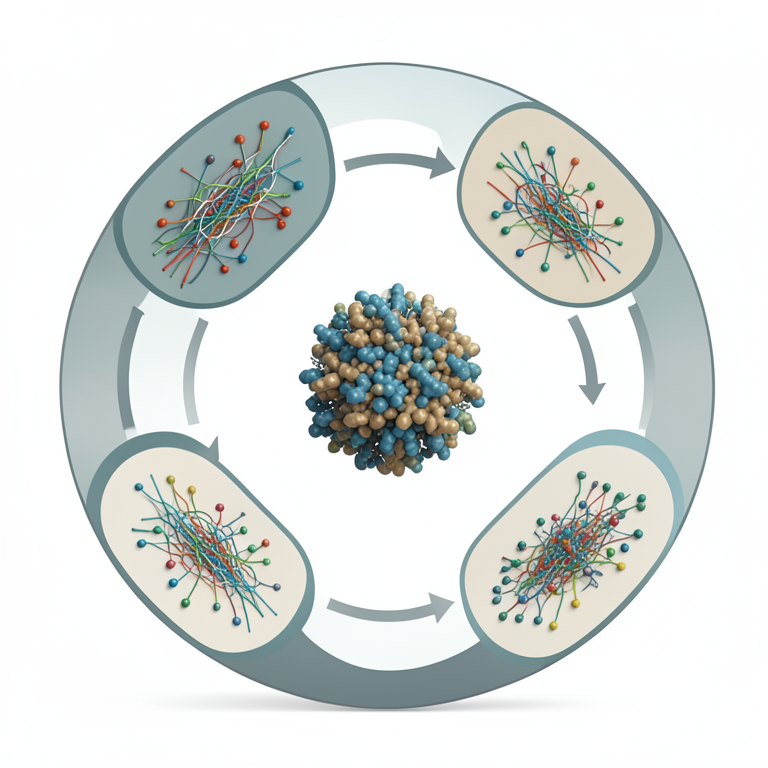
The SELEX Cycle
AI-generated conceptual illustration (single-stranded DNA sequences and a target protein molecule). It explains the idea and does not show study data.
View source evidence ↗Introduction
Pathogenic bacteria, such as Salmonella, pathogenic E. coli, Staphylococcus aureus, and Vibrio parahaemolyticus, pose serious health risks through contaminated food. Their contamination is often multi-type, widespread, and occurs at low levels (Ma et al., 2021) [19] , making rapid detection essential. Conventional detection methods-microbial culture, molecular biology, and immunoassays have limitations. Culture-based techniques, though the gold standard, are slow, requiring multiple steps that may take several days to a week for species confirmation (Yadav et al., 2020) [41] . Molecular tests may yield false positives (Majdinasab et al., 2018) [20] , and immunoassays like ELISA are labor-intensive, timeconsuming, and expensive due to antibody production (Yue et al., 2021; Sakamoto et al., 2018) [43,28] . Lateral flow assays face issues of lower sensitivity, cross-reactivity, and storage stability (Dey et al., 2023) [7] . Overall, these approaches are limited by high costs, long turnaround, and dependence on skilled personnel (Quintela et al., 2022) [26] . To overcome this, low-cost, on-site detection platforms have been developed, with aptamers gaining prominence in food safety and other applications (Mustafa et al., 2017; Silva et al., 2020) [22] . Aptamers are short, single-stranded (ss) DNA or RNA molecules, or sometimes peptides, that recognize and attach to specific targets with strong affinity and high selectivity because of their distinctive three-dimensional conformations (Syed et al., 2010) [33] . These aptamers are typically generated through the Systematic Evolution of Ligands by Exponential Enrichment (SELEX) technique, which was first introduced in 1990 (Wang et al., 2024) [35] . Aptamers were first identified in 1990, and since then numerous research groups have exploited their binding capabilities to develop a wide range of target-specific aptamers. The term "aptamers," originating from the Greek word aptus meaning "to fit," was introduced by
In the SELEX process, a large library containing 10¹⁴-10¹⁶ random oligonucleotide sequences is used, from which candidate aptamers are selected based on their ability to bind a particular target molecule (Manea et al., 2024) [21] .
SELEX: A Strategy for Aptamer Selection
SELEX stands for Systematic Evolution of Ligands by EXponential enrichment. It is a laboratory technique used to generate aptamers, which are short DNA or RNA sequences that can specifically bind to a target molecule (like proteins, small molecules, or even cells). There are many type of SELEX cycle (Stoltenburg et al., 2007) [32] .
Cell-SELEX
Unlike other SELEX variants, the cell-SELEX approach isolates aptamers directly against intact cells, ensuring that the cell-surface molecular targets remain in their native conformations and natural functional states (Sefah et al., 2010) [29] . The procedure begins with the generation of a diverse single-stranded DNA library, typically comprising around 10¹³-10¹⁵ distinct sequences flanked by primerbinding regions to facilitate PCR amplification (Chinchilla-Cárdenas et al., 2024) [6] . This library is then incubated with the target cells-such as live L. pneumophila serogroup 1 (SG1)-under physiological conditions to enable binding to unaltered surface epitopes (Xiong et al., 2022) [39] . After incubation, non-binding sequences are removed through washing, while the bound aptamers are recovered by elution methods such as heat treatment or chemical denaturation (Kumar et al., 2017) [15] . To increase selection specificity, a counter-selection step is incorporated using closely related organisms, including L. pneumophila SG3, L. anisa, L. micdadei, and F. bozemanae, which helps eliminate aptamers that bind non-specifically (Xiong et al., 2022) [39] . The recovered aptamers are then PCR-amplified to produce a fresh pool for subsequent selection rounds. This iterative cycle of binding, washing, elution, counter-selection, and amplification is repeated usually for 8-12 rounds with progressively stricter conditions to enrich highly specific, high-affinity aptamers (Chinchilla-Cárdenas et al., 2024) [6] . After sufficient enrichment, the final aptamer pool is cloned and sequenced, and individual aptamers are evaluated for their binding strength and specificity.
Magnetic-Bead SELEX
Magnetic SELEX is a modified SELEX technique in which the target molecule is immobilized on magnetic beads, and the magnetic property allows rapid separation of aptamertarget complexes from unbound sequences, making the selection process faster and more efficient (Manea et al., 2024) [21] . These Magnetic beads are composed of a core made from iron oxide nanoparticles, typically magnetite (Fe₃O₄) or maghemite (γ-Fe₂O₃). These magnetic cores impart superparamagnetic properties to the beads, enabling them to be manipulated using an external magnetic field Lee et al., (2018) [16] . To prevent oxidation and provide a stable surface for functionalization, the magnetic cores are coated with silica or polymers, which also enhance the beads' biocompatibility and dispersibility in aqueous solutions. Mylkie et al., (2021) [23] . A variety of chemical functional groups, such as amines, carboxylic acids, epoxy, and aldehydes, can be introduced on the coating surface of magnetic beads to enhance stability, wetting properties, binding flexibility, and enable covalent immobilization of proteins, enzymes, RNA, or DNA biomolecules Frickel et al., (2010) [11] .
Antibody vs Aptamer
Aptamers, which are synthesized chemically, enable largescale, cost-effective, and highly consistent production with very limited batch-to-batch variability (Zhou et al., 2012) [44] . This contrasts with monoclonal antibodies, whose manufacturing relies on expensive and time-consuming cellculture systems that frequently introduce lot-specific inconsistencies an issue that makes aptamer-based sensors more appropriate for low-cost, disposable, point-of-care use in both food safety and healthcare settings (Sequeira-Antunes and Ferreira, 2023) [30] . Additionally, aptamers exhibit advantageous physical characteristics: their compact molecular size allows for higher surface-density immobilization within the biorecognition layer, effectively broadening the biosensor's dynamic range and enhancing target-binding efficiency relative to larger antibodies (Arshavsky-Graham et al., 2022) [3] . Aptamers also demonstrate notable resilience under non-physiological conditions and can be precisely engineered with functional groups such as thiol (-SH) or amine (-NH₂) tags to support customizable immobilization strategies, including Au-S bond formation on electrode surfaces (Guo et al., 2025) [12] . Importantly, even when subjected to stressors like elevated temperatures or harsh environments, aptamers can undergo reversible denaturation and subsequently refold upon cooling, fully restoring their binding capability-unlike antibodies, which often incur irreversible structural damage and loss of function during such regeneration processes (Song et al., 2012) [31] .
Aptasensor Applications in Modern Food Safety Monitoring
Aptasensors employ a variety of analytical approaches to convert specific biomolecular interactions into detectable signals. These systems are generally classified according to the underlying physical transduction mechanism, with the most common being optical, electrochemical, and massbased methods. Among the technologies progressing toward commercial use, electrochemical, optical, mass-sensitive, and micromechanical aptasensor platforms remain the most prominent (Léguillier et al., 2024) [17] .
Electrochemical
Aptasensors: Precision and Miniaturization Electrochemical detection is widely used in biosensing due to its simple fabrication, miniaturization potential, and compatibility with lab-on-chip systems (Léguillier et al., 2024) [17] . Electrochemical aptasensors commonly rely on cyclic voltammetry, differential pulse voltammetry, and electrochemical impedance spectroscopy (Léguillier et al., 2024) [17] , and they often achieve higher sensitivity and lower detection limits than other sensing methods (Phopin et al., 2020) [24] . Their superior performance largely stems from nanomaterial integration. Nanostructures such as AuNPs, rGO, and carbon composites enhance electron transfer, improve electrocatalysis, and offer large surfaces for aptamer immobilization (Léguillier et al., 2024) [17] . These materials amplify signals and further lower detection limits by boosting surface area and catalytic activity (Yousef et al., 2022) [42] . Engineered nanomaterials, including N-doped porous carbon and gold nanostars, also increase stability and target enrichment, enabling reliable detection even in complex real-world samples (Wang et al., 2022) [35] . For example Study by (Ahmadi et al., 2022) [1] used an rGO-AuNP-modified pencil graphite electrode and was characterized using SEM, FTIR, CV, and EIS techniques. It achieved a wide linear detection range of 0.5-800 ng/L and a very low detection limit of 0.3 ng/L for aflatoxin M1, with performance successfully validated against HPLC.
Optical Aptasensors: Readout Versatility and Label-Free Options
Optical aptasensors detect target binding by monitoring changes in light properties and use formats such as fluorescence, chemiluminescence, colorimetry, SPR, LSPR, and SERS. Colorimetric assays are especially suitable for Point-of-Care testing because they are simple and allow visual interpretation (Thanunchai et al., 2025). AuNP-based colorimetric aptasensors can rapidly and selectively detect whole bacteria like E. coli O157:H7 and Salmonella typhimurium in under 20 minutes without complex pretreatment (Wu et al., 2012) [38] . There are many example of optical aptasensors like a fast and simple structure-switching fluorescent aptasensor was developed for the quantitative detection of Aflatoxin M1 (AFM1) in milk, showing a linear range of 1-100 ng/mL and a detection limit of 0.5 ng/mL, with excellent recoveries of 93-101% in spiked samples Qiao et al., (2021) [25] and simple and high-performance FAM-labeled aptamer fluorescent sensor was developed for rapid on-site detection of cadmium (Cd²⁺), showing a linear range of 5-4000 ng/mL and a detection limit of 1.92 ng/mL, which is below the WHO and EPA limits for drinking water Liu et al., (2021). Label-free techniques such as SPR and LSPR further simplify detection by eliminating the need for fluorescent or enzymatic labels, making them well-suited for complex biological samples (Wu et al., 2012) [38] .
Studies on the Detection of Foodborne Pathogens
A variety of aptasensor platforms have shown strong potential for foodborne pathogen detection. A visual aptasensor enabled on-site identification of S. typhimurium in milk, demonstrating a linear response from 10² to 10⁶ CFU/mL and high selectivity, with sensitivities of 2.4 × 10² CFU/mL in PBS and 2.8 × 10³ CFU/mL in actual milk samples. Another fluorescence-based approach was developed for detecting Escherichia coli in raw beef using Fe₃O₄@Au nanoparticles combined with borophene quantum dots, achieving detection limits of 3 CFU/mL in PBS and 20 CFU/mL in spiked meat samples (Alzahrani, 2025). Additionally, a novel colorimetric aptasensor employing Fe₃O₄@MIL-100(Fe) magnetic nanoparticles functionalized with a specific aptamer exploited their intrinsic oxidase-like activity for the detection of Listeria monocytogenes. This system provided a broad detection range of 10²-10⁷ CFU/mL and a remarkably low limit of detection of 14 CFU/mL (Du et al., 2024) [9] .
Studies on the Detection of Toxins and Antibiotic Contaminants
Several aptasensor platforms have been developed for detecting chemical contaminants in milk. An electrochemical aptasensor using a PEN-specific DNA aptamer (P-11-1) combined with AuNP-Fe₃O₄ nanocomposites enabled simultaneous detection of penicillin antibiotics, achieving a low detection limit of 0.667 nM and a broad linear range from 2 to 10,000 nM (Hu et al., 2024) [13] . Another electrochemical system incorporating reduced graphene oxide and gold nanoparticles was designed for monitoring Aflatoxin M1, providing a highly sensitive detection limit of 0.3 ng/L (Ahmadi et al., 2022) [1] . Additionally, a fluorescent aptasensor based on a split aptamer and DNA-templated silver nanoclusters, combined with Exonuclease I amplification, enabled highly sensitive detection of kanamycin in milk, reaching an ultra-low detection limit of 1.07 nM (Xu et al., 2025) [40] .
Studies on Aptasensor-Based Detection of Heavy Metals
A highly sensitive, enzyme-free fluorescent aptasensor was developed for detecting the toxic lead ion (Pb²⁺) in fish, shrimp, and milk. The system employed a ZIF-8@AuNPs metal-organic framework/gold nanoparticle hybrid as an efficient fluorescence quencher, achieving an exceptionally low detection limit of 0.24 pM (Rouhi et al., 2024) [27] .
Critical Gaps
Native aptamers-especially RNA-based ones-are highly prone to nuclease degradation, making them unstable in real samples (Kratschmer et al., 2017) [14] . This issue becomes more severe in food safety testing because food matrices such as milk, meat, and produce extracts naturally contain nucleases that can rapidly break down aptamer strands (Zhou et al., 2012) [44] . To improve stability, aptamers often require extensive chemical or structural modifications after SELEX, transforming them from simple oligonucleotides into engineered molecules and increasing production complexity and cost (Guo et al., 2025) [12] . Another major barrier to commercial use is the absence of clear regulatory approval pathways. Although many aptamer-based sensors show strong performance in research settings, they still struggle to gain acceptance for routine food safety testing, slowing their industrial adoption (Boro et al., 2025) [4] .
References
44 in the original paper- Ahmadi SF, Hojjatoleslamy M, Kiani H, Molavi H. Monitoring of aflatoxin M1 in milk using a novel electrochemical aptasensor based on reduced graphene oxide and gold nanoparticles. Food Chem. 2022;373(Pt A):131321. doi:10.1016/j.foodchem.2021.131321.
- Alzahrani A, Alsulami T, Salamatullah AM, Alzahrani HS. Rough Fe3O4/gold nanostructure enhanced fluorescence of quantum dots for Salmonella typhimurium detection in cabbage. J King Saud Univ Sci. 2024;36(6):103211.
- Arshavsky-Graham S, Heuer C, Jiang X, Segal E. Aptasensors versus immunosensors-Which will prevail? Eng Life Sci. 2022;22(3-4):319-33.
- Boro PR, Borthakur PP, Baruah E. Advancements in optical biosensor technology for food safety and quality assurance. Eng Proc. 2025;106(1):6. doi:10.3390/engproc2025106006.
- Chen M, Yu Y, Jiang F, Zhou J, Li Y, Liang C, et al. Development of Cell-SELEX technology and its International Journal of Agriculture and Food Science https://www.agriculturaljournals.com application in cancer diagnosis and therapy. Int J Mol Sci. 2016;17(12):2079. doi:10.3390/ijms17122079.
- Chinchilla-Cárdenas DJ, Cruz-Méndez JS, PetanoDuque JM, García RO, Castro LR, Lobo-Castañón MJ, Cancino-Escalante GO. Current developments of SELEX technologies and prospects in aptamer selection with clinical applications. J Genet Eng Biotechnol. 2024;22(3):100400. doi:10.1016/j.jgeb.2024.100400.
- Dey MK, Iftesum M, Devireddy R, Gartia MR. New technologies and reagents in lateral flow assay designs for enhancing accuracy and sensitivity. Anal Methods. 2023;15(35):4351-76.
- Diao D, Qiao N, Wu X, Li J, Lou X. An efficient method to evaluate experimental factor influence on in vitro binding of aptamers. Anal Biochem. 2018;556:715. doi:10.1016/j.ab.2018.06.015.
- Du J, Li Z, Liu K, Guo J, Bai Y. Colorimetric aptasensor for Listeria monocytogenes detection using dual-functional Fe3O4@MIL-100(Fe) with magnetic separation and oxidase-like activities in food samples. Mikrochim Acta. 2024;191(8):504. doi:10.1007/s00604024-06528-5.
- Ellington AD, Szostak JW. In vitro selection of RNA molecules that bind specific ligands. Nature. 1990;346:818-22.
- Frickel N, Messing R, Gelbrich T, Schmidt AM. Functional silanes as surface-modifying primers for stable magnetic polymer hybrids. Langmuir. 2010;26:2839-45. doi:10.1021/la902904f.
- Guo A, Zhang Y, Jiang M, Chen L, Jiang X, Zou X, Sun Z. Aptasensors for rapid detection of hazards in food: latest developments and trends. Biosensors. 2025;15(9):629.
- Hu M, Yue F, Dong J, Tao C, Bai M, Liu M, et al. Screening of broad-spectrum aptamer and development of an electrochemical aptasensor for simultaneous detection of penicillin antibiotics in milk. Talanta. 2024;269:125508. doi:10.1016/j.talanta.2023.125508.
- Kratschmer C, Levy M. Effect of chemical modifications on aptamer stability in serum. Nucleic Acid Ther. 2017;27(6):335-44. doi:10.1089/nat.2017.0680.
- Kumar T, Bruno JG, Dhiman A. ABCs of DNA aptamer and related assay development. Biotechnol Adv. 2017;35:275-301.
- Lee AHF, Gessert SF, Chen Y, Sergeev NV, Haghiri B. Preparation of iron oxide silica particles for Zika viral RNA extraction. Heliyon. 2018;4(3):e00572. doi:10.1016/j.heliyon.2018.e00572.
- Léguillier V, Heddi B, Vidic J. Recent advances in aptamer-based biosensors for bacterial detection. Biosensors (Basel). 2024;14(5):210. doi:10.3390/bios14050210.
- Liu Y, Zhang D, Ding J, Hayat K, Yang X, Zhan X, et al. A facile aptasensor for instantaneous determination of cadmium ions based on fluorescence amplification of MOPS on FAM-labeled aptamer. Biosensors (Basel). 2021;11(5):133. doi:10.3390/bios11050133.
- Ma X, Ding W, Wang C, Wu H, Tian X, Lyu M, Wang S. DNAzyme biosensors for detection of pathogenic bacteria. Sens Actuators B Chem. 2021;331:129422. doi:10.1016/j.snb.2020.129422.
- Majdinasab M, Hayat A, Marty JL. Aptamer-based assays and aptasensors for detection of pathogenic bacteria in food samples. TrAC Trends Anal Chem. 2018;107:60-77. doi:10.1016/j.trac.2018.07.016.
- Manea I, Casian M, Hosu-Stancioiu O, de-Los-SantosÁlvarez N, Lobo-Castañón MJ, Cristea C. A review on magnetic beads-based SELEX technologies. Anal Chim Acta. 2024;1297:342325. doi:10.1016/j.aca.2024.342325.
- Mustafa F, Hassan R, Andreescu S. Multifunctional nanotechnology-enabled sensors for rapid capture and detection of pathogens. Sensors. 2017;17:2121. doi:10.3390/s17092121.
- Mylkie K, Nowak P, Rybczynski P, Ziegler-Borowska M. Polymer-coated magnetite nanoparticles for protein immobilization. Materials. 2021;14(2):248.
- Phopin K, Tantimongcolwat T. Pesticide aptasensorsState of the art and perspectives. Sensors. 2020;20(23):6809. doi:10.3390/s20236809.
- Qiao Q, Guo X, Wen F, Chen L, Xu Q, Zheng N, et al. Aptamer-based fluorescence quenching approach for detection of aflatoxin M1 in milk. Front Chem. 2021;9:653869.
- Quintela IA, Vasse T, Lin CS, Wu VC. Portable and rapid detection technologies for foodborne pathogens: advances and limitations. Front Microbiol. 2022;13:1054782.
- Rouhi N, Khoshbin Z, Rezaei M, Abnous K, Taghdisi SM. Sensitive aptasensor mediated by gold nanoparticles/metal-organic framework lattice for Pb2+ detection in marine products. Anal Chim Acta. 2024;1317:342893. doi:10.1016/j.aca.2024.342893.
- Sakamoto S, Putalun W, Vimolmangkang S, Phoolcharoen W, Shoyama Y, Tanaka H, Morimoto S. ELISA for quantitative/qualitative analysis of plant secondary metabolites. J Nat Med. 2018;72(1):32-42.
- Sefah K, Shangguan D, Xiong X, O'Donoghue MB, Tan W. Development of DNA aptamers using CellSELEX. Nat Protoc. 2010;5:1169-85.
- Sequeira-Antunes B, Ferreira HA. Nucleic acid aptamer-based biosensors: a review. Biomedicines. 2023;11(12):3201.
- Song KM, Lee S, Ban C. Aptamers and their biological applications. Sensors. 2012;12(1):612-31.
- Stoltenburg R, Reinemann C, Strehlitz B. SELEX: a revolutionary method to generate high-affinity nucleic acid ligands. Biomol Eng. 2007;24(4):381-403. doi:10.1016/j.bioeng.2007.06.001.
- Syed MA, Pervaiz S. Advances in aptamers. Oligonucleotides. 2010;20(5):215-24.
- Thanunchai M, Sangboonruang S, Semakul N, Kumthip K, Maneekarn N, Tragoolpua K. Aptamerfunctionalized gold nanoparticle assay for rapid visual detection of norovirus in stool samples. Biosensors. 2025;15(6):387. doi:10.3390/bios15060387.
- Wang X, Lu D, Liu Y, Wang W, Ren R, Li M, et al. Electrochemical signal amplification strategies and their use in olfactory and taste evaluation. Biosensors (Basel). 2022;12(8):566.
- Wang B, Kobeissy F, Golpich M, Cai G, Li X, Abedi R, et al. Aptamer technologies in neuroscience, neurodiagnostics and neuromedicine development. Molecules. 2024;29(5):1124.
- Wei X, Zhao X. Advances in typing and identification of foodborne pathogens. Curr Opin Food Sci. 2021;37:52-7. doi:10.1016/j.cofs.2020.09.002. International Journal of Agriculture and Food Science https://www.agriculturaljournals.com
- Wu WH, Li M, Wang Y, Ouyang HX, Wang L, Li CX, et al. Aptasensors for rapid detection of Escherichia coli O157:H7 and Salmonella typhimurium. Nanoscale Res Lett. 2012;7:658.
- Xiong L, Xia M, Wang Q, Meng Z, Zhang J, Yu G, et al. DNA aptamers specific for Legionella pneumophila: SELEX using whole bacterial cells. Biotechnol Lett. 2022;44(5-6):777-86.
- Xu D, Shan L, Guo B, Wang J, Huang Q, Wang S, et al. Fluorescent aptasensor for kanamycin detection in milk, seafood and water using DNA-AgNCs and exonuclease-assisted recycling. Food Chem. 2025;478:143291.
- Yadav N, Chhillar AK, Rana JS. Detection of pathogenic bacteria with emphasis on biosensors integrated with AuNPs. Sensors Int. 2020;1:100028.
- Yousef H, Liu Y, Zheng L. Nanomaterial-based labelfree electrochemical aptasensors for thrombin detection. Biosensors (Basel). 2022;12(4):253.
- Yue F, Li F, Kong Q, Guo Y, Sun X. Aptamer-based sensors for aminoglycoside detection and applications. Sci Total Environ. 2021;762:143129.
- Zhou J, Bobbin ML, Burnett JC, Rossi JJ. Progress in RNA aptamer-based therapeutics. Front Genet. 2012;3:234.