
Research article · 2025 · Full text
International Journal of Geography Geology and EnvironmentInformal sectors of economy: A case study on railway hawkers of Sealdah Division
Volume 7(12) · Pages 01–08 · DOI: 10.22271/27067483.2025.v7.i12a.449 ↗
Research areasTaxation and Compliance StudiesUrban and Rural Development ChallengesEconomic Zones and Regional Development
Abstract
Author-writtenThe informal sector plays a significant role in providing employment and sustaining livelihoods for a large section of the population, especially in developing countries. One such important group within this sector is railway hawkers, who operate in busy transit areas like the Sealdah Division of the Eastern Railway. These hawkers offer affordable goods and services to millions of commuters each day, contributing to the local economy and supporting their families despite working in unregulated and insecure conditions. This study examines the economic, social, and cultural importance of railway hawkers in the Sealdah Division, highlighting their role in employment generation and urban life. It also explores the challenges they face, including legal insecurity, lack of social protection, and harassment by authorities. By analyzing their contributions and difficulties, the study emphasizes the need for inclusive policies that provide recognition, designated vending spaces, access to credit, and social security. Integrating railway hawkers into the formal economy can improve their livelihoods and promote more equitable and sustainable urban development.
Summary
Source-checkedPlain-language reading of the full paper, prepared with AI and checked against the text. Each point links to the authors' own words.
Why it matters
- The informal sector is critical for providing jobs and sustaining the livelihoods of many people, particularly in developing nations. View evidence ↗
- Railway hawkers support the local economy and their families by providing affordable goods to millions of daily commuters, though they work in insecure and unregulated environments. View evidence ↗
- Informal sector workers are often vulnerable to exploitation and economic shifts because they lack job security, social protection, and formal financial services. View evidence ↗
The question
- The study aims to analyze the economic impact of railway hawking in the Sealdah Division, specifically looking at employment patterns, income levels, and contributions to the informal sector. View evidence ↗
- The research seeks to identify the regulatory, legal, and social challenges hawkers face, as well as opportunities for their formalization. View evidence ↗
What they did
- Primary data was gathered from unauthorized hawkers in the Sealdah-Krishnagar and Sealdah-Bongaon Divisions using personal interviews and structured questionnaires. View evidence ↗
- To identify common issues, the researchers conducted group sessions with four to five hawkers in each study area. View evidence ↗
- Data analysis was performed using IBM SPSS 23, employing frequency percentages and non-parametric chi-square tests. View evidence ↗
What they found
- The survey found that the majority of railway hawkers are men between the ages of 25 and 45. View evidence ↗
- Most hawkers in the study had only completed middle school before entering the workforce due to family economic crises. View evidence ↗
- A majority of the hawkers have significant professional experience, typically ranging from 10 to 20 years. View evidence ↗
- Hawkers typically work 9 to 10 hours per day to earn a daily income between Rs. 300 and 500. View evidence ↗
- Hawkers frequently experience harassment from authorities, including arbitrary fines, verbal abuse, extortion, and forced evictions. View evidence ↗
- Poor working conditions and lack of shelter expose hawkers to harsh weather and health issues, including chronic fatigue, musculoskeletal disorders, and respiratory problems. View evidence ↗
- A significant policy gap exists because the Street Vendors Act of 2014 does not explicitly extend protections to those working on railway premises. View evidence ↗
What it means
- The authors conclude that inclusive urban development requires integrating informal workers through reform, dialogue, and recognition rather than criminalization or eviction. View evidence ↗
- The authors recommend amending the Street Vendors Act of 2014 to explicitly include railway stations and premises. View evidence ↗
Figures & tables
From the original paper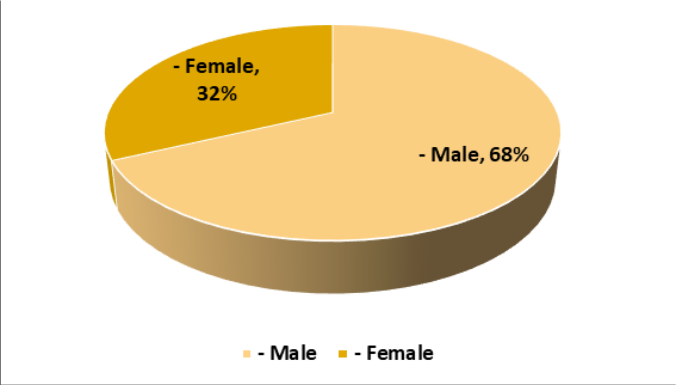 Figure 1
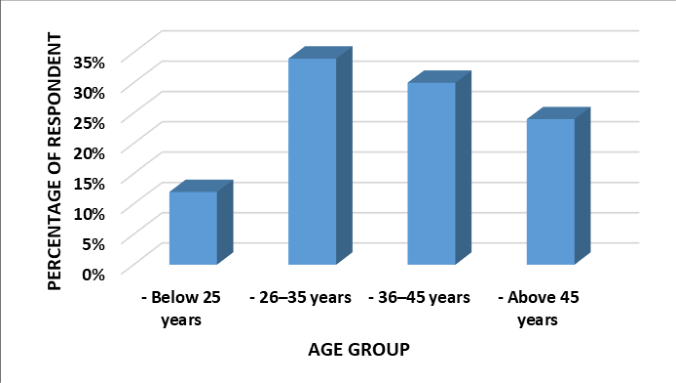 Figure 2
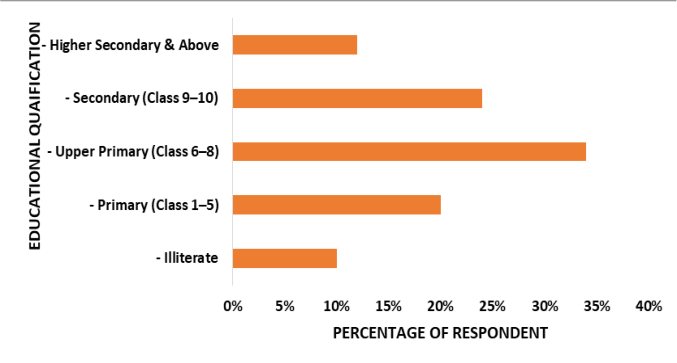 Figure 3
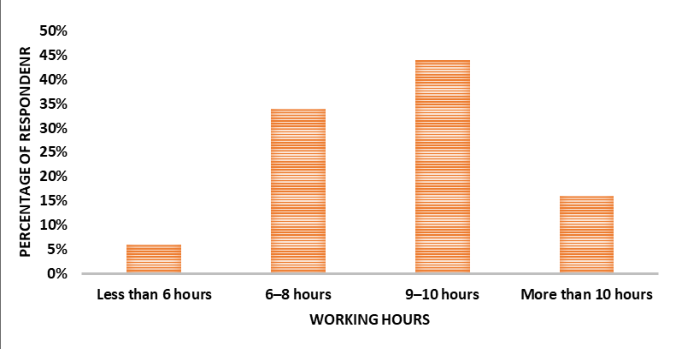 Figure 4
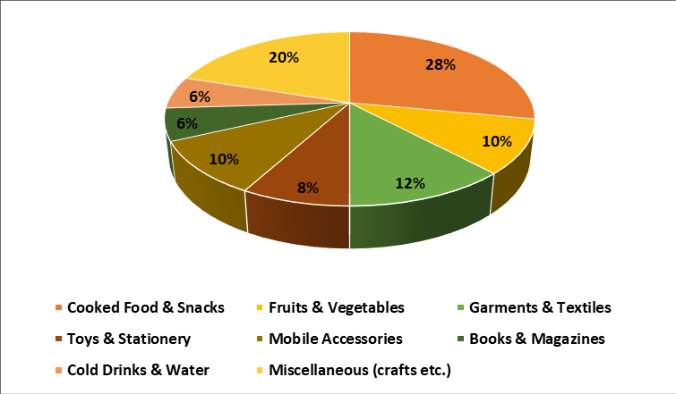 Figure 5
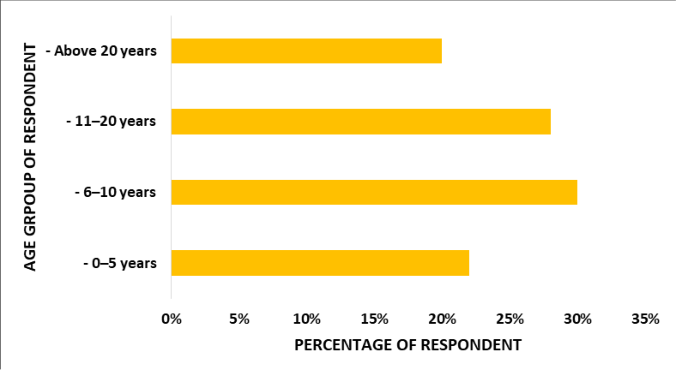 Figure 6
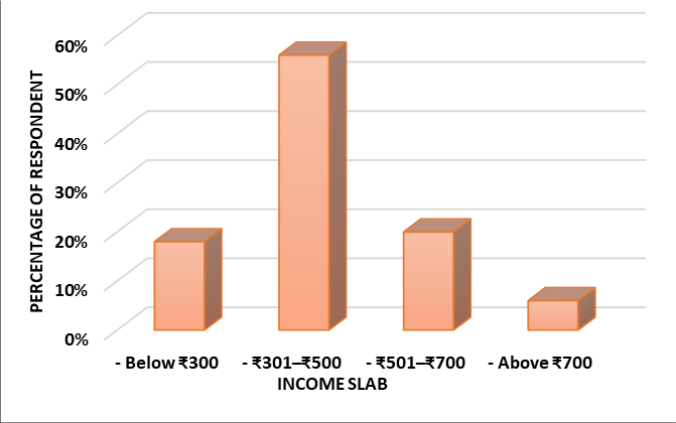 Figure 7
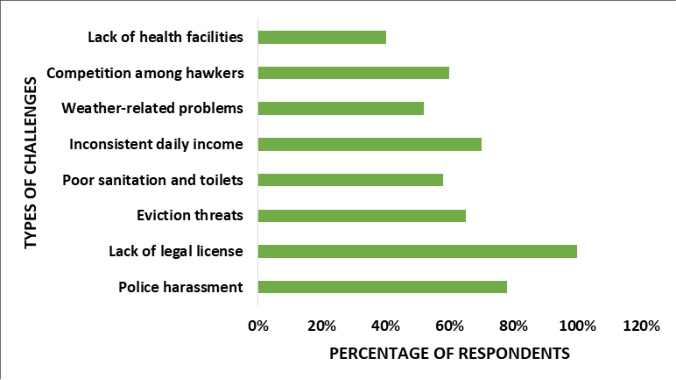 Figure 8
Introduction
The informal sector, also known as the shadow or grey economy, refers to economic activities that occur outside the purview of official regulations, taxation, and oversight. This sector is characterized by small-scale, unregistered, and unregulated economic activities, often providing employment opportunities to millions who are excluded from the formal labor market. Despite its informal nature, this sector plays a critical role in the economy by contributing to economic growth, providing essential goods and services, and offering a livelihood to a significant portion of the population, particularly in developing countries. The informal sector encompasses a wide range of activities, from street vending, small-scale manufacturing, and casual labor to more sophisticated operations like informal financial services. These activities often thrive in areas where formal employment opportunities are limited, regulations are lax, and enforcement is weak. Workers in the informal sector typically lack social protection, job security, and access to formal financial services, making them vulnerable to economic fluctuations and exploitation.
Railway Hawkers: Integral Part of the Informal Sector: Railway hawkers represent a crucial segment of the informal sector, particularly within the bustling environments of major transit hubs like the Sealdah Division of the Eastern Railway. These individuals embody the entrepreneurial spirit and adaptability characteristic of informal sector workers, providing essential goods and services to millions of passengers each day.
Economic Role: Railway hawkers significantly contribute to the local economy by offering a variety of affordable products, from snacks and beverages to books and daily necessities. Their presence meets the immediate needs of commuters, making travel more convenient and enjoyable. Despite operating outside the formal economic framework, these hawkers generate substantial income, supporting not only themselves but also their families and communities. This economic activity, although unregulated, adds vibrancy and dynamism to the local market.
Employment Generation
The informal sector, including railway hawking, is a major source of employment, especially for those who lack access to formal job opportunities. Many railway hawkers come from economically disadvantaged backgrounds or are migrants seeking better livelihood prospects. By setting up stalls and selling goods, they create self-employment opportunities, reducing the burden on formal employment markets and contributing to poverty alleviation.
Flexibility and Adaptability
One of the defining features of the informal sector is its flexibility and adaptability. Railway hawkers exemplify this by quickly responding to changing passenger needs and market conditions. They often work long hours, adapting their offerings based on demand, seasonality, and commuter preferences. This ability to pivot and innovate is a hallmark of the informal economy, enabling it to thrive even in challenging environments.
Socio-Cultural Impact
Railway hawkers are more than just vendors; they are an integral part of the social and cultural fabric of railway stations. Their interactions with passengers create a unique and lively atmosphere, reflecting the diverse socioeconomic backgrounds of the commuters. These daily exchanges foster a sense of community and belonging, making railway stations not just transit points but social hubs.
Challenges Faced
Despite their critical role, railway hawkers operate under precarious conditions. They often face harassment from authorities, lack of legal recognition, and the threat of eviction. Without access to formal financial services, social protection, or health care, they remain vulnerable to economic and social shocks. These challenges highlight the need for policies that recognize and support the contributions of informal workers, ensuring their rights and livelihoods are protected.
Policy Implications
Integrating railway hawkers into the formal economy requires thoughtful policy interventions. Legal recognition, provision of designated vending zones, access to credit, and social protection measures are essential to safeguard their livelihoods. Encouraging dialogue between hawkers, authorities, and other stakeholders can lead to more inclusive and sustainable economic growth. Railway hawkers are a vital part of the informal sector, playing a significant role in the economy by providing essential services, generating employment, and contributing to the socio-cultural fabric of railway stations. Their resilience and adaptability underscore the importance of the informal sector in sustaining livelihoods and driving economic activity. Recognizing and supporting railway hawkers through inclusive policies is crucial for harnessing the full potential of the informal economy and ensuring equitable growth.
Brief Survey of Literature
India has its inherited problem of poverty which is obviously due to the ever expanding population. In the recent decades the nation witnessed rapid growth in the relocation of rural dwellers in the direction of cities in hunt of better opportunities and lucrative employment. They are generally low skilled with negligible to no educational background but their urge to earn brings them out of their dwellings. They usually place themselves in daily wage works and temporal earning ways. They sometimes occupy spaces in pavements, public/private spaces to engage in some business, in essay they are termed as street hawkers/vendors (Bhowmik, 2005) [8] . It is to be noted that such informal businesses serve the general population and hence serve the society at large. Roughly in metropolitan cities like Mumbai and Kolkata had roughly 2.5 lakh street hawkers each and cities like Ahmedabad and Patna bears 80,000 street hawkers (Bhowmik, 2003) [22] . Female hawkers were seen selling relatively lesser quantity of supplies than those sold by men, consequently earning less (Bhowmik, 2010) [3] . The studies from school of structuralism argue that informal sectors economic dynamism becomes distinct in the times of structural adjustment, recession or excessive regulation. In such situations, the entrepreneurial activities of the unorganized sector are considered not so marginalized rather an alternative, ever evolving informal source of jobs and income and a driver of economic growth (ILO, 2002; Rakowski, 1994; World Bank, 1989) [23,24,25] . There is an assertion regarding such informal alternate sources of jobs and if incomes are not tackled with care than its economic potential will be wasted with the inherent weakness dwelling in the shadow such as low returns, stumpy output, and inadequate skills and expertise. They suggest intervention of the state in a progressive manner with an aim to engage higher productivity and proper access to resources such as capital and finance (Meagher, 1995). There have been contradictory views as well regarding the structuralism point of view of looking at the informal sector. It has been argued that in the developing countries informal economic activities even in case of entrepreneurial manner are mostly associated to marginal behaviour and meagre endurance of the economically struggling class (Nigam, Lubell, Fashoyin; 1987; 1991; 1993) [19,20,21] . Whereas, some are also of the view that the believe on the existence of informal entrepreneurial dynamism is far from real, and these informal entrepreneurs constitute of apopulation who are unprotected from social security, who are engaged in survival strategies to overcome their daily struggles for living and most the time exploited by variables such as local authorities and regulations along with connivance of the state (Birkbeck, 1979; Lomnitz, 1982). And then there are those who go further to contradict to structuralism claiming that many developing countries, state policies create an environment that encourage the emergence of this informally self-employed class (Leonard, 2000). The arguments indicate that informal sector is viewed as the byproduct of the states inability to provide enough opportunities in the mainstream formal sector (Debrah, 2007). Interestingly, as the budding economies is incapable to incorporate this on hand informal work force, consequently the less opportune class find alternate ways of earning and to occupy themselves for avoiding unemployment (Connolly, 1985) [10] . Conclusively stated by Weiss (1987) that; informal economic activity usually rises out of the necessities of the marginalized sector of the populace to circumvent inadequacy of the state to provide gainful job opportunities. Although, both marginalism and structuralism has separate set of views regarding the composition and constitution of the informal sector; it has been observed that both agreed upon one basic aspect which arises out of the discussion namely necessity of the economically unsound classes. So, our study explores the composition of the work force engaged in the occupation of railway hawking in the Northeast region of India who are engaged in informal economic activities.
Case Study: Railway Hawkers of Sealdah Division
The Sealdah Division of the Eastern Railway is one of the busiest railway networks in India, serving millions of passengers daily. This bustling hub is not just a transit point for travelers but also a thriving ecosystem for informal economic activities, particularly hawking. Railway hawkers in the Sealdah Division form a vital part of the informal sector, contributing to the local economy while providing essential goods and services to commuters.
Historical Context
The practice of hawking in Indian railway stations has a long history, rooted in the country's socio-economic fabric. Over the years, railway hawkers have become an integral part of the travel experience, offering a wide range of products from snacks and beverages to books and trinkets. The Sealdah Division, with its high footfall and diverse passenger profile, has emerged as a prominent hotspot for these informal vendors.
Economic Significance
Railway hawkers in the Sealdah Division play a significant economic role by catering to the needs of daily commuters and long-distance travelers. These vendors often sell affordable goods, making them accessible to a wide audience. Their operations provide a source of livelihood for thousands of families, many of whom are migrants or belong to economically disadvantaged communities. Despite their contribution to the economy, these hawkers operate without formal recognition or support, facing numerous challenges such as harassment, lack of legal protection, and the constant threat of eviction.
Research Objectives
This case study aims to explore the multifaceted aspects of railway hawking in the Sealdah Division, focusing on: 1. Economic Contributions: Analyzing the economic impact of railway hawkers on the local economy, including their income levels, employment patterns, and contribution to the informal sector.
Challenges and Opportunities:
Identifying the challenges faced by railway hawkers, such as legal and regulatory hurdles, competition, and social stigma, as well as potential opportunities for growth and formalization.
Socio-Cultural Dynamics:
Examining the social and cultural significance of railway hawking, including the interactions between hawkers and commuters, and the role of hawkers in the community. 4. Policy Implications: Assessing the existing policy framework and suggesting measures to support and integrate railway hawkers into the formal economy, ensuring their rights and livelihoods are protected.
Methodology
The study will be based on mainly inductive and empirical approach. The study will be based on primary data. To achieve the objectives of the study, primary data will be collected through the well tested structured questionnaire and personal interview from unauthorized hawkers of Sealdah-Krishnagar and Sealdah-Bongaon Division.
Both closed and open-ended questions will be included in the questionnaire. Open-ended questions have been used to assist in exploring the current situation. One group session has been conducted with four to five hawkers in each study area to understand the common issues. The study will engage IBM SPSS 23(Statistical Package for Social Sciences) for analyzing the collected data. The study will use data triangulation, which involve different method of data collection as well as data analysis (Cresswell, 2007) [26] . The qualitative information gathered from FGDs and Interviews will be transcribed into a sheet. Further, quantitative data collected from questionnaire were mostly categorical and nominal in nature that describes the various variables will be tested in the field. Descriptive analysis such as frequency percentages and a non-parametric chi square test will be carried out considering the data set.
Result & Discussion
The railway hawkers comprise a substantial portion of the unorganized sector in Sealdah Division. Many of these hawkers at several instances made attempts with an organized manner to approach the concerned authorities with their union and political leaders of their constituencies to deal with an aspiration to seek help for recognizing the trade. But eventually, as the government changes, they face new challenges and all the effort put on previously goes in vain. From the management perspective, it is evident that the hawkers operating in their respective trades are highly resilient. It is astonishing to find that many migrated also find their way of living out this unorganized means of trade. It is just like and parallel yet undercover class of entrepreneurs who struggle daily on their way to earn a decent living. The motivation behind this trade was found to be the number of customers available on daily basis which is again inevitable. The primary survey reveals that most of the hawkers are male in number and their age group lies between 25 to 45 years. The findings of the study reveal that most of the hawkers have come from the marginalized section of the society and it is an easy way of earnings. Although, hawkers are unauthorized and create several problems, but the role of hawkers in providing various services specially bottled water and tea/snacks to Indian Railways cannot be ignored. Hawkers providing fresh goods at cheap are innovative too. Services provided by IRCTC and authorized food stall, are not satisfactory enough. Most of the hawkers exhibit excellent business skills. Though their education level is low but, they have picked up an extraordinary talent to convince a person to buy any goods. The Indian trains are known to be running extraordinarily late, only hawkers can satisfy the needs and demands of the passenger. Most of the hawkers have completed their middle school studies and have to join work due to economic crisis in family.
Fig 3: Educational qualification of respondent
Hawkers not only sell goods but also provide valuable current train information to the passengers: A passenger trusts more on hawkers for current information of train rather than the person on duty in the enquiry counter this is the ground reality. The main problem is that the number of hawkers is increasing day by day and inter-class clashes occur regularly. It is a high time that local governments and policy makers should address these marginalized classes of traders. However, it is also understandable that merely due to the vastness of Indian economy the governments are yet to respond to these sections of the informal trade. The working experience of most of the hawkers are more that 10 to 20 years. Most common goods that are in high sell are cooked food and dry foods. Also miscellaneous craft items and accessories are also in high sell range. Most of the hawkers work for 9 to 10 hours in a day to achieve their daily income. Also their income slab depicts that the daily income ranges from Rs. 300 to 500.
Challenges Faced by Railway Hawkers of Sealdah Division
The railway hawkers operating in the Sealdah North Division, a critical node in Kolkata's suburban transport network, represent a significant segment of the informal economy. These hawkers, who sell a wide range of goods including snacks, garments, electronic accessories, and daily essentials, cater to thousands of daily commuters. Despite their contribution to the urban informal economy and the convenience they provide to passengers, railway hawkers face a host of challenges that threaten their livelihood, dignity, and socio-economic security. As Indian Railways considers the platforms and surrounding railway property as high-security and restricted zones, hawking is technically deemed unauthorized. This illegality exposes hawkers to the constant threat of eviction, confiscation of goods, and fines. Their precarious legal status denies them access to occupational rights and state protection, leaving them vulnerable to exploitation.
Occupational Hazards and Poor Working Conditions
Railway hawking is physically demanding and often unsafe.
Hawkers navigate crowded platforms and moving trains, exposing themselves to accidents, injuries, and even fatalities. The lack of proper shelter or vending space means they are exposed to harsh weather conditions. Additionally, they often work long hours with little rest, leading to health problems such as respiratory issues, musculoskeletal disorders, and chronic fatigue.
Economic Vulnerability and Income Instability
The income of railway hawkers is highly variable and dependent on footfall, which can be disrupted by public holidays, strikes, police crackdowns, or changes in commuter behaviour. Moreover, during events like the COVID-19 pandemic, prolonged lockdowns and restrictions on railway operations led to complete loss of livelihood for many, with minimal institutional support for recovery.
Lack of Policy
Lack of Policy
Conclusion
The study of railway hawkers in the Sealdah Division brings to light the vital yet precarious role played by informal workers within the urban economy. Often operating on the margins of legality and visibility, these hawkers constitute an essential component of the daily life and economy of Kolkata's transport ecosystem. Through their persistent presence on platforms and inside suburban trains, they cater to the needs of millions of daily commuters, providing lowcost goods and services in an accessible manner. Despite this contribution, they remain excluded from formal legal frameworks, welfare protections, and policy discourse. This research has underscored that the informal nature of railway hawking is not merely a matter of individual choice, but rather a systemic consequence of limited employment opportunities, rural-urban migration, and inadequate urban planning. Most hawkers resort to this form of livelihood out of necessity rather than preference, driven by the urgent need for subsistence in the absence of stable, formal employment. The Sealdah Division, being one of the busiest terminals in the Eastern Railway zone, offers a fertile ground for such informal economic activities, which flourish in spite of constant threats from authorities and infrastructural constraints. The challenges faced by these hawkers are multidimensional ranging from legal ambiguity, harassment by law enforcement, lack of social security, and poor working conditions, to social marginalization and economic instability. Women hawkers, in particular, face an intersection of gender-based discrimination and occupational vulnerability. Moreover, the lack of institutional recognition such as their exclusion from the purview of the Street Vendors Act, 2014 leaves them without a legitimate platform to assert their rights or access welfare benefits. Importantly, this study also highlights the resilience, adaptability, and entrepreneurial spirit of hawkers who navigate a complex urban environment to sustain their livelihoods. Their informal networks, self-regulatory practices, and localized knowledge reflect a form of grassroots economic organization that is often ignored in formal economic analyses. Recognizing their role not as obstructers of order but as facilitators of convenience and affordability is crucial to reframing our understanding of informality in urban India. In conclusion, the plight and persistence of railway hawkers in Sealdah exemplify the broader dynamics of informality in the Indian economy. If urban development is to be truly inclusive, it must integrate informal workers into its framework not through eviction or criminalization, but through recognition, dialogue, and reform. Policy efforts must be directed toward legitimizing informal occupations, ensuring social protections, and enabling participatory governance structures that give voice to marginalized workers. Only then can the urban economy evolve in a way that balances efficiency with equity, and order with justice.
Figures and tables from the paper
References
27 in the original paper- Bhattacharya KP, De P. Problems of hawkers in metropolitan cities: case study of Calcutta. Occasional Paper No. 20. Calcutta: Habitat Centre, Centre for Human Settlement; 1987.
- Bhowmik S. Hawkers and the urban informal sector: a study of street vendors in seven cities. New Delhi: National Alliance of Street Vendors (NASVI); 2001.
- Bhowmik SK, editor. Street vendors in the global urban economy. New Delhi: Routledge; 2010.
- Jumani U, Joshi B. Legal status of hawkers in India; 2004.
- Ministry of Urban Development and Poverty Alleviation. Model street vendors (protection of livelihood and regulation of street vending) bill. New Delhi: Government of India; 2009.
- Papola TS. Urban informal sector in a developing city. New Delhi: Vikas Publications; 1981.
- Rao MK. The urban informal sector and urban development. Delhi: Kanishka Publications; 1994.
- Saha D. Decent work for the street vendors in Mumbai, India a distant vision. J Workplace Rights. 2010;14(2):229-250.
- Bhowmik S. Street vendors in Asia: a review. Econ Political Wkly. 2005;40(22):2256-2264.
- Chen MA, Raveendran G. Urban employment in India: recent trends and patterns. 2011.
- Connolly P. The politics of the informal sector: a critique. In: Redclift N, Mingione E, editors. Beyond employment: house, gender and subsistence. Oxford: Basil Blackwell; 1985. p. 55-91.
- Indian Railways. Railway operations and passenger data -Sealdah division. Eastern Railway Zonal Reports; 2023.
- Roy Chowdhury S. The politics of visibility: street vendors in Kolkata. Econ Political Wkly. 2017;52(12):56-64.
- WIEGO. Street vendors and the urban informal economy: trends, policies, and challenges. Women in Informal Employment: Globalizing and Organizing; 2021.
- Mitra A. Lives on the line: a study of railway hawkers in Kolkata's Sealdah station. J South Asian Dev Stud. 2019;14(2):89-104.
- Government of India. The Street Vendors (Protection of Livelihood and Regulation of Street Vending) Act, 2014. New Delhi: Ministry of Law and Justice; 2014.
- Chen MA. The informal economy: definitions, theories and policies. WIEGO Working Paper No. 1. Women in Informal Employment: Globalizing and Organizing (WIEGO); 2012.
- Kundu A. Informality and the urban poor in the context of inclusive growth. Indian J Labour Econ. 2010;53(1):35-52.
- National Hawker Federation. Status report on street vendors in Indian cities: challenges and policy gaps. New Delhi: NHF Publications; 2022. 1. Meagher K. Crisis, informalization and the urban informal sector in Sub-Saharan Africa. Development and Change. 1995;26(2):259-284.
- Nigam A. The informal sector and employment generation in developing countries. International Labour Review. 1987;126(3):307-320.
- Lubell H. The informal sector in the 1980s and 1990s. Geneva: International Labour Organization; 1991.
- Fashoyin T. Employment, income and inequality in the informal sector. World Employment Programme Working Paper. Geneva: ILO; 1993.
- Bhowmik SK. Street vendors in the urban informal sector in Asia. Indian Journal of Labour Economics. 2003;46(1):135-146.
- International Labour Organization (ILO). Decent work and the informal economy. Report of the DirectorGeneral, 90th International Labour Conference. Geneva: ILO; 2002.
- Rakowski C (ed.). Contrapunto: The informal sector debate in Latin America. Albany (NY): State University of New York Press; 1994.
- World Bank. Sub-Saharan Africa: From crisis to sustainable growth -A long-term perspective study. Washington, DC: World Bank; 1989.
- Creswell JW. Qualitative inquiry and research design: Choosing among five approaches. 2nd ed. Thousand Oaks (CA): Sage Publications; 2007.
Social and Cultural Impact
Beyond their economic role, railway hawkers contribute to the social and cultural vibrancy of the Sealdah Division. They represent the entrepreneurial spirit and resilience of the informal sector, often working in difficult conditions to sustain their businesses. The interactions between hawkers and passengers create a unique microcosm of urban life, reflecting the broader socio-economic dynamics of the region.