
Research article · 2025 · Full text
International Journal of Agriculture and Food ScienceAdvances in lipid structuring and health implication in dairy
Volume 7(12) · Pages 129–139 · DOI: 10.33545/2664844x.2025.v7.i12b.1034 ↗
Research areasProteins in Food SystemsFatty Acid Research and HealthFood Chemistry and Fat Analysis
Abstract
Author-writtenMilk fat is a vital component in dairy products, contributing to flavor, texture, and nutritional value. However, growing health awareness has prompted significant research into modifying the structure and composition of lipids to reduce saturated fat content and enhance functional benefits. Recent advances in lipid structuring technologies including enzymatic interesterification, oleogelation, fractionation, and nanoemulsion techniques have opened new avenues for designing healthier dairy products without compromising sensory quality. These approaches allow incorporation of bioactive lipids such as omega-3 fatty acids, conjugated linoleic acid (CLA), medium-chain triglycerides (MCTs), and phytosterols into traditional dairy products like milk, yogurt, butter, and cheese. This review comprehensively explores the composition and characteristics of dairy lipids, various lipid structuring techniques applicable to dairy systems, and their implications for product development and human health. Particular emphasis is placed on technological feasibility, oxidative and sensory stability, regulatory challenges, and future perspectives involving clean-label trends, designer lipids, and sustainable lipid sources. By integrating food engineering, lipid chemistry, and nutritional science, structured lipid technology in dairy products represents a promising frontier for enhancing both functionality and health attributes. This review also identifies current research gaps and proposes directions for future innovations in dairy lipid design.
Summary
Source-checkedPlain-language reading of the full paper, prepared with AI and checked against the text. Each point links to the authors' own words.
Why it matters
- Milk fat is essential for the nutritional value, texture, and flavor of dairy products. View evidence ↗
- Increased health awareness has driven research into modifying lipid structures to lower saturated fats and increase functional health benefits. View evidence ↗
- The impact of the saturated fatty acids traditionally found in dairy fats on metabolic and cardiovascular diseases remains a subject of scientific debate. View evidence ↗
What they did
- The primary techniques for structuring lipids in dairy include fractionation, oleogelation, interesterification, and nanoemulsion/emulsification. View evidence ↗
- Enzymatic interesterification uses lipases to precisely place beneficial fatty acids at the sn-2 position of the glycerol backbone. View evidence ↗
- Nanoemulsions are created using high-energy methods like ultrasonication and high-pressure homogenization, or low-energy methods like spontaneous emulsification. View evidence ↗
What they found
- Bovine milk fat is primarily composed of palmitic acid (26-32%) and oleic acid (20-25%). View evidence ↗
- Enriching milk with phytosterols has been found to significantly reduce LDL-C levels by 8.7% to 15.9%. View evidence ↗
- Both free and esterified sterols in low-fat milk inhibited the absorption of cholesterol by approximately 60%. View evidence ↗
- Structuring lipids to place palmitic acid at the sn-2 position mimics human milk fat, which improves calcium and fat absorption and results in softer stools for infants. View evidence ↗
- The oxidation of polyunsaturated fatty acids (PUFAs) and bioactives is a major challenge that can be managed using antioxidants, encapsulation, and oxygen-barrier packaging. View evidence ↗
What it means
- The authors conclude that structured lipid technology is a leading innovation in dairy, capable of balancing functional performance with nutritional excellence and sustainability. View evidence ↗
- Commercial scalability is limited by high costs of enzymatic interesterification, slow reaction times and low yields in oleogelation, and complex downstream processing for nanoencapsulation. View evidence ↗
Visual summary
2 visualsIllustrations explain the paper; charts are replotted from the paper's own table values.
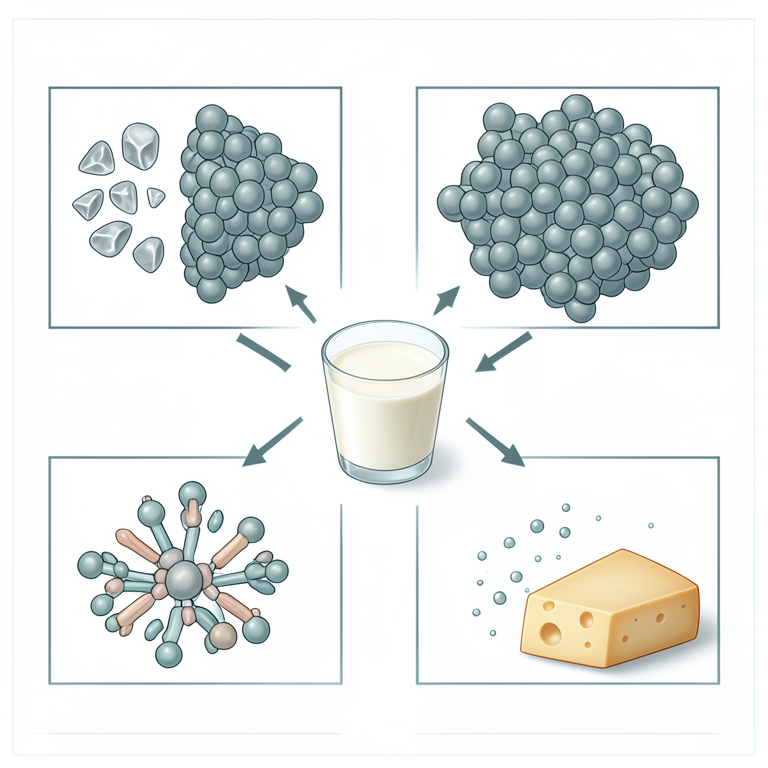
Lipid Structuring Methods Overview
AI-generated conceptual illustration (dairy fat globules and milk lipids). It explains the idea and does not show study data.
View source evidence ↗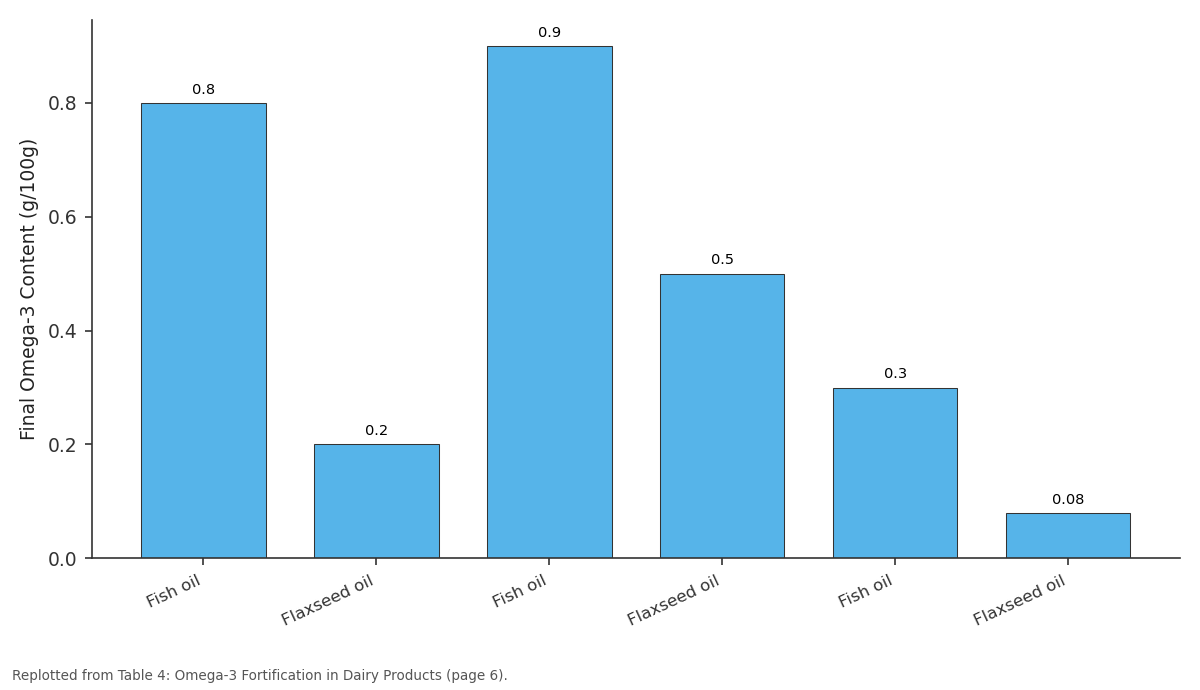
Final Omega-3 Content (g/100g) / N/A: Fish oil vs Flaxseed oil vs Fish oil vs Flaxseed oil vs Fish oil
Replotted from Table 4 (page 6) of the original paper. Every bar is the paper's own table value.
View source evidence ↗Figures & tables
From the original paper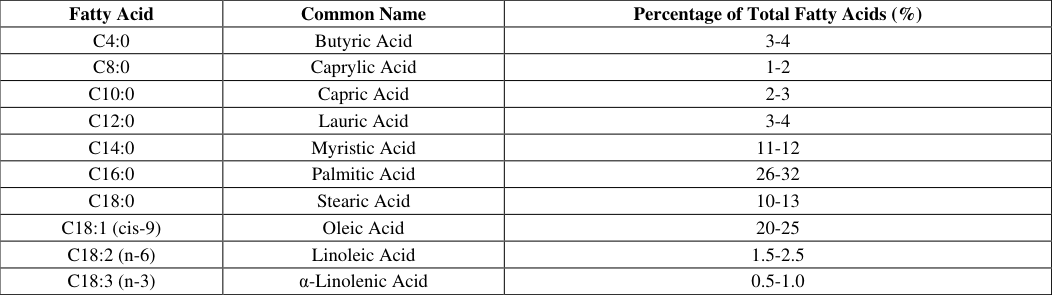 Table 1
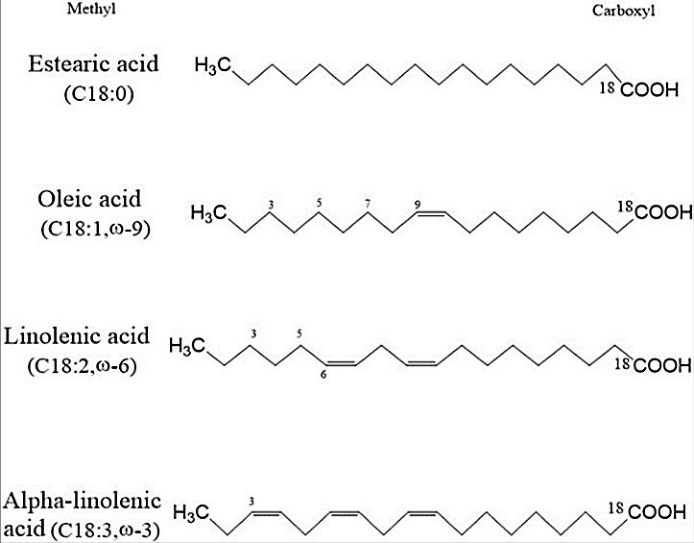 Figure 1
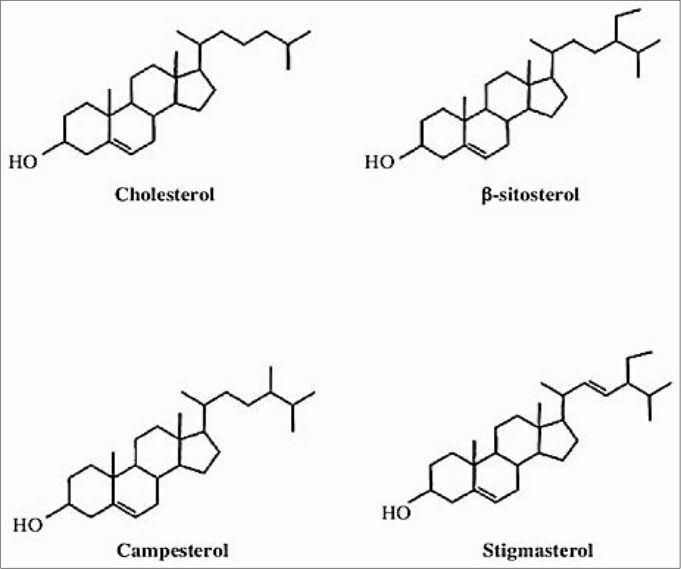 Figure 2
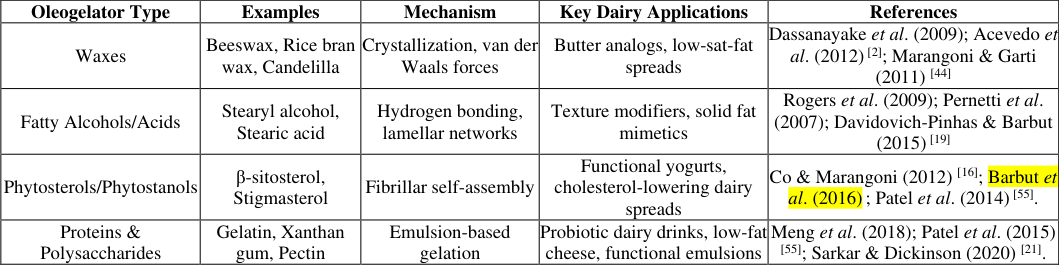 Table 2
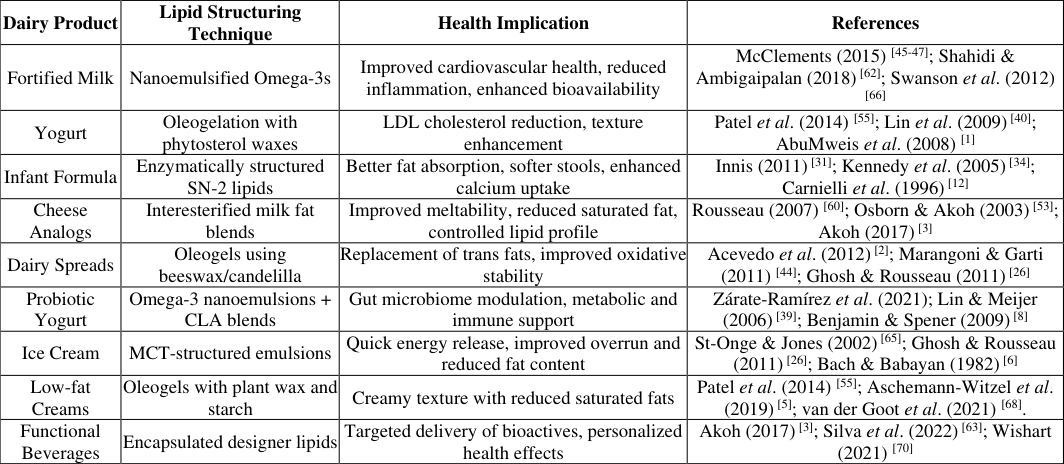 Table 3
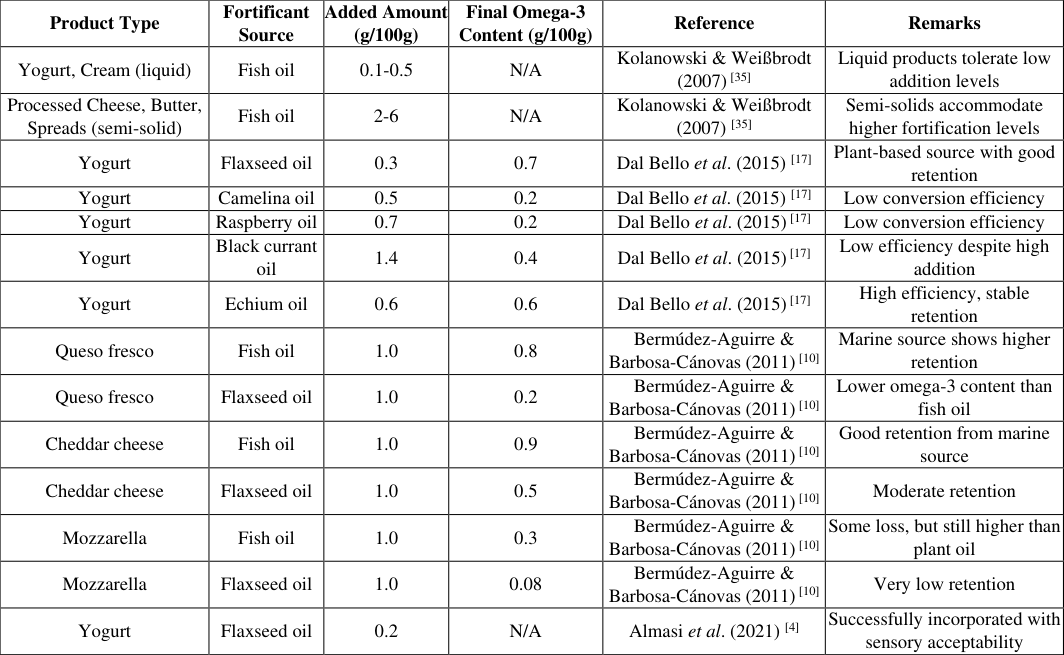 Table 4
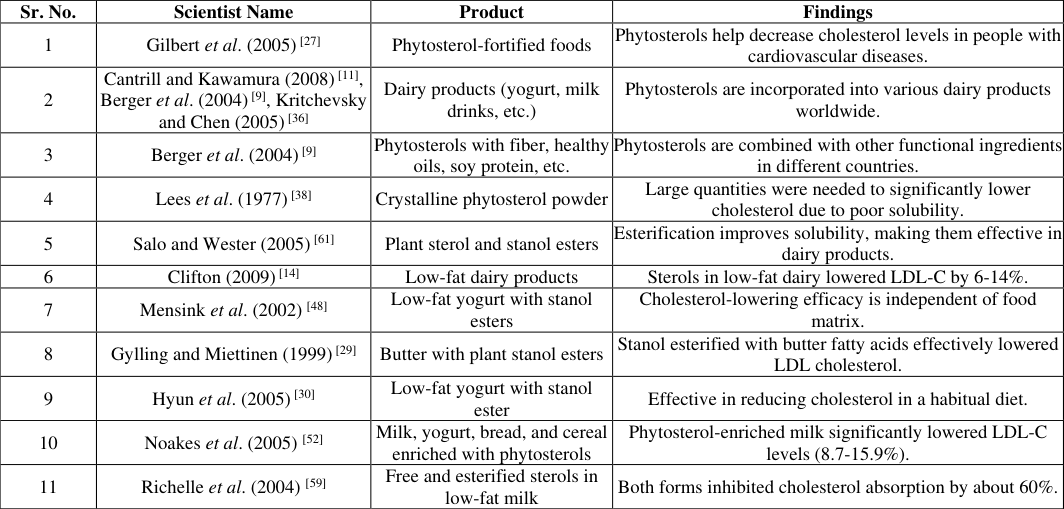 Table 5
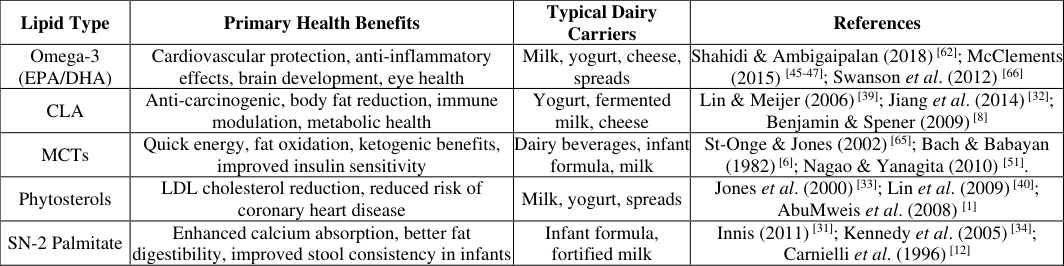 Table 6
 Table 7
Text
incorporation of functional lipids to improve health outcomes and the current challenges and future directions in structured lipid development for dairy applications.
Composition and Properties of Dairy Lipids
Milk fat is a complex mixture of over 400 different fatty acids, making it one of the most intricate natural fats in terms of composition. The bulk of milk fat is in the form of triacylglycerols (TAGs), accounting for over 98% of the lipid fraction. In addition, milk contains minor lipid components such as diacylglycerols, free fatty acids, phospholipids (primarily in the milk fat globule membrane, MFGM), and sterols (Michalski et al., 2006) [49] .
Fatty Acid Composition
The fatty acid profile of bovine milk fat includes short-chain fatty acids (SCFA), medium-chain (MCFA), and long-chain fatty acids (LCFA), encompassing saturated (SFA), monounsaturated (MUFA), and polyunsaturated fatty acids (PUFA). The predominant fatty acids include palmitic acid (C16:0), oleic acid (C18:1), stearic acid (C18:0), and myristic acid (C14:0). Trace amounts of essential fatty acids like linoleic (C18:2) and alpha-linolenic acid (C18:3) are also present. (Michalski et al., 2006) [49] .
Fatty Acid
Common Oleic Acid 20-25 C18:2 (n-6) Linoleic Acid 1.5-2.5 C18:3 (n-3) α-Linolenic Acid 0.5-1.0
Structural and Physical Properties
The physical behavior of milk fat is governed by its complex crystalline and polymorphic nature. Milk fat can crystallize into multiple forms (α, β', and β), each with distinct melting points and textural impacts (Lopez et al., 2005) [42] . The β' form is desirable for smoothness and spreadability, whereas β polymorphs are more rigid and waxy. Furthermore, milk fat exhibits broad melting behavior ranging from -40°C to 40°C due to the wide variety of TAG molecular species. Crystallization kinetics, polymorphism, and emulsification behavior influence the texture and sensory profile of products like butter, cheese, and ice cream. These properties also determine how well milk fat can be structured or modified for functional applications.
Digestibility and Bioavailability
The structure of milk fat affects its digestibility and metabolic fate. TAG molecules with saturated fatty acids in the sn-1 and sn-3 positions are less efficiently hydrolyzed compared to those with unsaturated fatty acids or SN-2 palmitate (common in human milk fat). Additionally, milk fat globules enclosed in MFGM offer bioactive functions, such as antimicrobial and anti-inflammatory effects (Dewettinck et al., 2008) [20] .
Lipid Structuring Techniques in Dairy
Advances in lipid structuring techniques have revolutionized the functional and nutritional design of dairy products. Lipid structuring refers to the physical and chemical modification of lipids to achieve desirable textural, thermal, and healthrelated characteristics. In the dairy sector, these approaches allow the reduction or replacement of saturated fats, incorporation of functional bioactives (e.g., omega-3 fatty acids, phytosterols, conjugated linoleic acid), and control over melting profiles and sensory properties. Key lipid structuring techniques applicable to dairy matrices include interesterification, oleogelation, fractionation, and emulsification/nanoemulsion technologies.
Interesterification
Interesterification is a process wherein fatty acids are redistributed within or among triacylglycerol (TAG) molecules without altering their degree of saturation. This rearrangement can be achieved through chemical or enzymatic catalysis, resulting in modified melting behavior, plasticity, and digestibility of fats.
Chemical Interesterification-
Chemical interesterification typically uses sodium methoxide or sodium ethoxide as catalysts under high temperature and vacuum conditions. Although cost-effective and widely used in industrial settings, this method lacks positional specificity, potentially resulting in random rearrangement of fatty acids and loss of structured lipid benefits (Chakraborty et al., 2014) [13] .
Enzymatic Interesterification
Enzymatic interesterification, often using lipases such as Lipozyme TL IM or Novozym 435, offers regioselective and stereospecific modifications, allowing targeted placement of beneficial fatty acids at the sn-2 position (e.g., SN-2 palmitate for infant formula applications) (Osborn & Akoh, 2003; Liu et al., 2006) [53,41] . It is considered more suitable for food applications due to its mild reaction conditions and better control over product functionality. In dairy product development, interesterification has been widely applied to produce low-saturated-fat butter analogs, which maintain desirable textural and spreadability characteristics while reducing the intake of saturated fats. This process also enables the formulation of customized spreadable fats with controlled melting points suited for specific climatic and culinary preferences. interesterification is crucial for creating fortified dairy lipids enriched with health-promoting compounds such as omega-3 fatty acids and conjugated linoleic acid (CLA). By strategically positioning these bioactive fatty acids especially at the sn-2 position on the glycerol backbone their digestibility and bioavailability can be significantly improved, enhancing their physiological efficacy (Maduko et al., 2005) [43] .
Oleogelation
Oleogelators are agents that transform liquid oils into semisolid structures through mechanisms like crystallization, hydrogen bonding, self-assembly, and emulsion stabilization, making them valuable in dairy fat structuring. Waxes form crystalline networks effective at low concentrations and are commonly used in trans-fat-free formulations. Fatty alcohols and fatty acids structure oils via hydrogen bonding but may require blending to optimize sensory qualities. Phytosterols and phytostanols self-assemble into fibrillar networks and offer added health benefits like cholesterol-lowering effects. Proteins and polysaccharides, used in emulsion-based gels, are especially suited for dairy systems such as probiotic yogurts and functional spreads due to their clean-label and food-grade status. [2] ; Marangoni & Garti (2011) [44] Fatty [19] Phytosterols/Phytostanols β-sitosterol,
Stigmasterol
Fibrillar self-assembly Functional yogurts, cholesterol-lowering dairy spreads
Co & Marangoni (2012) [16] ; Barbut et al. (2016) ; Patel et al. (2014) [55] . [55] ; Sarkar & Dickinson (2020) [21] .
Proteins & Polysaccharides
Proteins & Polysaccharides
Fractionation
Fractionation is a widely used physical technique in lipid structuring that involves separating fats into distinct fractions based on their melting behavior and crystallization characteristics. This process enhances the functional utility of dairy fats by tailoring their physical and nutritional properties. There are two principal types of fractionation i.e dry fractionation and solvent-assisted fractionation. Dry fractionation involves controlled cooling of the fat followed by mechanical separation, typically through filtration or centrifugation. It is a solvent-free, energy-efficient method suitable for food-grade applications. In contrast, solvent fractionation utilizes solvents such as acetone or hexane to selectively solubilize certain fractions while inducing crystallization of others, offering finer control over the molecular composition of the resulting lipid fractions. In dairy applications, fractionation facilitates the isolation of high-melting-point fractions rich in saturated fats, which can be used to enhance the texture and firmness of spreads, processed cheese, and table butter. Conversely, low-melting unsaturated fractions obtained through this method can be incorporated into functional lipid blends aimed at improving the nutritional profile of dairy products. Overall, fractionation provides a versatile means of enhancing the spreadability, plasticity, and thermal behavior of dairy fats, contributing to both consumer appeal and health-oriented reformulations.
Emulsification and Nanoemulsions
Emulsification is a foundational technique in food science, involving the dispersion of one immiscible liquid phase (such as oil) within another (such as water) with the aid of emulsifiers. In the dairy sector, this principle underlies the creation of stable systems like cream, flavored milk, and functional beverages. Recent advancements have led to the development of nanoemulsion technology, which produces emulsions with droplet sizes typically below 200 nm. These systems are particularly valuable for delivering lipophilic bioactive compounds such as omega-3 fatty acids, phytosterols, conjugated linoleic acid (CLA), and lipidsoluble vitamins within dairy matrices. Nanoemulsions offer several advantages in structured lipid delivery. First, the small droplet size significantly enhances the bioavailability of lipophilic nutrients, facilitating better absorption and systemic efficacy. Second, nanoemulsions provide oxidative protection by minimizing the surface area exposed to oxygen, thereby stabilizing unsaturated lipids such as EPA and DHA. Third, they improve the sensory profile of dairy products by integrating seamlessly without altering mouthfeel or appearance. Methods used to generate nanoemulsions include high-energy techniques such as highpressure homogenization and ultrasonication, as well as low-energy approaches like spontaneous emulsification (Solans & Sole, 2012) [64] .
The integration of nanoemulsions into dairy products has been explored for several applications. For instance, omega-3 fortified milk and yogurt utilizing nanoemulsified fish or algal oil have demonstrated improved oxidative stability and sensory acceptability (Patel et al., 2014) [55] . Similarly, nanoemulsions are used in flavored milk products to deliver lipid-soluble vitamins such as A, D, and E without compromising taste or clarity. Functional dairy spreads and cheeses have also been enriched with nanoencapsulated bioactives like CLA or coenzyme Q10, offering added health benefits while maintaining product integrity (McClements, 2015) [45][46][47] . These technologies collectively represent an innovative strategy for designing nextgeneration functional dairy foods.
Application in Dairy Product Development
The application of structured lipids in dairy product development represents a significant advancement in improving the nutritional, technological, and sensory profiles of dairy foods. Owing to their colloidal nature and consumer familiarity with high-fat content, dairy matrices offer a suitable medium for the incorporation of various structured lipids such as oleogels, nanoemulsions, interesterified fats, and phytosterol-based systems. The ability to manipulate lipid composition and structure within these products allows developers to achieve specific health targets such as lowering saturated fat, enhancing functional lipid intake, or improving lipid bioavailability without compromising the sensory appeal of the final product.
Milk and Cream
Milk and cream are widely consumed dairy products that serve as practical vehicles for delivering structured lipids. Their inherent emulsified nature facilitates the integration of bioactive lipids, though challenges such as oxidative degradation and off-flavors remain prevalent. Nanoemulsion-based systems have been successfully employed to deliver omega-3 fatty acids in milk, offering improved oxidative stability and minimal sensory disruption (McClements, 2015) [45][46][47] . Similarly, phytosterols and medium-chain triglycerides (MCTs) have been incorporated into fluid milk using emulsification techniques, contributing to cardiovascular and cognitive health benefits (Rao et al., 2016) [58] . For reduced-fat cream formulations, structured emulsions and oleogels have been utilized to replicate the rheological properties of full-fat products while decreasing saturated fat content (Davidovich-Pinhas et al., 2016).
Yogurt and Fermented Milk
Yogurt and other fermented milk products present a semisolid, protein-rich matrix conducive to the inclusion of structured lipids. The fermentation process, characterized by a low pH environment, offers protection to sensitive lipid molecules and can also enhance bioavailability. Lipid structuring in yogurt has enabled the successful replacement of saturated fat using oleogels composed of rice bran wax and monoglycerides, without sacrificing creaminess or consumer acceptance (Zárate-Ramírez et al., 2021). Furthermore, nanoemulsified omega-3s have been incorporated into yogurt products, providing oxidative protection and avoiding undesirable fishy flavors (Patel et al., 2014) [55] . Functional lipids such as CLA and phytosterols can also be incorporated into fermented dairy systems, contributing to improved metabolic health (Lin & Meijer, 2006) [39] .
Cheese
Cheese, being a highly structured and fat-rich dairy product, presents unique challenges for lipid restructuring due to its defined meltability, stretchability, and flavor. Nevertheless, enzymatic interesterification of cheese fats has allowed manufacturers to modify melting profiles, resulting in enhanced functional properties such as sliceability and stretch in processed cheese varieties (Gunstone, 2011) [28] . Oleogel incorporation into cheese matrices has also shown promise in lowering saturated fat content while maintaining desirable texture and sensory characteristics (Davidovich-Pinhas & Marangoni, 2015). Additionally, nanoemulsified bioactives such as coenzyme Q10 and omega-3 fatty acids have been effectively delivered through cheese spreads, expanding the functional appeal of these products (McClements, 2015) [45][46][47] .
Butter and Dairy SpreadsButter and margarine-type
spreads, traditionally high in saturated fats, are well-suited for lipid structuring approaches aimed at health improvement. Interesterification has been employed to modulate the melting properties of butterfat, enabling the production of healthier spreads with reduced solid fat content and improved nutritional profiles (Chakraborty et al., 2014) [13] . The integration of oleogels formulated with phytosterols and omega-3s has facilitated the development of cholesterol-lowering spreads that retain the plasticity, flavor, and spreadability of conventional butter (Barbut et al., 2020) [7] . These innovations support the delivery of functional lipids in formats that align with both health trends and traditional sensory expectations.
Ice Cream and Frozen Dairy Desserts:
The structural complexity of ice cream, involving a balance of solid and liquid fats, air incorporation, and thermal stability, demands precise fat structuring. Fractionation of milk fat has been utilized to control melting behavior and texture, contributing to smoother and more consistent frozen products (Rousseau, 2007) [60] . Moreover, the inclusion of oleogels derived from unsaturated oils provides a strategy for reducing saturated fat while maintaining creaminess and desirable mouthfeel (Zárate-Ramírez et al., 2021). Nanoemulsified delivery systems have also proven effective in incorporating omega-3 fatty acids and CLA into ice cream and frozen desserts, achieving functional fortification without causing oxidation or adverse flavor development (McClements, 2015) [45][46][47] .
Health Implications of Structured Lipids in Dairy
The strategic restructuring of lipids in dairy products goes beyond functional enhancement-it plays a important role in addressing modern health challenges, particularly those linked to cardiovascular disease, obesity, metabolic syndrome, and neurodegenerative disorders. The incorporation of bioactive lipids such as omega-3 fatty acids, conjugated linoleic acid (CLA), medium-chain triglycerides (MCTs), phytosterols, and structured triacylglycerols (TAGs) into dairy matrices has demonstrated promising health effects when appropriately stabilized and delivered. This section explores the physiological benefits and scientific rationale for integrating such structured lipids into dairy systems. [45][46][47] ; Shahidi & Ambigaipalan (2018) [62] ; Swanson et al. (2012) [66]
Yogurt
Oleogelation with phytosterol waxes LDL cholesterol reduction, texture enhancement Patel et al. (2014) [55] ; Lin et al. (2009) [40] ; AbuMweis et al. (2008) [1] Infant Formula Enzymatically structured SN-2 lipids
Better fat absorption, softer stools, enhanced calcium uptake Innis (2011) [31] ; Kennedy et al. (2005) [34] ; Carnielli et al. (1996) [12] Cheese Analogs
Interesterified milk fat blends
Improved meltability, reduced saturated fat, controlled lipid profile Rousseau (2007) [60] ; Osborn & Akoh (2003) [53] ; Akoh (2017) [3] Dairy Spreads Oleogels using beeswax/candelilla Replacement of trans fats, improved oxidative stability Acevedo et al. (2012) [2] ; Marangoni & Garti (2011) [44] ; Ghosh & Rousseau (2011) [26] [39] ; Benjamin & Spener (2009) [8] Ice Cream MCT-structured emulsions Quick energy release, improved overrun and reduced fat content St-Onge & Jones (2002) [65] ; Ghosh & Rousseau (2011) [26] ; Bach & Babayan (1982) [6] Low-fat Creams Oleogels with plant wax and starch Creamy texture with reduced saturated fats Patel et al. (2014) [55] ; Aschemann-Witzel et al.
(2019) [5] ; van der Goot et al. (2021) [68] . Functional Beverages Encapsulated designer lipids Targeted delivery of bioactives, personalized health effects Akoh (2017) [3] ; Silva et al. (2022) [63] ; Wishart (2021) [70] 5.1 Omega-3 Fatty Acid Fortification Omega-3 fatty acids, particularly eicosapentaenoic acid (EPA) and docosahexaenoic acid (DHA), are essential polyunsaturated fats with well-documented antiinflammatory, cardioprotective, and neuroprotective properties. Dairy products represent a practical vehicle for delivering these lipids to a broad population. Fortification is commonly achieved using fish oil, algal oil, or flaxseed oil (Shahidi & Ambigaipalan, 2018) [62] . To prevent oxidation and enhance absorption, technologies such as microencapsulation and nanoemulsion systems are employed in milk, yogurt, and dairy spreads (Patel et al., 2014; McClements, 2015) [55,[45][46][47] . Omega-3 fortified dairy has been shown to reduce triglyceride levels, lower blood pressure, support neurodevelopment in infants, and help prevent age-related macular degeneration. [35] Liquid products tolerate low addition levels Processed Cheese, Butter, Spreads (semi-solid) Fish oil 2-6 N/A Kolanowski & Weißbrodt (2007) [35] Semi-solids accommodate higher fortification levels Yogurt Flaxseed oil 0.3 0.7 Dal Bello et al. (2015) [17] Plant-based source with good retention Yogurt Camelina oil 0.5 0.2 Dal Bello et al. (2015) [17] Low conversion efficiency Yogurt Raspberry oil 0.7 0.2 Dal Bello et al. (2015) [17] Low conversion efficiency Yogurt Black currant oil 1.4 0.4 Dal Bello et al. (2015) [17] Low efficiency despite high addition Yogurt Echium oil 0.6 0.6 Dal Bello et al. (2015) [17] High efficiency, stable retention Queso fresco Fish oil 1.0 0.8 Bermúdez-Aguirre & Barbosa-Cánovas (2011) [10] Marine source shows higher retention Queso fresco Flaxseed oil 1.0 0.2 Bermúdez-Aguirre & Barbosa-Cánovas (2011) [10] Lower omega-3 content than fish oil Cheddar cheese Fish oil 1.0 0.9 Bermúdez-Aguirre & Barbosa-Cánovas (2011) [10] Good retention from marine source Cheddar cheese Flaxseed oil 1.0 0.5 Bermúdez-Aguirre & Barbosa-Cánovas (2011) [10] Moderate retention Mozzarella Fish oil 1.0 0.3 Bermúdez-Aguirre & Barbosa-Cánovas (2011) [10] Some loss, but still higher than plant oil Mozzarella Flaxseed oil 1.0 0.08 Bermúdez-Aguirre & Barbosa-Cánovas (2011) [10] Very low retention Yogurt Flaxseed oil 0.2 N/A Almasi et al. (2021) [4] Successfully incorporated with sensory acceptability
Conjugated Linoleic Acid (CLA) Enrichment
Conjugated linoleic acid (CLA), especially the cis- [32,40] . Enrichment strategies include dietary manipulation of dairy cattle, fermentation using CLA-producing probiotics, and fortification with CLA-rich oils or encapsulated formulations, particularly in yogurts, cheeses, and fermented milk products.
Medium-Chain Triglycerides (MCTs) for Rapid Energy and Metabolic Support
MCTs consist of fatty acids with chain lengths of 6 to 12 carbon atoms, primarily caprylic (C8:0) and capric acid (C10:0). These lipids are rapidly digested and absorbed, making them valuable for ketogenic diets, epilepsy management, neurodegenerative disorders, and weight control. MCTs also enhance thermogenesis and fat oxidation and may aid in insulin regulation (Osborn & Akoh, 2003) [53] . In dairy applications, they are used in infant formulas, medical nutrition, and sports beverages. Enzymatic interesterification allows for their integration into structured TAGs to deliver functional benefits in milk and yogurt.
Phytosterol Integration for Cardiovascular Health
Phytosterols are plant-derived sterols structurally similar to cholesterol, known for their ability to competitively inhibit intestinal cholesterol absorption. This action leads to a 30-40% reduction in cholesterol uptake, making phytosterols effective in lowering LDL cholesterol and reducing cardiovascular risk (Jones et al., 2000) [33] . Phytosterolenriched dairy products, including milk and yogurt, are increasingly used as functional foods. Advanced structuring techniques such as emulsification and oleogelation improve their dispersion and bioavailability (Lin et al., 2009) [40] .
Regulatory approvals for health claims on phytosterolcontaining dairy further support their clinical utility and commercial potential. [27] Phytosterol-fortified foods Phytosterols help decrease cholesterol levels in people with cardiovascular diseases.
2
Cantrill and Kawamura (2008) [11] , Berger et al. (2004) [9] , Kritchevsky and Chen (2005) [36] Dairy products (yogurt, milk drinks, etc.)
Phytosterols are incorporated into various dairy products worldwide.
3 Berger et al. (2004) [9] Phytosterols with fiber, healthy oils, soy protein, etc.
Phytosterols are combined with other functional ingredients in different countries. 4 Lees et al. (1977) [38] Crystalline phytosterol powder Large quantities were needed to significantly lower cholesterol due to poor solubility.
5
Salo and Wester (2005) [61] Plant sterol and stanol esters Esterification improves solubility, making them effective in dairy products. 6 Clifton (2009) [14] Low-fat dairy products Sterols in low-fat dairy lowered LDL-C by 6-14%.
7
Mensink et al. (2002) [48] Low-fat yogurt with stanol esters
Cholesterol-lowering efficacy is independent of food matrix.
8
Gylling and Miettinen (1999) [29] Butter with plant stanol esters Stanol esterified with butter fatty acids effectively lowered LDL cholesterol. 9
Hyun et al. (2005) [30] Low-fat yogurt with stanol ester Effective in reducing cholesterol in a habitual diet. [59] Free and esterified sterols in low-fat milk Both forms inhibited cholesterol absorption by about 60%.
Structured Lipids for Infant Nutrition
The formulation of infant nutrition products increasingly relies on the use of structured lipids to closely replicate the composition and functionality of human milk fat. One of the key structural features of human milk fat is the high proportion of palmitic acid (C16:0) esterified at the sn-2 position of triacylglycerols (TAGs), a configuration that promotes better absorption of fat and calcium, reduces the formation of calcium-fatty acid soaps in the intestine, and supports softer stool consistency. To emulate this structure, enzymatic interesterification techniques have been developed to selectively enrich milk fats with sn-2 palmitate, improving the physiological performance of infant formula fats (Innis, 2011) [31] . These tailored lipids are particularly valuable in specialized formulas designed for preterm infants or those experiencing fat malabsorption disorders. The use of structured lipids in such formulations has been associated with enhanced bone mineralization, improved development of gut microbiota, and more efficient absorption of dietary fat and calcium key outcomes for supporting optimal infant growth and health during early life stages. Shahidi & Ambigaipalan (2018) [62] ; McClements (2015) [45][46][47] ; Swanson et al. (2012) [66] CLA Anti-carcinogenic, body fat reduction, immune modulation, metabolic health
Yogurt, fermented milk, cheese
Lin & Meijer (2006) [39] ; Jiang et al. (2014) [32] ; Benjamin & Spener (2009) [8] MCTs Quick energy, fat oxidation, ketogenic benefits, improved insulin sensitivity Dairy beverages, infant formula, milk St-Onge & Jones (2002) [65] ; Bach & Babayan (1982) [6] ; Nagao & Yanagita (2010) [51] .
Phytosterols LDL cholesterol reduction, reduced risk of coronary heart disease Milk, yogurt, spreads Jones et al. (2000) [33] ; Lin et al. (2009) [40] ; AbuMweis et al. (2008) [1] SN-2 Palmitate Enhanced calcium absorption, better fat digestibility, improved stool consistency in infants Infant formula, fortified milk Innis (2011) [31] ; Kennedy et al. (2005) [34] ;
Carnielli et al. (1996) [12] 6.0 Technological and Sensory Challenges While lipid structuring techniques offer substantial promise for improving the nutritional and functional quality of dairy products, their successful translation into commercial applications requires overcoming several technological, sensory, and regulatory hurdles. These challenges encompass oxidative stability, rheological compatibility, sensory integrity, economic feasibility, and compliance with food labeling and safety standards. Each factor plays a critical role in the overall product performance and consumer acceptance.
Oxidative Stability of Structured Lipids
One of the foremost concerns in incorporating bioactive lipids such as omega-3 fatty acids and conjugated linoleic acid (CLA) into dairy products is their susceptibility to oxidation. Highly unsaturated lipids are prone to peroxidation, which leads to the formation of rancid offflavors, degradation of nutritional value, and reduced shelf life. This issue becomes particularly critical in aerated dairy matrices like whipped creams and frozen desserts. To combat this, technological interventions such as microencapsulation and nanoemulsion techniques are widely employed to isolate lipids from oxidative environments and improve their stability (McClements, 2015) [45][46][47] . The inclusion of natural antioxidants such as tocopherols, rosemary extract, and polyphenolic compounds also helps to retard oxidation (Shahidi & Ambigaipalan, 2015) [62] . Furthermore, advances in packaging technology such as oxygen-impermeable films and modified-atmosphere storage add an additional layer of protection during distribution and storage.
Sensory Attributes and Consumer Acceptance
Modifications in lipid structure or fatty acid composition can significantly alter the sensory characteristics of dairy products. Issues such as fishy or grassy off-flavors from omega-3-rich oils (e.g., fish or flaxseed oil), or a grainy and waxy texture resulting from the use of oleogels or interesterified fats, can negatively affect product acceptability. Additionally, deviations in meltability, spreadability, and creaminess compared to traditional milk fat may challenge consumer expectations. Addressing these issues involves the use of flavor-masking agents, as well as sourcing sensory-neutral lipid alternatives such as algal oil.
Precision control over crystallization and fat polymorphism is essential to mimic the desired textural attributes of native dairy fats (Rousseau, 2007) [60] . Incorporating consumer preference studies and regional sensory profiling during product development also ensures alignment with target market expectations.
Functional and Rheological Compatibility
Structured lipids can interfere with the colloidal structure and mechanical properties of various dairy systems. For instance, modified lipids may reduce emulsion stability in milk and cream, resulting in phase separation. In cultured products like yogurt and soft cheese, altered crystallization behavior may influence syneresis and textural firmness. In aerated dairy systems such as frozen desserts or whipped toppings, these lipids can affect overrun, melting behavior, and foam stability. To manage these impacts, manufacturers often optimize emulsifier systems (e.g., using lecithin or mono-and diglycerides) and blend structured lipids with native milk fats. Additionally, careful adjustment of processing parameters, including homogenization pressure and cooling rates, can help maintain the desired functionality and consistency of the final product.
Scalability and Cost Considerations
promising lab-scale results, scaling up lipid structuring technologies for commercial production introduces multiple challenges. These include the high cost of enzymatic interesterification, low yields and prolonged reaction times in oleogelation processes, and the complexity of downstream processing for nanoencapsulation or structured emulsions. Specialized equipment and tight control over temperature and humidity conditions further add to operational costs. Current research is focusing on process intensification, such as the use of immobilized enzymes, continuous flow systems, and modular bioreactor designs, to enhance the economic feasibility of structured lipid production (Acevedo et al., 2012) [2] .
Regulatory and Labeling Challenges
The use of structured lipids in dairy foods must comply with food safety regulations established by governing bodies such as FSSAI (India), EFSA (Europe), FDA (USA), and Codex Alimentarius. Key regulatory aspects include the Generally Recognized As Safe (GRAS) status of added lipid components (e.g., phytosterols, MCTs, algal oil), permissible limits of enrichment, and mandatory labeling declarations. Functional claims such as "omega-3 enriched" or "supports cholesterol reduction" require substantiated scientific evidence and regulatory approval. Moreover, labeling must ensure transparency in composition and clearly indicate whether the product contains modified or engineered fats. As consumer perception plays a important role in product acceptance, clear and accurate labeling, supported by public education on the health benefits of structured lipids, is essential for market success.
Emerging Trends and Innovations in Structured Lipids for Dairy
The evolution of lipid technology in the dairy industry is entering an exciting phase, marked by the convergence of nutrition science, food engineering, biotechnology, and digital technologies. While current advances in lipid structuring have demonstrated considerable promise, several emerging trends and innovative directions are set to reshape the future of functional and health-oriented dairy lipids.
Integration of Lipidomics and Precision Nutrition
Lipidomics, the comprehensive profiling of lipid species using advanced mass spectrometry and bioinformatics, is revolutionizing our understanding of lipids in dairy systems. This technique allows for the identification of bioactive lipid signatures, the exploration lipid structural variations, and the investigation of processing-induced changes affecting lipid bioavailability and functionality (Quehenberger & Dennis, 2011; Wishart, 2021) [56,70] . When integrated with precision nutrition an approach that personalizes dietary interventions based on genetic, metabolic, and microbiome data lipidomics offers a foundation for designing structured dairy lipids targeted to specific consumer needs, such as infants, elderly populations, or athletes (Galanakis, 2021; Shahidi & Ambigaipalan, 2018) [24,62] .
Designer Lipids for Targeted Health Outcomes
The field of designer lipids focuses on creating structured triacylglycerols (TAGs) with defined metabolic benefits. These lipids can be engineered to position long-chain polyunsaturated fatty acids (PUFAs) such as DHA and EPA at the sn-2 position to enhance absorption and exert antiinflammatory or anti-obesity effects (Akoh, 2017; Silva et al., 2022) [3. 63] . Specific configurations like SN-2 palmitate have also been shown to support calcium absorption and mimic human milk fat in infant nutrition (Innis, 2011; Kennedy et al., 2005) [31,34] . Enzymatic and microbial synthesis routes are increasingly favored due to their selectivity and eco-friendly nature, with scalability and sustainability being critical areas of ongoing research (Osborn & Akoh, 2003; Ratledge, 2013) [53,57] .
Algal and Microbial Lipid Sources
The limitations of traditional animal-and plant-derived lipid sources have led to an increased focus on microbial and algal lipids, which can be engineered to produce high-value fatty acids like omega-3s, CLAs, and MCTs. Advances in metabolic engineering have enabled the cultivation of microalgae, yeast, and fungi in controlled bioreactors using CO₂ and agro-industrial waste as feedstock, aligning with circular bioeconomy principles (Ganuza & Izquierdo, 2020; Ratledge, 2013) [57] . These sources provide lipid profiles with fewer contaminants and greater consistency, and they appeal to plant-based, vegan, halal, and kosher food markets, expanding the utility of structured lipids in both dairy and dairy analogs (Swanson et al., 2012; Shahidi & Ambigaipalan, 2018) [66,62] .
Artificial Intelligence and Food Informatics
Artificial intelligence (AI) and machine learning are being increasingly utilized in the formulation and optimization of structured lipids. AI models can predict lipid-matrix interactions, sensory responses, and oxidative stability based on compositional data, aiding in the rational design of lipid systems (Misra et al., 2020; Galanakis, 2021) [50,24] . Sensory modeling combined with lipidomics data enhances the ability to link consumer preferences to lipid structures. Moreover, AI-powered platforms and lipid databases are helping accelerate R&D timelines and enable precise customization of lipid-based dairy products (Wishart, 2021) [70] .
Clean Label and Sustainable Structuring Approaches
In response to rising consumer demand for natural, cleanlabel products, structured lipid systems are increasingly being developed using natural oleogelators like waxes, proteins, and polysaccharides, while avoiding synthetic emulsifiers and chemical solvents (Barbut et al., 2020; Patel et al., 2015) [7,55] . Techniques such as solvent-free enzymatic interesterification and minimal processing of oleogels contribute to cleaner formulations. Additionally, sustainability is being addressed through lifecycle analyses and carbon footprint reduction strategies in dairy lipid processing, aligning with international sustainability goals including the UN Sustainable Development Goals and Codex green labeling standards (Marangoni & Garti, 2011; FSSAI, 2020; Galanakis, 2021) [44,23,24] .
Conclusion
Recent advances in lipid technology have significantly transformed the functional and nutritional profile of dairy products. The structuring of lipids-through techniques such as interesterification, oleogelation, emulsification, and nanoencapsulation-enables the creation of dairy products that are not only sensorially appealing but also tailored to promote health and wellbeing. The incorporation of bioactive lipids, including omega-3 fatty acids, conjugated linoleic acid (CLA), medium-chain triglycerides (MCTs), phytosterols, and structured triacylglycerols, has expanded the potential of dairy as a vehicle for delivering essential and condition-specific nutrients. Such structured lipids offer therapeutic benefits ranging from cardiovascular support and weight management to neurological development and cholesterol reduction. Furthermore, the application of these technologies in dairy matrices such as milk, yogurt, cheese, spreads, and infant formula demonstrates the versatility of lipid modification strategies in addressing modern health needs. However, the transition from concept to commercial application is not without challenges. Oxidative stability, sensory acceptability, rheological compatibility, production scalability, and regulatory compliance remain critical issues that demand integrated solutions. Innovations in encapsulation, flavor masking, process engineering, and emulsifier selection are helping to bridge these gaps. Additionally, growing interest in clean-label, sustainable, and plant-based lipid sources reflects evolving consumer expectations and global sustainability goals.
Looking ahead, the integration of lipidomics, artificial intelligence, microbial lipid production, and designer lipid synthesis will pave the way for the next generation of functional and precision-tailored dairy lipids. Multidisciplinary collaboration between dairy scientists, nutritionists, lipid chemists, and food technologists will be key to unlocking the full potential of lipid structuring in dairy systems. Phytosterols are naturally found in all plant origin food products. Naturally available phytosterols have effects on cholesterol metabolism. People consume phytosterols through diet every day but in a small quantity which may not be effective for lowering LDL cholesterol levels, but if foods are enriched with plant sterols or their esters at a level of 2-3 g/day, they may help reduce the LDL cholesterol levels significantly. In summary, structured lipid technology stands at the frontier of dairy innovation, offering the promise of products that meet both nutritional excellence and functional performance, while responding to the challenges of modern health, sustainability, and consumer demand.
Figures and tables from the paper
| Fatty Acid | Common Name | Percentage of Total Fatty Acids (%) |
|---|---|---|
| C4:0 | Butyric Acid | 3-4 |
| C8:0 | Caprylic Acid | 1-2 |
| C10:0 | Capric Acid | 2-3 |
| C12:0 | Lauric Acid | 3-4 |
| C14:0 | Myristic Acid | 11-12 |
| C16:0 | Palmitic Acid | 26-32 |
| C18:0 | Stearic Acid | 10-13 |
| C18:1 (cis-9) | Oleic Acid | 20-25 |
| C18:2 (n-6) | Linoleic Acid | 1.5-2.5 |
| C18:3 (n-3) | α-Linolenic Acid | 0.5-1.0 |
Table text extracted from the original PDF; superscript letters are shown inline. The original table image is below.
View original table image
| Dairy Product | Lipid Structuring Technique | Health Implication | References |
|---|---|---|---|
| Fortified Milk | Nanoemulsified Omega-3s | Improved cardiovascular health, reduced inflammation, enhanced bioavailability | McClements (2015) [45-47]; Shahidi & Ambigaipalan (2018) [62]; Swanson et al. (2012) [66] |
| Yogurt | Oleogelation with phytosterol waxes | LDL cholesterol reduction, texture enhancement | Patel et al. (2014) [55]; Lin et al. (2009) [40]; AbuMweis et al. (2008) [1] |
| Infant Formula | Enzymatically structured SN-2 lipids | Better fat absorption, softer stools, enhanced calcium uptake | Innis (2011) [31]; Kennedy et al. (2005) [34]; Carnielli et al. (1996) [12] |
| Cheese Analogs | Interesterified milk fat blends | Improved meltability, reduced saturated fat, controlled lipid profile | Rousseau (2007) [60]; Osborn & Akoh (2003) [53]; Akoh (2017) [3] |
| Dairy Spreads | Oleogels using beeswax/candelilla | Replacement of trans fats, improved oxidative stability | Acevedo et al. (2012) [2]; Marangoni & Garti (2011) [44]; Ghosh & Rousseau (2011) [26] |
| Probiotic Yogurt | Omega-3 nanoemulsions + CLA blends | Gut microbiome modulation, metabolic and immune support | Zárate-Ramírez et al. (2021); Lin & Meijer (2006) [39]; Benjamin & Spener (2009) [8] |
| Ice Cream | MCT-structured emulsions | Quick energy release, improved overrun and reduced fat content | St-Onge & Jones (2002) [65]; Ghosh & Rousseau (2011) [26]; Bach & Babayan (1982) [6] |
| Low-fat Creams | Oleogels with plant wax and starch | Creamy texture with reduced saturated fats | Patel et al. (2014) [55]; Aschemann-Witzel et al. (2019) [5]; van der Goot et al. (2021) [68]. |
| Functional Beverages | Encapsulated designer lipids | Targeted delivery of bioactives, personalized health effects | Akoh (2017) [3]; Silva et al. (2022) [63]; Wishart (2021) [70] |
Table text extracted from the original PDF; superscript letters are shown inline. The original table image is below.
View original table image
| Product Type | Fortificant Source | Added Amount (g/100g) | Final Omega-3 Content (g/100g) | Reference | Remarks |
|---|---|---|---|---|---|
| Yogurt, Cream (liquid) | Fish oil | 0.1-0.5 | N/A | Kolanowski & Weißbrodt (2007) [35] | Liquid products tolerate low addition levels |
| Processed Cheese, Butter, Spreads (semi-solid) | Fish oil | 2-6 | N/A | Kolanowski & Weißbrodt (2007) [35] | Semi-solids accommodate higher fortification levels |
| Yogurt | Flaxseed oil | 0.3 | 0.7 | Dal Bello et al. (2015) [17] | Plant-based source with good retention |
| Yogurt | Camelina oil | 0.5 | 0.2 | Dal Bello et al. (2015) [17] | Low conversion efficiency |
| Yogurt | Raspberry oil | 0.7 | 0.2 | Dal Bello et al. (2015) [17] | Low conversion efficiency |
| Yogurt | Black currant oil | 1.4 | 0.4 | Dal Bello et al. (2015) [17] | Low efficiency despite high addition |
| Yogurt | Echium oil | 0.6 | 0.6 | Dal Bello et al. (2015) [17] | High efficiency, stable retention |
| Queso fresco | Fish oil | 1.0 | 0.8 | Bermúdez-Aguirre & Barbosa-Cánovas (2011) [10] | Marine source shows higher retention |
| Queso fresco | Flaxseed oil | 1.0 | 0.2 | Bermúdez-Aguirre & Barbosa-Cánovas (2011) [10] | Lower omega-3 content than fish oil |
| Cheddar cheese | Fish oil | 1.0 | 0.9 | Bermúdez-Aguirre & Barbosa-Cánovas (2011) [10] | Good retention from marine source |
| Cheddar cheese | Flaxseed oil | 1.0 | 0.5 | Bermúdez-Aguirre & Barbosa-Cánovas (2011) [10] | Moderate retention |
| Mozzarella | Fish oil | 1.0 | 0.3 | Bermúdez-Aguirre & Barbosa-Cánovas (2011) [10] | Some loss, but still higher than plant oil |
| Mozzarella | Flaxseed oil | 1.0 | 0.08 | Bermúdez-Aguirre & Barbosa-Cánovas (2011) [10] | Very low retention |
| Yogurt | Flaxseed oil | 0.2 | N/A | Almasi et al. (2021) [4] | Successfully incorporated with sensory acceptability |
Table text extracted from the original PDF; superscript letters are shown inline. The original table image is below.
View original table image
| Sr. No. | Scientist Name | Product | Findings |
|---|---|---|---|
| 1 | Gilbert et al. (2005) [27] | Phytosterol-fortified foods | Phytosterols help decrease cholesterol levels in people with cardiovascular diseases. |
| 2 | Cantrill and Kawamura (2008) [11], Berger et al. (2004) [9], Kritchevsky and Chen (2005) [36] | Dairy products (yogurt, milk drinks, etc.) | Phytosterols are incorporated into various dairy products worldwide. |
| 3 | Berger et al. (2004) [9] | Phytosterols with fiber, healthy oils, soy protein, etc. | Phytosterols are combined with other functional ingredients in different countries. |
| 4 | Lees et al. (1977) [38] | Crystalline phytosterol powder | Large quantities were needed to significantly lower cholesterol due to poor solubility. |
| 5 | Salo and Wester (2005) [61] | Plant sterol and stanol esters | Esterification improves solubility, making them effective in dairy products. |
| 6 | Clifton (2009) [14] | Low-fat dairy products | Sterols in low-fat dairy lowered LDL-C by 6-14%. |
| 7 | Mensink et al. (2002) [48] | Low-fat yogurt with stanol esters | Cholesterol-lowering efficacy is independent of food matrix. |
| 8 | Gylling and Miettinen (1999) [29] | Butter with plant stanol esters | Stanol esterified with butter fatty acids effectively lowered LDL cholesterol. |
| 9 | Hyun et al. (2005) [30] | Low-fat yogurt with stanol ester | Effective in reducing cholesterol in a habitual diet. |
| 10 | Noakes et al. (2005) [52] | Milk, yogurt, bread, and cereal enriched with phytosterols | Phytosterol-enriched milk significantly lowered LDL-C levels (8.7-15.9%). |
| 11 | Richelle et al. (2004) [59] | Free and esterified sterols in low-fat milk | Both forms inhibited cholesterol absorption by about 60%. |
Table text extracted from the original PDF; superscript letters are shown inline. The original table image is below.
View original table image
| Lipid Type | Primary Health Benefits | Typical Dairy Carriers | References |
|---|---|---|---|
| Omega-3 (EPA/DHA) | Cardiovascular protection, anti-inflammatory effects, brain development, eye health | Milk, yogurt, cheese, spreads | Shahidi & Ambigaipalan (2018) [62]; McClements (2015) [45-47]; Swanson et al. (2012) [66] |
| CLA | Anti-carcinogenic, body fat reduction, immune modulation, metabolic health | Yogurt, fermented milk, cheese | Lin & Meijer (2006) [39]; Jiang et al. (2014) [32]; Benjamin & Spener (2009) [8] |
| MCTs | Quick energy, fat oxidation, ketogenic benefits, improved insulin sensitivity | Dairy beverages, infant formula, milk | St-Onge & Jones (2002) [65]; Bach & Babayan (1982) [6]; Nagao & Yanagita (2010) [51]. |
| Phytosterols | LDL cholesterol reduction, reduced risk of coronary heart disease | Milk, yogurt, spreads | Jones et al. (2000) [33]; Lin et al. (2009) [40]; AbuMweis et al. (2008) [1] |
| SN-2 Palmitate | Enhanced calcium absorption, better fat digestibility, improved stool consistency in infants | Infant formula, fortified milk | Innis (2011) [31]; Kennedy et al. (2005) [34]; Carnielli et al. (1996) [12] |
Table text extracted from the original PDF; superscript letters are shown inline. The original table image is below.
View original table image
| Challenge Area | Problem | Solution/Strategy |
|---|---|---|
| Oxidative Stability | Oxidation of PUFAs and bioactives | Encapsulation, antioxidants, oxygen-barrier packaging |
| Sensory Attributes | Off-flavors, texture changes | Flavor masking, oleogel optimization, sensory trials |
| Rheological Performance | Phase separation, melt instability | Emulsifier selection, processing control, fat blends |
| Cost and Scalability | Expensive enzymes, slow processes | Enzyme immobilization, continuous systems, industrial optimization |
| Regulatory Compliance | Health claims, GRAS status, label confusion | Adherence to FSSAI/Codex/FDA, transparent labeling, consumer education |
Table text extracted from the original PDF; superscript letters are shown inline. The original table image is below.
View original table image
References
71 in the original paper- AbuMweis SS, Barake R, Jones PJ. Plant sterols/stanols as cholesterol-lowering agents: a meta-analysis of randomized controlled trials. Food and Nutrition Research. 2008;52(1):1811.
- Acevedo NC, Marangoni AG, Taylor M. Challenges in commercializing structured lipids. Journal of the American Oil Chemists' Society. 2012;89(5):749-780. https://doi.org/10.1007/s11746-011-1942-1
- Akoh CC. Structured lipids for nutritional applications. Annual Review of Food Science and Technology. 2017;8:429-450. https://doi.org/10.1146/annurev-food030216-030135
- Almasi K, Esnaashari SS, Khosravani M, Adabi M. Yogurt fortified with omega-3 using nanoemulsion containing flaxseed oil: investigation of physicochemical properties. Food Science and Nutrition. 2021;9(11):5897-6444. https://doi.org/10.1002/fsn3.2571
- Aschemann-Witzel J, Varela P, Peschel AO. Consumers' categorization of food ingredients: do consumers perceive them as 'clean label' producers expect? Food Quality and Preference. 2019;71:117-128. https://doi.org/10.1016/j.foodqual.2018.06.003
- Bach AC, Babayan VK. Medium-chain triglycerides: an update. The American Journal of Clinical Nutrition. 1982;36(5):950-962. https://doi.org/10.1093/ajcn/36.5.950
- Barbut S, Marangoni AG, Wood J. Functional applications of oleogels in food systems. Current Opinion in Food Science. 2020;33:74-82.
- Benjamin S, Spener F. Conjugated linoleic acids as functional food: an insight into their health benefits. Nutrition and Metabolism. 2009;6:36. https://doi.org/10.1186/1743-7075-6-36
- Berger A, Jones PJH, AbuMweis SS. Plant sterols: factors affecting their efficacy and safety as functional food ingredients. Lipids in Health and Disease. 2004;3:1-54.
- Bermúdez-Aguirre D, Barbosa-Cánovas GV. Quality of selected cheeses fortified with vegetable and animal sources of omega-3. LWT -Food Science and Technology. 2011;44(7):1577-1584. https://doi.org/10.1016/j.lwt.2011.01.023
- Cantrill R, Kawamura Y. Phytosterols, phytostanols and their esters: chemical and technical assessment. Proceedings of the 69th JECFA. 2008;1-13.
- Carnielli VP, Luijendijk IH, van Goudoever JB, Sulkers EJ, Boerlage A, Degenhart HJ, et al. Structural position and composition of fatty acids in triglycerides: effects on fatty acid absorption and metabolism in premature infants. Journal of Pediatric Gastroenterology and Nutrition. 1996;23(3):253-258. https://doi.org/10.1097/00005176-199611000-00008
- Chakraborty R, Roy S, Ghosh M. Interesterified fats: generation and applications in food industry. Journal of Food Science and Technology. 2014;51(12):2841-2851.
- Clifton PM. Lowering cholesterol: a review on the role of plant sterols. Australian Family Physician. 2009;38(4):218-221.
- Codex Alimentarius Commission. Guidelines for use of nutrition and health claims (CAC/GL 23-1997). FAO/WHO; 2011.
- Co ED, Marangoni AG. Organogels: an alternative edible oil-structuring method. Journal of the American Oil Chemists' Society. 2012;89(5):749-780.
- Dal Bello B, Torri L, Piochi M, Zeppa G. Healthy yogurt fortified with n-3 fatty acids from vegetable source. Journal of Dairy Science. 2015;98(12):83758385. https://doi.org/10.3168/jds.2015-9688
- Davidovich-Pinhas M, Barbut S. Development and characterization of oleogels and their potential application in meat and dairy products. Food Research International. 2016;81:244-253.
- Davidovich-Pinhas M, Marangoni AG. Use of oleogels in dairy cheese alternatives. Current Opinion in Food Science. 2015;5:1-6.
- Dewettinck K, Rombaut R, Thienpont N, Le TT, Messens K, Van Camp J. Nutritional and technological aspects of milk fat globule membrane material. International Dairy Journal. 2008;18(5):436-457.
- Dickinson E. Food emulsions and foams: stabilization by particles. Current Opinion in Colloid and Interface Science. 2010;15(1-2):40-49. https://doi.org/10.1016/j.cocis.2009.11.001
- Frankel EN. Lipid oxidation in food systems: impact on flavor and quality. Journal of Agricultural and Food Chemistry. 2014;62(8):1709-1715. https://doi.org/10.1021/jf5015262
- FSSAI. Food Safety and Standards (Labelling and Display) Regulations. Food Safety and Standards Authority of India; 2020.
- Galanakis CM. Food big data: advancing food science and nutrition through informatics. Trends in Food Science and Technology. 2021;107:28-35. https://doi.org/10.1016/j.tifs.2020.11.013
- German JB, Dillard CJ. Composition, structure and absorption of milk lipids: a source of energy, fat-soluble nutrients and bioactive molecules. Critical Reviews in Food Science and Nutrition. 2006;46(1):57-92. https://doi.org/10.1080/10408690590957324
- Ghosh S, Rousseau D. Fat crystal networks: structure, functionality, and product applications. Trends in Food Science and Technology. 2011;22(9):456-466. https://doi.org/10.1016/j.tifs.2011.04.004
- Gilbert R, Thompson MD, Grundy SM. History and development of plant sterol and stanol esters for cholesterol-lowering purposes. American Journal of Cardiology. 2005;96(Suppl):3D-9D.
- Gunstone FD. Structured and Modified Lipids. Boca Raton: CRC Press; 2011.
- Gylling H, Miettinen TA. Cholesterol reduction by different plant stanol mixtures and with variable fat intake. Metabolism. 1999;48:575-580.
- Hyun YJ, et al. Plant stanol esters in low-fat yogurt reduce total and low-density lipoprotein cholesterol and oxidation. Nutrition Research. 2005;25(8):743-753.
- Innis SM. Dietary triacylglycerol structure and its role in infant nutrition. The American Journal of Clinical Nutrition. 2011;94(6 Suppl):1906S-1912S. https://doi.org/10.3945/ajcn.110.000109
- Jiang J, Bjørkkjaer T, Wurtz M. Conjugated linoleic acid supplementation and human health: a metaanalysis of randomized clinical trials. Nutrition Research Reviews. 2014;27(1):1-18. https://doi.org/10.1017/S0954422414000035
- Jones PJ, MacDougall DE, Ntanios FY, Vanstone CA. efficacy of plant sterol-enriched dairy foods in reducing serum cholesterol. The American Journal of Clinical Nutrition. 2000;71(1):155S-158S. https://doi.org/10.1093/ajcn/71.1.155S
- Kennedy K, Fewtrell MS, Morley R. SN-2 palmitate and its effects on calcium absorption and stool hardness in infants. Pediatrics. 2005;115(3):e291-e298. https://doi.org/10.1542/peds.2004-1662
- Kolanowski W, Weißbrodt J. Sensory quality of dairy products fortified with fish oil. International Dairy Journal. 2007;17(10):1248-1253. https://doi.org/10.1016/j.idairyj.2007.04.005
- Kritchevsky D, Chen SC. Phytosterols-health benefits and potential concerns: a review. Nutrition Research. 2005;25(5):413-428.
- Kris-Etherton PM, Pearson TA, Wan Y, et al. Dietary saturated and polyunsaturated fatty acids and cardiovascular disease risk. American Journal of Clinical Nutrition. 2000;72(5):1221-1227.
- Lees AM, Mok HY, Lees RS, McCluskey MA, Grundy SM. Plant sterols as cholesterol-lowering agents: clinical trials and mechanisms. American Journal of Clinical Nutrition. 1977;30:605-612.
- Lin X, Meijer GW. CLA-fortified dairy products and their physiological impact. British Journal of Nutrition. 2006;95(4):755-764. https://doi.org/10.1079/BJN20051677
- Lin X, Racette SB, Lefevre M, et al. Cholesterollowering efficacy of plant sterol-enriched yogurt: a double-blind controlled trial. European Journal of Clinical Nutrition. 2009;63(7):785-791. https://doi.org/10.1038/ejcn.2008.56
- Liu X, Xu Y, Guo Q, Wang T. Enzymatic interesterification for modification of lipids: an overview. European Journal of Lipid Science and Technology. 2006;108(7):567-585.
- Lopez C, Briard V, Menard O. Milk fat: crystallization and functional properties. Champaign (IL): AOCS Press; 2005.
- Maduko CO, Park YW, Akoh CC, Jeon IJ. Enzymatic modification of bovine milk fat by lipase-catalyzed interesterification. Journal of Dairy Science. 2005;88(9):3245-3252.
- Marangoni AG, Garti N. Edible oleogels: structure and health implications. Champaign (IL): AOCS Press; 2011.
- McClements DJ. Food emulsions: principles, practices, and techniques. Boca Raton (FL): CRC Press; 2015.
- McClements DJ. Development of omega-3 enriched dairy foods using nanoemulsions. Trends in Food Science and Technology. 2015;42(1):48-59. https://doi.org/10.1016/j.tifs.2014.11.009
- McClements DJ. Delivery of functional lipids in cheese-based systems. Advances in Colloid and Interface Science. 2015;219:27-53.
- Mensink RP, Ebbing S, Lindhout M, Plat J, van Heugten MM. Effects of plant stanol esters in low-fat yoghurt on serum lipids and antioxidants. Atherosclerosis. 2002;160:205-213.
- Michalski MC, Soares AF, Lopez C. The fat globule size distribution in breast milk and infant formula. Journal of Pediatric Gastroenterology and Nutrition. 2006;43(5):618-622.
- Misra NN, Dixit Y, Al-Mallahi A, Bhullar MS, Upadhyay R. Applications of artificial intelligence in food process optimization. Trends in Food Science and Technology. 2020;100:445-458. https://doi.org/10.1016/j.tifs.2020.03.020
- Nagao K, Yanagita T. Medium-chain fatty acids: functional lipids for obesity prevention. Asia Pacific Journal of Clinical Nutrition. 2010;19(3):365-370.
- Noakes M, Clifton PM, Doornbos AM, Trautwein EA. Plant sterol ester-enriched milk and yoghurt reduce cholesterol. European Journal of Nutrition. 2005;44:214-222.
- Osborn HT, Akoh CC. Structured lipids-novel fats with medical, nutraceutical, and food applications. Comprehensive Reviews in Food Science and Food Safety. 2003;2(3):93-103. https://doi.org/10.1111/j.1541-4337.2003.tb00018.x
- Parodi PW. Has the association between saturated fatty acids, serum cholesterol and coronary heart disease been over emphasized? International Dairy Journal. 2009;19(6-7):345-361. https://doi.org/10.1016/j.idairyj.2009.01.001
- Patel AR, Heussen PCM, Dorst E, Hazekamp J, Velikov KP. Nanoemulsions for delivery of lipophilic bioactives. Trends in Food Science and Technology. 2014;38(2):98-113. https://doi.org/10.1016/j.tifs.2014.04.005
- Quehenberger O, Dennis EA. The human lipidome. New England Journal of Medicine. 2011;365(19):18121823. https://doi.org/10.1056/NEJMra1104901
- Ratledge C. Microbial oils: renewable resources for biodiesel and nutraceuticals. Biofuels, Bioproducts and Biorefining. 2013;7(1):35-43. https://doi.org/10.1002/bbb.1363
- Rao AR, Ramesh MN, Rao PS. Structured lipids in functional dairy: a review. Journal of Functional Foods. 2016;24:149-162.
- Richelle M, Enslen M, Hager C, et al. Both free and esterified plant sterols reduce cholesterol absorption and antioxidant bioavailability. American Journal of Nutrition. 2004;80:171-177.
- Rousseau D. Fat crystallization in ice cream and frozen desserts. Food Research International. 2007;40(10):1310-1320. https://doi.org/10.1016/j.foodres.2007.02.005
- Salo P, Wester IMS. Low-fat formulations of plant stanols and sterols. American Journal of Cardiology. 2005;96(Suppl):51D-54D.
- Shahidi F, Ambigaipalan P. Omega-3 fatty acids and their health benefits. Annual Review of Food Science and Technology. 2018;9:345-381. https://doi.org/10.1146/annurev-food-111317-095850
- Silva RC, Rocha-Santos TAP, Duarte AC. Designer lipids: future of lipid nutrition. Current Opinion in Food Science. 2022;43:50-58. https://doi.org/10.1016/j.cofs.2021.12.004
- Solans C, Solé I. Nano-emulsions: formation by lowenergy methods. Current Opinion in Colloid and Interface Science. 2012;17(5):246-254.
- St-Onge MP, Jones PJ. MCTs and energy metabolism. International Journal of Obesity. 2002;26(6):805-813. https://doi.org/10.1038/sj.ijo.0802004
- Swanson D, Block R, Mousa SA. Omega-3 fatty acids EPA and DHA: health benefits throughout life. Advances in Nutrition. 2012;3(1):1-7. https://doi.org/10.3945/an.111.000893
- Timms RE. Fractionation of fats and oils. European Journal of Lipid Science and Technology. 2005;107(78):483-493.
- van der Goot AJ, Pelgrom PJM, Berghout JAM, Boom RM, Smits JP. Towards sustainable and clean-label fat structuring. Nature Food. 2021;2(7):513-515. https://doi.org/10.1038/s43016-021-00302-6
- Walstra P, Wouters JTM, Geurts TJ. Dairy science and technology. 2nd ed. Boca Raton (FL): CRC Press; 2005.
- Wishart DS. Metabolomics and precision nutrition: the future of personalized diets. Trends in Food Science and Technology. 2021;111:121-130. https://doi.org/10.1016/j.tifs.2021.01.038
- Zarate-Ramirez J, Figueroa JDC, Sarmiento-Sánchez JI. Oleogels as fat replacers in food systems. Food Structure. 2021;29:100190.