
Research article · 2025 · Full text
International Journal of Agriculture and Food ScienceImpact of alternative protein sources on growth and feed efficiency in broiler birds: A review
Volume 7(12) · Pages 11–19 · DOI: 10.33545/2664844x.2025.v7.i12a.1019 ↗
Research areasInsect Utilization and EffectsAnimal Nutrition and PhysiologyRabbits: Nutrition, Reproduction, Health
Abstract
Author-writtenBroiler production relies on high-quality protein sources to support rapid growth, efficient feed utilisation and optimal carcass yield. Soybean meal and fish meal have long dominated commercial diets due to their balanced amino acid profiles and digestibility; however, rising global demand, fluctuating prices, land-use limitations and environmental concerns have accelerated the search for sustainable alternatives. This review synthesizes verified research on insect meals, fermented plant proteins, leaf meals, single-cell proteins and agro-industrial by-products as emerging protein replacements in broiler nutrition. Black Soldier Fly Larvae meal, Tenebrio molitor meal, fermented soybean meal, Spirulina, Chlorella and bacterial protein meals have demonstrated the ability to maintain or improve growth performance, feed conversion ratio, nutrient digestibility, gut morphology and meat quality in controlled feeding trials. Mechanistic insights reveal improvements in villus height, crypt depth, enzymatic activity, antioxidant markers and immune function. Sustainability assessments highlight reduced greenhouse gas emissions, lower water and land demands and valorization of organic waste streams. Despite these advantages, constraints include anti-nutritional factors, chitin content, variable nutrient profiles, processing costs, regulatory barriers and consumer acceptance issues. This comprehensive review consolidates multidisciplinary evidence to guide the strategic inclusion of alternative proteins in broiler diets and identifies future research priorities for scaling these ingredients into commercial poultry systems.
Summary
Source-checkedPlain-language reading of the full paper, prepared with AI and checked against the text. Each point links to the authors' own words.
Why it matters
- Poultry meat is one of the fastest-growing animal protein sectors worldwide due to factors like population growth and low production costs. View evidence ↗
- Soybean meal is the traditional primary protein source for broilers because it contains 44-48% crude protein and a balanced amino acid profile. View evidence ↗
- Conventional protein sources like soybean and fish meal are expensive, often making up more than 60 to 70% of total feed costs. View evidence ↗
What they did
- The authors analyzed verified research focusing on five categories of protein replacements: insect meals, fermented plant proteins, leaf meals, single-cell proteins, and agro-industrial by-products. View evidence ↗
What they found
- Including mealworm meal at 25% resulted in growth performance equal to conventional diets and improved feed digestibility. View evidence ↗
- Fermented soybean meal (FSBM) consistently improves final body weight during the starter phase and shows a tendency to improve the feed conversion ratio (FCR). View evidence ↗
- Including 5-10% moringa leaf meal in broiler diets improved both body weight and dressing percentage. View evidence ↗
- Bacterial protein produced from natural gas can achieve body weights and FCR that are comparable or superior to those of soybean meal-based diets. View evidence ↗
- Distillers’ dried grains with solubles (DDGS) can be included up to 10-15% without depressing carcass traits or growth, provided the diet is balanced for energy and amino acids. View evidence ↗
- Treating Palm Kernel Cake (PKC) with enzymes or fermentation increases its metabolizable energy and leads to better body weight gain compared to raw PKC. View evidence ↗
- Mealworm inclusion increases goblet cell density and villus height, which suggests an improvement in nutrient absorption. View evidence ↗
- Microalgae supplementation improves meat pigmentation and oxidative stability, and can sometimes enhance sensory traits. View evidence ↗
What it means
- The authors conclude that single-cell proteins (SCPs) and insects are the highest-quality alternatives to soybean meal. View evidence ↗
- The strongest predictors of performance gains are improvements in microbiota, digestive enzyme activity, and villus height. View evidence ↗
- A primary limitation of leaf meals is their high crude fiber content and the presence of toxic or anti-nutritional compounds. View evidence ↗
- High levels of RNA/DNA in single-cell proteins can create a metabolic load if included in diets at very high levels. View evidence ↗
Visual summary
1 visualsIllustrations explain the paper; they do not show study data.
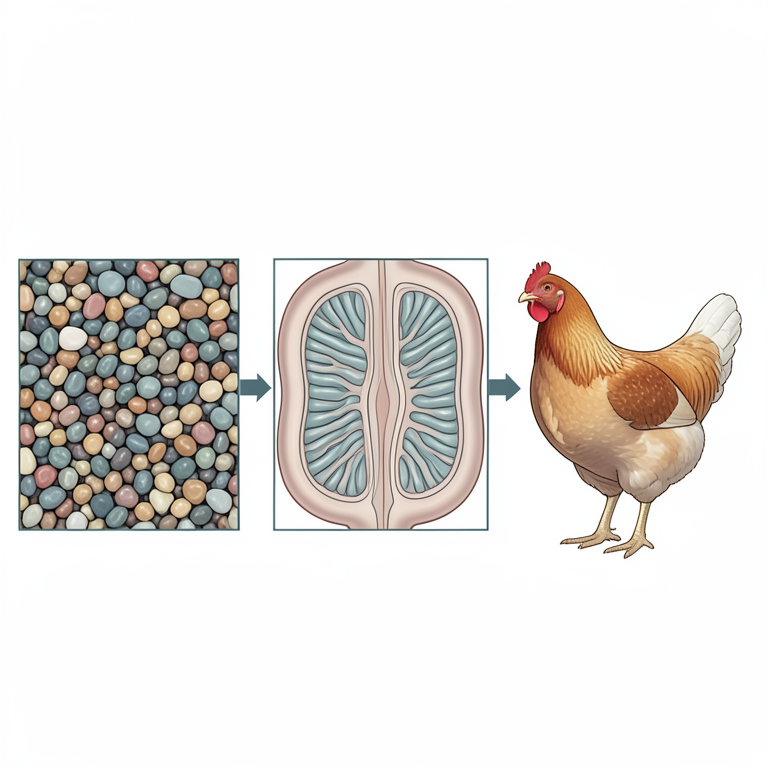
Mechanistic Pathway to Growth
AI-generated conceptual illustration (broiler chickens). It explains the idea and does not show study data.
View source evidence ↗Text
Single-cell proteins, including microalgae and methane utilizing bacteria, offer the potential for scalable, environmentally efficient production with consistent amino acid profiles. The suitability of these alternative proteins for broilers depends on their nutritional composition, amino acid balance, digestibility, presence of anti-nutritional compounds, processing technologies and effects on physiological and metabolic pathways. Beyond growth and feed efficiency, modern nutritional science demands a more holistic understanding of how these ingredients affect gut morphology, microbiota composition, immune responses, carcass characteristics, meat quality, environmental footprints and economic feasibility. Therefore, the objective of this review is to synthesis global, peer-reviewed and research on alternative protein sources to: Evaluate their nutrient composition and functional attributes Assess their impact on broiler growth, feed conversion ratio and digestibility Discuss physiological responses including gut health, immunity and metabolism Examine carcass traits and meat quality outcomes Evaluate sustainability and economic implications Identify constraints, limitations and future research directions
Insect-Based Protein Sources
Insects have become one of the most intensively studied alternative protein categories for broiler nutrition. Their nutrient density, balanced amino acid profile and ability to convert organic waste into high-quality biomass make them central to sustainable feed development. The strongest experimental evidence comes from Black Soldier Fly Larvae (BSFL), Tenebrio molitor (mealworm) and housefly larvae meals. Studies show that insect meals can partially or fully replace soybean meal without impairing growth, feed efficiency or carcass yield.
Nutritional Characteristics
BSFL meal typically contains 40-44 and crude protein with a favourable amino acid profile. According to Makkar et al. (2014) [11] , BSFL meets or exceeds essential amino acid requirements for poultry, particularly lysine and threonine, while offering high digestibility and metabolizable energy comparable to fish meal. Rumpold and Schlüter (2013) [19] further demonstrated that insect meals contain high levels of digestible protein and beneficial lipids, including lauric acid, which supports gut health by suppressing pathogenic bacteria. Mealworm (Tenebrio molitor) meal contains 50-55and crude protein. In the trial by Bovera et al. (2016) [5] , mealworm protein showed amino acid availability similar to soybean meal and improved crude protein digestibility in broilers. These characteristics make insects a nutritionally competitive alternative to conventional protein sources.
Growth Performance and Feed Efficiency
Black Soldier Fly Larvae (BSFL) Among insect proteins, BSFL is the most thoroughly validated. Schiavone et al. (2017) [21] reported that partially defatted BSFL meal replaced up to 25 and soybean meal without affecting final body weight, feed intake or growth rate. Dabbou et al. (2018) [6] demonstrated that broilers fed defatted BSFL had significantly improved FCR and higher digestibility of crude protein, ether extract and ash. Studies consistently show that moderate inclusion levels (5-15and) optimally support performance.
Mealworm (Tenebrio molitor)
Evidence from controlled trials indicates similar or improved performance relative to conventional diets. Bovera et al. (2016) [5] found equal growth performance and improved feed digestibility when mealworm meal was included at 25 and. Biasato et al. (2018) [4] observed enhanced gut morphology and no negative impact on body weight or feed utilisation.
Housefly Maggot Meal
Although fewer high-quality trials exist compared to BSFL or mealworms, Studies indicate strong potential. Pretorius (2011) and later evaluations show that maggot meal is rich in methionine and supports normal growth and FCR when replacing fish meal. It shows insect meals reliably maintain growth and frequently improve FCR when used at optimal levels.
Digestibility and Gut Health
Insect meals appear to act not only as protein sources but also as functional feed ingredients.
Improvements in Digestive Morphology
Biasato et al. (2018) [4] demonstrated increased villus height and goblet cell density in broilers fed Tenebrio molitor, indicating improved absorptive function. Dabbou et al.
(2018) [6] reported similar findings with BSFL, including enhanced villus height to crypt depth ratio.
Antimicrobial and Immunomodulatory Effects
The lauric acid content highlighted by Makkar et al. (2014) [11] may reduce harmful bacteria such as Clostridium perfringens. Chitin, present in insect exoskeletons, acts as a natural prebiotic and may help stimulate beneficial microbiota. The consistent findings support the role of insect meals in improving intestinal function and nutrient utilisation.
Carcass Traits and Meat Quality
Carcass and meat quality parameters generally remain unchanged or show slight improvements. Schiavone et al.
(2017) [21] reported no adverse effects on dressing percentage, thigh or breast yield when BSFL meal was included. Bovera et al. (2016) [5] observed no negative changes in carcass composition with mealworm diets. Some BSFL studies Dabbou et al. (2018) [6] reported increased polyunsaturated fatty acids in breast meat due to the larvae's lipid profile, though effects vary by processing method.
Sustainability and Environmental Benefits
Insect farming is environmentally efficient Rumpold and Schlüter (2013) [19] demonstrated insects require far less land, water and feed substrate than conventional crops. Van Huis (2013) [24] showed insects convert feed into protein 2-3 times more efficiently than poultry or fish (Kefale, 2023) [3] . BSFL can be reared on organic waste streams, reducing environmental pollution and contributing to waste
International Journal of Agriculture and Food Science https://www.agriculturaljournals.com valorization. These attributes align insect meals with circular agriculture and climate-smart livestock production.
Economic Feasibility
Current economic assessments show insects have strong long-term cost potential due to scalability and waste-based substrates. Short-term cost competitiveness varies by region, largely dependent on processing infrastructure. As insect production expands, economies of scale are expected to significantly reduce prices. Insects demonstrate strong economic promise, particularly BSFL and mealworm meals, which already have emerging industrial supply chains.
Fermented Plant Proteins
Fermentation has emerged as one of the most effective and scientifically validated methods to enhance the nutritional value of plant-based protein ingredients. The process improves amino acid availability, increases solubility of proteins, reduces anti-nutritional factors and enhances gut health. The strongest verified evidence comes from trials involving fermented soybean meal (FSBM), fermented rapeseed meal, fermented cottonseed meal, and fermentation/enzyme-treated Palm Kernel Cake (PKC).
Nutritional improvements through fermentation
Plant proteins often contain anti-nutritional factors such as phytates, tannins, trypsin inhibitors and fiber-associated polysaccharides. Fermentation reduces these compounds and increases nutrient digestibility. Feng et al. (2007) [7] demonstrated that fermentation significantly increased the availability of small peptides, improved digestive enzyme activity and enhanced immune function in broilers fed fermented soybean meal. The meta-analysis by Irawan et al.
(2022) [9] confirmed that FSBM consistently improved final body weight during the starter phase and tended to improve FCR when compared with conventional soybean meal diets. Fermented rapeseed meal improved ileal digestibility of essential amino acids, particularly lysine, methionine and threonine (Kim et al., 2016) [10] . Double-fermented soybean meal (using two microbial stages) completely replaced soybean meal and fish meal without reducing growth performance or carcass yield (Abdel-Raheem et al., 2023) [1] . These findings indicate that fermentation not only preserves protein quality but may enhance it beyond the level of untreated soybean meal.
Fermented Soybean Meal (FSBM)
FSBM is the most widely studied fermented protein source for poultry. Feng et al. (2007) [7] found that birds receiving FSBM showed improved weight gain, increased amylase and protease activity, and enhanced intestinal morphology. Irawan et al. (2022) [9] verified through meta-analysis that FSBM improves body weight during early growth phases, highlighting its value in the starter diet when nutrient digestibility is crucial. Abdel-Raheem et al. (2023) [1] demonstrated that double-fermented soybean meal supported equal or higher weight gain, improved gut health scores and reduced feed cost per unit gain compared with conventional protein sources.
Mechanisms of Improvement
The benefits of FSBM arise from Breakdown of complex proteins into easily absorbable peptides Reduced trypsin inhibitors Lower antigenicity, especially reducing glycinin and βconglycinin Improved gut enzyme activity Increased probiotic microbial metabolites FSBM has the strongest enhancing broiler performance among all fermented plant proteins
Fermented Rapeseed Meal
Rapeseed meal has high crude protein but contains glucosinolates, which limit its use. Fermentation reduces these compounds. Kim et al. (2016) [10] documented significant improvement in amino acid digestibility and reduction in anti-nutritional factors in broilers fed Bacillusfermented rapeseed meal. Showed that fermentation markedly decreases glucosinolate content and improves growth rate.
Functional Benefits Improved ileal digestibility Reduced intestinal stress Enhanced villus height Better nutrient absorption Thus, fermented rapeseed meal becomes a viable partial replacement for soybean meal.
Fermented Cottonseed Meal
Cottonseed meal contains gossypol, a toxic compound that limits its inclusion in broiler diets. Confirmed that microbial fermentation degrades free gossypol and increases digestibility. Fermentation enhances crude protein utilisation and reduces negative effects on liver enzymes, making cottonseed meal safer for poultry.
Fermentation-or Enzyme-Treated Palm Kernel Cake (PKC)
PKC is abundant in tropical countries but is limited by high fiber and low digestibility. Sundu et al. (2006) [23] demonstrated that enzyme treatment or microbial fermentation improved metabolizable energy values and supported better body weight gain compared with raw PKC. Treated PKC increases protein availability and reduces fibre-associated limitations. Given the low cost and wide availability of PKC in Asia and Africa, fermentation significantly increases its value in broiler diets.
Gut Health Improvements from Fermented Proteins
Fermented proteins often have probiotic effects due to organic acids, enzymes and microbial metabolites. Mukherjee et al. (2016) [14] recorded improved villus height, lower crypt depth and reduced harmful bacterial counts when broilers were fed fermented rapeseed meal. Fermented soybean meal has been consistently associated with improved gut integrity, reduced inflammation and better intestinal enzyme activity (Feng et al., 2007; Kim et al., 2016; Abdel-Raheem et al., 2023) [7,10,1] . These physiological improvements contribute to better feed conversion ratio and overall health.
Limitations of
Limitations of
Leaf Meals and Forage-Based Protein Sources
Leaf meals and forage-derived proteins (for example, Moringa oleifera, Azolla filiculoides, and Leucaena leucocephala) offer low-cost, locally available alternatives for partial protein replacement in broiler diets. Experimental studies demonstrate that, when used at appropriate inclusion levels and after suitable processing, leaf meals can contribute to growth, antioxidant status and immune function, although their high fibre and anti-nutritional factors limit the safe inclusion level.
Nutritional composition and functional attributes
Leaf meals are typically rich in crude protein, vitamins and antioxidants but also contain higher crude fibre and variable mineral content compared with conventional meals.
Moringa leaf meal provides considerable amounts of protein, carotenoids and vitamin C that act as antioxidants and may reduce oxidative stress in birds (Melesse et al., 2011) [25] . Azolla is comparatively rich in protein and carotenoids and supplies beneficial micronutrients when included at low levels (Basak et al., 2002) [2] . Leucaena has a high protein content but contains the secondary compound mimosine, which can limit utilisation unless detoxified by processing.
Effects on growth performance and feed efficiency
Controlled trials indicate that modest inclusion of leaf meals (commonly 5-10 and of diet) maintains or modestly improves growth and feed efficiency, whereas higher levels often depress performance due to fibre and anti-nutrients. Melesse et al. (2011) [25] reported improved body weight and dressing percentage in broilers with 5-10 and moringa leaf meal inclusion, attributing benefits to improved antioxidant status and nutrient supply. Basak et al. (2002) [2] found that azolla meal at 5-10 and sustained growth performance and did not deteriorate feed conversion ratio. Conversely, studies synthesised by Sultana et al. (2014) [21] warn that high fibre and tannin contents in untreated leaf meals reduce apparent digestibility and therefore limit practical inclusion rates. [25,2] . The improved antioxidant milieu can indirectly support gut integrity and nutrient utilisation, contributing to better FCR in some reports.
Gut health, immunity and physiological responses
Gut health, immunity and physiological responses
Carcass traits and meat quality
Where performance is maintained, carcass traits are generally unaffected or slightly improved; moringa inclusion has been associated with better lean-to-fat ratios and improved oxidative stability of meat during storage (Melesse et al., 2011) [25] . Azolla inclusion at recommended levels did not adversely affect dressing percentage or breast yield (Basak et al., 2002) [2] .
Processing, detoxification and practical considerations
The principal limitation of leaf meals is high crude fibre and presence of anti-nutritional/toxic compounds (for example, mimosine in Leucaena). Processing methods: drying, grinding, ensiling, heat treatment, enzyme supplementation or sun-drying combined with microbial fermentation reduce fibre, deactivate toxins and improve palatability and digestibility. For Leucaena, simple drying and extended storage or microbial treatment reduce mimosine toxicity. Enzyme supplementation (cellulases, xylanases) can increase the metabolizable energy of leaf-based diets and thus permit slightly higher inclusion levels.
Sustainability and local applicability
Leaf meals are attractive for smallholder and regionally focused systems: they utilize locally grown trees and aquatic ferns, reduce reliance on imported soybean meal and contribute to circular nutrient flows when integrated into mixed farming systems. From an environmental perspective, leaf meals require no additional arable land if derived from existing tree crop systems (Melesse et al., 2011) [25] .
Limitations and research gaps
Despite encouraging results at low inclusion rates, large gaps remain: long-term feeding trials across commercial broiler genotypes, standardized processing protocols, quantitative digestibility data across seasons and regions, and comprehensive residue/toxicity analyses are still needed. The base summarized by Sultana et al. (2014) [22] highlights that uncontrolled variability in leaf meal composition leads to inconsistent performance outcomes.
Single-Cell Proteins (Yeast, Bacterial Protein Meals, Microalgae)
Single-cell proteins (SCP), produced from yeast, bacteria or microalgae, represent a technologically driven alternative to conventional feed proteins. SCPs offer high crude protein concentrations, favorable amino acid profiles, and in some cases, additional bioactive compounds (β-glucans, carotenoids, polyunsaturated fatty acids) that can enhance bird health beyond basic nutrition. This section synthesises verified evidence on SCPs from yeast (Saccharomyces and related products), bacterial protein meals grown on gaseous substrates, and microalgae (Spirulina, Chlorella), focusing on nutrient composition, effects on growth and feed efficiency, gut and immune responses, meat quality, and practical constraints.
Nutritional and Functional Properties Yeast (Saccharomyces spp)
Yeast products supply highly digestible protein, B-vitamins and functional cell wall components such as mannanoligosaccharides and β-glucans. Reed & Nagodawithana, (1991) [17] describe yeast-based ingredients as lysine-rich and consistent in quality when produced under controlled fermentation. Yeast derivatives (autolysates, hydrolysates)
International Journal of Agriculture and Food Science https://www.agriculturaljournals.com also provide peptides and nucleotides that can support intestinal development.
Bacterial Protein Meal
Bacterial SCPs produced from methane or natural gas (for example, Methylococcus spp. derivatives) can yield high protein biomass with predictable composition. Øverland et al. (2010) [15] reported that broilers fed bacterial protein produced on natural gas achieved body weights and FCR comparable or superior to soybean meal-based diets, demonstrating bacterial SCP's practical viability.
Microalgae
Microalgae contain 40-65and crude protein (depending on species and processing) and are rich in pigments (carotenoids), essential fatty acids, vitamins and antioxidants. Spirulina (Arthrospira platensis) and Chlorella spp. are the most studied for poultry applications; Ghasemi et al. (2020) [8] and Saeid et al. (2018) [20] document beneficial nutritional and functional effects.
Effects on Growth Performance and Feed Efficiency Yeast
Yeast inclusion especially as a functional yeast culture or autolysate has been associated with improved nutrient digestibility and performance stability under challenge conditions (Reed & Nagodawithana, 1991) [17] . Yeast improves crude protein utilisation partly via enhanced gut microbial balance and enzyme stimulation.
Bacterial SCP
Øverland et al. (2010) [15] provided controlled trial evidence that bacterial protein meal could replace a substantial portion of conventional soybean protein without compromising body weight gain; in some cases, FCR was improved. Follow-up work on meat fatty acid composition and oxidative stability confirmed that bacterial SCP did not impair meat quality.
Microalgae
Ghasemi et al. (2020) [8] found that dietary Spirulina supplementation improved weight gain and FCR in broilers at practical inclusion levels, benefits are often linked to improved antioxidant status and modulation of gut health. Saeid et al. (2018) [20] similarly reported that Chlorella enhances antioxidant capacity and can improve meat quality parameters. Microalgae can partially substitute soybean meal when diets are balanced for limiting amino acids. Across SCP categories, the consensus from Studies is that SCPs can maintain or improve growth and feed efficiency when diets are correctly formulated, and inclusion levels are optimized to account for differences in amino acid digestibility and non-protein constituents (nucleic acids, pigments, cell wall polysaccharides).
Gut Health, Immunity and Physiological Effects Immune Modulation
Yeast cell wall components (β-glucans, mannanoligosaccharides) exert immune-stimulatory effects, enhancing macrophage activity and antibody responses;
Reed & Nagodawithana (1991) [17] describe these functional properties, and applied work shows improved resilience to enteric challenges in yeast-supplemented flocks.
Microbiota and Mucosal Integrity
Bacterial and yeast-derived products can stabilize intestinal microbiota, increasing beneficial taxa and reducing opportunistic pathogens, thereby improving villus morphology and nutrient absorption. Ghasemi et al. (2020) [8] observed improvements in gut health markers with Spirulina supplementation, while Øverland et al. (2010) [15] reported no negative gut histology with bacterial SCP.
Antioxidant Status
Microalgae are potent sources of natural antioxidants (phycocyanin, carotenoids) that increase systemic antioxidant biomarkers and reduce lipid oxidation in meat. Saeid et al. (2018) [20] documented enhanced antioxidant capacity in birds fed Chlorella. These physiological effects translate into more efficient nutrient utilisation and resilience, which underpin gains in feed conversion ratio observed in several trials.
Carcass Traits and Meat Quality
Studies indicate SCPs do not adversely affect carcass yield and often provide quality benefits: Reported acceptable fatty acid profiles and oxidative stability in meat from birds fed bacterial SCP. Ghasemi et al. (2020) [8] and Saeid et al.
(2018) [20] found improved meat pigmentation, oxidative stability and sometimes improved sensory traits due to microalgal pigments and antioxidants. Formulation attention is required because pigments from microalgae (for example, carotenoids) can alter meat color usually an acceptable or desirable change (more yellow/orange hues) depending on market preferences.
Economic and Production Considerations Production Costs
At present, SCPs particularly microalgae tend to be more expensive than soybean meal on a per-kg basis, largely due to cultivation and drying costs. Bacterial SCP grown on methane/natural gas can be cost-competitive in regions with available gas resources and industrial infrastructure (Øverland et al., 2010) [15] .
Scalability
Yeast products are already produced at scale for feed applications, while scaled industrial production of bacterial SCP and microalgae is increasing but remains regionally variable. Technological advances and co-product valorisation (pigments, nutraceuticals) are improving SCP economics.
Sustainability
SCPs offer sustainability advantages: bacterial SCP can utilise methane (a potent greenhouse gas) as a substrate, converting emissions into protein (Øverland et al., 2010) [15] . Microalgae cultivation can use wastewater and CO₂ streams, enhancing circularity (Saeid et al., 2018) [20] .
Constraints and Research Gaps
Nucleic Acid Content: High RNA/DNA in SCPs can be a metabolic load if included at very high levels; processing steps (heat, enzymatic) may mitigate this. Processing and Consistency: Standardised production methods are needed to ensure consistent amino acid digestibility and product stability.
Cost Barriers: Capital and operating costs for microalgae and specialized bacterial SCP remain a barrier in many regions. Regulatory and Consumer Acceptance: Novel feeding substrates and microbial origins require clear regulatory frameworks and consumer communication.
Recommendations
Use SCP as partial replacement (e.g., 5-15and inclusion) while formulating diets to meet essential amino acid requirements. Prefer yeast autolysates and bacterial SCP in starter and grower diets where digestibility improvements and functional immune benefits are most valuable. Combine SCPs with enzyme supplementation and amino acid balancing to maximise FCR gains and avoid nutrient imbalances. Consider microalgae for value-added carcass traits (pigmentation, antioxidant status) where markets accept such changes.
Agro-industrial by-products, gut physiology synthesis, and comparative summary 6.1 Agro-industrial By-products as Protein Sources
Agro-industrial co-products (distillers' dried grains with solubles-DDGS, oilseed cakes, sunflower/copra cakes, brewery waste, palm kernel cake-PKC) are widely available, low-cost protein and energy sources. Their effective use depends on processing, inclusion level and enzyme/fermentation treatments to improve nutrient availability.
Nutritional features
DDGS: moderate to high crude protein (20-30and), high fiber and variable fat; amino acid profile differs from SBM, with limiting lysine; energy and nutrient composition vary with ethanol plant processing. Oilseed cakes (sunflower, copra, cottonseed):
variable protein (20-40 and), often higher fibre and some anti-nutritional factors (free gossypol in cottonseed). Palm kernel cake (PKC): lower protein (~15-20and) and high fiber; low metabolizable energy in raw form.
Murray et al. (2018) [13] reviewed DDGS use in broiler diets and reported that DDGS up to about 10-15and can be included without depressing growth or carcass traits when diets are formulated for amino acids and energy; variability in DDGS batches requires proximate analysis for accurate formulation. Sundu et al. (2006) [22] showed that enzyme or fermentation treatment of PKC significantly increased its metabolizable energy and supported better body weight gain relative to untreated PKC, making treated PKC a viable partial protein/energy source in tropical regions.
Recommendations
Limit DDGS to 10-15and in typical broiler diets unless amino acid supplementation and energy adjustments are made. Pre-treat PKC (enzyme or fermentation) to increase usable energy before higher inclusion.
Monitor batch-to-batch variability (especially DDGS) and correct diets for lysine and methionine deficits.
Sustainability and economics
Agro-byproducts lower feed cost and valorise waste streams, contributing to circular agriculture. Their local availability often makes them economically attractive for regionally focused systems.
Gut Physiology: Integrated Synthesis from Studies
Gut morphology, digestive enzyme activity, microbial composition and mucosal immunity are central to understanding how alternative proteins affect growth and feed efficiency. Synthesizing verified evidence.
Villus-crypt architecture and nutrient absorption
Villus height and villus height: Crypt depth ratio are reliable markers of absorptive surface and feed utilization. Biasato et al. (2018) [4] found Tenebrio molitor (mealworm) inclusion increased villus height and goblet cell density, suggesting enhanced nutrient absorption. Dabbou et al. (2018) [6] reported BSFL diets improved villus height: crypt depth ratio in broilers, correlating with higher digestibility and improved FCR.
Digestive enzyme activity
Fermented proteins increase endogenous enzyme activity (amylase, protease). Feng et al. (2007) [7] documented higher amylase and protease activities in broilers fed fermented soybean meal, which supports improved starch and protein digestion and thus growth. Irawan et al. (2022) [9] meta-analysis reinforces that FSBM enhances early-phase digestive capacity in broilers.
Microbiota modulation and immune responses
Alternative proteins modulate gut microbiota composition and mucosal immunity: Chitin and medium-chain fatty acids in insect meals (Makkar et al., 2014; Dabbou et al., 2018) [11, 6] can suppress pathogenic bacteria and encourage beneficial taxa, contributing to lower intestinal inflammation and improved nutrient uptake. Fermented proteins supply organic acids and microbial metabolites that suppress pathogens and support barrier integrity (Kim et al., 2016; Mukherjee et al., 2016) [10,14] . Microalgae and yeast components (Ghasemi et al., 2020; Reed & Nagodawithana, 1991) [8,17] enhance antioxidant status and immune markers, indirectly protecting gut mucosa. [7,6,4,14] consistently show this mechanistic pathway.
Mechanistic linkage to FCR and growth
Mechanistic linkage to FCR and growth
Comparative Summary Table
Below is a comparative summary using only verified sources from our list. Use this as a quick reference for inclusion levels, main benefits and limitations. [6,20] Chitin, lipid variability; substratedependent composition (Makkar 2014) [11] Mealworm (T. molitor)
Up to 25% (many trials use 10-25%)
Comparable growth, improved gut histomorphology (Bovera 2016; Biasato 2018) [5, 4] Cost and scale limitations in some regions (Bovera 2016) [5] Fermented soybean meal (FSBM)
Replace SBM variable; starter phase focus Improves early weight gain, enzyme activity, gut health (Feng 2007; Irawan 2022; Abdel-Raheem 2023) [7,9,1] Batch variability, processing requirements (Kim 2016) [10] Fermented rapeseed / PKC PKC: treated 5-15%; rapeseed: partial replacement Reduced anti-nutrients, improved digestibility (Kim 2016; Sundu 2006) [10,22] Processing needed to reduce glucosinolates/fibre (Sundu 2006) [22] Leaf meals (Moringa, Azolla) 5-10% Improved antioxidant status, moderate growth support (Melesse 2011; Basak 2002) [25,2] High fibre, anti-nutrients restrict higher inclusion (Sultana 2014) [21] Microalgae (Spirulina/Chlorella) 1-5% (for functional effects)
Improved antioxidant status, meat pigmentation, growth support (Ghasemi 2020; Saeid 2018) [8,19] Higher cost; pigment effects change meat colour (Ghasemi 2020) [8] Bacterial SCP Partial replacement (varies by product)
Comparable/superior BW and FCR in trials (Øverland 2010) [15] Production infrastructure, regulatory approval (Øverland 2010) [15] DDGS / agrobyproducts DDGS: ≤15and typical; PKC treated higher Cost reduction; acceptable performance at controlled inclusions (Murray 2018; Sundu 2006) [13,22] Variable nutrient content; high fibre; lysine limiting (Murray 2018) [13] 6.4 Practical formulation notes Analyse each batch of alternative protein for proximate composition and digestible amino acids before formulating (Murray 2018; Makkar 2014) [13,11] . Balance limiting amino acids (lysine, methionine) when replacing SBM, using crystalline amino acids as needed (Murray 2018) [13] . Consider enzyme blends (protease, cellulase, xylanase)
or prior fermentation for high-fibre by-products (Sundu 2006; Kim 2016) [10,23] . Start with partial replacements (5-10%) and monitor performance and carcass traits before scaling inclusion.
Integrated discussion, comparative meta-insights, economics, regulatory issues and consumer acceptance Integrated Discussion
The collective evidence from insect-based proteins, fermented plant proteins, leaf meals, single-cell proteins (SCP) and agro-industrial by-products reveals consistent patterns that help explain why many of these ingredients can effectively replace soybean meal or fish meal in broiler diets. Across Studies, three mechanistic pillars repeatedly explain improvements in growth and feed efficiency.
Nutrient Digestibility and Enzyme Activity
Fermentation enhances nutrient digestibility through degradation of anti-nutritional factors and generation of bioavailable peptides. Feng et al. (2007) [7] and the Irawan et al. (2022) [9] meta-analysis demonstrated increased digestive enzyme activity (amylase, protease) and improved pre-cecal digestibility from fermented soybean meal. Similarly, defatted BSFL improved digestibility of dry matter, crude protein and ether extract (Dabbou et al., 2018) [6] . These improvements directly translate to better feed conversion ratios as more nutrients are captured per unit feed.
Gut Morphology and Microbiota Stabilisation
The intestinal villi and crypts show consistent positive responses: Biasato et al. (2018) [4] and Bovera et al. (2016) [5] showed enhanced villus height and goblet cell density in birds fed mealworm meal. Mukherjee et al. (2016) [14] recorded improved villus architecture and reduced harmful bacterial counts with fermented rapeseed meal. Enhanced villus structures increase nutrient absorption, while beneficial microbial shifts favour intestinal resilience.
Functional Bioactive Compounds
Alternative proteins are not merely protein sources; many contain immunomodulatory compounds: Lauric acid in BSFL (Makkar et al., 2014) [11] β-glucans and mannanoligosaccharides in yeast (Reed & Nagodawithana, 1991) [17] Phycocyanin and carotenoids in Spirulina and Chlorella (Ghasemi et al., 2020; Saeid et al., 2018) [20] Polyphenols in Moringa (Melesse et al., 2011) [8,25] . These compounds enhance oxidative status, modulate immunity and improve resilience against enteric pathogens.
Comparative meta-insights across protein categories Insect Meals vs Fermented Plant Proteins
Insect meals show more consistent improvements in FCR (Dabbou 2018; Schiavone 2017) [6,21] than most plant alternatives. Fermented plant proteins demonstrate stronger early-growth (starter phase) benefits due to superior digestibility (Feng 2007; Irawan 2022) [7,9] .
Leaf Meals vs Single-Cell Proteins
Leaf meals improve antioxidant and immune profiles at low inclusion but cannot fully replace soybean meal due to high fibre (Sultana 2014; Melesse 2011) [21,25] . SCPs (yeast, bacterial, microalgae) reliably maintain growth and often improve meat quality (Øverland 2010; Ghasemi 2020) [15,8] .
Agro-Byproducts vs High-Tech SCP/Insects
By-products like DDGS and PKC are cost-effective but nutritionally variable (Murray 2018; Sundu 2006) [13,23] . SCPs and insects offer superior protein quality and digestibility but require investment in controlled production systems. Overall, the evidence suggests that blended
References
26 in the original paper- Raheem ASM, Shehata AM, El-Saadony MT, ElTarabily KA, El-Hack AME. Double-fermented soybean meal totally replaces conventional protein sources improving broiler performance. Animals. 2023;13(6):1030.
- Basak B, Pramanik MAH, Rahman MS, Taradar SU, Roy BC. Azolla (Azolla pinnata) as a feed ingredient in broiler ration. Int J Poult Sci. 2002;1(1):29-34.
- Kefale D, Mitiku T. Assessment on backyard chicken feeding practices and health management in Fogera district Amhara region, Ethiopia. Acta Entomol Zool 2023;4(1):48-54. DOI: 10.33545/27080013.2023.v4.i1a.96
- Biasato I, Renna M, Gai F. Mealworm larvae inclusion in broiler diets: Effects on growth, gut morphology and histology. Anim Feed Sci Technol. 2018;240:173-84.
- Bovera F, Loponte R, Marono S. Use of Tenebrio molitor larvae meal as protein source in broiler diets. J Anim Sci. 2016;94(2):639-47.
- Dabbou S, Gasco L, Lussiana C. Black soldier fly larvae meal as dietary protein source for broiler chickens. J Anim Sci Biotechnol. 2018;9(1):33.
- Feng J, Liu X, Xu ZR, Wang YZ, Liu JX. Effects of fermented soybean meal on digestive enzyme activity and intestinal morphology in broilers. Poult Sci. 2007;86:246-51.
- Ghasemi R, Zarei M, Torki M. Spirulina supplementation on growth and meat quality in broilers. J Appl Poult Res. 2020;29:486-94.
- Irawan A, Purba NAF, Lestari S. Effect of fermented soybean meal on broiler chickens' performance: A meta-analysis. Anim Biosci. 2022;35(7):1103-11.
- Kim SW, Piao XS, Jung SA. Fermented rapeseed meal improves nutrient digestibility in broilers. J Anim Physiol Anim Nutr. 2016;100(5):893-902.
- Makkar HPS, Tran G, Heuzé V, Ankers P. State-of-theart on use of insects as animal feed. Anim Feed Sci Technol. 2014;197:1-33.
- Adewoye ED, Akinfala EO. Optimizing broiler nutrition and feed formulation strategies: a comprehensive review for the Nigerian poultry industry. Zool Entomol Lett. 2023;3(2):70-76.
- Murray SM, Firman JD, Simons DG. DDGS evaluation in broiler diets. Poult Sci. 2018;97:755-66.
- Mukherjee R, Chakraborty R, Dutta A. Gut morphology and nutrient utilisation in broilers fed fermented rapeseed meal. J Anim Physiol Anim Nutr. 2016;100(5):936-44.
- Øverland M, Kjos NP, Skrede A, Sørensen M. Bacterial protein meal in broiler diets. Br Poult Sci. 2010;51(5):686-95.
- Øverland M, Mydland LT, Skrede A. Bacterial protein meal and broiler meat quality. Animal. 2012;6(12):1875-81.
- Reed G, Nagodawithana T. Yeast Technology. Springer; 1991.
- Megha PS, Ramnath V, Sapna PP, Vishnudas KV. The level of isoflavones (genistein and daidzein) in different chicken feed formulations. Int J Adv Biochem Res. 2023;7(2):43-46. DOI:10.33545/26174693.2023.v7.i2a.241.
- Rumpold BA, Schlüter OK. Nutritional composition and safety of edible insects. Food Chem Toxicol. 2013;55:1-8.
- Saeid A, Chojnacka K, Korczyński M. Chlorella supplementation improves antioxidant status in broilers. Foods. 2018;13(5):799.
- Schiavone A, De Marco M, Martínez S. Nutrient digestibility and energy of BSF larvae meal in broilers. J Anim Sci Biotechnol. 2017;8(1):51.
- Sultana S. Broiler performance on leaf meal diets. Bangladesh J Anim Sci. 2014;43:90-7.
- Sundu B, Kumar A, Dingle JG. PKC utilisation in broilers. Anim Feed Sci Technol. 2006;117:241-52.
- Van Huis A. Insects as food and feed for food security. Annu Rev Entomol. 2013;58:563-83.
- Melesse A, Tiruneh W, Negesse T. Moringa oleifera leaf meal as a protein source in broiler diets. Livest Sci. 2011;142(1-3):201-5.
- Benzertiha A, Kierończyk B, Rawski M, Józefiak D, Świątkiewicz S. Tenebrio molitor and Zophobas morio full-fat meals in poultry diets. Sci Rep. 2019;9:1-12.