
Research article · 2025 · Full text
International Journal of Agriculture and Food ScienceLong-term impact of crop rotation on soil microbial diversity and fertility
Volume 7(12) · Pages 01–10 · DOI: 10.33545/2664844x.2025.v7.i11i.1018 ↗
Research areasSoil Carbon and Nitrogen DynamicsIndigenous Knowledge Systems and AgricultureAgricultural Science and Fertilization
Abstract
Author-writtenLong-term crop rotation has emerged as a pivotal strategy to sustain and enhance soil health by modulating microbial communities and soil fertility parameters. Empirical evidence demonstrates that diversified rotations, particularly those incorporating legumes or cover crops, tend to increase microbial biomass, shift community composition, and enhance Soil Organic Carbon (SOC), nutrient availability and enzyme activity. However, the magnitude and consistency of effects vary with rotation diversity, crop type, management (e.g., fertilizer, tillage), soil type and climate. In India, long-term experiments such as the AICRP‑LTFE (All India Coordinated Research Project on Long Term Fertilizer Experiments) provide valuable insights into cropping system impacts on soil fertility but comparatively fewer studies address microbial diversity specifically. This review synthesizes global and Indian evidence from long-term field trials and meta-analyses, examines mechanistic links between rotation, microbial dynamics and fertility, discusses interactions with other management factors, and identifies research gaps. It concludes that while crop rotation is effective at improving soil microbial and fertility indicators in the long term, more harmonized, multi-site, molecular-level studies are required to underpin soil health monitoring and policy translation.
Summary
Source-checkedPlain-language reading of the full paper, prepared with AI and checked against the text. Each point links to the authors' own words.
Why it matters
- Agricultural sustainability is heavily dependent on soil health, which includes the physical, chemical, and biological functions of the soil. View evidence ↗
- Soil microbial communities are essential for key biological processes, including the cycling of nutrients, decomposition of organic matter, suppression of pathogens, and the formation of soil structure. View evidence ↗
- Long-term studies are necessary because short-term trials often miss slow-moving processes and legacy effects, such as the restructuring of microbial networks or soil organic carbon (SOC) fractionation. View evidence ↗
The question
- The aim of this review is to synthesize global and Indian evidence from long-term trials to examine the links between crop rotation, soil fertility, and microbial dynamics. View evidence ↗
What they did
- The review specifically focuses on cropping system studies with a duration of more than 5 to 10 years that assess both soil fertility and microbial health. View evidence ↗
- The analysis incorporates data from the All India Coordinated Research Project on Long Term Fertilizer Experiments (AICRP-LTFE) to provide insights into Indian soil fertility. View evidence ↗
What they found
- A meta-analysis showed that crop rotations significantly increased microbial biomass nitrogen by approximately 15.8% and microbial biomass carbon by approximately 13.4% compared to monocultures. View evidence ↗
- Across 122 global sites, rotations incorporating cover crops increased microbial biomass by an average of 27% compared to monocultures. View evidence ↗
- Legume crops in rotations can fix between 30 and 300 kg of nitrogen per hectare per year, depending on the species and management. View evidence ↗
- In Indian rice-wheat and maize-wheat systems, including farmyard manure (FYM) or legumes resulted in nitrogen savings of 20-40 kg N per hectare. View evidence ↗
- At the Rothamsted experiments, rotations using manure led to increases in soil organic carbon of up to 100%. View evidence ↗
- Diversified four-crop rotations with cover crops significantly increased Shannon diversity and bacterial richness compared to continuous maize monocultures. View evidence ↗
- While alpha-diversity responses are variable, beta-diversity consistently responds to crop rotation, serving as a strong indicator of its impact. View evidence ↗
What it means
- The authors conclude that there is a clear scientific consensus that crop rotation ensures sustainable productivity over decades by strengthening microbial networks and rebuilding soil health. View evidence ↗
- A significant gap exists in long-term trials, particularly in India, where historical assessments focused on basic metrics like soil respiration and microbial biomass carbon rather than high-throughput sequencing. View evidence ↗
Visual summary
1 visualsIllustrations explain the paper; they do not show study data.
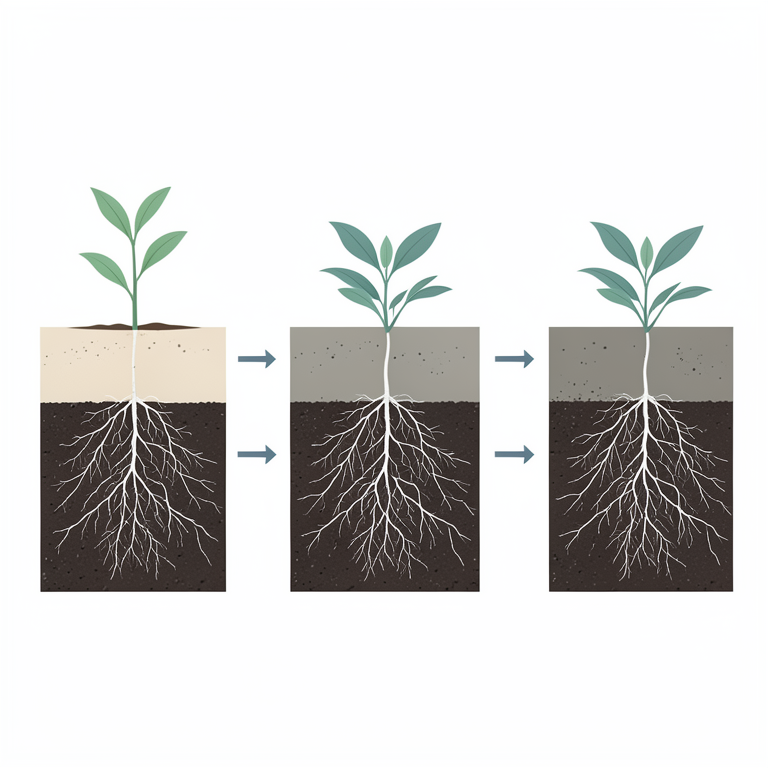
The Soil Health Cascade
AI-generated conceptual illustration (Agricultural soil profiles with rotating crop species). It explains the idea and does not show study data.
View source evidence ↗Introduction
Agricultural sustainability depends critically on soil health, which encompasses the biological, chemical and physical dimensions of soil function. Within the biological dimension, soil microbial communities drive core processes such as organic matter decomposition, nutrient cycling, soil structure formation and pathogen suppression. Crop rotation, the sequential growing of different crops on the same field over seasons or years, influences the quantity and quality of root exudates and crop residues entering the soil, thereby shaping the soil microbial environment. For instance, different crops vary in residue chemistry (e.g., C:N ratio, lignin content), root architecture and exudate profile, which in turn affect microbial substrate availability and microhabitat structure. Long-term experiments are essential to detect stable shifts in soil microbial community composition, biomass and function, and associated soil fertility changes (such as SOC accumulation, available N/P, enzyme activities). Short-term trials may capture immediate responses but often fail to reveal legacy effects or slow-moving processes such as SOC fractionation or network re-structuring of microbial communities. Hence this review focuses on long-term (> 5-10 years) cropping system studies that integrate rotation and soil microbial/fertility assessments.
Global and Indian context 2.1 Global evidence and trends
The global agricultural landscape has seen a trend toward simplification of crop sequences (e.g., continuous monocultures) which is tied to declining soil health, increased pestpathogen pressure and slower nutrient cycling. Meta-analyses show that diversification of crop rotations can mitigate these issues. For example, Liu et al. (2023) [13] found that compared to monocultures, crop rotations significantly increased microbial biomass carbon (MBC) by ~13.4% and microbial biomass nitrogen (MBN) by ~15.8% in their meta-analysis of numerous field studies. In another study, Yang et al. (2023) [25] demonstrated that more diverse rotations enhanced soil multifunctionality via more complex microbial network structure. Moreover, Peralta (2018) [19] found that crop rotational history influenced disease-suppressive microbial communities, implying that rotation's impact on the micro biome can extend to ecosystem services beyond fertility.
Indian context
In India, the long-term cropping systems and fertility experiments are well documented in projects like the AICRP-LTFE, initiated in 1972 across multiple agroecological zones (ICAR, 2022) [9] . These experiments have tracked changes in soil quality, crop productivity and sustainability under different fertilizer, manure and cropping system treatments. For instance, policy reviews indicate that long-term trials in India showed declines in available P and K when only N fertilizer was applied, underscoring the necessity of balanced nutrient and rotation management (Dey, 2018) [5] . Although many Indian long-term fertilizer trials focus more on chemistry and fertility pools, fewer have integrated high-throughput microbial community analyses. This gap presents an important opportunity to link microbial diversity and functionality with long-term crop rotation effects in Indian soils.
Why focus on long-term rotation effects?
Rotation strategies typically require several years to manifest in changes to SOC pools, micronutrient dynamics, aggregate stability and microbial community restructuring. By focusing on long-term studies (≥ 5-10 years, and optimally ≥ 15 years), we capture legacy effects (e.g., rooting depth changes, residue build-up, microbial network creation) rather than only immediate seasonal responses. In doing so, we align with sustainable agriculture goals to enhance soil health, resilience and system productivity over decades rather than seasons.
Long-term effects of crop rotation on soil microbial diversity
Soil microbial diversity represents the richness, abundance and structural complexity of bacterial, fungal and archaeal communities. Crop rotation influences microbial diversity by altering substrate inputs, rhizosphere environments and nutrient cycling patterns. Long-term rotation trials around the world consistently show changes in microbial biomass and community composition, while the responses of alphadiversity (richness, Shannon index) are more variable and context-dependent.
Microbial Biomass Responses to Rotation
Microbial biomass reflects the size of the active microbial pool participating in organic matter decomposition and nutrient mineralisation. One of the most consistent findings in long-term studies is that diverse rotations maintain higher microbial biomass compared with monocultures. Liu et al. (2023) [13] conducted a global meta-analysis and found that diversified rotations increased microbial biomass carbon by approximately 13-20%, depending on rotation complexity. Similarly, McDaniel et al. (2014) [17] reported that rotations with cover crops increased microbial biomass by an average of 27% compared to monocultures across 122 sites globally. These increases are attributed to greater residue inputs, improved soil structure and more continuous rhizodeposition.
In India, AICRP-LTFE sites show similar trends. Long-term fertiliser and cropping studies at Pantnagar and Ludhiana reported higher MBC under maize-wheat and rice-wheat rotations when FYM or legumes were included (ICAR, 2022) [9] . The addition of legumes improves nitrogen availability, which in turn supports microbial growth.
Alpha-Diversity (Richness and Shannon Index)
Alpha-diversity describes the number and evenness of microbial taxa within a soil sample. The effect of crop rotation on alpha-diversity varies across studies. For example, Tiemann et al. (2015) [23] observed that long-term diversified rotations (four-crop sequence with cover crops) significantly increased bacterial richness and Shannon diversity compared to monoculture maize. Their study showed that rotation-induced improvements in soil structure and C inputs expanded ecological niches for microbes. However, other studies show neutral or inconsistent effects. Deltedesco et al. (2020) [4] analyzed rhizosphere communities under crop sequences and noted that seasonal variation sometimes exceeded rotation effects. Similarly, reported that alpha-diversity did not always increase under rotation in long-term Canadian trials, even though microbial community composition changed substantially. These mixed patterns reflect the influence of climate, soil type, sampling depth, sequencing method and timing. While rotation often improves microbial functioning, alphadiversity may not always increase because microbial richness is strongly shaped by soil pH, texture and moisture.
Beta-Diversity and Community Composition Shifts
Beta-diversity describes how microbial communities differ between treatments. Unlike alpha-diversity, beta-diversity consistently responds to crop rotation, making it one of the strongest indicators of rotation impact. Tiemann et al.
(2015) [23] found clear separation of microbial communities under diversified rotations compared to continuous maize using principal coordinate analysis. Lupwayi et al. (2017) [14] likewise demonstrated that wheat-pea rotations fostered distinct microbial assemblages compared to wheat monoculture across the Canadian prairies. In long-term European studies, such as at Rothamsted, cropping history shaped dominant microbial taxa and functional guilds (Jenkinson & Powlson, 1976) [10] . Longterm rotation trials at the Kellogg Biological Station (KBS-LTER) showed that rotations with cover crops and perennials enhanced fungal communities and AMF abundance (McDaniel & Grandy, 2016) [16] . In India, Sharma et al. (2018) observed significant shifts in microbial community structure in rice-wheat systems under different residue management and cropping sequences, even when alpha-diversity remained stable. These compositional changes reflect the legacy effects of crop residues, host exudates and soil nutrient dynamics.
Effects on Bacterial Communities
Long-term rotation promotes beneficial bacterial groups involved in nutrient cycling. Key trends include: More copiotrophic taxa (e.g., Proteobacteria) under residue-rich rotations. Greater abundance of Actinobacteria in rotations with high-lignin residues. Increased Nitrosospira and other nitrifiers in legume rotations (Van der Bom et al., 2018) [24] Bacterial taxa linked to nitrogen cycling are especially responsive when legumes are introduced.
Effects on Fungal Communities and AMF
Fungi, especially arbuscular mycorrhizal fungi (AMF), are highly sensitive to cropping patterns. Helgason et al. (2014) [8] reported that continuous monocultures reduced AMF diversity in a Canadian long-term trial compared to rotations. Similarly, McDaniel & Grandy (2016) [16] found that diversified rotations enhanced fungal abundance and shifted fungal networks toward more mutualistic species. Since AMF play a major role in P availability and soil aggregation, their enhancement under rotation contributes directly to fertility gains.
Functional Diversity and Enzyme Activities
Functional diversity refers to the variety of microbial metabolic pathways.
Long-term studies consistently show: Higher β-glucosidase, phosphatase, and urease activity in rotations (Tiemann et al., 2015) [23] . Greater metabolic versatility measured via Biolog assays (Larkin & Honeycutt, 2006) [12] . Enhanced N-cycling gene abundance in legume-integrated rotations (Van der Bom et al., 2018) [24] . Enzyme activities respond faster than SOC or alpha-diversity, making them sensitive early indicators of soil restoration under rotation. [17] demonstrated that crop rotations with cover crops increased SOC by 12-25% across long-term sites in the United States. Similarly, in the Rothamsted long-term experiments, Johnston et al. (2009) [11] reported that rotations with grass or legumes increased SOC significantly compared to continuous arable cropping.
Synthesis of Microbial
In India, long-term trials under the AICRP-LTFE at Pantnagar, Ranchi and Jabalpur showed higher SOC under maize-wheat and soybean-wheat rotations when FYM was applied, compared to NPK-only treatments (ICAR, 2022). Mandal et al. (2007) [15] also noted increased SOC in Indian long-term rotations with organic amendments and balanced fertilization. This reflects the combined influence of residue quality, root biomass and microbial processing of organic matter. Legumes play an important role. Because legume residues have lower C:N ratios, they decompose faster and stimulate microbial activity, which increases SOC stabilization in mineral-associated organic matter (Drinkwater et al., 1998) [6] . Thus, SOC accumulation is one of the most robust long-term outcomes of diversified crop rotation.
Nitrogen Availability and Cycling
Crop rotation influences nitrogen (N) dynamics through biological nitrogen fixation (BNF), residue decomposition and improved synchronization between N mineralization and crop uptake. Legume-based rotations contribute substantial N gains. Peoples et al. (2009) [18] estimated that legume crops fix between 30-300 kg N ha⁻¹ yr⁻¹, depending on species and management. When incorporated into rotations, this reduces fertilizer dependence and supports microbial N-transformers. Van der Bom et al. (2018) [24] showed that rotational history alters nitrifier and denitrifier communities, improving N cycling efficiency. Studies across Canadian wheat-pea rotations found improved soil N availability and greater microbial N retention (Lupwayi et al., 2017) [14] .
In India, ICAR-LTFE trials repeatedly demonstrate higher soil available N and greater N-use efficiency in systems with legumes or FYM integration (ICAR, 2022). Rice-wheat systems with green manuring also exhibit improved N mineralization rates (Singh & Benbi, 2018) [21] . Continuous monoculture, on the other hand, often results in: N mining, reduced microbial N retention, increased nitrate leaching and greater fertilizer requirement. Thus, long-term rotations enhance N fertility through both biological inputs and improved microbial restructuring.
Phosphorus (P) Availability and Cycling
Phosphorus is a less mobile nutrient whose availability strongly depends on biological processes. Crop rotation influences P cycling primarily through: root exudates that mobilise bound P, microbial P-mineralizing enzymes and AMF-mediated P acquisition Helgason et al. (2014) [8] found that AMF diversity and abundance were significantly higher under diversified rotations compared with monoculture, enhancing P uptake pathways. Tiemann et al. (2015) [23] similarly reported increased phosphatase activity in four-year rotations, reflecting active P mineralization.
In India, long-term trials often report P depletion in N-only treatments, but P availability stabilizes or increases when rotations include legumes, green manure or FYM (Mandal et al., 2007; ICAR, 2022) [15,9] . This is attributed to higher microbial biomass P and enzyme activity. Therefore, rotation improves P-use efficiency, especially when paired with balanced fertilization.
Soil Enzyme Activities
Soil enzymes act as biochemical catalysts for nutrient cycling. They are highly sensitive to organic inputs and microbial diversity. Multiple long-term rotation studies such as Tiemann et al. (2015) [23] and Larkin & Honeycutt (2006) [12] reported significant increases in: β-glucosidase (C cycling), Urease (N cycling), Phosphatase (P cycling) and N-acetylglucosaminidase (chitin degradation). These enzymes reflect both microbial activity and substrate availability. Their increase correlates with enhanced fertility and soil function.
In Indian LTFE trials, fields receiving FYM plus rotations showed significantly higher enzyme activities than NPKonly monocultures (ICAR, 2022) [9] . This aligns with global patterns indicating strong biochemical recovery under diversified rotations.
Soil Physical Properties: Aggregation and Structure
Crop rotation enhances soil physical structure through roots and microbial binding agents. Tiemann et al. (2015) [23] linked diversified rotations to higher macroaggregate stability, driven by increased fungal hyphae and SOC.
Similarly, Blanco-Canqui & Ruis (2020) [2] found that longterm rotations improved infiltration, porosity and reduced bulk density. AMF abundance is key here: Helgason et al. (2014) [8] showed that AMF-mediated glomalin production increases aggregation under rotation. Better soil structure enhances microbial habitat quality and nutrient retention. Indian LTFE findings show improved aggregation and reduced compaction when legumes or FYM were integrated into rotations, especially in rice-wheat systems prone to structural decline (Benbi & Brar, 2009) [1] .
Soil Nutrient Balance and C:N:P Stoichiometry
Rotations create more balanced nutrient cycling patterns.
McDaniel et al. (2014) [17] reported: More balanced C:N ratios, Better synchronization between C and N mineralization, and Increased microbial nutrient retention.
Restored stoichiometry enhances nutrient-use efficiency and reduces losses such as nitrate leaching and P fixation. In India, unbalanced fertilizer addition without rotation has caused significant deficiencies over decades especially in P and K (Dey, 2018) [5] . Rotations help moderate these imbalances through diverse residue inputs and rootmediated nutrient redistribution.
Greenhouse Gas (GHG) Impacts: N₂O, CO₂ and CH₄
Crop rotation indirectly influences GHG emissions by affecting SOC sequestration, microbial nitrificationdenitrification and residue turnover. Syswerda et al. (2011) [22] showed that diversified rotations at the KBS-LTER reduced N₂O emissions and increased SOC. Similarly, Chai et al. (2019) [3] reported reduced CO₂ emissions from soils under legume-included rotations. Greater microbial efficiency and better nutrient synchronization reduce N losses, lowering GHG intensity.
Synthesis of Fertility Impacts
Decades of field evidence support the following conclusions:
SOC increases substantially under diversified rotations.
N and P availability improve, especially in rotations with legumes, FYM or cover crops. Enzyme activity and microbial nutrient cycling intensify, creating more resilient fertility systems. Soil structure improves via aggregation, infiltration and reduced compaction. GHG emissions per unit yield decline in well-managed rotations.
Thus, long-term rotation is a foundational practice for building soil fertility in both global and Indian contexts.
Evidence from Global and Indian Long-Term Experiments
Long-term experiments (LTEs) provide the strongest evidence of how crop rotation affects soil microbial diversity and soil fertility because they capture cumulative, multi-year changes in organic matter, microbial networks and nutrient cycling.
Globally, LTEs such as Rothamsted (UK), Rodale (USA), Kellogg Biological Station LTER (USA), and ICAR-AICRP LTFE (India) have generated decades of data linking cropping systems with soil biological and chemical trends. This section synthesises findings from these benchmark sites.
Rothamsted Long-Term Experiments (United Kingdom)
Rothamsted houses some of the world's oldest agricultural experiments, including the Broadbalk Wheat Experiment (est. 1843) which provide unparalleled insight into crop rotation effects.
SOC and Fertility Trends
Johnston et al. (2009) [11] reported significantly higher SOC under rotations that included grass, legumes or manure compared with continuous wheat. Plots receiving FYM for multiple decades showed SOC increases of 50-100% compared to unfertilized continuous wheat.
Microbial Responses
Long-term rotation influenced microbial biomass and activity even before modern sequencing technologies.
Jenkinson & Powlson (1976) [10] documented higher microbial biomass carbon in rotations with organic manures. Modern microbial sequencing studies at Rothamsted also show that cropping history significantly shapes bacterial and fungal communities. Rotations with legumes and grasses create more stable SOC pools and richer microbial networks patterns confirmed for over a century.
Rodale Institute Long-Term Systems Trial (USA)
Rodale's Farming Systems Trial (since 1981) compares organic rotations, legume-based rotations and conventional corn-soybean systems.
SOC and Microbial Trends
Drinkwater et al. (1998) [6] showed that organic legumebased rotations accumulated more SOC and microbial biomass than fertilizer-dependent monocultures. These systems also had greater microbial N immobilization, reducing N losses.
Enzyme and Biological Activity
Organic rotations at Rodale consistently show higher C-and N-cycling enzyme activities, greater fungal biomass and enhanced soil structure.
Legume-based and cover-crop-rich rotations enhance microbial function and nutrient-use efficiency even under temperate conditions.
Kellogg Biological Station LTER (Michigan, USA)
The KBS-LTER (Established 1988) is one of the most influential long-term rotation sites for microbial ecology.
Microbial Networks and Soil Structure
Tiemann et al. (2015) [23] found that a four-crop rotation with cover crops significantly increased macroaggregates, microbial biomass, fungal hyphae and β-glucosidase activity compared to continuous maize. Syswerda et al. (2011) [22] reported that diversified rotations had lower N₂O emissions and higher SOC storage, demonstrating climate benefits.
Beta-Diversity Effects
Long-term rotation treatments at KBS showed clear differences in microbial community structure using PCoA and network analysis (Tiemann et al., 2015) [23] . Rotations improve fertility partly through fungal-driven aggregation and stable microbial networks mechanisms important for soil resilience.
Long-Term Cropping Experiments in Canada Microbial Community Impacts
Lupwayi et al. (2017) [14] showed that wheat-pea rotations increased bacterial diversity, functional groups and soil N availability compared to continuous wheat. Helgason et al.
(2014) [8] found that long-term continuous monoculture reduced AMF diversity, whereas diversified rotations restored fungal community complexity. Even in lowtemperature regions, rotation improves N cycling, microbial composition and biological soil quality.
European Long-Term Experiments
Various European LTEs from Denmark, Germany and France, track rotation effects under temperate climates. Van der Bom et al. (2018) [24] observed that crop rotational history significantly altered nitrifier and denitrifier communities, influencing N use efficiency. Deltedesco et al.
(2020) [4] showed that rotation effects on rhizosphere microbiota persist despite strong seasonal shifts. Rotation effects on N-cycling microbes are consistent across European cereal systems.
Evidence from Indian Long-Term Experiments (ICAR-AICRP LTFE)
India has one of the world's largest coordinated long-term soil research networks, AICRP on Long-Term Fertilizer Experiments (Started 1972), operated by ICAR and state agricultural universities. Although not all sites measure microbial diversity, they provide crucial fertility trends under crop rotations.
Rice-Wheat System (Punjab, Haryana, Uttar Pradesh)
The rice-wheat system, central to Indian food security, shows strong long-term responses to rotation and residue management.
SOC and Fertility Trends
Mandal et al. (2007) [15] found that adding FYM or green manure to rice-wheat rotations significantly increased SOC, available N and P, and microbial biomass. Sharma et al.
(2018) observed microbial community shifts under different residue and rotation treatments in rice-wheat systems, including increased functional diversity. Integrating legumes, FYM and residue retention within rice-wheat rotations restores declining SOC and microbial functioning.
Maize-wheat and soybean-wheat systems (Central India)
These rotations dominate Madhya Pradesh and parts of Uttar Pradesh.
SOC and Enzyme Activity
ICAR (2022) [9] reports from Jabalpur and Ranchi show: Higher SOC in soybean-wheat compared to continuous soybean, higher microbial biomass and urease & phosphatase activity with FYM + NPK and Improved aggregation and infiltration under diverse rotations. Soybean-based and maize-wheat rotations improve fertility, particularly under balanced fertilisation.
Pigeon Pea-Based Rotations (Deccan Plateau)
Legume-based rotations in Maharashtra, Karnataka and Telangana offer substantial long-term benefits.
Nitrogen Dynamics
Peoples et al. (2009) [18] noted that pigeon pea fixes up to 200 kg N ha⁻¹ yr⁻¹, supporting subsequent cereal crops.
Indian LTEs confirm higher microbial biomass and soil N availability following pigeon pea-sorghum or pigeon peawheat rotations. Legume rotations reduce fertiliser dependence and improve biological N supply.
Eastern and Northeastern India (Rainfed Systems)
Eastern India's diverse systems: rice-fallow, rice-lentil, ricemustard, offer mixed outcomes.
Soil Structure & Enzymes
Long-term trials in Ranchi and Bhubaneswar show improved soil structure, SOC and enzyme activity when rotations include pulses or green manure (ICAR, 2022) [9] . Rotation is essential for restoring degraded rainfed soils with low organic matter.
Collective evidence from global and Indian LTEs
Across all major long-term experimental networks, five patterns repeatedly emerge: SOC is consistently higher under rotations involving legumes, cover crops or manure. Microbial biomass increases with diversified crop sequences, particularly under organic inputs. AMF and fungal communities expand under rotations, driving aggregation and P mobilization. N and P cycling improves, reducing fertilizer dependency. Rotation benefits intensify over decades, demonstrating cumulative legacy effects.
Mechanistic Pathways: How crop rotation enhances soil microbial diversity and fertility
Long-term crop rotation influences soil biological and chemical processes through interconnected mechanisms. These mechanisms operate via changes in substrate availability, microbial habitat quality, root morphology, nutrient dynamics and soil physical structure. Understanding these pathways clarifies why rotation generates consistent improvements in microbial health and fertility.
Diversified Carbon Inputs and Rhizodeposition
Different crops introduce unique root exudates, residue types and carbon compounds, which serve as substrates for soil microbes. [23] found that diversified rotations improve soil aggregation and microbial activity due to varied residue chemistry. McDaniel et al. (2014) [17] also showed that rotations increase particulate organic matter, supporting microbial growth. Rhizodeposition: Roots exude sugars, amino acids, organic acids and mucilage. Different exudate profiles shape microbial communities via substrate specialization. Mechanistic effect: Greater substrate diversity → diverse microbial guilds → increased functional stability.
Residue
Residue
Enhancement of microbial habitat through soil structure
Soil physical structure determines microbial habitat quality. Diversified rotations improve structure through: higher root biomass, greater fungal hyphal networks, and increased glomalin production by AMF and macroaggregate formation Tiemann et al. (2015) [23] demonstrated a strong link between rotations, fungal abundance and macro aggregation.
Helgason et al. (2014) [8] also observed higher AMF diversity and abundance under diversified rotations. Mechanistic effect: More stable aggregates → better aeration, porosity and moisture → enhanced microbial survival.
Improved Nutrient Cycling and Stoichiometric Balance
Microbes regulate nutrient turnover. Crop rotation shapes nutrient cycling in several ways: Nitrogen Cycling: Legumes add N through biological nitrogen fixation (BNF). Peoples et al. (2009) [18] reported N fixation ranging from 30-300 kg N ha⁻¹ yr⁻¹ in legumes. Van [23] reported higher phosphatase activity under diverse rotations. C:N:P Stoichiometry: Balanced stoichiometry improves microbial metabolic efficiency.
McDaniel et al. (2014) [17] observed more stable C:N ratios in rotational systems.
Mechanistic effect: Better nutrient synchronisation → enhanced crop uptake → reduced nutrient losses.
Reduction of pathogens and suppressive soil formation
Crop rotation interrupts host-specific pathogen cycles.
Larkin & Honeycutt (2006) [12] showed that rotations enhance disease-suppressive microbial communities, reducing soil borne pathogens in potato systems. Peralta (2018) [19] demonstrated similar effects in cereal systems: rotation fosters beneficial microbes that inhibit pathogenic fungi and bacteria. Mechanistic effect: Less pathogen pressure → more microbial resources for beneficial guilds → improved plant-soil-microbe interactions.
Fungal-bacterial synergy and AMF-mediated pathways
Fungal networks especially AMF play a key role.
AMF Benefits
Helgason et al. (2014) [8] found that monoculture suppresses AMF diversity, while rotations restore it. AMF contribute to nutrient acquisition, soil aggregation, drought resilience and microbial network stability. Rotations promote rhizosphere fungal-bacterial interactions that stabilize soil structure and nutrient flows. Mechanistic effect: AMF → glomalin → stable aggregates → higher SOC → better microbial habitat.
Soil Organic Matter (SOM) Stabilization
Different crops contribute to SOM formation through varied decomposition pathways. Legume residues → rapid decomposition → microbial biomass growth. Cereal residues → lignin-rich → form stable humic fractions.
Drinkwater et al. (1998) [6] showed that legume-based rotations increased SOM through microbial immobilization.
Johnston et al. (2009) [11] demonstrated SOM buildup in rotations at Rothamsted. Mechanistic effect: Crop diversity → SOM fractions → enhanced SOC stability.
Microbial Enzyme Stimulation
Enzymes reflect microbial metabolism. Rotations increase enzyme activity by providing diverse substrates, better soil structure, more microbial biomass. Tiemann et al. (2015) [23] recorded increases in β-glucosidase, urease, phosphatase and N-acetylglucosaminidase Mechanistic effect: Higher enzyme activity → accelerated nutrient mineralisation and cycling.
System-Level Mechanism Summary
Long-term rotation improves soil through a cascade: Diversified crops → diversified carbon inputs → improved microbial biomass → enhanced enzyme activity → better soil structure → higher SOC → efficient nutrient cycling → disease suppression → improved fertility and resilience.
This cumulative process explains why rotation benefits strengthen over 10, 20 or even 50 years in long-term experiments around the world.
Interactions with tillage, fertilizer, residue management and climate
Crop rotation rarely functions in isolation. Its effects on soil microbial diversity and fertility are strongly influenced by
International Journal of Agriculture and Food Science https://www.agriculturaljournals.com complementary or competing factors such as tillage intensity, fertilizer strategy, residue handling and climatic conditions. Long-term experiments show that rotation benefits can be enhanced or suppressed depending on these interacting practices.
Interaction with Tillage Systems 7.1.1 Rotation + No-Till: A Synergistic Combination
No-till (NT) farming improves soil structure, increases carbon sequestration and preserves microbial habitats. When combined with rotation, the benefits are amplified. Tiemann et al. (2015) [23] demonstrated that rotations increased macroaggregate formation, but the greatest gains occurred when rotations were paired with reduced tillage. Similarly, McDaniel et al. (2014) [17] found that the positive effects of rotation on microbial biomass were stronger under conservation tillage. In Brazil and the US Midwest, studies by Franzluebbers (2010) [7] showed that NT + rotation increased SOC storage rates more than NT monoculture or tilled rotations.Less soil disturbance preserves fungal hyphae, Residue retention increases microbial habitat, Rotation increases substrate diversity. Together, they create stable microhabitats and improved aggregation.
Interaction with Fertilizer Management 7.2.1 Balanced Fertilization Enhances Rotation Benefits
Long-term experiments across India (ICAR, 2022) [9] show: NPK + FYM + rotation → highest SOC, microbial biomass and enzyme activity N-only fertilization + rotation → lower benefits, and eventual nutrient mining NPK without rotation → nutrient imbalance and SOC decline Mandal et al. (2007) [15] concluded that long-term application of balanced fertilizers and organic inputs amplifies the positive effects of rotations on soil fertility.
Excess Nitrogen Suppresses Microbial Benefits
High N fertilization can suppress beneficial microbial groups, reduce AMF colonization, increase nitrifier-driven N₂O emissions. Van der Bom et al. (2018) [24] observed that N excess shifts microbial communities from fungaldominated to bacterial-dominated, reducing P efficiency and aggregation.
Interaction with Residue Management
Residue management strongly determines carbon and nutrient input to soil. Sharma et al. (2018) reported that retaining residues in ricewheat rotations increased SOC, microbial biomass and functional diversity compared with residue removal.
Residue Retention + Rotation
Residue Retention + Rotation
Residue Burning + Rotation
Burning residues destroys microbial biomass, reduces SOC, increases bulk density and negates much of the rotation benefit. Studies in India (Benbi & Brar, 2009) [1] show severe declines in microbial activity under residue burning, even when rotations are used.
Residue Incorporation + Legumes
Residue incorporation supports microbial N retention and enzyme activity, especially when combined with legume rotations (Peoples et al., 2009) [18] .
Interaction with Climate and Soil Type 7.4.1 Temperature and Moisture Modulation
Climate influences residue decomposition, microbial turnover, enzyme kinetics, root distribution. Rotation benefits are more pronounced in: humid temperate zones (due to higher microbial activity), semi-arid tropics (due to SOM recovery from low baseline levels). Kellogg Biological Station studies (Syswerda et al., 2011) [22] show strong rotation impacts under temperate climates, whereas Indian studies show large SOM gains in monsoondriven systems (ICAR, 2022) [9] .
Soil Type Dependence
Clay-rich soils stabilise organic matter more effectively. Sandy soils show rapid microbial responses to rotation but lower long-term SOC retention. Johnston et al. (2009) [11] reported greater SOC gains in silty-clay soils at Rothamsted under rotations compared to sandy sites.
Combined System Effects: Rotation as Part of a Soil Health Package
Rotation effects are greatest when combined with conservation tillage, residue retention, balanced fertilization, organic amendments, cover cropping and legumes. This aligns with principles of Conservation Agriculture (CA). Rotation sets the biological foundation, but tillage and fertilisation govern whether microbes can stabilise carbon and nutrients. Rotation alone improves soil health. Rotation + supporting management transforms soil systems.
Economic, Environmental and Policy implications of long-term crop rotation
Long-term crop rotation has benefits that extend beyond soil biology and fertility. Its influence spans farm economics, environmental sustainability and agricultural policy. As global agriculture shifts toward climate-resilient and resource-efficient production systems, rotation becomes a foundational practice supported by decades of empirical evidence.
Economic Implications 8.1.1 Yield Stability and Risk Reduction
Crop rotation contributes to yield stability more than onetime yield increases. At the Kellogg Biological Station (KBS-LTER), Syswerda et al. (2011) [22] demonstrated that diversified rotations maintained higher yield stability across drought years compared to continuous maize. Drinkwater et al. (1998) [6] observed similar patterns in organic legumebased rotations at the Rodale Institute, where better nutrient cycling reduced crop failure risk. Yield stability reduces farm risk, enhances income predictability and supports household resilience especially for smallholders in India.
Reduced Input Costs
Rotation reduces the need for: Nitrogen fertilizer, especially in legume-based sequences (Peoples et al., 2009) [18] , Fungicides and nematicides, due to improved disease suppression (Larkin & Honeycutt, 2006) [12] , Weed-control costs, as rotations disrupt weed life cycles Long-term ICAR-LTFE reports (ICAR, 2022) [9] show that N savings in rice-wheat and maize-wheat systems range between 20-40 kg N ha⁻¹ when legumes or FYM are included. This lowers production costs, particularly important with rising fertiliser prices.
Enhanced Fertiliser-Use Efficiency (FUE)
Diversified rotations improve FUE by synchronising mineralisation with crop demand. Van der Bom et al. (2018) [24] reported better N-cycling efficiency under diverse European rotations. Indian LTFE studies consistently show higher agronomic efficiency (kg grain per kg nutrient applied) in rotational systems with FYM or legumes (ICAR, 2022) [9] . Better FUE reduces both economic costs and environmental losses.
Environmental Implications 8.2.1 Soil Carbon Sequestration and Climate Mitigation
Long-term rotations with legumes, cover crops and FYM significantly increase SOC. McDaniel et al. (2014) [17] reported SOC gains of 12-25% across 122 global long-term rotation Johnston et al. (2009) [11] observed SOC increases up to 100% under rotations with manure at Rothamsted. Higher SOC means greater carbon sequestration, better water retention, reduced erosion, improved microbial resilience, Rotation thus contributes directly to climate mitigation.
Reduced Greenhouse Gas (GHG) Emissions
Rotation indirectly lowers GHG emissions through reduced synthetic N fertiliser requirement, proved nitrificationdenitrification balance. Enhanced microbial efficiency, better residue management. Syswerda et al. (2011) [22] found that diverse rotations emitted less N₂O and stored more SOC in Michigan long-term trials. Chai et al. (2019) [3] showed reduced CO₂ emissions under legume-based rotations in Chinese trials.
Improved Soil Biodiversity and Ecosystem Services
Rotations support biological pest control, nutrient cycling and soil structure. Peralta (2018) [19] documented diseasesuppressive microbial communities in rotational cereal systems. Helgason et al. (2014) [8] found that AMF diversity increased substantially under rotation compared to monoculture. Biodiversity-driven ecological services reduce reliance on external inputs, contributing to ecological intensification.
Policy
Policy
Incentives for Crop Diversification
To encourage rotations, policies can support subsidies for legumes and cover crops, minimum support prices (MSP) for pulses and oilseeds, incentives for residue retention and reduced tillage, carbon credit programmes rewarding SOC sequestration Several Indian states (Punjab, Haryana, MP) have already piloted diversification schemes, especially to reduce rice monoculture pressure.
Integrating Microbial Monitoring into Policy
FAO and ICAR recommend including microbial indicators in soil health assessments. With advances in microbial sequencing, India's Soil Health Card scheme may incorporate microbial biomass, enzyme activities, soil respiration, AMF colonization. This would allow monitoring long-term changes linked to crop rotation and help farmers track soil biological recovery.
System-Level Benefits: A Holistic View
Across decades of research, rotation stands out as profitable (rationalises fertiliser use, lowers pesticide dependency), ecologically beneficial (supports biodiversity and SOM buildup), climate-positive (sequesters carbon, reduces N₂O), resilience-building (stabilises yields under climate variability). Rotation is not just a practice but an ecosystem strategy with cumulative benefits.
Research Gaps and Future Directions
Although decades of long-term experiments confirm that crop rotation enhances soil microbial diversity and fertility, several scientific and practical gaps remain. These gaps limit the precision of recommendations, the integration of microbial indicators in soil health policy, and the ability to design cropping systems tailored to specific agroecosystems. Addressing them will require coordinated global and Indian research efforts.
Limited Integration of Microbial Diversity in Long-Term Experiments
For many long-term trials, especially in India, soil microbial assessments were historically limited to microbial biomass carbon (MBC), soil respiration, enzyme activity. Highthroughput sequencing (16S, ITS, metagenomics) has only recently been included in long-term fertiliser or rotation experiments. As a result, few Indian LTEs have comprehensive microbial diversity data. Integrate sequencing-based microbial monitoring into ICAR-LTFE and cropping system trials to connect microbial diversity with 40-50 years of fertility data.
Lack of Multi-omic Approaches (Metagenomics, Metatranscriptomics and Metabolomics)
Most microbial studies measure biomass, diversity, enzyme activity. But they rarely assess functional gene expression, microbial metabolism, or metabolite profiles, which are crucial for linking microbial changes to fertility outcomes. Adopt multi-omic technologies in long-term rotation experiments to understand functional pathways (e.g., nitrogen fixation, phosphorus mineralization, carbon stabilization).
Inadequate understanding of temporal microbial dynamics
Rotation-induced microbial changes vary seasonally due to moisture fluctuations, root activity, residue decomposition, temperature cycles Deltedesco et al. (2020) [4] highlighted that seasonal shifts sometimes overshadow rotation effects. Conduct repeated sampling (pre-sowing, vegetative stage, flowering, postharvest) to capture microbial temporal patterns within longterm rotation systems.
Limited data from subtropical and semi-arid regions
Most microbial diversity studies originate from North America, Europe and China. But tropical and semi-arid soils like those in India, Africa and parts of South America have faster organic matter turnover, stronger climate variability, unique microbial communities Long-term microbial rotation studies across rainfed, drought-prone and monsoon-dependent agro-ecosystems.
Insufficient study of root traits and Rhizosphere Processes
Root traits such as rooting depth, root hair density, exudate quality, nodulation, play a critical role in microbial shaping. Yet these traits are rarely studied in rotation trials. Integrate plant phenotyping with microbial measurements to understand how crop varieties influence soil biology under rotation.
Limited evidence on crop rotation + conservation agriculture synergies in India
While global studies (Tiemann et al., 2015; McDaniel et al., 2014) [23,17] show strong rotation-no-till synergy, Indian research on zero tillage, crop residue mulching, cover cropping, legume diversification is growing but still limited. Long-term multi-location studies on rotation + no-till + residue retention to address soil degradation, especially in rice-wheat belts of North India.
Uncertain responses under climate change
Climate change will influence decomposition rates, nutrient turnover, microbial community stability but long-term rotation trials rarely simulate future climate conditions. Use rainout shelters, warming plots and climate-modelling approaches to predict rotation performance under future climates.
Limited economic and policy-oriented microbial research
Most economic studies evaluate yield, profit, input reduction. But few quantify economic value of microbial diversity, cost savings from enhanced nutrient cycling, carbon credit potential, and climate resilience value. Integrate microbial data into economic models to highlight the financial advantages of soil biological restoration.
APS in understanding microbial networks and soil food webs
Long-term datasets rarely analyse microbial co-occurrence networks, predator-prey interactions (e.g., protozoa-bacteria), soil fauna (nematodes, microarthropods). Yet these interactions influence nutrient availability and disease suppression. Use network analysis and soil metazoan studies to understand ecosystem-level functioning under rotation.
Synthesis of research gaps
Despite strong global evidence, there are still gaps in multiomic microbial understanding, tropical rotation research, microbial indicators for soil health cards, climate change simulations, integration of plant root traits, economic valuation of microbial ecosystem services filling these gaps will advance both science and policy for sustainable agriculture.
Conclusion
Long-term crop rotation stands as one of the most powerful and scientifically validated strategies for enhancing soil microbial diversity and soil fertility. Across global longterm experiments from Rothamsted in the UK to the Rodale Institute and KBS-LTER in the US and across India's extensive ICAR-AICRP LTFE network, diversified rotations consistently improve soil organic carbon, microbial biomass, nutrient cycling, soil structure and biological resilience. While microbial alpha-diversity shows variable responses, microbial community composition, functional diversity, enzyme activity and nutrient efficiency respond robustly and positively to rotation. Mechanistically, rotations influence soil systems through diversified carbon inputs, root-driven rhizosphere processes, enhanced AMF networks, improved nutrient stoichiometry and better soil aggregation. Economic analyses show that rotations reduce fertilizer needs, stabilize yields and lower input costs. Environmentally, rotations contribute to carbon sequestration, reduce greenhouse gas emissions and support biodiversity-driven ecological services. Policies promoting crop diversification, residue retention, balanced fertilization and conservation agriculture are well aligned with the benefits observed in long-term experiments. Despite decades of evidence, research gaps remain: the need for multi-omic microbial data, tropical long-term microbial datasets, climate-change-oriented trials and economic valuation of microbial ecosystem services. Addressing these gaps will help integrate microbial indicators into soil health policies and promote more resilient agricultural systems. Overall, the long-term scientific consensus is clear: crop rotation rebuilds soil health, strengthens microbial networks and ensures sustainable agricultural productivity over decades.
References
25 in the original paper- Benbi DK, Brar K. A 25-year record of carbon sequestration and soil properties in intensive agriculture. Agric Ecosyst Environ. 2009;132(3-4):2129.
- Canqui BH, Ruis S. No-tillage and soil physical environment. Geoderma. 2020;375:114511.
- Chai H, Xiao H, Tian K, Xu J, Li X. Carbon and nitrogen mineralization as affected by long-term crop rotation in soils of Northeast China. Sci Rep. 2019;9:5577.
- Deltedesco E, Keiblinger KM, Zechmeister-Boltenstern S, Gorfer M. Seasonal dynamics overshadow long-term land use effects on rhizosphere microbial communities. Front Microbiol. 2020;11:1196.
- Dey P. Balanced fertilization for sustainable crop production: A review of long-term fertilizer experiments in India. Indian J Fert. 2018;14(5):50-62.
- Drinkwater LE, Wagoner P, Sarrantonio M. Legumebased cropping systems have reduced carbon and nitrogen losses. Nature. 1998;396:262-5.
- Franzluebbers AJ. Agricultural conservation practices and soil organic carbon dynamics in the southeastern United States. Soil Sci Soc Am J. 2010;74(1):347-57.
- Helgason BL, Walley FL, Germida JJ. Crop diversity and rotation history influence the composition and diversity of soil fungal communities in Canadian prairie agroecosystems. Soil Biol Biochem. 2014;78:10-20.
- Indian Council of Agricultural Research (ICAR). All India Coordinated Research Project on Long-Term Fertilizer Experiments: Annual Report 2021-22. New Delhi: ICAR; 2022.
- Jenkinson DS, Powlson DS. The effects of biocidal treatments on metabolism in soil-I. Fumigation with chloroform. Soil Biol Biochem. 1976;8(3):167-77.
- Johnston AE, Poulton PR, Coleman K. Soil organic matter: its importance in sustainable agriculture and carbon dioxide fluxes. Adv Agron. 2009;101:1-57.
- Larkin RP, Honeycutt CW. Effects of crop rotation and cover crops on soilborne diseases and microbial communities. Plant Dis. 2006;90(4):484-92.
- Liu H, Li J, Carvalhais LC, Crawford M, Singh BK, Dennis PG. Soil microbial biomass, diversity and community composition respond to crop rotation: a global meta-analysis. Soil Biol Biochem. 2023;175:108870.
- Lupwayi NZ, Lafond GP, Ziadi N, Grant CA. Soil microbial response to nitrogen fertilizer and tillage in wheat-pea rotations. Agric Ecosyst Environ. 2017;247:1-10.
- Mandal A, Patra AK, Singh D, Swarup A, Masto RE. Effect of long-term application of manure and fertilisers on dynamics of microbial biomass in a sandy loam soil under a cereal-legume rotation. Bioresour Technol. 2007;98(16):3262-9.
- McDaniel MD, Grandy AS. Soil microbial biomass and functionality in diverse cropping systems. Appl Soil Ecol. 2016;108:128-38.
- McDaniel MD, Tiemann LK, Grandy AS. Does agricultural crop diversity enhance soil microbial biomass and organic matter dynamics? A meta-analysis. Ecol Appl. 2014;24(3):560-70.
- Peoples MB, Brockwell J, Herridge DF, Rochester IJ, Alves BJR, Urquiaga S, et al. The contributions of nitrogen-fixing crop legumes to the productivity of agricultural systems. Symbiosis. 2009;48:1-17.
- Peralta A. Crop rotation and microbiome-driven disease suppression in agricultural soils. Environ Microbiol Rep. 2018;10(6):647-57.
- Sharma S, Singh YV, Singh S, Singh SP. Soil microbial community structure and functional diversity in ricewheat cropping systems under residue and nutrient management. Arch Agron Soil Sci. 2018;64(6):761-75.
- Singh S, Benbi DK. Impact of green manuring and residue incorporation on soil nitrogen dynamics in ricewheat system. Nutr Cycl Agroecosyst. 2018;110:1-15.
- Syswerda SP, Corbin AT, Mokma DL, Kravchenko AN, Robertson GP. Agricultural management and soil carbon storage in surface vs. deep layers. Soil Sci Soc Am J. 2011;75(1):92-101.
- Tiemann LK, Grandy AS, Atkinson EE, Marin-Spiotta E, McDaniel MD. Crop rotational diversity enhances soil microbiome complexity and soil ecosystem multifunctionality. Ecol Lett. 2015;18(8):955-65.
- Bom VDF, Nunes I, Raymond NS, Hansen V, van Veen JA, Jensen LS. Crop rotational history shapes diversity and activity of bacteria and fungi involved in nitrogen cycling. Front Microbiol. 2018;9:734.
- Yang Y, Tilman D, Furey G, Lehman C. Biodiverse cropping systems enhance soil multifunctionality via microbial networks. Nat Commun. 2023;14:219.