
Research article · 2025 · Full text
International Journal of Advanced Chemistry ResearchDesign, Synthesis, and Biological Assessment of Pyridyl Azo Dyes and Their Palladium Complexes with Antioxidant and Anticancer Potential
Volume 7(11) · Pages 74–83 · DOI: 10.33545/26646781.2025.v7.i11b.334 ↗
Research areasMetal complexes synthesis and propertiesDyeing and Modifying Textile FibersEnzyme-mediated dye degradation
Abstract
Author-writtenHerein, we describe the preparation and characterization of a novel azo dye of pyridyl, namely, (E)-N-(4-hydroxy-3-(pyridin-3-yldiazenyl)phenyl)acetamide (EHPYPA) and its palladium complex. The palladium complex bears the formulation a[Pd(EHPYPA)Cl], which is supported by electrospray ionization mass spectrometry, CHN analysis, FT-IR, UV-Vis, 1HNMR spectroscopies, molecular docking and simulation. The synthesis and structural properties of the azo dye and a palladium complex are reported. The EHPYPA ligand showed important changes in the colours and spectra at different values of acidity which permit to use of it as an indicator in analytical chemistry. The EHPYPA ligand behaves as N, O-bidentate donor ligand forming chelates. The ligand and palladium complex have been screened against the SKOV-3 cell line using the MTT method. Furthermore, the docking results indicate favourable docking with scores were -7.3, -7.8 and -11.2 kcal/mol for the ligand, palladium complex and Co-crystal. RMSD values for the prepared compounds indicate stability while PSA, MolSA and SASA values indicate favorable drug-like potentials for the ligands. The palladium complex has been investigated as an anticancer agent where the activity data had shown that the palladium metal complex has to be a more potent anticancer than the parent azo ligand, suggesting that metalation increases the anticancer activity of the azo ligand of pyridyl.
Summary
Source-checkedPlain-language reading of the full paper, prepared with AI and checked against the text. Each point links to the authors' own words.
Why it matters
- Palladium complexes are of significant interest in medicinal chemistry as non-platinum alternatives for anticancer treatment due to their strong antiproliferative effects. View evidence ↗
- Incorporating heterocyclic moieties into azo dyes allows for the tuning and improvement of bioactive properties in antiviral, anticancer, and analgesic drugs. View evidence ↗
- Azo dye ligands are widely used as highly colored pigments in various industries, including textiles, food, and medical devices. View evidence ↗
The question
- The study aimed to synthesize a novel azo dye from 3-aminopyridine and acetaminophen, along with its palladium(II) complex, to evaluate their physical properties, biological efficiency against SKOV-3 and HdFn cell lines, and molecular docking stability. View evidence ↗
What they did
- The synthesis of the EHPYPA ligand resulted in a yield of 80% with a melting point of 205 °C. View evidence ↗
- The palladium(II) complex was obtained as a dark brown powder with a 70% yield and a melting point of 302 °C. View evidence ↗
- The MTT method was employed to screen the cytotoxicity of the ligand and palladium complex against the SKOV-3 ovarian cancer cell line. View evidence ↗
- Molecular dynamics simulations were performed using the Schrodinger Desmond module for a duration of 140 nanoseconds. View evidence ↗
What they found
- Molecular docking showed favorable binding scores of -7.3 kcal/mol for the ligand and -7.8 kcal/mol for the palladium complex, compared to -11.2 kcal/mol for the co-crystal. View evidence ↗
- The palladium complex demonstrated significantly higher anticancer potency against SKOV-3 cells (IC50 = 47.78 μg/mL) than the EHPYPA ligand (IC50 = 233.3 μg/mL). View evidence ↗
- Both the ligand and the palladium complex showed low toxicity toward healthy HdFn cells, with IC50 values of 89.9 μg/mL and 301.8 μg/mL, respectively. View evidence ↗
- The EHPYPA ligand showed excellent antioxidant activity in DPPH assays, with results comparable to those of ascorbic acid across all tested concentrations. View evidence ↗
- While the palladium complex exhibited antioxidant activity, it was less potent than the parent azo ligand. View evidence ↗
- The EHPYPA ligand's sensitivity to pH, evidenced by changes in color and spectra, makes it suitable for use as an analytical chemistry indicator. View evidence ↗
What it means
- The authors conclude that metalation of the pyridyl azo ligand with palladium increases its anticancer potency. View evidence ↗
- The authors state that the combination of pyridyl, acetaminophen, and azo moieties provides value for applications in pharmaceuticals, analytical indicators, and colorful materials. View evidence ↗
Figures & tables
From the original paper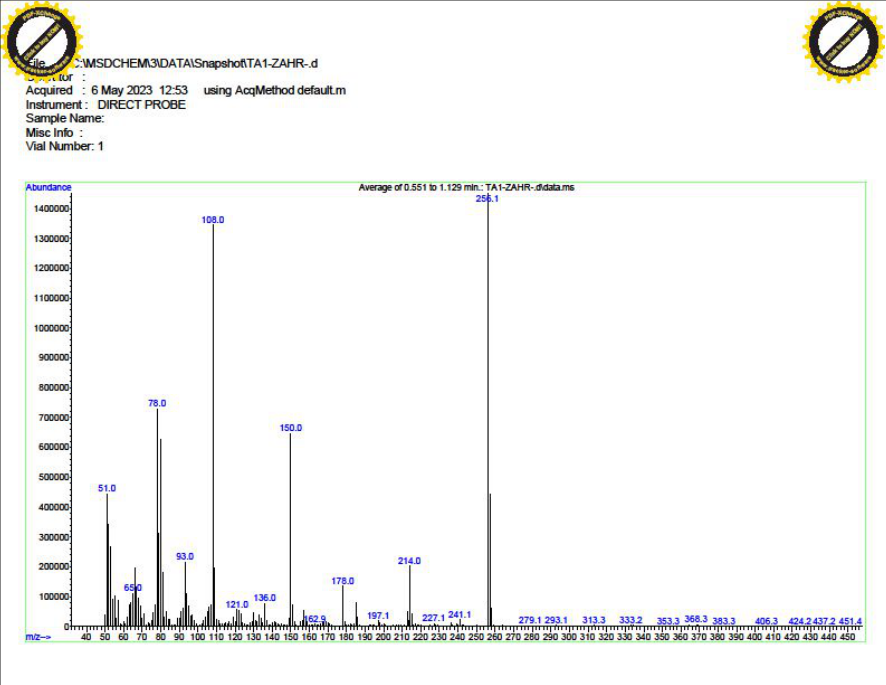 Figure 1
 Table 1
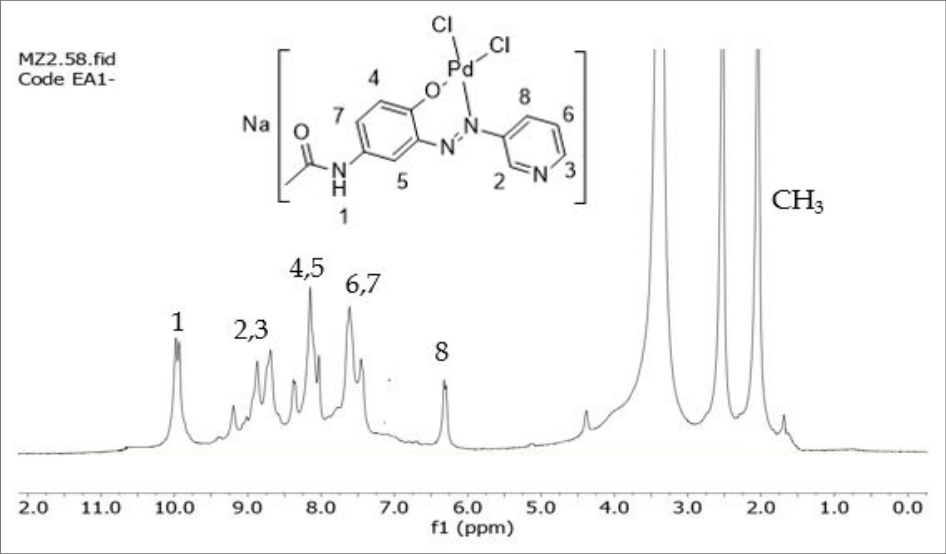 Figure 3
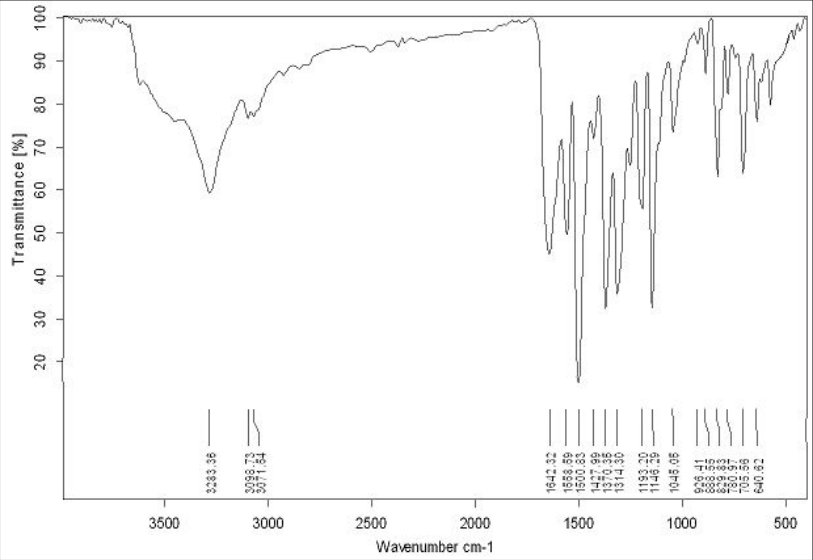 Figure 4
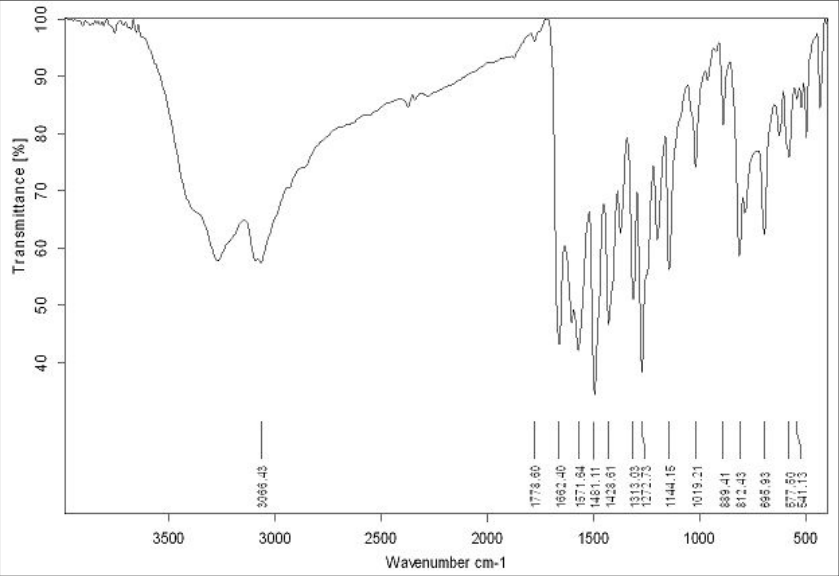 Figure 5
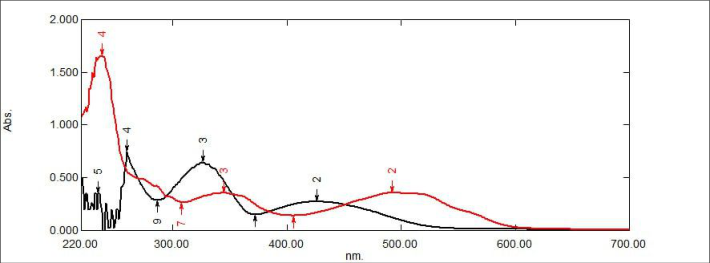 Figure 6
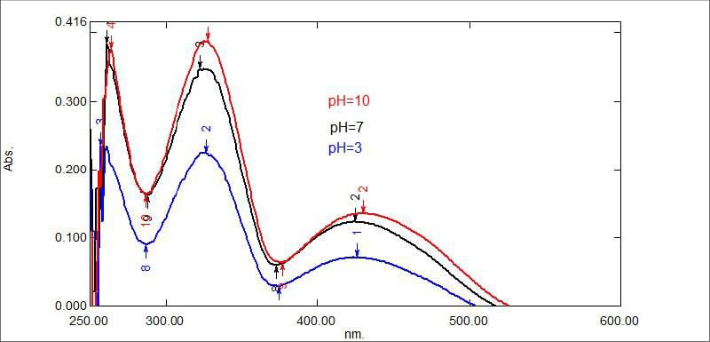 Figure 7
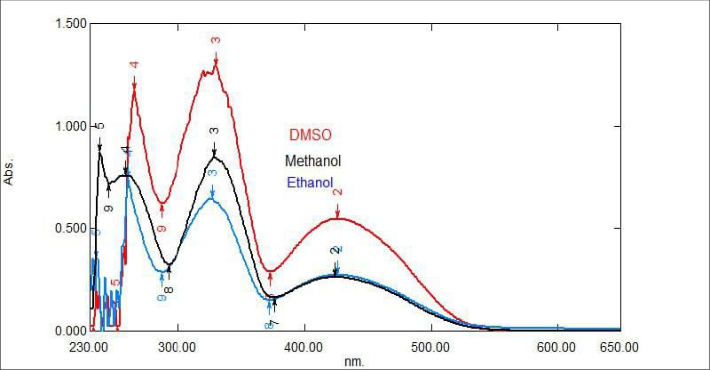 Figure 8
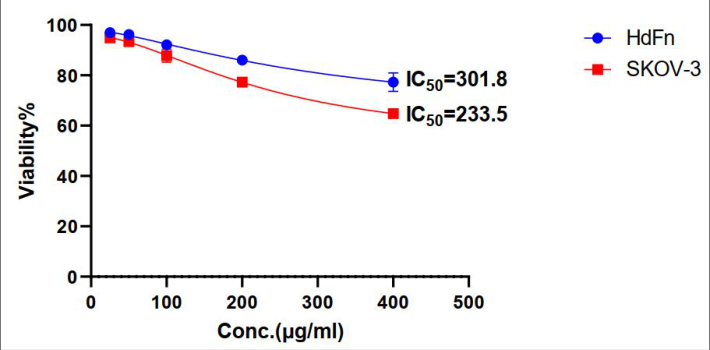 Figure 9
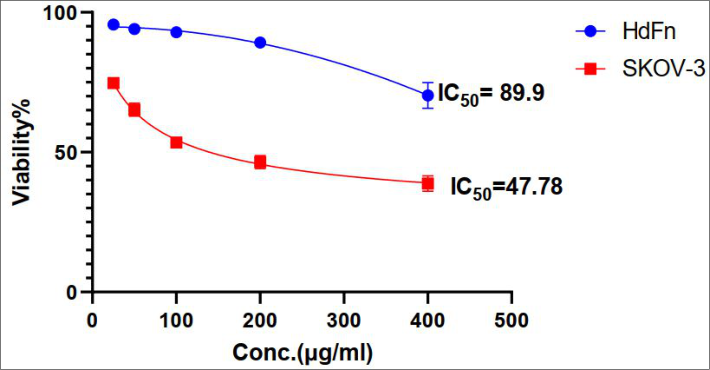 Figure 10
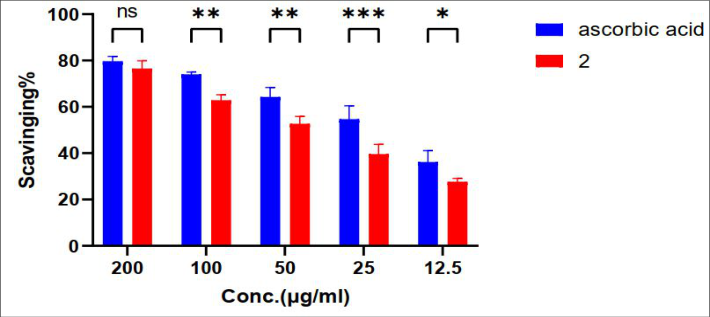 Figure 11
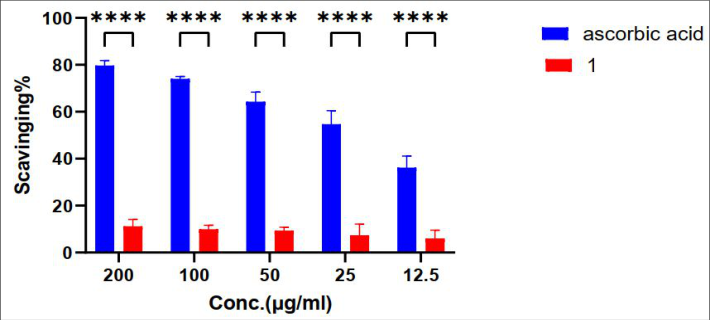 Figure 12
Introduction
Metal complexes are useful in many fields nowadays, especially medicinal chemistry and catalysis [1] . Cisplatin is a crucial complex of platinum ions that is frequently used as a chemotherapy medication such as testicular and ovarian malignancies. Among non-platinum anticancer medicines, palladium complexes have garnered increased interest because of their strong antiproliferative effects [2] . Azo dye containing a biotin unit used as photosensitizer (PS) under irradiation near the infrared region and absorption two-photon (TP) by photodynamic therapy (PDT) process exhibited significantly enhanced human colon tissue cancer sensitivity for PS by generating reactive oxygen species (ROS). In addition, fluorescence microscopy images revealed the ability of this PS for real-time imaging [3,4] . Introducing heterocyclic moieties of azo dyes in drugs of antiviral, anti-cancer, and analgesics has been improved and easily tuned the bioactive properties of these drugs [5][6][7] . The most commercial dyes and pigments belong to are azo colorants which have a wide range of colors [8] . Azo dye ligands represent highly colored dyes and pigments which used for dying fibers, leather, clothing, food, and dying of toys, medical devices, plastics, and cosmetics. They have important properties such as nonlinear and photo electronics, which lead to use especially in optical information storage, and biological medical studies [9][10][11] . The super hydrophobic properties of some azo dyes result in low-permeability paint that can be used as a water and vapor barrier to prevent the metal surfaces from corrosion [9] . Chemotherapy is one of the main treatment techniques utilized in hospitals for different cancer situations. As a result, there are a lot of researchers developed new and improved anticancer drugs. Following the chemical design and manufacture of the compounds, a biological evaluation of the compounds in vitro cytotoxic effects occurs. A variety of methods that disclose cellular activity can be used to assess the health of cells such as the MTT method [12,13] . Amino-pyridine is a significant molecule with several pharmacological activities and a key component for demonstrating a wide range of biological effects. The pyridyl moiety, a heterocyclic amine, has strong antibacterial and pharmacophores. Additionally, anticancer medications frequently have some drawbacks, such as unfavourable side effects, high toxicity, and inherent and acquired resistance [14] . Therefore, we prepared an azo dye of 3-aminopyridine and acetaminophen and its complex of Pd(II) to examine their physical properties involving spectral behaviours, and electrical conductance values, their efficiency against the cell lines of SKOV-3 and HdFn and molecular docking and simulation.
Experimental 2.1 Instrument Analysis and Equipment
Devices were used to complete measurements of analytical, spectroscopic, physical, magnetic, and biological properties, such as using some of them as antioxidants and anticarcinogens for the ligand and palladium complex. An electronic balance with four decimal places of the type (GMBH) from the company (Sartorius of German origin) was used to adjust the required weights of ligands, palladium chloride, and other used materials. The ultraviolet-visible spectra of the synthesized ligand and its palladium complex were measured using the UV-1650PC UV-visible spectrophotometer. The infrared spectra (FT-IR) were recorded using a Bruker spectrophotometer within the range of (400-4000) cm -1 in their solid state and mixed with potassium bromide in the form of pellets. The 1 H-NMR proton spectra were measured using an American Bruker Spectrophotometer 500 MHz in (DMSO-d6) as a solvent. Mass spectra were measured using the Mass AB sciex 3200 QTRAP instrument. The melting points were measured by using the instrument (Electrothermal 9300 M.P.). A Philips PW 9421 pH meter was used to measure the pH of the solutions. The chemical materials were high purity and measured their melting points to check the purity. The 3amino pyridine, acetaminophen, and palladium chloride were supplied from Sigma-Aldrich. Sodium hydroxide, sodium nitrite, and hydrochloric acid were supplied by the B.D.H. company.
Preparation of (E)-N-(4-hydroxy-3-(pyridin-3yldiazenyl)phenyl)acetamide (EHPYPA)
The EHPYPA ligand was prepared by dissolving 0.5 g (0.005 mole) of 3-aminopyridine in 15 mL of distilled water, then 4 mL of HCl (37%) was added to it and the mixture was cooled to zero degrees Celsius. Sodium nitrite NaNO2 0.34 g (0.005 mole) was dissolved in 10 mL of distilled water, then the solution was cooled to zero degree Celsius, then add the sodium nitrite solution gradually to the above-mentioned acid solution under cooling with stirring and keeping the temperature low, then leave it for 30 minutes to complete formation process of diazonium salt. The diazonium salt solution was added drop by drop with continuous stirring to the coupling compound solution consisting of dissolving 0.8 g (0.005 mole) of acetaminophen with 15 mL of ethyl alcohol with (10 mL) sodium hydroxide aqueous (10%). The solution was left to settle for 30 minutes. The solution was colored, and then left overnight. The precipitate was filtered and washed several times with cold distilled water and recrystallized from an absolute ethanol solution. It was observed that a reddishorange crystalline precipitate was formed. The precipitate was dried using a desiccator. The yield is 80% and the melting point is 205 C. Chemical shifts of the ligand in ppm are 10.45 (s, H), 9.96 (s, H), 9.18 (s, H), 8.72(d, H), 8.36 (H), 8.00(s, H), 7.62 (m, 2H), 7.03 (d, H), 3.41 (solvent), 2.5 (solvent), 2.02 (s, 3H) in ppm units. The elemental analysis of EHPYPA (calculateed%) is C, 60.93; H, 4.72; N, 21.49, while the found (%) are C, 60.98; H, 4.77; N, 21.52.
Synthesis of palladium complex
To 15 mL solution of EHPYPA ligand 0.25 g (0.002 mole) in ethanol under stirring was added 5 mL of NaOH 0.002 g (0.002 mole). Palladium chloride 0.025 g (0.0001 moles) was dissolved in 15 mL of distilled water, then the solution of palladium chloride was acidified by two drops of hydrochloric acid to complete the dissolving process. The ligand solution was added to the solution of palladium chloride and the pH of the reaction mixture was justified at 9. The reaction solution was refluxed for one hour, and then the solution was left overnight. The precipitate of palladium complex was filtrated and was washed by water sometimes. The dark brown powder complex of palladium (II) was dried, yielding, 70% and melting point of 302 C. Chemical shifts of the palladium complex in ppm are 9
Preparation of the test ligands and target protein
The test of the ligands and palladium complex, and the target protein (5DSY) were prepared for docking as previously reported [15] . The ligands were sketched and their energies minimised using ChemDraw software [16] . Similarly, the protein, Poly(ADP-ribose) polymerase-1 (PARP-1) was also prepared as previously reported [15] . Briefly, the native ligand attached to the protein revealed, and docking axes were revealed. Furthermore, the incomplete charges were and the prepared protein saved for further analysis.
Molecular docking (MD) and simulation (MDS)
In this study, MD and MDS were performed as previously reported [15] . MD was performed using the Allosite tool (https://mdl.shsmu.edu.cn/AST/). In the tool, the active site of the target protein was revealed. The prepared compounds were docked against the active site of the protein using the Autodock Vina tool and docking scores assigned using the London dG scoring function. The resulting docking poses were then visualised in 2D and 3D [17] . On the other hand, MDS was performed as previously reported using the Schrodinger Desmond module [18] . In the Schrodinger Desmond module, a 140nsec simulation was carried out. To create an aqueous environment and isosmotic conditions was ensured by selecting the TIP3P model and 0.15 M NaCl. Furthermore, the boundary of the simulation box as set at 10 Å while the simulation environment was set to equilibrium (310K and 1.013 bar).
Results And Discussion
Synthesis and characterization of EHPYPA ligand and its Pd(II) complex The 3-aminopyridine has been easily diazotized by the action of nitrous acid which was prepared from sodium nitrite and HCl at 0-5 °C to form the corresponding diazonium intermediate. In situ coupling of the freshly obtained diazonium salt with acetaminophen to furnish the coupling product, EHPYPA as shown in Scheme 1. The Palladium (II) complex was prepared by mixing palladium chloride with EHPYPA ligand as shown in Scheme 2, under the equivalent ratio 1:2 Metal ions: Ligand. The molecular structures of azo dye namely, EHPYPA of 3aminopyridine and acetaminophen and its palladium complex were verified by a number of physico-chemical methods. The mass technique is an important method to characterise the compounds, where the EHPYPA ligand as shown in Figure 1 exhibited an important signal at 256.1(m/z) in perfect agreement with the molecular mass of the expecting formula of EHPYPA dye (C13H12N4O2) and the palladium complex exhibited a signal at 430.9 m/z in agreement with the expected formula for the palladium complex (C13H11N4O2Cl2Pd). The molar conductivity in DMSO solvent was 20 which indicates the ionic properties of the complex under the ratio equal to 1:1. The EHPYPA ligand exhibited an interesting 1 H-NMR spectrum as shown in Figure 2, where indicates the number of signals with multiplicities of protons equivalents to the proposed formula of the EHPYPA ligand. The OH and NH showed in low field at 10.5 and 10 ppm as singlet signals.
The CH=N moiety of pyridyl showed at 9.25 ppm as a singlet signal in the low field because there is a deshielding effect. The Protons of CH3 group showed at 2 ppm, as a single signal. The residual water and DMSO showed at 3.45 and 2.5 ppm respectively. The signal of OH disappeared in the case of the palladium complex as shown in Figure 3 and there are changes in the chemical shifts of the complex protons with multiplicity equal to the number of complex protons.
Infrared spectra
The infrared spectra of the bidentate ligand and its palladium complex were recorded in the KBr pellets and the spectrum of the Pd(II) complex is compared with the free ligand to determine the coordination sites that may be involved in chelation. A comparison of the infrared spectra of the free ligand and azo complex of palladium gives us the proof of the complexation of the ligand to palladium ion. The characteristic vibration band at 3420 cm -1 is due to the OH group of the EHPYPA ligand which disappeared in the infrared spectrum of the complex. That means that the coordination has occurred with the oxygen atom under deportation with palladium. The infrared spectrum of the azo ligand showed characteristic bands for aromatic N-H, C-H, aliphatic C-H, C=O, C=N, -N=N-and C-O vibrations which are listed in Table 1. The ligand showed a broad absorption band due to O-H stretching vibrations at 3420 cm -1 , which we believe is related to the hydrogen-bonded O-H stretch. This stretch was absent in the palladium complex in agreement with the proposed structure. The absence of this band confirmed the formation of the complex by deprotonation of the phenolic group of the ligand. Upon complexation, the N=N stretching vibrations shifted from 1500 cm -1 to the lower frequency about 19 cm -1 . This shift was due to the donation of electron density from the ligand to the metal center. In the FT-IR spectra, the ligand and its palladium complex exhibit bands at 3071-3066 and 2983-2840 cm -1 that are assignable to vibrations of aromatic C-H and aliphatic C-H stretching. New vibration bands, which are not present in the spectrum of the ligand appeared around 541-480 cm -1 , corresponding to M-O and M-N vibrations supporting the involvement of N and O atoms in coordination with the metal center [19] . The spectra of the EHPYPA ligand and its palladium complex are shown in Figure 4 and Figure 5 respectively.
| — | OH | NH | CH | CH | C=O C=N | C=C | -N=N- | M-O | M-N |
|---|---|---|---|---|---|---|---|---|---|
| EHPYPA ligand | 3430 | 3283 | 3071 | 2930 | 1642 | 1558 | 1500 | - | - |
| Pd complex | 3283 | 3066 | 2950 | 1662 | 1580 | 1481 | 541 | 480 |
Table text extracted from the original PDF; superscript letters are shown inline. The original table image is below.
View original table image
Electronic Spectra
Absorption spectra of EHPYPA ligand and palladium complex were observed in DMSO solvent as shown in Figure 6. For the EHPYPA ligand, two absorption bands appeared at 261 and 328 nm due to →*, and a band at 426 nm was observed which is due to n→* [20,21] . The palladium complex exhibited a new band at 235 nm due to charge transfer from metal to ligand. The bands of the EHPYPA ligand shifted to a higher wavelength in the spectrum of palladium complex which were observed at 271 and 342 nm, respectively. The d-d electronic transitions of palladium complex were observed at 493, 527 and 667 nm, which are due to 1 A1g→ 1 E1g, 1 A1g→ 1 B1g and 1 A1g→ 1 A2g respectively in agreement with the square configuration of Pd(II) complexes [22,23] .
pH effect on the properties of EHPYPA ligand
The absorption spectra of 10 -4 molar of EHPYPA ligand were scanned at different pH levels between 200 and 800 nm, and three distinct bands are shown for EHPYPA ligand in the vicinity of 260 and 350 nm due to →* and band at 450 nm due to n→*, as shown in Figure 7. This study clarifies the species that might arise in solutions with various pH values. At pH=7, the EHPYPA ligand showed azo form and hydrazine form while under an acidity medium, the ligand exhibited hydrazine form and protonation in the NH group which leads to a decrease the absorption. At basic conditions, the EHPYPA ligand exhibited azo form and deprotonation of the OH group which leads to more absorption [24][25][26][27] . which is in agreement with the azo group that is p-acidic which is responsible for photochromism, pH-responsive, and exhibits redox activity to ligands involving azo group [28] .
Solvatochromic effect on the properties of EHPYPA dye
The UV-Vis spectra of EHPYPA ligand in different solvents such as ethanol, methanol, and dimethyl sulfide as shown in Figure 8. There is an increasing bathochromic from ethanol to dimethylsulfoxide in agreement with the increasing of dipole moment and dielectric properties from ethanol to DMSO. The * of EHPYPA ligand is high polarity, therefore the increasing of the dipole moment and dielectric properties of the solvent leads to more bathochromic shift [29][30][31][32] .
Cytotoxicity evaluation
The EHPYPA dye and its palladium complex are emerging as key types of medicinal compounds having an enormous potential for biological activities such as anticancer and antioxidant [33][34][35][36] , therefore our objective aimed to evaluate the potential of the novel synthesized compounds for inhibiting the proliferation of human cell lines attached to ovarian cancer (SKOV-3) and health cell line of HdFn. The azo dye of acetaminophen and its palladium complex showed high anticancer potential by using MTT assay in cancer cell lines. The azo ligand displayed high excellent activity against SKOV-3 and its palladium complex showed high activity against SKOV-3 cell lines. The palladium complex was highly toxic toward SKOV-3 cancer cells with IC50 values of 47.78 g/mL and was more efficient than the EHPYPA ligand which exhibited IC50 values of 233.3 g/mL as shown in Figures 9,10. Both compounds of EHPYPA and palladium complex exhibited low cytotoxicity towards the health cell line of HdFn which was 89.9 and 301.8 g/mL respectively.
The DPPH assay
The ability of the compounds as antioxidants is vital for life and they can inhibition the activity of free radicals formed during the oxidation process which leads to protect the living cells from harm and abnormal metabolism [37,38] .
The DPPH method is used to show the scavenging activity of the EHPYPA ligand and palladium complex. The antioxidant results of the synthesized compounds were examined at concentrations of 12.5, 25, 50, 100, and 200 μg/mL. The scavenging activity showed clearly concentration dependent. The azo ligand (EHPYPA) exhibited excellent activity as shown in Figure 11, which may be due to the presence of OH groups in the ligand which enhances the antioxidant nature. The complex exhibited important antioxidant activity but was lower than the azo ligand. The results of the EHPYPA ligand are too close to the results of ascorbic acid in all concentrations. The palladium result was moderate compared to the ascorbic acid and the results of palladium complex were not so much depending on the concentration as shown in Figure 12.
Conclusion
We described in this study the synthesis, characterization, antioxidant, and anti-ovarian cancer of azo dye ligand from 3-aminopyridne (HPYPA) and its palladium complex. The compounds showed capable of inhibiting tumor cell growth and inducing cell death. The compounds were found to be nontoxic to the human normal cell line. The antioxidant activity was carried out to investigate the potential of the synthesized compounds using DPPH assay. The compounds demonstrated strong antioxidant activities, whereas the EHPYPA ligand showed strong antioxidant activity in comparison with ascorbic acid. Furthermore, docking and simulation studies indicate stable prepared compounds and favourable drug-like potentials. The presence of pyridyl, acetaminophen, and azo moieties in the synthesized compounds are important to add valuable applications as colourful materials, pharmaceutical agents, and analytical indicators. The EHPYPA ligand is bidentate and the palladium complex is square planer and ionic.
Figures and tables from the paper
References
33 in the original paper- Haribabu J, Srividya S, Mahendiran D, Gayathri D, Venkatramu V, Bhuvanesh N, et al. Synthesis of palladium(II) complexes via Michael addition: Antiproliferative effects through ROS-mediated mitochondrial apoptosis and docking with SARS-CoV2. Inorg Chem. 2020;59:17109-22.
- Augello G, Azzolina A, Rossi F, Prencipe F, Mangiatordi GF, Saviano M, et al. New insights into the behavior of NHC-gold complexes in cancer cells. Pharmaceutics. 2023;15:466.
- Lee DJ, Juvekar V, Lee HW, Kim ES, Noh CK, Shin SJ, et al. Cancer-targeted azo dye for two-photon photodynamic therapy in human colon tissue. Anal Chem. 2021;93:16821-7.
- Mandal P, Pratihar JL. A review of the photochromic behavior of metal complexes embedded in conjugated and non-conjugated azo-imine-based ligands. Rev Inorg Chem. 2023.
- Mezgebe K, Mulugeta E. Synthesis and pharmacological activities of azo dye derivatives incorporating heterocyclic scaffolds: A review. RSC Adv. 2022;12:25932-46.
- Frota HF, Lorentino CMA, Barbosa PF, Ramos LS, Barcellos IC, Giovanini L, et al. Antifungal potential of the new copper(II)-theophylline/1,10-phenanthroline complex against drug-resistant Candida species. BioMetals. 2023;1-16.
- Porobić SJ, Božić BĐ, Dramićanin MD, Vitnik V, Vitnik Ž, Marinović-Cincović M, et al. Absorption and fluorescence spectral properties of azo dyes based on 3amido-6-hydroxy-4-methyl-2-pyridone: Solvent and substituent effects. Dyes Pigments. 2020;175:108139.
- Mohamed GG, Mahmoud WH, Refaat AM. Nano-azo ligand and its superhydrophobic complexes: Synthesis, characterization, DFT, contact angle, molecular docking and antimicrobial studies. J Chem. 2020;2020:6382037.
- Abdou A, Mostafa HM, Abdel-Mawgoud AMM. Seven metal-based bidentate NO azocoumarine complexes: Synthesis, physicochemical properties, DFT calculations, drug-likeness, antimicrobial screening and molecular docking. Inorg Chim Acta. 2022;539:121043.
- Ali RR, Mohammed HS. Biological activity and latent fingerprint detection by azo quinoline dye and its complexes. Period Eng Nat Sci. 2021;9:317-29.
- Ganot N, Meker S, Reytman L, Tzubery A, Tshuva EY. Anticancer metal complexes: Synthesis and cytotoxicity evaluation by the MTT assay. J Vis Exp. 2013;50767.
- Petkov N, Pantcheva I, Ivanova A, Stoyanova R, Kukeva R, Alexandrova R, et al. Novel cerium(IV) coordination compounds of monensin and salinomycin. Molecules. 2023;28:4676.
- Mallikarjuna NM, Keshavayya J. Synthesis, spectroscopic characterization and pharmacological studies on novel sulfamethaxazole-based azo dyes. J King Saud Univ Sci. 2020;32:251-9.
- Nwaokorie F, Abdalla M, Edet UO, Abdalla AM, Okpo EA, Shami A, et al. In-silico assessment of bioactive compounds from Salvadora persica against Nacetylneuraminate lyase (5ZKA). J Mol Struct. 2024;1316:138733.
- Mendelsohn LD. ChemDraw 8 Ultra, Windows and Macintosh versions. J Chem Inf Comput Sci. 2004;44:2225-6.
- Jejurikar BL, Rohane SH. Drug designing in Discovery Studio. 2021.
- Kubra B, Badshah SL, Faisal S, Sharaf M, Emwas AH, Jaremko M, et al. Inhibition of the predicted allosteric site of SARS-CoV-2 main protease through flavonoids. J Biomol Struct Dyn. 2023;41:9103-20.
- Purtas F, Sayin K, Ceyhan G, Kose M, Kurtoglu M. New fluorescent azo-Schiff base Cu(II) and Zn(II) chelates: Spectral, structural, electrochemical, photoluminescence and computational studies. J Mol Struct. 2017;1137:461-75.
- Emam SM, Bondock S, Aldaloa AAM. Schiff base coordination compounds including thiosemicarbazide derivative and pyrazolone: Synthesis and biological activity. Results Chem. 2023;5:100725.
- Hamza IS, Mahmmoud WA, Al-Hamdani AA, Ahmed SD, Allaf AW, Al Zoubi W. Synthesis, characterization and bioactivity of metal complexes of benzenesulfonamide derivative. Inorg Chem Commun. 2022;144:109776.
- Chen XC, Tao T, Wang YG, Peng YX, Huang W, Qian HF. Azo-hydrazone tautomerism observed from UV-vis spectra by pH control and metal-ion complexation. Dalton Trans. 2012;41:11107-15.
- Mohammed HS, Al-Hassan HA, Abdul-Hassan WS, Abed HN. Synthesis, characterization and biological activity of complexes for azo dye containing 1,3dimethylxanthine. AIP Conf Proc. 2023;2845.
- Mohammed HS. Synthesis and characterization of complexes of azo-chalcone ligand and biological evaluation. Mater Plast. 2021;58:23-31.
- Ali RR, Mohammed HS. Synthesis, characterization and biological study of pyridylazo ligand and its metal complexes. J Phys Conf Ser. 2021;1999:012009.
- Mondal TK, Mathur T, Slawin AMZ, Woollins JD, Sinha C. Imidazole → imidazolidine preparation via reduction of Os complexes. J Organomet Chem. 2007;692:1472-81.
- Anonymous. Solvatochromic effect and nonlinear optical properties of substituted thienylpyrroles: DFT and TDDFT study. J Mol Liq. 2016;220:495-503.
- Mohammed H. Synthesis, identification and biological study of azo dye complexes containing theophylline. Sci World J. 2021;2021.
- Anandhan K, Cerón M, Perumal V, Ceballos P, Gordillo-Guerra P, Pérez-Gutiérrez E, et al. Solvatochromism and pH effect on emission of triphenylimidazole derivative. RSC Adv. 2019;9:12085-96.
- Sahoo J, Mekap SK, Kumar PS. Synthesis and antimicrobial evaluation of new 3-heteroaryl azo 4hydroxy coumarin derivatives. J Taibah Univ Sci. 2015;9:187-95.
- Abdel-Latif E, Keshk EM, Khalil AGM, Saeed A, Metwally HM. Synthesis, characterization and anticancer activity of acetanilide-based heterocycles. J Heterocycl Chem. 2018;55:2334-41.
- Sahar YJ, Mohammed HS. Synthesis and characterization of metal complexes with azo-indole ligand and evaluation of palladium complex against leukemia. Arab J Sci Eng. 2023;1-9.
- Sahar YJ, Mohammed H, Al-Abady ZN. Synthesis and characterization of metal complexes containing azoindole moiety and biological evaluation against HL-60 leukemia. Results Chem. 2023;5:100847.
- Sandhu QUA, Pervaiz M, Majid A, Younas U, Saeed Z, Ashraf A, et al. Schiff base metal complexes as antiinflammatory agents. J Coord Chem. 2023;76:1094118.