
Research article · 2025 · Full text
International Journal of Agriculture and NutritionNitrification inhibitor technologies in smallholder brassica crops: A path to sustainable intensification by enhancing nutrient use efficiency and nutritional quality
Volume 7(11) · Pages 46–57 · DOI: 10.33545/26646064.2025.v7.i11a.316 ↗
Research areasPlant nutrient uptake and metabolismNitrogen and Sulfur Effects on BrassicaSoil Carbon and Nitrogen Dynamics
Abstract
Author-writtenSustainable intensification remains a central priority for smallholder agricultural systems, particularly in nutrient-demanding Brassica crops such as cabbage, cauliflower, and mustard greens. These crops rely heavily on nitrogen inputs to achieve optimal yields, yet conventional fertilizer practices often lead to substantial nitrogen losses through ammonia volatilization, nitrate leaching, and nitrous oxide emissions. Such inefficiencies not only reduce fertilizer effectiveness but also contribute to soil degradation, greenhouse gas accumulation, and declining crop nutritional quality. Within this context, nitrification inhibitor (NI) technologies have emerged as a promising pathway for balancing productivity with ecological stewardship. From a broader perspective, NIs function by suppressing the activity of ammonia-oxidizing microorganisms, thereby slowing the conversion of ammonium to nitrate. This extended ammonium availability enhances nitrogen retention in soils, improves uptake efficiency, and reduces reactive nitrogen losses that typically compromise smallholder fertilizer investments. The agronomic benefits are especially relevant in Brassica systems, where nitrogen plays a pivotal role in biomass accumulation, glucosinolate synthesis, and vitamin enrichment. By stabilizing nitrogen supply, NIs can support both higher yields and improved nutritional profiles. Narrowing the focus to smallholder production environments, the integration of NIs presents an opportunity to optimize fertilizer use under conditions of limited resources, variable soil fertility, and climate-induced stressors. Studies indicate that combining nitrification inhibitors with site-specific nutrient management leads to increased nitrogen use efficiency, stronger root development, enhanced chlorophyll content, and reduced environmental externalities. Furthermore, NIs can help bridge productivity gaps by enabling farmers to achieve more output from the same or lower nitrogen application rates. Overall, nitrification inhibitor technologies represent a scalable, cost-effective tool for transforming Brassica crop systems into more resilient, nutrient-efficient, and health-promoting agricultural enterprises, thereby contributing meaningfully to sustainable intensification goals.
Summary
Source-checkedPlain-language reading of the full paper, prepared with AI and checked against the text. Each point links to the authors' own words.
Why it matters
- Sustainable intensification is a key priority for smallholder farms growing nutrient-demanding Brassica crops like mustard greens, cauliflower, and cabbage. View evidence ↗
- Standard fertilizer methods often result in significant nitrogen loss via nitrate leaching, ammonia volatilization, and nitrous oxide emissions. View evidence ↗
- Nitrification inhibitors (NIs) work by slowing the conversion of ammonium to nitrate by suppressing ammonia-oxidizing microorganisms. View evidence ↗
The question
- The paper aims to examine the environmental considerations, agronomic rationale, and system-level implications of using nitrification inhibitors in smallholder Brassica production. View evidence ↗
What they did
- The review analyzes synthetic inhibitors including nitrapyrin, 3,4-dimethylpyrazole phosphate (DMPP), and dicyandiamide (DCD). View evidence ↗
- The analysis also includes biological nitrification inhibitors (BNIs), specifically those extracted from the neem plant (Azadirachta indica). View evidence ↗
What they found
- Different Brassica crops have varying nitrogen requirements: cauliflower is highest (150-200 kg N/ha), followed by broccoli (130-190 kg N/ha), cabbage (120-180 kg N/ha), mustard greens (90-140 kg N/ha), and kale (80-120 kg N/ha). View evidence ↗
- DMPP provides strong ammonium retention across various vegetable soils with low application rates, whereas DCD is effective in cool, moist soils but degrades rapidly in heat. View evidence ↗
- Nitrapyrin is effective when ammonia-oxidizing bacteria (AOB) are dominant, but its effectiveness decreases in acidic soils where ammonia-oxidizing archaea (AOA) prevail. View evidence ↗
- Synchronizing nitrogen supply with peak growth using NIs increases marketable yield and improves the physical quality of cauliflower curds and cabbage heads. View evidence ↗
- Stable ammonium availability provided by NIs supports the synthesis of chlorophyll and the formation of folate, vitamin C, and minerals like magnesium and calcium. View evidence ↗
- NIs lower the risk of groundwater contamination by reducing the accumulation of mobile nitrate in the soil. View evidence ↗
- NIs mitigate climate impact by reducing emissions of nitrous oxide (N₂O), a greenhouse gas approximately 300 times more potent than carbon dioxide. View evidence ↗
- The adoption of NIs is hindered by cost, as synthetic options like DMPP are perceived as expensive compared to standard fertilizers. View evidence ↗
What it means
- The authors recommend that governments incorporate NIs into national nutrient-management guidelines to ensure consistency in distribution and extension services. View evidence ↗
- There are remaining knowledge gaps regarding the performance of NIs across various climatic conditions, soil types, and smallholder contexts. View evidence ↗
Figures & tables
From the original paper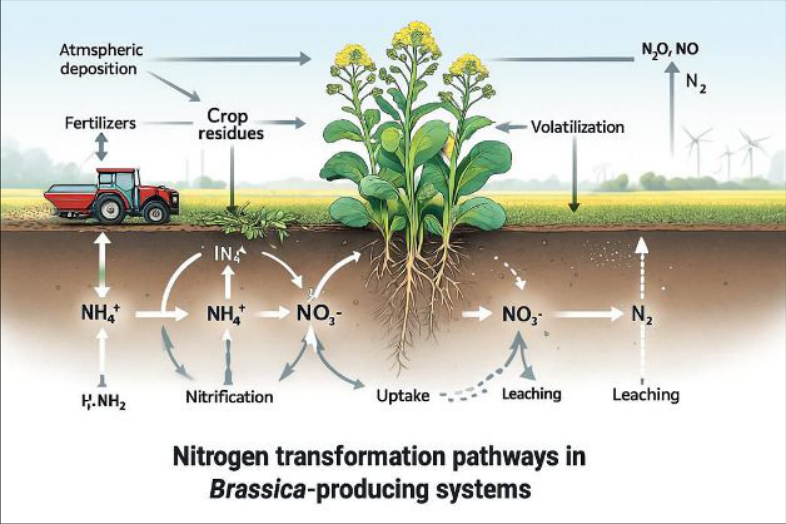 Figure 1
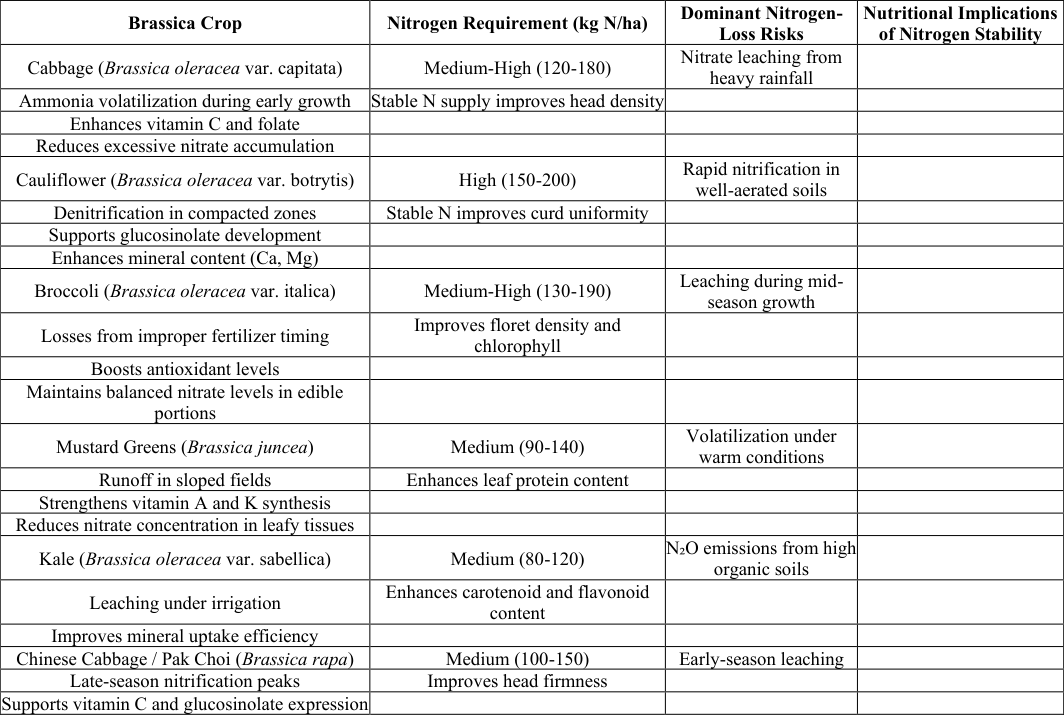 Table 1
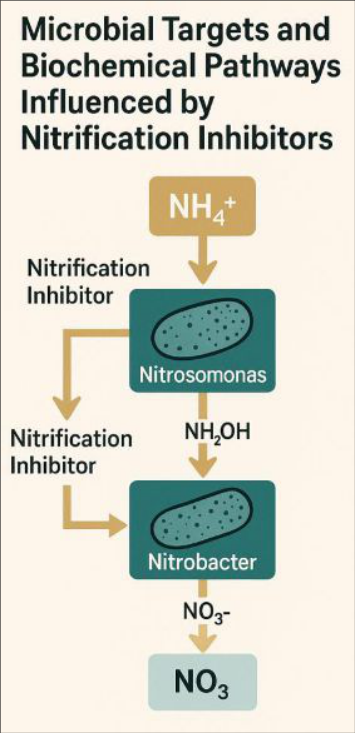 Figure 2
 Table 2
 Figure 3
Text
These challenges contribute to chronic nutrient depletion and reinforce dependency on repeated fertilizer inputs. Moreover, nitrogen losses carry significant environmental implications, including groundwater contamination, greenhouse gas emissions, and nutrient runoff, which degrade downstream ecosystems [5] . The dependence on nitrogen-intensive inputs is therefore both an agronomic necessity and a source of long-term vulnerability. Understanding how nitrogen behaves in smallholder soils particularly the biological, chemical, and microbial processes governing its transformation is crucial for developing more sustainable nutrient management strategies [6] . Figure 1 illustrates the primary nitrogen transformation pathways in Brassica-producing systems and highlights the key points of loss that undermine effective nutrient uptake.
Fig 1:
The primary nitrogen transformation pathways in Brassica-producing systems 1.2 Challenges in Brassica Production: Nutrient Losses, Environmental Stress, and Soil Degradation Brassica crops are especially susceptible to nutrient imbalance and soil-related stressors due to their rapid vegetative growth and high nitrogen demand [7] . In many smallholder systems, frequent nutrient losses occur before crops can assimilate the applied nitrogen, leading to inconsistent growth, uneven canopy development, and reduced marketable yield. These losses are intensified by environmental stress factors temperature fluctuations, intermittent droughts, and excessive rainfall that accelerate nitrification and leaching processes [8] . Soil degradation further compounds these challenges. Continuous cultivation of Brassica crops without adequate organic matter replenishment depletes soil carbon reserves and disrupts microbial communities responsible for regulating nitrogen turnover. This degradation reduces the soil's buffering capacity, making nitrogen cycling more erratic and increasing susceptibility to external stressors. Smallholder farmers often respond by applying higher fertilizer doses, inadvertently intensifying nitrogen losses and raising production costs. Additionally, Brassica root systems exhibit sensitivity to acidic soils and compaction, conditions that are common in intensively cultivated smallholder fields. These constraints reduce root penetration and limit nutrient access, reinforcing the cycle of inefficiency and loss [9] . Addressing these interlinked agronomic, environmental, and soil-quality challenges is essential for improving nitrogen retention and stabilizing Brassica productivity under smallholder conditions.
Rationale for Nitrification Inhibitors (NIs) and Research Gaps
Nitrification inhibitors (NIs) offer a promising pathway for reducing nitrogen losses and improving NUE by slowing the microbial oxidation of ammonium to nitrate, the form most prone to leaching and denitrification [10] . By delaying nitrification, NIs retain nitrogen in the ammonium form for longer periods, synchronizing its availability with Brassica crop uptake and reducing vulnerability to loss pathways intensified by rainfall and soil degradation. Despite their potential, the adoption and optimization of NIs in smallholder systems remain limited. Existing research has focused predominantly on large-scale or temperate agricultural systems, leaving critical gaps regarding NI performance in low-input, variable-rainfall, and organicmatter-depleted soils typical of smallholder contexts [8] . Moreover, interactions between specific NI compounds, local microbial communities, and Brassica nutrient requirements remain insufficiently understood. This article addresses these gaps by examining the agronomic rationale, environmental considerations, and system-level implications of integrating nitrification inhibitors into smallholder Brassica production frameworks.
Nitrogen dynamics in smallholder brassica systems 2.1 Soil Nitrogen Cycle and Nitrification Processes in Vegetable-Based Cropping
The soil nitrogen (N) cycle in vegetable-based systems operates through a series of biologically mediated transformations that govern the availability of plant-usable nitrogen. In Brassica-dominant cropping systems, mineral nitrogen typically enters the soil through fertilizer application, manure inputs, or mineralization of soil organic matter [7] . Once in the soil, ammonium (NH₄⁺) becomes the central substrate for nitrification a two-step microbial oxidation process mediated by Nitrosomonas and Nitrobacter species. These bacteria convert ammonium to nitrite and subsequently to nitrate (NO₃⁻), a mobile and highly leachable form of nitrogen [8] . Vegetable-based systems foster accelerated nitrification due to frequent tillage, high soil aeration, and substantial root exudation that enhances microbial activity. This rapid transformation increases the mismatch between nitrogen supply and crop demand, especially during early cropestablishment stages when Brassicas take up nitrogen slowly [9] . Soil moisture fluctuations common in smallholder vegetable fields further complicate these processes by creating alternating aerobic-anaerobic microsites that influence ammonium retention and nitrate mobility. Additionally, the presence of shallow-rooted crops, combined with irrigation cycles and inorganic fertilizer reliance, enhances biological turnover and amplifies nitrogen exposure to loss pathways. Because nitrification competes with plant uptake, and often outpaces it, slowing this process becomes critical for improving nitrogen use efficiency (NUE) in Brassica systems where nutrient demand intensifies only after canopy expansion [10] . A deeper understanding of nitrification ecology is therefore essential for designing interventions that modulate nitrogen transformation rates under vegetable-focused production.
Loss Pathways: Ammonia Volatilization, Leaching, Runoff, and N₂O Emissions
Nitrogen losses in Brassica-based systems occur through several interconnected pathways, each influenced by climatic, soil, and management factors. Ammonia volatilization is a major loss pathway in fields where urea is surface-applied without incorporation, particularly in alkaline or low-organic-matter soils common in smallholder contexts [11] . Volatilization occurs when soil pH increases around dissolving urea granules, converting ammonium to gaseous ammonia before plants can absorb it. Leaching losses are predominant in well-drained or sandy soils, where nitrate moves beyond the root zone following irrigation or rainfall. Brassica crops, which initially absorb nitrogen slowly, leave substantial nitrate residues susceptible to downward movement, especially during the early growth stages [12] . Surface runoff contributes to nutrient export during heavy rainfall events, carrying both nitrate and organic nitrogen fractions into adjacent water bodies. In smallholder systems with limited erosion control structures, runoff represents both an agronomic and environmental concern [13] . Finally, nitrous oxide (N₂O) emissions arise from denitrification in anaerobic microsites formed after irrigation or rainfall. Vegetable soils subjected to frequent watering common in Brassica cultivation create alternating aerobic and oxygen-limited conditions that promote N₂O release [14] . This greenhouse gas is of particular concern due to its high global warming potential and its tendency to spike in response to excess fertilizer inputs. Cumulatively, these loss pathways not only reduce nitrogen availability for crop use but also impose significant environmental costs. Mitigating these pathways requires targeted strategies that reduce nitrification speed and stabilize ammonium longer in the soil profile [15] .
Specific Nitrogen Demands of Brassica Crops (Cabbage, Cauliflower, Mustard)
Brassica crops exhibit high nitrogen demand due to rapid biomass accumulation, strong vegetative growth, and the physiological requirements of head or curd formation. Cabbage typically requires sustained nitrogen availability throughout its vegetative phase, with peak demand occurring during head initiation. Insufficient nitrogen during this phase results in small, loose heads and reduced market quality [16] . Cauliflower, although similar in overall demand, exhibits more sensitivity to nitrogen fluctuations. Both deficiency and excess nitrogen can lead to premature curd formation, reduced whiteness, and increased susceptibility to hollow stem disorders. Maintaining stable ammonium-to-nitrate ratios is therefore essential for balancing yield and quality. Mustard (leafy Brassicas) requires rapid early nitrogen supply to support leaf expansion, yet excessive nitrate availability promotes overly succulent tissues that are prone to pest pressure and storage deterioration. Across these species, nitrogen uptake patterns follow a sigmoid curve slow during establishment, rapid during vegetative expansion, and plateauing near reproductive transitions. When ammonium rapidly converts to nitrate in degraded soils, crops experience both early-season deficiency and late-season surplus, underscoring the importance of inhibiting nitrification to better synchronize nitrogen release with crop growth stages [17] .
Impacts of Excess Nitrogen Use on Soil Health and Crop Nutrition
Excess nitrogen application degrades soil health by disrupting microbial balance, increasing soil acidification, and accelerating organic matter decline [11] . These shifts undermine nutrient buffering capacity, reduce microbial diversity, and impair nitrogen mineralization efficiency. Over-fertilization also leads to nutrient imbalances within Brassica tissues excessive nitrate accumulation, reduced micronutrient density, and increased susceptibility to physiological disorders. In addition, nitrogen oversupply encourages lush vegetative growth at the expense of structural resilience, making plants more vulnerable to lodging, pest infestation, and postharvest quality losses. Table 1 summarizes nitrogen needs, loss risks, and nutritional implications across major Brassica crops.
Overview of nitrification inhibitor technologies 3.1 Classification of Nitrification Inhibitors: Synthetic vs. Biological
Nitrification inhibitors (NIs) comprise a diverse group of compounds designed to delay the microbial oxidation of ammonium (NH₄⁺) into nitrate (NO₃⁻). In Brassica-based agricultural systems where rapid nitrification reduces nitrogen-use efficiency, these inhibitors represent a critical strategy for maintaining nitrogen availability in synchrony with crop demand. Among the synthetic inhibitors, the most widely researched include dicyandiamide (DCD), 3,4dimethylpyrazole phosphate (DMPP), and nitrapyrin, each exhibiting different persistence and soil-interaction characteristics. DCD is valued for its stability in cool, moist soils, though its effectiveness can decline at higher temperatures due to accelerated degradation [14] . DMPP, in contrast, demonstrates strong inhibitory action even under moderate soil-temperature fluctuations and has gained traction in vegetable production systems for its low application rate requirements [15] . Nitrapyrin, historically used in maize and wheat systems, has also shown efficacy in vegetable soils where high aeration enhances nitrification rates [16] . Alongside these synthetic compounds, interest in biological or plant-derived nitrification inhibitors (BNIs) has grown steadily. BNIs occur naturally in several plant species, with compounds extracted from neem (Azadirachta indica) receiving particular attention due to demonstrated suppression of ammonia-oxidizing bacteria in diverse soil types [17] . Such inhibitors act through biochemical pathways that interfere with microbial enzyme systems rather than functioning strictly as chemical suppressants. In smallholder vegetable systems, BNIs present an appealing alternative because they can be integrated into local agro-ecological practices and reduce reliance on external synthetic inputs [18] . However, like synthetic NIs, their effectiveness depends on soil temperature, application method, and organic matter dynamics. The growing classification of Nis synthetic and biological provides farmers with a broader toolbox for managing nitrogen transformations. The challenge lies in selecting inhibitors that match soil conditions, Brassica nitrogen demand curves, and existing fertilizer practices [19] .
Mechanisms of Action: Suppression of Ammonia-Oxidizing Bacteria (AOB) and Archaea (AOA)
Nitrification inhibitors function primarily by disrupting the activity of key microbial groups responsible for ammonium oxidation ammonia-oxidizing bacteria (AOB) and ammoniaoxidizing archaea (AOA). These organisms regulate the rate-limiting first step of nitrification: the conversion of NH₄⁺ to nitrite (NO₂⁻). Synthetic inhibitors such as DCD and DMPP interfere with the ammonia monooxygenase (AMO) enzyme system central to AOB metabolism, thereby slowing ammonium oxidation and extending the period during which nitrogen remains in the ammonium form [20] . By maintaining ammonium in the soil for longer durations, NIs improve synchrony between nitrogen release and Brassica nutrient uptake a crucial factor because Brassicas often display slow initial nitrogen absorption followed by a rapid mid-season demand phase. The emergence of AOA as dominant nitrifiers in several vegetable-growing soils has added complexity to NI mechanism research. Some soils exhibit AOA-dominated nitrification, particularly under low-nitrogen, acidic, or loworganic-matter conditions common characteristics of many smallholder systems [21] . Certain inhibitors, especially nitrapyrin, demonstrate stronger interactions with AOB than AOA, resulting in variable inhibition outcomes. DMPP, however, has shown more balanced suppression of both groups, potentially explaining its reliability across vegetable cropping conditions [22] . Biological inhibitors operate differently, often using complex mixtures of phytochemicals that interact with microbial membranes or enzyme pathways. Neem-derived compounds, for instance, inhibit AMO functionality indirectly by limiting electron transfer processes required for nitrifier metabolism. This multi-pathway mode of action may explain why plant-derived NIs perform more consistently across heterogeneous soil environments [23] . Through these mechanisms, NIs reduce nitrate formation, lower nitrous oxide emissions, and minimize leaching and volatilization risks. Figure 2 illustrates the microbial targets and biochemical pathways influenced by nitrification inhibitors.
Limitations of Conventional Fertilizer Strategies Without Inhibitors
Conventional fertilizer strategies particularly the split application of urea or ammonium-based fertilizers struggle to mitigate the rapid nitrification dynamics observed in intensively cultivated Brassica systems. Because ammonium converts quickly to nitrate in well-aerated soils, nitrogen becomes vulnerable to losses at times when plants cannot absorb it efficiently, especially in early growth stages [16] . This mismatch forces farmers to apply higher fertilizer rates to maintain crop vigor, inadvertently increasing nitrate leaching, ammonia volatilization, and nitrous oxide emissions. In many smallholder contexts, fertilizer is applied in a single broadcast dose, amplifying early-season nitrogen surpluses that accelerate nitrifier activity and lead to inefficient nutrient utilization [20] . Moreover, these conventional strategies fail to buffer against climatic variability such as unseasonal rainfall, which can rapidly transport nitrate below the root zone. Without inhibitors, fertilizer programs lack the precision needed for sustainable Brassica nutrient management.
Adoption Barriers in Smallholder Settings: Cost, Knowledge, and Access
Despite the demonstrated agronomic value of nitrification inhibitors, adoption among smallholder Brassica farmers remains limited due to interlinked economic, informational, and logistical constraints. Cost remains a dominant barrier; many inhibitors especially synthetic options such as DMPP are perceived as expensive relative to conventional fertilizers, even though they may reduce overall nitrogen requirements [18] . Knowledge gaps further constrain adoption, as farmers often possess limited awareness of nitrification processes or the timing needed for effective NI application [21] . Extension programs frequently focus on fertilizer quantity rather than transformation processes, leaving inhibitor technologies poorly integrated into training curricula.
Additionally, access barriers emerge in rural markets where NIs are either unavailable or distributed only through specialized suppliers. Smallholders who rely on informal agro-input channels rarely encounter these products. The inconsistency of supply chains, combined with uncertainty about product authenticity, further discourages use [19] . Addressing these barriers requires coordinated interventions involving pricing support, farmer education, and improved distribution networks.
Agronomic benefits of nis in brassica production 4.1 Enhancement of Nitrogen Use Efficiency (NUE)
Nitrogen use efficiency (NUE) in Brassica systems is often constrained by the rapid conversion of ammonium (NH₄⁺) into nitrate (NO₃⁻), a process that accelerates nitrogen losses before crops can absorb the nutrient. Nitrification inhibitors (NIs) directly address this challenge by prolonging ammonium retention in the soil, thereby improving synchrony between nitrogen release and plant uptake. By slowing the activity of ammonia-oxidizing bacteria and archaea, compounds such as DCD, DMPP, and nitrapyrin extend the window during which nitrogen remains available in its more stable ammonium form [21] . This stabilizing effect improves fertilizer efficiency, particularly during the early growth stages of Brassicas, when nutrient uptake rates are modest and soil microbial nitrification tends to be rapid. Another significant effect of NIs is their ability to moderate nitrification rates, reducing the formation of nitrate at times when Brassicas cannot utilize it efficiently. Since nitrate is prone to leaching and gaseous losses, suppressing its premature formation leads to higher overall nitrogen recovery by crops [22] . Field experiments have repeatedly shown that maintaining ammonium-dominant soil conditions encourages deeper root proliferation, increases
International Journal of Agriculture and Nutrition https://www.agriculturejournal.net the duration of active nitrogen assimilation, and reduces the frequency of fertilization required across the growing season [23] . The cumulative result is an uplift in NUE that benefits both plant productivity and farmer input efficiency. Smallholder Brassica growers, in particular, stand to gain substantially from these improvements, as enhanced NUE reduces the dependence on high fertilizer dosages, thereby lowering production costs and mitigating ecological risks associated with excessive nitrogen use [24] . Through these mechanisms, nitrification inhibitors offer a practical route for aligning agronomic performance with environmental stewardship.
Yield Response and Crop Quality Improvements
Brassica crops including cabbage, cauliflower, kale, and mustard exhibit strong yield responses when nitrogen availability aligns closely with their physiological demand curves. Because Brassicas undergo rapid vegetative expansion once established, a steady nitrogen supply facilitated by NIs supports sustained leaf and head formation, enhancing biomass accumulation and total yield [25] . Numerous field studies across temperate and tropical vegetable systems have demonstrated that synchronization of nitrogen supply with peak growth stages leads to measurable increases in marketable yield, tighter head formation in cabbage, and more uniform curd development in cauliflower. Beyond yield, crop nutritional quality also improves when nitrogen delivery is more controlled. Brassicas are known for their valuable biochemical constituents, including glucosinolates, vitamins, and antioxidants traits linked to both health benefits and consumer preference. NIs help enhance these quality traits by reducing nitrogen stress fluctuations, which often disrupt metabolic pathways associated with nutrient synthesis [26] . Maintaining steady nitrogen availability supports chlorophyll stability, glucosinolate formation, and overall tissue integrity, resulting in Brassica products with superior nutritional profiles. The capacity of NIs to stabilize nitrogen supply during variable weather conditions including intermittent rainfall or heat episodes offers further quality benefits. Fluctuations in nitrate availability often lead to inconsistent head density, hollow stems, or delayed maturity, all of which diminish economic returns for farmers [27] . By moderating these fluctuations, NIs help safeguard both yield and quality against environmental variability.
Soil Fertility Improvements and Reduced Environmental Footprint
Nitrification inhibitors influence not only crop performance but also broader soil health and environmental outcomes. One of the most significant benefits is the reduction in nitrate leaching, which occurs when excessive NO₃⁻ moves beyond the root zone during rainfall or irrigation events. By slowing the ammonium-to-nitrate conversion pathway, NIs substantially reduce the buildup of mobile nitrate in soil profiles, lowering the risk of groundwater contamination [28] . Another critical environmental advantage is the reduction in nitrous oxide (N₂O) emissions a potent greenhouse gas produced during nitrification and denitrification. Because NIs limit the pool of nitrate available for microbial denitrification, they curtail N₂O release, thereby contributing to climate mitigation efforts in vegetable production systems [29] . This benefit is particularly relevant in Brassica cultivation, where frequent soil disturbance and high fertilizer rates can amplify greenhouse-gas fluxes. Additionally, the use of NIs contributes to enhanced soil microbial balance. By regulating nitrifier activity, these inhibitors prevent the dominance of a narrow group of microbes and maintain a more diverse soil community structure. Balanced microbial populations support improved nutrient cycling, soil aggregation, and organic matter stability. Over time, such biological enhancements strengthen soil fertility and promote sustainable vegetable farming practices. Through their combined effects on nutrient retention, greenhouse-gas mitigation, and microbial ecology, nitrification inhibitors represent an important tool for aligning Brassica agriculture with long-term environmental goals [30] .
Comparative Performance of NI Formulations in
Brassica Systems: Different nitrification inhibitors exhibit varied performance depending on soil type, temperature, and Brassica species. DCD performs well in cool, moist environments but degrades quickly under heat. DMPP shows consistent results across diverse vegetable soils, offering strong ammonium retention with low application rates [22] . Nitrapyrin provides robust inhibition where AOB activity is dominant but may be less effective in acidic soils where AOA prevail [25] . Neem-based inhibitors, though variable in potency, offer affordability and compatibility with smallholder farming systems [27] . These comparative trends are summarized in Table 2, which outlines relative effectiveness across major Brassica crops.
| Inhibitor | Effectiveness | Best Conditions | Key Limitation |
|---|---|---|---|
| DCD | Moderate | Cool, moist soils | Rapid degradation in heat |
| DMPP | High | Wide soil/moisture range | Higher cost |
| Nitrapyrin | Moderate | Neutral-alkaline soils | Weak in acidic soils |
| Neem-Based (BNIs) | Variable | Low-input & organic systems | Lower inhibition strength |
Table text extracted from the original PDF; superscript letters are shown inline. The original table image is below.
View original table image
Socioeconomic and sustainability implications for smallholder farmers 5.1 Economic Cost-Benefit Analysis of NI Adoption
Adopting nitrification inhibitors (NIs) in Brassica production requires farmers to weigh upfront costs against potential agronomic and environmental gains. Although many synthetically produced inhibitors such as DMPP and nitrapyrin carry higher per-unit prices than conventional nitrogen fertilizers, their use can lead to substantial efficiency gains by lowering total nitrogen inputs without compromising yield [27] . Improved nitrogen use efficiency reduces the frequency and quantity of fertilizer applications, thereby decreasing expenditure over the cropping cycle. In regions where fertilizer prices fluctuate widely, the stabilizing effect on input costs becomes particularly valuable, especially for smallholder growers managing narrow profit margins [28] . Furthermore, the reduction in nitrogen losses whether through leaching or gaseous emissions directly contributes to greater recovery of applied nutrients, meaning that a larger proportion of nitrogen investment translates into harvestable biomass. Yield improvements in cabbage, cauliflower, and mustard crops frequently offset the added expense of NI use, particularly when quality premiums are considered in markets that reward uniform head formation and nutrient density [29] . In addition to these direct economic returns, indirect financial benefits emerge through improved soil fertility and reduced environmental penalties associated with nitrate contamination. Some regions impose compliance requirements or water-quality monitoring burdens on vegetable farmers; lower nitrate discharge can reduce these liabilities [30] . For smallholders facing land-use pressures, the long-term gains from improved soil structure and biological balance contribute to sustained productivity. Consequently, although initial NI costs may seem prohibitive, a comprehensive cost-benefit perspective reveals significant economic advantages.
Labour, Knowledge, and Gender Dynamics in NI Utilization
The successful integration of nitrification inhibitors is influenced not only by economic factors but also by labour availability, farmer knowledge, and gender-related roles within agricultural households. Many smallholder contexts rely on family labour systems in which women play prominent roles in fertilizer application, soil preparation, and crop monitoring. However, awareness of NIs and understanding of nitrogen transformation processes are often limited among all labour categories, creating knowledge asymmetries that hinder effective adoption [31] .
In some communities, women's restricted access to training programs or extension sessions further compounds the gap, even though they may shoulder primary responsibility for day-to-day nutrient-management tasks [32] . NI application typically requires greater precision in timing and dosage than traditional broadcast fertilizer methods, making training essential. When knowledge transfer is uneven, application errors may reduce NI effectiveness and reinforce perceptions that the technology is too complex or costly. Addressing these dynamics through inclusive extension efforts enhances both adoption rates and agronomic outcomes [33] .
NI Technologies as Tools for Climate-Smart Agriculture
Nitrification inhibitors align strongly with the core objectives of climate-smart agriculture (CSA), which aims to increase productivity, strengthen resilience, and reduce emissions simultaneously. By slowing nitrification rates, NIs reduce nitrous oxide (N₂O) emissions a greenhouse gas nearly 300 times more potent than CO₂ thereby supporting climate mitigation targets while maintaining yield levels in Brassica production [34] . Their ability to stabilize nitrogen availability also promotes resilience under erratic rainfall patterns, which often trigger nitrogen losses through leaching or denitrification in conventional fertilizer systems. Furthermore, the improved synchronization between nutrient release and crop uptake enhances stress tolerance, particularly during dry spells or short heat events that can disrupt nutrient absorption. This responsiveness makes NIs valuable for smallholder farmers facing increasing climatic variability. Integrating NIs with complementary practices such as mulching, organic amendments, and precision irrigation can further elevate system resilience by moderating soil temperatures, improving moisture retention, and reducing microbial volatility.
As global interest in CSA frameworks expands, NIs represent a scientifically validated, field-ready intervention capable of delivering multiple climate-aligned co-benefits. Their incorporation into adaptation and mitigation planning strengthens smallholder vegetable systems facing intensifying climatic pressures [35] .
Pathways to Scaling: Cooperatives, Extension Models, and Input Networks
Scaling nitrification inhibitor adoption requires coordinated strategies that link farmers with reliable information, affordable products, and supportive institutions. Cooperatives can reduce NI purchase costs through bulk procurement and help standardize application practices among members [29] . Extension models that integrate demonstration plots, farmer field schools, and peer-learning structures accelerate knowledge diffusion by grounding technical concepts in observable outcomes [27] . Strengthening agro-input networks ensures consistent product availability and reduces risks of counterfeit or degraded formulations. Where these pathways function in combination, adoption rates rise rapidly, enabling widespread agronomic and environmental benefits while supporting long-term sustainability in Brassica-based production systems.
Integrating nis with complementary agronomic practices 6.1 Combined Use with Organic Amendments (Manure, Compost, Biochar)
The co-application of nitrification inhibitors (NIs) with organic amendments represents a powerful strategy for stabilizing nitrogen in smallholder Brassica systems. Organic inputs such as manure, compost, and biochar release nitrogen gradually, but they can also accelerate microbial activity, increasing the rate at which ammonium converts to nitrate. When paired with NIs, these amendments retain a larger proportion of nitrogen in the ammonium form, reducing early losses and enhancing synchrony between nutrient availability and Brassica uptake patterns [31] . Compost and well-processed manure improve soil structure and water retention, which further supports the persistence of ammonium under NI treatment. Biochar offers an additional synergy by increasing cationexchange capacity, creating microhabitats that moderate nitrifier activity and complement the inhibitory action of compounds such as DMPP and neem-derived inhibitors [30] . These combined effects lead to improved soil aeration, better moisture regulation, and enhanced microbial diversity, all of which support sustained Brassica performance under fluctuating climatic conditions. Integrating NIs with organic inputs also reduces dependence on synthetic fertilizers and lowers input costs, making the strategy particularly appealing for resource-constrained smallholder farmers [33] . The synergy between these amendments increases system resilience and supports longterm soil health improvements.
Role of Precision Agriculture and Low-Cost Soil Sensors:
The adoption of precision-agriculture tools including low-cost soil nitrogen sensors, handheld EC probes, and mobile-based decision-support applications can significantly boost the effectiveness of nitrification inhibitors. These tools enable farmers to monitor dynamic nitrogen changes and adjust NI application timing more accurately, particularly in weather-sensitive Brassica systems. For smallholders, affordable sensors are vital, as they provide real-time feedback on ammonium and nitrate levels, allowing more informed nutrient decisions without requiring laboratory services [34] . When integrated with NIs, precision systems help reduce both under-and over-application of fertilizers, ensuring that ammonium stabilization matches crop demand phases. This approach also supports climate-smart practices by preventing excessive nitrate accumulation that could lead to losses during rainfall events. As digital tools continue to expand into rural areas, alignment with NI-based nutrient management will become increasingly feasible, strengthening sustainability outcomes [32] .
Synergies with Controlled-Release Fertilizers and Urea Stabilizers
Controlled-release fertilizers (CRFs) and urea stabilizers are complementary technologies that enhance the benefits of nitrification inhibitors. CRFs gradually dissolve nutrients over extended intervals, but in warm or highly aerated soils, nitrate formation can outpace crop uptake. The addition of NIs provides a second layer of control by suppressing nitrification peaks and maintaining nitrogen in more stable forms [35] . This synergy is particularly advantageous for Brassica crops, which transition from slow early uptake to rapid growth phases. Urea stabilizers, including urease inhibitors, act earlier in the nitrogen cycle by reducing volatilization during urea hydrolysis. When combined with NIs, they create a tandem system that reduces losses both above and below the soil surface. This dual mechanism improves nitrogen use efficiency and reduces overall fertilizer demand, providing both environmental and economic benefits for smallholder farming environments [31] . Such integrated solutions strengthen nutrient reliability during unpredictable rainfall patterns and temperature swings.
Crop Rotation and Intercropping Strategies for Brassica Systems
Crop rotation and intercropping practices can further enhance the performance of nitrification inhibitors by balancing nutrient flows and diversifying microbial interactions. Rotating Brassicas with legumes, cereals, or root crops reduces soil fatigue and distributes nitrogen demand more evenly across seasons, creating conditions that complement NI-mediated ammonium retention [30] . Intercropping with legumes can supply additional nitrogen while allowing NIs to regulate nitrification rates in mixedroot zones, improving system-level efficiency. These ecological strategies strengthen soil structure, suppress pests, and stabilize nutrient cycling. Their integration with NIs is depicted in Figure 3, which illustrates an integrated nutrient-management framework tailored for smallholder Brassica systems. creating conditions that support diverse microbial communities responsible for organic-matter breakdown, nitrogen immobilization, and beneficial symbioses [36] . Enhanced ammonium availability allows heterotrophic microbes to thrive, reducing competitive pressure exerted by fast-cycling nitrifiers, which often dominate under highnitrogen fertilization. Furthermore, several studies have shown that biological nitrification inhibitors, such as neem-derived compounds, encourage microbial heterogeneity rather than diminishing it, due to their softer biochemical mode of action compared with synthetic analogues [35] . Over time, these dynamics contribute to improved soil aggregation, higher enzymatic activity, and greater resilience to disturbances such as drought or nutrient shocks. The resulting soil environment is better able to support Brassica crops through more stable microbial-mediated nutrient release. While some concerns have been raised regarding potential impacts on non-target microbial groups, field evidence tends to show that NIinduced adjustments generally support ecological balance rather than reduce diversity, especially when integrated with organic amendments and crop-rotation strategies [39] .
Effects on Brassica Nutritional Quality: Vitamins, Minerals, Phytochemicals
Brassica vegetables including cabbage, broccoli, cauliflower, and mustard greens are globally recognized for their dense nutritional profiles, with high concentrations of vitamins, minerals, and health-promoting phytochemicals. Nitrification inhibitors can positively affect these quality traits by stabilizing nitrogen supply throughout the growing season, reducing the physiological fluctuations that often compromise nutrient accumulation. Consistent ammonium availability supports chlorophyll synthesis and facilitates the efficient formation of vitamin C, folate, and essential minerals such as calcium and magnesium in Brassica tissues [37] . Another critical dimension relates to phytochemicals, especially glucosinolates bioactive sulfur compounds associated with cancer-preventive properties. Nitrogen instability can reduce glucosinolate biosynthesis, leading to lower nutritional and market quality. By moderating nitrification, NIs help maintain balanced nitrogen-to-sulfur ratios and support the enzymatic pathways responsible for metabolite formation [38] . Additionally, improved root development associated with NI use enhances nutrient uptake capacity, further contributing to mineral density. In conditions where nitrate spikes occur due to rapid soil nitrification, vegetables may accumulate excessive nitrate in edible tissues. By slowing nitrate formation in soil, NIs help maintain acceptable nitrate levels in Brassicas, particularly important for leafy vegetables frequently consumed raw. These combined nutritional benefits are increasingly relevant for regions where nutrient deficiencies remain prevalent [40] .
Implications for Human Health and Local Food Security
The nutritional and ecological advantages conferred by nitrification inhibitors extend directly to human health and food-security outcomes, particularly in smallholder communities dependent on Brassica crops as accessible micronutrient sources. By enhancing yield stability and improving quality, NIs contribute to more reliable household vegetable supplies, reducing vulnerability to seasonal shortages [35] . Lower nitrate accumulation in edible tissues also decreases dietary exposure to compounds linked to metabolic and cardiovascular risks [39] . At a broader scale, improved soil fertility and reduced nitrogen losses support long-term land productivity, strengthening local food systems and sustaining nutrient-rich diets essential for community well-being [40] .
Policy, extension, and adoption frameworks 8.1 Current National and International Fertilizer Policies
National and international fertilizer policies increasingly emphasize sustainable nutrient management, but nitrification inhibitors (NIs) remain unevenly integrated into regulatory frameworks. Many national policies prioritize fertilizer subsidies aimed at improving affordability, inadvertently encouraging high nitrogen application rates rather than efficiency-oriented practices [40] . Internationally, sustainability guidelines from multilateral institutions highlight the need to reduce nitrogen losses and emissions, yet adoption of specific NI-related standards is still limited. In several regions, regulatory approval processes for DCD, DMPP, and other inhibitors remain slow, restricting commercial availability despite strong agronomic evidence [41] . Some governments have begun incorporating NIs into voluntary nutrient-management programs, particularly where groundwater nitrate contamination has become a public-health concern. These initiatives often reference broader climate commitments that recognize the role of nitrogen stabilization in mitigating nitrous oxide emissions. However, policy fragmentation persists, and the lack of harmonized application guidelines makes it difficult for smallholder farmers to access clear, science-based recommendations [39] .
Incentive Structures for Low-Emission, High-Efficiency Technologies
Incentive systems are central to accelerating NI adoption, especially in resource-limited farming communities. Governments and development partners increasingly promote low-emission agricultural technologies, yet financial incentives tend to favour large-scale commercial operations rather than smallholders who stand to benefit most from improved nitrogen efficiency [42] . Subsidy schemes commonly target synthetic fertilizers without differentiating between conventional and enhancedefficiency products, limiting the market signals that would otherwise promote NI-integrated fertilizers. Emerging climate-finance instruments such as carbon-credit mechanisms for reduced N₂O emissions offer new opportunities for NI deployment, though their complexity often places them out of reach for rural producers [44] . More adaptable incentive structures, including cost-sharing grants, targeted import-duty reductions, and integrated extension packages, can help close the affordability gap. Demonstration farms funded through public-private partnerships have shown promise in increasing farmer confidence and highlighting both yield and climate benefits associated with NI use [43] . Brassica systems requires coordinated policy actions that simplify access and reduce implementation risks. First, governments should integrate NIs into national nutrientmanagement guidelines, ensuring consistency across extension programs and fertilizer-distribution channels [45] . Second, incentives must prioritize enhanced-efficiency fertilizers, enabling NIs to compete fairly with subsidized conventional nitrogen sources. Third, policies should strengthen cooperative-based procurement systems to lower costs and improve product authenticity [40] . Finally, NI training must be embedded in extension curricula, equipping farmers with the knowledge necessary to apply inhibitors effectively. Together, these measures create an enabling environment for widespread, sustainable adoption.
Policy Recommendations for
Policy Recommendations for
Conclusion
Conclusion
References
43 in the original paper- Triozzi M, Ilacqua A, Tumolo M, Ancona V, Losacco D. Assessment of the nitrification inhibitor nitrapyrin on nitrogen losses and Brassica oleracea growth: A preliminary sustainable research. Nitrogen. 2025;6(1):15.
- Chibueze T. Scaling cooperative banking frameworks to support MSMEs, foster resilience, and promote inclusive financial systems across emerging economies. World Journal of Advanced Research and Reviews. 2024;23(1):3225-3247.
- Jamiu OA, Chukwunweike J. Developing scalable data pipelines for real-time anomaly detection in industrial IoT sensor networks. International Journal of Engineering Technology Research and Management. 2023;7(12):497-513.
- Oni D. Hospitality industry resilience strengthened through U.S. government partnerships supporting tourism infrastructure, workforce training, and emergency preparedness. World Journal of Advanced Research and Reviews. 2025;27(3):1388-1403. DOI: 10.30574/wjarr.2025.27.3.3286
- Chibueze T. Access to credit and financial inclusion of MSMEs in sub-Saharan Africa: Challenges and opportunities. International Journal of Financial Management and Economics. 2025;8(2):12. DOI: 10.33545/26179210.2025.v8.i2.609
- John BI. Integration of intelligent scheduling optimization systems improving production flow, minimizing delays, and maximizing throughput across large-scale industrial operations. Global Journal of Engineering and Technology Advances. 2020;5(3):156169. DOI: 10.30574/gjeta.2020.5.3.0118
- Chibueze T, Orivri O, Egunjobi M. Digital banking and MSME performance in Nigeria. International Journal of Research in Finance and Management. 2025;8(2):405416. DOI: 10.33545/26175754.2025.v8.i2e.568
- Olatunbosun TE, Iheanetu CC. Data-driven insights into maternal and child health inequalities in the U.S. Current Journal of Applied Science and Technology. 2025;44(8):98-110. DOI: 10.9734/cjast/2025/v44i84593
- Oriakhi VN, Takpah NEA, Kayode B. Securing the intelligent supply chain: The convergence of AI, IoT and blockchain technologies. Open Access Research Journal of Engineering and Technology. 2025;8(1):3243. DOI: 10.53022/oarjet.2025.8.1.0023
- Kayode BF, et al. Temporal-spatial attention network (TSAN) for DoS attack detection in network traffic. In: 2025 10th International Conference on Machine Learning Technologies (ICMLT). Helsinki, Finland; 2025. p. 413-426. DOI: 10.1109/ICMLT65785.2025.11193363
- Enyiorji P. Designing a self-optimizing cloud-native autonomous finance system for SMEs using multi-agent reinforcement learning. International Journal of Financial Management and Economics. 2025;8(1):596605. DOI: 10.33545/26179210.2025.v8.i1.660
- Otoko J. Economic impact of cleanroom investments: Strengthening U.S. advanced manufacturing, job growth, and technological leadership in global markets. International Journal of Research Publication and Reviews. 2025;6(2):1289-1304.
- Nweke O. Strategic data utilization for minority-owned businesses: Enhancing market penetration, customer insights, and revenue growth. International Journal of Engineering Technology Research and Management. 2025;9(3).
- Onyeka EJ. AI-driven financial risk mitigation in energy investments: Enhancing capital allocation and portfolio optimisation. New Advances in Business, Management and Economics. 2025;8:67-79. DOI: 10.9734/bpi/nabme/v8/5643
- Tetteh C, Crispus OA. Training truth: Algorithmic bias, Black feminist epistemologies, and corrective AI for historical archives. International Journal of Research Publication and Reviews. 2024;5(1):6157-6168.
- Otaigboria RE. Translating ethnographic insights into actionable public health tools: Addressing health disparities through culturally responsive communication strategies. International Journal of Research Publication and Reviews. 2025;6(8):40814096. DOI: 10.55248/gengpi.6.0825.3112
- Nweke O, Adelusi O. Utilizing AI-driven forecasting, optimization, and data insights to strengthen corporate strategic planning. International Journal of Research Publication and Reviews. 2025;6(3):4260-4271. DOI: 10.55248/gengpi.6.0325.1209
- Farayola GF, et al. Reducing false ventricular tachycardia alarms in ICU settings: A machine learning approach. In: 2025 10th International Conference on Machine Learning Technologies (ICMLT). Helsinki, Finland; 2025. p. 63-68. DOI: 10.1109/ICMLT65785.2025.11193329
- Kayode B. Qiskit-based simulation of quantum attacks against RSA encryption. International Journal of Latest Technology in Engineering, Management and Applied Science. 2025;14(5):592-596.
- Otoko J. Microelectronics cleanroom design: Precision fabrication for semiconductor innovation, AI, and national security in the U.S. tech sector. International Research Journal of Modern Engineering and Technology Science. 2025;7(2).
- Tetteh C. Voices of continuity: Creating an AIenhanced digital oral archive of Ghanaian Queen Mothers and African American Church Mothers as custodians of community power. International Journal of Science and Research Archive. 2025;15(2):19231940. DOI: 10.30574/ijsra.2025.15.2.1643
- Nweke O, Adelusi O. Utilizing AI-driven forecasting, optimization, and data insights to strengthen corporate strategic planning. International Journal of Research Publication and Reviews. 2025;6(3):4260-4271. DOI: 10.55248/gengpi.6.0325.1209
- Kayode B, Takpah NEA, Adeleke O, Oriakhi VN. Enhancing healthcare IoT (H-IoT) resilience: A comprehensive review. Open Access Research Journal of Engineering and Technology. 2025;8(1):95-105. DOI: 10.53022/oarjet.2025.8.1.0033
- Nzekwe CJ, Ozurumba CJ. Advanced modelling techniques for anomaly detection: A proactive approach to database breach mitigation. International Journal of Science and Research Archive. 2024;13(2):2893-2909. DOI: 10.30574/ijsra.2024.13.2.2511
- Ayankoya MB, Omotoso SS, Ogunlana AA. Datadriven financial optimization for small and medium enterprises (SMEs): A framework to improve efficiency and resilience in U.S. local economies. International Journal of Management and Organizational Research. 2025;4(4):90-97. DOI: 10.54660/IJMOR.2025.4.4.9097
- Emi-Johnson OG, Nkrumah KJ. Predicting 30-day hospital readmission in patients with diabetes using machine learning on electronic health record data. Cureus. 2025;17(4):e82437. DOI: 10.7759/cureus.82437
- Nzekwe CJ, Ozurumba CJ. Integrated strategies for database protection: Leveraging anomaly detection and predictive modelling to prevent data breaches. World Journal of Advanced Research and Reviews. 2024;24(3):1451-1466. DOI: 10.30574/wjarr.2024.24.3.3843
- Emi-Johnson O, Fasanya O, Adeniyi A. Explainable AI for pesticide decision-making: Enhancing trust in datadriven crop protection models. International Journal of Computer Applications Technology and Research. 2025;14(1):147-161. DOI: 10.7753/IJCATR1401.1013
- Nweke O. Strategic data utilization for minority-owned businesses: Enhancing market penetration, customer insights, and revenue growth. International Journal of Engineering Technology Research and Management. 2025;9(3).
- Adeyanju BE, Loto AO, Bello M, Adebisi T. Food safety and hygienic practices among street food vendors in Ife East Local Government Area, Osun State, Nigeria. International Journal of Research and Scientific Innovation. 2025;12(15):468. DOI: 10.51244/IJRSI.2025.121500042P
- Kayode B, Adebola NT, Akerele S. The state of AIdriven cybersecurity: Trends, challenges, and opportunities. Journal of Artificial Intelligence, Machine Learning and Data Science. 2025;3(2):27312739. DOI: 10.51219/JAIMLD/Bisola-Kayode/577
- Nosakhare VO, Kayode B, Akerele S, et al. Machine learning in cybersecurity: A multi-industry case study analysis for enhanced threat detection and response. Journal of Artificial Intelligence, Machine Learning and Data Science. 2025;3(2):2684-2691. DOI: 10.51219/JAIMLD/Victor-Oriakhi-Nosakhare/568
- Mostafa SA, Smith K, Nelson K, Elbayoumi T, Nzekwe C. A learning strategy intervention to promote selfregulation, growth mindset, and performance in introductory mathematics courses. European Journal of Investigation in Health, Psychology and Education. 2025;15:198. DOI: 10.3390/ejihpe15100198
- Tadele Z. Raising crop productivity in Africa through intensification. Agronomy. 2017;7(1):22.
- Kunwar UB, Manzoor N, Wen J, Pandit NR. Integrating agronomic and molecular advancements to enhance nitrogen use efficiency (NUE) and promote sustainable rice production. Nitrogen. 2025;6(2):34.
- Wagner-Riddle C, Kaiser B, Raghuram N, et al. Improving nitrogen use efficiency in crop production. Burleigh Dodds Science Publishing. 2024.
- Tripathi SK, Singh J, Rakshit A. Sustainability assessment of high-value vegetable crops using biopriming approach towards improved performance, nutritional security, and smallholder farmers. Journal of Soil Science and Plant Nutrition. 2024;24(2):15601573.
- Antošovský J, Škarpa P, Ryant P. The effect of nitrification inhibitor on the yield and quality of Triticum aestivum L. and Brassica napus L.: A longterm experiment. Field Crops Research. 2025;328:109906.
- Deb P, Mandal A, Harendra, et al. Improving plant nutrient use efficiency for climate-resilient agriculture. In: Climate-resilient agriculture. Vol. 2. Springer; 2023. p. 209-243.
- Kayode B. A comparative study of SSDLC adoption: Challenges and best practices in small and mediumsized enterprises and large organizations. International Journal of Research in Applied Science and Engineering Technology. 2025;13(5).
- Valenzuela H. Optimizing the nitrogen use efficiency in vegetable crops. Nitrogen. 2024;5(1):106-143.
- Kayode B. Assessing the impact of threat modeling on cyber threat prevention. International Journal of Progressive Research in Engineering Management and Science. 2025;5(5):725-733. DOI: 10.58257/IJPREMS41272
- Saud S, Wang D, Fahad S. Improved nitrogen use efficiency and greenhouse gas emissions in agricultural soils as producers of biological nitrification inhibitors. Frontiers in Plant Science. 2022;13:854195.