
Research article · 2025 · Full text
International Journal of Agriculture and Food ScienceAnalysing the dependency on multivitamins and other supplements: Patterns and motivations among adults
Volume 7(11) · Pages 263–268 · DOI: 10.33545/2664844x.2025.v7.i11d.967 ↗
Research areasAntioxidant Activity and Oxidative StressFolate and B Vitamins ResearchVitamin C and Antioxidants Research
Abstract
Author-writtenMultivitamin and multimineral supplement consumption has gained significant attention to improving nutrient intake and overall health. In the Indian context, where a double burden of malnutrition persists with both undernutrition and overnutrition, multivitamins may help bridge critical micronutrient gaps. This study aimed to assess the prevalence, consumer preferences, perceived health benefits, and attitudes toward multivitamins among adults. A cross-sectional survey was conducted among 320 participants, with data collected via a structured online questionnaire. Results revealed that 51% of participants consumed multivitamins, with Vitamin D (67%) and Vitamin B12 (41%) being the most used. Doctor recommendations (15%) were the primary factor influencing the use of multivitamins. Despite high usage, only 13.65% of participants demonstrated sufficient knowledge about multivitamins, and 80% had never received formal education or attended health campaigns on supplementation. Perceived health benefits were largely positive, with 71% of users reporting improvements, including increased energy (44.79%), better overall health (39.88%), and reduced deficiency symptoms (32.52%). However, concerns about over-reliance on supplements were noted, with 70% believing that modern society depends too much on them. These findings emphasize the need for greater consumer education on responsible supplementation and the importance of healthcare professionals in guiding supplement use. While multivitamins can help address nutrient deficiencies, a balanced diet remains essential for long-term well-being. Further research is recommended to assess the clinical impact of multivitamin use and its long-term effects on health.
Summary
Source-checkedPlain-language reading of the full paper, prepared with AI and checked against the text. Each point links to the authors' own words.
Why it matters
- India faces a 'double burden' of malnutrition, characterized by the simultaneous presence of undernutrition and overnutrition, making multivitamins a potential tool to fill micronutrient gaps. View evidence ↗
- Healthy individuals often use dietary supplements to address nutritional needs or compensate for imbalanced lifestyles. View evidence ↗
The question
- The study sought to evaluate how adults use multivitamins, including the prevalence of use, their preferences, perceived benefits, and general attitudes. View evidence ↗
What they did
- The researchers used a cross-sectional descriptive survey design to analyze usage patterns. View evidence ↗
- The study included 320 adult participants (aged 18+) of both genders from various backgrounds. View evidence ↗
- The study utilized convenience sampling through Microsoft Forms. View evidence ↗
What they found
- Approximately half of the participants (51%, n=163) reported regular multivitamin consumption. View evidence ↗
- Among those who used multivitamins, daily intake was the most frequent pattern, reported by 45% (n=73) of users. View evidence ↗
- Multivitamin use was more common among females (62%, n=101) than males (38%, n=62). View evidence ↗
- The primary influence for choosing a multivitamin brand was a recommendation from a doctor or nutritionist (15%). View evidence ↗
- A majority of multivitamin users (71%, n=115) perceived positive health changes from their supplementation. View evidence ↗
- The most frequently reported benefits were increased energy levels (44.79%), improved overall health (39.88%), and a reduction in deficiency symptoms (32.52%). View evidence ↗
- Despite usage, 70% (n=222) of participants believed that modern society is too dependent on supplements. View evidence ↗
What it means
- The authors conclude that while healthcare professionals are key to guiding supplement use, there is a prevalence of uninformed self-medication, highlighting a need for educational initiatives. View evidence ↗
- The authors recommend balancing supplement use with a nutrient-rich diet for optimal health. View evidence ↗
- The authors state that future research should utilize clinical trials and longitudinal studies to determine the long-term health impacts of multivitamin use. View evidence ↗
Visual summary
3 visualsIllustrations explain the paper; charts are replotted from the paper's own table values.
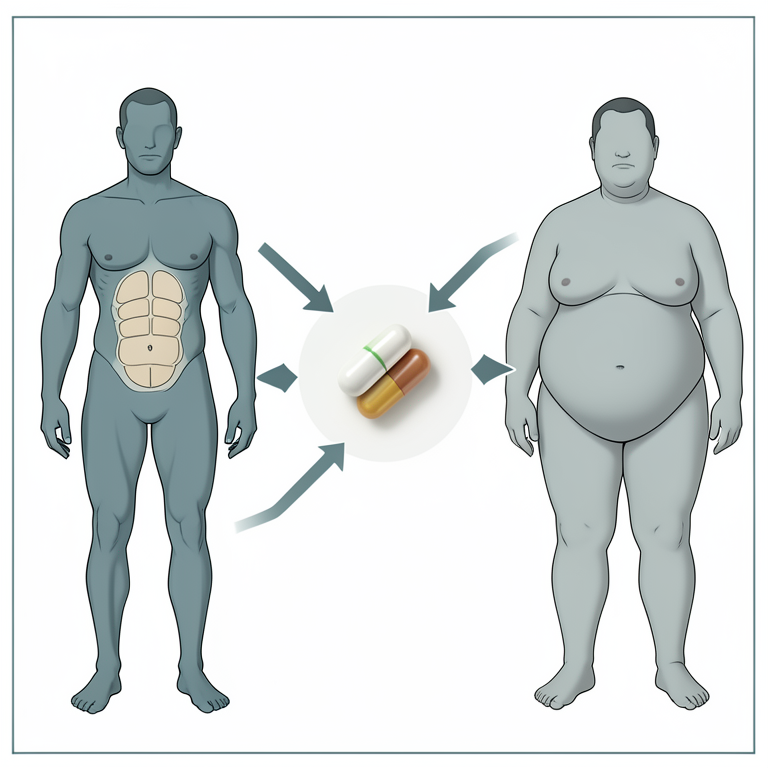
The Nutritional Context of the Study
AI-generated conceptual illustration (Adult human bodies showing different nutritional states). It explains the idea and does not show study data.
View source evidence ↗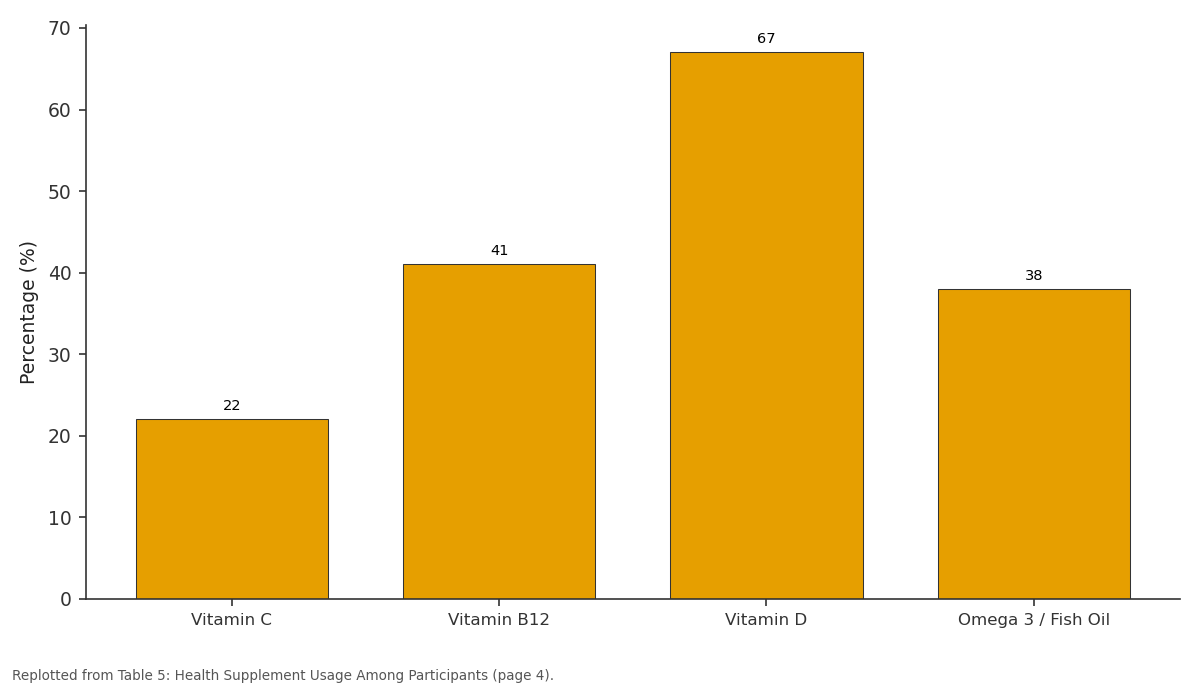
Percentage (%): Vitamin C vs Vitamin B12 vs Vitamin D vs Omega 3 / Fish Oil
Replotted from Table 5 (page 4) of the original paper. Every bar is the paper's own table value.
View source evidence ↗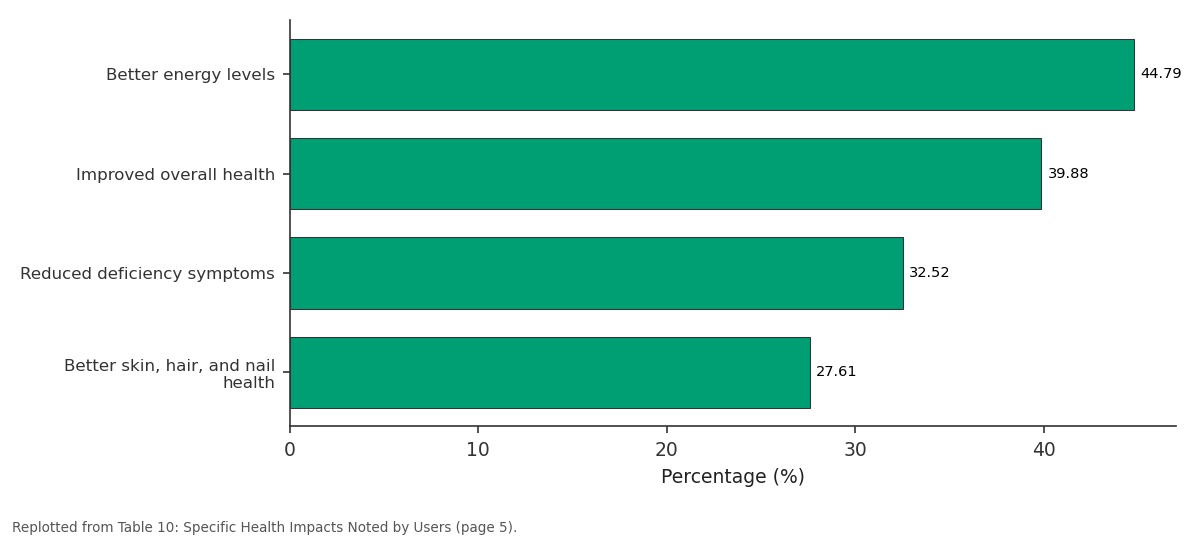
Percentage (%): Better energy levels vs Improved overall health vs Reduced deficiency... vs Better skin, hair, and...
Replotted from Table 10 (page 5) of the original paper. Every bar is the paper's own table value.
View source evidence ↗Figures & tables
From the original paper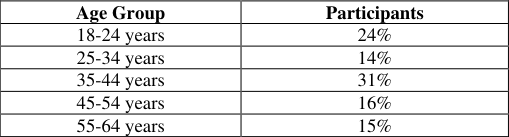 Table 1
 Table 2
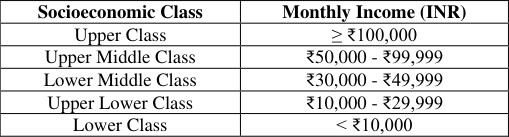 Table 3
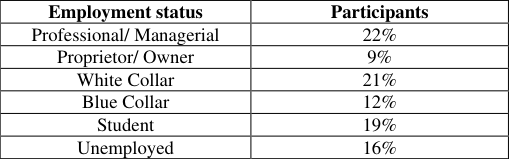 Table 4
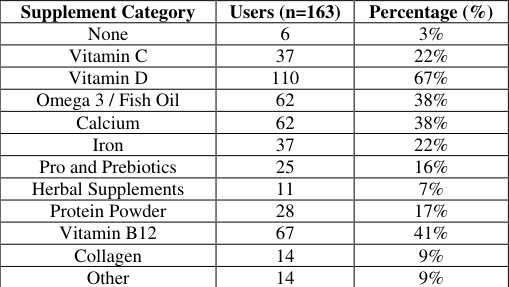 Table 5
 Table 6
 Table 7
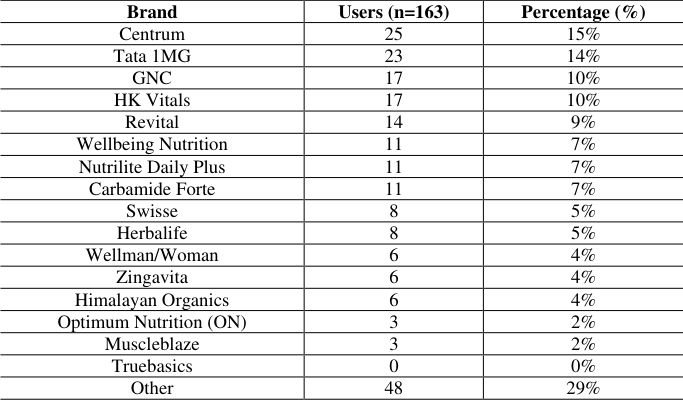 Table 8
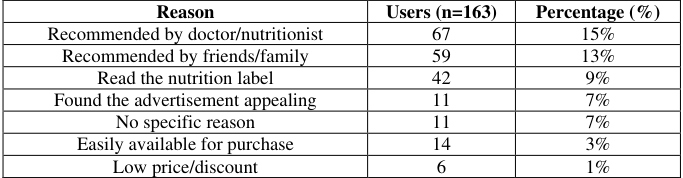 Table 9
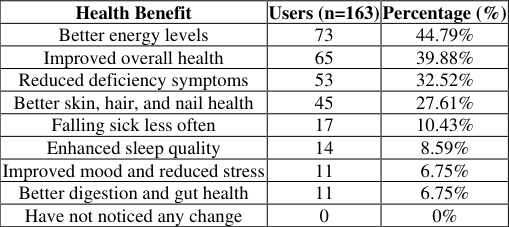 Table 10
Introduction
Multivitamins and other dietary supplements are commonly used by healthy individuals to compensate for an imbalanced lifestyle, fulfill nutritional needs, or improve overall wellbeing and performance. They are also frequently prescribed by healthcare providers as supportive treatment for chronic illnesses, from mild to severe conditions (Saini & Hasan, 2015) [1] . In recent decades, the use of dietary supplements, especially multivitamins, has grown significantly. This surge is largely driven by greater health awareness, improved education, and the widespread availability of multivitamins as over-the-counter products (Saini & Hasan, 2015) [1] . According to the World Health Organization (WHO), malnutrition refers to an imbalance in nutrient intake, which includes deficiencies, excesses, or the inefficient use of essential nutrients. It encompasses undernutrition such as wasting, stunting, being underweight, and lacking vital micronutrients as well as overweight and obesity (Consensus Statement, 2024). India's Global Hunger Index (2024) score of 27.3 places it in the "serious" category, reflecting widespread malnutrition. In India, 13.7% of the population is undernourished, reflecting a major nutritional challenge. This widespread undernourishment contributes to high levels of child wasting and stunting. It is a serious concern as it affects health, productivity, and the country's long-term development (Global Hunger Index, 2024). Additionally, anemia remains a major public health issue in India. According to the National Family Health Survey-5 (2019-21), 25.0% of men aged 15-49 years were anemic, compared to a much higher 57.0% of women in the same age group. Among adolescents aged 15-19 years, anemia affected 31.1% of boys and 59.1% of girls (Jyothika Jeevan et al., 2025) [9] . India is facing a double burden of malnutrition, with persistent undernutrition alongside rising overnutrition. Even individuals who are overweight or obese can experience micronutrient deficiencies. This is largely attributed to the consumption of energy-dense but nutrientpoor foods, excessive fat accumulation, changes in metabolism that affect nutrient absorption and distribution, and an increased need for essential micronutrients (Consensus Statement, 2024). This coexistence of undernutrition among the poor and growing obesity among wealthier groups highlights widening inequalities and the urgent need for targeted interventions (Nguyen et al., 2021) [10] . The consumption of vitamin and mineral supplements, including multivitamins, has grown substantially in India over the past 50 years. In some developed countries, an estimated 20%-30% of the population incorporates these supplements into their daily regimen. The industry dedicated to their production has become one of the fastest-growing sectors globally (Francis et al., 2022) [3] . Although these supplements can contribute to improved nutrient intake, excessive consumption may lead to adverse effects. However, with rising literacy rates and increased health awareness, knowledge of the potential risks associated with high intake has also improved. This trend is further influenced by the easy accessibility of these supplements as over-the-counter products (Francis et al., 2022) [3] . Many experts in nutrition and medicine advocate for the regular use of multivitamins, along with additional specific nutrients, to ensure adequate intake and support disease prevention. However, an ongoing concern is whether research evaluating supplement safety makes a meaningful impact, particularly since their use is often not regulated or guided by healthcare professionals (Francis et al., 2022) [3] . Nguyen et al., (2021) [10] stated that India faces a double burden of malnutrition, with child stunting declining from 48% in 2006 to 38% in 2016, while child overweight/obesity persisted at 7-8%. Among adults, underweight prevalence dropped by about 13 percentage points, but overweight/obesity doubled from 10% to 21% in the same period. Undernutrition remains concentrated among poorer households, whereas obesity is more common among wealthier groups, highlighting stark socio-economic and urban-rural inequalities.
Sekhri & Kaur (2014) [4] conducted a descriptive crosssectional study on 120 adults using a structured questionnaire. Data was analyzed in counts and percentages. 68.33% (82) used multivitamin supplements, with 69.5% following doctors' advice, 18.2% selfprescribing, and 12.1% relying on family or friends. Around 71% found supplements helpful, with common selfmedication reasons including general health (55%), fatigue relief (20%), and appetite improvement (15%). However, 76% were unaware of correct indications and natural sources. The study underscores the high prevalence of multivitamin use and the need for educational initiatives to prevent misuse and increase awareness of potential risks.
Sivaprasad et al., (2019) [5] carried out a study of 270 urban adults (30-70 years) in Hyderabad, India which revealed a high prevalence of vitamin deficiencies and dietary inadequacies, highlighting the need for multivitamin supplementation. Deficiencies were most common for vitamin B2 (50%), B6 (46%), active B12 (46%), total B12 (37%), folate (32%), and vitamin D (29%), with 52% of participants showing hyperhomocysteinemia (HHcys), a potential health risk. Dietary intake assessments showed low probability of adequacy (PA), particularly for B12 (4%) and folate (9%), with an overall mean PA of just 28%. The findings suggest that subclinical deficiencies and poor vitamin intake could contribute to long-term health risks, emphasizing the importance of multivitamin supplementation to bridge dietary gaps and prevent associated health concerns. Francis et al. (2022) [3] performed an online cross-sectional survey, conducted among 100 college students using Google Forms, with data analyzed via SPSS. Descriptive analysis and Chi-square tests were performed. Results indicated that 63.43% of UG students and 21.64% of PG students viewed consumption as beneficial, with higher awareness among UG students overall. Major et al. (2008) [6] did two studies which explored the effects of vitamin and dietary supplement use. Study 1 compared body composition, energy use, and eating behaviors between users and non-users in the Québec Family Study. Study 2 examined the impact of a 15-week weight-loss program with either a multivitamin-mineral supplement or placebo in 45 obese non-users. Results showed that male supplement users had lower body weight, fat mass, and BMI, with a tendency for higher resting energy expenditure. While similar patterns appeared in women, they were less significant, though female users reported reduced hunger and disinhibition. In Study 2, weight loss occurred in both groups, but women taking supplements experienced decreased appetite. These findings suggest supplements may help regulate appetite in women, while body weight and fat differences were more pronounced in men. Bangale et al. (2025) [7] carried out a survey of 250 healthcare professionals (HCPs) and assessed the role of multivitamin and mineral supplements (MVMS) in patient health. Results showed widespread deficiencies, with 61.2% reporting calcium deficiency in women and 80.4% identifying fatigue as the most common symptom of iron deficiency. HCPs overwhelmingly supported MVMS benefits: 98% saw reduced fatigue within 2-3 weeks, 95% noted faster recovery from illness, and 94.4% linked MVMS to improved immunity and quality of life. Additionally, 87.6% observed cognitive and mental health improvements, while 94.4% reported reduced infection rates and quicker return to normal routines. These findings highlight MVMS as an effective intervention for replenishing nutrients, boosting immunity, enhancing energy, and supporting overall wellbeing in both preventive and therapeutic care. Dickinson et al. (2015) [8] performed a survey funded by the Council for Responsible Nutrition and assessed consumer attitudes on multivitamins, calcium, and vitamin D supplements. Conducted by FoodMinds using Toluna's online platform, the study included a nationally representative sample of 2,159 U.S. adults.
Nearly 90% of respondents agreed that supplements help meet nutrient needs when diet alone is insufficient. However, 80% emphasized they should not replace healthy habits, and 82% believed high-dose supplements should be taken under medical supervision. Findings suggest that most consumers see supplements to fill nutrient gaps rather than a substitute for a balanced diet, supporting the responsible use of supplementation alongside healthy eating. Ghazzawi et al. (2022) [11] carried out a study at the University of Jordan to assess the dietary supplement (DS) intake and students' knowledge, attitudes, and practices (KAP) based on gender, BMI, faculty, and academic year. Conducted via a cross-sectional survey of 381 students, the study found that only 13.65% had adequate knowledge of DS, despite 42% using them at least once a week. Science students were more informed about DS risks than humanities students (p=0.008), and significant differences were noted in knowledge based on faculty (p=0.001) and BMI (p=0.03). Most students (80%) had no formal training on DS, and 65% trusted healthcare professionals for information. Pharmacies were the primary purchase source (87%), with vitamin D and iron being the most used supplements. Overall, DS use was relatively high, but knowledge about them was low.
Materials and Methods
Study Design: This study employed a cross-sectional descriptive survey to assess multivitamin and supplement usage patterns among adults.
Study Population:
The study targeted adults aged 18 and above from diverse geographic, socioeconomic, and demographic backgrounds. Both men and women were included, with a sample size of 320 participants, ensuring statistical reliability.
Data Collection Tool:
A structured online questionnaire was used to collect data, covering: Demographics (age, gender, education, etc.) Multivitamin and supplement usage (frequency, types, and brands) Motivations and perceptions (reasons for use and sources of information) Perceived health impacts (self-reported benefits and concerns) Lifestyle and medical history (dietary habits and preexisting health conditions)
Sampling Technique: A convenience sampling method was utilized, with data collected via Microsoft Forms, ensuring accessibility and ease of participation. Ethical Considerations Informed consent was obtained before participation. Participants were assured anonymity and confidentiality of their responses. They were given the option to withdraw from the study at any time.
Data Analysis
Quantitative Data: Descriptive statistics (percentages, means) were used to analyze usage patterns.
Qualitative Data: Open-ended responses were assessed through thematic analysis to identify key motivations and perceived benefits.
Results
Objective 1 -Prevalence of Multivitamin Usage Among Adults.
Data was collected from 320 participants through Microsoft Forms to determine the prevalence of multivitamin usage among adults aged 18 and above.
The study sample included adults from a wide age range, with the largest representation from the 35-44 years group (31%). Younger adults aged 18-24 years also formed a significant portion (24%), while other age groups were more evenly distributed between 14% and 16%. Most participants belonged to the upper middle class (81%), while 11% were from the lower middle class and only 8% represented the upper class. This indicates that the study sample was largely concentrated in the middle socioeconomic segment. The largest share of participants was engaged in professional/managerial roles (22%) and white-collar jobs (21%). Students (19%) and unemployed individuals (16%) also formed a considerable part of the sample, with smaller proportions in proprietor/owner and blue-collar categories. Multivitamin usage among participants showed a nearly even split, with 51% (163 individuals) reporting regular consumption, while 49% (157 individuals) did not use multivitamins. Among users, 45% (73 participants) consumed them daily, making daily intake the most common pattern. Meanwhile, 21% (34 participants) took multivitamins 1-2 times a week, and another 21% (34 participants) used them 3-4 times a week, indicating moderate intake. A smaller group, 14% (22 participants), consumed multivitamins 5-6 times a week, suggesting a near-daily but less consistent pattern. These findings highlight that while multivitamin use is prevalent, the frequency of intake varies, with a large proportion integrating them into their daily routine. The data reveals that 67% of participants (110 individuals) use Vitamin D, making it the most consumed health supplement. Vitamin B12 (41%), Omega-3/Fish Oil (38%), and Calcium (38%) also show significant usage, indicating a strong focus on bone, heart, and overall metabolic health. Vitamin C (22%) and Iron (22%) are moderately popular, while Probiotics/Prebiotics (16%), Protein Powder (17%), and Collagen (9%) reflect more specialized supplementation preferences. A small percentage (3%) of participants reported not using any supplements. These findings suggest a widespread reliance on supplements, particularly for immune support, bone health, and essential micronutrients.
Of the total participants, 44% (n=141) were male and 56% (n=179) were female. Among the 163 participants who reported taking multivitamins, 38% (n=62) were male while a higher proportion, 62% (n=101), were female, indicating that multivitamin use was more common among females than males. The most used brands include Centrum (15%), Tata 1MG (14%), and GNC (10%), while 29% of respondents reported using brands categorized under "Other." Certain brands, such as Truebasics, had no reported users, and a few brands had minimal adoption. The most influential factor for brand choice was recommendation by a doctor or nutritionist (15%), followed by recommendations from friends or family (13%). Reading the nutrition label also played a notable role (9%), while price and availability were less significant factors.
Objective 3 -Perceived Health Impacts of Multivitamins
Among multivitamin users, 71% (115 participants) reported experiencing positive changes, indicating a perceived benefit from supplementation. In contrast, 5% (8 participants) did not notice any changes, suggesting that the effects may vary among individuals. Additionally, 24% (40 participants) were unsure of any impact, highlighting that some users may not actively monitor or recognize the benefits of multivitamin consumption. The most reported benefits included better energy levels (44.79%), improved overall health (39.88%), and reduced deficiency symptoms (32.52%). These results suggest that most users perceive multivitamins as beneficial for general well-being and energy levels.
Objective 4 -Consumer Perceptions and Attitudes Toward Multivitamins
Most respondents (91% or 149 participants) expressed a willingness to recommend multivitamins, indicating a strong positive perception of their benefits. However, opinions varied regarding the necessity of supplements. While 68% (111 participants) believed supplements are essential even with a balanced diet, 32% (52 participants) felt that a wellrounded diet alone is sufficient, suggesting a divide in views on the role of supplementation in daily nutrition. Additionally, 70% (222 participants) believed that society is overly dependent on supplements, raising concerns about excessive reliance. In contrast, 30% (96 participants) did not share this concern, reflecting differing attitudes toward the necessity and role of dietary supplements in modern health practices.
Conclusion
This study highlights the widespread use of multivitamins and supplements among adults, with a significant number of users relying on them to address nutrient deficiencies, boost energy, and improve overall health. While many participants acknowledged the benefits of supplementation, the lack of formal knowledge and awareness about appropriate usage remains a concern. Findings suggest that healthcare professionals play a crucial role in guiding supplement choices, yet self-medication and uninformed use are prevalent. Educational initiatives promoting evidence-based supplementation could help consumers make more informed decisions. Given the increasing reliance on MVMS, it is essential to balance supplementation with a nutrient-rich diet to achieve optimal health. Future research should focus on clinical trials and longitudinal studies to assess the long-term impact of multivitamin use on overall well-being. In the Indian context, where malnutrition presents a double burden persistent undernutrition alongside rising overnutrition multivitamins may serve as a practical strategy to help bridge micronutrient gaps. With widespread undernourishment, high rates of anemia, and nutrient deficiencies even among overweight or obese individuals, targeted and evidence-based supplementation could play an important role in reducing inequalities and improving the nation's nutritional status.
Acknowledgement
AcknowledgmentsI express my heartfelt gratitude to Dr. Priya Singla, my guide, for her valuable guidance, encouragement, and support throughout the course of this study, "Analysing the Dependency on Multivitamins and Other Supplements: Patterns and Motivations Among Adults." I am also thankful to Desh Bhagat University for providing the opportunity to carry out this research. Lastly, I extend my appreciation to all the participants and individuals who contributed to the successful completion of this study.
Figures and tables from the paper
| Age Group | Participants |
|---|---|
| 18-24 years | 24% |
| 25-34 years | 14% |
| 35-44 years | 31% |
| 45-54 years | 16% |
| 55-64 years | 15% |
Table text extracted from the original PDF; superscript letters are shown inline. The original table image is below.
View original table image
| Socio-economic status | Participants |
|---|---|
| Upper Class | 8% |
| Upper Middle Class | 81% |
| Lower Middle Class | 11% |
Table text extracted from the original PDF; superscript letters are shown inline. The original table image is below.
View original table image
| Socioeconomic Class | Monthly Income (INR) |
|---|---|
| Upper Class | ≥ ₹100,000 |
| Upper Middle Class | ₹50,000 - ₹99,999 |
| Lower Middle Class | ₹30,000 - ₹49,999 |
| Upper Lower Class | ₹10,000 - ₹29,999 |
| Lower Class | < ₹10,000 |
Table text extracted from the original PDF; superscript letters are shown inline. The original table image is below.
View original table image
| Employment status | Participants |
|---|---|
| Professional/ Managerial | 22% |
| Proprietor/ Owner | 9% |
| White Collar | 21% |
| Blue Collar | 12% |
| Student | 19% |
| Unemployed | 16% |
Table text extracted from the original PDF; superscript letters are shown inline. The original table image is below.
View original table image
| Supplement Category | Users (n=163) | Percentage (%) |
|---|---|---|
| None | 6 | 3% |
| Vitamin C | 37 | 22% |
| Vitamin D | 110 | 67% |
| Omega 3 / Fish Oil | 62 | 38% |
| Calcium | 62 | 38% |
| Iron | 37 | 22% |
| Pro and Prebiotics | 25 | 16% |
| Herbal Supplements | 11 | 7% |
| Protein Powder | 28 | 17% |
| Vitamin B12 | 67 | 41% |
| Collagen | 14 | 9% |
| Other | 14 | 9% |
Table text extracted from the original PDF; superscript letters are shown inline. The original table image is below.
View original table image
| Gender | Total participants who filled out the questionnaire (n=320) |
|---|---|
| Male | 44% (n=141) |
| Female | 56% (n=179) |
Table text extracted from the original PDF; superscript letters are shown inline. The original table image is below.
View original table image
| Gender | Total participants who take multivitamins (n=163) |
|---|---|
| Male | 38% (n=62) |
| Female | 62% (n=101) |
Table text extracted from the original PDF; superscript letters are shown inline. The original table image is below.
View original table image
| Brand | Users (n=163) | Percentage (%) |
|---|---|---|
| Centrum | 25 | 15% |
| Tata 1MG | 23 | 14% |
| GNC | 17 | 10% |
| HK Vitals | 17 | 10% |
| Revital | 14 | 9% |
| Wellbeing Nutrition | 11 | 7% |
| Nutrilite Daily Plus | 11 | 7% |
| Carbamide Forte | 11 | 7% |
| Swisse | 8 | 5% |
| Herbalife | 8 | 5% |
| Wellman/Woman | 6 | 4% |
| Zingavita | 6 | 4% |
| Himalayan Organics | 6 | 4% |
| Optimum Nutrition (ON) | 3 | 2% |
| Muscleblaze | 3 | 2% |
| Truebasics | 0 | 0% |
| Other | 48 | 29% |
Table text extracted from the original PDF; superscript letters are shown inline. The original table image is below.
View original table image
| Reason | Users (n=163) | Percentage (%) |
|---|---|---|
| Recommended by doctor/nutritionist | 67 | 15% |
| Recommended by friends/family | 59 | 13% |
| Read the nutrition label | 42 | 9% |
| Found the advertisement appealing | 11 | 7% |
| No specific reason | 11 | 7% |
| Easily available for purchase | 14 | 3% |
| Low price/discount | 6 | 1% |
Table text extracted from the original PDF; superscript letters are shown inline. The original table image is below.
View original table image
| Health Benefit | Users (n=163) | Percentage (%) |
|---|---|---|
| Better energy levels | 73 | 44.79% |
| Improved overall health | 65 | 39.88% |
| Reduced deficiency symptoms | 53 | 32.52% |
| Better skin, hair, and nail health | 45 | 27.61% |
| Falling sick less often | 17 | 10.43% |
| Enhanced sleep quality | 14 | 8.59% |
| Improved mood and reduced stress | 11 | 6.75% |
| Better digestion and gut health | 11 | 6.75% |
| Have not noticed any change | 0 | 0% |
Table text extracted from the original PDF; superscript letters are shown inline. The original table image is below.
View original table image
References
11 in the original paper- Saini S, Hasan N. A survey of multivitamin supplement knowledge, attitude, and use in the urban community of Bikaner, Rajasthan. CHRISMED Journal of Health and Research. 2015;2(4):329. Available from: https://doi.org/10.4103/2348-3334.165743
- Fortifying micronutrient supplementation in India: Expert consensus by the American College of Physicians (India Chapter). Journal of the Association of Physicians of India. 2024:81-90. Available from: https://doi.org/10.59556/japi.72.0491
- Francis T, Veeraraghavan V, Gayathri R, Kavitha S. Awareness of vitamin and mineral supplements among college students. Journal of Advanced Pharmaceutical Technology & Research. 2022;13(Suppl 1):S320-S324. Available from: https://doi.org/10.4103/japtr.japtr_418_22
- Sekhri K, Kaur K. Public knowledge, use and attitude toward multivitamin supplementation: A cross-sectional study among general public. International Journal of Applied and Basic Medical Research. 2014;4(2):77. Available from: https://doi.org/10.4103/2229516X.136780
- Sivaprasad M, Shalini T, Reddy PY, Seshacharyulu M, Madhavi G, Kumar BN, Reddy GB. Prevalence of vitamin deficiencies in an apparently healthy urban adult population: Assessed by subclinical status and dietary intakes. Nutrition. 2019;63-64:106-113. Available from: https://doi.org/10.1016/j.nut.2019.01.017
- Major GC, Doucet E, Jacqmain M, St-Onge M, Bouchard C, Tremblay A. Multivitamin and dietary supplements, body weight and appetite: Results from a cross-sectional and a randomised double-blind placebocontrolled study. British Journal of Nutrition. 2008;99(5):1157-1167. Available from: https://doi.org/10.1017/S0007114507853335
- Bangale N, Gupta A, Saha A, Sandeep C, Shukla D, Sudagani J, Jayakrishnan B, Vadgama JN, Hossain K, Jain N, Kant S. The role of micronutrients in immune function and health: Insights from healthcare professionals on multivitamin-multimineral supplementation. East India Archive. 2025. Ths100.in.
- Dickinson A, MacKay D, Wong A. Consumer attitudes about the role of multivitamins and other dietary supplements: Report of a survey. Nutrition Journal. 2015;14(1). Available from: https://doi.org/10.1186/s12937-015-0053-9
- Jyothika Jeevan J, et al. Prevalence of anaemia among adults and adolescents in India: Analysis of NFHS-5 (2019-21). 2025.
- Nguyen P, Chu A, Young M, O'Leary M, Min K, Tran L, et al. The double burden of malnutrition: Undernutrition and obesity in low-and middle-income countries. 2021.
- Ghazzawi H, et al. Dietary supplement intake and knowledge, attitudes, and practices among university students in Jordan by gender, BMI, faculty, and academic year. 2022.