
Research article · 2025 · Full text
International Journal of Agriculture and Food SciencePhytochemical composition and anti-nutritional factors of Senna occidentalis dry seeds
Volume 7(11) · Pages 206–211 · DOI: 10.33545/2664844x.2025.v7.i11c.961 ↗
Research areasPhytochemistry and biological activity of medicinal plantsAfrican Botany and Ecology StudiesHeavy Metals in Plants
Abstract
Author-writtenFalse kinkeliba (Senna occidentalis) is a species found throughout Africa and on other continents. Previous studies on this plant have shown its great potential in various fields. The aim of this study was to evaluate phytochemical content and antinutritional factors of this plant’s seeds. Seeds were removed from dry pods and ground into powder. Conventional biochemical analysis methods were used to evaluate antioxidant capacity, phenolic compound content, anti-nutrient content and heavy metal composition of dry seeds powder. Results indicate that sample is rich in bioactive compounds, with total polyphenol content (233.33 ± 0.02 mg EAG. g-1), flavonoids (360 ± 0.01 mg EQ. g-1) and total tannins (586.70 ± 14.91 mg EAT. g-1). Phytate and oxalate contents are 71.61 ± 1.84 mg. 100 g-1 and 73.33 ± 0.03 mg. 100 g-1, respectively. All heavy metals detected, such as lead (0.026 mg. kg-1), mercury (0.009 mg. kg-1) and cadmium (0.010 mg. kg-1), have concentrations well below the tolerable threshold for human consumption.
Summary
Source-checkedPlain-language reading of the full paper, prepared with AI and checked against the text. Each point links to the authors' own words.
Why it matters
- Plant diversity in Africa is critical as plants are frequently used for nutritional, medicinal, and cosmetic purposes. View evidence ↗
- In Côte d'Ivoire, Senna occidentalis seeds are traditionally used to make a beverage that serves as a substitute for coffee. View evidence ↗
- Some toxicological research suggests that the seeds of Senna occidentalis contain substances that may cause mitochondrial myopathy. View evidence ↗
The question
- The study aimed to evaluate the phytochemical content and anti-nutritional factors present in the seeds of Senna occidentalis. View evidence ↗
What they did
- The plant pods were harvested between March and May 2025 in Korhogo, northern Côte d'Ivoire. View evidence ↗
- The seeds were extracted from dry pods and processed into a powder for analysis. View evidence ↗
- The researchers used conventional biochemical methods to measure heavy metals, anti-nutrients, phenolic compounds, and antioxidant capacity. View evidence ↗
What they found
- The seeds are rich in bioactive compounds, containing 233.33 ± 0.02 mg EAG. g-1 of total polyphenols, 360 ± 0.01 mg EQ. g-1 of flavonoids, and 586.70 ± 14.91 mg EAT. g-1 of total tannins. View evidence ↗
- The condensed tannin content in the seed powder was measured at 89.50 ± 0.41 mg EC. g-1. View evidence ↗
- The total antioxidant activity of the seeds was 39.52 ± 0.02 %. View evidence ↗
- Anti-nutritional factors were found at levels of 71.61 ± 1.84 mg. 100 g-1 for phytates and 73.33 ± 0.03 mg. 100 g-1 for oxalates. View evidence ↗
- Lead was the most abundant heavy metal detected (0.026 mg. kg-1), while cobalt was negligible (- 0.043 mg. kg-1). View evidence ↗
- The concentrations of detected heavy metals, including lead, mercury, and cadmium, are well below the tolerable thresholds for human consumption. View evidence ↗
What it means
- The authors conclude that the seeds are an interesting resource for improving diets due to their high antioxidant content and low levels of anti-nutrients and heavy metals. View evidence ↗
Visual summary
1 visualsIllustrations explain the paper; they do not show study data.
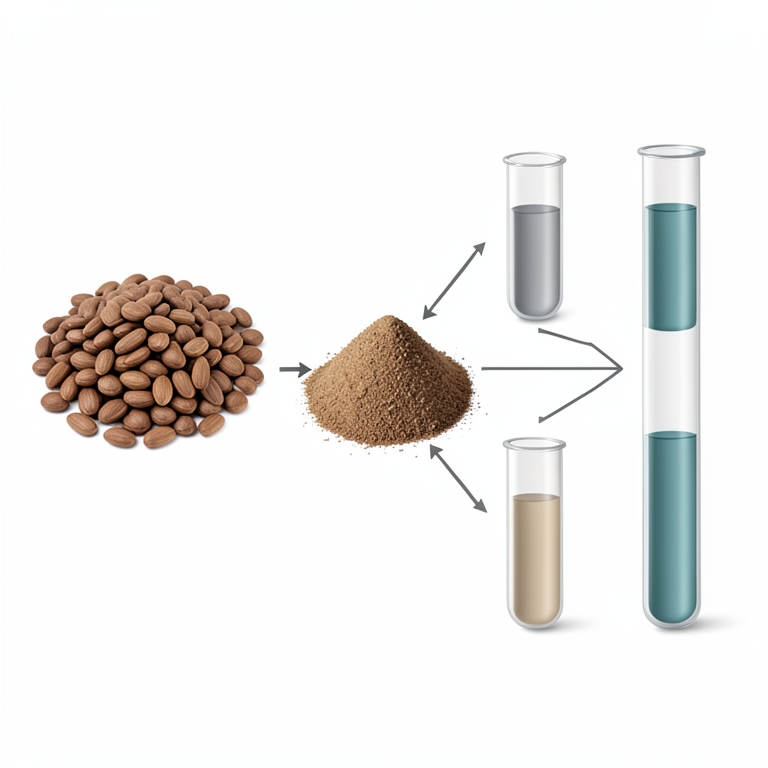
Analysis Workflow
AI-generated conceptual illustration (Senna occidentalis dry seeds). It explains the idea and does not show study data.
View source evidence ↗Figures & tables
From the original paper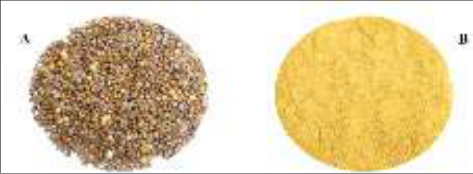 Figure 1
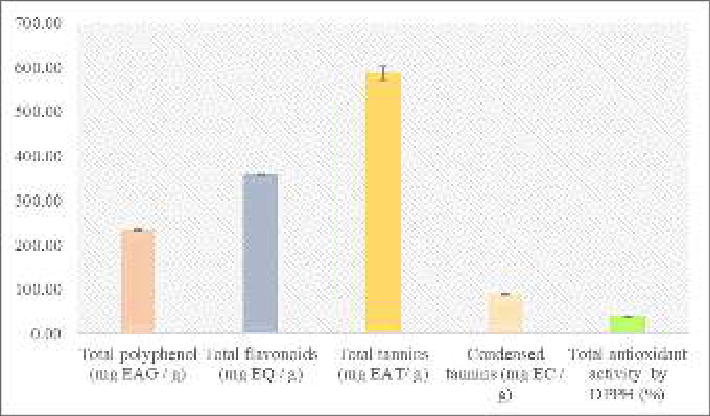 Figure 2
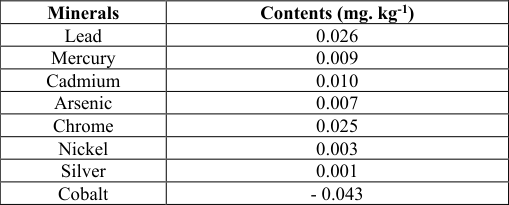 Table 1
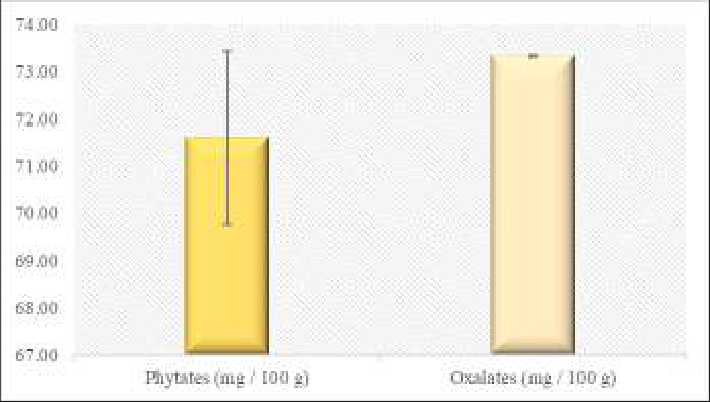 Figure 3
Introduction
In Africa, plant diversity is of paramount importance to the population [1,2] . In most cases, plants are used to meet many daily needs, including nutritional, medicinal and cosmetic requirements [3,4,5] . Studies conducted on different parts of these species show the high potential of natural substances they contain [6,7,8] . With regard to Senna occidentalis (commonly known as false kinkeliba or dartrier), several studies conducted around the world have focused on aerial and root parts [9,10] . Toxicological research has shown that its seeds contain a substance that may be responsible for mitochondrial myopathy [11,12] . In Côte d'Ivoire, seeds of this plant are traditionally used in several regions to produce a beverage that is a perfect substitute for coffee [13] . However, there is virtually no literature highlighting the impact of this consumption on health safety of those who use it. Thus, this work, which forms part of efforts to promote local food species, aims to lay the scientific foundations for assessing secondary metabolite and anti-nutrient content of Senna occidentalis seeds from Côte d'Ivoire.
Materials and Methods
Materials and Methods
Plant material
Plant material used for this study consists mainly of dried Senna occidentalis seeds that have been ground into powder (Figure 1). Seeds were extracted from pods that had dried on plants. Pods were harvested during March, April and May 2025 in Korhogo (a town in northern Côte d'Ivoire). This town is geographically located at coordinates 9° 27′ 41″ north and 5° 38′ 19″ west. It is characterised by high interannual variability in rainfall, with
Methods
Methods
Determination of total antioxidant activity
The ability to scavenge DPPH (2,2-diphenyl-1picrylhydrazyl) radical was assessed using method described in [14]. One (1) g of sample was homogenised in 10 ml of methanol (70 %), then centrifuged at 1000 rpm for 10 min.
In a test tube containing 2.5 ml of supernatant, 1 ml of DPPH solution (3 mM in methanol) was added. The mixture was left to stand for 30 min in dark and absorbance was read at 415 nm using a spectrophotometer. Antioxidant activity value (AA) expressed as % relative inhibition was estimated using following calculation (1):
With Abs control: absorbance of control tube Abs sample: absorbance of test tube
Determination of total polyphenols
Total polyphenols were measured using colorimetric method described in [15] . In a test tube, 2.5 ml of Folin-Ciocalteu reagent diluted to 1/10 th was added to 30 µl of extract. This mixture was left in dark for 2 minutes at room temperature (30 ± 2 °C). Next, 2 ml of 7.5 % sodium carbonate solution was added. This mixture was placed in a water bath, maintained at 50 °C for 15 min, then cooled rapidly. Absorbance was measured using a UV/visible spectrophotometer at a wavelength of 760 nm with distilled water as blank. Gallic acid was used as standard. Total polyphenol content of extract was determined using calibration curve of gallic acid at different concentrations (0 to 1.4 mg. ml -1 ). Its value (Qpolyph) expressed in milligrams of gallic acid equivalent per gram of dry matter (mg EAG. g -1 DM) was calculated according to equation (2) below:
With Qpolyph: total polyphenol content, Concspect: concentration read by spectrophotometer, Concext: concentration of the prepared extract (5 mg. ml -1 ) DF: dilution factor
Determination of total flavonoids
Total flavonoid content was determined using aluminium chloride colorimetric method as described by [16] . In a 25 ml flask, 2.5 ml of extract solution prepared at 5 mg. ml -1 was added to 0.75 ml of sodium nitrite (NaNO₂ at 5 % (m.v-1)).
To this mixture, 0.75 ml of aluminium chloride (10 % AlCl3 (m. v-1)) was added, and the mixture was then placed in the dark for incubation for 6 min. After incubation, 5 ml of sodium hydroxide (1 N NaOH) was added and volume was made up to 25 ml. After vigorous stirring of mixture, absorbance was measured using an UV/visible spectrophotometer at a wavelength of λ = 510 nm against a blank consisting of distilled water. Quercetin was used as standard. Total flavonoid content of extract was obtained using quercetin calibration curve established from different concentrations (0 to 0.9 g. l -1 ). Total flavonoid content (Qflavo) expressed in milligrams of quercetin equivalent per gram of dry matter (mg EQ. g -1 DM) was obtained using the following equation ( 3):
With Qflavo: total flavonoid content, Concspect: concentration read by spectrophotometer, Concext: concentration of the prepared extract (5 mg. ml -1 ) DF: dilution factor
Determination of total tannins
Total tannins were measured using method described in [17]. 100 µl of extract solution (5 mg. ml -1 ) was added to a test tube containing 7.5 ml of distilled water and 0.5 ml of Folin-Ciocalteu reagent; followed by 1 ml of 35 % Na₂CO₃.
Volume was made up to 10 ml by adding 900 µl of distilled water. Reaction mixture was stirred and then left to incubate for 30 min at laboratory temperature (25 to 30 °C).
Absorbances were read at 700 nm using a UV/visible spectrophotometer against distilled water used as a blank. A calibration curve was plotted from a range of tannic acid concentrations (0; 1.95; 3.9; 7.81; 15.62; 31.25; 62.5; 125; 250; 500 and 1000 µg. ml -1 ) used as a standard. Total tannin content (Qtan) expressed in micrograms of tannic acid equivalent per gram of dry matter (mg EAT. g -1 DM) was calculated from the relationship (4) below:
With Qtan: total tannin content, Concspect: concentration read by spectrophotometer, Concext: concentration of the prepared extract (5 mg. ml -1 ) DF: dilution factor
Determination of condensed tannins
Condensed tannins content was assessed using method described in [18] . In a test tube containing 50 µl of extract solution (5 mg. ml-1), 3 ml of a 4% vanillin methanic acid solution was added, followed by 1.5 ml of 37 % concentrated hydrochloric acid (HCl). Mixture was incubated in dark for 15 minutes at laboratory temperature (25 to 30 °C). Absorbance was then read at 500 nm using a UV/visible spectrophotometer against a blank consisting of MeOH. Catechin was used as standard.
Determination of phytates
Method used to determine phytates content of seeds was that described in [19] . It consisted of homogenising 0.5 g of sample in 10 ml of HCl (0.65 N) with stirring for 12 hours at room temperature. The mixture was then centrifuged at 3000 rpm for 40 min. A volume of 0.5 ml of supernatant was taken and added to 3 ml of Wade's reagent. Mixture was left to stand for 15 min and concentration was read on a spectrophotometer at 490 nm against the blank. A calibration range was performed with sodium phytates at 10 mg/ml and 50 mg. ml -1 . Phytates concentration (Concphyt) expressed in milligrams per 100 grams of dry matter (mg. 100 g -1 DM) was calculated using the following formula (6):
Where Q: quantity of phytates in each tube (mg) DF: dilution factor Pe: test sample
Determination of oxalates
Method used to quantify oxalates was that described by [20]. It consisted of homogenising 1 g of sample in 60 ml of sulphuric acid (3 N) under magnetic stirring for 1 hour. Mixture was filtered through Whatman filter paper. Then, 25 ml of the filtrate was titrated hot with a 0.05 N potassium permanganate (KMnO4) solution until a persistent pink colour appeared. Oxalates content (Qoxa) expressed in milligrams per 100 grams of dry matter (mg. 100 g -1 DM) was determined according to formula (7) below:
Where Veq: volume (ml) of KMnO4 added at equivalence Pe: test sample.
Determination of heavy metals
These minerals were determined using inductively coupled plasma emission spectrometry (ICP OES, Agilent 5800) according to the method described in [21] . A mass of 0.3 g of dry sample a was calcined at 600 °C for 5 hours in an oven until a white ash was obtained. After cooling, 5 ml of nitric acid (1 N) was added and then evaporated to dryness on a sand bath (or hot plate). Five millilitres of hydrochloric acid (1 N) were added to the residue and the mixture was placed back in the oven at 400 °C for 30 minutes. When calcined residue was removed from the oven, 10 ml of 0.1 N hydrochloric acid were added to crucible to recover the product. Mixture obtained was poured directly into a 50 ml volumetric flask. Flask was filled to mark. After decanting, supernatant was filtered using 0.45 µ Wattman paper. The elements contained in solution were then measured by ICP OES. To avoid interference from Ca and K elements, lanthanum chloride (5 ml of lanthanum) was added.
Results and discussion
Phenolic compounds and total antioxidant activity of Senna occidentalis dry seeds: Dietary phytochemicals are a diverse group of compounds that are biologically and physiologically active and have positive health effects [22] . Results obtained from our work have shown that Senna occidentalis dry seeds powder occupies a prominent place in diet due to its richness in bioactive elements. Figure 2 highlights values obtained after quantitative determination of total polyphenols, flavonoids, total tannins, condensed tannins and total antioxidant activity. We noted total polyphenol content of 233.33 ± 0.02 mg EAG. g -1 . This amount is significantly higher than that found in defatted lentil seeds (Lens culinaris), common beans (Vicia faba) and 23 edible legumes from China [23,24,25] . For total flavonoids, concentration was 360 ± 0.01 mg EQ. g -1 . This content is higher than that of quinoa seeds (Chenopodium quinoa Willd) and black cowpea (Vigna unguiculata) [26,27] . For total tannins, value of 586.70 ± 14.91 mg EAT. g -1 was recorded. This content is higher than that of sesame seed flour [28] . This makes these seeds beneficial for cardiovascular health and for fighting inflammation. As for condensed tannins, content obtained was 89.50 ± 0.41 mg EC. g -1 of seeds powder. This proportion is higher than content recorded for two (2) varieties of millet (Pennisetum glaucum) studied by [22] and for peanut seeds (Arachis hypogaea L.) according to the work of [29] . Total antioxidant activity recorded a value of 39.52 ± 0.02 %, which is higher than that of quinoa (Chenopodium quinoa Willd) and roughly equal to that of jujube pulp (Ziziphus spina-christi Willd) [26,30] .
According to [31,32] , phytochemical compounds concentration varies from one plant to another and may be strongly influenced by genotype, soil, and environmental conditions.
Phytates and oxalates content of Senna occidentalis dry seeds
Based on their metal chelating and enzyme inhibiting properties, certain compounds such as phytates and oxalates are considered antinutritional factors [33] . Phytates and oxalates contents of Senna occidentalis dry seeds powder obtained after various analyses are shown in Figure 3. For 100 g of sample, phytates's proportion was 71.61 ± 1.84 mg. This amount is very low compared to that of elephant grass (Eleusine coracana L.), common bean (Vicia faba) and sesame seed flour [24,28,34] .
In the case of oxalates, the recorded content was 73.33 ± 0.03 mg per 100 g of dry matter. This is slightly higher than maximum daily intake of 40 to 50 mg per day of oxalate from food recommended by [35] . This proportion is also higher than that of elephant grass (Eleusine coracana L.), but remains lower than that of oat bran, wheat bran and red beans [34,36] .
Heavy metal content in dry Senna occidentalis dry seeds
Naturally present in environment, heavy metals are essential in trace amounts for many cellular processes within biological tissues, as higher concentrations would make them toxic to body [37] . Results of quantitative analyses of various heavy metals detected in powder of Senna occidentalis dry seeds are shown in Table 1 below. Looking at this table, we can see that heavy metal content of sample ranged from -0.043 to 0.003 mg. kg -1 . Only lead and chromium showed a somewhat high accumulation capacity. Elements such as mercury, arsenic, nickel and silver were detected at trace levels. Lead was the most abundant element, while cobalt was found in almost negligible quantities. Lead concentration in sample studied here is lower than that found in tomatoes (Solanum lycopersicon) and lettuce (Lactuca sativa) [38] . Cadmium content is also very low compared to that of cassava (Manihot esculenta) [39] . However, these values are all below the tolerated levels for plants in human diet [38] . It is thought that presence and concentrations of heavy metals observed in these dry Senna occidentalis seeds are linked to physical and chemical characteristics of soil, as noted by [39] in their work on correlation between metal content in crop soils and metal content in vegetables grown on those soils.
| Minerals | Contents (mg. kg-1) |
|---|---|
| Lead | 0.026 |
| Mercury | 0.009 |
| Cadmium | 0.010 |
| Arsenic | 0.007 |
| Chrome | 0.025 |
| Nickel | 0.003 |
| Silver | 0.001 |
| Cobalt | - 0.043 |
Table text extracted from the original PDF; superscript letters are shown inline. The original table image is below.
View original table image
Conclusion
This study highlighted nutritional value of Senna occidentalis dry seeds. Their phytochemical and antinutritional factor content and antioxidant activity were determined. They are characterised by a high antioxidant content with high concentrations of phenolic compounds, namely flavonoids and tannins. Their concentration of antinutritional factors is low and heavy metals detected are mainly in trace amounts. This potential makes these seeds an interesting resource that can be exploited to achieve an appropriate diet.
Acknowledgement
AcknowledgmentsAuthors would like to thank LAPISEN and LBVM. Authors also certify that this manuscript is free from any conflict of interest.
References
39 in the original paper- The United Nations Environment Programme World Conservation Monitoring Centre. L'État de la Biodiversité en Afrique: Examen à mi-parcours des progrès réalisés vers l'atteinte des Objectifs d'Aichi. Cambridge (UK): UNEP-WCMC; 2016. p. 1-25.
- Faye B, Djihounouck I, Mbaye MS, Noba K. Enquête sur l'importance des ressources végétales pour la population riveraine du Parc National de la Langue de Barbarie (Sénégal). Eur Sci J. 2023;19(18):305-25.
- Kouakou YB, Kougbo MD, Konan AS, Malan DF, Bakayoko A. Usages traditionnels et disponibilité des plantes exploitées dans l'artisanat chez les populations Koulango et Lobi de la périphérie est du Parc National de la Comoé, Côte d'Ivoire. Eur Sci J. 2020;16(9):295320.
- Nicolas J-P. Les plantes pour se soigner: manuel pratique pour l'usage des plantes médicinales. Ethnobotanika. 2023. p. 1-26.
- Nde LA, Chukwuma IC, Erukainure LO, Chukwuma SM, Matsabisa GM. Ethnobotanical, phytochemical, toxicology and anti-diabetic potential of Senna occidentalis (L.) Link: A review. J Ethnopharmacol. 2022;283:114663. doi:10.1016/j.jep.2021.114663.
- Yarou BB, Silvie P, Komlan AF, Mensah A, Alabi T, Verheggen F, et al. Plantes pesticides et protection des cultures maraichères en Afrique de l'Ouest (synthèse bibliographique). Biotechnol Agron Soc Environ. 2017;21(4):288-304.
- Chevalier A. Les plantes magiques cultivées par les Noirs d'Afrique et leur origine. J Soc Africanistes. 1937;7(1):93-105.
- Kati-Coulibaly S, Békro YA, Boisvert V, Koné MW, Pabst JY. Les substances d'origine végétale en Côte d'Ivoire: potentiel et développement durable. Paris: IRD; 2021. p. 205.
- Solanki BR, Khaniya HK, Mankad A, Maitreya B. Phytochemical analysis and antioxidant activities of Senna occidentalis (L.) leaves. Towards Excellence. 2021;13(4):1007-24.
- Mogaka S, Molu H, Kagasi E, Ogila K, Rebeccah W, Onditi F, et al. Senna occidentalis (L.) Link root extract inhibits Plasmodium growth in vitro and in mice. Res Square. 2022;1:1-18. doi:10.21203/rs.3.rs-1889923/v1.
- Barbosa-Ferreira M, Dagli ML, Maiorka PC, Górniak SL. Sub-acute intoxication by Senna occidentalis seeds in rats. Food Chem Toxicol. 2005;43(4):497-503. doi:10.1016/j.fct.2004.11.017. PMID:15721195.
- Gebrelibanos M, Periyasamy G, Sintayehu B. Senna occidentalis seed: is it health risk or potential medicine? Int J Pharmacogn. 2014;1(3):161-7.
- Badock EA, Niang L, Ndiaye B, Diallo D, Dramé A, Toure O, et al. Optimisation of Senna occidentalis L. seed roasting using the response surface method. Int J Food Sci Agric. 2025;9(1):16-25. doi:10.26855/ijfsa.2025.03.002.
- Choi CW, Kim SC, Hwang SS, Choi BK, Ahn HJ, Lee MZ, et al. Antioxidant activity and free radical scavenging capacity between Korean medicinal plant and flavonoids by assay guided comparison. Plant Sci. 2002;163:1161-8.
- Wood JE, Senthilmohana ST, Peskinb AV. Antioxidant activity of procyanidin-containing plant extracts at different pHs. Food Chem. 2002;77(2):155-61.
- Marinova D, Ribarova F, Atanassova M. Total phenolics in Bulgarian fruits and vegetables. J Univ Chem Technol Met. 2005;40:255-60.
- Kavitha Chandran CI, Indira G. Quantitative estimation of total phenolic, flavonoids, tannin and chlorophyll content of leaves of Strobilanthes kunthiana (Neelakurinji). J Med Plants Stud. 2016;4(4):282-6.
- Heimler D, Vignolini P, Din MG, Vinueri FF, Ronani A. Antiradical activity and polyphenol composition of local Brassicaceae edible varieties. Food Chem. 2006;9:464-9.
- Latta M, Eskin M. A simple and rapid colorimetric method for phytate determination. J Agric Food Chem. 1980;28:1313-5.
- Day RA, Underwood AL. Quantitative analysis. London: Prentice-Hall; 1986. p. 701.
- Association of Official Analytical Chemists. Official methods of analysis. Food composition, additives, natural contaminants. 15th ed. Washington (DC): AOAC; 1990. p. 1298.
- Hamma H. Contribution à une étude alimentaire, phytochimique et évaluation des activités biologiques des graines de deux variétés de mil (Pennisetum glaucum). Master's thesis. Université Frères Mentouri de Constantine, Algérie; 2023. p. 128.
- Alshikh N, Costa de Camargo A, Shahidi F. Phenolics of selected lentil cultivars: antioxidant activities and inhibition of low-density lipoprotein and DNA damage. J Funct Foods. 2015;18(Part B):1022-38.
- Labba I-CM, Frøkiaer H, Sandberg A-S. Nutritional and antinutritional composition of fava bean (Vicia faba L., var. minor) cultivars. Food Res Int. 2021;140:110038.
- Zhang Y, Meenu M, Yu H, Xu B. An investigation on phenolic and antioxidant capacity of under-utilized food legumes consumed in China. Foods. 2020;9(4):438. doi:10.3390/foods9040438.
- Carciochi RA, Manrique GD, Dimitrov K. Changes in phenolic composition and antioxidant activity during germination of quinoa seeds (Chenopodium quinoa Willd). Int Food Res J. 2014;21(2):767-73.
- Gutiérrez-Uribe JA, Romo-Lopez I, Serna-Saldívar SO. Phenolic composition and mammary cancer cell inhibition of extracts of whole cowpeas (Vigna unguiculata) and its anatomical parts. J Funct Foods. 2011;3(4):290-7.
- Koné FMT, Kouamé AD, Faulet B. Qualité nutritionnelle des graines germées de sésame (Sesamum indicum L.) cultivées en Côte d'Ivoire. Agron Afr Sp. 2021;33(2):203-15.
- Attree R, Du B, Xu B. Distribution of phenolic compounds in seed coat and cotyledon, and their contribution to antioxidant capacities of red and black seed coat peanuts (Arachis hypogaea L.). Ind Crops Prod. 2015;67:448-56.
- El Maaiden E-Z. Évaluation des effets protecteurs de biomolécules issues du jujubier sur la toxicité induite par le fer in vitro sur Tetrahymena pyriformis et in vivo sur des souris. Doctoral thesis. Université Hassan 1er, Settat, Maroc; 2021. p. 186. International Journal of Agriculture and Food Science https://www.agriculturaljournals.com
- Singh B, Singh JP, Kaur A, Singh N. Phenolic composition and antioxidant potential of grain legume seeds: a review. Food Res Int. 2017;101:1-16.
- Thakur M, Singh K, Khedkar R. Phytochemicals: extraction process, safety assessment, toxicological evaluations, and regulatory issues. In: Functional and Preservative Properties of Phytochemicals. London: Academic Press; 2020. p. 341-61. ISBN 9780128185933.
- Devi PB, Vijayabharathi R, Sathyabama S, Malleshi NG, Priyadarisin VB. Health benefits of finger millet (Eleusine coracana L.) polyphenols and dietary fiber: a review. J Food Sci Technol. 2014;51:1021-40.
- Nakarani UM, Singh D, Suthar KP, Karmakar N, Faldu P, Patil HE. Nutritional and phytochemical profiling of nutracereal finger millet (Eleusine coracana L.) genotypes. Food Chem. 2021;341(2):128-71.
- American Dietetic Association. Urolithiasis/urinary stones. In: ADA Nutrition Care Manual. Chicago (IL): ADA; 2005.
- Israr B, Frazier RA, Gordon MH. Effects of phytate and minerals on the bioavailability of oxalate from food. Food Chem. 2013;141(3):1690-3.
- Loué A. Oligo-éléments en agriculture. 2nd ed. Paris: Nathan; 1993.
- Traoré KD. Évaluation des risques sanitaires liés à l'ingestion des ETM (As, Cd, Hg, Ni, Pb, Zn) contenus dans les cultures maraichères de la ville de Daloa (Côte d'Ivoire). Master's thesis. Université Jean Lorougnon Guédé, Côte d'Ivoire; 2021. p. 67.
- Assy HC, Yapi DYA. Niveau de contamination des produits maraîchers par les métaux lourds issus des décharges sauvages dans le district d'Abidjan (Côte d'Ivoire). Eur Sci J. 2025;21(24):225-45.