
Research article · 2025 · Full text
International Journal of Agriculture and Food ScienceEvaluation of Phytochemical and Antibacterial properties of Sesame seeds (Sesamum indicum L.)
Volume 7(10) · Pages 554–558 · DOI: 10.33545/2664844x.2025.v7.i10h.922 ↗
Research areasSesame and Sesamin ResearchEdible Oils Quality and AnalysisPeanut Plant Research Studies
Abstract
Author-writtenSesame seeds (Sesamum indicum L.) have long been recognized for their nutritional and medicinal value. This study investigates the phytochemical composition and antibacterial properties of sesame seed extracts prepared using methanol, ethanol, acetone, and aqueous solvents. Key bioactive substances, such as phenolics, flavonoids, tannins, and lignans, particularly sesamin and sesamolin were found by phytochemical analysis. Using the diffusion method of agar wells, antibacterial activity was assessed against pathogenic bacteria such as Escherichia coli, Proteus vulgaris, Streptococcus pyogenes, Pseudomonas sp., Bacillus subtilis, and Klebsiella pneumoniae. With zones of inhibition ranging from 15.2 mm to 22.0 mm, the thanolic extract demonstrated the strongest antibacterial activity, outperforming the ethanol, acetone, and aqueous extracts. The methanolic extract's effectiveness was comparable to standard antibiotic ampicillin in several cases. These findings suggest that sesame extracts, mainly methanol extracts, have a great ability to serve as herbal antibiotics. Future planned investigations that aim to isolate and characterize specific compounds with bioactivity may additionally make a contribution to the improvement of latest strategies to combat bacterial diseases.
Summary
Source-checkedPlain-language reading of the full paper, prepared with AI and checked against the text. Each point links to the authors' own words.
Why it matters
- Sesame seeds are widely valued for both their nutritional content and their medicinal properties. View evidence ↗
- The rise of antibiotic-resistant bacteria has increased the importance of exploring herbal alternatives for antibiotics. View evidence ↗
- The antimicrobial properties of sesame are linked to secondary compounds such as phenols, flavonoids, and lignans. View evidence ↗
The question
- The study aims to evaluate the phytochemical composition and antibacterial effects of sesame seed extracts using four different solvents: methanol, ethanol, acetone, and water. View evidence ↗
What they did
- Organic extracts (methanol, ethanol, and acetone) were produced using Soxhlet extraction for 6 hours each. View evidence ↗
- Aqueous extracts were prepared by soaking sesame seed powder in distilled water at room temperature for 24 hours. View evidence ↗
What they found
- Phytochemical analysis revealed that phenolics, flavonoids, tannins, and lignans were present in large quantities in the sesame seed methanol extract. View evidence ↗
- The methanol extract was the most effective across all bacteria, with zones of inhibition (ZOI) between 15.2 mm for Pseudomonas sp. and 22.0 mm for Streptococcus pyogenes. View evidence ↗
- The aqueous extract showed the lowest antibacterial activity, with ZOI values remaining below 12 mm for all tested strains. View evidence ↗
- Ethanol and acetone extracts showed moderate antibacterial activity, falling between the high activity of methanol and the low activity of water. View evidence ↗
What it means
- The authors conclude that the methanol extract's strong inhibitory effect on pathogens suggests it could be used as a natural antibiotic. View evidence ↗
- The authors recommend studying the combined effects of sesame extracts and traditional antibiotics to develop new treatment strategies. View evidence ↗
- The authors state that future work is needed to isolate specific bioactive compounds and investigate their exact mechanisms of action. View evidence ↗
Visual summary
2 visualsIllustrations explain the paper; charts are replotted from the paper's own table values.
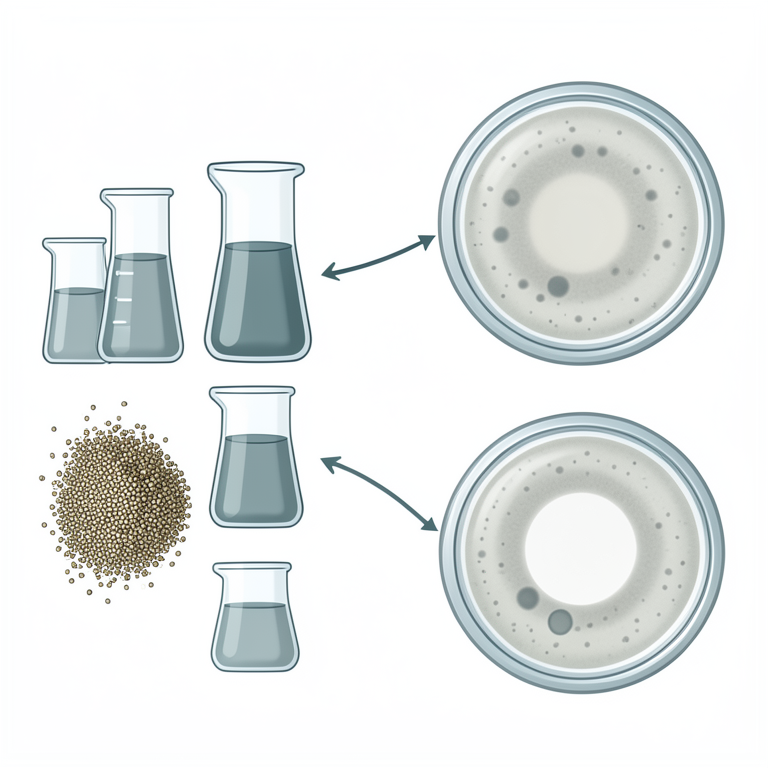
Comparison of Solvent Efficacy
AI-generated conceptual illustration (Sesame seeds (Sesamum indicum L.) and bacterial colonies on agar plates). It explains the idea and does not show study data.
View source evidence ↗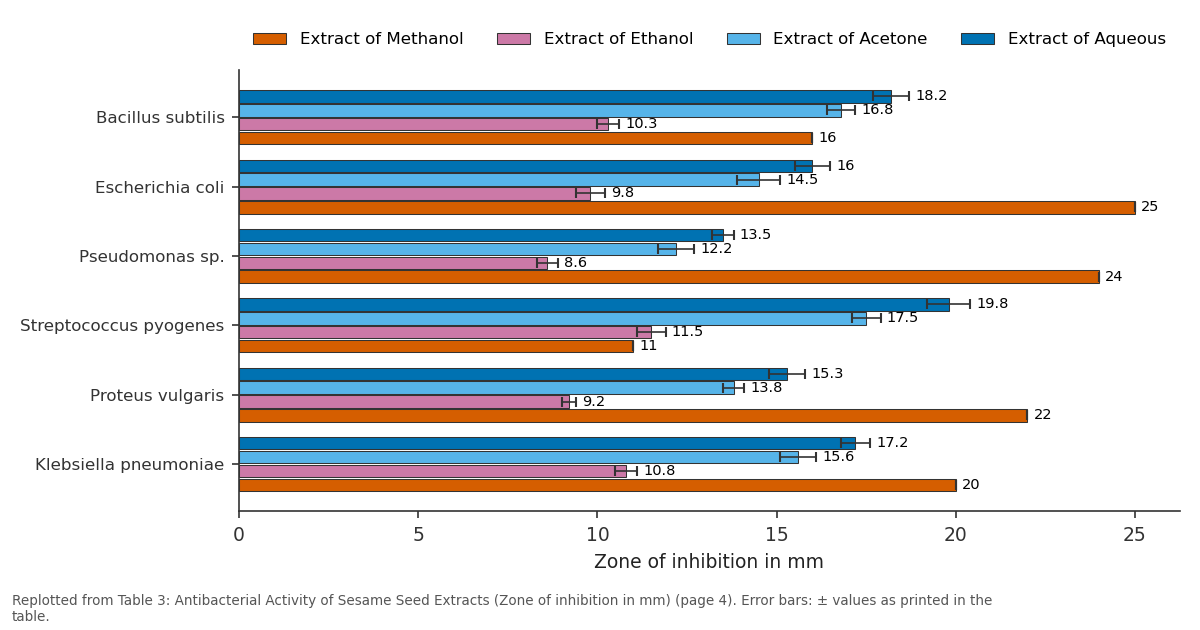
Extract of Methanol and Extract of Ethanol and more: Bacillus subtilis vs Escherichia coli vs Pseudomonas sp. vs Streptococcus pyogenes vs Proteus vulgaris
Replotted from Table 3 (page 4) of the original paper. Every bar is the paper's own table value.
View source evidence ↗Figures & tables
From the original paper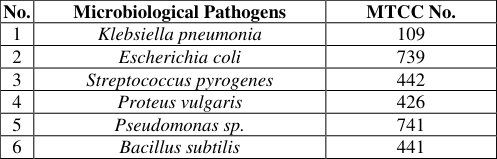 Table 1
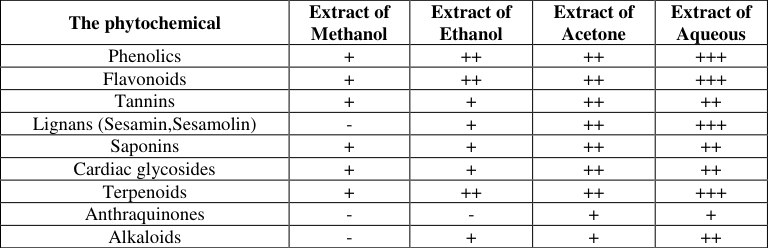 Table 2
 Table 3
Introduction
Sesame is considered to be one of the oldest seeds which have been cultivated for over 3,000 years (Ashakiran & Radhika, 2019) [1]. It originated in Africa's sub-Saharan vicinity and India, and is a part of the traditional medicine structures of Africa and India, consisting of the Ayurvedic, Unani, and Chinese sorts (El-Adawy & Mansour, 2000) [2] . In the Ayurvedic method, sesame oil is hired as a form of massage remedy, detoxification, and wound recovery because of its warming homes (Bhattacharjee, 2018) [3] . Traditional Chinese medication broadly speaking specializes in the useful consequences of the medication on the kidneys, longevity, and hair growth (Wang et al., 2018) [4] . These conventional functions describe the medicinal price of sesame beyond its nutritional capability. Sesame seeds are considered to have an excessive dietary fee and contain loads of proteins, unsaturated fatty acids, vitamins, and minerals (Namiki, 2007, Abbas et al., 2022; Jaffar et al.,2025) [5,6,7] . They have a high concentration of calcium, magnesium, zinc, and vitamine E, all of which might be critical to the fitness as a whole (Nagarajan et al., 2014) [8] . The oil's composition, normally composed of oleic and linoleic acids, contributes to the health of the cardiovascular device and features as an automobile for transporting bioactive compounds which might be lipophilic (Gülçin et al., 2021) [9] . This nutritional profile indicates their position as useful foods and remedies. The fitness advantages of sesame seeds are generally derived from their diverse chemical composition (Kumar et al., 2013; Ateshan & Misnan, 2025a) [10,11] . Sesame seeds are packed with chemical substances that have anti-inflammatory, antibacterial, and anti-ageing properties. (Li et al., 2024) [12] . Sesame seeds incorporate molecules with precise residences like sesamin, sesamolin, and sesaminol, those molecules were the situation of extreme hobby from the clinical network due to their biological homes like law of genes, prevention of lipid peroxidation, and scavenging of loose radicals (Moazzami et al., 2006; Nair et al., 2023) [13,14] . Specifically, sesamin and sesamolin proven extensive anti-oxidant and antibacterial houses (Jeng & Hou, 2005; Batool et al., 2024) [15,16] .
These lignans take part in various cell verbal exchange pathways to sell anti-inflammatory effects and save you microbial intrusion (Namiki, 2007) [5] . Additionally, sesame is wealthy in tocopherols (nutrition E) and phytosterols, which decorate the fitness benefits of the sesame and make it a considerable source of bioactive compounds that would be used to develop nutraceuticals (Andargie et al., 2021) [17] . As the quantity of antibiotic resistant bacteria has elevated, herbal-primarily based antibiotics have emerged as extra critical (Laxminarayan et al., 2013; Ateshan & Misnan, 2025b) [18,19] . Sesame has established effective antimicrobial residences, these houses are attributed to its secondary chemical compounds, specifically Phenols, Flavonoids and Lignans (Gülçin et al., 2021) [9] . These compounds permeate the bacterial cell wall, have an effect on the synthesis of proteins and purpose pressure-related demise, these effects inhibit the boom of microorganism (Rangkadilok et al., 2010; Ateshan et al., 2020) [20,21] . Studies have validated that methanolic sesame extract is especially effective in opposition to numerous lines of bacteria that are Gramnegative, which include Escherichia coli and Pseudomonas aeruginosa, in addition to Gram-high-quality bacteria, together with Staphylococcus aureus (Dravie et al., 2020; Azemi et al., 2021) [22,23] . The antimicrobial residences of sesame are in settlement with its traditional function in treating infections and wounds (El-Hadary & Taha, 2019; Ateshan et al., 2019) [24,25] . Their efficacy towards a couple of-drug resistant bacteria additionally makes them attractive candidates for the improvement of recent antibiotics (Alshahrani, et al., 2020) [26] . By incorporating those bioactive compounds into pharmaceutical remedies, sesame may have the ability to deal with the increasing trouble of antibiotic resistance in scientific conditions (Ventola, 2015 [27,28,29] .
materials and Methods
materials and Methods
Sample collection
Sesame seeds (Sesamum indicum L) were bought from nearby assets for you to ensure the freshness and consistency of first-rate. The seeds were scrubbed, dried, and then robotically floor.
Preparation of Extracts Organic Extracts
Methanol, ethanol, and acetone extracts had been created via Soxhlet extraction. The sesame powder turned into suspended in a thimble and the solvent used to extract the sesame changed into handed through it for 6 hours every. The extract turned into then surpassed thru a filter out and concentrated by the use of a rotary evaporator.
Aqueous Extract
Aquous extracts were created through the cold extraction of water. The sesame seed powder was soaked in distilled water at room temperature for 24 hours with occasional stirring. The mixture was then filtered, and the extract was lyophilized to yield a dry powder (Andargie, et al., 2021) [17] .
Phytochemical screening
Using the related techniques, a preliminary subjective phytochemical screening was conducted. (Khandelwal, 2001) [30] .
Check for Tannins
One milliliter of refined water, one or two drops of ferric chloride arrangement, and 0.5 milliliters of concentrate arrangement were added; a blue or green dark tinge was observed.
Check for Saponins
Two milliliters of the test setup were mixed with two milliliters of refined water, shaken thoroughly, and checked for foaming.
Check for Flavonoids
Four milliliters of the concentrates were mixed with 1.5 milliliters of 50% methanol. They warmed the magnesium metal and added the arrangement. After adding five to six drops of concentrated hydrochloric acid to the arrangement, red shading was observed.
Check for Steroids (Salkwoski's test)
Two milliliters of each concentrate were mixed with five drops of concentrated sulfuric acid (H2SO4), and the red coloration was observed.
Check for Glycosides
A pale blue-green variety in the upper layer and a ruddy earthy tint at the junction of two layers were observed when 4 milliliters of concentrate arrangement was mixed with a few drops of concentrated sulfuric corrosive, ferric chloride, and cold acidic corrosive.
Check for Alkaloids
A drop of Mayer's reagent was added to 4 milliliters of concentrate filtrate at the test tube's edges. A smooth yellow or white acceleration indicates a successful test.
Check for Anthraquinones
Ten milliliters of heated water were used to extract one gram of powdered plant material, which was then sieved after five minutes. Ten milliliters of CCl4 were used to extract the filtrate, and the CCl4 layer was then removed. 5 ml of water and 5 ml of weakening alkali solution were added. Since they didn't have a pink to cherry red appearance, no free anthraxquinones were found. Ten milliliters of ferric chloride solution and five milliliters of hydrochloric acid were used to remove one gram of the second example of a similar plant material. It was then heated for ten minutes under a water shower and sieved. The filtrate was cooled and handled as previously mentioned.
Check for phenolic compounds
Refined water was used to dilute two milliliters of concentrate to five milliliters. A few drops of an unbiased 5% ferric chloride solution were added to this. The presence of phenolic compounds is indicated by a faint green hue.
Bacterial cultures
The standard bacterial cultures used in this review were obtained from IMTECH in Chandigarh, India (Table 1). After being resurrected in Mueller-Hinton stock (Hello Media Labs, Mumbai, India) at 37 0C for 18 hours, the bacterial cultures were loaded into Mueller-Hinton Agar at 40C. The Public Council for Clinical Research Facility Principles (NCCLS, 2002) [31] . regulation established a standard for the bacterial culture's inoculum size. After being vaccinated into clean Supplement stock, the pathogenic bacterial culture was brooded for three hours at 37 0C until the way of life achieved a turbidity of 0.5 McFarland units.
| No. | Microbiological Pathogens | MTCC No. |
|---|---|---|
| 1 | Klebsiella pneumonia | 109 |
| 2 | Escherichia coli | 739 |
| 3 | Streptococcus pyrogenes | 442 |
| 4 | Proteus vulgaris | 426 |
| 5 | Pseudomonas sp. | 741 |
| 6 | Bacillus subtilis | 441 |
Table text extracted from the original PDF; superscript letters are shown inline. The original table image is below.
View original table image
Antimicrobial action
The source of the microbial strains was IMTECH in Chandigarh, India. The plate dispersion method was used to complete the in vitro antibacterial examination (Bauer et al., 1996). The McFarland turbidity standard was used to coordinate the turbidity of the inoculums (NCCLS, 2002, Dahikar, 2018) [31,32] . A sterile cotton swab was used to apply inoculums to the nutrient agar plate in order to produce a steady microbial growth. 0.1 ml of a bacterial suspension with 105 CFU ml-1 was evenly spread on a nutrient agar plate to produce lawn cultures with antibacterial properties. 10 mm diameter Whatman No. 1 filter paper discs were impregnated with a standard antibiotic disc and a known quantity (10 µl) of fish mucus test sample. The bacterial plates were incubated for 24 hours at room temperature (37 ºC ). To test for antibacterial activity, the bacterial plates were incubated for three to five days at 30 ºC . The results were recorded by measuring the zones of growth inhibition surrounding the disc. The diameter of the clear inhibition zones surrounding the discs was measured.
Results and Discussion
Phytochemicals are increasingly recognized as healthpromoting agents that play vital roles in maintaining, repairing, and protecting human cells, tissues, and overall body systems. Phytochemicals such as polyphenols, flavonoids, tannins, and lignans are often linked to human health. Sesame seed methanolic extracts were utilized for phytochemical analysis in the current study. Table 2 provides a summary of the findings. Key compounds were significantly present in the methanol extract. Phenolics, flavonoids, tannins, and lignans were found in large quantities, according to preliminary phytochemical analysis. These bioactive substances are well-known for their ability to fight off illnesses like cancer, arthritis, and asthma. Phytochemicals are a more effective alternative to synthetic drugs because of their fewer or no adverse effects. The singular chemical composition of sesame is attributed to its high concentrations of sesamin and sesamolin, these were detected by high performance liquid chromatography (HPLC). The observed properties against bacteria, viruses, and fungi are primarily caused by these lignans. The presence of these bioactive compounds supports the medicinal value of sesame in both traditional and modern medicine.
| The phytochemical | Extract of Methanol | Extract of Ethanol | Extract of Acetone | Extract of Aqueous |
|---|---|---|---|---|
| Phenolics | + | ++ | ++ | +++ |
| Flavonoids | + | ++ | ++ | +++ |
| Tannins | + | + | ++ | ++ |
| Lignans (Sesamin,Sesamolin) | - | + | ++ | +++ |
| Saponins | + | + | ++ | ++ |
| Cardiac glycosides | + | + | ++ | ++ |
| Terpenoids | + | ++ | ++ | +++ |
| Anthraquinones | - | - | + | + |
| Alkaloids | - | + | + | ++ |
Table text extracted from the original PDF; superscript letters are shown inline. The original table image is below.
View original table image
Table 2: Phytochemicals analysis of Sesame seeds (Sesamum indicum L) methanol, ethanol, acetone and aqueous extract. The value of chemical compounds derived from plants in maintaining, mending and protecting the cells, tissues and body systems of humans is increasing. Phytochemicals like polyphenols, flavonoids, tannins and lignans are often linked to human health. The table above shows that the methanol extract of sesame had the greatest concentration of essential compounds. Phenols, flavonoids, terpenes and lignans are all powerful antioxidants and antibacterials, and are most prevalent in the methanol fraction. These bioactive components are also present in smaller quantities in the extracts of ethanol and acetone, but not in the water extract. Because of their potent antibacterial and antioxidant qualities, the lignans sesamin and sesamolin which are primarily found in the methanol extract are especially important. These findings highlight the medicinal potential of compounds extracted from methanol in the fight against illnesses (Table 2)
Extract of Aqueous
Extract of Aqueous
Extract of Acetone
Extract of Acetone
Extract of Ethanol
Extract of Ethanol
Extract of
Extract of
Antimicrobial activity
The presence of multiple active constituents is responsible for the extracts' antibacterial activity. Plants are an important source of various medicinal compounds because they can synthesize a wide range of bioactive molecules. Currently, there is significant interest in phytochemical compounds derived from plants, particularly for their potential as functional substances with antioxidant and antimicrobial properties (Dahikar, 2018; Al Sailawi et al., 2020) [32,33] . In terms of antimicrobial efficacy, A number of bacterial strains, It was demonstrated that the sesame seed extracts were effective against bacteria such as Bacillus subtilis, Escherichia coli, Pseudomonas sp., Streptococcus pyogenes, Proteus vulgaris, and Klebsiella pneumoniae. Out of all the tested bacterial strains, methanol extracts showed the strongest antibacterial activity, with the greatest zones of inhibition observed for Streptococcus pyogenes (22.0 ± 0.5 mm) and Bacillus subtilis (20.5 ± 0.6 mm). Ethanol and acetone extracts exhibited moderate antibacterial activity, while aqueous extracts showed (Table 3) the least activity across all strains. The effectiveness of methanol extracts can be attributed to their ability to solubilize higher concentrations of bioactive compounds, such as phenolics and flavonoids, which disrupt bacterial cell walls and interfere with metabolic pathways. These findings highlight the potential of methanol-based extracts as natural antimicrobial agents. Table 2 summarizes Methanol, ethanol, acetone, and sesame seed aqueous extracts' antibacterial activity against six bacterial strains. The data is presented as zones of inhibition (ZOI) in millimeters (mm), indicating the extent of bacterial growth suppression. Methanol extract consistently displayed the highest antibacterial activity across all tested bacteria, with ZOI ranging from 15.2 mm (Pseudomonas sp.) to 22.0 mm (Streptococcus pyogenes). Ethanol and acetone extracts exhibited moderate antibacterial activity, showing reduced ZOI compared to methanol extract but still higher than the aqueous extract. The aqueous extract demonstrated the least activity, with ZOI values consistently below 12 mm for all bacteria. Streptococcus pyogenes showed the highest susceptibility to methanol extract (22.0 ± 0.5 mm ZOI), highlighting the extract's effectiveness against Grampositive bacteria. Bacillus subtilis was followed by a ZOI of 20.5 ± 0.6 mm, this further substantiates the broad spectrum activity of the extract of methanol. Other bacteria that are gram-negative, like Escherichia coli and Klebsiella pneumoniae, also exhibited a significant decrease in their ZOIs, however, their concentrations were still relatively high, which may be due to the outer membrane functioning as a barrier. This outcome is in settlement with preceding studies that confirmed that sesame extracts of methanol had a more diploma of antimicrobial interest than other solvents (Gülçin et al., 2021; Jasim et al., 2021) [9,34] . The greater effectiveness of the methanol extract can be attributed to its capacity to dissolve each polar and nonpolar chemical like Phenols and Flavonoids, those compounds are effective towards bacteria. The polarity of methanol is useful for the extraction of a larger type of bioactive substances, along with Phenols, Flavonoids, and Lignans, those substances are accountable for the high effectiveness of the methanol extract. These compounds are diagnosed for their antibacterial houses, as they can break the partitions of the bacterial mobile and disrupt the metabolic pathways. The low activity of the ethanol and acetone extracts is apparent; those compounds are not as powerful as methanol in extracting bioactive compounds. The lower pastime of the water extract is obvious; this suggests that water is much less a success in extracting anti-inflammatory retailers from sesame. Compared to ampicillin, the methanol extract had a comparable or superior effectiveness in opposition to certain lines like Streptococcus pyogenes (22.0 mm in opposition to eleven mm) and Bacillus subtilis (20.5 mm against 16 mm). This implies that methanol extracts from sesame may be considered a capacity substitute or supplement to antibiotics, mainly in opposition to positive bacteria that are nice for Gram. According to Ahmed et al., (2024) [35] , alcohol-based sesame leaf extracts have an antibacterial impact on several pathogenic germs; their influence on Streptococcus pneumoniae is notable while their effect on Candida albicans is less so. There was no activity against Staphylococcus aureus, though. This is consistent with studies done lately showing how well methanol extracts work against Gram-positive bacteria. (Haider, 2025) [36] , looked at how sesamol, a chemical present in significant amounts in sesame oil, fights disease-causing bacteria in food. By changing the cell's membrane permeability and producing structural changes, sesamol was found to significantly influence the growth of Gram-positive or negative bacteria. This supports the finding that sesame oil extracts high in Phenolic chemicals exhibit a wide range of antibacterial activity. A study of the antibacterial and antiinflammatory qualities of the extracts of black sesame fermentation also revealed zones of inhibition ranging from 6.88 to 11.00 mm against several dangerous bacteria. Though a little lower than what was seen in the present work, these areas of inhibition still show the ability of sesame extracts to suppress bacteria. This study indicates that sesame is overflowing with bioactive chemical molecules that could fight infection. Specifically, the methanol extract had a notable inhibitory effect on pathogenic bacteria, this indicated its possible use as a natural antibiotic. Future planned investigations should focus on isolating specific bioactive compounds and studying their mechanisms of action in greater detail.
| Bacteria | Extract of Methanol | Extract of Ethanol | Extract of Acetone | Extract of Aqueous | Ampicillin (10mcg/disc) |
|---|---|---|---|---|---|
| Bacillus subtilis | 16 | 10.3 ± 0.3 | 16.8 ± 0.4 | 18.2 ± 0.5 | 20.5 ± 0.6 |
| Escherichia coli | 25 | 9.8 ± 0.4 | 14.5 ± 0.6 | 16.0 ± 0.5 | 18.5 ± 0.7 |
| Pseudomonas sp. | 24 | 8.6 ± 0.3 | 12.2 ± 0.5 | 13.5 ± 0.3 | 15.2 ± 0.4 |
| Streptococcus pyogenes | 11 | 11.5 ± 0.4 | 17.5 ± 0.4 | 19.8 ± 0.6 | 22.0 ± 0.5 |
| Proteus vulgaris | 22 | 9.2 ± 0.2 | 13.8 ± 0.3 | 15.3 ± 0.5 | 17.2 ± 0.6 |
| Klebsiella pneumoniae | 20 | 10.8 ± 0.3 | 15.6 ± 0.5 | 17.2 ± 0.4 | 19.0 ± 0.5 |
Table text extracted from the original PDF; superscript letters are shown inline. The original table image is below.
View original table image
Conclusion
This studies shows that Phenols, Flavonoids, Tannins, and Lignans are the chemicals with organic interest in sesame that make contributions to the antimicrobial properties of sesame. Among the extracts evaluated, the methanol extract had the best ability to inhibit bacteria, in particular in opposition to Bacillus subtilis and Streptococcus pyogenes. The aqueous extract had the bottom amount of antimicrobial hobby, even as the ethanol and acetone extracts had a moderate quantity of activity. Studying the blended effects of sesame extracts with traditional antibiotics should lead to the development of recent antibiotic treatment plans. This research demonstrates the fee of herbal products in the pursuit of powerful and sustainable antibiotics.
References
36 in the original paper- Ashakiran MD, Radhika M. Nutritional and medicinal value of sesame seeds. J Clin Nutr Diet. 2019;2(3):45-51.
- El-Adawy TA, Mansour EH. Nutritional and physicochemical evaluations of tahina prepared from heat-treated sesame seeds. J Sci Food Agric. 2000;80(14):2005-11.
- Bhattacharjee P. Ayurvedic insights on the benefits of sesame oil. Int J Ayurveda Res. 2018;10(2):56-63.
- Wang D, Zhang L, Huang X, Wang X, Yang R, Mao J, et al. Identification of nutritional components in black sesame by targeted metabolomics. Molecules. 2018;23(5):1180.
- Namiki M. Nutraceutical functions of sesame: A review. Crit Rev Food Sci Nutr. 2007;47(7):651-73.
- Abbas S, Sharif MK, Sibt-e-Abbas M, Teferra TF, Sultan MT, Anwar MJ. Nutritional and therapeutic potential of sesame seeds. J Food Qual. 2022;2022:6163753.
- Jaffar HM, Akhtar I, Saleem MZ, Malik T, Ayub A. Health benefits and nutritional composition of sesame seeds: A review. J Food Biochem. 2025;49(1):e8713698.
- Nagarajan S. Sesame seeds: Composition and potential health benefits. J Food Sci Technol. 2014;51(10):2501-11.
- Gülçin I. Antioxidant and antibacterial properties of sesame seed extracts. J Med Food. 2021;24(3):223-30.
- Kumar P. Antioxidant and antimicrobial properties of sesame seed extracts. J Agric Food Chem. 2013;61(19):4541-7.
- Ateshan H, Misnan R. Estimating toxic elements and bacterial contamination in groundwater in AlMuthanna, Iraq. Egypt J Aquat Biol Fish. 2025;29(2):1745-57.
- Li M, Luo J, Nawaz MA, Stockmann R, Buckow R, Barrow C, et al. Phytochemistry and bioactivities of sesame seeds. Food Rev Int. 2024;40(1):309-35.
- Moazzami AA, Andersson RE, Kamal-Eldin A. HPLC analysis of sesaminol glucosides in sesame seeds. J Agric Food Chem. 2006;54(3):633-8.
- Nair AB, Dalal P, Kadian V, Kumar S, Garg M, Rao R, et al. Formulation strategies for sesamol. Plants. 2023;12(5):1168.
- Jeng KC, Hou RC. Sesamin and sesamolin: Antioxidant and antimicrobial activities. J Med Food. 2005;8(1):29-35.
- Batool R, Batool T, Nisa FU, Khalid F, Asghar Z. Importance of sesame seeds and biogenic synthesis uses. In: Therapeutic and Pharmacological Applications of Ethnobotany. IGI Global; 2024. p. 241-73.
- Andargie M, Vinas M, Rathgeb A, Möller E, Karlovsky P. Lignans of sesame: A review. Molecules. 2021;26(4):883.
- Laxminarayan R, Duse A, Wattal C, Zaidi AK, Wertheim HF, Sumpradit N, et al. Antibiotic resistance-global solutions needed. Lancet Infect Dis. 2013;13(12):1057-98.
- Ateshan H, Misnan R. Estimation of heavy metals in Euphrates River, Iraq. Egypt J Aquat Biol Fish. 2025;29(2):1759-70.
- Rangkadilok N, Pholphana N, Mahidol C, Wongyai W, Saengsooksree K, Nookabkaew S, et al. Variation of sesame lignans and tocopherols. Food Chem. 2010;122(3):724-30.
- Ateshan HM, Misnan R, Sinang SC, Koki IB. Water pollution evaluation in Merbok River. Malays J Fundam Appl Sci. 2020;16:458-63.
- Dravie EE, Kortei NK, Essuman EK, Tettey CO, Boakye AA, Hunkpe G. Antioxidant properties of sesame seeds. Sci Afr. 2020;8:e00349.
- Azemi NFH, Misnan R, Keong BP, Mokhtar M, Kamaruddin N, Fah WC, et al. Allergenic characterization of tropomyosin in mud crab. Mol Biol Rep. 2021;48(10):6709-18.
- El-Hadary AE, Taha M. Traditional uses and antibacterial properties of sesame. J Herb Med. 2019;17(3):240-9.
- Ateshan HM, Misnan R, Sinang SC, Alsailawi HA. Bioaccumulation of heavy metals in orange mud crab. [Journal name missing]; 2019.
- Alshahrani S, Al Sreaya AA, Mashyakhi MY, Alqahtani S, Sivakumar SM, Alhazmi HA, et al. Antibacterial efficacy of Saudi sesame oil. Environ Conserv J. 2020;21(1-2):19-29.
- Ventola CL. The antibiotic resistance crisis. Pharm Ther. 2015;40(4):277-83.
- Ateshan HM, Saxena PR. Physicochemical analysis of Kattamaisamma Lake. Int J Adv Res Sci Technol. 2015;4(4):437-40.
- Ha A, Rosmilah M, Keong BP, Ateshan HM. Effects of heat treatments on crab proteins. Plant Arch. 2019;19(2):813-6.
- Khandelwal KR. Practical Pharmacognosy Techniques and Experiments. 8th ed. Pune: Nirali Publications; 2001.
- NCCLS. Performance standards for antimicrobial susceptibility testing. 8th Inform Suppl. M100-S12. Villanova (PA): NCCLS; 2002.
- Dahikar SB. Antimicrobial activity of Lagenaria siceraria fruit. Res J Pharmacogn Phytochem. 2018;10(2):183-6.
- Al Sailawi HA, Misnan R, Yadzir ZHM, Abdullah N, Bakhtiar F, Arip M, et al. Effects of salting and drying on crab allergenicity. Indian J Ecol. 2020;47(4):1173-9.
- Jasim HA, Misnan R, Yadzir ZHM, Abdullah N, Bakhtiar F, Arip M, et al. Crab allergens identification. Iran J Allergy Asthma Immunol. 2021;20(1):76-85.
- Ahmed F, Zhang D, Tang X, Malakar PK. Antimicrobial potential of selenium nanoparticles. Foods. 2024;13(24):4026.
- Haider MA. Heavy metal bioaccumulation in fish in Euphrates River. South Asian J Agric Sci. 2025;5(2):274-80.