
Research article · 2025 · Full text
International Journal of Agriculture and Food ScienceUnintentional pesticide poisoning and safety of the farmers- a review
Volume 7(9) · Pages 362–368 · DOI: 10.33545/2664844x.2025.v7.i9e.765 ↗
Research areasPesticide Exposure and ToxicityInsect Pest Control StrategiesPesticide Residue Analysis and Safety
Abstract
Author-writtenIn order to maintain occupational safety in agriculture, it is necessary to regularly evaluate the health of farmers, especially in relation to pesticide exposure, as pesticide poisoning has been identified as a significant risk to their safety worldwide. Sustaining the health of farmers is crucial for guaranteeing the nation's food security. Numerous investigations were conducted in this area to determine the prevalence of acute pesticide poisoning among farmers as well as the extent of pesticide poisoning. Investigations were conducted into the potential contributing elements to this circumstance, including the frequency of pesticide usage, the use of personal protective equipment, knowledge, attitude, risk perception, and farming practices. The retrieved papers reported 740,000 annual instances of UAPP, consisting of 733,921 non-fatal cases and 7446 fatal cases. Based on this information, an estimated 385 million instances of UAPP, including roughly 11,000 fatalities, occur annually worldwide. Approximately 44% of farmers worldwide are poisoned by pesticides annually, based on an estimated 860 million farmers [1]. According to UN Food and Agriculture Organisation (FAO) guidelines, all Class I and II compounds should be removed from agricultural use. Additional preventive measures include limiting the availability of pesticides, educating pesticide users and expanding the number of poison control centres. Finally, it's thought that a prospective study is necessary to determine the exact number of illnesses and deaths in the nation. The impact of implementing the straightforward steps mentioned above on the mortality and morbidity from pesticide poisoning might be evaluated with such a study.
Summary
Source-checkedPlain-language reading of the full paper, prepared with AI and checked against the text. Each point links to the authors' own words.
Why it matters
- Maintaining the health of farmers is essential for ensuring national food security. View evidence ↗
- Chemical spraying is used in modern agriculture to protect plants from pests and increase overall crop productivity. View evidence ↗
- Human pesticide poisoning is recognized as a significant and long-standing public health problem. View evidence ↗
The question
- The study aims to determine the annual number of unintentional acute pesticide poisonings (UAPP) and review their global prevalence. View evidence ↗
What they did
- The authors conducted a systematic review following PRISMA criteria to update World Health Organization (WHO) data on accidental acute pesticide poisoning. View evidence ↗
- The review examined 141 nations, utilizing 157 papers for 58 countries and the WHO mortality database for another 83 countries. View evidence ↗
What they found
- Globally, there are an estimated 385 million cases of unintentional acute pesticide poisoning (UAPP) and approximately 11,000 deaths every year. View evidence ↗
- It is estimated that about 44% of the world's 860 million farmers experience pesticide poisoning annually. View evidence ↗
- India accounts for approximately 60% of global UAPP fatalities, totaling about 6,600 deaths per year. View evidence ↗
- Southern Asia has the highest estimated number of non-fatal UAPP cases, followed by Southeast Asia and East Africa. View evidence ↗
- At the Gandhi Memorial Hospital in India, 1,819 out of 8,040 pesticide poisoning patients died between 1997 and 2002. View evidence ↗
What it means
- The authors recommend following FAO guidelines to remove all Class I and II pesticide compounds from agricultural use. View evidence ↗
- Current surveys and registers are inadequate for providing reliable, high-quality global estimates of pesticide poisoning and use trends. View evidence ↗
Figures & tables
From the original paper Table 1
 Table 2
 Table 3
 Table 4
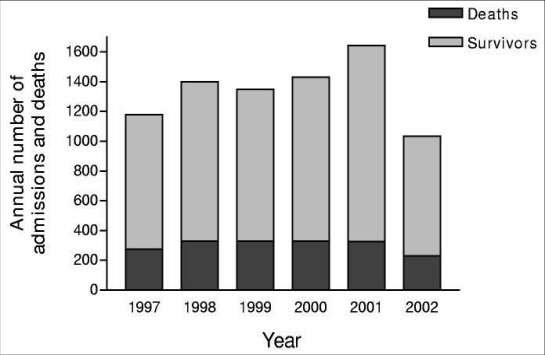 Figure 1
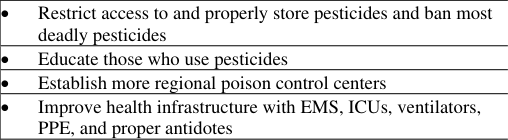 Table 5
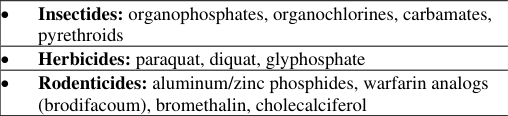 Table 6
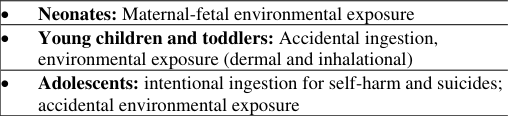 Table 7
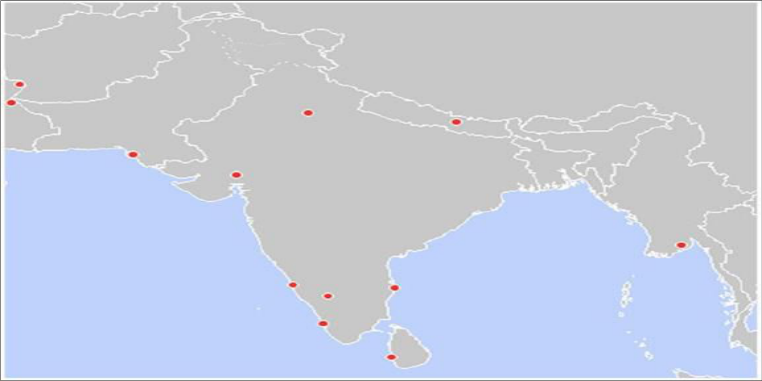 Figure 2
Introduction
Agriculture and its related sectors are the primary occupation for the vast majority of India's rural people and they are regarded as the country's backbone. In order to boost crop productivity, contemporary agriculture is advancing along with the modern world, incorporating modern technology into all aspects of agricultural operations like tillage, intercultural operations, plant protection operations and harvesting. Crop yield cannot be increased due to changing climatic circumstances, rising insect and pest attacks and other factors. Chemical spraying is crucial for both increasing agricultural output and shielding plants from insects and other pests. Different kinds of sprayers are used by farmers to control pests. Using the proper plant protection equipment is just as important to effective pest management as using high-quality pesticides and insecticides. Pesticide poisoning of humans has long been considered a serious public health issue. In the early 1990s, the World Health Organisation (WHO) task group estimated that each year, roughly one million unintentional pesticide poisonings occur, resulting in about 20,000 deaths. The objective was to determine the annual number of unintentional acute pesticide poisonings (UAPP) and to thoroughly review the prevalence of UAPP [2] . Pesticide poisoning is becoming a more common issue in rural regions due to the growing chemical burden. Approximately 7,40,000 cases of unintended acute pesticide poisoning (UAPP) were reported annually in a research by Boedecker et al. (2020), of which 7,446 resulted in fatalities. According to this study, there are over 385 million UAPP cases reported globally each year. This indicates that each year, pesticide poisoning affects almost 44% of the 860 million farmers worldwide. It is expected that South Asia, particularly India, International Journal of Agriculture and Food Science https://www.agriculturaljournals.com accounts for the largest number of these UAPP cases [2] . Thus, a brief review of unintentional pesticide poisoning during spraying operations is presented in this work.
Review of Literature
The aim of this paper is to estimate the annual global distribution and conduct a thorough evaluation of the literature on the prevalence of UAPP. The systematic review, conducted in compliance with international scientific PRISMA criteria, updates WHO data on accidental acute pesticide poisoning worldwide. Strong data is presented to support the continued serious global public health concern of acute pesticide poisoning. A total of 141 nations were examined: 157 papers covered 58 of them and statistics from the WHO mortality database covered an additional 83. In terms of non-fatal UAPP, the region with the highest estimated number of cases is southern Asia, followed by southeast Asia and east Africa. The findings indicate that there is a significant incidence of non-fatal UAPP, with around 385 million cases and 11,000 deaths annually, especially among farmers and farmworkers. The accuracy and completeness of the databases affect estimates of UAPP globally [1] . As of right now, neither surveys nor registers are adequate to provide estimates based on reliable, high-quality data spanning all nations and pesticide use trends. To increase the coverage of the WHO mortality database, national documentation and monitoring mechanisms must be implemented with assistance from abroad. The absence of differentiation of fatalities in hospital and government reports hindered efforts to estimate global mortality among workers, farmers and children. The Government and hospital records should distinguish between workers, farmers and children in the future to facilitate a better understanding of the severity of the issue in these demographic groups. Ultimately, enhancements to the database would enable consistent and trustworthy UAPP monitoring. Nonetheless, an examination of the current data on unintentional pesticide poisoning is enough to determine that there is an issue that has to be addressed right away. In agriculture, synthetic pesticides are widely employed to manage damaging pests and avoid agricultural output losses or product damage. Due of their strong biological activity and, occasionally, extended environmental persistence, pesticides may have unfavorable consequences on human health. Pesticide exposure for farmers is common, often far more than what is considered safe. The primary times when farmers are exposed are when pesticide spray solutions are prepared and applied, as well as when spraying equipment is cleaned. Farmers who load, mix and spray pesticides run the risk of coming into contact with these substances from spills and splashes, direct spray contact from damaged or missing protective gear, drifting and using the same equipment or clothes repeatedly. Farmers may nevertheless come into contact with pesticides even when they are engaged in nonpesticide-related tasks. Farmers who work manually in pesticide-treated regions run the risk of being seriously exposed by direct spraying, drifting chemicals from nearby fields, or coming into touch with pesticide residues on the crop or soil. It is common to undervalue this type of exposure. Farmers are usually exposed to pesticides through the skin and respiratory systems the most frequently. During routine pesticide handling, the face and hands as well as other body parts not covered by protective clothing are subject to dermal exposure. The chemical and carrier liquid pressures determine the spray concentration. The droplet size distribution and discharge rate are also determined by these pressures. Regarding discharge rate and droplet size distribution, the pressure in the chemical tank and the carrier liquid tank were both optimized [54] . Reduced pesticide application and the use of personal protective equipment during all phases of pesticide handling can both help farmers be less exposed to pesticides.
Table 1: Types of toxicity based on the extent of exposure to a pesticide [3] Type Definition Acute toxicity
| Type | Definition |
|---|---|
| Acute toxicity | Occurring from a single incident of exposure (single short-term exposure). |
| Subchronic toxicity | Occurring from repeated incidents of exposure over several weeks or months (intermediate exposure, normally less than the lifetime of the exposed organism). |
| Chronic toxicity | Occurring from repeated incidents of exposure for many months or years (repeated long-term exposure, sometimes lasting for the entire life of the exposed organism). |
Table text extracted from the original PDF; superscript letters are shown inline. The original table image is below.
View original table image
Occurring from a single incident of exposure (single short-term exposure).
Subchronic toxicity
Occurring from repeated incidents of exposure over several weeks or months (intermediate exposure, normally less than the lifetime of the exposed organism).
Chronic toxicity
Occurring from repeated incidents of exposure for many months or years (repeated long-term exposure, sometimes lasting for the entire life of the exposed organism). The Acute Reference Dose (ARfD) is also computed in situations where individuals consume specific food items (with varying pesticide contamination of the various food items) all at once, resulting in substantially higher pesticide exposure than the ADI (acceptable daily intake). The lowest NOAEL (no observable adverse effect level) serves as the basis for the ARfD value, which is then modified by an appropriate uncertainty factor. The Acceptable Operator Exposure Level (AOEL) for those who handle pesticides on a regular basis is determined using short-term toxicity data pertaining to the oral route of pesticide administration [4] .
Table 3: Acute toxicity of pesticides according to WHO classification [5] Class In addition, pesticides are categorized based on the guidelines established by the International Agency for Research on Cancer (IARC) [6] (often referred to as the IARC class). A pesticide's classification in this category is based on the quality of the evidence obtained from animal trials, human epidemiological studies, mechanistic research and other pertinent sources. This category is assigned to a pesticide when there is ample proof of its ability to cause cancer in people. In rare circumstances, a pesticide may fall under this category if there is insufficient evidence of carcinogenicity in humans but plenty of evidence in experimental animals and strong evidence in humans exposed to the pesticide that the chemical acts via a relevant mechanism of carcinogenicity. According to IARC classification, a pesticide is classified in groups such as Group 1if it is carcinogenic to humans. Group 2(a)if it is probably carcinogenic to humans (limited evidence of carcinogenicity in humans and sufficient evidence of carcinogenicity in test animals). Group 2(b) -if it is possibly carcinogenic to humans (limited evidence of carcinogenicity in humans and less than sufficient evidence in test animals). Group 3 -if it is not classifiable as to its carcinogenicity to humans (inadequate evidence of carcinogenicity in humans and inadequate or limited evidence in experimental animals). Group 4 -if it is probably not carcinogenic to humans.
| Class | Classification | LD50 for the rat (mg/kg b.w.) | — | — | — |
|---|---|---|---|---|---|
| Oral | Dermal | ||||
| Solids | Liquids | Solids | Liquids | ||
| Ia | Extremely hazardous | <5 | <20 | <10 | <40 |
| Ib | Highly hazardous | 5-50 | 20-200 | 10-100 | 40-400 |
| II | Moderately hazardous | 50-500 | 200-2,000 | 100-1,000 | 400-4,000 |
| III | Slightly hazardous | >501 | >2,001 | >1,001 | >4,001 |
| U | Unlike to present acute hazard | >2,000 | >3,000 | - | - |
Table text extracted from the original PDF; superscript letters are shown inline. The original table image is below.
View original table image
The respective carcinogenicity classes of EPA (Environmental Protection Agency) are as follows: (1) carcinogenic to humans, (2) likely to be carcinogenic to humans, (3) suggestive evidence of carcinogenic potential, (4) inadequate information to assess carcinogenic potential and ( 5) not likely to be carcinogenic to humans [3] In rural parts of emerging nations, agricultural pesticides have become a standard household item during the past few decades. Because pesticides are readily available, they are also frequently employed for deliberate self-poisoning [7] . Nowadays, acute pesticide poisoning is a major global cause of morbidity and mortality [7] . World Health Organization (WHO) statistics from 1990 state that each year there are about 3 million instances of poisoning and 220,000 fatalities. 99% of these fatalities have place in underdeveloped nations. Even while these figures were derived from a small number of studies and are therefore hotly contested [8] , more recent research indicates that the true death toll may be closer to 300,000 [9], with China alone accounting for about 175,000 deaths annually [10] . According to a recent study, experts calculated that 385 million people mostly farmers and agricultural laborers are poisoned by pesticides annually, resulting in 11,000 fatalities. About 60% of the fatalities, or 6,600 deaths annually, take place in India [11] . Men outnumbered women when it came to all sorts of pesticides (57% vs. 43%). Of the patients, two thirds were under 30 years old. Approximately 96% of instances were deliberate self-poisoning. Annual number of pesticide admissions and deaths at the Mahatma Gandhi Memorial hospital (1997-2002) [12] According to UN Food and Agriculture Organisation (FAO) rules, all substances classified as Class I and II ought to be eliminated from agricultural practices. In Sri Lanka, endosulfan and class I pesticides are prohibited [9] . While the impact of these prohibitions is yet unknown, fatality rates from pesticide poisoning in some Sri Lankan hospitals are less than 15%, as opposed to the 22% stated here.
Restrictions on the deadliest pesticides, especially endosulfan and monocrotophos, may reduce the number of fatalities [9] . Unfortunately, pesticide poisoning in children is not a new or recent phenomenon in India. 15% of paediatric poisoning admissions from 1983 to 1988 at the government hospital for children in Srinagar were traced back to pesticide exposure, according to retrospective research carried out there [13] . According to a different study from Cooper Hospital in Maharashtra, 9.6% of paediatric admissions between 1986 and 1987 were related to pesticides [14] . Twenty cases of extremely severe aluminium phosphide poisonings in children aged 7 to 12 over the course of a single year were recorded by a Patna, India hospital in 1997 [15] . In 1998, the Indian Journal of Paediatrics conducted a more thorough study involving eight different hospitals, which revealed that pesticides, insecticides and rodenticides were responsible for anything between 1.2% and 15% of all paediatric poisonings [16] .
Possible avenues to reduce deaths [18] The high fatality rate in government hospitals could be partially attributed to their lack of resources, including skilled physicians, nurses, support staff, lab space and funding. To ascertain whether committed personnel, education and evidence-based practices may result in appreciable drops in in-hospital mortality, a prospective research is required. Concurrently, targeted pesticide bans discussions had to be initiated with the State Agriculture Ministry.
Enhancing the accessibility of countermeasures is a crucial element that may lead to better results. The PAM iodide dosages were minimal. When PAM chloride or other oximes are available, it's possible that the doses advised by the WHO are followed. In the Asia Pacific region, expanding the accessibility and cost-effectiveness of countermeasures would be a noteworthy public health initiative. The organizations that should take the lead in this field are the Asia Pacific Association of Medical Toxicology (APAMT) and the WHO/IPCS.
Restrict pesticide availability
Finding strategies to restrict the availability of any harmful material is a logical technique to lessen its effects. Pesticide prohibitions seem to lower suicide rates by pesticide ingestion in regions where they are implemented, according to a comprehensive review published in The Lancet Global Health [18]. One study that was part of the evaluation was carried out in India, where two districts in West Bengal restricted the use of a pesticide known as Endrin. The study found that although the number of suicides overall did not change, the number of suicides caused by pesticides fell after the ban was implemented [12,17] . Selective limits on the most toxic pesticides could lower the mortality rate from pesticide poisoning, according to a review conducted on the phenomenon of pesticide poisoning in Andhra Pradesh [19] . In a district of Tamil Nadu, India, where pesticides were kept in lockable storage boxes at two facilities, other research looked at measures to limit access by establishing centralised pesticide storage facilities [20,21] . The results of these investigations indicated that the storage facilities were well-received by the participants and might have contributed to the avoidance of pesticide in take [20,21] .
Educate the pesticide user
Reducing the morbidity linked to pesticide use undoubtedly requires an understanding of the risks associated with exposure to these chemicals. Lack of education may have contributed to some cases of endosulfan poisoning brought on by wheat flour stored in outdated pesticide containers, as evidenced by a research from a rural area of Madhya Pradesh [22] . India does not have many instances of official educational programmes on the use of pesticides, but one research was conducted in the state of Karnataka to see if such a programme may increase awareness of safe pesticide usage [23] . Researchers found that knowledge did increase after teaching farmers about pesticide safety and that such programmes helped avoid harmful pesticide exposure [23] using a knowledge, attitude and practice questionnaire. A different Andhra Pradesh study discovered that teaching farmers about integrated pest management a technique that depends on maintaining a balance between insect and predator populations reduced the use of pesticides and acute chemical poisoning [24] .
Establish more poison control centers
One crucial step in managing poisoning in India has been suggested: the establishment of more specialized regional poison control and treatment centers [25,26] . A "poison centre is a specialized unit that advises on and assists with, the prevention, diagnosis and management of poisoning," per the World Health Organisation [27] . Given that four of the research originated from the NPIC in New Delhi, one poison centre, there is undoubtedly a strong case to be made for expanding the number of poisons centres in India [28][29][30]25] . Although it did not break down pesticide poisoning instances by age, another study from a Gujarati poison centre discovered that 35% of cases were for patients under the age of 16 [16] . India now only has 7 poison centres, which is insufficient to address the demands of the whole nation [26,27] . In contrast, there are 55 regional poison control centres in the United States, which serve a population that is one-quarter that of India. However, there are certain benefits to poison centres over pesticide bans or educational initiatives.
Because poison centres are equipped to provide professional advice, patients and medical professionals can get direction on how to treat acute poisonings and, if necessary, obtain antidote therapy. Furthermore, poison centres such as NPIC get hundreds of phone calls, which provide active surveillance and data collecting on developing toxicological hazards. Actively managed poison centres that gather data can also shed light on potential areas for legislative and educational changes. However, poison centres can be difficult to open and require a substantial amount of staff, equipment and training to operate around-the-clock. [31] .
Table 5: Summary of recommended policies. (this is just a summary of policies created based on review of the literature) [32] Restrict access to and properly store pesticides and ban most deadly pesticides Educate those who use pesticides Establish more regional poison control centers Improve health infrastructure with EMS, ICUs, ventilators, PPE, and proper antidotes Table 6: Most common and toxic pesticides in children [32] Insectides: organophosphates, organochlorines, carbamates, pyrethroids Herbicides: paraquat, diquat, glyphosphate Rodenticides: aluminum/zinc phosphides, warfarin analogs (brodifacoum), bromethalin, cholecalciferol
Conclusion
Since pesticides are still a necessary tool in contemporary agriculture, it's critical to develop mitigation strategies [23] . This can be accomplished by choosing a pesticide product that has the least negative effects on both the operator and non-target organisms, applying the chosen product more effectively for maximum dose transfer to the biological target and minimising the use of pesticides through accurate diagnosis and advanced knowledge of pest problems [19] . Pesticide handling procedures must be optimised overall, with strict adherence to rules and consideration of public concerns around pesticide residues in food and drinking water. In India's paediatric population, pesticide poisoning has been an issue for many years and is still a major source of morbidity and mortality. It is challenging to adequately advise lawmakers on the course of action when there is a dearth of high-quality data. But given what is known, there are a few choices that make sense. A more comprehensive approach to combat these child poisonings may include restricting access to pesticides and teaching farmers and the public on how to handle and store them. However, the effectiveness of any plan depends on a long-lasting system that can also handle the lack of information on acute poisoning, developing toxicological concerns, and poisoning management. More poison centres can be established in order to achieve this. With the aim of providing expert toxicological information, multispecialty services for the management of acute poisoning, and access to such services for the entire state of Karnataka [34] (population 64 million), a new poison centre is currently being developed at MS Ramaiah University in Bengaluru (population 8 million). These facilities might be able to drastically lower the rate of pesticide poisoning in both adults and children, giving India the tools, it needs to lower unintentional and deliberate poisonings of all kinds. Farmers' exposure to pesticides must always be minimised by using spraying equipment that is in
International Journal of Agriculture and Food Science https://www.agriculturaljournals.com good working order and taking the appropriate safety procedures at every level of pesticide handling.
Figures and tables from the paper
| Categories | Signal Word | Oral mg/kg | Dermal mg/kg | Inhalation mg/L |
|---|---|---|---|---|
| I Highly toxic | Poison | 0 to 50 | 0 to 200 | 0 to 0.2 |
| II Moderately toxic | Warning | 50 to 500 | 200 to 2,000 | 0.2 to 2.0 |
| III Slightly toxic | Caution | 500 to 5,000 | 2,000 to 20,000 | 2.0 to 20 |
| IV Relatively non-toxic | Caution | 5,000+ | 20,000+ | 20+ |
Table text extracted from the original PDF; superscript letters are shown inline. The original table image is below.
View original table image
| Class | Signal words | Acute toxicity | — |
|---|---|---|---|
| Eye effects | Skin effects | ||
| I | Danger | Corneal opacity not reversible within 7 days | Corrosive |
| II | Warning | Irritation persisting for 7 days | Severe irritation at 72 hours |
| III | Caution | Irritation reversible within 7 days | Moderate irritation at 72 hours |
| IV | Caution | No irritation | Mild irritation at 72 hours |
Table text extracted from the original PDF; superscript letters are shown inline. The original table image is below.
View original table image
References
45 in the original paper- Boedeker W, Watts M, Clausing P, Marquez E. The global distribution of acute unintentional pesticide poisoning: estimations based on a systematic review. BMC Public Health. 2020;20(1):1875.
- Matthews GA. Pesticides: Health, Safety and the Environment. Oxford, UK: Blackwell Publishing; 2006.
- World Health Organization. International Code of Conduct on the Distribution and Use of Pesticides: Guidelines for the Registration of Pesticides. Rome, Italy: World Health Organization; 2010.
- Jeyaratnam J. Acute pesticide poisoning: a major global health problem. World Health Stat Q. 1990;43:139-144.
- Karalliedde L, Eddleston M, Murray V. The global picture of organophosphate insecticide poisoning. In: Karalliedde L, Feldman S, Henry J, Marrs T, editors. Organophosphates and Health. London: Imperial College Press; 2001. pp. 431-471.
- Roberts DM, Karunarathna A, Buckley NA. Influence of pesticide regulation on acute poisoning deaths in Sri Lanka. Bull World Health Organ. 2003;81:789-798.
- Phillips MR, Li X, Zhang Y. Suicide rates in China. Lancet. 2002;359:835-840.
- Newsclick Report. The global study, published by BMC Public Health. 09 Dec 2020.
- Rao HS, Venkateswarlu V, Surender T, Eddleston M, Buckley NA. Pesticide Poisoning in South India: Opportunities for Prevention and Improved Medical Management. Trop Med Int Health. 2005;10(6):581588.
- Buch NA, Ahmed K, Sethi AS. Poisoning in children. Indian Pediatr. 1991;28:521-524.
- Khare M, Bhide M, Ranade A, Jaykar A, Panicker L, Patnekar PN. Poisoning in children analysis of 250 cases. J Postgrad Med. 1990;36(4):203-206.
- Singh UK, Chakraborty B, Prasad R. Aluminium phosphide poisoning: A growing concern in pediatric population. Indian Pediatr. 1997;34(7):650-651.
- Dutta AK, Seth A, Goyal PK. Poisoning in children: Indian scenario. Indian J Pediatr. 1998;65(3):365-370. DOI:10.1007/BF02761129.
- Nandi DN, Mukherjee SP, Banerjee G, Boral GC, Chowdhury A, Bose J. Is suicide preventable by restricting the availability of lethal agents? A rural survey of West Bengal. Indian J Psychiatry. 1979;21:251-255.
- Surgan M, Condon M, Cox C. Pesticide risk indicators: Unidentified inert ingredients compromise their integrity and utility. Environ Manag. 2010;45:834-841.
- Vijayakumar L, Jeyaseelan L, Kumar S, Mohanraj R, Devika S, Manikandan S. A central storage facility to reduce pesticide suicides a feasibility study from India. BMC Public Health. 2013;13(1):850.
- Mohanraj R, Kumar S, Manikandan S, Kannaiyan V, Vijayakumar L. A public health initiative for reducing access to pesticides as a means to committing suicide: findings from a qualitative study. Int Rev Psychiatry. 2014;26(4):445-452.
- Dewan A, Bhatnagar VK, Mathur ML. Repeated episodes of endosulfan poisoning. Clin Toxicol. 2004;42(4):363-369. DOI:10.1081/CLT-120039542.
- Sam K, Andrade H, Pradhan L. Effectiveness of an educational program to promote pesticide safety among pesticide handlers of south india. Int Arch Occup Environ Health. 2008;81(6):787-795. DOI:10.1007/s00420-007-0263-3.
- Mancini F, Jiggins JL, O'Malley M. Reducing the incidence of acute pesticide poisoning by educating farmers on integrated pest management in south india. Int J Occup Environ Health. 2009;15(2):143-151. DOI:10.1179/oeh.2009.15.2.143.
- Peshin SS, Gupta SK. Poisoning due to household products: A ten years retrospective analysis of telephone calls to the national poisons information centre, all India institute of medical sciences, New Delhi, India. J Forensic Leg Med. 2018;58:205-211.
- Sharma S, Dewan A, Singh G. Toxico-vigilance -an inevitable prerequisite to keep a watch on toxins around you. J Forensic Leg Med. 2016;45:32-35.
- Varghese P, Erickson TB. Pesticide Poisoning Among Children in India: The Need for an Urgent Solution. J Med Toxicol. 2022;18(3):192-193. DOI:10.1177/2333794X221086577.
- Peshin SS, Srivastava A, Halder N, Gupta SK. Pesticide poisoning trend analysis of 13 years: A retrospective study based on telephone calls at the national poisons information centre, all India institute of medical sciences, New Delhi. J Forensic Leg Med. 2014;22:5761. DOI:10.1016/j.jflm.2013.12.013.
- Srivastava A, Peshin SS, Kaleekal T, Gupta SK. An epidemiological study of poisoning cases reported to the National Poisons Information centre, all India institute of medical sciences, New Delhi. Hum Exp Toxicol. 2005;24(6):279-285. DOI:10.1191/0960327105ht527oa.
- Gupta SK, Peshin SS, Srivastava A, Kaleekal T. A study of childhood poisoning at national poisons information centre, all India institute of medical sciences, New Delhi. J Occup Health. 2003;45(3):191196. DOI:10.1539/joh.45.191.
- Roberts JR, Karr CJ. Council on Environmental Health. Pesticide exposure in children. Pediatrics. 2012;130(6):e1765-e1788. DOI:10.1542/peds.2012-2758.
- Gunnell D, Knipe D, Chan S. Prevention of suicide with regulations aimed at restricting access to highly hazardous pesticides: a systematic review of the international evidence. Lancet Glob Health. 2017;5(10):e1037.
- Erickson TB, Wahl M, Hryhorczuk D. Implementation of an integrated multispecialty poison-control centre in Bangalore, India: Results of a pilot implementation. Lancet Glob Health. 2017;5(S1):S20.
- Maraj S, Ganpat W. Prevalence of acute pesticide poisoning in Trinidad. Trop Agric. 2018;95(1). International Journal of Agriculture and Food Science https://www.agriculturaljournals.com https://journals.sta.uwi.edu/ojs/index.php/ta/article/view /6562
- Damalas CA. Understanding benefits and risks of pesticide use. Sci Res Essays. 2009;4:945-949.
- Burger J, Mol F, Gerowitt B. The 'necessary extent' of pesticide use Thoughts about a key term in German pesticide policy. Crop Prot. 2008;27:343-351.
- Mariyono J. Direct and indirect impacts of integrated pest management on pesticide use: A case of rice agriculture in Java, Indonesia. Pest Manag Sci. 2008;64:1069-1073.
- Karabelas AJ, Plakas KV, Solomou ES, Drossou V, Sarigiannis DA. Impact of European legislation on marketed pesticides A view from the standpoint of health impact assessment studies. Environ Int. 2009;35:1096-1107.
- Magkos F, Arvaniti F, Zampelas A. Organic Food: Buying more safety or just peace of mind? A critical review of the literature. Crit Rev Food Sci Nutr. 2006;46:23-55.
- Eleftherohorinos IG. Weed Science: Weeds, Herbicides, Environment, and Methods for Weed Management. Athens, Greece: AgroTypos; 2008.
- Paul CJM, Ball VE, Felthoven RG, Grube A, Nehring RF. Effective costs chemical use in United States agricultural production: using the environment as a 'free' input. Am J Agr Econ. 2002;84:902-915.
- Nesheim ON, Fishel FM, Mossler M. Toxicity of Pesticides. Gainesville, FL, USA: Pesticide Information Office, Food Science and Human Nutrition Department, Florida Cooperative Extension Service, Institute of Food and Agricultural Sciences, University of Florida; 2008. p. 7.
- Vasilakoglou IB, Eleftherohorinos IG. Activity, adsorption, mobility, efficacy, and field persistence of alachlor as affected by formulation. Weed Sci. 1997;45:560-565.
- Reifenrath WG. Enhanced skin absorption and fly toxicity of permethrin in emulsion formulation. Bull Environ Contam Toxicol. 2007;78:299-303.
- Phillips MR, Yang G, Zhang Y. Risk factors for suicide in China: a national case-control psychological autopsy study. Lancet. 2002;360:1728-1736.
- Power AG. Ecosystem services and agriculture: Tradeoffs and synergies. Philos Trans R Soc B. 2010;365:2959-2971.
- Ram P, Kanchan T, Unnikrishnan B. Pattern of acute poisonings in children below 15 years -A study from mangalore, south india. J Forensic Leg Med. 2014;25:26-29. DOI:10.1016/j.jflm.2014.04.001.
- Economic and Political Weekly. Pesticide Poisoning in India Challenges of Data and Management in Public Health. 2021 Nov 6;56(45-46).
- Jayashree GC, Anantha Krishnan D. Performance evaluation of tractor operated target actuated sprayer. Afr J Agric Res. 2012;7(49):6605-6612.