
Research article · 2023 · Full text
International Journal of Biology SciencesBiological activities and functional role of Helicteres isora in plant-based therapeutics
Volume 5(2) · Pages 125–127 · DOI: 10.33545/26649926.2023.v5.i2b.484 ↗
Research areasPhytochemistry and Biological ActivitiesPhytochemistry and Bioactivity StudiesAllelopathy and phytotoxic interactions
Abstract
Author-writtenHelicteres isora, commonly known as the screw tree, is a significant medicinal plant native to South and Southeast Asia. It has been used in traditional medicine systems, particularly Ayurveda, for the treatment of a variety of ailments including diabetes, gastrointestinal disorders, skin diseases, and infections. The plant contains a variety of bioactive compounds, including flavonoids, phenolic acids, alkaloids, and cucurbitacins, contributing to its broad spectrum of therapeutic activities. The present paper aims to review the biological activities and functional role of H. isora in plant-based therapeutics. Emphasis is placed on its antioxidant, antimicrobial, anti-inflammatory, antidiabetic, hepatoprotective, and anticancer properties. Through in-vitro and in-vivo studies, the plant has shown remarkable potential in promoting human health, with future research focusing on its clinical applications and therapeutic formulations.
Summary
Source-checkedPlain-language reading of the full paper, prepared with AI and checked against the text. Each point links to the authors' own words.
Why it matters
- Helicteres isora, also known as the screw tree, is an important medicinal plant found in South and Southeast Asia. View evidence ↗
- In traditional medicine systems like Ayurveda, the plant is used to treat infections, skin diseases, gastrointestinal disorders, and diabetes. View evidence ↗
- The plant's wide range of therapeutic effects is attributed to bioactive compounds such as alkaloids, phenolic acids, flavonoids, and cucurbitacins. View evidence ↗
The question
- The objective of this paper is to review the functional role and biological activities of H. isora within plant-based therapeutics. View evidence ↗
- The authors hypothesize that H. isora may provide natural alternatives to synthetic drugs with a reduction in side effects. View evidence ↗
What they did
- The review focuses specifically on the plant's anticancer, hepatoprotective, antidiabetic, anti-inflammatory, antimicrobial, and antioxidant properties. View evidence ↗
- The review synthesizes evidence from both in-vivo and in-vitro studies to evaluate the plant's health potential. View evidence ↗
What they found
- H. isora contains phenolic compounds like p-coumaric acid, caffeic acid, and gallic acid, which provide anti-inflammatory and antioxidant effects. View evidence ↗
- Extracts from the fruit and bark show significant antifungal and antibacterial activity against pathogens such as Candida albicans, Staphylococcus aureus, and Escherichia coli. View evidence ↗
- The plant reduces inflammation by inhibiting COX-2 enzyme activity and the expression of pro-inflammatory cytokines IL-1β and TNF-α. View evidence ↗
- In diabetic rats, extracts from the leaves and roots of H. isora improved glucose tolerance and enhanced the secretion of insulin. View evidence ↗
- Plant extracts demonstrate hepatoprotective activity by protecting the liver from damage induced by toxins like carbon tetrachloride. View evidence ↗
- Cucurbitacins from H. isora induce apoptosis and inhibit cell proliferation in cancer cell lines, specifically in breast and colon cancer models. View evidence ↗
What it means
- The authors conclude that modern scientific evidence confirms the role of H. isora in plant-based therapeutics, validating its traditional uses. View evidence ↗
- The authors state that pharmacokinetic evaluations and further clinical studies are required to fully determine the safety and efficacy of the plant for human use. View evidence ↗
Figures & tables
From the original paper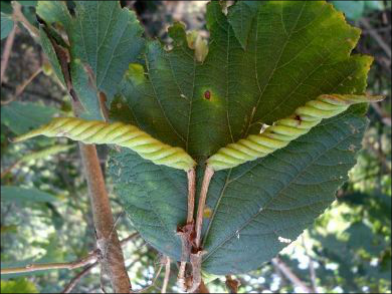 Figure 1
Introduction
Helicteres isora L., a member of the Malvaceae family, is a small to medium-sized tree or shrub that grows primarily in the tropical and subtropical regions of South Asia, including India, Sri Lanka, and Southeast Asia. This plant is well-regarded in traditional medicinal systems, such as Ayurveda, where it is used for the treatment of a range of diseases including digestive issues, inflammation, infections, and skin disorders (Rattanamaneerusmee et al., 2018, Mahajan & Kaur, 2020) [1,2] . The tree is characterized by its distinctive spiral-shaped fruit, which gives it the name "screw tree." The phytochemical profile of H. isora is rich in several bioactive compounds, including flavonoids, alkaloids, cucurbitacins, and polyphenolic compounds. These compounds are responsible for the plant's diverse pharmacological properties. Modern research has increasingly validated the traditional uses of this plant, confirming its antioxidant, antimicrobial, anti-inflammatory, antidiabetic, and anticancer activities. The objective of this paper is to critically review the biological activities and functional roles of H. isora, shedding light on its therapeutic potential and applications in modern medicine. The hypothesis is that H. isora could play a significant role in plant-based therapeutics, offering natural alternatives to synthetic drugs with fewer side effects. This paper will delve into the various aspects of the plant's biological activities and the molecular mechanisms behind its pharmacological effects.
Phytochemical Profile of Helicteres isora
Phytochemical analysis of Helicteres isora reveals a wide array of bioactive compounds that contribute to its therapeutic properties. These compounds have been isolated from various parts of the plant, including the roots, bark, leaves, and fruits.
Phenolic Compounds
Phenolic compounds, such as gallic acid, caffeic acid, and pcoumaric acid, have been identified in H. isora and are known for their potent antioxidant and anti-inflammatory activities. These compounds work by scavenging free radicals and preventing oxidative damage to cells, which is essential in the prevention of many chronic diseases, including cancer and cardiovascular diseases (Rattanamaneerusmee et al., 2018) [1] .
Flavonoids
Flavonoids such as quercetin and kaempferol are abundant in H. isora. These flavonoids are known to exhibit a variety of biological effects, including anti-inflammatory, antidiabetic, and anticancer properties. Studies have shown that these compounds inhibit the expression of proinflammatory cytokines and enzymes like COX-2, thus reducing inflammation and the risk of chronic diseases (Mahajan & Kaur, 2020) [2] .
Alkaloids
Alkaloids present in H. isora, particularly in the root and bark, have been found to possess antimicrobial and analgesic properties. The presence of these alkaloids makes the plant useful in the treatment of pain and infections, and they may also contribute to its anticancer effects (Kumar, 2014) [3] .
Cucurbitacins
Cucurbitacins, specifically cucurbitacin B and isocucurbitacin B, have been isolated from H. isora and show significant anticancer activity. These compounds are believed to exert their effects by inducing cell cycle arrest and apoptosis in cancer cells, making H. isora a promising candidate in cancer therapy (Tambekar & Bhutada, 2008) [5] .
Biological Activities of Helicteres isora
The biological activities of Helicteres isora are vast and multifaceted, supporting its traditional use in treating a wide range of ailments. The following sections provide a detailed review of these activities.
Antioxidant Activity
H. isora has demonstrated strong antioxidant activity, which is crucial in protecting cells from oxidative damage. The plant's extracts, especially from the fruit and bark, have been shown to possess high free radical scavenging abilities in several in-vitro assays, such as DPPH and FRAP assays. This antioxidant potential is attributed to the high concentration of phenolic compounds, which can neutralize reactive oxygen species (ROS), thereby preventing oxidative stress-related diseases like cancer, diabetes, and neurodegenerative disorders (Rattanamaneerusmee et al., 2018) [1] .
Antimicrobial Activity
The antimicrobial properties of H. isora are welldocumented in the literature. Studies have shown that extracts of the plant, especially those derived from the bark and fruit, exhibit significant antibacterial and antifungal activities. The plant has been tested against a range of pathogens, including Escherichia coli, Staphylococcus aureus, and Candida albicans, showing promise as a natural antimicrobial agent. This makes H. isora a potential candidate for the development of natural antibiotics and antifungals (Tambekar & Bhutada, 2008) [5] .
Anti-inflammatory Activity
Inflammation is a common pathway in many chronic diseases, including arthritis, cardiovascular diseases, and cancer. H. isora has been shown to modulate inflammatory pathways by inhibiting the expression of pro-inflammatory cytokines such as TNF-α and IL-1β, as well as reducing the activity of enzymes like COX-2. These findings suggest that the plant could be beneficial in the treatment of inflammatory disorders. In-vitro studies indicate that the flavonoids and phenolic compounds in H. isora play a key role in its anti-inflammatory effects (Kumar, 2014) [3] .
Antidiabetic Activity
Animal studies have highlighted the antidiabetic potential of H. isora. The root and leaf extracts of the plant have been shown to enhance insulin secretion and improve glucose tolerance in diabetic rats. These effects are thought to be due to the plant's ability to modulate the activity of enzymes involved in carbohydrate metabolism, as well as its ability to reduce oxidative stress, which contributes to insulin resistance. Given the rising prevalence of diabetes globally, H. isora presents an interesting candidate for developing natural antidiabetic therapies (Mahajan & Kaur, 2020) [2] .
Hepatoprotective Activity
The hepatoprotective properties of H. isora have been demonstrated in several animal models. Research has shown that extracts of the plant can protect the liver from damage caused by toxins such as carbon tetrachloride. The protective effects are believed to be due to the plant's antioxidant activity, which helps in reducing lipid peroxidation and restoring the normal function of liver enzymes. This makes H. isora a valuable plant in managing liver disorders such as hepatitis and cirrhosis (Rattanamaneerusmee et al., 2018) [1] .
Anticancer Activity
Cucurbitacins, compounds isolated from H. isora, have shown significant anticancer activity in various cancer cell lines. These compounds inhibit cell proliferation and induce apoptosis in cancer cells, particularly in colon and breast cancer models. Furthermore, animal studies have shown that H. isora extracts can inhibit tumor growth, making it a promising candidate for the development of anticancer therapies. More studies are needed to understand the full potential of H. isora in cancer treatment and its mechanisms of action (Mahajan & Kaur, 2020) [2] .
Functional Role in Plant-Based Therapeutics
The diverse pharmacological properties of Helicteres isora make it a valuable plant for therapeutic use. Its antioxidant properties help in the prevention of oxidative stress-related diseases, while its antimicrobial and anti-inflammatory actions contribute to the treatment of infections and chronic inflammatory conditions. The plant's antidiabetic and hepatoprotective effects further enhance its therapeutic potential, especially in managing metabolic and liver diseases. Finally, its anticancer properties suggest that H. isora could be an important natural product in cancer treatment. These findings support the plant's inclusion in plant-based therapeutics, particularly in the formulation of natural medicines for managing chronic diseases.
Conclusion
Helicteres isora L. is a medicinal plant with a rich phytochemical profile and a broad spectrum of biological activities. From its antioxidant and antimicrobial effects to its potential as an anti-inflammatory, antidiabetic, hepatoprotective, and anticancer agent, the plant offers a wide array of therapeutic benefits. The traditional uses of H. isora are substantiated by modern scientific evidence, confirming its role in plant-based therapeutics. However, further clinical studies and pharmacokinetic evaluations are necessary to fully understand its efficacy and safety in human health applications.
Figures and tables from the paper
References
5 in the original paper- Rattanamaneerusmee A, Thirapanmethee K, Nakamura Y, Bongcheewin B, Chomnawang MT. Chemopreventive and biological activities of Helicteres isora L. fruit extracts. Res Pharm Sci. 2018;13(6):476483. doi:10.4103/1735-5362.245960
- Mahajan R, Kaur G. Antioxidant, antimicrobial, and wound healing potential of Helicteres isora Linn. leaf extracts. Pharmacogn Res. 2020;12(4):358-362. doi:10.4103/pr.pr_58_20
- Kumar N. Plant profile, phytochemistry, and pharmacology of Avartani (Helicteres isora Linn.). Pharmacogn Rev. 2014;8(15):1-10. doi:10.4103/09737847.134200
- Kadus PA, Giramkar AA, Nirmal SA. A review on: Avartani (Helicteres isora). Int J Agric Nutr. 2023;5(1):55-58. doi:10.33545/26646064.2023.v5.i1a.100
- Tambekar DH, Bhutada SA. Evaluation of phytochemical and antibacterial potential of Helicteres isora Linn. J Med Plants Res. 2008;2(12):346-350.