
Research article · 2025 · Full text
International Journal of Agriculture and Food SciencePhysico- chemical characteristics of river Ramganga at Moradabad Distt. and its effect on crops and fishes
Volume 7(9) · Pages 124–130 · DOI: 10.33545/2664844x.2025.v7.i9b.740 ↗
Research areasAgricultural Economics and Practices
Abstract
Author-writtenPresent manuscript reveals that river Ramganga Moradabad (U.P.) exhibits high magnitude of pollution and the relevant concentration is due to biotic and sources that possess a devastating health hazard to human plant and edible fish life. The chemical analyses of the water sample carried out with various ecological parameters violated the tolerance limits. Brownish black colour, foul odour and poor transparency indicated poor water quality. The chemical analyses of the water samples demonstrated the accumulation of heavy metals and minerals indicated organic and inorganic load, concentration of Ca, K, PO43-, crude protein and lipids were significantly lower in the seeds of water treated cultivars HI-8957 and HD-1636 of T. aestivum. However, concentration of Na, and SO42- total carbohydrates, total ash and chloride increased significantly. It is suggested that the bio accumulation of heavy metals in wheat reached above, permissible limit for human consumption, an indication of potential health risk. The adverse effect of the river Ramganga was also evident in case of survival of fish. Its water is much polluted where sewage, brass industries and glass industry effluent fall into it. This, may be mutable for farming fish, when the water of it, diluted in ratio 1:4 for the irrigation of crop, the rate of seed germination was increased. When river Ramganga was analyzed at a distance of 1.5 km. from Moradabad city has been found to be less affected for both crop and fish. This indicates that biodegradable organic matter in the diluted effluent can enhance seed germination when present in appropriate proportions.
Summary
Source-checkedPlain-language reading of the full paper, prepared with AI and checked against the text. Each point links to the authors' own words.
Why it matters
- The Ramganga river in Moradabad is heavily polluted due to the unregulated discharge of sewage and industrial waste. View evidence ↗
- Pollution in the river is specifically driven by effluents from glass, steel, and brass industries. View evidence ↗
What they did
- Wheat seeds were grown in 30 cm diameter unglazed earthen pots containing garden loam soil and farm yard manure. View evidence ↗
- The experiment compared a control group irrigated with tap water against a treatment group irrigated with water from the Ramganga river. View evidence ↗
- The study tested the survival of 25 freshwater fish in river water compared to 25 fish in control water. View evidence ↗
What they found
- The river water exhibited poor quality, characterized by a foul odor, brownish-black color, and low transparency. View evidence ↗
- Heavy metal concentrations for Lead (up to 1.124 mg/L), Iron (up to 2.806 mg/L), and Zinc (up to 4.333 mg/L) exceeded the stated tolerance limits. View evidence ↗
- Wheat cultivars irrigated with river water showed a significant increase in sodium, peaking at 400% in the roots. View evidence ↗
- Potassium levels decreased in river-irrigated wheat, with the most severe reduction of 89.45% occurring in the seeds. View evidence ↗
- Phosphate content decreased in river-irrigated plants, with the maximum decrease of 39.4% found in the leaves. View evidence ↗
- Total carbohydrate content increased in river-irrigated plants, with the highest increase reported in the seeds (54.20%). View evidence ↗
- Crude protein decreased in all plant parts, with the most significant drop of 28.50% in the seeds. View evidence ↗
- None of the 25 fish survived in the untreated river water, whereas all 25 in the control group survived. View evidence ↗
- Diluting the river water in a 1:4 ratio increased the rate of seed germination. View evidence ↗
What it means
- The authors conclude that while the river water may be beneficial for agriculture, it is unsuitable for fish survival unless significantly diluted. View evidence ↗
- The authors recommend that industrial and sewage waste be effectively decontaminated before being released into the river. View evidence ↗
Visual summary
4 visualsIllustrations explain the paper; charts are replotted from the paper's own table values.
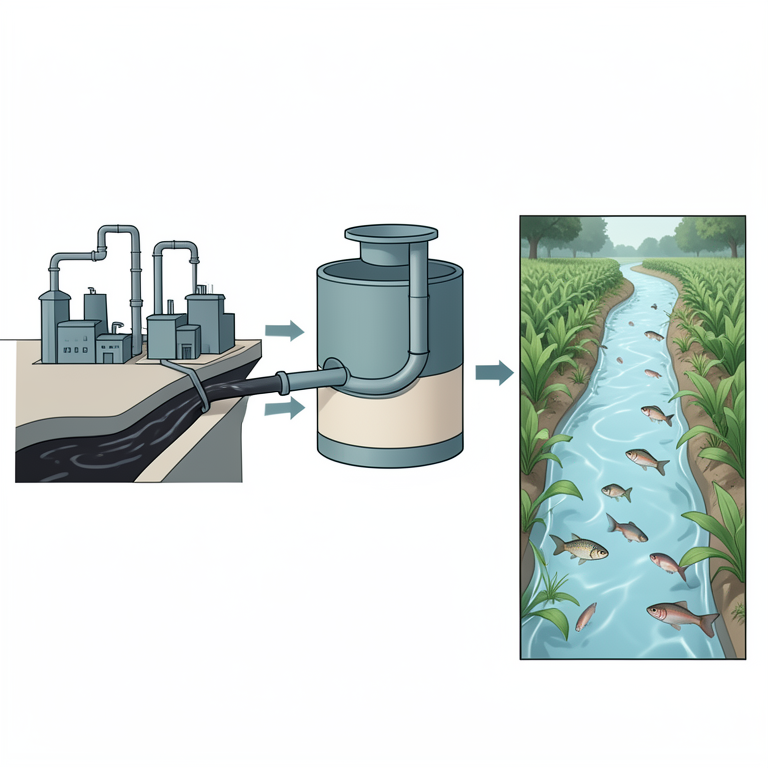
Pollution Flow Diagram
AI-generated conceptual illustration (River Ramganga with industrial factories, fish, and crops). It explains the idea and does not show study data.
View source evidence ↗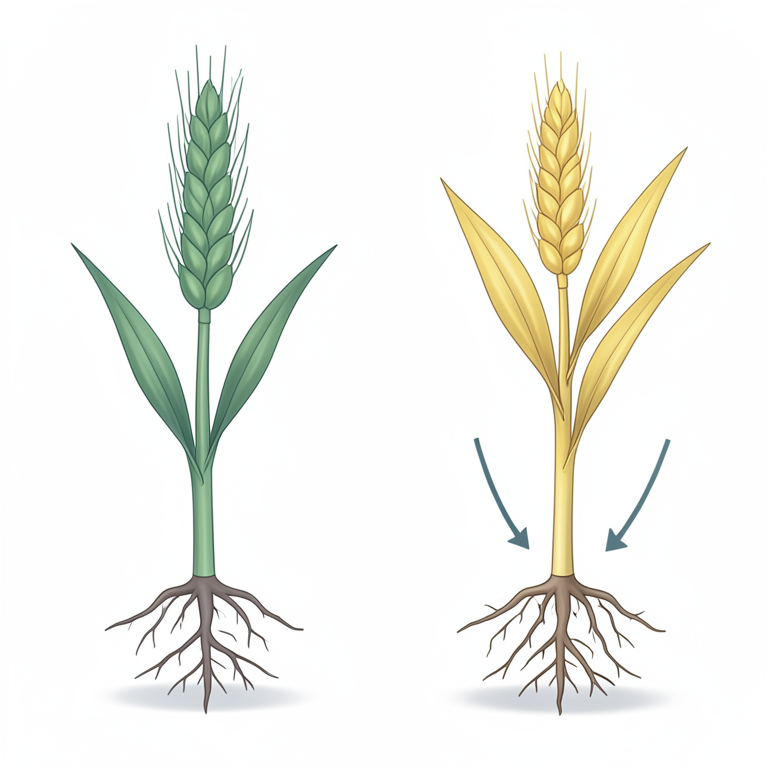
Plant Nutrient Imbalance
AI-generated conceptual illustration (wheat plants). It explains the idea and does not show study data.
View source evidence ↗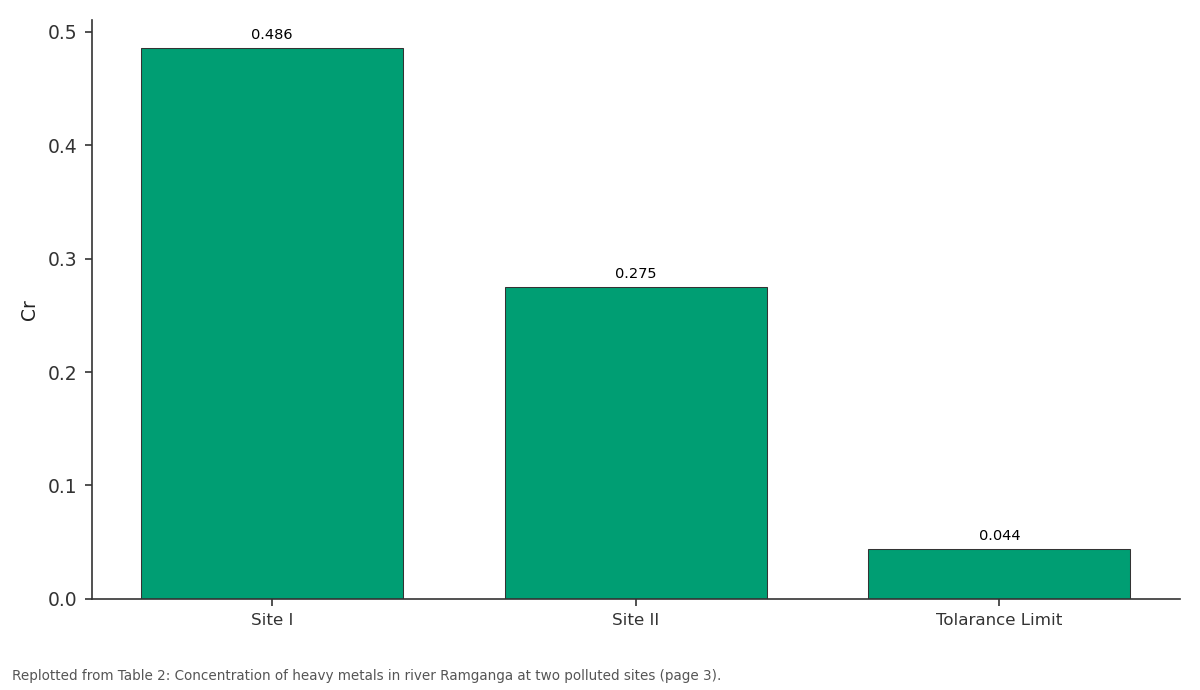
Cr: Site I vs Site II vs Tolarance Limit
Replotted from Table 2 (page 3) of the original paper. Every bar is the paper's own table value.
View source evidence ↗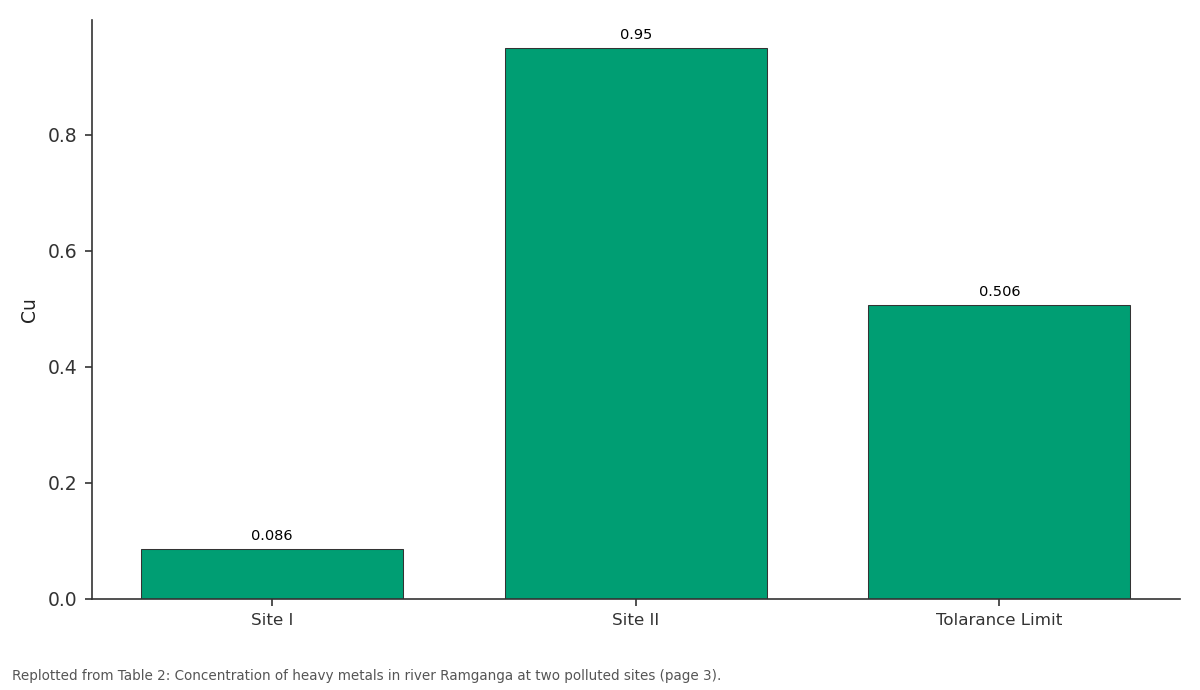
Cu: Site I vs Site II vs Tolarance Limit
Replotted from Table 2 (page 3) of the original paper. Every bar is the paper's own table value.
View source evidence ↗Figures & tables
From the original paper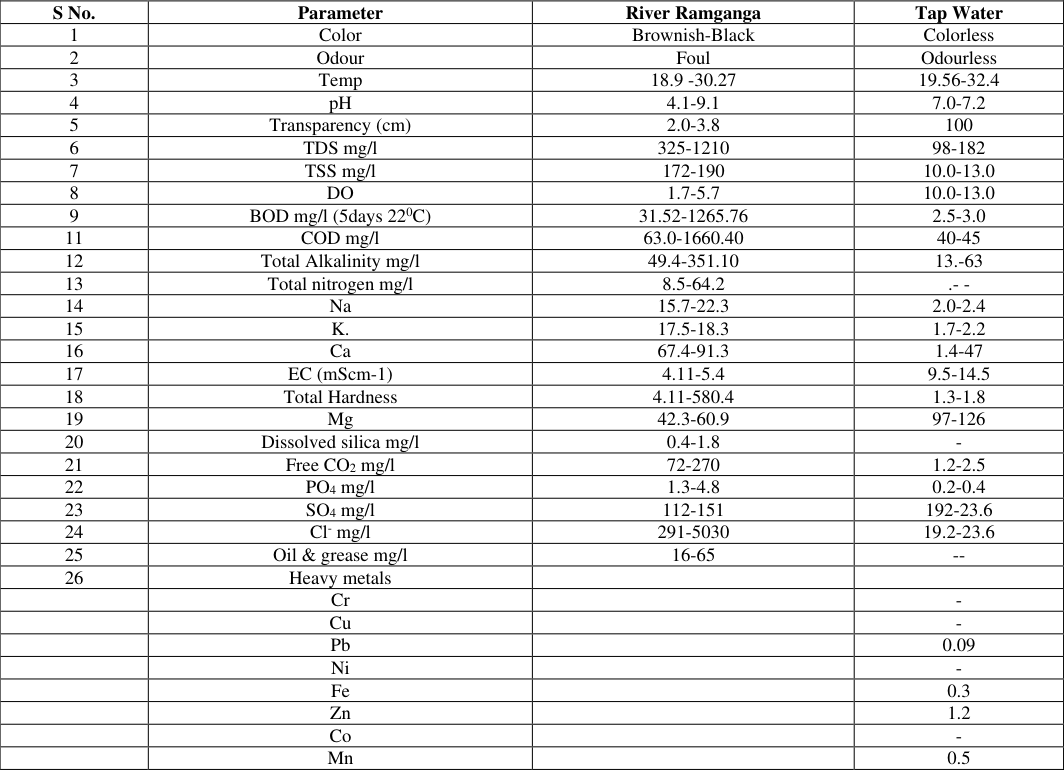 Table 1
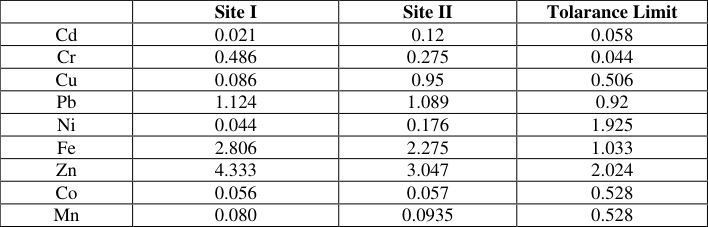 Table 2
 Table 3
Introduction
Water is essential for all kind of life. Pure water used for drinking and domestic purposes is the first priority of human being, for the health and hygiene point of view [1] , because a.) Fresh water resources contribute only 3% of waste from the earth's fresh water which is locked up in glaciers and the ice caps on poles (30.1%). b.) Ground water which is used for drinking purpose and domestic needs in India [2,3] besides biological field of the crop groom the nutritional importance, a primary concept from the health and hygiene point of view [4] . Nutrition of the crop includes all the substances that must be supplied from outside. Growth of the crop is the net result of the intake of minerals and their salts which on hydrolysis become ionized into cation and anions. Intake of these ions depends on the degree of permeability of plasma membrane, while their accumulation in different vegetative and reproductive parts imply an influence on the growth. Ramganga river exhibit high magnitude of pollution due to indiscriminate disposal of water by large number of industrial units and sewage waste are being discharged either land and in the river Ramganga Moradabad [5] . The water of river Ramganga, located at Kathghar Moradabad, is disposed off through several drains of glass, steel and brass industries which carry their pollution load into big canals that ultimately causes pollution in the river Ramganga, flowing at 4.5 km east from Moradabad city, cultivators of adjacent villages irrigate their crops. Several workers have studied the effect of river Ramganga on growth, yield, biochemical parameters of seeds of variety crops and fish [6] . No effect has been made to study the water pollution caused by brass industries and domestic waste of Moradabad city and irrigation impact on mineral bioaccumulation and primary chemical reaction in different part of crop plants. Present study undertaken deals with physico-chemical and biological analyses of river Ramganga Moradabad (UP.) India. The effect on seed germination and survival of fish along with the effect on the biochemical parameters of seeds and fish were also studied. An attempt has, therefore been made to fulfill this lacuna.
Experimental
Seeds of wheat were sown in the unglazed earthen pots, (30 cm Diameter) filled with garden loam soil mixed with farm yard manure. After one week of seedling emergence thinning was done to allow only one seedling to grow in each pot. Experiment was conducted in triplicate for crop (Wheat). The control and treatment sets were maintained separately for crop wheat under study. Physico-chemical composition of soil was the same as in energy estimation experiments in control sets the pot were irrigated with tap water, whereas in the treatment sets water of river Ramganga was used for irrigation. The irrigation was made at weekly intervals in both the sets. The water from river Ramganga was collected from it disposal point at weekly intervals and physico-chemical composition of tap water and water of river Ramganga was studied. Quantitative estimation of heavy metals in the river Ramganga made by Atomic absorption spectrophotometer. Chemical analysis of root, steam, leaf and seed was done according to APHA [7] . Plants were harvested at the time of seed ripening. Different plant viz root, steam, leaf and seed were collected from the plant of control and treatment sets and analyzed the total ash, Na, K, PO 4 3-, COD, BOD, DO, Total-N 2 , Fe, SO 4 2-crude protein, lipids as per the methods described earlier [7] , Fresh water fish variety were collected from Narora Dam Near Bulandshahar Distt. (U.P.). The mesh plastic canvas were kept in fish tanks in tap water and were fed commercially avoidable fish food. They were allow to acclimatize for seven days and were allowed to survive in control water as well as river Ramganga. As the (25) fishes did not survive in the river water and the fish (25) in control water. After 8 days the fish were acclimatized and analyzed for biochemical parameters such as protein, lipids and minerals.
Result and Discussion
Physico-chemical characteristics of river Ramganga are compared with those of tap water in Table 1. The boon transparency the brownish black color, foul odour of the river Ramganga and evident in revealing the magnitude of pollution. pH was not conductive of aromatic life. Concentration of TDS, TSS, DO, BOD, COD, total alkalinity, Total-N 2 , Ca, Mg, Na, K, EC (mScm -1 ), total hardness, dissolved silica, free CO2, Cl -, SO 4 2-. PO 4 3-, oil & grease, heavy metals. Ca, Cu, Pb, Mo, Re, Zn, Co, Mn, violated the recommended permissible limit [8][9][10][11] . Sodium content in the vegetative part and seeds of the Ramganga treated plant was higher than the respective control. Sodium is one of the strongest monovalent cation whose highest concentration up-get the mineral composition of soil [12,13] . The concentration of sodium in the four component part of these HI-8957 & HD-1636, maximum increase (400%) being obtained in the Case of root followed by stem 200%, leaf 143.46% and seed 106.08% this trend is shown in fig. B. Higher Na content in the stem of treated crop may be attributed to rapid intake of Na + ion. There is sample evidence that the Na + ions always inhibit the entry of K + ion. However, Na + ion is associated with Cl -ion and cause particles of plasma membrane to separate and enhance permeability [13] . Accumulation of Na + ion leads to inhibitory effect on metabolism and growth, play an important role in modifying the edaphic conditions of soil. In association with weak and strong anions, it altering the pH of the soil solution which effect the crop growth [14] . Potassium content was lower in the vegetative part and seeds of the cultivars irrigated with the river Ramganga over their respective controls. However, in river it was high than the tap water. Decrease was maximum (89.45%) in seeds of the treated crop grown followed by stem (55.85%), leaf (52.79%) and root (49.70%) also shown in fig. B. Potassium occurs in plant cell only in the ionic form as macronutrients, It has a marked effect on the weight of seeds. Hence, such maximum reduction in seed may be attributed to its deficiency. Low pH has been reported to cause potassium deficiency and adverse effect on nitrogen metabolism. Chemical analyses of various part of plant viz, root stem, leaves and seeds of wheat (HI-8957 and HD-1636) revealed overall reduction in the concentration of calcium treated plant as compared to control sets. The % age decrease in the root, seed, leaf and stem being 7.007., 63.43%, 70-99% and 79.32%, respectively fig.B. Calcium is an important constituent of middle lamella which get accumulated in the form of calcium pectate [15] . The role of calcium is obviously much more fundamental there as elements of cells. There is also enough evidence to that protoplasm cannot maintain its living entity in absence of Ca ++ ions [16] . Low concentration of calcium in vegetative part the treated plants may be attributed due to its poor absorption as Ca ++ ions through plasma membrane. Precipitation of calcium into calcium hydroxide and calcium carbonate as insoluble Ca residues seems to be potent causative factor, responsible for its restricted availability [17] . Iron concentration in the root (110.30%), stems (556.70%) leaves (49.30%) and seeds (23.807) were significantly higher in both cultivars of crop wheat irrigated with the river Ramganga as compared to control sets receiving tap water it is also shown in fig. B. Iron content in the river was also much higher than recommended tolerance limits. Due to low pH of, major parts of crop growth iron become excessively soluble and was absorbed mostly as Fe through plasma membrane and got accumulated in the cell of different vegetative part and seeds. It appears that beyond the requisite concentration, iron had toxic effect on ferrodoxin which plays an important role in biological nitrogen fixation and serves as primary electron acceptor in primary photo chemical reaction to photosynthesis. Iron is an important, and activate constituents of several enzymes such as peroxidase, catalase on cytochromes which one rendered inactive due to its higher concentration and inhibit growth [16, 17] . Phosphate concentration was found to decreases in the root, stem, leaves and seeds of the cultivars receiving the water of river Ramganga as compared to control sets. Decrease in phosphate content was in the order of leaf> stem>seeds>root, maximum decrease (39.4%) was observed in the leaf of treated crop fig. C. This effect was amply documented by phosphate deficiency symptoms such as premature leaves fall, development of necrotic areas on leaves and fruits turning of leaf colors from green tea bluegreen during the culture studies. Exactly phosphorus is absorbed in the plant as a phosphates and forms an important constituent of nucleic acids, phospholipase enzyme, NAD, NADP and ATP, phospholipids along with proteins serve as important constituents of cell membranes. Poor intake of phosphate through plasma membrane is intimately associated with pH of the soil solution from pH of river Ramganga 4 to 6.5 and 7.5 to 8.5 phosphates remains poorly available. At low pH Fe, Mn, Zn and Cu become toxic. This poor absorption of phosphate exerts suppressive of protein, respiration, carbohydrates and fat metabolism, concentration of sulphate in the treated plant has been found to be significantly higher over their respective controls [16,17] . Similarly in the river Ramganga sulphate had higher concentration as compared to tap water, increase in sulphate concentration in the crop was in stem (84.87%) > leaf (78.00%.), seeds (56.00%) and roots (30.20%) fig. C. High concentration of sulphate may even this rendering effect mixed water of Ramganga misfit for potable use. Sulphate along with other inorganic solutes one absorbed of plasma membrane and is translocated through Xylem elements. Plant proteins contains sulphur, sulphurous anions acids like cystein, cystin, methionine, for a problems with other amino acids disulphide linkage help to stabilize the protein structure it is also a constitute of vitamins like biotin, thiamine and coenzyme A. Since the sulphate concentration in river Ramganga was permissible limit, its accumulation in the vegetative part and seed does not seems to be invoked in the growth inhibition with in association with weak base like Ca ++ and Mg ++ ions they bring about lowering of pH the soil solution which has been observed during the study period. However, any involvement of SO 4 --in suppressing plant metabolism and growth can be ruled out. Under reducing conditions SO 4 --may be transformed into sulphides which in remote possibilities might disturb the normal pH of cell sap by lowering its level and may be exert adverse effect on plant metabolism [10,16] . Data reveal that there are overall decreases in the concentration of total-N 2 in the treated plant over their respective control sets. The decrease was in the following order 28.50>12.10> 12.30>11.40 in the seeds stem, root and leaf, respectively. Through the concentration nitrites and nitrates was found to be higher in the river Ramganga yet the reduction of total-N 2 in the seeds suggested impairment of nitrification process brought about by inactivation of microbes at low level of pH recorded in the river Ramganga for most of the period. Nitrogen is an important constituent of proteins, nucleic acid, Paraphyrins (important part of chlorophyll and cytochromes), alkoxide, some vitamins, coenzymes etc. Effect of nitrogen starvation was manifested by yellowing of leaves in the both the cultivars (HI-8957 and HD-1636). Poor availability of nitrogen leads to reduction in crude protein content and enhancement of total carbohydrates [9,10] . Reduction in growth and dry matter production may be attributed to inhibition in chlorophyll bio-synthesis, depressive effect on nitrogenous bases like purine and pyrimidine and also an protoplasm which is in predominantly proteinaceous [10,16] . Chloride concentration increased in all the parts of treated plant as compared to control sets, maximum increase being observed in the case of seeds while minimum in case of leaf. Higher chloride content to considered to be an indicator of pollution created to be an indicator of pollutions created due to industrial discharge as well as organic waste of animals origin [13,17] . Along with other essential anions like SO 4 , PO 4 ---, NO 3 -the chloride ion were also taken up through plasma membrane and got accumulated in the cytoplasm. Under judicial limits chlorides are required in catalytic amount to carry out reactions in the cells. However, when all the negative charges on the particles of protoplasm are neutralized and substituted by negative Cl -units, the permeability of plasma membrane is at its maximum, Chloride ions one among strong anions that increase toxicity in water and also in the cell sap. To counteract toxicity of Cl -, it would be desirable to add lime as has been recommended by Weaver and Clements [18] . Total carbohydrates content showed overall increase in all the component part of river Ramganga treated plant as compared to its control sets. Maximum increase (17.604%) was obtained in the leaf followed by the seeds (54.20%), root (3.70%) and Stem (0.64%). Great concentration of carbohydrate was found to be associated with the decrease in fat content trend is shown in fig. C. Increase in total carbohydrates may be attributed to poor intake of nitrogen and suppression of enzymatic activity during synthesis of lipids. There is ample evidence to indicate that high acidity within the range of 4 to 6 pH causes impairing nitrification process which involves larger number of ammonifying and nitrifying bacteria and subsequently results in nitrogen starvation [16,18] . This imbalance thus created in the percentage of fats, proteins and total carbohydrates as unsound and indicates nutritional deficiency which may lead to malnutrition symptoms human consumption and livestock feed. Crude protein decrease significantly in all the component part of treated plant % age decrease was the maximum in the seeds (28.50%), while the minimum (11.40%) values were obtained in the case of leaf, shown in fig. C. Protein content has been found to be positively correlated with both with total-N 2 in both the cultivars. Plant protein content sulphur, sulphurous amino acids, methionine has an empirical formula C 5 H 11 O 2 N 5. leaves must synthesized amino acid before they can make any protein. Inorganic nitrogen absorbed by crop in the form of ion is convert into the group before being elaborated into amino acids. Reduction of nitrates to the form to brought about by a molybdoflavo -protein, nitrate reductase, the selection for reduction being provided by NAD(P)H with the formation of NH4 + ions, the evidence indicates that it quickly combines with various keto-acids to form amino acids [16,19] . Protein breakdown in the amino acid is also adverse effect due to considered as causative factor for reduction in crude protein content in different part of the plant. Decrease in protein content has been found to be associated with increase in total carbohydrate at the expanse of protein to nutritionally unsound. Ether extract concentration in root, stem, leaf and seeds of the treated cultivars of crops under study was significantly lower as compared to respective control sets. Maximum decrease was observed in the seed followed by the root, leaf and stem fig. C, which may be attributed to decline in carbohydrate reserves leading to back down of fat that one first hydrolyzed in the presence of enzymes (lipase) to yield fatty acids and glycerol suppression of fat metabolism may be accounted [14,19] to inhibitory active of polluted such as heavy metals Na + , Cl -, ions on the enzymes like glycerophosphate dehydrogenase, phosphatase, acetyl-CoA Carboxylase, malonyl CoA, fatty acid synthesis and fatty acyl CoA reduces whose activity is suppressive during various steps involved on the synthesis of glycerol, synthesis of fatty acids and condensations of fatty acids and glycerol to form phosphatidic acid and finally triglyceride (fat) as reported by Webb 1966 [20] . Percentage of total ash content was higher in the seeds of river Ramganga treated plant as compared to control sets. Ash content to the direct manifestation of bio-accumulation of minerals absorbed as macro-nutrient (C, H, O, N, P, K, Ca, S, Mg, Fe) and micro-nutrients (Mn, Zn, B, Cu, Mo) excessive solubility of Zn Mn, Pb, Cr, Fe and Cu at low pH levels to the chief factor creating toxicity, which leads to paralyzing effect on the catalytic reaction of chain of enzymes evolved in different metabolic process [16,20] . Intake of toxic metallic ion results in the bio-accumulation in plants and animals tissues. Metabolic attributes such as lipids, crude protein and total carbohydrates being dependent on the offer of enzymes and intake of minerals from soil and effluent this exhibited variation in the concentration, soil pH plays a decisive role in lake governance. It is, therefore, desirable to ameliorate the pH of river Ramganga without much alteration in ECe levels. In the river Ramganga the fishes died within a short time, which may be due to lack of DO. The total ash, total fall, total nitrogen content of fish exposed to tap water, where they have survived for four days. The higher value of total ash indicates absorption and deposition of minerals 15 .There was a significant decrease in total fat and protein content of the fish. The decrease in lipid level may be due to increased utilization of lipid to meet additional energy required under a stress of two oxygen up lake [20] a statistical trend shown in fig. D. Some heavy metals i.e. Hg, Cd, Pb, As, Mo, Cu, Zn recorded above the tolerance limit, which somehow play an essential role in the normal biological processes and the insufficiency on excess amount cause a disturbance on the metabolic pathway and severe illness. Essential heavy metals have known biological functions, while other groups of heavy metal, have no biological role and at higher concentration cause a toxic effect to the tissues beyond tolerance limit [21] . Metal ions induce reacting oxygen species (ROS) production, which causes an oxidation stress response in fish [22] . Redox active metals e.g. Cu generate less reactive oxygen species. through redox cycling, whereas redox inactive metals e.g. Cu, Cr, generate reactive oxygen species, through redox cycling. Whereas redox inactive metals e.g., Hg, Na, Pb, As, and Cd bind to the sulfhydryl groups (SH) of poteins involved in antioxidant defence, thereby impair the defensive mechanism. Elevated RDS productions causes DNA lesions, oxidation of lipids and proteins and also alternation of cellular redox states [21] . In addition to detoxify the metal, metallothioneins are the major cause of bio-accumulation of heavy metals in different tissues of fish [22] . The accumulation of heavy metals not only effect of fish population in the aquatic ecosystem but also transfers through the food chain to the next tropic level. Transfer of these elements from aquatic to the terrestrial ecosystem has serious implications for human health by promoting different diseases including cancer, neuron-degenerative disease. The gross and the net production of phytoplankton in the fish of pond was gradually decreased with increase in the concentration of the pollutants in river Ramganga. Various studies on the toxic effect of different river water and industrial effluents on fish survival and some biochemical parameters revealed that decrease in oxygen content in water affected survival of fish.
| S No. | Parameter | River Ramganga | Tap Water |
|---|---|---|---|
| 1 | Color | Brownish-Black | Colorless |
| 2 | Odour | Foul | Odourless |
| 3 | Temp | 18.9 -30.27 | 19.56-32.4 |
| 4 | pH | 4.1-9.1 | 7.0-7.2 |
| 5 | Transparency (cm) | 2.0-3.8 | 100 |
| 6 | TDS mg/l | 325-1210 | 98-182 |
| 7 | TSS mg/l | 172-190 | 10.0-13.0 |
| 8 | DO | 1.7-5.7 | 10.0-13.0 |
| 9 | BOD mg/l (5days 220C) | 31.52-1265.76 | 2.5-3.0 |
| 11 | COD mg/l | 63.0-1660.40 | 40-45 |
| 12 | Total Alkalinity mg/l | 49.4-351.10 | 13.-63 |
| 13 | Total nitrogen mg/l | 8.5-64.2 | .- - |
| 14 | Na | 15.7-22.3 | 2.0-2.4 |
| 15 | K. | 17.5-18.3 | 1.7-2.2 |
| 16 | Ca | 67.4-91.3 | 1.4-47 |
| 17 | EC (mScm-1) | 4.11-5.4 | 9.5-14.5 |
| 18 | Total Hardness | 4.11-580.4 | 1.3-1.8 |
| 19 | Mg | 42.3-60.9 | 97-126 |
| 20 | Dissolved silica mg/l | 0.4-1.8 | - |
| 21 | Free CO2 mg/l | 72-270 | 1.2-2.5 |
| 22 | PO4 mg/l | 1.3-4.8 | 0.2-0.4 |
| 23 | SO4 mg/l | 112-151 | 192-23.6 |
| 24 | Cl- mg/l | 291-5030 | 19.2-23.6 |
| 25 | Oil & grease mg/l | 16-65 | -- |
| 26 | Heavy metals | ||
| Cr | - | ||
| Cu | - | ||
| Pb | 0.09 | ||
| Ni | - | ||
| Fe | 0.3 | ||
| Zn | 1.2 | ||
| Co | - | ||
| Mn | 0.5 |
Table text extracted from the original PDF; superscript letters are shown inline. The original table image is below.
View original table image
Conclusion
Present study indicated that the river Ramganga may be beneficial for agriculture purpose but in case of fish culture dilution is extremely necessary, whereas it is not useful for survival of fish as it contain high percentage of both dissolved and suspended organic matter and low content of dissolve oxygen. Heavy metals toxicity of fish health suggests that essential steps should be taken to minimize the toxic impact of heavy metals on concerned human health and the environment. The level of heavy metal on soil, water and sediment should be maintained regularly. Sewage and industrial waste should be decontaminated effectively before being discharged into river Ramganga, Moradabad.
Figures and tables from the paper
| — | Site I | Site II | Tolarance Limit |
|---|---|---|---|
| Cd | 0.021 | 0.12 | 0.058 |
| Cr | 0.486 | 0.275 | 0.044 |
| Cu | 0.086 | 0.95 | 0.506 |
| Pb | 1.124 | 1.089 | 0.92 |
| Ni | 0.044 | 0.176 | 1.925 |
| Fe | 2.806 | 2.275 | 1.033 |
| Zn | 4.333 | 3.047 | 2.024 |
| Co | 0.056 | 0.057 | 0.528 |
| Mn | 0.080 | 0.0935 | 0.528 |
Table text extracted from the original PDF; superscript letters are shown inline. The original table image is below.
View original table image
| Parameters % | Control water Mean ± SE | River Ramganga (Treatment) | River Ramganga with (1:4) dilutions | % Decrease/ increase | F | CD | SEM± |
|---|---|---|---|---|---|---|---|
| Carbohydrate | 5.87±0.5 | 0.34±0.5 | 14.50±0.14 | -82.37 | 27.89** | 0.24 | 0.006 |
| Protein (N2 x 6.25) | 62.25±1.0 | 20.34±1.0 | 49.30±1.0 | -51.67 | 430.69*** | 0.47 | 0.001 |
| Total ash (mineral) | 21.50±0.05 | 52.30±0.56 | 28.03±1.0 | +7.59 | 87.28** | 0.013 | 0.009 |
| Total fat (content) | 8.21 ± 0.6 | 1.82 ±0.5 | 1051±0.5 | -72.67 | 127.35*** | 0.04 | 0.008 |
Table text extracted from the original PDF; superscript letters are shown inline. The original table image is below.
View original table image
References
22 in the original paper- Shristha NK, Du X, Wang I. Assessing climate change impact of fish water source of the Athabasca river basin, Canada. Sci Total Environ. 2017;601-602:42540.
- Deru NL, Yadava IC. Chemometric evaluation of heavy pollutants in Patna region of the Ganga alluvial plain, India: implications for source apportionment and health risk assessment. Environ Geochem Health. 2018;40(6):2343-58.
- Adhikari A, Mal U. Application of multivariate statistics in the analyses of groundwater geochemistry around open-cast coal mines, Bankura district (WB). Environ Earth Sci. 2019;78(3):72.
- Rani S. Physico-chemical study of river Ramganga, Moradabad. Int J Res Eng Sci Manag. 2019;2(10):7414.
- Kumar H, Agarwal NK, Agarwal A. The water quality of Ganga river in Moradabad (UP), India. Int J Appl Eng Res. 2018;13:15484-91.
- Sabbir W, Rahman MZ, Khan MM, Rays. Assessment of heavy metals in river water, sediment and fish International Journal of Agriculture and Food Science https://www.agriculturaljournals.com mussel in Rupsha river under Khulna district. Int J Exp Agric. 2018;8(1):1-5.
- American Public Health Association (APHA). Standard methods for the examination of sewage and industrial waste. 15th ed. New York: APHA; 1980. p. 1134.
- Pandeya SC, Puri AS, Singh JS. Research methods in plant ecology. New Delhi: Asia Publishing House; 1980.
- Baboo M. Effect of the effluent channel flowing from distillery factory and its irrigational impact on seed germination and seedling growth. Int J Adv Res. 2015;3(1):77-84.
- Baboo M. Physico-chemical studies of effluent flowing from Camphor & Alloyed Products Ltd. and its irrigation impact on Triticum aestivum var. 268. Int Res J Manag Sci Technol. 2016;7(4):236-40.
- Das D, Das P, Das A, Das SA. The digitally measuring electrolytes and non-electrolytes may lead to dwarfness and tallness respectively in animal kingdom. Int J Adv Biochem Res. 2023;7(1):14-18. DOI:10.33545/26174693.2023.v7.i1a.157
- Kulkarni PG, Dhanwadhar S. Physico-chemical and bacteriological status of groundwater of industrial area, Aurangabad. Proc Acad Environ Biol. 1992;6(2):131-3.
- Tripathi BD. Pollution studies around Varanasi. Indian J Ecol Environ Soil. 1978;4:15-8.
- Sinha SK, Mehta AS. Studies on mineral nutrition of Salvinia melesta. Geobios. 1992;19:140-6.
- Sen SK, Srivastava HS, Sen M. Nitrate assimilation in excised maize leaves in the presence of lead. Bull Environ Contam Toxicol. 1988;41:419-26.
- Clarkson TD, Handson BJ. The mineral nutrition of higher plants. Annu Rev Plant Physiol. 2008;31:239-98.
- Daubenmire RF. Plant and environment. New York: John Wiley & Sons; 1970.
- Weaver JE, Clements FR. Plant ecology. New York: McGraw-Hill; 1982.
- Boutter D. Protein synthesis in plants. Annu Rev Plant Physiol. 1988;42:201-6.
- Webb JJ. Enzyme and metabolic inhibition. New York: Academic Press; 1966.
- Kumari B, Kiman V, Sinha AK, Ahsan J, Ghosh AK, Wang H. Toxicology of arsenic in fish and aquatic systems. Environ Chem Lett. 2017;15:43-64.
- Sevcikova M, Modra H, Slaninova A, Svobodova Z. Metals as a cause of oxidative stress in fish: a review. Vet Med (Praha). 2011;56(11):537-46.