
Research article · 2025 · Full text
International Journal of Advanced Chemistry ResearchBiological methods for the treatment of industrial waste
Volume 7(9) · Pages 01–16 · DOI: 10.33545/26646781.2025.v7.i9a.308 ↗
Research areasWater Quality Monitoring and Analysis
Abstract
Author-writtenEvery year, industries generate millions of tons of waste in liquid, solid, or gaseous forms, containing harmful chemical residues that pose a significant risk to various forms of life. As environmental protection awareness continues to grow, biological remediation emerges as a highly promising, efficient, cost-effective, and eco-friendly approach for eliminating both organic and inorganic compounds. This method involves harnessing the power of microorganisms and plants through biological processes to effectively remove diverse pollutants. The utilization of biological treatment represents an advanced technology that has gained widespread acceptance in the management of various industrial wastes, including those from pharmaceuticals, textiles, dairy, tanneries, and more. This approach relies on enzymatic degradation, absorption, and adsorption phenomena. This chapter provides an in-depth exploration of biological methods, encompassing aerobic and anaerobic processes, as well as phyto and myco remediation. These techniques are employed for the effective treatment of diverse industrial wastes, offering comprehensive insights into their application and efficacy.
Summary
Source-checkedPlain-language reading of the full paper, prepared with AI and checked against the text. Each point links to the authors' own words.
Why it matters
- Industrial activities produce millions of tons of waste annually in various forms, which contain chemical residues that threaten living organisms. View evidence ↗
- Global waste levels are projected to increase by 70% by the year 2050 according to World Bank data. View evidence ↗
- Biological remediation is considered a promising and cost-effective method for removing both inorganic and organic pollutants from the environment. View evidence ↗
The question
- The paper aims to provide a detailed exploration of biological waste treatment methods, specifically aerobic, anaerobic, phyto, and mycoremediation. View evidence ↗
What they did
- Biological methods are typically used as secondary treatment to remove dissolved organic matter using microorganisms under aerobic or anaerobic conditions. View evidence ↗
- Aerobic treatment uses oxygen to turn pollutants into sludge and CO2, while anaerobic treatment converts about 95% of organic matter into CO2 and methane (CH4). View evidence ↗
What they found
- In a study of nine dairy farms, aerobic treatment reduced oils and grease from 89 mg/L to 9 mg/L and BOD from 539 mg/L to 173 mg/L. View evidence ↗
- Oxidation ponds are capable of achieving a 98% to 99% removal efficiency for biological oxygen demand (BOD). View evidence ↗
- Anaerobic Sequencing Batch Reactors (ASBR) treated brewery slurry with 79.6% to 88.9% COD degradation efficiency, compared to 65% for the control. View evidence ↗
- Fungal consortia used in mycoremediation removed 60% of As, 71% of Mn, 77% of Cr, and 52% of Cu from soil. View evidence ↗
- Mycoremediation of textile dye pollutants achieved 98.5% COD and 89% color removal after 18 hours. View evidence ↗
- Rhizofiltration removed 90% of Cesium (Cs) and 80% of Strontium (Sr) from contaminated water within 12 hours. View evidence ↗
What it means
- The author concludes that biological treatments are effective, with Anaerobic Sludge Blanket Reactors and Anaerobic Sequencing Batch Reactors showing particularly high performance. View evidence ↗
- The author recommends combining chemical and biological treatments to achieve the most sustainable and significant outcomes. View evidence ↗
Visual summary
1 visualsIllustrations explain the paper; they do not show study data.
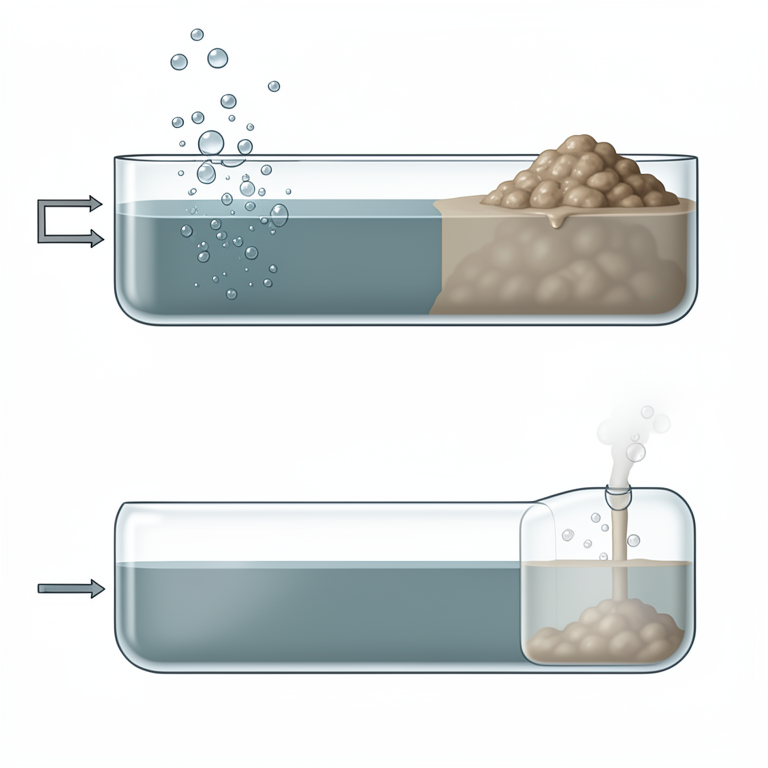
Aerobic vs Anaerobic Pathways
AI-generated conceptual illustration (industrial wastewater in bioreactors). It explains the idea and does not show study data.
View source evidence ↗Figures & tables
From the original paper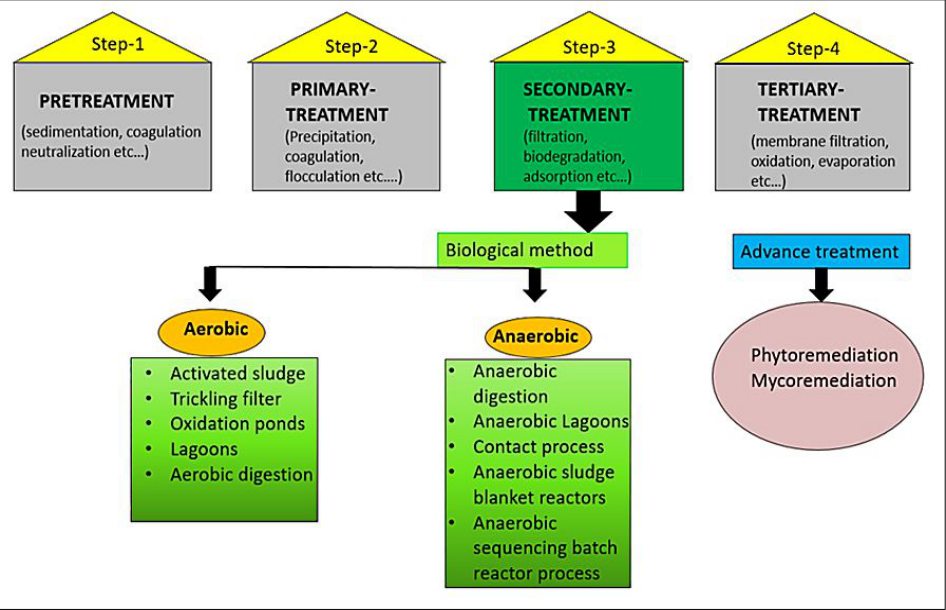 Figure 1
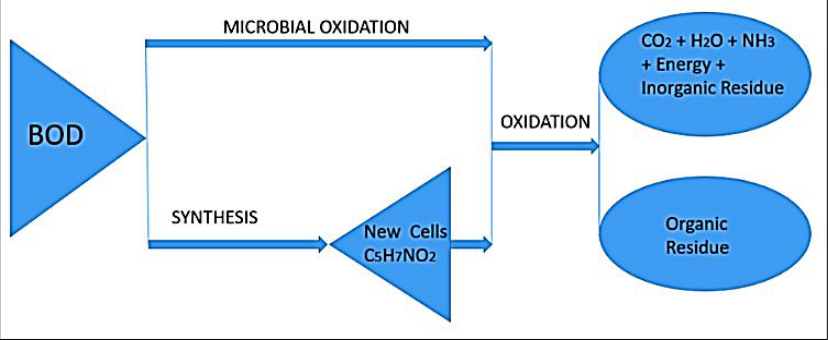 Figure 2
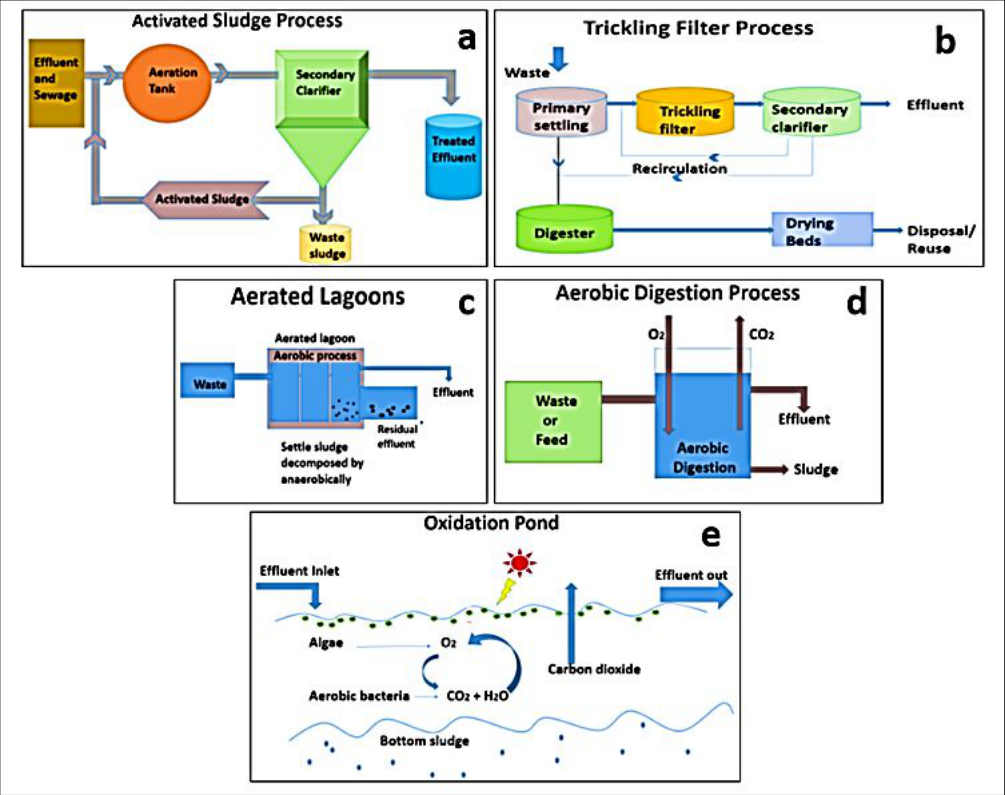 Figure 3
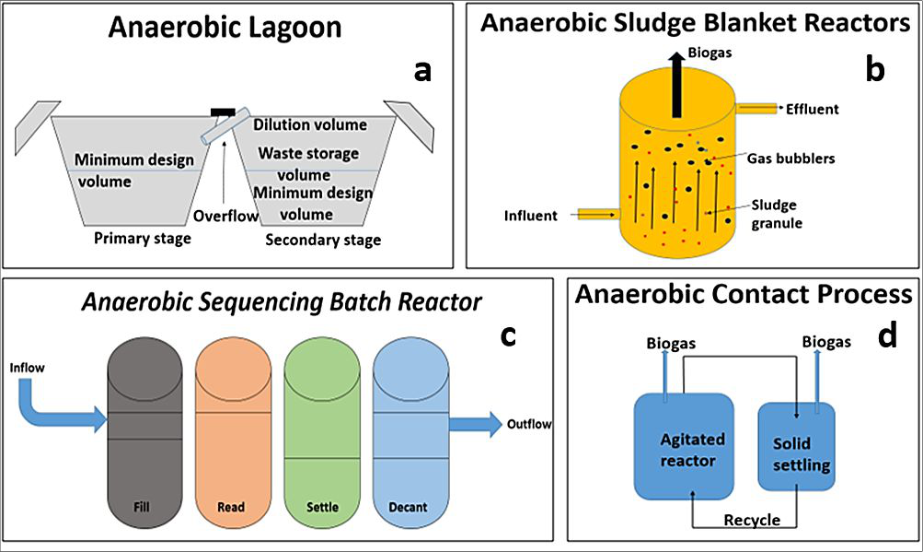 Figure 4
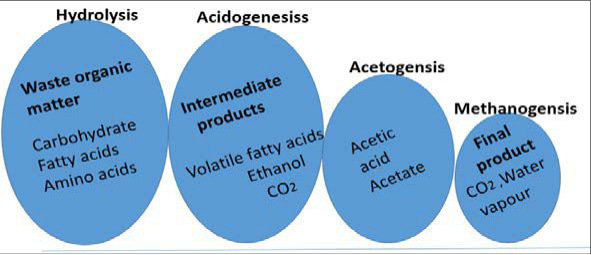 Figure 5
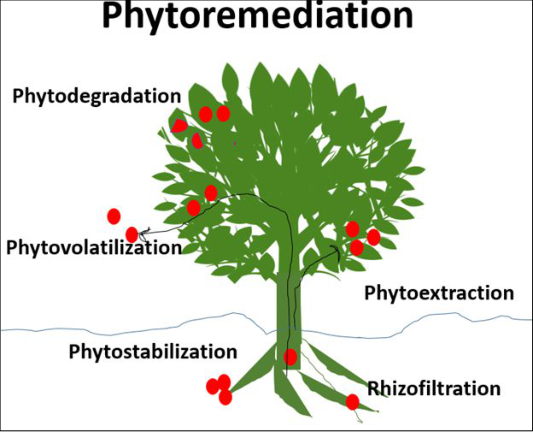 Figure 6
Introduction
Waste refers to materials found in soil, liquid, and gas forms that are economically unusable. Originating from a range of human activities such as commercial, domestic, construction, industrial, clinical, agricultural, and nuclear, these materials pose a serious hazard to the ecosystem. Among them, industrial waste is particularly noteworthy for its potential to cause significant harm to the environment. Especially, untreated industrial wastes are considered a major source of pollution in air, water, and soil. According to the World Bank's report, global waste will rise by 70 percent on current levels by 2050 (What a Waste 2.0: A Global Snapshot of Solid Waste Management to 2050). According to another report, the total global waste generation was estimated to be around 9.2 billion tons in 2011. On a per capita basis, this equates to approximately 1.74 tons of industrial waste generated per person per year worldwide. Industries generate a significant volume of waste, encompassing both non-biodegradable and biodegradable materials. The spectrum of industrial waste is diverse, including elements such as undesirable odors, acids, colorants, dyes, surfactants, minerals, oils, metals, pesticides, organic matter, toxic chemicals, and more. These components can elicit various harmful effects on living systems, underscoring the importance of responsible waste management practices within industrial processes. Typical organic waste includes proteins, detergents, urea, carbohydrates, soaps, and fats. These all compounds contain carbon, oxygen, hydrogen, nitrogen, sulfur, and phosphorus. During biological degradation, these all are converted into mineralized forms (i.e., NH4, NO 3 , NH 3 , PO 4 , and SO 4 ). The industries contributing significantly to waste generation encompass a wide range, including paper mills, tanneries, dairies, wineries, pharmaceuticals, textiles, electroplating, leather tanning, petroleum, and more. These diverse sectors produce substantial amounts of by-products, contributing significantly to pollution. The disposal and management of the byproducts from these industries pose environmental challenges due to the potential presence of pollutants, exacerbating the overall impact on ecosystems and surrounding areas. Effective waste management strategies are crucial to mitigate the environmental consequences associated with the byproducts of these industrial activities. Indeed, the proper treatment and management of industrial waste are crucial prerequisites before its release into the surrounding ecosystem. This becomes particularly vital for the overall development of any country. Therefore, there is a pressing need for cost-effective, environmentally friendly, and efficient methods in waste treatment. Implementing such methods ensures not only the safeguarding of ecosystems but also aligns with sustainable practices that are essential for the continued progress and well-being of a nation. The initial phases of wastewater treatment, namely preliminary and primary treatment, effectively eliminate solid and large materials through processes like sedimentation and skimming. The removal of suspended solids involves simultaneous processes such as flocculation and adsorption. However, the challenge lies in the elimination of dissolved or particulate matter, which primary treatment alone may not sufficiently address. To tackle this, secondary treatment, employing biological methods, becomes essential for achieving comprehensive removal of such substances. Secondary treatment serves as the second phase in waste treatment, employing biological processes to eliminate dissolved waste or organic matter under either aerobic or anaerobic conditions facilitated by microorganisms. Biological treatment methods are commonly categorized based on the availability of dissolved oxygen. In aerobic treatment, utilizing atmospheric O2, organic pollutants or wastes undergo transformation into sludge and CO 2 . On the other hand, anaerobic treatment results in approximately 95% conversion of organic matter into CO 2 and CH 4 , with the remaining 5% utilized for biomass in the absence of O 2 . The biological treatment of industrial waste is dependent on the characteristics, source, and nature of effluent. The biological method can remove the waste by absorption, desorption, microbial degradation, and enzymatic degradation. The microorganisms are able to break down the organic wastes under controlled conditions because they possess enzymes (the groups of hydrolases, isomerases, lyases, oxidoreductases, ligases, and transferases) that allow them to use waste as food and convert them to harmless or naturally occurring compounds, which are safe for animal, plant, and human. Tertiary treatment or chemical treatment involved in the use of chemical additives, react with undesired materials or chemicals and metals that produce a huge amount of chemical sludge, and deposition of this sludge is also a problem. Therefore, recently both biological and chemical method tends to been implemented for the elimination of all toxic or harmful compounds because the sometimes toxic environment does not allow the microbes to grow and sustain. Biological treatment methods are summarized in Fig. 1.
Biological Methods
The biological method is applied as a secondary treatment to reduce the organic matter measured as biochemical oxygen demand performed by microorganisms under aerobic and anaerobic processes (Charles et al., 2009) [21] . Biological methods have advantages such as (a) affects only targets, no pollution, and eco-friendly (b) self-sustaining (c) recycling and recovering important components (d) biodegradability capacity (e) efficiently eliminating organic matter (Pinheiro et al., 2019) [94] . Several factors affect the microbes activity and rate of reaction such as pH, oxygen, nutrient concentration, and toxic matter and also ensure the growth of microbes under control conditions. The organic matter comprises the energy and carbon source that the microorganisms need to develop, particularly the N and P containing compound. So the microbial degradation efficiency can be improved by balancing the nutrients N, P ratio. The microorganisms are very sensitive to temperature, that can dramatically slow down and speed up the biological reaction rates. The implementation of microorganisms in waste treatment results in the removal of fats, oil and grease, biochemical oxygen demand (BOD) and chemical oxygen demand (COD) decreases and total suspended solids (TSS) reduction. The microorganisms involved in processes are divided on the bases of their structure and cellular components: bacteria, fungi, plants and viruses. The microorganisms usefully break down or disintegrate the organic matter using two distinct biological processes: biosynthesis and biological oxidation. Oxidation process results mineralization of end product while biosynthesis converts the colloidal suspension and dissolve matter in to particulate dens biomass (new cells) which further removed by sedimentation process (Fig. 2). Both these process work simultaneously and can be expressed as:
(1) Biological oxidation COHNS (Organic matter) + O2 + Bacteria → CO 2 + NH 3 + End product + Energy
Where, μ -specific growth rate coefficient, S -limiting nutrient concentration (BOD and COD), KS-Monod coefficient and λ-maximum growth rate coefficient (0.5 μmax).
Biological methods divided in to two processes: aerobic process and anaerobic process 3.1 Aerobic Process
The aerobic process is widely favoured for its efficiency, minimal maintenance demands, and cost-effectiveness. Autocatalytic reactions involving aerobic microbes play a pivotal role in the self-purification process, further enhancing the appeal and practicality of aerobic treatment for diverse wastewater treatment applications. These process are biochemically efficient and effectively stabilize the organic matter in presence of O2 and convert them into CO 2 and H 2 O. This is adequately accomplished by metabolic reaction performed by microorganisms (Fig. 3). The following aspects are to be carefully evaluated for efficient aerobic processes: (a) microbes should be present within the bulk to ensure the biogenesis (b) supply of oxygen to bacteria must be adequate to support aerobic metabolism (c) growth rates must well matched for the different bacteria (d) must be assured the C: N: P ratio required for the growth of microbes (e) establishment of optimal conditions, pH, temperature, nutrients etc. for waste degradation Aerobic treatment processes reduce effectively harmful gaseous emissions such as CH4, N 2 O and ammonia from biowastes reported. Heger et al. treat nine dairy farms milkhouse wastewater by the aerobic treatment systems, the results revealed that the oils and grease decreased from 89 mg/L -9 mg/L while the BOD was eradicating from 539 mg/L -173 mg/L. Aerobic process is classified on the bases of working principles, configuration process, oxidation state, feed condition such as: activated sludge process, trickling filter process, aerated lagoons, aerobic digestion process, oxidation pond etc.
Activated Sludge Process (ASP)
The activated sludge process is widely used secondary biological treatment method for industrial waste. In 1913 in activated sludge process was discovered by Arden & Lockett at the Davyhulme sewage treatment works in Manchester. This process consists of three phases: first phase is aeration tank, which act as a bio reactor containing mixed microorganism population. Pure oxygen also provided with the help agitation or via diffusers to develop a microbial floc. Second phase a settling tank, that separated the treated waste and solid. The third phase is come back activated sludge equipment, which transmit the settled activated sludge to the aeration tank from the clarifier (Fig. 3a). The continuous mixing of industrial waste or sewage and biological mass ensure proper supply of food to microbes. In aeration tank the concentration of biodegradable waste is decrease and it disperse the mix liquor (mixture of waste and microbial mass) in to sedimentation tank. The estimated sludge in conventional activated sludge process is 0. The activated sludge aerobic process can be degraded most of industrial waste included: pesticides, soap or detergents, organic chemical, surfactants, polymers, food stuff etc. In 1980, Kanagawa and his co-workers degrade the pesticide by activated sludge process using D, D-Dimethyl phosphorodithioate (DMDTP). The accommodated activated sludge degenerated in 7 hr (500 mg/liter of DMDTP) and produced inorganic orthophosphate and sulfate 260 mg/liter and 510 mg/liter, respectively. The pH of the mixed liquor was from 6.5 to 7.0. The activated sludge conformed to DMDTP degenerated dimethyl phosphate, dimethyl phosphorothioate, diethyl phosphate and diethyl phosphorodithioate (Kanagawa et al., 1980) [57] . Zipper et al. reported the removal of mecoprop, dichlorprop, and 2,4-D and results revealed 86-98% metabolization of pesticides within 7 days in aerobic conditions. Zipper et al. (1996, 1998 and 1999) further performed the degradation of lindane and chlorophenol pesticides showed similar results. Another study reported on the degradation of organochlorinated, cyclohexanes and phenoxy. Pesticides shows not degradation by activated sludge. It has been observed that in sludge the accumulation of pesticides is the biggest risk for microbial fauna. The complete metabolization (86-98%) of copper sulfate, cyprodinil, cymoxanil, diquat, dimethomorph, fludioxonil, folpel, glyphosate acid, mefenoxam, mancozeb, paraquat and pyrimethanil have been studied within 7 days. Mizuki et al., reported the degradation of a soap-based firefighting agent (SFFA) under aerobic conditions. The batch respirometric tests clearly revealed that within the first day of incubation the three substrate fragments were found to degrade: long chain fatty acid salts, (N, N-bis (carboxymethyl) glutamate tetrasodium salt, and glycols. Esteve et al. studied the deterioration of the thirteen pesticides by using an activated sludge aerobic process. The studies showed that the aerobic treatment remove 97% of twelve pesticides out of thirteen. Additionally, observed that to maintain biomass floc must have added flocculation. Gouider et al. reported the removal of fluoride and phosphate removal, they found that 97 -98% of fluoride removed from a hydrofluoric acid/phosphoric acid and 93 -95% from a hexafluorosilic/phosphoric acid.
Trickling Filter Process (TFP)
Trickling filter is a artificial down flow packed bed type of reactor which is widely used aerobic biological treatment system. Trickling filter also well known as percolating filter or sprinkling filter or biofilter (Fig. 3b). The artificial bed consists of various inert materials (porous materials such as coke, slag, rocks, peat moss, ceramic, pumice stone, polyurethane foam, lava, gravel or plastic), which allowed the waste to trickle or sprinkle on the surface. Oxidation of organic matter occur under aerobic condition with the formation of a zoolial film. Effective performance of the trickling filter is indicating by the separation of effluent sludge flocs settling banks. Biofilm is formed on the surface of inert material and oxygen is provided by the working of intermittent filter. The colour of biofilm is greenish, blackish and yellowish that consist of algae, fungi, bacteria, protozoa etc. Generally, the trickling filters consist of two type of filters: standard rate trickling filters (hydraulic loading of 525 to 2100 m/h/per hectare and organic loading varies from 80 to 400 g/day/m 3 ). The trickling filters having high rate (hydraulic loading of 4200 to 15000 m 3 /h/ hectare and organic loading varies 400 -4800 g/day/m 3 ). The high rate trickling filters have greater competency than the standard rate trickling filters.
Aeration Lagoon
Aeration lagoons is one of very effective, low cost aerobic waste treatment method. This treatment process equipped with earthen lagoon with mechanical aerators which to promote the biological oxidation and to arrest the settling of suspend biomass (Fig. 3c). Aeration provide the require oxygen to the metabolizing microorganisms and help to the dissolved and suspended matter with microbes (ASCE, 1988) [10] . Aeration lagoons have capacity of producing effluents below 10 mg/L BOD, TSS. Aerated lagoon shows the significant nitrification in month of summer due to dissolved oxygen limitation. Nitrification of ammonia and BOD removal occur simultaneously. Oxygen requirements for nitrification are more insistent than for BOD removal. Generally, presume that 1.5 kg of oxygen is needed to treat 1 kg of BOD and theoretically 5 kg of O2 are needed to convert 1 kg of ammonia to nitrate. Aerated lagoons are divided according to microbial mass of solid in system: a) Suspended growth aerated lagoon and b) Facultative aerated lagoons. Suspended growth aerated lagoon: Suspension mixed aerated lagoons are shallow earthen basins with 2-5-meter depth and flow through activated sludge have mixed liquor in lagoon. The main objective of these lagoon to converts the biodegradable organic matter in the biomass influent, made then to settle as a sludge. The system is completely aerobic with high aeration ability to keep the solid in suspension.
Facultative aerated lagoons: Facultative aerated lagoons are also called partial mix lagoons and where detention time depending up on water temperature. These lagoons are constituted with depth up to 6 meter and ensure the sufficient for oxygenation. The lower part of lagoon is consisting of anaerobic layers and upper part is aerobic layer. Generally, the lagoon consists of three cells, where first cell has most intense aeration, second cell have small aeration, while third cell have very small or no aeration, where the sludge can settle. Facultative aeration lagoon provides about 3.7 to 4 kg O2 /kW-hour and approximately 70-80% degraded the waste. Diffused systems are more efficient but require greater installation and maintenance effort.
Aerobic Digestion Process
Aerobic digestion is a biochemical oxidative stabilization that uses aeration to minimize organic waste. This method operates on similar principle as the ASP and capable of handling the activated waste, primary sludge and trickling filter and mixture. Under aerobic conditions the organic material is oxidized and products nitrate, phosphate, carbon dioxide, water and lower molecular weight organic compounds. In addition, aerobic digester reduces biodegradable solids content, reduce odours and to make ready the sludge for final disposal on land (Fig. 3d). During the treatment process the waste sludge consists of suspended solids and solids that are production of biomass. In this process microorganisms utilize oxygen for degradation of organic matter. However, during the inadequate oxygen supply, then the microbes performs endogenous respiration where they begin to consume their own protoplasm for energy. During the process approximately, 75 to 80% of cell matter oxidized and rest converted in non-degradable components. The oxygen provided for microbial metabolism by either diffused aeration system or through mechanical aerators in digester units. Waste sludge feed line present in each tank, above has the high water level, bottom of the tank contains a solids line and supernatant multilevel line to discard the liquor from the upper half of the tank. To maintained the efficient aerobic environment during the process approximate 1.0 mg/l DO level is desirable. The system set up by feeding raw sludge continuously with supernatant liquor (clear liquor) and digested sludge eliminations. The digested solids are aerated during filling continuously after the tank full. The aeration process is close down for 1 to 2 hours to settle the solid and supernatant liquor. The operation of aerobic digesters is controlled or monitored by various important factors such as: characteristics of waste sludge, temperature, requirements oxygen, mixing, pH and retention time of solids. Actually, aerobic digestion consists of the oxidation of microorganism cellular matter by organisms and the direct oxidation of the organic matter. The two step reactions are illustrated below:
Oxidation Pond
Oxidation ponds one of well-known biological aerobic process that have been extensively used in remedy of industrial waste. In 1901, a very famous Mitchell Lake was constructed by the city of San Antonia, Tex. with 275 ha and 1.4 m average depth. After the success of this lake various country also adopted the ponds as a means of treating sewage. Oxidation ponds also called as stabilization ponds usually 5-6-meter-deep and mainly involves in interaction of microorganism community with settled sludge, raw sludge and industrial waste (Fig. 3e). The ponds are self-sufficient, manage the treatment and efficiently remove the biodegradable organic matter, phosphate nitrogen etc. present in waste. Earlier, it was accepted that the treatment of wastes in oxidation ponds was the symbiotic activity of bacteria and algae alone. In 1983, United States Environmental Protection Agency reported high rate algal aerobic ponds, where algae maintain the dissolve oxygen under natural light in 30-40 m depth in ponds. Further, various studies have been confirmed the activities of different microbial species such as bacteria, fungi, algae, protozoa and viruses in the oxidation pond. These oxidation ponds are simple, low cost technology with very effective remediation for wastewater prior their release in ecosystem. This method is well known for their high biological oxygen demand; 98 to 99% removal efficiency is possible. This method is highly depended upon to climate and weather condition such as temperature, light intensity, pH and wind speed. The different microbial community found in oxidation pond performed their task by competing with each other. In this process the pond decomposer (bacteria) the organic matter and liberate ammonia, nitrates and carbon dioxide. Further these components are utilizing by algae by the process of photosynthesis and release oxygen constitute different groups of microbes such as algae, bacteria, fungi, protozoa, viruses, etc. The pond bacteria decompose the biodegradable organic material and release carbon dioxide. These compounds are utilized by the algae, which together with sunlight and photosynthetic process releases oxygen, enabling the bacteria to breakdown more waste and accomplish reduction in BOD levels. Weidemann
Anaerobic Process
Anaerobic processes are excessively utilized in industrial wastewaters and organic sludge treatment. In this process microorganisms require less or no oxygen to their live and that absolutely mineralize organic material into carbon dioxide and methane via hydrolysis and acidification. In developed countries the ethane production of anaerobic processes has been significantly utilized as alternative energy source for decades.
The anaerobic process involves in two stages and both are in dynamic equilibrium: acid fermentation where anaerobic microorganisms break down complex organic compounds into simpler, short-chain organic acids and methane fermentation consist of two phase: acetogenesis (anaerobic microrgamisms convert organic acids to acetate, hydrogen gas, and carbon dioxide) and methanogenesis (anaerobic microorganisms convert new molecules into methane gas and carbon dioxide). The anaerobic processes included in treatment of organic waste: food processing industries, breweries industries, chemical industries, dairy wastewater, pharmaceutical waste, sugar processing waste, pulp and paper industries waste etc. The produced residue is stabilized, odourless and a good fertilizer, which is beneficiary to boost the crop yields. In anaerobic process some factors that determine the removal efficiency of biodegradable organic matter are included as: a) Composition of the organic matter to be removed b) Environmental factors suitability c) Sludge retention time d) Mixing intensity e) Contact time between bacterial biomass and organic matter. f) Specific loading of organic matter.
Anaerobic processes have many advantages such as a)
Need less energy to degrade the complex chemical compound b) Produces low sludge which is less harmful for environment c) Biogas and heat use as a renewable energy source d) Unrestricted by the oxygen transfer rate e) Less biomass generation due to sludge disposal and treatment is reduced significantly.
Types of anaerobic wastewater treatment systems include the following:
(a) Aerated Lagoons (b) Anaerobic Sludge Blanket Reactors (c) Anaerobic Sequencing Batch Reactor (d) Anaerobic Contact Process Feitkenhauer and Meyer reported the commonly used sulphonate-based surfactants under aerobic and anaerobic condition. The studies revealed that in anaerobic conditions the sulphosuccinates showed high biodegradation and linear alkyl sulphosuccinates were perfectly mineralized. However, branched alkyl sulphosuccinates showed 50% biodegradation. (Feitkenhauer and Meyer, 2002) [37] . Alkyl sulfates with C 8 -C 18 alkyl chain are classified as anaerobic biodegradable on the DID. The studies showed that as increased the branching of the alkyl chain results in decrease of biodegradability. The anaerobic biodegradation of LAS to SPC was confirmed in laboratory studies with anoxic marine sediments spiked with 10-50 ppm of LAS (LaraMartin et al., 2007) After 165 days, up to 79 % of LAS was degraded via the generation of SPC. The generation of mineralization products was not determined. Since the degradation rate was rather slow, its impact on anaerobic environmental fate of LAS is still unknown. Alkylamido betaines are ultimately biodegradable under anaerobic conditions even at high concentrations up to 300mg/L carbon. At the highest test substance concentration an initial inhibition of the biogas production was observed for about four weeks.
Anaerobic Digestion Process
Anaerobic digestion or degradation is a multistep process of parallel reaction of waste mixed with active microorganism for organic matter degradation in absence of O 2 . Anaerobic digestion is extensively used source of renewable energy. Digester can have performed as batch process or continuous process. The objective of anaerobic treatment to minimize high organic loads to a BOD level (Fig. 4).
The process of anaerobic degradation can be described as:
The metabolic pathway of anaerobic digestion can be broken down is different stages shown below (Fig. 5).
Stage-1:
In hydrolysis the bacteria such as cellulolytic, lipolytic, and proteolytic split the covalent bonds into chemical reaction and organic matter components such as carbohydrates, lipids and proteins into monomers.
Stage-2:
In acidogensis stage the acidogens translate the monomers into volatile fatty acids (Khanal, 2008) [59] and also produce alcohols, hydrogen and carbon dioxide. The bacteria that including in this step are Clostridium spp., Actinomyces, Bifidobacterium spp., Corynebacterium spp., Staphylococcus, Desulphovibrio spp., Lactobacillus, Peptococcus anaerobus, and Esherichia coli.
Stage-3:
In acetogenic stage the microorganisms translate the volatile fatty acids and ethanol into acetic acid and CO2.
Stage-4: In methanogenesis stage: Methanogenic bacteria by using anaerobic processes convert acetic acid/acetate into methane. The various factors related with waste, impact the methane production rate such as waste composition, particle size and organic loading rate. Rending the waste can enhance the rate of production of methane and also increase the surface area for bacterial attack. Deublein and Steinhauser, 2008) [28] reported the by the rending of substrate increase the yield up to 20%. The amount of methane that generated during the process is affected by various environment factor including: temperature, nutrient content, moisture content, concentration of toxic substances etc.
Anaerobic Lagoons
Anaerobic lagoons are most often process to treat the industrial waste (settle solid, and reduce in soluble organic substrate). Lagoons are a deep earthen basin where anaerobic bacteria break down the pollutants in the absence of O2. Anaerobic lagoons are not heated, aerated and mixed, they are very effective in warm temperature (Fig. 4a). Basically, anaerobic lagoons are designed 8 to 15 feet depth with inlet, outlet flow and treat the waste for 20 to 150 days (EPA, 2012). Inside the lagoons the soil material separate and settle in layers, the top layer consists of greases, oil and microbial metabolism. The organic loading rate reported for anaerobic lagoons have been varied from 54 to 3000 pounds of BOD5 per acre per day and elimination percentage ranging from 50%-90%. Lagoon system emitted the substances through by two ways: gas emissions and lagoon overflow. Gas emission is the product of manner and continuously release the gas. The lagoon overflow produces harmful substances such as estrogens, pesticides, heavy metals, protozoa etc. (Tishmack, 2011) [115] . Anaerobic lagoon design is construct on the following remuneration such as: operating levels, site investigation, land application, irrigation equipment, shape, loadings, sludge removal, volume, and solids separation. A lagoon accomplished their functions in different zones. During the operation performance, minimum level should not drawdown to maintain the treatment and sludge deposition functions. Additionally, to prevent the liquids overflow liquid level must be low. Some factors which determine the predominance of biomass in various zone of anaerobic lagoons are pH, temperature, organic load, nutrients availability, degree of mixing and solar radiation (Pfost, 2011) [93] . Anaerobic lagoon has advantages as following: a) Stabilization of waste, minimizes odour and manure utilize as fertilizer. b) Low cost storage of manure for long time. c) Using flushing system, manure manipulated with water.
Anaerobic Sludge Blanket Reactors
Anaerobic sludge blanket reactors consist of small agglomerations of microorganisms (microbial granules, 1-3 mm). anaerobic microbes form a blanket of granular sludge and convert the waste into biogas which consist of carbon dioxide and methane (Fig. 4b). Upflow anaerobic sludge blanket reactors have attained considerable success and applied on various range of industrial effluents such as sugar, chemical, yeast production, soft drinks, slaughterhouse, pulp and paper, dairy, coffee processing, and fish processing industries. In the late 1970s, Lettinga et al., developed the upflow anaerobic sludge blanket process. The different factors effect on particle removal during reactor operational parameters are particle size distribution, organic sludge bed characteristics, loading rate, temperature, up flow velocity, hydraulic retention time etc. Wastewater introduced at the bottom of the reactors and follows the upward flow through blanket of activated sludge, which are granule aggregates. Granules provides an effective treatment as they have good stability and do not wash out during treatment process. At specified intervals of time a fraction of the sludge withdrawn from the blanket and treated before land application. ASBR produce from 0.1 to 0.2 kg of dry sludge per m 3 of treated wastewater. UASB reactors is normally shows pathogen reduction for bacteria between zero and 2 log10 units and for other pathogens less than 1 log 10 unit. Helminth eggs removal is the one of most popular pathogen. Another studies reported on removals of helminth egg ranging from 0.42 to 0.92 log 10 units. Pant and Mittal reported Salmonella spp. removal 0.94 log 10 Shigella spp., for 0.78 log 10 and Vibrio spp. for 0.87 log 10 . In Egypt, utilized UASB reactors to the study the efficiency of fecal bacteria and observed the removals of more than 1 log 10 for total and Thermotolerant coliforms, Pseudomonas aeruginosa, Listeria monocytogenes, Fecal streptococci, Salmonella and Staphylococci. Upflow anaerobic sludge blanket reactors includes several advantages such as: a) High reduction of BOD b) high organic and hydraulic loading rates c) Low sludge production d) small land requirement e) low construction and operating cost
Anaerobic Sequencing Batch Reactor Process
Anaerobic sequencing batch reactors (ASBR) is early 1960s developed technique with high rate anaerobic process. ASBR is promising solution, which can save considerable energy and utilized for the wastewater treatment including amounts of particulate organic material in different industries (Fig. 4c). The ASBR process operating under cyclic steps including: feed, settling, drawn and reaction. The first step consists of introduction of substrates with continuous mixing of content. In second step, reaction stopped with mixing of the contents and biomass floc and settlement. The time needed for the completion of reaction involves in biomass concentration, type of biomass, effluent quality and substrate characteristics. The ASBR has shown promising and extensively high capability for both COD removal and hydrogen production. At the end decantation takes place and microorganisms having low sediment features are also discarded from the reactor. ASBR calculated the hydraulic retention time for an is as follows:
HRT -hydraulic retention time-days, R is cycles per day (day -1 ), Vc is cycle volume (m 3 ), V ro is tractor operating volume during react phase (m 3 ). Some advantages of ASBRs (Xiangwen et al., 2007) a) In fixed-bed continuous systems, no short circuit. b) Very high efficiency for both gas production and COD removal. c) No need of primary and secondary settles. d) Operation flexibility and control system. e) Cost saving Gregor et al. reported the treatment of brewery slurry under ASBR system using different organic loading rates from 3.23 to 8.57 kg of COD/m 3 day of reactor. The results revealed 79.6% to 88.9% COD degradation efficiency and for the control, efficiency was noticed 65%. The methane yield was calculated 371 to 418L/kg COD and for control, methane yield was 248L/kg COD observed. Rahayu and Purwanto studied the ability of ASBR reactor for waste treatment of tofu production industry. The results showed that the active sludge generates accumulative volume of 5814.4 mL at HRT 5 days and obtained COD for 0.16 L of CH4/g and produce CH 4 and CO 2 containing 81.23% and 16.12%, respectively. Basheer et al., reported the remydation of slaughterhouse wastewater by utilizing the ASBR and they observed 70%-75% of removal efficiency of COD at different hydraulic retention times. There studies also revealed the stable biogas production at 4.5-8 L/day, 60%-70% methane between 2 and 5.2 kg COD/m 3 .
Cheong et al., studied the stability and high efficiency of the ASBR for treatment of organic waste batch reactor. The observed results revealed higher efficiency of COD removal 86-95% of the system. Xiangwen et al., reported the treatment of brewery wastewater, and the results showed 90% COD removal with the organic loading rates (1 to 5 kg COD/m 3 d). The studies also revealed that within 60 days the sludge granulations were achieved. The studies also concluded 90% of COD removal was attained during fluctuation of volatile fatty. Anaerobic sequencing batch reactor (ASBR) was utilized to treat the tannery wastewater at different organic loading rate (1.03, 1.23, 1.52 and 2.21 kg.m-3.d-1). The results confirm 69-85 % COD removal efficiencies and methane yield between 0.17±0.2 and 0.30±0.02 m3/kg COD removal were observed. Schneider and Topalova study the effective ness of ASBR method for dairy wastewater treatment and confirmed the organic removal was achieved 60% for protein, 70% for COD, and 97% for lactose.
Contact Process
Anaerobic contact process is essential anaerobic activated sludge process that consists of an agitated reactor followed by settling tank for recycling. Anaerobic contact reactors contain external clarifier for the settlement of solids and recycle them to the reactor tank back. Basically, the contact process is essential to thoroughly mixing of the digester contents such as, sludge recirculation, gas recirculation, continuous or intermittent mechanical agitation (Fig. 4d). The system maintains high concentration of biomass and have better contact with substrate. Degassifier helps the removal of CO2, CH 4 (biogas bubbles) from the sludge that may be otherwise drift to the surface. The concentration of biomass in reactor depending up on stability of settled sludge, varies from 4-6 g/L with maximum concentration as 25-30 g/L. The COD loading rate varied from 1 -8 kg/m 3 /day percent removal efficiency of approximately 85 -95 %. This process is very much efficient for digestion materials with high suspended solids and successfully retaining flocculent (non-granular sludge) at appropriate biomass level.
Myco remediation
The termed mycoremediation was invented by Paul Stamets and refers to use of fungi for industrial waste remediation. Mycoremediation is an innovative method and plays an important role in complete discolouring and detoxifying various noxious material in the environment including heavy metals, pesticides, aromatic amines, lignin and cellulosic materials, dyes, hydrocarbons, phenolic derivatives etc. Due to easily colonize the fungi eliminate large varieties of waste by utilizing hazardous compounds of some of waste as nutrients source and mineralize or fragmenting into non-toxic substances. Generally, fungal cell walls contain 80-90% of polysaccharide content and other components such as lipids, proteins, inorganic ions and polyphosphates. The distinction in cell wall contents can cause huge variation in metal ion-binding capacity (Fig. 5). The studies demonstrate that the fungi eliminate or degrade the contaminants that available in air, soils, or water by some mechanism such as bioaccumulation, biosorption, biotransformation, biodegradation, bioseparation, and biodetoxification. Mycoremediation has some advantages such as; a) Naturally occurring process b) Eco-friendly approach and non-toxic c) Profitable and less invasive Requires zero maintenance and recyclable
Several fungal species are reported for heavy metal elimination such as Aureobasidium pullulans, Penicillium spp., Aspergillus niger, Funalia trogii, Cladosporium resinae, Ganoderma lucidum and Pleurotus tuberregium. Several studies reported that mushroom can exhibit extracellular peroxidases, xylanases, ligninase, pectinases, cellulases and oxidases. It has been found these enzymes degrade the nonpolymeric pollutants such as nitrotoluenes, PAHs organic, synthetic dyes and pentachlorophenol. Several studies reported that the polymers such as plastics has been degraded by mushroom species.
Phytoremediation
Phytoremediation is green eco-friendly sustainable, and affordable technique employs the application of microorganism associated with plants (aquatic, semiaquatic and terrestrial) for the remediation of industrial wastewater. This method utilizes the plants parts for water consumption, metabolize, remove, degrade or immobilize or detoxification of organic or inorganic contamination (pesticides, Heavy metals, chlorinated solvents, aromatic, petroleum hydrocarbons, crude oil etc. The removal of pollutants influence by concentration of pollutants, plant species, duration of exposure, root system, temperature, pH etc. The phytoremediation mainly accomplished by the growth rate of plants and photosynthetic activity (Fig. 6).
Phytoextraction
Phytoextraction is green process for removal of metallic elements from waste aquatic media. This process utilizes the plants to transport and accumulate the metallic form of contaminates from soil or water into harvestable portion of roots and shoots. Further the harvestable portion simply and carefully operated by drying, ashing or composting. Phytoextraction remediation has been used for accumulation or removal of various metals Zinc, Cadmium, Chromium of Cu 2+ , Pb utilizing various species of plants such as duckwood (Lemna gibba), water spinach (Ipomea aquatic), pondweed (Potamogeton pusillus), Ceratophyllum demersum and Myriophyllum spicatum. Furthermore, Roongtanakiat, studied the heavy metals removal by vetiver from industrial wastewater.
Phytodegradation
Phytodegradation process also call as phyto-transformation which help to break down the different contaminants from the environment, including petroleum, aromatic compounds, volatile compounds etc. by plant metabolic process. The organic compound degradation occurs within plant roots (rhizosphere), where the roots release the enzymes (catalyze and accelerate) and performed the metabolic activities within the plant tissues to release the less toxic substances or simpler molecular forms. Different plant enzymes were observed in degradation of various organic compounds such as, nitroreductaces dehalogenase and oxygenase. Some harm full compounds were successfully degraded or removed by plant species are as nitrogen oxides, sulfur oxides, dichlorodiphenyltrichloroethane, hexachloroethane and carbon tetrachloride.
Phytovolatilization
Phytovolatilization is a process, which includes the diffusion of Volatile organic compounds into the atmosphere by the process of transpiration. Plants consume contaminants from soil and water that travels from the roots to leaves and modified along the vascular system of the plant, in the way and evaporate or volatilize into the air. Limmer and Burken reported the mechanisms which escalation of flux of the volatile pollutants by the activities of plant roots as following: Water table lowering, gas fluxes advection, boost soil permeability, chemical transport, overprotection toward the surface with water, advection of rainfall and introspection VOCs away from surface. Studies have proven the volatile forms of various organic and inorganic compounds volatilized from plants. Dushenkov, reported the significant up take of radionuclides (Tritium (3H)) from soil and up take of selenium composites contain dimethyldiselenide and dimethylselenide by Brassica species.
Rhizofilteration
Rhizofiltration green is technology used for remediation of waste water by aquatic and land plant species. The contaminated water surrounding the plant roots (rhizosphere) and roots absorb, concentrate and precipitate the contaminants. The various studies showed that the several metals such as, Zn, Cd, Cu, Ni, and Cr can be extracted using different plants Indian mustard, sunflower, spinach, tobacco, hyacinth and rye by rhizofiltration. Vasudev et al. reported the elimination of uranium from contaminated waste using sunflower (Helianthus annuus) after root contact time of 24 h. Another study showed that the chernobyl contaminated water removed and 90% of Cs and 80% of Sr levels after a contact time of 12 h using similar experiment.
Phytostabilization
Phytostabilization are the processes which helps to the decrease in the bioavailability and mobility of these contaminants through root system (rhizosphere). The Contaminants get attached to the surfaces of plant and are absorbed by the adventitious root system. This process reduces the leaching and increase the environmental protection. Various species of including water lettuce, water hyacinth, duckweeds and smallwater fern have been reported for the elimination of heavy metals from wastewater.
Conclusion
Biological treatment is an affordable and environmentfriendly method in industrial waste management since various microbes are allowed to degrade the organic matter under aerobic, anoxic, and anaerobic environments. Biological treatment including various important process activated sludge process, aerobic digestion, anaerobic sludge blanket reactors, anaerobic sequencing batch reactor, anaerobic contact process, etc. performed microbial reaction in absence or presence of oxygen for removal of pollutants from industrial wastewater. Wastewater treatment technologies are the integration of various methods such as physical chemical and biological methods depending on the pollutant loading. This review concluded that the biological treatment method is an effective and efficient method for the treatment of industrial effluents especially, anaerobic sludge blanket reactor and anaerobic sequencing batch reactor. Both processes have better performance and high COD removal with a higher organic loading rate. Although, biological methods are environment-friendly, have low cost, and have low by-products generation but for the sustainable and significant outcome, the combined chemical and biological treatment is needed.
References
135 in the original paper- Abbas SH, Ismail IM, Mostafa TM, Sulaymon AH. Biosorption of heavy metals: a review. J Chem Sci Tech. 2014;3:74-102.
- Abeliovich A. Biological treatment of chemical industry effluents by stabilization ponds. Water Res. 1985;19:1497-503.
- Ahammad SZ, Sreekrishnan TR. Energy from wastewater treatment. In: Bioremediation and Bioeconomy. New Delhi: Indian Institute of Technology, Delhi; 2016. p. 523-36.
- Ahmed K. Role of fungi in oxidation ponds. Biol Abstr. 1980;70:7104.
- Ak N, Dumrul H. Benefits of aerobic digestion process of wastewater. Energy Educ Sci Tech C. 2017;9:61-8.
- Akpaja EO, Nwogu NA, Odibo EA. Effect of some heavy metals on the growth and development of Pleurotus tuber-regium. Mycosphere. 2021;3:57-60.
- Ali H, Khan E, Sajad MA. Phytoremediation of heavy metals-concepts and applications. Chemosphere. 2013;91:869-81.
- Anand S, Bharti S, Dwiwedi N, Barman SKN. Macrophytes for the reclamation of degraded waterbodies with potential for bioenergy production. In: Springer Singapore; 2017. p. 333-51.
- Arnaldo S, Bruna SF, Marcelo Z, Eugenio F. Anaerobic sequencing batch reactors in pilot-scale for domestic sewage treatment. Desalination. 2007;216:174-82.
- ASCE. Manual of practice FD-13: Aeration. Water Pollution Control Federation (WPDF); 1988.
- Bañuelos G, Zambrzuski S, Mackey B. Phytoextraction of selenium from soils irrigated with selenium-laden effluent. Plant Soil. 2000;224:251-8.
- Basheer F, Aziz A, Sharma D, Sengar A. Bioenergy production and slaughterhouse wastewater treatment in a column-type anaerobic sequencing batch reactor without any external mixer or gas or liquid recirculation. J Environ Eng. 2021;147:03021002.
- Bassin JP, Castro FD, Valerio RR, Lemos FR, Bassin ID. The impact of wastewater treatment plants on global climate change. In: Water conservation in the era of global climate change. 2021. p. 367-410.
- Beline F, Daumer ML, Loyon L, Pourcher AM, Dabert P, Guiziou F, et al. The efficiency of biological aerobic treatment of piggery wastewater to control nitrogen, phosphorus, pathogen and gas emissions. Water Sci Technol. 2008;57:1909-14.
- Benitez E, Nogales R, Elvira C, Masciandaro G, Ceccanti B. Enzyme activities as indicators of the stabilization of sewage sludges composting with Eisenia foetida. Bioresour Technol. 1999;67:297-303.
- Beychok MR. Aqueous wastes from petroleum and petrochemical plants. 1st ed. London: John Wiley & Sons; 1967.
- Beychok MR. Performance of surface-aerated basins. Chem Eng Prog Symp Ser. 1971;67(107):322-39.
- Caldwell DH. Sewage oxidation ponds: performance, operation and design. Sewage Works J. 1946;18:43345.
- California State University. Operation of wastewater treatment plants. Vol II. Sacramento: California State University; 1991.
- Chaney RL, Ryan JA, O'Connor GA. Organic contaminants in municipal biosolids. Sci Total Environ. 1996;185:187-216.
- Charles P, Gerba CP, Pepper IL. Wastewater treatment and biosolids reuse. Environ Microbiol. 2009:503-30.
- Christian SJ, Grant SR, Singh KS, Landine RC. Performance of a high-rate/high-shear activated sludge bioreactor treating biodegradable wastewater. Environ Technol. 2008;29:837-46.
- Coelho LM, Rezende HC, Coelho LM, Sousa PA, Melo DF, Coelho NM. Bioremediation of polluted waters using microorganisms. Adv Bioremediat Wastew Pollut Soil. 2015;10:60770.
- Corbitt RA. Wastewater disposal. In: Standard handbook of environmental engineering. New York: McGraw-Hill; 1990.
- Vasudev D, Ledder T, Dushenkov S, Epstein A, Kumar N, Kapulnik Y, et al. Removal of radionuclide contamination from water by metal-accumulating terrestrial plants. In: Proceedings of Spring National Meeting, New Orleans, LA. In situ soil and sediment remediation. 1996.
- Dae-Yeol C, Conly LH. Effect of feeding strategy on the stability of anaerobic sequencing batch reactor responses to organic loading conditions. Bioresour Technol. 2008;99:5058-68.
- Das N. Heavy metals biosorption by mushrooms. Nat Prod Radiance. 2005;4:454-9.
- Deublein D, Steinhauser A. Biogas from waste and renewable resources. Weinheim: Wiley-VCH; 2008.
- Dhir B. Phytoremediation: role of aquatic plants in environmental clean-up. Singapore: Springer; 2013.
- Dolfing J. Acetogenesis. In: Zehnder MB, editor. Biology of anaerobic microorganisms. New York: John Wiley & Sons; 2019. p. 417-68.
- Doty SL, Shang TQ, Wilson AM, Tangen J, Westergreen AD, Newman LA, et al. Enhanced metabolism of halogenated hydrocarbons in transgenic plants containing mammalian cytochrome P450 2E1. Proc Natl Acad Sci U S A. 2000;97(12):6287-91.
- Dushenkov S. Trends in phytoremediation of radionuclides. Plant Soil. 2003;249(1):167-75.
- Dzantor EK, Woolston J, Momen B. PCB dissipation and microbial community analysis in rhizosphere soil under substrate amendment conditions. Int J Phytoremediation. 2002;4(4):283-95.
- Ekperusi AO, Sikoki FD, Nwachukwu EO. Application of common duckweed (Lemna minor) in phytoremediation of chemicals in the environment: state and future perspective. Chemosphere. 2019;223:285-309.
- El-Khatib A, Hegazy A, Abo-El-Kassem AM. Bioaccumulation potential and physiological responses of aquatic macrophytes to Pb pollution. Int J Phytoremediation. 2014;16(1):29-45.
- Esteve K, Poupot C, Mietton-Peuchot M, Milisic V. Degradation of pesticide residues in vineyard effluents by activated sludge treatment. Water Sci Technol. 2009;60:1885-94.
- Feitkenhauer H, Meyer U. Anaerobic digestion of alcohol sulfate (anionic surfactant)-rich wastewater batch experiments. Part I: influence of the surfactant concentration. Bioresour Technol. 2002;82:115-21.
- Fries GF. Ingestion of sludge-applied organic chemicals by animals. Sci Total Environ. 1996;185:93-108.
- Garcia MT, Campos E, Marsal A, Ribosa I. Fate and effects of amphoteric surfactants in the aquatic environment. Environ Int. 2008;34:1001-5.
- Gerek E, Afsar SY, Koparal AS, Gerek ON. Combined energy and removal efficiency of electrochemical wastewater treatment for leather industry. J Water Process Eng. 2019;31:100382.
- Ghosh M, Singh S. A review on phytoremediation of heavy metals and utilization of its by-products. Asian J Energy Environ. 2005;6(4):18-26.
- Gouider M, Feki M, Sayadi S. Separative recovery with lime of phosphate and fluoride from an acidic effluent containing H₃PO₄, HF and/or H₂SiF₆. J Hazard Mater. 2009;171:962-8.
- Gray NF. Water technology: an introduction for environmental scientists and engineers. 2nd ed. Amsterdam: Elsevier; 2009.
- Gregor D, Zupan B, Straqinbar M, Milenko R. Treatment of brewery slurry in thermophilic anaerobic sequencing batch reactor. Bioresour Technol. 2007;98:2714-22.
- Gujer W, Zehnder AJB. Conversion processes in anaerobic digestion. Water Sci Technol. 1983;15:12767.
- Guo J, Peng J, Wang SY, Zheng YA, Huang HJ, Wang ZW. Long-term effect of dissolved oxygen on partial nitrification performance and microbial community structure. Bioresour Technol. 2009;100:2796-802.
- Hassan A, Pariatamby A, Ossai C, Hamid FS. Bioaugmentation assisted mycoremediation of heavy metal and metalloid landfill contaminated soil using consortia of filamentous fungi. Biochem Eng J. 2020;157:107550.
- Hassan SR, Zwain HM, Irvan D. Development of anaerobic reactor for industrial wastewater treatment: an overview, present stage and future prospects. J Adv Sci Res. 2013;4(1):7-12.
- Heger SF, Schmidt DR, Janni KA. Aerobic and media filter treatment systems for milk house wastewater on small dairy operations. Appl Eng Agric. 2010;26:31927.
- Hosetti B, Frost S. A review of the sustainable value of effluents and sludges from wastewater stabilization ponds. Ecol Eng. 1995;5:421-31.
- Pulford ID, Watson C. Phytoremediation of heavy metal-contaminated land by trees. Environ Int. 2003;29:529-40.
- Javaid MK, Ashiq M, Tahir M. Biodegradation and environmental impacts of pesticides. Scientifica. 2016;2016:1-9.
- Johannes C, Majcherczyk A, Hüttermann A. Degradation of anthracene by laccase of Trametes versicolor in the presence of different mediator compounds. Appl Microbiol Biotechnol. 1996;46:3137.
- Jung H, Pauly D. Water in the pulp and paper industry. In: Treatise on Water Science. Reference Module in Earth Systems and Environmental Sciences. 2011;4:667-83.
- Junkins R, Deeny K, Eckhoff T. The activated sludge process: fundamentals of operation. Boston: Butterworth Publishers; 1983.
- Kalyuzhnyi SV, Sklyar VI, Davlyatshina MA. Organic removal and microbiological features of UASB-reactor under various organic loading rates. Bioresour Technol. 1996;55:47-54.
- Kanagawa T, Dazai M, Takahara Y. Degradation of O,O-dimethyl phosphorodithioate by activated sludge. Agric Biol Chem. 1980;44:2631-5.
- Kavitha S, Brindha GJ, Gloriana AS, Rajashankar K, Yeom IT, Banu JR. Enhancement of aerobic biodegradability potential of municipal waste activated sludge by ultrasonic aided bacterial disintegration. Bioresour Technol. 2016;200:161-9.
- Khanal KS. Anaerobic biotechnology for bioenergy production. Oxford: Wiley-Blackwell; 2008.
- Khellaf N, Zerdaoui M. Phytoaccumulation of zinc by the aquatic plant Lemna gibba L. Bioresour Technol. 2009;100:6137-40.
- Kim S, Shoda M. Decolorization of molasses by a new isolate of Geotrichum candidum in a jar fermenter. Biotechnol Tech. 1998;12:497-9.
- Kipopoulou AM, Zouboulis A, Samara C, Kouimtzis T. The fate of lindane in the conventional activated sludge treatment process. Chemosphere. 2004;55:81-91.
- Lago-Vila M, Arenas-Lago D, Rodriguez-Seijo A, Andrade ML, Vega FA. Ability of Cytisus scoparius for phytoremediation of soils from a Pb/Zn mine: assessment of metal bioavailability and bioaccumulation. J Environ Manag. 2019;235:152-60.
- Lara-Martin PA, Gomez-Parra A, Kochling TK, Sanz JL, Amils R, Gonzalez-Mazo E. Anaerobic degradation of linear alkylbenzene sulfonates in coastal marine sediments. Environ Sci Technol. 2007;41:3573-9.
- Liu S, Zhu N, Li LY. The one-stage autothermal thermophilic aerobic digestion for sewage sludge treatment. Chem Eng J. 2011;174:564-70.
- Loukidou MX, Matis KA, Zouboulis AI, LiakopoulouKyriakidou M. Removal of As(V) from wastewaters by chemically modified fungal biomass. Water Res. 2003;37:4544-52.
- Low EU, Chase HA, Milner MG. Uncoupling of metabolism to reduce biomass production in the activated sludge process. Water Res. 2000;34:3204-12.
- Ma L, Zhang W. Enhanced biological treatment of industrial wastewater with bimetallic zero-valent iron: technical and economic feasibility from benchtop to full-scale facility. Environ Sci Technol. 2008;42:53849.
- Mahmood T, Malik SA, Hussain ST. Biosorption and recovery of heavy metals from aqueous solutions by Eichhornia crassipes (water hyacinth) ash. BioResources. 2010;5:1244-56.
- Mahmoud N, Zeeman G, Gijzen H, Lettinga G. Solids removal in upflow anaerobic reactors: a review. Bioresour Technol. 2003;90:1-9.
- Marais GVR. Fecal bacterial kinetics in stabilization ponds. J Environ Eng. 1974;100:119-30.
- Martin J, Santos JL, Aparicio I, Alonso E. Determination of hormones, a plasticizer, preservatives, perfluoroalkylated compounds, and a flame retardant in water samples by ultrasound-assisted dispersive liquidliquid microextraction based on the solidification of a floating organic drop. Talanta. 2015;143:335-43.
- Limmer M, Burken J. Phytovolatilization of organic contaminants. Environ Sci Technol. 2016;50:6632-43.
- Mekonnen A, Karoli SL, Njau N. Kinetic analysis of anaerobic sequencing batch reactor for the treatment of tannery wastewater. Afr J Environ Sci Technol. 2017;11:339-48.
- Metcalf and Eddy Inc. Wastewater engineering: treatment, disposal, reuse. New York: McGraw-Hill; 1991.
- Metcalf and Eddy Inc, Tchobanoglous G, Burton FL, Stensel HD. Wastewater engineering: treatment and reuse. 4th ed. New York: McGraw-Hill; 2004.
- Metcalf and Eddy Inc. Wastewater engineering: treatment and reuse. 4th ed. New York: McGraw-Hill; 2003.
- Meulepas RJW, Nordberg A, Mata-Alvarez J, Lens PNL. Biofuels for fuel cells. London: IWA Publishing; 2005.
- Middlebrooks EJ. Wastewater stabilization lagoon design, performance and upgrading. New York: McMillan Publishing; 1982.
- Mizuki H, Toyomura M, Uezu K, Yasui H, Kawano T, Akiba I, et al. Microbial degradation of a soap-based fire-fighting agent in activated sludge. J Environ Eng Manage. 2010;20:109-13.
- Mondal T, Jana A, Kundu D. Aerobic wastewater treatment technologies: a mini review. Int J Environ Sci Technol. 2017;4:135-40.
- Monferran MV, Pignata ML, Wunderlin DA. Enhanced phytoextraction of chromium by the aquatic macrophyte Potamogeton pusillus in presence of copper. Environ Pollut. 2012;161:15-22.
- Mourad NM, Sharshar T, Elnimr T, Mousa MA. Radioactivity and fluoride contamination derived from a phosphate fertilizer plant in Egypt. Appl Radiat Isot. 2009;67:1259-68.
- Myllymaki P, Pesonen J, Nurmesniemi ET, Romar H, Tynjala P, Hu T, et al. The use of industrial waste materials for the simultaneous removal of ammonium nitrogen and phosphate from the anaerobic digestion reject water. Waste Biomass Valoriz. 2020;11:4013-24.
- Nair G. Role of organisms in sewage treatment I: types of organisms. Proc Acad Environ Biol. 1997;6:19-26.
- National Academy of Sciences (NAS). Methane generation from human, animal, and agricultural wastes. Washington, DC: National Academy Press; 1977.
- Nyanhongo GS, Gübitz G, Sukyai P, Leitner C, Haltrich D, Ludwig R. Oxidoreductases from Trametes spp. in biotechnology: a wealth of catalytic activity. Food Technol Biotechnol. 2007;45:250-68.
- Nzengung VA, Jeffers P. Sequestration, phytoreduction, and phytooxidation of halogenated organic chemicals by aquatic and terrestrial plants. Int J Phytoremediation. 2001;3:13-40.
- Ollikka P, Alhonmaki K, Leppanen VM, Glumoff T, Raijola T, Suominen I. Decolorization of azo, triphenylmethane, heterocyclic, and polymeric dyes by lignin peroxidase isoenzymes from Phanerochaete chrysosporium. Appl Environ Microbiol. 2010;59:4010-6.
- Parawira W, Kudita I, Nyandoroh MG, Zvauya R. Industrial anaerobic treatment of opaque beer brewery wastewater in a tropical climate using a full-scale UASB reactor seeded with activated sludge. Process Biochem. 2005;40:593-9.
- Pearson HW, Mara DD, Mills SW, Smallman DJ. Factors determining algal population in waste stabilization ponds and the influence of algae on pond performance. Water Sci Technol. 1987;19:131-40.
- Pedro JJA, Walter AI. Bioremediation and natural attenuation: process fundamentals and mathematical models. Hoboken: Wiley & Sons; 2006.
- Pfost D. Anaerobic lagoons for storage/treatment of livestock manure. Columbia: University of Missouri; 2011.
- Pinheiro BB, dos Santos KP, Rios N, Casimirode Macedo SA, Santos JCS, Gonçalves LRB. Enzymatic reactions and biocatalytic processes. Reference Module in Chemistry, Molecular Sciences and Chemical Engineering. 2019;1-12.
- Pronk M, De Kreuk MK, de Bruin B, Kamminga P, Kleerebezem R, Van Loosdrecht MCM. Full scale performance of the aerobic granular sludge process for sewage treatment. Water Res. 2015;84:207-17.
- Rahayu SS, Purwanto B. Anaerobic sequencing batch reactor in pilot scale for treatment of tofu industry wastewater. AIP Conf Proc. 2015;1699:1-7.
- Rajhans G, Barik A, Sen SK, Masanta A, Sahoo NK, Raut S. Mycoremediation and toxicity assessment of textile effluent pertaining to its possible correlation with COD. Sci Rep. 2021;11:15978.
- Rajhans G, Sen SK, Barik A, Raut S. Elucidation of fungal dye-decolourizing peroxidase (DyP) and ligninolytic enzyme activities in decolourization and mineralization of azo dyes. J Appl Microbiol. 2020;129:1633-43.
- Rehmann N, Melling J, Van Duynhoven J, Roberts D. Fate of primary alkane sulfates under anaerobic conditions: effect of branching on biodegradability. SETAC Europe Conference; 2005 May; Lille, France.
- Sahinkaya E, Dilek FB. Biodegradation of 4chlorophenol by acclimated and unacclimated activated sludge: evaluation of biokinetic coefficients. Environ Res. 2005;99:243-52.
- Samer M. GHG emission from livestock manure and its mitigation strategies. In: Sejian V, Gaughan J, Baumgard L, Prasad C, editors. Climate change impact on livestock: adaptation and mitigation. Cham: Springer; 2015. p. 1-20. ISBN: 978-81-322-2264-4.
- Samer M, Mostafa E, Hassan AM. Slurry treatment with food industry wastes for reducing methane, nitrous oxide and ammonia emissions. J Agric Eng. 2014;31:1523-38.
- Say R, Yilmaz N, Denizli A. Removal of heavy metal ions using the fungus Penicillium canescens. Adsorpt Sci Technol. 2003;21:643-50.
- Schneider ID, Topalova YI. Effect of bioaugmentation on anaerobic wastewater treatment in the dairy industry. J Dairy Sci. 2011;94:4389-97.
- Schnoor JL, Licht LA, McCutcheon SC, Wolfe NL, Carreira LH. Phytoremediation of organic and nutrient contaminants. Environ Sci Technol. 1995;29:318A23A.
- Scholz M. Activated sludge processes. In: Wetland systems to control urban runoff. Oxford: Elsevier; 2006. p. 115-29.
- Seviour R, Nielsen PH. Microbial ecology of activated sludge. London: IWA Publishing; 2010.
- Shazia I, Uzma S, Sadia GR, Talat A. Bioremediation of heavy metals using isolates of filamentous fungus Aspergillus fumigatus collected from polluted soil of Kasur, Pakistan. Int Res J Biol Sci. 2013;2:66-73.
- Shintani N, Shoda M. Decolorization of oxygendelignified bleaching effluent and biobleaching of oxygen-delignified kraft pulp by non-white-rot fungus Geotrichum candidum. J Environ Sci. 2013;25:S164-8.
- Speight JG. Remediation technologies. In: Natural water remediation: chemistry and technology. Oxford: Butterworth-Heinemann; 2020. p. 263-303.
- Suman J, Uhlik O, Viktorova J, Macek T. Phytoextraction of heavy metals: a promising tool for clean-up of polluted environment? Front Plant Sci. 2018;9:1476.
- Taylor A, Flatt A, Beutel M, Wolff M, Brownson K, Stamets P. Removal of Escherichia coli from synthetic stormwater using mycofiltration. Ecol Eng. 2015;78:7986.
- Tharavathy NC, Hosetti BB. Biodiversity of algae and protozoa in a natural waste stabilization pond: a field study. J Environ Biol. 2003;24(2):193-203.
- Thippeswamy B, Shivakumar CK, Krishnappa M. Bioaccumulation potential of Aspergillus niger and Aspergillus flavus for removal of heavy metals from paper mill effluent. J Environ Biol. 2012;33:1063-1067.
- Tishmack J. Meeting the challenges of swine manure management. Biocycle. 2011;52(1):44-47.
- United States Environmental Protection Agency. Design manual: municipal waste stabilization ponds. EPA-625-1-83-0115. Cincinnati: Office of Water; 1983.
- Vanacken LM, Godefroid CM, Peres H, Naveau ASN. Mineralization of 14C-U ring labeled 4-hydroxylamino2,6-dinitrotoluene by manganese-dependent peroxidase of the white-rot basidiomycete Phlebia radiata. J Biotechnol. 1999;68:159-69.
- Vangronsveld J, Herzig R, Weyens N, Boulet J, Adriaensen K, Ruttens A, et al. Phytoremediation of contaminated soils and groundwater: lessons from the field. Environ Sci Pollut Res. 2009;16(7):765-75.
- Vayenas DV. Attached growth biological systems in the treatment of potable water and wastewater. In: Comprehensive Biotechnology. 3rd ed. 2011;6:323-35.
- Vignesha KS, Rajadesingu B, Arunachalam KD. Concepts of advanced zero waste tools: present and emerging waste management practices. In: Challenges, issues, and problems with zero-waste tools. 2021;4:6990.
- Vishnoi SR, Srivastava P. Phytoremediation -green for environmental clean. In: Proceedings of Taal 2007: The 12th World Lake Conference. 2007. p. 1014-19.
- Wanderley CRP, Andrade MV, Pereira LJ, Silva GMM, Pessoa KR. Azo dye mineralization by Phanerochaete chrysosporium in a sequencing batch reactor. Braz Arch Biol Technol. 2018;61:e18170734.
- Wang KS, Huang LC, Lee HS, Chen PY, Chang SH. Phytoextraction of cadmium by Ipomoea aquatica (water spinach) in hydroponic solution: effects of cadmium speciation. Chemosphere. 2008;72(4):666-72.
- Wang X, Dossett MP, Gordon MP, Strand SE. Fate of carbon tetrachloride during phytoremediation with poplar under controlled field conditions. Environ Sci Technol. 2004;38(21):5744-9.
- United States Environmental Protection Agency. Wastewater technology fact sheet. Washington DC: EPA; 2012.
- Weidemann VE, Bold EC. Heterotrophic growth of selected waste stabilization pond algae. J Phycol. 1965;1:66-72.
- Wierzba S. Biosorption of nickel (II) and zinc (II) from aqueous solutions by the biomass of yeast Yarrowia lipolytica. Pol J Chem. 2017;19:1-10.
- Xiangwen S, Dangcong P, Zhaohua T, Xinghua J. Treatment of brewery wastewater using anaerobic sequencing batch reactor (ASBR). Bioresour Technol. 2007;99(8):3182-6.
- Yaseen DA, Scholz M. Textile dye wastewater characteristics and constituents of synthetic effluents: a critical review. Int J Environ Sci Technol. 2019;16:1193-226.
- Yin L, Chen ZH, Zhao SJ. Optimization of laccase production from Geotrichum candidum and decoloration of azo dyes by laccase. Res Square. 2008;36:85-90.
- Yuan H, Xu C, Zhu N. Disinhibition of ammonium nitrogen in autothermal thermophilic aerobic digestion for sewage sludge by chemical precipitation. Bioresour Technol. 2014;169:686-91.
- Zhu F, Qu L, Fan W, Qiao M, Hao H, Wang X. Assessment of heavy metals in some wild edible mushrooms collected from Yunnan Province, China. Environ Monit Assess. 2011;179:191-9.
- Zipper C, Bolliger C, Fleischmann T, Suter MJ, Angst W, Muller MD. Fate of the herbicides mecoprop, dichlorprop, and 2,4-D in aerobic and anaerobic sewage sludge as determined by laboratory batch studies and enantiomer-specific analysis. Biodegradation. 1999;10:271-8.
- Zipper C, Bunk M, Zehnder AJ, Kohler HPE. Enantioselective uptake and degradation of the chiral herbicide dichlorprop [(RS)-2-(2,4dichlorophenoxy)propanoic acid] by Sphingomonas herbicidovorans MH. J Bacteriol. 1988;180:3368-74.
- Zipper C, Nickel K, Angst W, Kohler HPE. Complete microbial degradation of both enantiomers of the chiral herbicide mecoprop [(RS)-2-(4-chloro-2methylphenoxy)propionic acid] in an enantioselective manner by Sphingomonas herbicidovorans sp. nov. Appl Environ Microbiol. 1996;62:4318-22.