
Research article · 2025 · Full text
International Journal of Agriculture and Food ScienceReimagining crop rotation for resilient and sustainable intensification in Sub-Saharan Africa: Innovations, gaps, and scalable pathways
Volume 7(9) · Pages 89–106 · DOI: 10.33545/2664844x.2025.v7.i9b.735 ↗
Research areasAgricultural risk and resilience
Abstract
Author-writtenCompounding agricultural issues in Sub-Saharan Africa (SSA) include population pressure, land fragmentation, and climate variability, all of which endanger environmental sustainability and food security, reduce agricultural resilience, and exacerbate rural poverty. Over 90% of farming in SSA being rain-fed, the sector is vulnerable to climate variability. Despite these challenges, SSA holds potential for agricultural transformation through innovative, sustainable farming practices like agroecology, climate-smart agriculture, and organic techniques. One important but little-used tactic for boosting agroecosystem resilience and promoting sustainable intensification is crop rotation. Crop rotation has improved soil fertility, reduced pest pressures, increased yield stability, and promoted ecological balance in SSA. Crop rotation, particularly with legumes and cereals, offers benefits like improved soil health, yield stability, and dietary diversity. However, adoption is constrained by infrastructural deficiencies, policy gaps, and limited access to resources. This review summarizes the history, contemporary methods, and creative approaches to crop rotation in SSA. The integration of native crops, cover crops, crop-livestock synergies, maize-legume systems, and the use of digital and geospatial technologies to maximize rotation planning are all given particular attention. To identify adoption barriers and routes, socioeconomic enablers and institutional innovations such as farmer field schools, climate-smart villages, and public-private partnerships are analyzed. This review synthesizes crop rotation practices in SSA, highlighting innovations, challenges, and actionable frameworks for sustainably intensifying production while preserving ecological integrity. Ultimately, reimagining crop rotation in SSA is essential for achieving resilient and equitable food systems.
Summary
Source-checkedPlain-language reading of the full paper, prepared with AI and checked against the text. Each point links to the authors' own words.
Why it matters
- Agriculture in Sub-Saharan Africa faces critical threats from population growth, land fragmentation, and climate variability, which together undermine food security and rural livelihoods. View evidence ↗
- The region's agricultural sector is highly susceptible to climate shifts because more than 90% of its farming relies on rainfall. View evidence ↗
- Crop rotation is identified as a significant but underutilized strategy for increasing the resilience of agroecosystems and achieving sustainable intensification. View evidence ↗
The question
- The authors aim to synthesize current crop rotation practices in Sub-Saharan Africa to identify innovations, challenges, and frameworks for sustainable production. View evidence ↗
What they did
- The review employs a systematic evaluation of the socioeconomic, environmental, and agronomic aspects of crop rotation. View evidence ↗
What they found
- Maize-legume rotations are currently the most prevalent type of crop rotation used in Sub-Saharan African agriculture. View evidence ↗
- Including small grains in rotations has been shown to improve soybean yields by up to 22% during dry years. View evidence ↗
- Replacing traditional monocultures with legumes and cash crops in the North China Plain led to a 39% decrease in nitrous oxide emissions. View evidence ↗
- The use of GIS-AHP techniques in West Bengal identified that 29.2% of the land was highly suitable for rice, aiding in rotation planning. View evidence ↗
- Adoption of crop rotation is influenced by demographics, with older, more experienced farmers being more likely to implement these practices. View evidence ↗
- Gender dynamics act as a barrier, as men typically control decisions regarding income-generating crops, limiting women's access to innovation. View evidence ↗
- ICT-based platforms and Farmer Field Schools are effective tools for providing context-specific learning to improve farmers' adaptive capacities. View evidence ↗
- Policy fragmentation across different government ministries often leads to inefficiencies and contradictions that hinder the scaling of sustainable rotations. View evidence ↗
What it means
- The authors recommend that policymakers create cohesive strategies using targeted subsidies and market development to incentivize rotation-based farming. View evidence ↗
- The authors conclude that future research should focus on interdisciplinary, participatory trials and the creation of accessible sustainability metrics. View evidence ↗
- A stated limitation in current research is that most crop rotation trials are short-term and lack farmer participation. View evidence ↗
Visual summary
2 visualsIllustrations explain the paper; they do not show study data.
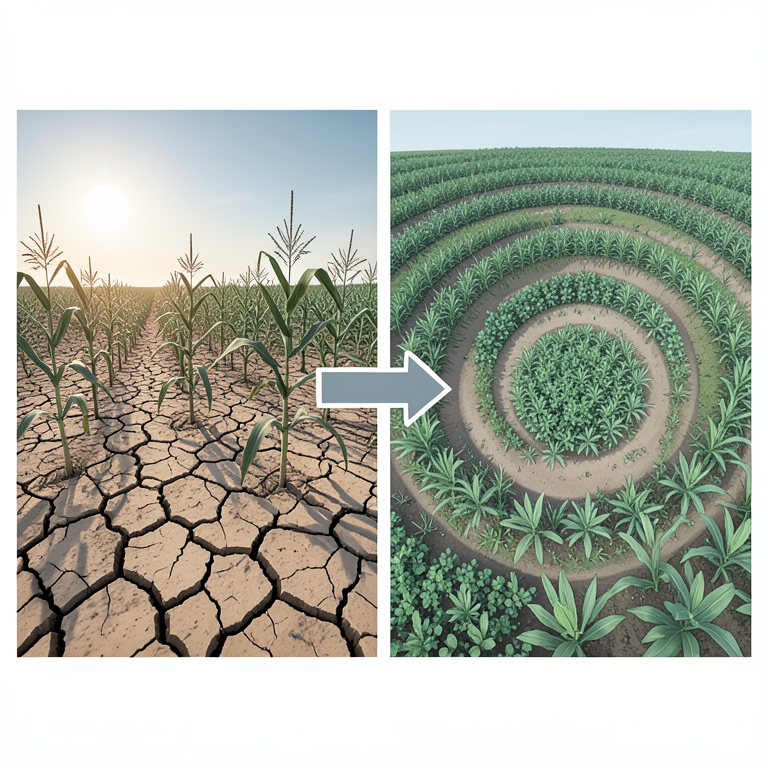
The Cycle of Vulnerability vs. Resilience
AI-generated conceptual illustration (Sub-Saharan African farmland with maize and legumes). It explains the idea and does not show study data.
View source evidence ↗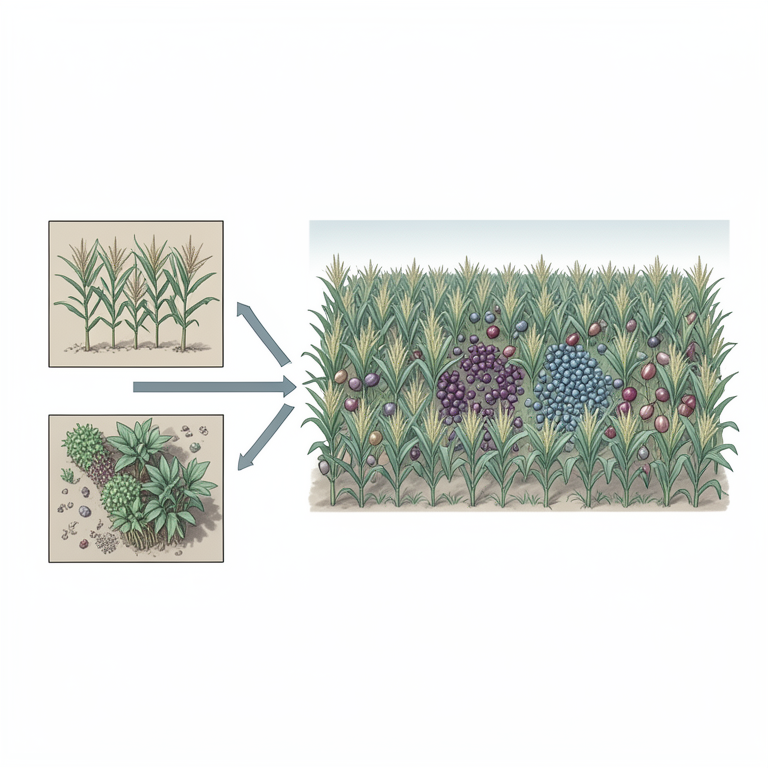
Policy Integration Framework
AI-generated conceptual illustration (African farmland with maize and legume crops). It explains the idea and does not show study data.
View source evidence ↗Figures & tables
From the original paper Table 1
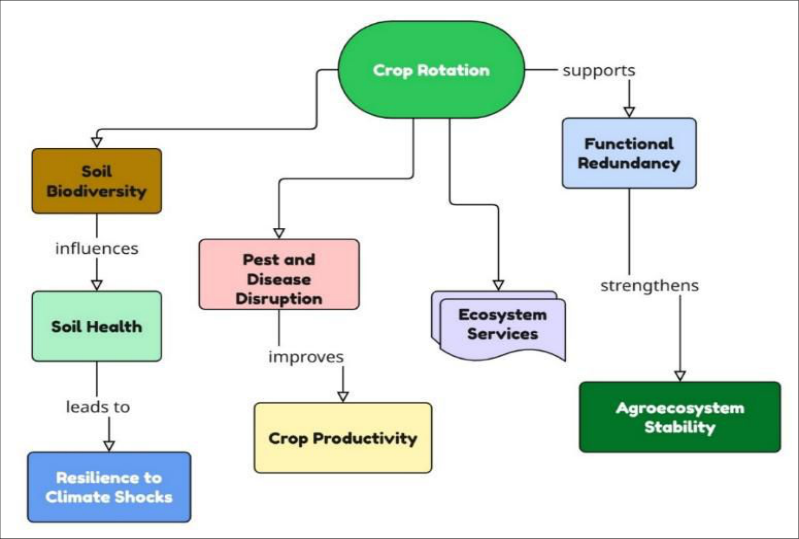 Figure 1
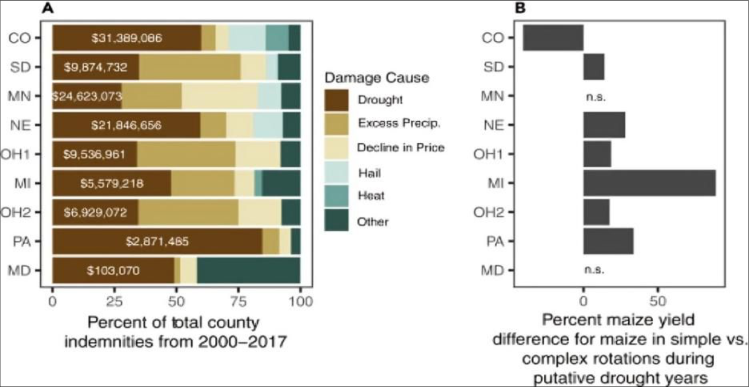 Figure 2
 Table 2
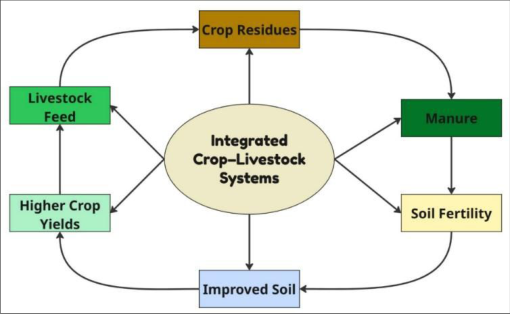 Figure 3
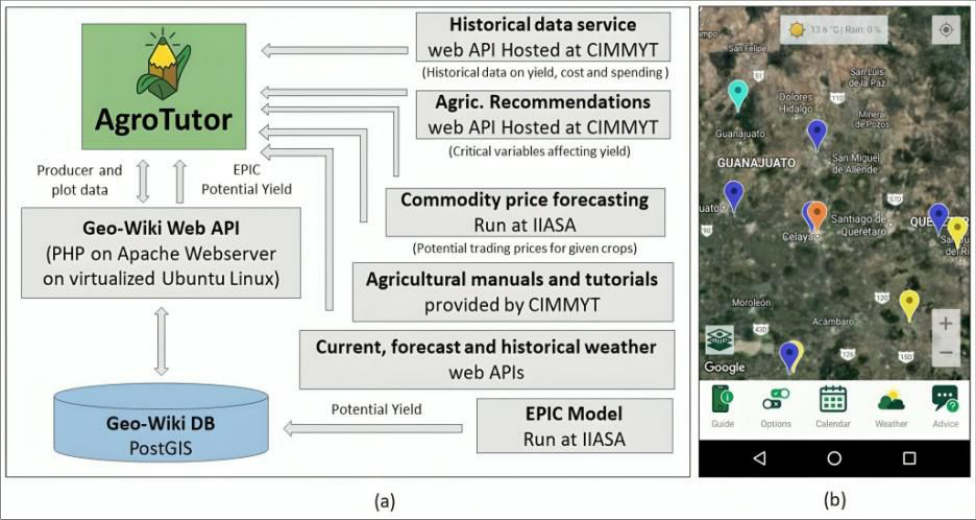 Figure 4
 Table 3
 Table 4
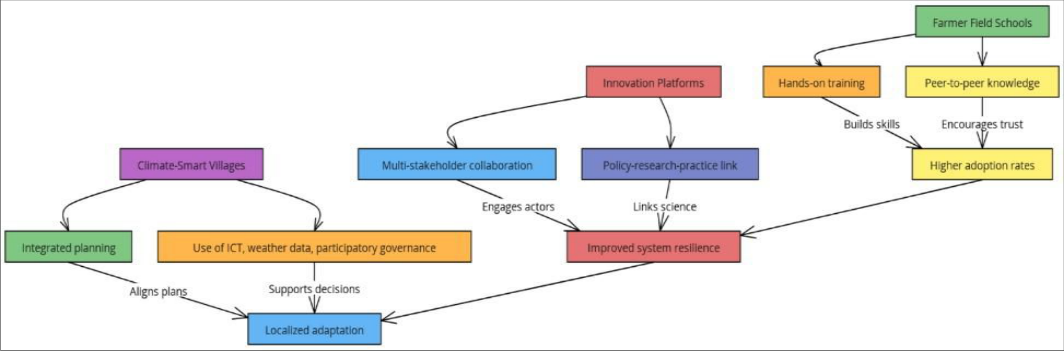 Figure 5
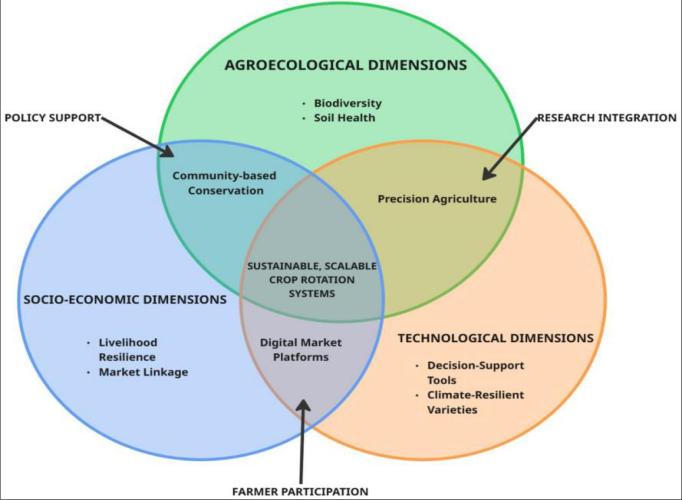 Figure 6
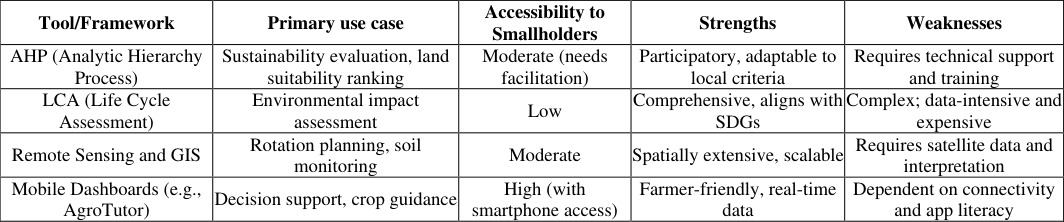 Table 5
Introduction
Agriculture in Sub-Saharan Africa (SSA) stands at a critical juncture, facing intensifying pressures from climate change, land fragmentation, and rapid population growth. Together, these stressors threaten food security, reduce agricultural resilience, and exacerbate rural poverty. Over 90% of farming in SSA is rain-fed, rendering the sector particularly vulnerable to shifts in climate variability and extreme weather events (Tesfay, 2024) [161] . Predicted increases in temperature and changes in rainfall patterns are expected to lower agricultural productivity and amplify food insecurity across the region (Calzadilla et al., 2009; Tesfay [161] , 2024). Compounding the climate crisis is the issue of land fragmentation, largely driven by demographic expansion. Population growth, while offering a potential labor force, has resulted in diminishing landholdings and forced cultivation on marginal lands, leading to soil degradation and diminishing returns (Maja & Ayano, 2021) [86] . As farm sizes shrink, sustainable land management becomes increasingly complex, particularly for smallholders with limited resources. With the SSA population projected to double by 2050, the corresponding increase in food demand places additional stress on agricultural systems already nearing their ecological and productive limits (Tesfay, 2024) [161] . Despite these daunting challenges, SSA holds considerable potential for agricultural transformation. Innovative, sustainable farming practices rooted in agroecology, climate-smart agriculture (CSA), and organic techniques have emerged as promising solutions. These systems, when contextually adapted, offer pathways to both mitigate environmental risks and enhance livelihoods (Schilling, 2023; Kleemann, 2013) [140,73] . Yet, widespread adoption remains constrained by infrastructural deficiencies, policy inertia, and a lack of regionally adapted guidelines. Among the array of sustainable strategies, crop rotation has long been recognized for its role in promoting agroecosystem resilience. In SSA, it offers notable benefits, such as improved soil health, increased yield stability, and greater dietary diversity through the integration of legumes and cereals (Thierfelder et al., 2013; Selim, 2019; Acevedo-Siaca & Goldsmith, 2020) [163,143,2] . Rotations with legumes, for example, enhance nitrogen fixation, reduce the need for synthetic fertilizers, and suppress pests and weeds through the disruption of pest life cycles (Dakora & Keya, 1997; Zohry & Ouda, 2018) [33,187] . However, the implementation of crop rotation is not without limitations. In many regions, high-input crops like soybeans remain inaccessible to resource-poor farmers due to their associated input requirements and underdeveloped markets (Acevedo-Siaca & Goldsmith, 2020; Thierfelder et al., 2013) [163,2] . Knowledge gaps also persist, particularly in terms of agroecological zoning and the lack of tailored technical support for diverse farming environments (Sithole & Olorunfemi, 2024) [148] . Consequently, many smallholders continue to favor monoculture systems, driven by market demand and cultural preferences, despite the known ecological disadvantages. To address these bottlenecks, innovations in crop rotation systems have begun to emerge. Integrating climate-resilient crops, orphan legumes, and low-input strategies such as push-pull technology offers new opportunities to enhance sustainability and productivity (Khan et al., 2014; Vidigal et al., 2019) [70,170] . For instance, soy-maize rotations not only improve soil fertility but also diversify diets and mitigate pest pressures (Acevedo-Siaca & Goldsmith, 2020) [2] . Similarly, promoting drought-tolerant crop varieties and legume seed systems can increase farmer resilience against climatic and economic shocks (Makarim et al., 2017; Breen et al., 2024) [87,22] . In spite of the promise of these practices, several gaps remain. Limited access to resources, inadequate extension services, and weak policy support hinder the scaling of crop rotation innovations. Effective implementation requires context-specific frameworks that consider environmental variability, sociocultural preferences, and market dynamics. Research efforts must also prioritize participatory approaches to co-develop locally adapted rotation strategies, grounded in both scientific evidence and indigenous knowledge systems. This review aims to provide a critical and future-focused synthesis of crop rotation practices in SSA, highlighting key innovations, unresolved challenges, and actionable frameworks. By systematically evaluating the agronomic, environmental, and socioeconomic dimensions of crop rotation, the article seeks to inform strategies that can sustainably intensify production while preserving the ecological integrity of agroecosystems. Ultimately, reimagining crop rotation in SSA is not merely an agronomic exercise it is an essential step toward achieving resilient and equitable food systems.
The Evolving Role of Crop Rotation in Sub-Saharan Africa 2.1 Historical Roots and Traditional Systems
The foundations of crop rotation in Sub-Saharan Africa (SSA) are deeply rooted in the region's agrarian history, shaped by millennia of environmental adaptation and indigenous knowledge. Agricultural activity in SSA began more than 5,000 years ago, with early communities in the Sahara and Sahel regions gradually transitioning from pastoralism to cultivation. This evolution saw the domestication of native crops such as sorghum and millet, and the emergence of diverse farming systems, including rudimentary forms of crop rotation (Stalker, Warburton, & Harlan, 2021; Smith, 2019) [152,149] . Traditional crop rotation was often integrated with mixed farming systems that included livestock, enabling nutrient recycling and improved soil health. Practices such as décrue agriculture in the Niger Delta reflect sophisticated uses of seasonal flooding and crop sequencing to manage soil fertility and pest cycles (Stalker et al., 2021) [152] . These practices were not merely functional but culturally embedded, with farming communities adapting rotation strategies in response to climatic variability and resource availability (Lane & Shoemaker, 2017) [77] . However, the resilience of these traditional systems has been challenged in recent decades. The introduction of monocultures, expansion of cash cropping, and diminished reliance on indigenous crops have contributed to the erosion of rotation practices. Consequently, many smallholder systems now suffer from nutrient depletion and reduced biodiversity, underscoring the need to reintegrate adaptive and sustainable rotation strategies rooted in traditional knowledge (Smith, 2019; Lane & Shoemaker, 2017) [149,77] .
Dominance of Maize-Legume Systems: Achievements and Saturation
In contemporary SSA agriculture, maize-legume rotations have emerged as the dominant form of crop rotation. This system owes its popularity to the agronomic synergy between maize and legumes, particularly the nitrogen-fixing capabilities of legumes, which enhance soil fertility and support robust maize yields (Sahoo et al., 2023) [135] . In addition to ecological benefits, these rotations improve dietary diversity, offering critical micronutrients to rural households (Acevedo-Siaca & Goldsmith, 2020) [2] . Maize-legume systems also contribute to economic stability for smallholders. Higher yields and diversified harvests translate into increased income and better risk management in the face of fluctuating weather and market conditions (Breen, Ndlovu, McKeown, & Spillane, 2024) [22] . Furthermore, legumes such as beans and groundnuts offer ground cover that reduces erosion and suppresses weeds, promoting long-term land sustainability (Sahoo et al., 2023) [135] . Despite their widespread adoption, these systems face signs of saturation. Constraints such as limited access to highyielding legume varieties, inadequate extension support, and underdeveloped markets restrict further productivity gains and broader dissemination (Breen et al., 2024; Acevedo-Siaca & Goldsmith, 2020) [22,2] . Regional studies also reveal that yield benefits from legume rotations are highly sitespecific, suggesting the need for context-sensitive recommendations (Mwila et al., 2024) [106] . These limitations highlight a critical gap in current agricultural support systems and point to the necessity for innovation beyond maize-legume models (Table 1).
| Region | Rotation type | Key benefits | Key challenges |
|---|---|---|---|
| Southern Africa | Maize-Groundnut | Enhances nitrogen fixation, improves soil texture | Limited groundnut seed availability |
| Eastern Africa | Maize-Beans | Improves household nutrition and income | Susceptible to pest and disease outbreaks |
| West Africa | Maize-Cowpea | Drought-tolerant legume; supports food security | Weak market linkages for cowpea |
| Central Africa | Maize-Soybean | High nitrogen contribution; good income potential | High input requirement; low soybean adoption |
| Sahelian zones | Millet-Legume (Cowpea) | Suitable for dryland; maintains soil fertility | Limited extension services and seed systems |
Table text extracted from the original PDF; superscript letters are shown inline. The original table image is below.
View original table image
New Drivers -Climate Volatility, Demographic Pressure, and Market Shifts
The evolving landscape of SSA agriculture is increasingly shaped by external pressures climate change, demographic shifts, and volatile markets that are redefining the role and design of crop rotation systems. Climate volatility has introduced erratic rainfall patterns, prolonged droughts, and more frequent extreme weather events, directly threatening yield stability. Projections estimate a 0.28 percentage point annual reduction in economic growth due to rising temperatures, emphasizing the urgency for adaptive, resilient cropping systems (Carleton & Hsiang, 2016; Mikayelyan & Vardanyan, 2023) [25,97] . Simultaneously, rapid population growth and urbanization place immense strain on arable land, infrastructure, and food systems. Migration from climate-affected areas further alters labor dynamics and rural economies, demanding more intensive and sustainable land use practices (Breckenfelder et al., 2023; Guillén & Ontiveros, 2014) [21,50] . These demographic trends not only increase demand for food but also necessitate efficient use of increasingly fragmented landholdings. Market dynamics, driven by technological advancements and shifting trade patterns, add another layer of complexity. The integration of green technologies and carbon pricing mechanisms creates new opportunities for environmentally aligned agriculture, while also posing challenges for resource-limited farmers to access inputs and benefit from emerging value chains (Mikayelyan & Vardanyan, 2023) [97] . These transitions highlight the need for crop rotation systems that are not only ecologically sound but also economically viable and socially inclusive. Together, these drivers push the boundaries of conventional crop rotation, requiring innovative approaches that combine traditional wisdom with scientific advancements. The future of crop rotation in SSA will depend on how well these systems are adapted to withstand systemic shocks while fulfilling the region's growing demand for sustainable intensification. [124] . These models identify direct and indirect drivers of biodiversity change, such as climatic variability, socio-economic pressures, and land-use intensity, and evaluate their influence on functional diversity and species richness. Empirical studies show that crop rotation contributes to ecological resilience by maintaining functional redundancy, a key factor in ecosystem stability. For instance, reductions in functional redundancy (having multiple species doing similar functions), often driven by simplified land-use systems (in the system influences and boosts soil health), make ecosystems more vulnerable to additional stressors (Weeks et al., 2025) [173] . Scenario simulations further highlight how spatial patterns of land-use intensity correlate with ecological resilience, reinforcing the utility of predictive frameworks in agroecological planning (Huo et al., 2025) [61] . While these models enhance our understanding, they are constrained by the inherent nonlinearity and context-dependence of ecological responses (Kuang et al., 2024) [74] , underscoring the need for adaptive and site-specific rotation strategies. Notably, Crop rotation supports biodiversity in the agroecosystem which is vital for various ecological functions including soil health maintenance, pest and disease regulation, biodiversity enhancement, and nutrient cycling. Also, crop rotation in model indicates that, it disrupts pests and diseases, which in turn improves ecosystem services. Strengthening these ecological aspects leads to better crop productivity which in turn contributes to the stability of the agroecosystem and enhances its resilience against climate shocks (Figure 1).
Rethinking
Rethinking
Rotation's Role in Climate Adaptation and Risk Reduction
As climate variability intensifies, crop rotation has gained recognition as a key adaptation strategy in building agroecosystem resilience. Rotation-based diversification buffers agricultural systems against climatic shocks by improving yield stability, enhancing soil health, and optimizing resource use. Long-term evidence from North America shows that diversified crop rotations can increase maize yields by up to 28.1% and significantly reduce yield losses during drought years by as much as 89.9% in extreme cases (Bowles et al., 2020) [19] (Figure 2). These findings are corroborated by similar results in Europe and Asia, where rotation complexity increased output even under poor growing conditions (Bybee-Finley et al., 2024) [23] . [19] Rotating legumes with cereals enhance nitrogen fixation, boosts soil organic matter, and reduces dependence on synthetic inputs, which contributes to both climate change mitigation and adaptation (Zou et al., 2024) [189] . Additionally, these practices lower greenhouse gas emissions, improve water retention, and increase biodiversity, creating more robust production systems (Crop Rotation and Climate Change Adaptation in Argentina's Agriculture Sector, 2022; Yu et al., 2022) [181] . However, the transition toward rotational diversity may face economic barriers, particularly in low-productivity zones where returns on diversification are marginal unless supported by incentives (Czettritz et al., 2023) [171] . Model-based assessments further reinforce these findings. Simulations of durum wheat-legume systems in Mediterranean environments show improved soil organic carbon sequestration and reduced emission intensities, validating crop rotation as a cost-effective climate adaptation mechanism (Farina et al., 2018) [39] . Together, these outcomes point to the urgent need for policy frameworks that promote rotation-based resilience, especially in vulnerable agricultural systems.
Diversity as a Buffer: Beyond Two-Crop Systems
Moving beyond conventional two-crop systems, diversified crop rotations involving oilseeds, vegetables, or droughttolerant species offer enhanced ecological and economic resilience. Multi-species rotations create functional complementarity, where different crop traits contribute to yield stability and stress tolerance. In dry years, rotations that included small grains improved soybean yields by up to 22%, demonstrating the role of crop diversity in buffering climatic extremes (Gaudin et al., 2015) [47] . Similarly, benefits of rotational diversity are maximized with the inclusion of two to four species, beyond which marginal returns tend to decline (Costa et al., 2024) [29] . Environmental advantages are equally compelling. Longterm studies show that increasing crop rotation diversity reduces agrochemical use while maintaining or even enhancing productivity (Davis et al., 2012) [34] . In the North China Plain, introducing legumes and cash crops into traditional monocultures resulted in a 39% reduction in nitrous oxide emissions and improved soil microbial activity, highlighting the environmental dividends of diversified systems (Yang et al., 2024) [180] . Furthermore, crop diversification supports weed suppression, reduces herbicide resistance development, and strengthens pest control, contributing to broader system resilience (Weisberger et al., 2019) [174] . Economic studies confirm that diversified rotations are not only sustainable but also profitable. Reduced input costs, improved yield stability, and enhanced ecosystem services position multi-crop systems as viable alternatives to inputintensive monocultures (Manski et al., 2024) [190] . Despite these benefits, barriers such as limited farmer knowledge, risk aversion, and lack of market support persist. Overcoming these challenges will require targeted extension services, participatory experimentation, and supportive policies that de-risk the transition toward rotation-based diversification.
Innovations in Crop Rotation Systems 4.1 Rotations with Indigenous Crops -Sorghum, Millet, Bambara Groundnut
The integration of indigenous crops such as sorghum, millet, and bambara groundnut into crop rotation systems presents a strategic opportunity to enhance agricultural sustainability, food security, and climate resilience in Sub-Saharan Africa (Table 2). These crops are highly adapted to semi-arid climates, require fewer external inputs, and contribute significantly to soil fertility and biodiversity. Millets and sorghum are nutritionally dense, containing high levels of iron, zinc, fiber, and protein, which are essential in addressing widespread micronutrient deficiencies in vulnerable populations (Evans Ongwae, n.d.). Their inclusion in cropping systems not only diversifies diets but also offers alternatives to heavily consumed staples like rice and wheat (Raj et al., 2024) [128] . From an ecological perspective, millets and sorghum enhance soil structure and fertility, reduce erosion, and improve organic matter content (Raj et al., 2024) [128] . Their drought tolerance and low water requirements make them ideal for areas prone to water scarcity (Kumar et al., 2015) [76] . Intercropping systems such as sorghum-groundnut combinations optimize land use efficiency, nitrogen cycling, and reduce production risks in marginal lands (Maman et al., 2017) [88] . Nonetheless, despite their potential, adoption remains limited due to market constraints and sociocultural perceptions of these crops as "poor man's food" (Evans Ongwae, n.d.). Strengthening value chains, promoting awareness, and advancing breeding programs are crucial steps to mainstreaming these crops in rotation systems.
| Crop | Nutritional value | Drought resistance | Input needs | Market access |
|---|---|---|---|---|
| Sorghum | High in protein and iron | High | Low | Moderate (varies regionally) |
| Millet | Rich in fiber, iron, and zinc | Very High | Very Low | Limited but improving |
| Bambara Groundnut | High in protein and amino acids | Moderate to High | Low | Poor (considered underutilized) |
Table text extracted from the original PDF; superscript letters are shown inline. The original table image is below.
View original table image
Use of Cover Crops and Green Manures
Cover crops and green manures play a pivotal role in regenerative agriculture by enhancing soil health, improving nutrient cycling, and offering natural pest and disease suppression. Their inclusion in rotation systems supports the ecological integrity of farming systems while improving crop performance. Leguminous cover crops contribute to nitrogen fixation, improving soil fertility and reducing the need for synthetic fertilizers (Mackowiak, 2014) [85] . Brassicas and sudangrass are known for their biofumigation properties, suppressing soil-borne pathogens and enhancing microbial diversity (Larkin, 2021) [78] . These crops also reduce erosion, improve water infiltration, and strengthen soil structure (Blanco-Canqui & Lal, 2023) [17] .
Beyond pysical benefits, cover crops significantly boost ecosystem services. When integrated with composted manure, green manures increase biodiversity indicators and improve yields in organic systems (Talgre et al., 2013) [158] . In Brazil, the adoption of cover crops in no-till systems has shown measurable improvements in soil aggregation and biological activity, promoting long-term productivity (Souza et al., 2024) [151] . While the benefits are substantial, challenges such as labor costs, management complexity, and region-specific performance remain. Nevertheless, when carefully selected and managed, cover crops and green manures form a critical component of resilient rotation systems.
Crop-Livestock Integrated Rotation Systems: Synergies and Trade-Offs
The integration of crop and livestock systems offers a synergistic approach to sustainable intensification. This model enables nutrient recycling, diversified income, and resilience to environmental and market fluctuations.
Manure from livestock provides a renewable source of nutrients, enhancing soil fertility and organic matter content, thereby reducing dependence on external inputs (Aslam et al., 2024) [10] . Grazing animals on crop residues also supports weed suppression and reduces labor demands. Conversely, crops benefit from improved soil structure and water retention, leading to higher productivity (Figure 3).
However, trade-offs include potential competition for land, nutrient imbalances from over-application of manure, and disease transmission risks between livestock and crops.
Effective integration requires strategic spatial and temporal planning to harmonize productivity with ecological balance. ) [153] . The AgroTutor mobile application exemplifies farmercentric technology that delivers geo-localized advice on crop choice, yield forecasts, and financial planning (Bayas et al., 2020) [79] . These platforms encourage farmer participation and contribute real-time field data that inform adaptive rotation strategies.
Intelligent decision support systems like VELOS use remote sensing and GPS to monitor crop health and optimize pest management, thereby reducing chemical inputs and improving resource efficiency (Theodorou et al., 2023) [162] . While technological barriers persist especially in rural, lowinfrastructure areas the potential for scaling smart rotation planning tools remains high (Figure 4).
GIS-Based Land Suitability Mapping for Rotation Optimization
Geographic Information Systems (GIS) have become indispensable for optimizing crop rotation through land suitability analysis. By integrating data on soil characteristics, topography, and climate, GIS enables precise matching of crops to suitable land parcels, thus enhancing productivity and sustainability.
Analytical Hierarchy Process (AHP) techniques, used in conjunction with GIS, help evaluate multiple criteria to rank land suitability for various crops (Singha et al., 2020) [146] .
For instance, a GIS-AHP study in West Bengal revealed that 29.2% of land was highly suitable for rice, supporting evidence-based crop rotation planning (Singha et al., 2020) [147] .
GIS also facilitates the identification of appropriate crop sequences that maintain soil fertility and pest suppression.
In Upper Egypt, GIS models guided the optimal allocation of land for sugar beet and other crops, leading to improved soil conservation and agricultural output (Zakarya et al., 2021) [182] .
Despite its promise, the application of GIS requires accurate and regularly updated data, as well as training for local stakeholders. Investing in these capacities is essential for leveraging GIS in rotation planning at scale. [172] . Experienced farmers, particularly older ones, are more likely to understand the agronomic benefits of crop rotation and integrate it into their practices (Table 4). Access to agricultural extension services plays a critical role in facilitating knowledge transfer. However, spatial disparities in service availability limit many farmers' ability to acquire and implement crop rotation knowledge (Gwandu, 2016) [151] . Moreover, indigenous knowledge systems though rich in contextual insights can sometimes conflict with formal recommendations, leading to resistance or selective adoption of innovations (Bagnall-Oakeley et al., 2004) [14] . Economic constraints further impede adoption. Farmers with limited financial resources often lack the capacity to invest in inputs required for successful rotational systems, such as legume seeds or fertilizers, particularly in high-input systems like maize-soybean rotations (Acevedo-Siaca & Goldsmith, 2020) [2] . In contrast, those with market access are more inclined to adopt crop rotation due to its economic incentives (Bagnall-Oakeley et al., 2004) [14] . Addressing these structural barriers requires participatory approaches that integrate formal extension with locally relevant knowledge frameworks and economic support. Higher education improves uptake Linked to better understanding of long-term soil benefits
| Factor | Influence on adoption | Notes |
|---|---|---|
| Age | Older farmers more likely to adopt | Due to accumulated experience and land tenure security |
| Gender | Men dominate strategic decisions | Women's adoption increases where they manage own plots |
| Landholding Size | Larger plots support more diverse rotations | Smallholders often stick to monoculture for subsistence |
| Access to Extension | Strongly correlated with rotation adoption | Extension gaps common in remote or conflict-prone areas |
| Education Level | Higher education improves uptake | Linked to better understanding of long-term soil benefits |
Table text extracted from the original PDF; superscript letters are shown inline. The original table image is below.
View original table image
Gendered Dynamics and Household-Level Decision Making
Gender dynamics significantly shape household-level decision-making processes around agricultural innovation, including crop rotation. While women are increasingly involved in daily agricultural tasks, their influence on strategic decisions remains limited due to entrenched patriarchal norms and asset disparities (Shibata et al., 2020) [145] . In many contexts, men control decisions related to income-generating crops, reinforcing gendered inequalities in resource access and innovation uptake. Even when women assume more responsibilities as seen in cases of male migration their bargaining power remains nominal, and decisions are often made jointly but unequally (Mohan et al., 2022) [101] . In other cases, decision-making authority may appear shared, but underlying power asymmetries persist, with women seeking approval for significant choices (Sun, 2010) [156] . These patterns are influenced by intersecting factors such as education, household composition, and socio-economic status. For instance, higher educational attainment correlates with more egalitarian decision-making structures (Nurseha, 2024) [113] . Despite growing recognition of these dynamics, institutional interventions often fail to account for the nuanced ways gender affects adoption. Promoting genderequitable extension strategies and strengthening women's agency in agricultural decision-making are essential for inclusive innovation.
Market Linkages and Value-Chain Alignment
Robust market linkages and value-chain integration are essential enablers of crop rotation adoption and sustainability. When farmers are connected to markets, they are more likely to diversify their production and invest in soil-enhancing practices like rotation, due to higher returns and reduced risks (Devaux et al., 2016) [36] . For instance, contract farming and cooperative marketing have enabled farmers in Tanzania and Vietnam to secure higher producer prices and access better inputs (Herrmann et al., 2018; Khong, 2022) [58,71] . However, several structural barriers limit the reach and efficacy of these linkages. Geographic remoteness, weak infrastructure, and social disparities restrict access to commercial networks, especially for marginalized communities (Iw et al., 2012) [65] . Furthermore, misalignments between public policy and market incentives hinder the development of inclusive value chains, impeding smallholder participation (Ahmed et al., 2016) [5] .
To enhance crop rotation adoption, market development strategies must focus on reducing transaction costs, improving aggregation, and supporting inclusive contract models (Pingali et al., 2019) [123] . Strengthening value chains not only enables rotation adoption but also stabilizes incomes and improves food security.
Case Studies of Community or Cooperative-Led Rotation Initiatives
Community-based and cooperative-led initiatives have demonstrated notable success in scaling sustainable agricultural practices, including crop rotation. Their strength lies in leveraging collective action, shared knowledge, and local governance structures. For example, the Bangkit Bersama Cooperative in Indonesia succeeded by emphasizing transparent communication, conflict resolution, and shared goals (Ivanka & Sembiring, 2017) [64] . Similarly, community-led carbon credit projects in Timor-Leste revealed that strong local engagement and defined governance frameworks are key to project sustainability (Cruz, 2024) [32] . These initiatives often rely on informal relationships, mutual trust, and shared leadership, fostering an adaptive environment that supports experimentation and learning. Such collaboration enhances resilience and innovation, enabling communities to address challenges such as resource scarcity and climate variability (Manju Prem S et al, 2024) [188] . Despite their potential, cooperative models face challenges such as unequal participation, fluctuating member commitment, and vulnerability to external economic pressures. Sustained success requires institutional support, capacity building, and mechanisms that align cooperative goals with broader policy and market frameworks (Scotts, 2011) [142] . Investing in these grassroots models is critical to creating scalable, context-sensitive rotation systems across SSA.
Policy, Governance, and Scaling Pathways 6.1 Policy Blind Spots and Fragmentation Across Ministries
Policy fragmentation remains a critical barrier to the widespread adoption and scaling of sustainable crop rotation systems in Sub-Saharan Africa. Ministries of agriculture, environment, and rural development frequently operate in silos, leading to overlaps, inefficiencies, and policy contradictions. This sectoral orientation results in missed opportunities for integrated rural development and environmental conservation (Gawith & Hodge, 2019) [48] . Agricultural policies often prioritize short-term productivity without considering long-term environmental sustainability, while rural development frameworks may neglect agricultural transformation in favor of infrastructure or health (Partridge, Olfert, & Ali, 2009) [119] . Furthermore, traditional rural policies frequently ignore ecosystem services, despite their vital role in sustaining agricultural livelihoods (Gawith & Hodge, 2019) [48] . This misalignment hampers the effective use of public resources and undermines the potential for climate-resilient agricultural innovation.
To correct these blind spots, institutional reform must focus on enhancing inter-ministerial coordination and mainstreaming ecosystem-based approaches across policy domains. Emphasizing place-based strategies that account for the unique needs and capacities of rural communities rather than uniform, sector-driven agendas offers a more inclusive path toward agricultural sustainability (Forney, 2016) [44] . [7,128] . Farmer Field Schools and ICT-based platforms have been particularly effective in delivering context-relevant learning and enhancing adaptive capacity (Roy & Swargiary, 2025) [131] . PPPs enhance these efforts by mobilizing resources, fostering innovation, and bridging institutional gaps. In South Africa, PPPs have demonstrated the ability to strengthen food security and improve extension service delivery by pooling private sector agility with public sector reach (Raidimi & Kabiti, 2017) [127] . Notably, partnerships have facilitated the deployment of advanced technologies such as pest forecasting tools and precision farming contributing to productivity and environmental gains (Manohar et al., 2024) [89] . Nevertheless, the success of extension systems and PPPs is often constrained by the digital divide, limited funding, and weak regulatory frameworks (Ferroni & Castle, 2011; Sahoo et al., 2024) [42,134] . Addressing these bottlenecks will require targeted investment in infrastructure, improved accountability mechanisms, and inclusive models that reflect local realities.
Role of Extension Systems and
Role of Extension Systems and
Institutional Innovations for Scaling: Farmer Field Schools, Innovation Platforms, and Climate-Smart Villages
Innovative institutional approaches offer promising pathways for scaling climate-resilient crop rotation systems across diverse agroecological zones. Farmer Field Schools (FFS) provide experiential learning environments where farmers co-develop context-specific solutions through participatory methods. This model has proven effective in integrating indigenous knowledge with scientific practices, fostering autonomy and informed decision-making (Osumba, Recha, & Oroma, 2021; Review of Farmers Field School, 2023) [117,130] . Innovation platforms extend this engagement by convening stakeholders farmers, researchers, policymakers, and private actors to collaboratively address agricultural challenges. These platforms facilitate co-creation of solutions and knowledge exchange, enabling systemic adaptation to climate and market shifts (Turyasingura & Chavula, 2022) [167] . Their multi-actor design promotes synergy across sectors, making them particularly effective for overcoming institutional inertia and fragmented governance. Climate-Smart Villages (CSVs) represent a holistic approach, integrating crop diversification, weather monitoring, resource conservation, and participatory governance to build local resilience (Karri & Nalluri, 2023) [68] . These villages align local development priorities with climate-smart agriculture principles, embedding adaptive practices in community planning. The CSV model emphasizes inclusivity, often targeting women and youth to promote equitable participation in resilience-building (Figure 5). While these institutional innovations have demonstrated success, scaling them remains a challenge due to high operational costs, need for skilled facilitators, and contextual variability. A strategic integration of FFS, innovation platforms, and CSVs tailored to regional needs could offer a scalable, cost-effective framework for promoting climate-smart crop rotation systems across SSA. [189,46] . It also promotes biodiversity and natural pest regulation, enhancing the resilience of farming systems to biotic and abiotic stressors (Yu et al., 2022; Azeem et al., 2023) [181,12] . On the socio-economic front, low-input rotational systems have been linked to greater financial stability and higher farmer satisfaction, particularly in risk-prone environments (Cradock-Henry, 2021) [30] . Diverse cropping systems also improve market responsiveness and livelihood resilience, enabling producers to adapt to shifting economic conditions (Yu et al., 2022) [181] . Technological innovations are critical in supporting this integrated framework (Figure 6). Tools such as precision agriculture platforms, remote sensing, and decision-support apps help optimize crop choices, monitor environmental variables, and guide real-time adjustments (Cradock-Henry, 2021) [30] . Continued research and breeding for climateresilient varieties further reinforce system adaptability (Azeem et al., 2023) [12] . However, widespread adoption is constrained by knowledge transfer limitations and market access barriers, necessitating institutional and policy support. A successful strategy for scaling crop rotation must be guided by the principles of flexibility, contextualization, and inclusivity. These principles ensure that rotation systems are relevant, adaptive, and equitable. Flexibility in crop selection allows farmers to adapt rotational sequences to seasonal conditions, resource availability, and market demands (Chongtham et al., 2017) [28] . Crop diversity in rotations enhances pest suppression and climate resilience while reducing reliance on agrochemicals (Aslam et al., 2024) [10] . Contextualization ensures that practices are tailored to local agroecological conditions and socio-economic realities. For example, the use of drought-tolerant crops in arid zones optimizes productivity while conserving water (Makarim et al., 2017) [87] . Economic viability remains essential; rotation strategies must generate tangible returns to incentivize adoption, especially among smallholder farmers (Selim, 2019) [143] . Inclusivity involves engaging farmers and communities in planning and implementation. Participatory models that incorporate traditional knowledge increase farmer ownership and adherence to sustainable practices (Farooq et al., 2019) [40] . Recognizing gender roles and socio-cultural dynamics further enhances the relevance and equity of rotation systems (Chongtham et al., 2017) [28] . Despite these strengths, the successful implementation of these principles requires ongoing support through capacity building, market development, and policy alignment.
Alignment with Regional and Global Goals -CAADP, SDGs, Climate Targets
Resilient crop rotation systems align closely with the goals of regional and international frameworks such as the Comprehensive Africa Agriculture Development Programme (CAADP), the Sustainable Development Goals (SDGs), and global climate commitments. These systems simultaneously advance ecological integrity, economic viability, and social well-being (Vaijnath Kantiram Chavan et al., 2024) [190] . Crop rotation contributes to SDG 2 (Zero Hunger) by improving soil fertility, enhancing yield stability, and enabling sustainable intensification (Selim, 2019; Aslam et al., 2024) [143,10] . It also supports SDG 13 (Climate Action) by reducing greenhouse gas emissions and promoting carbon sequestration (Brankatschk & Finkbeiner, 2017) [20] . By minimizing chemical inputs and increasing agroecosystem resilience, crop rotations advance SDG 15 (Life on Land) and foster biodiversity conservation. At the regional level, CAADP's focus on boosting agricultural productivity and resilience is directly supported by crop rotation, particularly through National Agricultural Investment Plans that prioritize soil health and climatesmart practices (Diallo & Wouterse, 2022) [37] . Implementing rotational strategies as part of CAADP's broader framework enhances resource efficiency and builds systemic resilience to climate shocks (Ouda & Zohry, 2018) [187] . Nevertheless, to fully leverage these synergies, crop rotation must be embedded within interdisciplinary policy initiatives that bridge agricultural, environmental, and economic sectors. The development of adaptive management tools, such as crop rotation planning software and scenario-based models, will be essential for aligning local practices with global sustainability targets (Schoening et al., 2022) [141] .
Future Research and Implementation Gaps 8.1 Need for Interdisciplinary, Longitudinal, and Participatory Rotation Trials
Despite the well-documented benefits of crop rotation, significant knowledge gaps remain regarding its long-term impacts across diverse agroecological and socio-economic contexts in Sub-Saharan Africa. To address these gaps, future research must prioritize interdisciplinary, longitudinal, and participatory trials that integrate agronomy, ecology, socioeconomics, and farmer experiences. Interdisciplinary approaches enhance understanding of crop rotation's multifaceted benefits. For example, incorporating plant protection, soil science, and environmental monitoring reveals how legume-based rotations improve soil nitrogen levels through biological fixation and reduce reliance on synthetic fertilizers (Zou et al., 2024; Selim, 2019) [189,143] . Integrated pest management (IPM) strategies, derived from cross-disciplinary insights, show that diversified rotations disrupt pest life cycles and lower chemical dependency (Aslam et al., 2024; Muniappan & Heinrichs, 2018) [10,104] . Longitudinal studies are crucial for capturing cumulative ecological benefits and socio-economic trade-offs over time. However, most existing trials are short-term and rarely participatory. Engaging farmers in trial design and implementation ensures that research reflects field realities and supports scalable, adaptive practices (Selim, 2019) [143] . Barriers such as weak knowledge transfer mechanisms, limited market incentives, and resource constraints must be addressed through inclusive, stakeholder-driven frameworks.
Metrics and Monitoring Tools for Resilience and Sustainability
The mainstreaming of crop rotation in sustainable agriculture is hampered by a lack of standardized, practical metrics for measuring resilience and sustainability outcomes. Existing tools often prioritize economic performance over ecological or social dimensions, limiting their utility for holistic assessment (Schoening et al., 2022) [141] . Analytical Hierarchy Process (AHP) has been identified as a robust tool for evaluating sustainability based on multicriteria decision-making and stakeholder preferences (Nisperos & McKenzie, 2018) [108] . Life Cycle Assessment (LCA) provides an integrated framework for assessing environmental impacts, including carbon footprint, energy use, and soil health (Hassan et al., 2025) [55] . These tools, when complemented with farmer-friendly platforms, offer potential for participatory monitoring (Table 5). However, most monitoring systems are not easily accessible to smallholder farmers due to technological and financial barriers (Getahun et al., 2024) [49] . The development of inclusive, scalable tools that combine traditional indicators (e.g., soil texture, crop vigor) with digital applications (e.g., remote sensing, mobile dashboards) is essential for tracking progress across diverse farming systems (Meul et al., 2010) [96] . Co-designing these tools with end-users will increase adoption and ensure that sustainability is measurable and actionable at the farm level. [183] . Macro-level constraints, including land-use policies and subsidy frameworks, shape the enabling environment for these decisions. For instance, national policy incentives often favor simplified rotations, inadvertently degrading soil health in high-potential areas (Socolar et al., 2021) [150] . Cross-scale models, such as dynamic programming and Bayesian simulations, offer valuable tools for analyzing the long-term effects of crop rotation policies and identifying optimal intervention points (MacEwan & Howitt, 2019; Paton et al., 2015) [83] . Moreover, integrating empirical plot data with geospatial analysis enhances predictive capacity for regionally appropriate crop rotation strategies (Upcott et al., 2022) [169] . While cross-scalar methods are powerful, they face institutional and logistical challenges, including high transaction costs and limited data interoperability (Working Across Scales, 2023) [178] . Overcoming these barriers requires institutional investment in data infrastructure and policy processes that enable knowledge flows between farmers, researchers, and policymakers.
| Tool/Framework | Primary use case | Accessibility to Smallholders | Strengths | Weaknesses |
|---|---|---|---|---|
| AHP (Analytic Hierarchy Process) | Sustainability evaluation, land suitability ranking | Moderate (needs facilitation) | Participatory, adaptable to local criteria | Requires technical support and training |
| LCA (Life Cycle Assessment) | Environmental impact assessment | Low | Comprehensive, aligns with SDGs | Complex; data-intensive and expensive |
| Remote Sensing and GIS | Rotation planning, soil monitoring | Moderate | Spatially extensive, scalable | Requires satellite data and interpretation |
| Mobile Dashboards (e.g., AgroTutor) | Decision support, crop guidance | High (with smartphone access) | Farmer-friendly, real-time data | Dependent on connectivity and app literacy |
Table text extracted from the original PDF; superscript letters are shown inline. The original table image is below.
View original table image
Conclusion
Crop rotation stands as a critical, yet underutilized, pathway toward building resilient agroecosystems and achieving sustainable intensification in Sub-Saharan Africa. In the face of mounting 21st-century challenges including climate volatility, land fragmentation, and rapid population growth reaffirming the role of crop rotation is essential. As demonstrated, diversified rotation systems not only enhance soil health and biodiversity but also buffer agroecosystems against climate risks, stabilize yields, and promote economic resilience (Zou et al., 2024; Yu et al., 2022) [189,181] . Recent innovations in crop rotation strategies, such as the incorporation of indigenous crops, use of cover crops and green manures, integration with livestock systems, and adoption of digital decision-support tools, offer promising avenues for sustainable transformation (Raj et [128,151,153] . Institutional innovations, including Farmer Field Schools, innovation platforms, and Climate-Smart Villages, have demonstrated that participatory, community-driven models are vital for scaling rotational practices (Osumba, Recha, & Oroma, 2021; Karri & Nalluri, 2023) [117,68] .
Nevertheless, significant gaps remain. Limited interdisciplinary, longitudinal research constrains the understanding of rotation's long-term ecological and socioeconomic impacts (Selim, 2019; Zou et al., 2024) [143,189] . Metrics for monitoring resilience and sustainability are still fragmented and often inaccessible to smallholders (Schoening et al., 2022) [141] . Moreover, there is a critical need for cross-scalar analyses that bridge plot-level practices with broader policy frameworks to create an enabling environment for sustainable agricultural transformation (MacEwan & Howitt, 2019) [84] . In moving forward, a concerted call to action is necessary. Researchers must prioritize participatory, interdisciplinary trials that integrate biophysical, economic, and social dimensions, while developing accessible metrics for resilience and sustainability. Policymakers must address policy fragmentation and design cohesive strategies that incentivize and support rotation-based farming systems through targeted subsidies, extension services, and market development. Practitioners including extension agents, development organizations, and farmer cooperatives must champion adaptive, inclusive models that align technological innovations with indigenous knowledge systems. Reimagining crop rotation for resilient agroecosystems is not merely a technical adjustment but a transformative agenda for sustainable development in Sub-Saharan Africa. Achieving this vision requires an integrated, multistakeholder approach that embeds ecological principles, economic viability, and social inclusivity at the core of agricultural systems. Only through such a comprehensive, context-sensitive strategy can crop rotation realize its full potential as a foundation for future food security, rural prosperity, and ecological resilience.
Acknowledgement
AcknowledgementWe thank the journal for considering this review article for publication Declarations FundingThe authors declare that this research did not receive any specific grant from funding agencies in the public, commercial, or not-for-profit sectors.
Figures and tables from the paper
| Country/Region | Crops Involved | GIS Criteria Used | Key Outcomes |
|---|---|---|---|
| West Bengal, India | Rice, Pulses | Soil texture, slope, rainfall, land use | Identified 29.2% of land as highly suitable |
| Upper Egypt | Sugar beet, Wheat | Soil fertility, drainage, proximity to markets | Optimized land use; improved crop yields |
| Ethiopia (Tigray) | Teff, Lentils | Elevation, slope, erosion risk | Targeted zones for erosion-resistant crops |
| SSA (Pilot areas) | Maize, Soybean | Rainfall, soil organic matter, pH | Enabled precise site-specific rotation plans |
Table text extracted from the original PDF; superscript letters are shown inline. The original table image is below.
View original table image
References
187 in the original paper- Abobatta WF, Fouad FW. Sustainable Agricultural Development. Advances in Environmental Engineering and Green Technologies Book Series. 2024. https://doi.org/10.4018/979-8-3693-4240-4.ch001
- Acevedo-Siaca LG, Goldsmith PD. Soy-maize crop rotations in sub-Saharan Africa: A literature review. Int J Agron. 2020. https://doi.org/10.1155/2020/8833872
- Acharya S. Gender Role of Household Decision Making (A case study Namobudda Kavre). 2024. https://doi.org/10.3126/kv.v5i1.70980
- Adolwa IS, Schwarze S, Waswa BS, Buerkert A. Understanding system innovation adoption: A comparative analysis of integrated soil fertility management uptake in Tamale (Ghana) and Kakamega (Kenya). Renew Agric Food Syst. 2017. https://doi.org/10.1017/S1742170517000485
- Ahmed SR, Reddy TNV, Khan MR, Mouzam SM. Market linkages of rice arrivals and prices in APMC Bangarpet with processing units: A value chain analysis. Int Res J Agric Econ Stat. 2016. https://doi.org/10.15740/HAS/IRJAES/7.2/186-190
- Aligning agricultural and rural development policies in the context of structural change. 2022. https://doi.org/10.1787/1499398c-en
- Allahyari MS. Agricultural sustainability: implications for extension systems. Afr J Agric Res. 2009. https://doi.org/10.5897/AJAR.9000027
- Ananda K, Pal A, Sharma A, Bunkar RC, Ali MU, Upadhyay L. A review on scaling up successful agricultural extension techniques for global benefit. J Exp Agric Int. 2024. https://doi.org/10.9734/jeai/2024/v46i72638
- Angué K, Mayrhofer U, Moalla E. Managing the global value-chain by interfirm linkages. Res Pap Econ. 2017. https://ideas.repec.org/p/hal/journl/hal-01628814.html
- Aslam M, Aslam A, Khan I, Chattha MU, Ahmed Z, Raza A, Anjum SA, Hassan M, Rasheed A, Wahab HA. Crop rotation enhances pest, disease, agroecosystem resilience, and sustainability in crop production. Advances in Environmental Engineering and Green Technologies Book Series. 2024. https://doi.org/10.4018/979-8-3693-3061-6.ch007
- Audinovic V, Nugroho RS. The dynamic changes of parents' role in work-from-office mother and workfrom-home father. J Keluarga Berencana. 2024. https://doi.org/10.37306/ynxyyv47
- Azeem A, Ul-Allah S, Khan S, Dullu DMU, Azeem S, Zaman M, Ul Haq MZ. Enhancing crop resilience in the face of a changing climate. IGI Global. 2023. https://doi.org/10.4018/978-1-6684-9838-5.ch006
- Azizi B. Sustainable agricultural development through education and extension. 2023. https://doi.org/10.61838/kman.ijimob.3.3.21
- Bagnall-Oakeley H, Ocilaje M, Oumo F, Nangoti N, Oruko L, Rees DJ. Mapping and understanding farmers' indigenous agricultural knowledge and information systems and the implications for contracted research and extension systems. Uganda J Agric Sci. 2004. https://doi.org/10.4314/UJAS.V9I1
- Beggio G, Kusch S. Renewable energy cooperatives: main features and success factors in collectively implementing energy transition. 2015. https://doi.org/10.18638/QUAESTI.2015.3.1.208
- Benincasa P, Tosti G, Guiducci M, Farneselli M, Tei F. Crop rotation as a system approach for soil fertility management in vegetables. Springer, Cham. 2017. https://doi.org/10.1007/978-3-319-53626-2_5
- Boincean B, Rusnac G, Cuzeac V, Bulat L, Gavrilas S, Zaharco D, Pasat D. Agronomic benefits of perennial crops and farmyard manure in crop rotations. Springer, Cham. 2021. https://doi.org/10.1007/978-3-030-722241_24
- Bowles TM, Mooshammer M, Socolar Y, Calderón FJ, Cavigelli MA, Culman SW, Deen W, Drury CF, Garcia y Garcia A, Gaudin ACM, Harkcom WS, Lehman RM, Osborne SL, Robertson GP, Salerno J, Schmer MR, Strock JS, Grandy AS. Long-term evidence shows that crop-rotation diversification increases agricultural resilience to adverse growing conditions in North America. 2020. https://doi.org/10.1016/J.ONEEAR.2020.02.007
- Brankatschk G, Finkbeiner M. Crop rotations and crop residues are relevant parameters for agricultural carbon footprints. Agron Sustain Dev. 2017. https://doi.org/10.1007/S13593-017-0464-4
- Breckenfelder J, Maćkowiak B, Marqués-Ibáñez D, Olovsson C, Popov A, Porcellacchia D, Schepens G. The climate and the economy. Soc Sci Res Netw. 2023. https://doi.org/10.2139/ssrn.4590504
- Breen C, Ndlovu N, McKeown PC, Spillane C. Legume seed system performance in sub-Saharan Africa: barriers, opportunities, and scaling options. A review. Agron Sustain Dev. 2024. https://doi.org/10.1007/s13593-024-00956-6
- Bybee-Finley KA, Müller K, White KE, Cavigelli MA, Han E, Schomberg HH, Snapp SS, Viens F, Correndo AA, Deiss L, Fonteyne S, García y García A, Gaudin ACM, Hooker DC, Janovicek K, Jin VL, Johnson GA, Karsten HD, Liebman M, et al. Rotational complexity increases cropping system output under poorer growing conditions. One Earth. 2024. https://doi.org/10.1016/j.oneear.2024.07.008
- Calzadilla A, Zhu T, Rehdanz K, Tol RSJ, Ringler C. How can African agriculture adapt to climate change: Economywide impacts of climate change on agriculture in Sub-Saharan Africa. Res Pap Econ. 2009. https://econpapers.repec.org/paper/fprresbrf/15(15).htm
- Carleton T, Hsiang S. Social and economic impacts of climate. Science. 2016. https://doi.org/10.1126/SCIENCE.AAD9837
- Cavigelli MA, Teasdale JR, Spargo JT. Increasing crop rotation diversity improves agronomic, economic, and environmental performance of organic grain cropping systems at the USDA-ARS Beltsville Farming Systems International Journal of Agriculture and Food Science https://www.agriculturaljournals.com Project. Crop Manag. 2013. https://doi.org/10.1094/CM-2013-0429-02-PS
- Cereal-legume cropping systems for enhanced productivity, food security, and resilience. CABI eBooks. 2022;33-47. https://doi.org/10.1079/9781800621602.0003
- Chongtham IR, Bergkvist G, Watson CA, Sandström E, Bengtsson J, Öborn I. Factors influencing crop rotation strategies on organic farms with different time periods since conversion to organic production. Biol Agric Hortic. 2017. https://doi.org/10.1080/01448765.2016.1174884
- Costa A, Bommarco R, Smith ME, Bowles TM, Gaudin ACM, Watson CA, Alarcón R, Berti A, Blecharczyk A, Calderon FJ, Culman S, Deen W, Drury CF, Garcia y Garcia A, García-Díaz A, Hernández Plaza E, Jonczyk K, Jäck O, Navarrete Martínez L, et al. Crop rotational diversity can mitigate climate-induced grain yield losses. Glob Chang Biol. 2024. https://doi.org/10.1111/gcb.17298
- Cradock-Henry NA. Linking the social, economic, and agroecological: a resilience framework for dairy farming. Ecol Soc. 2021. https://doi.org/10.5751/ES12122-260103
- Angeli A, Bert F, Díez-Amigo S, Soares Y, Chaij J, Martini G, Montané F, Pardo Vegezzi A, Schmidt F. Crop rotation and climate change adaptation in Argentina's agriculture sector. Oxford Res Encycl Environ Sci. 2022 Nov 22. https://doi.org/10.1093/acrefore/9780199389414.013.79
- Cruz CGL da. Community-led carbon credit projects: a comparative analysis of success factors in Timor-Leste. J Syntax Fusion. 2024. https://doi.org/10.54543/fusion.v4i03.405
- Dakora FD, Keya S. Contribution of legume nitrogen fixation to sustainable agriculture in Sub-Saharan Africa. Soil Biol Biochem. 1997. https://doi.org/10.1016/S0038-0717(96)00225-8
- Davis AS, Hill J, Chase CA, Johanns AM, Liebman M. Increasing cropping system diversity balances productivity, profitability and environmental health. PLoS One. 2012. https://doi.org/10.1371/JOURNAL.PONE.0047149
- De Pauw E, Ramasamy S. Rapid detection of stressed agricultural environments in Africa under climatic change 2000-2050 using agricultural resource indices and a hotspot mapping approach. Weather Clim Extrem. 2020. https://doi.org/10.1016/J.WACE.2019.100211
- Devaux A, Donovan J, Horton D, Torero M. Integrating agricultural innovation and inclusive value-chain development: introduction. Int Food Policy Res Inst (IFPRI). 2016. https://econpapers.repec.org/RePEc:fpr:ifprib:97808962 92130
- Diallo M, Wouterse F. How can CAADP implementation help countries achieve the SDGs and become resilient to climate change? A tale of six African countries. 2022. https://doi.org/10.54067/awps.002
- Douan BG, Toundou O, Ronoh EK, Mutalemwa BN, Aida NN. Comprehensive analysis of agricultural practices in adapting soil, water and pest management to climate change in Sub-Saharan Africa. J Agric Sci. 2024. https://doi.org/10.5539/jas.v16n10p113
- Farina R, Di Bene C, Piccini C, Marchetti A, Troccoli A, Francaviglia R. Do crop rotations improve the adaptation of agricultural systems to climate change? A modeling approach to predict the effect of durum wheat-based rotations on soil organic carbon and nitrogen. Academic Press. 2018. https://doi.org/10.1016/B978-0-12-812128-3.00015-X 40. Farooq M, Nawaz A, Nadeem F. Crop rotations, fallowing, and associated environmental benefits. Oxford Res Encycl Environ Sci. 2019. https://doi.org/10.1093/ACREFORE/9780199389414.0 13.197
- Farrow A, Ronner E, Van den Brand GJ, Boahen SK, Leonardo WJ, Wolde-meskel E, Adjei-Nsiah S, Chikowo R, Baijukya F, Ebanyat P, Sangodele EA, Sanginga JM, Kantengwa S, Phiphira L, Woomer P, Ampadu-Boakye T, Baars E, Kanampiu F, Vanlauwe B, Giller KE. From best fit technologies to best fit scaling: incorporating and evaluating factors affecting the adoption of grain legumes in Sub-Saharan Africa. Exp Agric. 2016. https://doi.org/10.1017/S0014479716000764
- Ferroni M, Castle P. Public-private partnerships and sustainable agricultural development. Sustainability. 2011. https://doi.org/10.3390/SU3071064
- Fischetti E, Beni C, Santangelo E, Bascietto M. Agroecology and precision agriculture as combined approaches to increase field-scale crop resilience and sustainability. Sustainability. 2025. https://doi.org/10.3390/su17030961
- Forney J. Blind spots in agri-environmental governance: some reflections and suggestions from Switzerland. 2016. https://doi.org/10.1007/S41130-0160017-2
- Franke AC, Laberge G, Oyewole BD, Schulz S. A comparison between legume technologies and fallow, and their effects on maize and soil traits, in two distinct environments of the West African savannah. Nutr Cycl Agroecosyst. 2008. https://doi.org/10.1007/S10705008-9174-2
- Gan Y, Scherer KJ. Diversifying crop rotations enhances agroecosystem services and resilience. Elsevier eBooks. 2022;299-335. https://doi.org/10.1016/bs.agron.2022.02.007
- Gaudin ACM, Tolhurst TN, Ker AP, Janovicek K, Tortora C, Martin RC, Deen W. Increasing crop diversity mitigates weather variations and improves yield stability. PLoS One. 2015. https://doi.org/10.1371/JOURNAL.PONE.0113261
- Gawith D, Hodge I. Focus rural land policies on ecosystem services, not agriculture. Nat Ecol Evol. 2019. https://doi.org/10.1038/S41559-019-0934-Y
- Getahun S, Kefale H, Gelaye Y. Application of precision agriculture technologies for sustainable crop production and environmental sustainability: a systematic review. Sci World J. 2024. https://doi.org/10.1155/2024/2126734
- Guillén MF, Ontiveros E. Retos para la economía internacional en un mundo cambiante/Challenges for the global economy in a changing world. Estud Econ Apl. 2014. https://econpapers.repec.org/RePEc:lrk:eeaart:32_3_1 International Journal of Agriculture and Food Science https://www.agriculturaljournals.com
- Gwandu T. Translating integrated soil fertility management information and knowledge into crop productivity benefits through farmer learning and participatory action in Eastern Zimbabwe. 2016. https://ir.uz.ac.zw/xmlui/handle/10646/2709
- Gwandu T, Mtambanengwe F, Mapfumo P, Mashavave T, Chikowo R, Nezomba H. Factors influencing access to integrated soil fertility management information and knowledge and its uptake among smallholder farmers in Zimbabwe. J Agric Educ Ext. 2014. https://doi.org/10.1080/1389224X.2012.757245
- Haider W, Aqeel-ur-Rehman AR, Durrani NM. Towards decision support model for ubiquitous agriculture. Int Conf Digit Inf Manag. 2013. https://doi.org/10.1109/ICDIM.2013.6693987
- Haq I, Ahmad M, Ali T, Zafar MI. An analysis of farm services centre (FSC) approach launched for agricultural extension in NWFP, Pakistan. Pak J Agric Sci. 2009. https://pakjas.com.pk/papers/127.pdf
- Hassan R, Di Martino M, Daher B. Quantifying sustainability and resilience in food systems: a systematic analysis for evaluating the convergence of current methodologies and metrics. 2025. https://doi.org/10.3389/fsufs.2025.1479691
- He DC, Ma YL, Li ZZ, Zhong CS, Cheng ZB, Zhan J. Crop rotation enhances agricultural sustainability: from an empirical evaluation of eco-economic benefits in rice production. Agriculture. 2021. https://doi.org/10.3390/AGRICULTURE11020091
- Hellin J, Fisher E, Taylor M, Bhasme S, Loboguerrero AM. Transformative adaptation: from climate-smart to climate-resilient agriculture. CABI Agric Biosci. 2023. https://doi.org/10.1186/s43170-023-00172-4
- Herrmann R, Nkonya E, Faße A. Food value chain linkages and household food security in Tanzania. Food Secur. 2018. https://doi.org/10.1007/S12571-018-07925
- Hitczenko M. The influence of gender and income on the household division of financial responsibility. Soc Sci Res Netw. 2016. https://www.bostonfed.org/- /media/Documents/Workingpapers/PDF/wp1620.pdf
- Hossain A, Amin S, Kabir MH. Gender roles and their influence on the socio-economic dynamics of the community in Jamunar Char under Manikganj District, Bangladesh. Technium Educ Humanit. 2024. https://doi.org/10.47577/teh.v10i.11855
- Huo H, Liu P, Su L, Hou W, Xu W, Wen X, Bai Y. Study on the spatiotemporal evolution relationship between ecological resilience and land use intensity in Hebei Province and scenario simulation. Sustainability. 2025. https://doi.org/10.3390/su17020664
- Hussain M, Ul-Allah S, Farooq S. Integrated crop management in sustainable agriculture. Agriculture. 2023. https://doi.org/10.3390/agriculture13050954
- Ivanka EP, Sembiring J. Success factors of Bangkit Bersama Cooperative Organization for community empowerment based on Schmuck theory. 2017. https://doi.org/10.2991/ICAME-17.2017.3
- Iw R, Rj C, Hoang TT, Ca K, Ts W. Guidelines for value chain development and linking farmers to markets in the uplands of Vietnam. Res Pap Econ. 2012. https://ideas.repec.org/p/dpc/wpaper/1512.html
- Kaczan D, Arslan A, Lipper L. Climate-smart agriculture? A review of current practice of agroforestry and conservation agriculture in Malawi and Zambia. Res Pap Econ. 2013. https://doi.org/10.22004/AG.ECON.288985
- Kamatchi CB, Muthukumaravel A. Enhancing crop productivity through land dataset analysis on selecting the right crops for the right land. Adv Comput Intell Robot Book Ser. 2024. https://doi.org/10.4018/979-83693-8659-0.ch014
- Karri VR, Nalluri N. Enhancing resilience to climate change through prospective strategies for climateresilient agriculture to improve crop yield and food security. Plant Sci Today. 2023. https://doi.org/10.14719/pst.2140
- Kersebaum KC. Modelling to evaluate climate resilience of crop rotations under climate change. 2022. https://doi.org/10.1007/978-3-030-86211-4_11
- Khan ZR, Midega CAO, Pittchar JO, Murage AW, Birkett MA, Bruce TJA, Pickett JA. Achieving food security for one million sub-Saharan African poor through push-pull innovation by 2020. Philos Trans R Soc B. 2014. https://doi.org/10.1098/RSTB.2012.0284
- Khong TD. Vertical and horizontal coordination in developing countries' agriculture: evidence from Vietnam and implications. Asian J Agric Rural Dev. 2022. https://doi.org/10.55493/5005.v12i1.4429
- Kinyua M, Kihara J, Mairura F, Mponela P, Bekunda M, Bolo P, Mucheru-Muna M. Socio-economic factors influencing farmer perceptions and knowledge during early stages of practicing Mbili-Mbili and doubled-up legume technologies in Babati, Tanzania. 2023. https://doi.org/10.2139/ssrn.4489304
- Kleemann L. An overview and discussion of solution proposals for sustainable agriculture and food security in Sub-Sahara Africa. Sustain Agric Res. 2013. https://doi.org/10.5539/SAR.V2N4P48
- Kuang Y, Zhou H, Yin L. Assessment of the impact of land use on biodiversity based on multiple scenarios a case study of Southwest China. Diversity. 2024. https://doi.org/10.3390/d16100630
- Kum CT, Ngwabie M, Tening AS, Tsamo C. Can sustainable agricultural innovations and tools be a solution to Africa's food and environmental challenges? A review. Int J Sci Basic Appl Res. 2021. https://www.gssrr.org/index.php/JournalOfBasicAndAp plied/article/view/12724
- Kumar AA, Reddy BVS, Grando S. Global millets improvement and its relevance to India and developing world. PLoS One. 2015. https://doi.org/10.1371/JOURNAL.PONE.0219847
- Lane P, Shoemaker A. Interdisciplinary perspectives on precolonial Sub-Saharan African farming and herding communities. 2017. https://doi.org/10.1093/ACREFORE/9780190277734.0 13.70
- Larkin RP. Use of crop rotations, cover crops and green manures for disease suppression in potato cropping systems. 2021. https://doi.org/10.15377/24099813.2021.08.12
- Laso Bayas JC, Gardeazabal A, Karner M, Folberth C, Vargas L, Skalský R, Balkovic J, Subash A, Saad M, Delerce S, Crespo Cuaresma J, Hlouskova J, MolinaMaturano J, See L, Fritz S, Obersteiner M, Govaerts B. International Journal of Agriculture and Food Science https://www.agriculturaljournals.com AgroTutor: a mobile phone application supporting agricultural sustainable intensification. 2020. http://pure.iiasa.ac.at/id/eprint/16675/
- Li J, Li J, Huang L, Zhang J, Coulter JA, Li L, Gan Y. Diversifying crop rotation improves system robustness. Agron Sustain Dev. 2019. https://doi.org/10.1007/S13593-019-0584-0
- Li Z, Ma Z, Zhou G. Impact of land use change on habitat quality and regional biodiversity capacity: temporal and spatial evolution and prediction analysis. Front Environ Sci. 2022. https://doi.org/10.3389/fenvs.2022.1041573
- Liu R, Ohashi H, Hirata A, Tang L, Matsui T, Terasaki K, Furukawa R, Itsubo N. Predicting the global extinction risk for 6569 species by applying the life cycle impact assessment method to the impact of future land use changes. Sustainability. 2024. https://doi.org/10.3390/su16135484
- MacEwan D, Howitt RE. Estimating crop rotations as dynamic cycles using field data. Res Pap Econ. 2011. https://doi.org/10.22004/AG.ECON.103635
- MacEwan D, Howitt RE. Estimating field-level rotations as dynamic cycles. Springer, Cham. 2019. https://doi.org/10.1007/978-3-030-13487-7_9
- Mackowiak C. Benefits of cover crops for soil health 1. 2014. https://edis.ifas.ufl.edu/pdffiles/AG/AG27700.pdf
- Maja MM, Ayano SF. The impact of population growth on natural resources and farmers' capacity to adapt to climate change in low-income countries. 2021. https://doi.org/10.1007/S41748-021-00209-6
- Makarim AK, Ikhwni I, Mejaya MJ. Rasionalisasi pola rotasi tanaman pangan berbasis ketersediaan air. 2017. https://ejurnal.litbang.pertanian.go.id/index.php/ippan/a rticle/view/8173
- Maman N, Dicko MK, Gonda A, Wortmann CS. Sorghum and groundnut sole and intercrop nutrient response in semi-arid West Africa. Agron J. 2017. https://doi.org/10.2134/AGRONJ2017.02.0120
- Manohar KN, Rajesh CM, Jadhav A, Anil KS, Bhat PN, Prasad RR, Raj B. A review on emerging trends in agricultural extension and their impact on global food systems. J Exp Agric Int. 2024. https://doi.org/10.9734/jeai/2024/v46i72670
- Manski S, Socolar Y, Goldstein B, Pizzo G, Ahmed Z, Connor L, Cross H, Fettes K, McLauchlan A, Pham L, Viens F, Bowles TM. Diversified crop rotations mitigate agricultural losses from dry weather. agriRxiv. 2024. https://doi.org/10.31220/agrirxiv.2024.00244
- Marandu AET, Semu E, Mrema JP, Nyaki AS. Contribution of legume rotations to the nitrogen requirements of a subsequent maize crop on a Rhodic Ferralsol in Tanga, Tanzania. 2013.
- Markina TA. Defining a sustainable development target space for 2030 and 2050. One Earth. 2022. https://doi.org/10.1016/j.oneear.2022.01.003
- Mason A, Lee R, Rice JM. Six ways population change will affect the global economy. Popul Dev Rev. 2022. https://doi.org/10.1111/padr.12469
- Matsuzaki M, Hashimoto T, Kon T, Toyoda M. Analysis method for crop rotations based on area data II. The identification results of crop rotations and the verifications of the results. Jpn J Crop Sci. 1994. https://doi.org/10.1626/JCS.63.15
- Meul M, Van Passel S, Nevens F, Dessein J, Rogge E, Mulier A, Van Hauwermeiren A. MOTIFS: a monitoring tool for integrated farm sustainability. Agron Sustain Dev. 2008. https://doi.org/10.1051/AGRO:2008001
- Meul M, Van Passel S, Nevens F, Dessein J, Roggen E, Mulier A, Van Hauwermeiren A. MOTIFS: a monitoring tool for integrated farm sustainability. Lannoo Campus. 2010. https://biblio.ugent.be/publication/4281759
- Mikayelyan V, Vardanyan T. Navigating climate's impact on the world economy. Tntesut'yun Ev Hasarakut'yun. 2023. https://doi.org/10.52174/29538114_2023.3-173
- Miklós-Thal J. Managing climatic risks in agriculture. 2022. https://doi.org/10.1007/978-981-19-0763-0_4
- Mittal V. The interplay of global warming and economic dynamics: a comprehensive analysis. Int J Multidiscip Res. 2024. https://doi.org/10.36948/ijfmr.2024.v06i01.12984
- Modiri F, Sadeghi R, Ostad Rahimi AR. The gendered division of household labor and decision-making in Tehran, Iran. Int J Popul Stud. 2024. https://doi.org/10.36922/ijps.3212
- Mohan RR, Puskur R, Chandrasekar D, Valera HGA. Do gender dynamics in intra-household decision making shift with male migration? Evidence from ricefarming households in Eastern India. Gend Technol Dev. 2022. https://doi.org/10.1080/09718524.2022.2140381
- Mokgehle SN, Araya NA, Kutu FR, Makgato MJ, Mofokeng MM, Mampholo BM, Serote B, Araya HT. Promoting low-input agricultural practices to improve marginal lands for sustainable crop production and food security in Sub-Saharan African countries. 2024. https://doi.org/10.1007/978-3-031-55185-7_8
- Montràs-Janer T, Suggitt AJ, Fox R, Jönsson M, Martay B, Roy DB, Walker KJ, Auffret AG. Anthropogenic climate and land-use change drive shortand long-term biodiversity shifts across taxa. Nat Ecol Evol. 2024. https://doi.org/10.1038/s41559-024-023267
- Muniappan R, Heinrichs EA. Building bridges between disciplines for sustainable crop protection. Arab J Plant Prot. 2018. https://doi.org/10.22268/AJPP036.1.032036
- Munyua CN, Wagara IN. Diversification and a multidisciplinary approach for raising agriculture production and attaining food security in smallholder farming systems of sub-Saharan Africa. Asian J Agric Rural Dev. 2015. https://doi.org/10.18488/JOURNAL.1005/2015.5.10/10 05.10.218.224
- Mwila M, Silva JV, Kalala K, Simutowe E, Ngoma H, Nyagumbo I, Mataa M, Thierfelder C. Do rotations and intercrops matter? Opportunities for intensification and diversification of maize-based cropping systems in Zambia. Field Crops Res. 2024. https://doi.org/10.1016/j.fcr.2024.109436
- Niemeijer D. The dynamics of African agricultural history: is it time for a new development paradigm? Dev Change. 1996. https://doi.org/10.1111/J.14677660.1996.TB00579.X International Journal of Agriculture and Food Science https://www.agriculturaljournals.com
- Nisperos SF. A multi-criteria and dynamic sustainability assessment of crop rotation alternatives. 2018. https://doi.org/10.25777/7Z8G-GB24
- Nisperos SF, McKenzie FD. Assessing crop rotation sustainability using analytical hierarchy process. 2018. https://doi.org/10.7148/2018-0336
- Njeru EM. Crop diversification: a potential strategy to mitigate food insecurity by smallholders in SubSaharan Africa. J Agric Food Syst Community Dev. 2013. https://doi.org/10.5304/JAFSCD.2013.034.006
- Nkongho RN, Ibeku NE, Ndam LM, Agbor DT, Yinda GS. A comparative analysis of the performance of common cropping systems used in the production of maize and selected grain legumes in Cameroon. Sci Afr. 2024. https://doi.org/10.1016/j.sciaf.2024.e02131
- Noort MWJ, Renzetti S, Linderhof V, du Rand GD, Marx-Pienaar N, de Kock HL, Magano NN, Taylor JRN. Towards sustainable shifts to healthy diets and food security in Sub-Saharan Africa with climateresilient crops in bread-type products: a food system analysis. Foods. 2022. https://doi.org/10.3390/foods11020135
- Nurseha I. Ketimpangan gender dalam keputusan rumah tangga: studi interseksi ekonomi, pendidikan, dan konstruksi sosial. Masadir J Huk Islam. 2024. https://doi.org/10.33754/masadir.v4i02.1343
- Nyetanyane J, Masinde M. Integration of indigenous knowledge, climate data, satellite imagery and machine learning to optimize cropping decisions by small-scale farmers: a case study of uMgungundlovu District Municipality, South Africa. Springer, Cham. 2020. https://doi.org/10.1007/978-3-030-51051-0_1
- Ojiewo CO, Rubyogo JC, Wesonga J, Bishaw Z, Abang MM, Gelalcha S. Mainstreaming efficient legume seed systems in Eastern Africa: challenges, opportunities and contributions towards improved livelihoods. Food Agric Organ UN. 2019. https://doi.org/10.18356/CE824AF1-EN
- Omore AO, Bwana GG, Ballantyne PG. Transforming smallholder dairy value chains in Tanzania through innovation and market linkages. 2015. https://cgspace.cgiar.org/bitstream/handle/10568/68870 /Policy_Brief_19.pdf?sequence=1
- Osumba J, Recha JWM, Oroma G. Transforming agricultural extension service delivery through innovative bottom-up climate-resilient agribusiness farmer field schools. Sustainability. 2021. https://doi.org/10.3390/SU13073938
- Ouda S, Zohry AE-H, Noreldin T. Crop rotation maintains soil sustainability. Springer, Cham. 2018. https://doi.org/10.1007/978-3-030-05351-2_4
- Partridge MD, Olfert MR, Ali K. Towards a rural development policy: lessons from the United States and Canada. J Reg Anal Policy. 2009. https://doi.org/10.22004/AG.ECON.132430
- Paton LW, Troffaes MCM, Boatman N, Hussein M, Hart A. A robust Bayesian analysis of the impact of policy decisions on crop rotations. SIPTA. 2015. http://www.sipta.org/isipta15/data/paper/17.pdf
- Philip B, Mathew GA, Sebastian RT, Thomas AA, Jeeva ML. From farm to future: charting India's agricultural path to global competitiveness and SDGs alignment. Curr Agric Res J. 2025. https://doi.org/10.12944/carj.12.3.18
- Picasso V, Berti MT, Cassida KA, Collier S, Fang D, Finan A, Krome MA, Hannaway DB, Lamp WO, Stevens AW, Williams C, Jing X. Diverse perennial circular forage systems are needed to foster resilience, ecosystem services, and socioeconomic benefits in agricultural landscapes. Grassl Res. 2022. https://doi.org/10.1002/glr2.12020
- Pingali P, Aiyar A, Abraham M, Rahman A. Linking farms to markets: reducing transaction costs and enhancing bargaining power. Palgrave Macmillan, Cham. 2019. https://doi.org/10.1007/978-3-030-144098_8
- Prasad PRC, Rajan KS, Dutt CBS, Roy PS. A conceptual framework to analyse the land-use/landcover changes and its impact on phytodiversity: a case study of North Andaman Islands, India. Biodivers Conserv. 2010. https://doi.org/10.1007/S10531-0109880-3
- Prober SM, Thiele KR, Rundel PW, Yates CJ, Berry SL, Byrne M, Christidis L, Gosper CR, Grierson PF, Lemson KL, Lyons TJ, Macfarlane C, O'Connor MH, Scott JK, Standish RJ, Stock WD, van EttenEJB, Wardell-Johnson G, Watson AWT. Facilitating adaptation of biodiversity to climate change: a conceptual framework applied to the world's largest Mediterranean-climate woodland. Clim Change. 2012. https://doi.org/10.1007/S10584-011-0092-Y
- Purvis A, Jones KE, Balmford A. Global land-use change: causes and consequences for biodiversity. 2015.
- Raidimi EN, Kabiti HM. Agricultural extension, research, and development for increased food security: the need for public-private sector partnerships in South Africa. S Afr J Agric Ext. 2017. https://doi.org/10.17159/2413-3221/2017/V45N1A414
- Raj S, Chaudhary S, Ghule NS, Baral K, Padhan SR, Gawande KN, Singh V. Sustainable farming and soil health enhancement through millet cultivation: a review. 2024. https://doi.org/10.9734/ijpss/2024/v36i34418
- Raji E, Ijomah TI, Eyieyien OG. Improving agricultural practices and productivity through extension services and innovative training programs. Int J Appl Res Soc Sci. 2024;6(7):1297-309. https://doi.org/10.51594/ijarss.v6i7.1267
- Review of farmers field school approach for facilitation of climate smart agriculture. Int J Agric Vet Sci. 2023. https://doi.org/10.34104/ijavs.023.09017
- Roy K, Swargiary K. A comparative study of agricultural education and extension practices in the US and India: implications for sustainable farming. J EcoFriendly Agric. 2025. https://doi.org/10.48165/jefa.2024.20.1.39
- Safdar M, Shahid MA, Yang C, Rasul F, Tahir MN, Raza A, Sabir RM. Climate smart agriculture and resilience. IGI Global. 2024. https://doi.org/10.4018/979-8-3693-4864-2.ch002
- Şahin G. The macroeconomic impact of climate change. Elsevier eBooks. 2022. https://doi.org/10.1016/b978-012-824084-7.00003-5
- Sahoo S, Jena A, Mohanty S, Prangya S, Anand A. Public private partnership: fostering extension services. 2024. https://doi.org/10.58532/v3bisop5ch7
- Sahoo U, Maitra S, Dey S, Vishnupriya KK, Sairam M, Sagar L. Unveiling the potential of maize-legume intercropping system for agricultural sustainability: a review. Farming Manag. 2023. https://doi.org/10.31830/2456-8724.2023.fm-124
- Sandhu MRS. Interdependence of value chain links: a tale of three cities. Int J Res Comput Appl Manag. 2011. https://ijrcm.org.in/article_info.php?article_id=901
- Saran A, Singh S, Gupta N, Chodankar Walke S, Rao R, Simiyu CN, Malhotra SK, Mishra A, Puskur R, Masset E, White H, Waddington H. Interventions promoting resilience through climate smart agricultural practices for women farmers: a systematic review. Campbell Syst Rev. 2024. https://doi.org/10.1002/cl2.1426
- Sari ER. Global climate financial risk. 2024. https://doi.org/10.61511/jembar.v1i2.2024.430
- Sarma HH, Borah SK, Dutta N, Sultana N, Nath H, Das BC. Innovative approaches for climate-resilient farming: strategies against environmental shifts and climate change. Int J Environ Clim Change. 2024. https://doi.org/10.9734/ijecc/2024/v14i94407
- Schilling D. Sustainable farming in practice: building resilient and profitable smallholder agricultural systems in Sub-Saharan Africa. Sustainability. 2023. https://doi.org/10.3390/su15075731
- Schoening J, Wachter P, Trautz D. Crop rotation and management tools for every farmer? Smart Agric Technol. 2022. https://doi.org/10.1016/j.atech.2022.100086
- Scotts M. Beyond aid: sustainable community-owned cooperative business. 2011. https://researcharchive.vuw.ac.nz/xmlui/handle/10063/2 316
- Selim M. A review of advantages, disadvantages and challenges of crop rotations. Egypt J Agron. 2019. https://doi.org/10.21608/AGRO.2019.6606.1139
- Shah KK, Modi B, Pandey HP, Subedi A, Aryal G, Pandey M, Shrestha J. Diversified crop rotation: an approach for sustainable agriculture production. 2021. https://doi.org/10.1155/2021/8924087
- Shibata R, Cardey S, Dorward P. Gendered intrahousehold decision-making dynamics in agricultural innovation processes: assets, norms and bargaining power. J Int Dev. 2020. https://doi.org/10.1002/JID.3497
- Singha C, Swain KC, Saren BK. Land suitability assessment for potato crop using analytic hierarchy process technique and geographic information system. J Agric Eng. 2019. https://doi.org/10.52151/jae2019563.1691
- Singha C, Swain KC, Swain SK. Best crop rotation selection with GIS-AHP technique using soil nutrient variability. Agriculture. 2020. https://doi.org/10.3390/AGRICULTURE10060213
- Sithole A, Olorunfemi O. Sustainable agricultural practices in Sub-Saharan Africa: a review of adoption trends, impacts, and challenges among smallholder farmers. Sustainability. 2024. https://doi.org/10.3390/su16229766
- Smith AB. Ancient and traditional agriculture, pastoralism, and agricultural societies in Sub-Saharan Africa. 2019. https://doi.org/10.1093/ACREFORE/9780199389414.0 13.179
- Socolar Y, Goldstein BR, de Valpine P, Bowles TM. Biophysical and policy factors predict simplified crop rotations in the US Midwest. Environ Res Lett. 2021. https://doi.org/10.1088/1748-9326/ABF9CA
- Souza V, Vanolli BS, Schiebelbein BE, Bortolo LS, Carvalho ML, Mendes IC, Cherubin MR. Cover crops and soil health in Brazilian agricultural systems. ASSA, CSSA, SSSA. 2024. https://doi.org/10.1002/9780891187448.ch4
- Stalker HT, Warburton ML, Harlan JR. Indigenous African agriculture. ASSA, CSSA, SSSA. 2021. https://doi.org/10.1002/9780891186342.ch9
- Sujata N, Gupta S, Jehan C, Arunachalam G, Raja M, Kadumbadi V. IoT data and random forest algorithm for optimized crop rotation planning for sustainable agriculture. 2024. https://doi.org/10.1109/iccsp60870.2024.10543916
- Suleman KK. Upscaling climate-smart agriculture in Sub-Saharan Africa. 2017. https://www.africaportal.org/publications/upscalingclimate-smart-agriculture-sub-saharan-africa/
- Sumner DR. Crop rotation and plant productivity. 2018. https://doi.org/10.1201/9781351072878-19
- Sun SHL. The 'final say' is not the last word. Gendered patterns, perceptions, and processes in household decision making among Chinese immigrant couples in Canada. J Comp Res Anthropol Sociol. 2010. https://doaj.org/article/e2b01f4563fb442cb318d2e4e64 33818
- Sutton JEG. Irrigation and soil conservation in African agricultural history. J Afr Hist. 1984. https://doi.org/10.1017/S0021853700022544
- Talgre L, Tein B, Eremeev V, Matt D, Reintam E, Sanches De Cima D, Luik A. In crop rotation green manures as winter cover crops enhance ecosystem services of farming. 2013. https://orgprints.org/id/eprint/24546/
- Talgre L, Tein B, Eremeev V, Matt D, Reintam E, Sanches De Cima D, Luik A. In crop rotation green manures as winter cover crops enhance ecosystem services of farming. 2013. https://orgprints.org/id/eprint/24546/
- Tallon PP. Value chain linkages and the spillover effects of strategic information technology alignment: a process-level view. Missouri Rev. 2011. https://doi.org/10.2753/MIS0742-1222280301
- Tesfay S. What are the impacts of climate change on sustainable food production, food demand, and population numbers in Sub-Saharan Africa? A systematic review. 2024. https://doi.org/10.59411/sc2by231
- Theodorou D, Mantas N, Karampelia I, Dimokas N, Kyriakidis TS, Louta M. Decision making in precision agriculture -the case of VEL OS intelligent decision support system. 2023. https://doi.org/10.1109/iisa59645.2023.10345869
- Thierfelder C, Cheesman S, Rusinamhodzi L. Benefits and challenges of crop rotations in maize-based conservation agriculture (CA) cropping systems of southern Africa. Int J Agric Sustain. 2013. https://doi.org/10.1080/14735903.2012.703894 International Journal of Agriculture and Food Science https://www.agriculturaljournals.com
- Tittonell P, Vanlauwe B, Misiko M, Giller KE. Targeting resources within diverse, heterogeneous and dynamic farming systems: towards a 'uniquely African green revolution. Springer. 2011. https://doi.org/10.1007/978-90-481-2543-2_76
- Toffolini Q, Jeuffroy MH, Mischler P, Pernel J, Prost L. Farmers' use of fundamental knowledge to re-design their cropping systems: situated contextualisation processes. NJAS Wagen J Life Sci. 2017. https://doi.org/10.1016/J.NJAS.2016.11.004
- Truchy A, Angeler DG, Sponseller RA, Johnson RK, McKie BG. Linking biodiversity, ecosystem functioning and services, and ecological resilience: towards an integrative framework for improved management. Elsevier. 2015. https://doi.org/10.1016/BS.AECR.2015.09.004
- Turyasingura B, Chavula P. Climate-smart agricultural extension service innovation approaches in Uganda: review paper. Int J Food Sci Agric. 2022. https://doi.org/10.26855/ijfsa.2022.03.006
- Tyler M, Fairbrother P. Gender, households, and decision-making for wildfire safety. Disasters. 2018. https://doi.org/10.1111/DISA.12285
- Upcott EV, Henrys PA, Redhead JW, Jarvis SG, Pywell RF. A new approach to characterising and predicting crop rotations using national-scale annual crop maps. Soc Sci Res Netw. 2022. https://doi.org/10.2139/ssrn.4182815
- Vidigal P, Romeiras MM, Monteiro F. Crops diversification and the role of orphan legumes to improve the Sub-Saharan Africa farming systems. IntechOpen. 2019. https://doi.org/10.5772/INTECHOPEN.88076
- von Czettritz HJ, Hosseini-Yekani SA, Schuler J, Kersebaum KC, Zander P. Adapting cropping patterns to climate change: risk management effectiveness of diversification and irrigation in Brandenburg (Germany). Agriculture. 2023. https://doi.org/10.3390/agriculture13091740
- Wati SF, Fitri AS, Kartika DSY, Wulansari A, Safitri EM. GIS land suitability to increasing agricultural production for the agriculture supply chain: a systematic literature review. 2022. https://doi.org/10.33005/ijconsist.v3i2.67
- Weeks TL, Walkden PA, Edwards DP, Lees AC, Pigot AL, Purvis A, Tobias JA. Land-use change undermines the stability of avian functional diversity. 2025. https://doi.org/10.1101/2025.01.15.633202
- Weisberger D, Nichols V, Liebman M. Does diversifying crop rotations suppress w. 2019. [contains duplicated Aslam M et al. reference]
- Were K, Gelaw AM, Singh BR. Smart strategies for enhanced agricultural resilience and food security under a changing climate. Springer, Cham. 2016. https://doi.org/10.1007/978-3-319-41238-2_23
- Widgren M. Besieged palaeonegritics or innovative farmers: historical political ecology of intensive and terraced agriculture in West Africa and Sudan. Afr Stud. 2010. https://doi.org/10.1080/00020184.2010.499204
- Widgren M. Mapping global agricultural history: a map and gazetteer for Sub-Saharan Africa, c. 1800 AD. Springer, Cham. 2018. https://doi.org/10.1007/978-3319-89839-1_15
- Working across scales and actors for transforming food systems. Cambridge Univ Press. 2023. https://doi.org/10.1017/9781009227216.017
- Yang X, Steenhuis TS, Davis KF, van der Werf W, Ritsema CJ, Pacenka S, Zhang F, Siddique KHM, Du T. Diversified crop rotations enhance groundwater and economic sustainability of food production. Food Energy Secur. 2021. https://doi.org/10.1002/FES3.311
- Yang X, Xiong J, Du T, Ju X, Gan Y, Liu S, Xia L, Shen Y, Pacenka S, Steenhuis TS, Siddique KHM, Kang S, Butterbach-Bahl K. Diversifying crop rotation increases food production, reduces net greenhouse gas emissions and improves soil health. Nat Commun. 2024. https://doi.org/10.1038/s41467-023-44464-9
- Yu T, Mahe L, Li Y, Wei X, Deng X, Zhang D. Benefits of crop rotation on climate resilience and its prospects in China. Agronomy. 2022. https://doi.org/10.3390/agronomy12020436
- Zakarya YM, Metwaly MM, Abdel-Rahman MA, Metwalli MR, Koubouris G. Optimized land use through integrated land suitability and GIS approach in West El-Minia governorate, Upper Egypt. Sustainability. 2021. https://doi.org/10.3390/SU132112236
- Zhang R, Du G, Faye B, Liu H. Analysis of farmers' crop rotation intention and behavior using structural equation modeling: evidence from Heilongjiang Province, China. Land. 2025. https://doi.org/10.3390/land14010158
- Zhang X, Hui SC, Xia X, Yang Z, Zhu SJ. Can a crop rotation and fallow system reduce the carbon emission intensity of agriculture? Land. 2024. https://doi.org/10.3390/land13030293
- Zhao Y, Guo S, Zhu X, Zhang L, Long Y, Wan X, Wei X. How maize-legume intercropping and rotation contribute to food security and environmental sustainability. J Clean Prod. 2023. https://doi.org/10.1016/j.jclepro.2023.140150
- Zingore S. Closing yield gaps in Sub-Saharan Africa through integrated soil fertility management. 2014.
- Zohry AEH, Ouda S. Crop rotation defeats pests and weeds. Springer, Cham. 2018. https://doi.org/10.1007/978-3-030-05351-2_5
- Manju PS, Jayalekshmi G, Mohanraj M, Mohamed Aseemudheen M, Manobharathi K. National innovations in climate resilient agriculture (NICRA): The reservoir of resilience enhancement. Int J Agric Extension Social Dev. 2024;7(2):340-346.
- Zou Y, Liu Z, Chen Y, Wang W, Feng S. Crop rotation and diversification in China: enhancing sustainable agriculture and resilience. Agriculture. 2024. https://doi.org/10.3390/agriculture14091465
- Chavan VK, Patil PK. A study of agriculture land use efficiency of Dhule district: A geographical analysis. Int J Geogr Geol Environ 2024;6(1):170-173. DOI: 10.22271/27067483.2024.v6.i1c.217