
Research article · 2025 · Full text
International Journal of Agriculture and Food ScienceDetermination of soil test based fertilizers for garlic-B.aman rice at Chalanbeel areas Natore, Bangladesh
Volume 7(8) · Pages 1458–1466 · DOI: 10.33545/2664844x.2025.v7.i8n.723 ↗
Research areasAgricultural Science and FertilizationRice Cultivation and Yield ImprovementAgricultural Economics and Practices
Abstract
Author-writtenChalanbeel is a low land area of northern part of Bangladesh where garlic is considered a cash crop by farmers. Farmers practices zero or minimum tillage for garlic production. The appropriate fertilizer dose has not yet been determined for garlic in order to increase production. During the 2016 Rabi season, the experiment was carried out at the Chalanbeel area, Natore (AEZ-5) to determine the best fertilizer combinations for producing B.Aman and garlic with the least amount of tillage. Eight treatments total, with three replications, were outlined in RCBD. In 2016-17 the treatments T2 produced the highest garlic (9.03 t/ha). There are differences in the yield metrics between the treatments in the case of B.Aman. Treatment T2 had the highest B.Aman yield (3.40 t ha-1) and it was statistically identical to all other treatments except T8. In the subsequent year (2017-18), the highest garlic yield (8.17 t ha-1) was produced from treatment T6 (T1+ 25% NPK). The most B.Aman production (3.27 t ha-1) was found in treatment T4 (T1 + NP 25%) and in treatments T8 produced lowest yield across the year and crops. According to soil test results and economic viability for the garlic-B.Aman rice cropping pattern in Bangladesh's Chalanbeel areas (AEZ-5 soil), the proper fertilizer doses for the garlic B.Aman rice in those places are N125P43K125S32Zn2B1 and B. Aman N32P10K13S8Zn1 and restoring optimum growth and moisture retention is aided by the zero tillage.
Summary
Source-checkedPlain-language reading of the full paper, prepared with AI and checked against the text. Each point links to the authors' own words.
Why it matters
- In the Chalanbeel region of northern Bangladesh, garlic serves as an important cash crop for local farmers. View evidence ↗
- There is a lack of established, appropriate fertilizer dosages to optimize garlic production in this area. View evidence ↗
- Agricultural lands in Bangladesh generally suffer from nitrogen shortages due to low levels of organic matter. View evidence ↗
The question
- The study aims to identify the ideal dosages of nitrogen (N), phosphorus (P), and potassium (K) for a garlic and B.Aman rice cropping system. View evidence ↗
What they did
- The researchers used a randomized complete block design (RCBD) with eight different fertilizer treatments, each replicated three times. View evidence ↗
- Treatments ranged from a control (T8) and 75% of the soil test based (STB) dose (T7) to the full STB dose (T1) and various combinations of 25% additional N, P, and K (T2-T6). View evidence ↗
- The experiment employed zero tillage, planting garlic bulbs directly into the field after the B.Aman rice harvest. View evidence ↗
What they found
- In the first year, treatment T2 also produced the highest B.Aman rice yield at 3.40 t/ha. View evidence ↗
- In the 2017-18 season, the highest garlic yield of 8.17 t/ha was achieved using treatment T6 (STB + 25% NPK). View evidence ↗
- The control treatment (T8) consistently produced the lowest yields for both garlic and B.Aman rice across both years. View evidence ↗
What it means
- The authors conclude that zero tillage helps maintain moisture retention and supports optimum crop growth. View evidence ↗
Visual summary
3 visualsIllustrations explain the paper; charts are replotted from the paper's own table values.
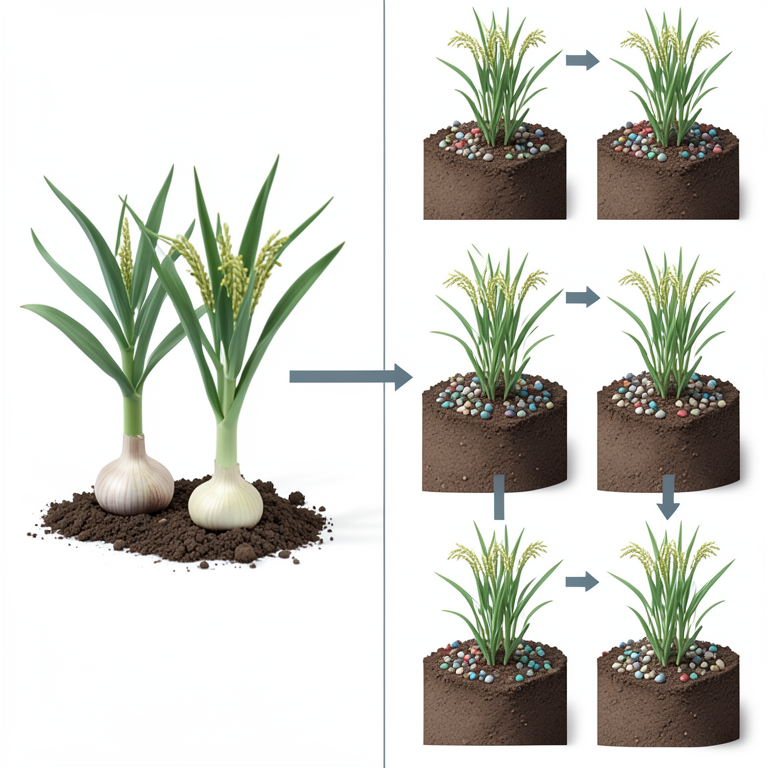
Fertilizer Treatment Matrix
AI-generated conceptual illustration (Garlic plants and B.Aman rice plants in soil). It explains the idea and does not show study data.
View source evidence ↗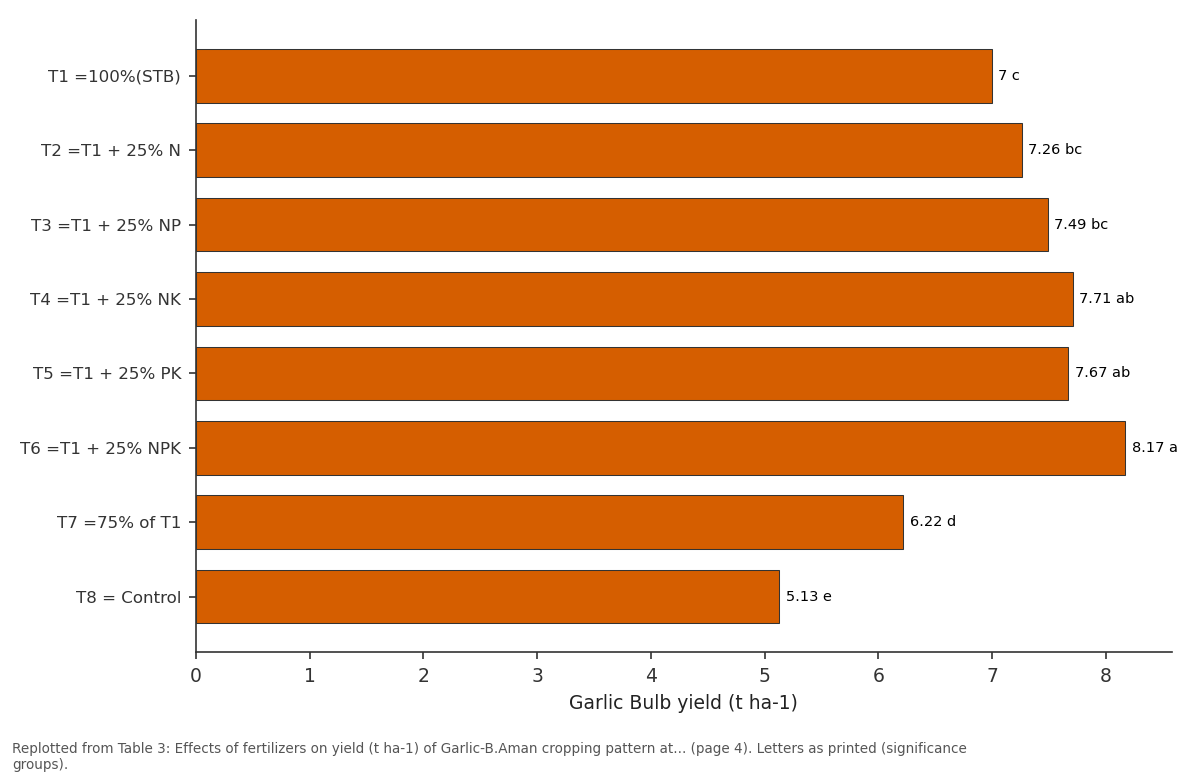
2017-18 / Garlic / Bulb: T1 =100%(STB) vs T2 =T1 + 25% N vs T3 =T1 + 25% NP vs T4 =T1 + 25% NK vs T5 =T1 + 25% PK
Replotted from Table 3 (page 4) of the original paper. Every bar is the paper's own table value.
View source evidence ↗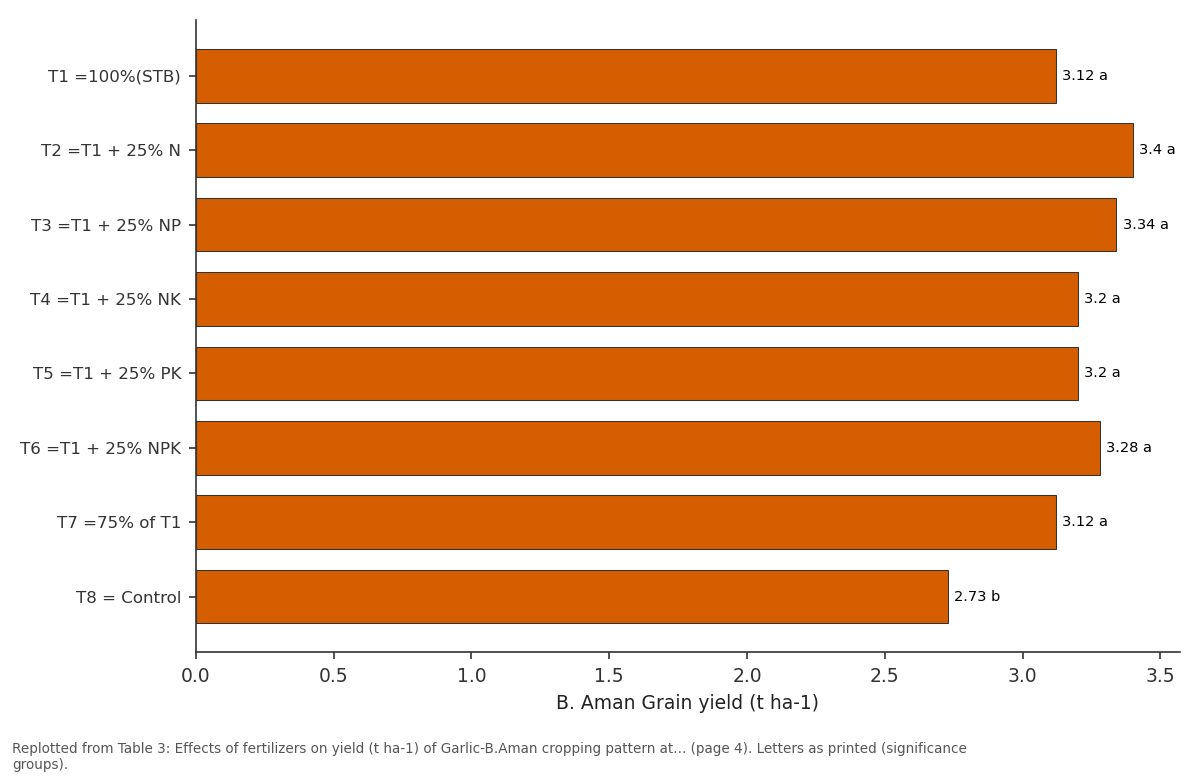
B. Aman / Grain: T1 =100%(STB) vs T2 =T1 + 25% N vs T3 =T1 + 25% NP vs T4 =T1 + 25% NK vs T5 =T1 + 25% PK
Replotted from Table 3 (page 4) of the original paper. Every bar is the paper's own table value.
View source evidence ↗Figures & tables
From the original paper Table 1
 Table 2
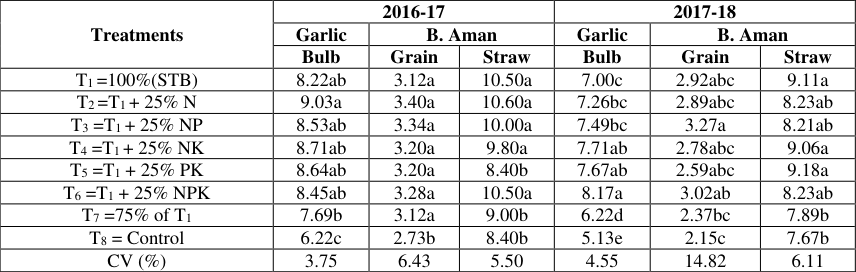 Table 3
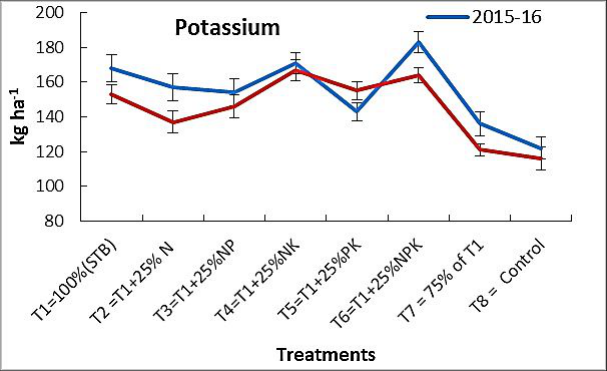 Figure 1
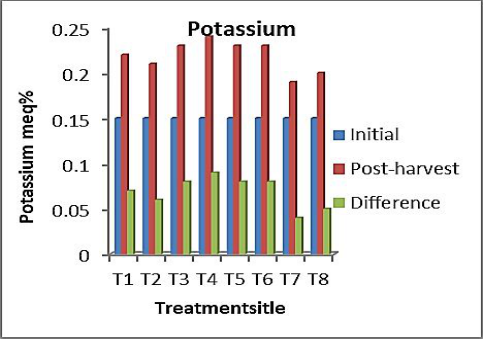 Figure 2
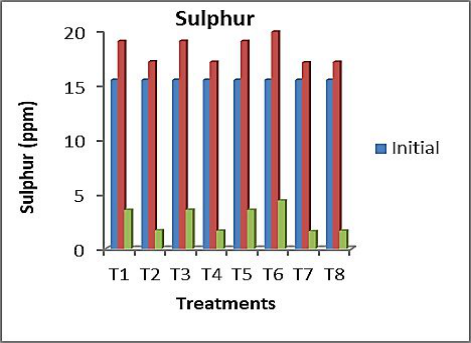 Figure 2
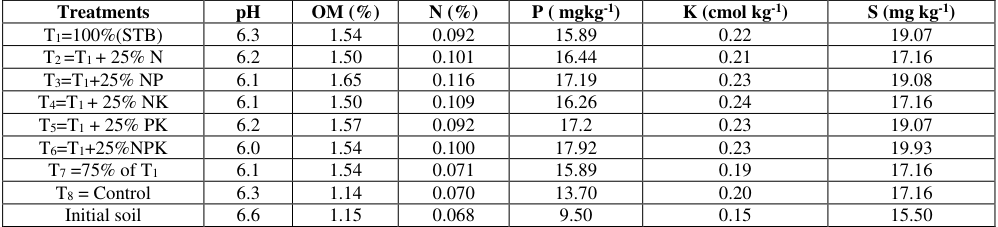 Table 4
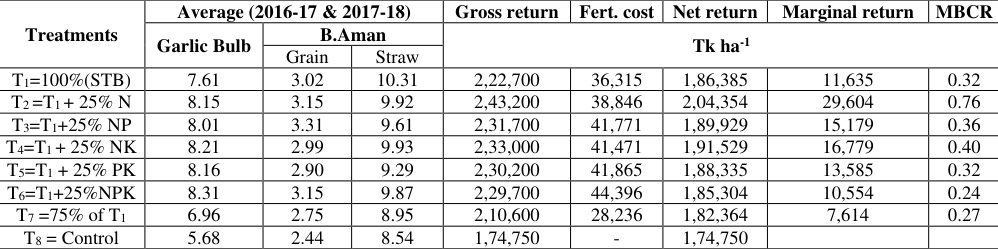 Table 5
Introduction
According to the FAO (2016) [14] , garlic (Allium sativum L.), is an aromatic herbaceous spice that belongs to the Alliaceae family. China and India have been using garlic for almost 5000 years and Egypt has been using it since 2000 B.C. The most significant allium crop worldwide is garlic (Allium sativum L.), with onions following in second (Allan, 2009) [3] . The most significant crop in the Allium family, garlic is ranked second globally only to onions (Voigt, 2004) [49] . Around the world, from temperate to subtropical regions, it is grown as a spice and medicinal plant (Kilgori, et al. 2007) [25] . The principal economic organ of garlic bulbs is their numerous cloves, which are primarily made up of inflated, bladeless storage leaves. One of the significant and extensively grown spice crops, it is used both medicinally and for food. It is well known for its ability to control and prevent a variety of conditions, including diabetes, headaches, cancer, ulcers, rheumatism, worms, germs, bacterial, and fungal infections, and heart problems (hypertension) (Kilgori et al. 2007) [25] . Most of the Bangladesh's population grows and consumes garlic during the Rabi season.
Primarily grown in Natore, Manikgonj, Faridpur, Jashore, Rajshahi, Dinajpur, Dhaka, Pabna, and Rangpur, garlic is grown throughout Bangladesh (BBS, 2018) [6] . In Bangladesh, 73652 hectares of land yielded over 485448 metric tons of garlic in 2019-20 (BBS, 2020) [7] . The growth and productivity of garlic are specifically influenced by the use of suitable nutrition management. A well-balanced fertilizer application can greatly increase bulb yield and it contributes directly to photosynthesis. Because there is little organic matter on most of Bangladesh's agricultural land, there is a nitrogen shortage. Inadequate and uneven nitrogen application lowers yields and releases a large amount of reactive nitrogen into the atmosphere (Cassman et al. 2002) [9] . According to Hossain (1997) [20] , nitrogen promoted bulb growth and development. Early root development and growth are facilitated by phosphorus.
Additionally, it increased water use efficiency and implicated cell growth and division (Diriba-Shiferaw et al. 2015) [10] . One component that is crucial for increasing garlic production is potassium (K). Applying the right amount of material at the right time is crucial to getting a good yield. The amount of K and all other nutrients needed increases with crop productivity (Mendez et al. 2001) [31] . Total bulb yield rose with higher K treatment levels (Sharma et al. 2003; Bybordi and Malakouti, 2003) [41,8] . About 60 million metric tons of clean rice will be needed to feed the world's anticipated 215.4 million people by the year 2050, according to Kabir et al. (2020) [23] . According to Singh et al. (2016) [42] , the world's rice demand is expected to rise by 25% between 2001 and 2025 in order to keep up with population growth. As a result, supplying the growing demand for rice in a sustainable manner is prevailed while managing the depletion of natural resources is a significant problem. Since rainy season rice requires less irrigation and has the advantage of greater nutrient availability, transplanted Aman (T. Aman) rice has the potential to increase rice production in Bangladesh. Because of this, high-yielding crop types do not produce consistent yields over an extended period of time. A severe and unbalanced rate of inorganic fertilizer reduces soil fertility and rice output by 38% (Singh et al. 2001) [45] . The recommendations for fertilizer based on the fertilizer reaction data of a single crop, without taking into account the influence of previous crops and soil test values, and the nutrient requirements of a particular crop. The fertilizers are most important input while appropriate dose is very crucial for agricultural production and nitrogen has the most impact on raising agricultural income and productivity among these. According to Zheng (2020) [53] , the average rate of nitrogen fertilizer application in paddy fields was almost 60% greater than the global average, and nitrogen fertilizer accounted for 37% of all fertilizer used for rice worldwide. Overuse of nitrogen fertilizer exacerbates pollution in the environment and soil deterioration (Guo, 2019; Yu et al. 2018) [17,50] . Although excessive nitrogen fertilization increases the rate of nitrogen fertilization of brown rice, milled rice, head rice, high viscosity, and breakdown values rise, it can help enhance the nutritional content and processing quality of rice (Bai, 2019; Li et al. 2019) [5,28] . Applying appropriate nitrogen fertilizer rates and selecting nitrogen-efficient garlic varieties are essential to maintaining or increasing crop production on low nitrogen fertilizer rate soils. In the Chalanbeel areas, the farmers practice zero or minimum tillage for production of garlic. Fertilizer recommendation for garlic to achieve higher production has not yet been properly made. In light of this, the current study has been designed to determine the ideal dosage of nitrogen, phosphorus, and potassium for the cropping system of garlic and B.Aman rice in Chalanbeel, Bangladesh. The research aims to establish the best rate of N, P, and K fertilizer for improved rice and garlic yields.
Materials and Methods
Materials and Methods
Location
The location of the experiment is in Boraigram, Natore's district. Due to the medium-low land type and inadequate drainage system exits, garlic and B.Aman rice are the most typical cropping patterns in the area. The region is flooded for three to four months of the year during the rainy season, which is the most significant circumstance.
Site and design
The studies were carried out at the Natore (AEZ-5) district's Chalanbeel area. Eight treatments for the crops (garlic and B.Aman) were used in the randomized complete block design (RCBD) studies, and each treatment was duplicated three times. A block was represented by each replication. Twenty-four (8×3) unit plots were present. The experiment's design was completed in compliance with the statistical design. The experiment's fertilizer treatments were in accordance with the treatments. At the last stage of land preparation, a full dose of P, K, S, Zn, and B fertilizers was applied, and urea was placed on top in two equal portions. Immediately following seeding, two equal portions of the urea fertilizer were applied: one half 10 days after seeding and the other half half thirty days later. When needed, irrigation and cross-cultural activities were carried out. T 1 was 100% NPK, T 2 was T 1 +25% N, T 3 was T 1 +25% NP, T 4 was T 1 +25% NK, T 5 was T 1 + 25% PK, T 6 was T 1 + 25% NPK, T 7 was 75% of T 1 , and T 8 was Control (Garlic: N 125 P 35 K 100 S 25 Zn 2 -B.Aman: N 30 P 8 K 10 S 6 ).
Crop managements
The climate in the experimental area is subtropical. While it has little rainfall, low humidity, low temperatures, and short days from October to March, it is distinguished by relatively heavy rainfall, high humidity, high temperatures, and a relatively long day period from April to September. The latter time frame is ideal for garlic growth. The study region is located in the Lower Atrai Basin's agro-ecological zone (AEZ#5) and is not salty. Without using any tillage techniques, the garlic bulb was planted straight into the field following the harvest of B.Aman rice and until the soil has retained a sufficient amount of moisture. Shortly after the garlic bulb is planted, the B.Aman rice straw is applied as mulch. The soil texture is silt loam under the Sonatala series of Inceptisols order. The overall soil fertility of the experimental field was low to medium. The bulk density of the initial soil was 1.33 g cm -3 , pH 6.6, organic C 1.16%, total N 0.068%, available phosphorus (P) 9.5 mg kg -1 , available sulfur (S) 15.5 mg kg -1 , and exchangeable potassium (K) 0.15 c-mol kg -1 soil.
Soil Analysis
The soil sample was analysis for soil texture, pH, organic matter, total N, exchangeable K available P, and S. Plant samples (Grain and straw) of B.aman rice were collected from the field experiment and were analyzed for NPKS content. Soil pH was measured with the help of a glass electrode pH meter, the soil-water ratio being 1:2.5 as described by Jackson (1962) [21] . Organic carbon content of soil was determined following wet oxidation method (Page et al. 1982) [35] . Total N content in soil was determined by Kjeldahl method. Available P content was extracted from soil with 0.5M NaHCO 3 solution at a pH 8.5 (Olsen et al. 1954) [34] . By extracting the soil using a 1M NH 4 OAc solution at pH 7.0 and then measuring the extractable K using a flame photometer, the exchangeable K content of the soil was ascertained (Page et al. 1982) [35] . As explained by Page et al. (1982) [35] , the soil sample was extracted using a CaCl 2 (0.15%) solution to determine the available S concentration. The extract's S concentration was ascertained turbid metrically, and the turbidity was measured using a spectrophotometer set to 420 nm.
Data Analysis
The F-statistics concept was used to conduct the analysis of variance for different crop characteristics, nutrient content, and absorption. The analysis of variance for various crop characters as well as for nutrient concentration and uptake were done following the principle of F-statistics. Mean comparisons of the treatments were adjudged by the Duncan's Multiple Range Test (Gomez and Gomez, 1984) [16] . In order to determine the best fertilizer combinations for minimum tillage garlic production, an experiment was carried out during the 2015 Rabi season in the Chalanbeel area of Natore (AEZ-5). Control is one of eight possible treatment combinations. Three replications of the experiment were set up in RCBD. During final land preparation, all fertilizers were applied, with the exception of urea. In a three-way split, Urea was the best dressed.
Intercultural activities and irrigation were carried out as needed.
Partial Budget Analysis
To determine the treatments' economic viability, economic analysis was done. We employed marginal and partial budget analysis. To account for the discrepancy between the experimental output and the yield that farmers anticipated from the same treatment, the average bulb yield was reduced by 10%. The official urea prices and the average open market price for garlic crops were used for the analysis.
Results
The nation's land resources have been under tremendous strain over the past few decades in order to provide the food, fiber, and fuel that its sizable population needs. In order to define soils for future land use planning, baseline data must be updated and adjusted in response to crop responses. Table 2 displays the findings of the baseline survey and evaluation of the physico-chemical characteristics of the soils in the research regions. The table displayed the basic soil characteristics of each experimental plot. The experimental plots' soils ranged from neutral in response to rather acidic. There was a range of 0.62 to 1.71 for organic matter and 0.06 to 0.22% for total nitrogen. There was a range of 3.02 to 28.0 mg kg -1 for available phosphorus and 7.8 to 24.6 mg kg -1 for available sulfur. Between 0.07 and 0.19 cmolkg -1 , the exchangeable potassium concentrations were found. With a pH value of 6.8 in the topmost layer and a neutral value in the middle and lower layers, the soil pH was found to be nearly neutral. The upper layer experiment site had a very low total nitrogen (TN) content of 0.179% (Table 2). Soil test based fertilizer effect with conservation practices Garlic: After the B.Aman rice was harvested and there was sufficient moisture left in the soil, the garlic bulb was planted straight into the field using zero tillage. The yield metrics varied significantly between the treatments. The treatments resulted in significantly varied garlic yields (Table 3). In the year 2016-17, the treatment T 2 (Soil test based fertilizer with 25% more nitrogen) produced the most garlic (9.03 t ha -1 ), which was statistically identical to all other treatments with the exception of T 7 and T 8 . Analysis of variance shows that the 25% additional nitrogen fertilizer rate has a substantial (p<0.05) impact on the garlic bulb weight of the crop (Table 3). Bulb dry weight was significantly increased by the main effect of nitrogen delivery as well as the interaction of other nutrients like P and K. Regarding the year 2017-18, the highest grain yield (8.17 t ha -1 ) was produced from treatment T 6 (25% extra NPK). The lowest yield was found from treatment T 8 at both the year.
| Treatments | 2016-17 | — | — | 2017-18 | — | — |
|---|---|---|---|---|---|---|
| Garlic | B. Aman | Garlic | B. Aman | |||
| Bulb | Grain | Straw | Bulb | Grain | Straw | |
| T1 =100%(STB) | 8.22ab | 3.12a | 10.50a | 7.00c | 2.92abc | 9.11a |
| T2 =T1 + 25% N | 9.03a | 3.40a | 10.60a | 7.26bc | 2.89abc | 8.23ab |
| T3 =T1 + 25% NP | 8.53ab | 3.34a | 10.00a | 7.49bc | 3.27a | 8.21ab |
| T4 =T1 + 25% NK | 8.71ab | 3.20a | 9.80a | 7.71ab | 2.78abc | 9.06a |
| T5 =T1 + 25% PK | 8.64ab | 3.20a | 8.40b | 7.67ab | 2.59abc | 9.18a |
| T6 =T1 + 25% NPK | 8.45ab | 3.28a | 10.50a | 8.17a | 3.02ab | 8.23ab |
| T7 =75% of T1 | 7.69b | 3.12a | 9.00b | 6.22d | 2.37bc | 7.89b |
| T8 = Control | 6.22c | 2.73b | 8.40b | 5.13e | 2.15c | 7.67b |
| CV (%) | 3.75 | 6.43 | 5.50 | 4.55 | 14.82 | 6.11 |
Table text extracted from the original PDF; superscript letters are shown inline. The original table image is below.
View original table image
| Depth (cm) | pH | — | OM (%) | — | N (%) | — | P (mg kg-1) | — | K (cmol kg-1) | — | S (mg kg-1) | — |
|---|---|---|---|---|---|---|---|---|---|---|---|---|
| Mean | Range | Mean | Range | Mean | Range | Mean | Range | Mean | Range | Mean | Range | |
| 0-15 | 6.8 | 6.4-7.0 | 1.45 | 1.11-1.71 | 0.179 | 0.14-0.22 | 19.37 | 12.0-28.0 | 0.133 | 0.10-0.18 | 17.91 | 9.8-24.6 |
| 16-30 | 7.0 | 6.8-7.1 | 0.94 | 1.0-1.60 | 0.123 | 0.11-0.15 | 19.64 | 15.9-26.8 | 0.144 | 0.12-0.17 | 16.31 | 12.5-20.8 |
| 31-45 | 7.2 | 6.2-7.6 | 0.93 | 0.62-1.25 | 0.088 | 0.06-0.13 | 4.96 | 3.02-7.05 | 0.157 | 0.07-0.21 | 8.54 | 7.8-11.7 |
Table text extracted from the original PDF; superscript letters are shown inline. The original table image is below.
View original table image
B.Aman
Because the Chalanbeel region has medium-low ground, flooding occurs throughout the Aman season, which is the wet season. Certain native rice types that are grown in certain places have the unique quality of growing longer when the water level rises. There are some differences between the treatments in terms of yield characteristics varied treatments resulted in significantly varied B. aman yields (Table 3). Although it was statistically identical with all other treatments except T 8 (Control), the best yield of B. aman was observed in treatment T 2 (Soil test based fertilizers with 25% more nitrogen). B.Aman rice straw yields varied similarly, with the exception that treatments T 5 and T 7 as well as T 8 had lower yields. In the subsequent year (2017-18), the entire pattern is being replicated. Table 3 also displays the outcome of the second garlic. This year's yield level was little lower, but the impact of the fertilizer was astounding. T 6 had the highest yield, which was the same as T 4 and T 5 , while T 8 had the lowest yield.
System productivity of garlic-B.Aman cropping pattern
Garlic production is the primary cash crop in that locality during the winter months. However, during the rainy season, indigenous rice varieties are grown, and the straw that is produced is used as mulch for the next garlic harvest to replenish the moisture in the soil. Because to the local conditions, there are no other cropping patterns. Nonetheless, the highest production was noted in areas with higher fertilizer application levels (Table 3). Treatment T 2 (Soil test based fertilizers with 25% additional nitrogen) generated the most garlic in the first year and treatment T 6 (Soil test based fertilizers with 25% additional NPK) produced the most garlic in the second year. Treatments T 2 (fertilizers based on soil tests with 25% more N) and T 3 (fertilizers based on soil tests with 25% more NP) had the maximum yields for B.Aman rice in the following two years, respectively. In both years, the control treatment had the lowest yield of B.Aman and garlic.
Soil test based fertilizer effect on nutrient uptake with conservation practices
Conservation agriculture restores degraded fields while preventing the loss of arable land. It encourages the diversity of plant species, little disturbance of the soil, and preservation of a permanent soil cover. The benefits of this technique are becoming more and clearer when the monsoon rice fields are harvested in low-lying rice growing areas, particularly at Chalanbeel locations, where the paddy soil retains enough moisture to create an optimal environment for garlic cultivation. In this area, farmers have always grown garlic using traditional methods. In Bangladesh, the conventional approach depends on tillage, which causes planting delays and lowers output. But zero tillage-a unique approach that focuses on better crop establishment techniques, soil, water, and nutrients is gradually replacing the conventional ways. It also aims to increase soil health and soil microbial activities, as well as overall agricultural sustainability.
Nutrient uptake
Different treatments had an impact on the uptake of nutrients (N, P, K, and S) by B.aman rice in Chalanbeel, Natore (Table 4). In 2016-17, treatments T 6 =(STB nutrients with an additional 25% N, P, and K applied) had the highest uptake of N, P, and K, while treatments T 1 , T 2 , T 3 , and T 4 had the highest uptake of S since S fertilizer was not added in excess. Treatments T 3 (STB nutrients with an additional 25% N and P administered) and T 4 (STB nutrients with an additional 25% N and K applied) showed the highest N uptake in 2017-18. Treatments T 1 , T 2 , T 4 , and T 5 had greater S uptake. Nutrient intake was decreased in the control plot (T 8 ).With regard to the average nutrient uptake over a twoyear period, T 6 had the highest uptake of N, P in T 1 , T 3 , T 4 , and T 6 , K in T 4 and T 6 , and S in T 4 . Changes in post-harvest soil status at Chalanbeel, Natore Table 4 shows the changes in soil pH, organic matter, and other nutrients brought on by fertilizer application in the garlic-B.aman cropping pattern over a two-year period. The pH of the soil seemed to be trending upwards. Conversely, there is an upward tendency in the modifications in the soil's organic matter, N, P, K, and S contents. In general, there was a tendency for the nutritional status to decline in comparison to the beginning value when there was no nutrient management (control treatment). When STB-based nutrient management was combined with additional nutrient management, the pH of the soil remained unchanged (Fig. 2). In garlic-B.Aman cropping sequences, a very slight (but not statistically significant) drop in soil pH was noted after two cycles in comparison to the starting value. With the exception of T 8 , SOM showed a growing trend as compared to the starting value. However, there was an upward trend in the total N content (%) of the garlic-B.Aman rice cropping pattern soil. The highest amount of N was deposited in T 3 (0.116) and T 4 (0.109) in comparison to the original total N (%). Nevertheless, over a two-year crop cycle, the total N content in the control plot remained constant (Table 4). After two crop cycles, the P was deposited in T 6 (17.92) and T 3 (17.19), with the control treatment having the lowest P (Fig. 2). Similarly, after two years of crop cycles, the K and S content in the garlic-B.Aman rice cropping pattern soil was deposited, with the exception of K and S in the control plot (Figure 2).
| Treatments | pH | OM (%) | N (%) | P ( mgkg-1) | K (cmol kg-1) | S (mg kg-1) |
|---|---|---|---|---|---|---|
| T1=100%(STB) | 6.3 | 1.54 | 0.092 | 15.89 | 0.22 | 19.07 |
| T2 =T1 + 25% N | 6.2 | 1.50 | 0.101 | 16.44 | 0.21 | 17.16 |
| T3=T1+25% NP | 6.1 | 1.65 | 0.116 | 17.19 | 0.23 | 19.08 |
| T4=T1 + 25% NK | 6.1 | 1.50 | 0.109 | 16.26 | 0.24 | 17.16 |
| T5=T1 + 25% PK | 6.2 | 1.57 | 0.092 | 17.2 | 0.23 | 19.07 |
| T6=T1+25%NPK | 6.0 | 1.54 | 0.100 | 17.92 | 0.23 | 19.93 |
| T7 =75% of T1 | 6.1 | 1.54 | 0.071 | 15.89 | 0.19 | 17.16 |
| T8 = Control | 6.3 | 1.14 | 0.070 | 13.70 | 0.20 | 17.16 |
| Initial soil | 6.6 | 1.15 | 0.068 | 9.50 | 0.15 | 15.50 |
Table text extracted from the original PDF; superscript letters are shown inline. The original table image is below.
View original table image
Economics of fertilizers use
The findings of the partial budget analysis of the Garlic-B.Aman rice at Chalanbeel, Natore (Table 5) showed that Tk ha -1 1,91,529 in T 4 (STB nutrients with extra 25% N and K was applied) was the highest net benefit, with Tk ha -1 2,04,354 obtained in T 2 (STB nutrients with extra 25% N applied). A second attempt has also been made to calculate the therapies' marginal benefit cost ratio (MBCR), which is displayed in Table 5. The treatment T 2 had the highest MBCR (0.76), while treatment T 4 had the lowest MBCR (0.40). For the purpose of maximizing productivity and providing an economically viable and profitable nutrient management strategy for the garlic-B.Aman rice cropping pattern in the Chalanbeel (AEZ-5) area of Bangladesh, N 125 P 35 K 100 S 25 Zn 2 B 1 for garlic and N 32 P 8 K 10 S 6 for B.Aman rice were recommended, based on the most profitable STB nutrients management (Table 5). ,750 Grain =20 Tk. kg -1 ; Straw =2 Tk. kg -1 ; Garlic=60 Tk. kg -1 ; N =45 Tk. kg -1 ; P =150 Tk. kg -1 ; K =50 Tk. kg -1 ; S =55 Tk. kg -1 and Zn =102 Tk. kg -1 , MBCR =Marginal benefit cost ratio.
| Treatments | Average (2016-17 & 2017-18) | — | — | Gross return | Fert. cost | Net return | Marginal return | MBCR |
|---|---|---|---|---|---|---|---|---|
| Garlic Bulb | B.Aman | Tk ha-1 | ||||||
| Grain | Straw | |||||||
| T1=100%(STB) | 7.61 | 3.02 | 10.31 | 2,22,700 | 36,315 | 1,86,385 | 11,635 | 0.32 |
| T2 =T1 + 25% N | 8.15 | 3.15 | 9.92 | 2,43,200 | 38,846 | 2,04,354 | 29,604 | 0.76 |
| T3=T1+25% NP | 8.01 | 3.31 | 9.61 | 2,31,700 | 41,771 | 1,89,929 | 15,179 | 0.36 |
| T4=T1 + 25% NK | 8.21 | 2.99 | 9.93 | 2,33,000 | 41,471 | 1,91,529 | 16,779 | 0.40 |
| T5=T1 + 25% PK | 8.16 | 2.90 | 9.29 | 2,30,200 | 41,865 | 1,88,335 | 13,585 | 0.32 |
| T6=T1+25%NPK | 8.31 | 3.15 | 9.87 | 2,29,700 | 44,396 | 1,85,304 | 10,554 | 0.24 |
| T7 =75% of T1 | 6.96 | 2.75 | 8.95 | 2,10,600 | 28,236 | 1,82,364 | 7,614 | 0.27 |
| T8 = Control | 5.68 | 2.44 | 8.54 | 1,74,750 | - | 1,74,750 |
Table text extracted from the original PDF; superscript letters are shown inline. The original table image is below.
View original table image
Discussions
The experiment site's soil pH was found to be neutral. FRG-2024 classifies pH values as follows: >8.5 strongly alkaline, 4.6-5.5 very acidic, 5.6-6.5 moderately acidic, 6.6-7.3 neutral, 7.4-8.4 moderately alkaline, and <4.5 strongly acidic. The pH of the soil was determined to be between 5.0 and 7.5, which is within the range that is appropriate for crop development. This means that the study's pH level is favorable for both rice cultivation for B.Aman and the production of garlic. The experimental soil had a total nitrogen (TN) content of 0.07% (Table 1). The findings demonstrated that N is a component that limits crop development. The available phosphorus in the soil was classified as low (9.5 ppm) (Table 1). The most potassium is found is 0.15 which is medium that the content is suitable for crop growth.
Zero tillage Positive Impact on Soil Health
The benefits of zero tillage for soil health are among its main selling points. It has been demonstrated that growing garlic without tillage enhances soil health in addition to yields, reduces production costs and irrigation water input, adapts to climate unpredictability, and increases revenue and sustainability. In general, the retention of straw mulch under zero tillage techniques promotes microbial activity, soil organic carbon and other nutrients, and soil water retention. The zero tillage method's sustainability emphasizes even more how important it is for preserving soil health and nutrient balance. In several cultures, garlic (Allium sativum L.) has gained recognition as a preventive and curative medicinal herb. Throughout history, garlic has been used for both culinary and medical purposes. By promoting growth and reproduction as well as enzymatic activities, chlorophyll formation, and assimilation in meristematic tissue, the N fertilizer increases the reproductive potential of plants. This may have been a significant factor in the overall growth of the plants, which encourages growth and development and produces a high plant yield (El-Shafie et al. 2002) [12] . The study's results corroborate those of Abou El-Magd et al. (2012) [1] , who showed a considerable increase in garlic canopy dry matter yield with increasing N treatment. This study also corroborated the findings of Zaman et al. (2011) [51] , who found that increasing the rate of nitrogen delivery enhanced the yield of garlic bulbs. The main impacts of nitrogen rate and administration significantly increased dry weight and bulb breadth (Table 4). This is due to the fact that nitrogen increases the production of chlorophyll and enzymatic activity, which leads to a larger garlic bulb. Research by Farooqui et al. (2009) [15] and Nori et al. (2012) [33] also revealed comparable effects. The crop's bulb weight of garlic was significantly (p<0.05) influenced by the interaction between the nitrogen fertilizer rate and crop (Table 4). Garlic yield [36] and Zaman et al. (2011) [51] . Treatment T 2 , which included an additional 25% N in STB nutrients, yielded the highest yield. Similar findings regarding clove weight were reported by Singh et al. (2015) [43] and Sevak et al. (2012) [40] .
The potassium application increased leaf numbers and each plant received enough K nutrients during this plant growth, which contributed to an increase in the fresh weight of each bulb resulted higher bulb yield (Talukder, 1998 [47] and El-Bassiony, 2006 [11] ). The garlic highest production in this study was obtained from treatments T 2 (Soil test based fertilizers with 25% additional N) and followed by T 6 (Soil test based fertilizers with 25% additional N, P and K). Plant growth and development were aided by the optimal K nutrition, which came from chemical sources, resulting in bigger bulbs. Larger bulbs were also discovered by Hossain (1997) [20] , Talukder (1998) [47] , and El-Bassiony (2006) [11] as a result of elevated K levels. [46] . Nitrogen fertilizer plays a critical role in rice agriculture in terms of both output and quality. To increase production, a number of experts are investigating rice types with high biological yields. It should be highlighted, nonetheless, that more nitrogen fertilizer has an impact on plant growth as well (Lv et al. 2017; Li et al. 2019) [30,28] . Nitrogen may also raise rice canopies and the leaf area index in later stages of development. [27] , and yield rise with increased nitrogen treatment within a specific range (Zhang et al. 2019) [52] . The changes in the cropping system from RG to RF could markedly increase SOC stocks, improve N utilization, reduce soil N surplus, and thus reduce the risk of N loss in the paddy soil. Overall, this study showed the potential of paddy agro-ecological systems to store C and maintain N stocks in the temperate regions. When administered in conjunction with potassium and nitrogen, phosphorus has a beneficial effect on grain and straw. When P is added in addition, the treatments T [2,4,18] . Rice grows and yields more when N, P, and K are applied together (Khatun et al. 2023) [24] . Regarding the contribution of K, which favorably affects all the rice plant yield contributing characteristics, may be the cause of the greater K dose (Saha et al. 2011) [38] . Naher et al. (2011) [32] found that on the clay-loam soil of the BRRI farm Gazipur, potassium fertilizer responded up to 80 kg K ha -1 . According to Fageria and Baligar (2001), lowland rice grain yield rose dramatically and quadratically as shoot dry weight increased. Hasegawa (2003) [37, 44] . The yield of B.Aman rice when inorganic fertilizer doses are based on soil tests and 25% more N, P, and K fertilization is applied. According to the findings, a more steady fertilization may make this increased yield rise possible (Kumer and Singh, 2009) [26] . The higher synthetic fertilizer c treated plots based on soil tests consistently accumulated greater nitrogen uptake by BRRI dhan75 grain. This result is consistent with Timsina et al. (2006) [48] , who found that fertilizer management based on soil test-based (STB) results in consistently and significantly higher N uptake. Grain in treatment T 6 (soil test-based fertilizers with 25% extra N, P, and K) absorbed the most phosphorus, with higher P fertilizer and higher N and K fertilizer in both seasons. Grain in treatment T 6 that received greater potassium fertilizer in both seasons showed a better absorption of potassium. The increased yield this treatment obtained could be the cause of the increased K intake and similar findings are also given by Sathish et al.
B.Aman rice
B.Aman rice
Conclusion
Fertilizer dosage recommendations based on soil tests ought to be made in order to boost agricultural yield while lowering input costs and improving the environment. According to soil test results and economic viability for the garlic-B.Aman rice cropping pattern in Bangladesh's Chalanbeel areas (AEZ-5 soil), the proper fertilizer doses for the garlic B.aman rice in those places are N 125 P 43 K 125 S 32 Zn 2 B 1 and B.Aman N 32 P 10 K 13 S 8 Zn 1 . Restoring optimum growth and moisture retention is aided by the zero tillage. The study demonstrates that, in all two cropping sequences, soil test-based inorganic fertilizer treated plots consistently absorbed higher concentrations of nitrogen, phosphorus, and potassium in grain and straw of the following rice crop than did sole application of N-based organic fertilizer treated plots. The application of inorganic fertilizer by B.Aman rice grain utilizing the soil test-based method resulted in a considerable increase in N uptake.
Figures and tables from the paper
References
53 in the original paper- El-Magd AESM, Shehata T. A comparative study on the productivity of four Egyptian garlic cultivars grown under various organic materials in comparison to conventional chemical fertilizer. Aust J Basic Appl Sci. 2012;6(3):415-21.
- Alam MM, Hasanuzzaman M, Nahar K. Growth pattern of three high yielding rice varieties under different phosphorus levels. Adv Biol Res. 2009;3(3-4):110-6.
- Allen J. Garlic production. Factsheet, order no. 97-007 [Internet]. Ontario: OMAFRA; 2009 [cited 2025 Aug 21]. Available from: www.omafra.gov.on.ca/english/crops/facts/09011w.htm
- Amin M, Khan A, Khan EA, Ramzan M. Effect of increased plant density and fertilizer dose on the yield of rice variety Ir-6. J Sci Res. 2004;15(1):9-16.
- Bai ZG. Effects of nitrogen fertilizer operation on nitrogen metabolism of rice and nitrogen utilization rate in rice field [Ph.D. Thesis]. Guangzhou: Chinese Academy of Agricultural Sciences; 2019.
- Bangladesh Bureau of Statistics. Statistical Pocket Book Bangladesh 2018. Dhaka: Ministry of Planning, Government of the People's Republic of Bangladesh; 2019, p.148.
- Bangladesh Bureau of Statistics. Yearbook of Agricultural Statistics 2020 (32 nd Series). Dhaka: Ministry of Planning, Government of the People's Republic of Bangladesh; 2021, p. 329.
- Bybordi A, Malakouti MJ. The effect of various rates of potassium, zinc and copper on the yield and quality of onion under saline conditions in two major onion growing regions of East Azarbayjan. Agric Sci Technol. 2003;17:43-52.
- Cassman K, Dobermann A, Walters D. Agroecosystems, nitrogen use efficiency and nitrogen management. Ambio. 2002;31(2):132-40.
- Diriba-Shiferaw G, Nigussie-Dechassa R, Woldetsadik K, Abor G, Sharma JJ. Effect of nitrogen, phosphorus, and sulphur fertilizers on growth yield, and economic returns of garlic (Allium sativum L.). Sci Technol Arts Res J. 2015;4(2):10-22.
- El-Bassiony AM. Effect of potassium fertilization on growth, yield and quality of onion plants. J Appl Sci Res. 2006;2(10):780-5.
- El-Shafie F, El-Gamaily E. Effect of organic manure, sulfur and microelements on growth, bulb yield, storability and chemical composition of onion plants. Minufiya J Agric Res. 2002;27:407-24.
- Fageria NK, Baligar VC. Lowland rice response to nitrogen fertilization. Commun Soil Sci Plant Anal. 2001;32:1405-29.
- Food and Agriculture Organization. Production Year Book. Rome: FAO; 2016 [Cited 2025 Aug 21].
- Farooqui M, Naruka I, Rathore S, Singh P, Shaktawat R. Effect of nitrogen and sulphur levels on growth and yield of garlic (Allium sativum L.). Asian J Food AgroInd. 2009;:19-23.
- Gomez KA, Gomez AA. Statistical procedures for agricultural research. 2 nd Ed. New York: John Wiley & Sons; 1984, p. 139-240.
- Guo CY. Study on fertilization status and optimization of nitrogen fertilizer in peach main producing areas in China [Master's Thesis]. Chongqing: Southwest University; 2019.
- Hasanuzzaman M, Ahamed KU, Nahar K, Akhter H. Plant growth pattern, tiller dynamics and dry matter accumulation of wetland rice (Oryza sativa L.) as influenced by application of different manures. Nature Sci. 2010;8(4).
- Hasegawa H. High yielding rice cultivars perform best even at reduced nitrogen fertilizer rate. Crop Sci. 2003;43:921-6.
- Hossain MM. Effect of different levels of nitrogen and potash on the growth and yield of garlic [MS thesis]. Mymensingh: Dept. of Horticulture, Bangladesh Agricultural University; 1997.
- Jackson ML. Soil chemical analysis. New York: Prentice Hall; 1962.
- Jahan N, Islam MR, Siddique AB, Islam MR, Hassan MM, Shamsuzzaman SM, et al. Effects of integrated use of prilled urea, urea super granule and poultry manure on yield of transplant aus rice and field water quality. Life Sci J. 2014;11:101-8.
- Kabir MS, Salam MU, Islam AKMS, Sarkar MAR, Mamun MAA, Rahman MC. Doubling rice productivity in Bangladesh: A way to achieving SDG2 and moving forward. Bangladesh Rice J. 2020;24(2):1-47.
- Khatun R, Sarkar MAR, Kabiraj MS, Sarkar SK, Rashid MH, Pau SK. Influence of nitrogen and phosphorus on the growth and yield of fine aromatic rice (cv. Binadhan-13). J Agrofor Environ. 2020;16(1):96-103. doi:10.55706/jae1612
- Kilgori M, Magaji M, Yakubu A. Productivity of two garlic (Allium sativum L.) cultivars as affected by different levels of nitrogenous and phosphorous fertilizers in Sokoto, Nigeria. Am Eurasian J Agric Environ Sci. 2007;2(2):158-68.
- Kumar S, Singh M, editors. 25 years of pulses research at IIPR, 1984-2009. Kanpur: Indian Institute of Pulses Research; 2009, p. 68-69.
- Li H, Huang Q, Chen C, Liu G, Wu Z, Luo Q, et al. Effects of density and nitrogen fertilizer rate on yield, appearance and processing quality of high quality rice Guiyu 8. Southwest China J Agric Sci. 2020;33:718-24.
- Li S, Pu S, Deng F, Wang L, Hu H, Liao S, et al. Influence of optimized nitrogen management on the quality of medium hybrid rice under different ecological conditions. Chin J Eco-Agric. 2019;27:104252.
- Li X, Liu ZZ, Ji WW. Effects of nitrogen application on osmotic regulators in leaves of different plant types of rice. Jiangsu Agric Sci. 2019;47:117-21.
- Lv XH, Fu LD, Song YT, Chen WF. Effects of nitrogen application on nitrogen metabolism and related physiological characteristics of leaves of rice of different plant types. Jiangsu Agric Sci. 2017;45:62-5.
- Mendez F, Castellanos JZ, Ojodeagua JL, Reyes SV, Badillo V, Vargas P, et al. Phosphorus requirements by garlic under fertigation. Better Crops Int. 2001;15(2):21-23.
- Naher UA, Saleque MA, Panhwar QA, Radziah O, Jusop S. Techniques of efficient fertilizer management for wetland rice: A review. Aust J Crop Sci. 2011;5:1661-9.
- Nori M, Bayat F, Esmaeili A. Changes of vegetative growth indices and yield of garlic (Allium sativum L.) in different sources and levels of nitrogen fertilizer. Int J Agric Crop Sci. 2012;4(18):1394-400.
- Olsen SR, Calc CV, Watanabe FS, Dean IA. Estimation of available phosphorus in soil by extraction with sodium bicarbonate. USDA Circular. 1954;939.
- Page AL, Miller RH, Keency DR. Methods of soil analysis. Part 2: Chemical and microbiological properties. Madison (WI): American Society of Agronomy; 1982.
- Panse R, Jain P, Gupta A, Singh D. Morphological variability and character association in diverse collection of garlic germplasm. Afr J Agric Res. 2013;8(23):2861-9. DOI: 10.5897/AJAR12.551
- Quddus MA, Naser HM, Hossain MA, Hossain MA. Effect of zinc and boron on yield and yield contributing characters of lentil in low Ganges river floodplain soil International Journal of Agriculture and Food Science https://www.agriculturaljournals.com at Madaripur, Bangladesh. Bangladesh J Agric Res. 2014;39(4):591-603.
- Saha PK, Akter M, Miah MAM, Zaman SK. Effects of organic and inorganic sources of K on rice yield and soil K balance in the rice-rice cropping system. Bangladesh J Agric Res. 2011;36:305-11.
- Sathish A, Gowda GV, Chandrappa H, Nagaraja K. Long-term effect of integrated use of organic and inorganic fertilizers on productivity, soil fertility and uptake of nutrients in rice-maize cropping system. Int J Sci Nat. 2011;2(1):84-88.
- Sevak K, Patel NM, Bhadhauria HS, Wankhade VR. Effect of integrated nutrient management on growth and yield of garlic (Allium sativum L.). Adv Res J Crop Improv. 2012;3(2):164-6.
- Sharma RP, Datt N, Sharma PK. Combined application of nitrogen, phosphorus, potassium and farmyard manure in onion (Allium cepa L.) under high hills, dry temperate conditions of north-western Himalayas. Indian Agric Sci. 2003;73:225-7.
- Singh VP, Singh SP, Dhyani VC, Banga A, Kumar A, Satyawali K, et al. Weed management in direct seeded rice. Indian J Weed Sci. 2016;48(3):233-46.
- Singh D, Nainwal RC, Katiyar RS, Tewari SK. Integrated nutrient management on growth and yield of garlic under sodic wasteland Indian J Hortic. 2015;72(3):434-7.
- Singh AK, Singh PK, Manoj K, Bordoloi LJ, Jha AK. Nutrient management for improving mungbean (Vigna radiata L. Wilczek) productivity in acidic soil of northeast India. Indian J Hill Farm. 2014;27(1):62-71.
- Singh GR, Chaure NK, Parihar SS. Organic farming for sustainable agriculture. Indian Farming. 2001;52:12-7.
- Sultana A, Salim M, Kader MA, Akter MB, Kamruzzaman M, Hoque MI. Effect of nutrient management on growth and yield of rice. Int J Plant Soil Sci. 2019;27(4):1-8. DOI: 10.9734/ijpss/2019/v27i430084
- Talukder AF. Effects of different levels of nitrogen and potassium on the growth and yield of garlic planted in different dates [MS Thesis]. Mymensingh: Dept. of Horticulture, BAU; 1998.
- Timsina J, Panaullah GM, Saleque M, Ishaque M, Pathan ABMBU, Quayyum MA. Nutrient uptake and apparent balances for rice-wheat sequences. J Plant Nutr. 2006;29:137-55.
- Voigt C. Glorious garlic herb of the year. J Int Herb; 2004, p. 1-6.
- Yu WJ, Li XS, Chen ZJ, Zhou JB. Effects of nitrogen fertilizer application on carbon dioxide emissions from soils with different inorganic carbon contents. Chin J Appl Ecol. 2018;29:2493-500.
- Zaman M, Hashem M, Jahiruddin M, Rahim M. Effect of nitrogen for yield maximization of garlic in Old Brahmaputra flood plain soil. Bangladesh J Agric Res. 2011;36(2):357-67.
- Zhang GL, Zhao R, Liu YT, Yao FW, Tang WB. Effect of different amount of nitrogen on the yield and the quality of high quality rice and its nitrogen utilization efficiency. J Hunan Agric Univ (Nat Sci). 2019;45:2316.
- Zheng Y. Effects of mixed controlled release nitrogen fertilizer with rice straw biochar on rice yield and nitrogen balance in northeast China. Sci Rep. 2020;10:9452.